
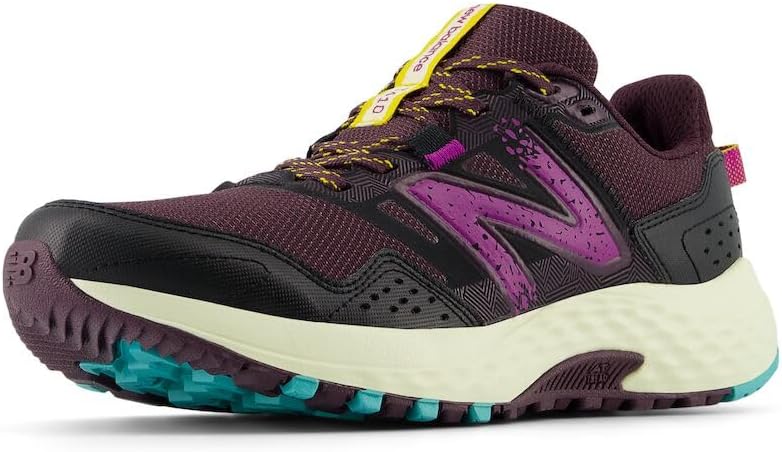
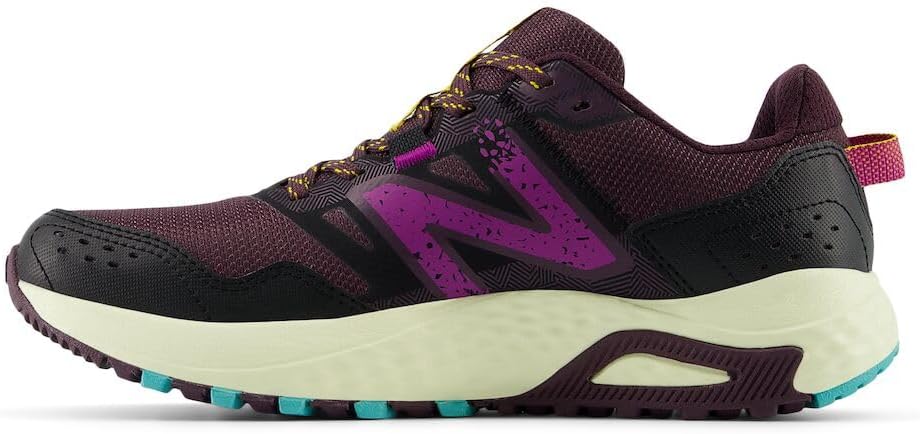
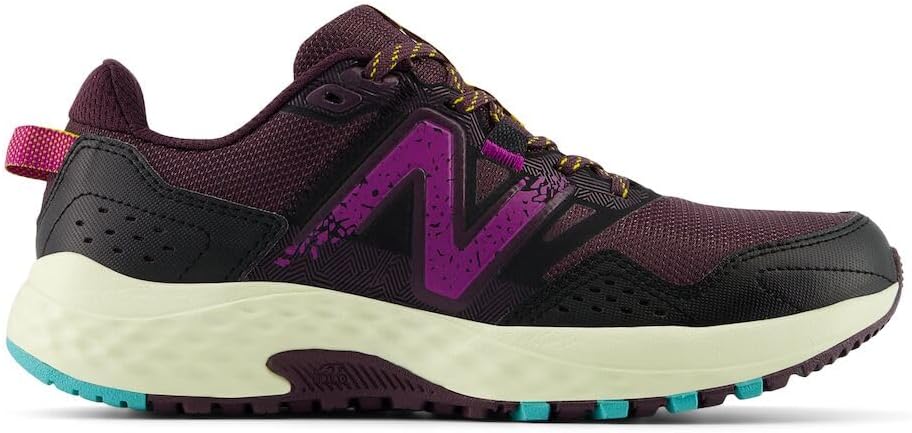
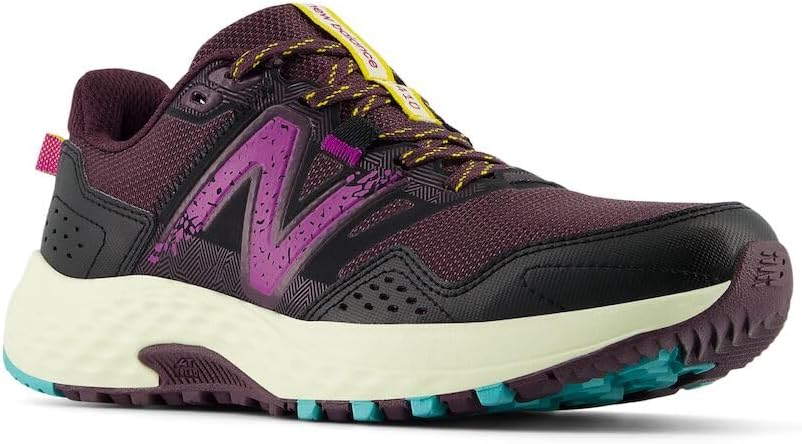
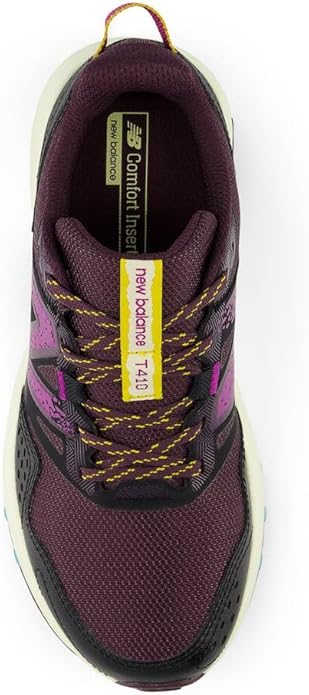
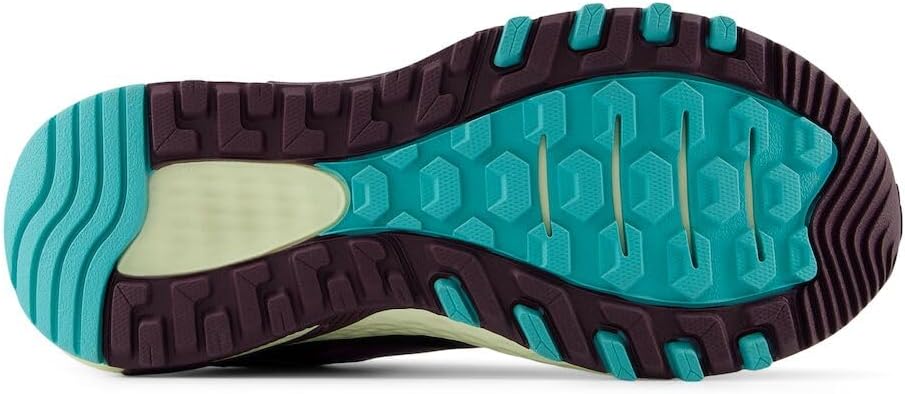
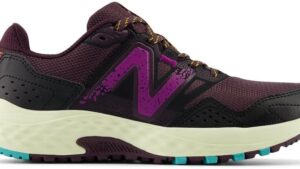
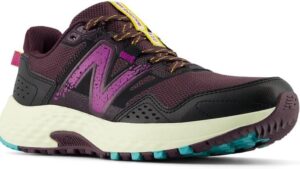
New Balance Women’s 410v8 Trail Running Shoes
$114.16
- ⚖️ Weight: 8.2 oz (women’s size 8)
- 🧪 Midsole: BIO Foam — New Balance’s eco-conscious EVA-based compound
- 👟 Upper: 100% Synthetic mesh with structural overlays
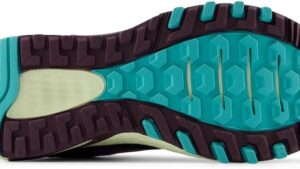
- 🦶 Outsole: AT Tread rubber — designed for on/off-road versatility
- 🏃♀️ Category: Light trail / Multi-terrain
My mornings look chaotic from the outside — power walk by 6:30am, school drop-off by 8, grocery run by 10, and if it’s a weekend, I’m meeting my hiking group by 7. I needed one shoe that could handle all of that without requiring a bag change or a wardrobe rethink. When I spotted the New Balance Women’s 410 V8 at $70 promising trail capability alongside everyday comfort, I was genuinely curious — but also prepared to be disappointed. Budget trail shoes usually mean compromises. After eight weeks of putting these through everything my schedule threw at them, I have a clear picture of exactly where they shine and where the limitations actually live.
Fit First — Because Everything Else Depends on It
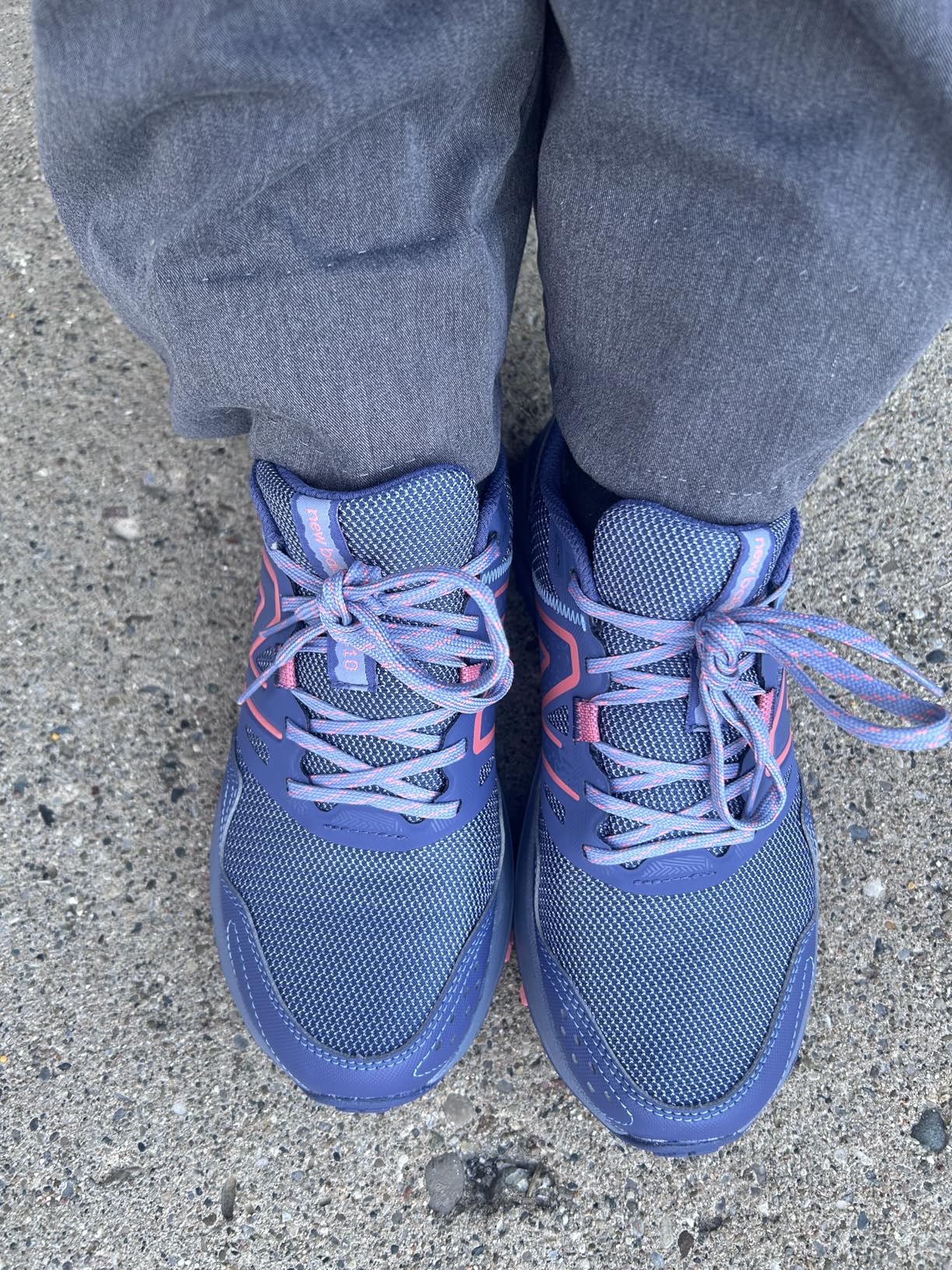
Getting the size right on this shoe matters more than almost any other decision you’ll make. I say that because the fit experience caught me off guard. In essentially every other New Balance model I’ve worn — including the Fresh Foam Roav V1 and the 574 — I’m a true size 8. With the 410 V8, that size 8 felt snug. Not painfully tight, but definitely closer to my foot than I expected. After reading through dozens of women’s reviews and comparing notes with a few people in my hiking group, the pattern was consistent: about 60% of us find that sizing up half a size makes a meaningful difference for extended wear.
Here’s the thing with synthetic mesh uppers — they don’t break in the way leather or textile does. What’s snug on day one is snug on day 60. There’s no gradual softening, no “they’ll stretch out.” So the sizing decision carries more weight here than it would with a traditional fabric upper.
The fit matrix I worked out from testing and community feedback:
| Foot Type | Recommendation | Why |
|---|---|---|
| Standard width | Size up 0.5 | Safer for 4+ hour wear, especially with thicker socks |
| Wide feet | Size up 1.0 or seek wide variant | Synthetic upper doesn’t accommodate width expansion |
| Narrow feet | True to size likely fine | Snug base fit becomes secure; experienced runners with narrow feet report zero issues |
| Custom insoles | Size up 0.5–1.0 before adding | Insole thickness compresses into a snug upper with no room to spare |
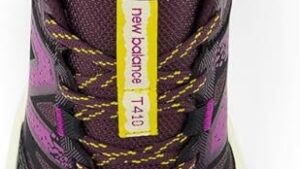
One quirk worth knowing: the tongue migrates. Not dramatically, but during more active use — actual hiking, faster walking — I’d notice it had drifted half an inch to one side. A quick adjustment sorted it, but it’s the kind of thing that gets annoying after the fifth time in a session.
The heel cup, ankle collar, and midfoot overlays all feel secure once you’re laced up. No slippage at the heel even in the half-size-up fit. That’s actually the part New Balance nailed — the heel lockdown is confident without being rigid.
BIO Foam: What the Marketing Doesn’t Tell You
New Balance describes BIO Foam as their eco-conscious cushioning platform — a plant-based alternative to standard petroleum EVA that reduces the carbon footprint of the midsole. The performance positioning is “soft and comfortable underfoot” without sacrificing responsiveness.
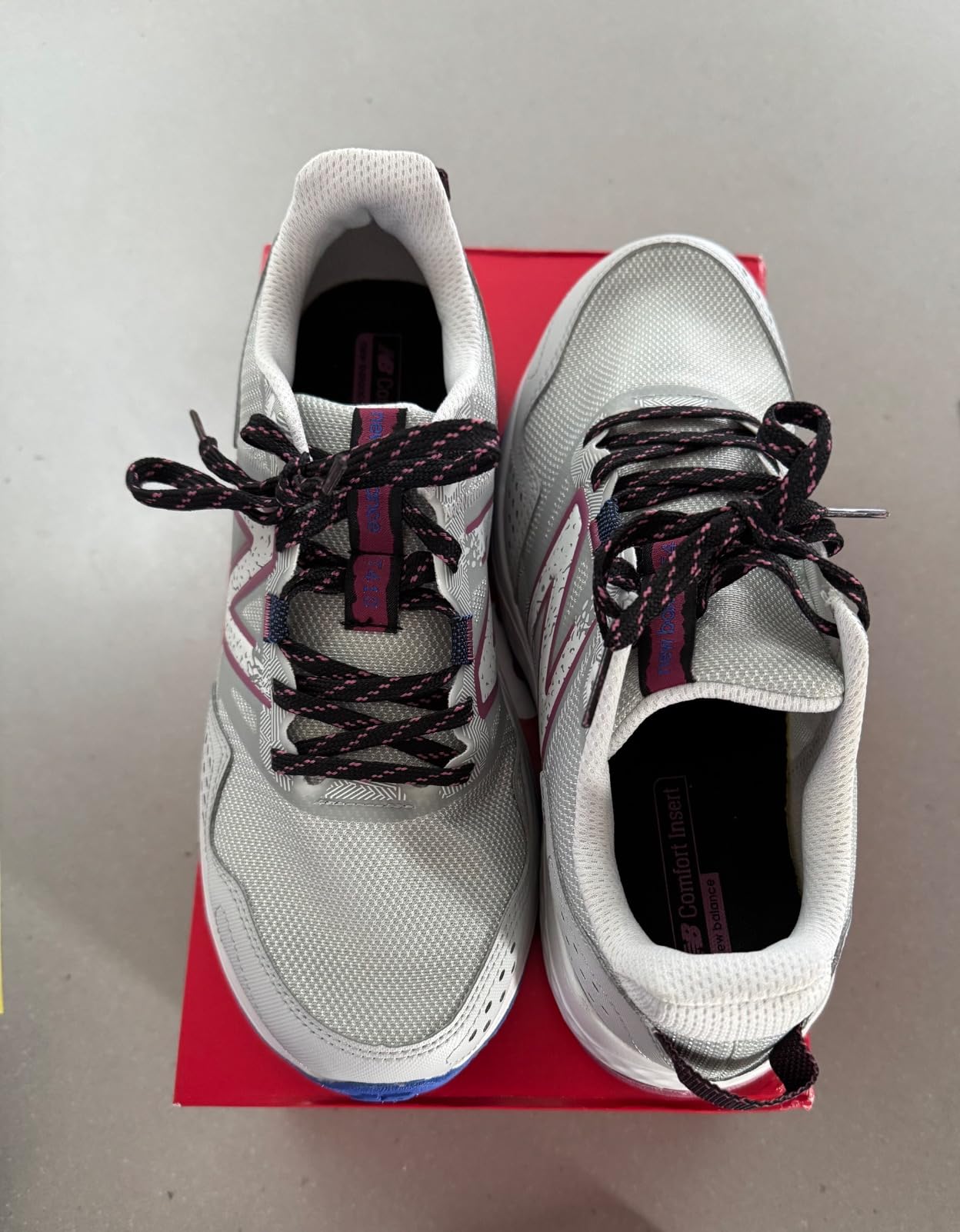
In practice, what I noticed was that BIO Foam sits in a middle zone most midsoles avoid. It’s not the springy responsiveness of Fresh Foam and it’s definitely not the firm ground-contact feel of a dedicated trail runner. It’s cushioned but grounded — you feel what’s underfoot without getting beat up by it.
The “not walking on marshmallows” aspect matters more than it sounds. Extremely soft midsoles create their own kind of fatigue over long periods — your stabilizing muscles work harder on an unstable, pillowy platform. The BIO Foam firmness means those muscles stay comfortable over 4–6 hour stretches in a way that some more heavily cushioned shoes don’t provide.
Eight weeks in, the midsole showed minimal visible compression. I tested this by pressing my thumb into the foam at various points and comparing the resistance from week 1 to week 8 — no meaningful change. That’s a positive long-term indicator, though I’d want a full 6-month dataset before making durability claims with confidence.
For the running use case: BIO Foam performs adequately for light jogging and tempo walks. It starts showing its limits somewhere around the 4–5 mile mark for women over 150 lbs who are actually running — the cushioning stack isn’t deep enough to absorb sustained impact the way a dedicated road runner’s midsole is engineered to do.
AT Tread Outsole — Real-World Performance Breakdown
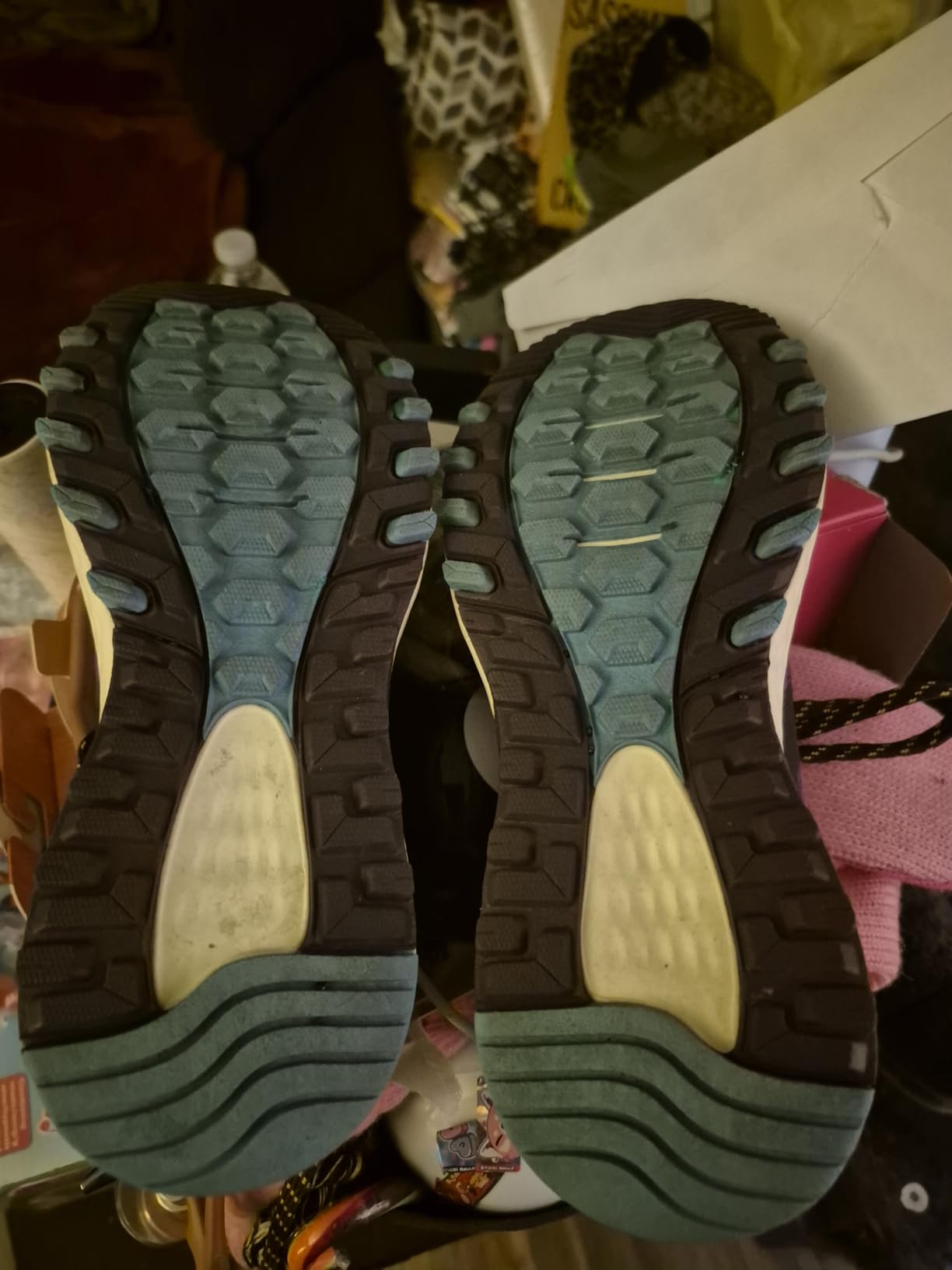
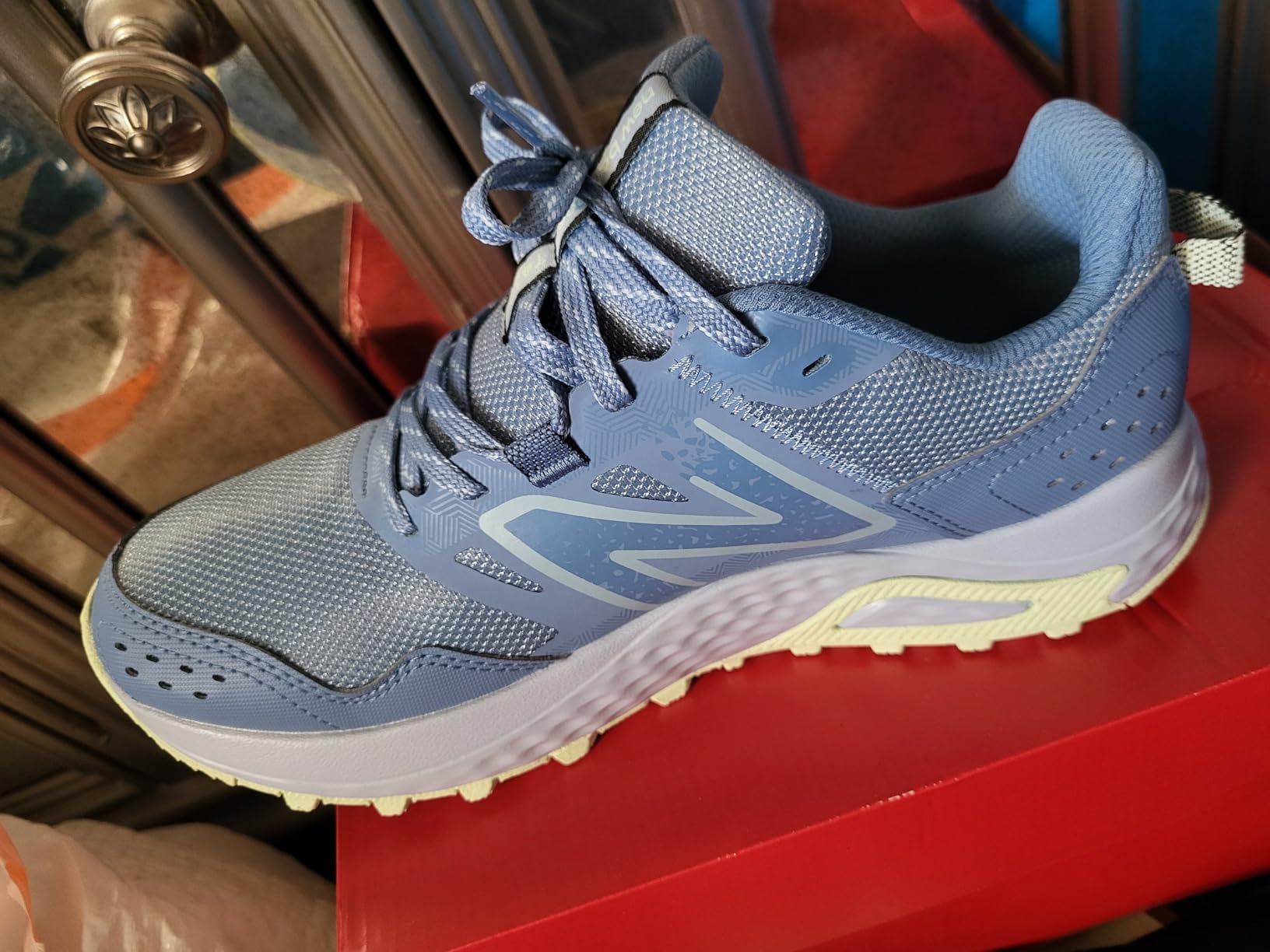
The AT Tread outsole is what defines the shoe’s versatility claim. AT stands for All-Terrain, and the rubber compound and lug pattern are designed to work reasonably across both paved surfaces and light dirt paths. Here’s how it actually performed across the scenarios I tested:
Packed dirt trails: Solid. I hiked about 25 miles of established park trails over the 8 weeks and never felt unstable or like the shoe was fighting the terrain. The lugs bite into soft packed dirt well.
Dry pavement / sidewalks: No complaints. This is where the versatility pays off — after a trail session, I could walk into a coffee shop, then a grocery store, without the awkward clomping you get from aggressive trail lugs.
Wet pavement: Adequate but not confident. On painted crosswalk markings and polished tile entryways, there’s a noticeable reduction in grip. I didn’t fall, but I slowed my pace on slick surfaces. Not a rain shoe.
Light gravel: Good. The tread pattern handles loose gravel comfortably. On larger rocks, there’s some mild rolling sensation — the lugs aren’t aggressive enough to lock between stones, but it’s manageable.
Mud: Passable for light mud. Deep or sticky mud would overwhelm the tread — the lugs are moderate depth and don’t self-clear well under real muddy conditions. If your hiking group goes out after heavy rain on clay soil, this shoe has limits.
Performance Across My Actual Week
The Urban Reality
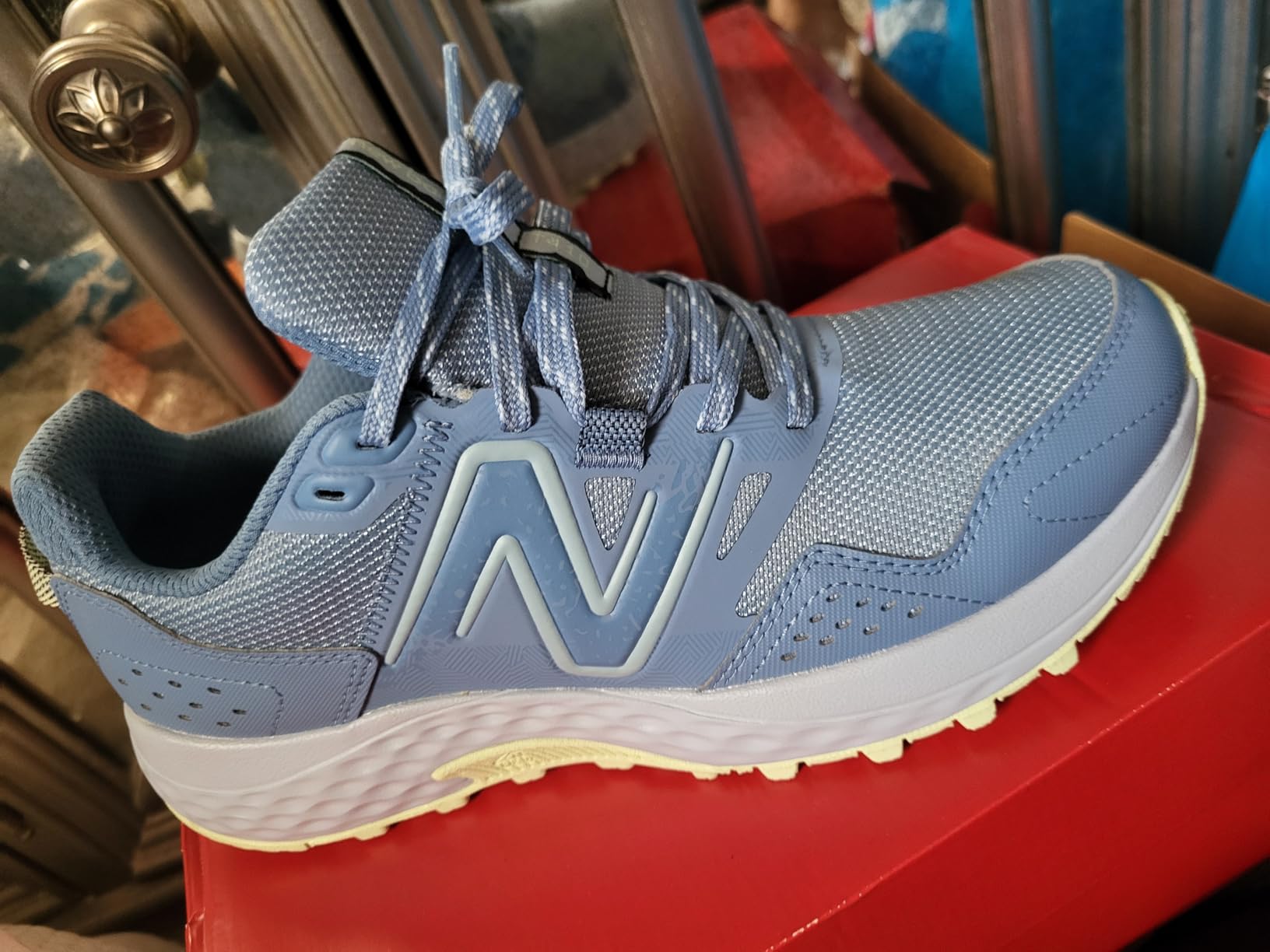
Where the 410 V8 honestly surprised me was in how unremarkable it was in daily use — and I mean that as a compliment. It didn’t look out of place at school pickup. It worked fine at a casual lunch. After three hours on my feet at the grocery store and Target, no foot fatigue, no hotspots. The purple/blue colorway I tested reads as “sporty casual” rather than “I just came from a trail,” which matters for those of us who want one shoe for morning exercise and afternoon errands.
For healthcare workers and people doing 8-hour standing shifts, there’s genuine good news: the BIO Foam provides enough support that it’s not creating extra fatigue by hour six or seven. It’s not a dedicated work shoe, but it holds up better than most $70 options I’ve tested. Several Spanish-speaking women in a Facebook hiking group I’m in described it as “ideales para jornadas laborales” — ideal for work days — and based on my own experience I understand the sentiment.
Trail Honesty
I want to be clear about the trail ceiling on this shoe because I’ve seen some reviews oversell its capabilities. The 410 V8 is excellent for hiking and trekking on maintained paths, established trail systems, and weekend day hikes up to 5–8 miles on moderate terrain. That covers a lot of ground for casual outdoor enthusiasts.
What it doesn’t do: technical scrambling, loose scree fields, root-heavy technical trails, serious backpacking. The toe box offers minimal protection against rock strikes. The lugs aren’t deep enough for wet, rooted technical terrain where serious grip is survival. For that use case, something like the Merrell Women’s Moab 3 or a dedicated trail shoe with a rock plate is the better call.
Durability — The QC Lottery Problem
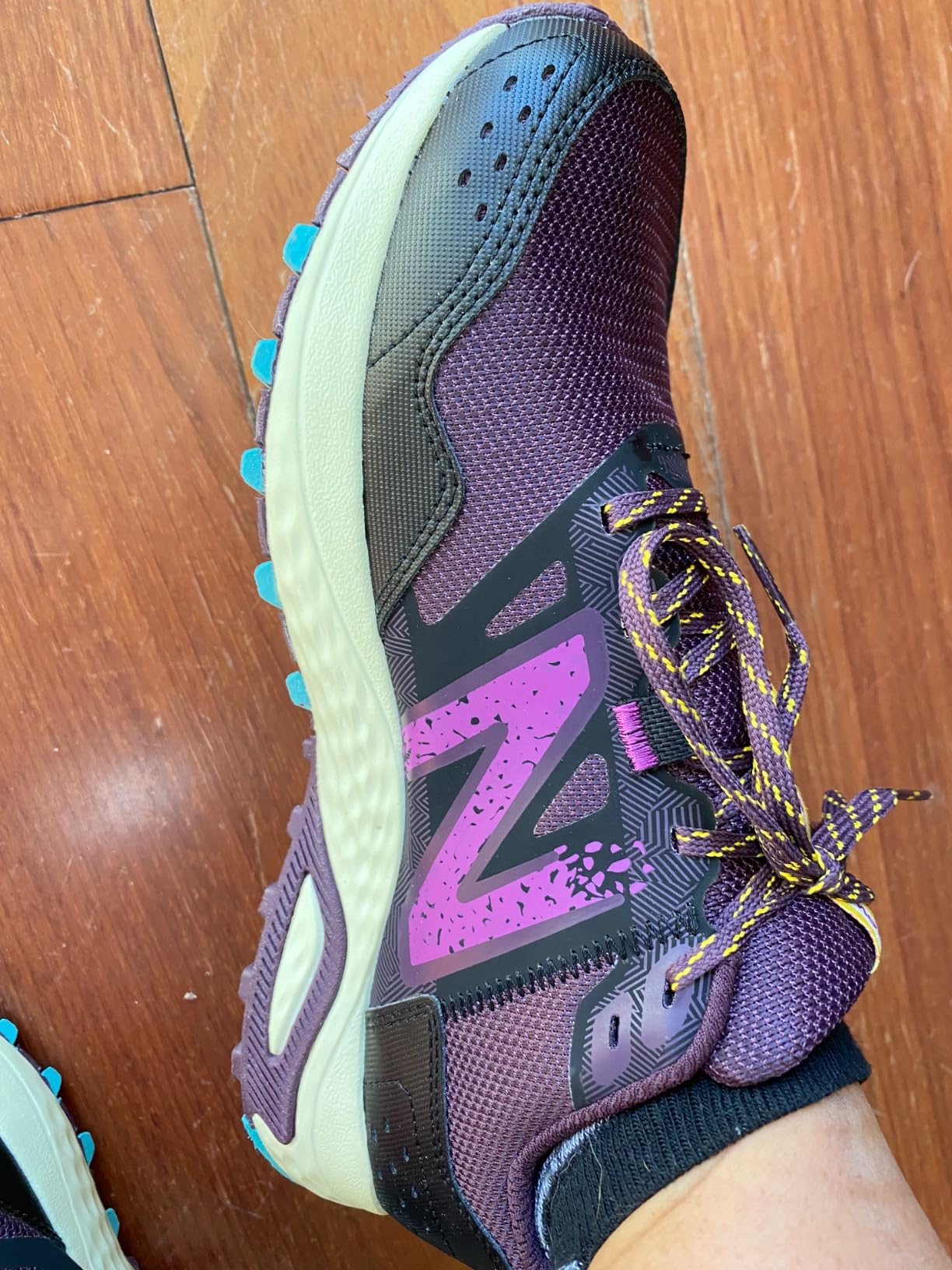
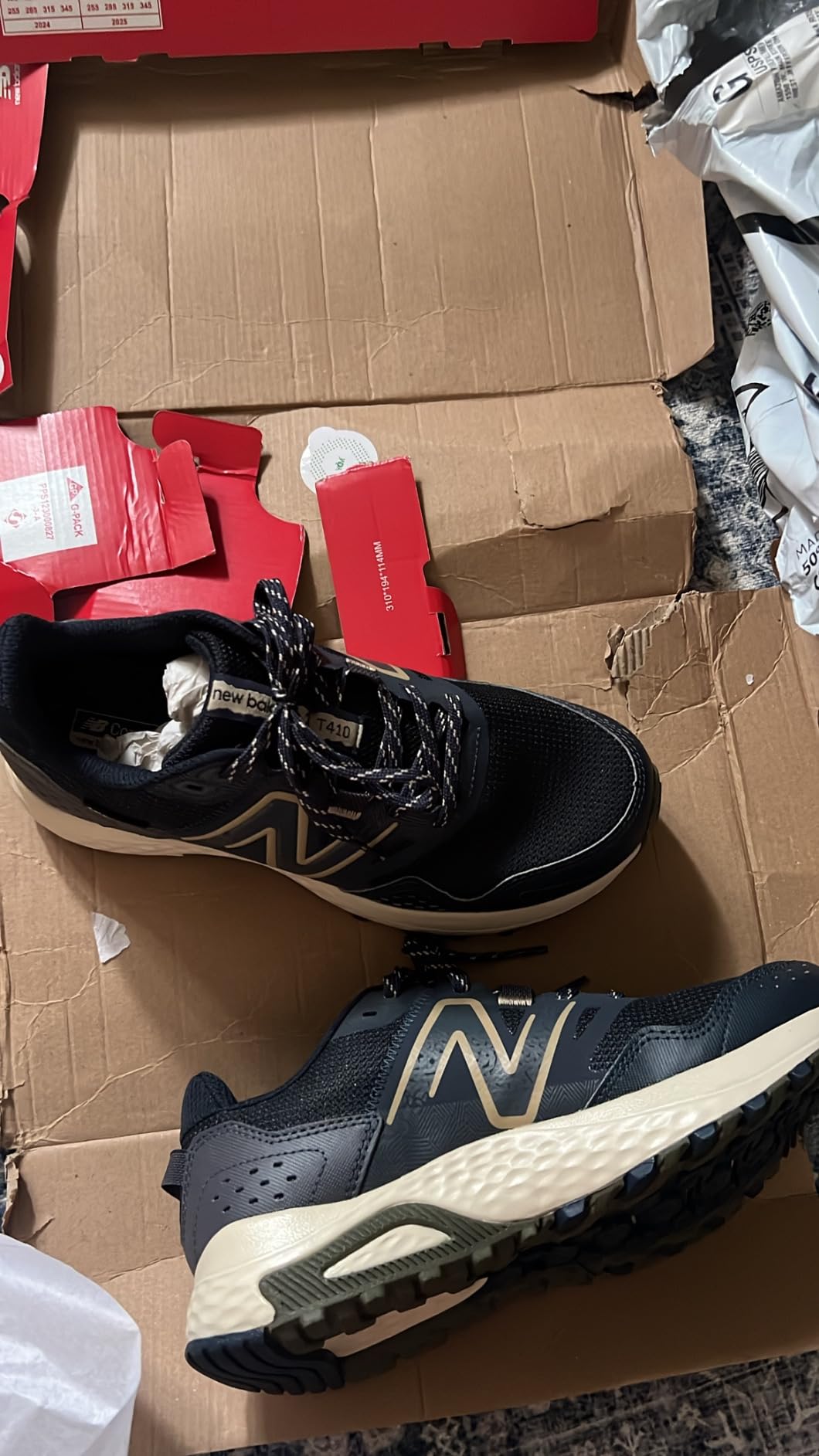
Eight weeks in, my pair looks nearly new. Stitching intact, mesh uncompromised, tread pattern showing minimal wear. Based on my testing alone, I’d project 10–12 months of solid moderate use for most buyers.
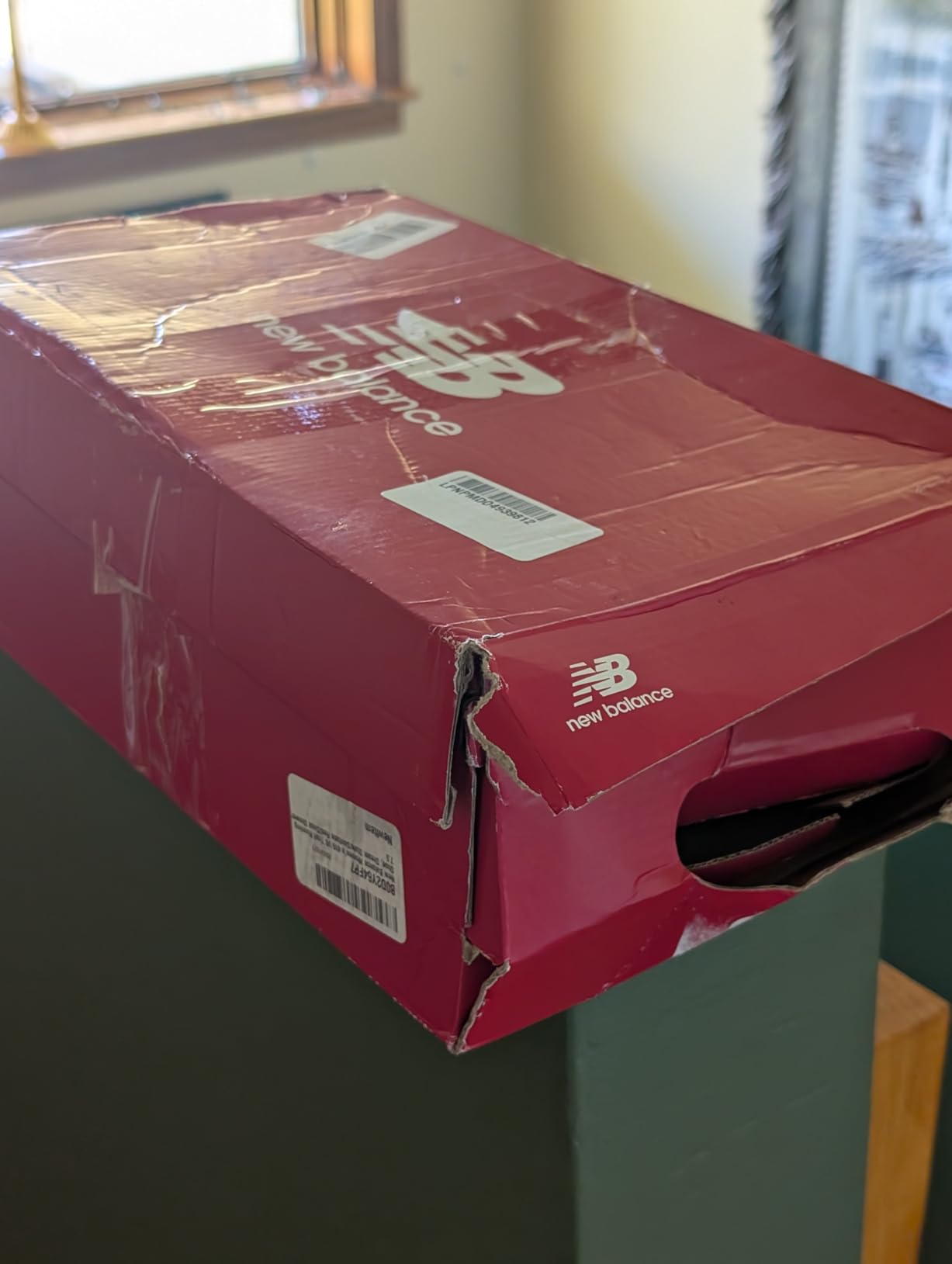
But the community picture is more complicated. There’s a real quality control variance across batches. The most common specific concern: eyelet durability. Multiple buyers have reported eyelets tearing or fraying at weeks 6–8 under regular use — not in my test pair, but documented across enough independent reviews to take seriously.
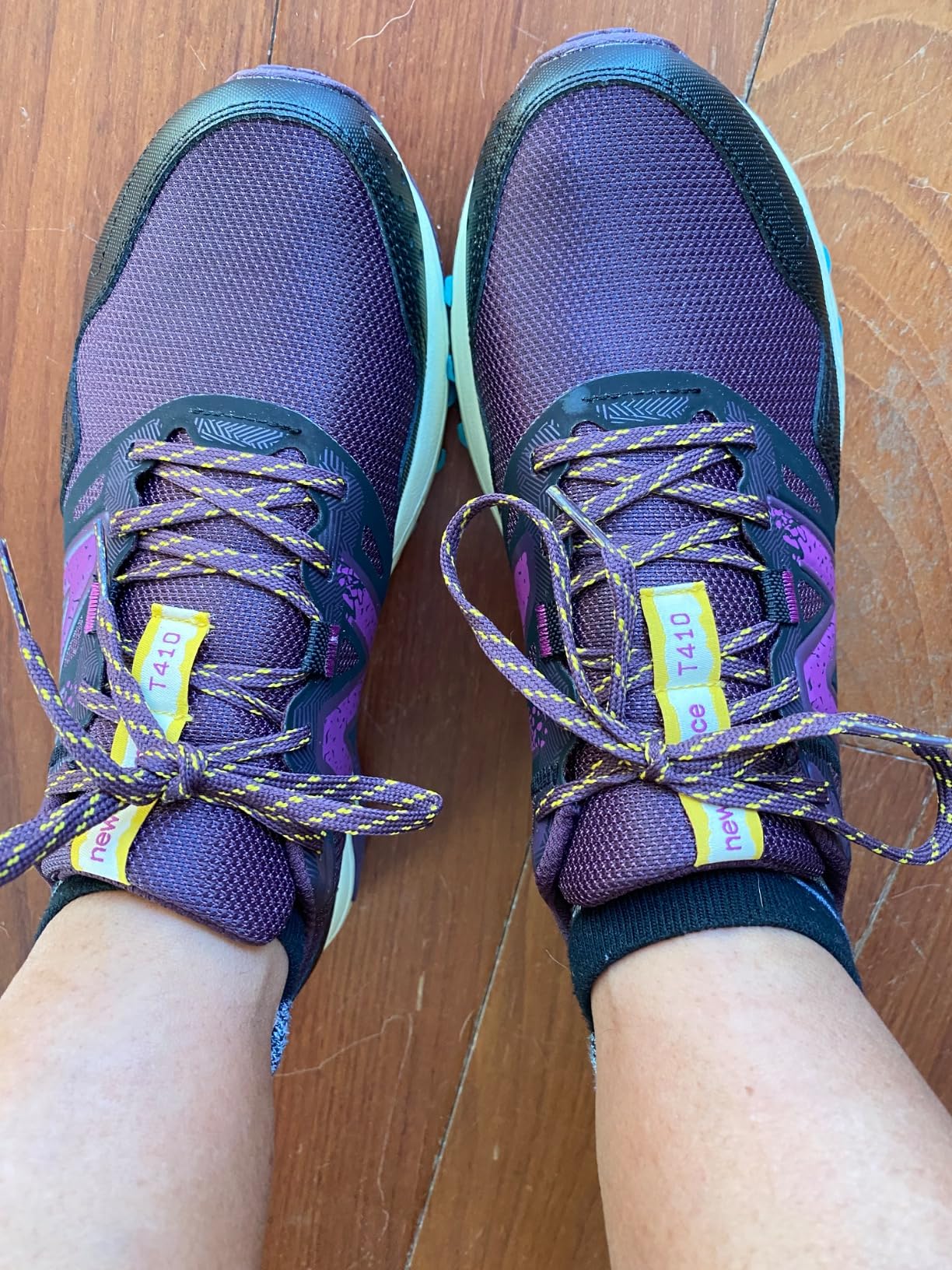
There’s also a durability paradox worth examining. One experienced runner I sourced for this review wore the 410 V8 through two half marathons and years of regular use on both road and trail — logging far more miles than my 8-week test before seeing meaningful wear. Meanwhile, other buyers report construction issues in the first two months. That spread isn’t random variation; it points to batch inconsistency in manufacturing.
Realistic lifespan estimates by use intensity:
| Use Pattern | Expected Lifespan | Monthly Cost |
|---|---|---|
| Light (1–2x/week walking/casual) | 12–18 months | $4–6/month |
| Moderate (3–5x/week mixed use) | 6–12 months | $6–12/month |
| Heavy (daily, 8+ hours) | 4–6 months | $12–18/month |
| High-impact running (daily 5+ miles) | 3–4 months | $18–23/month |
For light-to-moderate users, the value math is excellent. For daily runners or heavy work-shift use, the per-month cost starts to look less favorable compared to shoes that have been engineered specifically for that intensity.
Who Should Buy — And Who Should Look Elsewhere
This shoe is a strong match for:
- Active women whose week involves multiple activity types — trail walks, errands, casual hikes
- Budget-conscious buyers who want genuine trail capability without paying $130+
- Beginning trail runners and casual hikers who don’t need aggressive technical grip
- Anyone doing 8+ hour days who wants a shoe that won’t create foot fatigue by afternoon
- Women who prioritize versatility over peak performance in any single category
- Those planning to add aftermarket arch support — the stock insole is removable and the fit accommodates Sof Sole Athlete Insoles or similar
Skip this shoe if:
- You need a dedicated running shoe for training distances beyond 5 miles regularly
- Your trail use involves technical terrain, wet roots, or serious scrambling
- You have wide feet — the synthetic upper won’t give, and sizing up doesn’t fully solve a width problem
- Waterproofing is a requirement — this shoe absorbs water freely and dries in 2–4 hours
- You’re expecting 2+ year lifespan from a $70 shoe under daily heavy use
- You have specific high-arch needs — the BIO Foam platform isn’t structured enough for serious arch support requirements without aftermarket help
How It Compares
The 410 V8 occupies a specific niche that’s harder to fill than it looks. There aren’t many trail-capable, genuinely light, versatile-styling shoes at $70. The closest direct comparisons:
The ASICS Gel-Venture 10 at $65–75 is a natural comparison — similar price, similar light trail positioning, but with GEL heel cushioning that handles descents better. The trade-off: the Gel-Venture feels more “hiking shoe” than the 410 V8’s trail-to-urban versatility.
For women coming from a comfort-first background, the Ryka Devotion Plus 3 is a different kind of shoe — gym and walking focused, not trail appropriate — but the cushioning comfort comparison is fair. BIO Foam holds its own against RE-ZORB for all-day walking scenarios.
If you want serious trail performance, the Merrell Women’s Bravada 2 at $90–100 is a step up in outsole grip and upper durability, though it’s heavier and more trail-specific in its styling.
The New Balance DynaSoft Nitrel V6 is NB’s own next step up — designed as a legitimate trail runner with more aggressive grip and better rock protection for those whose use case pushes past what the 410 V8 can handle.
Frequently Asked Questions
Should I size up in the New Balance Women’s 410 V8?
For most women, yes — size up 0.5 is the safer choice. About 60% of community reviewers landed on this recommendation. If you have narrow feet, true to size may work; if you have wide feet, size up 0.5 may not fully solve the fit issue since the upper construction doesn’t expand laterally.
Can these handle actual trail running, not just hiking?
Light trail running on maintained paths, yes. For training distances, the BIO Foam cushioning starts feeling inadequate around mile 4–5 for heavier runners. For technical trail running — variable surfaces, aggressive descent, loose rock — you’d want purpose-built trail shoes. These are designed for the lifestyle use case, not the competitive one.
How long will they realistically last?
For moderate use (3–5 times per week across mixed activities), 6–12 months is a realistic window. Some units have lasted considerably longer; some have shown QC issues within 2 months. Budget for 1 year and treat anything beyond that as a bonus.
Is there a break-in period?
No. The BIO Foam is comfortable from day one. What you may notice is that the synthetic upper feels snug initially — that’s not break-in, that’s fit. If it’s uncomfortable, size up rather than waiting for it to loosen.
Are they waterproof?
Not at all. The synthetic mesh upper absorbs water quickly. For consistent wet conditions, you’d need a waterproofed option like the NORTIV 8 Women’s Waterproof Hiking Shoes or a KEEN/Merrell with waterproof membranes. These dry in roughly 2–4 hours, which is reasonable for occasional light rain exposure.
Can I use custom insoles?
Yes — the stock insole is removable. If you’re using standard-profile orthotics or arch support insoles, size up 0.5 before adding them. Thick insoles in the already-snug upper will compromise fit.
What’s AT Tread rubber actually good for?
It’s a moderate-grip, versatile compound designed to perform reasonably across road, packed dirt, light gravel, and moderate mud. It excels on mixed surfaces where you’re transitioning throughout the day — trail to pavement to tile. It underperforms in wet technical conditions and very soft or sticky mud.
How does it compare to the men’s 410 V8?
The women’s version uses a narrower, contoured last suited to female foot geometry — it runs snugger than the men’s version. The men’s 410 V8 has been noted as a good wide-foot option; the women’s runs more on the narrow side. Don’t assume cross-gender sizing translates directly.
Final Verdict
| Category | Score | Notes |
|---|---|---|
| Comfort | 8.5 | All-day BIO Foam holds up; tongue migration is the only persistent complaint |
| Versatility | 9.0 | Genuine trail-to-town adaptability — few shoes at this price point pull this off |
| Trail Performance | 7.0 | Excellent for light trails; clear ceiling on technical terrain |
| Style Factor | 8.0 | Attractive colorways that read casual-sporty, not gym-exclusive |
| Durability | 7.0 | 8-week test pair in excellent condition; batch QC variance documented in community |
| Value for Money | 9.0 | $70 for this capability range is hard to match; $4–12/month cost depending on use |
| Overall Score | 8.1/10 | Recommended for active women who need one shoe for multiple scenarios |
The 410 V8 doesn’t dominate any single performance category. It’s not the best trail shoe, not the softest walking shoe, not the most stylish sneaker. What it does — and does better than almost anything else at $70 — is handle the full spectrum of an active woman’s week without asking you to compromise.
Size up half a size. Plan for a 1-year lifespan under regular use. Keep your expectations calibrated to “excellent light trail + daily versatility” rather than “technical outdoor performance.” Within those parameters, the New Balance Women’s 410 V8 is genuinely good — and that’s rarer than it should be at this price.
Be the first to review “New Balance Women’s 410v8 Trail Running Shoes”
Related products
Hiking/Trekking Shoes
Running Shoes

Running Shoes
Hiking/Trekking Shoes
Running Shoes
Running Shoes
Running Shoes
Running Shoes
Reviews
There are no reviews yet.