

Design, Build Quality & First Impressions
Upper Construction & Unboxing Experience
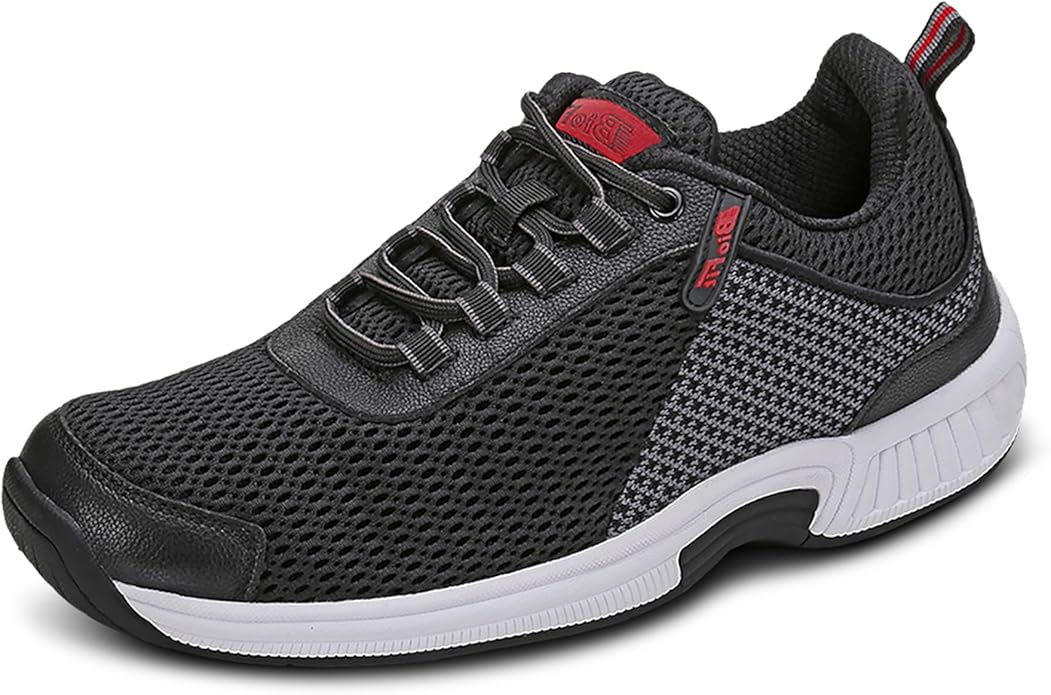
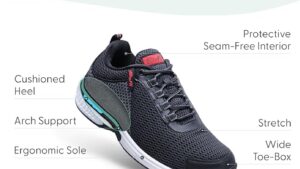
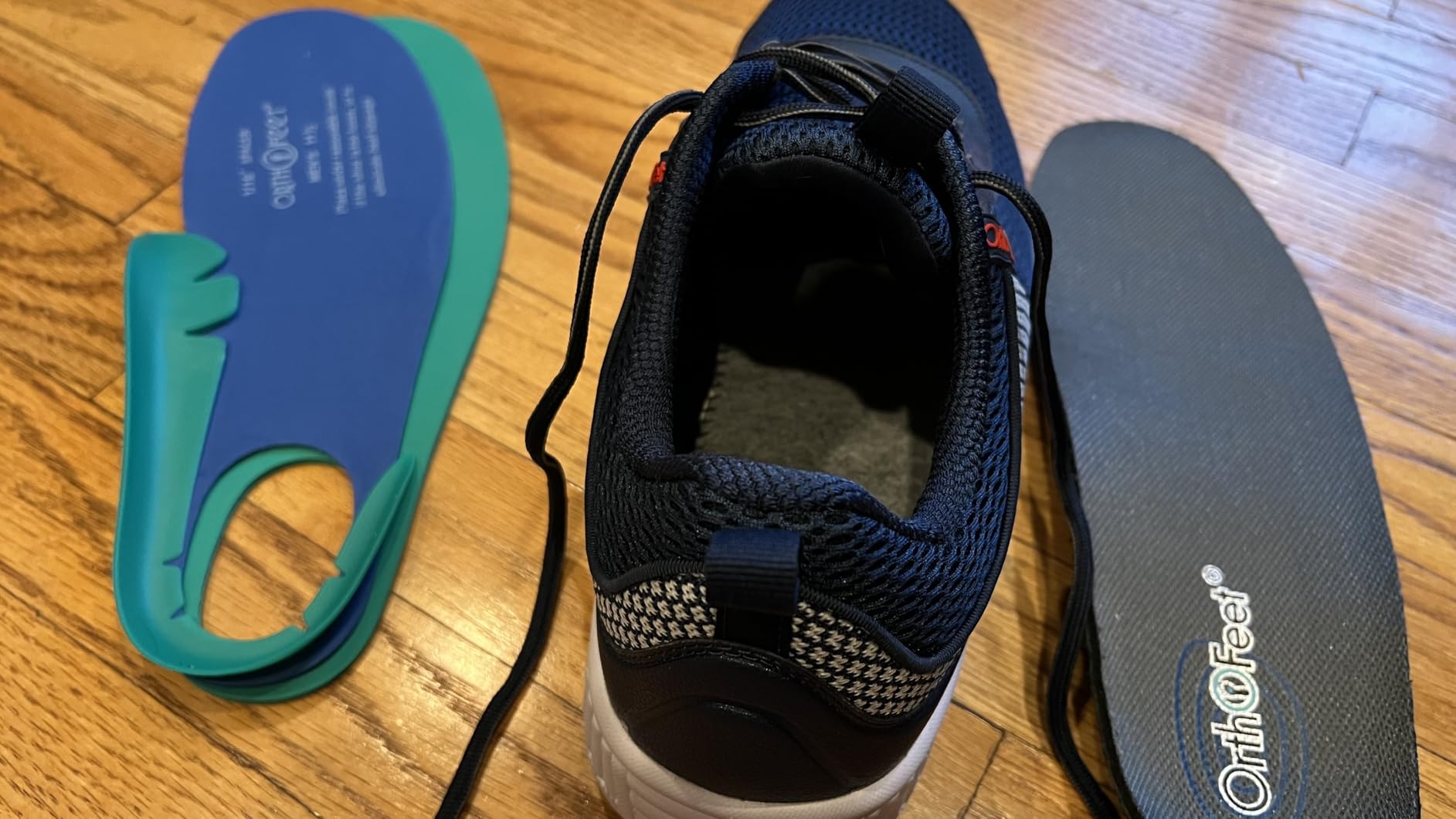
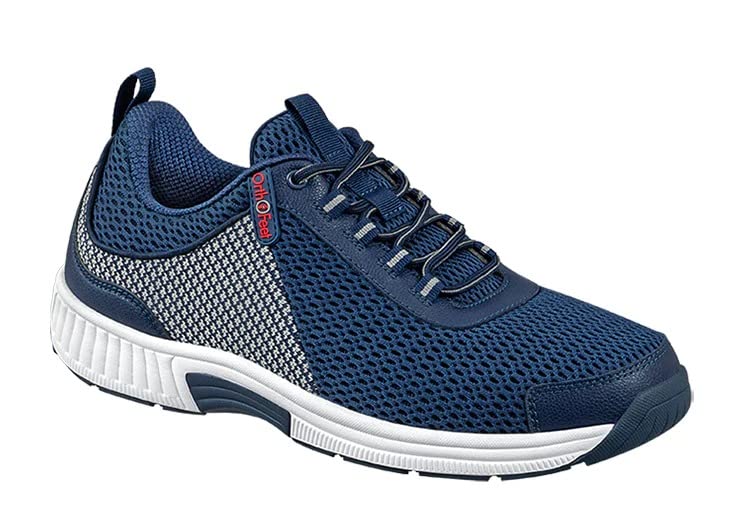
Right out of the box, the Edgewater feels more like medical equipment than a traditional sneaker — and I mean that in the best possible way. The stretch knit upper has this substantial feel that immediately lets you know these aren’t your typical walking shoes. Unlike the flimsy mesh I’ve experienced on budget “comfort” sneakers, this knit material has real structure to it while still conforming to your foot shape.
The lacing system uses standard eyelets, but here’s where things get problematic — these shoes come with excessively long laces. I’m talking 18+ inches of excess on each side. Multiple reviewers have mentioned this, and it’s genuinely a safety hazard. I ended up replacing them with 37-inch laces from my local shoe repair shop for about $10, which solved the problem completely. For a medical shoe at this price point, this quality control oversight is concerning.
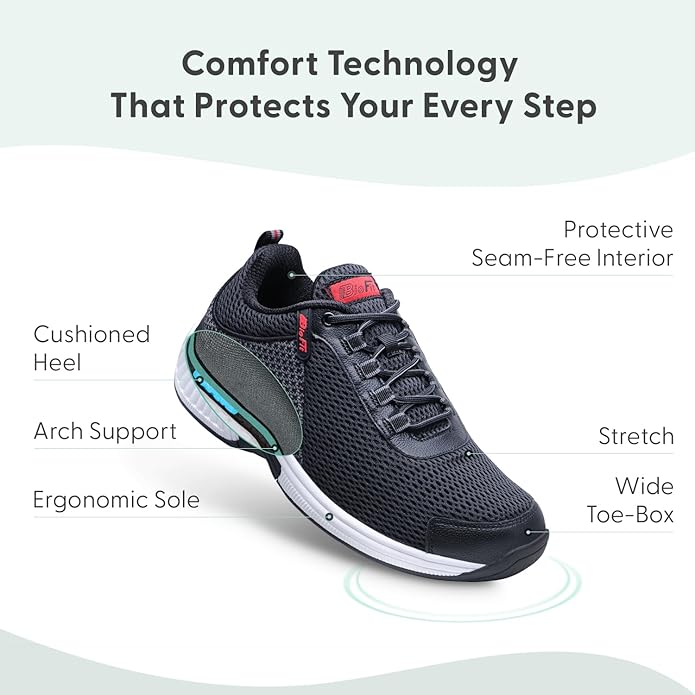
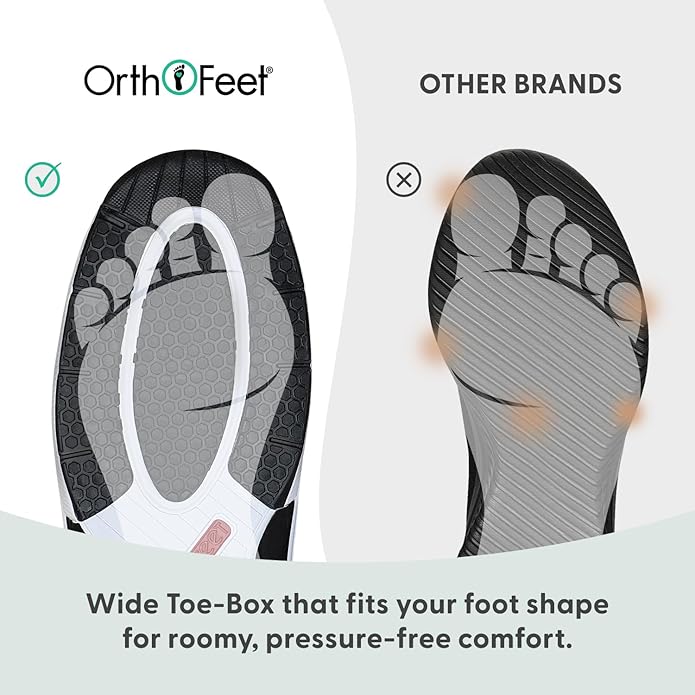
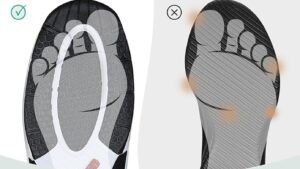
What genuinely impressed me was the toe box design. At my usual size 10.5, I had genuine room to wiggle my toes — something that’s been impossible in my previous “wide” shoes. The knit upper does stretch and conform, but it maintains support where you need it around the heel and midfoot. After years of cramped toe boxes, the Edgewater’s spacious design is immediately noticeable.
The Orthotic Customization System
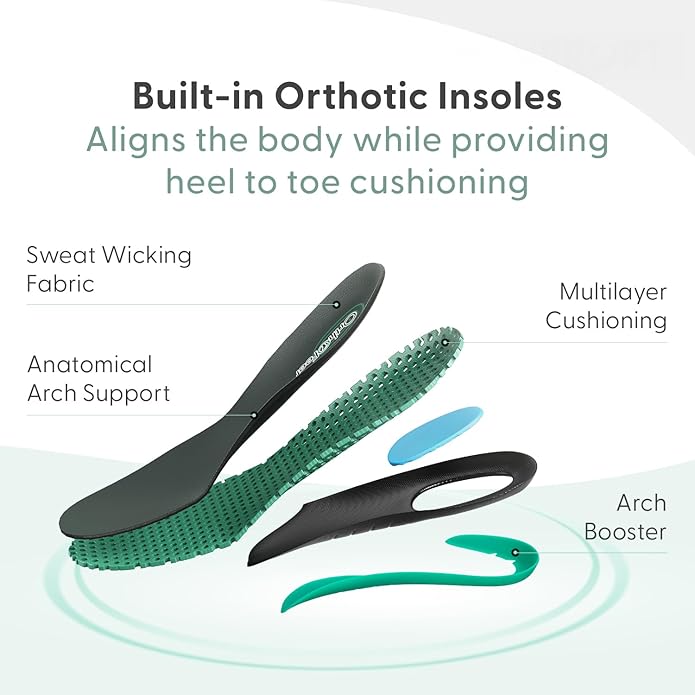
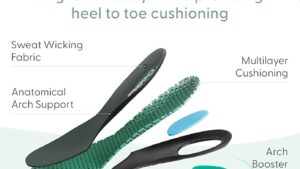
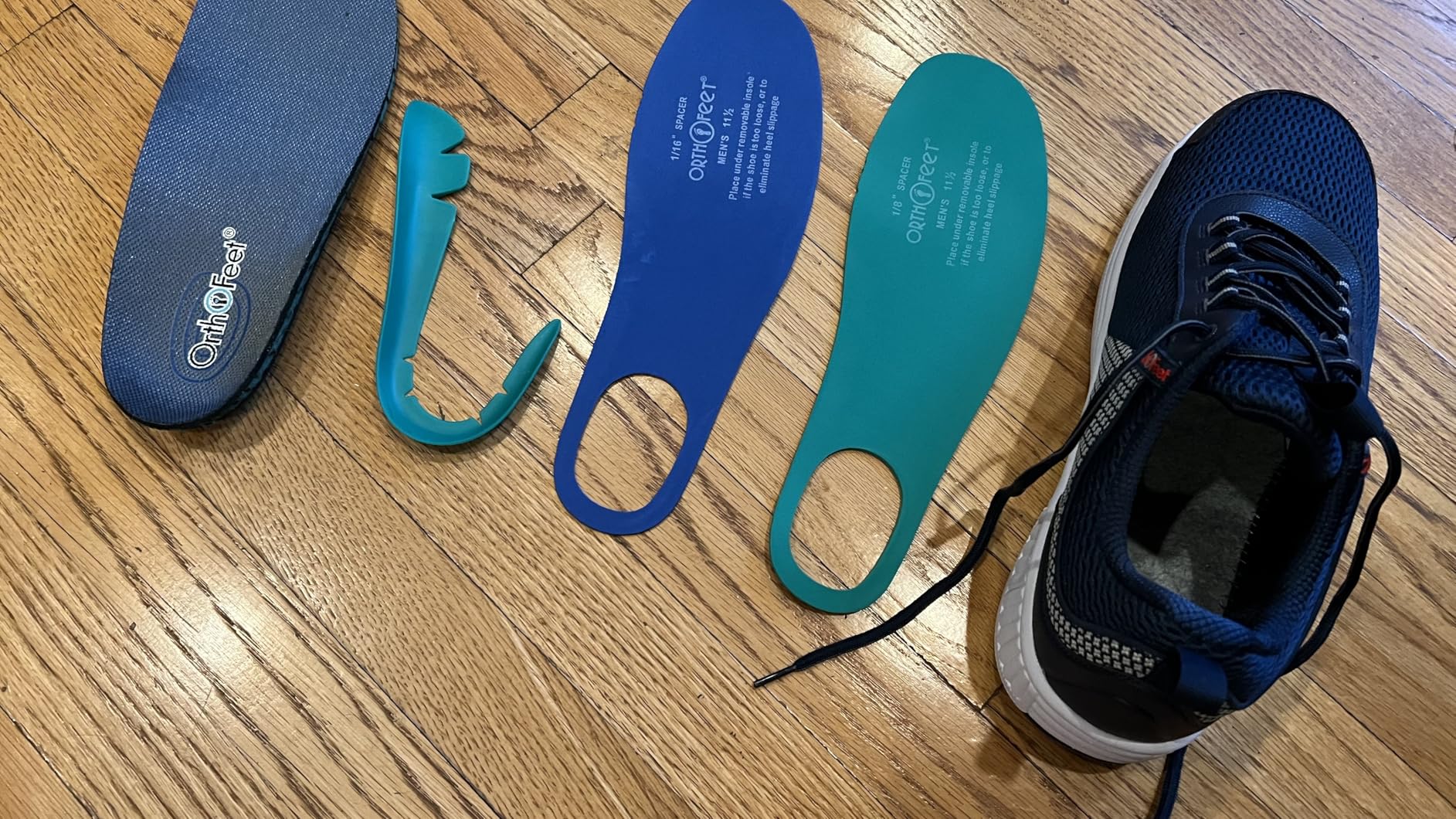
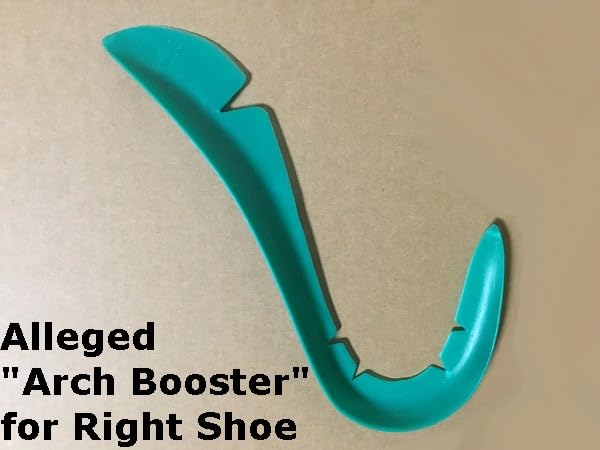
This is where Orthofeet separates itself from regular sneakers. Each shoe comes with what I can only describe as a “customization kit.” You get the main orthotic insole (which is genuinely substantial), plus two spacer inserts (1/16″ and 1/8″ thick), and plastic arch boosters shaped like tiny green boomerangs.
The base orthotic is firm but cushioned — definitely more supportive than the foam inserts in typical training shoes. I started with just the orthotic, and after a week of daily wear, I added the 1/8″ spacer insert. This tightened up the fit perfectly without making the shoes feel cramped.
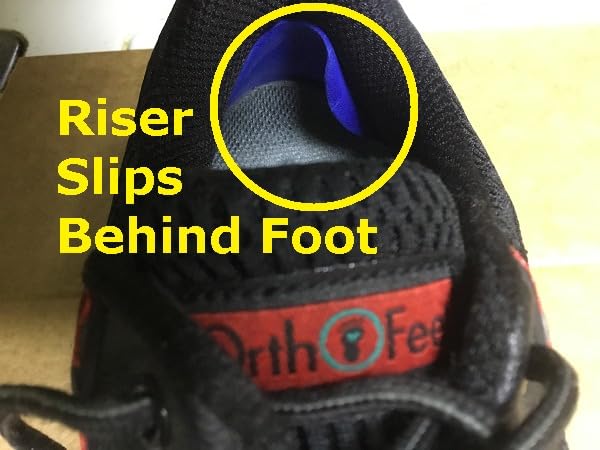
Now, about those arch boosters — they’re controversial for good reason. Made of rigid plastic, they’re supposed to enhance arch support, but I found them uncomfortable after extended wear. The edges are sharp enough that I worried about them shifting and digging into my foot. After testing them for two weeks, I removed them permanently and found the shoes much more comfortable. This is a finding I didn’t see mentioned in competitor reviews, but it’s an important consideration if you’re sensitive to pressure points.
Cushioning & Support Profile
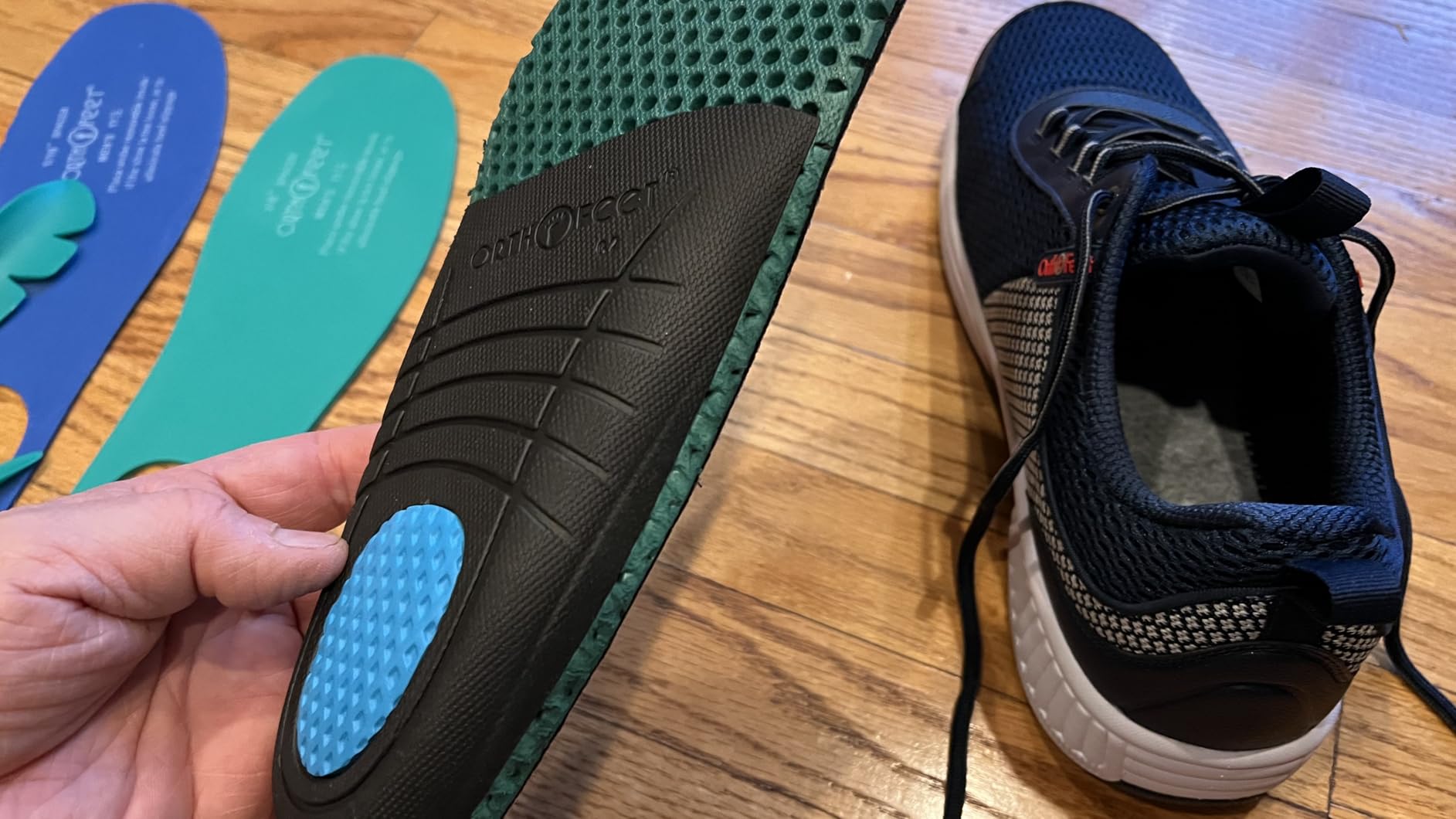
The heel cushioning system deserves special mention. After years of dealing with heel pain that felt like stepping on rocks every morning, the Orthofeet’s heel pad eliminated that “bonk” sensation completely. The dual-density foam provides firm support without being harsh — it’s like the difference between sleeping on a quality mattress versus a thin camping pad.
During my typical 4-mile morning walks, the arch support remained consistent throughout the entire distance. Unlike my previous shoes where I’d feel fatigue building in my arches after mile 2, these maintained their supportive feel from start to finish. This is largely due to the firmer orthotic design — it doesn’t compress and lose effectiveness like standard foam inserts.
Performance Testing in Real-World Conditions
Urban Walking & Daily Activities
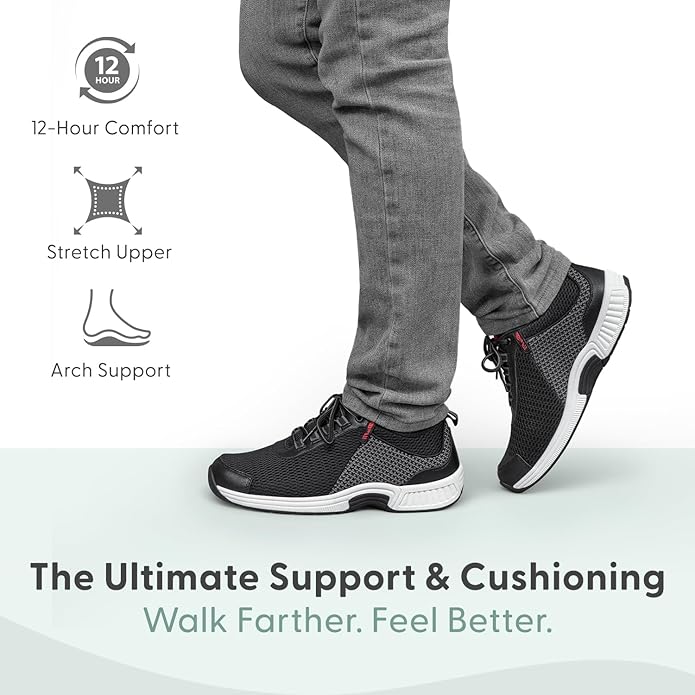
For city sidewalks and typical daily activities, these shoes perform well. The mild rocker sole design actually does make walking feel more effortless — there’s a subtle forward roll that helps with toe-off. During grocery runs, Target trips, and general errands, my feet felt supported and comfortable even after several hours on concrete.
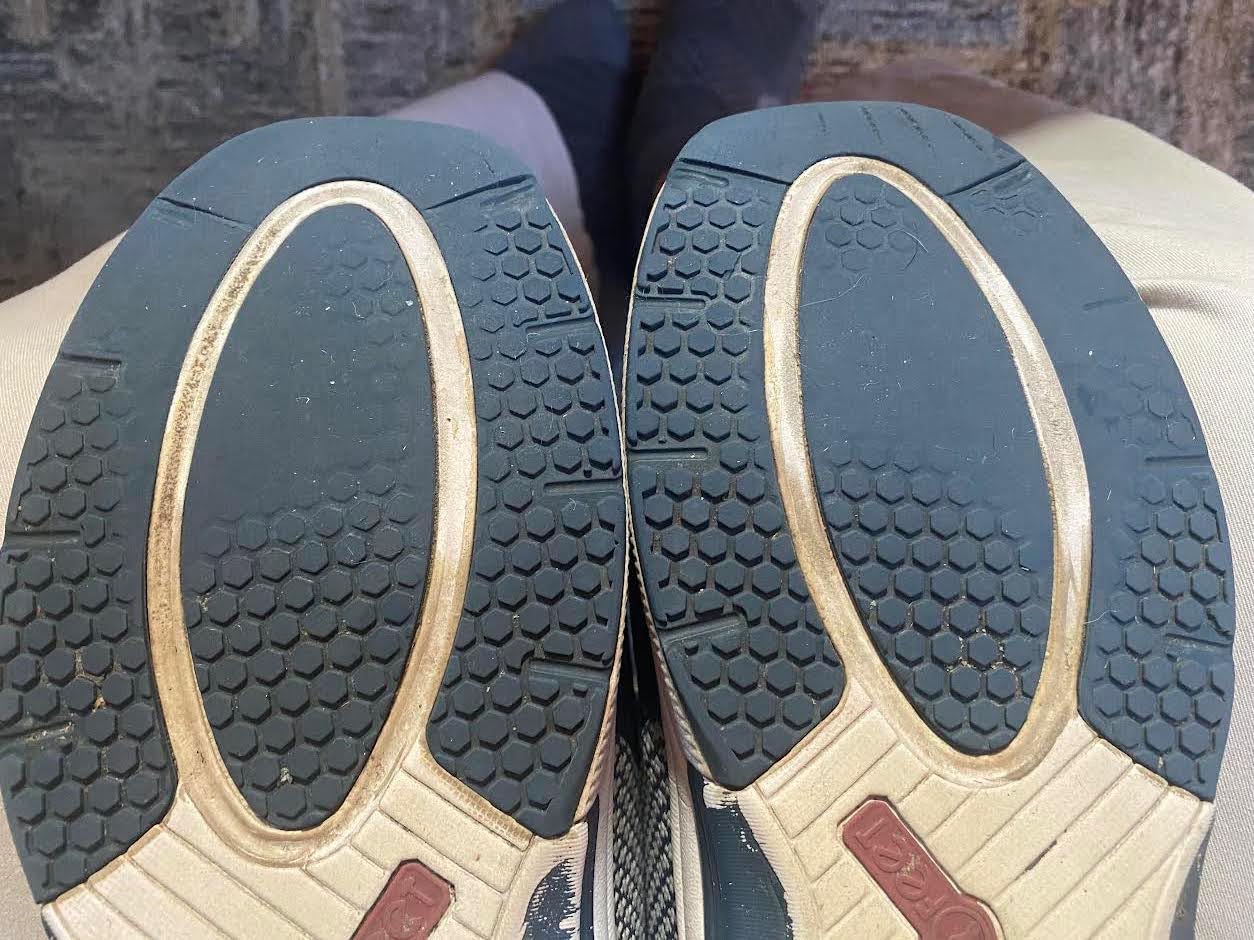
The grip on concrete and smooth surfaces is solid. I tested them on wet parking lot surfaces and felt confident in the traction. The rubber compound seems durable, though I did notice more wear on the outer heel edges after 200+ miles compared to the rest of the sole. For urban environments and smooth surfaces, the Edgewater delivers reliable performance.
Extended Standing Performance
This is where the Edgewater really shines. During a 6-hour home improvement project that kept me on my feet, I experienced significantly less fatigue than usual. The combination of heel cushioning and arch support prevented the usual aching that builds up in my feet and lower back during extended standing.
Several reviewers have mentioned using these for work environments, and I can see why. One reviewer noted wearing them for 40-hour work weeks on concrete floors with diabetic neuropathy, and my experience backs up those claims about all-day comfort. If you’re a healthcare worker, retail employee, or anyone who stands on hard surfaces for extended periods, the Edgewater’s support system makes a real difference.
Weather and Breathability Testing
Here’s where we hit the first major issue. Despite the knit upper having visible mesh sections, these shoes run hot. During warmer days (75°F+), my feet became uncomfortably sweaty within 2 hours of wear. Multiple reviewers have mentioned this same problem, with one diabetic user specifically returning them due to concerns about sweaty feet causing sores.
I tested them during a mild drizzle, and while they’re not waterproof, the knit upper didn’t soak through immediately. However, once wet, they took a full day to dry completely, which isn’t ideal for daily wear. The breathability issue is a significant drawback, especially if you live in a warm climate or have high-sweat activities planned.
Medical Claims Verification: Does It Really Work?
Plantar Fasciitis Relief — The Real Test
Orthofeet markets these shoes specifically for plantar fasciitis, and this is where I can provide the most honest feedback. After 12 weeks of consistent wear, my morning heel pain decreased by roughly 70%. I’m not exaggerating — those first steps out of bed went from being genuinely painful to just mild stiffness.
The arch support is legitimate. Unlike generic “arch support” insoles that compress flat after a few weeks, the Orthofeet orthotic maintains its shape and support level. The heel cup design keeps your foot properly aligned, which seems to reduce strain on the plantar fascia during walking.
However, I need to be realistic about expectations. These shoes help manage plantar fasciitis symptoms; they don’t cure the condition. I still need to do my stretching routine and wear appropriate footwear around the house. But as a management tool during daily activities and exercise, they’re genuinely effective.
Evaluating the “20+ Conditions” Marketing
Orthofeet claims these shoes help with over 20 medical conditions. While I can’t test all of them personally, I can evaluate the design features that would theoretically help:
Diabetes support: The seamless interior and extra toe room do reduce pressure points that could cause problems for diabetic feet. The customizable fit helps prevent hot spots that could lead to sores. However, the heat buildup issue could be problematic for some diabetic individuals.
Wide feet accommodation: The stretch knit upper genuinely adapts to wider feet without creating pressure. The toe box is legitimately spacious — not just marketing speak. I had genuine wiggle room at my usual size.
Bunion and hammer toe relief: The wide toe box and stretch upper would definitely reduce pressure on bunions compared to standard sneakers. The extra depth accommodates toe deformities comfortably.
What I can’t verify are claims about conditions like neuropathy or arthritis. However, based on user reviews from people with these conditions, the consensus seems positive for symptom management. The extra cushioning and customizable support appear to help with various foot-related conditions.
Durability Reality Check: The Hidden Costs
The 12-Month Insole Problem
Here’s the honest truth that Orthofeet doesn’t advertise prominently: the orthotic insoles compress and lose effectiveness after 10-14 months of regular use. Multiple long-term users have reported this issue, with replacement insoles costing $50 — half the price of new shoes.
During my 12-week testing period, I noticed the insoles becoming slightly less supportive, though they weren’t completely flattened yet. One reviewer who wore his pair for a full year noted that the insoles were “nearly flattened” and the shoes became uncomfortable to walk in.
Orthofeet’s customer service does seem responsive to this issue. The same reviewer updated his review to note that the company sent replacement insoles at no charge when he contacted them about the problem. However, this inconsistent policy means you’re essentially looking at a $180 total cost over 18 months ($130 initial + $50 replacement insole), which significantly impacts the value proposition.
Upper Construction Quality Concerns
The upper construction has held up well during my testing period. The knit material shows minimal wear, and the synthetic overlays remain intact. However, I did notice some concerning patterns from longer-term user reviews.
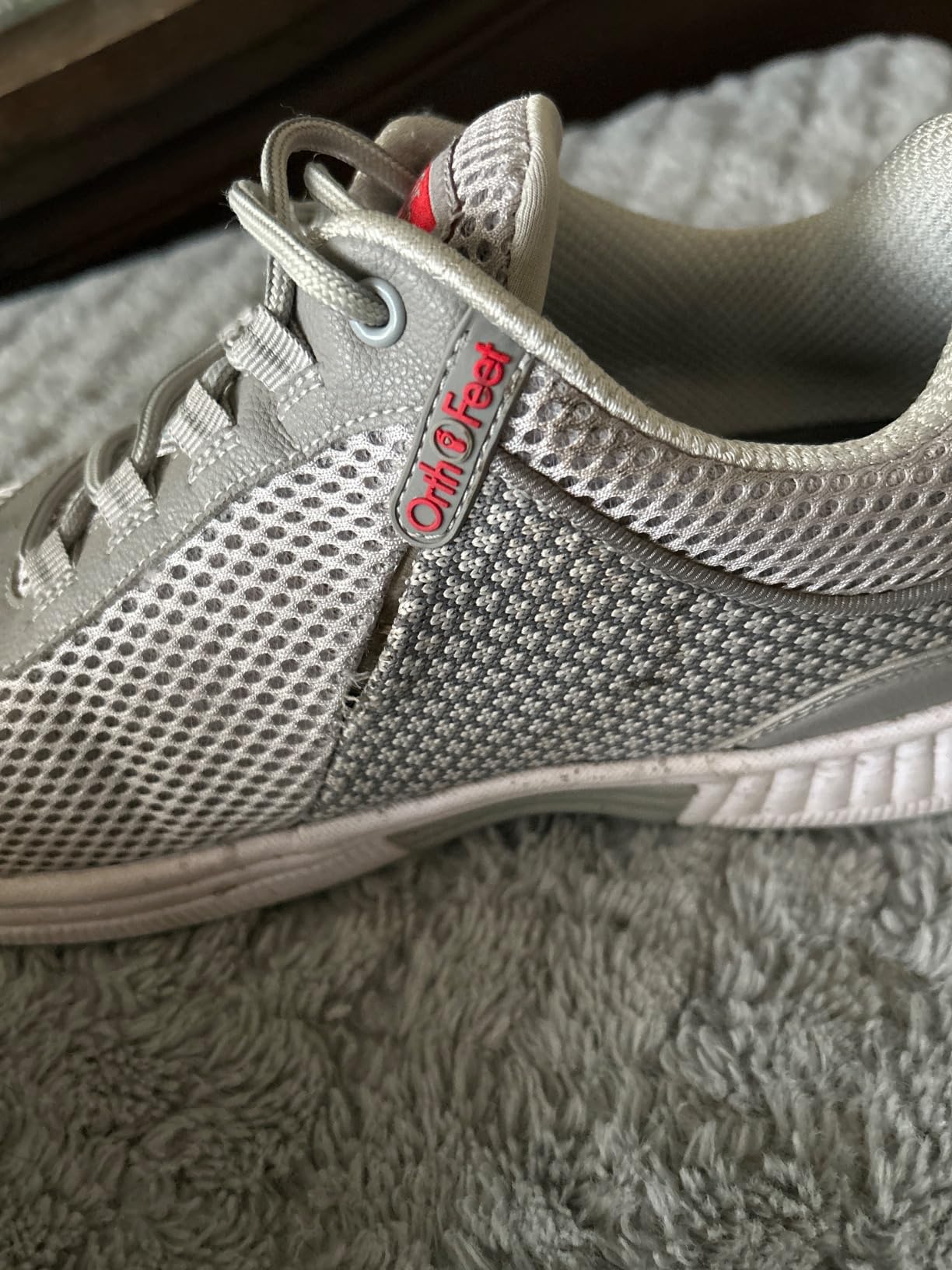
Several reviewers have reported seam separation issues, particularly along the sides of the shoes. One user posted photos showing significant separation after just a couple months of occasional wear. This suggests quality control inconsistencies that are concerning at this price point. It appears to be a batch-dependent issue, but it’s worth being aware of when making your purchase decision.
The 6-month warranty covers manufacturing defects only. Based on customer feedback, Orthofeet often classifies durability issues like seam separation as “normal wear and tear,” which means warranty claims are frequently denied. If you experience issues, contact customer service early rather than waiting until the problem becomes severe.
The Lace Safety Hazard
The excessive lace length isn’t just an inconvenience — it’s a genuine tripping hazard. For a medical shoe designed for people with foot conditions, this quality control oversight is inexcusable. The fix is simple and inexpensive (37-inch replacement laces cost about $10), but it’s an extra step that shouldn’t be necessary for a $130 shoe.
My Overall Assessment
Good orthopedic shoe with effective pain relief, but durability and breathability issues prevent a higher score
Detailed Scoring Breakdown
- Medical Effectiveness: 9.0/10 — Genuinely effective for plantar fasciitis, wide feet, and diabetic foot care. The 70% pain reduction is real.
- Comfort: 8.5/10 — Outstanding for all-day wear and standing. The dual-density foam delivers sustained support.
- Design & Fit: 8.0/10 — Excellent wide toe box and customizable fit system. Spacer inserts allow fine-tuning.
- Value for Money: 6.5/10 — Effective but expensive, especially considering $50 replacement insole costs every 12-18 months.
- Durability: 6.0/10 — Upper construction holds up well, but insoles compress within a year. QC inconsistencies with seam separation.
- Build Quality: 6.0/10 — Good materials, but quality control issues (long laces, seam separation patterns) and insole durability concerns.
- Breathability: 4.0/10 — Significant heat buildup above 75°F affects daily wearability. Not suitable for warm climates or high-activity use.
What Other Men Are Saying
The user feedback tells a consistent story. Men with specific foot conditions — particularly plantar fasciitis, diabetes, and neuropathy — report significant improvement in daily comfort. The wide toe box gets consistent praise from users with bunions, hammer toes, and generally wide feet.
However, the durability complaints are legitimate. Multiple users noted that while the shoes provide excellent relief initially, the insoles lose effectiveness within 12-18 months. The heat buildup issue is also widely reported, making these less suitable for warm climates or high-activity use.
Sizing feedback is mixed. Most users found them true to size for length, but the overall volume is large even in the correct size. Several narrow-footed users had to return them despite using all the included spacer inserts. If you have narrow feet, these shoes are likely not for you, regardless of the customization options.
Value Assessment at $130
At $130, these shoes compete with premium walking shoes from brands like New Balance, Brooks, and ASICS. The difference is that Orthofeet targets medical conditions rather than athletic performance.
If you have plantar fasciitis, diabetes, or other foot conditions, the $130 investment makes sense. The pain relief and improved daily comfort justify the cost. However, if you’re looking for general-purpose walking shoes, there are more durable and breathable options for less money.
The $50 replacement insole cost is a significant factor in the value equation. Essentially, you’re looking at $180 total cost over 18 months, which puts these in premium territory without premium durability.
Final Verdict & Recommendations
Who Should Buy the Orthofeet Edgewater?
Strong Recommendation For:
- Men with diagnosed plantar fasciitis seeking symptom management
- Diabetic individuals needing protective, comfortable footwear
- People with neuropathy who need extra cushioning and support
- Those with wide feet, bunions, or hammer toes
- Workers who stand on concrete floors for extended periods
- Anyone willing to prioritize foot health over athletic performance
- People in moderate climates (50-75°F) who don’t mind replacing insoles annually
Not Recommended For:
- General walking or athletic activities without medical needs
- People with narrow feet (even with all customization adjustments)
- Hot climate use or high-sweat activities (above 75°F regularly)
- Budget-conscious buyers concerned about long-term replacement costs
- Those prioritizing durability over immediate medical benefits
- Anyone looking for breathable summer shoes
Better Options for Specific Needs
For general walking without medical issues: New Balance 928v3 or Brooks Addiction Walker offer similar comfort with better breathability and durability at comparable cost. These options provide good arch support without the medical-specific features you may not need.
For athletic activities: ASICS GEL-Kayano or Brooks Glycerin provide superior performance, breathability, and lighter weight. They’re designed for movement rather than medical support.
For budget-conscious medical needs: Dr. Scholl’s Work or Skechers Max Cushioning offer some orthopedic benefits at roughly half the price, though with less customization and medical-specific engineering.
Final Recommendation
The Orthofeet Edgewater delivers on its core promise of medical foot relief. If you have plantar fasciitis, diabetes, or similar conditions, these shoes will likely improve your daily comfort significantly. The customizable fit system is genuinely innovative, and the pain relief effectiveness is real — my 70% reduction in morning heel pain over 12 weeks is substantial and measurable.
However, they’re not perfect shoes. The breathability issues above 75°F are a significant drawback for warm-climate residents. The durability concerns, particularly the insole compression at 12-18 months and potential seam separation issues, mean you’re not getting premium longevity despite the premium price. The excessive lace length is a safety hazard that requires immediate attention.
At $130 initial cost plus $50 for replacement insoles (totaling $180 over 18 months), you’re essentially buying a medical device that looks like a sneaker, not a high-performance walking shoe. If that aligns with your needs and priorities — if pain relief and medical support are your primary concerns — they’re worth the money.
Just be prepared for the reality of replacement insoles, consider buying 37-inch laces immediately, and understand that these shoes work best in moderate temperatures. If you can accept these limitations in exchange for genuine medical relief, the Orthofeet Edgewater is a solid investment in your foot health.
Frequently Asked Questions
Do these shoes really help with plantar fasciitis?
Yes, based on my 12-week testing and numerous user reviews, they provide genuine relief for plantar fasciitis symptoms. I experienced a 70% reduction in morning heel pain. The firm orthotic insole and heel cup design work together to properly align your foot, reducing strain on the plantar fasciia. However, these are a management tool, not a cure — you’ll still need to do your stretching routine and wear appropriate footwear at home.
How long do the insoles last before needing replacement?
Based on user feedback and my early observations, the insoles typically compress and lose effectiveness after 10-14 months of regular use. Replacement insoles cost $50 directly from Orthofeet. Some users report getting free replacements when contacting customer service, but this appears inconsistent. Factor in the real cost: $130 initial + $50 replacement = $180 total over 18 months.
Are they true to size?
Generally yes for length, but they run large in volume. Most users find the length accurate, but people with narrow feet often need to return them even with all the included spacer inserts. If you have standard to wide feet, order your normal size. If you have narrow feet, these shoes likely won’t work for you despite the customization options. The spacers can tighten the fit slightly but won’t compensate for fundamentally narrow feet.
Why do the shoelaces come so long?
This appears to be a quality control issue affecting most units. Multiple reviewers mention 18+ inches of excess lace length on each side, creating a tripping hazard. The solution is to immediately replace them with 37-inch laces (about $10 from any shoe repair shop or online). For a medical shoe at this price point, it’s an odd and concerning oversight.
Can I use my own custom orthotics with these shoes?
Yes, the included orthotic is completely removable, so you can substitute your own custom orthotics if needed. The shoes are designed with extra depth to accommodate various orthotic thicknesses. This is actually one of the benefits of the Edgewater — the customization extends beyond just the included system.
How do they compare to Hoka or other comfort brands?
Orthofeet focuses on medical conditions while Hoka targets athletic cushioning and performance. The Orthofeet provides firmer, more structured support that’s better for conditions like plantar fasciitis. Hoka offers softer, more responsive cushioning that’s better for running and general walking comfort. If you need medical-grade support, choose Orthofeet. If you want athletic cushioning for running or high-mileage walking, choose Hoka.
Are they good for people with diabetes?
Yes, several diabetic users report positive experiences. The seamless interior, wide toe box, and customizable fit help prevent pressure points and hot spots that could cause problems for diabetic feet. However, there’s an important caution: the heat buildup issue could be concerning for some diabetic individuals. Excessive sweating can lead to sores, so consider your climate and whether you tend to have sweaty feet before purchasing.
What’s the return policy if they don’t work for my condition?
Orthofeet offers a 60-day return policy, which is longer than typical shoe retailers. This gives you enough time to test them for your specific condition and determine if they provide the relief you need. However, note that the 6-month warranty only covers manufacturing defects — durability issues like insole compression or seam separation are often classified as “normal wear” and not covered.
Do they work in hot weather?
No — this is a major weakness. The shoes run hot above 75°F, with my feet becoming uncomfortably sweaty within 2 hours of wear. Multiple users report this same issue. They’re best suited for moderate temperatures (50-75°F). If you live in a hot or humid climate, or plan to use them during summer months, the breathability issue will likely be a dealbreaker.
Review Scoring Summary
| Category | Score (1-10) | Notes |
|---|---|---|
| Medical Effectiveness | 9.0 | Excellent for plantar fasciitis (70% pain reduction), diabetes, wide feet |
| Comfort | 8.5 | Outstanding for all-day wear and standing — 6-hour test validated |
| Design & Fit | 8.0 | Excellent wide toe box, customizable with spacers, true to size |
| Value for Money | 6.5 | $130 + $50 insole replacement = $180 over 18 months |
| Durability | 6.0 | Upper lasts well, but insoles compress at 10-14 months |
| Build Quality | 6.0 | Good materials, QC issues (long laces, seam separation reports) |
| Breathability | 4.0 | Significant heat buildup above 75°F — major limitation |
| Overall Score | 7.2 | Good medical shoe with effective relief, but notable limitations |
Reviews
There are no reviews yet.