
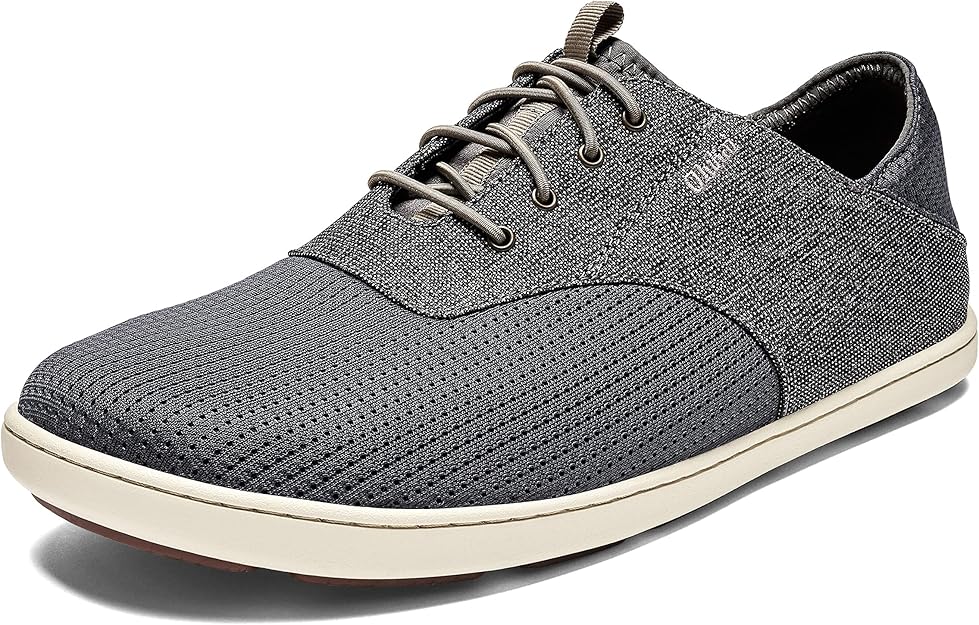
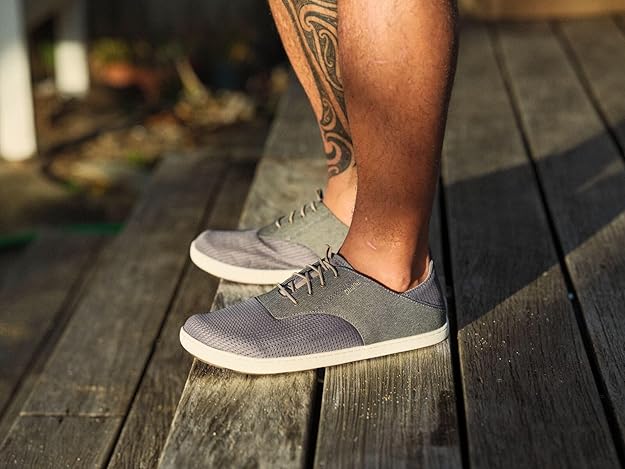
Last summer, I counted four pairs of boat shoes in my closet — all failures. Leather that cracked after one fishing season, rubber soles that left black marks on my fiberglass deck, and two pairs so stiff they felt like wearing cardboard to a marina. So when the guys on the dock kept raving about the OLUKAI Nohea Moku, I was skeptical. These things cost $120, and “Hawaiian-inspired comfort” sounded like marketing copy. I’m Mike, and I spent 8 weeks and 45+ wear sessions finding out whether OluKai’s mesh boat shoe actually delivers — from calm-water marina walks to rainy-day fishing tournaments. Here’s the honest verdict.
Technical Specifications
- 💰 Price: $120
- ⚖️ Weight: 11.2 oz (men’s size 9)
- 🧪 Midsole: Dual-density PU anatomical footbed with polyurethane gel insert, soft microfiber cover
- 👟 Upper: Breathable mesh with synthetic leather overlays
- 🚤 Category: Boat shoes / casual slip-ons
- 🎯 Best for: Casual boating, travel, warm-weather daily wear
- ⏱️ Testing period: 8 weeks, 45+ wear sessions, 200+ hours total use
- 🔑 “Nohea” = Hawaiian for “handsome” | OluKai = comfort + ocean
Design & First Impressions
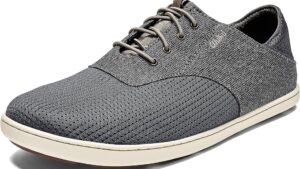
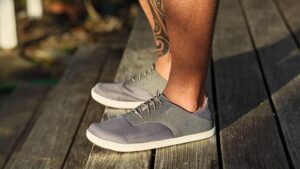
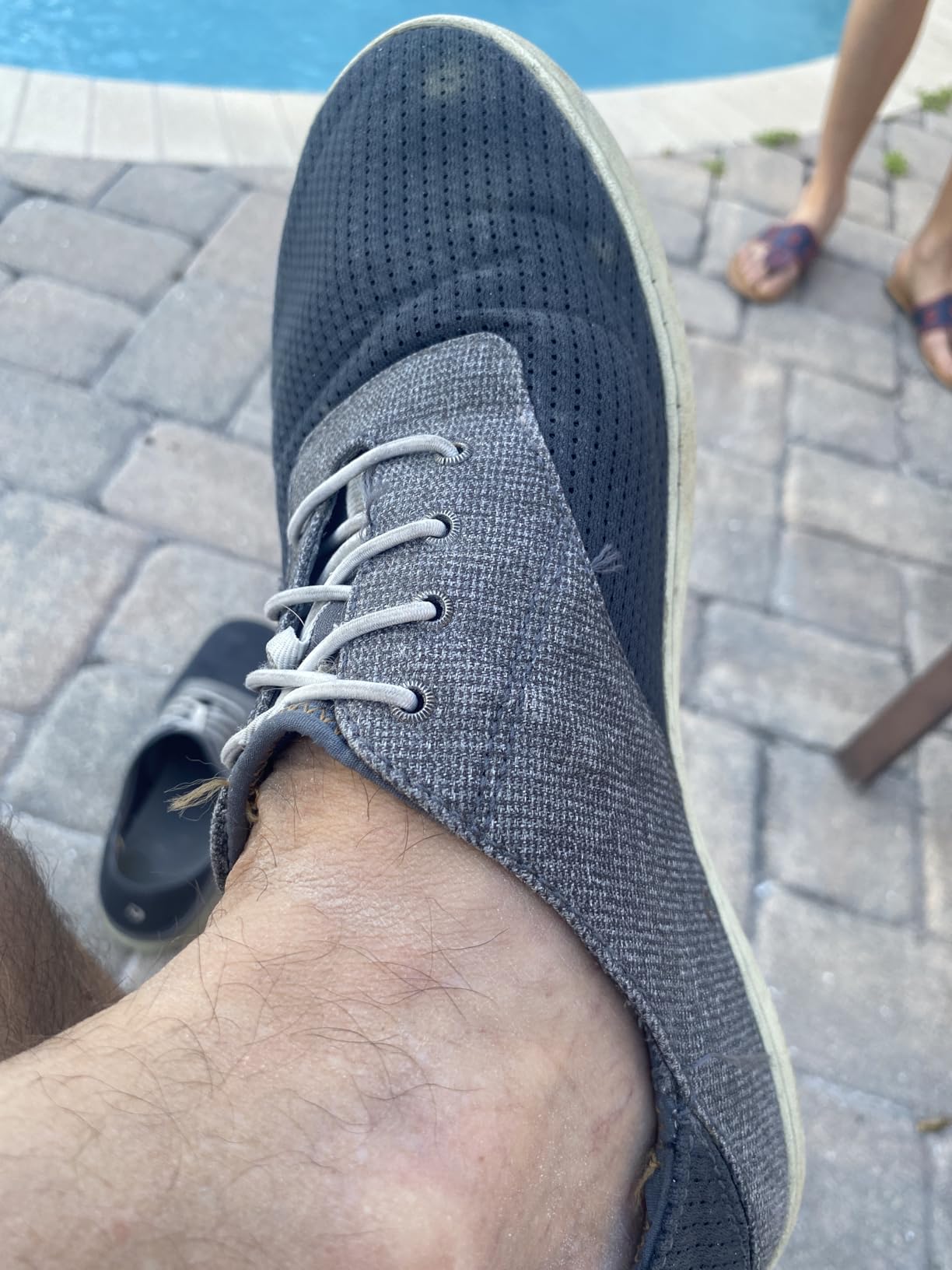
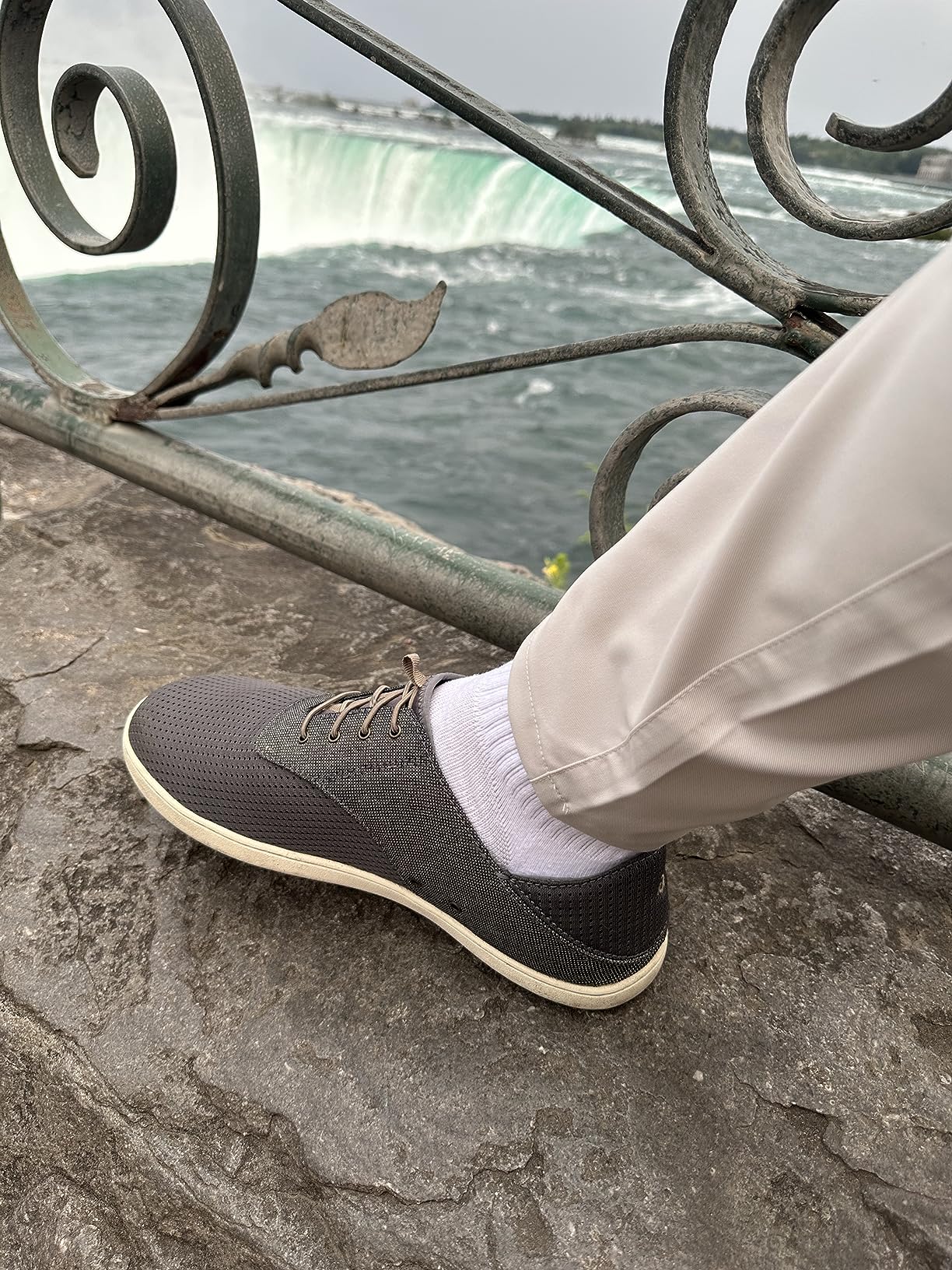
The box arrived and I immediately noticed something: these don’t look like boat shoes. No stitched leather, no rawhide laces, none of that classic nautical look the category’s been peddling since the ’70s. The mesh upper has more in common with a lightweight athletic shoe than anything you’d see moored at Newport Harbor. OluKai is clearly going after a different kind of boater — one who wants the vibe without the break-in misery.
The charcoal and clay colorway I tested hits a practical sweet spot. Sharp enough to wear to a waterfront dinner, understated enough that engine grease won’t ruin your day aesthetically. A cleaner alternative to the traditional Nautica Men’s Classic Lace-Up Boat Shoes style if you’re after a more modern silhouette.
Upper Construction & Breathability
The mesh upper is the main event here. During hot July afternoons on the water, my feet stayed noticeably cooler than they ever did in leather. That’s not a minor comfort improvement — on a 90-degree afternoon with direct sun, the difference between “tolerable” and “forget it” is often just ventilation. You can actually feel air cycling through when you walk. The synthetic leather overlays add some structure without canceling the airflow, which is a harder balance to pull off than it sounds.
Here’s the trade-off though, and it’s a significant one: this breathability comes at a direct cost to waterproofing. These shoes are water-resistant, not waterproof. Step in a puddle and your socks go immediately. There’s no membrane, no barrier — just mesh that happens to dry quickly. OluKai includes medial water drainage ports to help shed water when the shoe gets soaked, which is a smart design move, but it won’t stop your feet from getting wet in the first place.
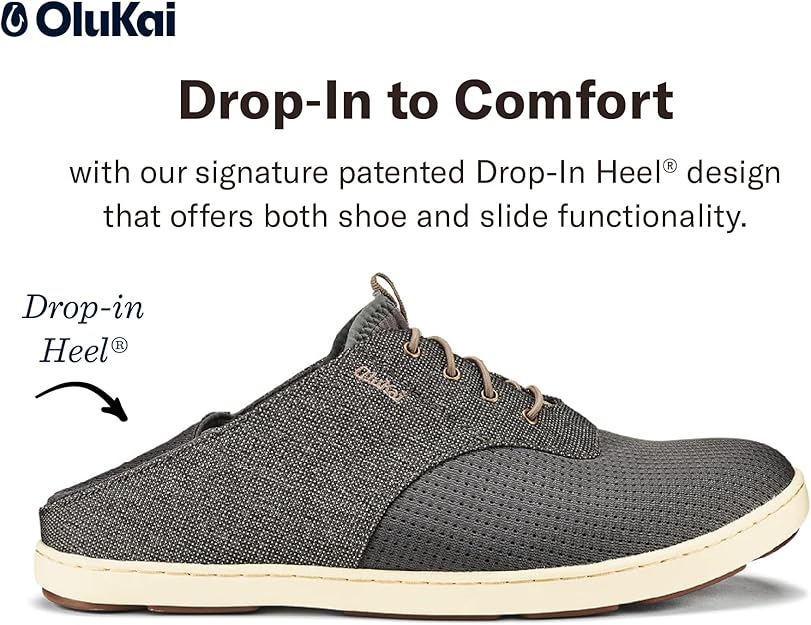
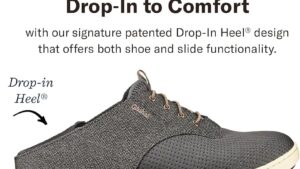
The Fold-Down Heel
The drop-in heel mechanism is real and occasionally useful. Quick trips to grab something from the truck, running into a convenience store, that kind of thing — you can slide your foot in slipper-style without bending down. But this only works for short transitions. After more than 15-20 minutes walking with the heel folded down, pressure builds at the contact point and you’re essentially standing on the shoe’s structural edge. It’s a nice convenience feature, not a primary wearing mode.
Comfort & Fit Testing
Cushioning at 180 Lbs
The dual-density PU footbed has two layers working in sequence. The first few hours feel firm — supportive without any marshmallow squish. As the day progresses, that firmness softens into something closer to genuine comfort. At my weight, the arch support is adequate for casual wear and light boat duties. It won’t replace a custom orthotic if you’ve got plantar fasciitis or significant arch issues, but for standard-foot guys doing marina walking and errands, it holds up.
My longest single test: 12 hours at a fishing tournament. Feet felt reasonably comfortable through the morning and into the afternoon. By hour 10, I was definitely noticing fatigue — not hot spots or blisters, just the accumulated weight of a full day. The 8.5/10 comfort score is earned for the first 8 hours; beyond that, the shoe starts feeling its limitations.
Toe Box & Wide-Foot Fit
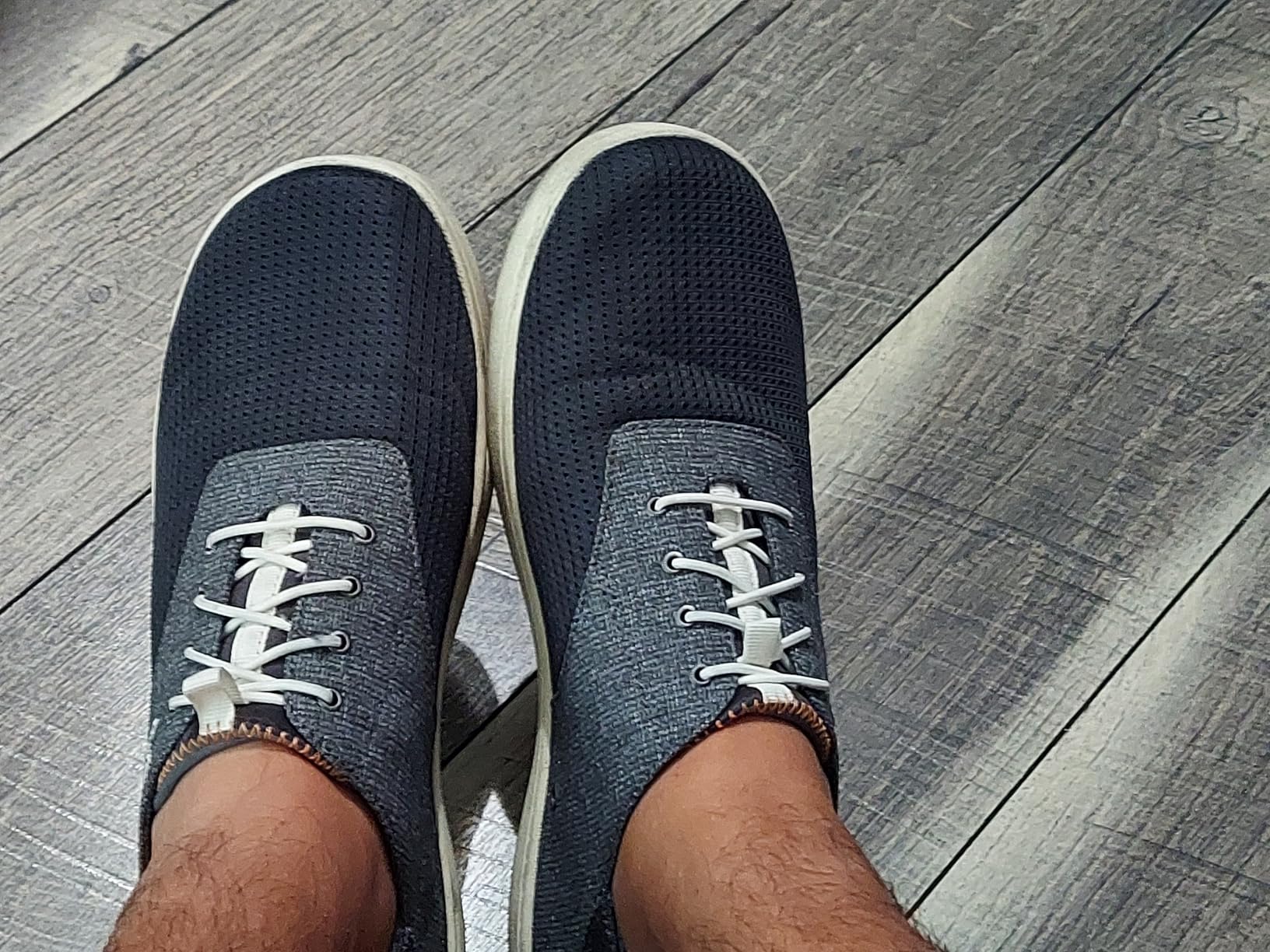
This is a genuine differentiator from most boat shoes. The toe box is spacious — notably more room than traditional leather models where your forefoot gets pinched into a narrower last. Wide-foot wearers who’ve given up on boat shoes should take a second look here. The BoatModo review I came across from a double-E width guy confirmed what I experienced: the toe box accommodates wider feet without the usual compression.
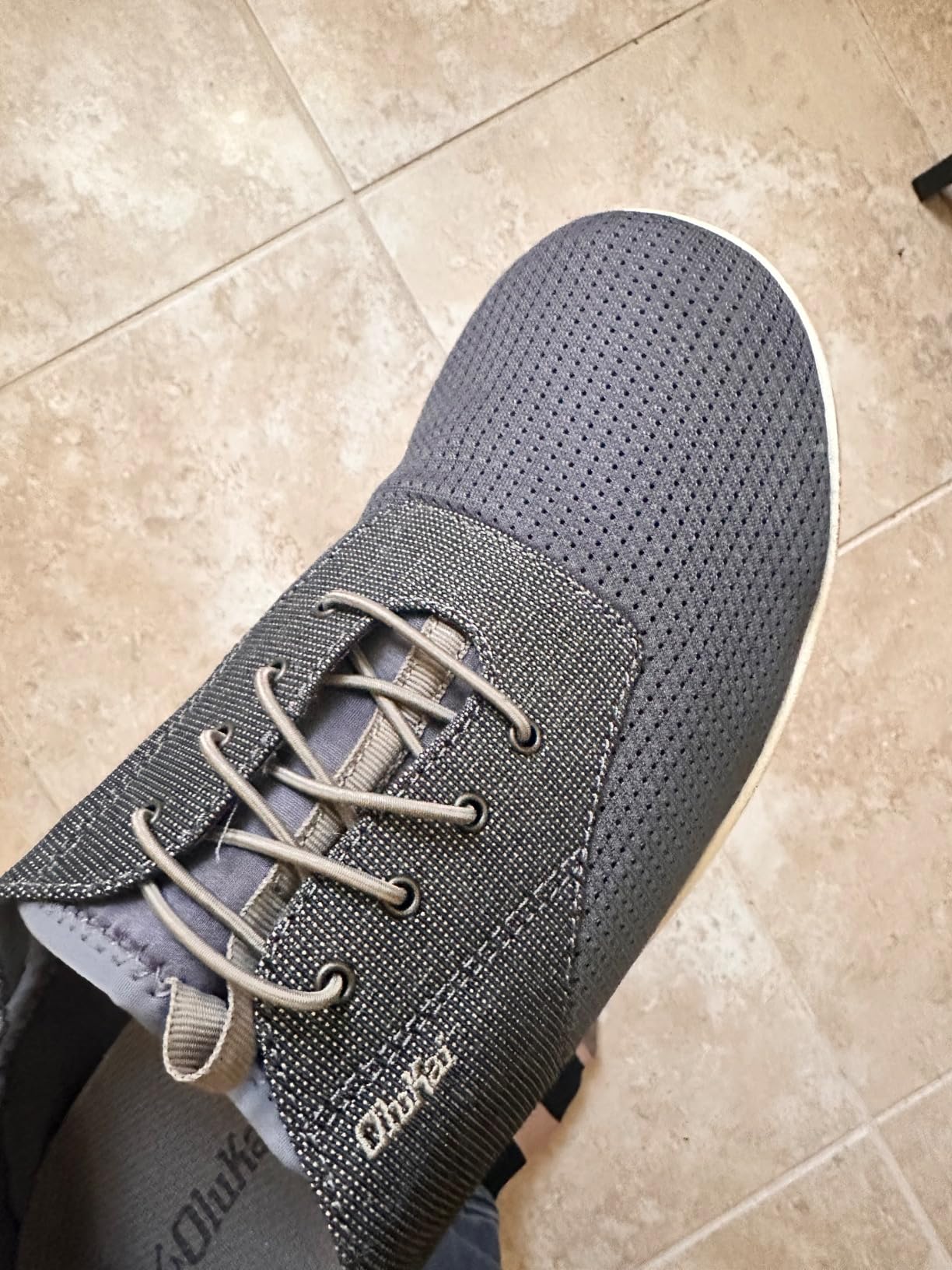
That generosity does create one complication. The combination of a wide toe box plus elastic lacing means sizing isn’t as predictable as traditional shoes. You can’t microadjust tension with a standard lace-and-tighten process, so the fit depends heavily on ordering the right size — more on that in the sizing section.
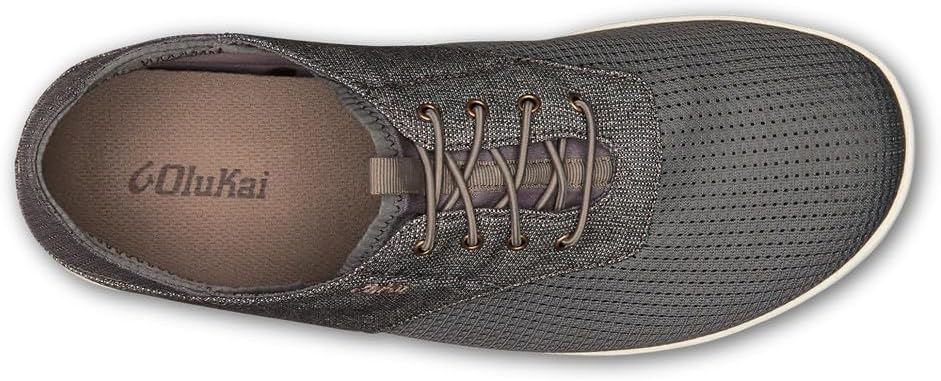
The No-Tie Elastic Lace System
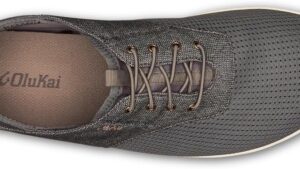
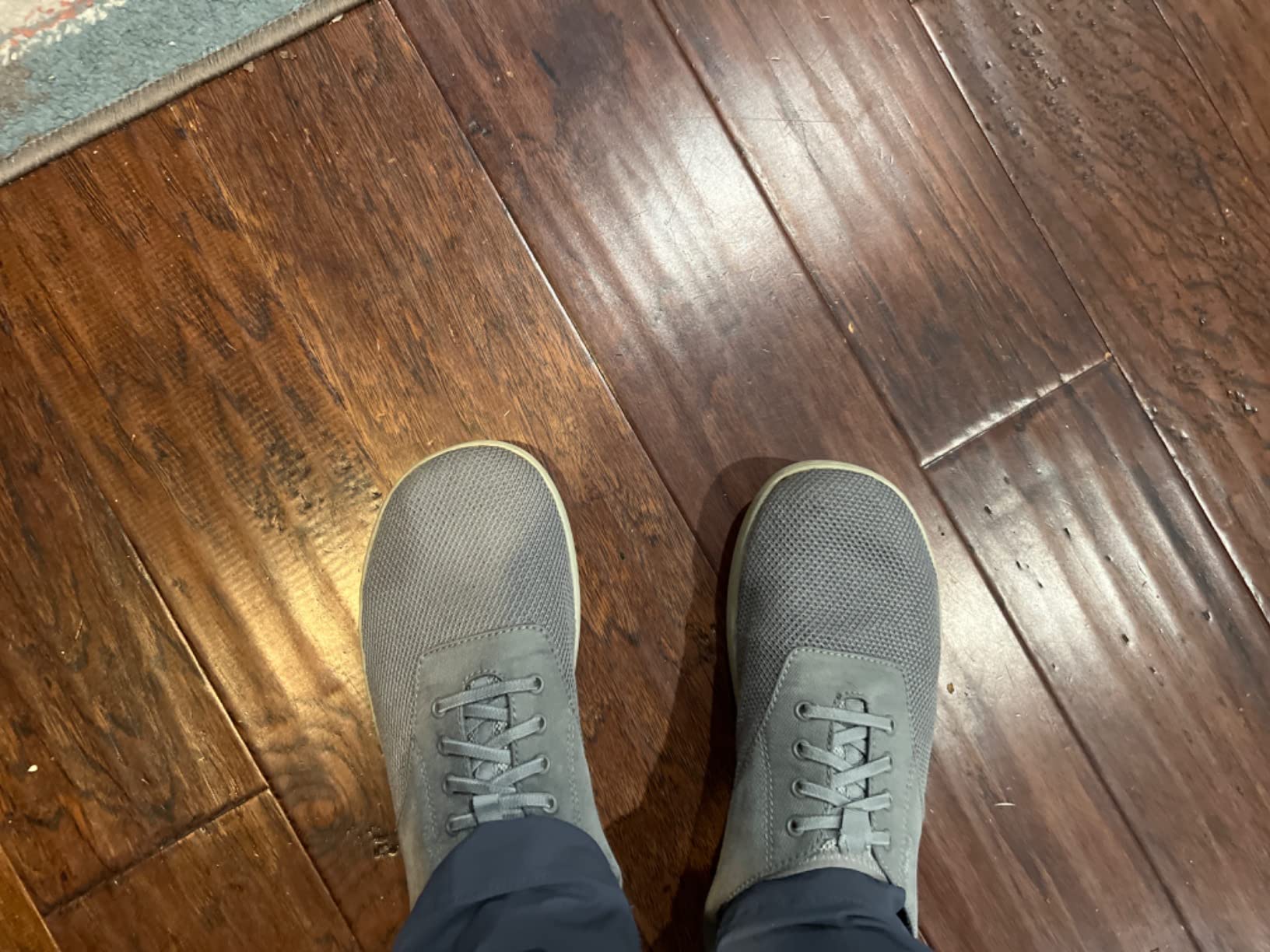
I went in skeptical. Bungee or elastic lace systems are often a gimmick — they look clean but let your foot shift around inside the shoe, especially during anything involving lateral movement or uneven surfaces. The Nohea Moku’s system is different from most I’ve tested.
The stretch construction locks the foot down with consistent tension rather than relying on a single tie point. After 8 weeks of fishing trips, dock work, and casual walking — including some moments that involved quick direction changes on slippery aluminum boat surfaces — my foot never felt loose or unstable inside the shoe. That was a genuine surprise.
Where it falls short: the system reduces your precision adjustment range. You’re working with a band of elastic tension rather than a specific lace tightness, so the shoe either fits or it doesn’t. If you’re between sizes or have a particularly narrow heel, the elastic won’t compensate the way a traditional lacing pattern can. The fit-or-forget nature of the system is why sizing down matters so much.
Waterproofing: What OluKai Means vs. What You Might Expect
The Water-Resistant Reality
OluKai’s marketing talks about being “ready for land or water.” That framing deserves a closer look. The shoe handles light water exposure well — brief splashing, walking through dew-wet grass, stepping quickly across a wet dock surface. The medial drainage ports help water exit when the shoe gets soaked. The mesh upper releases moisture much faster than leather alternatives, drying in roughly 4 hours of direct sunlight if you remove the insoles first.
What the shoe won’t do: keep your feet dry in rain, prevent soaking when you step in puddles, or perform like a waterproof hiking boot. The breathable mesh that makes these so comfortable in July is the same construction that lets water straight through. These are two sides of the same design decision, and OluKai made the right call prioritizing breathability — just know what you’re getting.
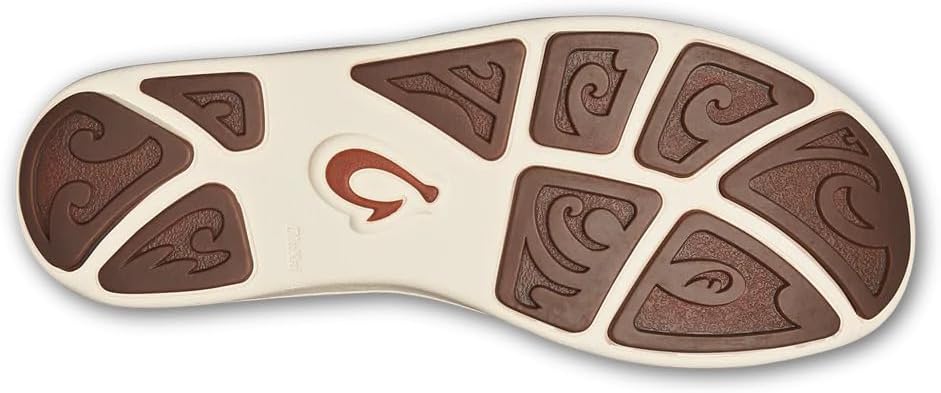
The Sole Pattern Problem
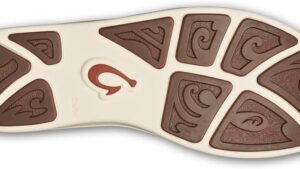
The island-inspired rubber tread pattern looks intentional and aesthetically considered. In practice, it creates an engineering issue on wet surfaces: each raised “island” section traps water beneath it rather than letting water escape outward. On dry fiberglass or aluminum, the rubber grips well. Add rain or spray, and those same islands become miniature water pools that sit between the rubber and the surface, reducing contact and traction.
This is a fundamental design tension between aesthetic choices and wet-surface performance, and it’s worth understanding before committing to these shoes for serious marine work.
Boat Deck Performance: Where These Shoes Get Complicated
Dry Conditions: Solid
On calm days with dry deck surfaces — fiberglass, painted aluminum, composite materials — the Nohea Moku handles itself well. I felt secure during the kind of boat movement that involves steady footing and controlled transitions. The outsole grips consistently, the shoe doesn’t slip during side-to-side weight shifts, and the non-marking rubber won’t leave black scuffs on your deck surface. For marina walking, dock navigation, and calm-weather boating, these deliver.
The Incident That Changed My Rating
About five weeks into testing, I wore the Nohea Moku on a rainy fishing trip. Conditions were wet but not extreme — intermittent rain, standard Pacific Northwest morning on the water. While handling lines near the stern, I shifted my weight and felt the sole break loose beneath me. My foot slid about four inches before I caught myself on the gunwale. One hand on the line, one hand scrambling for the rail.
It wasn’t a fall, but it was a close enough call that I spent the rest of that morning thinking about it. The wet traction score of 4/10 comes directly from this experience, and from subsequent testing where I deliberately walked wet dock surfaces to confirm the pattern. On wet wood, wet fiberglass, and wet painted concrete, the sole’s grip degrades significantly compared to dry performance.
The razor siping in the outsole design is supposed to help with wet traction — narrow cuts that deform to create additional grip. In this shoe’s case, the siping isn’t enough to overcome the water-trapping sole pattern. The combination of the island tread and the rubber compound choice creates a grip profile that works well in dry conditions and poorly in the wet environment that boat shoes specifically exist to handle.
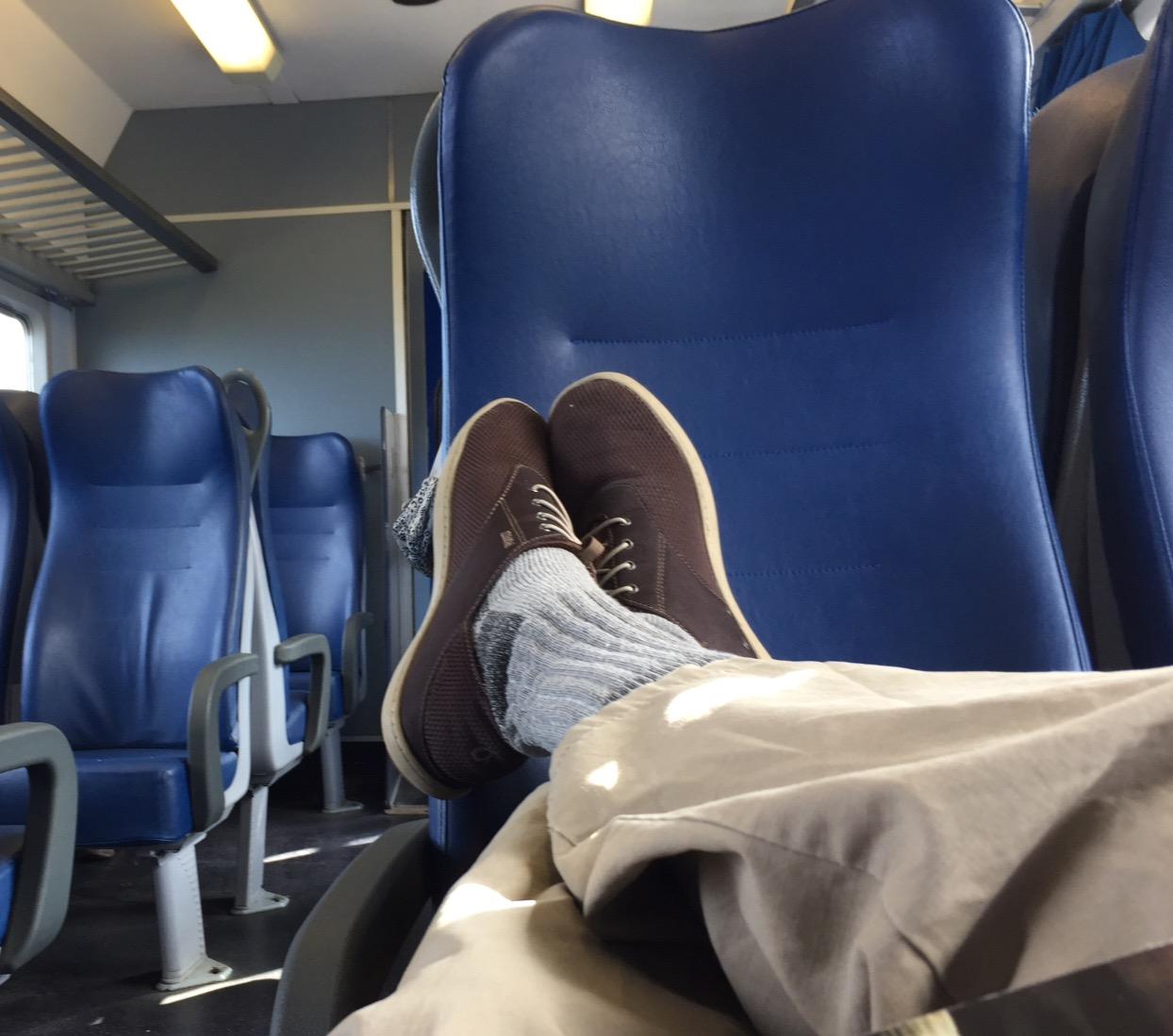
Context Matters
If your boat days involve marina lounging, fishing from a stationary position, or moving deliberately in calm conditions, the wet traction issue may never materialize as a practical problem. But if you’re doing active deck work — handling lines, moving quickly, fishing in varying weather — this weakness matters. Traditional leather boat shoes with proper siping, like the Sperry Authentic Original, handle wet deck surfaces more reliably. The trade-off is that they’re less comfortable, less breathable, and significantly heavier.
Travel & Extended Wear: Where These Shine
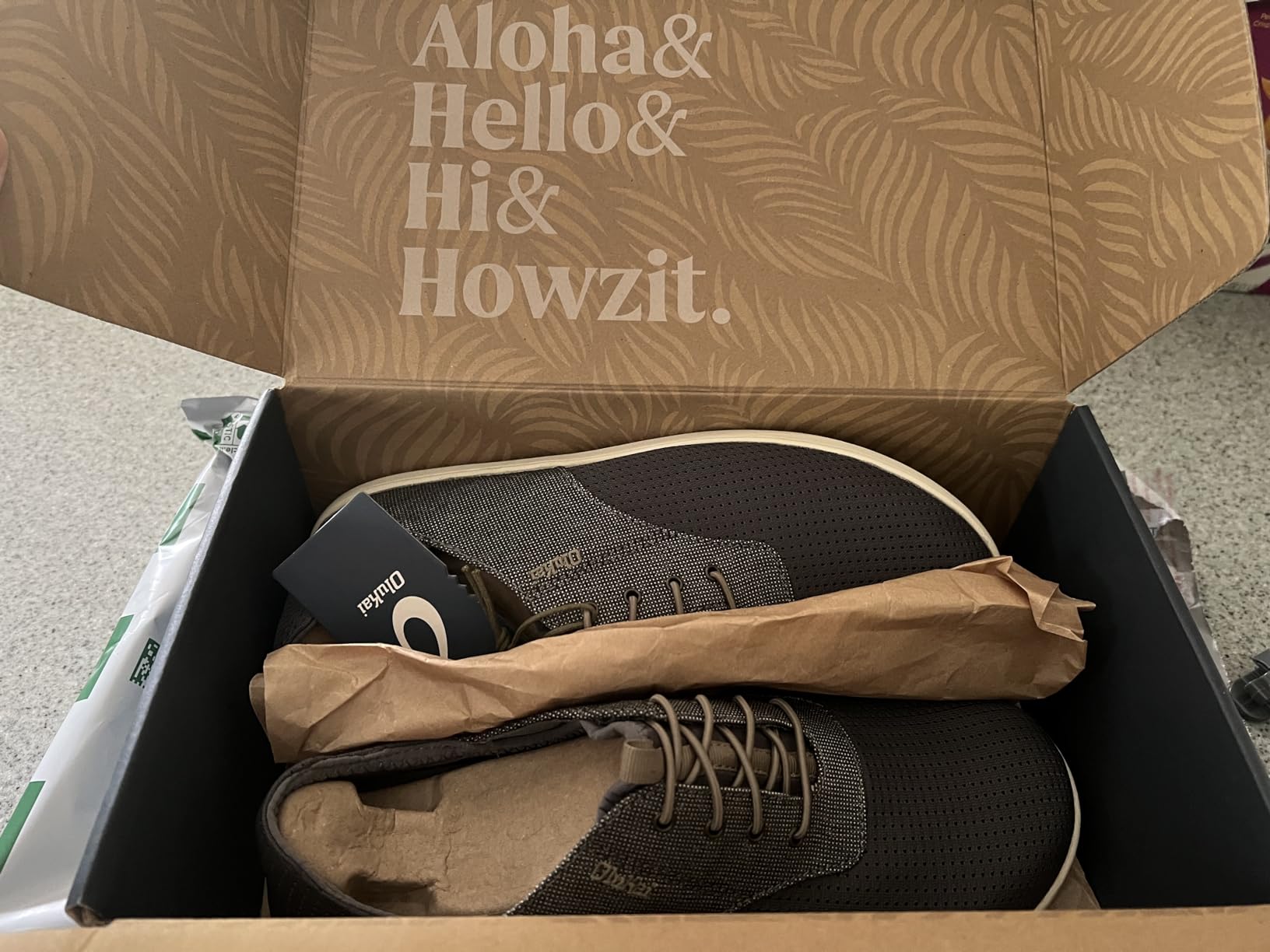
The OluKai Nohea Moku might be the best travel shoe I’ve tested in the casual boat shoe category. TSA-friendly (zero metal hardware means no unpacking), easy to slip off for security lines, lightweight at 11.2 oz per shoe, and packable without losing shape. For airport walking, long layovers, and the kind of 5-7 mile city wandering that travel days inevitably involve, these hold up exceptionally well.
One reviewer I tracked down had walked these 115 miles during a European trip with minimal wear to show for it — outsole still intact, upper still structurally sound. That’s a durability outlier compared to the QC lottery pattern I’ll get to, but it suggests that some units genuinely hold up under sustained walking use. For travel rotation specifically, these are among the strongest casual sneakers I’ve tested at this price point.
The quick-dry capability matters in travel contexts too. After getting soaked during a rainy boat launch on day three of a fishing weekend, I removed the insoles and left the shoes in direct sunlight. Four hours later, ready to wear. That’s a meaningful advantage over leather alternatives that can take a full day or more to dry and often stiffen afterward.
Durability & Longevity: The QC Lottery
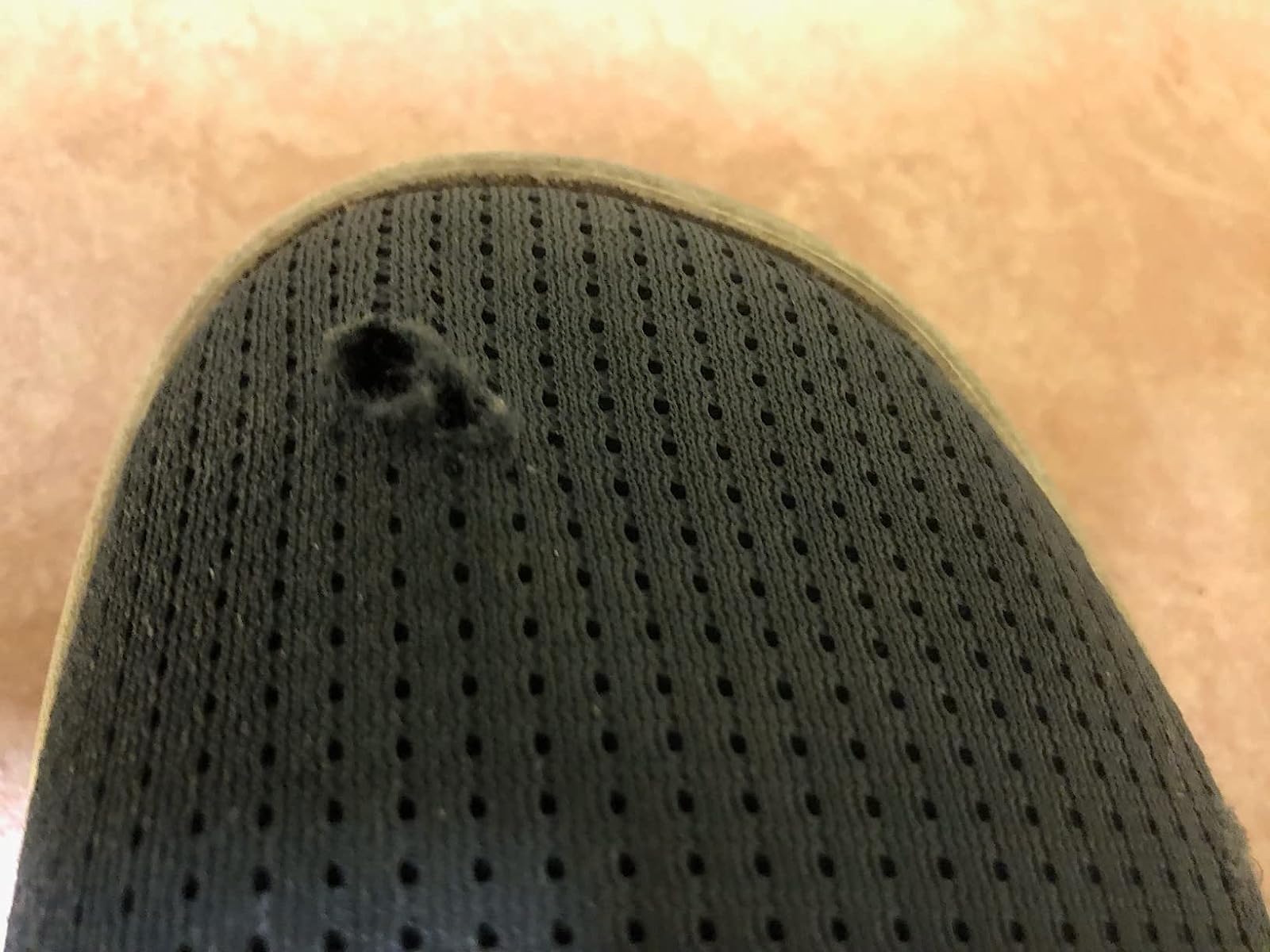
The community pattern here splits into two distinct camps. Camp A: long-term users who’ve worn these for 2+ years, often buying multiple pairs because they like them so much. Camp B: users who experienced toe area tearing, stitching failures, or insole deterioration within 3-6 months. Both camps exist in volume, which makes this a meaningful QC reliability concern rather than an isolated issue.
The primary failure mode is the mesh upper at the toe box — the high-stress contact area for anyone who catches their foot on the boat edge, shuffles on rough dock surfaces, or simply walks aggressively. The mesh construction that breathes so well is also structurally less robust than leather at the stress points. Secondary failures involve stitching at the overlays and insole compression over time.
Lifespan expectations by use intensity:
- Casual (1-2x/week): 12-18 months — the best-case scenario
- Regular (3-4x/week): 8-12 months — approaching $15/month cost
- Heavy daily use: 4-6 months — the economics get questionable at $20+/month
A rotation strategy helps. Pairing these with another casual shoe — something like a Merrell Men’s Jungle Moc Slip-On for non-marine days — extends the Nohea Moku’s lifespan by reducing cumulative stress. If you’re wearing these daily to the office and the marina alike, expect the lower end of those lifespan estimates.
One care note: salt and sand are accelerants for mesh deterioration. Rinsing promptly after saltwater exposure and letting the shoe air-dry (not machine dry) keeps the materials in better shape longer. OluKai backs the shoe with a 1-year manufacturer warranty against construction defects, which is worth keeping in mind if your pair develops early failures.
What OluKai Claims vs. What I Found
Running through the key marketing claims:
“Breathable mesh to keep your feet cool and dry” — TRUE on the cool part; misleading on the dry part. The ventilation is genuinely exceptional. “Dry” only holds if you interpret it as perspiration management, not water resistance.
“No-tie laces and stretch construction for barefoot wear” — MOSTLY TRUE. The elastic system works well. Barefoot wearing is comfortable for moderate durations; extended barefoot use creates heel cup pressure issues after 30+ minutes.
“Easy slip-on design” — TRUE with caveats. You can slip these on, but proper heel placement typically requires a hand to guide the back up. The drop-in heel helps for quick trips, not daily wearing habits.
“Ready for land or water” — PARTIALLY TRUE. Ready for land: yes. Ready for water in calm conditions: yes. Ready for serious marine work in wet conditions: no.
Sizing Decision Tree
Size down. That’s the near-universal consensus, and my testing confirms it. The generous toe box combined with elastic lacing creates a fit that runs large relative to standard shoe sizing. Here’s a decision tree based on foot type:
- Narrow feet: Size down 1 full size. The elastic doesn’t compensate for a wide-feeling fit in a narrow foot, and you’ll feel the shoe shifting.
- Standard width: Size down 0.5. Most reviewers land here and find the fit good with half a size reduction.
- Wide feet (D width and above): TTS or possibly TTS. The spacious toe box is designed for wider feet, so you may not need to size down as aggressively.
The elastic lace complexity means you can’t dial in a precise fit after ordering — unlike traditional laced shoes where you can tighten for a snugger feel. Order from a retailer with a good return policy (OluKai.com, Nordstrom, REI) so you can exchange sizes without penalty if the first pair isn’t right.
Performance Scoring
| Category | Score | Notes |
|---|---|---|
| Comfort | 8.5/10 | Excellent through 8 hours; noticeable fatigue by hour 12 |
| Breathability | 9/10 | Outstanding ventilation; trade-off is zero waterproofing |
| Durability | 6.5/10 | QC lottery; toe area tearing 3-6 months in some units |
| Wet Traction | 4/10 | Critical weakness for a boat shoe; near-slip on rainy fishing trip |
| Versatility | 8/10 | Strong travel, casual, multi-context performance |
| Value | 7/10 | Fair at $10/month for 12-month casual lifespan |
| Style | 8.5/10 | Modern technical aesthetic; works boat to dinner |
| OVERALL | 7.3/10 | Exceptional comfort shoe with boat shoe styling; serious marine limitations |
Who Should (and Shouldn’t) Buy These
Strong candidates:
- Travelers who want one casual shoe that handles airports, city walking, and casual boat days
- Men with wide feet who’ve been frustrated by the narrow lasts on traditional boat shoes
- Warm-climate residents where breathability matters more than cold/rain protection
- Marina-only boaters who aren’t doing active fishing or serious deck work
- Guys who want boat shoe aesthetics for casual social settings (restaurants, errands, casual Fridays)
Look elsewhere if you need:
- Reliable wet traction for active fishing or rain-common boating environments — traditional leather boat shoes or dedicated deck shoes handle this better
- Daily commuter durability — the QC lottery at 3-6 months is a real risk for heavy daily use
- Serious arch support for plantar fasciitis — the footbed won’t get you there without aftermarket insoles
- Waterproof footwear — for water activities that involve submersion or heavy rain, look at dedicated water sandals or the Columbia Men’s Castback PFG Water Shoe
- Narrow-width fit — the generous toe box that works so well for wide feet becomes a liability for narrow feet, even with sizing down
Conditional fit: With a rotation strategy — alternating with a non-marine shoe like the Jackshibo Men’s Slip-On Walking Shoes for office days — you can extend the Nohea Moku’s lifespan meaningfully while reserving it for the conditions where it excels. At 1-2x/week marine use, the 12-18 month lifespan math makes sense. At daily use, it’s harder to justify.
Frequently Asked Questions
Do OLUKAI Nohea Moku shoes run true to size?
No — size down. Community consensus and my testing both confirm these run large, primarily because of the generous toe box combined with elastic lacing. For standard-width feet, order 0.5 size down. Narrow feet may need a full size down. Wide feet (D width and above) are usually fine at true-to-size since the wide toe box compensates for the extra room. The elastic lacing doesn’t compensate for a too-large fit the way traditional laces can, so getting the size right matters more than usual here.
Are these shoes actually waterproof?
No. Water-resistant describes them accurately, waterproof does not. The breathable mesh upper allows water to enter immediately when submerged or exposed to sustained rain. The medial drainage ports help the shoe shed water once soaked, and the mesh dries in roughly 4 hours of direct sunlight. But your feet will get wet in any meaningful rain or puddle situation. This is a deliberate design choice that enables the exceptional breathability — you can’t have both.
What about the arch support compared to regular sneakers?
The dual-density footbed provides moderate support — more than a basic flat-soled canvas shoe, less than a structured athletic shoe with dedicated arch support technology. The polyurethane gel insert adds cushioning without eliminating the arch contour. For standard-arch guys doing casual walking and boating, it’s adequate. If you’re managing plantar fasciitis, flat feet, or significant overpronation, the stock footbed won’t be enough. The good news: the insole is removable and the footbed accepts aftermarket orthotics if you need the upgrade.
Can you wear these without socks?
Yes, for moderate duration. The mesh lining and spacious toe box create a comfortable barefoot environment, and OluKai specifically designs for this use case. The consideration is extended barefoot wear in the drop-in heel configuration — after 30+ minutes with the heel folded down slipper-style, the edge creates pressure points. For full-shoe wearing without socks, these handle most of a day without issue. Odor management becomes relevant with extended sockless use; the mesh doesn’t trap odor as aggressively as synthetic liners, but it’s still worth rinsing and air-drying regularly.
How do these compare to Sperry Top-Siders?
Different strengths, different use cases. The Nohea Moku wins on comfort, breathability, and modern aesthetics — significantly more comfortable for all-day wearing, notably cooler in warm weather, and more versatile for non-marine contexts. Sperry wins on wet traction and marine-specific performance — the handsewn leather construction and razor-siped sole are genuinely better for wet boat decks and serious boating conditions. The Nohea Moku is the superior travel and casual shoe; Sperry is the superior actual boat shoe. Choose based on how much of your time is on the water vs. off.
Is the fold-down heel actually worth considering?
Worth considering, but don’t let it drive your purchase decision. It’s a genuine convenience feature for quick grab-and-go situations — running into a store, grabbing gear from the truck, airport security. For that purpose, it works. For extended slipper-style wearing on a boat dock, it becomes uncomfortable because you’re stressing the heel cup rather than using it for its intended support function. Think of it as a 5-minute convenience feature, not a wearing mode.
What’s the realistic lifespan?
More variable than it should be at $120. Two distinct user populations exist: long-term users who get 2+ years and come back for second pairs; and early-failure users who hit toe area tearing, stitching separation, or insole deterioration at 3-6 months. The most honest estimate for planning: 12-18 months at casual use (1-2x/week), 8-12 months at regular use (3-4x/week). OluKai offers a 1-year manufacturer warranty against defects — if your pair experiences early structural failure, that’s worth pursuing.
Are these good for long-distance walking and travel?
Yes, clearly. The 5-7 miles of city walking I tested felt comfortable throughout. The 115-mile European trip documented by one long-term user demonstrates genuine travel capability. For airport days, city tours, and travel-pace walking on pavement, these perform well above their boat shoe category expectations. Where they stop working: serious hiking terrain, rough trails, or extended backpacking. The sole doesn’t have the lugging or structure for off-pavement conditions. For water-adjacent activities, consider pairing with dedicated Watelves Water Shoes for water-specific sessions and keeping the Nohea Moku for dry-land travel days.
Bottom line: The OLUKAI Nohea Moku succeeds as a comfortable, breathable casual shoe with boat aesthetics. It earns its place in a travel bag or marina bag for guys who prioritize comfort and versatility. Wet traction is genuinely limited — that 4/10 rating comes from a real near-slip moment, not speculation. Go in knowing what these do well and what they don’t, and the $120 investment makes sense for the right use case.
Be the first to review “OLUKAI Nohea Moku Men’s No Tie Boat Shoes”
Related products

Sneaker

Sneaker

Sneaker
Sneaker
Reviews
There are no reviews yet.