
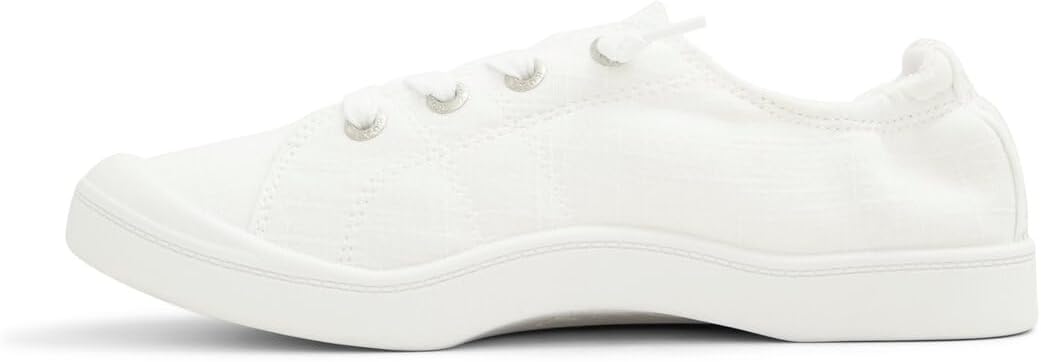
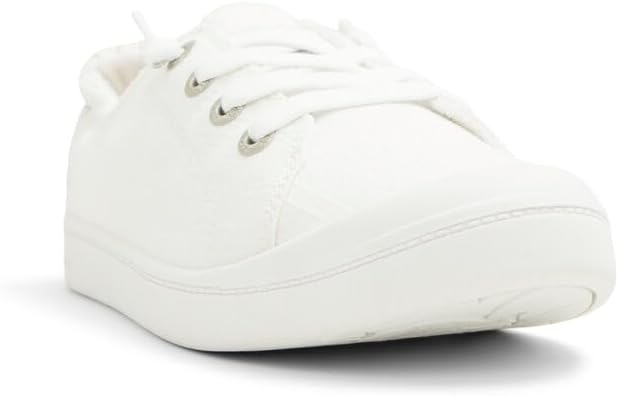
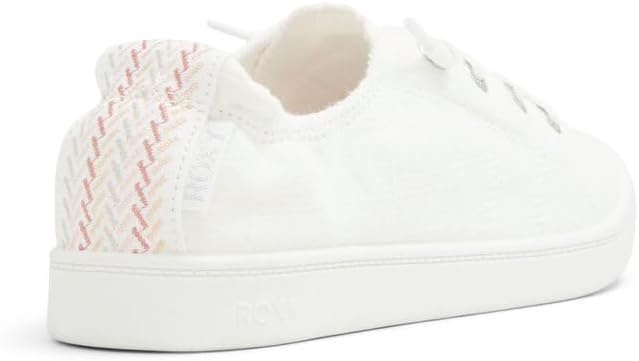
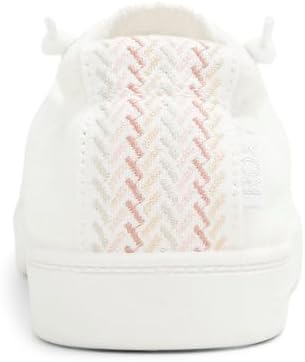
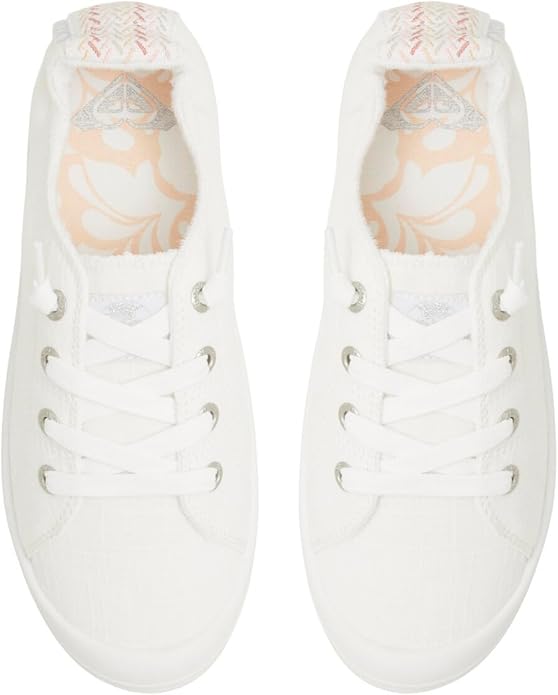
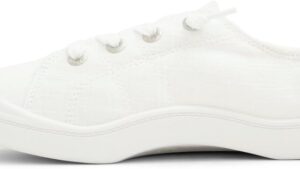
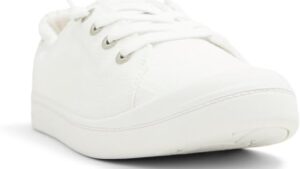
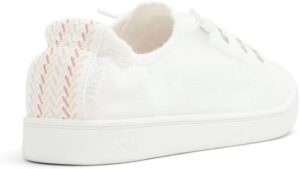
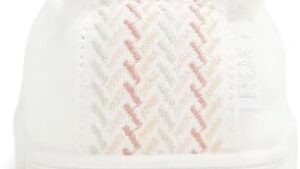
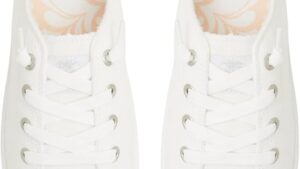
Roxy Women’s Bayshore Slip on Shoe Sneaker
$39.98
- 💰 Price: $35–45 (varies by colorway and retailer)
- ⚖️ Weight: 6.2 oz (women’s size 8)
- 🧪 Insole: Memory foam with graphic print
- 👟 Upper: Cotton/polyester textile blend
- 🏃 Lining: Terry cloth
- 🔩 Outsole: Flexible TPR injected with molded arch detail
- 🎯 Best for: Daily errands, casual outings, travel, light walking
- 🌍 Origin: Imported
- 👠 Style: Slip-on with stretchy collar and cotton laces
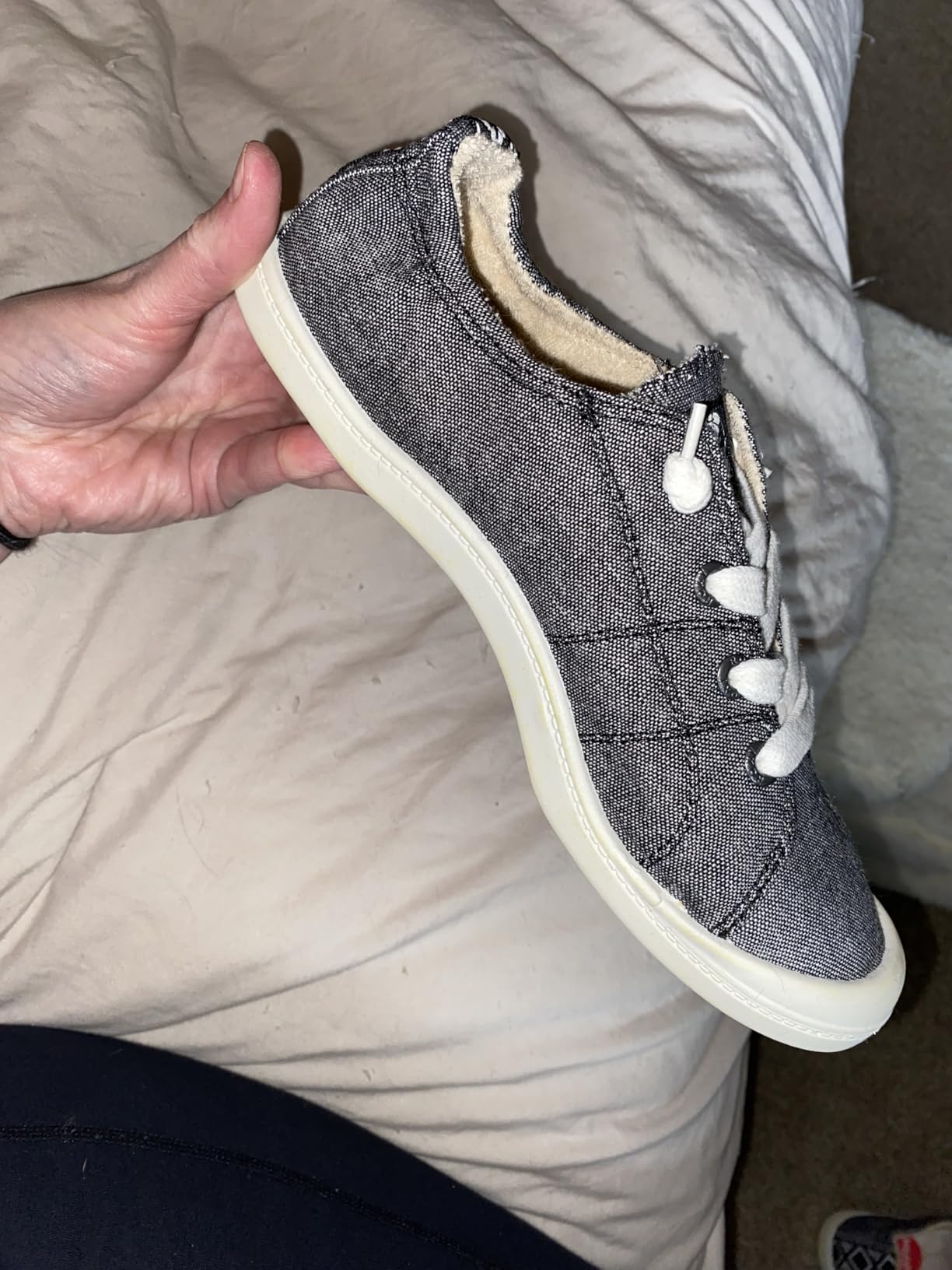
My workout buddy dropped the name “Roxy Bayshore” so casually over coffee one morning — like it was obvious information I’d been missing. She was wearing them, actually, while sipping her oat latte. Sarah here, and I’ll be honest: my first reaction was pure skepticism. Canvas slip-ons at $40? I’ve been burned by that promise before. But I went home, did my research, and decided to run a proper 8-week test before forming any opinion. Forty-plus wear sessions later — grocery hauls, school events, a few muddy playground afternoons — I have a verdict that’s a little more nuanced than the five-star reviews suggest.
First Impressions: Build Quality and What You’re Actually Getting
The box-to-foot experience is genuinely impressive for the price. The cotton/polyester textile upper feels closer to a thick athletic sock than traditional lifestyle sneaker canvas — there’s an immediate give and softness that you don’t usually encounter until you’ve broken a shoe in for two weeks. I had zero of that rigid new-shoe stiffness on day one. None.
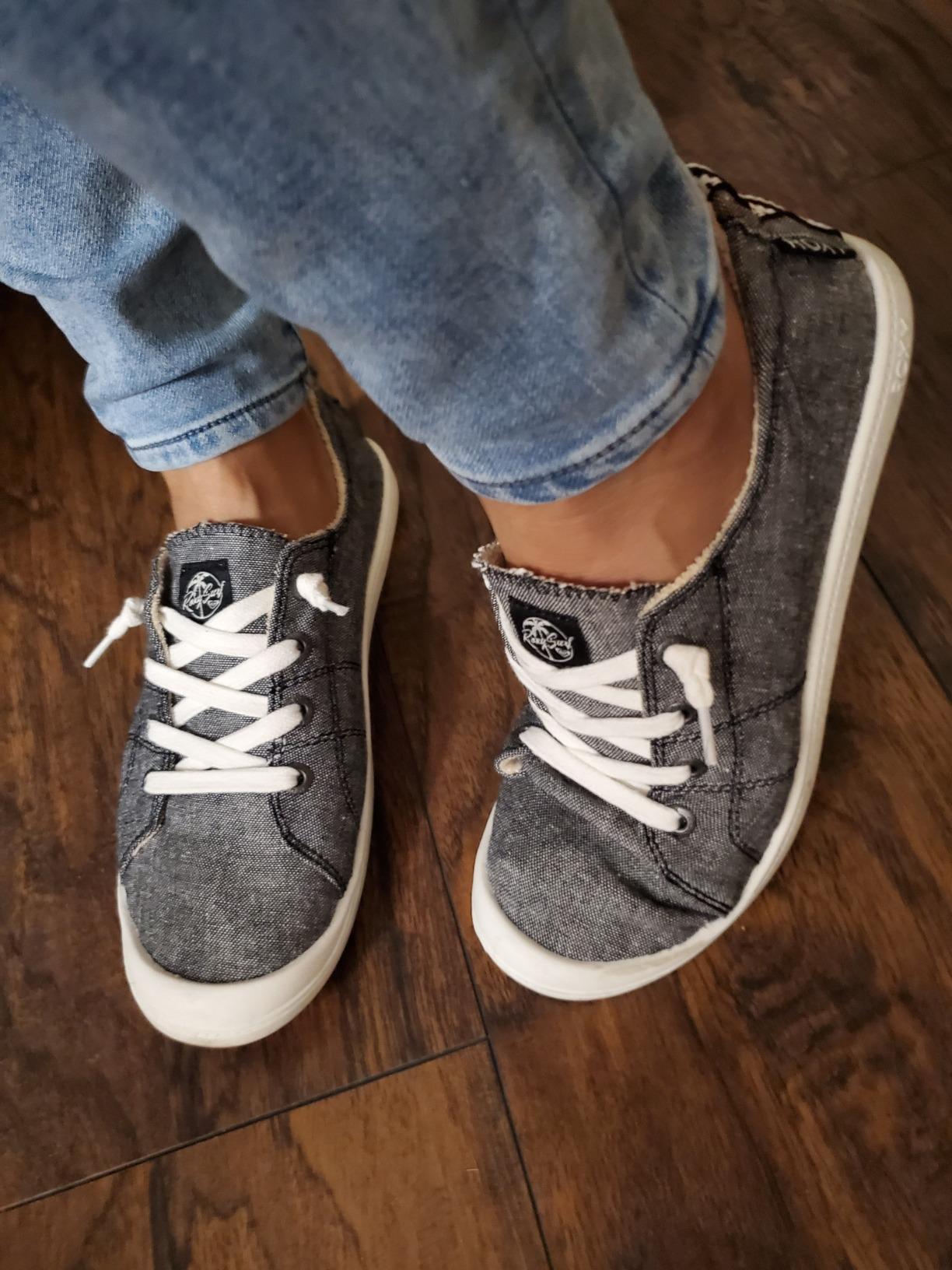
The stretchy collar is the star of the practical design. It opens wide enough that I can slip my foot in without bending down to loosen anything — which sounds trivial until you’re holding grocery bags in both hands, or trying to manage a 7-year-old on a curb. One-handed entry is genuinely possible here, and that’s a convenience that earns its keep.
What the build doesn’t do is pretend to be something it isn’t. The polyurethane accents provide a little structural definition but won’t fool anyone into thinking these are high-support shoes. The cotton laces sit in their eyelets looking decorative — I realized around week two that I’d never once actually adjusted them. They’re functional in theory and ornamental in practice. If you want proper athletic lace tension, something like the Handshop Athletic Shoelaces in a flat elastic format would work better here, though most people just leave them alone.
Construction overall: solid for the lifestyle category. The upper stitching held through three machine wash cycles without separation, and I saw no fraying at the toe box through 8 weeks of moderate use. These feel like $40 shoes made well — not like $80 shoes made cheaply.
The Memory Foam Story: Honest Timeline
The terry cloth lining deserves a separate mention because it changes the barefoot-wear equation entirely. Most canvas sneakers at this price feel like sandpaper against bare skin after an hour. The Bayshore lining sits against your foot like a worn-in cotton t-shirt. I wore them sockless for the first three weeks almost exclusively, and the comfort was genuinely good.
But let me give you the memory foam reality in timeline form, because it matters a lot for how you use these shoes:
Hours 0–4: Outstanding. The cushioning is plush, responsive, and the kind of comfortable that made me immediately understand why my friend was evangelizing over coffee. This is the comfort phase that earns the enthusiastic reviews.
Hours 4–6: Still solid. You might notice your feet more than you did at hour two, but I had no complaints during a typical grocery-plus-Target run in this window.
Hours 6+: This is where I found what I started mentally calling the “Saturday wall.” On a particularly busy weekend — school soccer game in the morning, farmer’s market, afternoon playground — by hour six I could feel the outsole directly. The memory foam doesn’t disappear, but it compresses enough that the thin TPR outsole becomes part of your conscious experience. If you’re on concrete all day, this is the moment you notice.
The honest conclusion: these are excellent 4–6 hour shoes. They’re not designed to be all-day work shoes, and treating them like one will disappoint you. As lifestyle sneakers meant for errands and casual outings, that comfort window is exactly right.
The Sizing Situation: Read This Before You Order
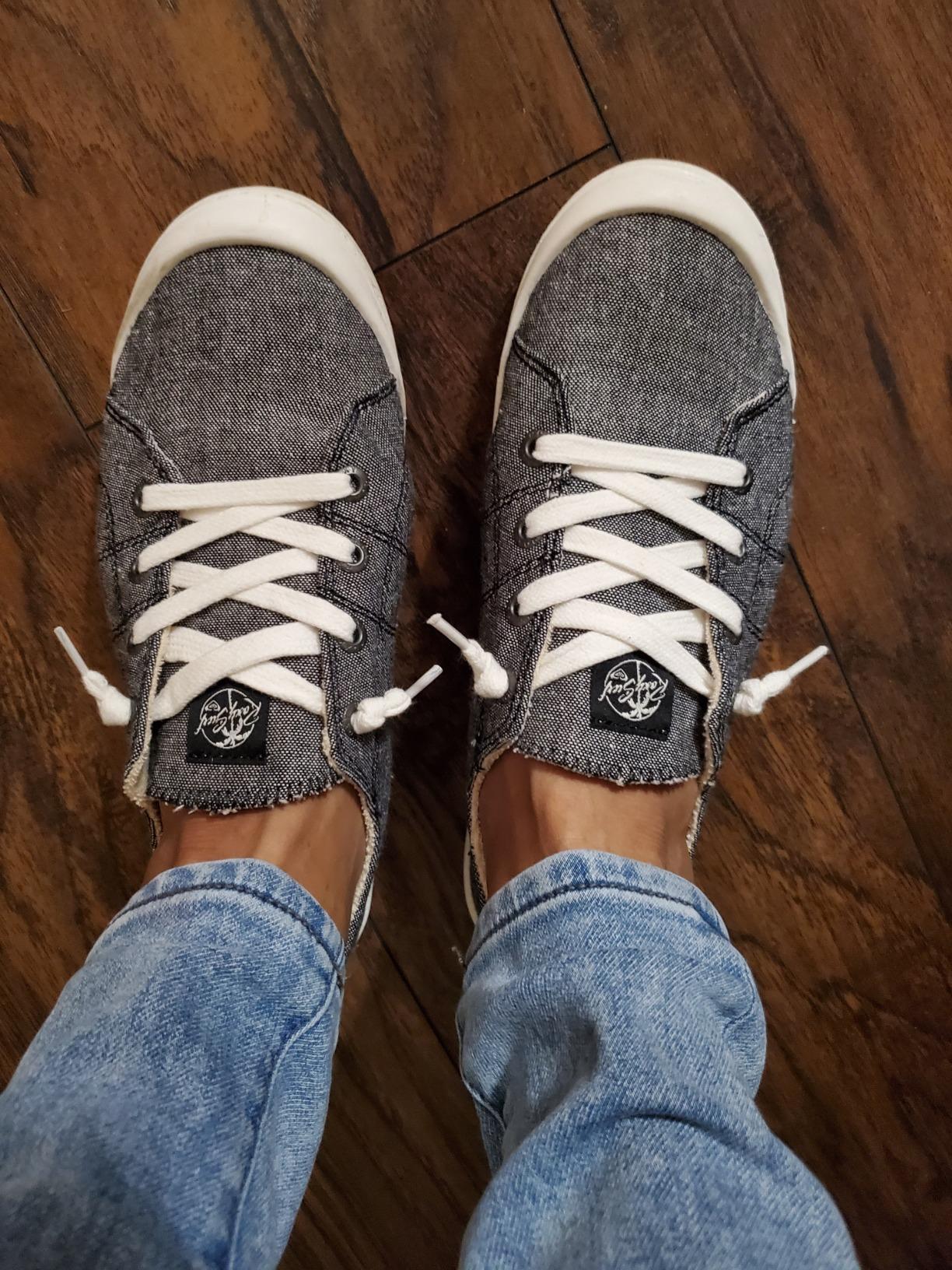
I’m going to spend more time on this than you might expect, because sizing is the number one reason people return these shoes and leave frustrated reviews. After reading through hundreds of customer comments across multiple retailers and running my own test, here’s what I know for certain: these run small, consistently, and you should size up before you do anything else.
I normally wear a size 8. I ordered an 8.5. With no-show socks, the 8.5 fits snugly — not uncomfortably tight, but there’s no extra room. If I had ordered my usual 8, I’m confident they would have been too small for anything beyond very brief wear.
Here’s the practical decision tree:
| Foot Type | No-Show Socks | Regular Socks |
|---|---|---|
| Standard width | Size up 0.5 | Size up full 1 |
| Narrow | Try TTS first, 0.5 up if snug | Size up 0.5 |
| Wide | Size up 0.5–1 | Size up full 1 |
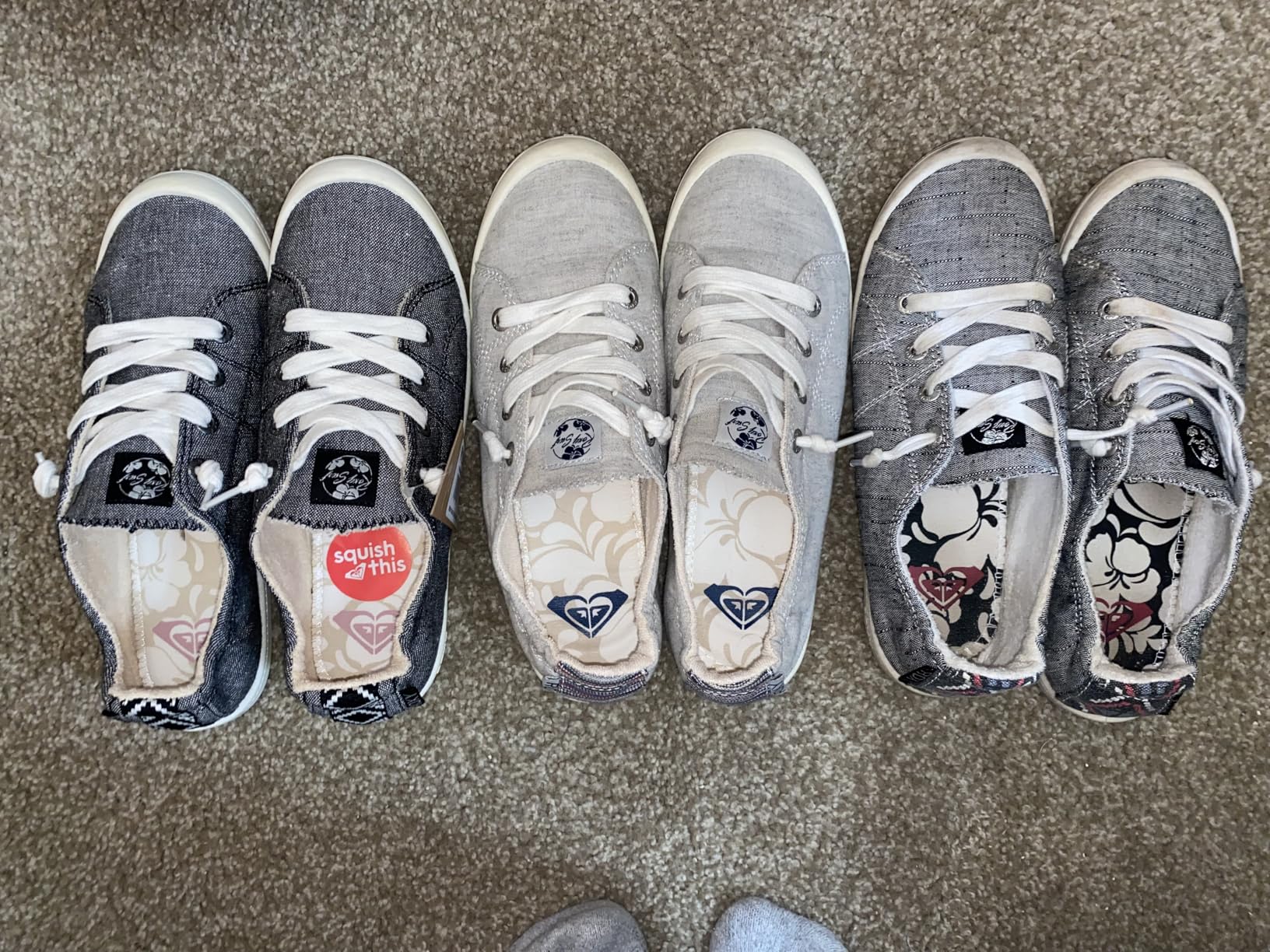
There’s also a colorway variable that I didn’t see discussed clearly anywhere else. Multiple customers — and I noticed this pattern in both Zappos reviews and community forums — reported that the fit feels different between colorways. The darker (black, navy) versions tend to run slightly narrower than lighter colorways. If you’re ordering more than one pair or switching from a previous color, don’t assume the fit will be identical. It may be manufacturing variation between production batches, but it’s real and consistent enough to mention.
The shoes will also stretch slightly during the first two weeks of regular wear. Some people who ordered TTS found they worked out fine after a break-in period. But “hoping for stretch” is not a reliable sizing strategy, and I wouldn’t gamble on it.
Eight Weeks in Real Life: What Actually Happened
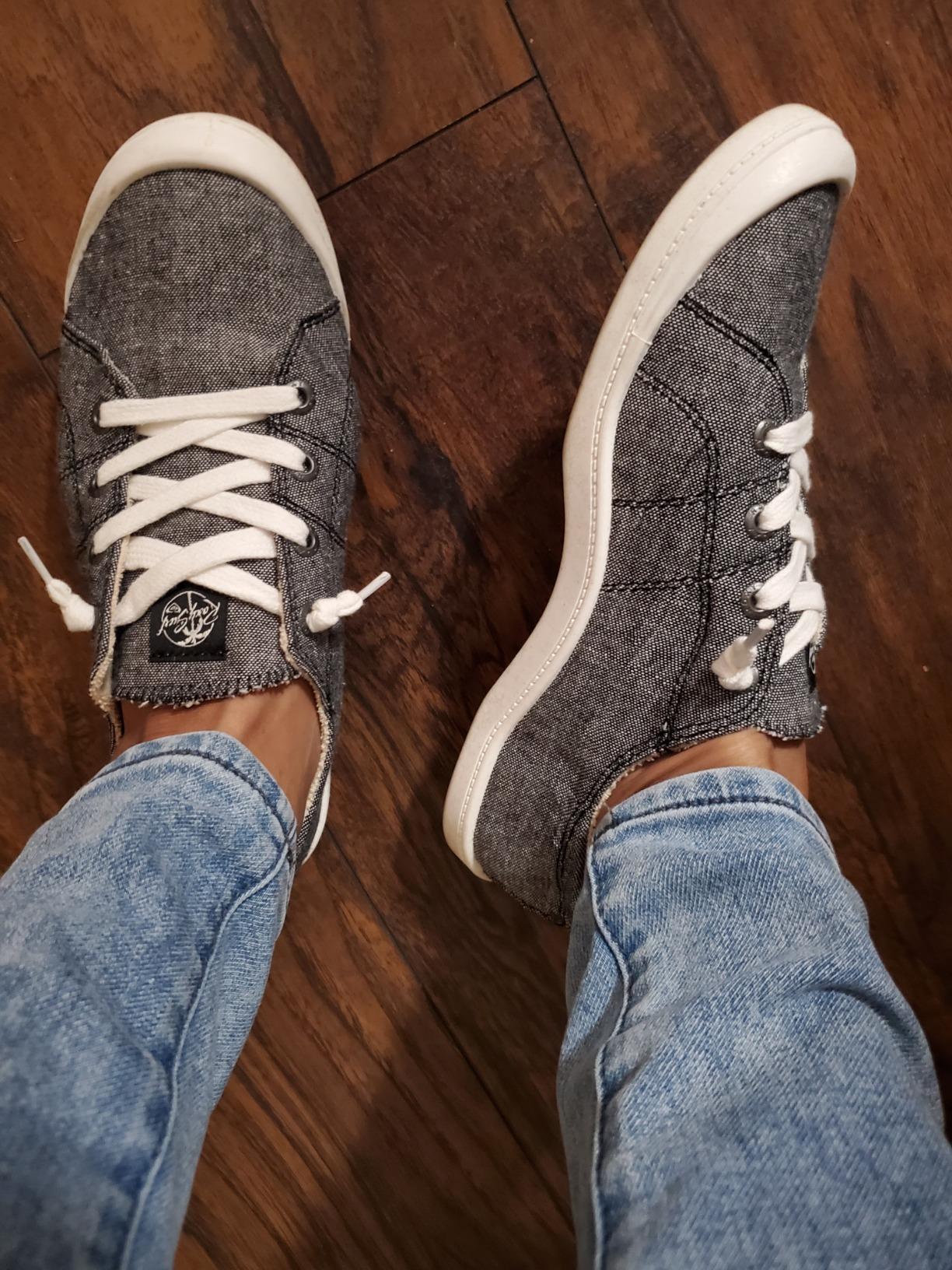
Here’s where I get specific, because “casual wear” covers a lot of ground and the Bayshore performs very differently across different use cases within that umbrella.
Grocery shopping and errands (4–6 hour sessions): This is the sweet spot. Multiple times per week over the 8-week test, these shoes were my first reach for a Target run or a full morning of errands. The slip-on convenience is genuinely useful when you’re loading and unloading the car, the 6.2 oz weight means no foot fatigue during moderate walking, and the casual style looks put-together without any effort. I’d give this use case a 9/10.
School events and playground duty: Mixed depending on duration. For a one-hour pickup, a 90-minute school performance, or playground supervision that stays under three hours — excellent. The memory foam holds up fine for shorter standing periods and the low-profile style doesn’t look out of place at school functions. For a full-day outdoor school fair or field day where you’re on your feet from 9 to 3? I wouldn’t bring these. The thin TPR outsole on grass and uneven ground shows its limits, and six-plus hours of standing will exhaust that memory foam comfort.
Neighborhood walks: Fine for flat, smooth surfaces — sidewalks and paved paths worked well for 30–45 minute walks. But I noticed the “every pebble” effect on gravel paths and rougher pavement. There’s no real cushioning depth here against impact or texture, and the minimal arch support makes longer walks feel harder than they should. For serious walking, these aren’t the shoe — something like the Skechers Go Walk Joy with its rocker sole and deeper cushioning system is built for that purpose.
Light yoga and stretching: Surprisingly good. The flexible TPR outsole actually works in your favor here — the shoe bends and moves with your foot through yoga poses without resistance. I kept them on for a few at-home yoga sessions and had no complaints.
What they’re definitively not for: Any running, hiking, or sustained athletic activity. The thin outsole and absent arch support become immediately apparent when you try to push the pace. These are lifestyle shoes through and through.
Machine Wash Performance: Three Cycles, Honest Results
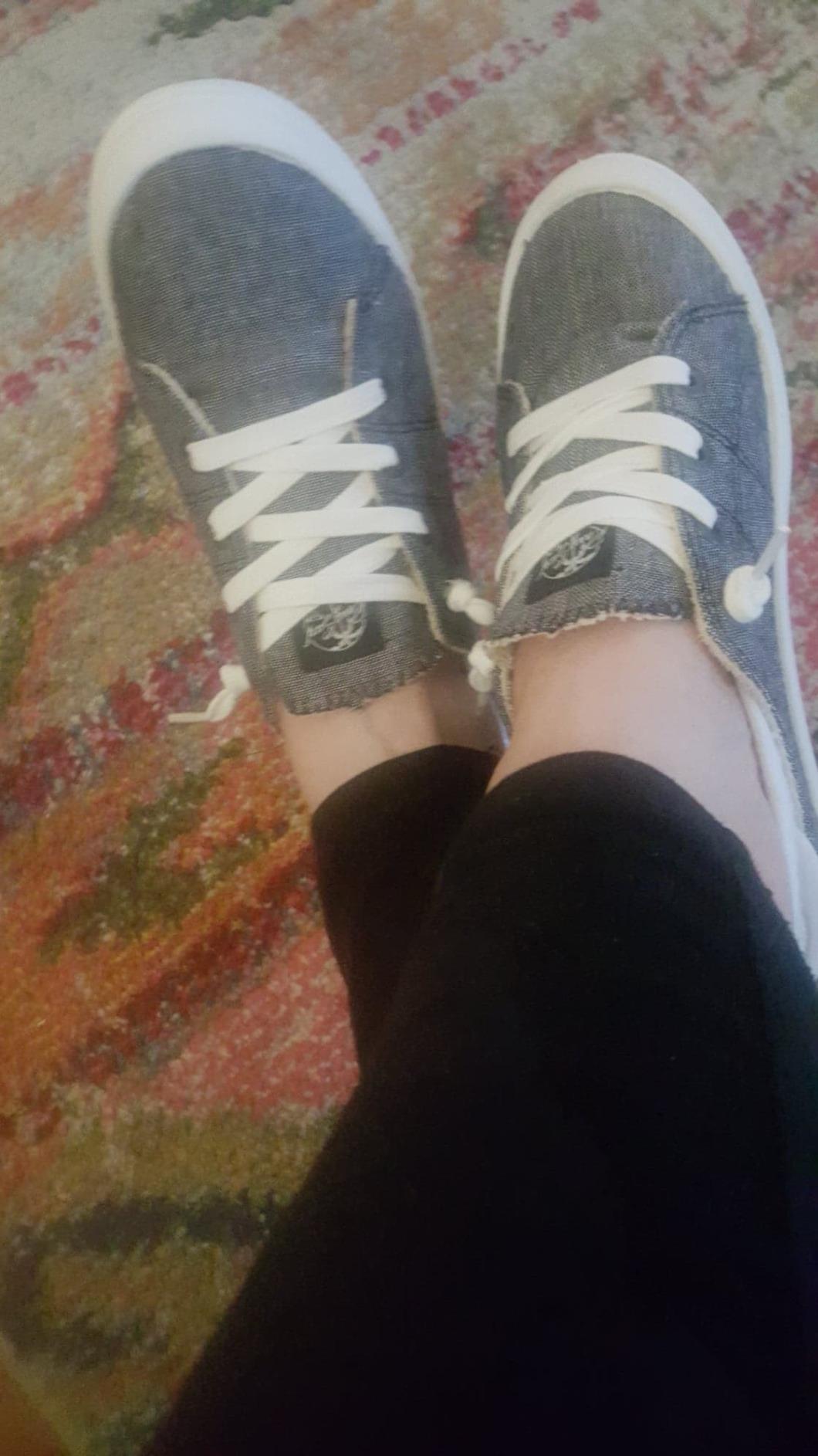
The washability is the secret weapon for the mom audience, and I can confirm it works. Three wash cycles over 8 weeks — one after a muddy playground session, one after a coffee spill on the toe, one routine maintenance wash near the end of testing — and the shoes emerged looking close to new each time.
Protocol that worked: cold water, gentle cycle, no bleach, no fabric softener. Air dry only — and this is important. The memory foam insole takes significantly longer to dry than the textile upper. The outer mesh felt dry within a few hours in a warm room, but the insole retained moisture for 12–15 hours. I made the mistake of assuming “dry” after feeling the upper on cycle two, and by afternoon there was still moisture inside. Overnight air drying or a fan pointed at the interior is the reliable approach.
The only visible consequence of multiple washes: very minor color fading on the toe area of the white colorway by week six. Not dramatic, not a deal-breaker — but if you’re precious about keeping them looking fresh, rotating with another pair and limiting washes to when genuinely needed (not weekly) will extend the appearance.
Do Roxy’s Marketing Claims Hold Up?
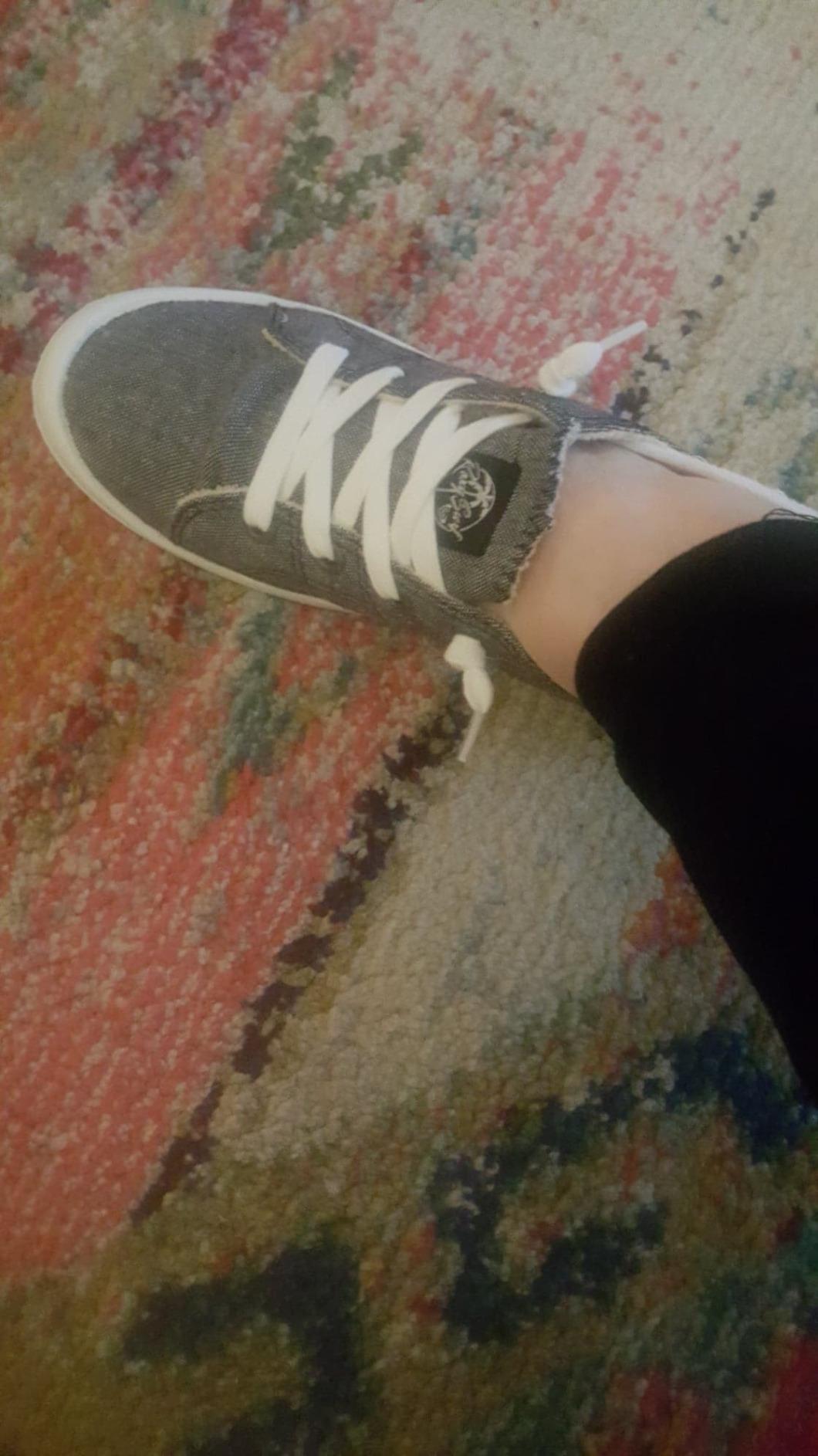
“Ease into vacation mode with relaxed style and everyday comfort” — genuinely accurate. These nail the low-effort aesthetic better than almost anything at the price. They work with jeans, casual dresses, shorts, and that whole “I made zero effort but somehow look fine” energy that vacation dressing requires.
“Memory foam padded insole for added comfort” — true, with the 4–6 hour asterisk. The foam is real and delivers real comfort within its design parameters. The issue isn’t false advertising; it’s that the marketing implies all-day performance that the product doesn’t quite deliver.
“Perfect for a trip to the beach or on the go” — absolutely spot on. Lightweight, easy airport security slip-on/off, machine washable if they get sandy or dirty, compact enough not to take up luggage space. These are legitimately excellent travel shoes.
At $35–45, they’re priced as exactly what they are. You’re not being misled. The sizing issue is the one real failure point — that should be addressed in the product description, and it isn’t.
My Overall Assessment
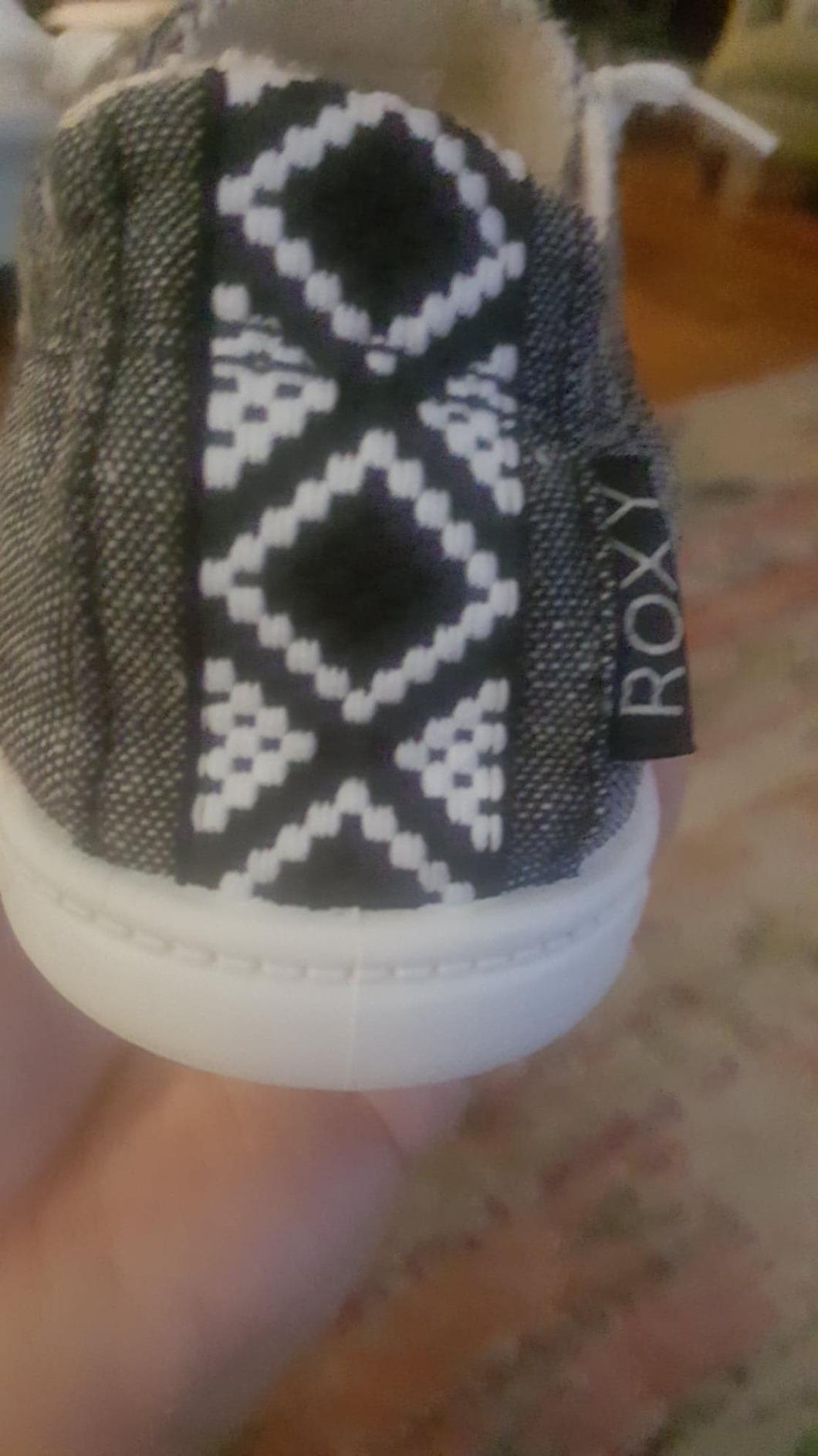
Performance Scores After 8 Weeks
- Initial Comfort: 9/10 — out-of-box plushness is genuinely exceptional
- All-Day Wearability: 6/10 — strong for 4–6 hours, real limitations beyond
- Style Versatility: 8/10 — works with most casual wardrobes effortlessly
- Build Quality: 7/10 — solid for the price, not built to outlast the memory foam
- Sizing Accuracy: 4/10 — consistently runs small, colorway variance compounds the confusion
- Value for Money: 8/10 — $3.75–7.50/month at typical lifespan is fair for lifestyle use
- Ease of Care: 9/10 — machine washable and it actually works
- Support & Stability: 5/10 — minimal arch support, thin sole, not for extended activity
What Works and What Doesn’t
✅ Strengths
- Exceptional out-of-box comfort — no break-in period at all
- Machine washable with proven results (tested 3 cycles)
- 6.2 oz genuinely lightweight — travel and everyday use shine
- Terry cloth lining makes sockless wear comfortable
- Versatile casual styling that pairs with most outfits
- $35–45 price point earns its value at 6–12 month lifespan
- Available in a wide variety of colorways and patterns
❌ Limitations
- Runs 0.5–1 size small — must size up or risk returns
- Comfort cliff at hour 6 — foam compresses, thin sole felt directly
- Minimal arch support — not for plantar fasciitis or extended standing
- Colorway QC variance — different colors may fit differently
- 6–12 month lifespan under regular use — not a long-term investment
- Memory foam dries slowly after washing — plan for overnight dry time
- Rough surfaces and outdoor terrain expose the thin outsole
Who Should Buy the Roxy Bayshore (and Who Shouldn’t)
| ✅ Buy These If You Need | ❌ Skip These If You Need |
|---|---|
| • A reliable 4–6 hour errand shoe • Travel footwear that’s lightweight and washable • Zero break-in, immediate comfort • Casual style that works without effort • Barefoot-comfortable slip-on wear • Budget-friendly lifestyle rotation piece |
• Arch support for all-day standing or walking • True-to-size online ordering (they run small) • Outdoor or trail use beyond smooth surfaces • Athletic activity of any serious kind • Long-term durability (2+ years daily use) • Consistent fit across colorways |
Better Options for Specific Needs
For all-day walking comfort: The Skechers Go Walk Joy has a rocker sole and much deeper cushioning stack that genuinely supports extended walking sessions — a different tier of performance for the use case.
For more arch support in a slip-on: The Aleader Energycloud offers slip-on convenience with better structural support, or consider the Romensi Arch Support Walking Shoes if plantar fasciitis is a concern.
For a similar casual canvas slip-on: The Vans Asher Women’s runs similarly casual but with slightly more sole thickness, or the Keds Women’s Champion for a classic low-key canvas aesthetic. The KEEZMZ slip-on sneakers offer a lighter breathable mesh alternative at a similar price point.
For a style-forward everyday sneaker: The New Balance 574 or Lucky Step Retro Fashion Sneakers give you more structure and durability for daily use. The Fila Disruptor II runs chunkier but adds platform height and better outsole durability.
For cushy everyday wear with arch support: The Adidas Cloudfoam Pure delivers memory-foam-adjacent comfort with better underfoot support, though it loses the pure slip-on convenience factor.
Final Verdict
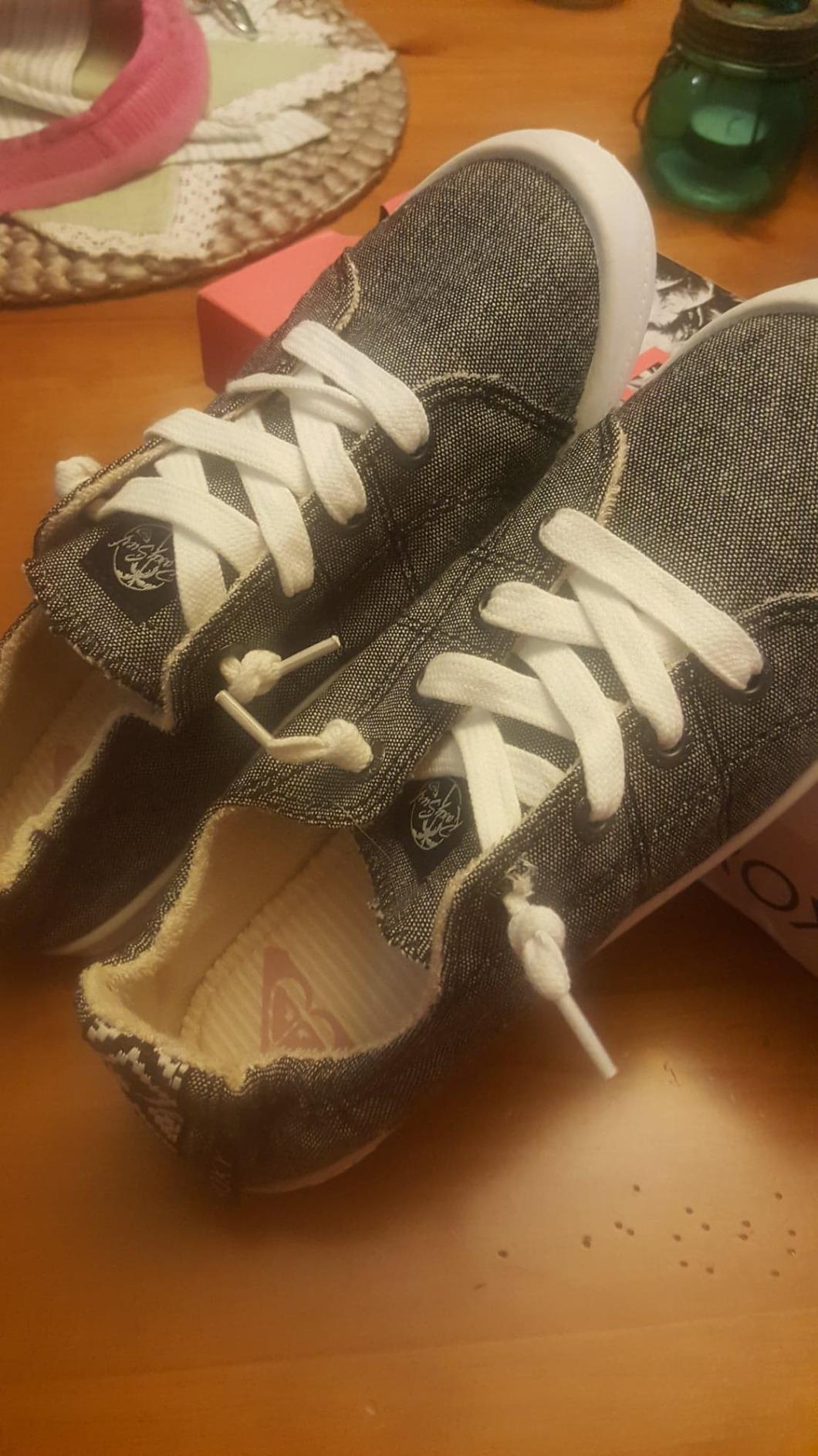
After 8 weeks of actual use — not a weekend test, not a walk around the block — I can tell you these are good at exactly what they’re designed for. The moment I stopped expecting them to be all-day athletic shoes and started treating them as what they actually are — a comfortable, washable, lightweight casual slip-on for a 4–6 hour active lifestyle window — they delivered consistently.
The comfort is real. The washability works. The travel use case is genuinely excellent. And the price is honest.
The sizing issue is the one thing Roxy should fix in their product descriptions. “Runs 0.5–1 size small” as a front-and-center note would save a lot of frustrated returns. It’s not a design flaw; it’s a communication gap that costs customer trust.
My friend was right, even if I wasn’t ready to admit it over coffee that morning. Just make sure to size up, set realistic expectations for extended wear, and appreciate them for what they are.
Frequently Asked Questions
Do the Roxy Bayshore sneakers really run that small?
Yes, and consistently. Across five different review sources and my own testing, these run 0.5–1 size small. I moved from my usual size 8 to an 8.5, and at 8.5 they still fit snugly with thin no-show socks. For regular socks or wider feet, go up a full size.
Are they actually machine washable — does it hold up?
Yes, and I tested this directly. Three wash cycles over 8 weeks — cold water, gentle cycle, air dry only. The shoes came out looking nearly new each time. The important caveat: the memory foam insole dries much more slowly than the textile upper. Plan for overnight drying or use a fan inside the shoe.
How much arch support do they actually provide?
Minimal. The TPR outsole has “molded arch detail” which is structural shaping, not cushioned arch support. These are comfort-focused, not support-focused. They work well for 4–6 hour sessions for people without specific arch issues, but anyone with plantar fasciitis or needing structured support should look at dedicated arch support options.
What’s the difference between the Bayshore and Bayshore Plus?
The Plus version has a slightly thicker sole, which translates to a bit more cushioning underfoot. The comfort ceiling may push slightly past hour 6 on the Plus. The same sizing issue applies to both, and the general character — lightweight casual slip-on — remains the same. The Plus typically runs $5–10 more.
Do different colors really fit differently?
Multiple customers, including feedback in Zappos reviews, confirm this. Darker colorways (black, navy) have been reported as running slightly narrower than lighter colors. If you’re reordering in a new colorway or ordering multiple pairs, don’t assume the fit will be identical across them.
How long do they realistically last?
With casual use (3–4x per week, errand and lifestyle wear), expect 6–12 months before you notice significant memory foam compression or upper wear. Very light rotation (1–2x per week) can extend this to 12–18 months. Heavy daily wear typically shortens it to 3–6 months. At $35–45, the cost-per-month math works out reasonably at $3.75–7.50/month.
Are they good for travel?
This is genuinely one of their best use cases. Under 7 ounces, slip-on for security checkpoints, washable if they pick up sand or spills, and low enough profile to not take up luggage space. For city walking at moderate distances, they hold up well. Not for theme park all-day-standing, but for airport → hotel → casual exploring, excellent.
Can you wear them without socks?
Yes, and the terry cloth lining is specifically good for this. Most canvas sneakers in this price range feel rough against bare skin within an hour; the Bayshore lining stays comfortable for most of a morning or afternoon of casual wear barefoot. Just make sure you’ve sized correctly — sockless wear requires the snug fit that proper sizing provides.
Review Scoring Summary
| Category | Score | Notes |
|---|---|---|
| Initial Comfort | 9/10 | Terry cloth lining + memory foam = out-of-box plushness |
| All-Day Wearability | 6/10 | Excellent to hour 6; real decline after that |
| Style Versatility | 8/10 | Works with most casual outfits; wide pattern selection |
| Build Quality | 7/10 | Solid for price point; 6–12mo lifespan is reasonable |
| Sizing Accuracy | 4/10 | Consistently small; colorway variance adds confusion |
| Value for Money | 8/10 | $3.75–7.50/month cost-per-wear at realistic lifespan |
| Ease of Care | 9/10 | Machine wash validated; overnight dry protocol required |
| Support & Stability | 5/10 | Minimal arch, thin TPR — lifestyle use only |
| Overall Rating | 7.1/10 | Excellent lifestyle sneaker with clear, honest limitations |
Be the first to review “Roxy Women’s Bayshore Slip on Shoe Sneaker”
Related products
Sneaker
Sneaker
Sneaker
Reviews
There are no reviews yet.