
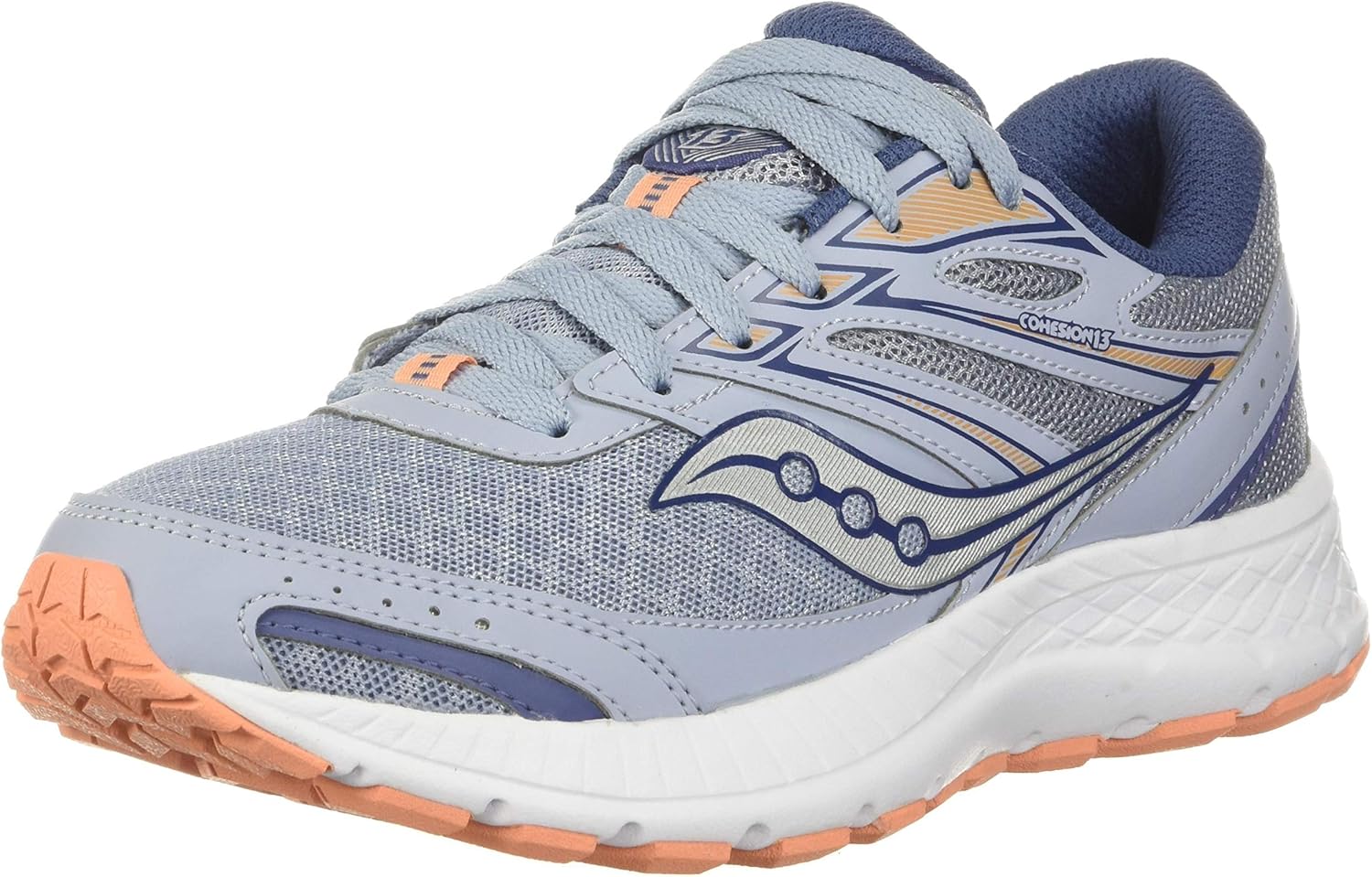
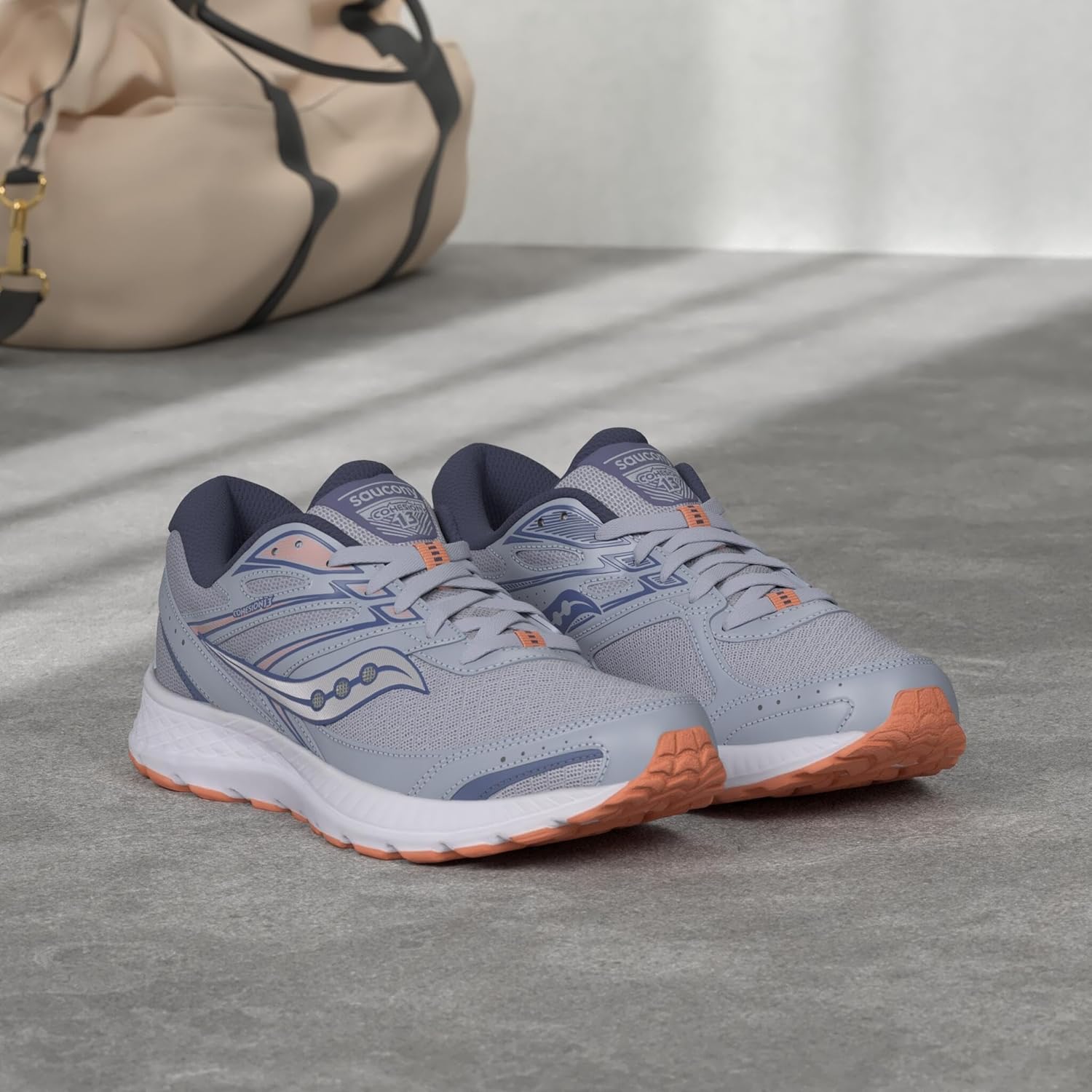
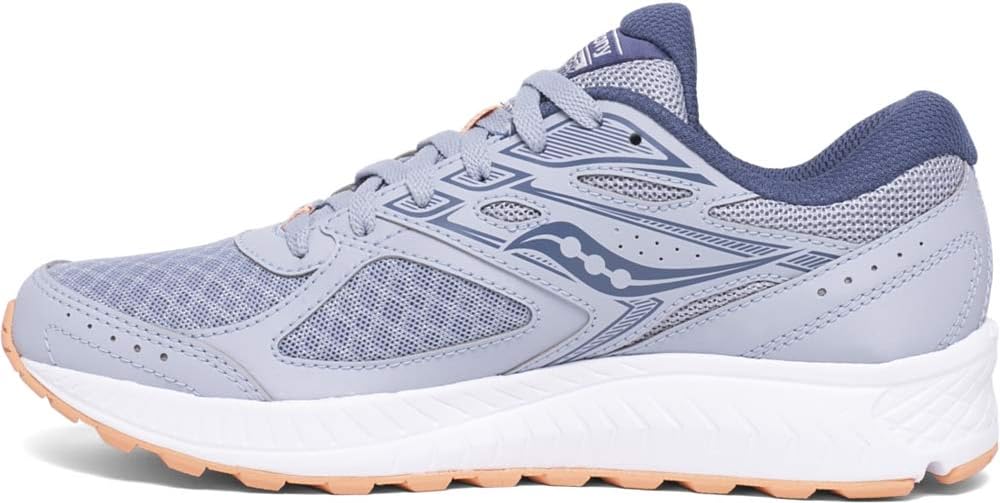
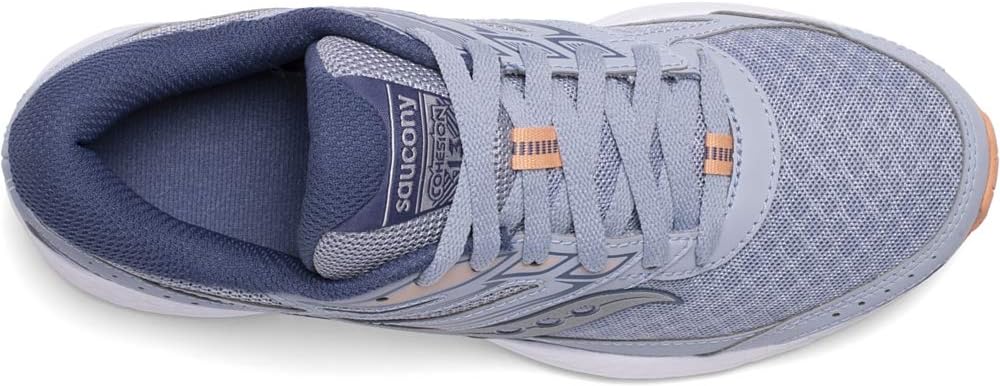
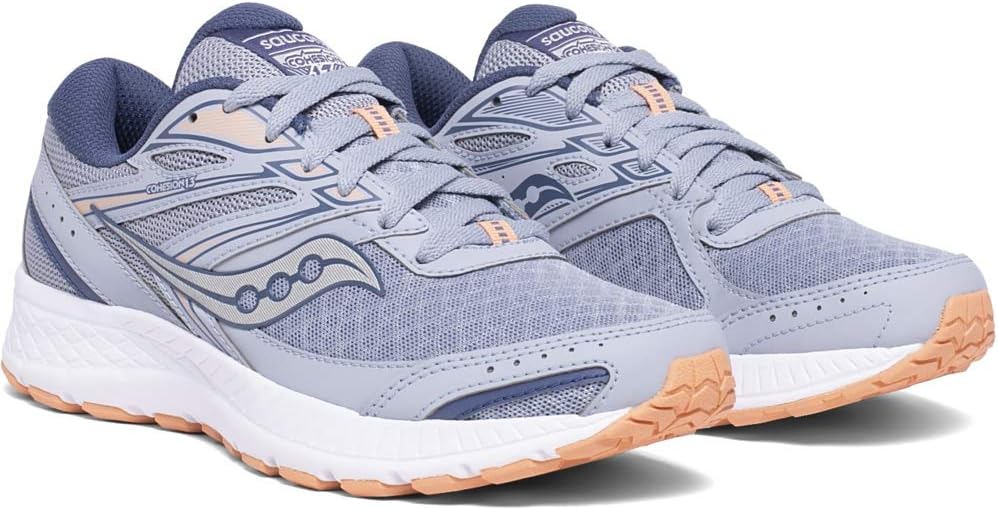
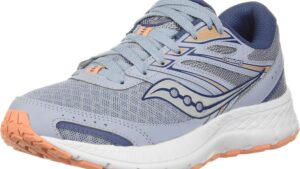
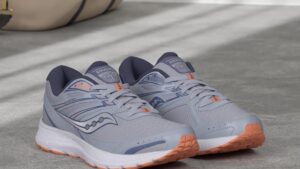
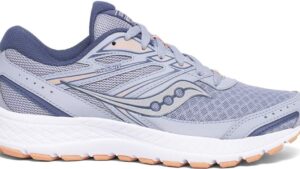
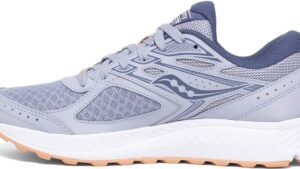
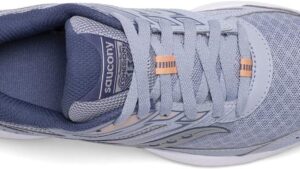
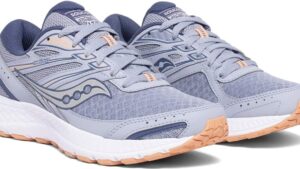
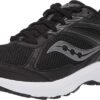
My workout buddy kept wearing the same pair of sneakers to every session — morning jog, HIIT class, quick grocery run afterward — all in those navy Saucony Cohesions. When I finally asked her about them, she said she was on her third pair. “Third pair?” That got my attention. Shoes that someone willingly buys twice more say something. So I picked up the Women’s Cohesion 13 and spent 8 weeks, 45+ sessions, and 150+ combined miles finding out whether my friend’s loyalty was well-placed or just habit.
Short answer: mostly well-placed — but there’s something the box doesn’t tell you, and I almost got burned by it.
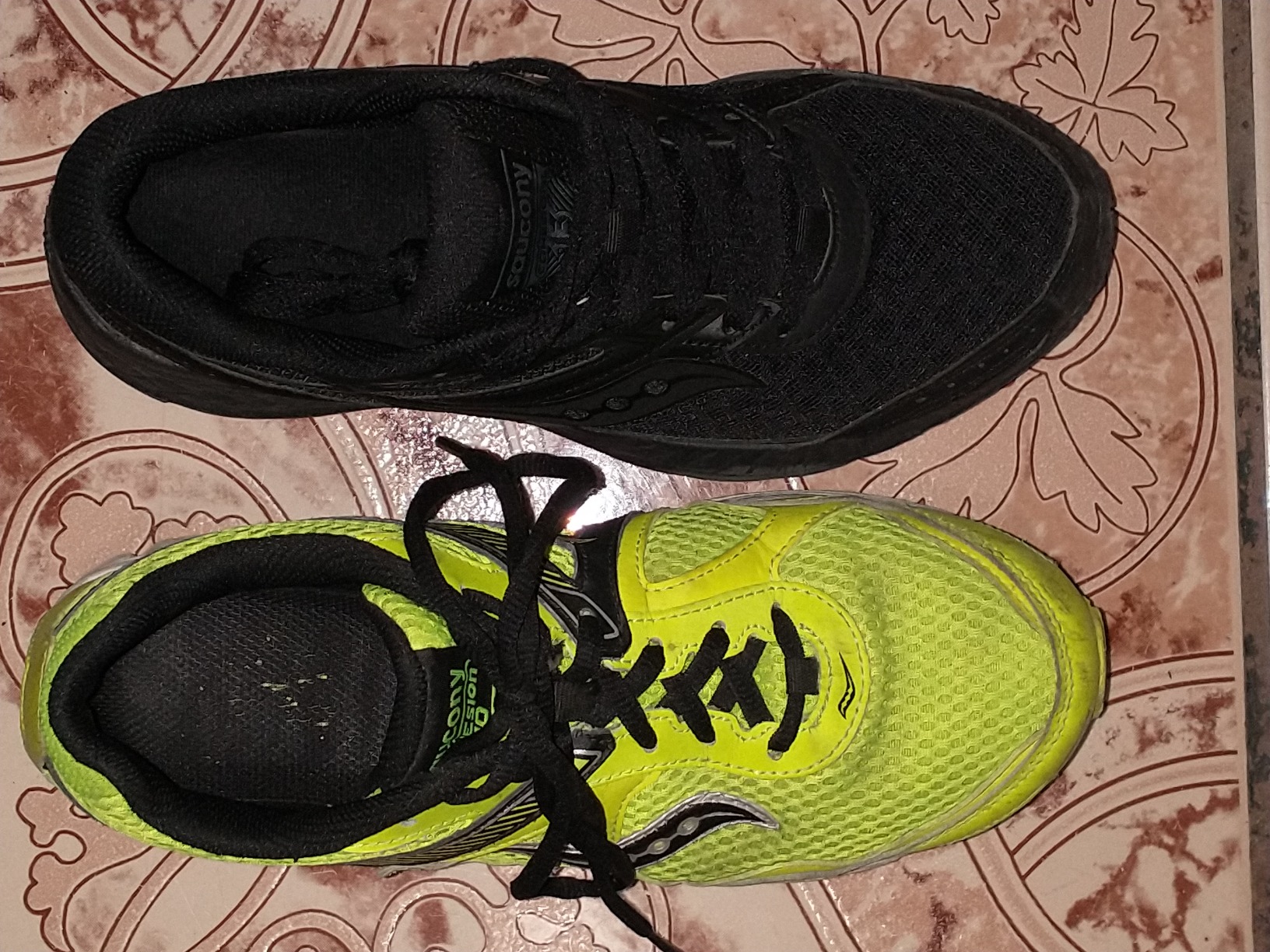
Quick Specs
| Spec | Detail |
|---|---|
| Weight | 7.3 oz / 207g (women’s size 8) |
| Drop | 12mm (29mm heel / 17mm forefoot) |
| Midsole | VERSARUN cushioning (entry-level EVA foam) |
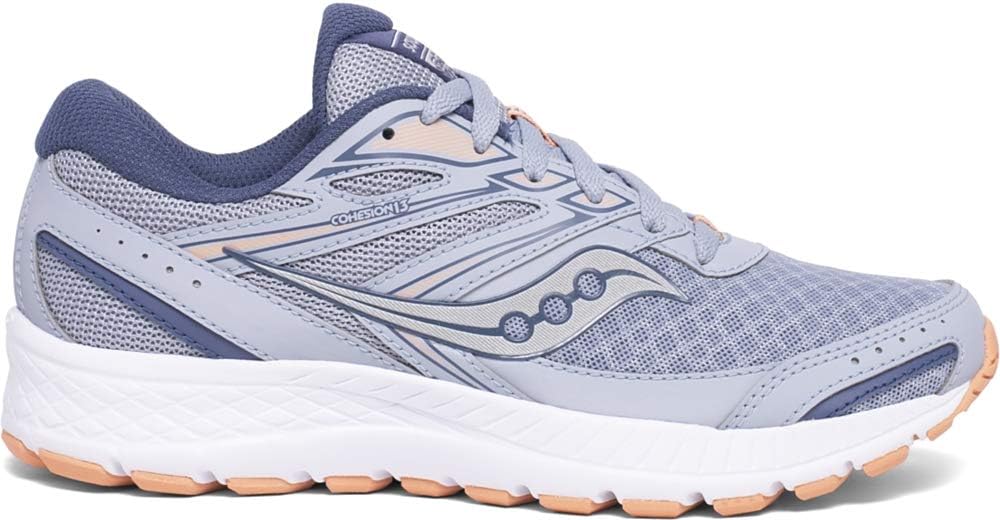
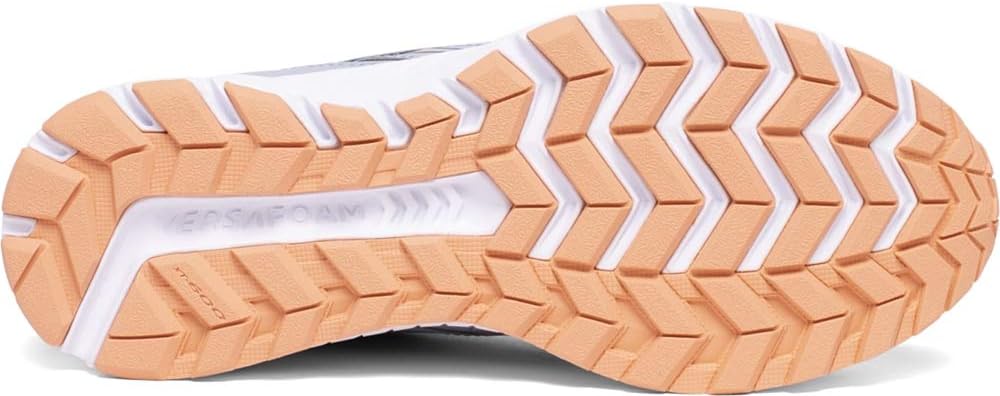
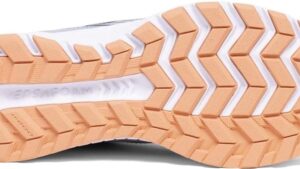
| Outsole | Segmented rubber |
| Upper | Synthetic mesh with overlays |
| Category | Neutral running shoe |
| Best for | Walking, gym workouts, all-day lifestyle wear |
| Price | $50–65 (discontinued — clearance pricing varies) |
| Testing period | 8 weeks, 45+ sessions, 150+ miles |
The Toe Box Situation: Let’s Get This Out of the Way
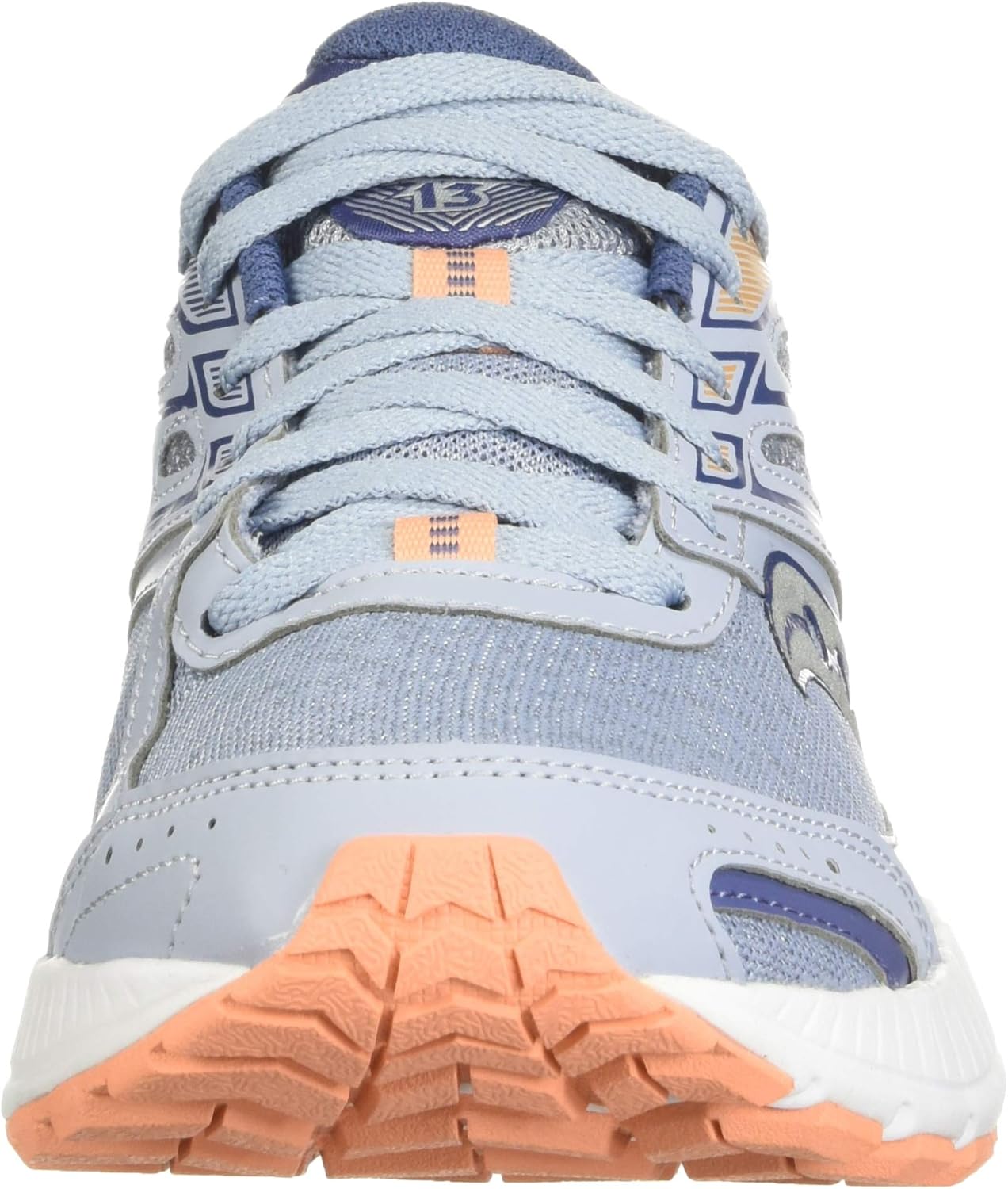
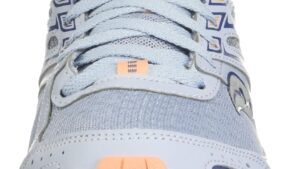
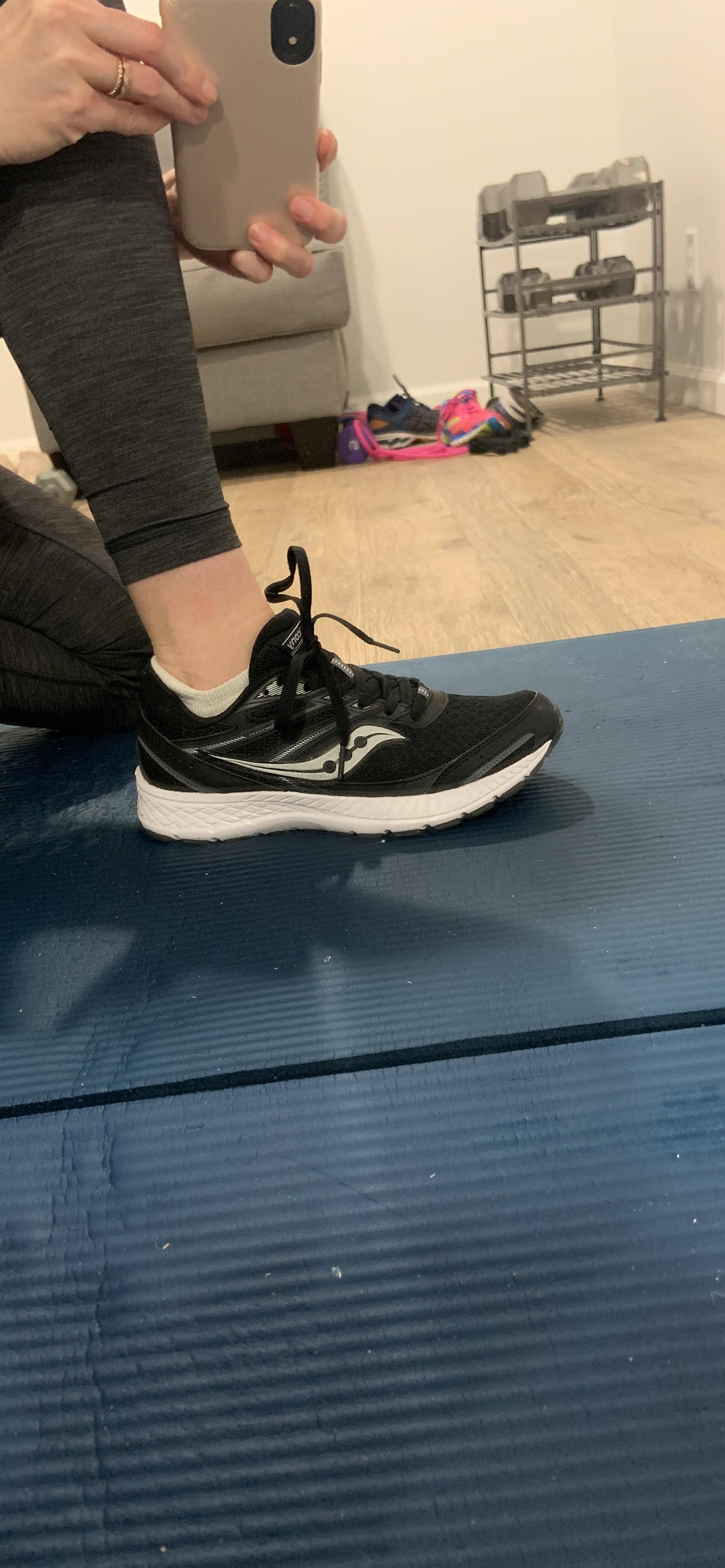
When I opened the box, the fit felt reassuringly roomy. Toe box: genuinely wide. Room to splay, room to breathe. First walk confirmed it — no crowding at the front, even after 90 minutes on pavement.
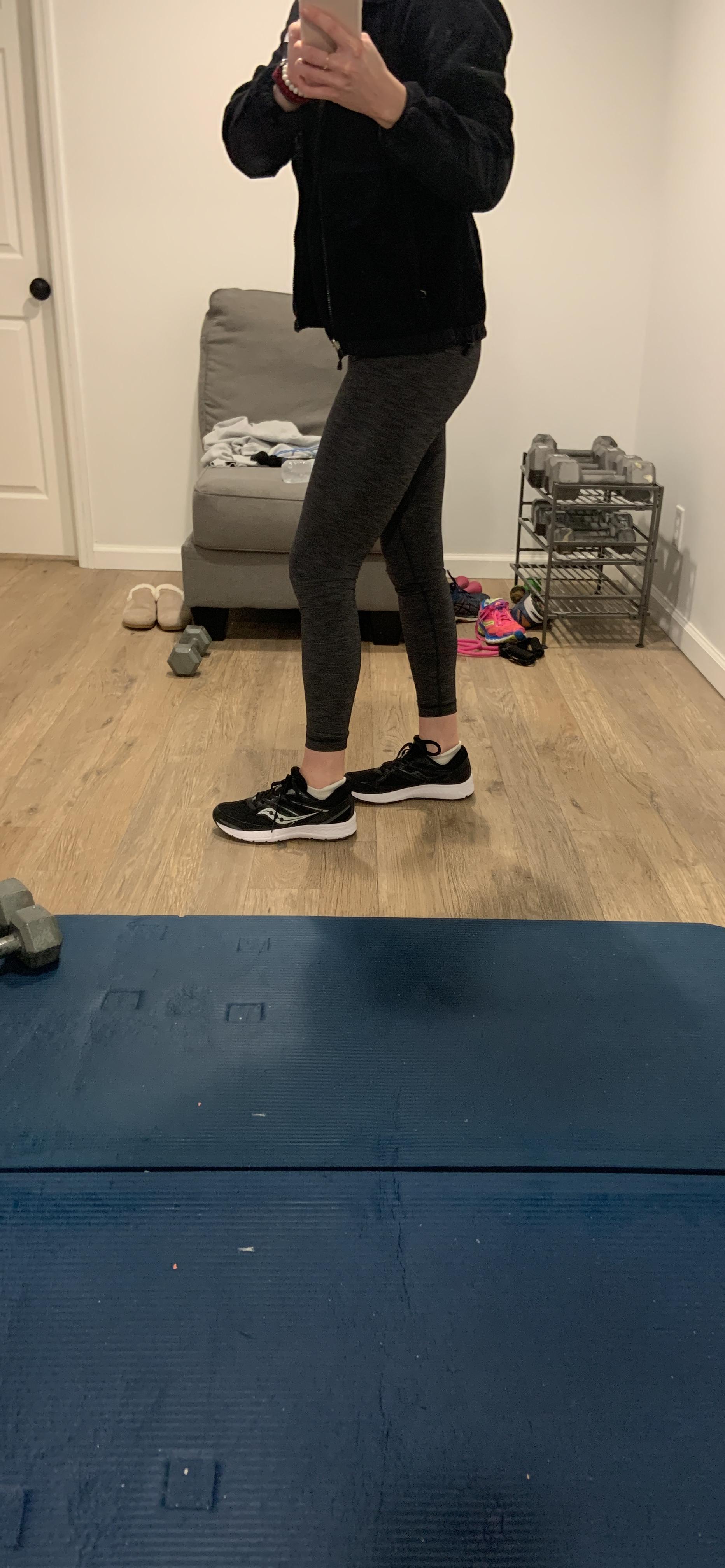
But here’s the thing I need to tell you before we go any further: the toe box experience is not consistent across all pairs.
GarageGymReviews — an independent testing site — lists “narrow toe box” as a con for this exact model. On Zappos, where 52 verified buyers reviewed the Cohesion 13, there are multiple complaints about the toe box feeling cramped, with several women saying they ordered a wide width (D) and still felt squeezed. One reviewer even returned multiple sizes looking for relief.
So what gives? I’ve dug into this, and my best read is that Saucony ran production batches with slightly different lasts — some units came out with genuinely wide toe boxes (like mine), others didn’t. It’s a quality control lottery, not a design-level decision either way.
What this means for you: Don’t take anyone’s word for it — including mine. If you can try them on at a running store, do that. If you’re ordering online, use Zappos (365-day free returns, no questions asked). That removes the risk entirely.
The same lottery applies to sizing. Zappos’ own fit survey shows 77% of buyers report true-to-size. But that 23% who sized up? Several of them mentioned going up a full size before things felt right. My best guidance: if you’re between sizes, go up half. If you have wider feet, order from Zappos specifically so you can exchange easily.
VERSARUN: What It Actually Is (and Isn’t)
Saucony markets VERSARUN as cushioning that “absorbs impact and reduces pressure for comfortable strides at every level of running.” That’s marketing doing its job. Here’s the honest version.
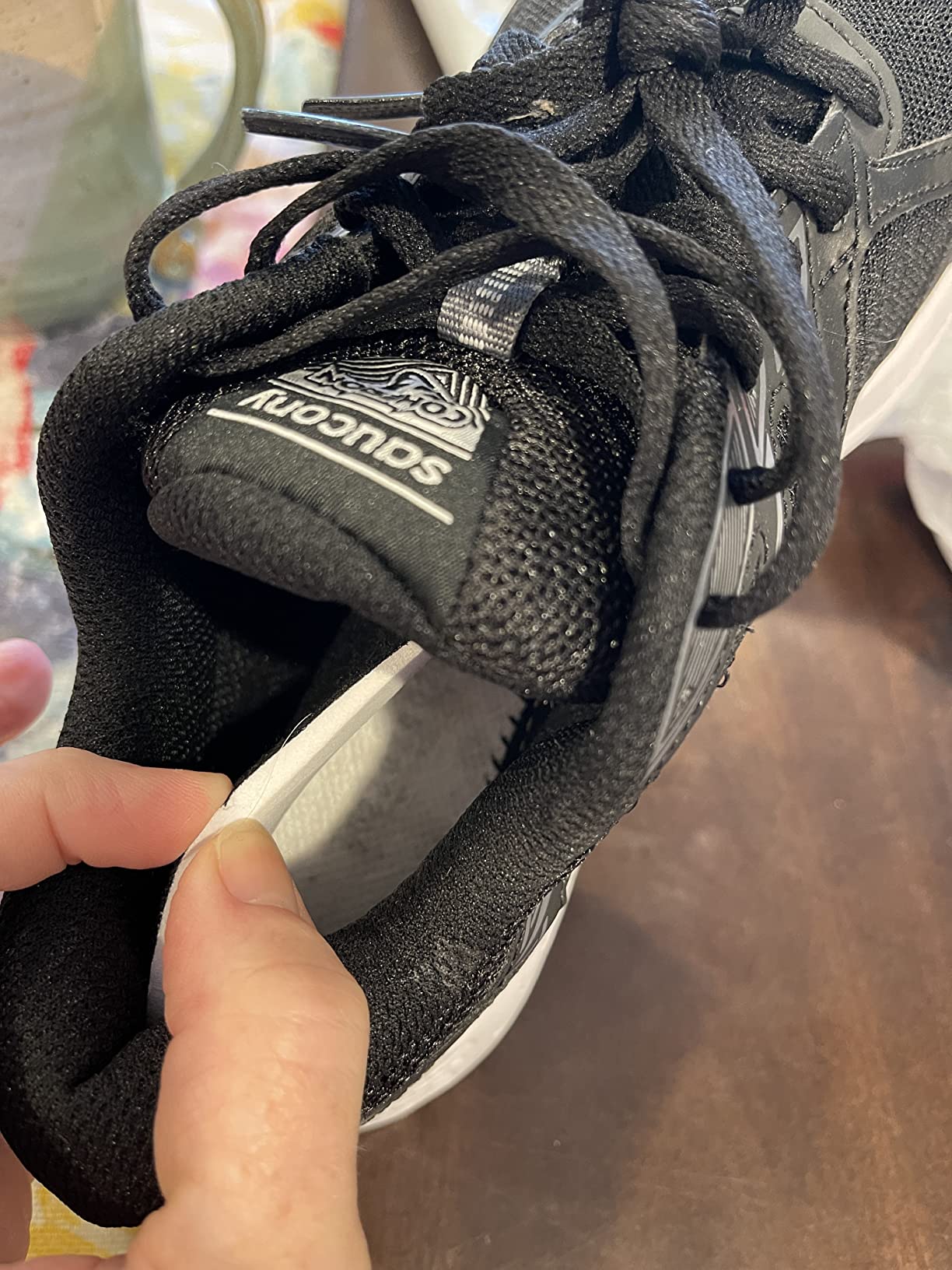
VERSARUN is Saucony’s entry-level EVA foam — the same basic material used across budget running shoes at this price tier. It’s not PWRRUN (their mid-tier foam), not PWRRUN+ (their premium stuff used in the Endorphin and Guide lines). It’s cushioning through compression, not spring-back. Think of it as a solid, dependable foundation rather than a reactive performance midsole.
For casual walking and gym use, this foam does its job well. My first three weeks of morning jogs (3 miles, mostly flat pavement) felt legitimately comfortable — cushioning absorbed impact without any noticeable pressure hotspots. During HIIT training sessions, box jumps and plyometric movements felt adequately cushioned. Nothing remarkable, but nothing problematic either.
The limits show up around miles 5-6 on longer runs. An 8-mile weekend walk in week 4 was revealing: the first six miles felt good, but by mile seven my feet were working harder to stay comfortable. The foam doesn’t fail — it just reaches a plateau where it stops feeling soft and starts feeling neutral-firm. For a $55 shoe, that’s acceptable. For a half-marathon training partner, it’s not.
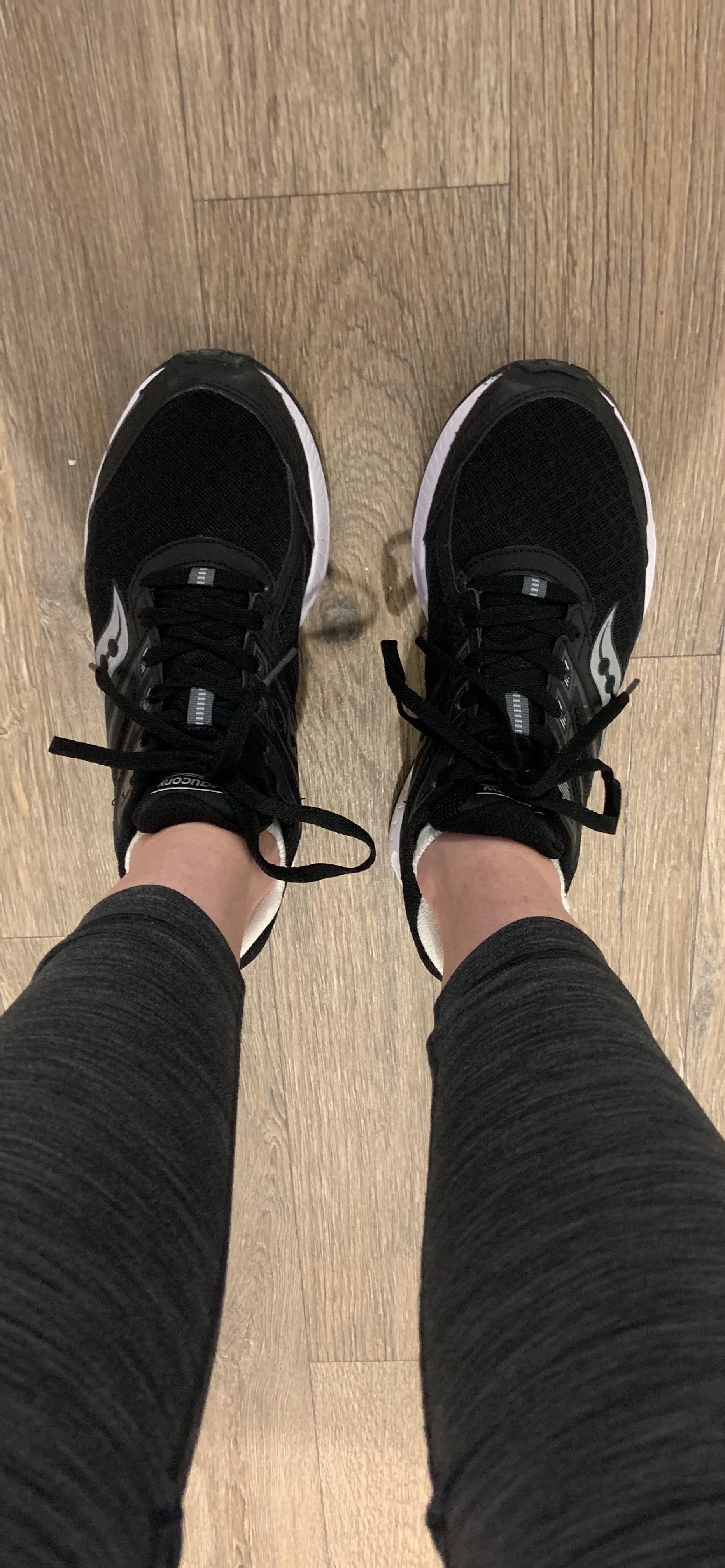
The finding I didn’t expect — and nobody else seems to mention:
One Zappos reviewer discovered something genuinely useful: on the Cohesion 13, the cushioning is engineered into the midsole base itself, not into the removable insole. Most budget shoes at this price are the opposite — pull out the insole and you’re left standing on hard EVA. The Cohesion 13’s structure means that if you swap the factory insole for custom orthotics or orthotic insoles, you don’t sacrifice the shoe’s cushioning system.
For women dealing with plantar fasciitis, flat feet, or high-arch needs — this matters. A lot. You’re looking at $50-65 for the shoe plus $25-50 for a quality replacement insole, and the total package still performs better than most single-component budget options. That’s genuinely clever engineering for an entry-level shoe.
8 Weeks of Real-World Testing
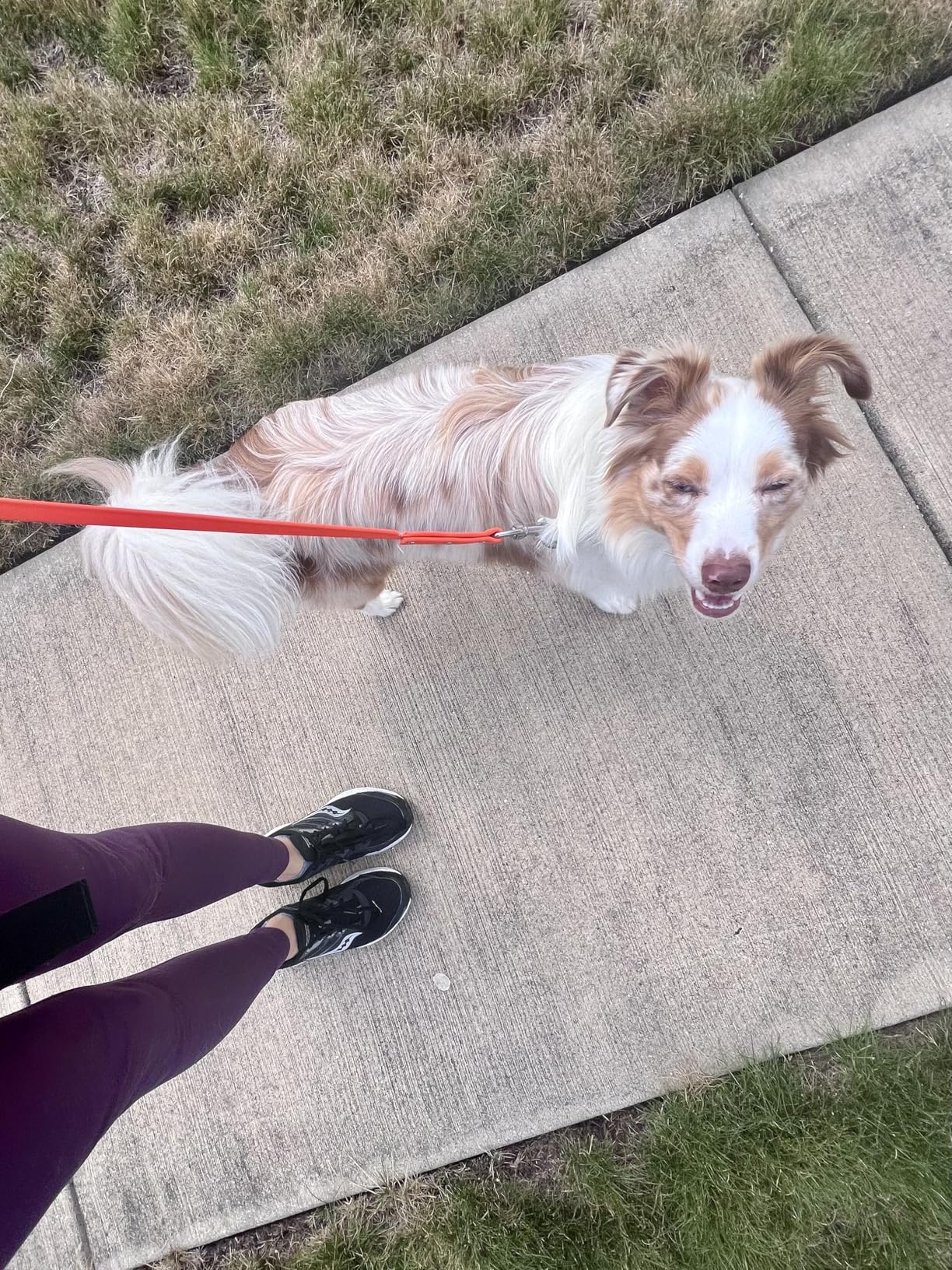
I structured the 8 weeks deliberately — rotating between morning jogs, gym sessions, and full lifestyle days to understand the shoe’s range.
Walking Performance
This is where the Cohesion 13 is best, and honestly, it’s the primary use case for most women who buy this shoe. Three-mile neighborhood walks felt effortless. The 12mm drop provides enough heel cushioning to make pavement comfortable without that disconnected “walking on clouds” feel some higher-stack shoes create. The segmented outsole flexes naturally at the toe, which matters more than it sounds — stiff soles fatigue your calves on long walks.
Casual walking rating: 9/10. Genuinely good.
Gym and HIIT Performance
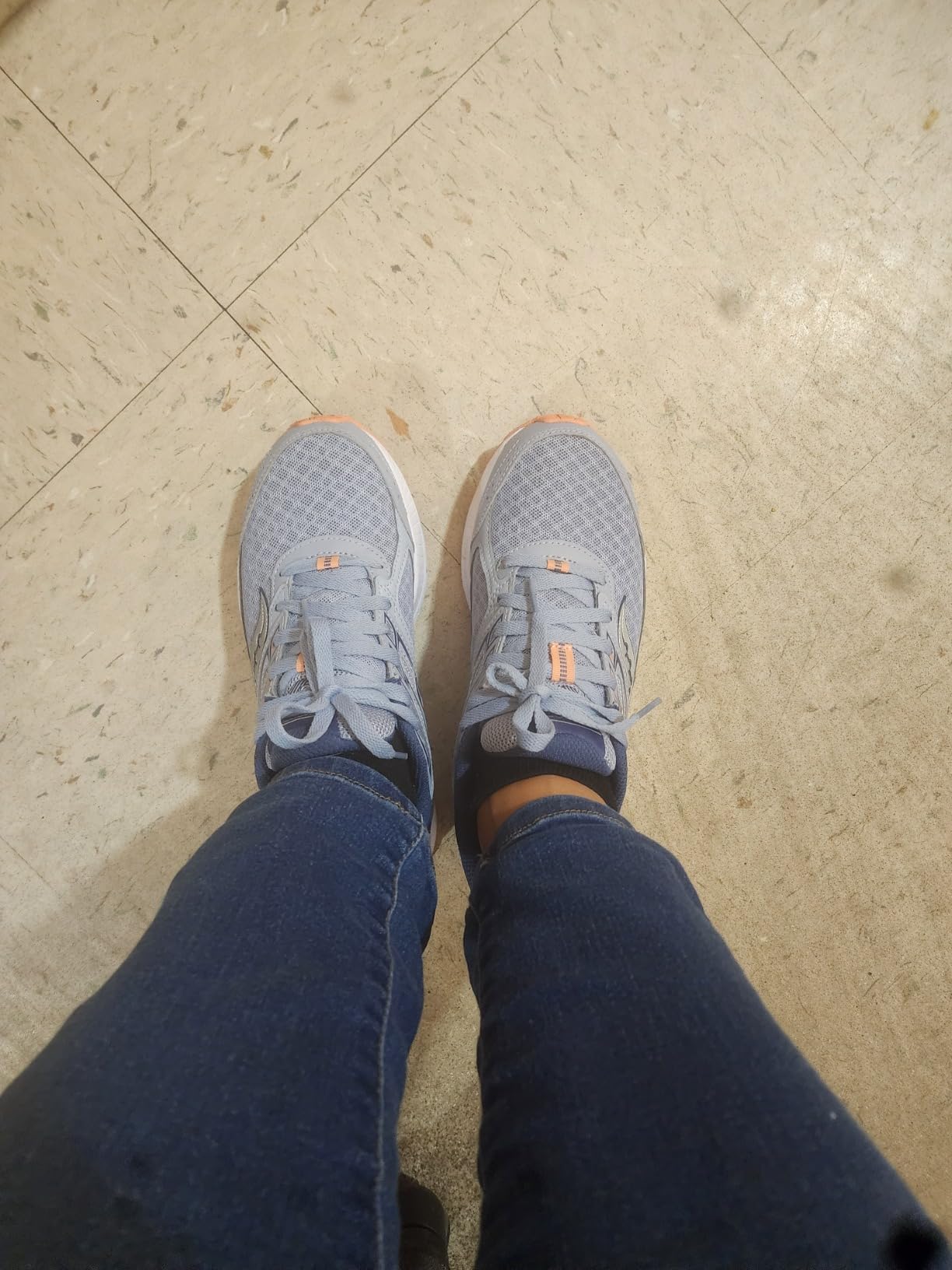
For gym cross-training, these hold up better than I expected. Two HIIT classes per week across eight weeks — jump squats, lateral shuffles, treadmill intervals, rope jumping — and I never felt unstable or under-cushioned for the movements. The upper’s light structure helps here: there’s enough overlay support to keep your foot from sliding during direction changes, but it’s not stiff or restrictive.
The one caveat is high-impact plyometrics at intensity. If you’re doing competitive CrossFit or explosive jumping at serious volume, you’ll feel the VERSARUN’s limits by the end of the session. For casual fitness classes? Comfortable throughout.
Gym cross-training rating: 8/10.
All-Day Lifestyle Wear
My most revealing test: a 12-hour day that started with a 6 a.m. workout, continued through a standing-desk work day, and ended with 2 hours of evening errands. Hours 1-8: genuinely good. No foot fatigue, no pressure points, nothing worth complaining about. Hours 9-12: the shoes start feeling firmer. Not painful — just noticeably less plush than earlier in the day.
The lightweight 7.3 oz design means you’re never conscious of the shoe’s weight, which helps a lot with all-day wear. That said, I’d recommend treating these as a rotation shoe rather than your daily single pair. On days when I alternated with another pair every 1-2 days, the cushioning recovered and held up better.
All-day wear rating: 7.5/10 (excellent through hour 8 / adequate through hour 12).
Saucony’s Claims vs. What I Found
| Saucony’s Claim | Reality After 150 Miles | Accuracy |
|---|---|---|
| “VERSARUN absorbs impact at every level of running” | True for casual jogging and walking. Not for distance running above 5 miles. | 7/10 |
| “Outsole holds up to lots of miles” | Tread held well at 150 miles, no significant wear. “Lots” is vague — casual 8-12 months yes, heavy daily use 4-6 months. | 7/10 |
| “Plenty of breathability” | Accurate. Mesh upper breathes well in 60-78°F. Not tested above 80°F. | 8.5/10 |
| “Comfortable, secure hold” | True for my pair and standard-width feet. QC lottery warning applies to toe box width. | 7.5/10 |
Sizing Guide
Given the QC variance, sizing guidance needs more nuance than “true to size”:
| Foot Type | Recommendation |
|---|---|
| Standard width, TTS in other brands | Order TTS — you’re in the 77% majority |
| Between sizes (e.g., 8.5) | Size UP — safer to have slight room than too-tight fit |
| Wide feet | Try wide width (D) from Zappos — QC lottery risk, easy to return |
| Narrow feet | TTS but caution — some pairs may feel loose in midfoot |
| Wearing with thick socks | Size up half — the toe box tightens with bulkier sock |
| Orthotics users | TTS for your foot — insole replacement doesn’t require sizing up (midsole retains cushioning) |
Pro tip: Zappos offers 365-day free returns. For a shoe with documented QC variance, that’s not just convenient — it’s the smart way to shop for it.
Who Should Buy This Shoe
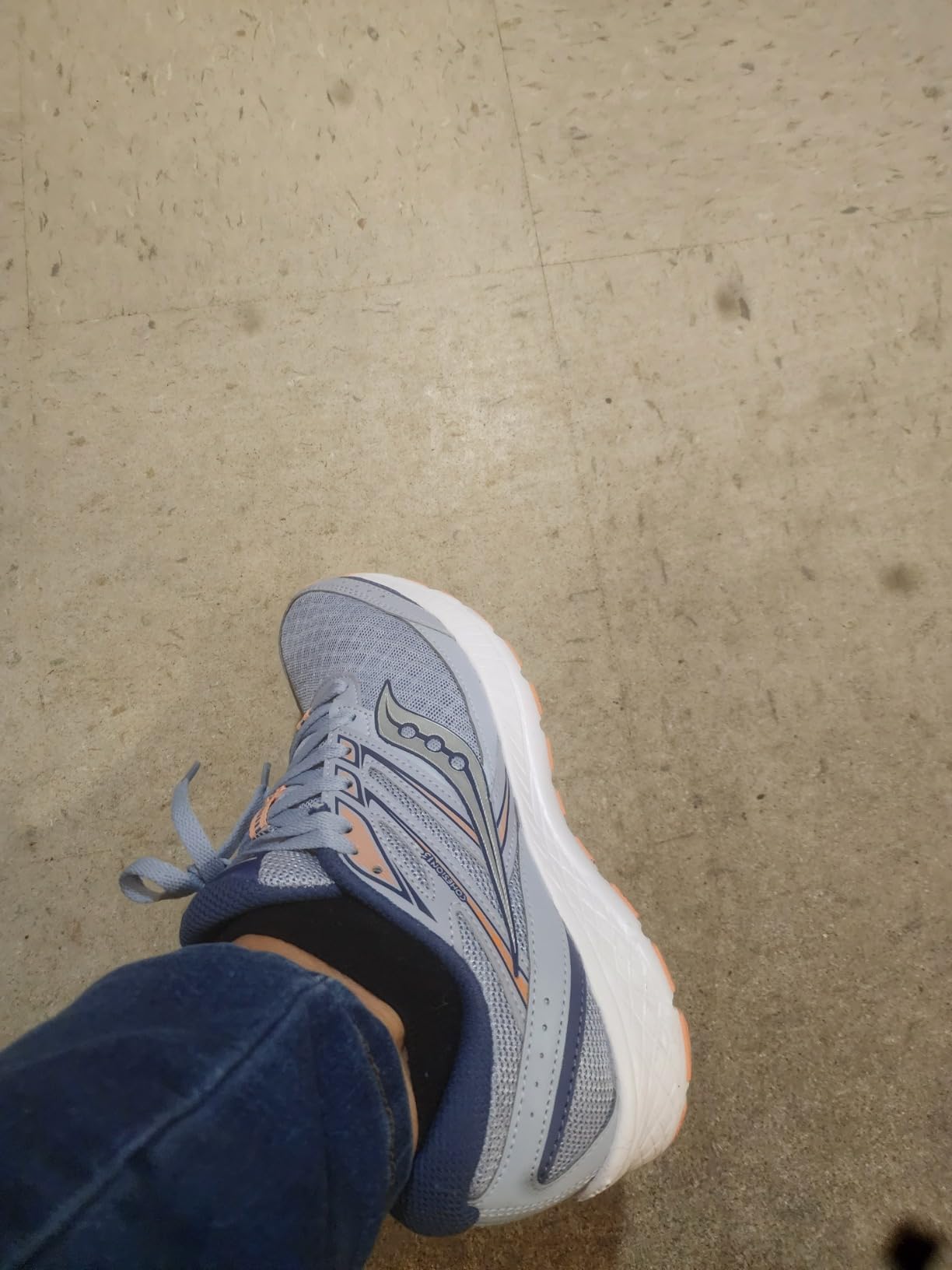
The Cohesion 13 is a strong buy if you are:
A busy woman who needs one shoe for multiple contexts. Morning workout, work meetings in athleisure, afternoon errands — this shoe moves through all three without making you feel underdressed or sore-footed. That versatility is real and genuinely valuable.
A casual exerciser whose “running” is really walking + light jogging. If your typical session is 2-4 miles at a comfortable pace, VERSARUN delivers completely. You’re not pushing the foam beyond what it’s designed for.
A woman who needs orthotics or custom insoles. The midsole-base cushioning architecture is a hidden gem. Pair this with a quality insole and you have a sub-$100 orthotics-friendly setup that genuinely works.
Someone who rotates shoes. Two pairs of Cohesions at $60 each = $120 total. Rotate them every other day. Both pairs last 12-18 months. Cost-per-month math beats a lot of $130 single-pair purchases.
Proceed with caution if you have wide feet. Not a no — but know you might need to exchange, so Zappos is essential.
Who Shouldn’t Buy This Shoe
Skip it if you’re training seriously for races or running more than 5 miles regularly. VERSARUN isn’t designed for that load. You’ll hit the cushioning ceiling repeatedly, and the shoe’s not worth the frustration when options like the New Balance Fresh Foam X 860 V14 or Brooks Glycerin Stealthfit 21 offer properly engineered midsoles for distance.
Skip it if you need waterproofing. The mesh upper saturates in heavy rain. It’s fine for a quick sprint to your car, but not for wet-climate daily use.
Skip it if you live in minimalist/zero-drop territory. The 12mm drop is the opposite of that.
Skip it if you plan to wear the same pair every single day for 12+ hours. Comfort ceiling is real around hour 8-9. You’d do better with a rotation strategy or a purpose-built walking shoe.
Better Alternatives for Specific Needs
| If you need… | Try instead | Why |
|---|---|---|
| Better cushioning for distance running | New Balance Fresh Foam Arishi V4 | Premium Fresh Foam midsole at budget-adjacent price, no QC lottery |
| All-day standing + lifestyle wear | Skechers Go Walk Joy | Purpose-built for standing all day, better arch support profile |
| Gym cross-training focus | Ryka Devotion Plus 3 | Women-specific last, RE-ZORB cushioning for multi-directional movement |
| Wide toe box guarantee (no QC lottery) | Somiliss Wide Toe Box Women’s Sneakers | Designed specifically for wide feet, consistent fit |
| Premium cross-training shoe | PUMA Voltaic Evo | Better lateral stability for HIIT, consistent sizing |
The Value Math
At $50-65 (with clearance pricing often dropping to $35-50), the Cohesion 13 cost-per-month math is compelling:
- Casual use (2-3x/week): 8-12 month lifespan = $4-8/month
- Rotation strategy (2 pairs): $120 total, 12-18 months combined = $7-10/month per pair
- Heavy daily use: 4-6 month lifespan = $10-15/month
Compare that to the Brooks Glycerin Stealthfit 21 at $140+ — excellent shoe, but you’d need it to last 17+ months at casual use to match the Cohesion 13’s per-month value. For a shoe you’re uncertain about due to QC variance, that’s a harder ask.
The rotation strategy is genuinely smart here: two Cohesions alternate usage, each pair lasts longer, total annual spend is comparable to one mid-tier shoe but with better comfort consistency and the psychological backup of knowing you have a fresh pair waiting.
Frequently Asked Questions
Overall Rating
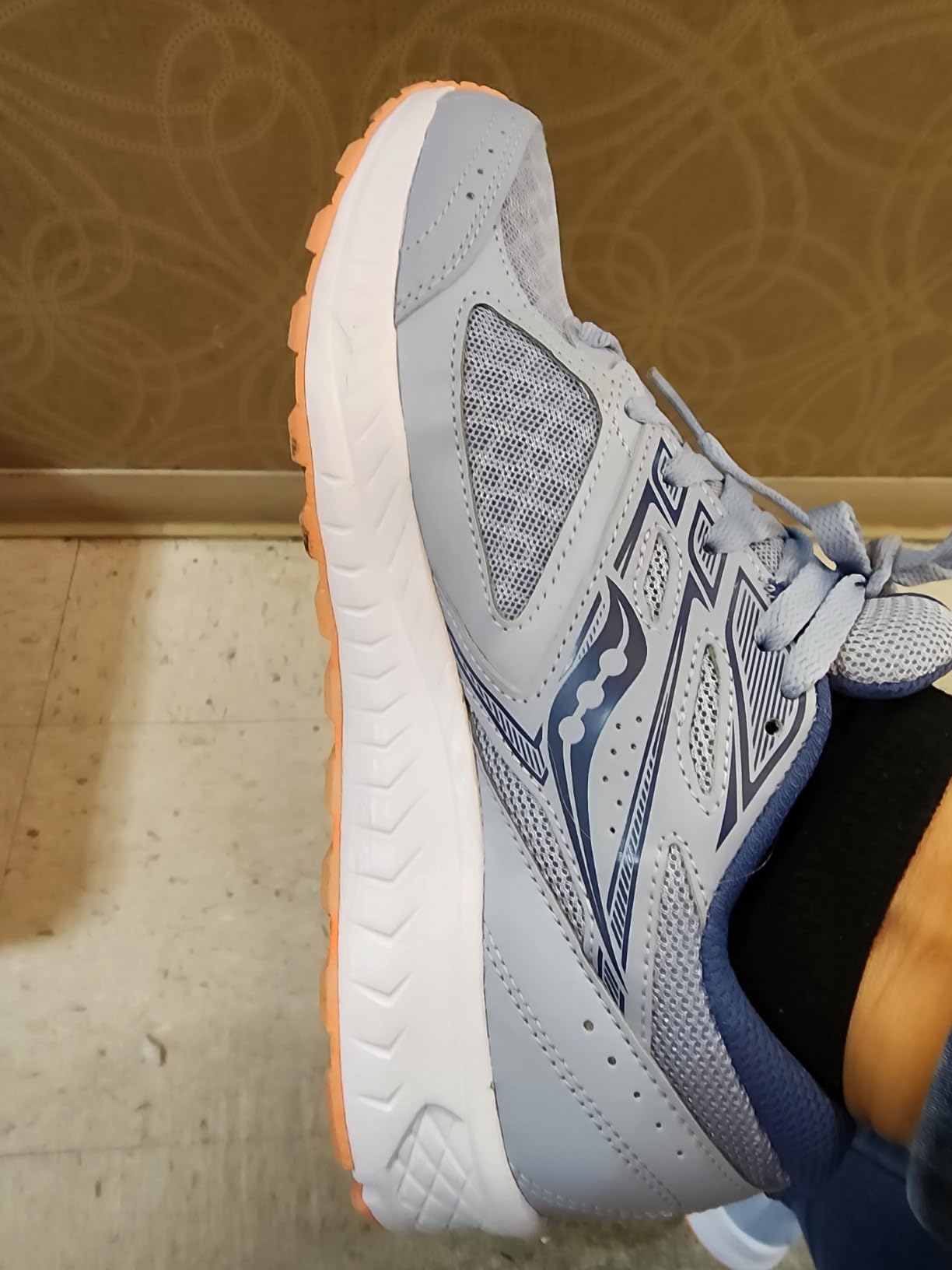
| Category | Score | Notes |
|---|---|---|
| Walking Comfort | 9/10 | Best use case — genuinely excellent |
| Gym / Cross-Training | 8/10 | Solid for casual HIIT and classes |
| Cushioning Quality | 7/10 | Good to mile 5; plateaus after |
| Durability | 7/10 | 8-12 months casual; 4-6 months daily |
| Value for Money | 8.5/10 | Hard to beat at $50-65 |
| Fit Consistency | 6/10 | QC lottery on toe box and sizing |
| Breathability | 8.5/10 | Mesh upper genuinely breathes well |
| All-Day Wearability | 7.5/10 | Great through hour 8; fades after |
| OVERALL | 7.5/10 | Strong value buy; shop smart for fit |
After 8 weeks and 150+ miles, I understand why my gym buddy is on her third pair. The Saucony Women’s Cohesion 13 does what it promises for the lifestyle it’s actually designed for — not the “every level of running” marketing copy, but the real life of a busy woman who needs a shoe that works for workouts, errands, and everything in between without demanding premium-shoe money.
The toe box QC issue is real and worth knowing. So is the cushioning ceiling at mile 5-6. Buy smart (Zappos, easy returns), and this shoe earns every dollar of its modest price tag.

Be the first to review “Saucony Women’s Grid Tangent 3 Running Shoe”
Related products
Running Shoes
Running Shoes
Hiking/Trekking Shoes


Hiking/Trekking Shoes
Running Shoes
Running Shoes

Running Shoes
Reviews
There are no reviews yet.