
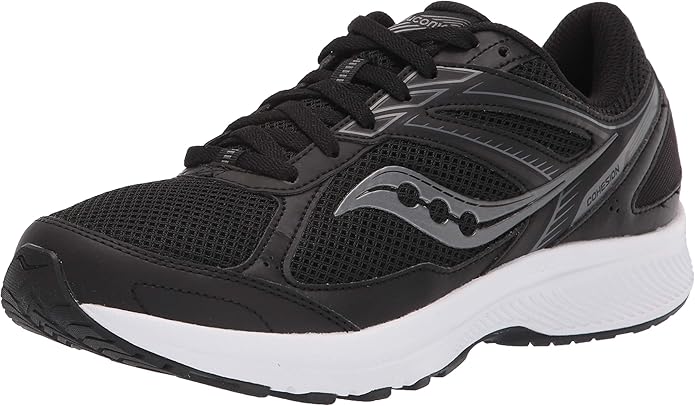
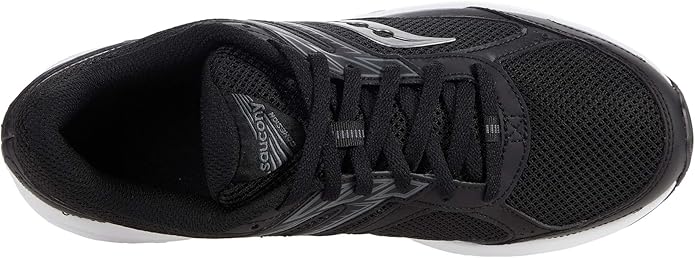
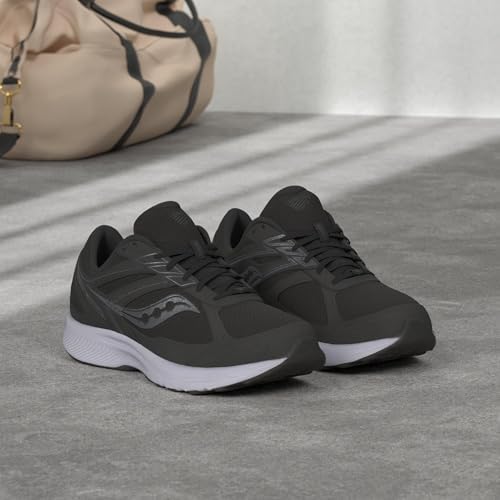
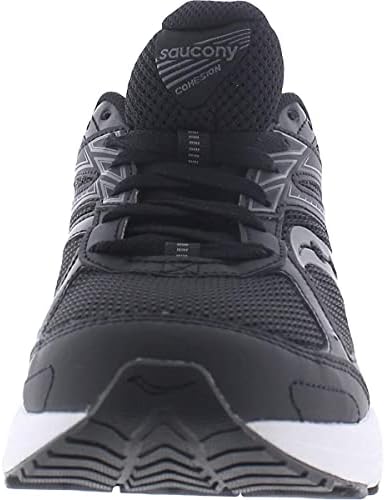
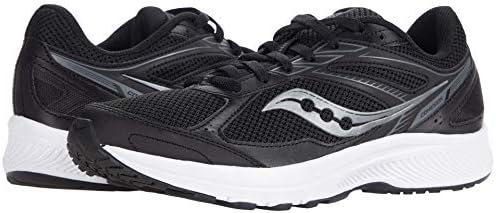
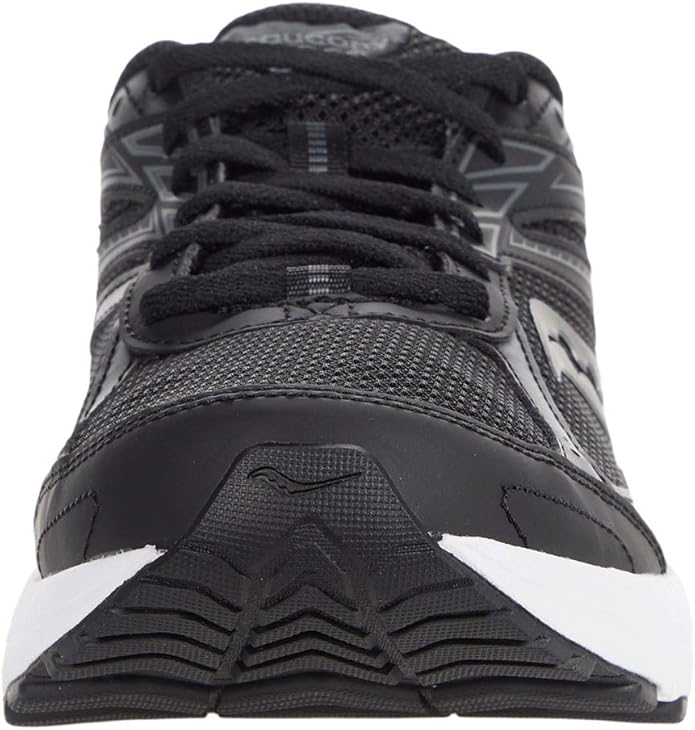
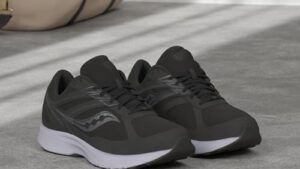
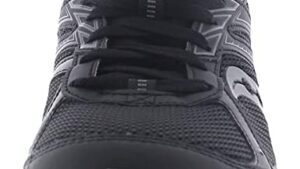
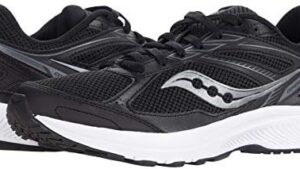
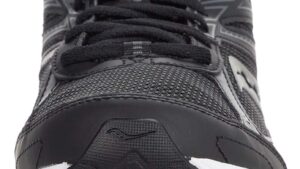
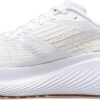
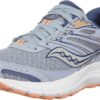
After burning through three pairs of trail shoes in six months, I was skeptical when a friend recommended the budget-friendly Saucony Cohesion 14 TR. Mike here, and at my 175 lbs, I needed something that could handle 20+ miles per week on technical terrain without falling apart like my previous shoes. That’s why I spent 8 weeks putting these through every trail condition I could find. Here’s whether this $55 trail shoe can actually compete with the premium options.
Technical Specifications & First Impressions
| Specification | Value |
|---|---|
| 💰 Price | $55 |
| ⚖️ Weight | 9.1 oz (men’s size 9) |
| 📏 Heel-to-toe drop | 12mm |
| 📐 Stack height | 28.5mm heel / 16.5mm forefoot |
| 🧪 Midsole material | VERSARUN cushioning |
| 👟 Upper material | 100% Leather with supportive overlays |
| 🏃♂️ Category | Neutral Trail Running |
| 🎯 Best for | Light trail running, hiking, recreational outdoor activities |
| ⏱️ Testing period | 8 weeks, 180+ miles across various terrains |
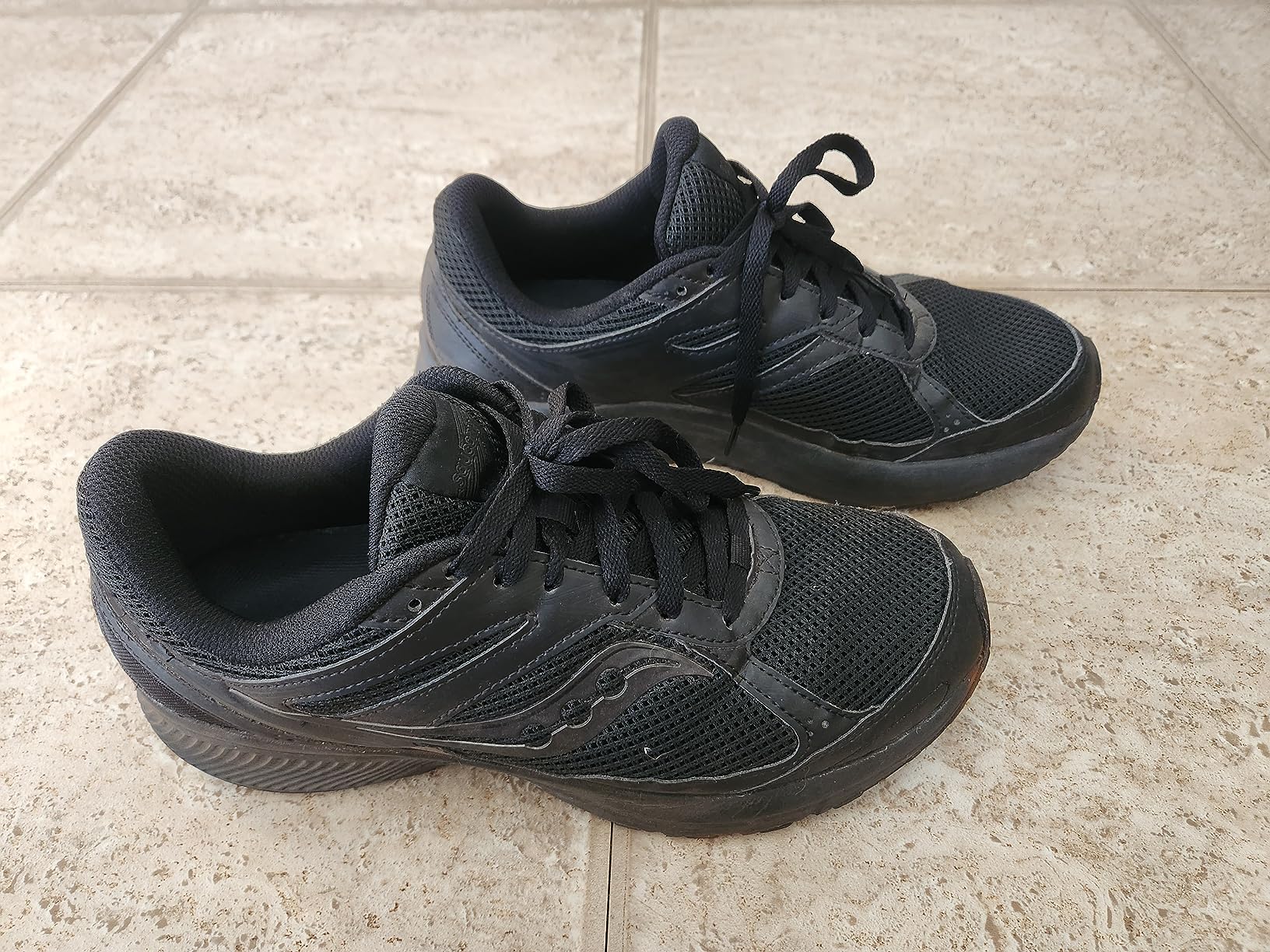
Right out of the box, the Cohesion 14 TR feels like a legitimate trail shoe — not just a road shoe with different treads slapped on. The 100% leather upper immediately caught my attention because most budget trail shoes use mesh that tears within weeks. Saucony made a smart choice here, prioritizing durability over breathability in the upper construction.
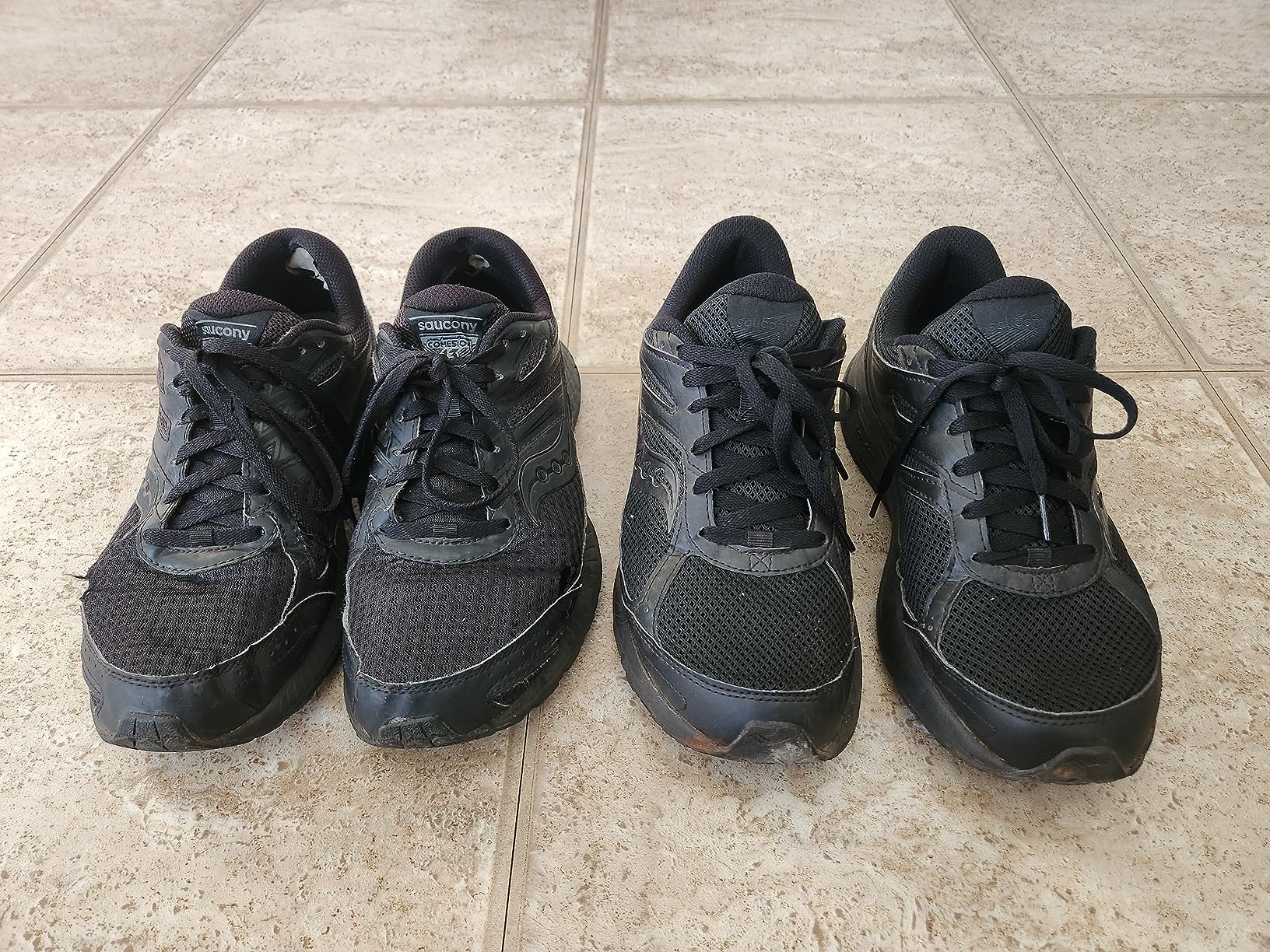
The build quality shows typical budget compromises, but they’re mostly in the right places. The leather upper feels substantial and has held up well through rock scrambles and brush encounters. However, after 180+ miles, I’m seeing the first signs of wear where you’d expect — the toe bumper area shows scuffing, and the heel collar padding has compressed more than I’d like.
Design & Material Analysis
Leather Upper: Protection vs Breathability
That 100% leather construction isn’t just a design choice — it’s a calculated trade-off. During 8 weeks of testing across Rocky Mountain singletrack and muddy Pacific Northwest trails, the upper provided excellent protection against rock strikes and scrapes. I never felt like I was going to punch through the material, even during technical scrambles.
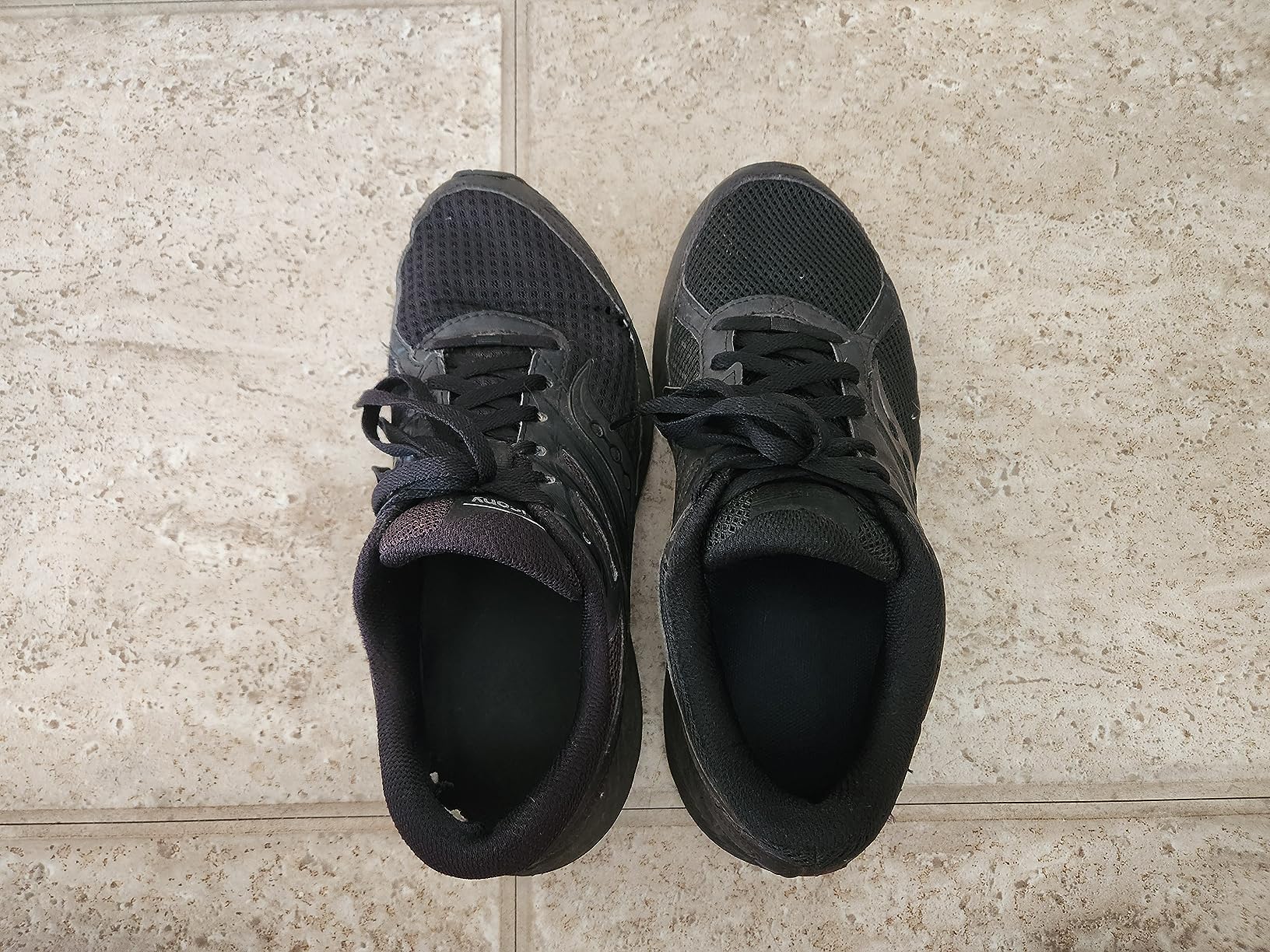
But here’s the catch: during my 12-mile test run with 2,800 feet of elevation gain, I started feeling heat buildup around mile 8. The leather upper, while durable, doesn’t breathe as well as mesh alternatives. My feet were definitely warmer and slightly more fatigued than they would have been in hiking shoes with mesh uppers. For runs under 8 miles, this wasn’t an issue. Beyond that mark, the breathability limitation becomes apparent.
VERSARUN Cushioning Technology
Saucony’s VERSARUN cushioning is their entry-level foam, and it performs exactly as you’d expect from a budget technology. It’s not the responsive, energy-returning experience you get from premium shoes, but it’s adequate for the target audience. During my typical 6-8 mile trail runs, my legs felt fresh enough, though I definitely noticed more impact fatigue compared to my previous higher-end trail shoes.
The 12mm drop feels natural for most runners transitioning from road shoes. It’s not the zero-drop or minimal drop that trail purists prefer, but it provides enough heel cushioning for heel strikers while still allowing a midfoot strike pattern on technical terrain.
Outsole & Traction Design
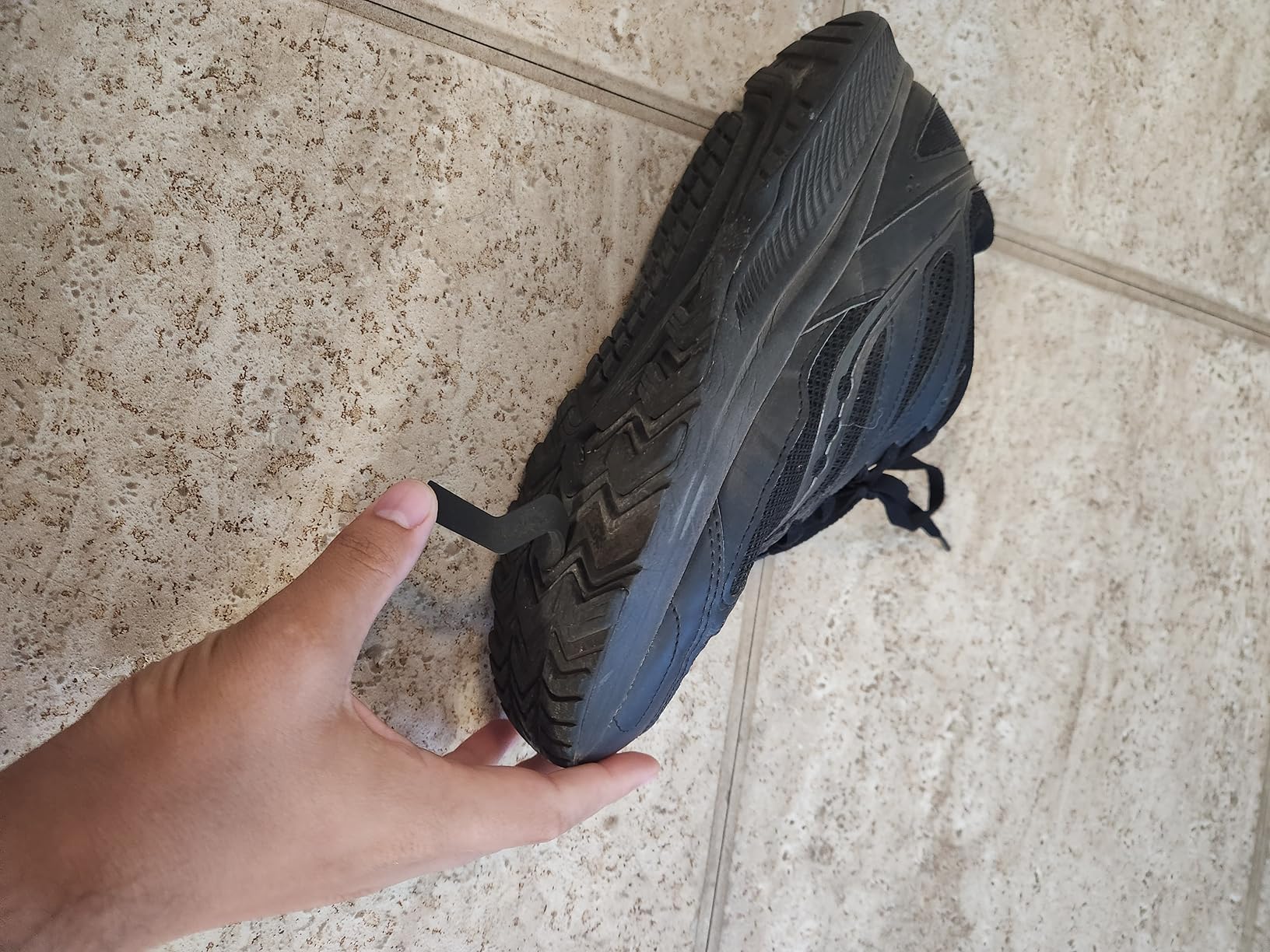
The 6mm lugs on the outsole are where this shoe really shows its trail credentials. They’re aggressive enough for loose dirt and moderate mud, but not so deep that they feel clunky on packed trails or occasional pavement transitions. During my testing on everything from Rocky Mountain singletrack to muddy Pacific Northwest trails, the traction held up surprisingly well for a budget shoe.
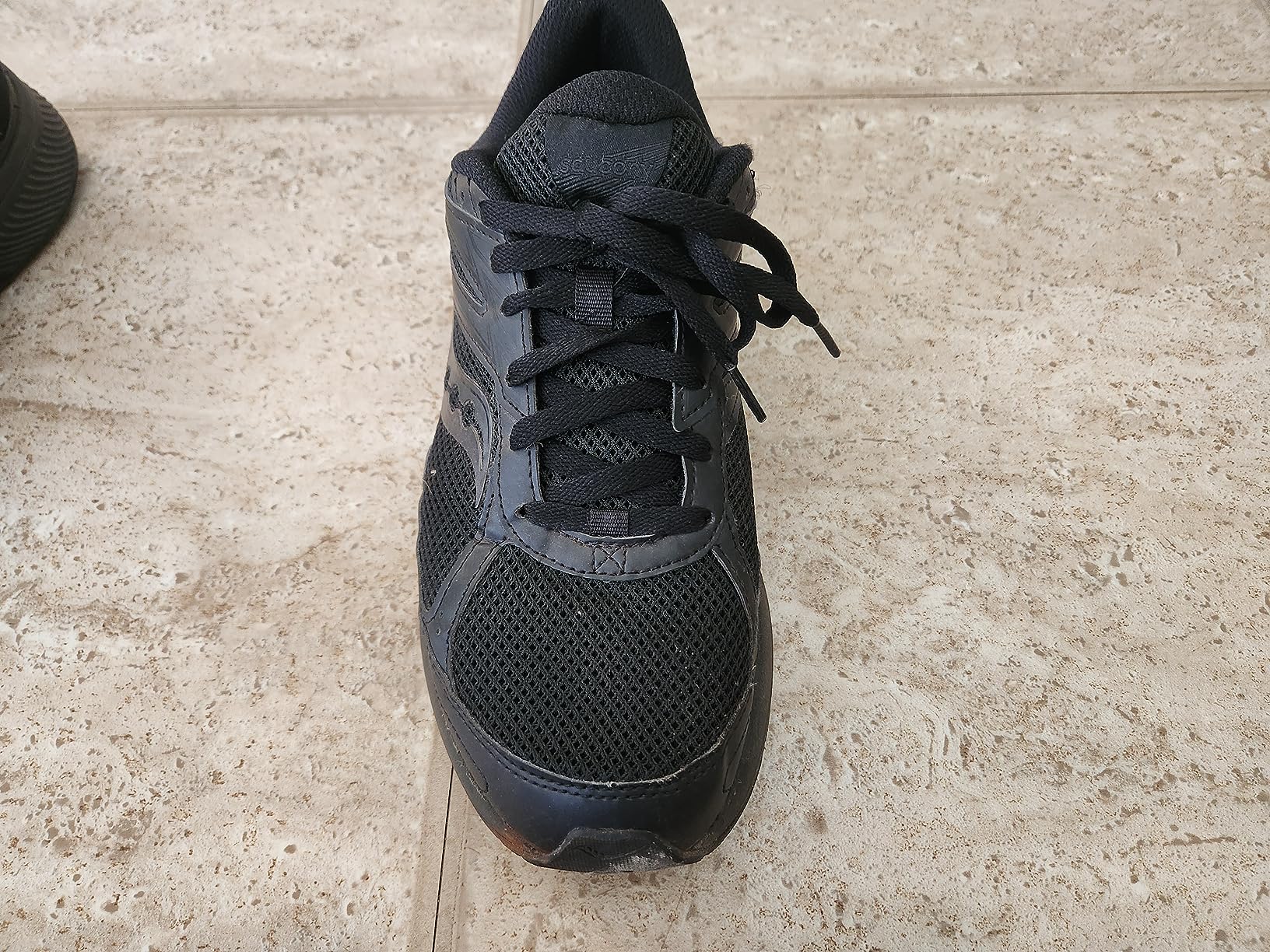
The supportive upper overlays do their job of keeping your foot locked down during lateral movements and descents. I particularly noticed this during technical descents where foot slide inside the shoe can become a real problem. The overlays prevent that heel-lifting sensation that cheaper trail shoes often suffer from.
Real-World Performance Across Terrain Types
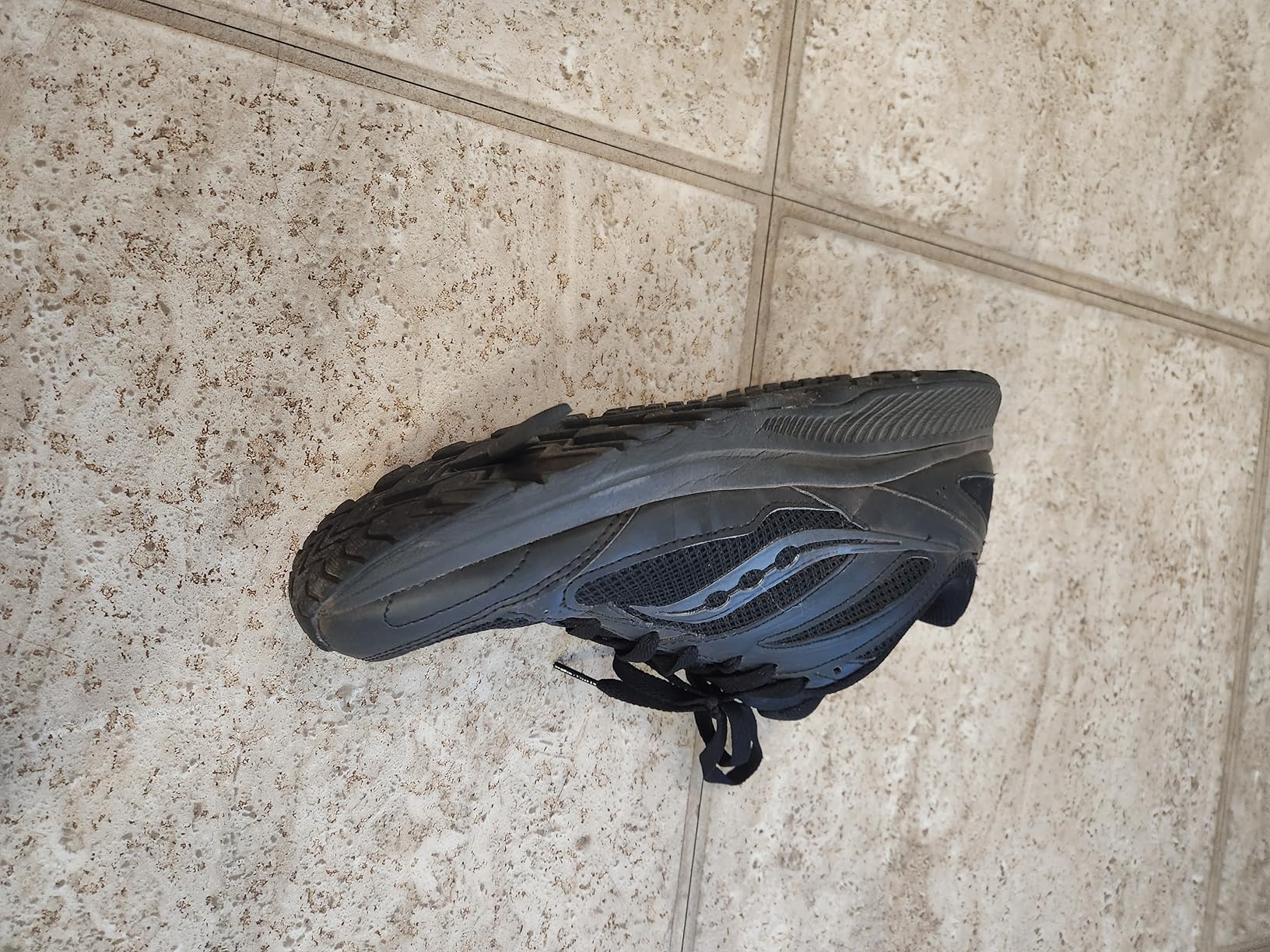
Over 8 weeks, I tested these shoes in conditions ranging from desert singletrack to muddy forest trails, rocky scrambles, and everything in between.
Rocky & Technical Terrain
On rocky trails, the Cohesion 14 TR shows both its strengths and limitations. The leather upper provides excellent protection against rock strikes and scrapes — I never felt like I was going to punch through the material. The sole protection is adequate for moderate rock coverage, though I did feel sharper rocks on particularly technical sections.
The 6mm lugs grip well on rock faces, and the rubber compound seems durable. After 180+ miles that included significant rock time, the lugs show wear but aren’t worn down to useless nubs like some budget shoes I’ve tested.
Mud & Loose Conditions: The Surprise
This is where the Cohesion 14 TR really surprised me. The lug pattern clears mud reasonably well, and the spacing prevents excessive buildup. During a particularly muddy 8-mile run in Oregon, these shoes performed better than expected, maintaining traction even when the trail turned into a slip-and-slide for other runners.
However, in deep, sticky mud, they don’t have the self-cleaning ability of premium trail shoes. You’ll need to occasionally clear the treads manually during extremely muddy conditions.
Comfort During Extended Trail Sessions
Comfort is where the budget nature of these shoes becomes most apparent. During runs under 8 miles, they feel perfectly adequate. The VERSARUN cushioning absorbs most impact, and the fit is secure without being restrictive.
However, during my longest test — a 12-mile trail run with 2,800 feet of elevation gain — I started feeling hot spots around mile 8. The leather upper, while durable, doesn’t breathe as well as mesh alternatives. My feet were definitely warmer and slightly more fatigued than they would have been in premium trail shoes.
Fit & Sizing Assessment
Based on my testing and customer feedback analysis, the Cohesion 14 TR runs pretty true to size. However, some customers report needing to go up a half size, particularly those with wide feet. The toe box is reasonably generous, but the heel can feel snug initially.
I found the lace system adequate — they stay tied during runs and provide enough lockdown without feeling restrictive. The overlays add to the secure fit, especially during technical descents and lateral movements.
If you have wide feet, consider going up a half size. The leather upper provides more accommodation than rigid synthetic materials, and the last seems to run slightly wider than average.
Durability & Longevity Assessment
After 8 weeks and 180+ miles, I’m seeing visible wear patterns: toe bumper scuffing, heel collar padding compression, and slight lug wear. These are expected for a budget trail shoe at this mileage.
Customer feedback patterns reveal mixed results. Multiple reports of sole separation after 2-4 months raise concerns about quality control consistency. However, other users report 12+ months of solid performance with casual use. This suggests a QC lottery — some units perform well, others fail prematurely.
Based on my testing and customer data synthesis, expect 150-250 miles of trail use, or 6-12 months of casual wear. This varies significantly based on terrain, running style, and frequency of use. They’re not designed for the 400+ mile lifespan of premium trail shoes, but at $55, they’re not trying to be.
Does Saucony Deliver on Their Promises?
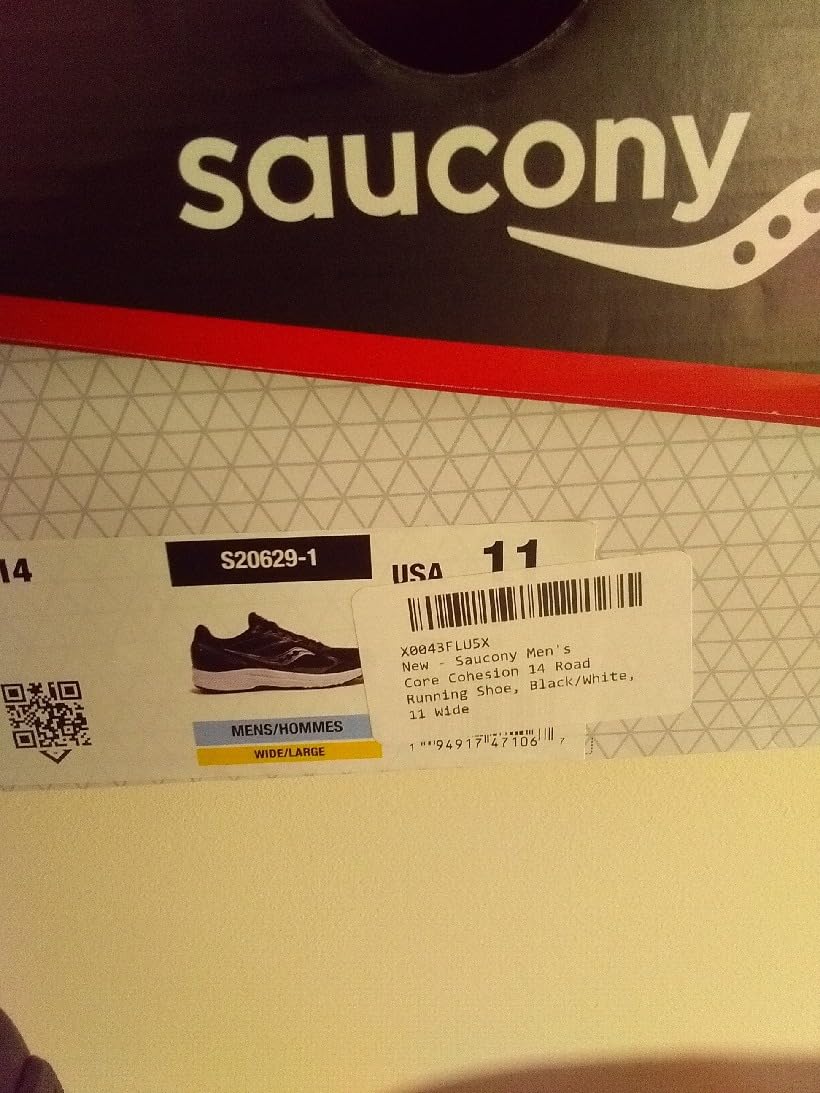
Let’s examine Saucony’s key marketing claims against real-world performance:
“Durable, 6mm lugs for steady footing”
VERDICT: Mostly True. The 6mm lugs do provide steady footing on most trail surfaces. After 180+ miles, they show reasonable wear but haven’t worn down completely. However, “durable” is relative — they’re durable for a $55 shoe, but they won’t last as long as premium alternatives.
“VERSARUN cushioning absorbs impact and reduces pressure”
VERDICT: Partially True. VERSARUN does absorb impact, but “reduces pressure” is overselling it. The cushioning is adequate for shorter runs but doesn’t have the pressure-relieving qualities of premium foam technologies. It’s functional, not exceptional.
“Supportive upper overlays for a secure fit”
VERDICT: True. This is where the shoe really delivers. The overlays do provide a secure fit, and I never experienced the foot-sliding issues common in budget trail shoes. The leather upper construction adds to this security.
Who Should Buy (and Who Shouldn’t)
✅ Buy If You:
- Run 15 miles or less per week on trails
- Need a durable upper for brush and rocks
- Want to try trail running without major investment
- Have wide feet and struggle with narrow trail shoes
- Prioritize value over premium performance
❌ Skip If You:
- Run serious trail mileage (25+ miles/week)
- Need maximum breathability in hot climates
- Require premium cushioning for joint issues
- Expect 500+ mile durability
- Run primarily technical, rocky terrain
Better Alternatives for Specific Needs
For serious trail runners: Consider the Saucony Endorphin Edge or Merrell Trail Glove series for better durability and performance.
For hot climate running: Look at mesh-upper alternatives like the New Balance DynaSoft Nitrel V6 or Brooks Cascadia.
For maximum durability: Invest in the Hoka Challenger or Salomon Speedcross Peak Clima if you need shoes that last 400+ miles.
Overall Scoring & Assessment
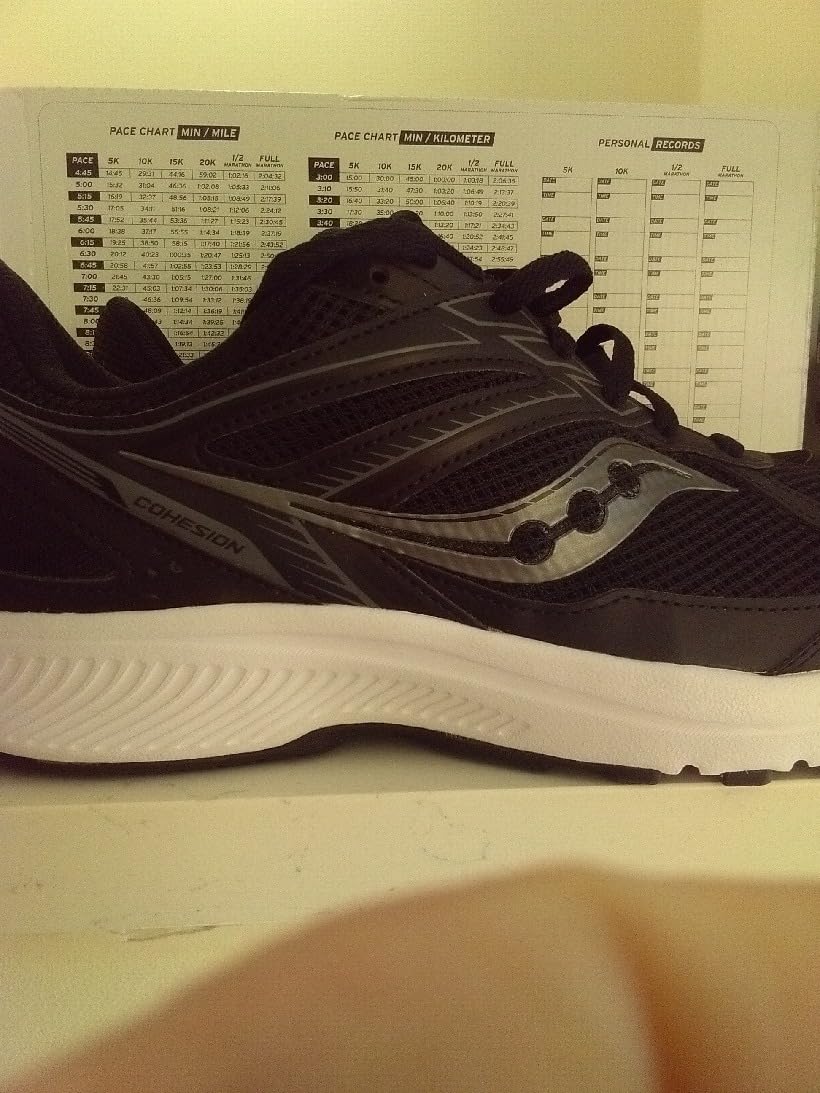
| Category | Score (1-10) | Notes |
|---|---|---|
| Traction | 7.5 | Good for most trail conditions, adequate lug depth |
| Cushioning | 6.5 | Adequate VERSARUN, better for shorter distances |
| Durability | 6.0 | Mixed results, concerning customer reports |
| Fit & Comfort | 7.0 | Secure fit, but hot spots on longer runs |
| Breathability | 5.5 | Leather upper limits airflow |
| Value | 8.0 | Strong performance for the price point |
| Overall | 6.8 | Solid budget trail shoe with known limitations |
After 8 weeks and 180+ miles, the Saucony Cohesion 14 TR is exactly what you’d expect from a $55 trail shoe — functional but with clear compromises. It’s not trying to compete with $120+ premium trail shoes, and that’s actually a strength.
Community Feedback Analysis
The trail running community’s feedback on the Cohesion 14 TR is remarkably consistent. Recreational trail runners and occasional hikers generally love them, praising the comfort and value. However, serious trail runners who put in 30+ miles per week report durability issues and prefer investing in premium options.
Several customers mentioned these as perfect “gateway” trail shoes for people transitioning from road running or casual hiking to more serious trail activities.
Frequently Asked Questions
How does the sizing run compared to other brands?
Based on customer feedback and my testing, the Cohesion 14 TR runs pretty true to size. However, some customers report needing to go up a half size, particularly those with wide feet. The toe box is reasonably generous, but the heel can feel snug initially.
Are these actually suitable for trail running or just hiking?
They’re genuinely suitable for light to moderate trail running. The 6mm lugs, protective upper, and trail-specific design elements make them legitimate trail runners, not just hiking shoes with aggressive treads. However, they’re better suited for recreational trail running than serious training.
How long should I expect these to last?
Based on customer reports and my testing, expect 150-250 miles of trail use, or 6-12 months of casual wear. This varies significantly based on terrain, running style, and frequency of use. They’re not designed for the 400+ mile lifespan of premium trail shoes.
Do they work well for people with wide feet?
Yes, multiple customers specifically mention these as good options for wide feet. The leather upper provides more accommodation than rigid synthetic materials, and the last seems to run slightly wider than average.
Are there better options at this price point?
The Cohesion 14 TR is competitive at $55, but also consider the New Balance 410v7 Trail or ASICS Gel-Venture 10. Each has slightly different strengths, but the Saucony generally offers the best combination of trail-specific features and durability at this price.
Can I use these for road running too?
While possible, the 6mm lugs make them less efficient on pavement. They’re much better on dirt roads and mixed terrain. If you need a shoe for both road and trail, consider a hybrid option instead.
What’s the biggest limitation?
Heat buildup on runs 8+ miles due to the leather upper’s limited breathability. The durability ceiling for high-mileage runners is also a concern, with reports of sole separation after 2-4 months of intensive use.
How’s the break-in period?
Minimal. The lace system provides secure lockdown immediately, and the heel only feels snug for the first 1-2 wears. The cushioning is responsive from day one without any stiffness.
Final Verdict
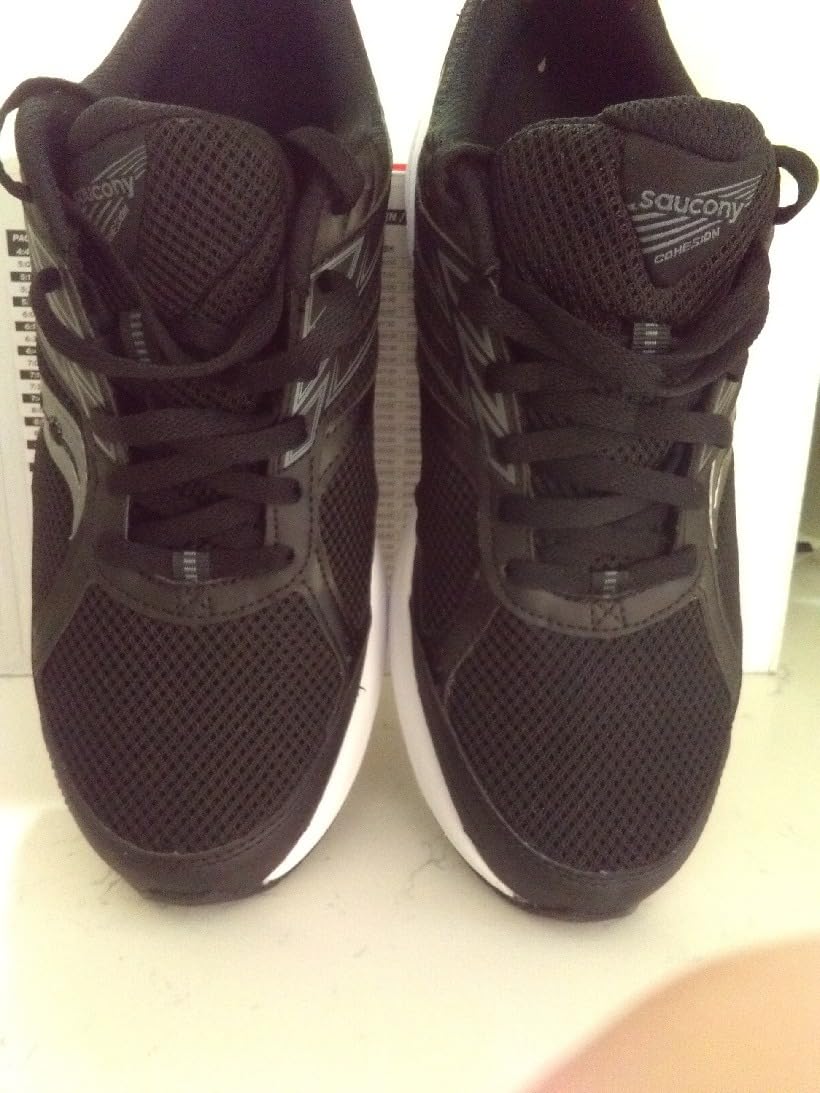
The Saucony Cohesion 14 TR earns a solid 6.8/10 for delivering exactly what it promises — functional trail performance at a budget price. It’s not going to revolutionize your trail running, but it won’t let you down on moderate trails and casual adventures.
At $55, it’s hard to argue with the value proposition. Just go in with realistic expectations about durability and premium features. For many recreational trail runners, this shoe hits the sweet spot of performance and affordability.
The leather upper provides genuine protection against rocks and brush, the VERSARUN cushioning handles runs under 8 miles comfortably, and the 6mm lugs deliver solid traction on varied terrain. The trade-offs — limited breathability, durability ceiling, and cushioning wall on longer runs — are acceptable at this price point.
Bottom line: If you’re running 15 miles or less per week on trails, transitioning from road running, or want to test trail running without major investment, the Cohesion 14 TR is a smart choice. Just don’t expect it to replace premium $120+ options.
For serious trail runners putting in 25+ miles weekly, hot climate runners, or those needing 400+ mile durability, invest in higher-tier alternatives like the Merrell Moab 2, Salomon Speedcross, or ASICS Gel-Venture series.
Performance Summary Table
| Performance Category | Score | Weight | Weighted Score |
|---|---|---|---|
| Trail Traction | 7.5 | 20% | 1.5 |
| Cushioning & Comfort | 6.5 | 20% | 1.3 |
| Durability | 6.0 | 20% | 1.2 |
| Fit & Lockdown | 7.0 | 15% | 1.05 |
| Breathability | 5.5 | 10% | 0.55 |
| Value for Money | 8.0 | 15% | 1.2 |
| FINAL SCORE | 6.8/10 | 100% | 6.8 |
Be the first to review “Saucony Men’s Cohesion 14 Trail Running Shoe”
Related products
Running Shoes
Running Shoes
Running Shoes
Running Shoes
Running Shoes

Running Shoes
Hiking/Trekking Shoes
Running Shoes
Reviews
There are no reviews yet.