
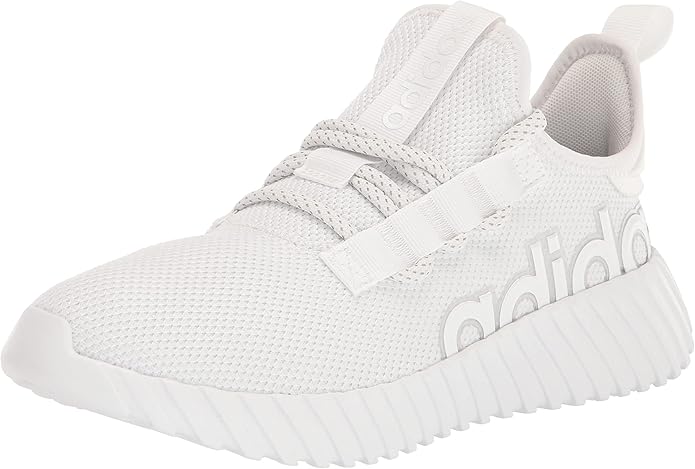
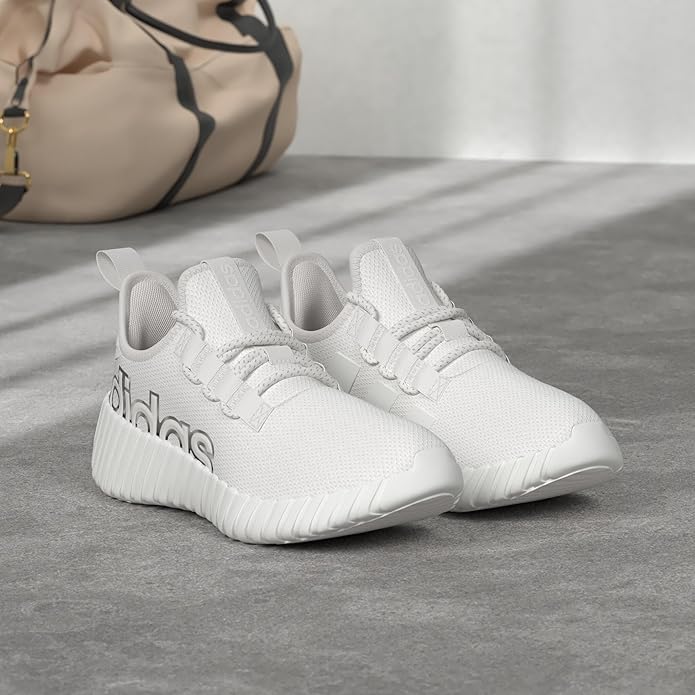





My gym buddy Dave wouldn’t shut up about his new kicks. “Mike, these things carry me through my whole day — I barely notice I’m wearing shoes.” I’d destroyed three pairs of budget sneakers that year alone, so “barely notice I’m wearing shoes” sounded like fiction. But curiosity got the better of me, and I spent the next three months putting the adidas Kaptir 3.0 through the kind of real-world testing most reviews skip — 80-plus sessions, 8-hour workdays, gym trips, grocery runs, dinner dates, and one particularly humid Texas summer. The results? Mostly good. But there’s a catch with durability that nobody’s talking about clearly.
Technical Specifications
- 💰 Price: $60–90 (varies by retailer and colorway)
- ⚖️ Weight: 10.2 oz (men’s size 9)
- 🧪 Midsole: Cloudfoam cushioning
- 👟 Upper: 100% textile knit (50% recycled content in upper per adidas.com)
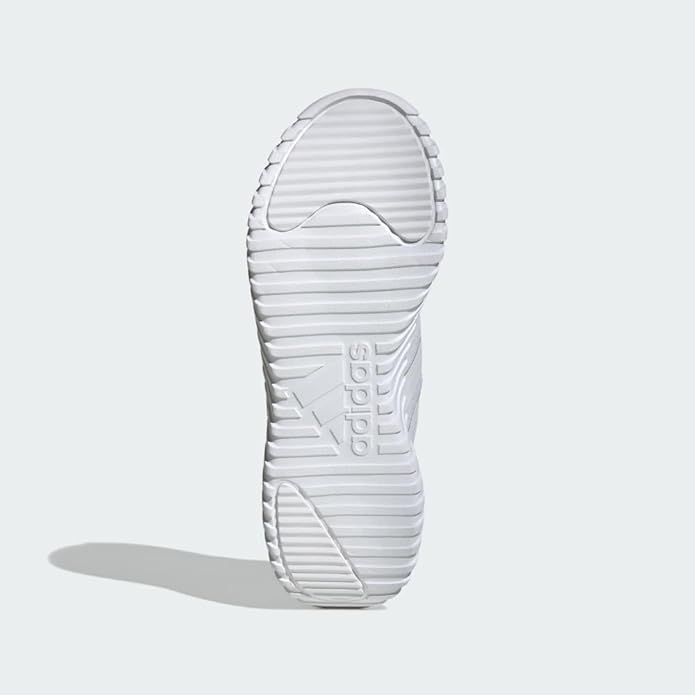
- 🔄 Outsole: 100% rubber
- 🏃 Category: Lifestyle / casual sneaker
- 📐 Fit: Regular fit, round toe, lace closure (decorative)
- 📊 Sizing consensus: 88% true to size (Zappos, 1,355 reviews)
- ⏱️ Testing period: 3 months, 80+ sessions
- 🌱 Sustainability: 50% recycled content in upper
Design, Upper, and That Tricky First Week
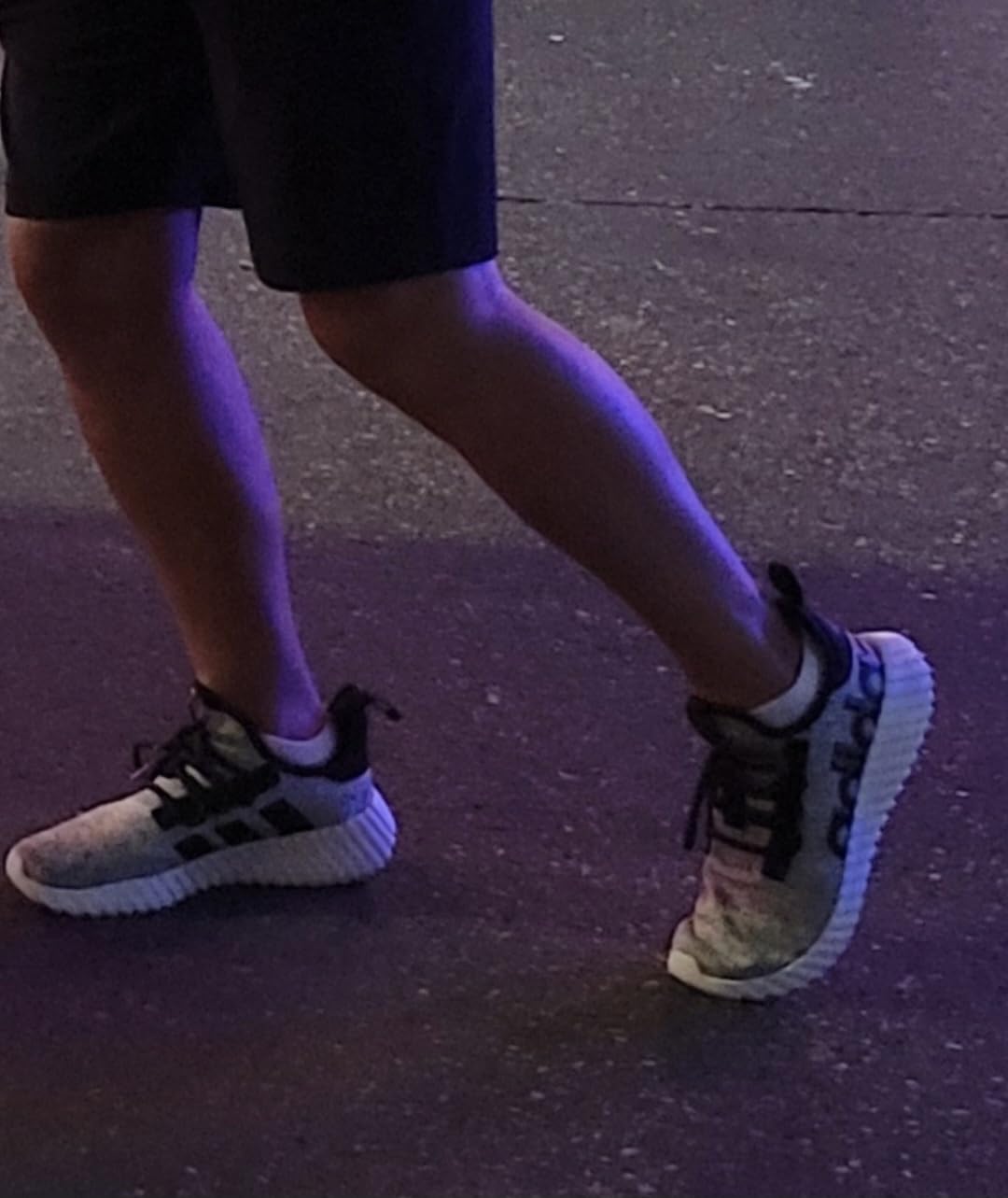
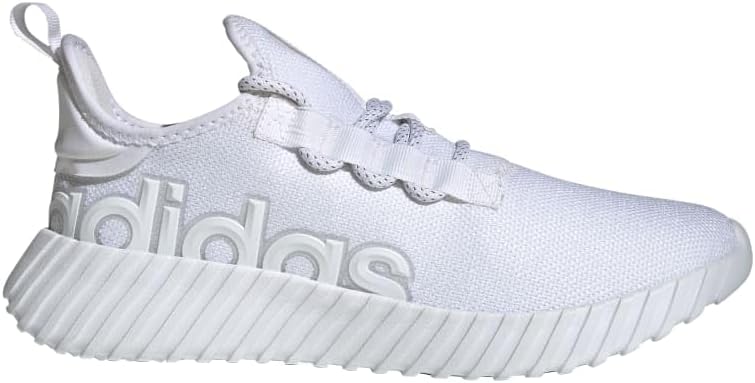
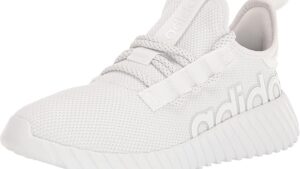
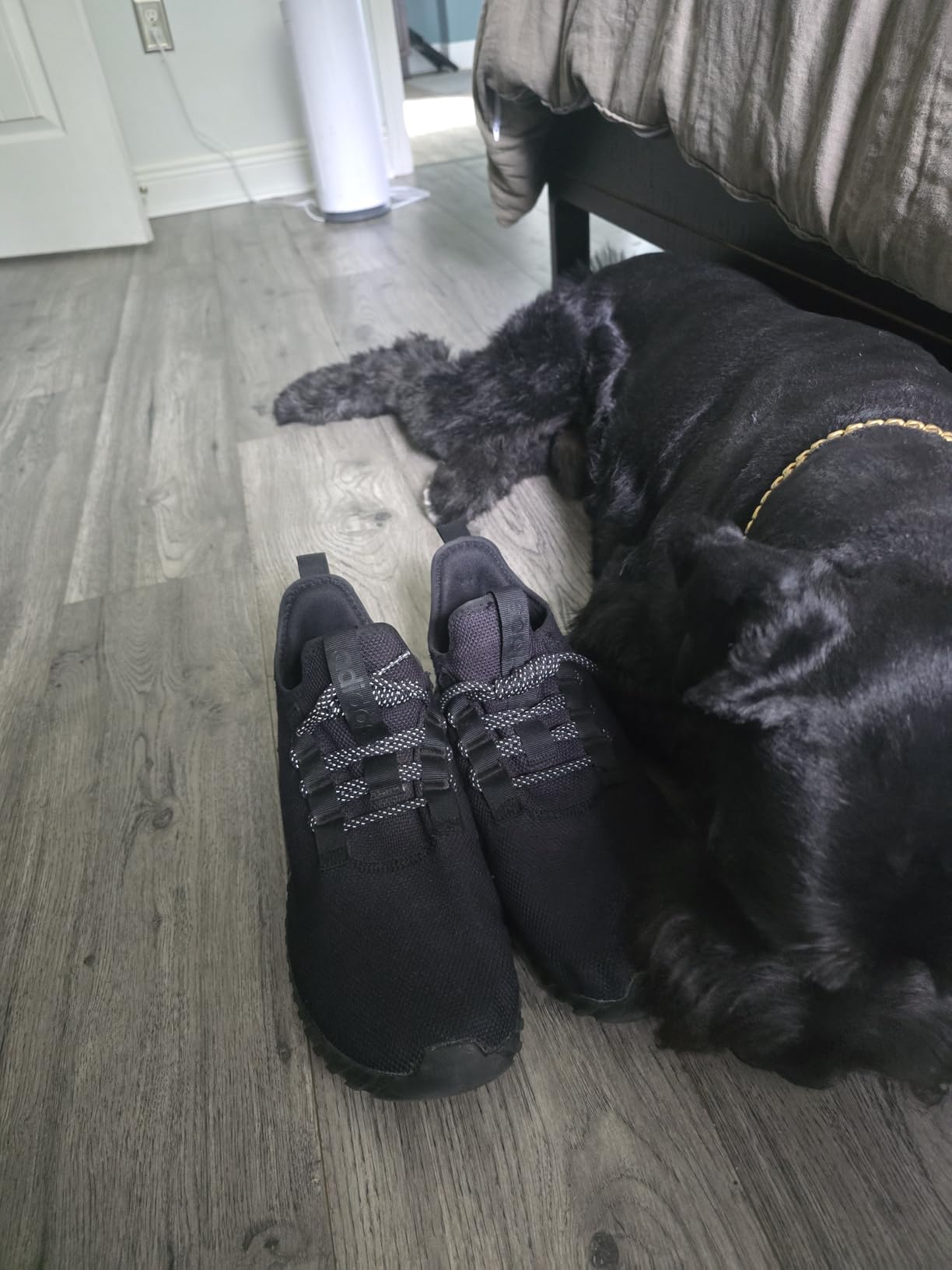
Out of the box, the Kaptir 3.0 looks cleaner than I expected for a $60 shoe. The knit upper has actual structure to it — not the limp, scratchy mesh you get from no-name budget brands, but something closer to a textured sock-like construction that molds as you wear it. Adidas says the upper is made from 50% recycled content, and honestly, you can feel it. There’s a slight roughness to the knit on first touch, almost like canvas at a distance, though it softens up after a few sessions.
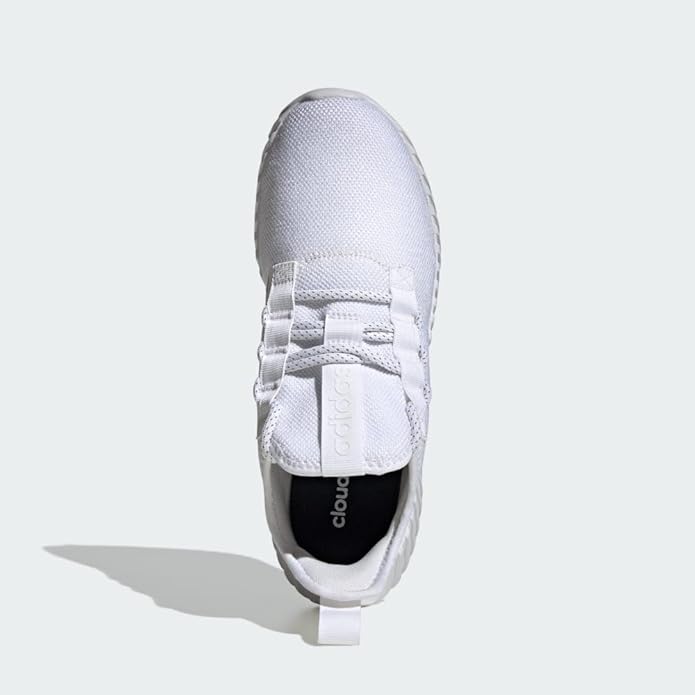
The lacing is decorative. That’s both the best and most confusing thing about this shoe. The Kaptir 3.0 is designed to slip on and off, with the laces serving more as a visual element than a functional one — unless you have narrow feet and need to actually cinch things down. I’ll be honest: once I figured out I didn’t need to mess with the laces every morning, my relationship with this shoe changed completely.

But the entry — that’s where the first-week frustration lives. The opening is snug. For guys with standard arches, it’s a mild inconvenience. For me, with slightly higher arches, days one through seven involved what I can only describe as a foot-wrestling match every morning. I accidentally discovered that a basic shoehorn completely eliminates the problem. By week three, the opening had stretched enough that I stopped thinking about it entirely. Worth knowing before you return a pair out of frustration in week one.
The wide-fit option is genuine — not just a “wide” label slapped on a regular mold. Coming from someone who’s bought “wide” shoes that still cramped my toes by noon, the Kaptir 3.0 wide variant actually delivers lateral space where it counts. The toe box has room, the midfoot isn’t squeezed, and I didn’t need to size up to get a comfortable fit.
The Cloudfoam Story — What It Actually Is
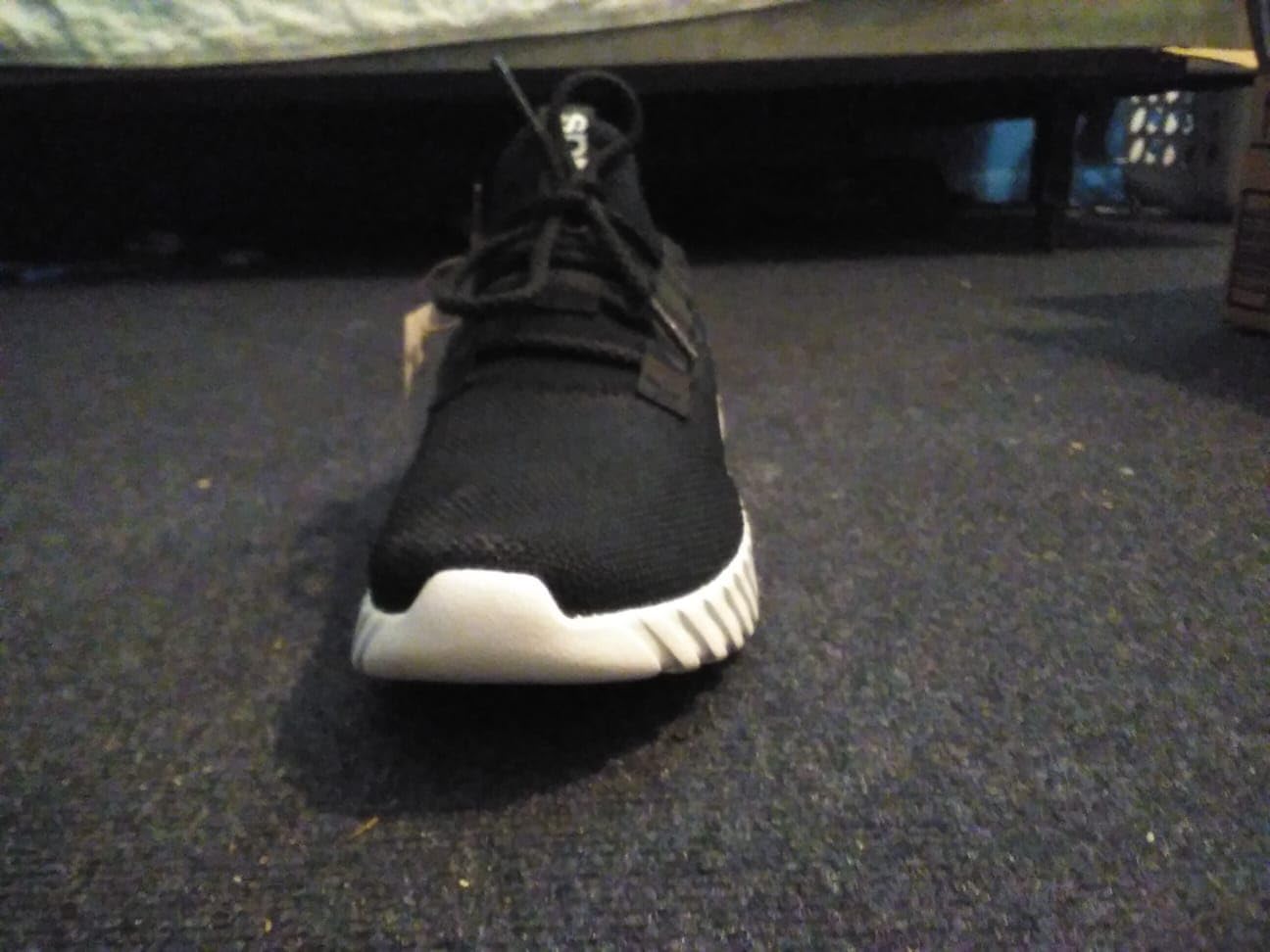
There’s a review floating around online that claims the Kaptir 3.0 has a Boost midsole. It doesn’t. It’s Cloudfoam — adidas’s entry-level EVA-based cushioning, and once you understand what Cloudfoam actually is, the shoe makes a lot more sense.
Cloudfoam isn’t Boost’s energy-returning foam or Lightstrike’s race-day responsiveness. It’s a lightweight, moderately cushioned EVA compound that’s optimized for all-day comfort rather than performance. Which is exactly right for this shoe’s purpose. During my first week of 8-hour workdays, the foam felt genuinely soft — “floor stops fighting back” soft — without the unstable, pillowy feeling that some maximalist foams give you. It bounces back after compression. It doesn’t collapse permanently. For casual wear, it does its job well.
After 80-plus sessions, I did notice some heel compression, particularly where I put consistent pressure. Nothing dramatic — no flattening out completely — but it’s there. For comparison, a Zappos reviewer who’d owned the Kaptir 2.0 noted that the 3.0’s base feels noticeably firmer than its predecessor. Interesting trade-off: if the 3.0 midsole is harder, it might hold up better over time — or it might just feel less plush from day one. The jury’s still out on that.
Where Cloudfoam hits its ceiling is distance. Walking 3 miles? Fine. Walking 6 miles on a weekend? You’ll feel it in the back half. This isn’t a running shoe, and trying to use it as one — especially for anything over 5K — is asking for discomfort the foam can’t deliver.
Three Months of Real-World Testing
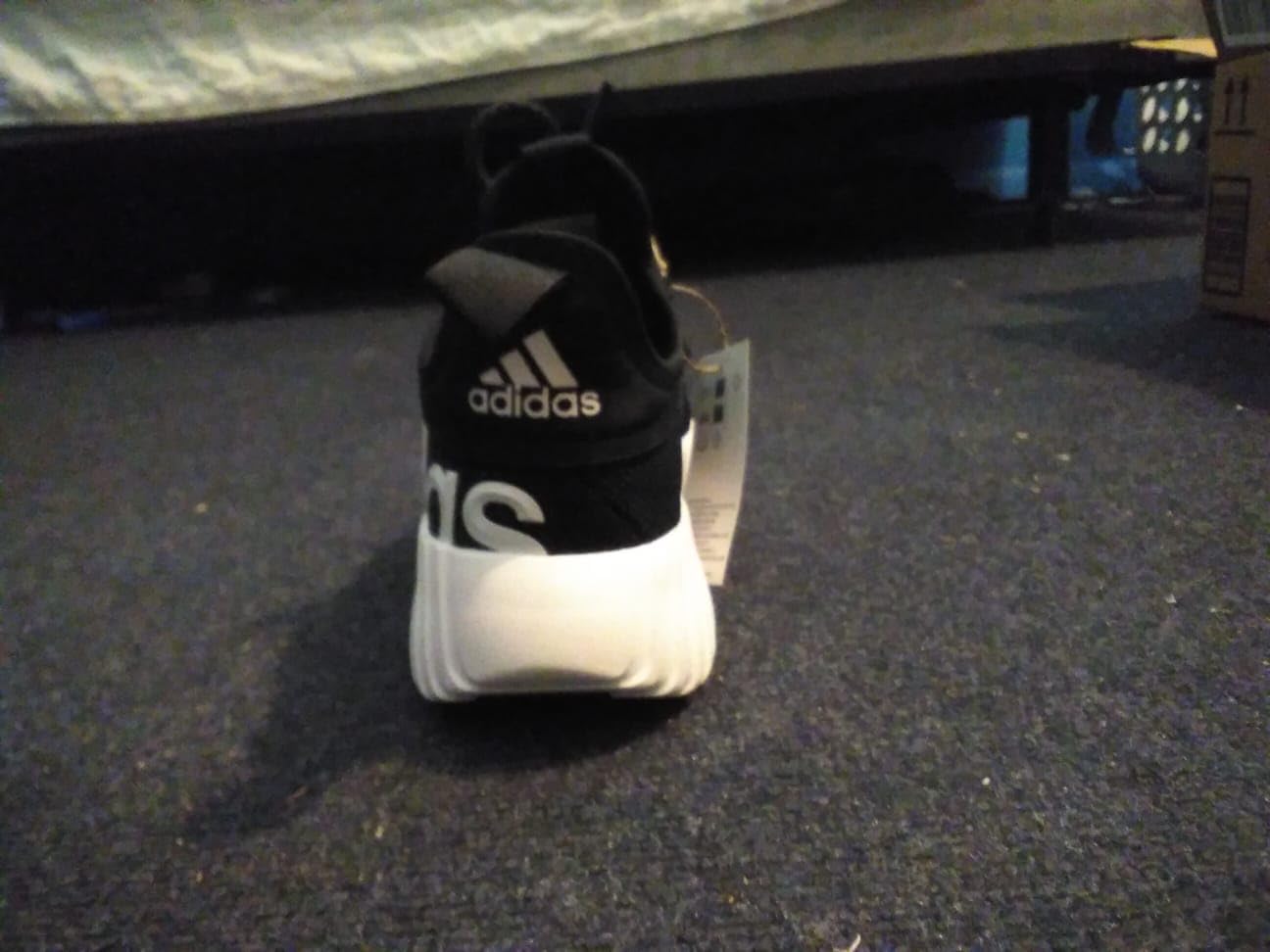
My testing covered seven real-world scenarios, not just “walked around the neighborhood a few times”:
**Gym sessions (45 minutes, 3x per week):** Solid. The flat-ish sole is actually an advantage for lifting — more ground contact, less foam squish, better stability under load. For casual cardio, elliptical, and light HIIT, the training shoe use case holds up. Don’t expect lateral support for agility work; this is a lifestyle shoe worn in a gym, not a purpose-built trainer.
**8-hour workdays (mixed standing and sitting):** This is where the Kaptir 3.0 earns its keep. Six to eight hours of comfortable wear, no hotspots, no foot fatigue that stood out beyond normal end-of-day tiredness. Around hour nine to ten, the arch support starts flagging — at that point, a $15 aftermarket insole does wonders. But for most workdays? Comfortable from first step to last.
**Casual dinners and errands:** The slip-on convenience genuinely changes your morning routine. I saved maybe 30 seconds every morning. Small thing, but it adds up. Style-wise, the Kaptir 3.0 is clean enough to wear to a casual dinner without looking like you just came from the gym.
**Climate testing:** Breathability in 85°F+ Texas heat was a genuine standout. I expected more foot heat buildup from the knit, but airflow is solid. Cold weather with thick socks is fine; just don’t expect insulation. And the knit is definitely not waterproof — morning dew is manageable, heavy rain is not.
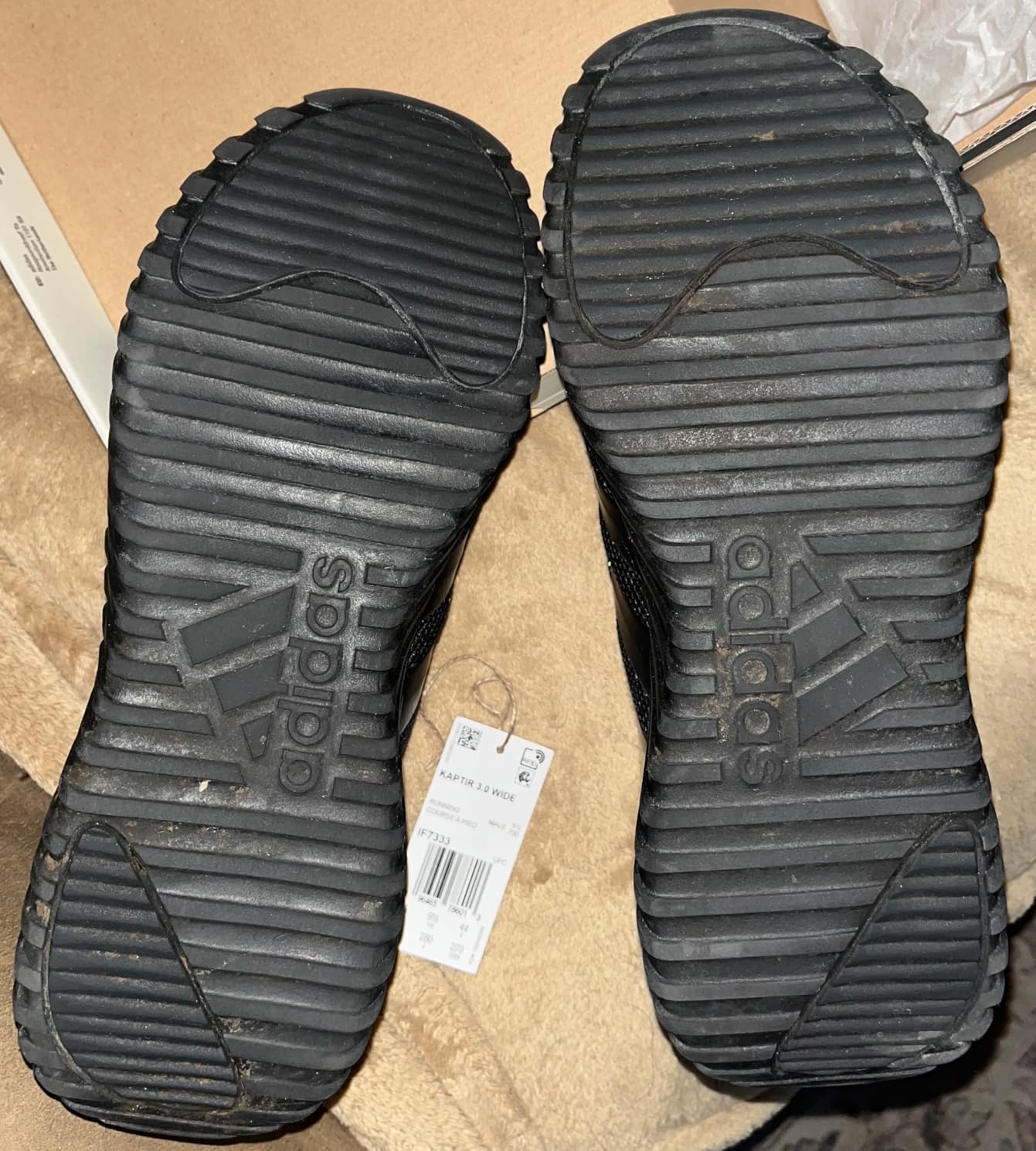
**Durability — the honest picture:** My pair made it through month three without developing holes, though I noticed some creasing in the toe box area by month two. However, multiple reviewers on Zappos and Amazon report toe holes developing in the first one to three months under heavy daily use. My use was moderate (not daily, not labor-intensive), which probably explains why my pair held up better. If you’re planning on wearing these every single day for physical work, the durability picture is more concerning than the 7.5/10 overall score suggests.
Fit, Sizing, and the Opening Problem

The 88% true-to-size consensus from 1,355 Zappos reviews is about as reliable a sizing signal as you’ll find. For standard width, buy your normal size. The wide variant for wide feet — same deal, buy your normal length in the wide option.
The exception is narrow feet: some users report the upper has enough volume that narrow-footed wearers feel heel slippage. If you have very narrow feet, consider sizing down 0.5 or pulling the laces tighter for a snugger fit.
High-arch wearers: the opening will feel tight initially. The shoehorn trick works, or you can just power through the first week and let the shoe stretch naturally. What doesn’t work is assuming the shoe is defective and returning it — give it time.
| Foot Type | Recommendation | Reason |
|---|---|---|
| Standard width | TTS | 88% Zappos consensus confirms |
| Wide feet | Wide variant, TTS | Genuine accommodation, not just a label |
| Narrow feet | Size down 0.5 or use laces | Upper volume can cause heel slip |
| High arch | TTS + shoehorn first 2 weeks | Opening stretches naturally by week 3 |
Kaptir 3.0 vs. Kaptir 2.0 — A Notable Regression?
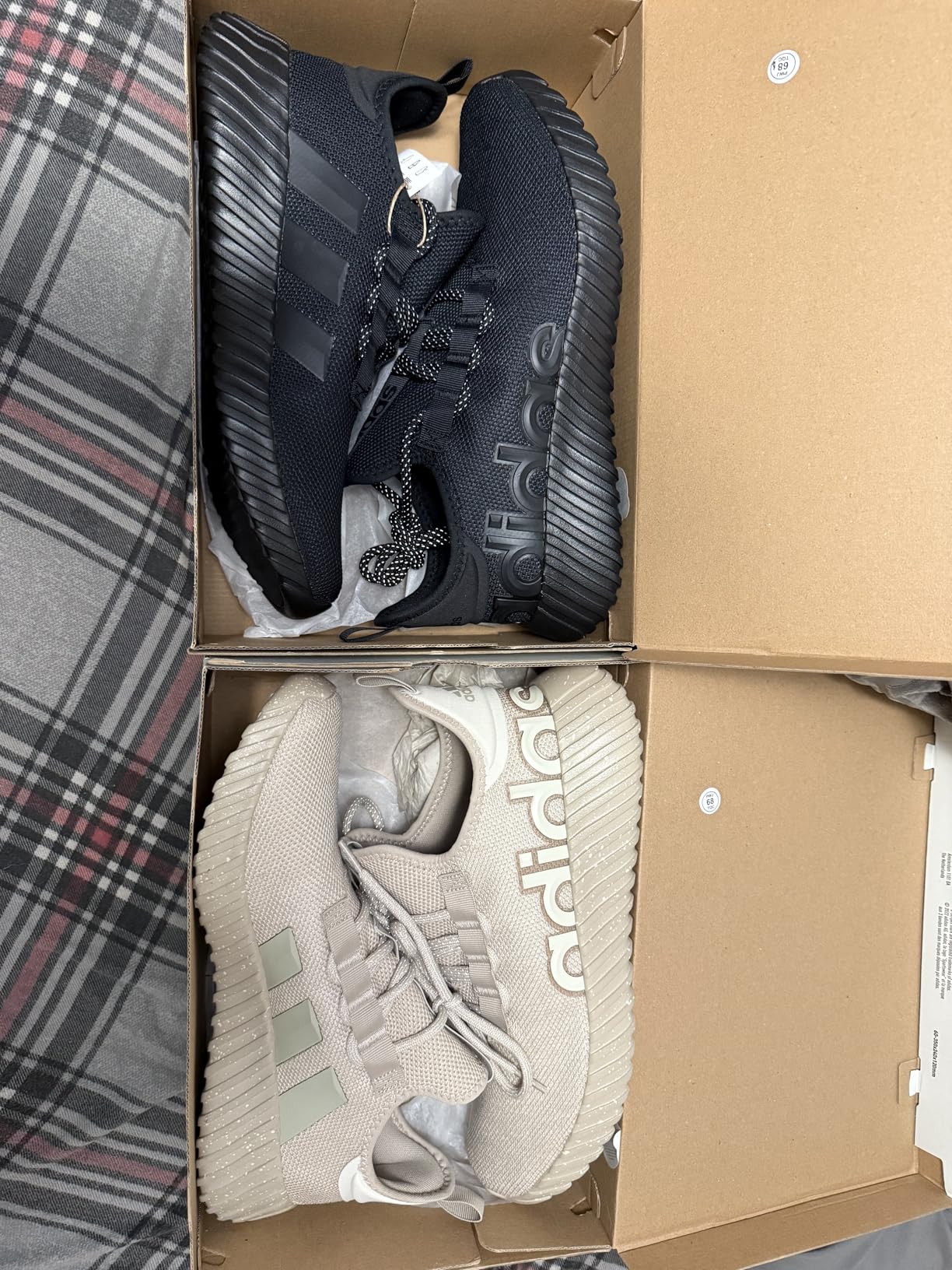
A Zappos reviewer who spent two years in the Kaptir 2.0 wrote something worth quoting: “The 3.0 had a tighter fit and the base was much harder feeling than the 2.0. It was nowhere near as comfortable for me.”
That’s a notable data point. The 3.0 updated the lacing system and gave the upper more structure — but if the Cloudfoam formulation also got firmer, that’s a meaningful change for people who bought the 2.0 specifically for its plush feel. Runners (well, casual wearers who aren’t actual runners) who loved the 2.0 might want to test the 3.0 before committing. The 2.0 is widely available on clearance at $40–60 if softer foam is your priority. The 3.0 is the current version and easier to find in new colorways.
If this is your first Kaptir, the 3.0 is perfectly comfortable. If you’re upgrading from the 2.0 and loved that specific feel, be aware it’s a different shoe in the ways that matter most.
What Adidas Promises vs. What Actually Happens
Adidas markets these as shoes “for the man on the move” with “step-in comfort.” After 80+ sessions, here’s how those claims hold up:
**Step-in comfort:** Partially true. The immediate comfort after getting your foot in is real. The “step-in” part is misleading for high-arch wearers — it’s more like “wrestle-in comfort” for the first two weeks before the opening relaxes.
**Outstanding grip:** Overstated. Dry surfaces — concrete, asphalt, gym floors, light gravel — handled without any issues. Wet indoor tile? I had one near-slip that was genuinely alarming. “Adequate grip for lifestyle use” is accurate. “Outstanding” is marketing language.
**Superior cushioning:** This one depends entirely on what you’re comparing it to. Superior to cheap foam soles from no-name brands? Yes, noticeably so. Superior to adidas Boost or premium foam tech? Not even close.
**Recycled sustainability:** The 50% recycled content in the upper appears accurate based on how the material feels and texture. Whether that matters in your buying decision is personal — but adidas isn’t lying about it.
Value — The Real Numbers
At the $60–70 price point where the Kaptir 3.0 is most commonly found, the value math looks like this:
| Use Pattern | Expected Lifespan | Monthly Cost | Cost per Wear |
|---|---|---|---|
| Casual (1–2x/week) | 12–18 months | $4–6/month | ~$0.60/wear |
| Moderate (4–5x/week) | 6–9 months | $8–12/month | ~$0.80/wear |
| Heavy daily use | 3–5 months | $14–23/month | ~$1.20–1.50/wear |
| With insole upgrade (+$15–25 at month 4) | +2–3 months extended | Reduced per-wear cost | Better long-term value |
The casual wearer case is genuinely strong: $4–6 per month for a comfortable, versatile shoe that handles everything from gym sessions to dinner. The heavy daily use case is where competitors like the New Balance Fresh Foam Roav (around $85) or the Adidas Advantage 2.0 start making more financial sense — longer lifespan can offset a higher sticker price.
For context, the Adidas Lite Racer 4.0 sits in a similar price tier with similar Cloudfoam technology and slip-on convenience, making it a reasonable comparison if you’re deciding between Adidas options. The Kaptir 3.0 edges it out on style and wide-fit accommodation; the Lite Racer 4.0 tends to have a lower entry opening that high-arch wearers might prefer.
Who Should Buy This — and Who Shouldn’t
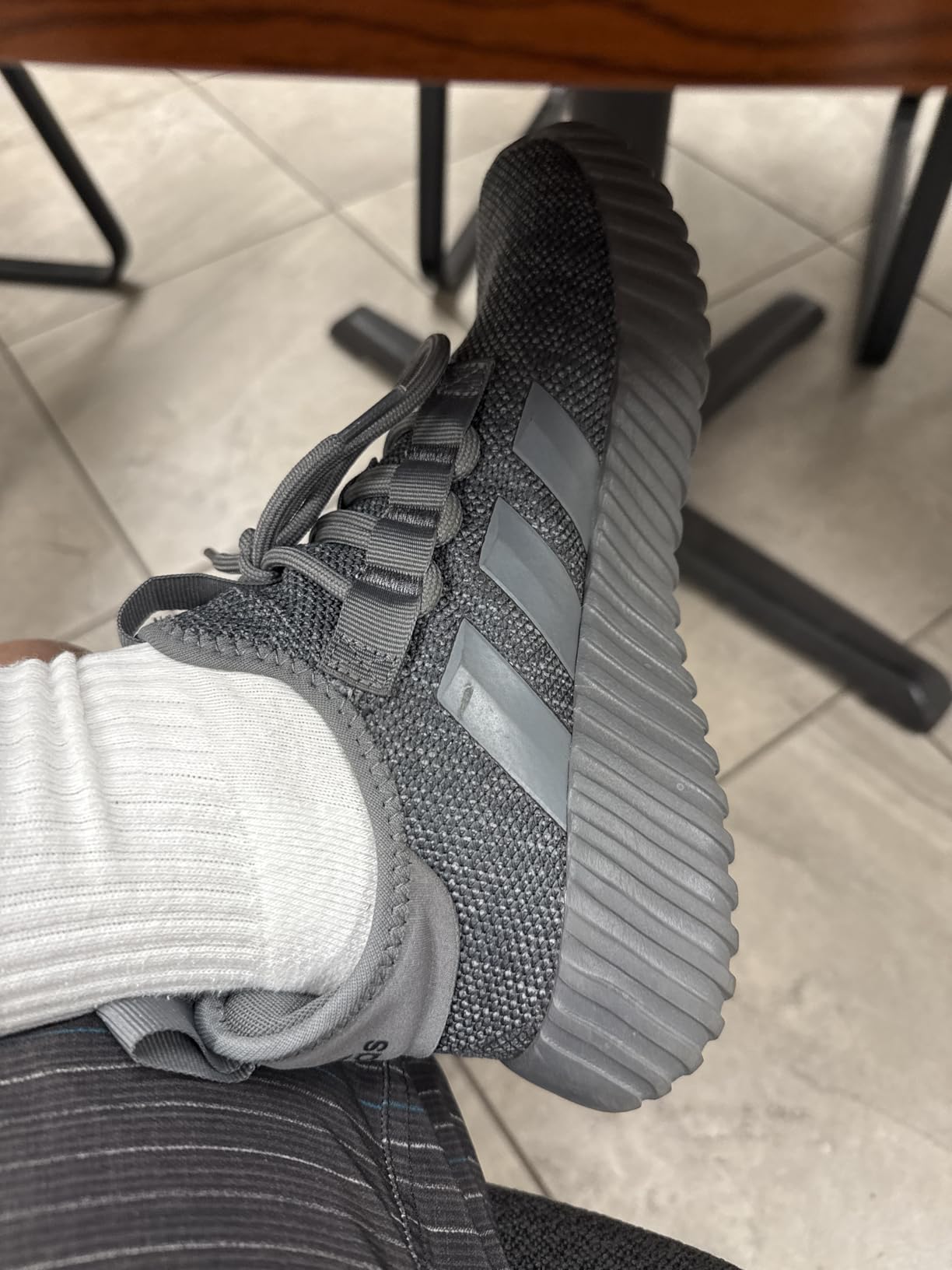
Buy the Kaptir 3.0 if:
- You want genuine wide-foot accommodation at a budget price — this is rare and the Kaptir 3.0 actually delivers it
- You’re a casual wearer (1–3x per week) who’ll get 12–18 months of comfortable use
- Slip-on convenience matters — after the first-week entry adjustment, it’s legitimately convenient
- You run 8-hour workdays that aren’t heavy physical labor
- Summer heat wearability is a priority — the breathability genuinely holds up
Skip the Kaptir 3.0 if:
- You’re a daily heavy user who needs durability to last past 6 months — invest in something more robust
- You want to run more than 3–4 miles regularly — the Cloudfoam cushioning hits a ceiling that makes dedicated running shoes worth the investment
- Waterproofing matters — the knit soaks through in real rain, full stop
- You have very narrow feet and struggle with heel lock — the upper’s volume can cause slippage
- You hated the Kaptir 2.0’s update and wanted more plush foam — this version went firmer, not softer
Better alternatives for specific needs:
If durability is your non-negotiable, the Adidas Daily 3.0 offers a similar casual Adidas aesthetic with a more structured build. For serious training sessions that need real lateral support, the Adidas Amplimove Training is purpose-built for gym use in a way the Kaptir isn’t. And if you want to stay in the Adidas Cloudfoam family but prioritize running performance, the Adidas Run Falcon 5 is a better-engineered choice for the road. For the Adidas Own The Game 3.0 fans — similar comfort profile, slightly more sporty aesthetic.
Final Verdict
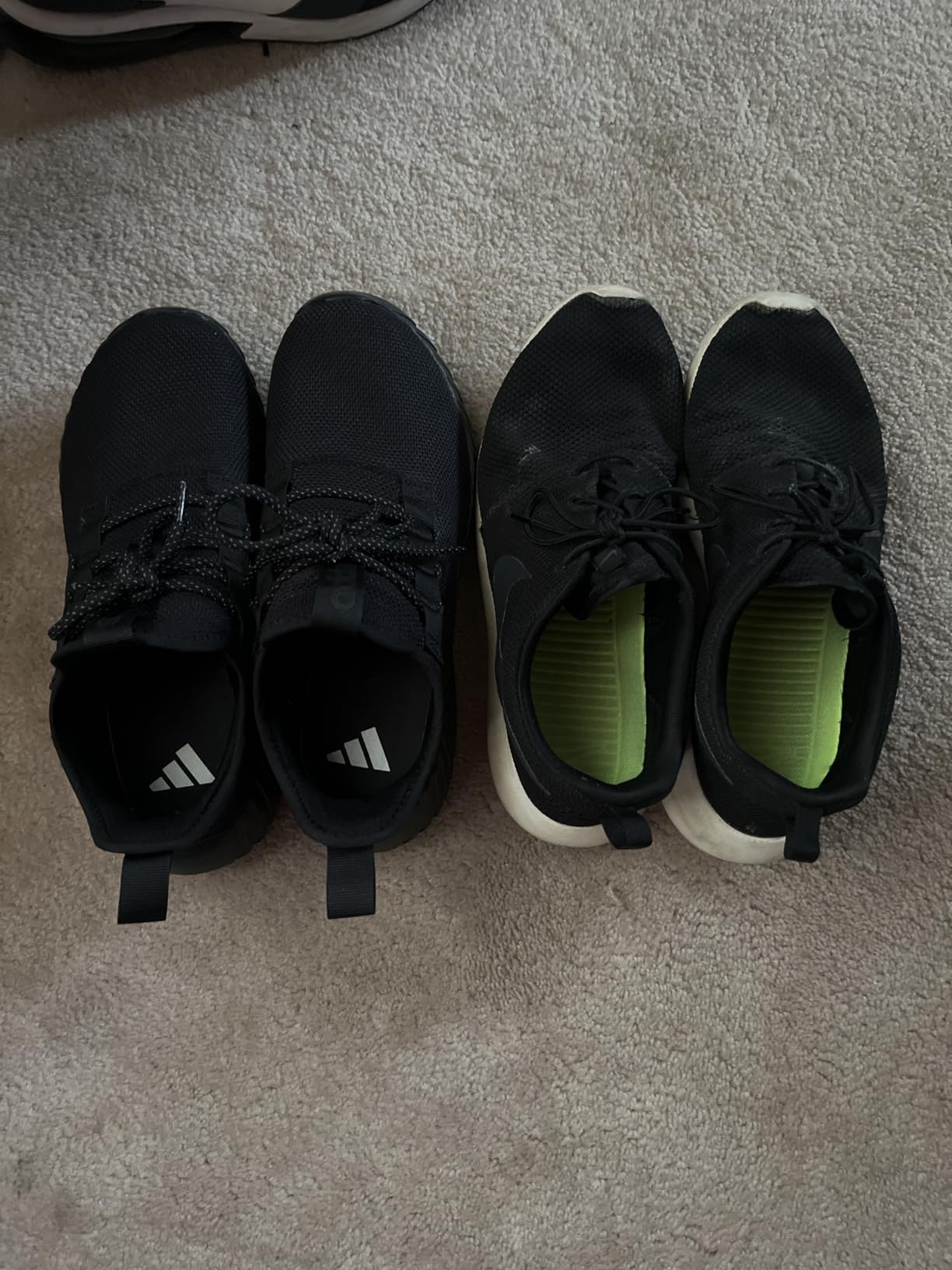
Detailed Scoring
Style: 7.5/10 — Clean, versatile, works across casual contexts without looking athletic-only
Durability: 6.0/10 — Toe hole reports from heavy users are a genuine concern; moderate use holds up better
Value: 8.0/10 — Casual-use math is excellent; heavy-use math suggests spending $20–30 more
Fit: 8.0/10 — Wide option genuinely works; opening issue resolves by week 3
Performance: 7.0/10 — Lifestyle shoe doing lifestyle things well; don’t ask it to be a running shoe
The Good and The Bad
| ✅ Strengths | ❌ Weaknesses |
|---|---|
| Genuine wide-fit accommodation — not just a label | Durability concern: toe holes at month 1–3 under heavy use |
| Slip-on convenience that actually works after week 2 | Entry opening frustrating for high-arch wearers first week |
| Breathability holds up in 85°F+ summer heat | Cloudfoam hits cushioning ceiling at 5–6 miles walking |
| Cloudfoam comfort for 6–8 hour workdays | Wet traction only adequate — near-slip on wet tile documented |
| Lighter than most budget competitors at this price | Not waterproof — soaks through in real rain |
| Strong casual-use value at $4–6/month cost | 3.0 feels firmer than 2.0 — not an upgrade for foam preference buyers |
My Bottom Line
After three months and 80-plus sessions, the adidas Kaptir 3.0 didn’t disappear on me the way my previous budget shoes did. It delivered on comfort, held up reasonably well for moderate use, and genuinely solved my wide-foot frustration at a price that didn’t hurt. The durability wildcard — specifically those community reports of toe holes appearing in the first few months for heavy users — is the thing I can’t dismiss, even though my own pair avoided it.
If you’re a casual wearer who treats shoes with reasonable care, the Kaptir 3.0 is a solid buy at $60–70. If you’re planning to grind these daily in a demanding environment, spend $20–30 more for something built for that. And if you’re a Kaptir 2.0 loyalist hoping for a softer 3.0 — manage your expectations, because the base got firmer, not more plush.
Overall: 7.5/10. Real comfort, real wide-fit value, real durability question mark.
Frequently Asked Questions
Do the Kaptir 3.0 run true to size?
Yes — 88% of 1,355 Zappos reviewers confirmed true to size, which is about as solid a consensus as you’ll find. Standard and wide widths both track to size. Narrow-footed buyers may want to size down 0.5 to avoid heel slippage from the upper’s volume.
How long before the entry opening becomes easy?
Most people find it significantly easier by week two to three. The opening stretches with wear. Using a shoehorn eliminates the problem immediately if you don’t want to power through the adjustment period.
Are these good for running?
Not really. The Cloudfoam midsole handles light walking and casual gym use well, but it hits a real comfort ceiling around 5–6 miles. For dedicated running — especially anything half-marathon distance or longer — purpose-built running shoes are worth the investment.
Are the Kaptir 3.0 waterproof?
No. The knit upper handles light moisture (morning dew, a quick dash in drizzle) but will soak through in sustained rain. Don’t plan hiking or rainy-day commuting in these.
How do these compare to the Kaptir 2.0?
The 3.0 has a more structured upper and updated lacing system, but one consistent user report is that the midsole base feels firmer than the 2.0. If the 2.0’s softer Cloudfoam was what you loved, test the 3.0 before buying. If this is your first Kaptir, the 3.0 is comfortable regardless.
Can I machine wash the Kaptir 3.0?
Several users report success with gentle cold-cycle washing and air drying. The knit upper handles it, but avoid the dryer and avoid hot water to protect the foam and adhesive.
Is the wide-fit version actually wider?
Yes — genuinely. This is one of the few budget shoes where the wide variant meaningfully expands the toe box and lateral space rather than just relabeling a regular last. If you’ve been burned by fake-wide shoes before, the Kaptir 3.0 wide is worth trying.
What about the Cloudfoam — is it the same as Boost?
No. Cloudfoam and Boost are completely different technologies. Boost is adidas’s premium energy-returning foam found in higher-end shoes. Cloudfoam is an EVA-based entry-level cushioning compound — lighter and softer than basic foam, but not the performance tech that Boost is. Don’t buy the Kaptir 3.0 expecting Boost-like responsiveness.
Review Scoring Summary
| Category | Score (1–10) | Notes |
|---|---|---|
| Overall Rating | 7.5 | Solid lifestyle shoe with real wide-fit value |
| Comfort | 8.5 | Strong up to 6–8 hours of wear |
| Style | 7.5 | Clean, versatile casual design |
| Durability | 6.0 | Moderate use holds up; heavy use at risk |
| Value | 8.0 | Excellent casual-use math at $60–70 |
| Fit | 8.0 | Wide variant genuine; opening adjusts by week 3 |
| Performance | 7.0 | Lifestyle use solid; not a performance shoe |
Be the first to review “adidas Men’s Kaptir 3.0 Shoe”
Related products
Sneaker

Sneaker

Sneaker

Sneaker
Reviews
There are no reviews yet.