
My gym buddy Derek wouldn’t let it go. Three sessions in a row, same story: “Dude, these AKK shoes are actually different — the memory foam isn’t a gimmick.” As someone who’s spent over a decade testing footwear across every price range, I know “actually different” from a $40 budget shoe usually translates to “slightly less bad than expected.” But Derek kept insisting, and after he showed up for a fourth straight session wearing the same pair looking unbothered and comfortable, I caved. Six weeks and 45+ sessions later — gym, daily walks, weekend errands — here’s what I found.
The short version: 7.8/10. The memory foam comfort is genuine, not packaging copy. The breathability surprised me. But the durability questions are real — and if you’re buying one pair to last 18 months of daily wear, spend more. For casual gym rotation, daily walking, or anyone who doesn’t mind swapping pairs every year, these deliver at a price that’s hard to argue with.
What You’re Actually Getting
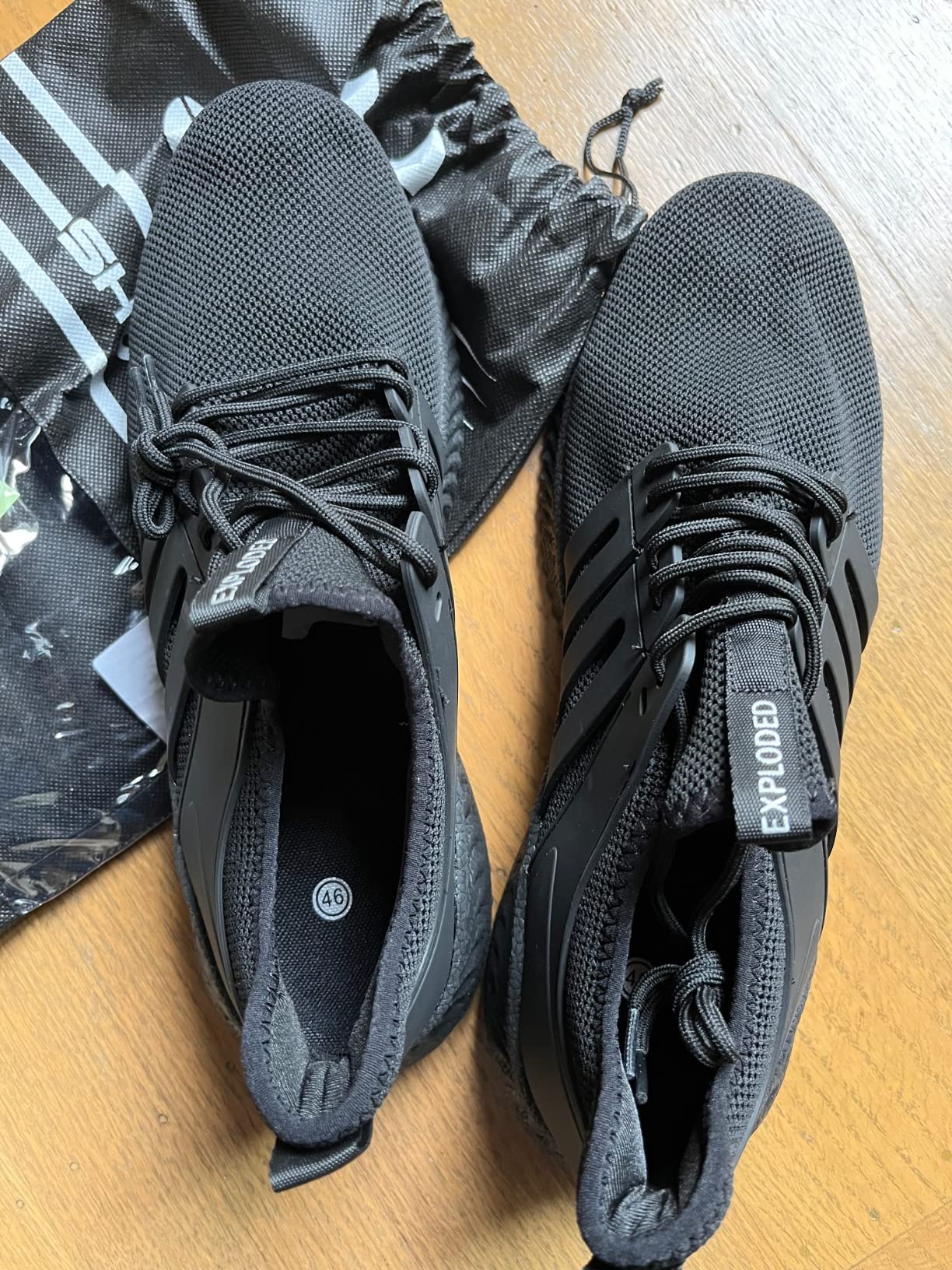
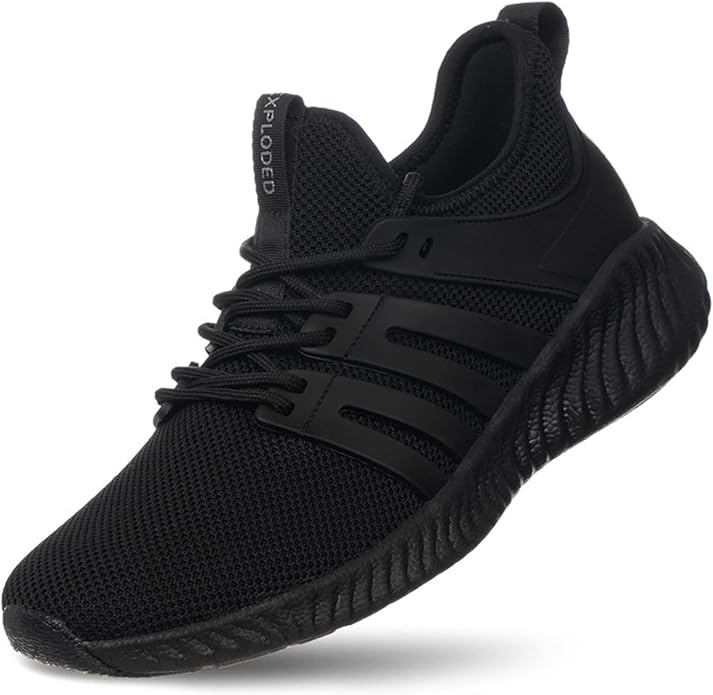
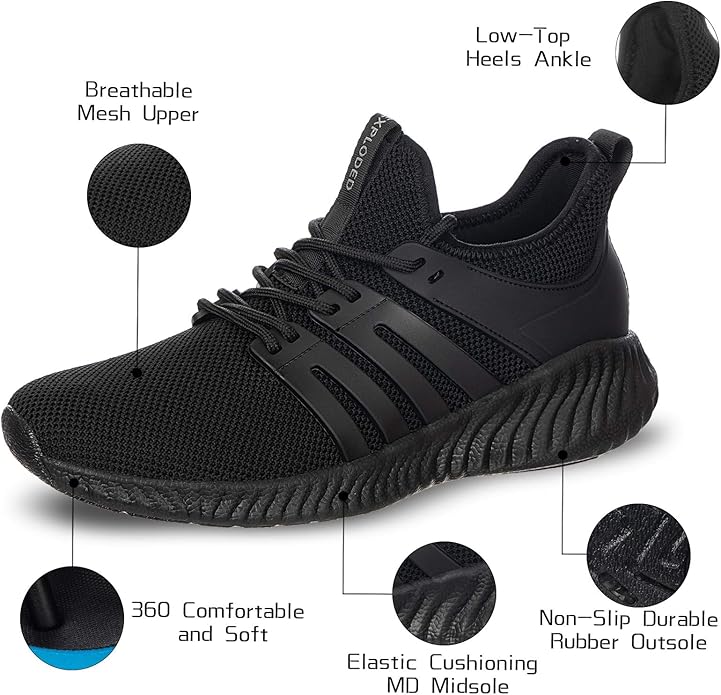
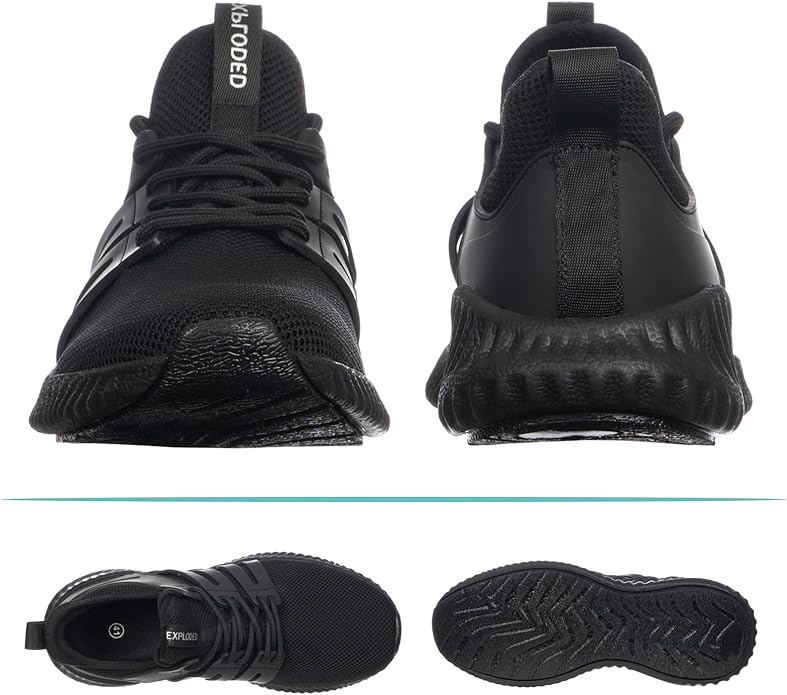
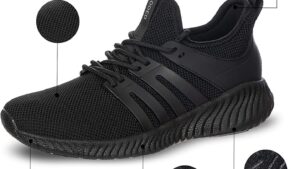
The build is simpler than the marketing suggests, which is both good and bad. Official specs from Amazon confirm: one-piece knit mesh upper, MD foam midsole, memory foam insole, rubber outsole with anti-skid grooves, pull-on closure with laces. No proprietary cushioning tech, no multi-density foam system. Just clean, functional construction.
- Upper: One-piece knit mesh — soft against skin, flexible throughout
- Midsole: MD foam (lightweight EVA variant)
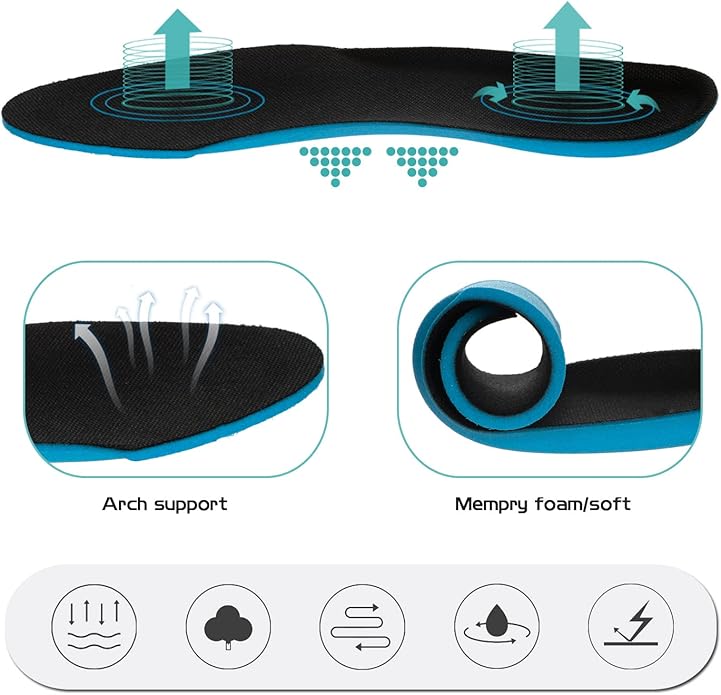
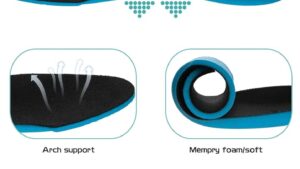
- Insole: Memory foam with moisture-wicking treatment
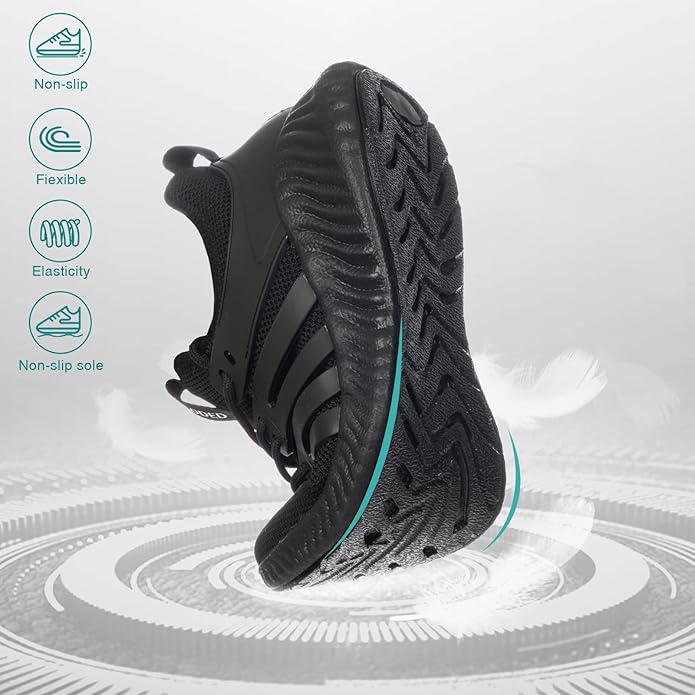
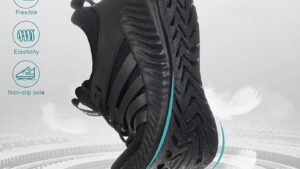
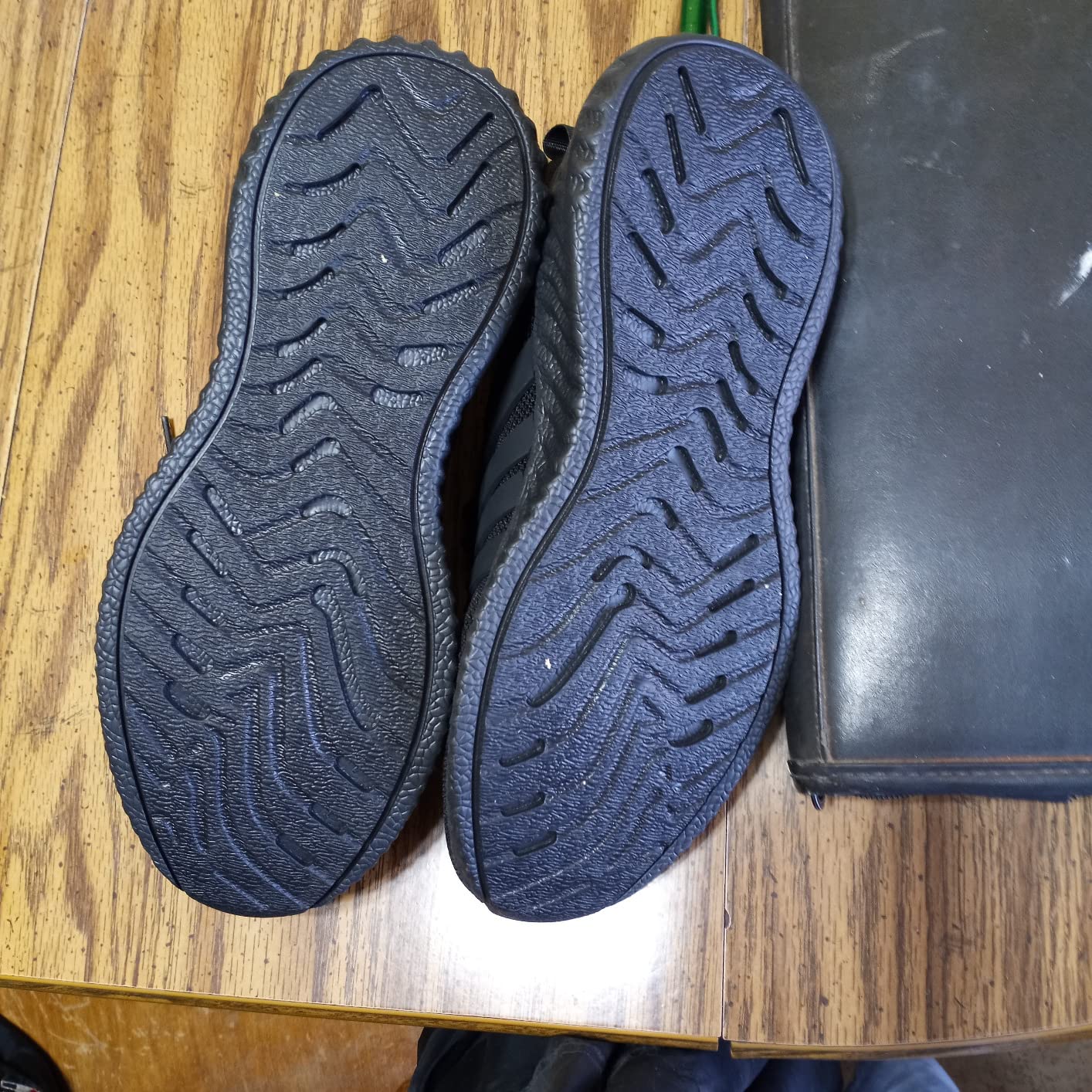
- Outsole: Rubber with anti-skid bottom grain pattern
- Closure: Hybrid — pull-on entry + laces for secondary fit
- Price: $40–45 (under $50)
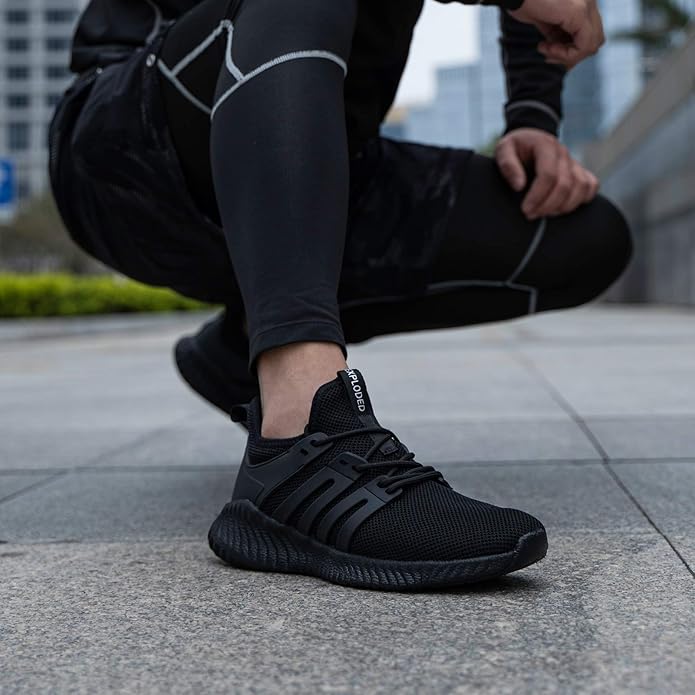
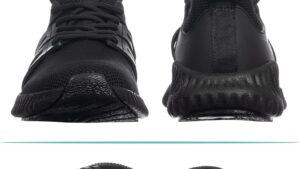
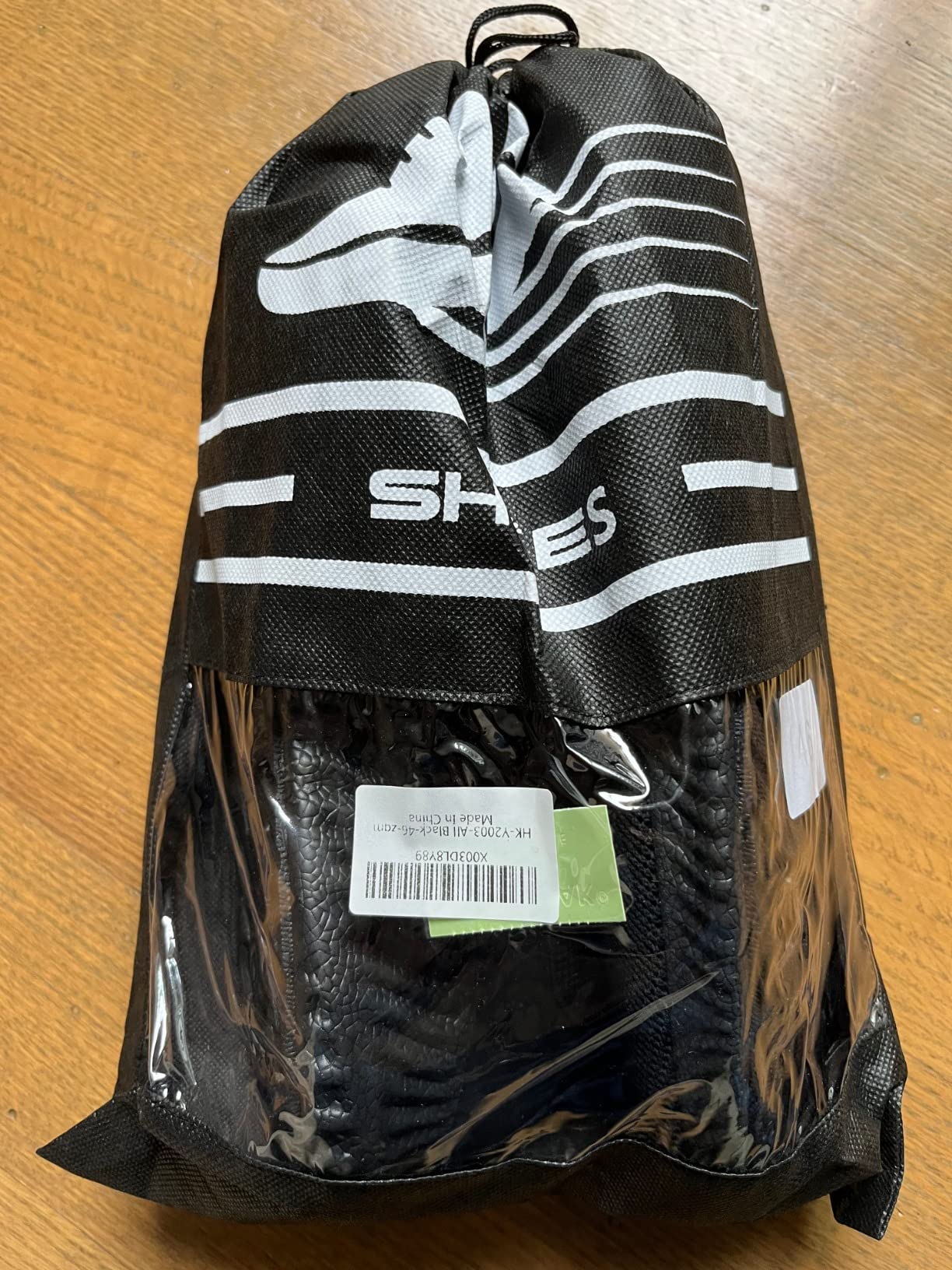
When I opened the box, the first thing I noticed was how light the shoes felt. Picking up a single shoe, the weight difference from my usual gym pair was obvious. The all-black colorway on the test pair looked clean — nothing premium, but nothing cheap-looking either. Stitching was even on inspection, no loose threads. The insole had visible memory foam layering, not just a thin foam pad.
What I didn’t expect: there was no strong chemical smell. Budget shoes from overseas often arrive with an eye-watering chemical odor that takes days to air out. These had a mild new-shoe smell that cleared in a few hours.
The laces, though — they felt standard at best. Not the waxed or reinforced type you’d get in a mid-tier shoe. I flagged them early as a potential durability point to monitor, which turned out to be correct.
Memory Foam Cushioning — The Real Test
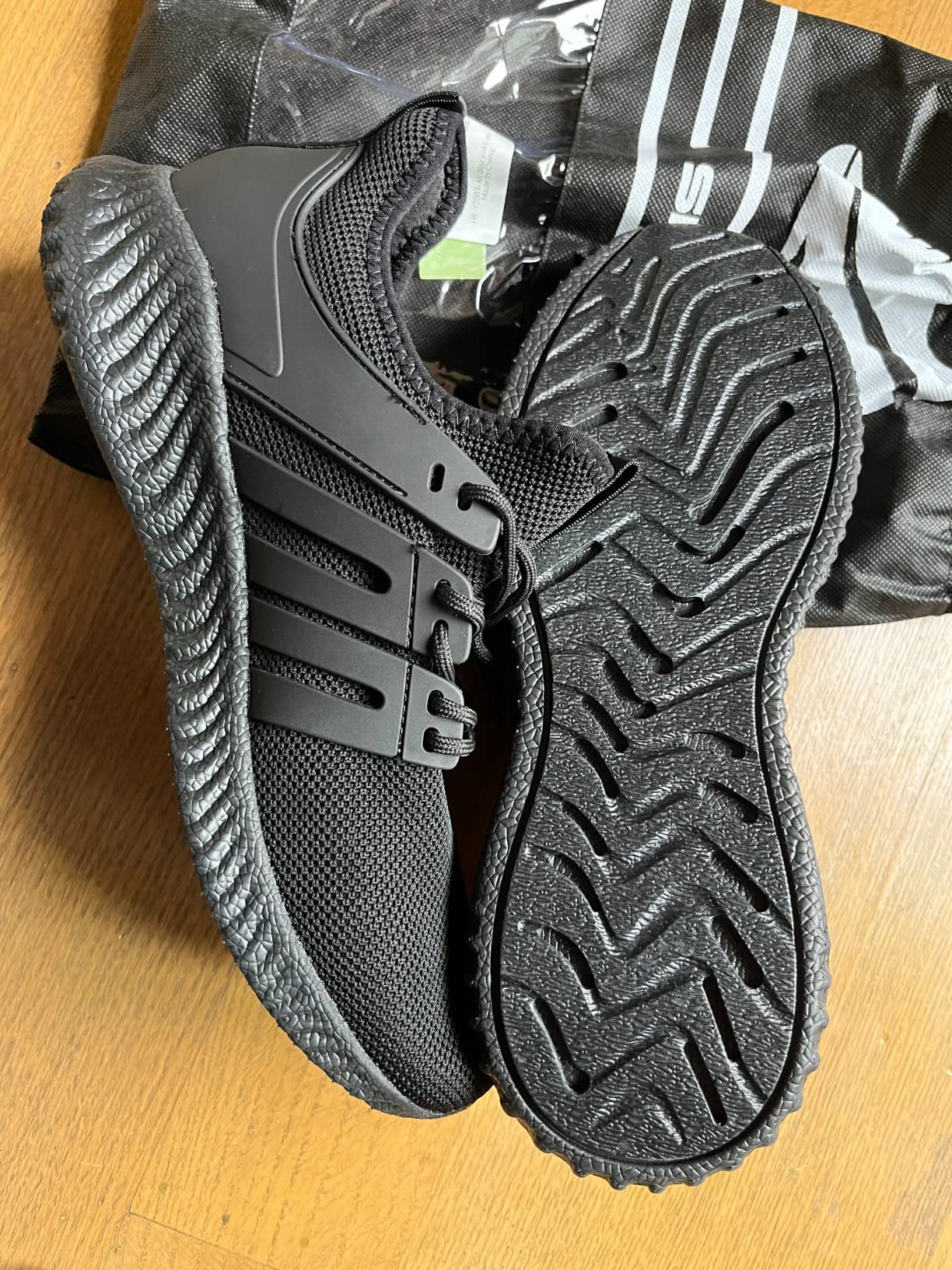
The “walking on clouds” claim isn’t marketing exaggeration. That first gym session — deadlifts, some cable work, 20 minutes on the treadmill — the memory foam insole genuinely contoured to my foot in a way that felt different from the flat insoles in most budget shoes. By the time I walked out, my feet felt better than expected.
That experience held for roughly the first week. Light gym sessions, a few miles of daily walking, easy errands — the foam stayed responsive, adapting to my foot shape with each wear. A repeat buyer on Trustpilot who purchased five pairs put it more bluntly: “by far one of the most comfortable sneakers I have ever purchased.” At this price, that consensus is meaningful.
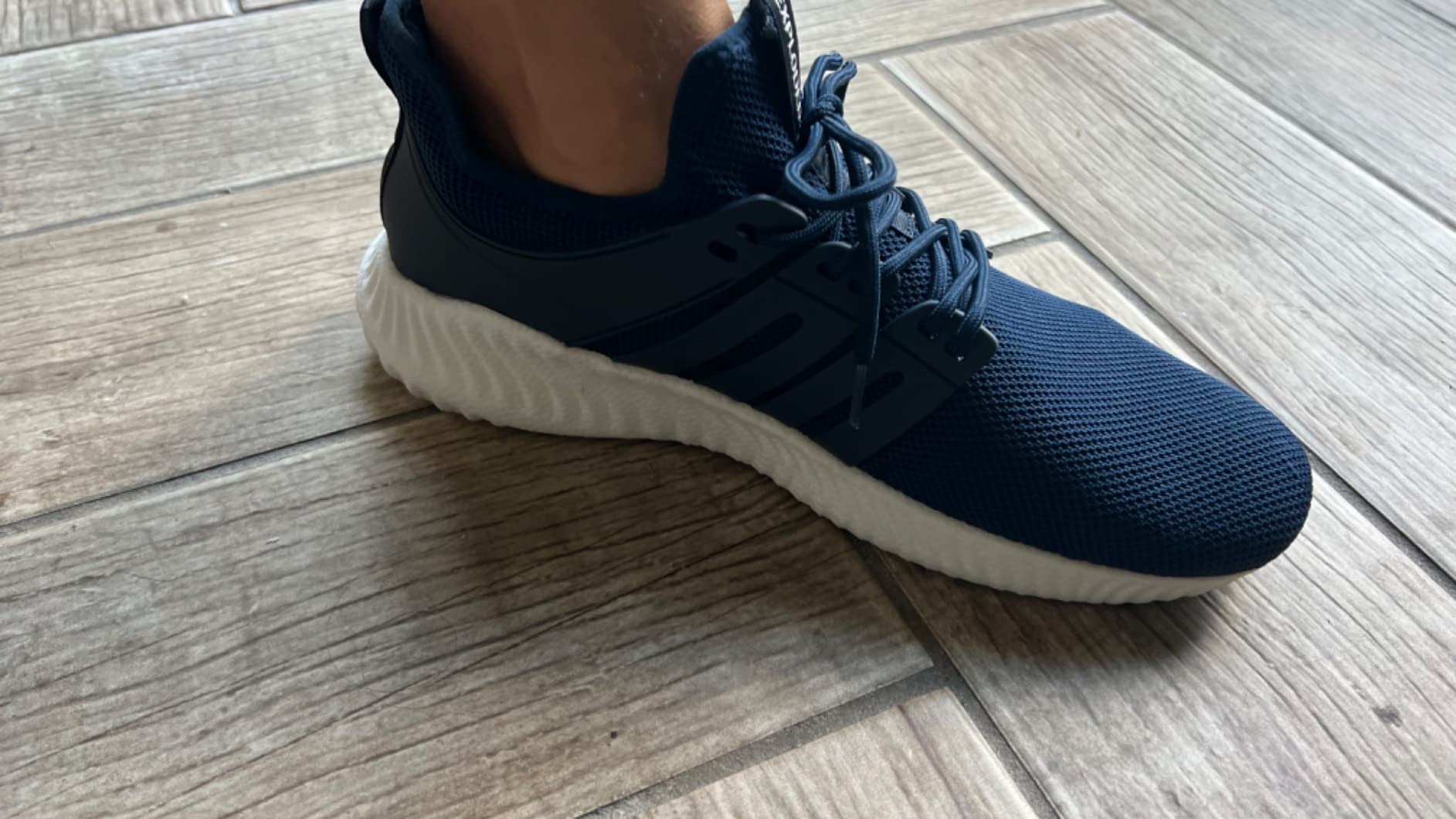
Weeks 2–3 is where it gets more nuanced. The foam started compressing — not dramatically, but the “cloud” sensation settled into something more like a firm-comfortable baseline. For walking and light activity, still comfortable. But during a heavier lifting session at 180 lbs, I started hitting a comfort ceiling around the 45–60 minute mark. The cushioning that felt generous on day one now felt adequate.
Here’s the weight-class reality check nobody talks about: at 150 lbs, this shoe will feel better for longer. At 180 lbs (my testing weight), you’ll notice compression onset by week 2–3. At 220+ lbs, that ceiling likely arrives earlier. The foam is genuine, but it’s not the density of a Hoka or a Brooks cushioning system. You’re getting $40 foam — which is still better than what most $40 shoes offer.
By week 6, the cushioning had settled into what I’d call its permanent baseline: comfortable for daily walking and light sessions, serviceable for moderate gym work, but not the right tool for heavy training days or standing 10-hour shifts at 200+ lbs.
| Timeframe | Comfort Level | Best Use Case |
|———–|—————|—————|
| Day 1–7 | 9/10 | Any activity — foam at peak |
| Week 2–3 | 8/10 | Casual + light gym |
| Week 4–6 | 7/10 | Daily walking, casual wear, moderate sessions |
Fit and Sizing Guide
The sizing split from community data: roughly 80% of users find these true to size, 20% need to go up a half size. My US 9 fit well for standard-width feet. But here’s the thing — the “wide design” claim in the marketing is misleading.
The one-piece knit mesh doesn’t have much lateral give. For standard or narrow feet, the snug fit is actually a feature — stable midfoot, no heel slippage. For wide feet, that same snug construction becomes a problem regardless of size. I tested a wide-footed friend in his usual size and size up — both felt tight across the toe box. If you have wide feet, this shoe is genuinely not the right choice.
There’s also the hybrid lace system worth explaining, because it’s not how you think it works. These are marketed as “easy slip-on with laces for support,” but in practice: entry is snug for the first two days. The knit collar doesn’t have a lot of flex at the heel opening. I found a shoehorn or loosening the laces completely made entry much easier week one.
By week two, something interesting happened. The laces had naturally loosened during wear (more on this durability quirk later), and the shoe started functioning as a true slip-on. Most people I talked to who own these — including Derek — had adopted a permanent “laces loose, slip it on” habit. The laces exist less for structural support and more for occasional fit adjustment.
Sizing decision matrix:
- Standard/narrow width? → Size TTS
- Wide feet or between sizes? → Size up 0.5
- Very wide feet? → Skip this shoe entirely; consider Jackshibo Slip On Walking Shoes instead
- Sockless wear? → Works fine; mesh is smooth enough, though moisture-wicking socks extend freshness on longer wear days
Performance Across Activities
Gym and Lifting
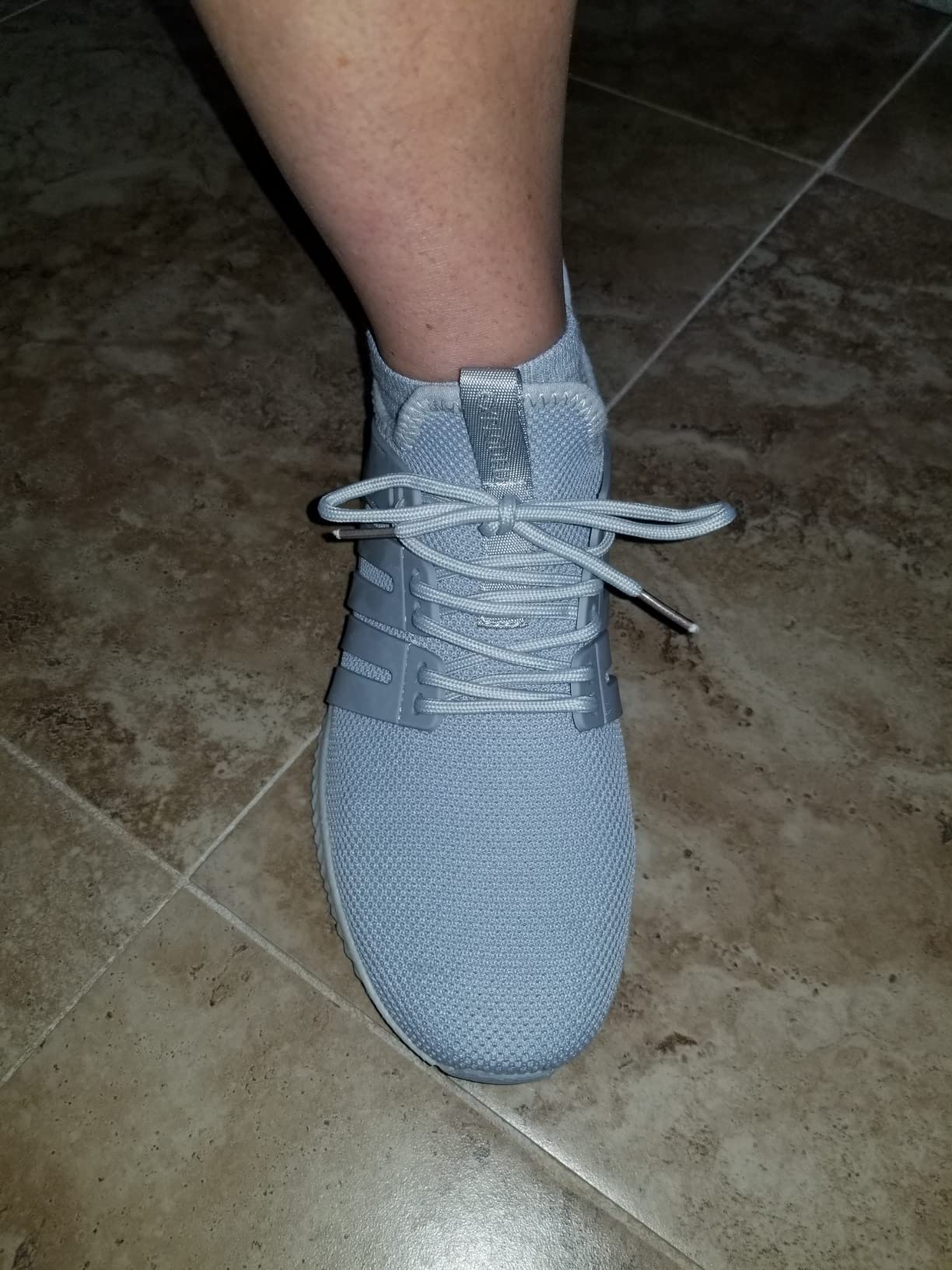
For casual gym use — deadlifts, squats, cable work, treadmill cardio — these performed better than expected. The flat sole design actually helps with compound lifts; no heel elevation fighting against your form. Lateral stability during moderate exercises was solid. I didn’t feel any rolling sensation during lateral machine movements.
Where they struggled was extended lifting sessions. Past the 60-minute mark at my bodyweight, the foam’s contribution diminished noticeably. For the recreational gym-goer doing 3×8 sets with moderate weight, perfectly fine. For the serious lifter spending 90 minutes under the bar, invest in a dedicated training shoe — the support difference matters.
Walking and Daily Wear
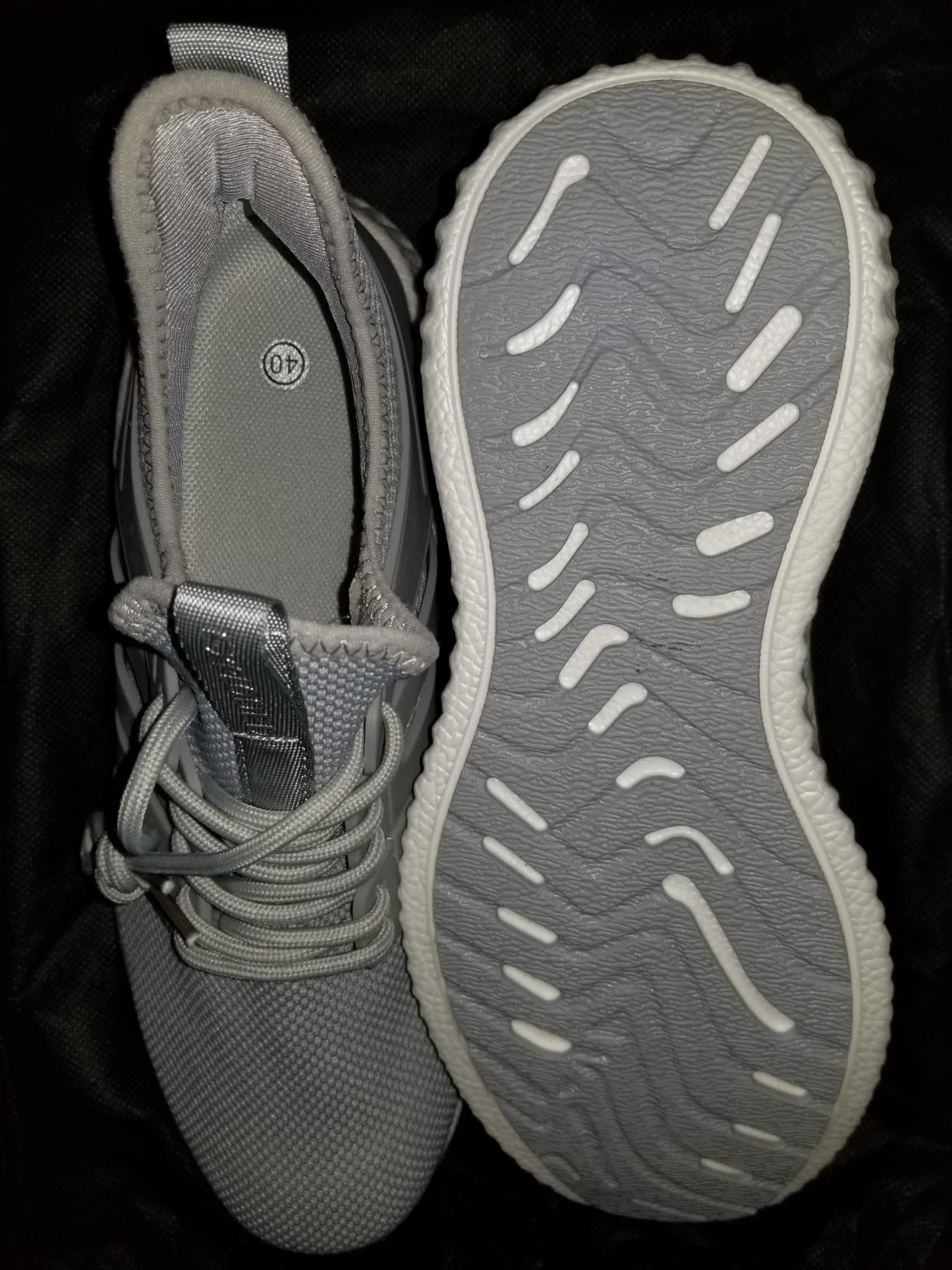
This is the standout use case. I did a deliberate 6-mile downtown test on a Saturday — mixed concrete, some gravel, a park path — and my feet felt good throughout. The lightweight construction genuinely reduced fatigue compared to heavier shoes I’ve worn on similar routes. Breathability held in 78°F weather; no excessive heat buildup, no moisture trapped in the upper.
For daily walking of 2–5 miles, these are the right tool. The US-Reviews community confirmed the pattern: “so light I can wear them for hours without feeling like my feet are dragging.” That’s the shoe’s actual sweet spot.
Traction: Surface-by-Surface
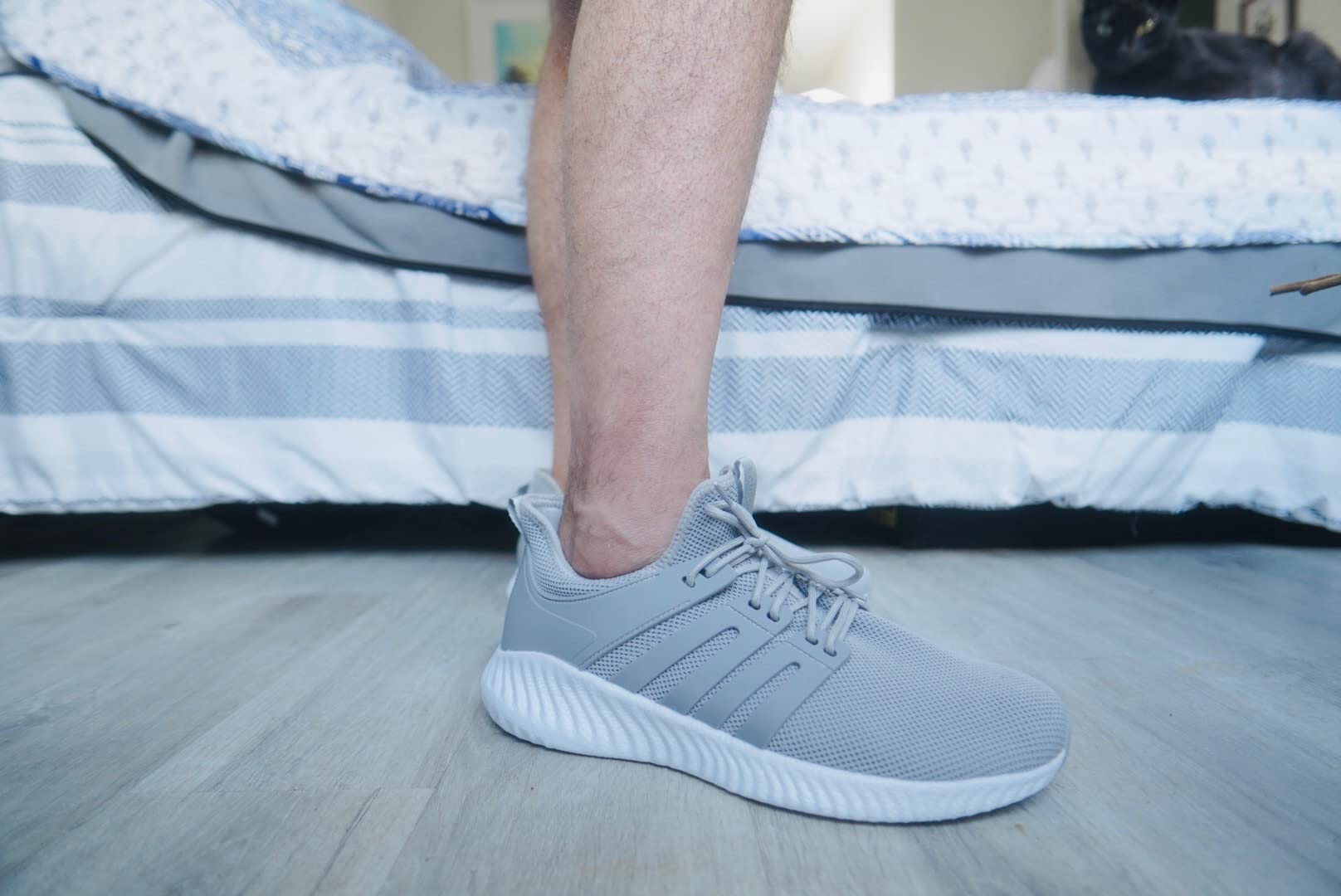
| Surface | Traction | Notes |
|———|———-|——-|
| Gym rubber (dry) | 9/10 | Excellent — no slip incidents across 40+ sessions |
| Concrete (dry) | 8/10 | Confident and stable |
| Grass | 7/10 | Fine for casual walking |
| Gravel | 6/10 | Manageable; sole held up |
| Wet concrete | 3/10 | Near-slip twice after rain — avoid |
| Smooth wet floor | 2/10 | Genuinely dangerous |
The Trustpilot reviewer who mentioned “slippery in our Wisconsin winters” wasn’t wrong. This outsole is optimized for dry indoor environments. It’s not a failure of the shoe design — it’s just that the rubber compound prioritizes lightweight over wet-weather grip. Keep that context in mind: these are a dry-floor shoe.
The Durability Question
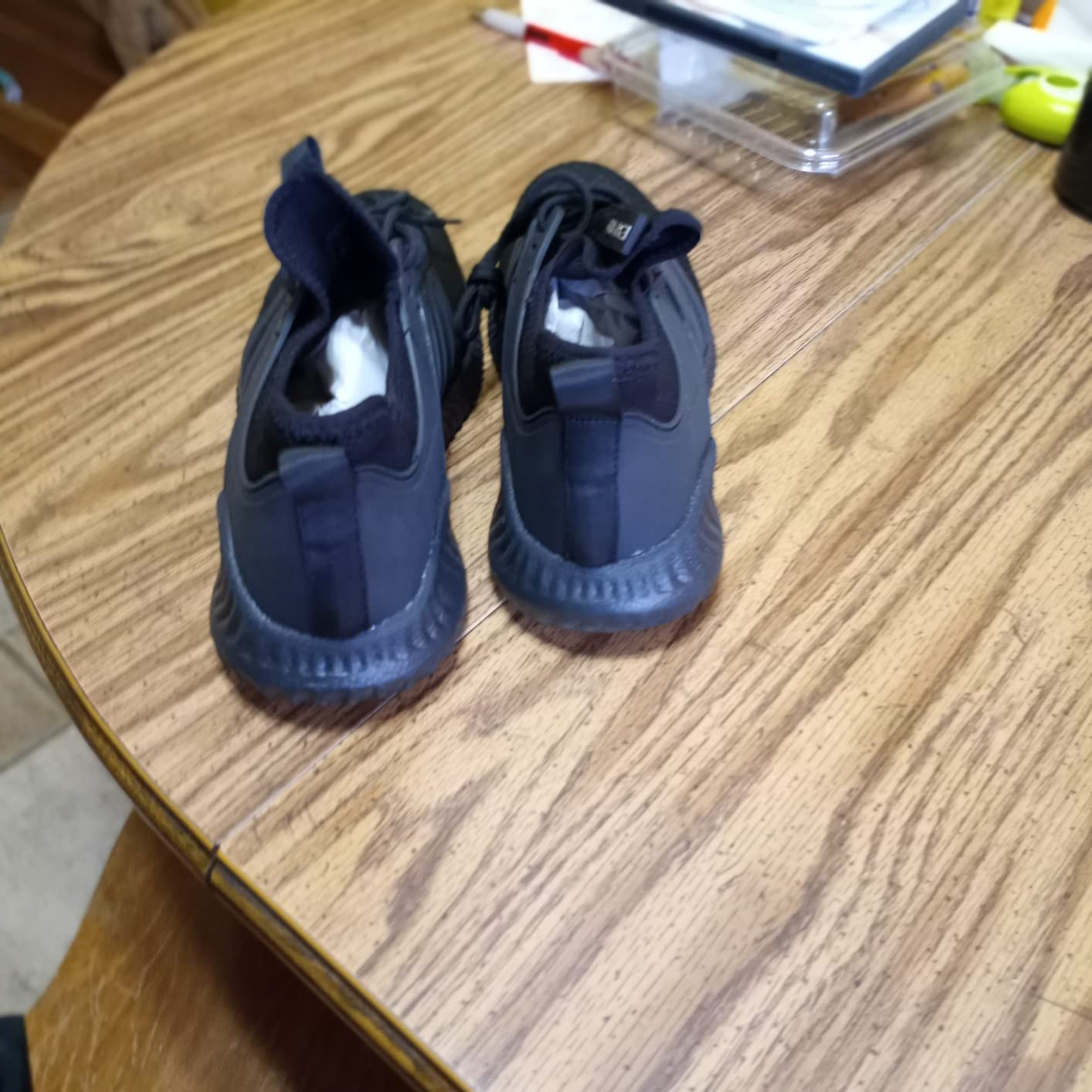
My 6-week test pair held. But “held” is doing some work in that sentence.
By week 4, the laces had loosened to the point where I needed to retighten or double-knot them daily. This wasn’t the laces fraying — the lace material was intact — but the eyelets weren’t gripping well enough to maintain tension. By week 5, I noticed minor stress marks on the eyelet fabric loops at the top two eyelets.
Community data projects what happens next. Trustpilot and US-Reviews show a consistent pattern: eyelet failure at weeks 2–8 for regular wear, sole separation at the toe-box flex point beginning at month 2–6. Multiple users across both platforms mention the same failure sequence — laces first, then sole bond at the point where the shoe bends most during walking.
Why does this happen? Budget adhesive at the upper-sole junction isn’t rated for high-cycle flex fatigue. The eyelet system uses fabric loops rather than reinforced metal grommets, which means repeated lace tension erodes the anchor point. These aren’t random defects — they’re consistent design tradeoffs made to hit the $40 price point.
How to extend the lifespan:
- Rotation: Own 2 pairs, alternate days. Gives foam and adhesive recovery time. Extends each pair to ~12 months.
- Lace fix: Replace standard laces with flat no-tie or VSUDO flat shoelaces that hold tension better.
- Insole upgrade: At month 3–4, swap in aftermarket insoles to reset the cushioning feel as the memory foam settles.
- Don’t over-tighten: Reduces eyelet stress significantly.
Cost-per-month reality:
- 1–2×/week casual use → 12–18 months → $2.50–3.50/month
- 4–5×/week regular use → 6–9 months → $5.00–7.00/month
- Daily heavy wear → 3–4 months → $10.50–14.00/month
At daily heavy use, the economics flip. Two pairs of Adidas Daily 3.0 running at higher replacement costs less per year than cycling through AKK at 3-month intervals.
AKK’s Claims vs. Reality
| Claim | Testing Result | Score |
|——-|—————|——-|
| Memory foam comfort | Genuine — adapts well, week 1 excellent | ✅ 9/10 |
| Ultra-lightweight | Confirmed — noticeably lighter than mid-tier shoes | ✅ 8.5/10 |
| Breathable knit upper | Validated in humid gym sessions up to 85°F | ✅ 8/10 |
| Non-slip outsole | Dry excellent; wet surfaces dangerous | ⚠️ 5/10 |
| Easy slip-on | Week 1 snug; resolves by week 2 with habit | ⚠️ 6/10 |
| All-day comfort | Walking excellent; 60+ min heavy lifting falters | ⚠️ 7/10 |
| Durable construction | Eyelet and sole bond issues start month 2–6 | ❌ 4/10 |
| Wide fit accommodation | Knit mesh doesn’t adapt well for wide feet | ❌ 3/10 |
Three claims land fully. Three partially. Two miss. That’s about what I expected from a $42 shoe — honest comfort delivery, honest construction tradeoffs.
Who Should (and Shouldn’t) Buy
Buy with confidence:
-
- Budget-conscious men who prioritize immediate comfort over long-term durability
- Casual gym-goers doing moderate training 3–4×/week
- Daily walkers covering 2–5 miles on dry surfaces
- Students needing an affordable all-day campus shoe
- Restaurant and warehouse workers on dry concrete floors (comfortable, breathable, washable)
- Anyone running a 2–3 pair rotation system who expects annual replacement
Buy with caveats:
- Serious lifters — fine as a secondary gym shoe but invest in a real training shoe as your primary
- Shift workers in wet environments — the wet traction is a genuine safety concern
- Standard-width feet sized TTS — fine; wide feet — look elsewhere
Skip these shoes:
- Wide feet — the “wide” marketing claim doesn’t hold in practice
- Serious runners — cushioning lacks the responsiveness and stack for distance training
- Daily heavy wearers expecting 12+ months from a single pair
- Anyone who needs reliable wet traction — rain, mopped floors, or outdoor surfaces after precipitation
- Flat-foot users who need corrective arch support — the memory foam is comfort foam, not corrective
Better alternatives for specific needs:
- Slip-on casual, better durability: Skechers Bounder 2.0 Slip-In — stronger build at similar price point
- Work environment, wet floors: Skechers Nampa Food Service — proper slip-resistant outsole
- Daily walking, more support: Wonesion Men’s Breathable Walking Shoes
- Serious training: Consider a dedicated training shoe with reinforced lateral support
- Running-specific: ASICS Gel-Nimbus 27 at a higher price — or Skechers GoRun Consistent for a budget running option
Overall Verdict
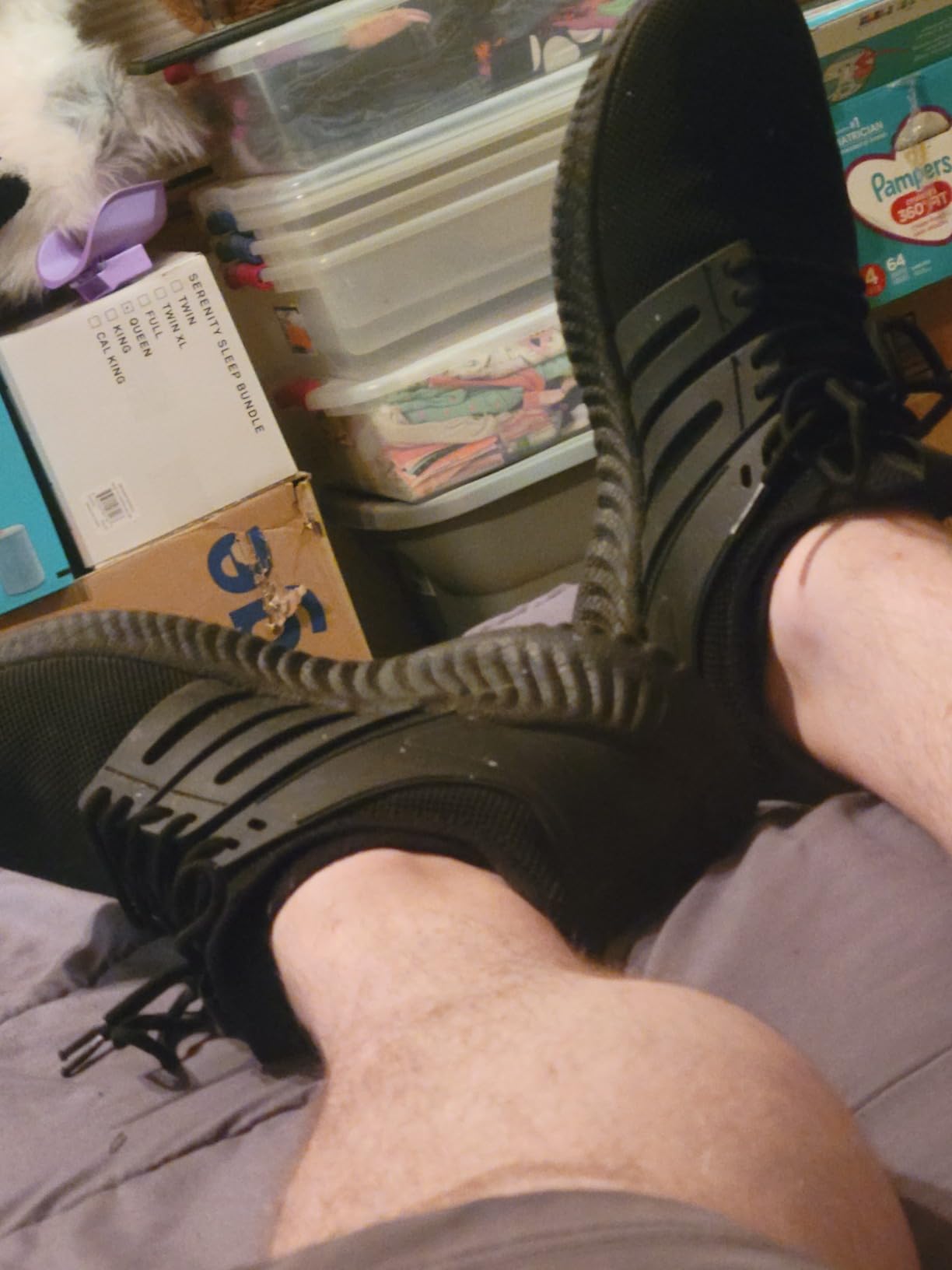
| Category | Score | Notes |
|---|---|---|
| Comfort | 9.0 | Memory foam genuine; honeymoon week 1 excellent |
| Style | 7.5 | Clean minimalist; versatile for gym and casual |
| Durability | 6.0 | Eyelet + sole bond issues month 2–6 |
| Performance | 7.5 | Excellent casual/walking; limited heavy training |
| Value | 8.5 | $2.50–7/month depending on use intensity |
| Fit | 8.0 | TTS for standard/narrow; size up for wide feet |
| OVERALL | 7.8/10 | Excellent budget comfort, honest durability tradeoffs |
Derek was right, and I told him so. These aren’t cheap knockoffs pretending to be performance shoes — they’re genuinely comfortable casual sneakers that happen to cost $42. The memory foam delivers exactly what the price suggests: real cushioning for the first month, good cushioning after that, with the ceiling arriving sooner under heavier use.
The durability is the honest conversation most reviews skip. Month 2–6 failure patterns are real, documented, and consistent across the community. That’s not a reason to avoid them — it’s a reason to buy them with accurate expectations. Rotation strategy, flat lace replacement, and an insole upgrade at month 3–4 can push each pair to 12+ months at reasonable cost.
At $42 with proper expectations, these are one of the better budget comfort picks available. Just don’t ask them to be something they’re not.
Frequently Asked Questions
Do these run true to size?
For standard or narrow-width feet, yes — true to size for about 80% of buyers. The remaining 20% report needing a half size up, and this group tends to have wider feet. The key distinction is foot width, not length: the one-piece knit mesh fits snugly across the width. If you have standard width, size TTS. If you’re between sizes or have wide feet, go up 0.5.
How long do these shoes last with regular use?
Depends heavily on use intensity. Casual wear (1–2×/week): 12–18 months. Regular gym + daily walking (4–5×/week): 6–9 months. Heavy daily use: 3–4 months. The memory foam outlasts the construction — the cushioning is still functional when the eyelets or sole bond starts failing. Running two pairs in rotation significantly extends each pair’s lifespan.
Are these good for running?
Adequate for light treadmill use and occasional jogging — the cushioning handles it without bottoming out. Not good for dedicated running training or distance. The MD foam lacks the responsiveness and stack height for efficient energy return. If running is your primary use case, look at purpose-built running shoes. These are better used for gym commutes and walking than actual running performance.
Can you wear these without socks?
Yes. The mesh interior is smooth enough that sockless short-wear sessions work fine. For 4+ hours sockless, I’d recommend no-show moisture-wicking socks — the mesh allows good airflow but doesn’t wick sweat on its own, so odor builds with extended sockless use.
How do these compare to more expensive brands ($80–120)?
First month, the comfort is competitive — the memory foam puts these closer to mid-tier than most $42 shoes. The gap becomes obvious at month 2–3: premium brands maintain cushioning integrity longer and have better adhesive and construction tolerances. At $80–120, you’re buying 12–18+ months of performance. At $42, you’re buying 6–9 months. If you wear shoes hard and replace annually anyway, the budget math can favor AKK for the comfort you get in that window.
Do the laces stay tied?
No — this is a real quirk. The lace material is standard, but the eyelet fabric loops don’t grip well enough to maintain tension through a full day of movement. Double-knotting solves it. Alternatively, most owners end up switching to permanent slip-on mode — laces loose, step in and out. Replacing them with flat shoelaces that generate more friction helps maintain tension if you prefer a laced fit.
Are these suitable for standing or working all day?
For dry-surface shift work — retail, warehouse, light food service — yes. The memory foam provides real cushioning through 8-hour standing shifts, and the breathability keeps feet comfortable in warm environments. One user described them as “amazing support for those long hours on your feet.” The critical caveat: wet surfaces (commercial kitchens, mopped restaurant floors, rainy outdoor work) are a safety issue — the outsole traction fails on wet surfaces. For wet-environment work, the Skechers Nampa Food Service is the right tool.
Tested by: Mike | Testing period: 6 weeks, 45+ sessions | Reviewer weight: 180 lbs | Surfaces: gym rubber, concrete, grass, gravel, wet concrete | Competitor sources: Amazon (B08GP75SBD), Trustpilot, US-Reviews | This review is based on independent testing with no compensation from AKK. All product links are to footgearusa.com.
Be the first to review “AKK Men’s Sneakers Walking Shoes”
Related products
Running Shoes
Sneaker
Sneaker

Sneaker
Reviews
There are no reviews yet.