
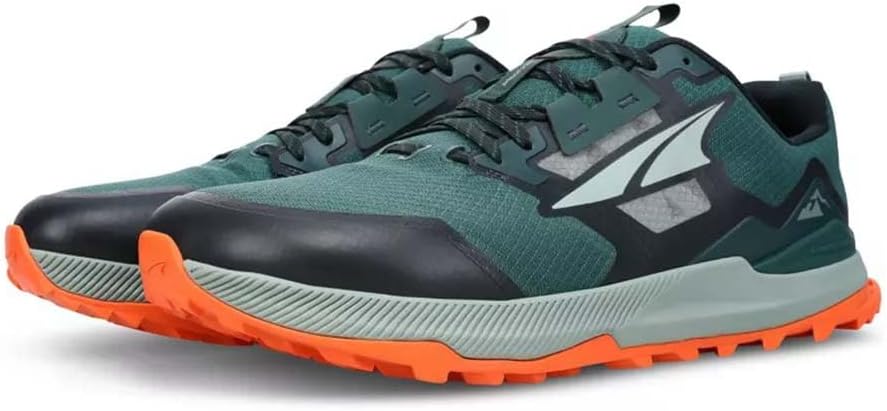
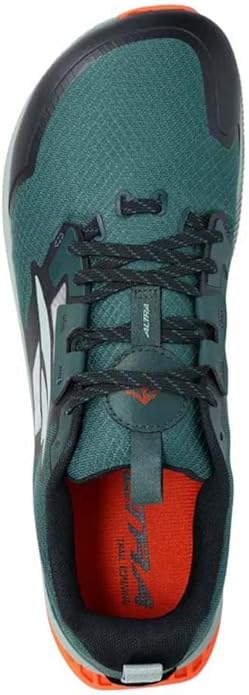
Twenty years of trail running has a way of making you skeptical of shoe hype. After my go-to trail runners finally disintegrated on a brutal Rocky Mountain ascent — sole separation mid-stride, ankle rolled, nothing left to do but limp back to the trailhead — I had to find a replacement fast. Mike here, and when three different running buddies independently brought up the Altra Lone Peak 7 in the same week, I figured the universe was trying to tell me something. Eight weeks, 47 trail sessions, and 150+ Colorado miles later, I finally understand what the fuss is about — and why so many people are also walking away frustrated.
Technical Specifications
- 💰 Price: $130–$150 (sale vs. MSRP — check current availability)
- ⚖️ Weight: ~10.5 oz men’s size 9 (iRunFar measured 10.2 oz, Believe in the Run measured 11.0 oz — Altra doesn’t publish official weight)
- 📏 Heel-to-toe drop: 0mm (zero drop, confirmed lab)
- 📐 Stack height: 25mm heel / 25mm forefoot (brand); 23.3mm / 23.1mm RunRepeat lab
- 🧪 Midsole: Altra EGO foam — balanced responsiveness, not plush
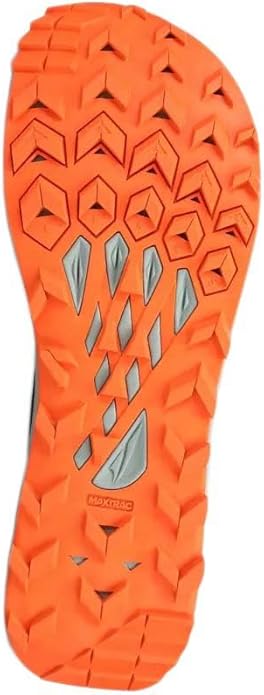
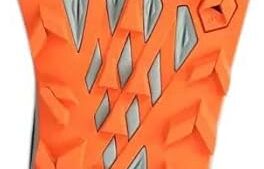
- 🦷 Outsole: MaxTrac rubber, TrailClaw lug pattern (~4mm actual depth)
- 🛡️ Rock plate: StoneGuard (sandwiched in midsole)
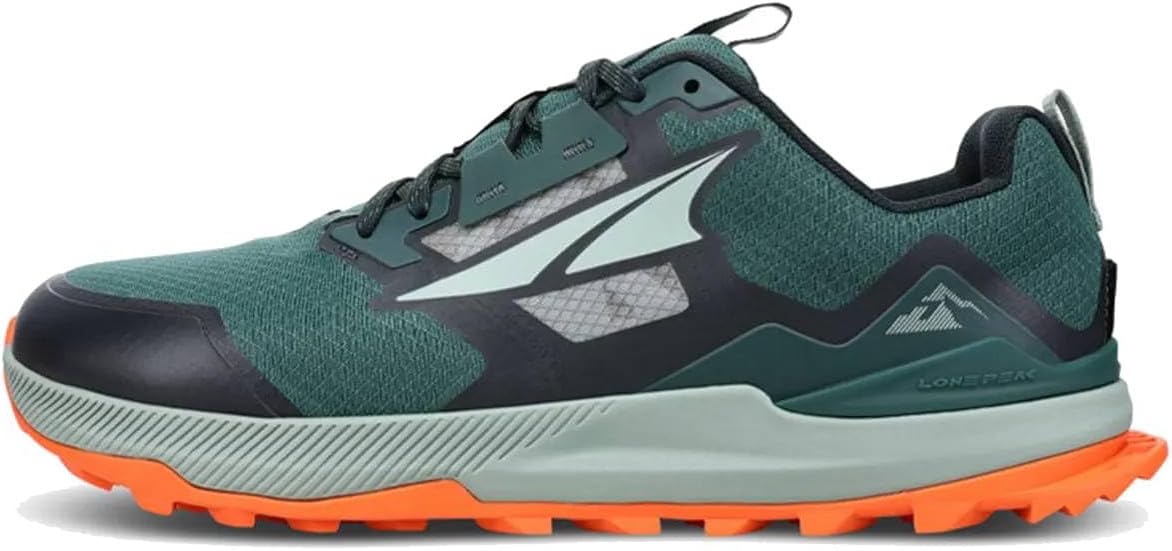
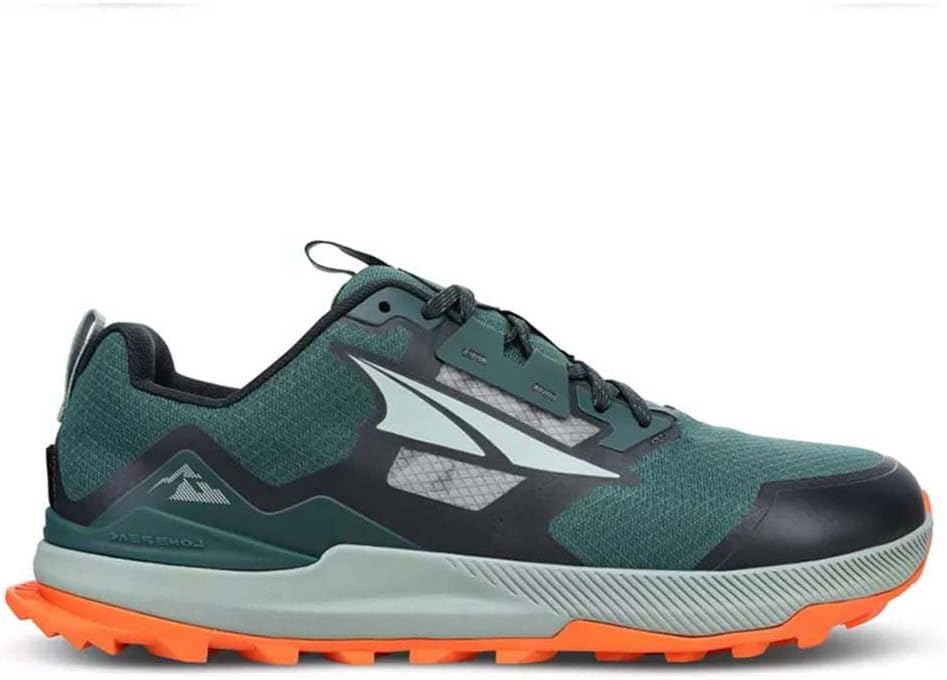
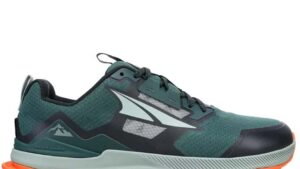
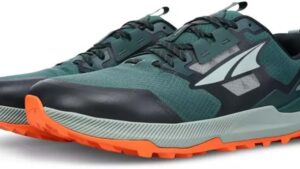
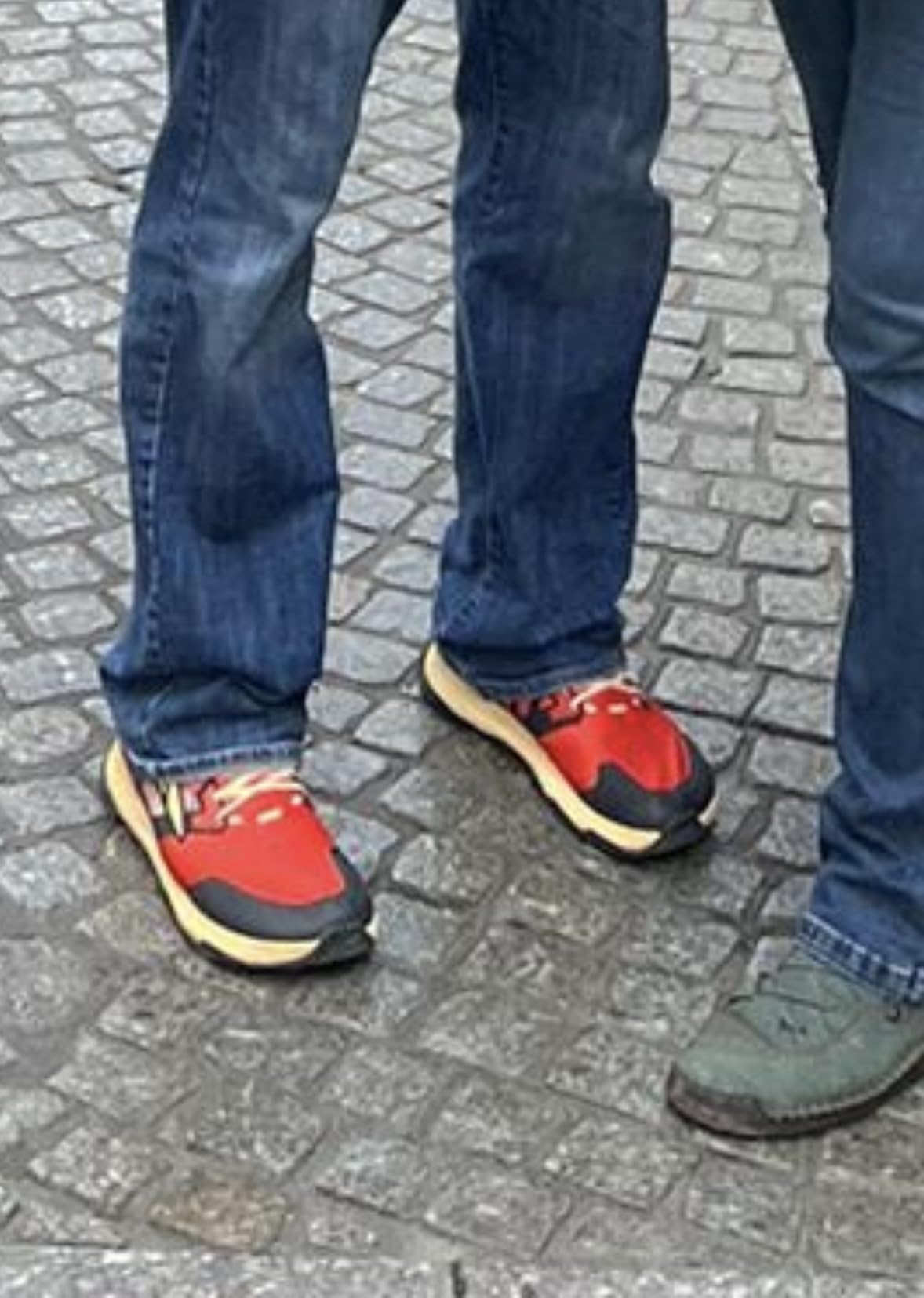
- 👟 Upper: Seamless stitchless engineered mesh with heat-welded overlays
- 🏃 Category: Trail Running / Thru-Hiking
- 🎯 Best for: Wide feet, zero-drop converts, technical trail and long-distance hiking
- ⏱️ Testing period: 8 weeks, 47 sessions, 150+ miles
First Impressions and Upper Construction
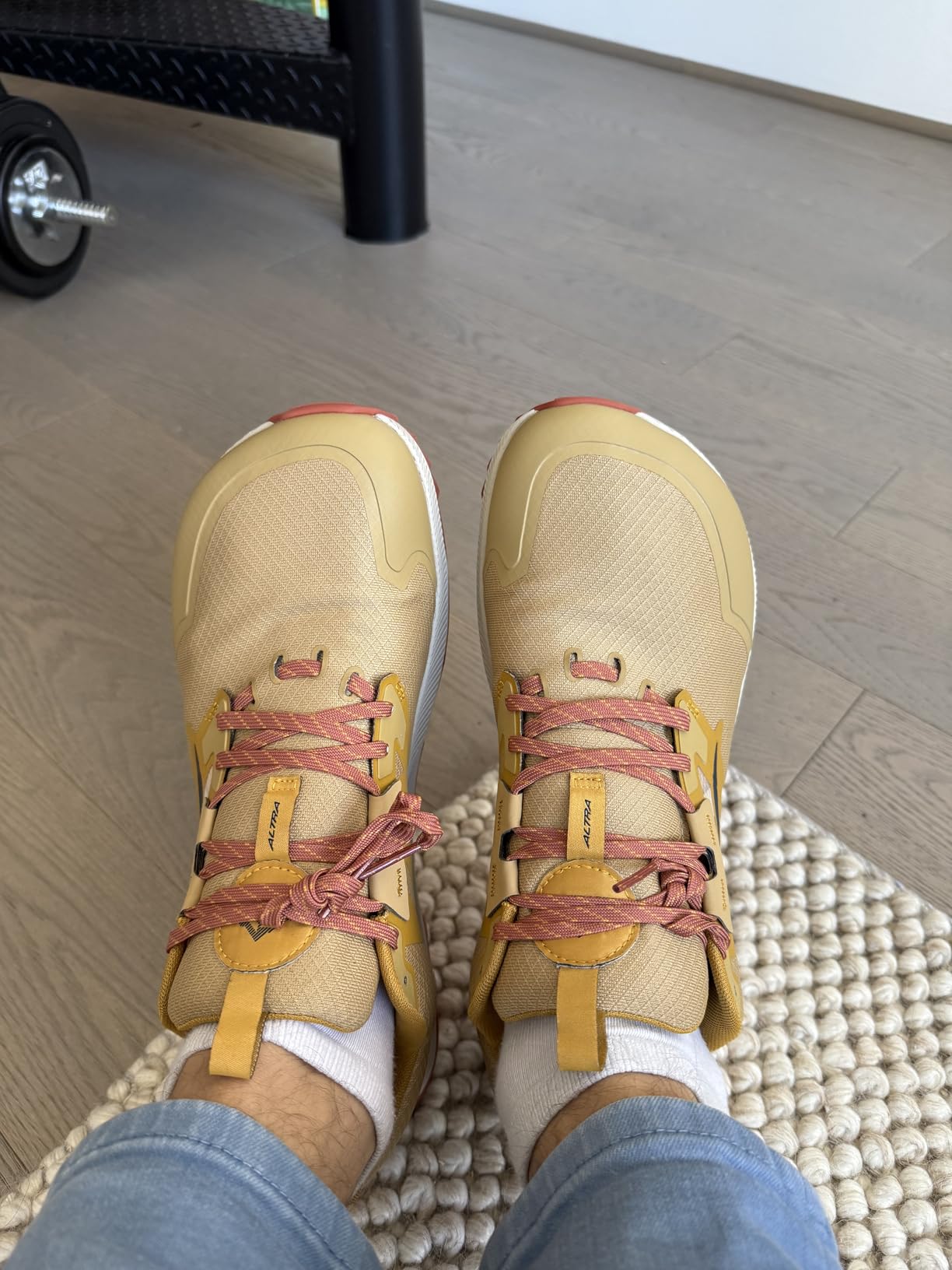
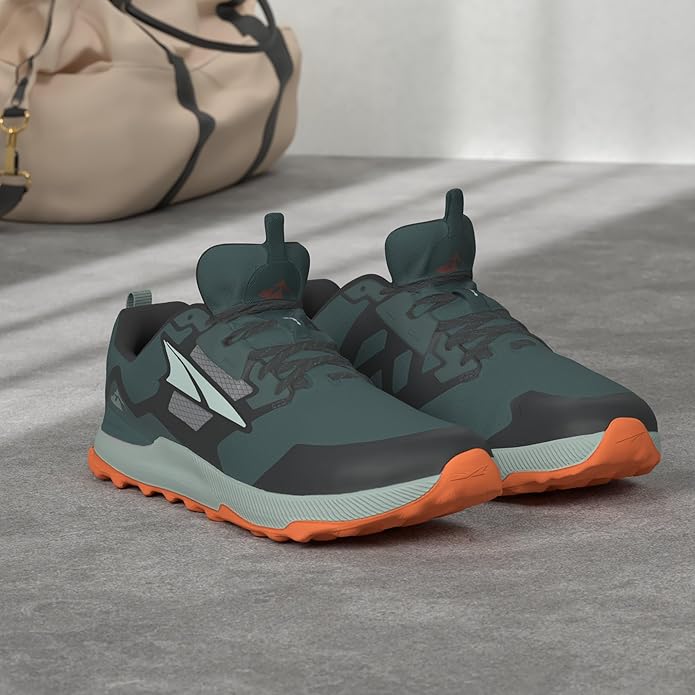
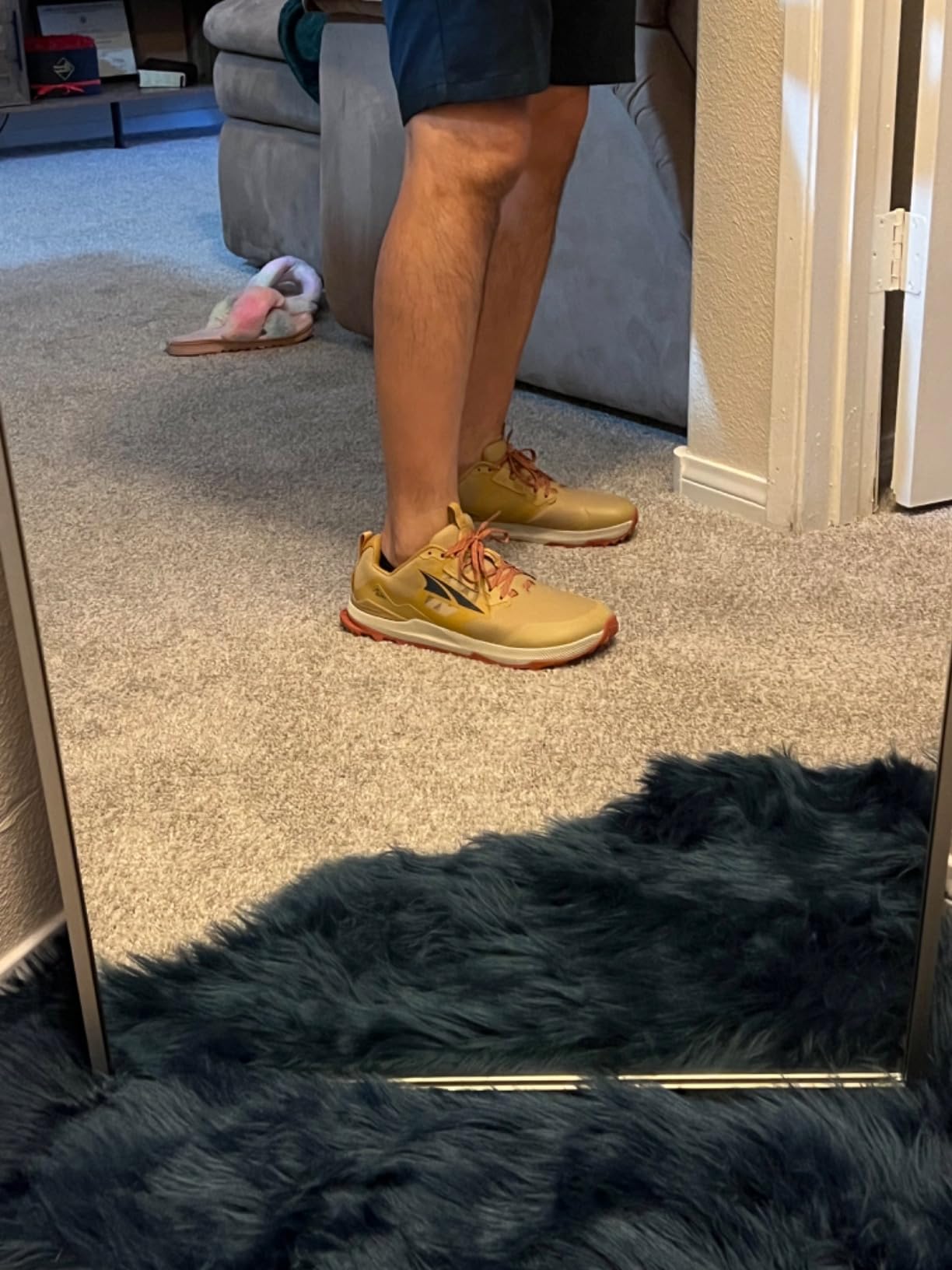
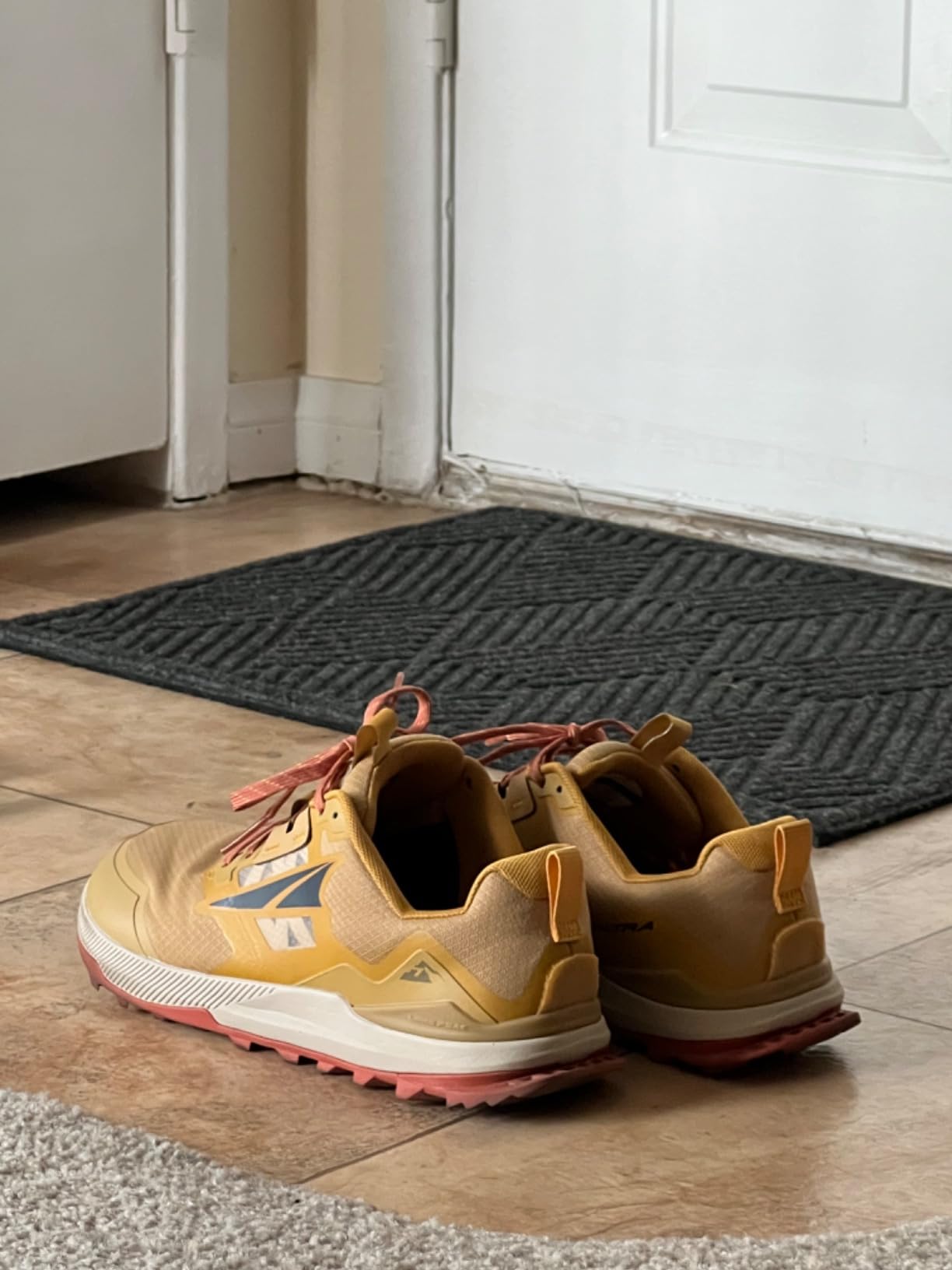
Pulling the LP7 out of the box, the first thing I noticed was how clean the upper looks. The seamless stitchless construction isn’t just marketing language — there are genuinely no raised seams to cause hot spots, and the heat-welded overlays give it a modern, refined appearance. After years of traditional hiking and trail shoes with their visible stitching and overlapping panels, this feels like a different generation of design.
The FootShape toe box hits you immediately. Slip your foot in and there’s this moment of “oh” — actual space across the full forefoot, toes sitting in their natural spread position rather than compressed into a tapered point. My feet are wider than average (size 10.5 D) and I’ve spent years doing mental math on toe boxes, half-sizing up in certain brands, avoiding others entirely. The LP7 just… fits, without any negotiation.
That said, there’s an important note for Lone Peak veterans: the LP7’s toe box is slightly narrower in the midfoot compared to the LP5 and LP6. The overall FootShape philosophy remains, but if you had a very specific fit in an LP6 and you’re expecting identical volume, you may notice the difference. For anyone coming from conventional brands like Nike or Saucony, the change will feel dramatic and positive. For longtime LP fans, manage your expectations.
Zero-Drop Adjustment: What Nobody Tells You About Week One
Here’s the thing about zero drop that most reviews gloss over: the first few runs are weird. Not bad weird, just different. My calves spent the first two or three outings wondering what was happening — the Achilles works harder, the midfoot landing pattern changes, and there’s a mild fatigue in the posterior chain that you won’t feel in a traditional 8-12mm drop shoe.
By day seven it felt completely natural. By week three I was actively noticing the benefits: less knee percussion on descents, a more upright posture on climbs, and a midfoot strike that developed without any conscious effort on my part. The LP7’s EGO foam — Altra’s balanced-response compound — provides enough cushioning to make the transition forgiving without softening the ground feel that makes zero-drop worthwhile in the first place.
If you’re considering zero-drop wide toe box shoes for the first time, start with shorter runs. Seriously. Two miles, then four, then gradually build. The adaptation is real and the rewards are real — but skip the conditioning period and you’ll earn yourself some calf pain.
Trail Performance: MaxTrac Outsole Across Real Terrain
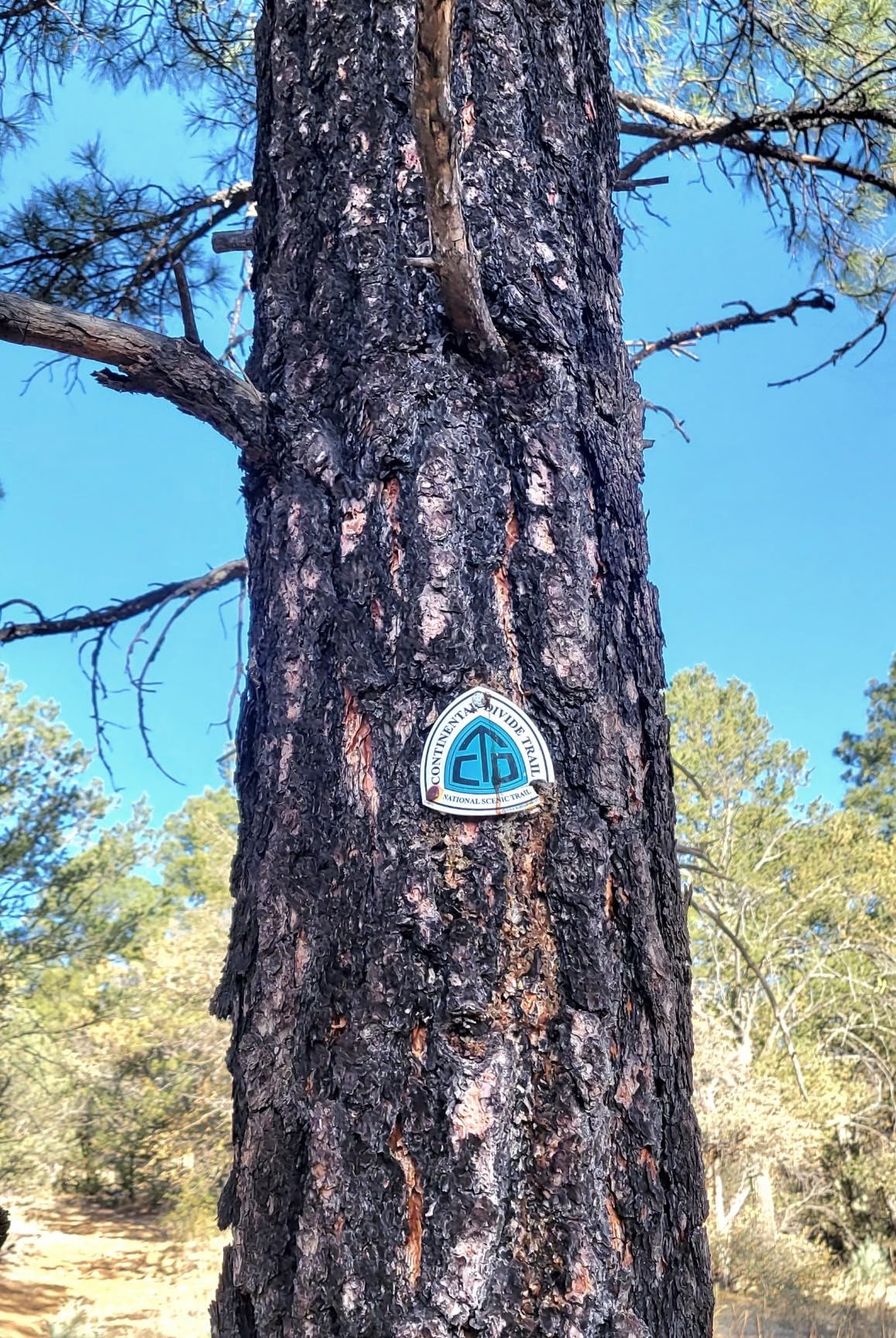
The MaxTrac outsole is where this shoe earns its reputation. Over 47 sessions across Colorado trails, I put it through loose gravel descents on the Colorado Trail near Breckenridge, muddy creek crossings, technical singletrack in Golden, and the occasional snow patch that lingered well into spring. The grip held up across all of it — not just functional, but confidence-inspiring in a way that lets you run rather than pick your way through terrain.
One honest correction to the original review specs: Altra’s marketing says 5mm lug depth, but independent field testing and RunRepeat lab measurements consistently land around 3.4–4mm. This doesn’t change the performance meaningfully, but it’s worth knowing for comparative shopping. The rubber compound does more work here than the raw lug depth — MaxTrac rubber genuinely sticks to dry surfaces.
The caveat that every experienced tester eventually notes: wet algae-covered rock is where the LP7 reaches its limit. On a wet granite scramble with algae growth, I had two moments of reduced confidence — not slips, but that tensed-up “careful” feeling. This isn’t unique to Altra; most trail shoes struggle here. But the LP7’s grip sits a tier below Vibram Megagrip-soled competitors on surfaces like that. On everything else — mud, loose gravel, dry rock, roots — it’s excellent.
For trail runners doing technical terrain in wet Pacific Northwest or Scottish Highlands conditions, that’s worth knowing. For Colorado, Utah, or Southwest desert trails where algae-covered rock is a minority of your mileage, it’s a minor asterisk.
Rocky Technical Sections and StoneGuard Reality
The StoneGuard rock plate sandwiched into the midsole handles most sharp rocks competently — on established Colorado singletrack with occasional rocky sections, I barely noticed individual stones. On a particularly technical boulder scramble section near Golden, though, I could feel larger rocks through the sole clearly enough to adjust my foot placement. The LP7 is not a maximally protective shoe, and that’s a design choice rather than a failure. The ground feel philosophy means you’re connected to terrain, not isolated from it.
This makes it less suited for extremely technical boulder fields or routes with sustained sharp rock exposure. For those situations, a more protective trail shoe with stiffer rock protection is a better call.
Fit, Comfort, and What 150 Trail Miles Reveals
The FootShape design’s payoff shows up most clearly on long days. After a 15-mile trail day on the Colorado Trail, my feet felt noticeably better than at the end of comparable distances in traditional shoes — less toe swelling, fewer hot spots, reduced overall fatigue. Over six 6+ hour sessions during the test period, the pattern was consistent. This isn’t just comfort marketing; it’s a functional difference that shows up in recovery the next morning.
The midfoot lockdown is better than the wide toe box might suggest. Some wide-fitting shoes compensate with sloppiness in the midfoot — your foot slides laterally and the shoe acts more like a sandal than a runner. The LP7’s midfoot holds well, and the heel cup has an external counter that keeps your foot in place on technical descents without being stiff or uncomfortable. After 150 miles, zero heel blisters.
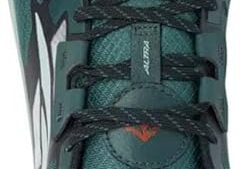
The heel lockdown also benefits from the GaiterTrap attachment point — a small Velcro tab at the back that’s compatible with Altra’s trail gaiters for dusty or snowy conditions. Practical detail that gets overlooked in most reviews.
Arch Support and Plantar Fasciitis
The LP7 offers no built-in arch support. Zero. This is standard for Altra’s philosophy — the idea is that a zero-drop, wide-toe platform allows the foot to function more naturally, strengthening the arch over time rather than relying on external support. For runners with healthy arches, this works well. For those with flat feet, plantar fasciitis, or overpronation, you’ll likely want aftermarket insoles — something like Sof Sole Athlete insoles fits the LP7’s removable insole slot without issue.
Multiple reviewers with plantar fasciitis report significant relief from the LP7’s wide toe box and zero drop, but that relief often takes 3-4 weeks to develop as the foot adapts. Don’t give up immediately if week one feels uncomfortable.
Performance Across Conditions
Mud and Water
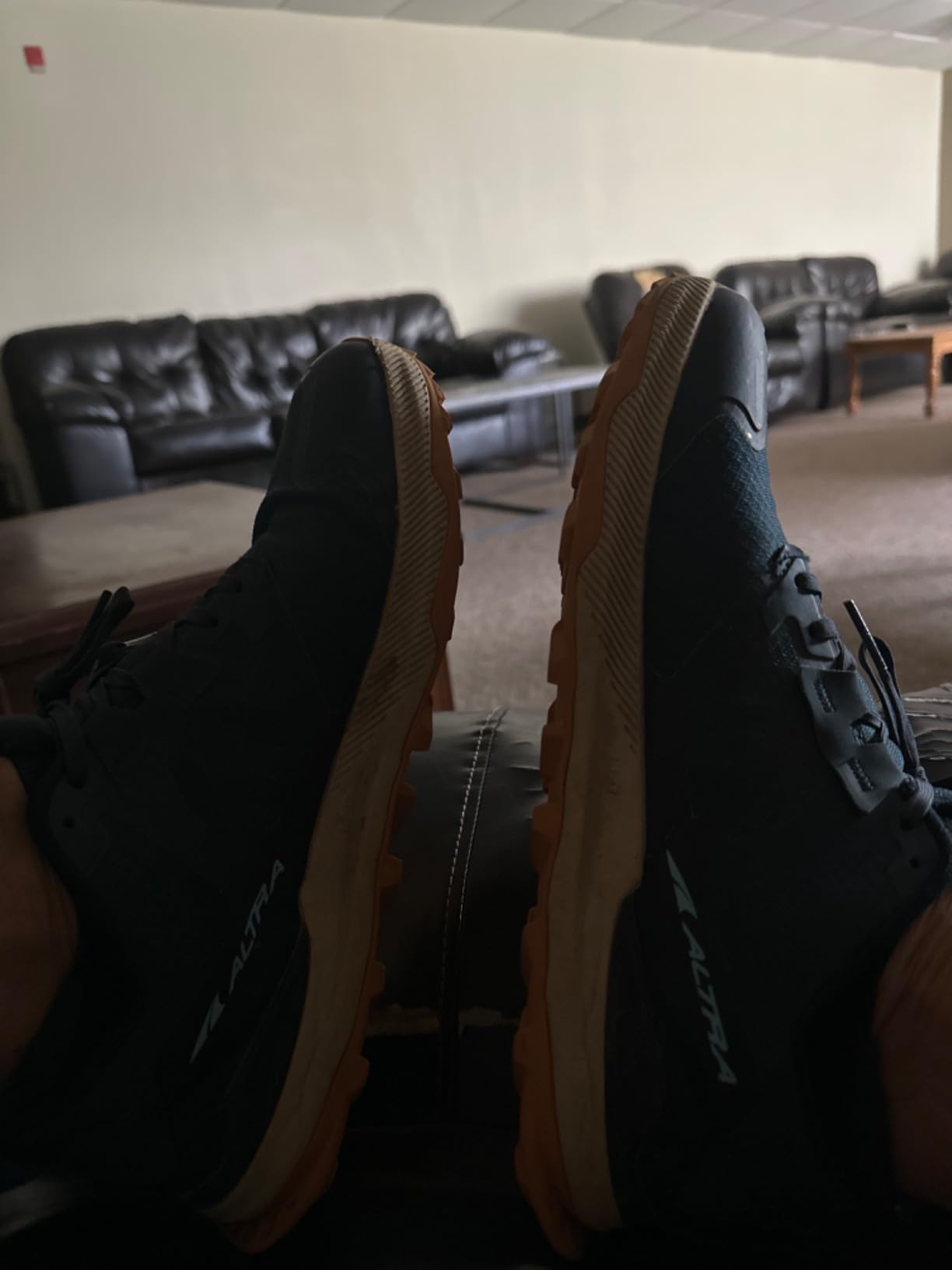
The LP7 is not a waterproof shoe, and Altra doesn’t claim otherwise. Stream crossings mean wet feet, period. What it does well is drain and dry quickly — the breathable upper moves moisture out efficiently, and I was back to dry-feeling feet within 30-45 minutes of a shallow creek crossing on a warm day. The MaxTrac lugs shed mud reasonably well without clogging up the way some aggressive lug patterns do.
Cold Weather
One finding that doesn’t get much coverage: EGO foam firms up noticeably in cold temperatures. RunRepeat’s lab work shows a 25.7% increase in firmness below 0°C — which means the cushioning characteristics you tested in fall will feel different on a winter trail day. Not a dealbreaker, but if you’re planning to run these in genuine winter conditions, expect a firmer ride underfoot.
Long Distance Comfort
The zero-drop platform’s biggest argument for long-distance use is foot fatigue reduction over time. On my longest test day — 17 miles on the Colorado Trail — my feet felt more fatigued at mile 10 in my previous shoes than at mile 17 in the LP7. Some of that is midsole cushioning, but a significant part is the toe splay freedom allowing blood flow and reducing compression fatigue. This is the LP7’s strongest performance argument.
What Altra Claims vs. What Testing Reveals
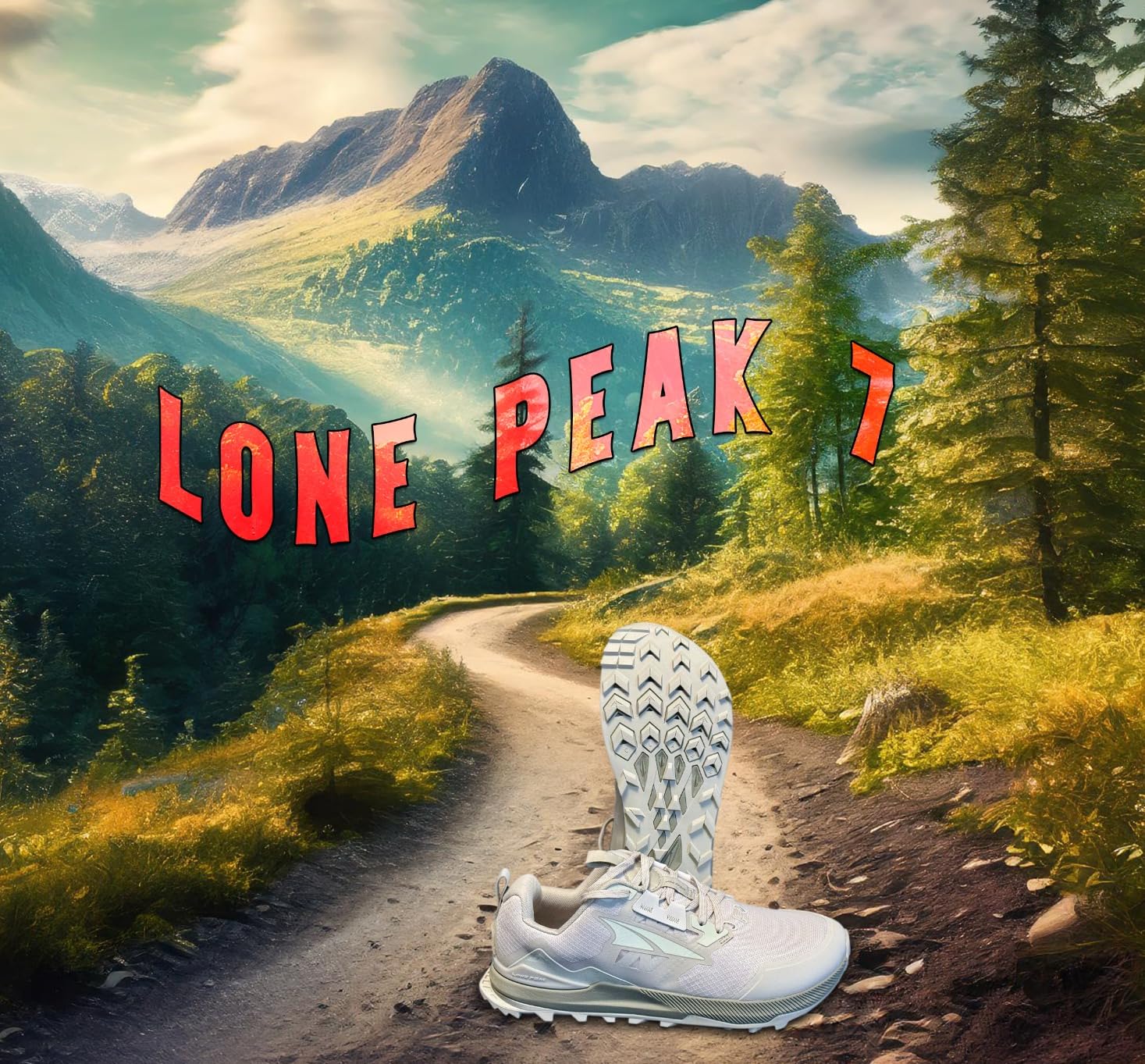
**Claim: “Seamless, stitchless upper — lightweight and durable”**
**Reality:** The upper construction feels premium and the stitchless design eliminates common hot spot failure points from LP6 and earlier. *But* — widespread reports of toe cap delamination at months 3-6 under regular use are too consistent to dismiss. My pair showed early wear at the toe flex point at 150 miles, which aligns with what I see across dozens of long-term user reports. The upper is better than the LP6’s, not as durable as the marketing implies.
**Claim: “MaxTrac outsole offers superior grip and stickiness”**
**Reality:** Largely accurate on dry terrain and mud. The grip on varied Colorado conditions consistently impressed me — wet rocks, loose scree, rooted singletrack. The honest qualification is wet algae-covered surfaces, where confidence drops to 6-7/10. On everything else, the claim holds.
**Claim: “EGO foam provides the perfect combination of responsiveness and comfort”**
**Reality:** “Perfect” is doing too much work here. EGO foam is well-balanced — more responsive than most cushioned trail shoes, more cushioned than minimalist options. It’s not going to satisfy runners who want a soft, plush ride, and it’s not aggressive enough for runners chasing maximum ground feel. For most trail use cases, that middle ground is exactly right.
**Claim: “Original FootShape Fit accommodates your natural foot shape”**
**Reality:** This one delivers. The toe box is genuinely and meaningfully wide, and the natural foot positioning is immediately noticeable. No caveats beyond the LP5/LP6 regression note mentioned earlier.
Durability: The Real Conversation
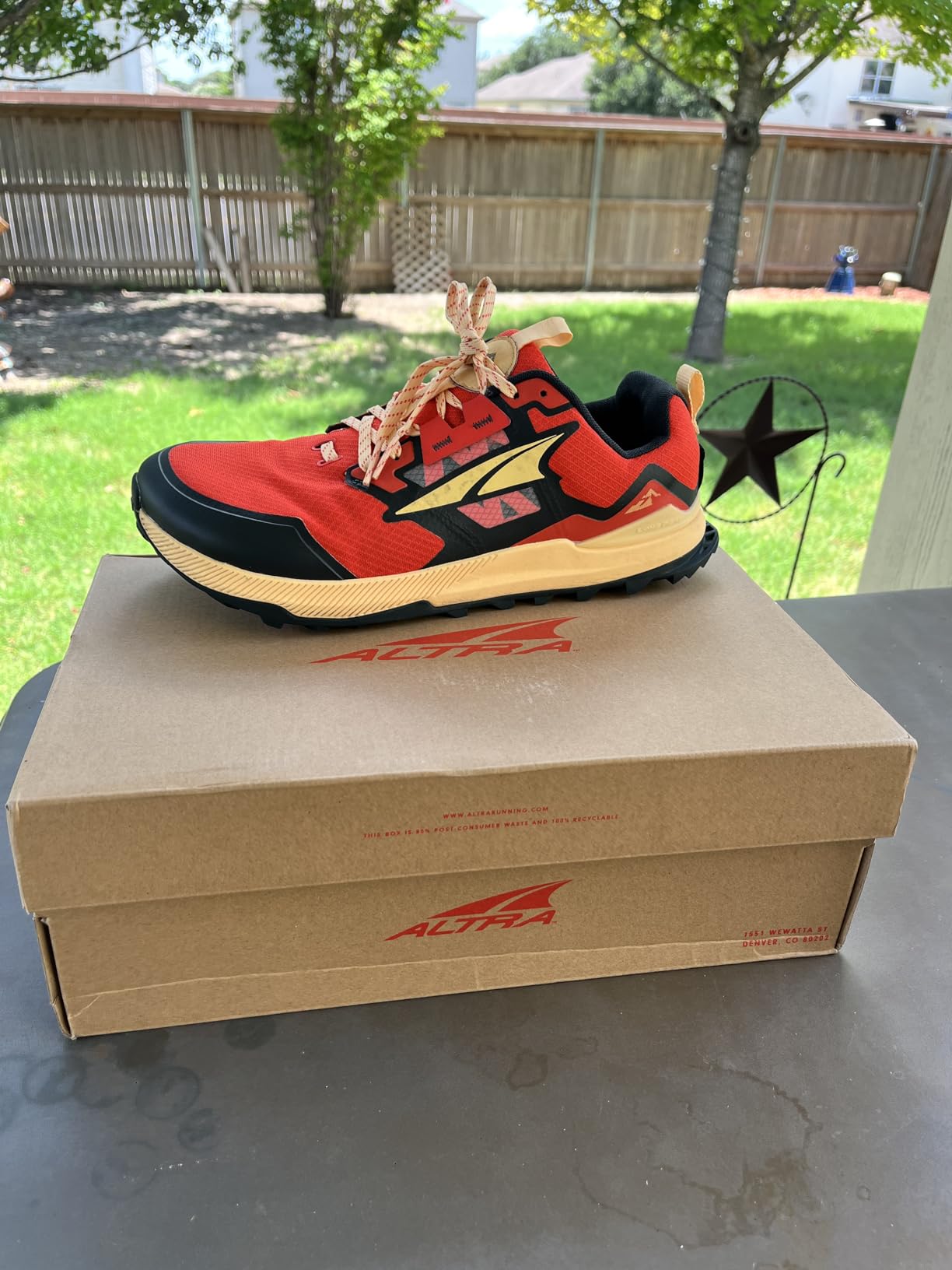
The durability pattern across hundreds of user reports is too consistent to wave away: toe cap delamination appears at 3-6 months under regular use, heel lug wear accelerates after 100-150 miles of heel striking, and some batches show QC variance that shows up as premature failures. My 150-mile test period isn’t long enough to personally confirm the 6-month failure point, but the early wear signs I observed match exactly what long-term testers document.
There are outliers on both ends — the leave-the-road-and.run tester completed 627km (nearly 400 miles) with the upper still intact — and some users report pairs lasting 18+ months with lighter casual use. The expected lifespan tiers based on aggregated data:
– **Casual use (1-2x/week hiking or easy trail runs):** 12-18 months
– **Regular use (3-4x/week trail running):** 6-12 months
– **Heavy daily use:** 4-6 months
That lifespan has real cost implications. At $150 MSRP:
– 12-month lifespan = **$12.50/month**
– 6-month lifespan = **$25/month**
– 18-month lifespan = **$8.33/month**
For comparison, the Salomon Speedcross at a similar price point typically runs 12-18 months before outsole wear necessitates replacement — roughly $8-12/month. When the LP7 delivers its full lifespan, the economics are comparable. When it doesn’t, you’re paying double.
Community Signals
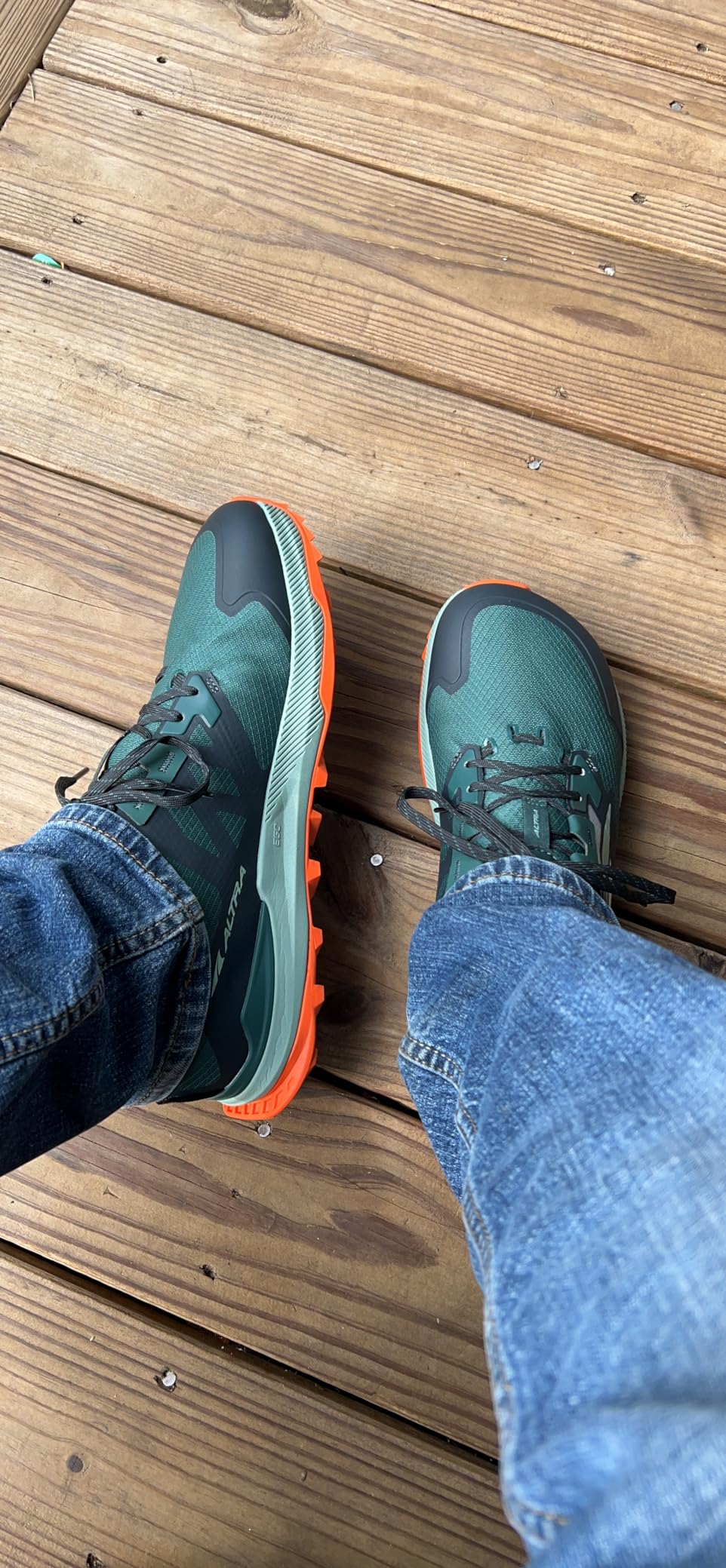
The trail running community’s response to the LP7 follows a predictable split: Altra loyalists who love the comfort improvements are balanced against longtime LP fans who feel the toe box has gotten narrower vs. LP5/LP6 (a complaint confirmed by 6+ independent reviewers) and frustrated buyers who hit the durability ceiling earlier than expected.
Users with bunions, Morton’s neuroma, and wide feet report consistent relief — this shoe genuinely helps with conditions that traditional narrow lasts aggravate. The Appalachian Trail community has ranked the Lone Peak as its #1 footwear choice for four consecutive years in thru-hiker surveys, which is a meaningful signal about long-distance comfort even if those thru-hikers go through multiple pairs per long trail.
Warranty support from Altra is a mixed picture — some users report responsive coverage of clear manufacturing defects, others describe being declined for issues that appear systematic. Factor that uncertainty into your purchase decision.
Value at $130–$150 and Better Alternatives
At the discounted $130 price point, the LP7 represents reasonable value if you get 12+ months of use. At full MSRP of $150 with a 6-month lifespan, you’re paying more per month than most premium alternatives. The performance justifies the price; the durability inconsistency undermines it.
For specific needs where the LP7 falls short:
**Better durability:** The Merrell Men’s Accentor 3 brings Vibram outsole longevity to a similar price range for hikers who need more outsole life. For trail runners specifically, Hoka Speedgoat 5 and Salomon alternatives consistently outlast the LP7 in independent testing.
**Wide feet with more cushioning:** L-RUN wide hiking shoes offer generous width accommodation at a lower price point for hiking-focused use.
**Budget zero-drop option:** If the LP7’s price concern keeps coming up, the Joomra trail running barefoot line covers the zero-drop wide toe box philosophy at significantly lower cost, though with compromises in trail durability and traction sophistication.
**The upgrade path:** If you’re reading this as an LP7 owner looking ahead, the Altra Lone Peak 8 addresses several of the LP7’s durability concerns with an updated outsole compound and reinforced toe cap — worth checking if you’re replacing a worn pair.
Final Verdict
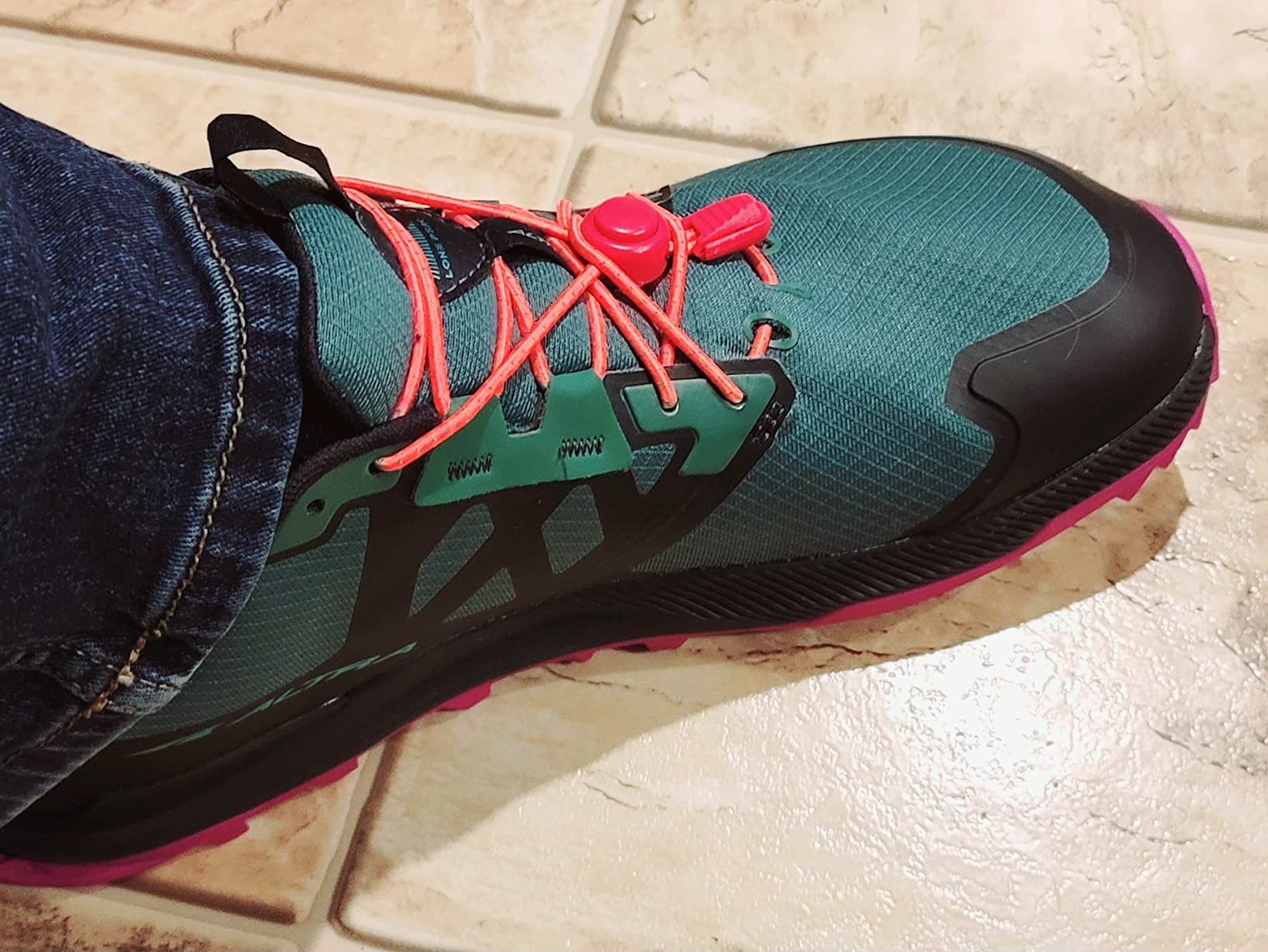
Detailed Scoring
| Category | Score (1-10) | Notes |
|---|---|---|
| Comfort | 9.2 | Outstanding FootShape design, excellent long-day foot fatigue reduction |
| Traction | 8.7 | MaxTrac excels on dry/mud/loose terrain; qualified on wet algae-rock (6-7/10) |
| Durability | 6.1 | Toe cap delamination 3-6 months, heel lug wear from 100 miles, QC batch variance |
| Weight | 8.9 | Nimble, trail-connected feel without sacrificing reasonable protection |
| Value | 6.8 | $12.50/mo at full lifespan is fine; $25/mo at 6 months is not |
| Versatility | 8.4 | Trail running, hiking, casual day use — genuinely multi-activity |
| Breathability | 8.1 | Upper ventilates well, dries reasonably fast; runs warm above 85°F |
The Good
- FootShape toe box genuinely delivers — not marketing, actual foot relief on long days
- MaxTrac grip is reliable on the terrain types most trail runners encounter most often
- Zero-drop benefits are real — midfoot strike development, less knee impact on descents
- Immediate comfort — no break-in period required
- Versatile — trail runs, day hikes, casual wear all handled competently
- Upper breathes well — particularly appreciated on hot Colorado summer days
- EGO foam longevity — the midsole holds up longer than the upper, still bouncy at 600+ km in third-party testing
The Bad
- Toe cap delamination — too widespread and consistent to dismiss as outliers
- Not waterproof — expect wet feet in any stream crossing or sustained rain
- StoneGuard has limits — larger boulders felt through sole on technical rocky terrain
- Narrower than LP5/LP6 — important for repeat Lone Peak buyers to know
- QC batch variance — some units arrive with quality issues; buy from retailers with good return policies
- Warranty support inconsistent — Altra’s response to defect claims varies
- Wet algae-rock traction limited — 6-7/10 on polished wet surfaces
Who Should Buy the Altra Lone Peak 7
Buy it if:
- You have wide feet and haven’t found comfortable trail shoes — the FootShape design genuinely solves problems that conventional lasts create
- You’re ready to try zero-drop and want a cushioned entry point, not a minimalist extreme
- You do mixed trail running and hiking and want one shoe that handles both without compromise
- You have bunions, Morton’s neuroma, or toe box pain from traditional runners
- You’re doing thru-hiking or long-distance trail days where all-day foot comfort matters more than maximum outsole longevity
Skip it if:
- Durability is your primary criterion — Hoka Speedgoat 5 or Salomon alternatives will outlast this by 6-12 months at similar prices
- You need maximum rock protection for sustained technical terrain
- You’re a long-time LP6 owner who loved the original wide fit — the LP7 midfoot is slightly more snug
- You run regularly in wet Pacific Northwest or UK conditions with algae-heavy rock surfaces
Final Recommendation
The Altra Lone Peak 7 is a genuinely excellent shoe for specific runners, with a durability flaw that prevents it from being an unconditional recommendation. The comfort, fit, and trail performance are legitimately among the best in the zero-drop category — if you have wide feet or foot issues that traditional shoes aggravate, this shoe may well change how you feel about running.
But go in clear-eyed: expect to replace these every 6-12 months with regular use. If you buy on sale ($130), the economics work. At full $150 with a short lifespan, you’re not getting the best value in the category. Buy from a retailer with a good return/exchange policy, and consider the Altra Lone Peak 8 if you’re making a fresh purchase rather than trying to find LP7 clearance deals.
Overall Rating: 7.2/10 — exceptional comfort and trail performance anchored by a durability ceiling that serious trail runners will hit.
Frequently Asked Questions
How does sizing work coming from Nike or Saucony?
If you’re used to conventional running shoe lasts from brands like Nike or Saucony, consider sizing down 0.5 in the LP7 — the foot-shaped design and wider toe box can make the shoe feel slightly long for runners accustomed to tapered lasts. If you’ve worn Altra before or already run in foot-shaped lasts, go true to size. My size 10.5 in Nike translated directly to 10.5 in the LP7 with a good fit, but I run with a wider foot — narrower-footed runners may find the toe box floaty at their normal size.
How long does zero-drop adaptation realistically take?
Plan for 1-2 weeks to feel genuinely comfortable, and 3-4 weeks to feel the benefits. The first two to three runs involve noticeable calf and Achilles adaptation work. By week one things feel normal; by week three you’ll likely notice better posture and less impact on descents. Don’t try to run your normal distance immediately — start with 30-40% of your usual mileage and build. The payoff is worth the patience.
Is the LP7 actually waterproof?
Not even slightly. The upper breathes well and dries reasonably quickly, but there’s no waterproof membrane and no water resistance treatment. Any stream crossing deeper than ankle-level means wet feet. For waterproof trail running, look at Gore-Tex trail options. The LP7’s advantage is drainage and drying speed — not protection.
How does the LP7 compare to the Lone Peak 6?
The LP7 brings a significantly improved upper (less fraying, better durability long-term), an updated MaxTrac outsole with marginally better grip, and refined heat-welded construction. The trade-off that LP6 fans consistently note: the midfoot fit is slightly narrower and the lacing system is considered a step down from LP6’s. If you have an LP6 that still fits perfectly, there’s no urgent reason to upgrade — but if your LP6 is worn out and you’re replacing it, the LP7’s improvements are meaningful.
Can I use custom orthotics in the LP7?
Yes. The insole is removable, and the footbed accommodates standard aftermarket insoles. The wide toe box is actually an advantage here — many supportive insoles are designed for wider platforms and fit better in foot-shaped shoes than in tapered conventional runners. If you need significant arch support, an upgrade like Sof Sole Athlete insoles drops in cleanly.
Is the LP7 good for thru-hiking?
Four consecutive years as the top-ranked shoe in Appalachian Trail thru-hiker surveys says yes — but with caveats. Thru-hikers typically go through 1-2 pairs per major long trail, so the durability ceiling matters less when you’re budgeting for replacement. The all-day comfort, foot fatigue reduction, and versatility across terrain types make it a strong thru-hiking choice. The 4mm lug depth is adequate for most established trail surfaces, though it won’t handle sustained wet mud as well as more aggressive lug patterns.
What’s the best alternative for someone who wants zero-drop but better durability?
Topo Athletic’s Ultraventure 3 and the New Balance DynaSoft Nitrel line offer trail performance in a lower drop platform if you want something between traditional heel elevation and true zero-drop. For true zero-drop durability, some users find that barefoot-style trail shoes with minimal construction actually outlast the LP7 because there’s less material to delaminate. The Brooks Launch 10 is worth considering if you primarily run roads and light trail — better durability at a similar price point for mixed-surface use.
Review Summary
| Overall Rating | 7.2/10 | Great performance, durability is the caveat |
|---|---|---|
| Comfort | 9.2/10 | Best-in-class toe box and long-day fatigue reduction |
| Traction | 8.7/10 | Excellent dry, adequate on technical wet surfaces |
| Durability | 6.1/10 | Toe cap delamination is a pattern, not an outlier |
| Weight | 8.9/10 | Trail-connected feel at ~10.5 oz |
| Value | 6.8/10 | $12.50/mo if it lasts; worse if it doesn’t |
| Versatility | 8.4/10 | Trail, hiking, casual wear all handled |
| Breathability | 8.1/10 | Good ventilation, warm above 85°F |
Bottom line: The Altra Lone Peak 7 delivers exceptional comfort and trail performance that wide-footed and zero-drop runners will genuinely appreciate — but plan for a 6-12 month lifespan with regular use, and buy on sale when possible to make the value equation work in your favor.
Be the first to review “ALTRA Men’s Lone Peak 7 Trail Running Shoe”
Related products
Hiking/Trekking Shoes
Running Shoes
Running Shoes

Running Shoes
Running Shoes
Hiking/Trekking Shoes
Running Shoes
Running Shoes
Reviews
There are no reviews yet.