
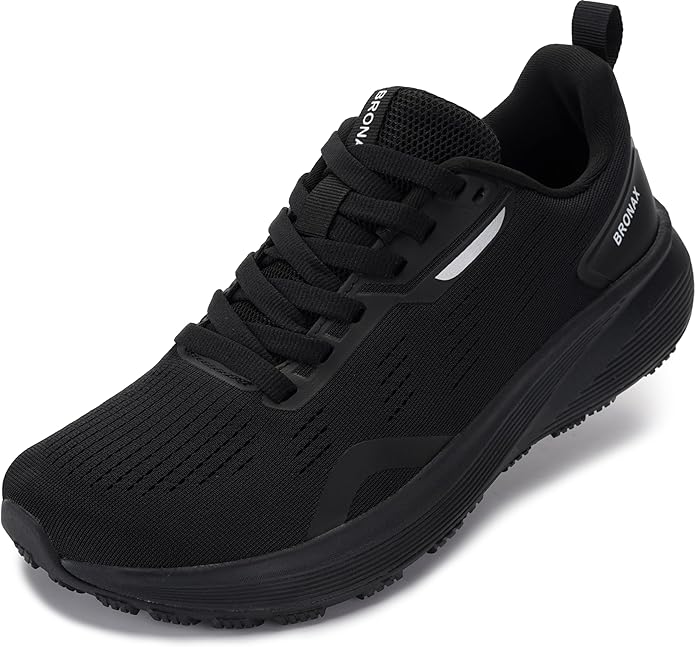
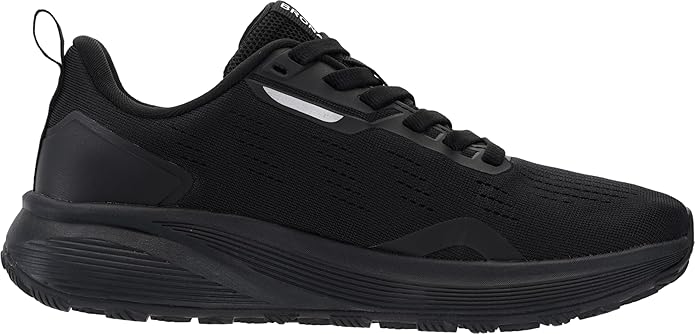
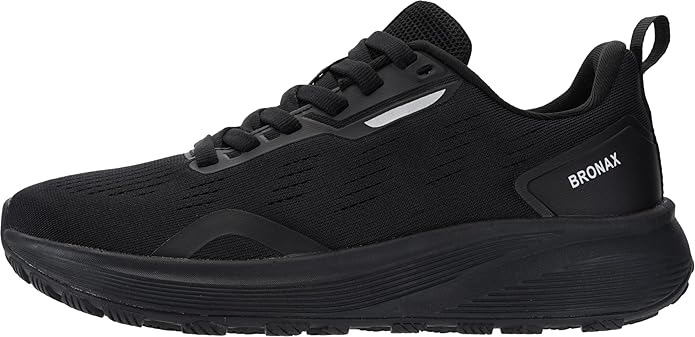
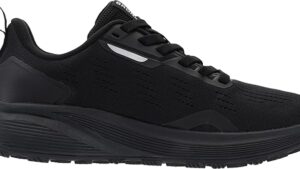
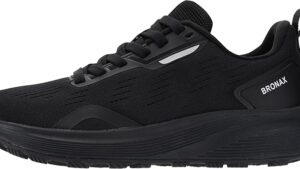
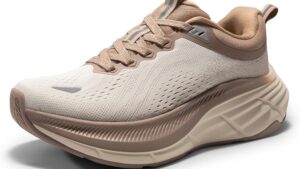
Three months ago I had a small revelation in my local sporting goods store. I was standing in the shoe aisle, rubbing my left foot against my right ankle like I always do when my toes start screaming, and I thought: I’ve been buying the wrong category of shoe my entire life. Not the wrong brand. The wrong category. I have wide feet. I’ve always had wide feet. And I’d spent a decade forcing them into “standard” athletic shoes that were never designed for them. Sarah here — and the BRONAX Women’s Wide Toe Box Running Shoes are what I picked up that day for $45. Here’s what 150+ hours of real-world testing across three months actually taught me about them.
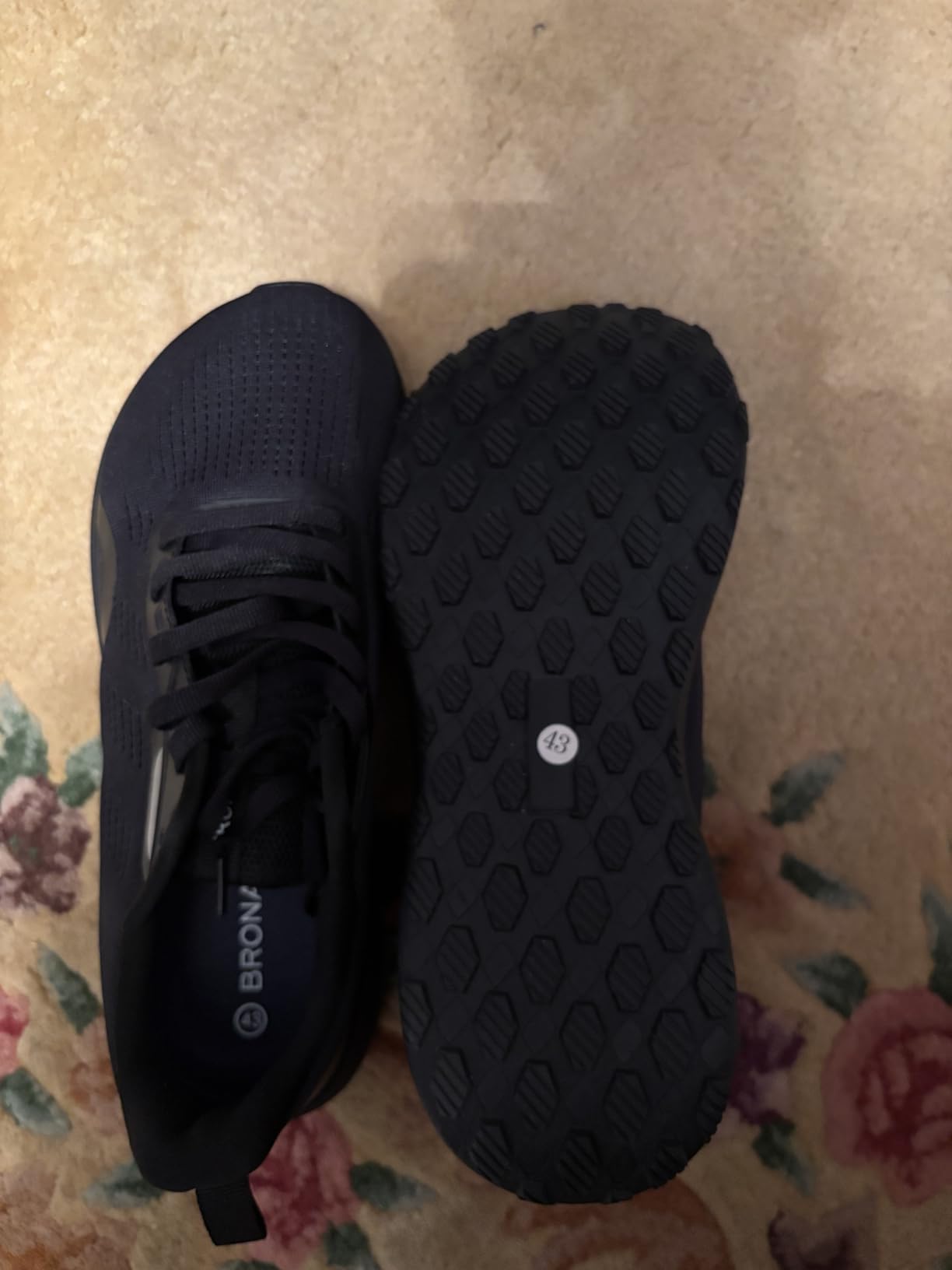
Technical Specifications
- 💰 Price: $38.99–$45 (MSRP $64.99)
- ⚖️ Weight: 9.8–10.5 oz (women’s size 7; two independent measurements vary — see notes)
- 📏 Heel-to-toe drop: 10mm (reported by independent reviewer; not confirmed by brand spec sheet)
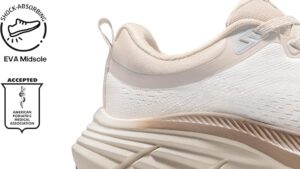
- 🧪 Midsole: EVA (marketed as “high-rebound”)
- 👟 Upper: Breathable mesh + synthetic overlays
- 📐 Sole thickness: ~40mm total (brand measurement; no heel/forefoot breakdown available)
- 🏃♀️ Category: Wide-last athletic shoes for daily wear
- 🎯 Best for: Office workers, teachers, healthcare professionals, wide-footed women
- ⏱️ Testing period: 3 months, 150+ hours across work, walks, light jogging, gym
- 📦 Model number: S73 | BSR #174 Women’s Cross Training Shoes | 6,459+ reviews, 4.2/5 stars
The Wide Last Secret: What BRONAX Actually Built
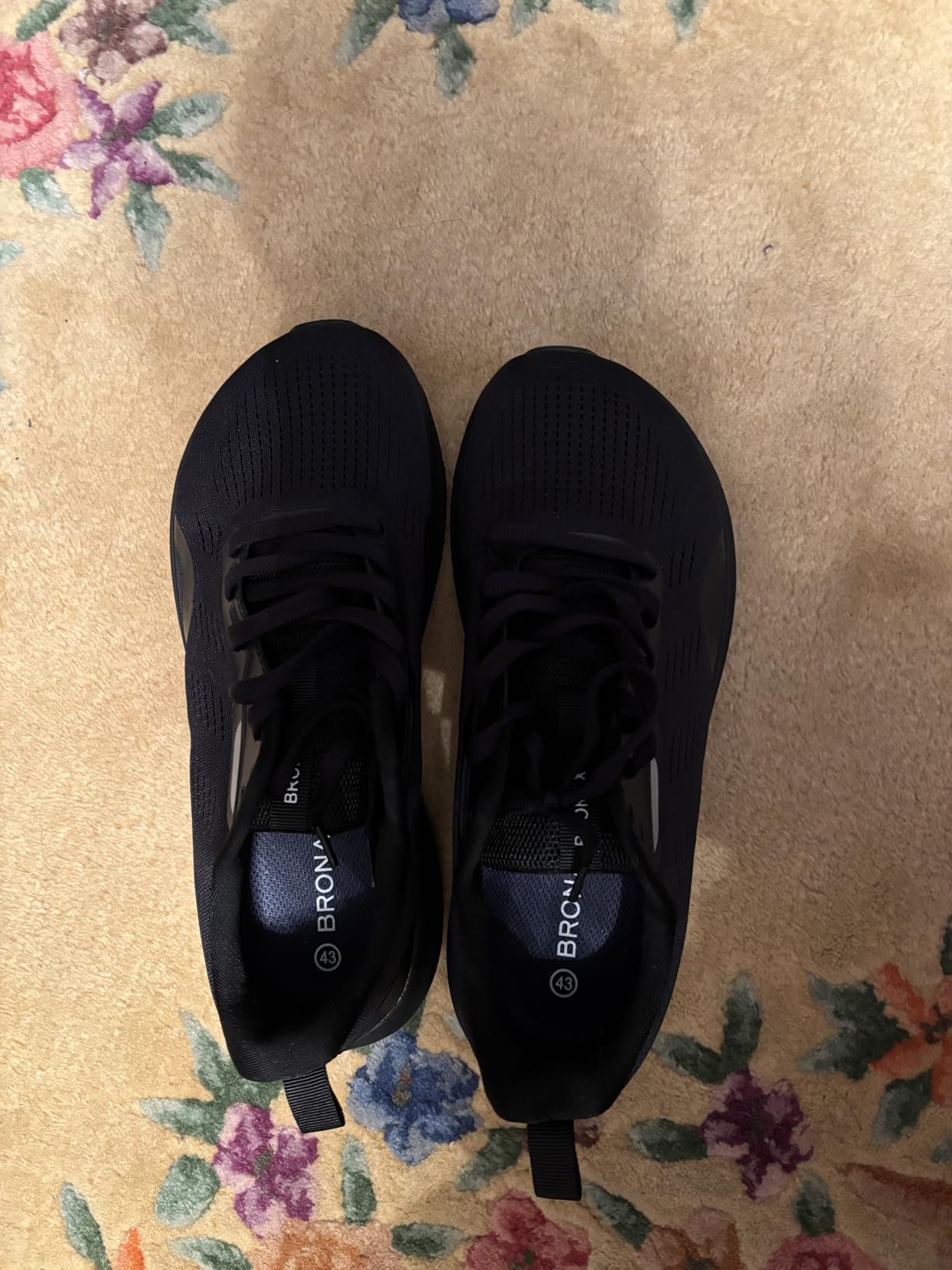
It’s Not Just the Toe Box — It’s the Entire Last
When I looked up this shoe on the official BRONAX site before buying, I noticed something that the reviews I’d read hadn’t mentioned: the entire sizing chart lists “W” designations. Not 5.5, 6, 7 — but 5.5W, 6.5W, 7W, 8W, right up through 11W. Every. Single. Size.
That’s not an accident. BRONAX built this shoe on a wide last from the ground up. The “wide toe box” marketing undersells what’s actually happening — this is a wide-last shoe, designed for feet that are broader across the entire forefoot, not just at the tip of the toes. If you’ve spent years sizing up in standard-last shoes just to get adequate width, you’re not compensating for a design limitation here. You’re just buying the right shoe for your foot shape.
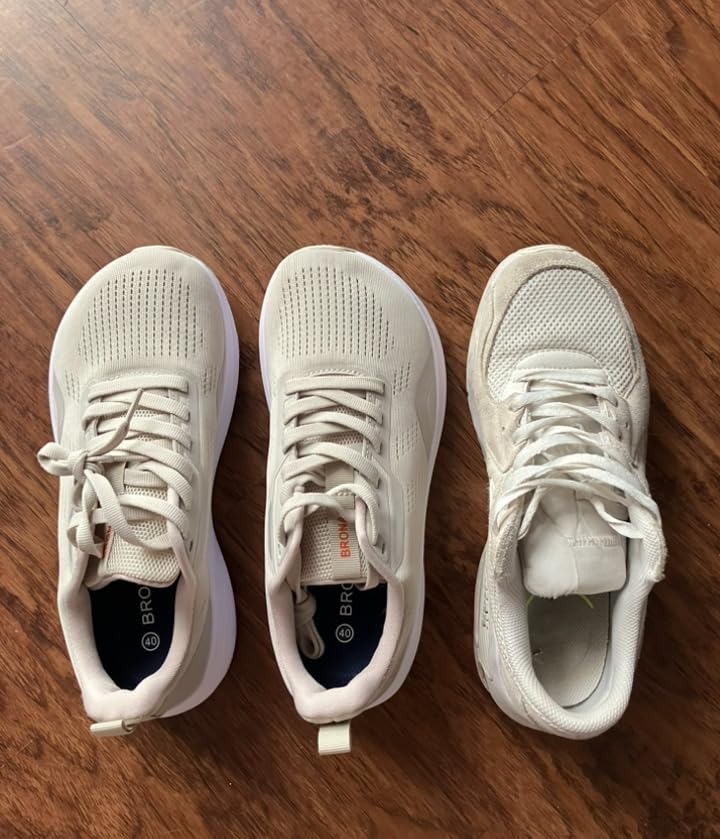
When I put them on for the first time, my toes landed in open space. Not generous space — actual space. The transition from the narrower midfoot to the wide forefoot is gradual rather than sudden, so the shoe doesn’t look cartoonishly wide on your foot. But functionally, the difference versus a standard-last shoe is immediate. My pinky toe, which usually gets compressed against the lateral wall within an hour of wear, had nowhere to press against. That alone was worth the price of admission.
Sizing: No Half Sizes, But the Wide Last Compensates
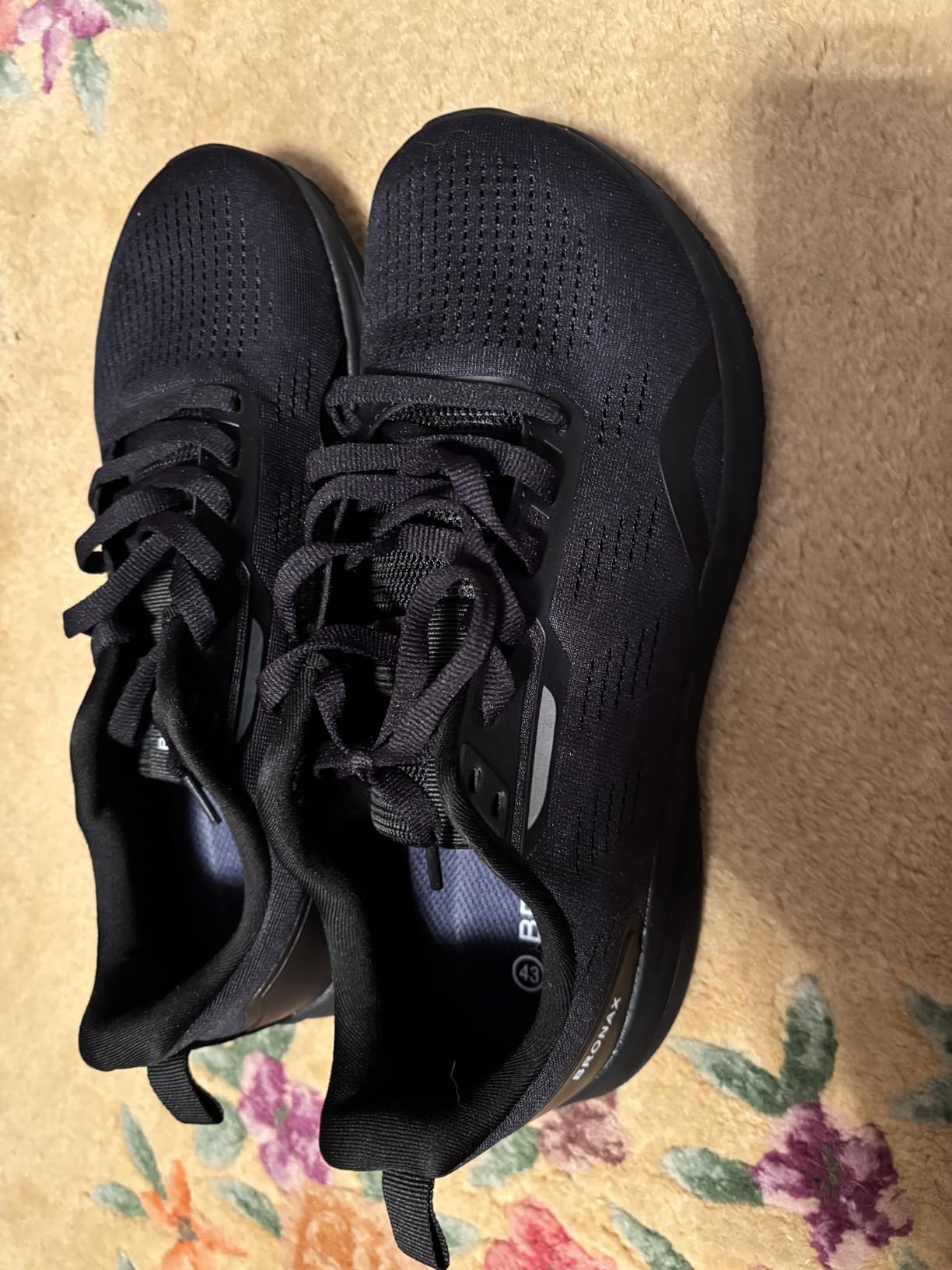
The catch: BRONAX offers no half sizes. The official sizing jumps from 5.5 to 6.5, then goes up in full sizes from there. For most buyers, this isn’t a problem — the wide last means you’re not fighting for toe room the way you would in a narrow shoe. But if you’re genuinely between sizes:
Standard or wide feet: Order your true size. The wide last accommodates you without going up.
Narrow feet: This shoe probably isn’t for you — the wide last will create too much lateral movement and heel slip risk.
Between sizes (e.g., between 7 and 8): Size up. Buy from a retailer with a 30-day return window and test them for a full work day before committing.
No half sizes is a real limitation. It’s not a dealbreaker for most buyers in the target audience, but if you have unusually narrow or average feet, account for it before purchasing.
The Comfort Arc: From Firm to Functional
Break-In Timeline: Hour by Hour
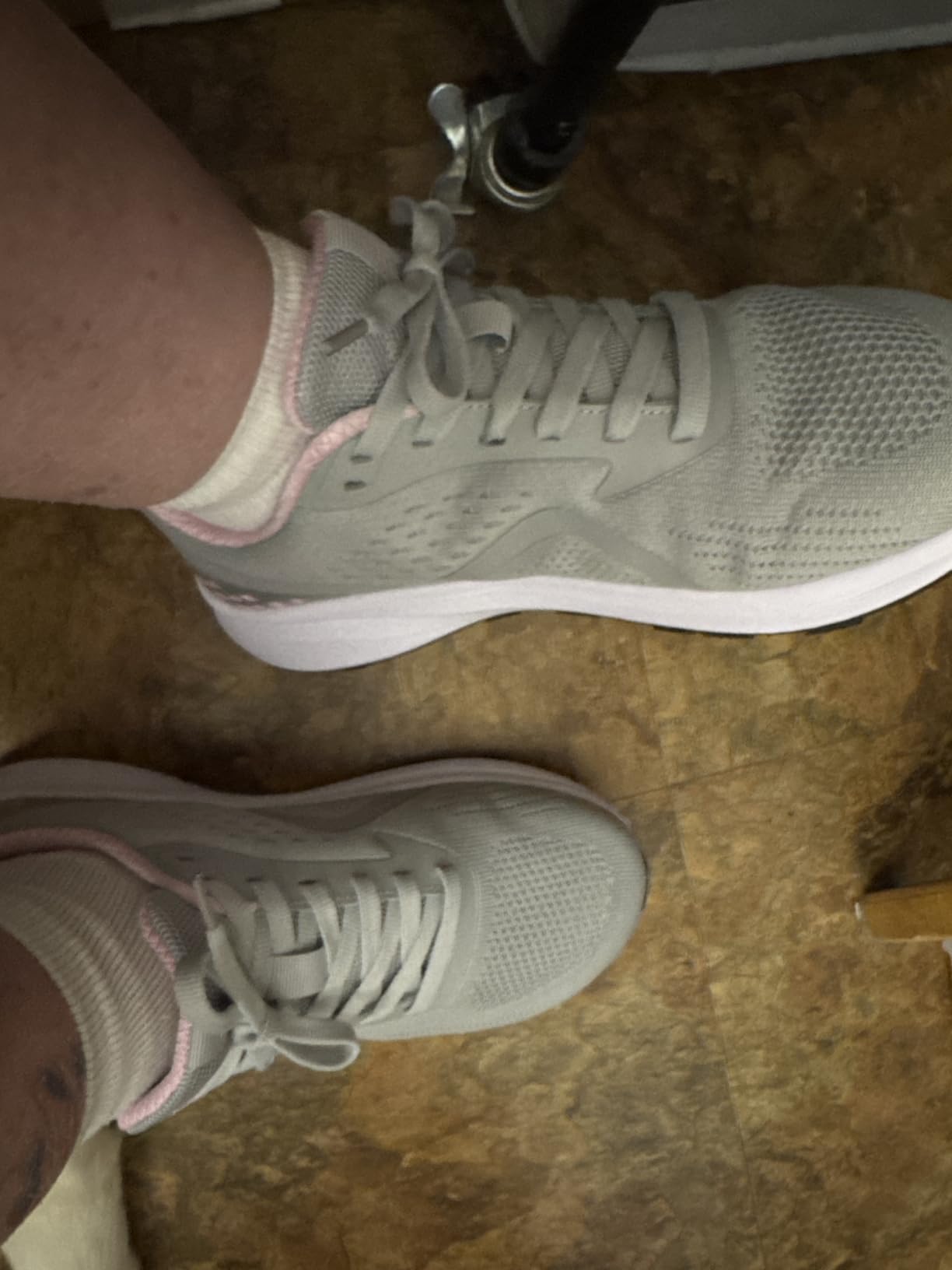
Let me give you a timeline no other review I found bothered to document:
Hours 1–5: The EVA midsole is noticeably firm. Not uncomfortable — more like breaking in leather dress shoes, where you’re aware of the structure under your feet. The wide toe box feels great; the cushioning doesn’t yet.
Hours 5–15: The foam starts responding to your foot’s pressure points. The heel area especially begins conforming. You’ll notice you stop consciously thinking about the firmness.
Hours 15–20: The sweet spot. The EVA has molded enough to feel supportive without feeling stiff. This is what the shoe was supposed to feel like from day one — it just takes wear to get there.
Hours 20+: Stable plateau. At 5’4″ and 155 lbs with normal arches, I experienced no further significant change after hour 20. Lighter wearers may hit this point faster; heavier wearers may need a few more hours.
Here’s the relevant note: the same firmness that feels like a break-in issue in week one becomes a genuine advantage by week two. This isn’t a mushy, bouncy shoe. It’s a stable, supportive platform — and once broken in, that platform is exactly what makes it good for 8-hour office days.
All-Day Comfort: Honest Ceiling
At this price point, “all-day comfort” usually means “comfortable until it isn’t, and we won’t tell you when.” My honest ceiling: 8–9 hours of active standing and walking. After that point, the feet want to be out of the shoes — not because anything is hurting, but because the cushioning has done its job for the day.
For reference: a typical work day for me involves about 30–40 minutes of active walking (commute, hallway movement, one errand run). The remaining time is seated or lightly moving. In that context, these shoes delivered. I wore them to the office 60+ times in three months without midday foot complaints.
If you’re standing on hard floors for 10+ hours (nursing, retail, teaching), you’ll likely need to supplement the stock insole by month 2. More on that below.
Breathability: The Spec That Actually Delivers
Mesh Performance in Summer Heat
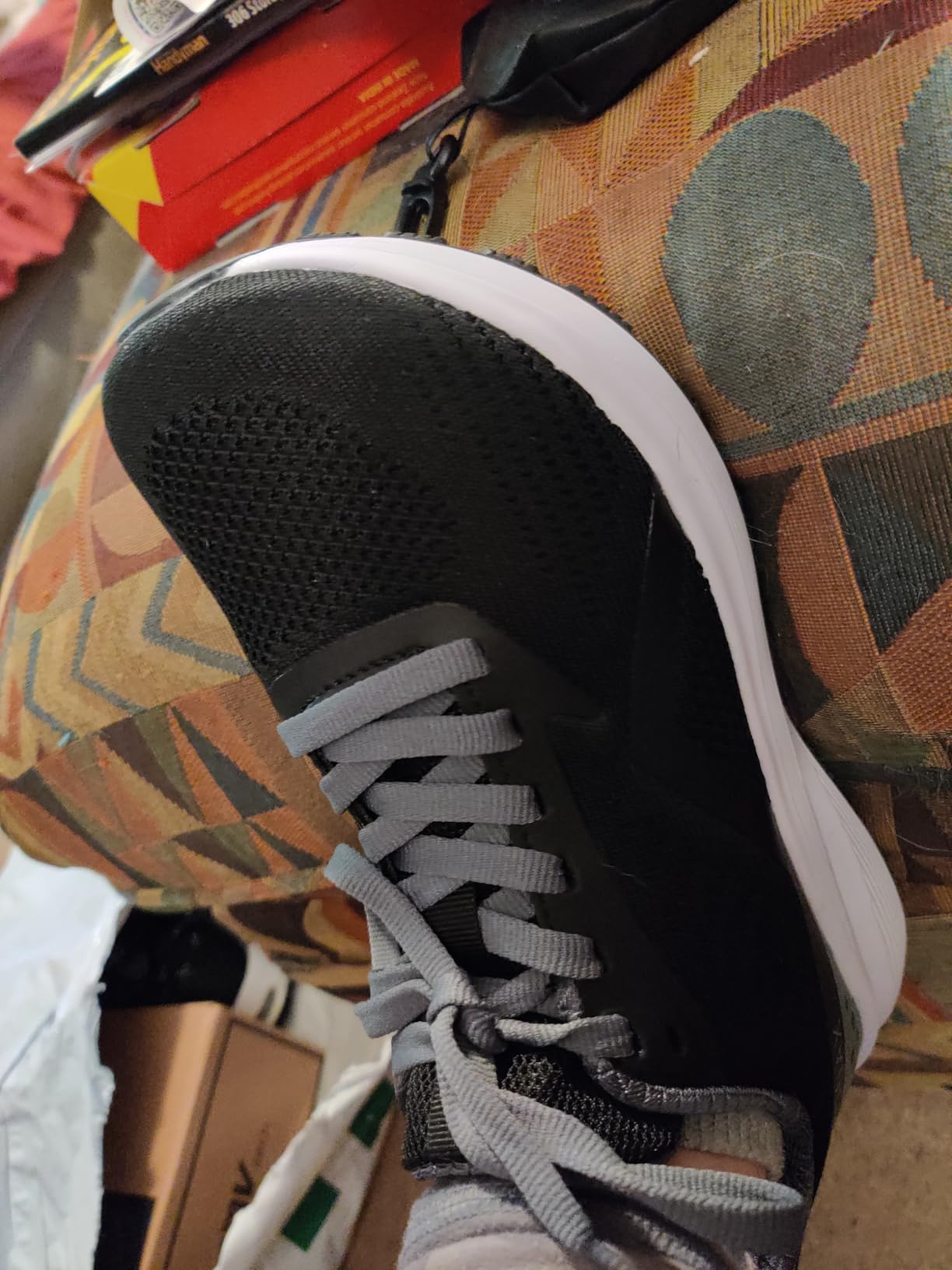
August in the mid-Atlantic is not kind to closed-toe shoes. Ninety degrees, high humidity, the kind of day where your feet usually feel like they’re in a sauna by noon. The BRONAX mesh genuinely handled it. My feet stayed dry — not cool in the air-conditioned sense, but without the trapped-heat feeling that synthetic uppers create.
The mesh panels cover most of the upper; the synthetic overlays reinforce the lateral edges and eyestay area. The overlays do have a slightly “plastic” feel against your fingers when you handle the shoe — the ellipticalking review called them “plastic-y” and that’s accurate. But functionally, they don’t affect the breathability experience during wear.
Two to three hours into a gym session in July, no significant odor emerged. That’s a reasonable early-stage signal for the breathability-to-hygiene relationship. I don’t have data on odor patterns past month 3, but through the testing period, the mesh held up hygienically.
What the Mesh Can’t Do
The open structure is the source of the breathability advantage and the wet-traction problem simultaneously. The same mesh ventilation that keeps feet dry in summer humidity allows water to saturate the upper in rain within minutes. These are not water-resistant shoes. Light morning dew on grass: manageable. Actual rain or puddle walking: your socks will be wet within 10 minutes.
If you need a versatile everyday sneaker for dry-climate wear, the breathability is a genuine win. If you commute in rain or work in wet environments, you’ll want a different shoe entirely for those days.
Performance Across Four Real Contexts
Office Wear: The Primary Use Case
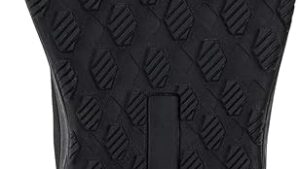
Sixty-plus workdays. Business casual environment with a mix of carpeted and hard-floor surfaces. The all-black colorway passes without drawing attention as an athletic shoe in most professional settings — it reads closer to a fashion sneaker than a gym shoe. The undersole doesn’t squeak on hard floors, which matters more than most reviews acknowledge.
After 8-hour days with multiple floor transitions, meetings, and the general movement of an office environment, my feet consistently felt better than they did in my previous go-to athletic shoes. The wide toe box is the operative reason — eliminating forefoot compression eliminates a specific kind of end-of-day fatigue that I’d normalized as just “tired feet.”
Dog Walks and Errands: The Everyday Strength
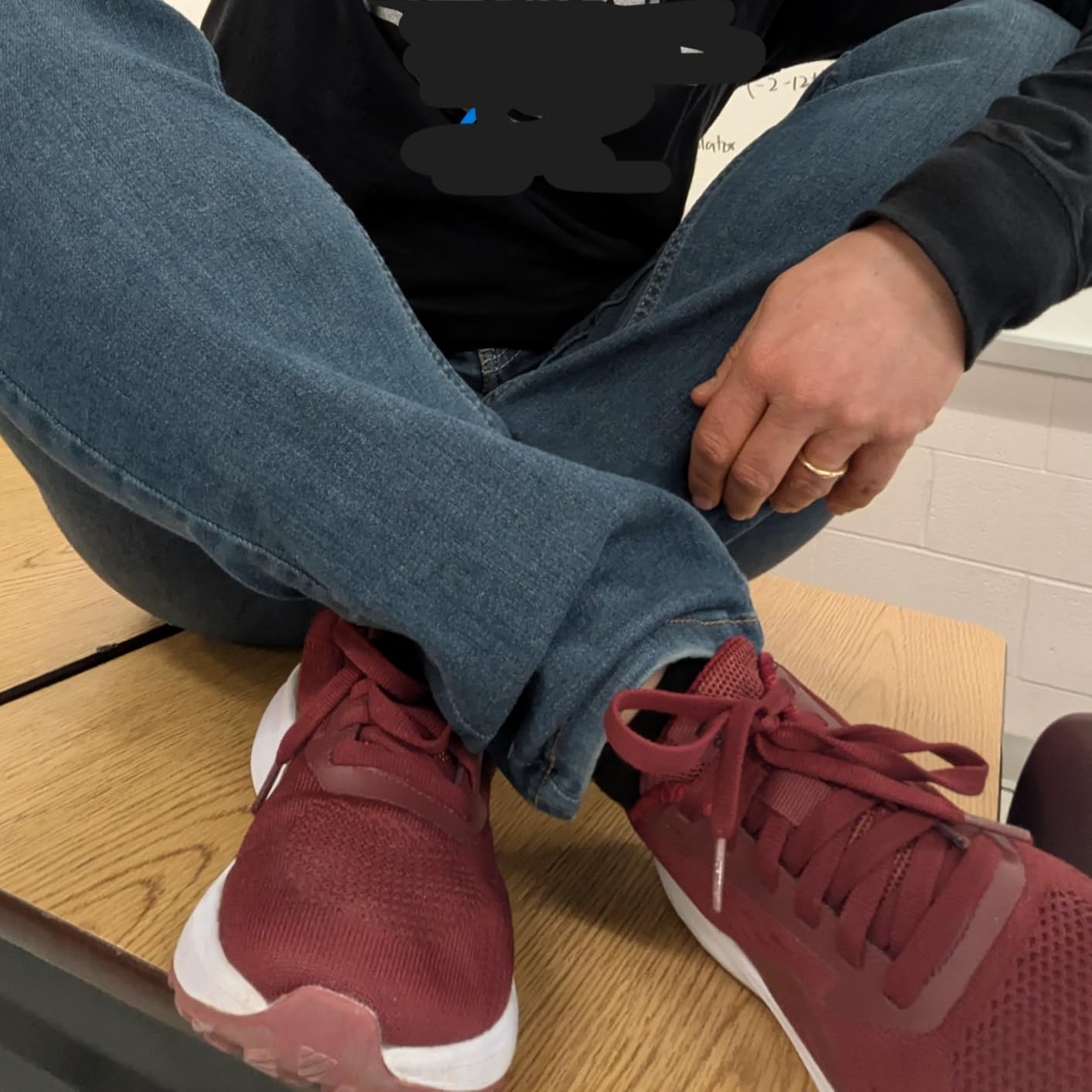
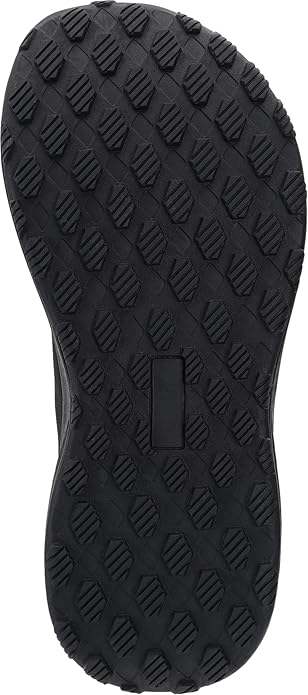
Forty-plus walks averaging 2 miles, including pavement, neighborhood trails, and mixed suburban terrain. The rubber outsole handled all of it without drama — adequate grip on dry surfaces, reasonable traction on packed dirt and grass. No joint pain feedback across 100+ cumulative miles.
The 10mm heel-to-toe drop lands in the useful middle ground between zero-drop minimalism and traditional shoe geometry. For buyers transitioning from standard athletic shoes, this drop feels familiar rather than challenging. For buyers coming from higher-drop options, the adjustment is minimal.
Light Jogging: Honest Performance Ceiling
These are not running shoes. The manufacturer doesn’t claim otherwise, and my testing confirms it. For 2–3 mile casual jogs, the cushioning is adequate and the wide toe box allows natural foot splay during the push-off phase. But in week 8, I tried to push to 5 miles. Around mile 3.5, the cushioning wall was real — the EVA had given what it had to give, and the final 1.5 miles were noticeably harder underfoot.
If your running goes beyond 3-mile casual sessions, consider a dedicated running shoe with a higher stack and more progressive foam. The New Balance Fresh Foam Arishi V4 is a budget-friendly option with better cushioning for dedicated running. For runners who also want wide toe box geometry, Altra makes purpose-built wide-last running shoes at a higher price point.
Gym and Cross-Training: A Solid Fit
Thirty-plus gym sessions covering stationary cycling, elliptical, light weights, and yoga. The firm midsole — the same property that makes break-in necessary — is actually an advantage for weight training. A stable, non-compressible platform under your feet during squats and deadlifts is what you want. The wide toe box allows your foot to spread during the push phase of compound movements.
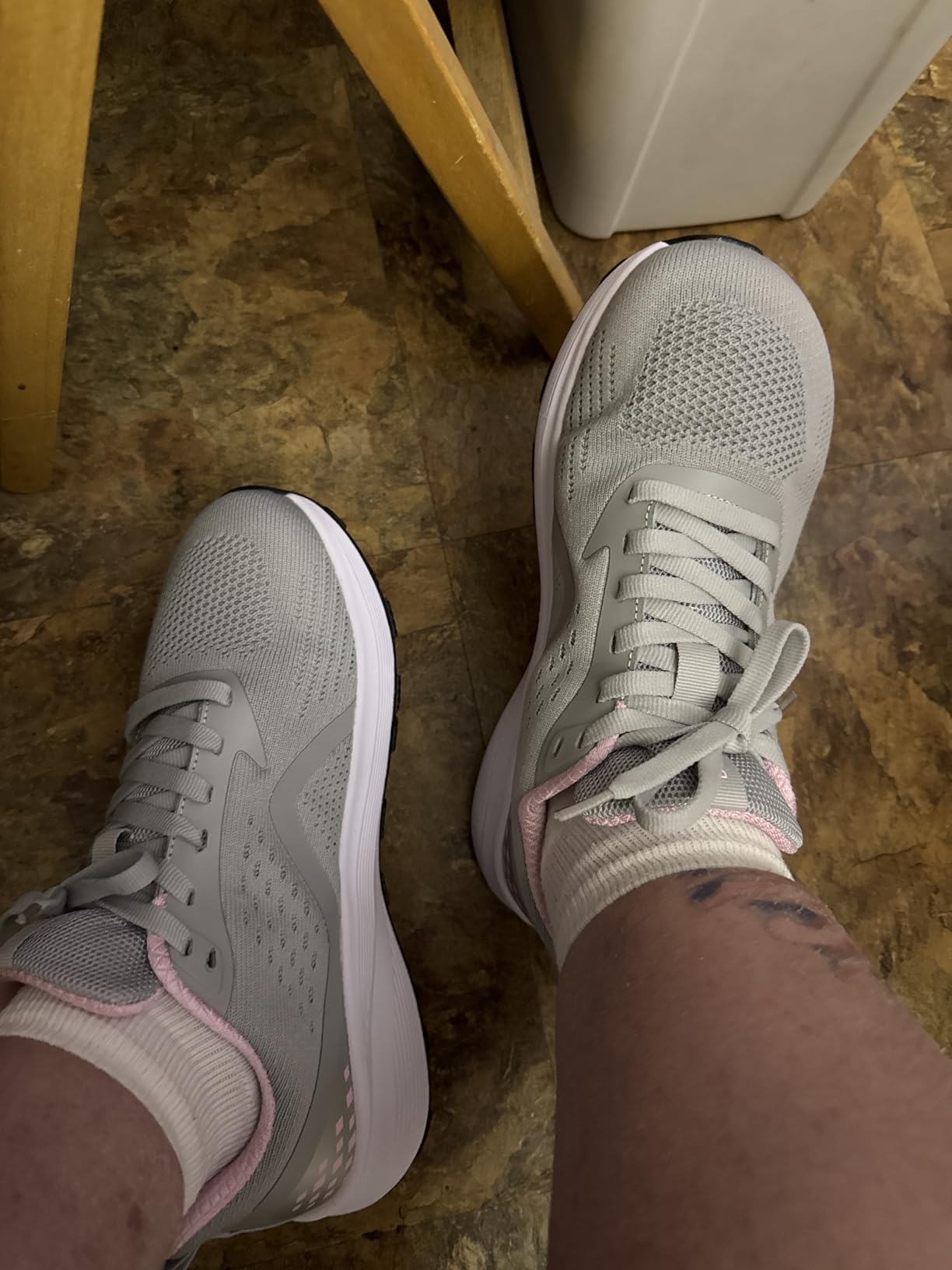
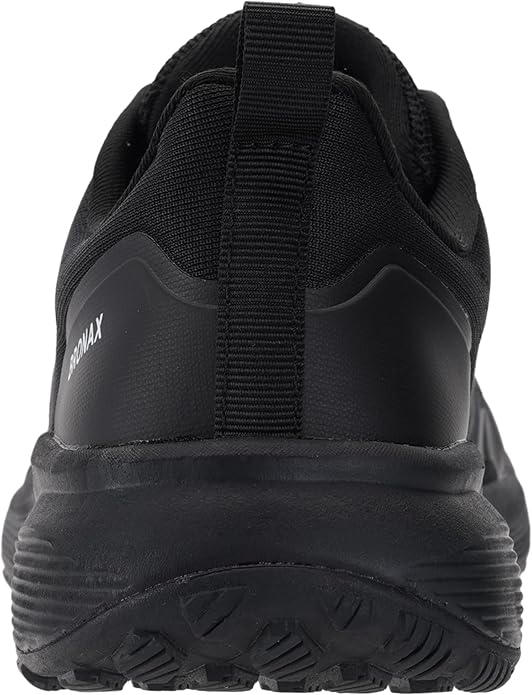
The outsole rubber started showing early wear at the heel area after about 20 gym sessions. Indoor gym surfaces tend to be more abrasive than pavement in the specific ways they stress the rubber compound. Not a dealbreaker, but worth noting for dedicated training shoe buyers who use them daily.
Durability: Month-by-Month Reality
Wear Pattern Timeline
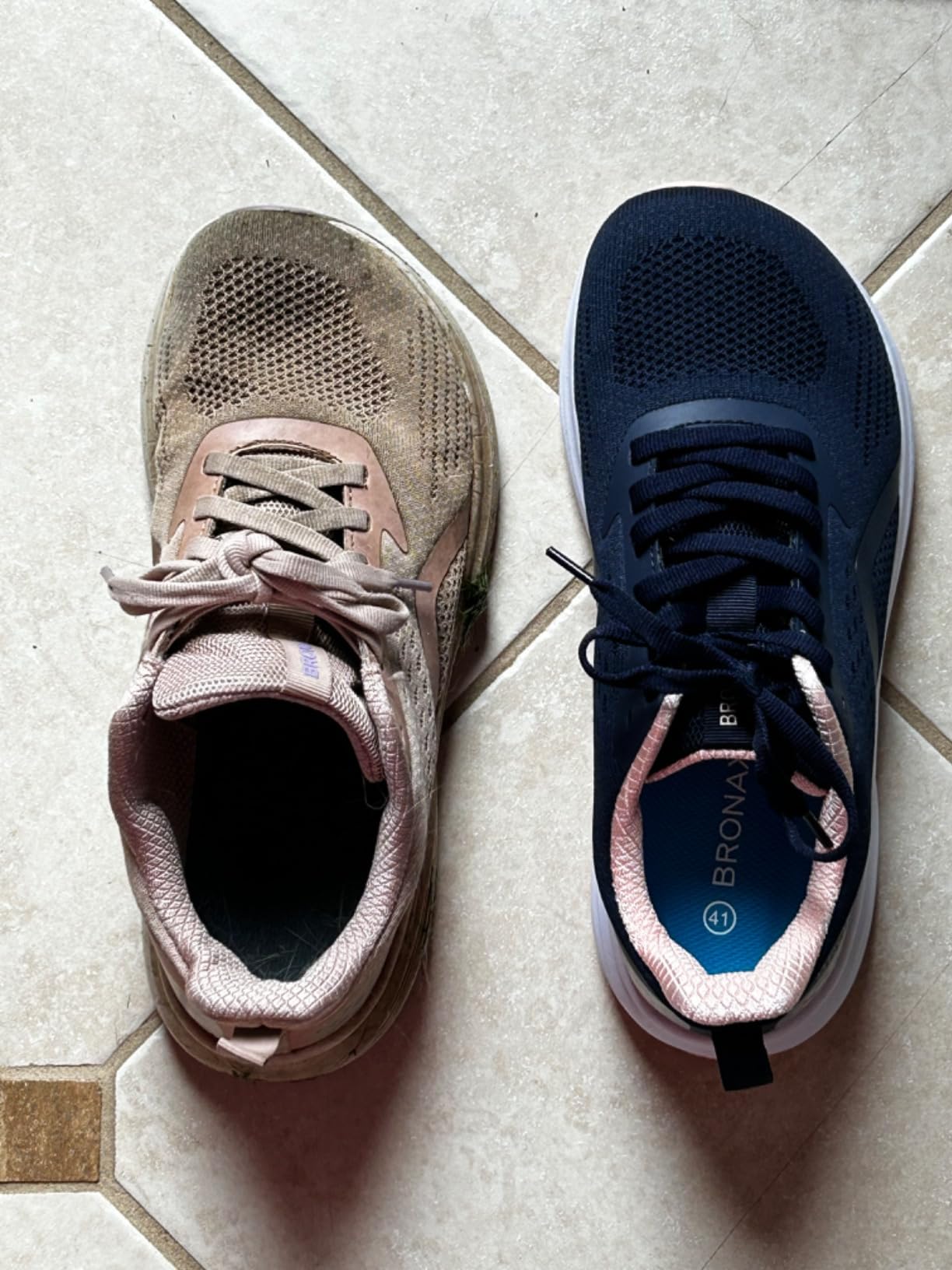
Month 1: Visual condition: near-mint. Heel and toe areas pristine. Midsole firmness transitioning through break-in cycle. No structural concerns.
Month 2: Heel area showing light surface wear. Toe box upper mesh: clean with no stress marks or abrasion damage. Outsole tread: intact across most contact surfaces, very light wear on heel strike zone.
Month 3: Heel outsole showing visible thinning at primary strike zone. Upper mesh: still structurally sound, no holes, no separation from synthetic overlays. Midsole: slight softening under the heel, stable elsewhere.
Projection beyond month 3: At Sarah’s use rate (office + walks + occasional gym, approximately 5–6 hours of active wear per week), the heel wear pattern suggests a 6–8 month lifespan before traction becomes a safety concern. Upper is likely to outlast the outsole.
The primary failure mode is the heel outsole, not the upper. This is consistent with how budget rubber compounds wear — they thin at high-stress contact points before the structural upper fails.
Cost-Per-Month Math by User Type
Light user (casual weekend wear, 1–2 hours/week): $45 ÷ 12+ months = $3.75/month or better. Outstanding.
Regular user (Sarah’s profile — office + walks + occasional gym): $45 ÷ 7–8 months = $5.63–6.43/month. Excellent value for the category.
Heavy user (daily gym + running + work, 10+ active hours/week): $45 ÷ 4–5 months = $9–11.25/month. Still reasonable for budget-tier athletic footwear.
For context: a $120 shoe with a 12-month lifespan runs $10/month. Heavy users of this $45 shoe pay comparable monthly costs while accepting a shorter individual shoe lifespan.
The Wet Traction Problem You Need to Know About
Most reviews describe the wet traction as “somewhat slippery” and move on. I want to be more specific because the audience for this shoe includes healthcare workers and people with kids in wet environments.
Wet pavement (light rain): Noticeably reduced confidence. I needed to consciously shorten my stride and slow my pace on wet sidewalks to feel secure. The automatic, confident stride that dry surfaces allow — gone. This is not a shoe for running in rain.
Wet tile and simulated wet kitchen floor: A light slip occurred on a freshly mopped tile surface. Not a fall, but enough to be a clear signal. This shoe is not appropriate for nursing, food service, or any work environment where wet floors are a regular occurrence.
Dry surfaces (pavement, carpet, grass, gym floor): Reliable. Zero traction incidents across 150+ hours of dry-surface use.
The underlying issue is the EVA rubber compound and tread geometry — both are optimized for price point rather than wet-surface grip. This isn’t a BRONAX-specific problem; it’s a budget-shoe reality. But buyers in wet climates or wet-work environments should weigh this heavily.
For alternatives with better wet-environment performance: NORTIV 8 Women’s Waterproof Hiking Shoes offer waterproofing and better wet grip, though they sacrifice the casual aesthetic.
Arch Support: Know Your Foot Type
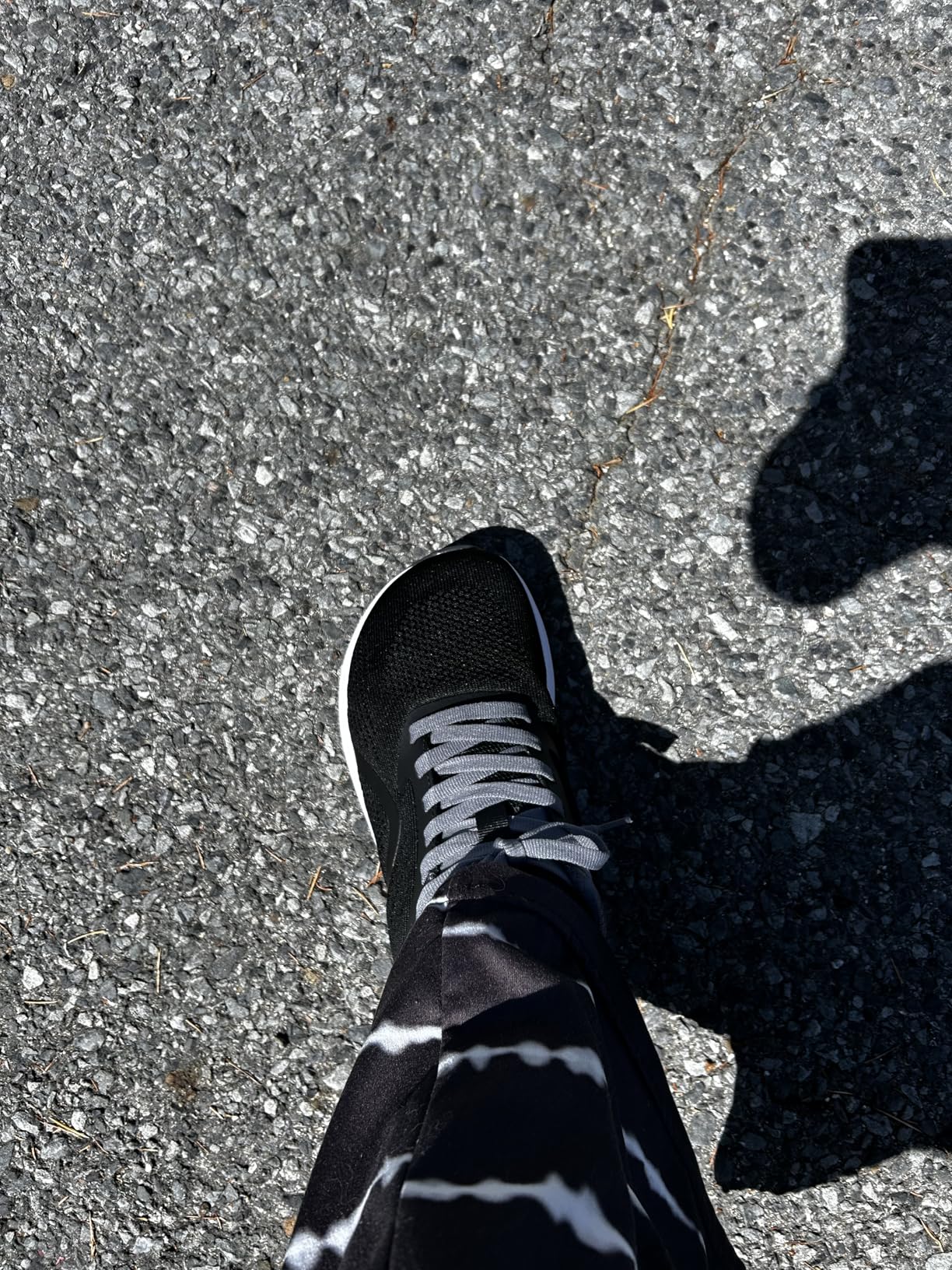
What the Stock Insole Provides
The removable insole is flat and basic. It provides minimal contoured arch support — essentially a cushioned liner rather than a supportive footbed. For my normal arches, this was adequate throughout testing. Arch fatigue never became an issue across 8-hour office days.
Guidance by Arch Type
Normal to mild flat arches: Stock insole works. You may not notice the limitation. No insole upgrade required for most activities.
High arches: Plan for an insole upgrade by week 3–4. I had two high-arch friends test the shoe briefly; both reported arch fatigue by hour 6–7. The Sof Sole Athlete Insoles (~$20) provide a good entry-level upgrade that fits this shoe’s removable insole cavity. The Valsole Orthotic Insoles (~$25) are another option for heavier support needs.
Plantar fasciitis sufferers: The wide toe box eliminates the forefoot compression that often aggravates PF. However, the flat stock insole provides no targeted heel cup support. Custom orthotics from a podiatrist will fit (insole is fully removable), but the baseline shoe isn’t PF-specific. Consult your podiatrist before purchasing.
Insole upgrade economics: Adding a $20 insole brings total shoe cost to $65. At a 7–8 month lifespan, that’s $8.13–9.29/month — still competitive with $120+ shoes in the same space.
Marketing Claims vs. Three-Month Reality
✅ Claims That Hold Up
- “Wide toe box offers comfortable fit and room for movement” — The wide-last design confirms this is structural, not cosmetic. Toes genuinely spread. Bunion pressure point: eliminated.
- “Breathable mesh upper keeps feet cool and comfortable” — Confirmed across 90°F+ summer wear. The mesh ventilation is the standout feature alongside the wide last.
- “Durable rubber outsole with excellent flexibility and traction” — Flexible: yes. Durable for the price tier: yes (6–8 months at moderate use). Excellent traction: only on dry surfaces.
- “Removable insole accommodates custom orthotics” — Confirmed. No adhesive bonding. Orthotic users can swap from day one.
⚠️ Claims That Oversell
- “High-rebound EVA midsole” — EVA provides adequate cushioning but “high-rebound” implies energy return technology (Boost, Fresh Foam, EGO) that this foam doesn’t deliver. It’s practical cushioning that works well for daily wear and fails for serious running. Not a lie — but optimistic naming.
- “Excellent traction” — True on dry surfaces. Not true on wet. The claim needs the qualifier that most buyers will experience wet conditions at some point.
Marketing accuracy score: 4 of 6 main claims hold up under testing. 0 claims are false. 2 are overstated for specific conditions.
Overall Performance Assessment
| Category | Score (/10) | Notes |
|---|---|---|
| Comfort & Fit | 8.5 | Wide last is genuine; 20-hr break-in required; normal arches = all-day capable |
| Breathability | 9.0 | Standout feature; mesh delivers in summer heat |
| Durability & Build | 7.0 | 6–8 months at moderate use; heel outsole is primary failure point |
| Performance | 7.0 | Excellent for daily/office/gym; capped at ~3 miles running |
| Style & Versatility | 8.0 | 15+ colorways; casual-professional aesthetic; not a fashion shoe |
| Value for Money | 9.0 | $5.63–6.43/month at Sarah’s use rate; insole upgrade shifts math slightly |
| Overall Score | 7.9/10 | Excellent wide-last option for daily wear; wet traction is the real limitation |
The Final Verdict: Who Should Buy, Who Shouldn’t
✅ Buy This Shoe If You Are
- A wide-footed woman who’s spent years in the wrong last — The wide-last design solves the problem at the design level, not the sizing hack level.
- An office worker, teacher, or healthcare professional (dry environment) — 8-hour comfort at $45 is genuinely excellent value for these use cases.
- A casual exerciser — Walking, light jogging, gym cross-training: this shoe handles all of it adequately.
- Someone with bunions or general forefoot discomfort — The wide last eliminates the lateral forefoot pressure that causes bunion aggravation in standard-last shoes.
- A budget-conscious buyer in a dry climate — Cost-per-month math works strongly in your favor.
❌ Look Elsewhere If You
- Run more than 3 miles regularly — EVA cushioning walls at mile 3–4. A dedicated running shoe is the honest answer. The Wonesion Walking Running Shoes offer more running-specific cushioning at a similar price if you want to stay budget.
- Work in wet environments — Nursing, food service, wet outdoor work. Wet traction is a genuine safety concern. Look at slip-resistant work shoes instead.
- Have high arches or active plantar fasciitis — Stock insole won’t serve you; budget for an insole upgrade or consider purpose-built arch support options like ASICS Gel-Kayano.
- Have narrow feet — The wide last creates too much lateral play for narrow feet. Consider options like HKR Walking Shoes or Skechers Summits which offer standard-width lasts.
- Want premium foam energy return — At $45, EVA is what you get. Altra, Hoka, and New Balance charge 2–3x more specifically for their foam technology. If you need that, this shoe isn’t a substitute.
For women who want a wider range of wide-toe-box options at similar price points: The Jackshibo Wide Toe Box Shoes and Somiliss Wide Toe Box Women’s Sneakers are worth comparing. For barefoot movement enthusiasts who want the wide-last philosophy with a more minimalist stack, Joomra Women’s Trail Running Barefoot Shoes offer a zero-drop alternative.
Frequently Asked Questions
A: True to size for length. The wide last handles width without you needing to size up. Exception: if you’re between sizes (e.g., usually a 7.5 in half sizes), round up to the nearest full size. No half sizes are available, so you’re working with 5.5, 6.5, 7, 8, etc. Narrow feet should be cautious — the wide last may create heel slip even at TTS.
A: Yes. The insole is fully removable with no adhesive. Depth is adequate for most aftermarket insoles. Budget $15–50 for this addition; total shoe cost shifts to $60–95 depending on the insole tier. The Sof Sole Athlete Insoles are a cost-effective entry point for general support improvement.
A: At moderate use (office + walks + occasional gym, 5–6 active hours per week): 6–8 months before outsole wear becomes a concern. Light occasional use: 12+ months. Heavy daily use (gym + running + work daily): 4–5 months. The heel outsole is the failure point, not the upper.
A: For 2–3 mile casual jogs, adequate. For regular runs beyond 3 miles, the midsole hits a cushioning wall. I tested to 5 miles in week 8 and found the last 1.5 miles noticeably harder underfoot. If running is your primary use, invest in a dedicated running shoe.
A: The Amazon product listing says yes. BRONAX’s general brand guidance recommends hand washing with mild soap and a damp cloth. The EVA material is heat-sensitive — avoid dryer entirely. Our recommendation: cold, gentle cycle if machine washing; air-dry flat. Hand washing is safer for lifespan preservation.
A: The wide last is specifically helpful for bunion sufferers because it eliminates the lateral forefoot compression that standard-last shoes create. The wide forefoot means the bunion isn’t being pressed against a shoe wall during normal walking. Multiple reviewers with bunions report significant comfort improvement. This is one of the strongest use cases for this shoe.
A: Not suitable. Wet pavement requires conscious attention to avoid slipping; wet tile produced an actual light slip in testing. These are not appropriate for wet work environments (nursing, food service), rainy-climate commuting, or any activity requiring wet-surface grip. Plan for a second shoe if wet conditions are part of your routine.
A: Yes — 15+ colorways available across the S73 model line and original model. Options include grey, beige, blue, green, hot pink, grey/purple gradient, wine, and more. The all-black colorway tested here is the most versatile for office environments, but the color range makes these viable as a casual sneaker in non-work contexts.
A: Altra’s wide-toe-box shoes (like the Lone Peak series) are purpose-built for running with advanced foam technology, zero drop, and specific performance features. They cost 2–3x more and are designed for athletes. BRONAX is designed for daily-wear comfort. If you need running performance, Altra is worth the investment. If you need office-to-gym versatility with a wide-last design at budget pricing, BRONAX is the right choice.
A: Two independent reviewers measured women’s size 7 at 9.8 oz and approximately 10.5 oz — a meaningful discrepancy that BRONAX doesn’t address with an official weight spec. Both figures fall in the lightweight-to-moderate range for this shoe category. In practical terms, neither measurement produced weight fatigue through 150+ hours of testing. Use the figures as a range rather than a precise specification.
Be the first to review “BRONAX Women’s Wide Toe Box Road Running Shoes”
Related products
Hiking/Trekking Shoes
Running Shoes
Running Shoes
Running Shoes
Running Shoes
Running Shoes
Running Shoes
Reviews
There are no reviews yet.