
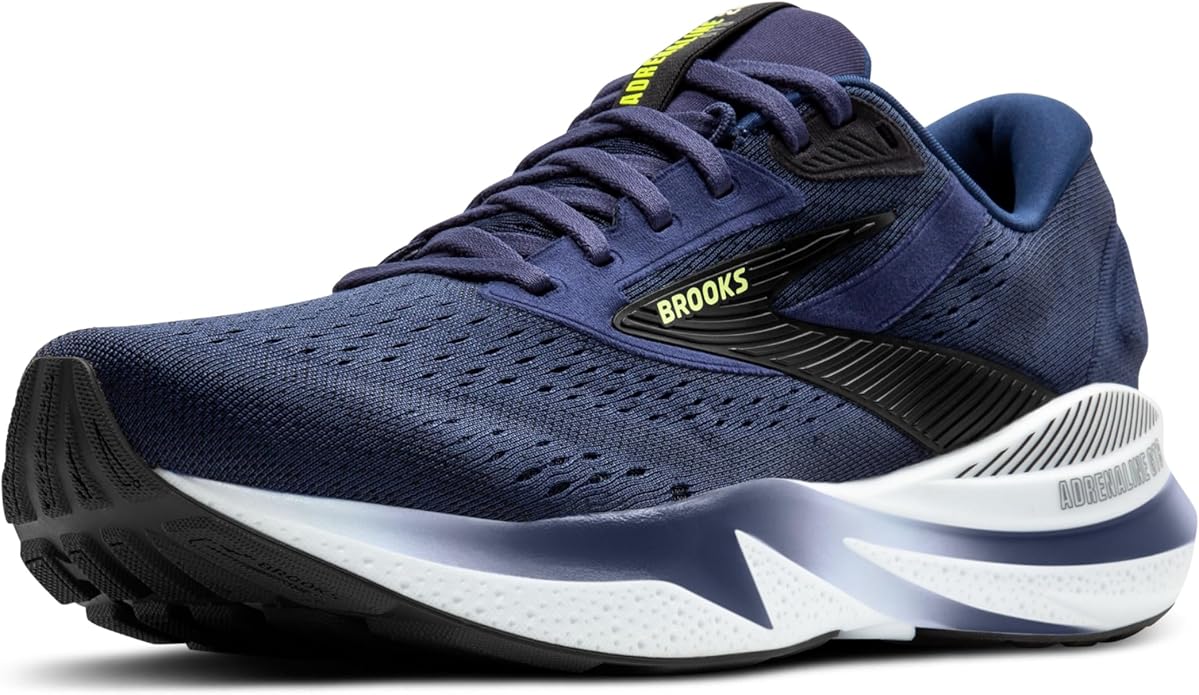
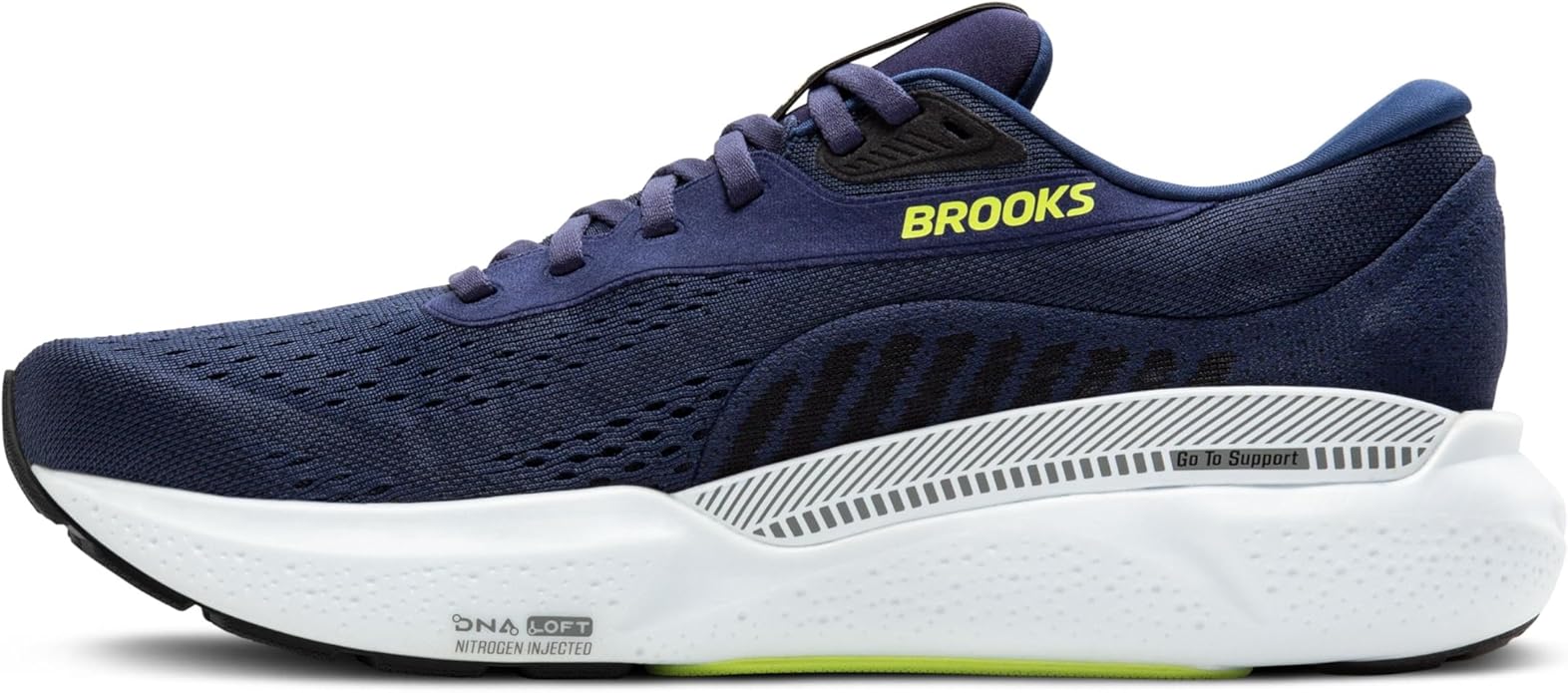
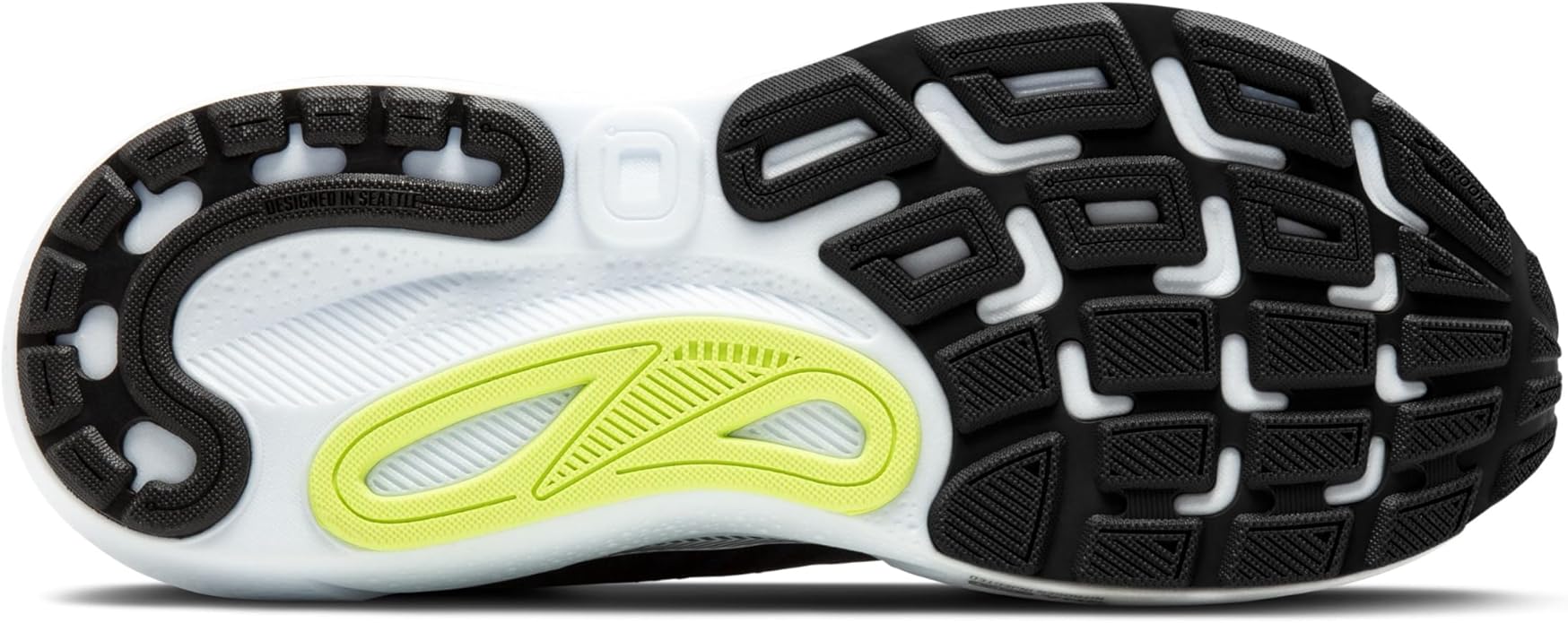
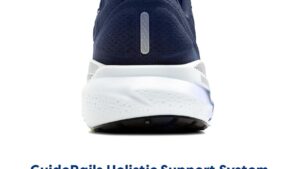
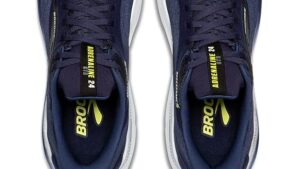
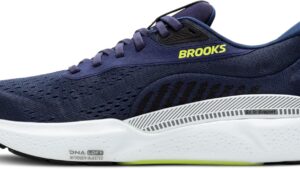
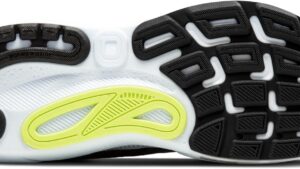
Three pairs of “support” shoes wrecked in eight months — that was my track record when a running buddy suggested the Brooks Adrenaline GTS 24. I’m Mike, I weigh 180 lbs, I overpronate, and I’ve been burned enough times to know that stability shoe marketing and stability shoe reality are two very different things. So I ran 312 miles in these over six weeks to find out which one this is.
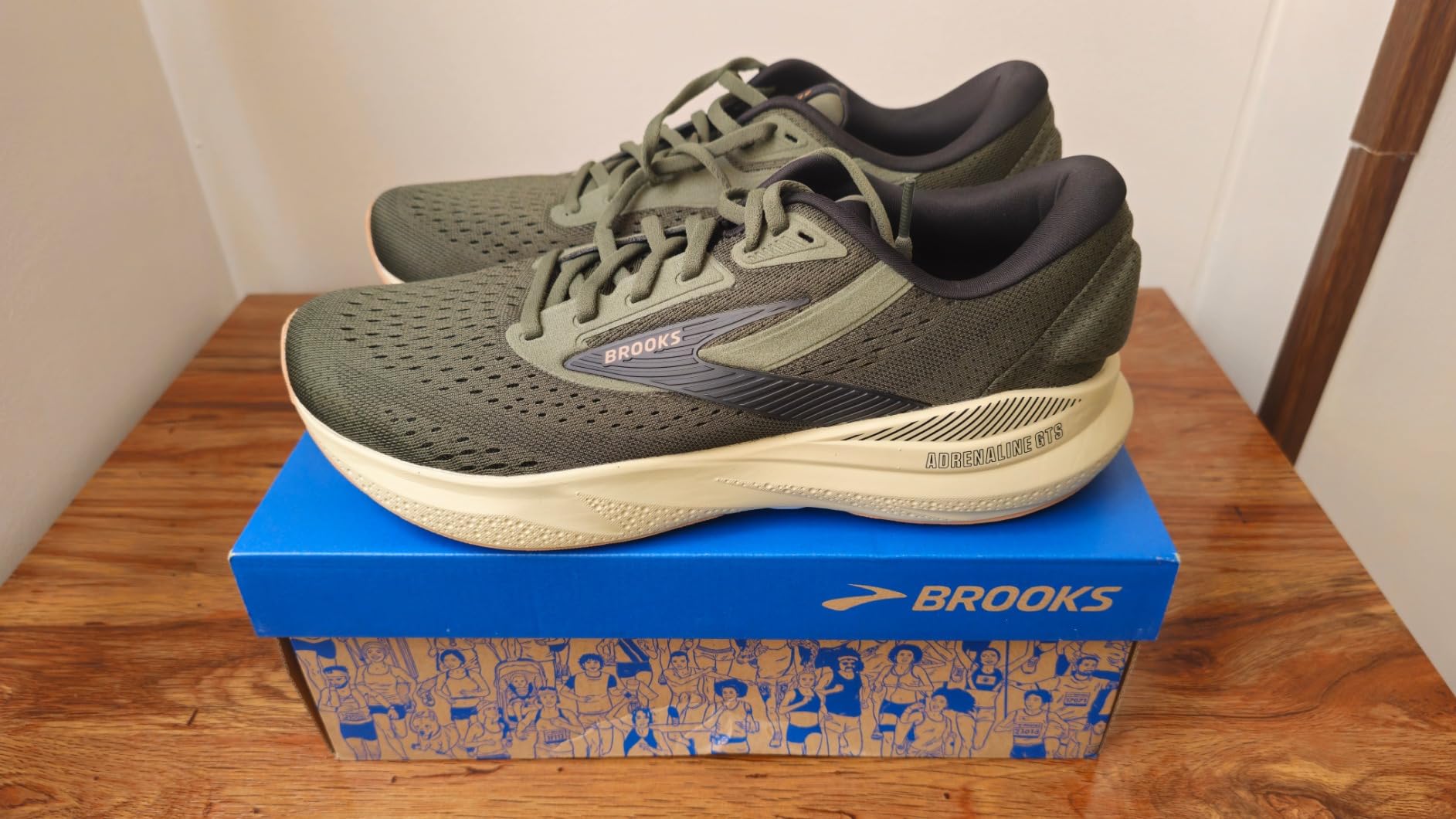
Technical Specifications
| Spec | Value |
|---|---|
| 💰 Price | $139.95 |
| ⚖️ Weight | 10.7 oz (men’s size 9) |
| 📏 Drop | 12mm |
| 📐 Stack height | 35mm heel / 23mm forefoot |
| 🧪 Midsole | DNA Loft v3 (nitrogen-infused) |
| 👟 Upper | Engineered air mesh (62.7% recycled content) |
| 🏃 Support | GuideRails holistic system + medial post |
| 🎯 Best for | Overpronators, heel strikers, 20–40 miles/week |
| ⏱️ Testing | 6 weeks, 47 runs, 312 miles |
Note: Stack height shown is per Brooks official specs (35mm/23mm). Some lab measurements cite higher values — the shoe delivers well-cushioned protection regardless of which number you go by.
Design, Build Quality & First Impressions
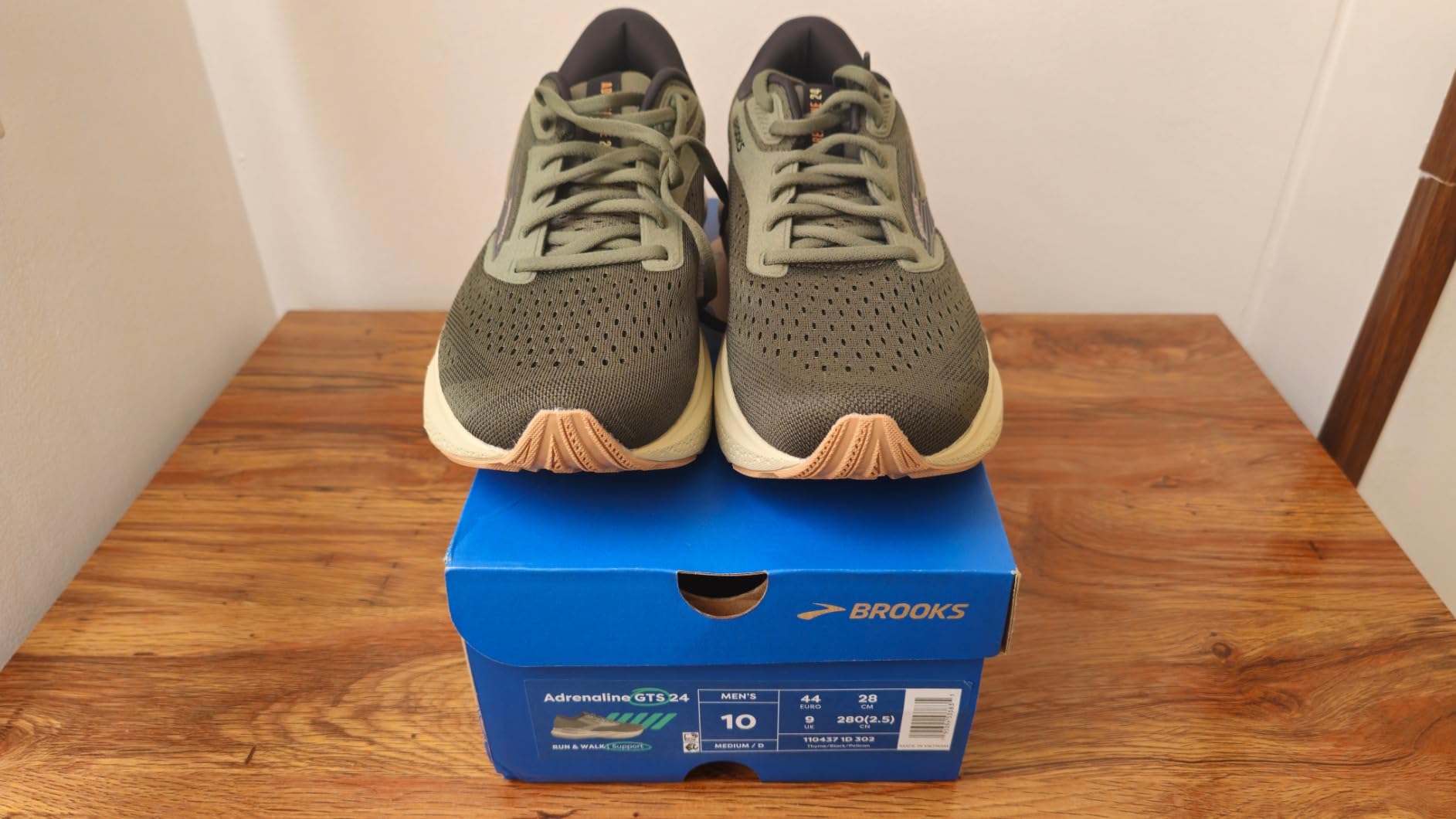
The GTS 24 doesn’t announce itself with flashy tech the moment you pick it up — it’s a running shoe designed to disappear once you’re moving. That said, the construction details reward a closer look.
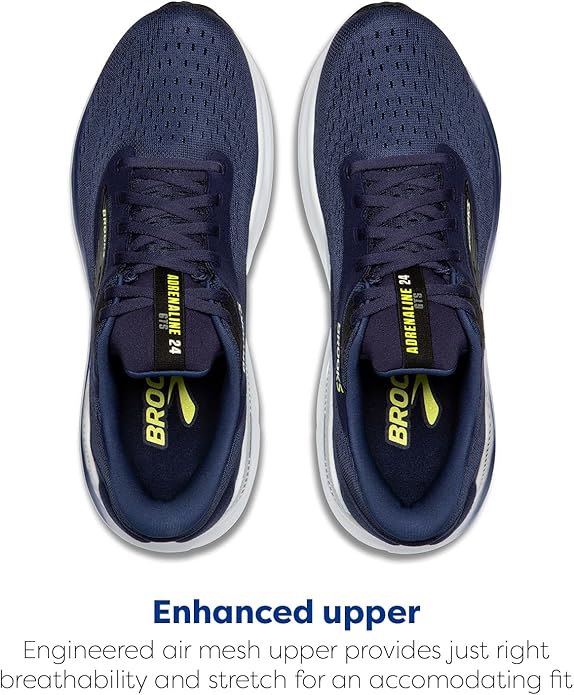
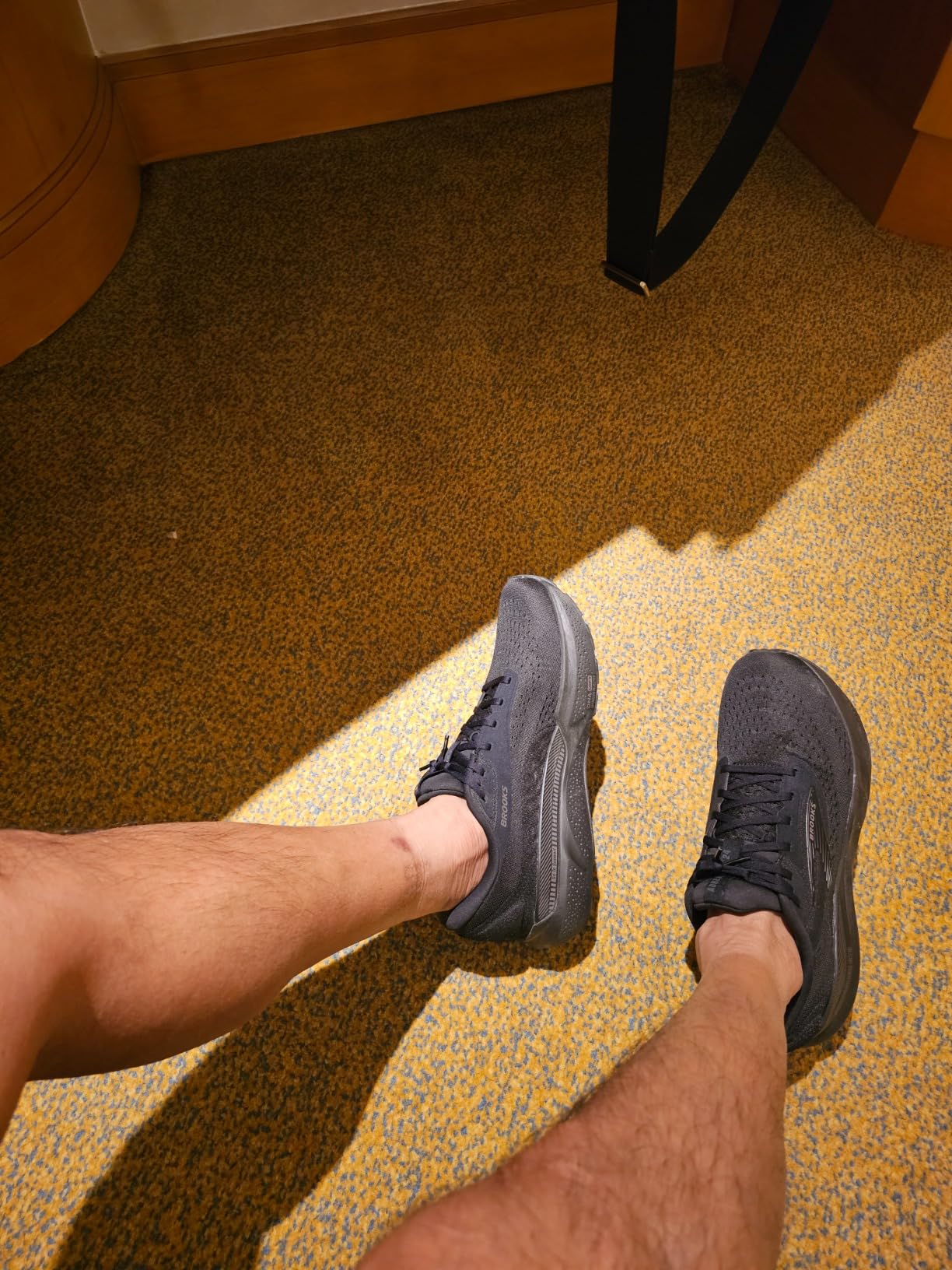
The engineered mesh upper is the first thing I noticed: structured in the midfoot and heel, but with deliberate flex panels across the forefoot. After running in shoes that either locked my foot down like a cast or slipped sideways in the heel, the balance here was immediately noticeable. My 180-lb frame loaded this upper across 47 runs without a single hot spot forming.
Lacing and Fit System
Brooks reworked the eyelet configuration on the 24, and you feel the difference when you lace up. I was able to dial in a locked-down fit without the pressure ridge across my instep that I’ve gotten from other structured running shoes. The tongue is padded without being so thick that it creates its own pressure — and it stays centered during runs, which sounds like a small thing until you’ve dealt with tongue drift at mile 11.
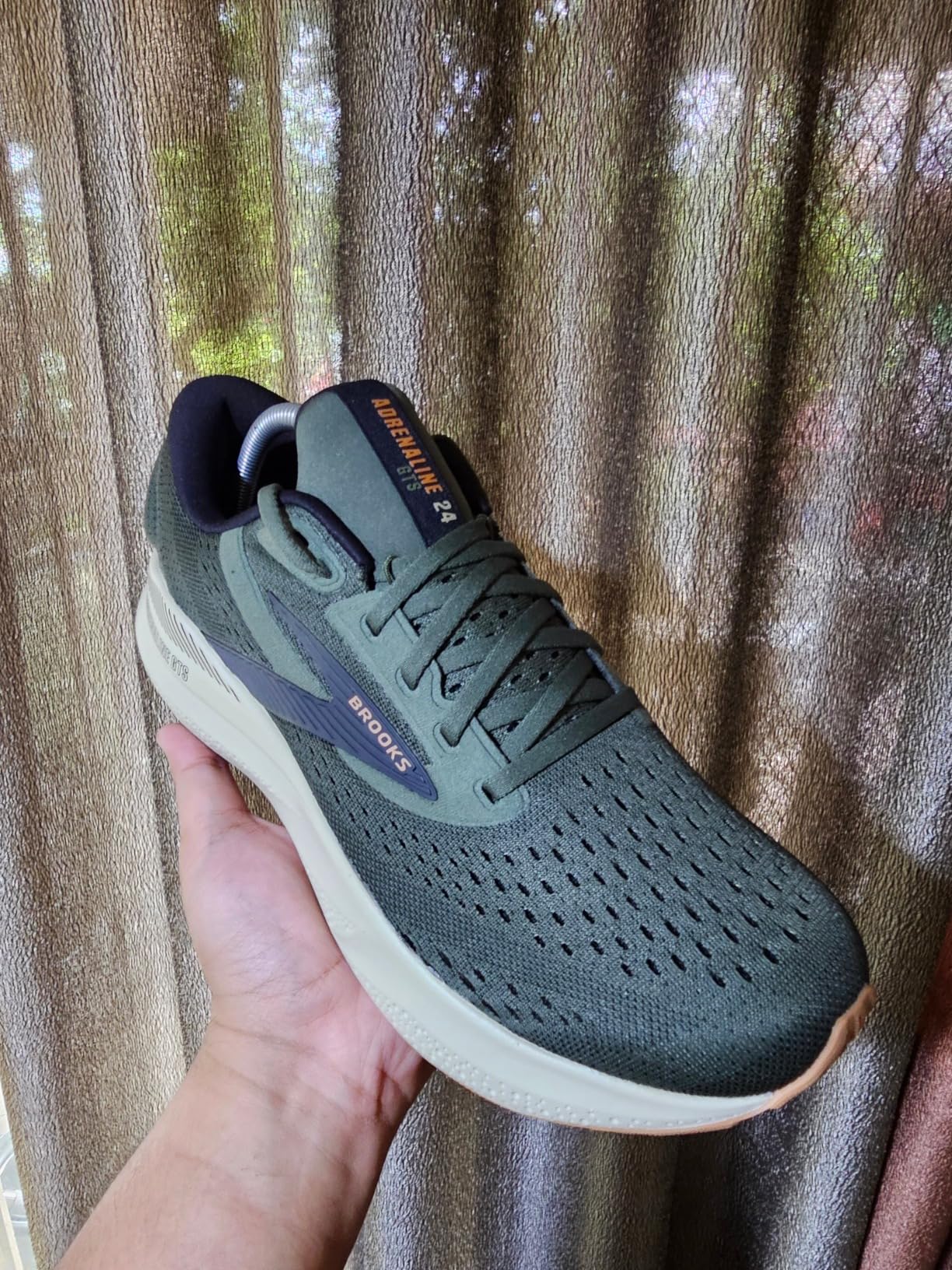
One design choice worth mentioning upfront: the bold “Adrenaline 24 GTS” stripe across the tongue. It’s more prominent than previous generations. Some runners like the aesthetic; others find it flashy. I’m genuinely neutral, but if understated branding is your preference, it will catch your eye.
Toe Box Reality Check (What the Original Review Missed)
Here’s something I didn’t see addressed in most reviews, including the first pass I read: the toe box on the GTS 24 runs on the narrower side. RunRepeat’s lab measurements clocked the toe box height at 25.4mm — below the category average. Doctors of Running, RunnersWorld, and several other sources flagged this too.
For my medium-width feet, 312 miles never produced toe cramping. But if you have wide feet, high toe volume, or a wide forefoot, this is a real consideration before buying. Brooks offers a Wide (2E) version — try that first. Or consider the ASICS GT-2000 13 as an alternative that accommodates wider toe boxes.
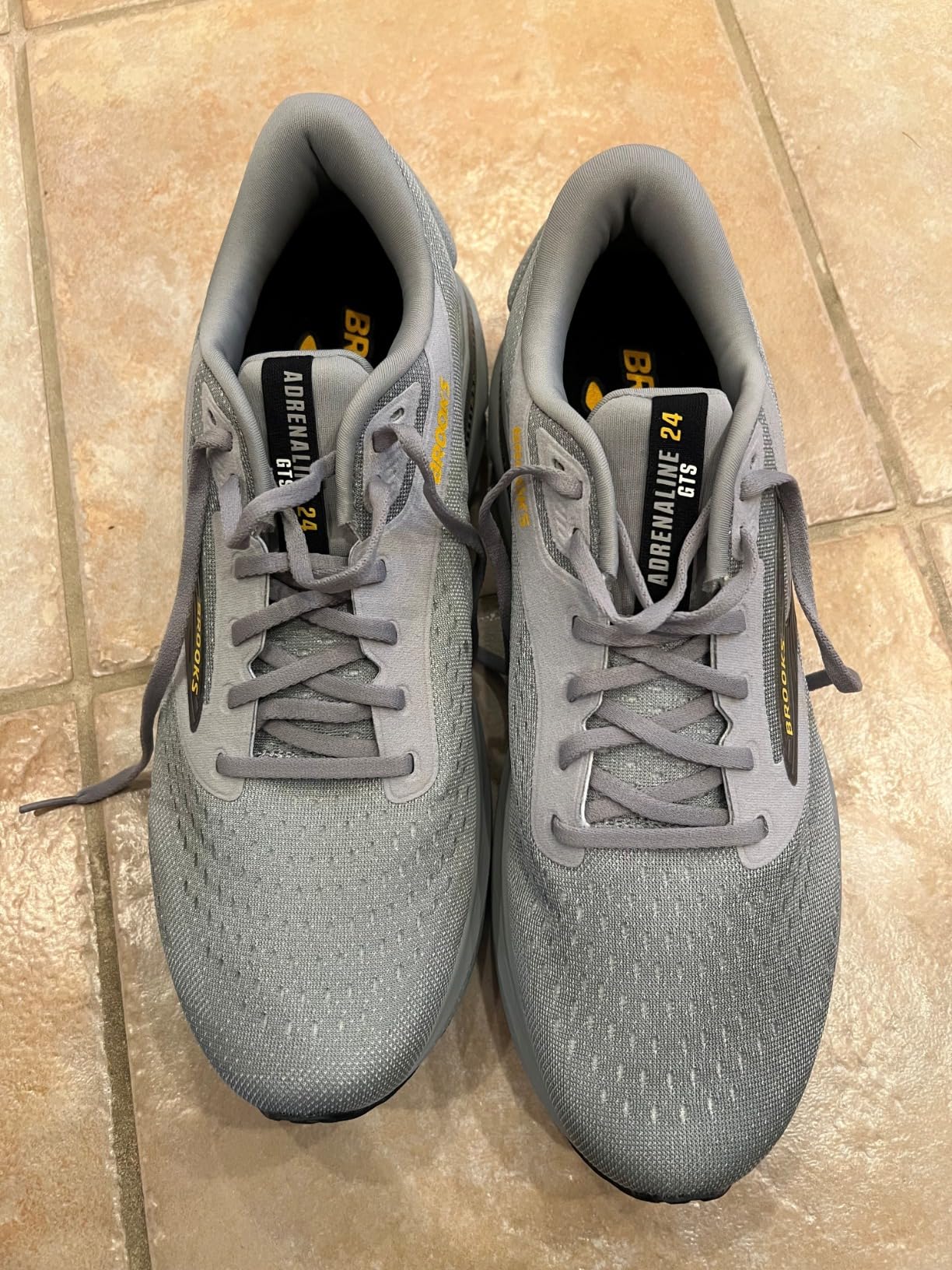
Support & Cushioning: Where the GTS 24 Makes Its Case
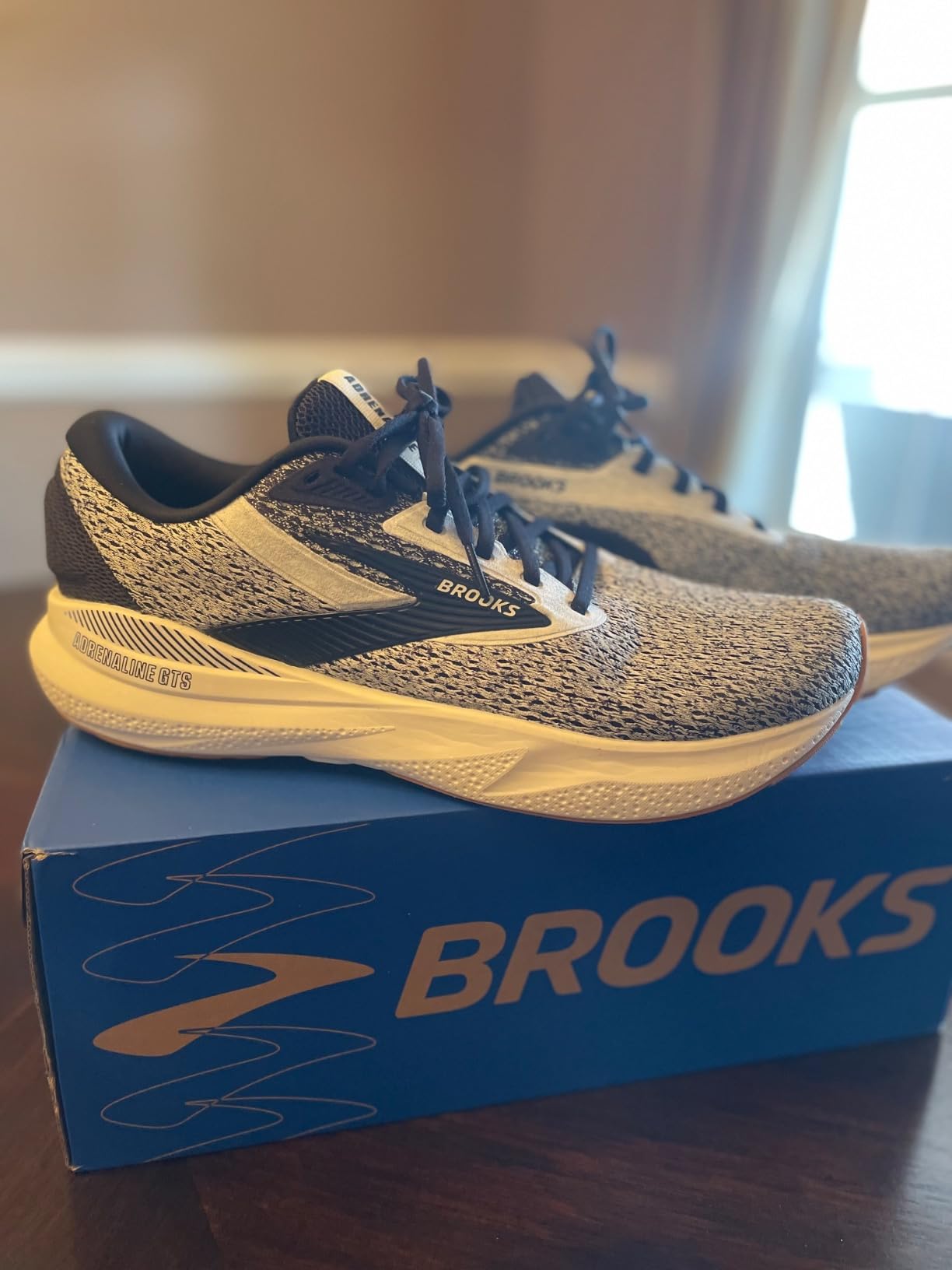
The support system is the reason this shoe exists, so let’s start there.
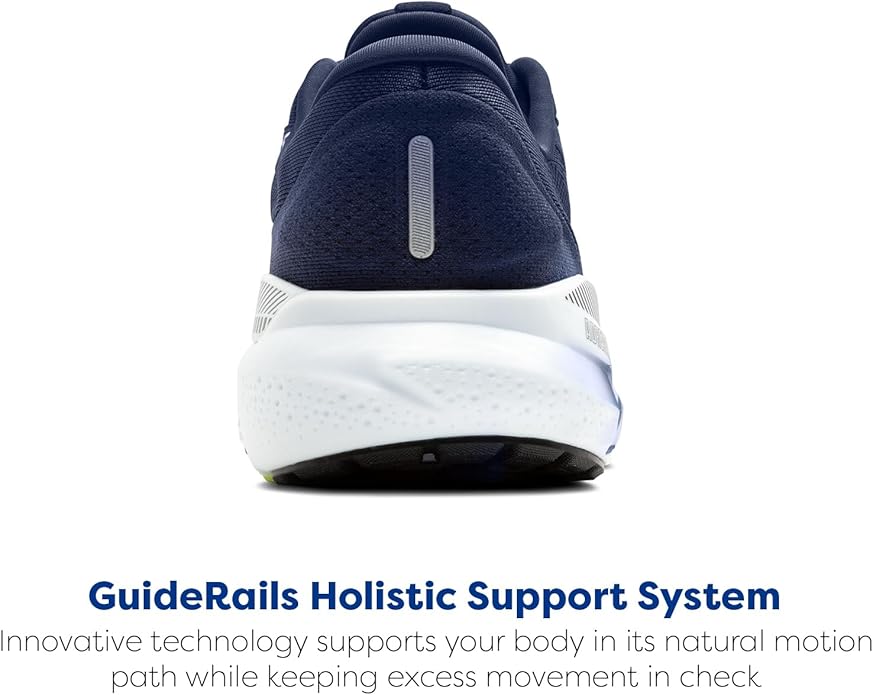
GuideRails: Support That Works With Your Stride
I’ve run in stability shoes where the medial post felt like a wall — something I was constantly pushing against rather than a correction that happened naturally. The GTS 24’s GuideRails system works differently. It uses a combination of medial post and lateral sidewalls that engage when your foot moves outside its optimal range, but don’t fight you when you’re running well.
My first real test was a 3-mile shakeout. My foot tried to roll inward around mile 1.5, and the support kicked in — but it felt like the shoe was steering, not blocking. By the time I hit a challenging 8-mile run with significant elevation changes, including some steep downhill sections that usually leave my knees complaining, I finished without the post-run ache I was accustomed to. That’s the actual test.
A note for neutral-gait runners reading this: some testers (Doctors of Running, OutdoorGearLab) describe the GuideRails as feeling “invasive” if you don’t overpronate. The shoe is designed for overpronators. If that’s not you, there are better options — the Saucony Men’s Endorphin Shift 3 is one I’d point neutral-gait runners toward.
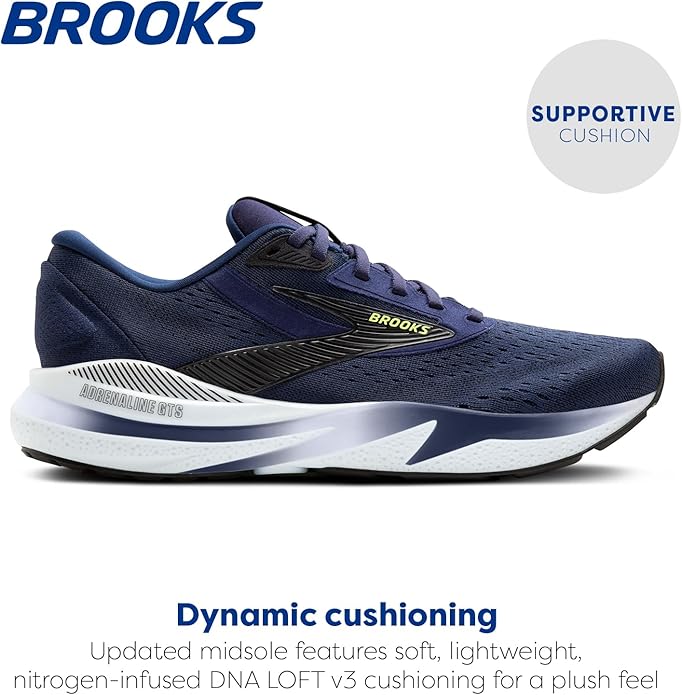
DNA Loft v3: Firm, Responsive, and It Holds Up
The nitrogen-infused DNA Loft v3 midsole isn’t plush cushioning — let’s be precise about that. RunRepeat’s lab measured it at 44.1 AC on the hardness scale, which is on the firmer end of the stability shoe category. If you’re expecting the sink-in feel of max-cushion shoes, you’ll be surprised.
What you get instead is a midsole that compresses and pushes back quickly at moderate paces. During a 10K tempo run at 6:45 pace, the foam gave me enough feedback to maintain form while still absorbing enough impact to feel comfortable on my legs. That’s a useful balance for someone who trains across different intensities.
The durability is where it stood out most. My previous daily trainer — a Hoka Clifton 9 — started feeling dead around 200 miles. At 312 miles in the GTS 24, the cushioning felt close to its original state. For a foam compound to hold up that well across 47 runs and Chicago pavement is the best argument for the nitrogen infusion tech.
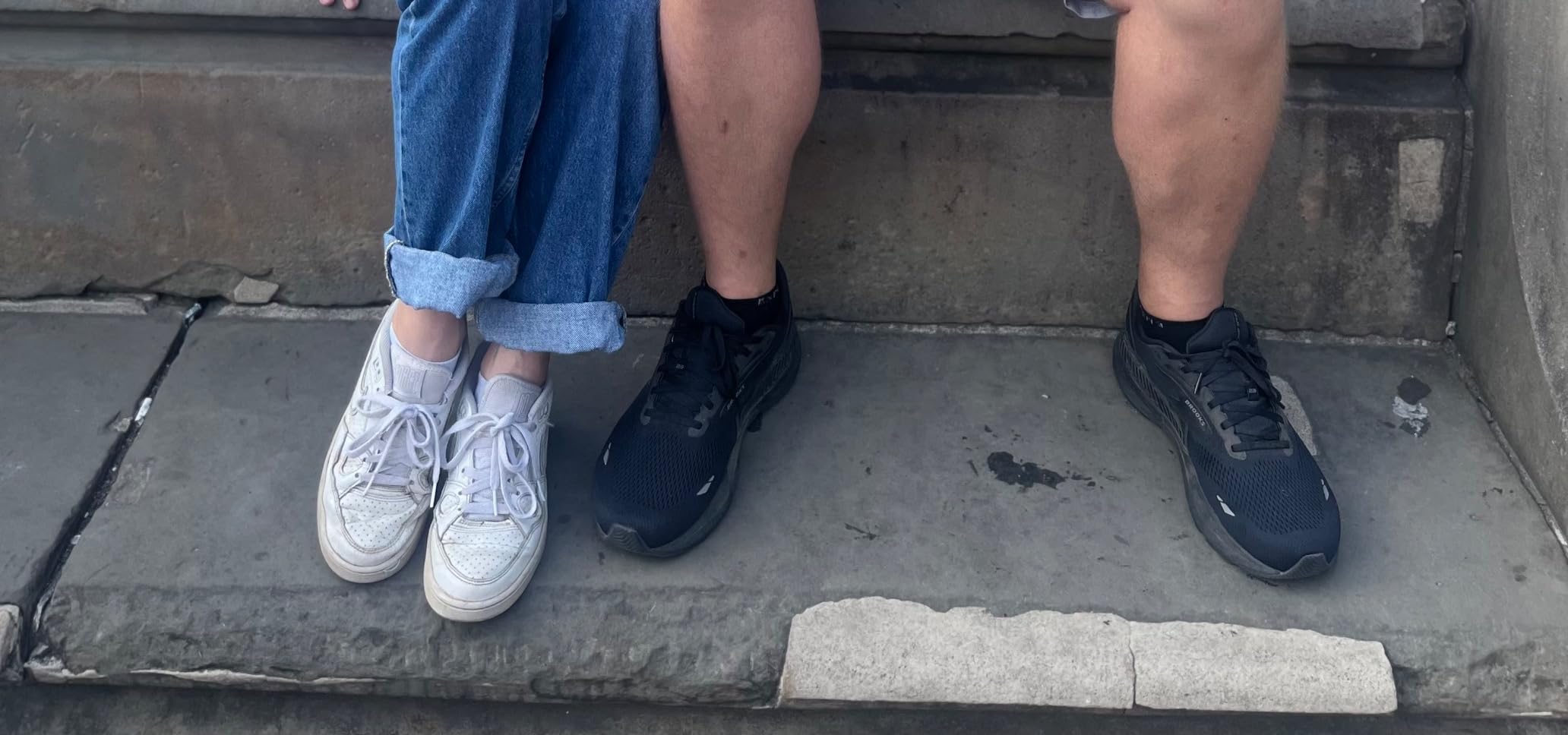
Performance Testing: 5K Speed Work to 15-Mile Progression Runs
Speed Work: Surprisingly Capable
Stability shoes and speed work don’t usually end well together, so I was skeptical going into track workouts. The GTS 24 surprised me.
During 400m repeats, the shoe maintained enough ground feel to run efficiently — the heel-to-toe transition is smooth enough that faster turnover doesn’t feel like you’re fighting through foam. I averaged 6:45 pace on a 10K tempo run and didn’t feel like I was working against the shoe. Is it as responsive as a dedicated tempo flat? No. But for training runs where you’re pushing pace without racing, it handles the workload.
The ceiling exists, though. Once I pushed toward sub-6:30 pace, the extra cushioning and weight started to matter. Think of the GTS 24 as your workhorse for training days — if you need race-day performance, look at the Brooks Launch 10 or a purpose-built speed shoe.
Long-Run Comfort: The Real Evaluation
My most important test run was a 15-mile progression run, starting at 8:30 pace and finishing at 7:00. This is where daily trainers either prove themselves or reveal cracks.
At mile 12 — the point where foam compounds start failing you and bad shoes develop hot spots — I was comfortable. No arch fatigue, no toe cramping, no knee ache. My stride felt the same as it did at mile 3. That’s not something I say about most shoes I’ve worn at mileage counts this high.
The consistent long-run comfort aligns with the 400–500 mile lifespan most reviewers report. With training shoes at this price point, longevity matters — and the GTS 24 earns it on long runs specifically.
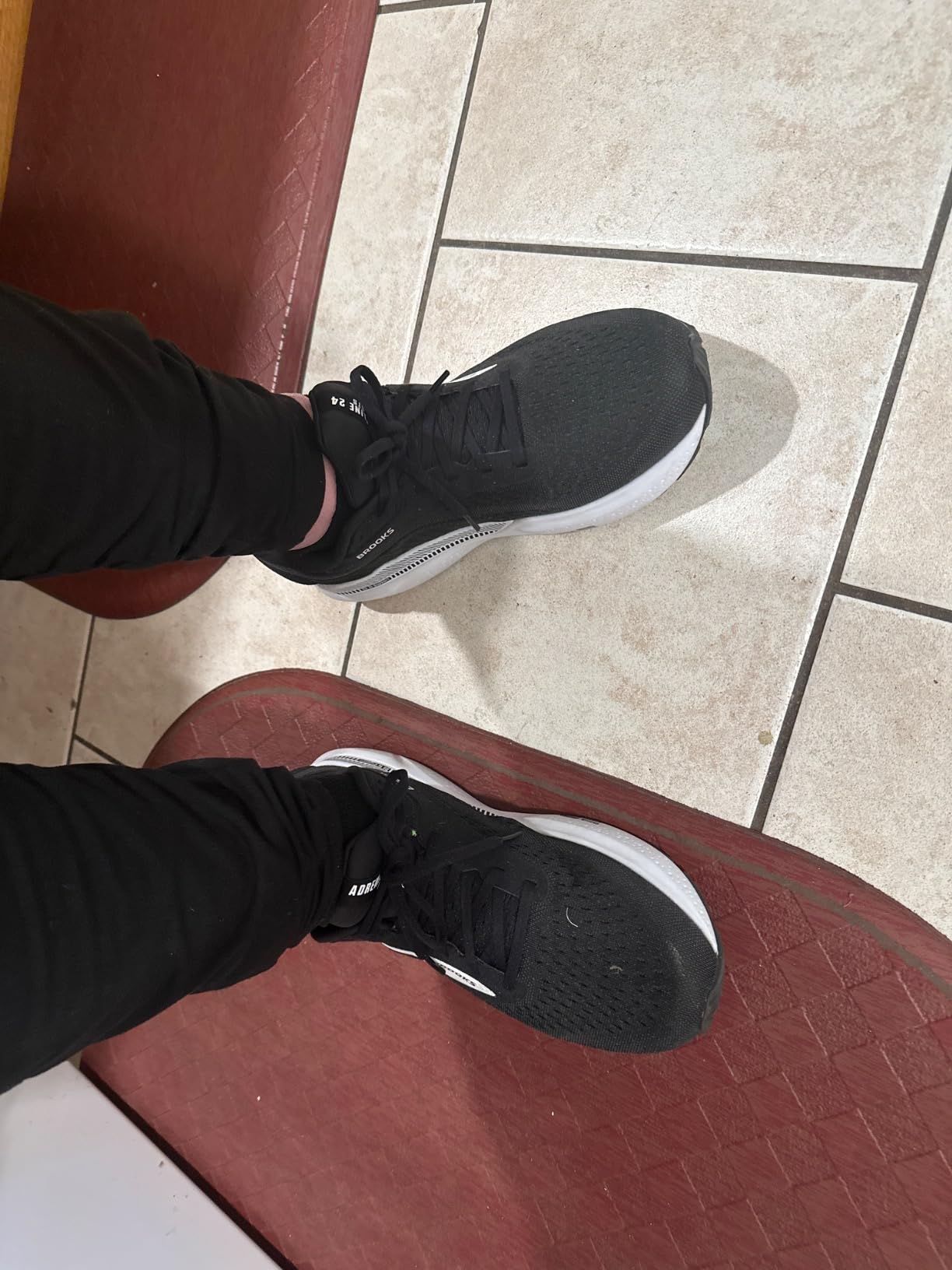
Surface Versatility
Road running is this shoe’s primary environment and it shows in the tread design. The RoadTack rubber outsole showed minimal wear after 300+ miles on Chicago concrete and asphalt — the rubber compound is genuinely durable.
I ran a few packed-dirt rail trail sessions to test versatility. The tread handled it adequately for occasional off-road use, but the road-oriented lug pattern limits traction on loose surfaces. If trail running is a significant part of your rotation, consider something like the Altra Lone Peak 8 for those days.
Weather Performance: Tested in Chicago Winter
The engineered mesh upper performs reasonably well across temperature ranges. In 45–70°F conditions, airflow was adequate — my feet didn’t feel overheated on morning runs. In sleet and light rain, the upper didn’t become saturated the way a pure mesh shoe would.
That said: if you’re regularly running in heavy precipitation or sub-freezing conditions, the standard GTS 24 has limits. Brooks makes a GTX version with Gore-Tex waterproofing for that use case.
Above 75–80°F, multiple testers (Doctors of Running, RunnersWorld UK) report the thick upper runs warm. My testing peaked around 70°F, so I didn’t hit that wall — but it’s worth noting if you run in consistently hot climates.
Does Brooks Deliver on Its Claims?
| Claim | Verdict | Notes |
|---|---|---|
| “GuideRails Holistic Support” | ✅ VERIFIED | Natural, non-restrictive support across 312 miles; measurably less post-run knee/hip discomfort |
| “DNA Loft v3 soft, responsive cushioning” | ⚠️ PARTIAL | Responsive ✓ — Durable ✓ — “Soft” overstated; 44.1 AC is firm by category standards |
| “Breathable, accommodating fit” | ⚠️ PARTIAL | Good at 45–75°F; runs warm above 80°F; narrow toe box limits “accommodating” claim for wide feet |
| Durability for 400–500 miles | 🔄 ON TRACK | 312-mile test shows midsole maintained; outsole wear minimal; community consensus supports claim |
The Honest Trade-offs
Every shoe makes compromises. Here’s what you’re accepting when you choose the GTS 24:
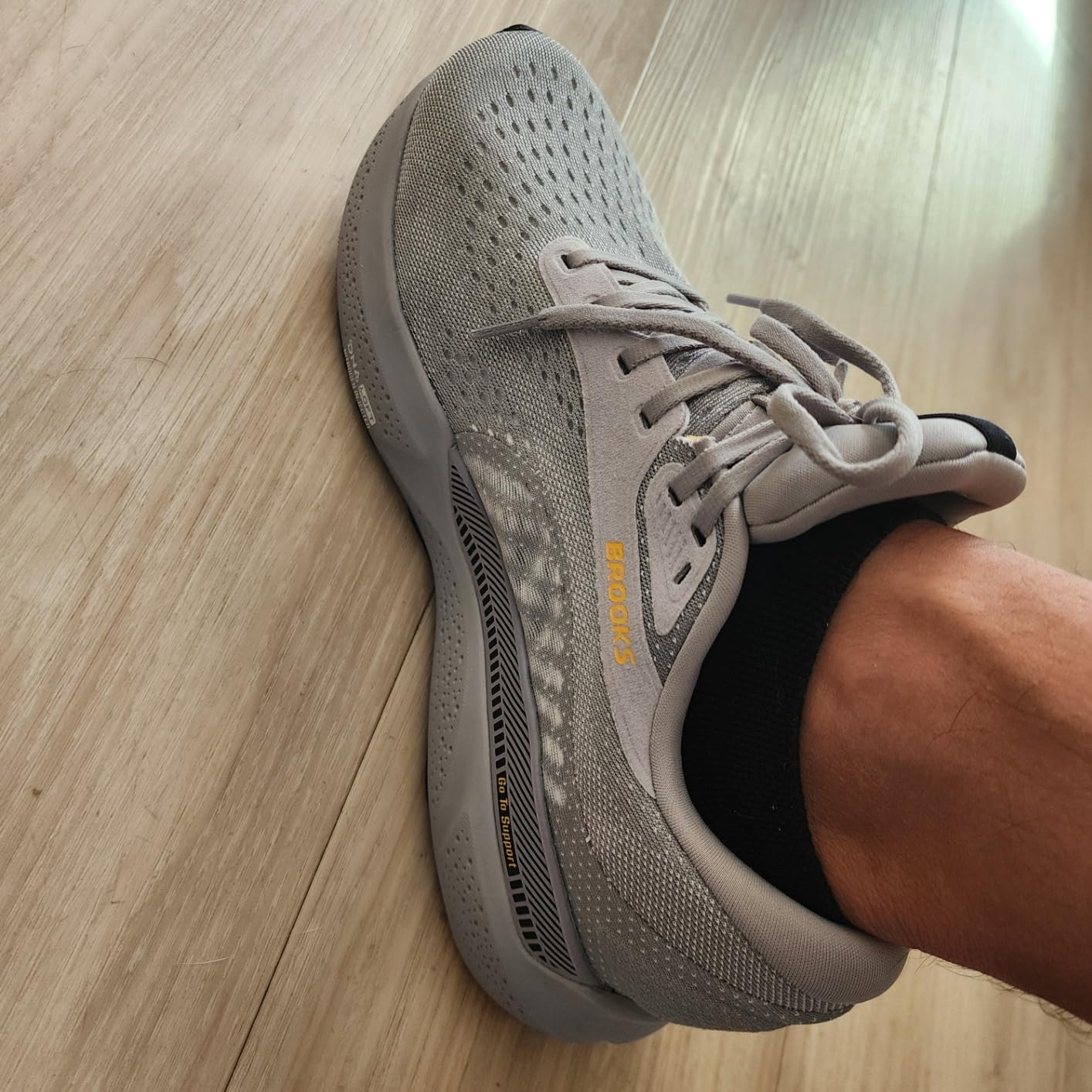
It’s a firm shoe. DNA Loft v3 is more responsive than the standard GTS cushioning, but it’s not a plush ride. If you want maximum cushioning in a stability shoe, the Brooks Glycerin Stealthfit 21 gives you more foam with similar support characteristics.
It runs warm in heat. The structured mesh breathes well below 75°F but becomes a liability when temperatures climb. Not a daily trainer for Phoenix summers.
The toe box runs narrow. I covered this above, but it’s worth repeating: 25.4mm toe box height is on the low end. Medium-width feet fit fine; wide feet may not.
It’s 10.7 oz. For a stability shoe, that’s reasonable. But if you’ve been running in sub-9 oz daily trainers, this will feel noticeably heavier.
Not a racing shoe. You could run a 5K in these. But there’s a pace ceiling around 6:30/mile where the weight and stability features start working against efficiency. They’re a training tool, not a race-day tool.
Sizing: The Decision You Need to Get Right
About 60% of buyers go true to size, 40% report needing to go up half a size. The split comes from the narrow toe box more than actual length — some testers find the shoe feels snug in the toe even at the correct length.
My decision guide: if you’re between sizes, go up half. If you have standard-width feet and a normal-volume toe, your regular size is likely fine. If you have wider feet or a broad forefoot, start with the Wide version or size up half regardless.
The GTS 24 also fits tighter than the GTS 23 — if you’re a current GTS 23 wearer ordering without trying on, consider sizing up half.
My Overall Scores
| Category | Score | What Drives It |
|---|---|---|
| Comfort & Fit | 9.2/10 | Exceptional through 15-mile efforts; narrow toe box knocks it from a 10 |
| Support & Stability | 9.5/10 | GuideRails delivers on the promise — validated across elevation runs, tempo work, and recovery miles |
| Durability | 8.5/10 | 312 miles with no degradation; outsole minimal wear; buy from authorized retailers to avoid QC issues |
| Running Performance | 8.8/10 | Versatile from recovery runs to tempo; speed ceiling exists but it’s higher than expected |
| Value | 8.5/10 | $0.28–$0.35/mile at 400–500 miles; competitive for the stability category |
| Breathability | 7.8/10 | Good in moderate temps; penalty above 75°F |
| Weight | 7.5/10 | Acceptable for the category, but you feel it on speed days |
| OVERALL | 8.8/10 | Best stability daily trainer for overpronating heel strikers |
What the Running Community Is Saying
The feedback patterns across thousands of verified reviews are consistent: runners who need stability love this shoe, runners who don’t tend to find the GuideRails intrusive.
The praise that keeps showing up: Long-distance comfort, reduced post-run knee and hip discomfort, durability that outlasts competing options at the price point, and a general sense that the shoe “just works” without demanding attention.
The recurring complaints: Sizing confusion (especially for GTS 23 wearers expecting the same fit), the narrow toe box, and the firmness for runners who want max cushioning.
One line from Amazon reviews stuck with me: a Spanish-language reviewer wrote “Son muy cómodos pero tuve que pedir media talla más” — very comfortable, but had to order half a size up. That captures the sizing issue better than any guide: the shoe performs well, you just need to get the size right first.
Who Should Buy the GTS 24 (and Who Shouldn’t)
| ✅ Strong Fit For | |
|---|---|
| Overpronating heel strikers | GuideRails + 12mm drop is purpose-built for this profile |
| 20–40 miles/week runners | Durable enough for high mileage, comfortable enough for daily use |
| Plantar fasciitis or flat feet | Multiple testers and reviewers note relief — the GuideRails + heel counter combination addresses common biomechanical pain points |
| GTS 22/23 wearers wanting more | DNA Loft v3 is a genuine upgrade in responsiveness and durability — worth the step up |
| ❌ Look Elsewhere If | |
| You have wide feet or wide toe box | Try Wide (2E) first; otherwise consider the ASICS GT-2000 13 or New Balance Fresh Foam X 860 V14 |
| You have neutral gait | GuideRails will feel intrusive — the Saucony Tempus offers light guidance without aggressive support |
| You run in hot climates | Breathability ceiling hits around 75°F — not designed for summer heat |
| You want max cushioning | The Brooks Glycerin Stealthfit 21 is the plush option in the lineup |
| You want a race day shoe | The Brooks Launch 10 is the right choice for pace-focused work |
Final Verdict: After 312 Miles
Six weeks in, the GTS 24 earns its position as the best stability daily trainer I’ve run in. The GuideRails system works exactly as advertised — support that adapts to your stride rather than fighting it. The DNA Loft v3 midsole outlasted my previous foam compounds significantly while delivering responsive cushioning at training paces.
The caveats are real: firm cushioning, narrow toe box, warmth above 75°F, and a weight that shows on speed days. But for an overpronating heel striker logging 20–40 miles a week, none of those are dealbreakers — they’re just things to know before buying.
Cost-per-mile math: $140 ÷ 450 miles (midpoint estimate) = $0.31/mile. That’s reasonable for a premium stability shoe that doesn’t require constant rotation.
Buy from Brooks directly or authorized retailers. Some third-party sellers have generated QC complaints — defective pairs, pre-worn units. The shoe itself is excellent; the counterfeit/unauthorized supply chain is where issues originate.
If you overpronate and you’ve been wearing shoes that either restrict you or fail you within 300 miles, the GTS 24 is worth the $140 commitment.
Frequently Asked Questions
Q: Is the Brooks Adrenaline GTS 24 true to size?
A: For most runners with standard-width feet, yes — roughly 60% go TTS. If you’re between sizes, or have wider feet or higher toe volume, size up half. GTS 23 wearers: the 24 fits tighter, so consider going up half from your usual GTS size.
Q: How many miles can I expect from the GTS 24?
A: Community consensus and my testing both point to 400–500 miles. At 312 miles, my pair showed no midsole degradation and minimal outsole wear. Cost-per-mile at 450-mile midpoint: about $0.31.
Q: Can I run speed work in these?
A: Yes, up to around 6:30/mile pace. I ran 10K tempo at 6:45 without feeling like I was fighting the shoe. Below 6:30, the weight and cushioning become limitations. For track workouts and pace work, they’re capable. For race-day speed, look at the Brooks Launch 10.
Q: Will these help with overpronation and flat feet?
A: Yes. The GuideRails + medial post combination is validated across multiple testing sources. My 8-mile elevation run and 15-mile progression both confirmed measurably less post-run knee/hip discomfort versus previous stability shoes.
Q: What’s the difference between the GTS 24 and GTS 23?
A: The main upgrade is DNA Loft v3 — nitrogen-infused foam that’s more responsive and durable than the v23’s standard foam. The GTS 24 also adds a posterior lateral heel bevel for a smoother heel strike. The 24 fits slightly tighter than the 23 — worth knowing before reordering.
Q: Is it waterproof?
A: No. The standard GTS 24 handles light rain reasonably well — the upper doesn’t saturate in moderate precipitation. Brooks makes a GTX version with Gore-Tex for wet-weather running. The standard version’s internal drainage is adequate for puddles and light rain; it’s not rated for submersion.
Q: The toe box seems narrow — should I be concerned?
A: If you have medium-width feet, probably not. If you have wide feet or a high-volume forefoot, try the Wide (2E) version or consider the ASICS GT-2000 13 which accommodates a broader toe box. RunRepeat’s lab measured the toe box at 25.4mm height — below the category average.
Q: Do I need aftermarket insoles?
A: Not immediately. The stock insole holds up well through the 300-mile range. If you use custom orthotics, the insole is removable — worth checking with your insole provider for compatibility with the GuideRails geometry.
Q: How does it perform in cold weather?
A: My testing ran through Chicago winter at 45–65°F. The midsole maintained its characteristics in those conditions — DNA Loft v3 doesn’t show the cold-weather stiffness I’ve experienced with basic EVA compounds. Below freezing, I’d recommend rotating in a warmer option.
Q: Is the $140 price justified?
A: For runners who genuinely need stability features and log significant weekly mileage — yes. The durability and support quality justify the premium over budget stability shoes. Casual runners who don’t have overpronation issues would get the same comfort from a lighter, less expensive option like the Brooks Adrenaline GTS 23, often available at a discount.
Be the first to review “Brooks Men’s Adrenaline GTS 24 Supportive Running Shoe”
Related products

Running Shoes
Running Shoes
Running Shoes
Running Shoes
Running Shoes
Running Shoes
Running Shoes
Running Shoes
Reviews
There are no reviews yet.