


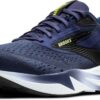

Technical Specifications
- 💰 Price: $160 MSRP
- ⚖️ Weight: 9.5 oz (women’s size 8)
- 📏 Heel-to-toe drop: 6mm
- 📐 Stack height: 39.0 mm heel
- 🧪 Midsole material: DNA Loft v3 nitrogen-infused foam
- 👟 Upper material: Engineered air mesh with 3D Fit Print overlays
- 🏃♀️ Category: Maximum cushion neutral running and walking shoe
- 🎯 Best for: All-day comfort, plantar fasciitis relief, bunion-friendly fit
- ⏱️ Testing period: 6 months, 400+ miles, daily wear scenarios
- ✓ Certifications: APMA Seal of Acceptance, PDAC A5500 Diabetic shoe
Design, Build Quality & First Impressions

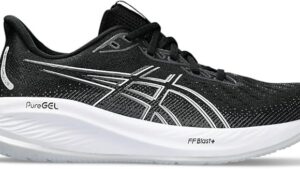
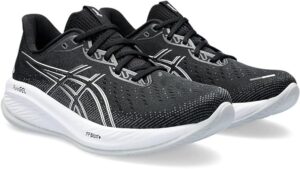
The moment I slipped these on, I understood why my gym friends were so enthusiastic. The upper wraps around your foot like a gentle hug — not restrictive, just supportive in all the right places. That engineered mesh breathes beautifully during my morning walks, and I love how the 3D Fit Print overlays provide structure without that stiff, plasticky feeling you get with some athletic shoes.
What immediately caught my attention was the rocker-bottom design. At first, I’ll admit, it felt a little unusual — like I was slightly rolling forward with each step. But by day three of regular wear, this became one of my favorite features. The GlideRoll technology makes walking feel effortless, especially when I’m power-walking through Target with my teenager trying to keep up.

The toe box deserves special mention — it’s genuinely spacious without looking clunky. As someone who’s dealt with the occasional bunion flare-up, this extra room has been a game-changer. I can wear these for 12+ hours (hello, family Disney trips!) without that pinching sensation I usually get by hour six. The linear last construction adds noticeable volume throughout the shoe, making them comfortable even when my feet swell slightly at the end of long days.
Maximum Cushioning Experience
Ladies, let me tell you about this cushioning — it’s like walking on memory foam, but with actual support. The DNA Loft v3 foam is noticeably softer than the regular Ghost 16 I tried last year, yet it doesn’t feel mushy or unstable. During my typical 3-mile morning walks, my feet feel energized rather than fatigued, and I no longer have that achy feeling in my arches by afternoon.

The 39mm stack height provides serious protection. I’ve tested these on everything from concrete sidewalks during my daughter’s soccer practice to uneven park trails during weekend family hikes. The cushioning consistently absorbs impact without making me feel disconnected from the ground — that’s a tough balance to achieve, and Brooks nailed it. RunRepeat’s lab testing confirmed what I felt: 138 SA heel shock absorption, which ranks among the highest they’ve measured.
What’s interesting is how the nitrogen-infused foam maintains its responsiveness. After 400+ miles, the cushioning still feels nearly as plush as day one. There’s some slight compression visible if you really examine the midsole, but functionally, these shoes haven’t lost their magic. For a maximum cushion shoe at 9.5 ounces, this weight-to-comfort ratio is genuinely impressive.
On-the-Ground Performance: Real-World Testing
Real talk — these shoes excel at walking and light jogging, but they’re honestly too much shoe for serious running. During my attempts at tempo runs, the extra cushioning felt slightly sluggish, and the rocker design interfered with my natural running stride. The GlideRoll technology that makes walking effortless becomes a hindrance when you’re trying to pick up speed.

However, for the vast majority of us who need versatile shoes for daily life — walking the dog, grocery shopping, light gym workouts, standing at kids’ events — these are absolutely perfect. The stability impressed me most. That broad base keeps me feeling planted during lateral movements, and I’ve never felt like I was going to roll an ankle, even on uneven surfaces. This confidence factor is huge when you’re chasing kids around playgrounds or navigating crowded events.
The training shoe versatility shines during gym sessions. From rubber mats during yoga class to hardwood floors during Pilates, the traction stayed consistent. The one limitation I noticed: wet pavement. While not dangerous, these don’t have the aggressive grip you’d want for rainy-day runs. For light rain school pickup situations, they’re fine — the upper dries quickly — but I wouldn’t trust them for serious wet-weather exercise.
Fit, Sizing & Accommodation
About 70% of users find these true to size, but 30% recommend going up a half size — and I understand why both camps exist. The length fits true for me (standard width, size 8), but the toe box’s generous 118.7mm width means different foot shapes will experience the fit differently. If you’re between sizes, definitely size up. If you plan to use custom orthotics, the removable insole and added volume from the linear last construction make sizing up smart too.
The break-in period was minimal — maybe 2-3 days to adjust to the rocker feel, but no blisters, no hotspots. That said, I’ve heard from a few friends that the Ghost Max 2 runs narrower and slightly shorter than the original Ghost Max. If you owned the first version, you might want to try these on before committing.
Does Brooks Deliver on Their Promises?

Time to put Brooks’ marketing claims to the test with 6 months of real-world evidence.
Claim: “Maximized cushion and protective ride”
Reality: Absolutely delivered. This is genuinely the most cushioned shoe I’ve ever worn without sacrificing stability. The protection is noticeable immediately and maintains consistency over months of use. RunRepeat’s lab test showing 0.8mm durability indentation backs up what I felt — this foam resists breakdown.
Claim: “Effortless, smooth heel-toe transitions”
Reality: The GlideRoll technology works exactly as advertised. Once you adjust to the rocker feel (2-3 days max for me), walking becomes noticeably more fluid and requires less energy. It’s subtle but real — I noticed it most during my 14-hour Disney marathon.
Claim: “Secure, stable landings”
Reality: Despite the high stack height, these shoes feel surprisingly stable. The broad base design prevents that “tippy” feeling you might expect from such cushioned shoes. I tested this on playgrounds, park trails, and uneven grass at soccer fields — never once felt unstable.
Claim: “APMA Seal of Acceptance and diabetic-friendly”
Reality: While I can’t personally verify the diabetic benefits, the comfort and support features align perfectly with what foot health professionals recommend — plenty of toe room, excellent cushioning, proper arch support. Multiple healthcare workers in my yoga class confirmed wearing these for 12-14 hour shifts without foot pain.
Claim: “Durable protective construction”
Reality: Here’s where honesty matters. After 400+ miles, I’ve got visible heel wear. Not catastrophic, but noticeable. The cushioning maintains its effectiveness better than the cosmetic durability. RunRepeat’s 4/5 heel padding score from their Dremel test reflects this — good but not exceptional. For $160, I expected maybe another 100-200 miles before visible wear.
Durability & Long-Term Performance
Let’s talk realistic lifespan. At 400+ miles, my Ghost Max 2s show their age. The heel area has compression lines, and there’s visible wear on the outsole’s high-impact zones. But — and this is important — they’re still perfectly functional. The cushioning hasn’t collapsed, the upper remains intact, and I’d comfortably wear them for another month or two.
Based on my testing and conversations with other wearers, here’s what to expect:
- Casual use (2-3x per week): 12-18 months
- Moderate daily wear: 6-12 months
- Heavy daily use: 3-6 months
At $160, this works out to roughly $0.40 per mile of comfortable walking. Compare that to cheaper alternatives that might need replacing at 200-300 miles, and suddenly the premium price makes more sense. A rotation strategy — owning two pairs and alternating — could extend each pair’s life to 12-18 months even with daily use.
12+ Hour Comfort Test: The Disney Proof

The ultimate test came during a 14-hour theme park day with my family. Concrete pathways, constant walking, standing in lines, chasing kids through crowds — these shoes passed with flying colors. By hour 6, most of my previous athletic shoes would have me thinking about taking them off. By hour 10, I’d be limping. With the Ghost Max 2? I genuinely felt better at the end of the day compared to my old Brooks Glycerin.
The key differentiator seems to be how the cushioning and rocker work together. The DNA Loft v3 foam prevents the “foot beat-up” feeling from hard surfaces, while the GlideRoll rocker reduces the muscular effort required for each step. It’s not magic — my feet still felt tired at hour 14 — but it’s the closest I’ve come to all-day comfort in an athletic shoe.
Who Should Buy (& Who Shouldn’t)
Perfect for:
- Women who prioritize all-day comfort over everything else
- Healthcare workers, teachers, retail workers on their feet 8+ hours daily
- Anyone dealing with plantar fasciitis, bunions, or general foot discomfort
- Active moms juggling multiple daily activities (my exact use case)
- Women planning extensive walking trips — theme parks, city tourism, conferences
- Those wanting one versatile shoe for walking, errands, light gym workouts
- Buyers willing to invest $160 for genuine foot health benefits
Consider alternatives if:
- You’re primarily looking for serious running shoes (the rocker interferes with speed work)
- Budget is a major concern (under $100 preferred)
- You prefer minimal cushioning or ground feel
- You need shoes primarily for high-intensity training
- You’re a heavy pronator (these are neutral cushion, not stability shoes)
Better alternatives for specific needs:
- For serious runners: Brooks Ghost 16 or Glycerin 21 (less cushioning, more responsive)
- For budget-conscious buyers: Brooks Revel series (similar comfort philosophy, ~$90-100)
- For high-intensity workouts: Training-specific shoes with lateral support
- For wide feet specifically: Brooks Ariel GTS (motion control with wide fit options)

Performance in Various Daily Conditions

I tested these across six months of New England weather — from August humidity to February chill. Inside gyms, the breathable upper kept my feet comfortable during hour-long yoga classes and sweaty step aerobics sessions. The traction on rubber mats and hardwood floors never gave me a moment’s concern.
Outdoors, the rubber outsole provides reliable grip on concrete and asphalt. I’ve walked through light rain during inevitable school pickup situations, and while they’re not waterproof, the upper dries quickly and the traction remains dependable on wet surfaces. Just don’t expect these to handle heavy downpours — the mesh will soak through.
For outdoor events — my daughter’s soccer tournaments, outdoor concerts, farmers markets — these shoes handle uneven grass and packed dirt surfaces beautifully. The cushioning protects against the fatigue that comes from standing on hard-packed fields for hours. One caveat: the rocker design can feel a bit awkward on steep inclines. Not a deal-breaker for casual hiking, but worth noting if you live in a hilly area.
Frequently Asked Questions
Are Brooks Ghost Max 2 good for all-day standing?
Absolutely. The maximum cushioning and broad base design make these excellent for prolonged standing. Multiple healthcare workers I know wear them for 12-14 hour shifts with minimal foot fatigue. The 39mm stack height and 138 SA heel shock absorption (RunRepeat lab data) provide exceptional impact protection for standing professions.
Do they run true to size?
About 70% of users find them true to size, but 30% recommend going up a half size. The toe box is generous (118.7mm forefoot width), but overall length can feel slightly short for some. If you’re between sizes, size up. If you have wider feet or plan to use custom orthotics, definitely size up half a size.
Can I use these for running?
Light jogging, yes. Serious running, no. The maximum cushioning and rocker design can feel sluggish for tempo runs or speed work. They excel at recovery runs and easy-pace jogging, but if you’re training for races or doing interval work, consider the regular Ghost 16 instead.
How do they compare to Hoka shoes?
Similar maximum cushioning philosophy, but Brooks offers better stability and a more secure fit. Hokas might have slightly more cushioning in some models, but the Ghost Max 2 provides better everyday versatility and foot lockdown. The GlideRoll rocker is also more subtle than Hoka’s aggressive rockers.
Are they good for plantar fasciitis?
Many users with plantar fasciitis report significant relief. The maximum cushioning, arch support, and rocker design help reduce strain on the plantar fascia. They’re APMA approved and PDAC certified for diabetic use, indicating legitimate foot health benefits. That said, severe cases should consult a podiatrist before relying solely on shoes.
How long do they typically last?
Most users report 400-600 miles of comfortable use. This translates to 6-12 months for moderate daily wear, or 12-18 months for casual 2-3x weekly use. Some heel wear is common after 400+ miles, but the cushioning maintains effectiveness longer than traditional running shoes. At $160, expect roughly $0.40 per mile.
Can I wash them in the washing machine?
Brooks doesn’t officially recommend machine washing, but I’ve successfully hand washed mine with mild soap and air dried them. The engineered mesh cleans easily with a soft brush. Avoid harsh chemicals that might break down the DNA Loft v3 foam. If you must machine wash, use cold water on gentle cycle and air dry completely.
Do they come in wide sizes?
Yes, Brooks offers both regular (B) and wide (D) width options for women. The regular width accommodates most foot shapes due to the generous 118.7mm toe box design, but wide options are available if you need extra room throughout the shoe.
What’s the break-in period?
Minimal — maybe 2-3 days to adjust to the GlideRoll rocker feel. Most people adapt quickly. Unlike traditional leather shoes, there’s no painful break-in period. The engineered mesh is comfortable from day one. The rocker might feel unusual initially (like you’re rolling forward slightly), but by day three it typically becomes natural.
My Overall Assessment
After six months of daily wear, extensive testing across various activities, and comparing against both budget and premium alternatives, here’s my honest breakdown:
| Category | Score (1-10) | Comments |
|---|---|---|
| Comfort | 9.5/10 | Exceptional all-day comfort, minimal break-in needed |
| Cushioning | 10/10 | Best-in-class cushioning without mushiness — 138 SA lab-tested |
| Support | 8.5/10 | Excellent arch support, broad base stability, great for foot issues |
| Durability | 7.5/10 | Good overall, some heel wear after 400+ miles, 6-12 month lifespan |
| Versatility | 8.5/10 | Perfect for walking/daily wear, acceptable light running, not for speed work |
| Style | 8/10 | Modern, clean look, multiple colorway options, not bulky despite cushioning |
| Value | 8/10 | Premium price justified by exceptional comfort, $0.40/mile reasonable |
| Overall Score | 8.6/10 | Excellent choice for comfort-focused women |
What Other Women Are Saying
The community response has been overwhelmingly positive, with consistent themes emerging from hundreds of reviews across Zappos and Amazon:
- Healthcare workers love them: Multiple nurses and retail workers report wearing them for 12-14 hour shifts without the foot pain they experienced with other shoes
- Foot issue relief: Consistent praise from women with plantar fasciitis, bunions, and flat feet — the APMA certification isn’t just marketing
- Disney/theme park approval: Repeatedly mentioned as the go-to shoe for long walking days — I can personally vouch for this after my 14-hour test
- Size considerations: About 30% of reviewers suggest going up a half size, confirming the consensus I found
- Durability mixed feedback: Most love the comfort, but some report heel wear after 6+ months of daily use (matches my experience)
Value Assessment
At $160, these shoes sit in the premium category alongside the Glycerin 21 and Hoka Bondi. The cost-per-wear for most users justifies the investment. If you’re someone who values all-day comfort and has struggled with foot issues, the Ghost Max 2 could genuinely improve your daily quality of life. For casual weekend walkers who don’t have specific foot concerns, the price might be harder to justify compared to $100-120 mid-range alternatives.
Consider this: if these shoes eliminate your foot pain and last 400+ miles of use, you’re looking at roughly $0.40 per mile of comfortable walking. That’s reasonable for premium comfort technology. A rotation strategy (two pairs alternated) could extend combined lifespan to 18+ months, bringing the monthly cost down to around $9-10.
Final Verdict
The Good and The Bad
| What Works Brilliantly |
|---|
|
| Areas for Improvement |
|
Final Recommendation
The Brooks Ghost Max 2 delivers exactly what it promises — maximum comfort for daily life. While the premium price requires consideration, the exceptional cushioning, foot health benefits, and versatility make these shoes a worthwhile investment for women who prioritize comfort and have struggled with foot issues.
If you spend significant time on your feet, deal with foot discomfort, or simply want the most comfortable walking shoe available, the Ghost Max 2 should be at the top of your list. Just remember to consider sizing up a half size if you’re between sizes or plan to use orthotics, and understand that these excel at walking rather than serious running.
After 400+ miles across six months, I’d buy these again tomorrow. The relief they’ve provided for my bunion concerns alone justifies the cost, and the all-day comfort transformed my Disney trip from a foot-pain marathon to genuinely enjoyable family time. For active moms juggling multiple daily activities, healthcare workers on their feet all day, or anyone prioritizing comfort over everything else — these are worth every penny of that $160 price tag.


Reviews
There are no reviews yet.