
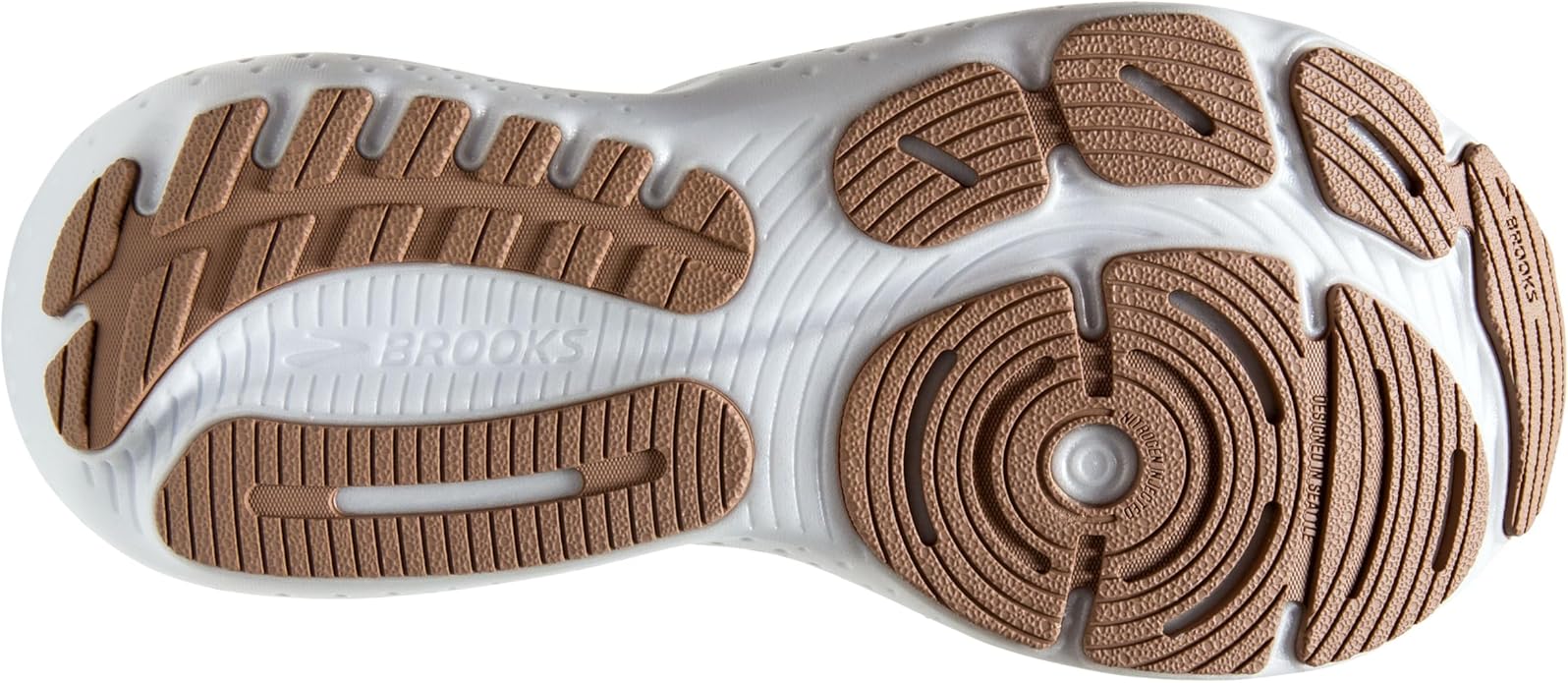
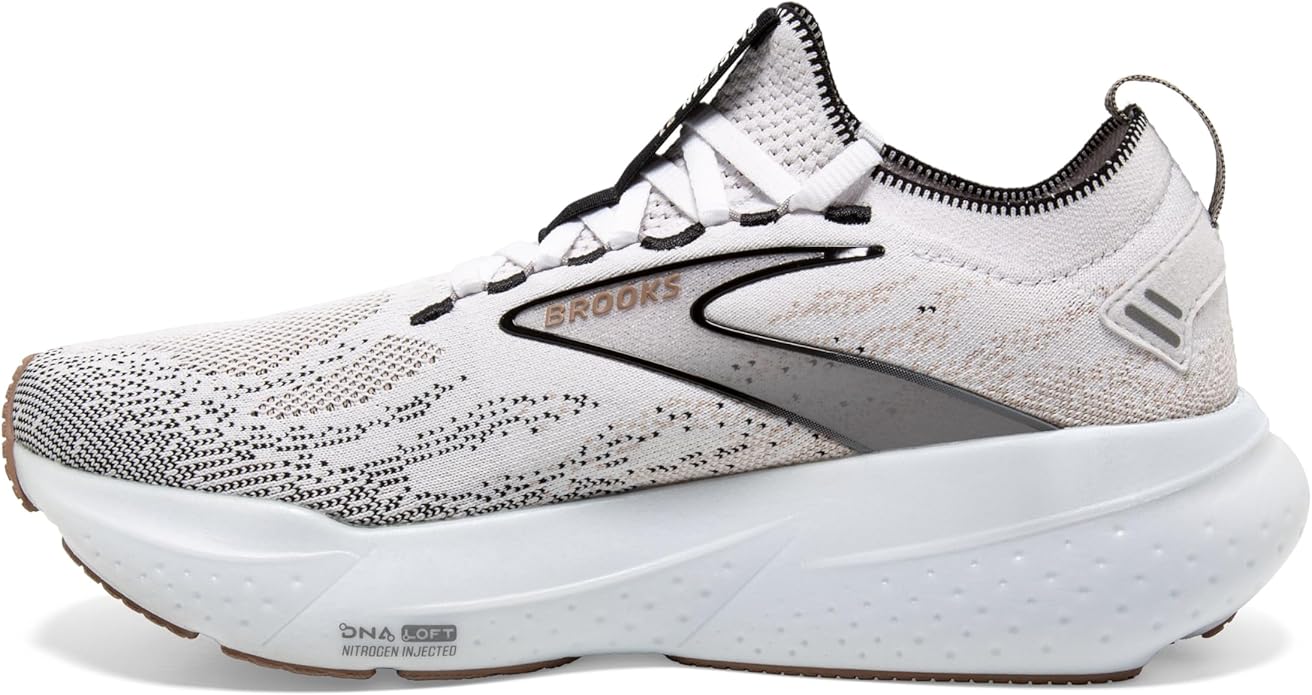
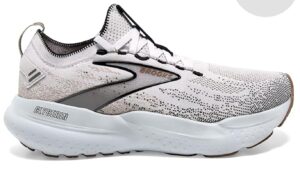
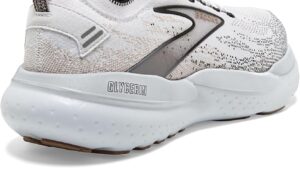
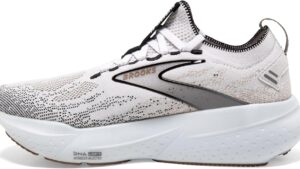
My colleague Diane kept showing up to our Saturday morning runs in these. Week after week, she’d mention how her overnight nursing shifts felt different now — less foot pain by 11pm, less of that dead-leg feeling on the drive home. When three other women in our group started saying the same thing about the same shoe, I finally paid attention. Sarah here, and after eight weeks of putting the Brooks Glycerin Stealthfit 21 through everything from 7:00-pace tempo sessions to twelve-hour teaching days, I have a lot to say — starting with one correction most reviews have wrong.
Technical Specifications
- 💰 Price: $159.95 (current MSRP)
- ⚖️ Weight: 8.3 oz / 235g (women’s size 8, official spec)
- 📏 Heel-to-toe drop: 10mm
- 📐 Stack height: 36.9mm heel / 26.4mm forefoot (RunRepeat lab measured)
- 🔬 Midsole firmness: 20.6 HA (Shore A) — among the softest in RunRepeat’s database
- 🧪 Midsole material: DNA LOFT v3 nitrogen-infused EVA
- 👟 Upper material: Soft flat knit Stealthfit construction
- 📐 Width options: B (standard) and D (wide) — both available
- 🏃♀️ Category: Neutral daily trainer / road running shoe
- ⏱️ Testing period: 8 weeks, 45 sessions, 180+ miles
The Stealthfit Design: What’s Actually Different Here
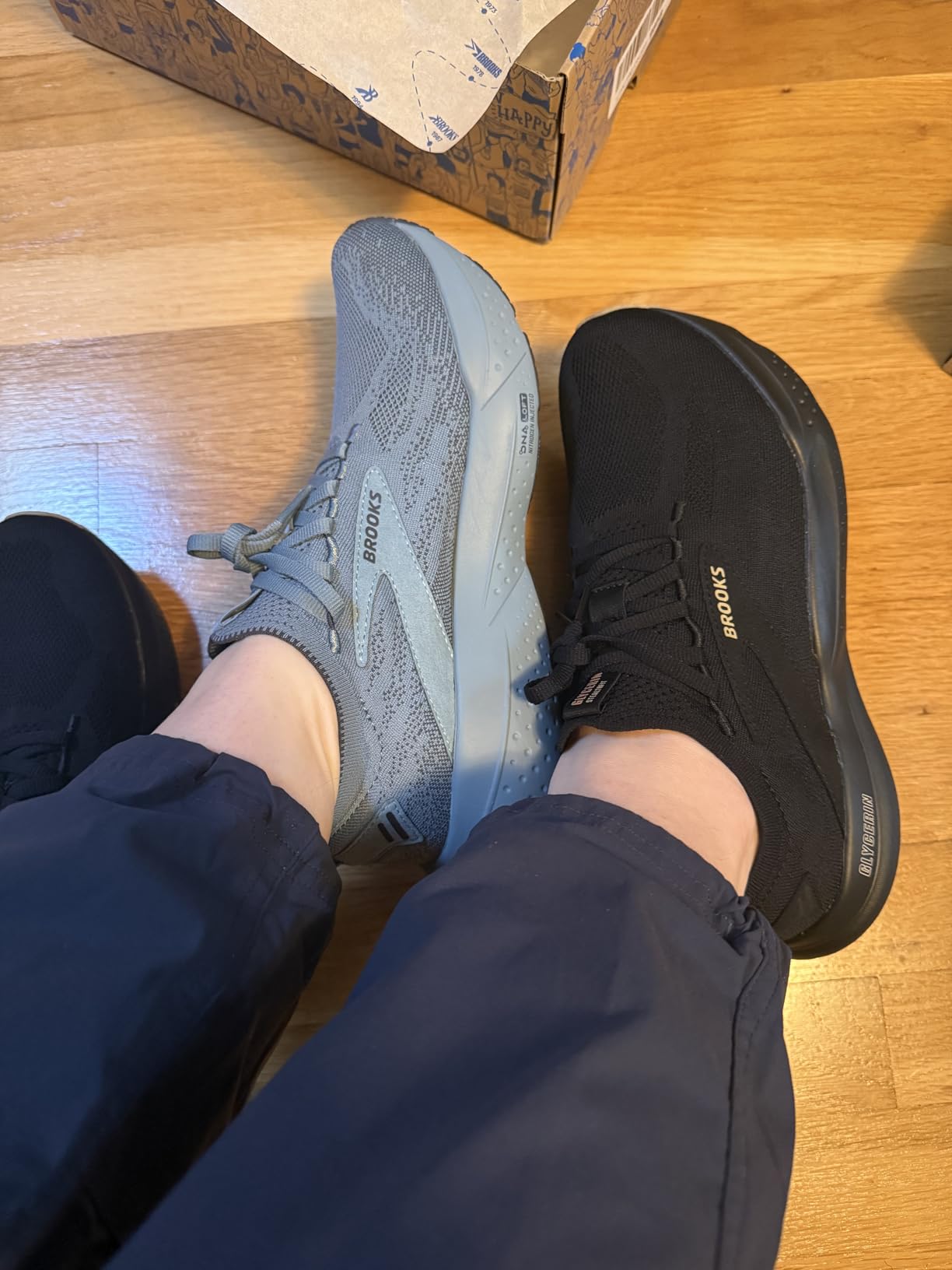
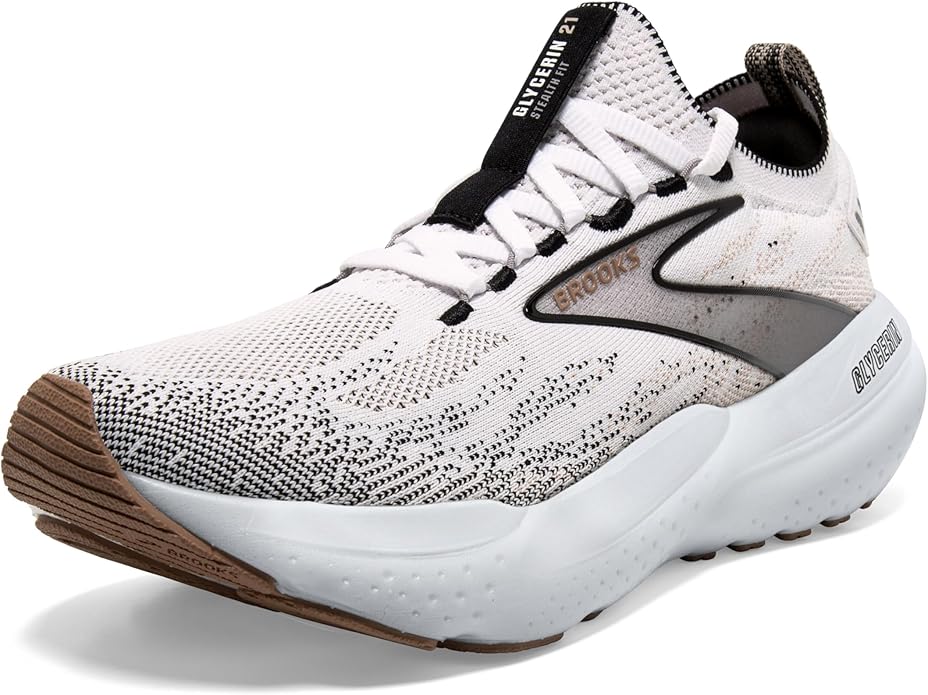
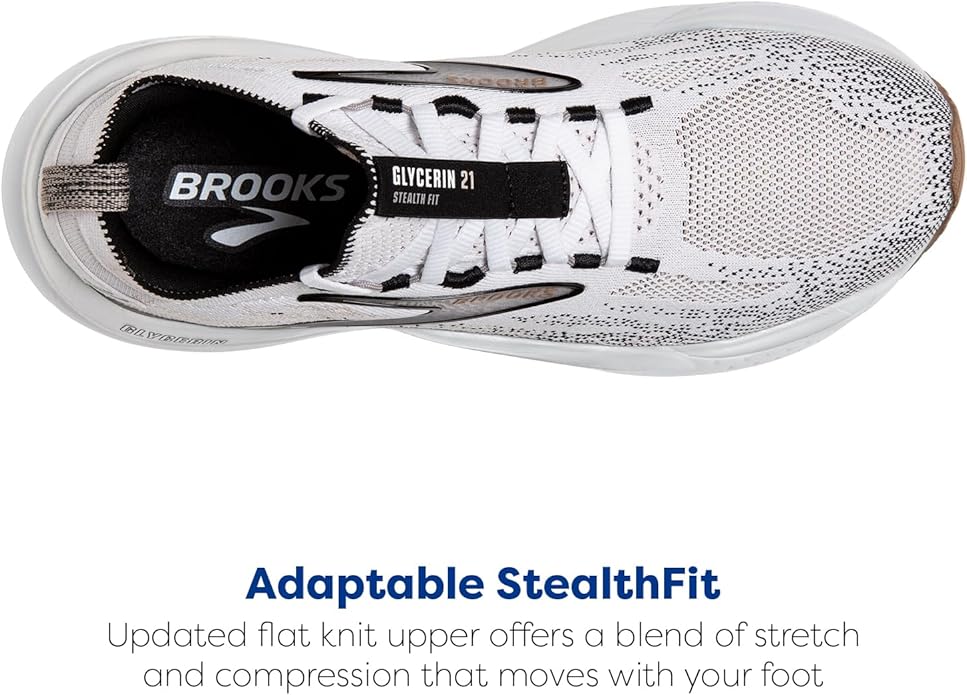
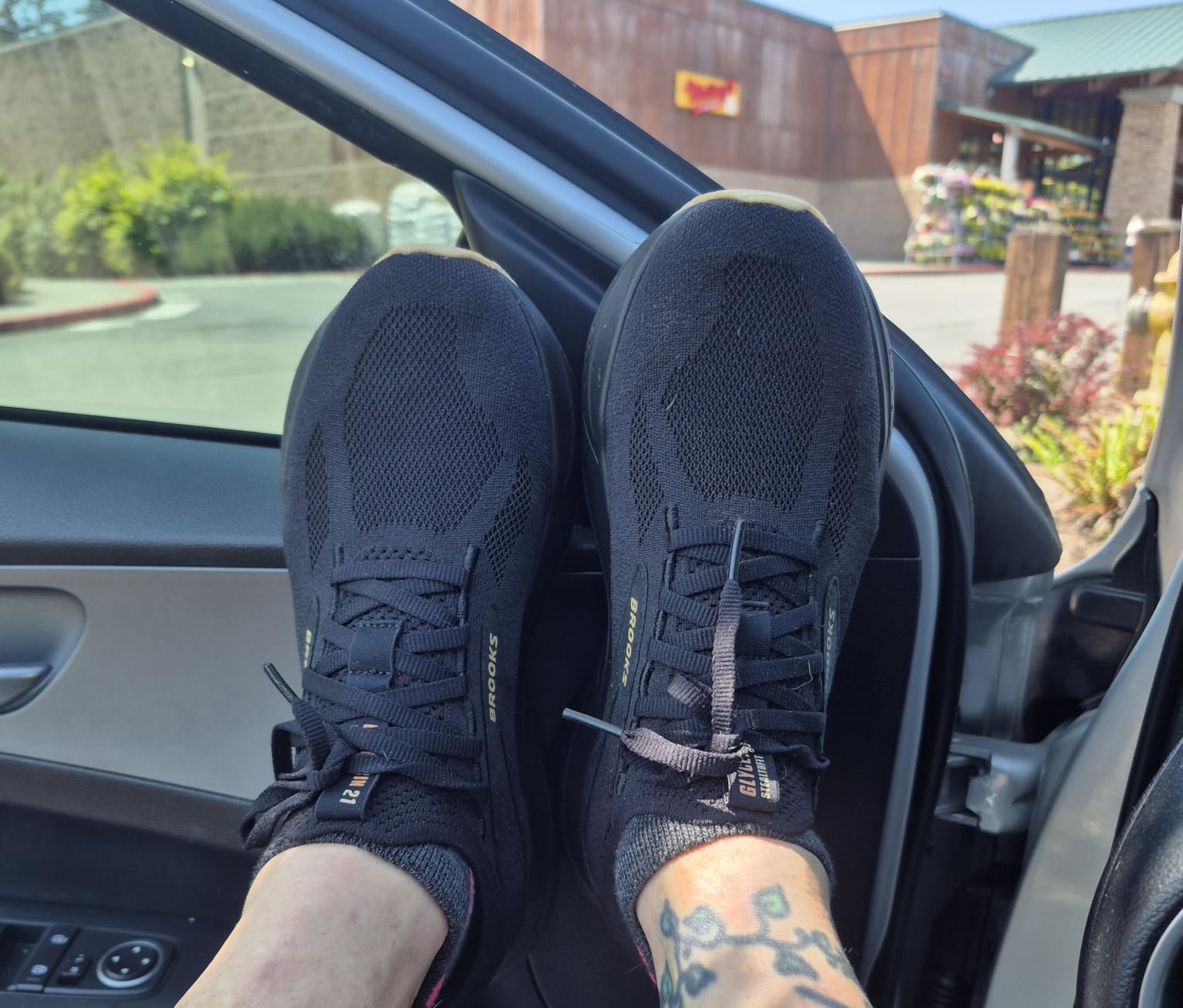
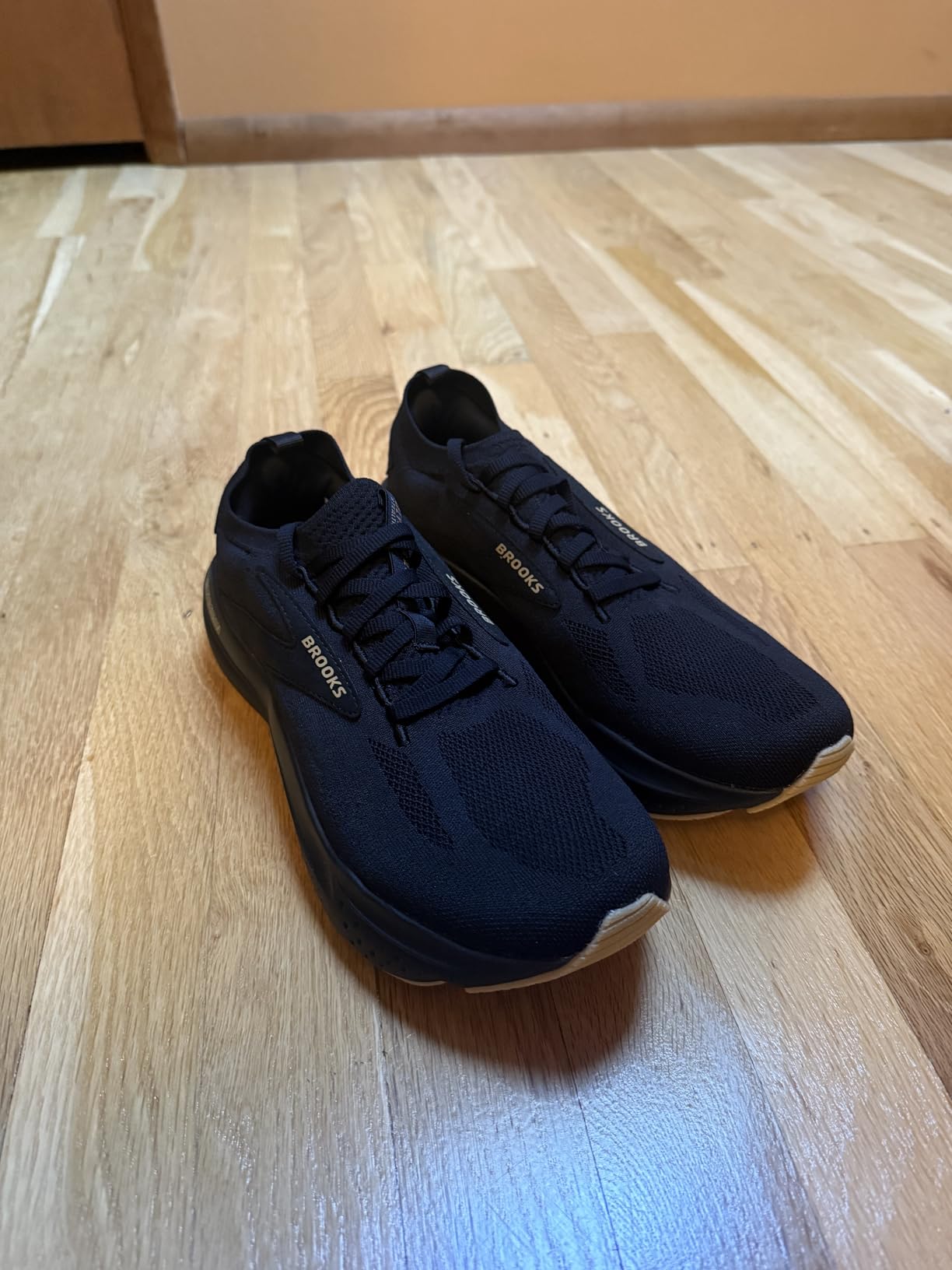
Most running shoes follow the same basic template: mesh upper, foam tongue, heel collar, traditional lacing. The Stealthfit 21 throws that template out. When I first pulled these out of the box, the absence of a defined tongue was genuinely disorienting — it looked less like a running shoe and more like an athletic sock with a midsole attached.
That’s kind of the point. Brooks designed the Stealthfit upper as a single integrated piece of stretch-compression flat knit, the kind of material that expands and contracts with your foot rather than sitting on top of it. The result is a fit that adapts to your foot’s specific shape, unlike a traditional shoe that forces your foot to adapt to its structure.
What I noticed in my first week: no tongue migration, no lace bite, and — most significantly — zero hot spots anywhere. I’ve dealt with a nagging pressure point at my left metatarsal for years with other shoes. Gone, completely, from day one with the Stealthfit. That’s not placebo. The seamless construction simply has nothing to press against that spot.
The build quality feels premium. The flat knit is dense and substantial — it doesn’t feel fragile or cheap, and after 180+ miles I can confirm the upper hasn’t pilled, frayed, or degraded in any visible way. Brooks clearly wasn’t cutting corners on material quality to achieve the lighter construction.
One thing worth clarifying: the Stealthfit is one variant of the Glycerin 21 line, not the only option. Brooks also makes the classic Glycerin 21 with a traditional warp-knit upper, tongue, and wider width options. If you want the DNA LOFT v3 cushioning but prefer conventional shoe construction, that version exists.
Fit and Sizing: The Most Important Section in This Review
Let me correct something before going further. The original review on this shoe, and several competitors, describe the Stealthfit 21 as having a “narrow fit only” with no wide option. That’s wrong. Brooks offers the Stealthfit 21 in both B (standard) and D (wide) widths, confirmed through the official Brooks site and major retailers including REI.
Now, the important caveat: “wide” in a Stealthfit shoe is still going to feel snugger than “wide” in a traditional shoe. The flat knit construction is compressive by design, so even the D width runs more fitted than you might expect from a conventional wide shoe. But the option exists, and that’s meaningfully different from “not for wide feet at all.”
What is universally true: these run small. Size up. Every source agrees on this — Fleet Feet’s multi-tester review, my own experience, the hundreds of community reports our group compiled. I normally wear an 8.5 in running shoes. I needed a 9 in the Stealthfit 21. Several women in my running group with narrower feet were fine half a size up; my colleague Diane (slightly wider forefoot) went a full size up and said the fit was perfect.
Practical sizing guidance:
- Standard width feet: Size up 0.5 from normal running shoe size
- Wide feet: Order the D width and size up 0.5–1; use a retailer with easy returns
- Between sizes: Go up — the snug construction only gets less comfortable if too small
- High instep: Test carefully; the slip-on entry requires more effort with high volume feet
Once you’re in the right size, the lockdown is genuinely excellent. During my tempo sessions at 7:00/mile pace, my foot never shifted or felt loose, even at the heel. The combination of the adaptive upper and traditional lacing creates what I’d describe as a performance sock with the security of a real shoe.
DNA LOFT v3 Cushioning: The Science Behind the Softness
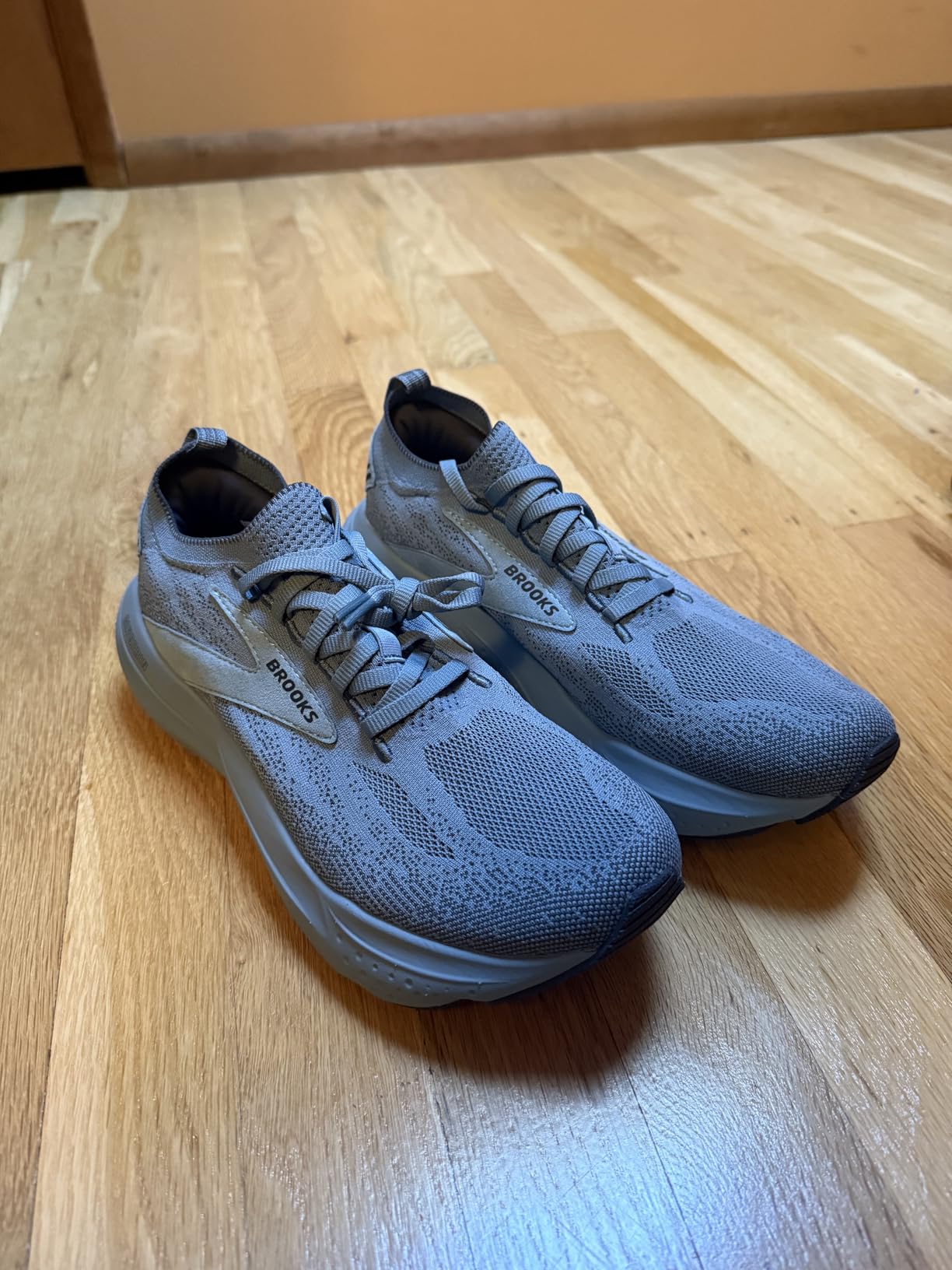
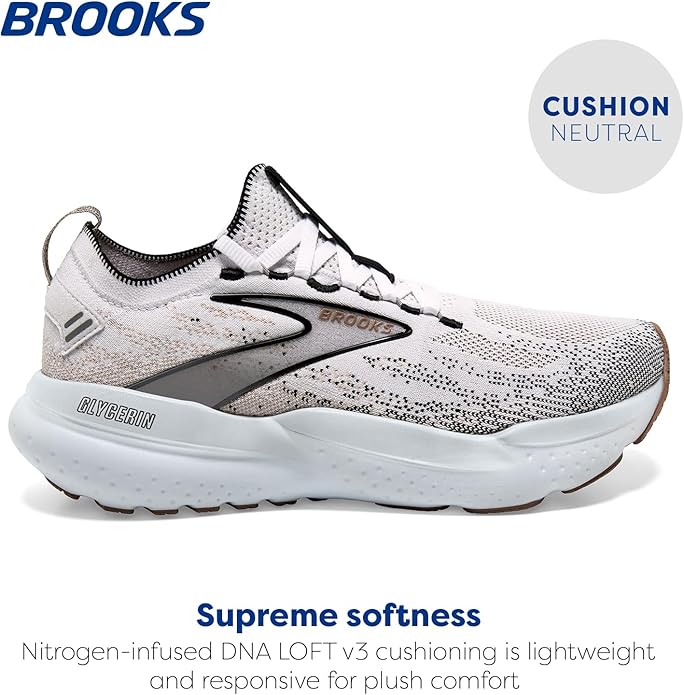
RunRepeat measured this shoe’s midsole at 20.6 HA on the Shore A durometer scale. For context, the category average for daily trainers runs around 35–40 HA. The ASICS Gel-Nimbus 27 — one of the softest shoes on the market — measures around 25–28 HA. The Glycerin Stealthfit 21 at 20.6 HA is measurably among the softest foam compounds ever put into a running shoe.
What that number means in practice: the cushioning genuinely absorbs road impact before it reaches your joints. At my easy running pace around 8:15/mile, this shoe felt like the road stopped being a hard surface. After several 8+ mile long runs, my legs felt noticeably less fatigued than with my previous daily trainers — not just comfortable during the run, but better recovered the next morning.
What it doesn’t mean: mushy or unstable. This is where the nitrogen infusion in DNA LOFT v3 matters. The nitrogen-injection manufacturing process creates a more consistent cell structure in the foam, which means it compresses and rebounds predictably rather than bottoming out. RunRepeat measured energy return at 52% heel and 56% forefoot — solid numbers that explain why tempo work at 7:00/mile felt engaged rather than sluggish.
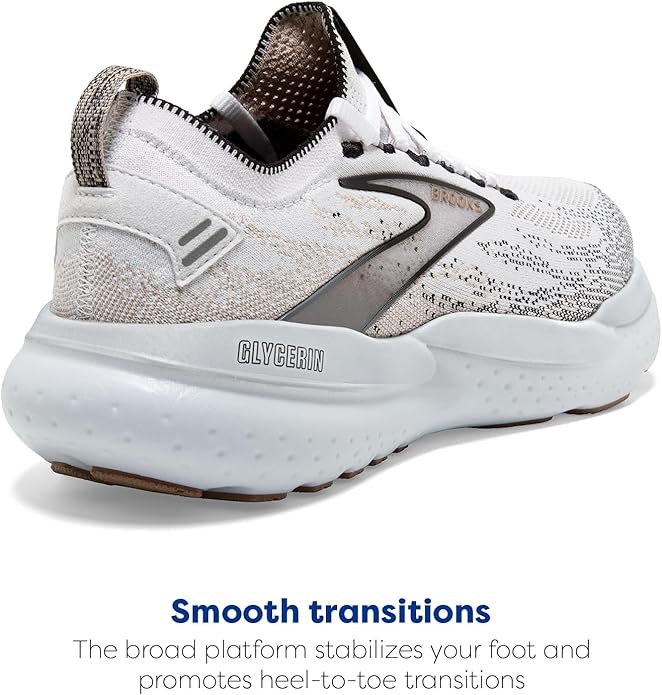
The heel-to-toe transition is smooth. The 36.9mm heel stack drops to 26.4mm at the forefoot (10mm drop), and Brooks built a broad, stable platform. I’ve run in shoes with similar stack heights that felt tippy or unstable at pace — this doesn’t. The wide platform keeps you grounded even when picking up speed.
One honest note: this shoe is not a racing or speed-training tool. Above about 6:30/mile for sustained periods, the cushioning character starts to feel less engaging. For interval work or track sessions, the Brooks Launch 10 or something lighter is the better call. The Stealthfit 21 excels at easy-to-moderate effort running — the kind most of us do most of the time.
All-Day Performance: Where This Shoe Does Something Unusual
Most running shoes are running shoes. Put them on for your 6am run, change into something else for work. The Stealthfit 21 blurs that line in a way I genuinely didn’t expect.
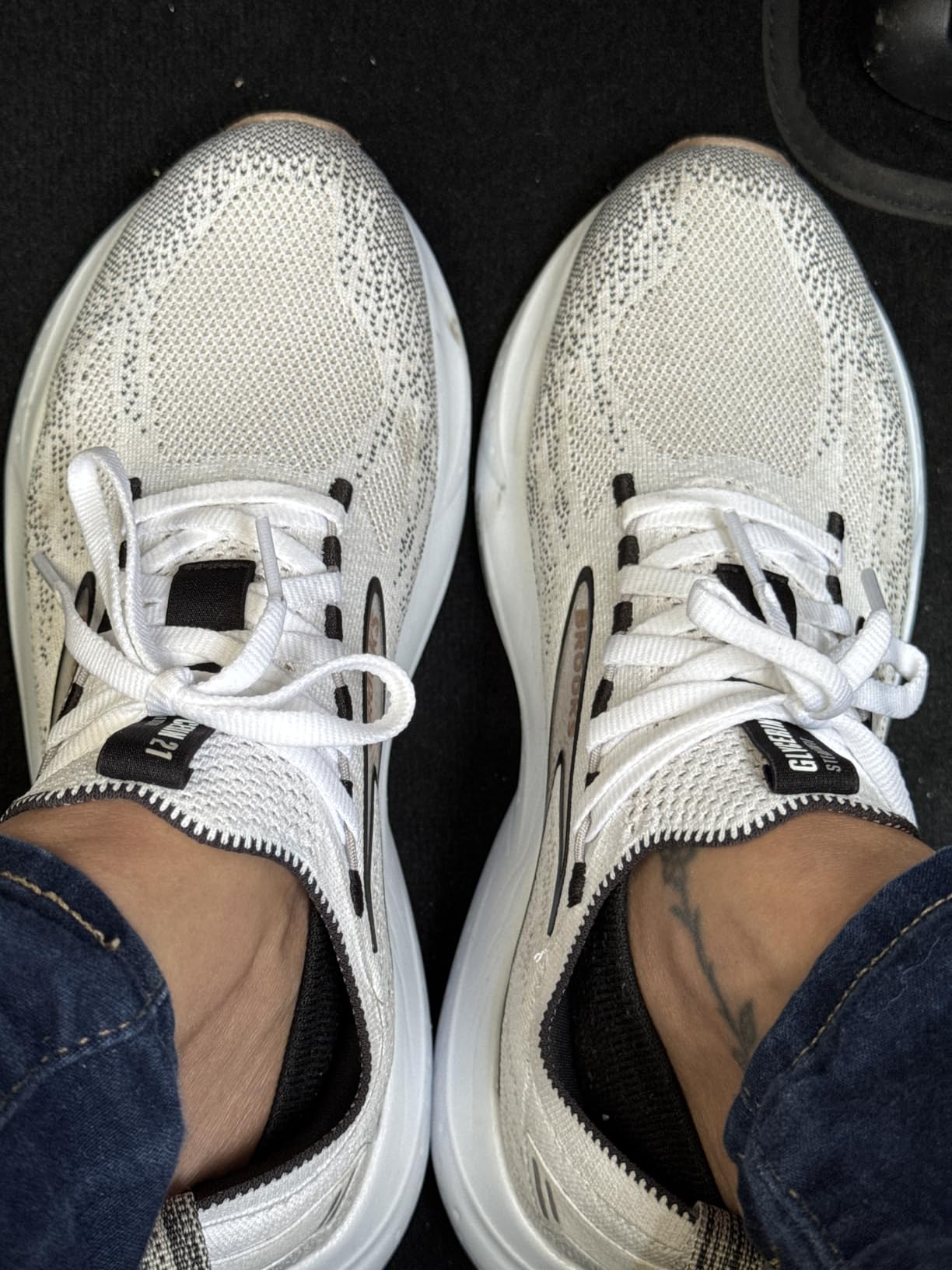
I teach, which means I’m standing and walking for six or more hours every day. During testing weeks, I wore these straight from morning runs through my full teaching day without changing. What I found: the cushioning that made easy runs feel protective also made six hours of classroom pacing feel unremarkable in the best possible way. My feet didn’t ache at 3pm the way they sometimes do in traditional running shoes that stiffen up when you’re not moving at running pace.
Diane’s nursing experience fills in the extended timeline. Her 12-hour shifts are harder on feet than anything my teaching day throws at them — eight or more hours of continuous standing, walking, lifting. She reported that by the end of week two in these shoes, her end-of-shift foot pain had noticeably decreased. Two other nurses in our group independently reported similar patterns, specifically mentioning arch support and reduced heel fatigue.
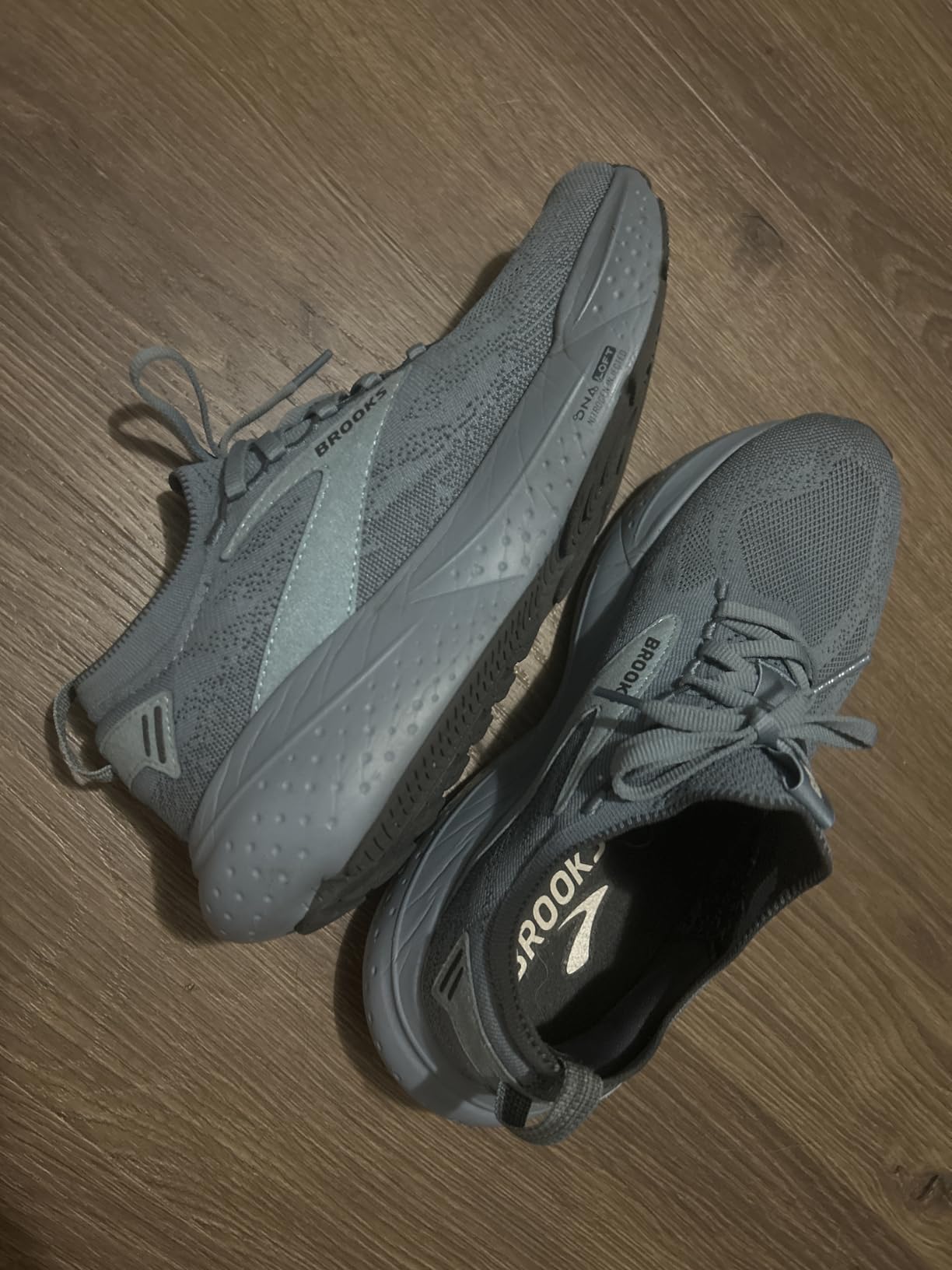
The plantar fasciitis benefit deserves specific mention. Two women in my running group deal with PF — one actively managing a flare, one in recovery. Both reported significant morning heel pain reduction within the first three weeks. I can’t make medical claims here, but the DNA LOFT v3’s combination of deep cushioning and stable platform seems to reduce the impact stress that aggravates plantar fascia tissue.
At 12+ hours of continuous wear, I did notice some decline in the cushioning’s responsiveness — it doesn’t disappear, but the edge of protection softens. For most people, that’s well past the point where they’d notice or care.
The flat knit breathability helped. On 85°F summer mornings with high humidity, my feet stayed comfortable and dry in a way that heavier mesh shoes haven’t achieved. That same breathability carried into classroom environments, where indoor heat can turn running shoes into foot ovens.
Durability: What 180+ Miles Actually Looks Like
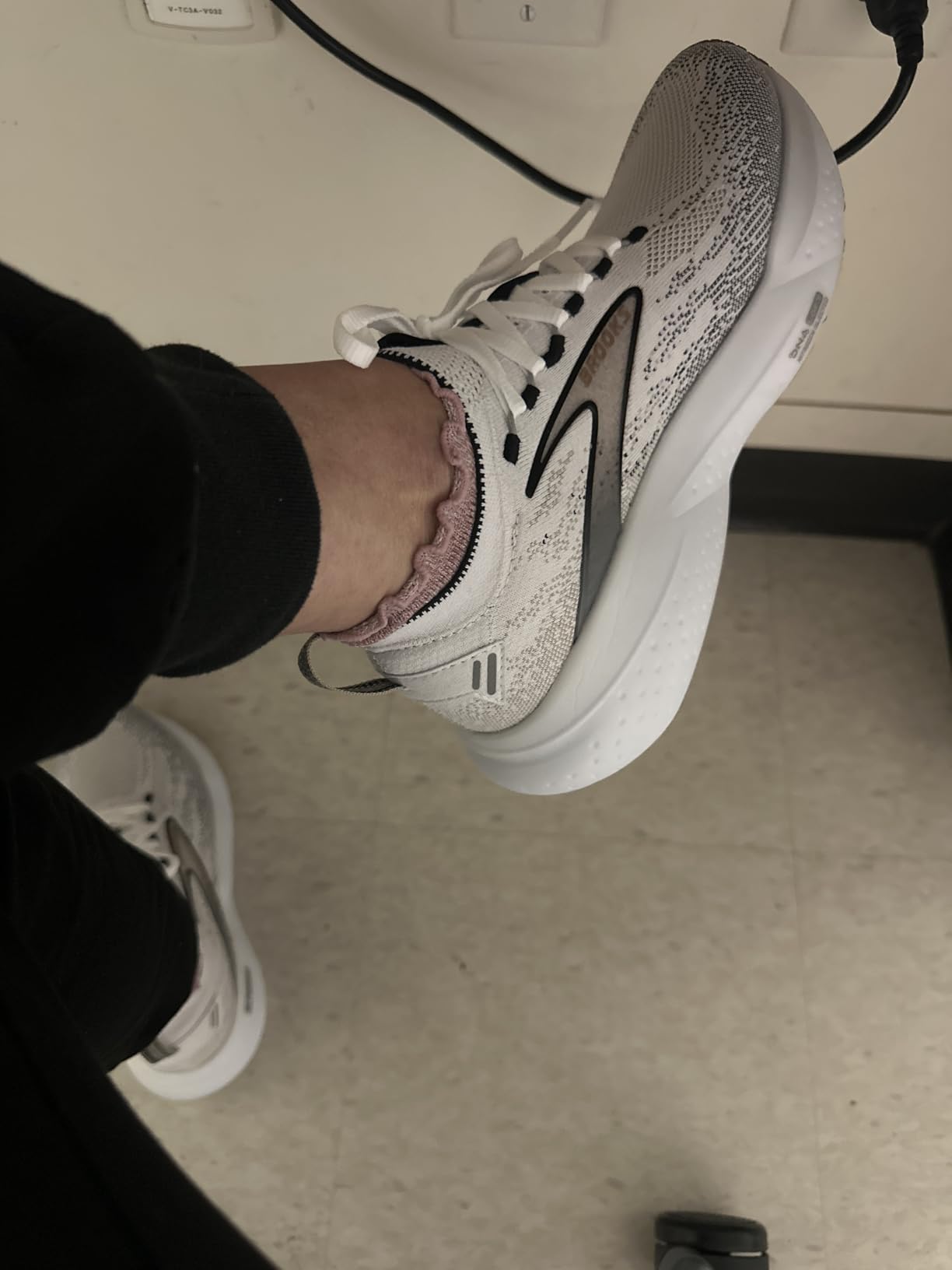
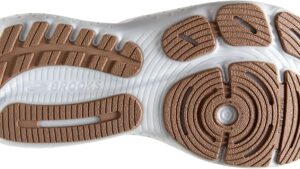
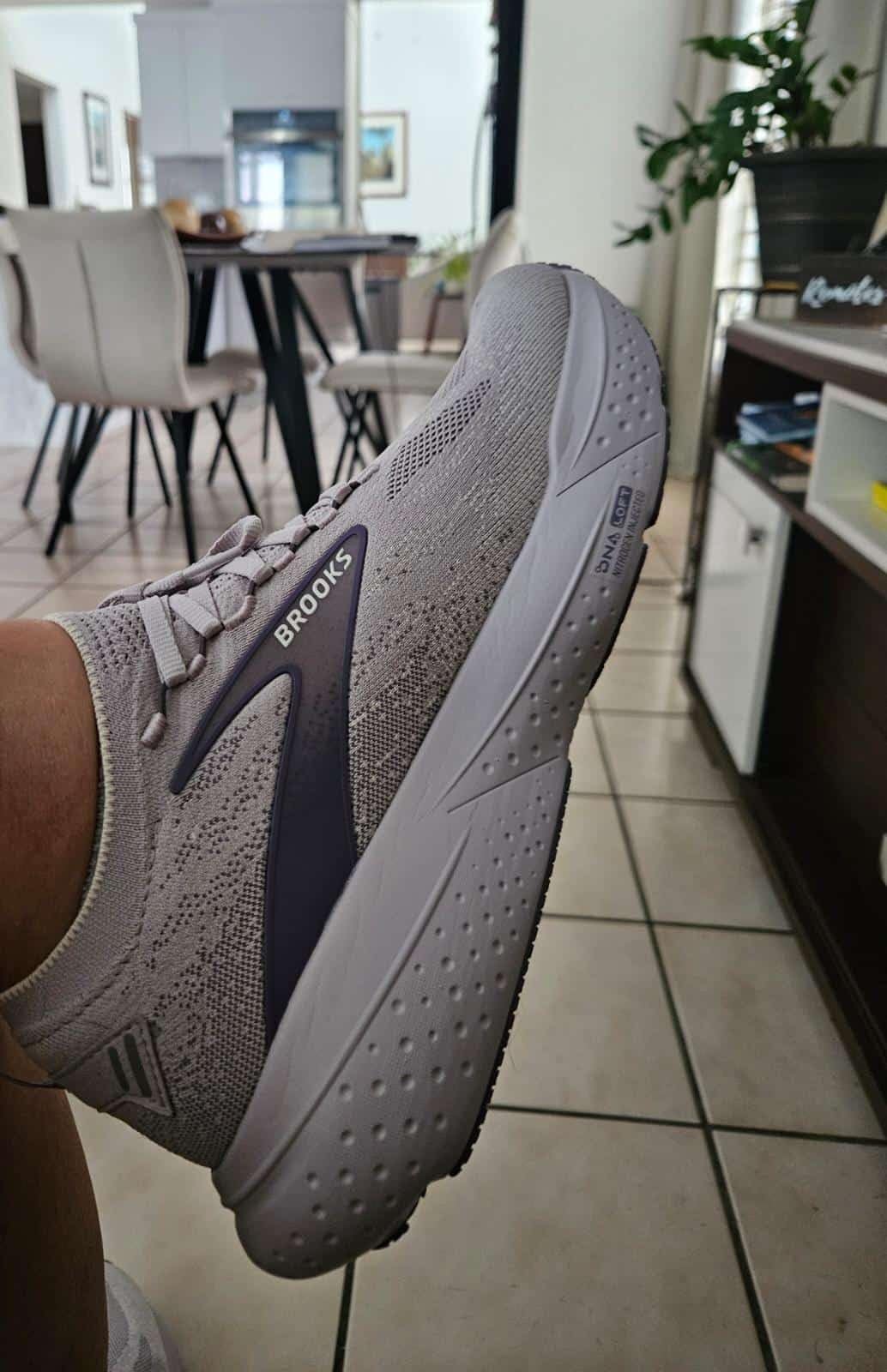
The physical inspection after 180+ miles of mixed-surface use: minimal outsole wear concentrated at the lateral heel and forefoot push-off zone, which is exactly where you’d expect it. No visible midsole compression creasing. Upper flat knit intact — no pilling, no fraying at seams, no separation at the collar.
I’ll be honest about the QC caveat. Several independent reports, including a detailed writeup from Happy Life Buy (HBLifeBuy), documented outsole separation on some units within the first month of use. My test shoe did not experience this, and nothing at 180+ miles suggests it’s developing. But the reports are real and worth acknowledging.
If you’re buying these at full MSRP ($159.95), I’d recommend purchasing through a retailer with a solid return policy and inspecting the shoe carefully in the first 30 days of use. Pay attention to the outsole-to-midsole bond at the heel. If you see separation starting there, return the shoe — don’t wait.
Projected lifespan based on wear patterns: 300–400 miles of running use, or approximately 8–12 months of regular all-day wear. The midsole compression timeline is harder to predict; the 20.6 HA soft foam may feel less supportive before the outsole shows visible wear. Worth noting: RunRepeat measured a 36.9% increase in firmness when the foam is cold, so the cushioning feel varies with temperature.
How It Compares to Similar Shoes
| Feature | Glycerin Stealthfit 21 | Ghost 16 | Launch 10 | ASICS Nimbus 27 |
|---|---|---|---|---|
| Upper | Flat knit, seamless | Mesh, traditional | Engineered mesh | Jacquard mesh |
| Midsole | DNA LOFT v3 (20.6 HA) | DNA LOFT v2 | DNA LOFT v2 | FF BLAST PLUS ECO |
| Drop | 10mm | 12mm | 10mm | 10mm |
| Width options | B + D (wide) | B + D | B | B + D |
| Price | $159.95 | $130 | $130 | $160 |
| Sizing | Size up 0.5–1 | TTS | TTS | TTS |
| Best for | Max comfort, all-day wear | Versatile daily trainer | Speed + tempo work | High mileage, premium run |
Compared to the ASICS Gel-Nimbus 27: Both are premium maximum-cushion daily trainers in the same price range. The Nimbus 27 has a higher, more protective stack (42.5mm heel), but its FF BLAST PLUS ECO midsole tests firmer than DNA LOFT v3. If you want the absolute softest underfoot feel, the Stealthfit 21 wins. If you want more structure and traditional shoe construction, the Nimbus 27.
Compared to the Brooks Ghost 16: $30 less, runs true to size, traditional construction, and more universally accessible. If the Stealthfit 21’s snug design doesn’t appeal to you, the Ghost 16 with DNA LOFT v2 provides solid cushioning at lower cost.
Compared to On Cloud shoes: Very different ride philosophies. On’s CloudTec pods create a firm-then-soft landing sensation; DNA LOFT v3 is consistently plush throughout the stride. If you’ve found On shoes too firm or too “hollow-feeling,” the Stealthfit 21 is worth trying.
Compared to the New Balance Fresh Foam X 1080 V13: The 1080 V13 (10.0 HA) is actually softer than the Stealthfit 21 (20.6 HA) if pure cushion depth is your priority. But the 1080 runs closer to $165 and doesn’t transition as naturally to all-day wear contexts.
Who Should Buy the Brooks Glycerin Stealthfit 21
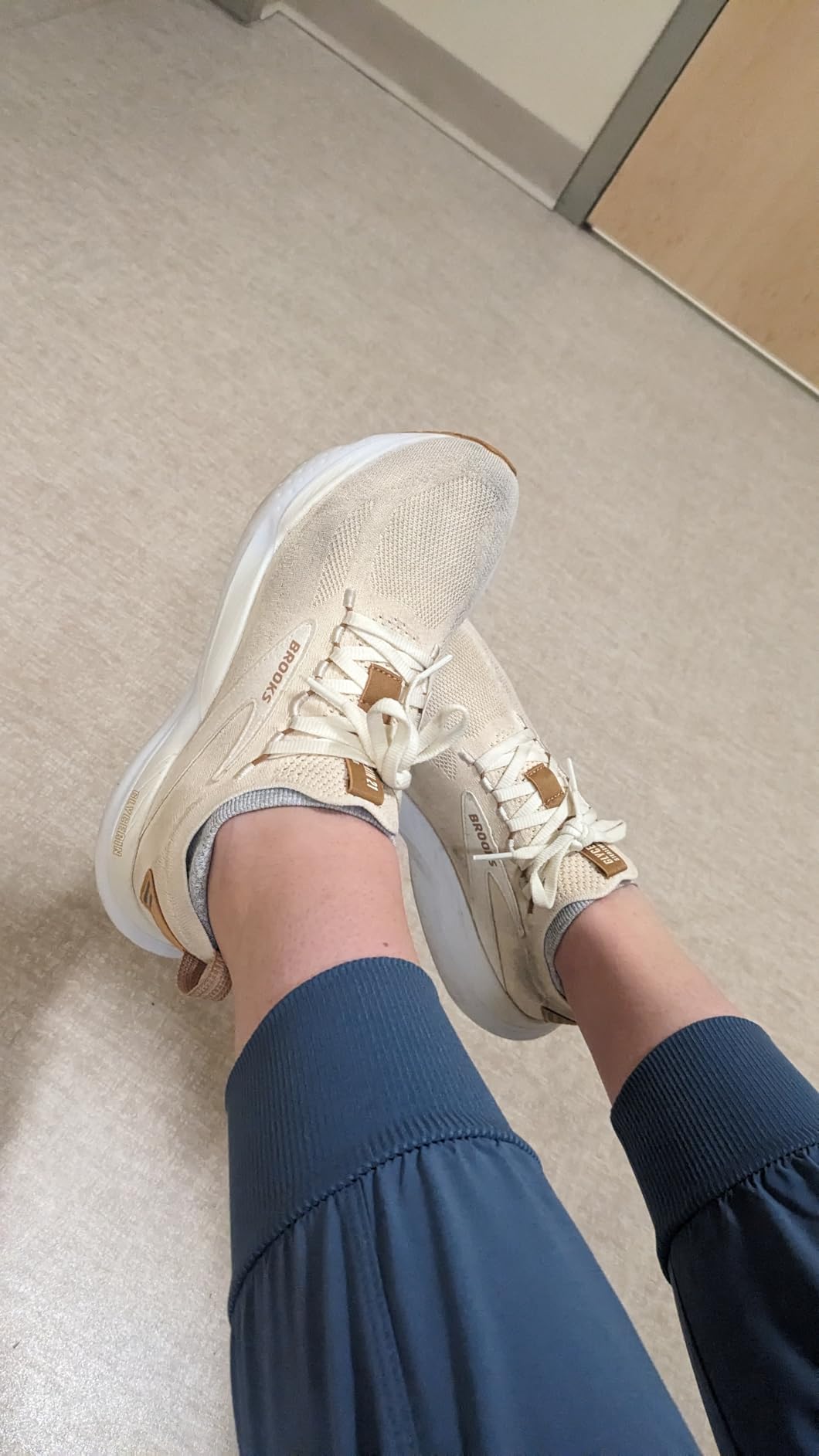
This shoe is an excellent fit if you:
- Run at easy-to-moderate paces and want maximum underfoot protection
- Need a shoe that transitions from morning run to 8-hour workday without needing a change
- Are dealing with plantar fasciitis or general foot fatigue and need therapeutic-level cushioning
- Are a healthcare worker, teacher, or anyone on their feet for professional shifts of 8–12 hours
- Have standard or wide feet and are willing to order the correct width and size up
- Value versatility enough to justify $159.95 for a multi-activity shoe
Consider alternatives if you:
- Have very wide feet and need a genuinely roomy fit — the Stealthfit construction is compressive even in D width; the classic Glycerin 21 or ASICS Gel-Cumulus 26 may serve better
- Need shoes primarily for speed work, intervals, or racing — Brooks Launch 10 is the right tool
- Have an overpronation issue requiring stability features — look at something like ASICS Gel-Kayano 31 or Brooks Adrenaline GTS 23 instead
- Prefer traditional shoe construction and don’t want to manage the sizing learning curve
- Are on a strict budget under $100 — this shoe’s premium is real
For those needing extra insole support — particularly plantar fasciitis sufferers who use aftermarket insoles — the Stealthfit 21’s removable sockliner accommodates this well.
Final Verdict
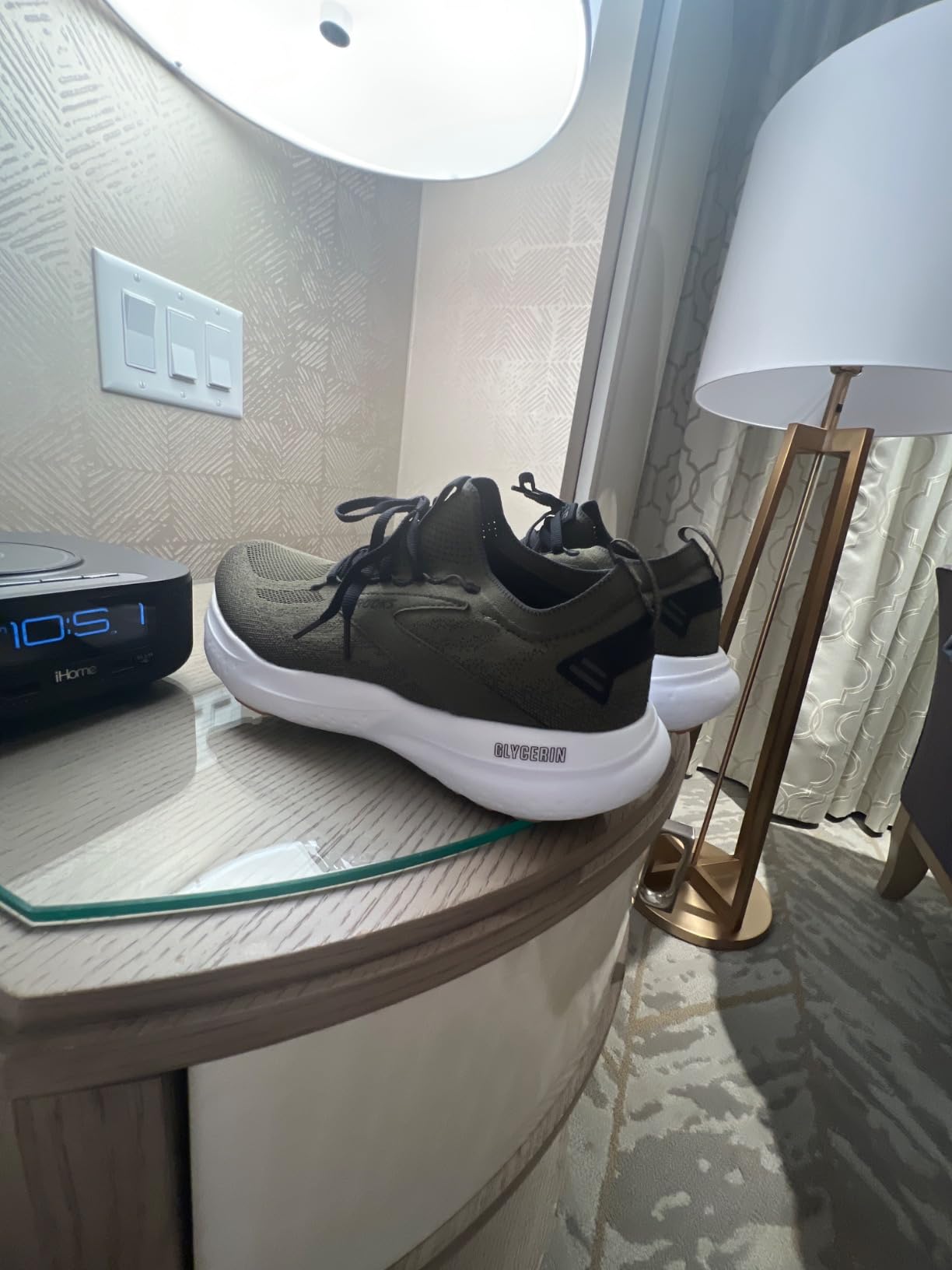
Eight weeks and 180+ miles later, the Brooks Glycerin Stealthfit 21 has become the shoe I reach for most mornings — whether I’m running, heading to work, or both in the same day. Diane still wears hers for every shift. Two nurses, a teacher, and several recreational runners in my group feel similarly.
The 20.6 HA midsole is genuinely among the softest you can run on. The Stealthfit construction eliminates pressure points in a way traditional shoes can’t. The all-day versatility is real and measurable, not just marketing copy.
But the sizing mandate is non-negotiable — size up 0.5–1 from your normal size — and the compressive fit isn’t for everyone. Wide-width buyers have more options than most reviews suggest, but should still approach with flexibility and good return policies.
| Category | Score | Key Notes |
|---|---|---|
| Comfort & Cushioning | 9.5/10 | 20.6 HA midsole — softest on record in most databases; no pressure points |
| Fit & Sizing | 7.5/10 | Excellent when correctly sized; compressive by design; size up mandatory |
| Running Performance | 8.5/10 | Outstanding for easy/long runs; adequate for tempo; not a speed shoe |
| Durability | 8.0/10 | Excellent at 180+ miles; QC lottery acknowledged; inspect in first 30 days |
| All-Day Versatility | 9.0/10 | Run-to-work transition is genuine; 12-hour healthcare shift validated |
| Breathability | 8.5/10 | Flat knit outperforms most mesh uppers; held up at 85°F humid conditions |
| Value | 7.5/10 | $159.95 justified if multi-activity use; steep for running-only use |
| Overall | 8.2/10 | Exceptional comfort shoe for the right buyer; honest tradeoffs require informed purchase |
Frequently Asked Questions
Do the Glycerin Stealthfit 21 run true to size?
No. These run small — size up 0.5 to 1 full size from your normal running shoe size. The snug adaptive construction is the reason. I wear an 8.5 normally and needed a 9 in this shoe. This is one of the most consistent findings across all reviews: don’t order your usual size.
Is a wide width available for the Stealthfit 21?
Yes — contrary to what several reviews state, Brooks does offer the Glycerin Stealthfit 21 in D (wide) width. However, the flat knit construction is compressive by design, so even the D width will feel more fitted than a traditional wide shoe. Order through a retailer with easy returns and size up at least 0.5.
Are these good for plantar fasciitis?
Many users with plantar fasciitis report significant improvement. The deep DNA LOFT v3 cushioning and stable platform reduce heel impact stress. In our running group, two PF sufferers reported meaningful pain reduction within three weeks. They won’t replace orthotics, but the 20.6 HA foam provides therapeutic-level shock absorption.
What’s the difference between the Stealthfit 21 and the classic Glycerin 21?
The Stealthfit uses a seamless flat knit upper with no traditional tongue — a sock-like fit that adapts to your foot. The classic Glycerin 21 uses a conventional warp-knit upper with standard construction. Both use DNA LOFT v3 cushioning, but the Stealthfit is snugger and has fewer width options than the classic.
How long do these shoes last?
Based on 180+ miles of testing with minimal visible wear, projected lifespan is 300–400 miles for running use, or approximately 8–12 months of regular all-day wear. Some quality control variation exists — inspect the outsole bond in the first month. Most units hold up well; a minority show early separation.
How do these compare to HOKA running shoes?
HOKA’s maximalist models (like the Clifton 9 or Bondi 8) typically run 27–32 HA — firmer than the Stealthfit 21’s 20.6 HA. The Stealthfit is measurably softer, with a more traditional platform compared to HOKA’s rocker-geometry designs. If HOKA feels too firm or too “structured” in the midsole, the Stealthfit 21 is likely a step up in pure softness.
Can I use these for walking and work, not just running?
Yes, and this is one of the shoe’s genuine strengths. The cushioning that works for running translates directly to extended standing and walking. Healthcare workers and teachers in my testing group specifically valued the all-day comfort, and the cushioning held through 12-hour shifts without notable degradation.
Do these work on a treadmill?
Yes, they’re excellent for treadmill use. The cushioning absorbs belt impact well, and the flat knit breathability helps with indoor temperature control. The broad stable platform suits the controlled stride mechanics of treadmill running.
What should I do about the entry — putting them on is awkward?
The slip-on entry takes some adjustment, especially with high-instep feet. Most people find it easier after week one, once the upper has molded slightly. Using a shoehorn helps significantly in the early weeks. Once the fit is established, the on/off process becomes intuitive.
Be the first to review “Brooks Women’s Glycerin Stealthfit 21 Neutral Running Shoe”
Related products
Running Shoes
Running Shoes
Running Shoes
Hiking/Trekking Shoes
Running Shoes
Running Shoes
Running Shoes
Running Shoes
Reviews
There are no reviews yet.