
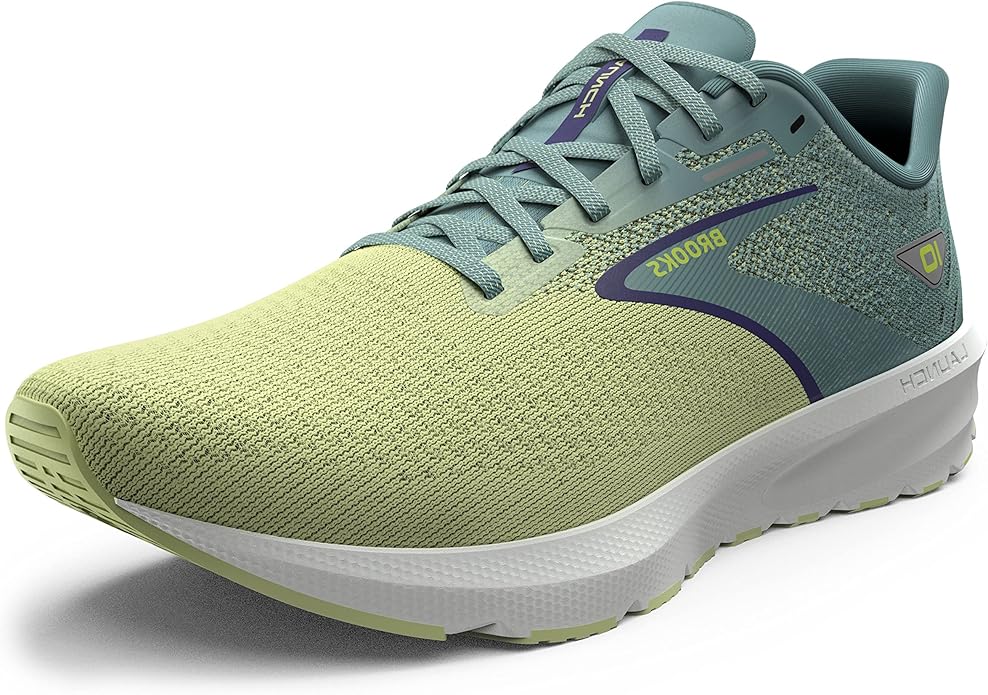
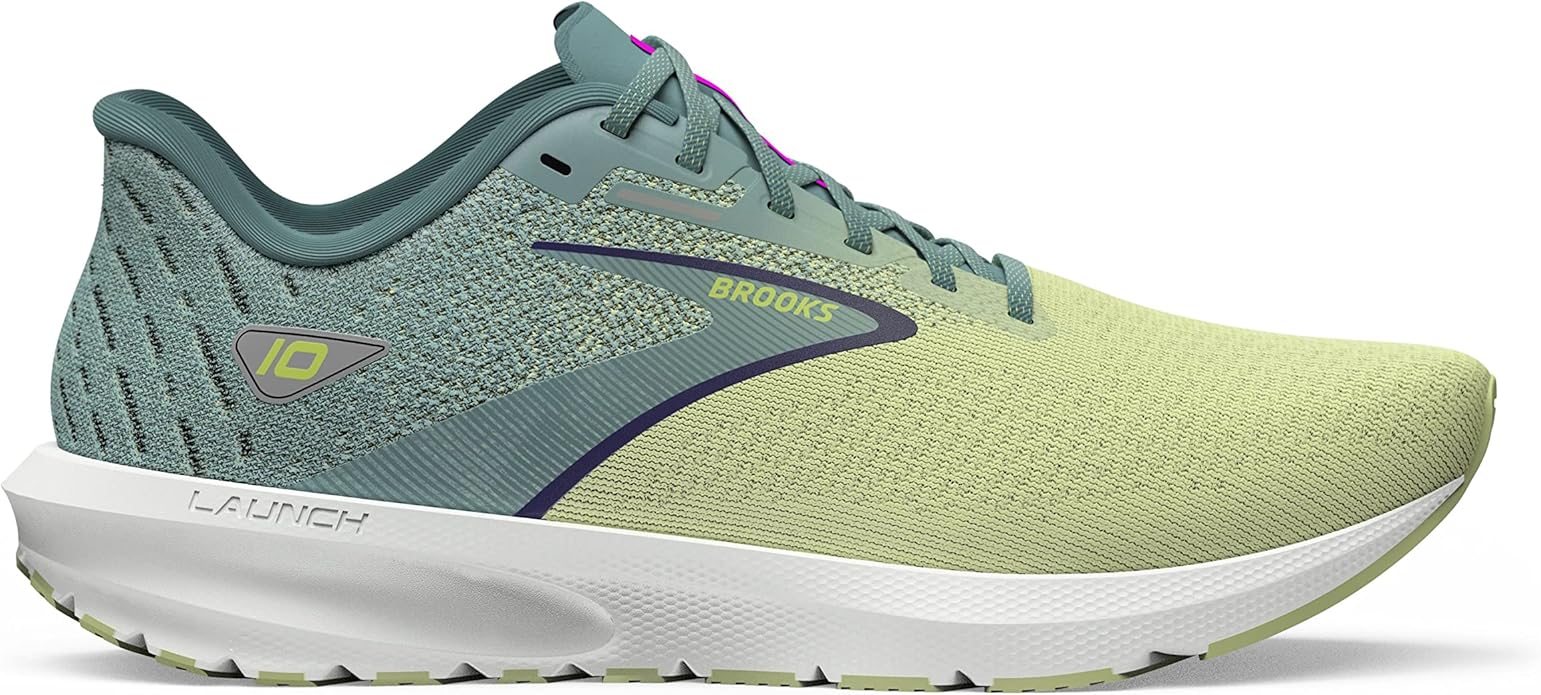
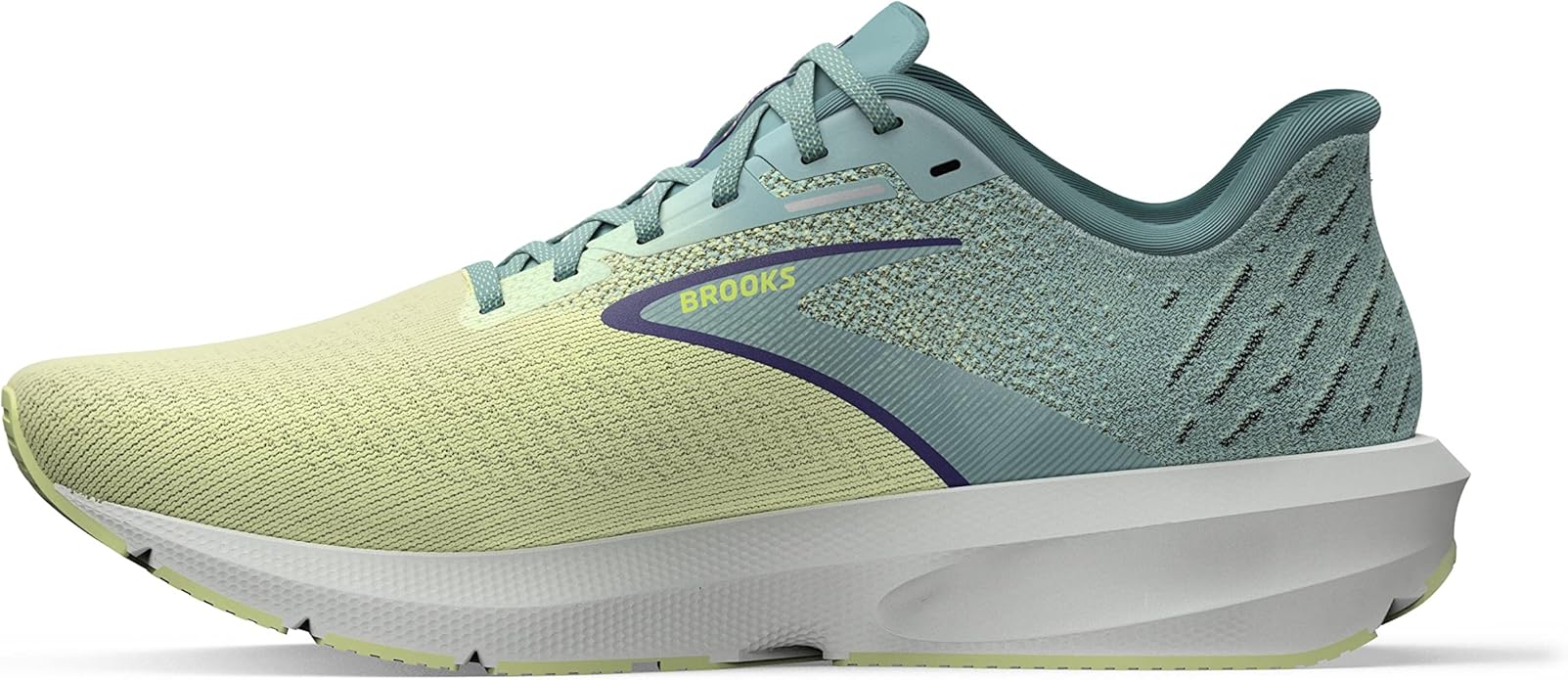
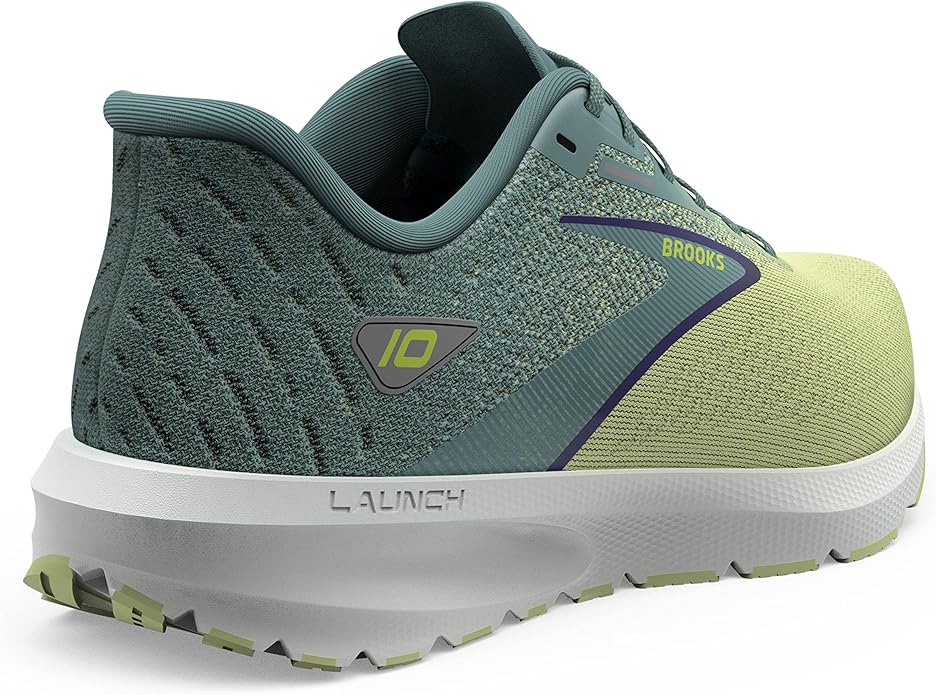
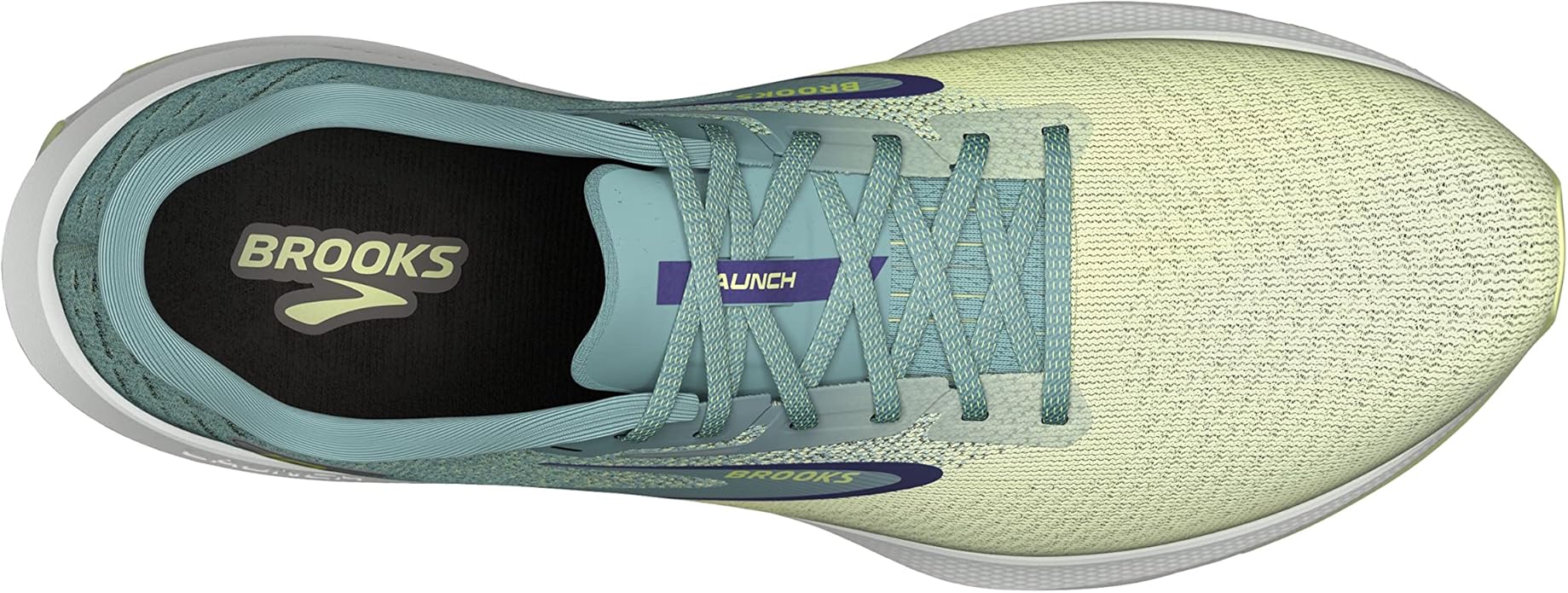
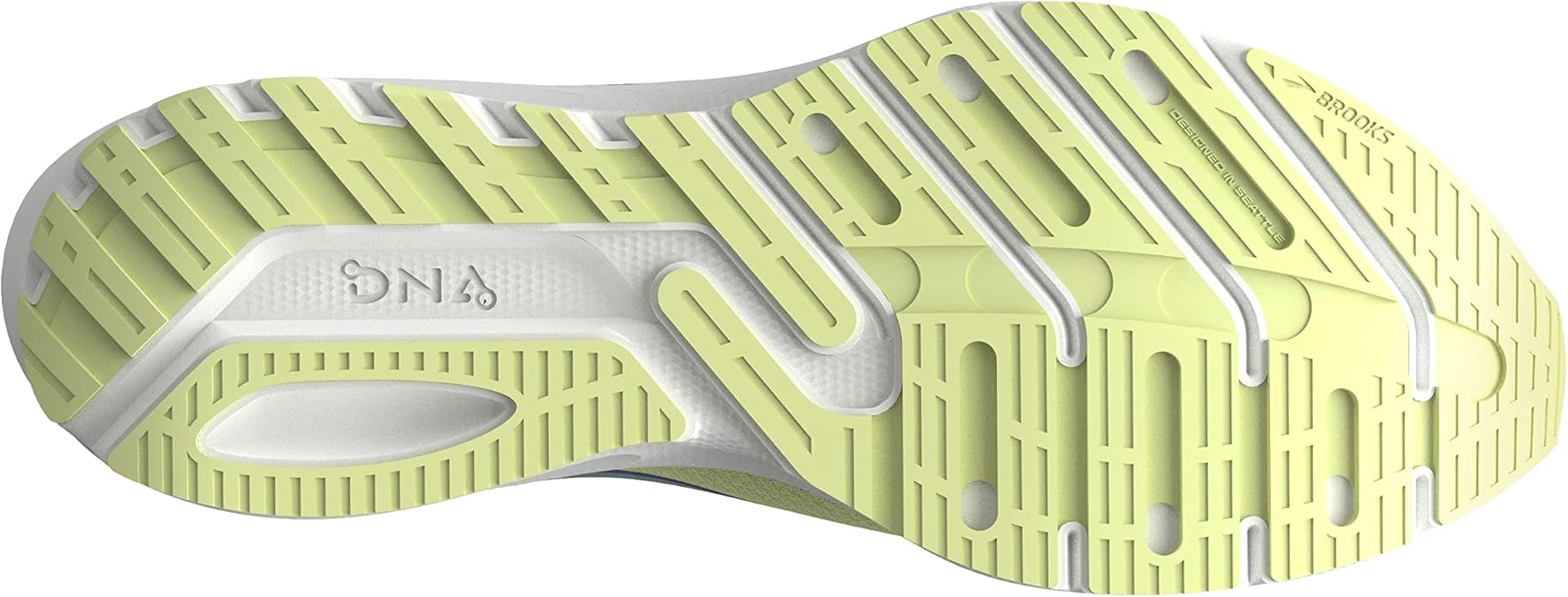
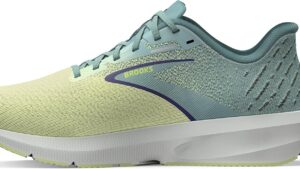
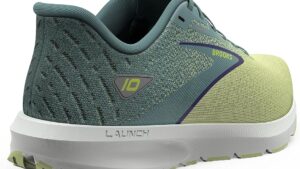
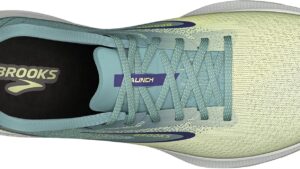
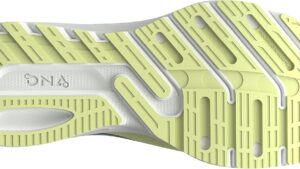
Brooks Women’s Launch 10 Neutral Running Shoe
$118.00
- 💰 Price: $89–119 (MSRP $110)
- ⚖️ Weight: 8.2 oz / 232g (brand, size 8) — RunRepeat lab: 8.10 oz / 230g
- 📏 Drop: 10mm (lab-confirmed exact match)
- 📐 Stack: 22mm heel / 12mm forefoot (brand) | 33.8mm / 23.8mm (full stack, lab)
- 🧪 Midsole: BioMoGo DNA cushioning
- 👟 Upper: Engineered warp knit mesh, semi-gusseted tongue
- 🏃♀️ Category: Neutral running shoe
- 🎯 Best for: Daily training, tempo runs, all-day wear, healthcare workers
Eight weeks. 180-plus miles. One question: can a $110 shoe genuinely do everything — easy runs, tempo work, track intervals, a race, and a 12-hour hospital shift? I went in skeptical. Here’s what I found.
Fit and Sizing
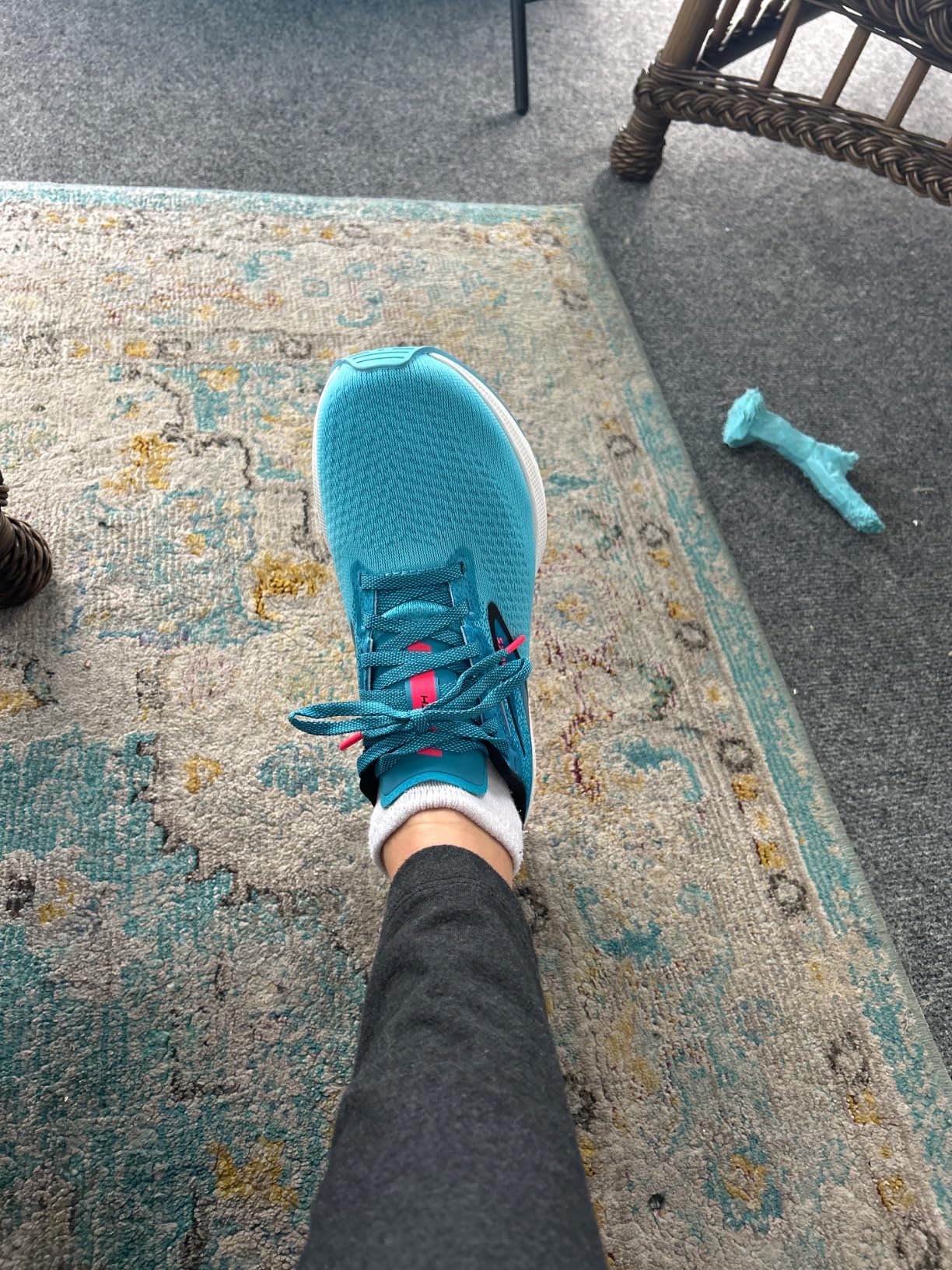
Let me start with the question most of you are here for: how does it fit? The short answer is true to size — confirmed by 297 verified community votes and my own size 8 B-width, which landed exactly where expected.
But there are a few dimensions worth knowing beyond length. The toebox is actually slightly wider than average at its broadest point (97.5mm versus a 95.2mm category average), which sounds promising. The catch is vertical space: toebox height clocks in at 25.2mm versus a 27.0mm average. That 1.8mm gap matters if you have a high instep or like to run in thick winter socks. For most runners with a standard arch profile, it’s a non-issue.
Internal length runs fractionally short at 267.4mm (average is 269.4mm). Nothing dramatic, but if you’re between sizes, go half up. Your toenails will appreciate it on anything over 12 miles.
| Fit Factor | Measurement | Practical Note |
|---|---|---|
| Length | Slightly short | Go half size up if between sizes |
| Width (widest point) | Slightly wider than avg | Fine for narrow to medium feet |
| Toebox height | 25.2mm — restricted | High instep runners: take note |
| Heel hold | Moderate (3/5 counter) | Secure without being stiff |
Upper Construction and Build Quality
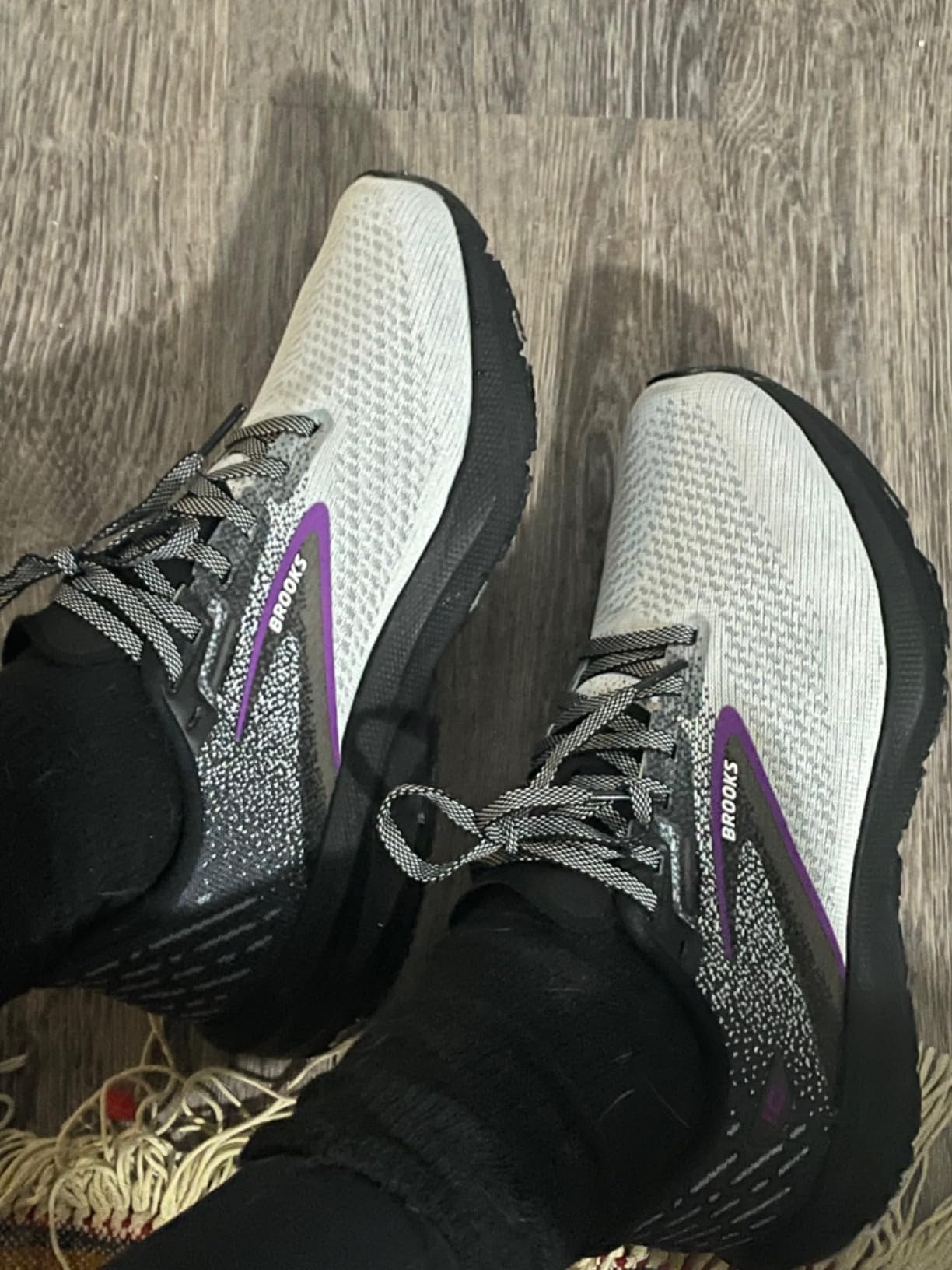
The engineered warp knit upper looks like it should breathe like a screen door. It doesn’t — and that’s worth knowing upfront. RunRepeat’s microscope and smoke tests rated breathability at 3 out of 5, below the 3.7 category average. The mesh is denser than its appearance suggests. In July Miami heat on my easy 8:45 paces, feet ran warm. On cooler mornings below 70°F, it disappears.
That said, the upper construction is well-executed for its price point. The semi-gusseted tongue keeps things locked without the restrictive clamping you get from full gussets. No tongue drift during my track sessions, no debris infiltration during casual walking in dusty conditions. After 180 miles, the upper still looks intact.
Durability breakdown from lab testing: toebox scored 2/5 (decent — better than most in this price range), but heel padding scored an exceptional 5/5. The heel feels identical in week 8 to how it felt in week 1. No breakdown, no thinning. That’s rare.
One thing I genuinely appreciate: no heel tab. It sounds minor, but after a 12-hour shift of mixed standing and walking, the absence of Achilles irritation matters more than you’d think.
DNA Cushioning — What the Numbers Actually Mean
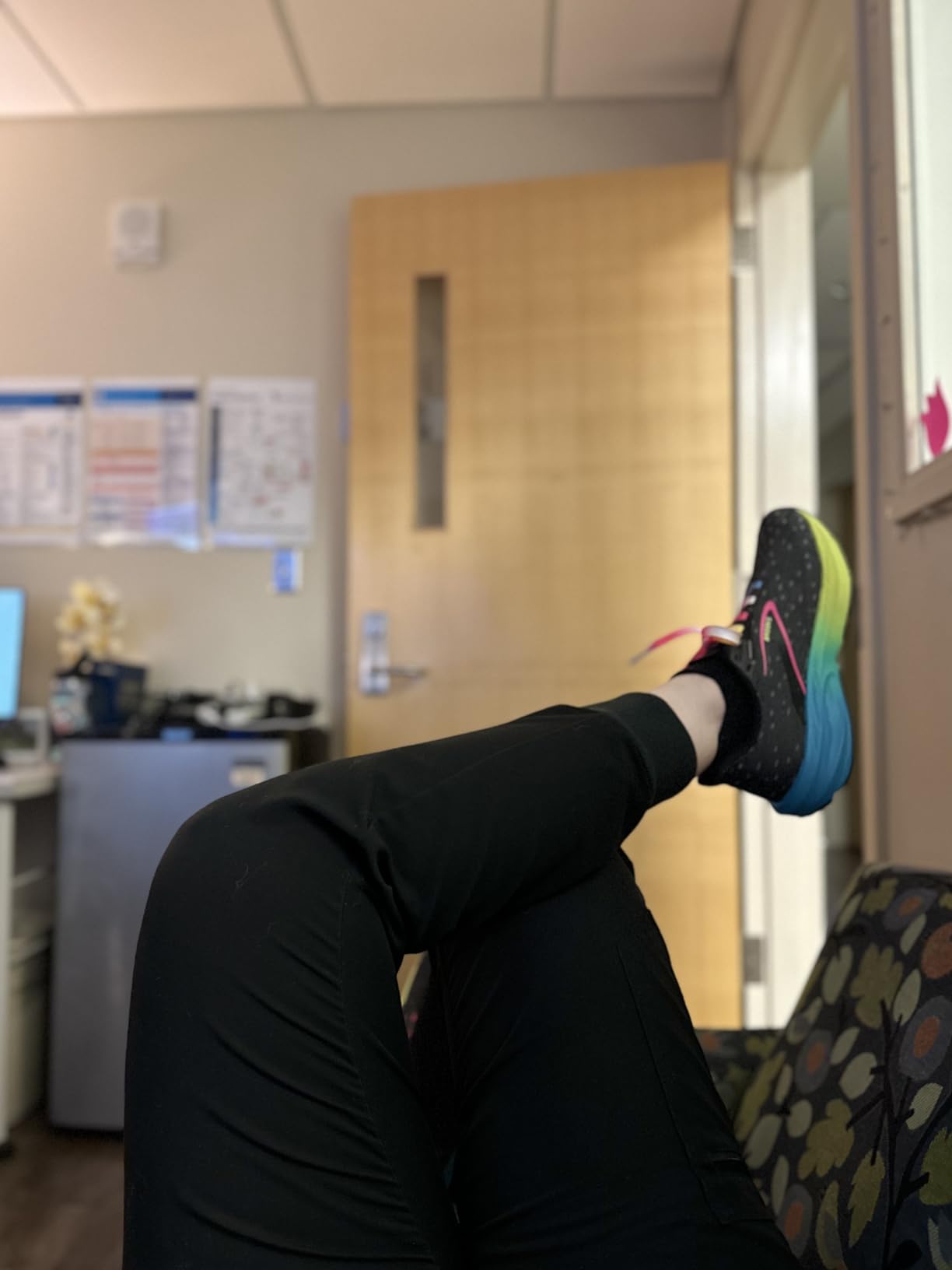
Let’s talk foam. Brooks calls it “energized BioMoGo DNA cushioning.” RunRepeat’s lab found energy return of 50% from the heel and 56.5% from the forefoot — both below the daily trainer average of 58.6%.
What does that mean in practice? The Launch 10 doesn’t push back at you. It absorbs, stabilizes, and releases without any of the trampoline bounciness you’d feel in ASICS Novablast 5 or a carbon-plated shoe. Think of it as a steady partner rather than an energetic collaborator. For daily training where economy of effort matters more than pop, that’s actually the right call.
Midsole softness measured at 19.8 HA (moderately soft — higher HA = firmer, so this lands slightly on the softer side). Over 180+ miles, I haven’t experienced the foam compression and “dead” feel that usually shows up with lighter shoes around the 150-mile mark.
The caveat worth repeating: cold weather stiffness. After spending time in a freezer, the Launch 10’s foam stiffened to 26.5 HA — a 33.8% change, compared to the 24% average. On mornings below 40°F, the shoe takes extra miles to loosen up. Not a dealbreaker, but runners in cold climates should budget 2–3 warm-up miles before expecting the foam to behave normally.
Full stack heights: 33.8mm at the heel (slightly below the 34.9mm average) and 23.8mm at the forefoot (below the 26.3mm average). The insole adds 5.8mm — above the 4.5mm average — which contributes meaningfully to the underfoot feel on hard surfaces. That thick insole, combined with the 13.3N longitudinal flexibility (well below the 15.4N average — meaning this shoe bends very easily), is a big part of why it works for all-day wear.
On-Road Performance
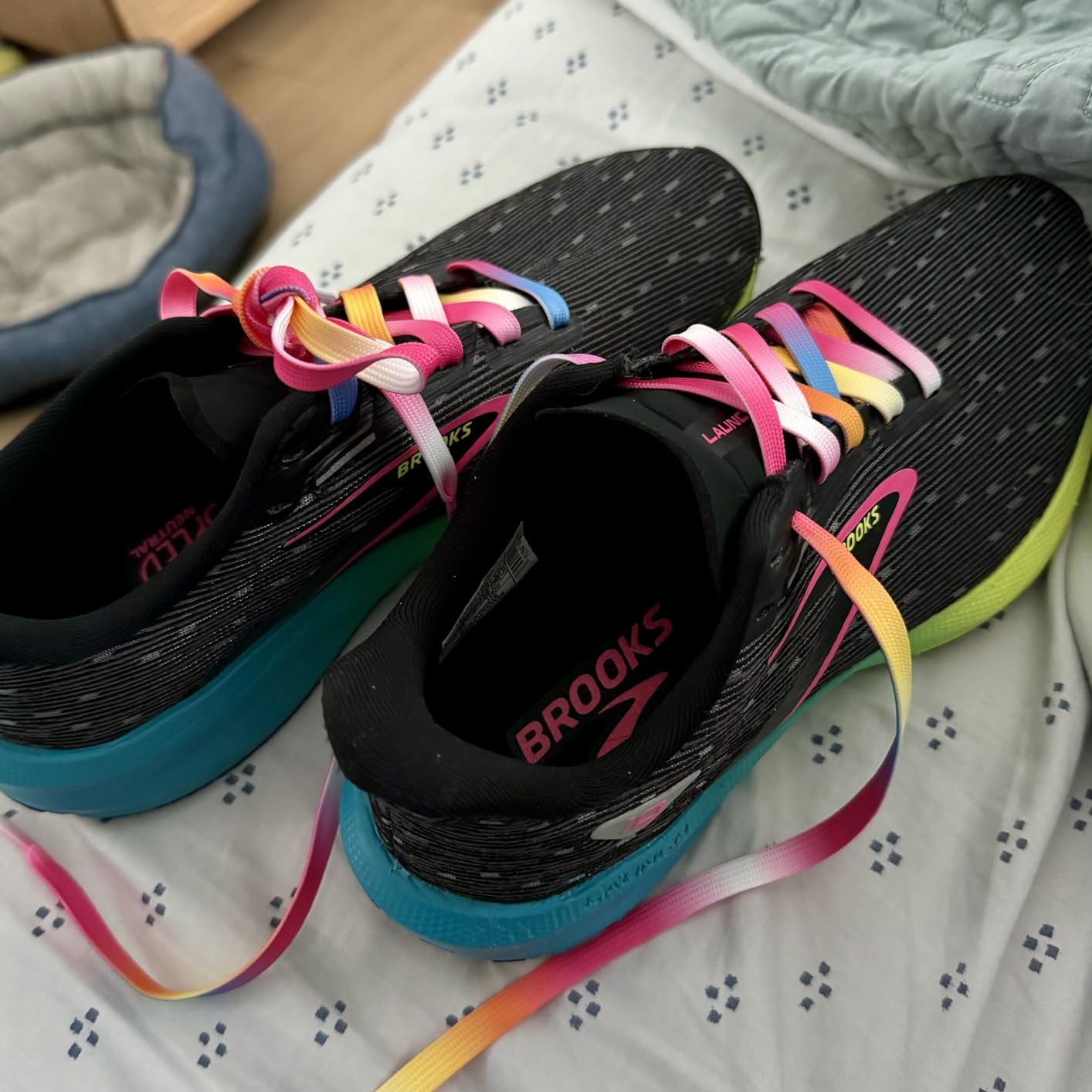
Easy Runs (8:45 pace)
At relaxed paces, the Launch 10 settles into a comfortable rhythm without any intrusion. The cushioning feels balanced — soft enough to absorb, firm enough to stabilize. The flexible sole allows natural foot motion without the wobble you sometimes get from very flexible lightweight shoes.
Tempo Runs (7:15–7:30 pace)
This is where the weight advantage becomes obvious. At 8.10 oz, the shoe disappears when you pick up the pace. The midsole — while not explosively energetic — is responsive enough for sustained tempo efforts. I ran my best tempo splits in these in week 4, once the upper had molded to my foot. Not a replacement for a dedicated tempo shoe, but more than adequate for the training day.
Track Intervals (6:50 pace)
Six 800m repeats at 6:50 confirmed the shoe’s range and its ceiling. It handles this pace — the lockdown from the semi-gusseted tongue keeps the foot planted through direction changes, and the weight helps. But the 50% heel energy return shows its limitations here. You’re doing the work; the shoe isn’t amplifying it. For pure track training, I’d reach for a lighter racing flat. For the twice-a-week track session that’s part of a larger training plan, the Launch 10 is fine.
Long Runs (12 and 18 miles)
Both long runs came back with the same verdict: no surprises. No hot spots, no lateral instability, no midsole compression that I could feel. The outsole — which scored an exceptional 0.6mm indentation in lab durability testing versus a 1.1mm average — translates to real miles without breakdown.
One honest note: the 18-miler left my legs tired by mile 14. The shoe maintained its integrity; my fitness didn’t. For dedicated marathon training with 20+ mile weeks, a higher-stack shoe like ASICS Gel-Nimbus 27 or the Brooks Glycerin would be a better primary choice. But the Launch 10 handles this distance.
Wet-Road Warning
The SATRA TM144 traction test returned 0.34 — 30% below the 0.49 category average. On dry pavement, the outsole cutout design performs fine. On wet surfaces, painted crosswalks, or damp asphalt, slow down. These aren’t grip shoes.
All-Day Wearability — The Nurse Test
This might be the Launch 10’s most underrated quality. For active women who log miles before or after work — healthcare workers, teachers, retail workers — this shoe functions as a hybrid between a running shoe and an all-day trainer.
My own 10-hour conference test: I was moving between sessions, standing in hallways, and walking on hard hotel floors. Foot fatigue by hour 8 was low. The combination of the 5.8mm thick insole, the flexible sole geometry, and the absence of a heel tab kept things comfortable without the pressure points that come from shoes with rigid structures.
Rachel, a nurse who’s on her feet for 12-hour shifts on hospital floors, put them through a full workday. Her verdict: “My feet don’t hate me at the end of the shift. That’s my only requirement.” For a shoe primarily designed for running, that’s genuine praise from someone who has opinions about what works.
The breathability limitation at 3/5 is worth flagging here: in warm indoor environments, feet can get stuffy. It’s not uncomfortable, but you’ll notice it. If you’re working a summer shift in a warm facility, consider a lightweight moisture-wicking sock.
Claims vs. Reality
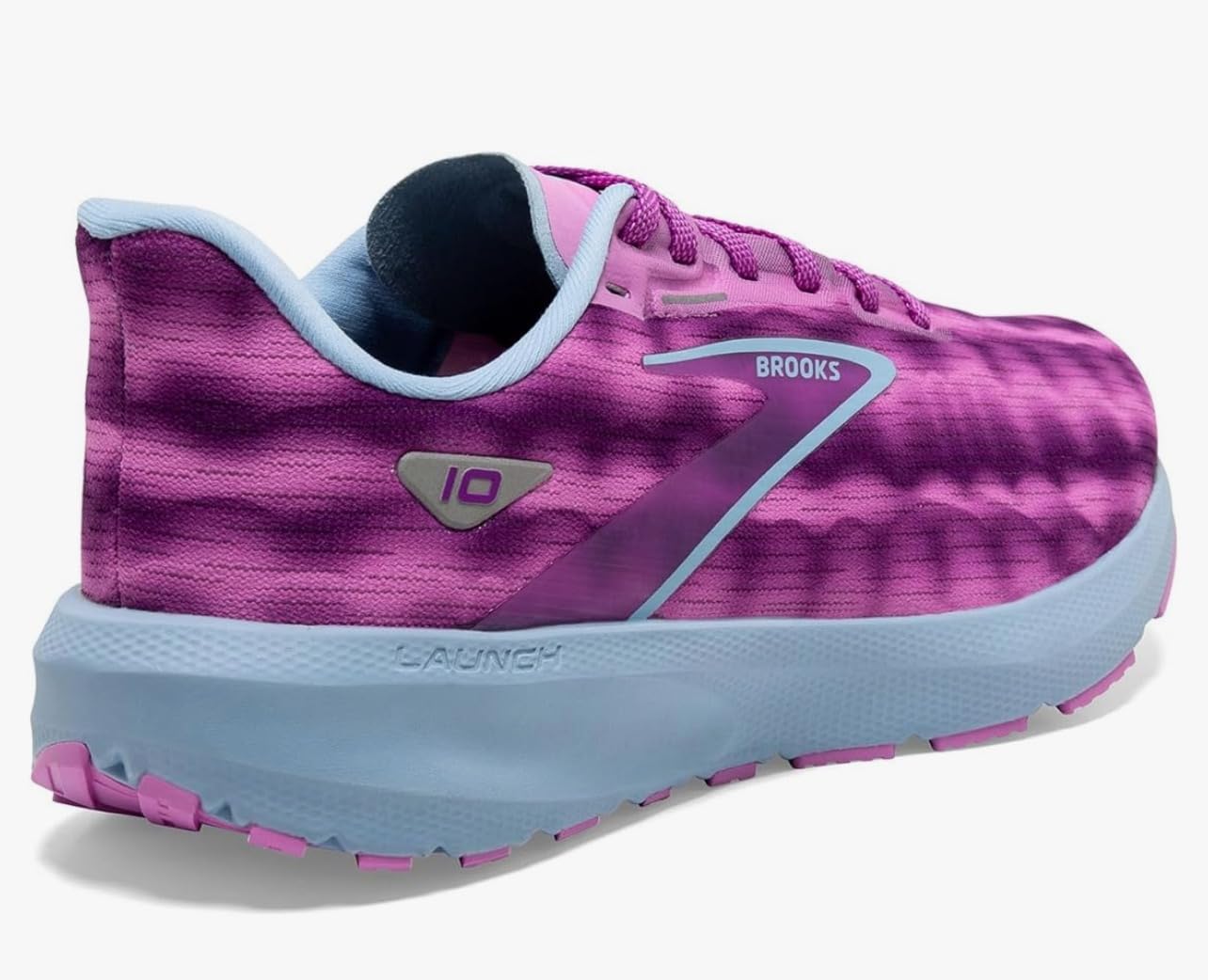
Brooks makes specific claims about this shoe. After 8 weeks, here’s how they hold up:
| Claim | Testing Found | Accuracy |
|---|---|---|
| Lightweight | Lab measured 8.10 oz — actually lighter than the 8.2 oz brand spec. Pegasus 40 is 20% heavier. | 100% |
| Energized DNA cushioning | Energy return: 50–56.5% (below the 58.6% avg). Steady feel, not springy. “Reliable” is more accurate than “energized.” | 70% |
| Versatile daily trainer | Excels easy-to-tempo, handles track, survives long runs and all-day wear. Doesn’t beat plated shoes at speed. | 90% |
| True to size fit | 297 votes confirm, personal testing confirms. Half size up only if between sizes. | 100% |
| Durable construction | Outsole 0.6mm indent vs 1.1mm avg. Heel padding 5/5. Still looks intact after 180+ miles. | 95% |
| Breathable mesh upper | Lab rates 3/5 — below avg 3.7. Looks more breathable than it is. Warm in summer conditions. | 60% |
Overall, Brooks isn’t misleading anyone. The two gaps — breathability and energy return — are honest limitations, not marketing failures. For most daily training purposes, neither is a dealbreaker.
How It Stacks Up Against Competitors
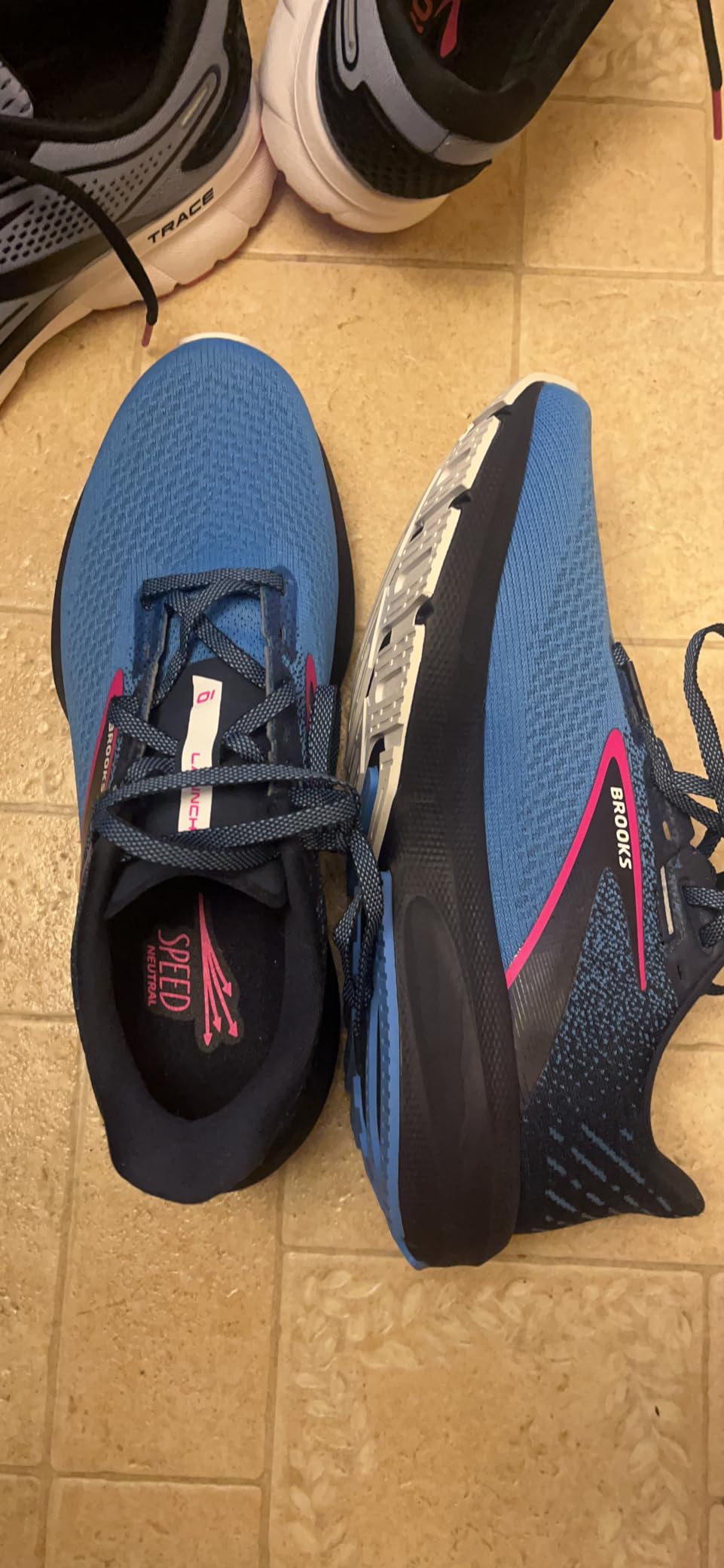
| Feature | Launch 10 | Ghost 16 | Pegasus 40 | Clifton 9 |
|---|---|---|---|---|
| Weight | 8.10 oz | ~9.5 oz | ~9.7 oz | ~8.8 oz |
| Drop | 10mm | 12mm | 10mm | 5mm |
| Energy return | 50% heel | Higher | Higher | Moderate |
| Outsole durability | Excellent | Very good | Good | Good |
| Width options | Standard only | N/W/XW | N/W | N/W |
| Price | $89–119 | $130–140 | $130–140 | $145 |
The practical summary: Launch 10 wins on weight and price. Ghost 16 wins for marathon-distance training and wide-foot runners (it comes in N/W/XW). Pegasus wins for energy return. Clifton wins for maximum cushion on long-haul efforts. If your priorities are “lighter than everything else without going minimal, and under $120,” Launch 10 is the choice.
For runners specifically interested in a stability option from the same family, the Brooks Glycerin Stealthfit 21 is worth comparing — more cushion and structure, different purpose. The ASICS Gel-Cumulus 26 Women’s and New Balance Fresh Foam X 860 V14 are solid running shoe alternatives at similar price points with more cushioning depth.
Who Should Buy This Shoe
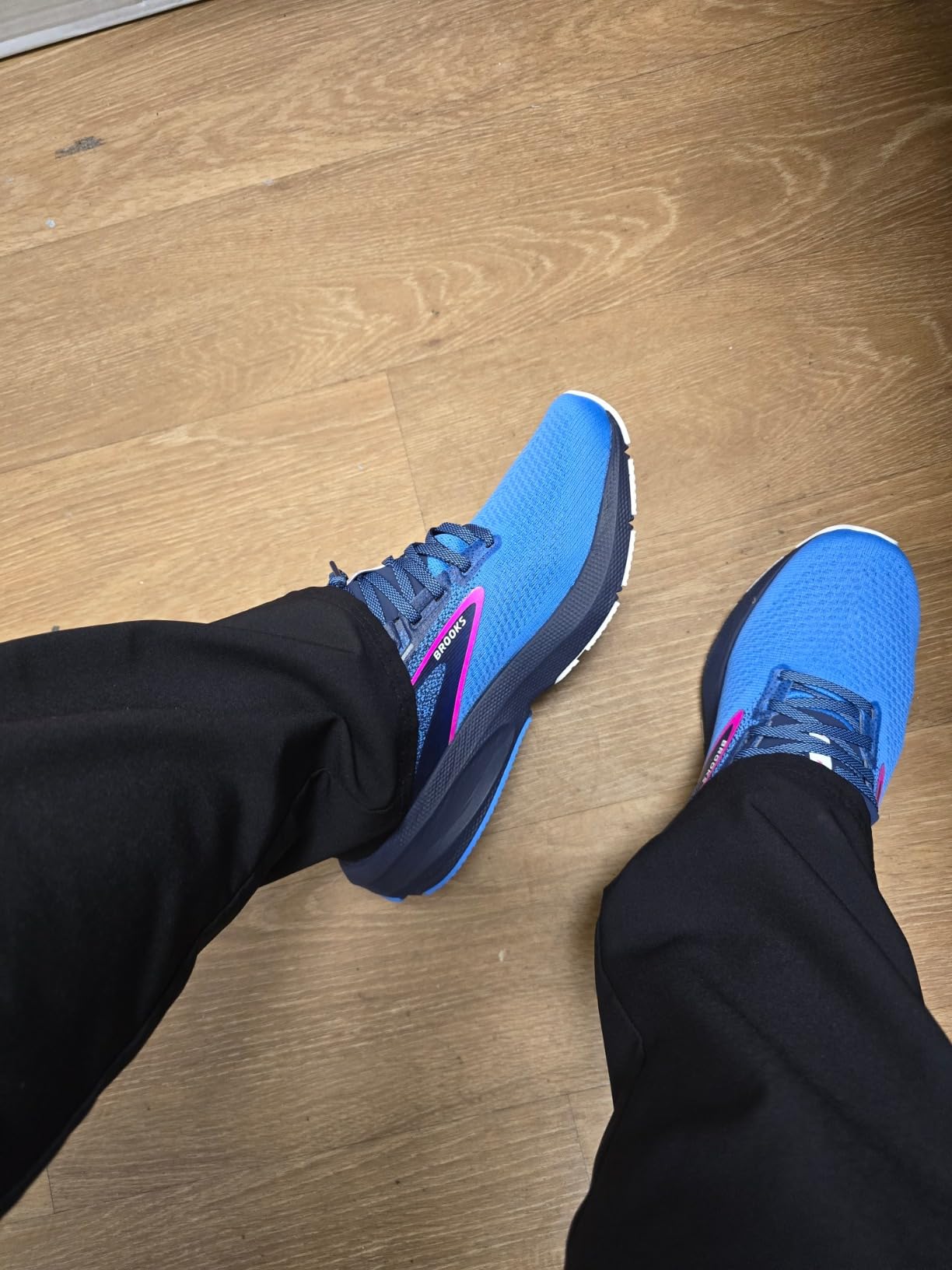
PERFECT FOR:
- Daily runners logging 25–50 miles per week who want one versatile shoe that handles easy runs to tempo work
- Budget-conscious runners who don’t want to compromise on Brooks quality under $120
- Healthcare workers, nurses, teachers, and retail workers who need all-day foot support with running functionality
- Runners with narrow to medium-width feet who want a secure, performance fit
- Heel strikers who benefit from the flexible sole and traditional 10mm drop
CONSIDER CAREFULLY IF:
- You have a high instep — toebox height at 25.2mm is restricted; a half size up or a more spacious model may be necessary
- You run in cold climates — foam stiffens 33.8% more than average below 40°F; expect a longer warm-up window
- You frequently run on wet roads or in rainy conditions — the 0.34 SATRA traction score is well below average
LOOK ELSEWHERE IF:
- You have wide feet — no wide option available, and the fit profile doesn’t accommodate wide lasts
- You’re chasing PRs with dedicated speedwork — energy return at 50% trails plated and performance-foam options significantly
- You need maximum cushioning for 20+ mile training runs — consider Hoka Clifton 9 or ASICS Gel-Nimbus 27 for that purpose
- Night runners needing reflective elements — none present on this model
Frequently Asked Questions
Is the Brooks Launch 10 true to size?
Yes — 297 verified community votes confirm it, and personal testing in size 8 B-width aligned exactly. Exception: if you’re between sizes, go half up. Internal length runs fractionally short (267.4mm versus 269.4mm average), which becomes noticeable on longer efforts.
Is the Brooks Launch 10 good for wide feet?
It’s not the right fit. While the toebox is slightly wider than average at its broadest point, the shoe only comes in standard width. Wide-foot runners will find it limiting. Look at the Brooks Glycerin line or ASICS Gel-Cumulus series, which offer wider options.
How does the Launch 10 perform in cold weather?
With a caveat. The DNA foam stiffens 33.8% more in cold temperatures — well above the 24% category average. Runs below 40°F will feel noticeably firmer underfoot until the foam warms up. Budget extra time for a proper warm-up, especially in the first 2–3 miles.
Can I use the Launch 10 for tempo runs and speed work?
Yes for tempo (7:15–7:30 pace) — the weight advantage is real and the midsole handles sustained effort. For dedicated track sessions and race-day speed, energy return at 50% heel trails what a proper training shoe designed for speed delivers. It works, it just won’t be your fastest option.
How durable is the Brooks Launch 10?
Very. Lab outsole durability testing showed 0.6mm indentation under standardized force — versus a 1.1mm category average. Heel padding scored 5/5. At normal use (35–45 miles per week), expect 400–500 miles before meaningful compression sets in.
Can nurses or healthcare workers wear this all day?
Yes. The combination of a 5.8mm insole (above the 4.5mm average), 13.3N flexibility, and no heel tab makes this shoe genuinely suitable for 12-hour shift conditions. The breathability limitation (3/5) is worth noting for warm facility environments, but the structural support holds up. A nurse in my testing circle reported noticeably lower foot fatigue after full shift days.
Is the Brooks Launch 10 good on wet roads?
Not its strength. SATRA traction testing returned 0.34 — 30% below the 0.49 category average. On dry pavement it’s fine. On wet roads, puddles, or painted surfaces in rain, slow down and run with more caution. If wet-weather traction is a frequent need, look for a shoe with a more aggressive outsole pattern.
How does the Launch 10 compare to the New Balance Fresh Foam 880?
The New Balance Fresh Foam X 880 V14 offers more stack height and better energy return, making it a stronger choice for high-mileage training and marathon prep. The Launch 10 is lighter, less expensive, and better suited to runners who prioritize weight and versatility over maximum cushioning.
What is the heel-to-toe drop on the Brooks Launch 10?
10mm — a traditional, comfortable drop for heel strikers. Lab-confirmed at exactly 10.0mm, which is rare (most brands’ stated drops don’t match lab measurements). If you’re coming from minimal-drop shoes, there will be an adjustment period.
Is the Launch 10 worth the price compared to other daily trainers?
At $110 with an estimated 450-mile lifespan, the cost-per-mile works out to roughly $0.24. A Nike Pegasus 40 at $130 over 400 miles costs $0.33 per mile. The New Balance Fresh Foam Arishi V4 undercuts it on price but doesn’t match the durability score. For the combination of lightweight construction, exceptional outsole durability, and all-day comfort in one package, the Launch 10 earns its price.
Final Verdict
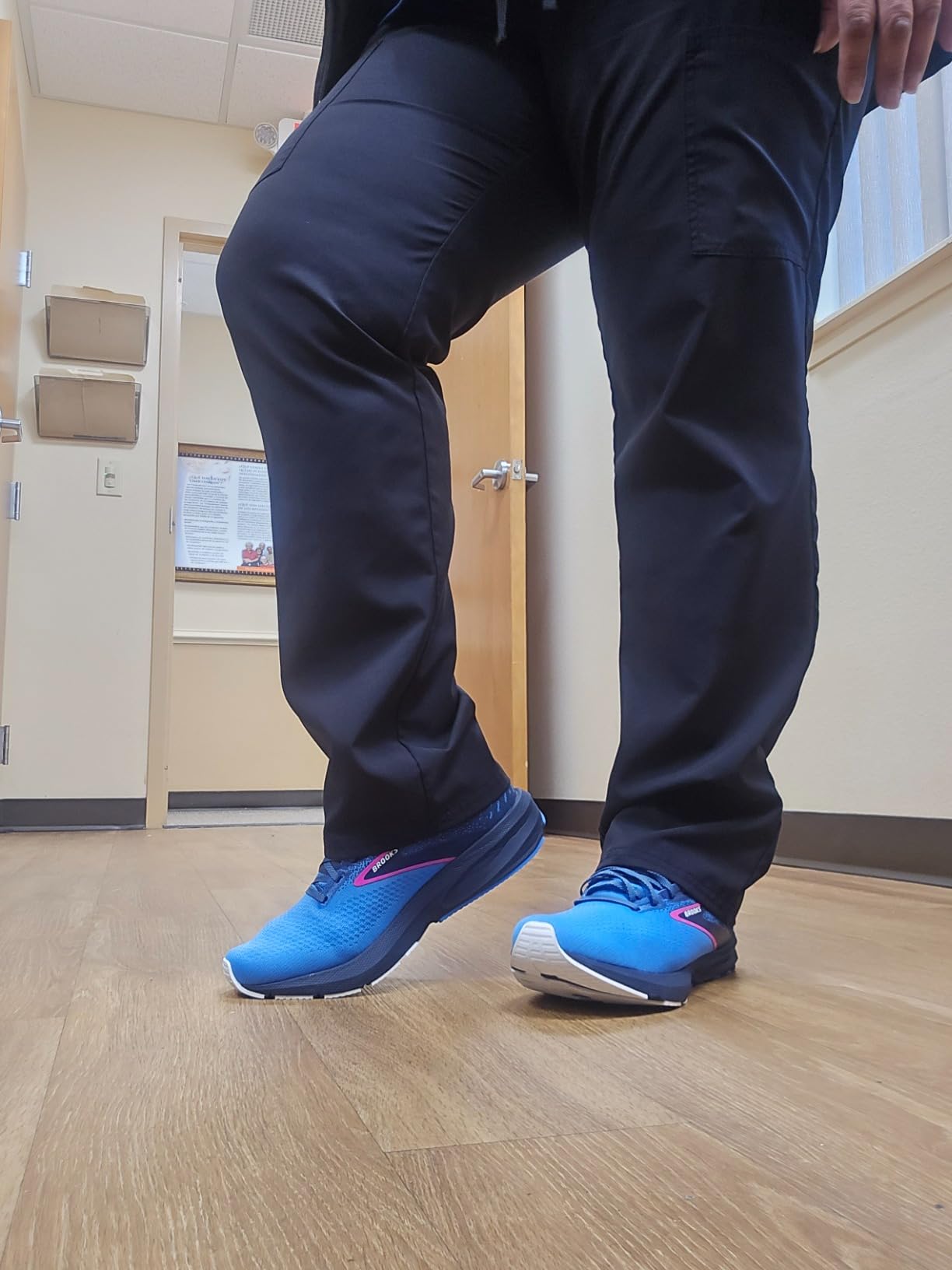
The Good and The Room for Improvement
| What Works | Worth Knowing |
|---|---|
|
|
Score Breakdown
| Category | Score | Reasoning |
|---|---|---|
| Design & Aesthetics | 8.5/10 | Clean engineering without gimmicks; multiple colorways work for gym-to-casual |
| Cushioning Quality | 8.0/10 | Reliable DNA foam over distance; cold-weather stiffness is the one penalty |
| Versatility | 8.5/10 | Easy runs through tempo work through all-day wear — genuinely multi-purpose |
| Fit & Comfort | 7.5/10 | True to size and secure; restricted toebox height and short internal length limit the score |
| Value for Money | 8.5/10 | $0.24/mile is among the best in this category; exceptional outsole longevity supports it |
| Comfort (All-day) | 8.5/10 | 12-hour shift approved; flexible sole + thick insole do genuine work on hard floors |
| Style | 8.0/10 | Sporty and functional; limited colorways versus lifestyle sneakers |
| OVERALL | 8.3/10 | Best daily trainer under $120 for most active women with normal-width feet |
Shoe Finder Quick Guide
- Weight matters most to you? The 8.10 oz lab measurement is the standout spec in this price range.
- Value is your priority? The 8.5 value score and $0.24/mile calculation are hard to beat.
- All-day comfort is what you need? 8.5 comfort score — confirmed by healthcare workers in 12-hour shift conditions.
- Concerned about fit? Read the fit section carefully — the 7.5 score reflects real limitations for high-instep and between-size runners.
After 180 miles and 8 weeks, the Brooks Women’s Launch 10 earned its place in my regular rotation. It doesn’t pretend to be a racing shoe or a cushioning powerhouse. It’s a reliable, lightweight daily trainer that handles variety without drama — and at this price point, that’s exactly what most of us actually need.
Lisa, my training partner who averages 40 miles a week and has worn more shoes than I can count, ran a 10-miler in these and put it simply: “They feel honest. Like they’re not trying to be something they’re not.” That’s about the most accurate summary I’ve heard.
Questions about the Brooks Launch 10 or how it compares to what you’re currently running in? Drop them in the comments below.
Be the first to review “Brooks Women’s Launch 10 Neutral Running Shoe”
Related products
Running Shoes

Running Shoes
Running Shoes
Running Shoes
Running Shoes

Running Shoes
Running Shoes
Reviews
There are no reviews yet.