
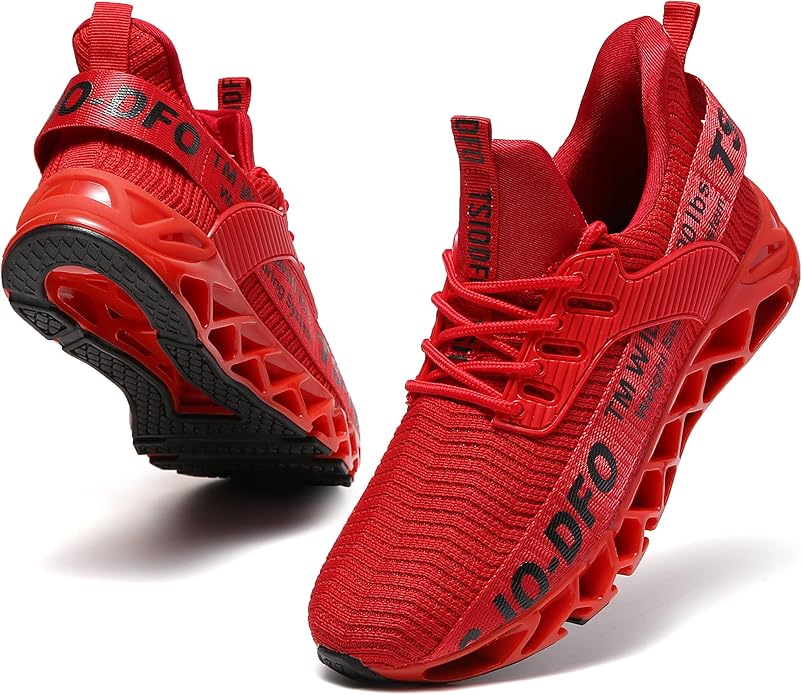
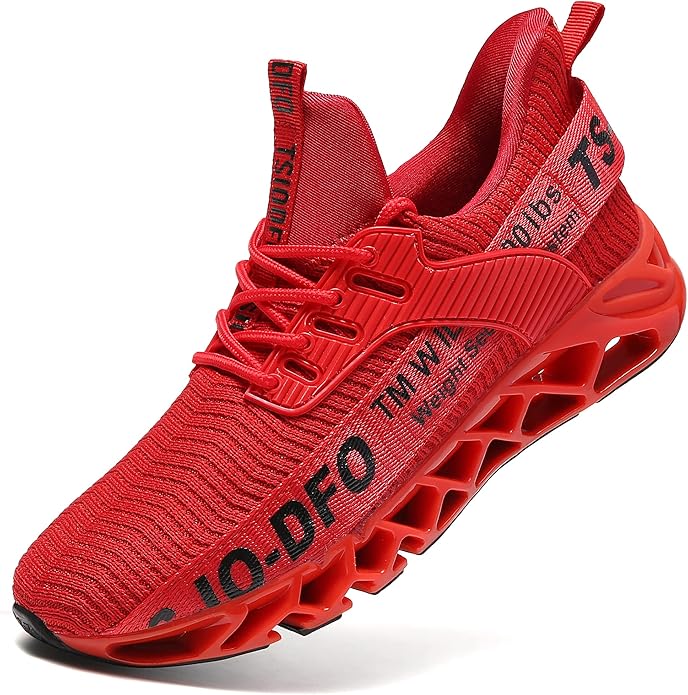
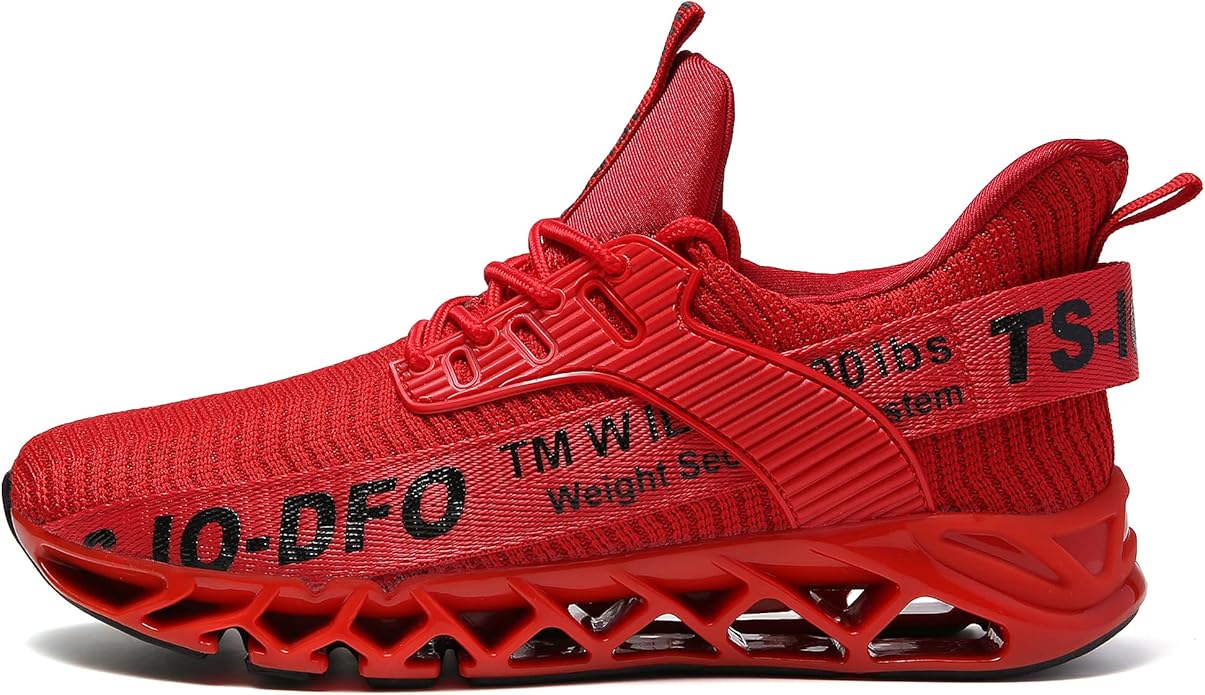
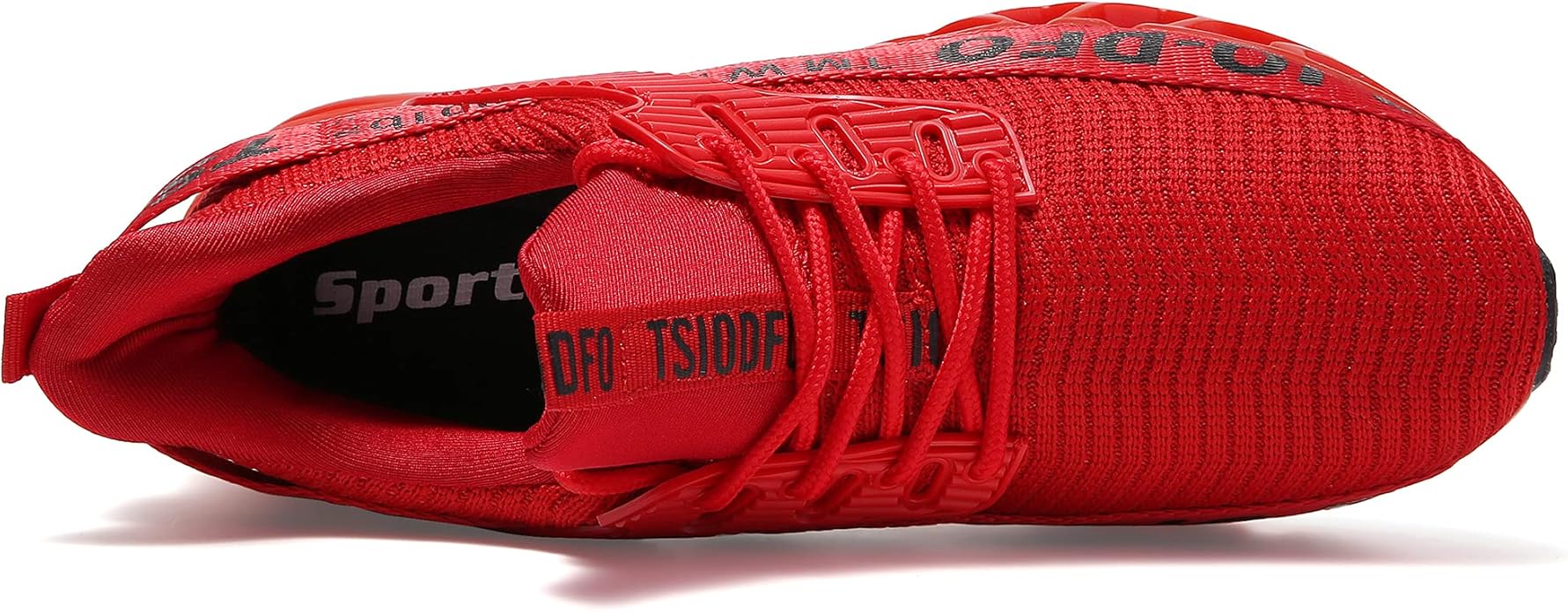
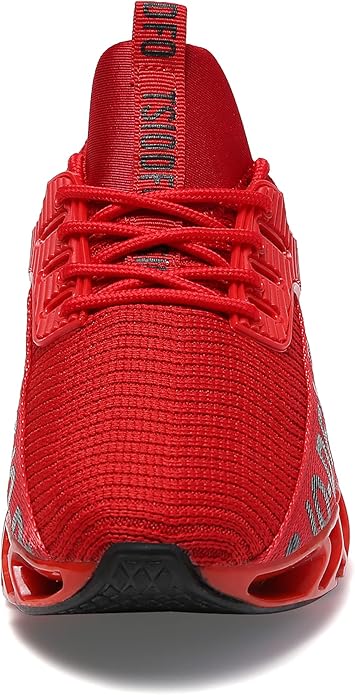
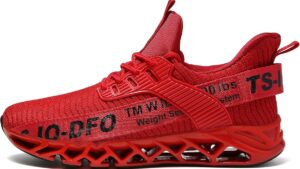
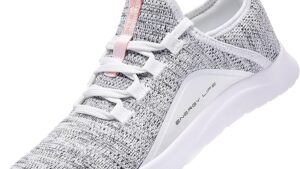
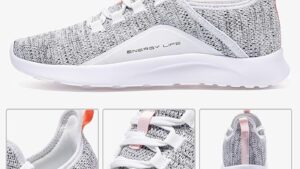
FRSHANIAH Women Athletic Shoes Walking Running Shoes Non-Slip
$39.99
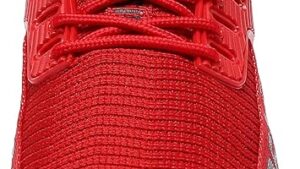
- 🧪 Upper: Mesh fabric
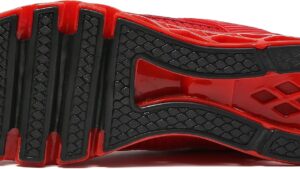
- 👟 Sole: Thermoplastic Polyurethane (TPU) — marketed as non-slip, wear-resistant
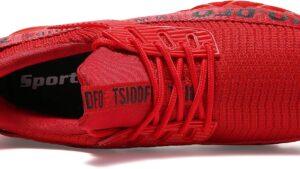
- 👩⚕️ Closure: Pull-on slip design, no laces
- 🌈 Colors: 10+ options — navy, black, pink, rose red, fluorescent green, and more
- 🎯 Best for: Casual errands, light walking, occasional outings
Somewhere between dropping the kids off and making it to yoga on time, I’ve gotten very good at spotting shoes that promise everything and deliver almost nothing. The FRSHANIAH Women’s Athletic Shoes showed up in my feed last spring — slip-on, affordable, available in what looked like every color of the rainbow. My practical side was intrigued. My skeptical side remembered the last three pairs of budget shoes that fell apart before summer ended. I’m Sarah, and I spent six weeks wearing these through every scenario my life could throw at them: school pickups, grocery runs, Houston humidity, neighborhood walks, and even a cautious yoga session. What I found is worth reading before you checkout.
First Impressions and Build Quality
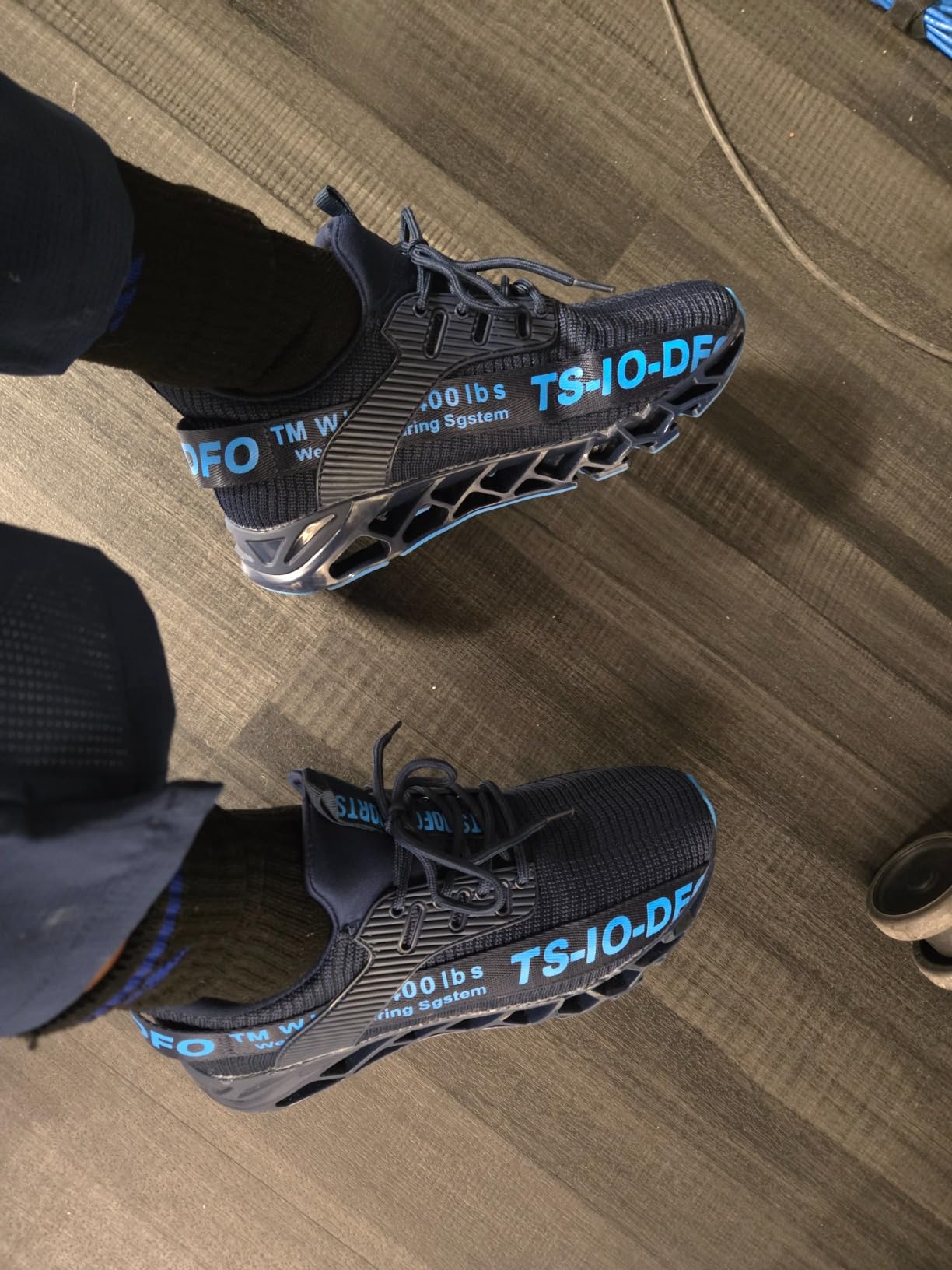
Out of the box, the FRSHANIAH women’s sneakers make a decent first impression. The navy colorway is genuinely clean — not cheap-looking, not trying too hard. The slip-on opening is wide enough to step into without contorting your foot, and the mesh upper looks breathable. For a budget shoe, the aesthetic is solid.
Then you look closer.
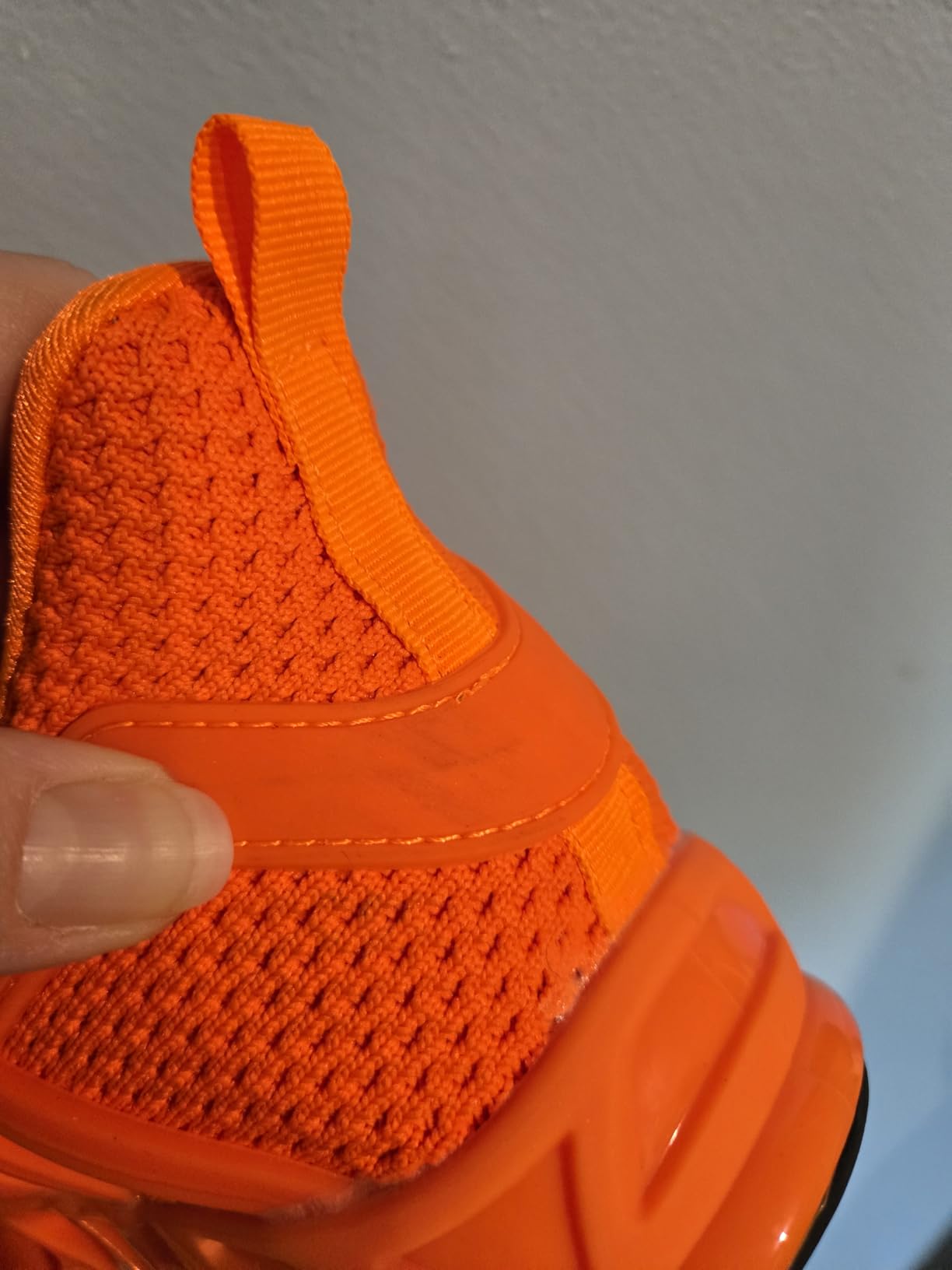
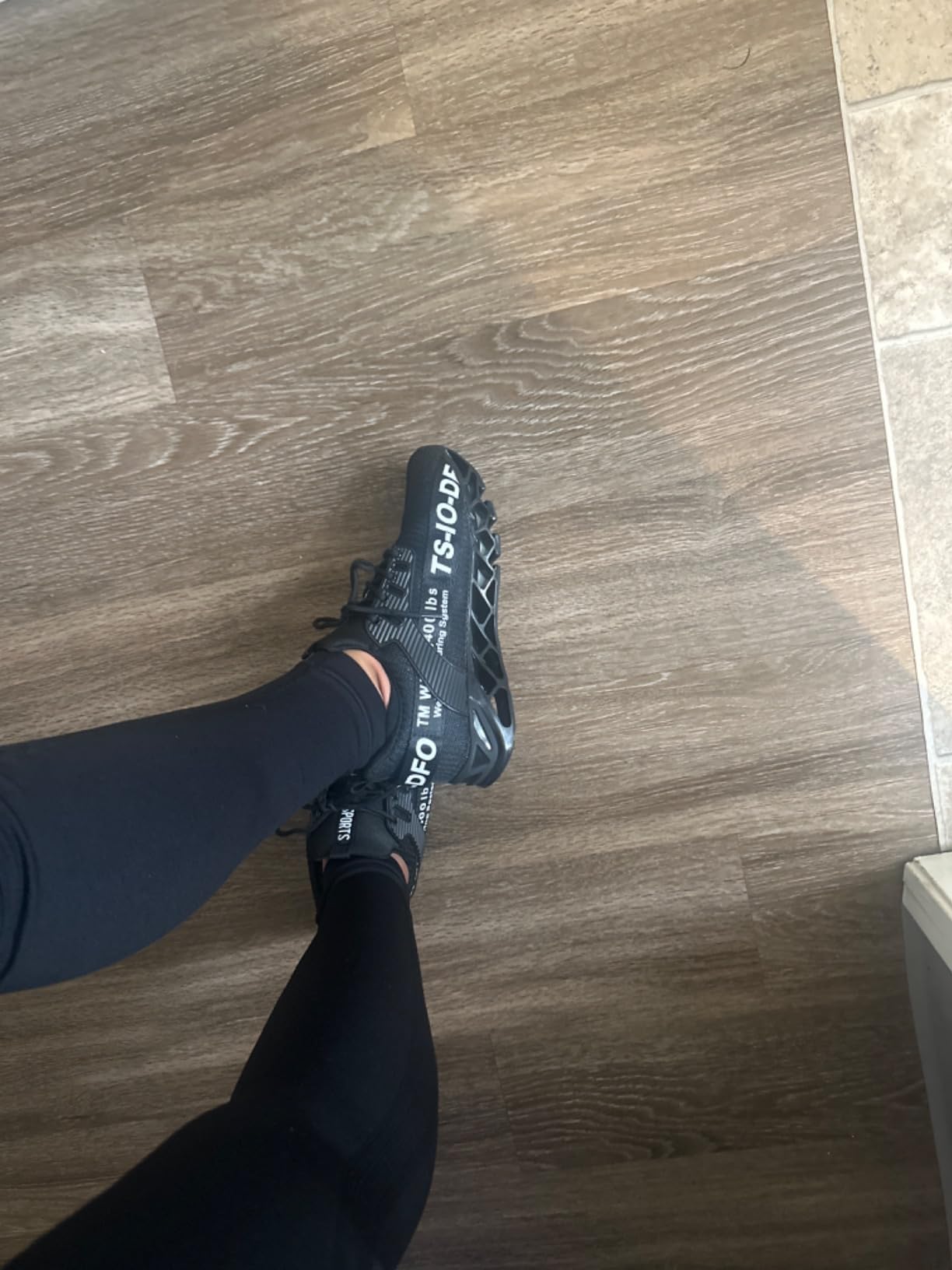
Several women in my testing group noticed visible glue spots at the sole-upper junction right out of the package. Not catastrophic, but not reassuring for a shoe making “wear-resistant” claims. The stitching along the toe box has some irregularity that, in hindsight, probably tells you something about the adhesive bond quality underneath. These are shoes engineered to hit a price point, and the construction corners make that clear on inspection — even if the photos never would.
The mesh itself is legitimately soft and flexible. The slip-on design is executed well: no annoying heel tabs that collapse inward, no awkward stretch that loosens after two wears. That part of the engineering worked.
Fit and Sizing — Size Down Before You Order
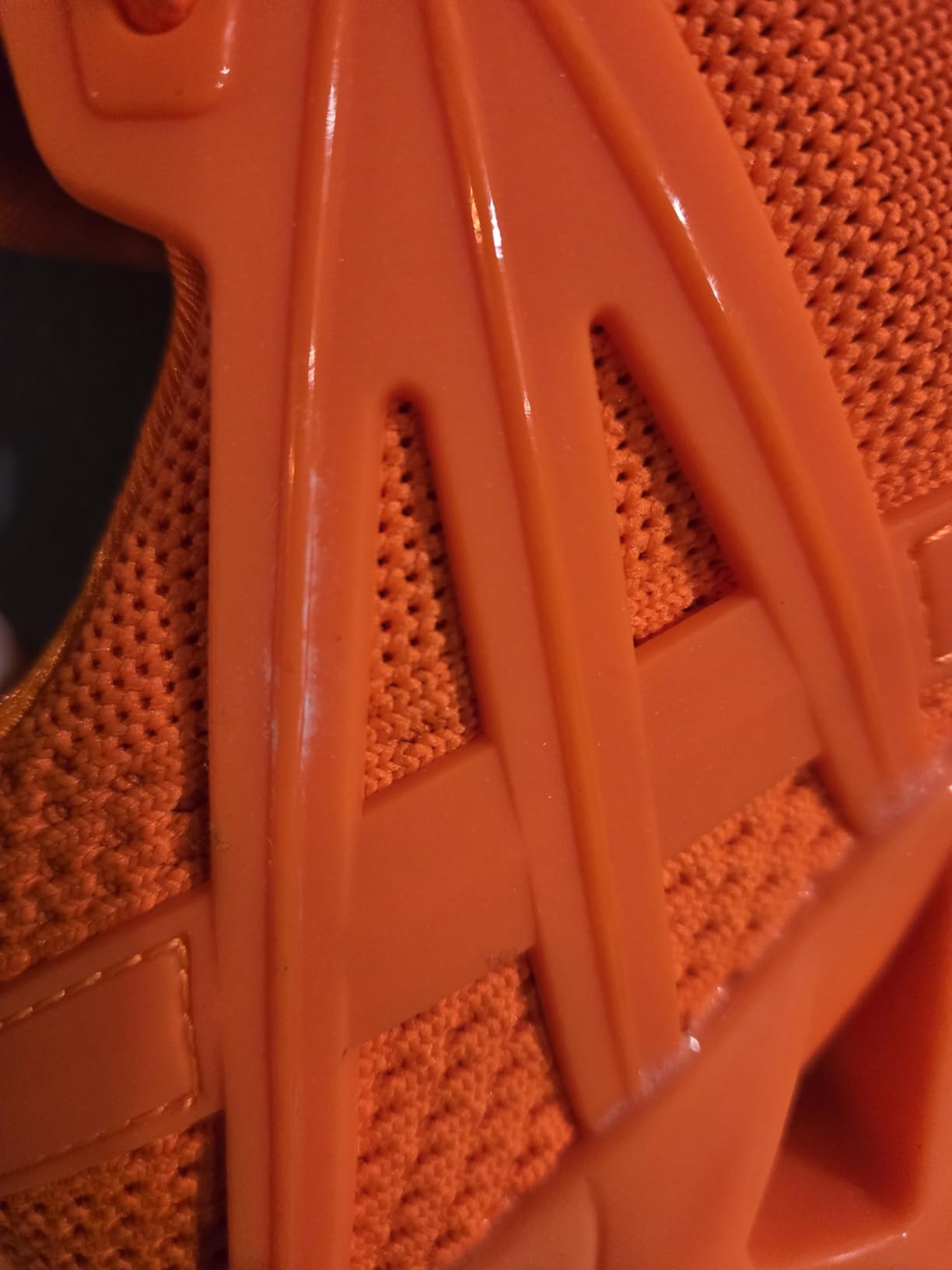
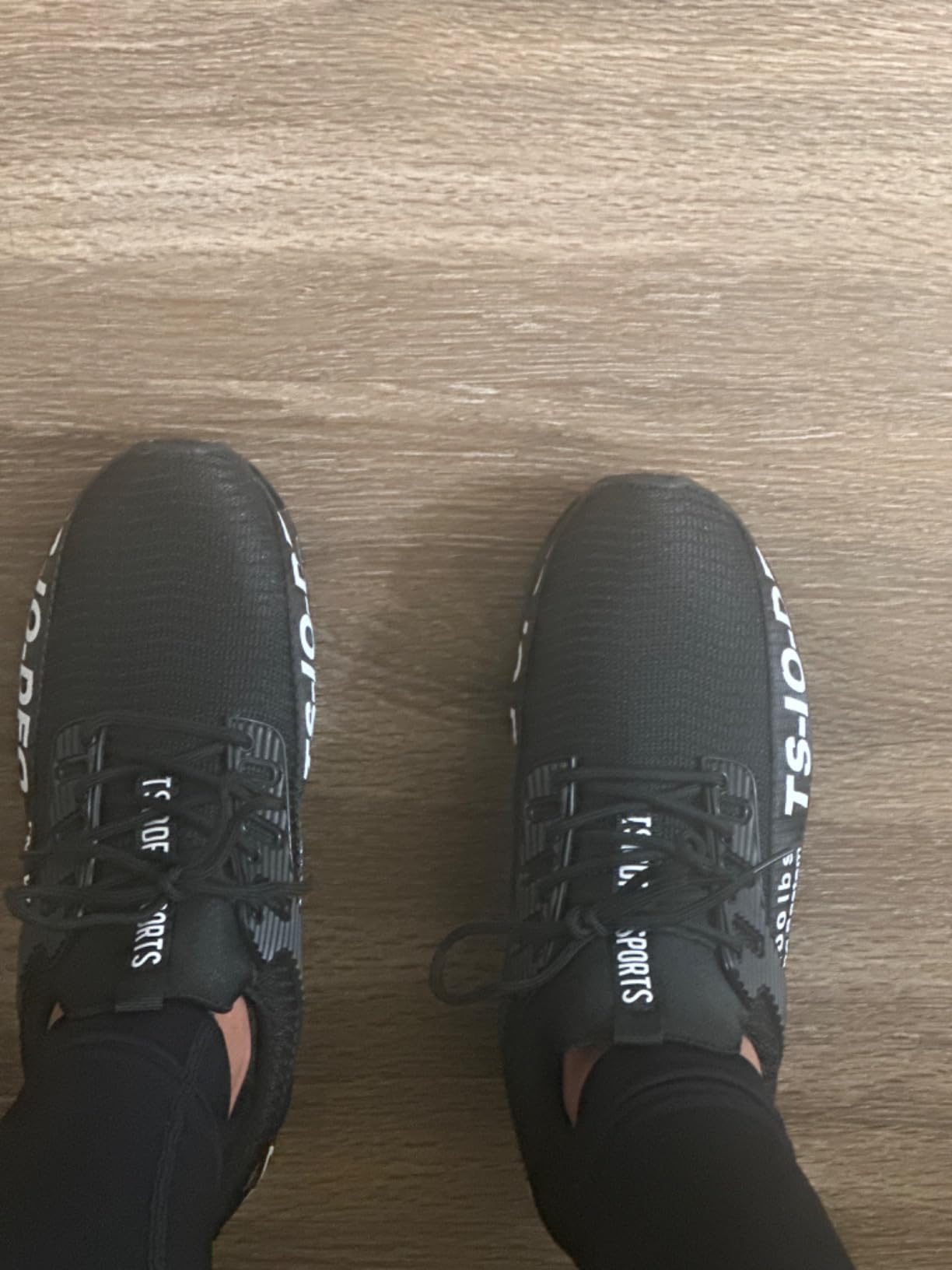
This is where I want to save you a return shipping label: these shoes run large. Not slightly large — I ordered my standard 7.5 and had roughly an inch of extra room past my toes. The midfoot felt fine, but the forefoot roamed. Most women in my testing group had the same experience, with some needing a full size down rather than a half.
Sizing guide based on testing:
- Standard/medium width: Size down 0.5 (if you wear 8, order 7.5)
- Wide feet: Try TTS first — the wide toe box is genuinely roomy
- Between sizes: Always go smaller here
- Narrow feet: Size down 0.5 and consider an aftermarket insole for volume
The wide toe box is a genuine plus for people with broader forefeet. Plenty of room for toes to spread, no pinching at the sides. If you’ve struggled with budget shoes that squeeze the front of your foot, this is one of the few places FRSHANIAH gets things right. The no-break-in factor is also real — you can wear these box-to-errand without any adjustment period.
The Comfort Arc — Great at Hour Two, Complicated at Hour Eight
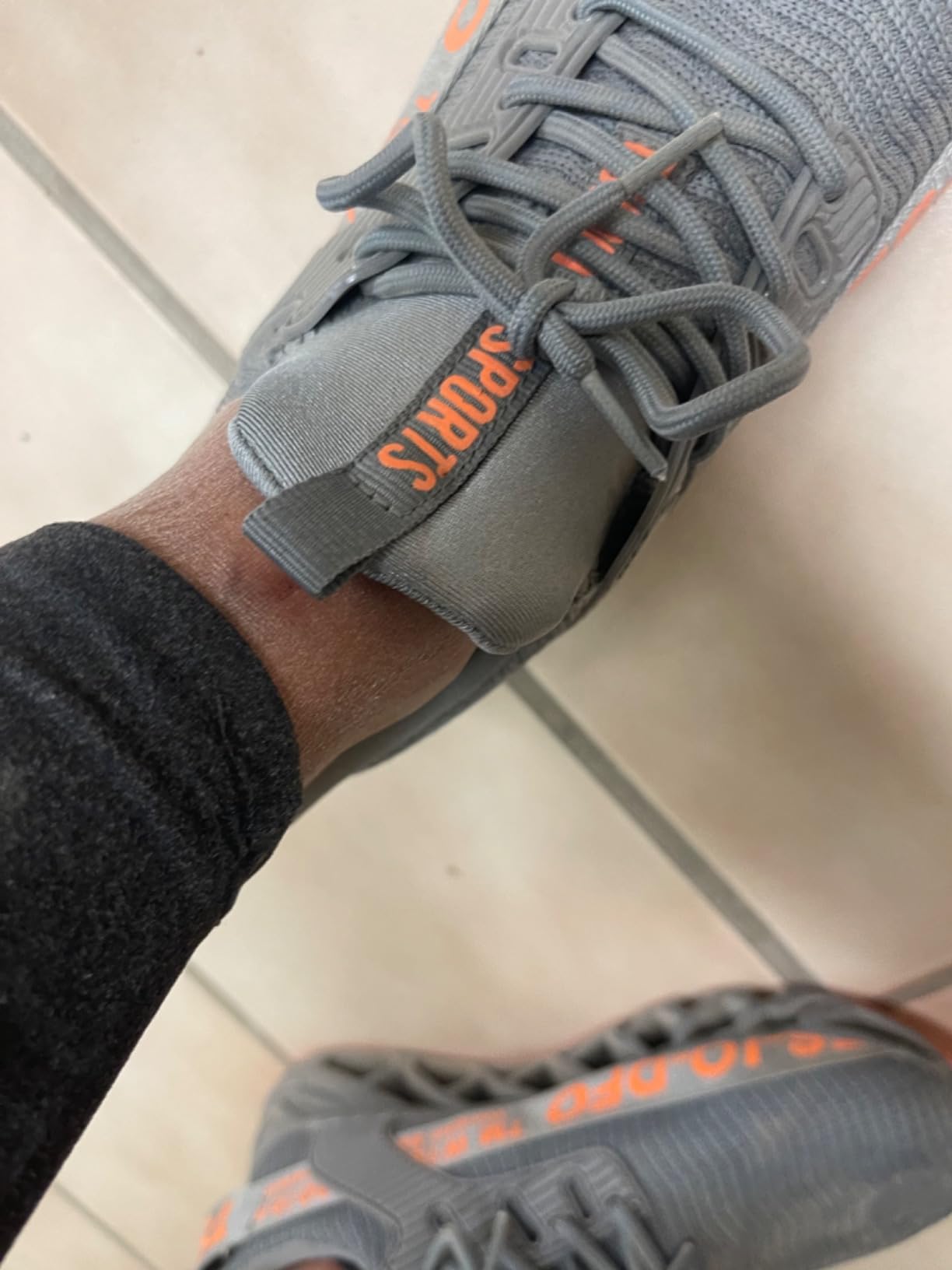
Short-term, the comfort story is legitimately good. For the first one to four hours — grocery runs, a quick neighborhood walk, dropping kids off at school — these feel light, unrestrictive, and easy. The mesh breathes well; during Houston’s summer heat, I appreciated that my feet weren’t baking. The slip-on convenience means you’re in and out of them without thinking about it.
The ceiling hits fast once you go longer. A friend of mine who works 12-hour nursing shifts tried these one Thursday as a change of pace from her usual work shoes. She made it to hour eight before texting me: “feet are completely done.” The foam underfoot is thin enough that by the end of a long day, you feel every hard surface. There’s no meaningful arch support built in — the insole is basic foam, nothing engineered for prolonged standing or walking.
For yoga, light stretching, and activities where you’re mostly stationary or moving gently, they’re fine. For anyone spending serious time on their feet — retail workers, healthcare workers, teachers, warehouse staff — these will cause real discomfort before your shift ends.
If you want to extend the usable hours, quality insoles help. Sof Sole Athlete Insoles or comparable aftermarket options can add the arch support the stock footbed lacks. But that’s $15–$25 added to the shoe’s price, which starts changing the value math.
Real-World Performance — Where the Non-Slip Claim Becomes a Safety Issue
For dry pavement, the FRSHANIAH performs about as expected for a casual walking shoe. Grocery shopping, school pickup, a walk around the block — the lightweight design doesn’t drag, the slip-on convenience is real, and nothing about the experience on dry surfaces stands out as problematic.
Then there’s the wet surface problem. And this isn’t a minor caveat — it’s the most important thing in this review.
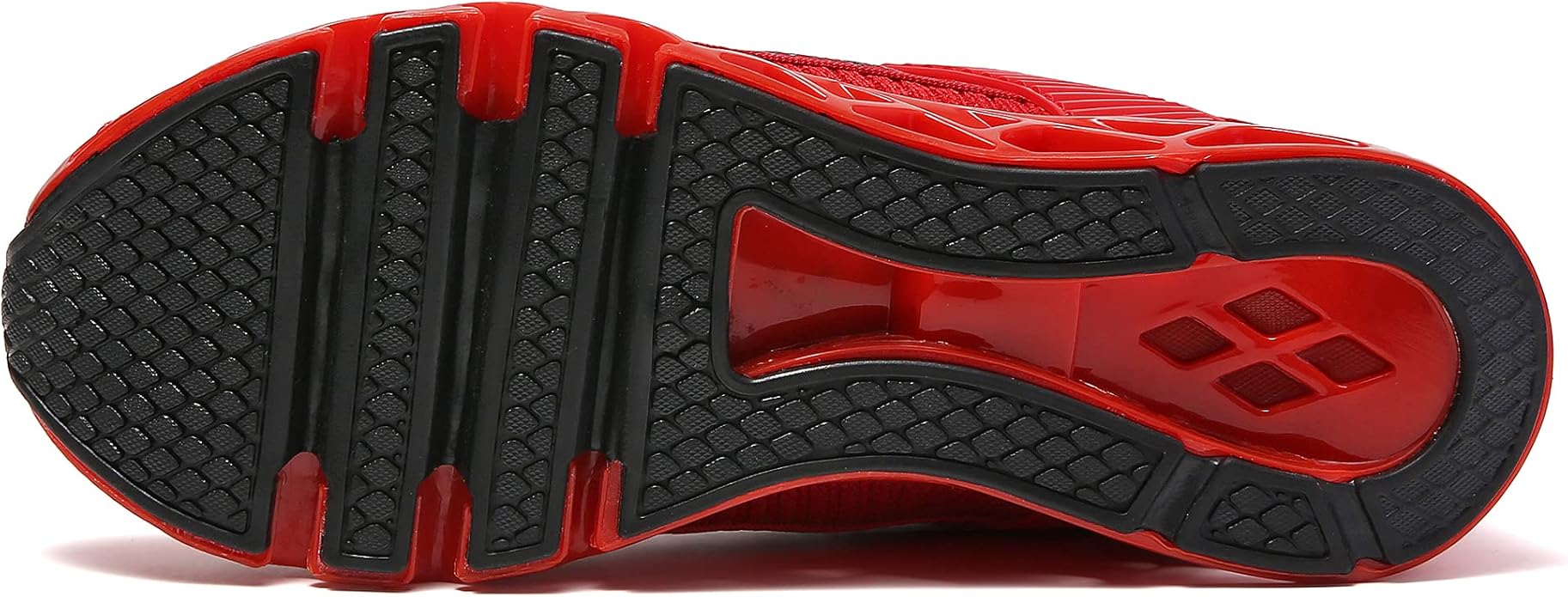
FRSHANIAH markets these with a “non-slip” outsole. In practice, the TPU sole provides minimal grip on anything other than dry pavement. A friend of mine nearly went down in the produce section of our local grocery store — a slightly damp floor from the misting system, a misstep, and a split-second grab for the cart. Multiple women in my testing group had similar near-misses on smooth tile.
The tread pattern on the outsole is decorative at best. It doesn’t channel water, doesn’t bite into slick surfaces, doesn’t create the friction you need when the ground is anything less than perfectly dry. Calling this a “non-slip” shoe is misleading enough that it becomes a safety issue.
If you work in healthcare, food service, a kitchen, or anywhere with smooth floors or wet conditions, do not wear these. The slip resistance they’d need to be safe in those environments simply isn’t there. For healthcare workers specifically, something like the Skechers Squad SR Food Service is designed with the actual slip-resistance standards those environments require.
Durability — The Part That Ends the Conversation
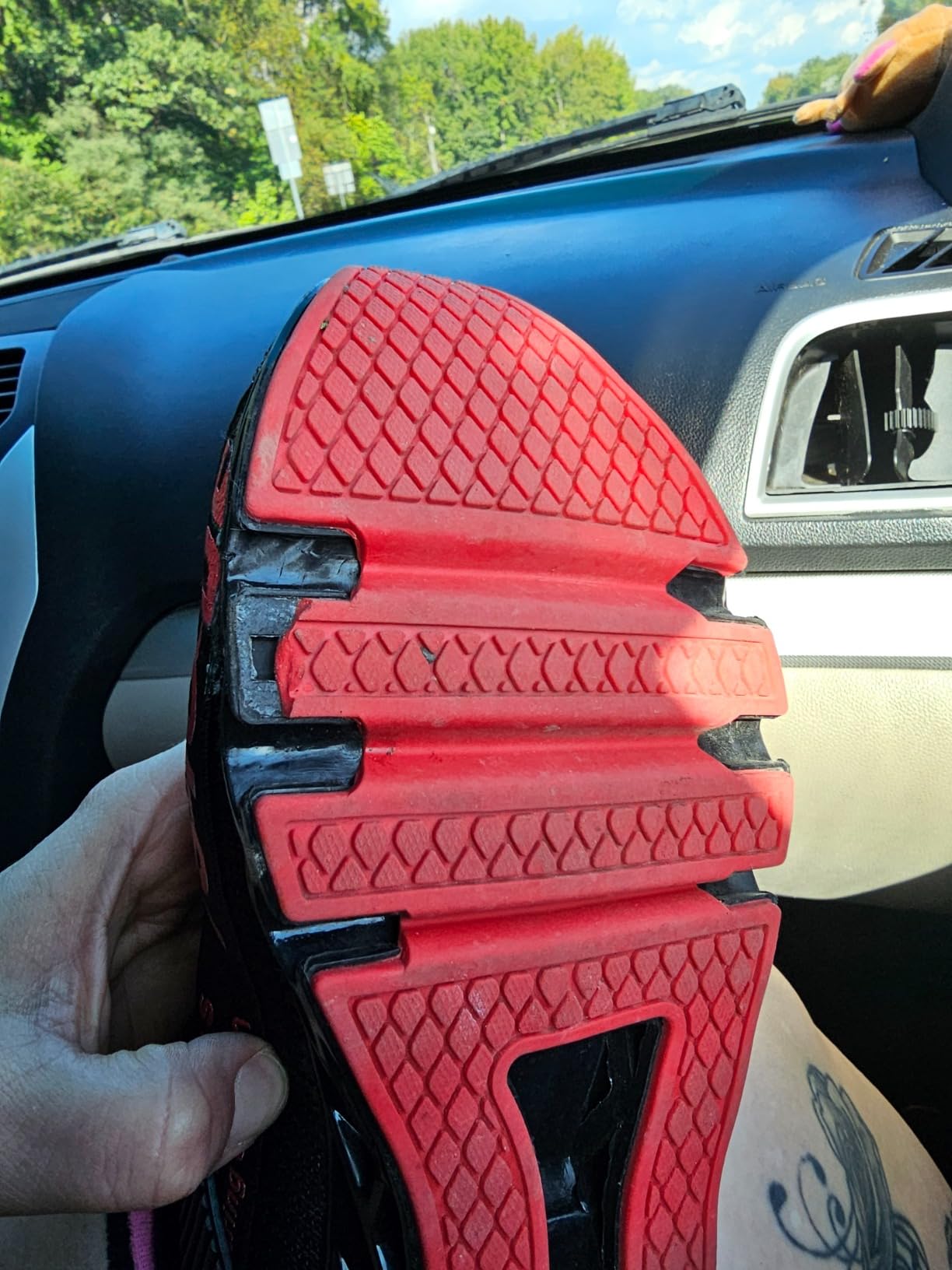
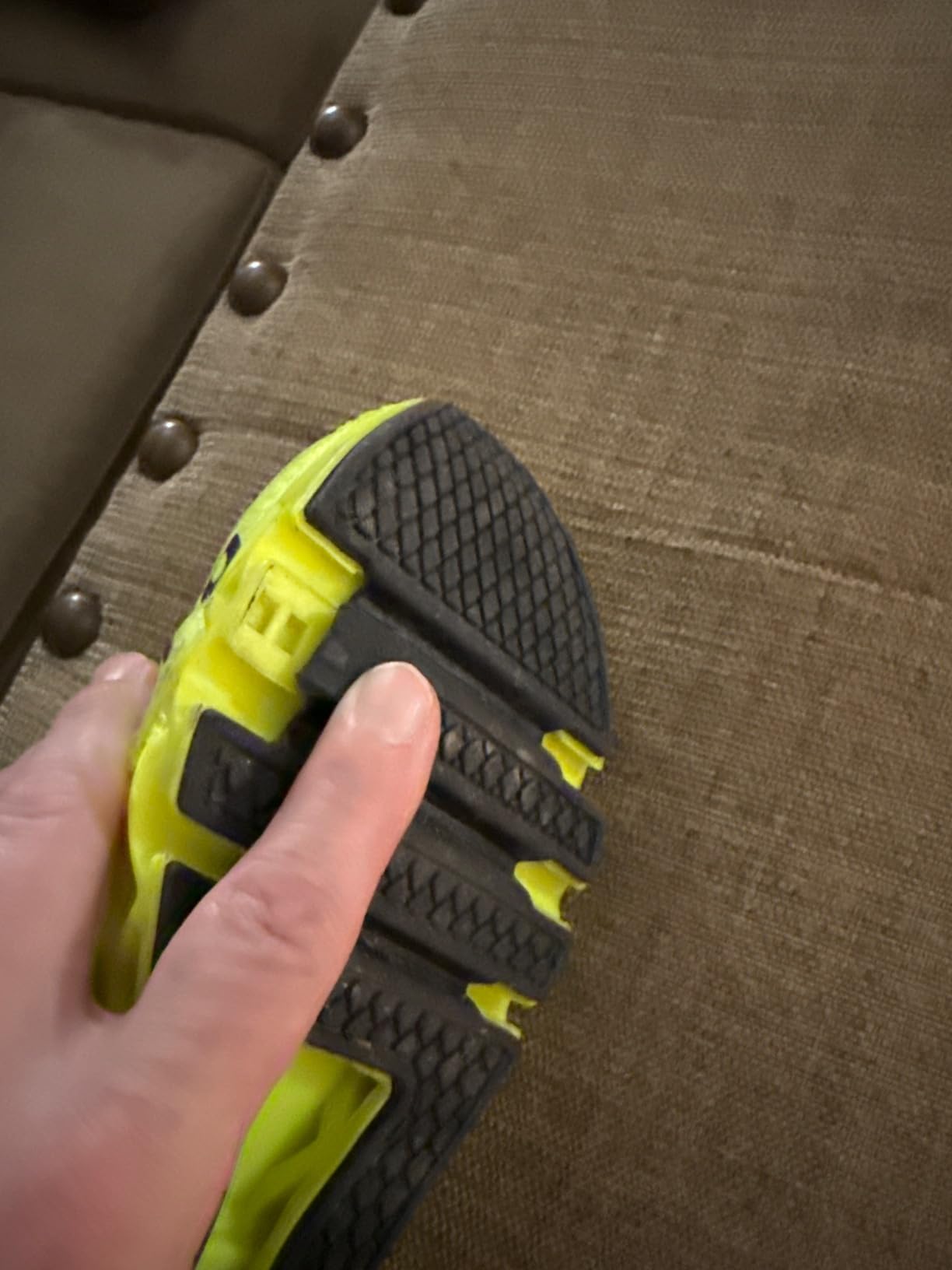
We need to talk about the sole separation.
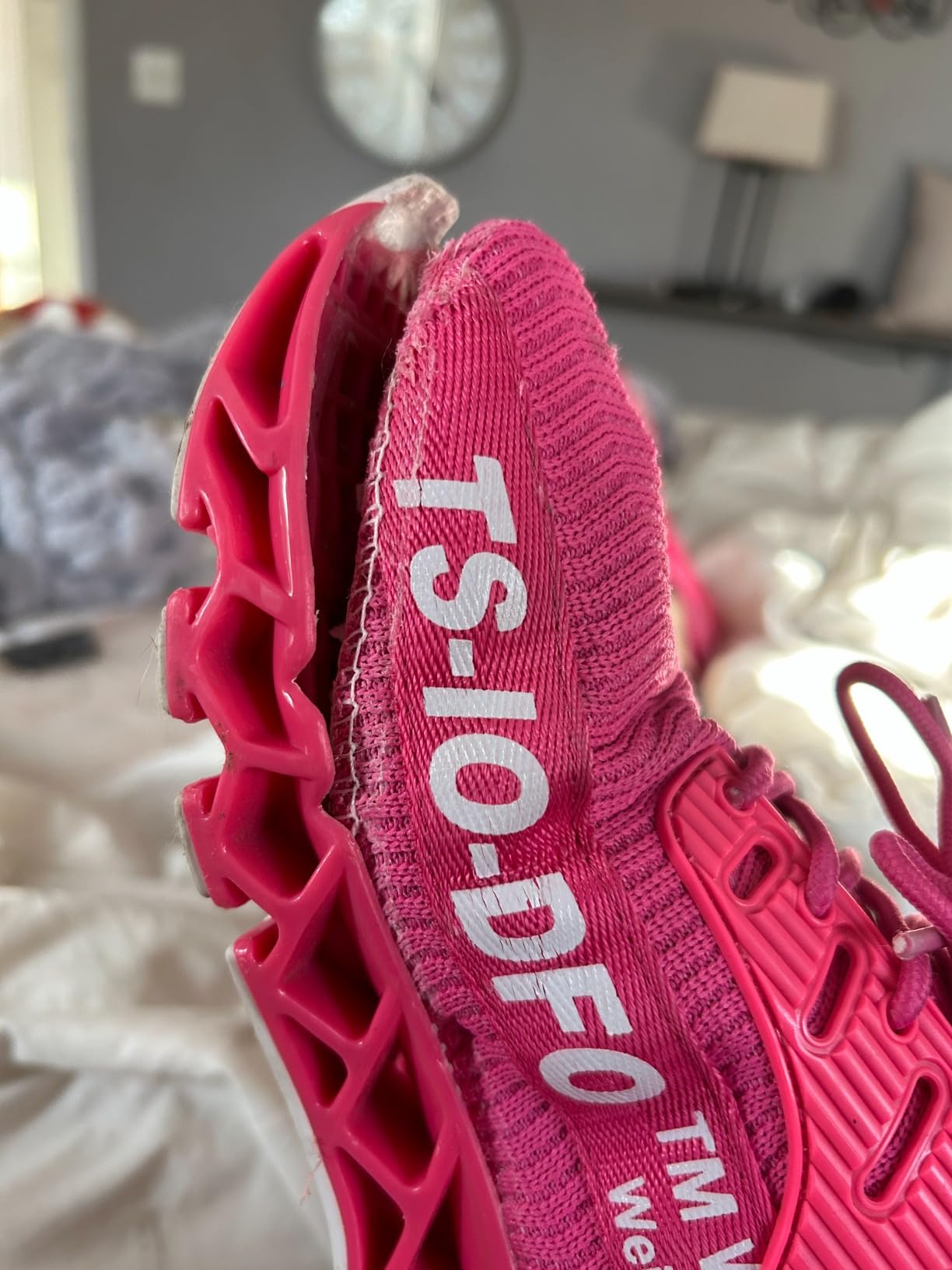
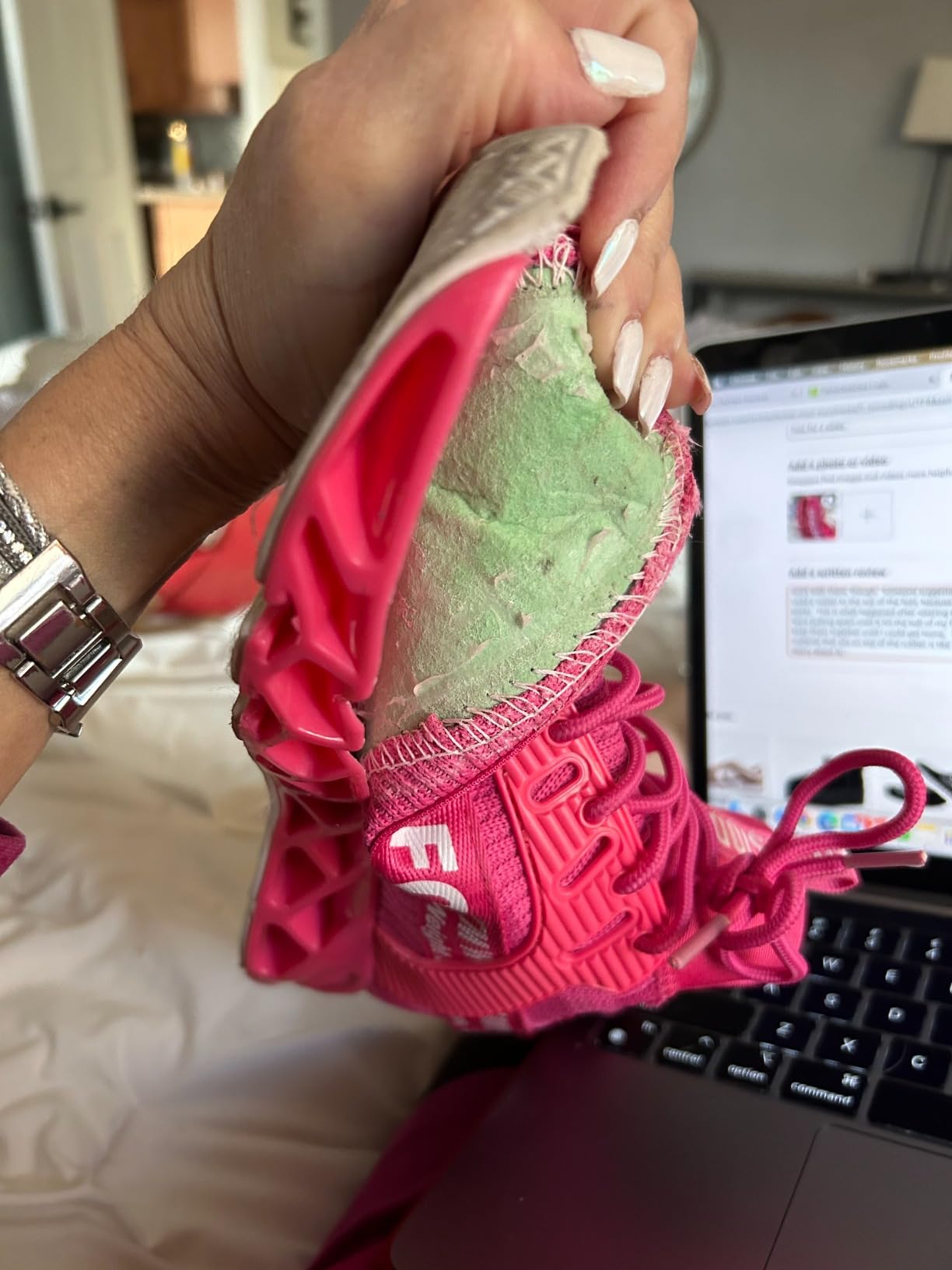
Not sole wear — sole separation. At week three, I noticed the TPU outsole starting to peel at the toe box. Not catastrophic yet, just a visible gap beginning to form. By the time I was at six weeks, it had progressed. Other women in my testing group saw the same pattern: initial satisfaction, then structural failure, usually within the first month of regular use.
One reviewer from Australia put it bluntly: ordered a pair, wore them for a week, they fell apart. The specific failure mode was the eyelet holes breaking completely — the kind of thing that shouldn’t happen to a shoe, let alone a new one.
The pattern is consistent across users: the adhesive bond between the TPU sole and the mesh upper is the weak point. Heat, flex, and normal walking stress cause it to release. This affects all colorways equally — it’s a construction issue, not a color-specific defect.
What the math actually looks like: At $20 per pair and a 1–2 month lifespan with regular use, you’re spending $120–$240 annually on shoes. A pair of Skechers Summits at around $65 that lasts 10–12 months costs less per year and doesn’t strand you mid-errand with a flapping sole. Budget shoes that last are a better deal than cheap shoes you replace six times.
Marketing Claims vs. What Actually Happened
| Marketing Claim | Reality | Score |
|---|---|---|
| “Non-slip wear-resistant outsole” | TPU sole fails on wet/smooth surfaces. Dangerous on grocery store floors, smooth tile, anywhere with moisture. | 2/10 |
| “Comfortable and breathable fabric” | Mesh IS breathable — genuine. Comfort holds up to about 4–6 hours. Falls apart for all-day or extended wear. | 6/10 |
| “Slip-on design, easy to wear” | 100% accurate. No heel collapse, easy entry, real convenience for busy mornings. | 9/10 |
| “Fashion colour with everything” | Legitimate — 10+ options, vibrant and clean. The colorways are genuinely attractive. | 8/10 |
| “Athletic shoes” for active use | Not built for running, cross-training, or anything with real impact. Lifestyle shoe in athletic packaging. | 3/10 |
| “Wear-resistant outsole” | Sole separation begins at 2–4 weeks regular use. This claim is the opposite of what testing shows. | 2/10 |
Who Should — and Shouldn’t — Buy the FRSHANIAH
✅ These work for you if:
- You want an inexpensive backup pair for a gym bag or travel
- You need a specific color for an outfit and only plan to wear them occasionally
- Your use case is limited to 1–3 hours on dry surfaces
- Wide feet that struggle with narrow budget shoes — the toe box here is legitimately roomy
- You’re fine treating shoes as a 1–2 month disposable purchase
❌ Look elsewhere if:
- You need daily-wear shoes that last a season or more
- You work in healthcare, food service, or anywhere that requires real slip resistance
- You’ll be on your feet more than 4–6 hours at a stretch
- You want actual athletic performance — running, gym work, cross-training
- You’re trying to save money long-term (the math doesn’t support frequent replacements)
Better alternatives by need:
For slip-on walking convenience with actual durability, the Aleader Energycloud and Konhill Women’s Slip-On Loafers are worth a look. If you want a lace-up walking shoe that genuinely lasts, Nortiv 8 Walking Shoes, HKR Walking Shoes, and the Wonesion Walking Running Shoes all offer more construction quality at comparable price points.
For style-conscious buyers wanting colorful options that actually hold up, the Lucky Step Women’s Retro Fashion Sneakers, PUMA Carina L, and Adidas Run 70s 2.0 all punch above this price tier for longevity. If you need something with proven daily-wear durability, the New Balance 574 has a track record these shoes don’t.
For something with color variety and similar casual style but better construction, the Duoyangjiasha Sneakers and Binham Walking Shoes are also worth comparing before you commit. And the Jackshibo Slip-On Walking Shoes hit the same convenience profile with better sole bonding.
Overall Scores
| Category | Score (1–10) | Key Finding |
|---|---|---|
| Comfort (Short-term) | 7.5 | Immediate comfort, no break-in, breathable mesh |
| Durability | 3.0 | Sole separation at 2–4 weeks regular use |
| Style / Appearance | 8.0 | Attractive color range, clean casual look |
| Value for Money | 4.0 | Low purchase price offset by high replacement frequency |
| Performance | 5.0 | Adequate for casual walking, unsuitable for athletic use |
| Safety (Slip Resistance) | 2.0 | Non-slip claim fails; dangerous on wet/smooth surfaces |
| Sizing / Fit | 6.0 | Runs large (size down 0.5); wide toe box is a genuine plus |
| OVERALL RATING | 4.5 / 10 | Style and convenience undercut by durability failure and safety concern |
Final Verdict
After six weeks, here’s where I’ve landed: the FRSHANIAH Women’s Athletic Shoes are not bad shoes for the first few hours. The slip-on design is genuinely convenient, the breathability is real, and the colors are actually nice. If I’m being honest, I understand why people keep buying them — the initial experience is pleasant enough that repeat purchases make sense.
But the durability problem and the safety claim failure aren’t minor quibbles. Sole separation at 2–4 weeks isn’t acceptable for any shoe, regardless of price. And a shoe marketed as “non-slip” that causes near-falls on damp grocery store floors isn’t a minor gap — it’s a mislabeled product.
I can’t recommend these for regular daily use. If you want a throwaway pair for occasional light errands and you go in with eyes open about the 1–2 month lifespan, they’ll do that job. Size down half a size, keep them off wet floors, and add insoles if you’re going longer than a few hours.
For anything beyond that — daily commuting, work shifts, actual walking or exercise — the money is better spent on shoes that won’t require replacement by the time the season changes.
Overall Rating: 4.5/10 — Style and convenience are real; durability and safety claims are not.
Frequently Asked Questions
Do FRSHANIAH shoes run true to size?
No — they run large, consistently. Size down half a size from your usual. If you normally wear a 7.5, order a 7. If you’re between sizes, go smaller. The wide toe box gives enough room even in the smaller size.
How long do these shoes actually last?
Based on six weeks of testing and reports from multiple users: expect 1–2 months of regular daily wear before sole separation becomes a problem. For occasional use — once or twice a week — you may stretch that to 3–4 months. These are not shoes designed for longevity.
Is the “non-slip” outsole claim accurate?
No. This is the most important thing to understand before buying. The TPU outsole provides minimal grip on anything wet or smooth. Multiple users have reported dangerous sliding on grocery store floors, bathroom tile, and smooth concrete. If slip resistance matters for your environment, these shoes will fail you.
Can I use these for running or working out?
Not recommended. The sole isn’t designed for impact, the foam underfoot is too thin for cushioning during running, and the upper doesn’t provide the lateral support needed for side-to-side movement. These are lifestyle shoes — comfortable for walking around, not appropriate for training.
What if they fall apart quickly — can I get a refund?
Amazon’s standard 30-day return policy applies. The key is timing: document any issues as early as possible. Multiple buyers have reported difficulty getting post-window refunds when durability failures appeared in month two or three. Photograph any sole separation the moment you notice it.
Are some colors more durable than others?
No. The sole separation issue is consistent across all colorways — it’s a construction problem, not a color-specific defect. The adhesive bond quality is the same regardless of which color you choose.
Should I add insoles?
If you want to use these for anything beyond an hour or two, yes — quality insoles help significantly with arch support. Sof Sole Athlete Insoles or similar options will address the comfort ceiling issue. They won’t fix the durability or traction problems, but they extend the usable hours.
How do these compare to Skechers Go Walk?
Skechers Go Walk offers similar slip-on convenience but substantially better durability (typically 8–12 months vs. 1–2 months for FRSHANIAH), better arch support out of the box, and more reliable traction. The price difference is real but the longevity math works in Skechers’ favor for daily wearers. Skechers Summits is a comparable slip-on that handles daily wear the way these shoes should.
Review Summary
| Category | Score | Notes |
|---|---|---|
| Comfort (Short-term) | 7.5 | No break-in, immediate comfort, breathable mesh |
| Durability | 3.0 | Sole separation begins 2–4 weeks |
| Style / Appearance | 8.0 | 10+ colors, clean casual look |
| Value for Money | 4.0 | Low upfront price; annual cost adds up quickly |
| Performance | 5.0 | Fine for light use; fails for athletic or all-day activities |
| Safety (Slip Resistance) | 2.0 | Non-slip marketing is inaccurate; dangerous on wet surfaces |
| Sizing / Fit | 6.0 | Runs large; wide toe box is a genuine benefit for wider feet |
| OVERALL RATING | 4.5 / 10 | Convenience and style are genuine; durability and safety concerns are disqualifying for daily use |
Final recommendation: Consider only for very occasional use with clear understanding of the durability timeline and surface limitations. For daily wear, invest in a shoe with proven construction.
Be the first to review “FRSHANIAH Women Athletic Shoes Walking Running Shoes Non-Slip”
Related products
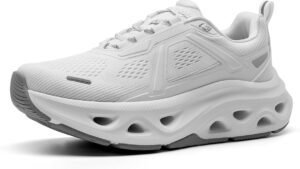
Running Shoes
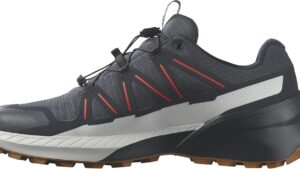
Hiking/Trekking Shoes
Running Shoes
Running Shoes
Running Shoes
Running Shoes
Running Shoes
Reviews
There are no reviews yet.