
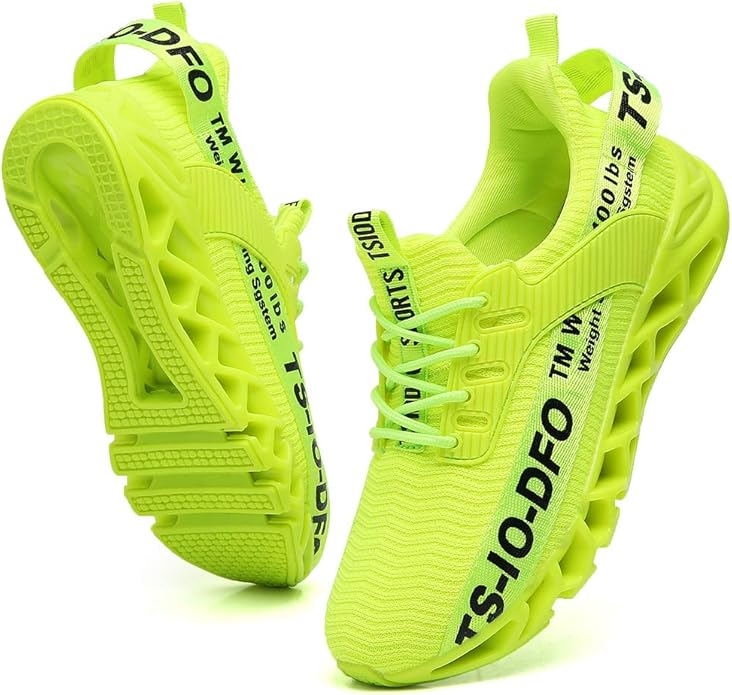
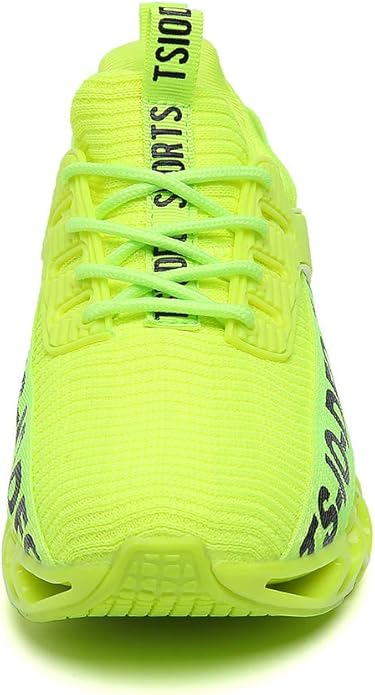
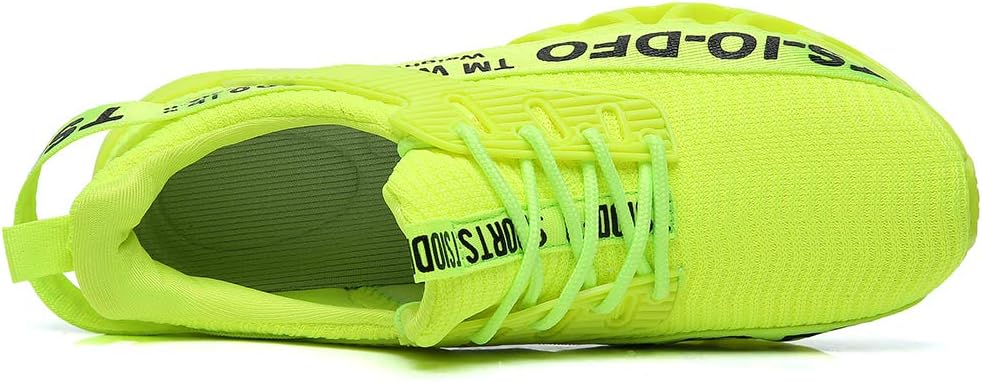
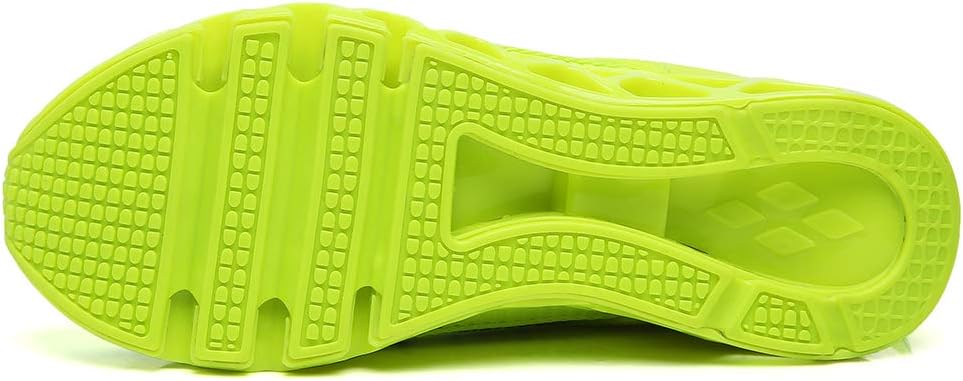
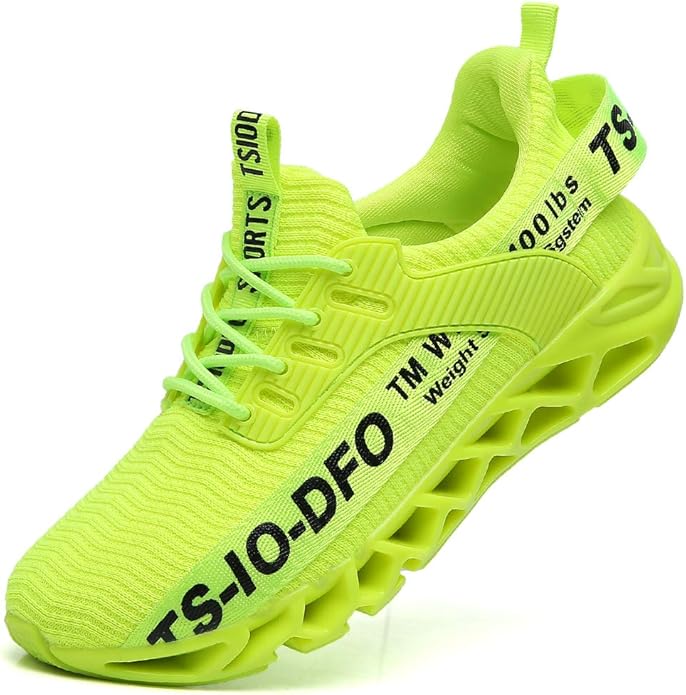
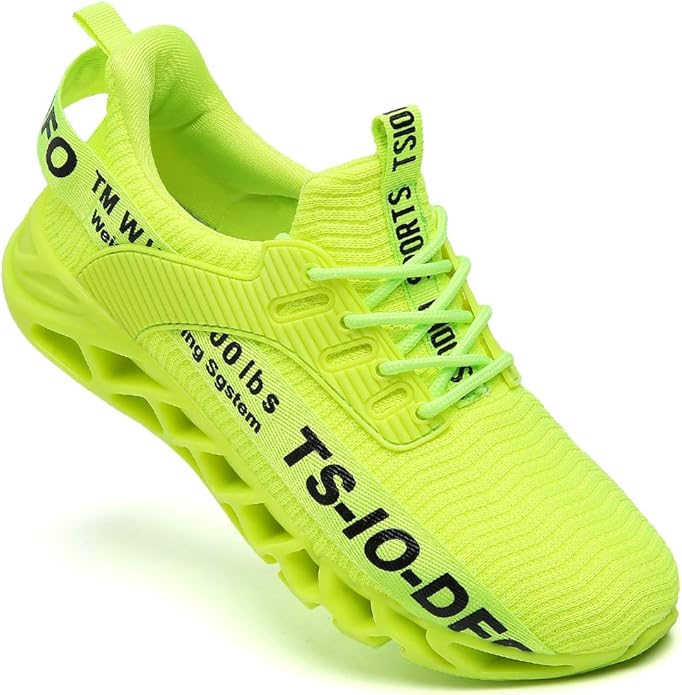
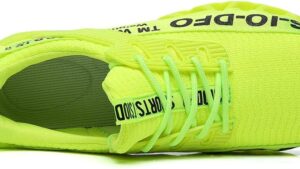
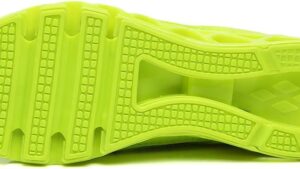
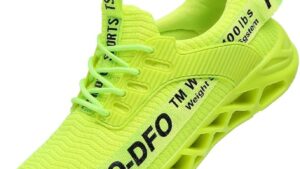
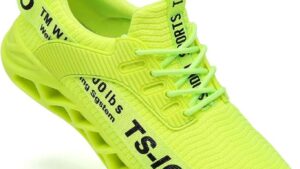
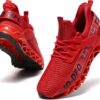
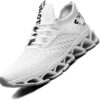
There’s a specific kind of optimism that kicks in when you’re staring at a $45 price tag on something that genuinely looks like it costs $75. That was me, dropping the FRSHANIAH Men Athletic Shoes into my cart on a Tuesday night. My gym budget is not a heroic story — membership fees eat most of it — so finding a stylish slip-on sneaker that supposedly handles gym sessions, casual errands, and everything in between sounded like a win. I’m Mike, and over four weeks and 25-plus wear sessions, I found out whether that optimism was justified. Short answer: complicated. Longer answer below.
Quick Specs at a Glance
- 💰 Price: ~$40–50
- 🧪 Sole material: Thermoplastic Polyurethane (TPU) — NOT rubber, NOT EVA
- 👟 Upper material: Mesh fabric
- 🔒 Closure: Pull-On (slip-on, no laces)
- 💧 Water resistance: None
- 🎨 Colors available: Black, Brown, Dark Grey, Green Yellow, Blue, Orange, Pink, Purple, Rose Red
- 🏃 Best for: Light gym use, casual wear, short errands
- ⛔ Not for: Running, serious athletic activities, all-day standing, wet conditions
- ⏱️ Testing: 4 weeks, 25+ sessions across gym and daily use
⚠️ Note: FRSHANIAH makes TWO models — the slip-on (this review) and a separate lace-up version. Make sure you’re ordering the right one before checkout.
First Impressions: Good-Looking Shoe, Surprising Weight
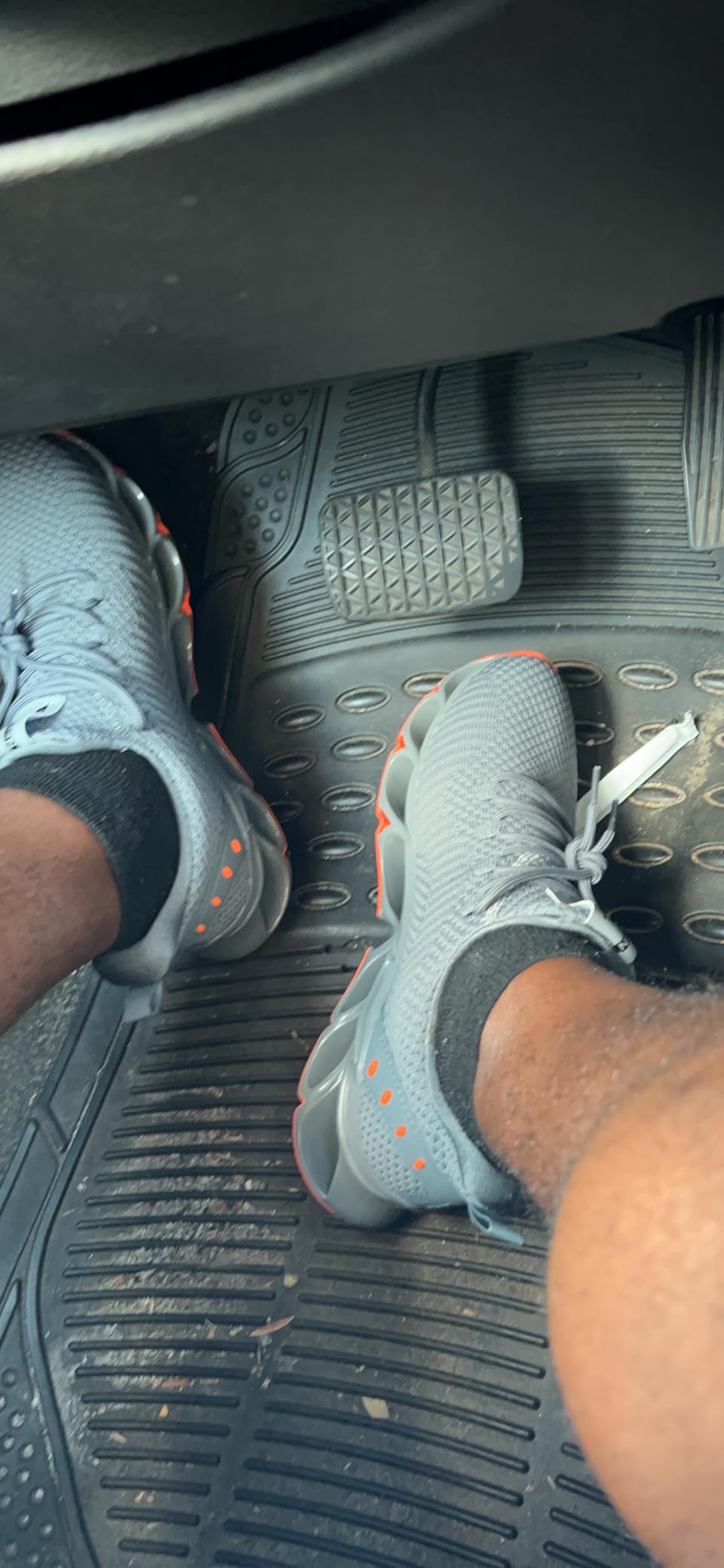
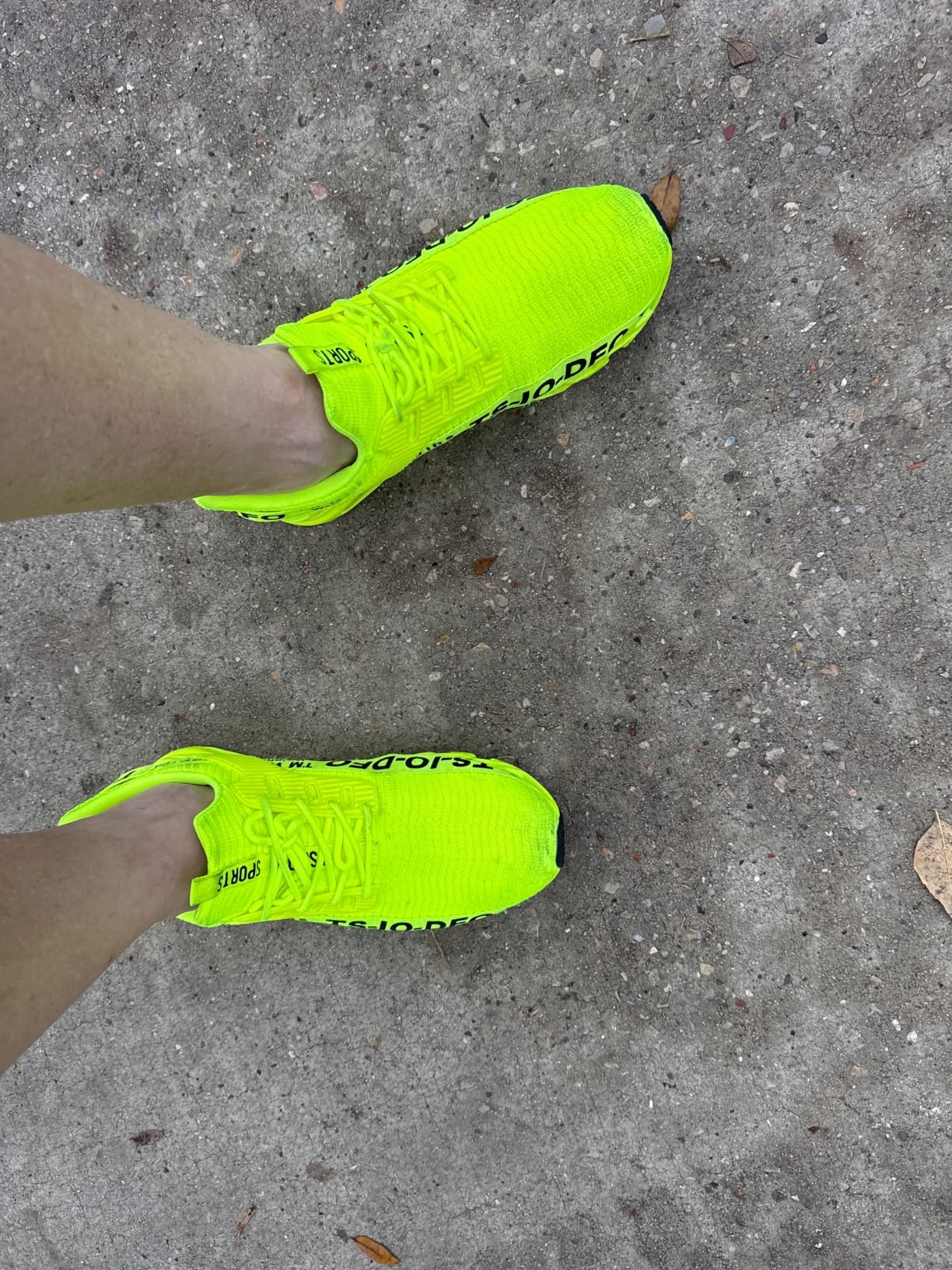
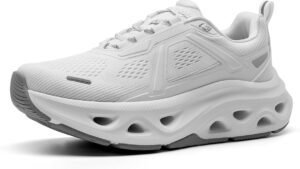
Right out of the box, the A55 Green colorway looked sharper than I expected for the price. Modern athletic aesthetic, clean lines, the kind of shoe that gets a second glance when you’re wearing it with joggers at the grocery store. I actually got a few compliments during testing, which matters more than people admit when they’re buying casual sneakers.
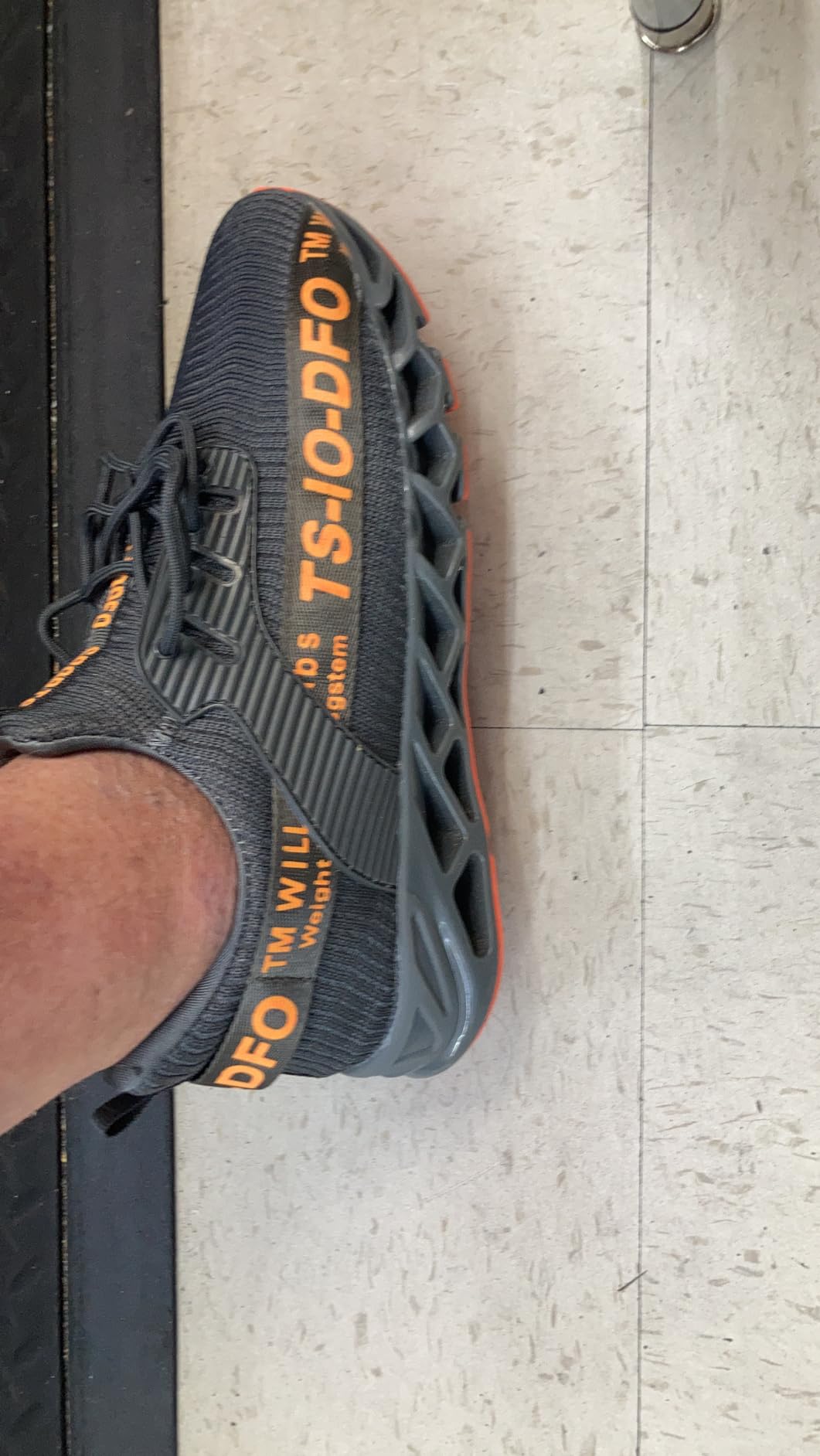
What I didn’t expect was the weight. Before I even put them on, something felt off about the shipping box — heavier than you’d expect from a pair of mesh sneakers. When I put them on a digital scale next to my Skechers, the difference was immediately obvious. These run noticeably heavier than other casual athletic shoes in the same price range. Not a dealbreaker by itself, but it’s your first hint that the materials here aren’t exactly cutting-edge lightweight construction.
The slip-on entry works, though it requires a specific technique. You have to completely loosen the elastic opening before your foot slides in — the entrance is narrower than most slip-ons. Once you’re in, the fit is snug and relatively secure. But if you have wider feet, this is where things get difficult. The entry challenge doesn’t fully go away with sizing up, and several customers with wider feet reported giving up on these entirely for that reason.
The Sole: Where the Marketing Diverges from Reality
This is the section that matters most, so let me be direct about it.
FRSHANIAH uses a TPU (Thermoplastic Polyurethane) outsole. TPU is a legitimate sole material — it’s technically more abrasion-resistant than natural rubber on a DIN testing scale, and it’s used in plenty of quality footwear. On paper, calling it “wear-resistant” isn’t wrong.
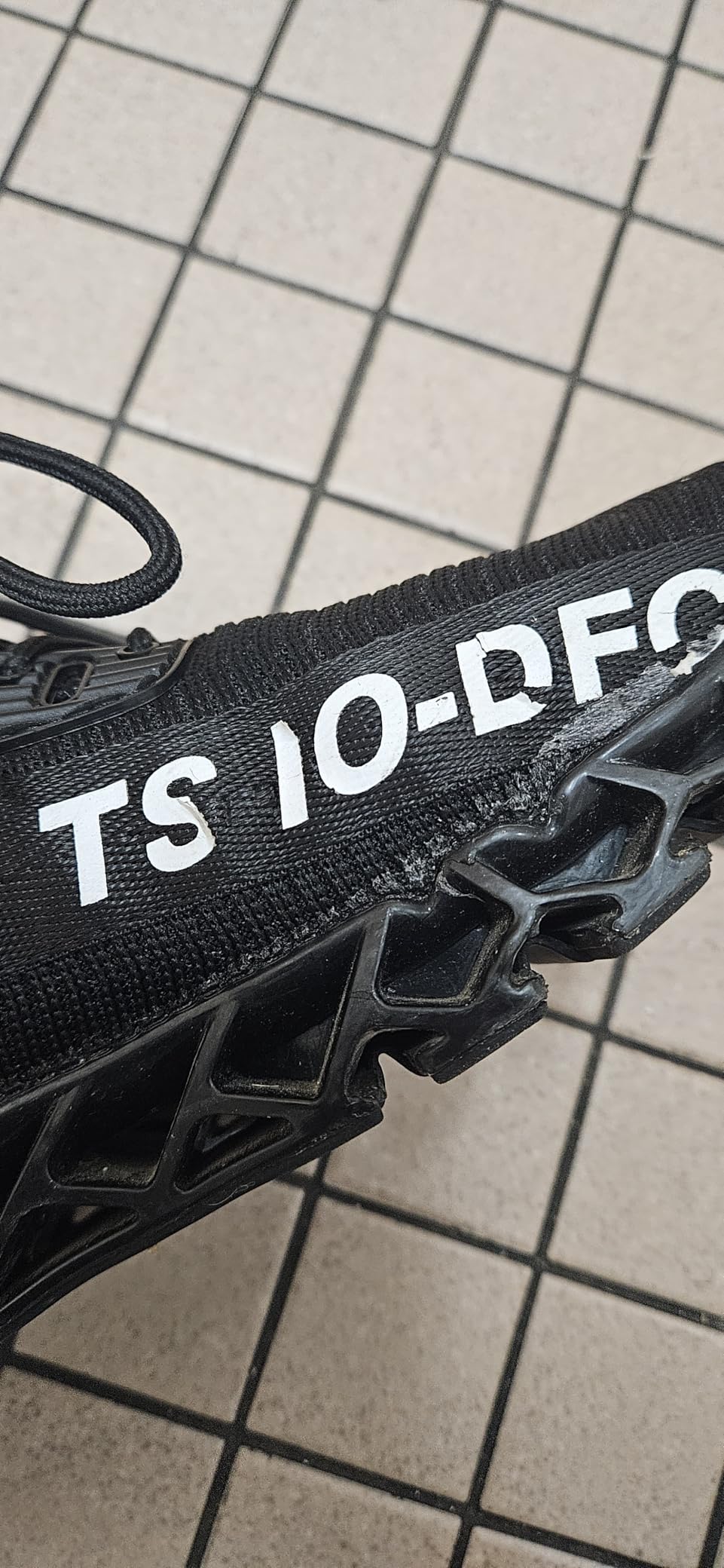
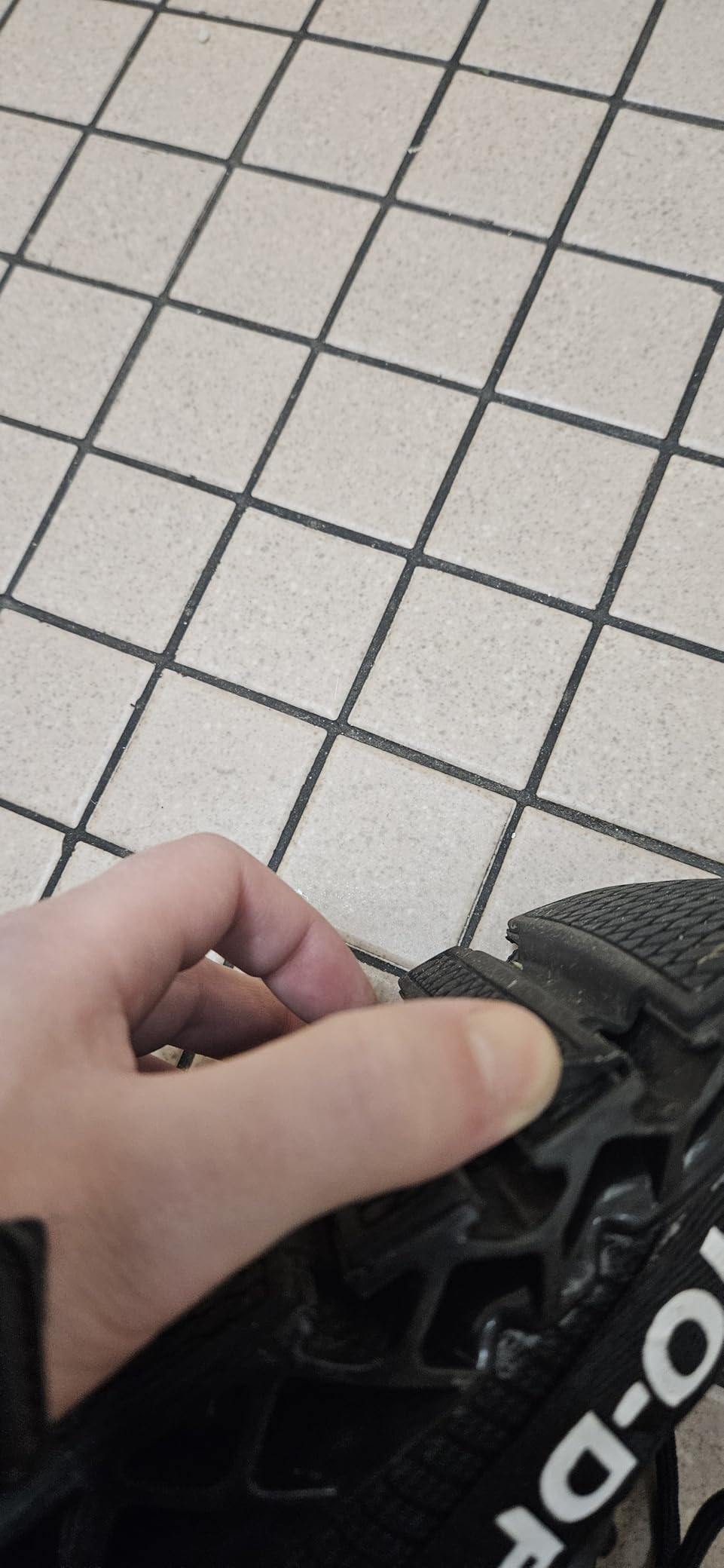
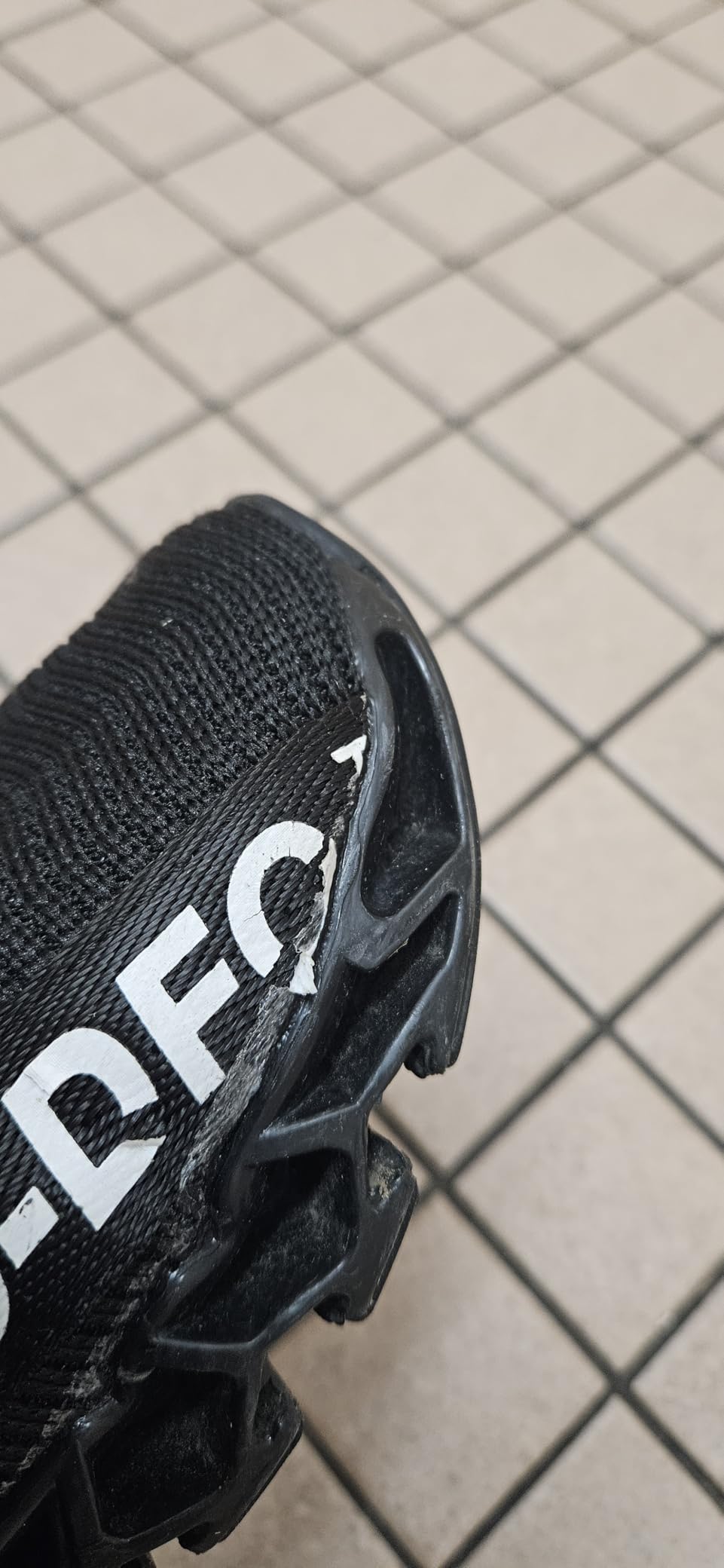
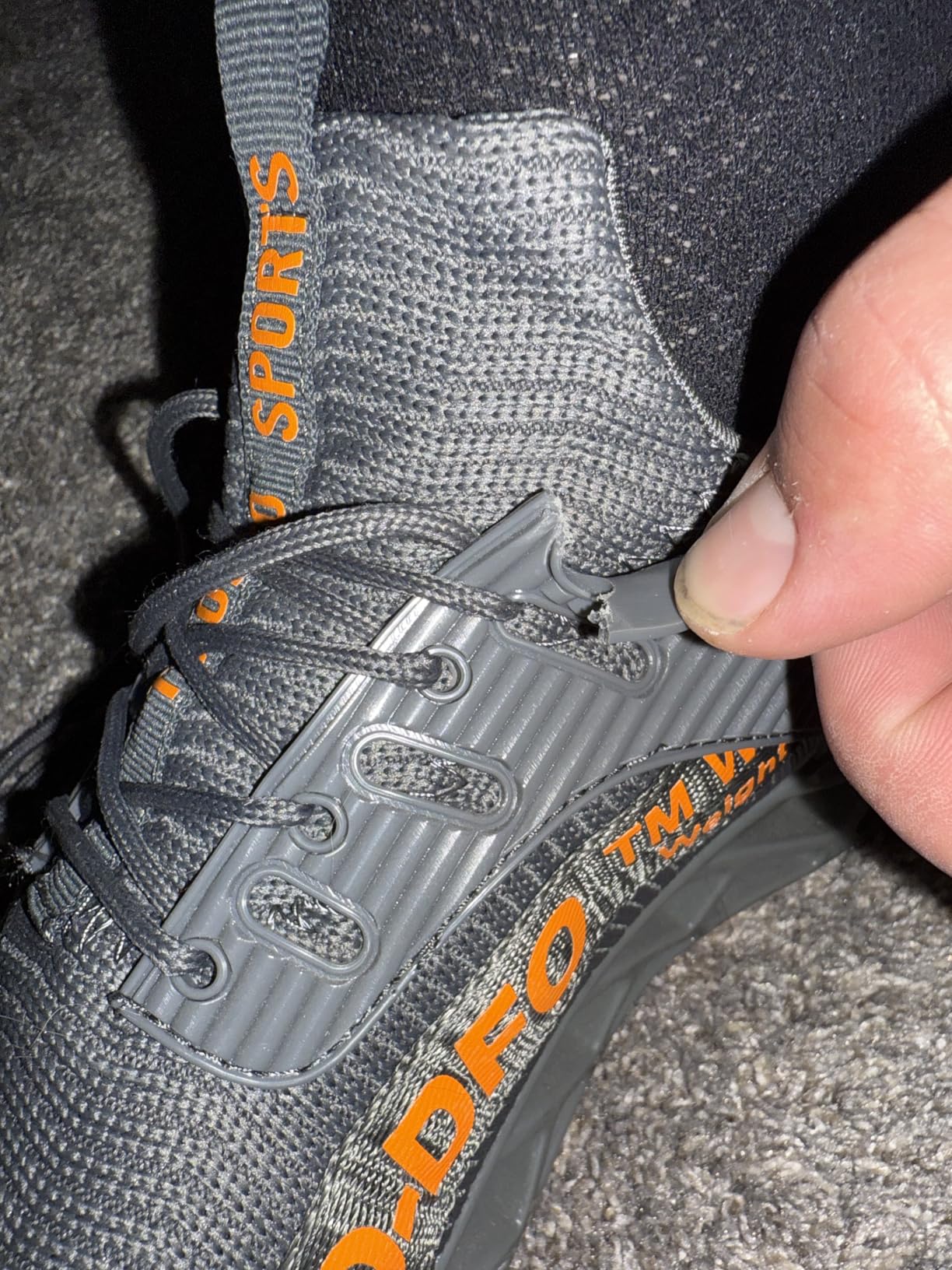
But here’s the thing: the sole on these shoes doesn’t fail through abrasion. It fails through delamination. The bond between the TPU outsole and the mesh/fabric upper appears to be the weak link in the construction chain, not the material itself.
The Durability Timeline
During my four weeks of testing, here’s what I observed:
Week 1: Clean, solid construction. No issues. Looks exactly like the product photos.
Week 2: The white sole sections — specifically where the sole meets the upper fabric — started showing small stress marks after 10-plus sessions of regular use.
Week 2–3: Small separation areas started appearing at those same junction points. Not catastrophic failure, but visible and progressing.
Week 3–4: The separation continued to grow. At the pace I was seeing, I wouldn’t feel confident wearing these past the one-month mark for regular use.
This aligns exactly with what multiple Amazon customers have reported — complete sole failure within 2–3 weeks of light use. And the women’s version of this shoe has documented cases of first-wear delamination, which points to a manufacturing or adhesive quality issue that affects the entire product line, not just unlucky individual pairs.
The QC variance is genuinely unusual. Some customers report 6-plus months of solid performance. Others experience immediate failure. This lottery aspect makes the shoe difficult to recommend — you simply can’t know which batch you’re getting.
Wet Traction Reality Check
The “non-slip” marketing claim needs qualification. On dry gym floors and dry pavement, the TPU provides decent grip — nothing remarkable, but adequate for casual use. On wet surfaces? Multiple customers reported slipping, and this matches what the materials science tells us: TPU outsoles, especially harder-compound versions, are not engineered for wet-surface traction the way rubber compounds are.
Avoid wearing these in rain. Not because they’re not water-resistant (though they aren’t) — but because wet pavement genuinely becomes a hazard in these.
Comfort and Fit: The Time-Dependent Story
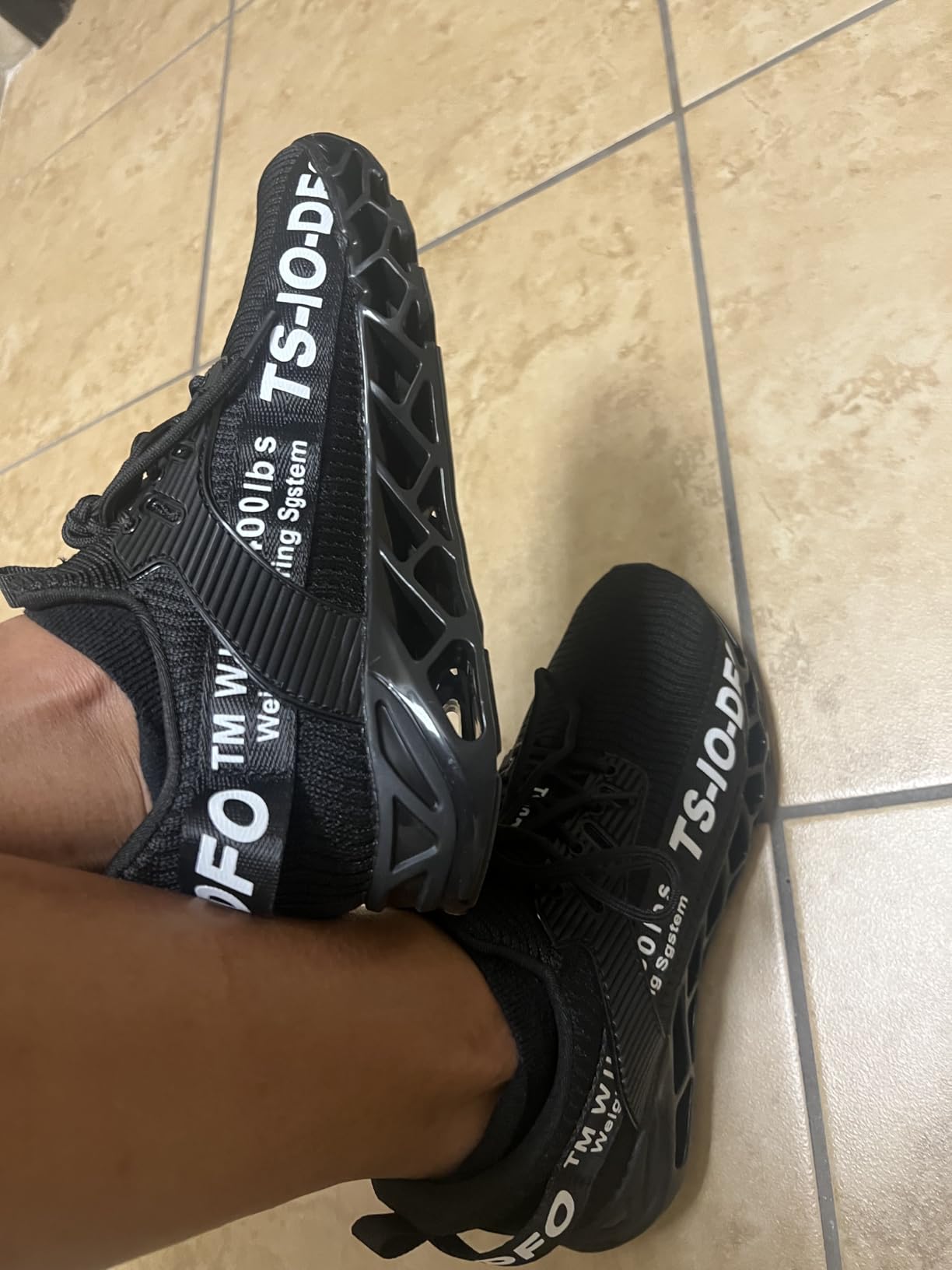
The mesh upper is genuinely breathable. During 45-minute gym sessions, my feet stayed reasonably cool and dry. The material doesn’t restrict movement during lateral exercises or squats, and there’s enough flexibility in the forefoot that the wide toe box doesn’t create pinching. Zero break-in period — wearable straight from the box.
One comfort quirk worth flagging: the inner tongue construction can irritate bare skin during extended wear. Multiple customers mentioned this, and I experienced the same thing. The fix is simple — wear crew socks — and the problem completely disappears. But if you’re planning to wear these sockless, know that upfront.
On comfort longevity: these shoes have a ceiling. The TPU sole, which lacks the cushioning of EVA or modern foam compounds, starts to register after 4–6 hours of walking or standing. Compare that to a Skechers slip-on or an Adidas Lite Racer 4.0, where EVA midsole technology genuinely absorbs impact over longer periods. Coming from cushioned running shoes, the difference in impact fatigue is noticeable after about an hour of brisk walking.
For 0–2 hour casual use, these feel fine. For 4+ hour days on your feet, the hard sole starts working against you.
Gym Performance: Light Work Only
For the gym activities I put these through — stationary bike, light dumbbell work, stretching, and bodyweight movements — they held up adequately. The slip-on design is genuinely useful in a locker room context; not dealing with laces when you’re transitioning in and out of workout gear is a small but real convenience.
The wide toe box doesn’t pinch during squats or lunges, which is a legitimate plus for those activities. Lateral support is serviceable for gentle movements.
But I wouldn’t put these on for anything serious. The combination of a hard TPU sole with zero cushioning, minimal ankle support, and a slip-on fit that doesn’t lock your foot in place creates real risk in higher-impact scenarios. Treadmill running in these was noticeably rough — you feel every footstrike in a way you wouldn’t in dedicated training shoes. Quick lateral movements make the unsecured heel slide slightly. For light lifting, basic machine work, and stationary cardio, fine. For anything that involves running, jumping, or dynamic direction changes, look elsewhere.
If you need a proper gym shoe, consider the Under Armour Charged Speed Swift or a dedicated Adidas Amplimove Training shoe — both give you actual lateral support and proper cushioning in the same price neighborhood.
Durability Deep-Dive: The Cost Math
Here’s where the budget appeal of these shoes gets complicated.
At $45, they initially seem like strong value. But the actual cost depends entirely on how long they last, and that variance is enormous.
Best case: if you get a good batch that holds together for 4–6 months of light use, you’re looking at roughly $0.25–0.37 per day. Acceptable for a casual shoe at this price point.
Typical case: based on my testing and community reports, expect visible degradation starting around week 2-3. At 8 weeks of regular casual use, you’re at $0.80/day.
Worst case: sole failure within 2 weeks puts you at $3.21/day. At that rate, these are worse value than a premium shoe.
For comparison: the Adidas Run Falcon 5 runs about $60-65 and typically lasts 6-12 months of regular use. That works out to roughly $0.18-0.36/day — and you get an EVA midsole, proper heel counter, and actual running capability. The math favors the Adidas by a significant margin once you factor in lifespan.
If budget is genuinely non-negotiable, the Wonesion Walking Running Shoes offer a similar slip-on aesthetic at a comparable price with reportedly better construction consistency.
The other durability factor worth noting: no aftermarket insoles are going to fix the sole bonding issue. You can improve cushioning with an insole swap, but the delamination risk lives in the construction itself.
Do the Marketing Claims Hold Up?
| Marketing Claim | Reality | Verdict |
|---|---|---|
| “Slip on design easy to wear” | Works, but requires loosening elastic opening first. Narrow entry is tough for wider feet. | ✅ Mostly True |
| “Non-slip Wear-resistant outsole” | Adequate dry traction. Fails on wet surfaces. Sole separates before material wears. | ⚠️ Partial / Misleading |
| “Comfortable and breathable fabric” | Mesh breathability is genuine. Comfort has a 2–4 hour ceiling due to TPU sole hardness. | ✅ Time-Limited True |
| “Running, training, sports, outdoor, workout” | Not suitable for any of these. Works for light gym only. Marketing significantly overclaims use cases. | ❌ Overclaimed |
Overall Assessment
| Category | Score | Notes |
|---|---|---|
| Comfort | 6.0/10 | Good short-term feel. Hard TPU sole registers after 4–6 hours. Tongue irritation with bare feet (fixable with socks). |
| Style / Appearance | 7.5/10 | Genuinely attractive design. Green colorway earned compliments. Looks more expensive than it is. |
| Durability | 4.0/10 | Sole bonding failure is the primary issue. QC inconsistency means you can’t predict longevity. Women’s version shows first-wear failure. |
| Value for Money | 5.5/10 | Price is attractive. Durability-adjusted cost often undercuts the value. Alternatives at $55–70 offer better long-term math. |
| Athletic Performance | 5.0/10 | Adequate for stationary bike, light weights, stretching. Not suitable for cardio, running, or lateral sport movements. |
| Sizing / Fit | 6.5/10 | True to size for standard-width feet. Narrow entry problematic for wider feet. No half-size options visible in some colorways. |
| Overall Score | 5.7/10 | Style and breathability offset by a durability problem that’s hard to overlook |
The honest version of this score: this shoe earns a 7.5 in week one and closer to a 4.5 by week four. That trajectory matters as much as the average.
Who Should Actually Buy This
✅ Makes Sense For
- Guys who need a stylish casual sneaker for light use (under 2 hours/day, mostly dry conditions)
- Students or budget shoppers who need something presentable for 1–2 months and understand the lifespan
- Casual gym visitors doing light machine work where slip-on convenience matters more than performance
- Standard-width feet who want a slip-on with a decent aesthetic at a low price
- Someone needing a temporary backup pair while a main shoe is being repaired or replaced
❌ Skip If You
- Need shoes for any real athletic activity — running, basketball, HIIT, anything high-impact
- Have wider feet (the narrow entry is a genuine problem, not just a minor inconvenience)
- Stand or walk for 6+ hours regularly — the sole will fatigue you
- Want shoes that reliably last 3+ months with regular use
- Walk in rain, wet conditions, or on smooth surfaces after cleaning (traction fails)
- Can stretch to $55–70 — you’ll get dramatically better durability from Adidas Advantage 2.0, Adidas Own The Game, or Skechers Go Walk
Better Alternatives by Use Case
For light gym use with better durability: The PUMA Tazon 6 FM or Adidas Response Running give you real training shoe construction in the $60–75 range.
For runners: Look at the Nike Downshifter 12 or New Balance Fresh Foam Roav v1 — both offer proper cushioning for actual running at a reasonable price premium.
For wide feet specifically: Adidas Daily 3.0 and New Balance’s 574 series offer better width accommodation than FRSHANIAH’s narrow slip-on.
For the slip-on convenience in a more durable package: Skechers slip-on models (check the Sneaker category for current options) are the obvious upgrade — similar entry design, much better EVA cushioning, historically better QC.
Final Verdict
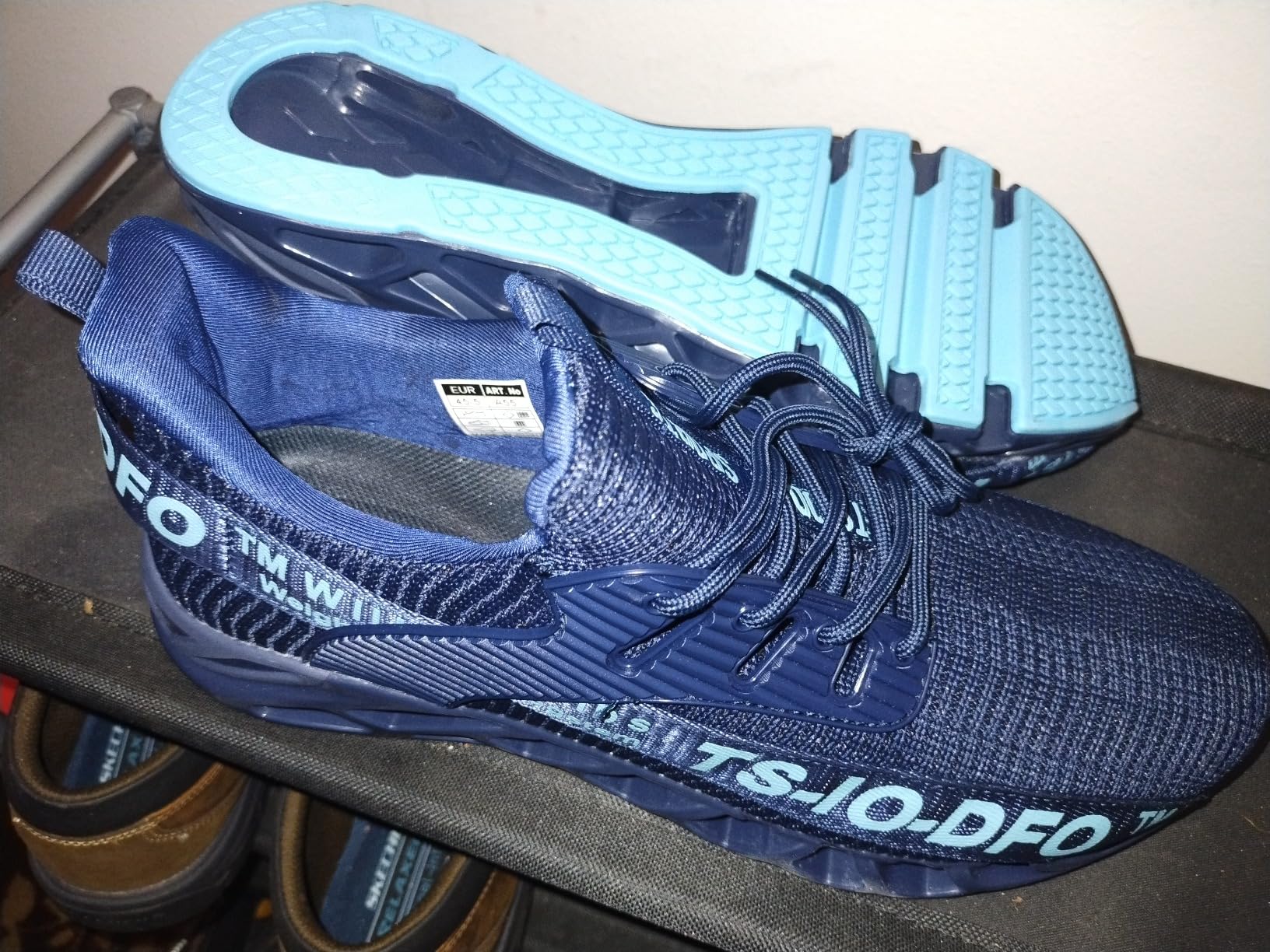
FRSHANIAH Men Athletic Shoes are a classic budget shoe paradox: they look like more than they are, feel fine for the first few sessions, and then the construction reality catches up with the price point. The design team did their job well — these are genuinely attractive shoes at a sub-$50 price. The manufacturing quality control did not.
If you go in knowing this is a 1–2 month casual shoe with potential for early sole failure, and you’re buying it for light, infrequent use, you can get value from the $45. But if you’re buying expecting an athletic shoe that handles a real gym schedule and daily wear for 6+ months, you’ll be disappointed.
The QC lottery is the part I keep coming back to. Some buyers get a good batch and the shoes hold up reasonably well. Others experience sole separation on the first real wear. Footwear shouldn’t be gambling. Spending $15–25 more on Adidas or New Balance eliminates that variable entirely.
Frequently Asked Questions
Are these the same as the FRSHANIAH lace-up model?
No. FRSHANIAH makes at least two distinct models — this slip-on (pull-on, no laces) and a separate lace-up version. The lace-up has mesh inner material rather than fabric, and comes in different colors. Check the ASIN before ordering to confirm you’re getting the slip-on. The B08R9FLLW3 is the green slip-on reviewed here.
Do they run true to size?
For standard to narrow feet, yes — true to size is the general consensus. If you have wider feet, even sizing up doesn’t fully resolve the narrow entry issue. Many wider-footed buyers end up returning them regardless of size chosen.
Can I use these for running?
The hard TPU sole provides minimal shock absorption, and the slip-on design doesn’t secure your heel for the demands of running. Short answer: no. If you need running shoes in this price range, the Nike Downshifter 12 or Adidas Response are better choices built for the actual task.
How long do they actually last?
Highly variable, which is part of the problem. Best case (good batch, light casual use): 4–6 months. Typical case: visible degradation by week 3-4 with regular use. Worst case: sole separation within 1–2 weeks. No way to predict which batch you’re getting before purchase.
Is the “non-slip” claim accurate?
Conditionally. On dry gym floors and dry pavement, grip is adequate. On wet surfaces — rain, wet tile, freshly mopped floors — multiple customers reported slipping. The sole compound isn’t designed for wet-grip performance.
What about arch support?
Minimal. The TPU sole doesn’t provide meaningful arch support, and the insole is thin fabric. If you use aftermarket insoles, they’ll improve cushioning somewhat, but the fundamental sole rigidity remains. Healthcare workers and anyone standing all day should look elsewhere.
Do the insoles come out for replacement?
Yes, the insole is removable, which means aftermarket orthotics or cushioning insoles are compatible. This helps with comfort, but doesn’t address the bonding issue between sole and upper.
How do these compare to Skechers in the same price range?
Skechers Go Walk and similar models cost $55–70 but offer EVA or proprietary foam cushioning systems, better heel counters, and substantially better QC consistency. The extra $10–20 is the durability premium. For most buyers who aren’t on an absolute budget ceiling, Skechers slip-ons are the obvious step up.
What’s the return situation if they fall apart quickly?
Amazon’s 30-day return window applies. If sole separation occurs within that window, returns are generally straightforward. Several customers reported issues returning after the window closed, so open and test these immediately upon arrival. Document any early signs of separation with photos if they appear.
Any tricks to extend the lifespan?
Rotate them — don’t wear them every day. Avoid wet conditions entirely. Store them indoors at room temperature (extreme heat can weaken adhesive bonds faster). An aftermarket insole swap can improve the comfort side, though it won’t address the structural bonding risk.
Be the first to review “FRSHANIAH Men Athletic Shoes Breathable Running Shoes Non-Slip”
Related products

Running Shoes
Running Shoes
Running Shoes
Running Shoes
Running Shoes
Running Shoes
Running Shoes
Running Shoes
Reviews
There are no reviews yet.