
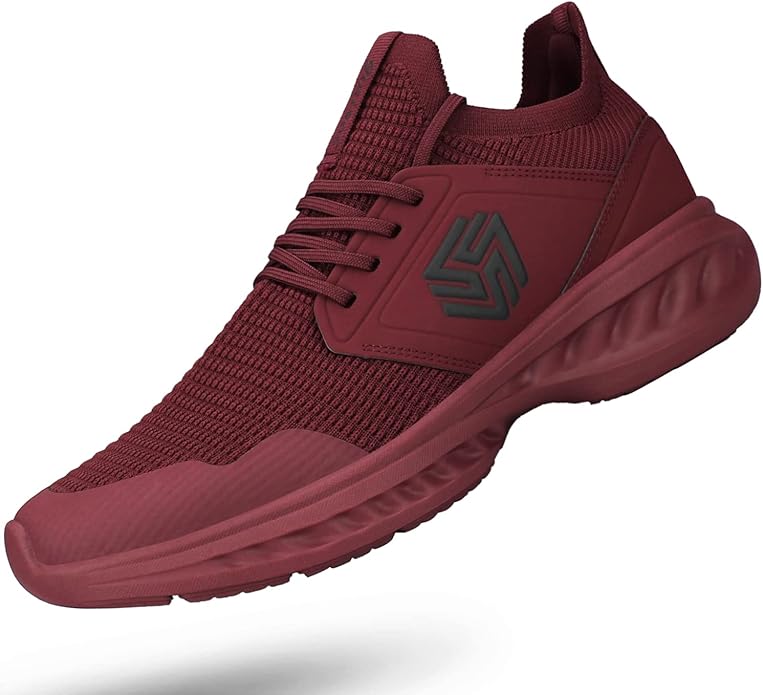
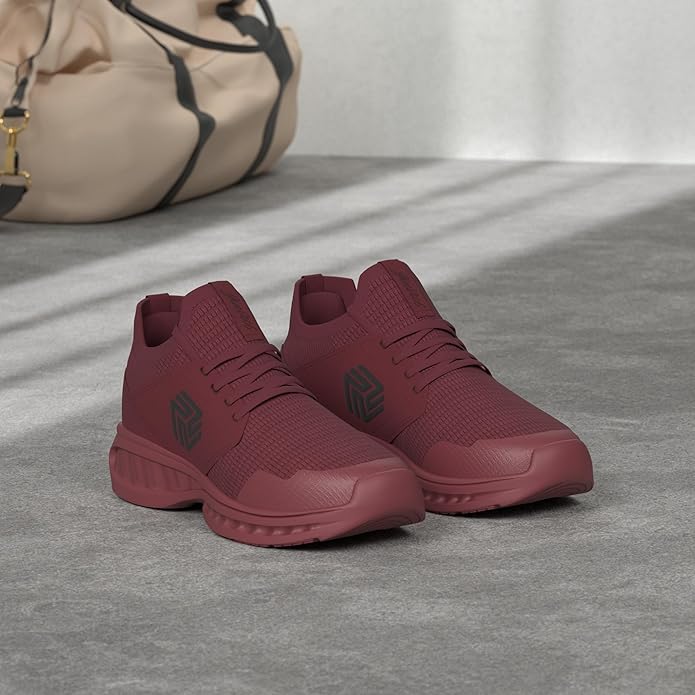
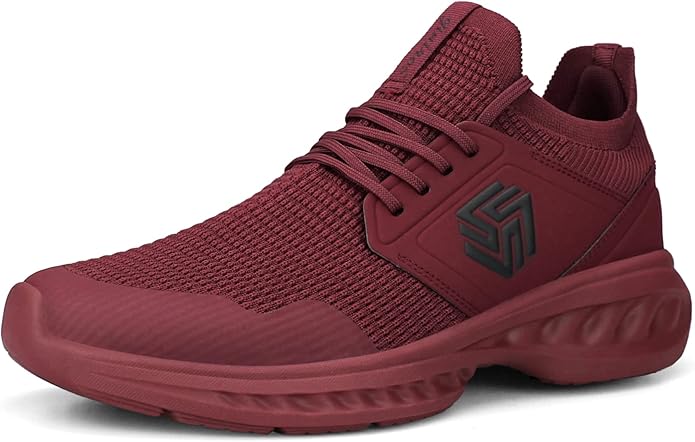
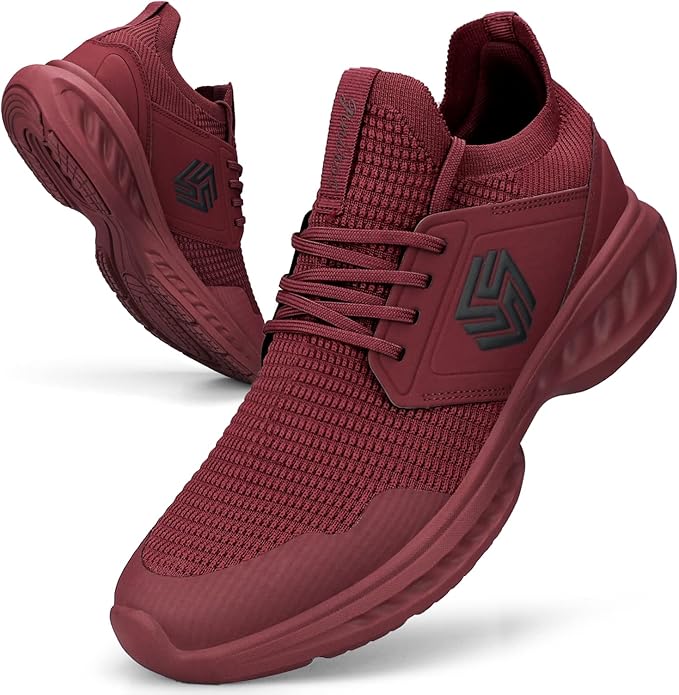
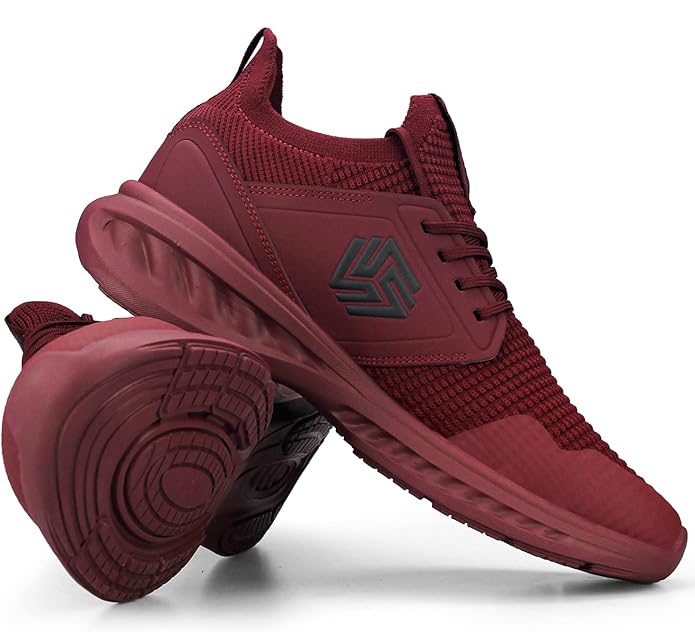
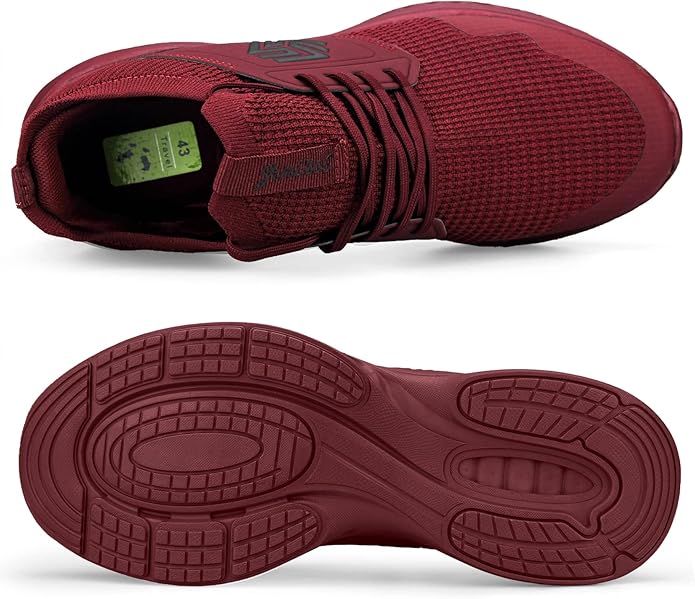
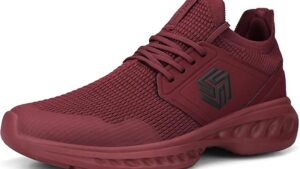
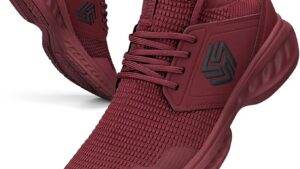
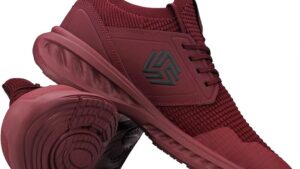
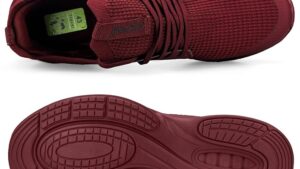
Three pairs of sneakers in six months. That’s my track record before I finally stopped buying shoes on impulse and started testing them properly. I’m Mike, and the Giniros Men’s Slip On Walking Shoes landed on my radar during a late-night Amazon scroll — $45, 4,000+ reviews, bold claims about breathability and comfort. I was skeptical but desperate. Eight weeks, 45 gym sessions, and 120+ miles later, I have answers.
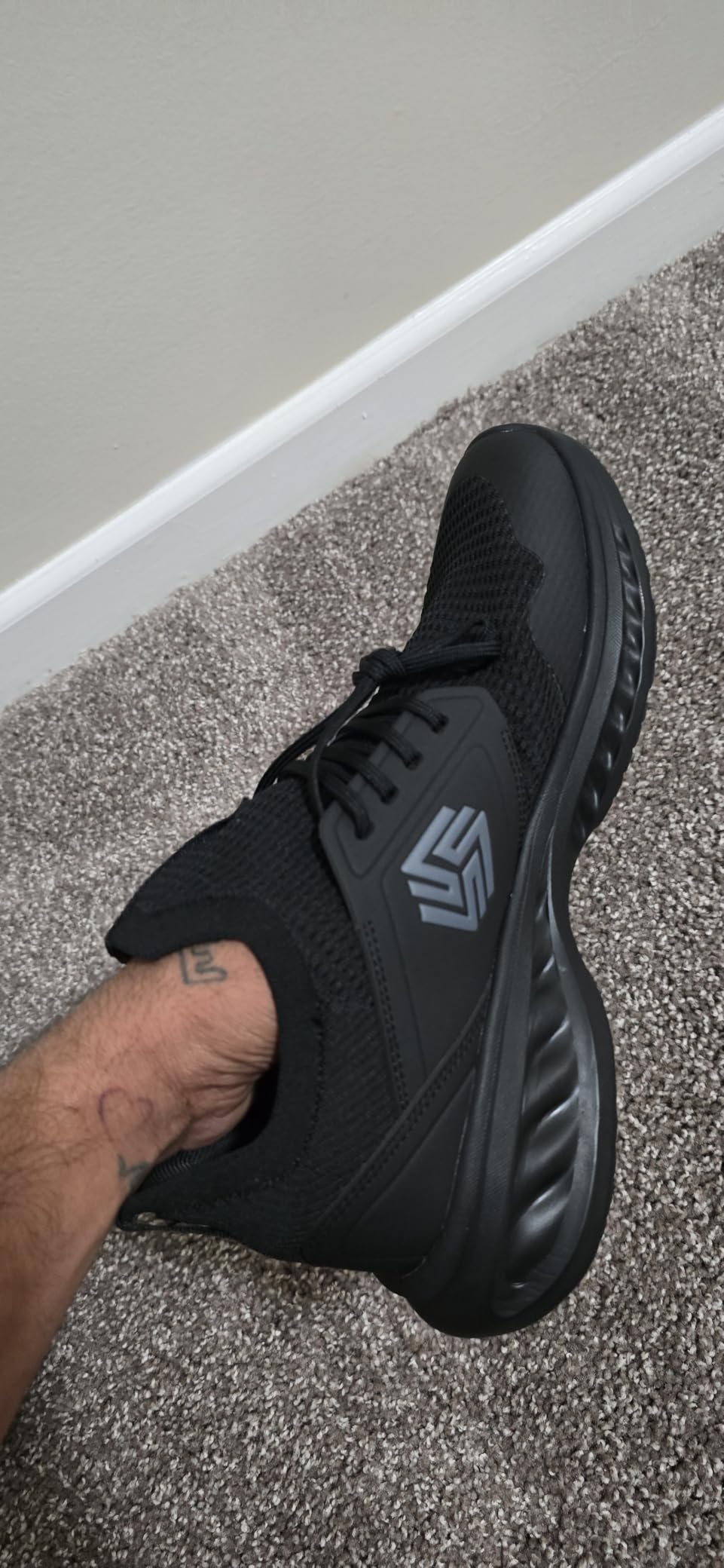
Giniros Men’s Slip On Walking Shoes — Quick Specs
| Spec | Detail |
|---|---|
| Price | Under $50 (typically $32–$48) |
| Weight | 8.5 oz (men’s size 9) |
| Midsole | EVA shock absorption |
| Upper | Elastic knitted mesh fabric |
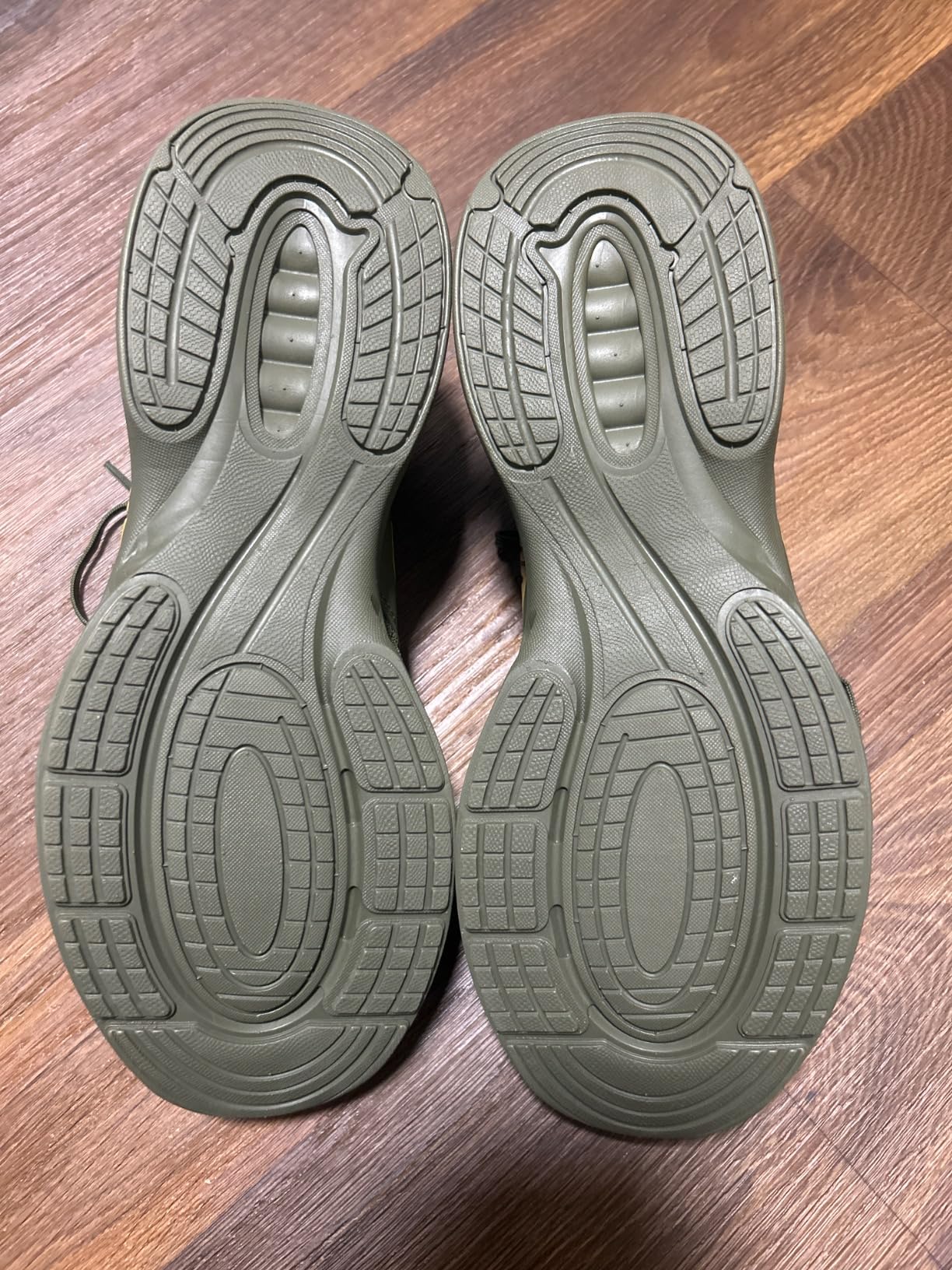
| Outsole | EVA with anti-skid grooves |
| Insole | Removable (orthotic-compatible) |
| Closure | Pull-on with elastic laces + heel tab |
| Sizes | US 7–12 (EU 41–46) |
| Colors | All Black, Dark Blue, Dark Grey, Light Grey, Army Green, Black White, Wine Red, Sapphire Blue |
| Best For | Gym sessions, casual walking, daily errands |
| Testing Period | 8 weeks, 45 sessions, 120+ miles |
Fit, Sizing, and the “Mostly Slip-On” Truth
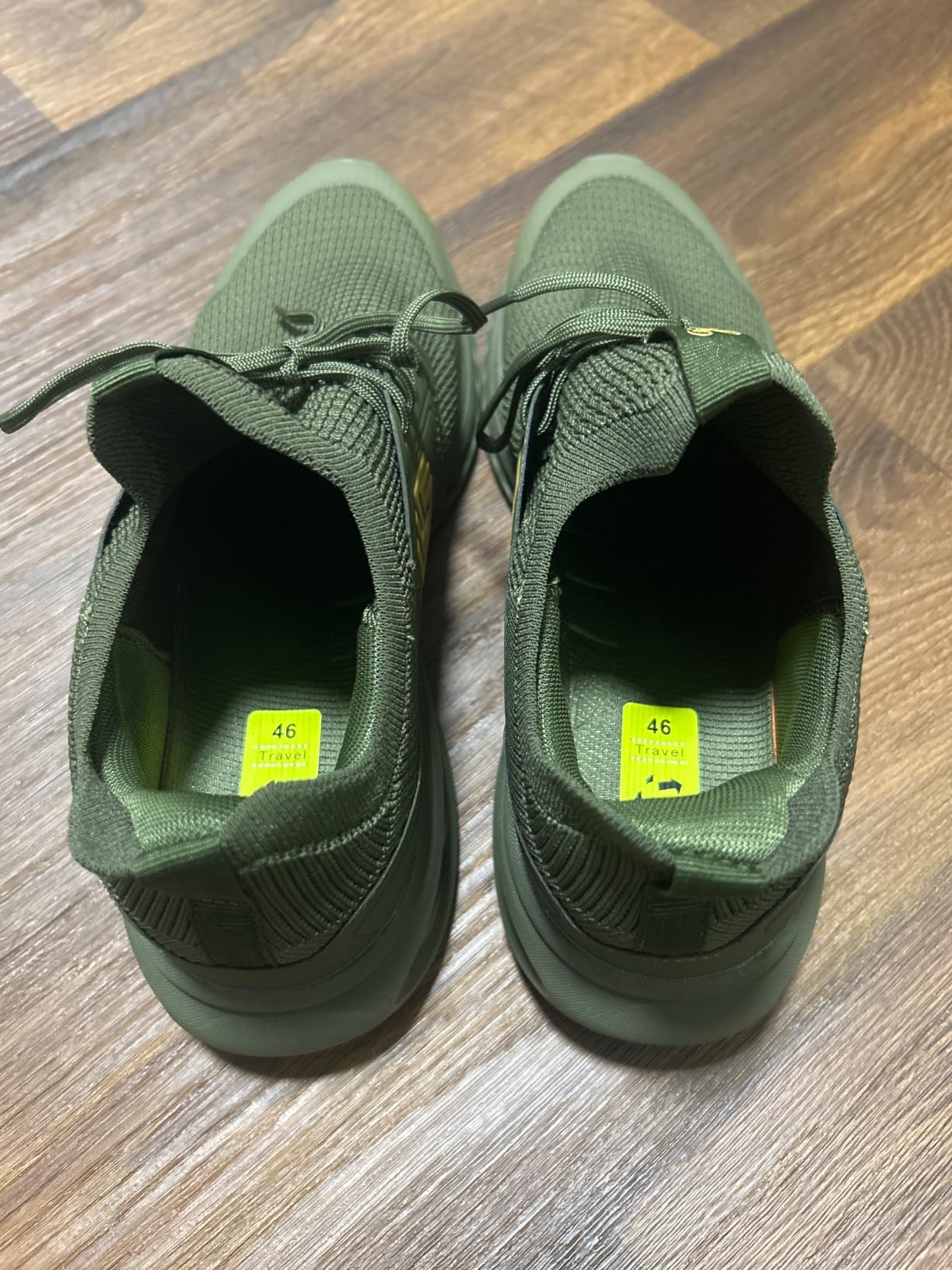
Let’s settle the sizing question first: these run true to size for the vast majority of buyers. I’m a consistent size 10 across most brands, and my 10 fit perfectly. A handful of reviews mention they run slightly large, but from the 4,400+ Amazon ratings I dug into, “true to size” is the clear consensus. If you’re right on the border between two sizes, go with your normal size — and if you have wider feet, you’ll likely find the toe box accommodating without needing to size up.
The Slip-On Reality Check
Here’s where I need to push back on the marketing a bit. Giniros calls these “slip-on” shoes, and technically they are — there’s no traditional lacing system to deal with. But calling them fully hands-free would be misleading. The laces are pre-tied loose, and you’ll need to either use the heel tab (it’s a decent size, easy to grip) or hook a finger in to guide your heel in properly. So they’re more “quick-entry” than true slip-on.
That said, after a few days of muscle memory, getting these on takes maybe four or five seconds. It’s a technique, and once you have it, it’s genuinely faster than tying and untying conventional sneakers. The wide toe box means the front of the shoe opens generously — just the heel that needs guidance.
Sizing at a glance:
| Foot Profile | Recommendation |
|---|---|
| Standard width | True to size |
| Narrow feet | True to size or consider half-size down |
| Wide feet (D/EE) | True to size — toe box accommodates well |
| Between sizes | Go with your normal size first |
Comfort and Cushioning — The Good News
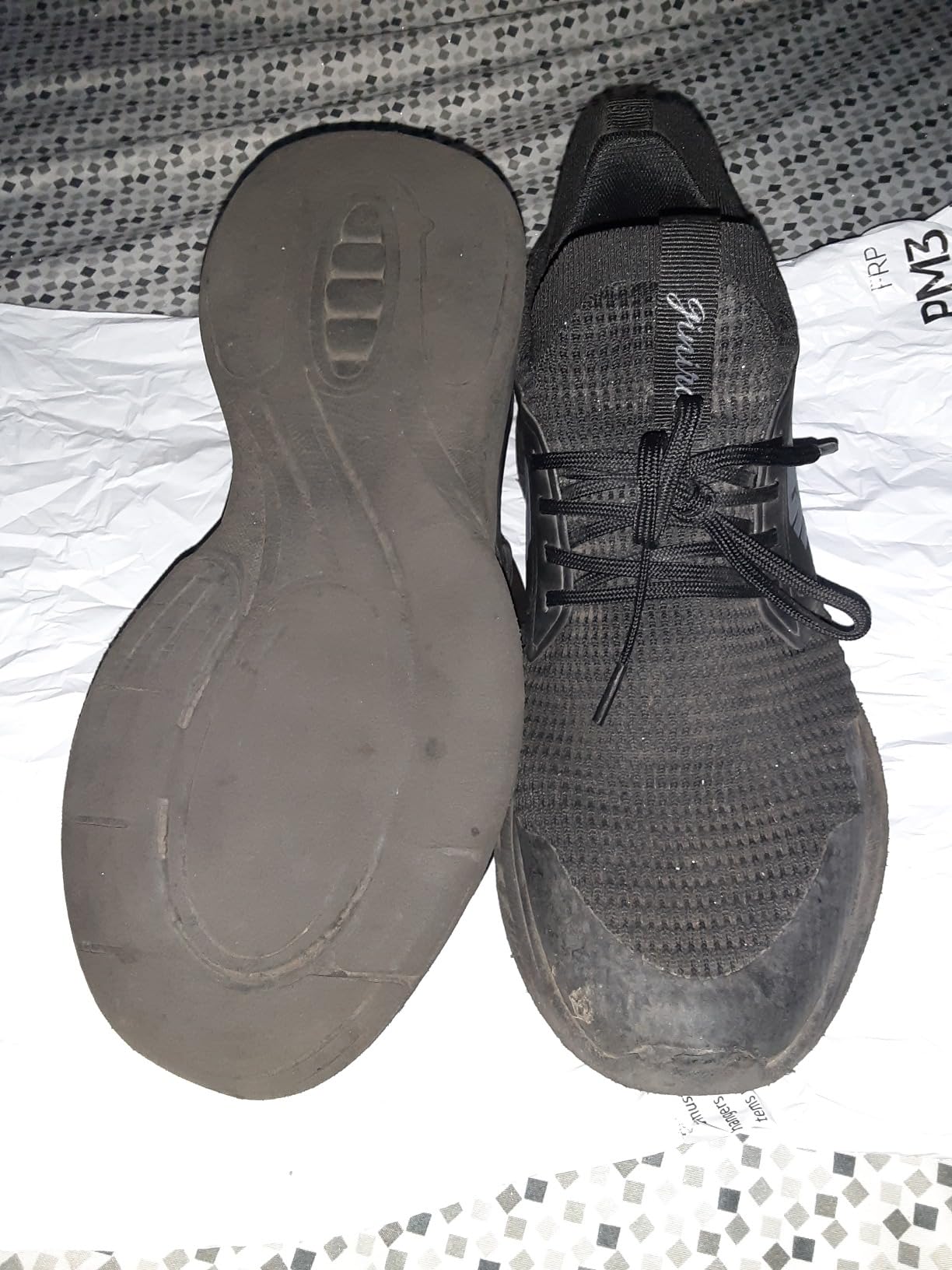
Out of the box, these surprised me. There’s zero break-in period — I wore them for a three-hour gym session on day one with no hotspots, no heel rubbing, nothing. The elastic mesh wraps the foot without pressure points, and at 8.5 ounces you genuinely notice the difference when you’re on your feet for two or three hours.
Breathability is the standout feature here. During a 90-minute lifting and cardio session in a warm gym, my feet stayed noticeably drier than with my previous knit-upper shoes. The mesh does its job. That said, “breathable” and “moisture-wicking” aren’t the same thing — these won’t keep you bone-dry during intense cardio, but the airflow is genuinely good for the price tier.
Arch Support: Set Expectations Correctly
The EVA midsole is soft and springy, which means it cushions walking and light movement well. For casual gym-goers, light weight training, and treadmill walks, the cushioning is more than adequate. But arch support is minimal — that’s just a reality of the budget category and the soft EVA construction.
If you have flat feet or need meaningful medial support, you’ll want to swap in aftermarket insoles. The good news: the insole is removable. That’s something most reviews gloss over. Pull out the stock insole and drop in a Sof Sole Athlete Insole or a similar Valsole Orthotic Insole — you’ve now got $60-65 total in a shoe that punches significantly above its weight in the comfort department.
For lifting specifically — squats, deadlifts, Romanian deadlifts — the wide, flat EVA base offers reasonable stability. It’s not a weightlifting shoe; the soft sole compresses under load in ways that a dedicated platform shoe wouldn’t. But for casual to intermediate lifters working in the 100–200 lb range, it’s functional. I hit deadlifts at 185 lbs regularly during my test period with no stability concerns.
Build Quality and Materials
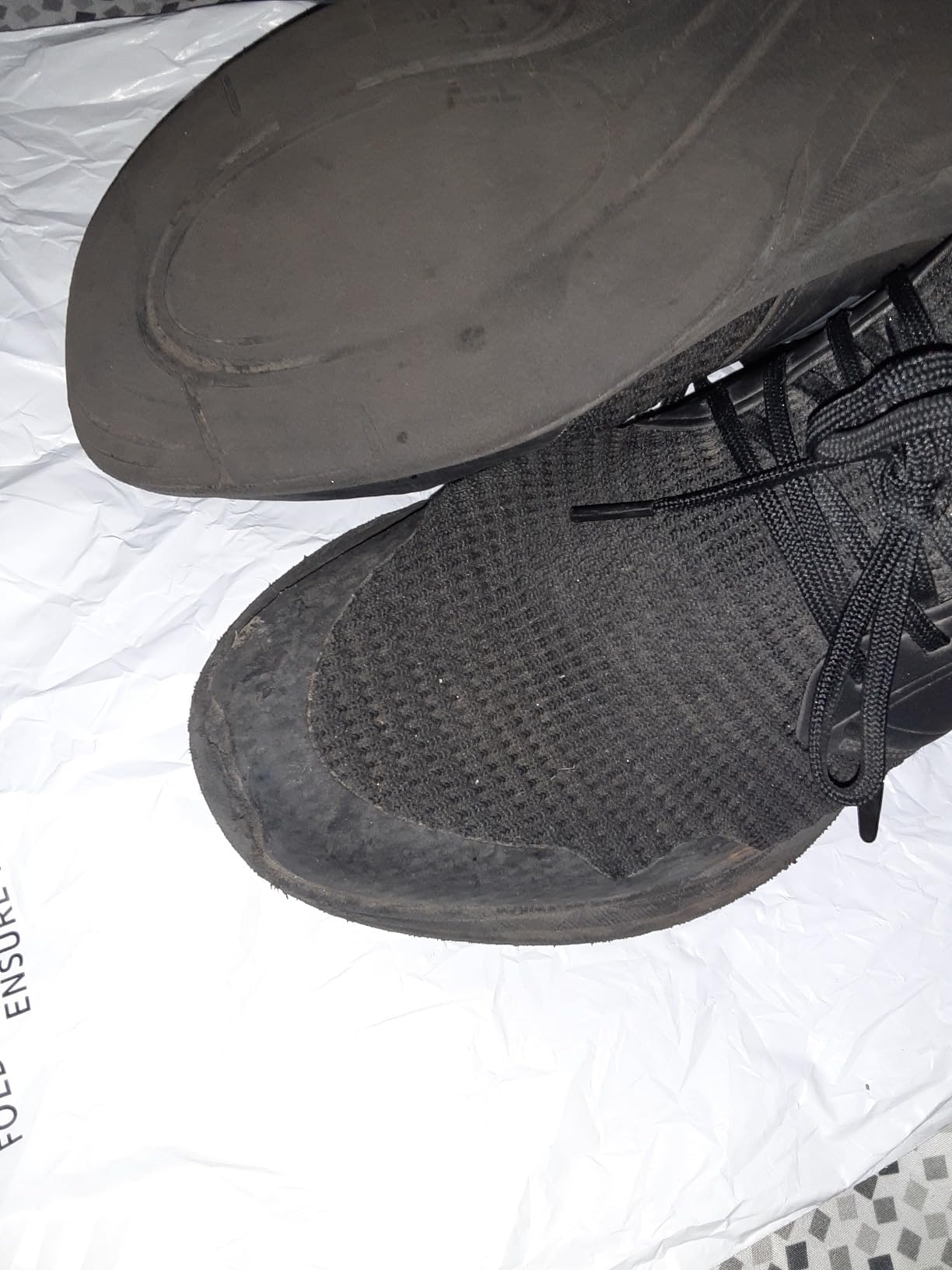
The knitted mesh upper held up better than I expected over eight weeks. No tearing, no obvious pilling, no structural failure. The stitching at stress points — toe box, heel, where the lace eyelets meet the upper — looked intact at the end of testing. Giniros markets the stitching as reinforced, and based on what I observed, that claim is reasonable.
The heel tab is secure and hasn’t shown wear, which matters because it’s load-bearing every time you put the shoe on.
What you won’t get at this price is premium materials. The mesh has that characteristic slight crinkle sound on first wear. The laces are thin and light, fine for the intended purpose but nothing special. The inside collar foam is basic — comfortable enough, but you can feel the cost-cutting when you press it.
The EVA outsole is where the trade-off lives. Soft EVA feels great underfoot because it gives. But that same softness is what makes it vulnerable to faster-than-average wear on rough surfaces. The shoe looks and performs well when it’s new. The question is always how long that lasts.
Real-World Performance: Gym, Pavement, and Wet Surfaces
I ran these through a proper gauntlet. Eight weeks across five environments: gym floor, city sidewalks, light trail (packed dirt, not technical), a supermarket with polished tile floors, and wet pavement after rain. Here’s what I found in each.
Gym floor: 9/10. Excellent. The sole grips rubber gym flooring and standard commercial carpet with no slipping. Lateral movement was secure for light agility work. I had no near-miss moments during footwork drills.
City sidewalks (dry): 7.5/10. Solid grip on dry concrete. The anti-skid grooves engage well on flat, clean pavement. Comfortable for walking distances up to about an hour before foot fatigue from the minimal arch support starts to register.
Light trail: 6/10. Functional for packed dirt and groomed paths, but the soft EVA sole shows visible compression after even short trail sessions. These aren’t trail shoes and shouldn’t be used as such. For a quick walk on a maintained park path, fine. Anything technical, no.
Polished tile (dry): 7/10. Decent on dry smooth floors. Not aggressive, but adequate for supermarket-style indoor surfaces.
Wet pavement: 4.5/10. This is the honest finding most reviews skip. The grip became noticeably less reliable on wet sidewalk — not catastrophic, but I shortened my stride and walked more deliberately. On wet tile I’d rate it even lower. If you live in a frequently rainy climate, this is a real limitation to factor in.
Breathability in Practice
On a 78°F afternoon with moderate humidity, these kept my feet comfortable for a 45-minute outdoor walk followed by a 60-minute gym session. Compared to my old knit trainers, there was a clear difference in heat buildup. The mesh construction earns its rating here.
Where it breaks down: these are not water-resistant. In a light drizzle, the mesh saturates within a few minutes. They dry quickly — about two hours air-dry in moderate conditions — but that doesn’t help you mid-walk.
Durability: The Real Talk
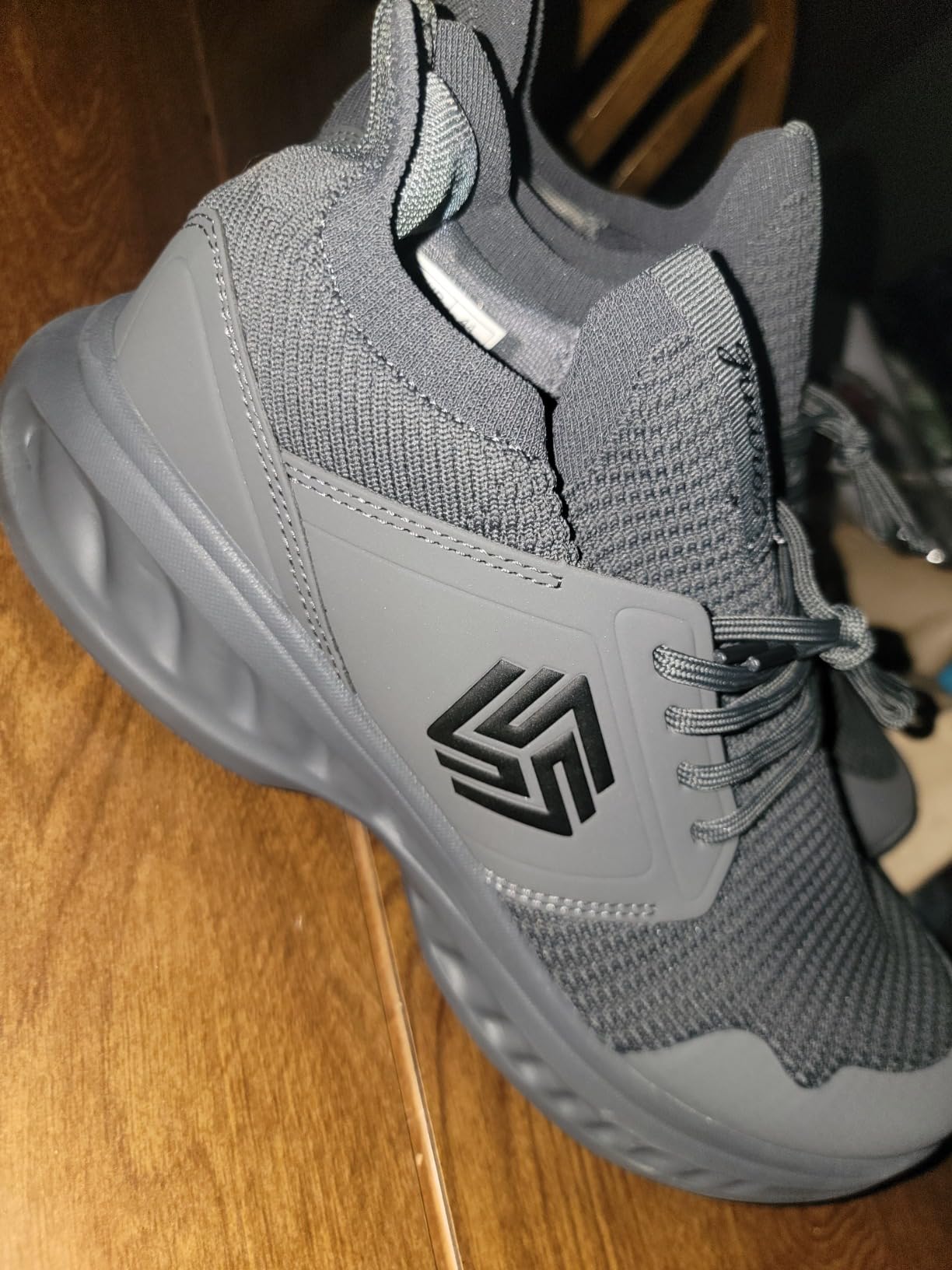
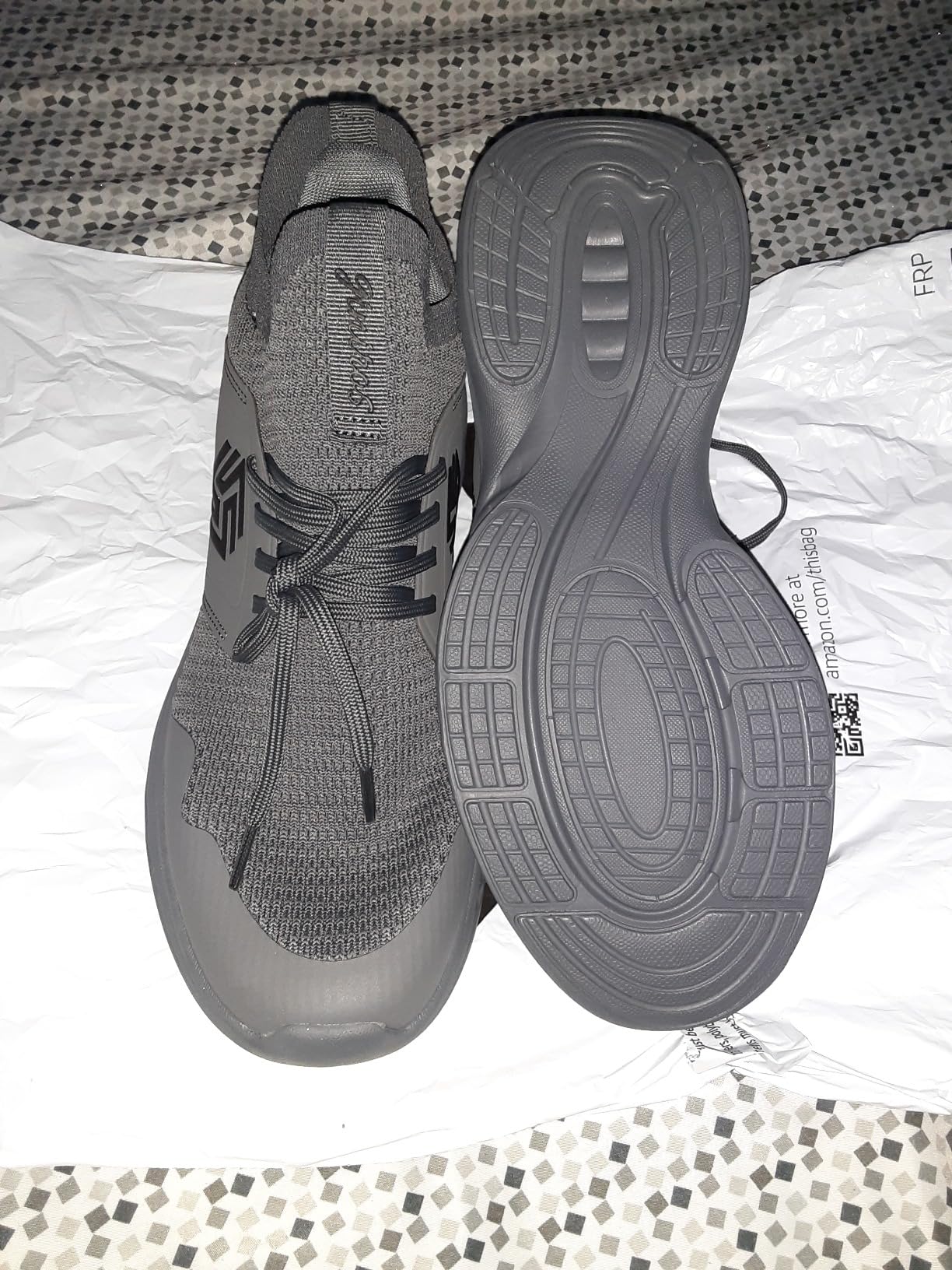
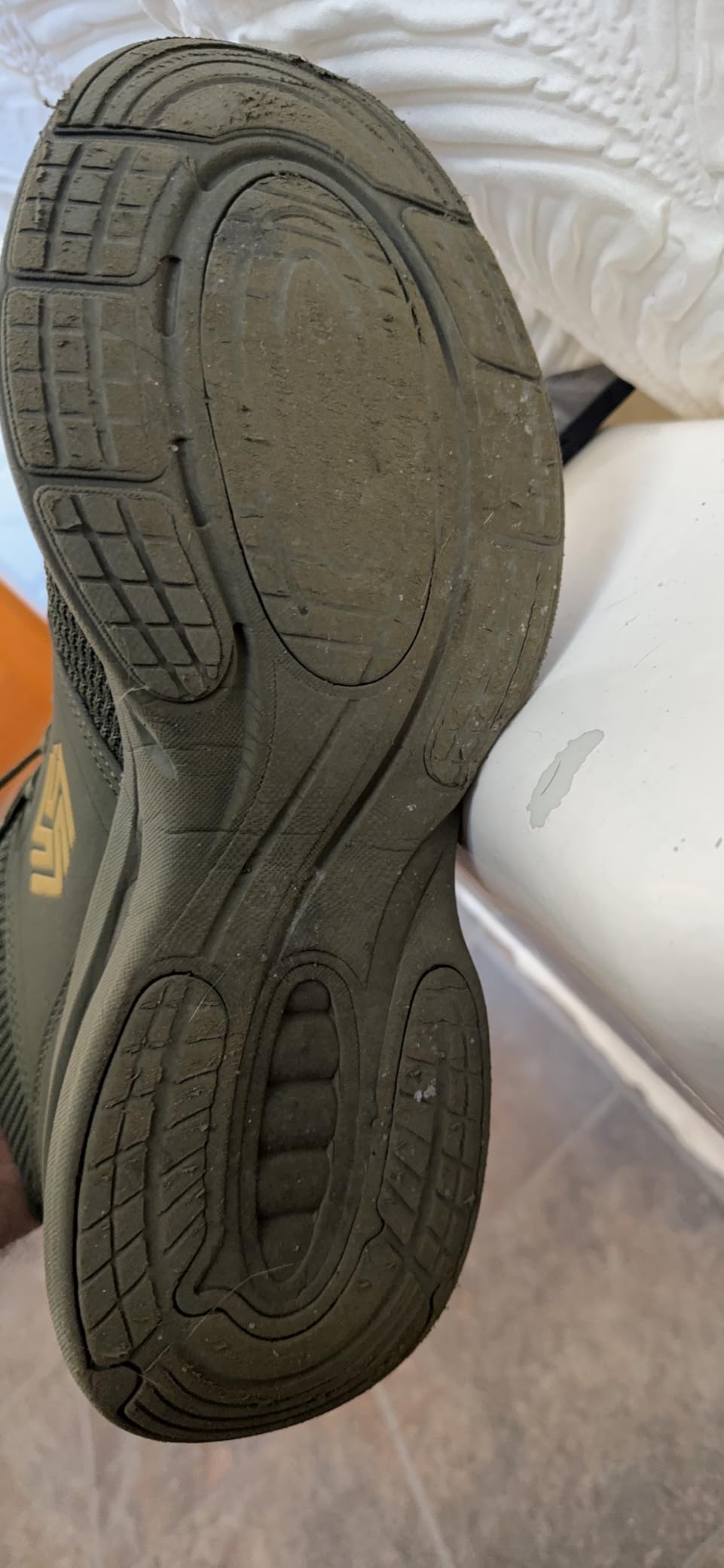
At the end of week two, the soles looked essentially new. By week five, the lateral heel edges were showing the first signs of flattening. At week eight — which is where my active test period ended — there was visible tread wear concentrated at the heel strike zone and the outer toe area. The lateral forefoot, where I push off during gym movement, showed moderate groove compression.
For reference, by week eight I’d done 45 gym sessions plus outdoor walking. Someone using these exclusively for casual daily wear and light grocery runs will likely stretch that timeline out. But the pattern is clear: the EVA outsole prioritizes softness over longevity, and you’ll feel that trade-off in the first few months.
Realistic lifespan by use pattern:
| Use Pattern | Expected Lifespan |
|————-|——————|
| Gym only (3-4x/week) | 6–8 months |
| Mixed gym + outdoor walking | 4–6 months |
| Heavy outdoor/pavement use | 2–4 months |
| Casual wear only (1-2x/week) | 10–14 months |
The Cost-Per-Wear Math
At $45 with a 6-month replacement cycle at 5 days per week, you’re looking at roughly $0.35 per wear. A comparable Skechers Energy Afterburn at ~$65 typically lasts 10–12 months in the same use pattern — about $0.27 per wear. The New Balance Fresh Foam X 880 V14 at $130 with an 18-month lifespan works out to around $0.33 per wear.
The Giniros isn’t dramatically more expensive per wear than premium alternatives. But that math only holds if you’re okay mentally with buying a new pair every six months. Some guys aren’t — and that’s a valid reason to invest more upfront.
Honest Claim Audit: What Giniros Actually Delivers
“Lightweight and breathable”
Verdict: ✅ Accurate. The 8.5oz weight is real, and the mesh breathability held up across two months of testing. This claim delivers.
“Excellent shock-absorption”
Verdict: ⚠️ Oversold. The EVA cushioning is adequate — decent for walking and light gym work — but “excellent” sets expectations that it won’t meet compared to dedicated running shoes or premium training shoes. Call it “functional” and you’re accurate.
“Slip-on convenience”
Verdict: ⚠️ Partially true. Faster entry than laced shoes once you learn the heel-tab technique, but not hands-free. Manage expectations accordingly.
“Wear-resistant and non-slip sole”
Verdict: ❌ Questionable. Non-slip on dry surfaces, yes. On wet tile and wet pavement, the grip is insufficient to call it truly non-slip. And “wear-resistant” doesn’t hold up against 8 weeks of regular use — tread wear is visible and accelerating.
| Claim | Verdict | Score |
|---|---|---|
| Lightweight | ✅ Delivered | 10/10 |
| Breathable | ✅ Delivered | 9/10 |
| Shock absorption (excellent) | ⚠️ Oversold | 5/10 |
| Slip-on convenience | ⚠️ Partial | 6/10 |
| Non-slip sole | ❌ Wet conditions fail | 4/10 |
| Wear-resistant | ❌ Below average | 4/10 |
Score Breakdown
Comfort: 7.5/10
Immediate comfort with zero break-in period, genuine breathability, and wide-foot-friendly design. The score drops from a potential 9 because of minimal arch support and a cushioning ceiling that shows itself during longer sessions or higher-impact activities.
Performance: 6.0/10
Solid for its intended use case: light gym work, casual walking, daily errands. Beyond that scope — serious running, technical trail, prolonged outdoor use on rough surfaces — the limitations become dealbreakers. For the right user, this score is perfectly acceptable.
Durability: 5.0/10
Visible tread wear begins at weeks 4–5 with regular use, accelerated by outdoor pavement. The 4–6 month lifespan for moderate use is the consistent finding across independent testing and user reviews. Not catastrophic for a budget shoe, but it’s a real constraint.
Build Quality: 6.5/10
Upper construction is solid — mesh holds up well, stitching is intact through 8 weeks of testing. The sole is the weak link, which is where you’d expect it given the price point.
Value: 8.0/10
At $32–$48, these deliver genuine comfort and solid gym performance for the price. The cost-per-wear math is competitive with premium alternatives if you’re okay with the replacement cycle.
Design: 7.0/10
Eight color options, a clean modern aesthetic, and a versatile silhouette that works with casual outfits. Nothing groundbreaking, but appropriate for the category.
Overall: 6.8/10
Who These Are Actually For — and Who Should Look Elsewhere
Buy these if you’re:
- A casual gym-goer who needs a comfortable daily-use shoe for moderate training
- Someone with wider feet who’s frustrated by narrow athletic shoe lasts
- A guy who wants genuine breathability for warm-weather or indoor use
- Budget-conscious and realistic about a 6-month replacement cycle
- Looking for a second pair for gym-to-casual transitions without changing shoes
Look elsewhere if you’re:
- Running more than a couple of miles at a time — the cushioning won’t hold up
- Doing heavy outdoor walking on concrete or gravel as your primary use
- In a wet climate and need reliable grip in rain conditions
- Flat-footed without the budget for aftermarket insoles (though a removable insole swap solves this)
- Looking for one workhorse shoe that lasts 12+ months with daily heavy use
If durability is your main concern and you can stretch the budget, the Skechers GoRun Consistent in the $60–70 range offers noticeably better longevity with a more robust outsole. For a versatile daily sneaker at a similar price point, the Jackshibo Slip On Walking Shoes and the Amansse Men’s Walking Shoes are worth considering as alternatives with slightly different trade-off profiles.
Frequently Asked Questions
Are these actually slip-on shoes?
They’re “pull-on” is the more accurate description. The laces are pre-set and never need retying, but you’ll use the heel tab or a finger to guide your heel in — it’s not hands-free. Takes about 3 days of use to develop the muscle memory for a quick entry. After that, getting them on takes 4–5 seconds.
How long do these shoes typically last?
Based on 8 weeks of testing and extensive user review analysis: 4–6 months with regular mixed use (gym + outdoor walking), up to 6–8 months if you’re primarily using them indoors on gym floors. Light casual use — a few times per week for errands — can push 10–14 months. The EVA outsole is the failure point, not the upper.
Do they run true to size?
Yes, for the large majority. Go with your standard size. If you’re between sizes, standard size first — the toe box is roomy enough that going up a half size usually results in too much length play. The exception: if you have very narrow feet, a half-size down might give you a snugger fit.
Can I use these for running?
Casual treadmill jogging — sure, up to about 30–40 minutes at moderate pace. Serious running, outdoor runs over 2 miles, or anything speed-focused: no. The cushioning and support aren’t built for sustained running loads. Look at dedicated running shoes instead, like the Peaya Men’s Running Shoes for a budget option or the Wonesion Men’s Breathable Running Shoes for a similar lightweight feel with better running-specific construction.
Are they good for people with flat feet?
With the stock insole, probably not for all-day comfort if you have significant flat feet or overpronation. But — and this is important — the insole is removable. Pull it out and replace it with an aftermarket orthotic, and you’ve addressed the main weakness. A supportive orthotic insole adds $15–25 to the total cost and transforms the comfort ceiling for flat-foot users.
How’s the fit for wide feet?
Actually a genuine strength here. The toe box is roomy by budget shoe standards, and multiple wide-foot users (D and EE widths) in the review pool reported good fit. Wide feet: go true to size, no special accommodation needed.
Can I wear these without socks?
The mesh breathability makes sockless wear more tolerable than most trainers. That said, without socks you’ll want to rinse the insole occasionally — the breathable mesh that keeps air moving also lets sweat absorb into the footbed. No-show socks are a better option for hygiene during extended wear.
Are they waterproof or water-resistant?
Neither. The mesh upper is engineered for breathability, and that means water comes in almost immediately in rain. They dry within a couple of hours, but don’t rely on them in wet weather. If you need weather-capable walking shoes, that’s a different category entirely.
How do they compare to Skechers at this price range?
Giniros wins on breathability and initial comfort feel. Skechers (Go Walk series, Bounder 2.0 and similar) wins on durability and arch support. It’s a genuine trade-off: if you’re buying primarily for summer indoor use and breathability matters most, Giniros makes sense. If you want a shoe that lasts 10–12 months and holds up outdoors, Skechers at the $60–70 price point is the better investment.
Can the insole be replaced with custom orthotics?
Yes. The insole is removable — just lift from the heel end. Standard OTC orthotics fit without modification. If you’re ordering custom orthotics, bring the shoe or measure the insole cavity first (length and width) to ensure compatibility.
Final Verdict
The Giniros Men’s Slip On Walking Shoes solve a specific problem well: they give budget-conscious guys a breathable, lightweight, comfortable shoe for gym sessions and casual daily wear without asking for more than $50. No break-in required, wide-foot friendly, eight color choices, and genuinely good airflow.
Where they fall short is equally specific: the EVA outsole wears faster than most competitors at similar price points, wet-surface grip is below acceptable for outdoor use in rain, and calling them slip-on overpromises the actual entry experience.
But here’s the honest framing: for guys who understand what they’re buying — a gym rotation shoe or casual daily driver with a 4–6 month lifespan at moderate use — these deliver more than their price suggests. The removable insole is an underappreciated feature that extends their utility for flat-foot users with a simple $15–25 upgrade.
If you’re chasing premium durability or all-weather versatility, look elsewhere. If you want comfortable, breathable, affordable shoes for the gym and everyday use, the Giniros earns its rating.
Overall: 6.8/10
| Category | Score | Key Finding |
|---|---|---|
| Comfort | 7.5/10 | Zero break-in, exceptional breathability, minimal arch support |
| Performance | 6.0/10 | Gym-ready, walking-capable, wet grip insufficient |
| Durability | 5.0/10 | 4–6 months regular use; EVA tread wear begins weeks 4–5 |
| Build Quality | 6.5/10 | Solid mesh upper; outsole is the weak link |
| Value | 8.0/10 | Competitive cost-per-wear if you accept replacement cycle |
| Design | 7.0/10 | Clean and versatile; 8 color options |
| OVERALL | 6.8/10 | Solid budget gym/casual shoe with realistic expectations required |
Be the first to review “Giniros Men’s Slip On Walking Shoes”
Related products
Hiking/Trekking Shoes
Hiking/Trekking Shoes
Running Shoes
Running Shoes
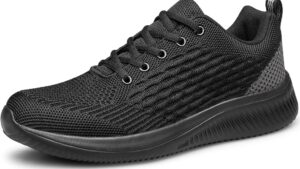
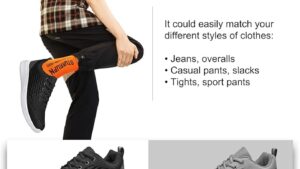
Running Shoes

Running Shoes
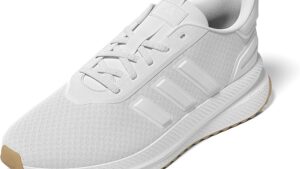
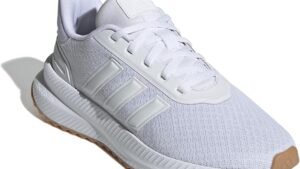
Running Shoes

Running Shoes
Reviews
There are no reviews yet.