
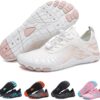
Tuesday morning, scrolling through fitness articles about foot health, I kept seeing mentions of “barefoot shoes” and their benefits for natural movement. Between my morning gym sessions and afternoon walks with my neighbor, I was curious about whether these minimalist shoes could actually strengthen my feet and improve my comfort. That’s why I spent 6 weeks putting the Grand Attack Women’s Barefoot Shoes through every test I could imagine—40+ workouts and 60+ miles later, here’s what I discovered about these $40 cross-trainers.
What Makes These Different from Regular Athletic Shoes?
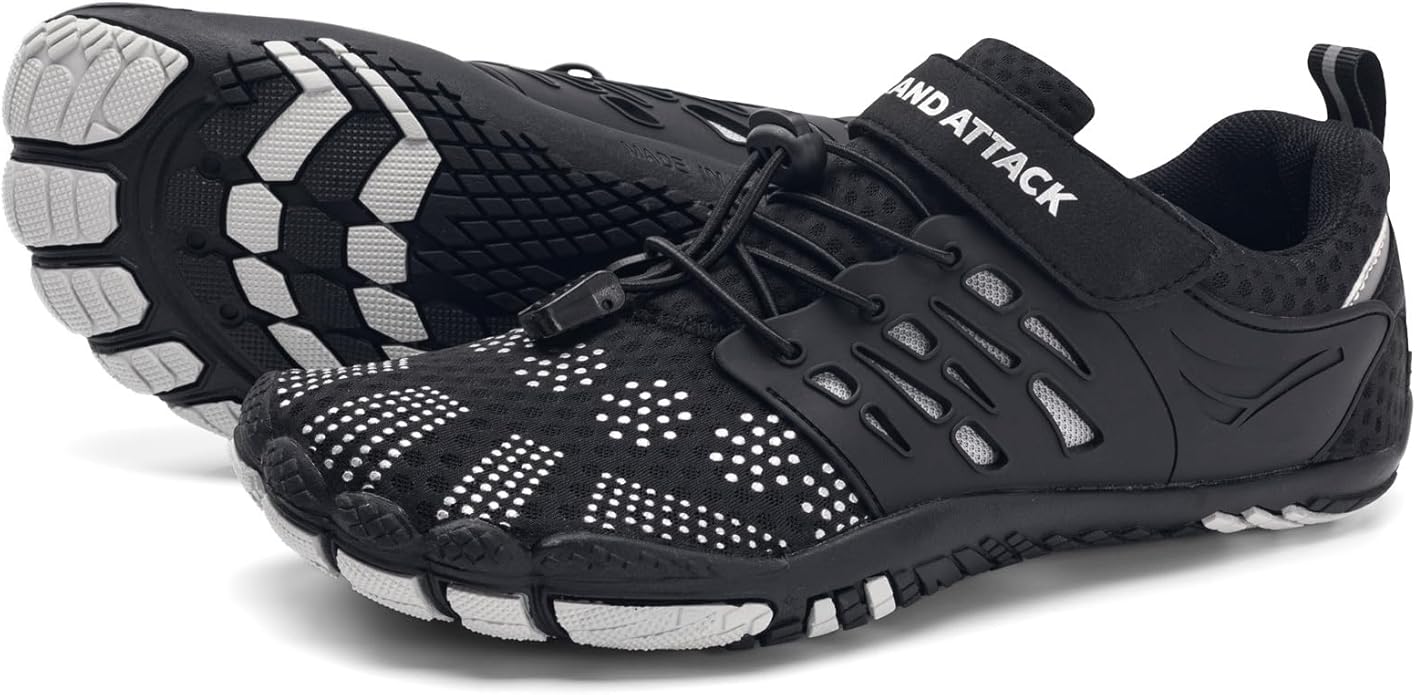
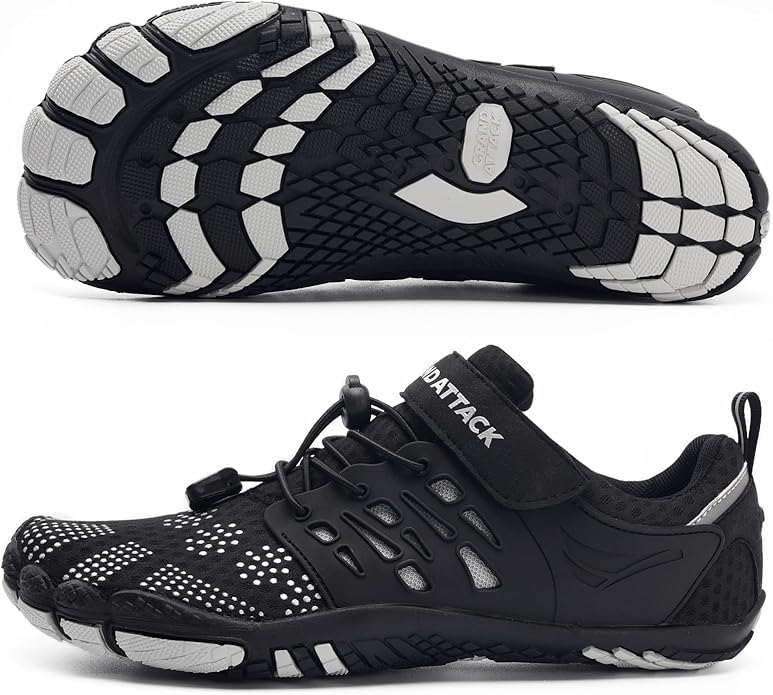
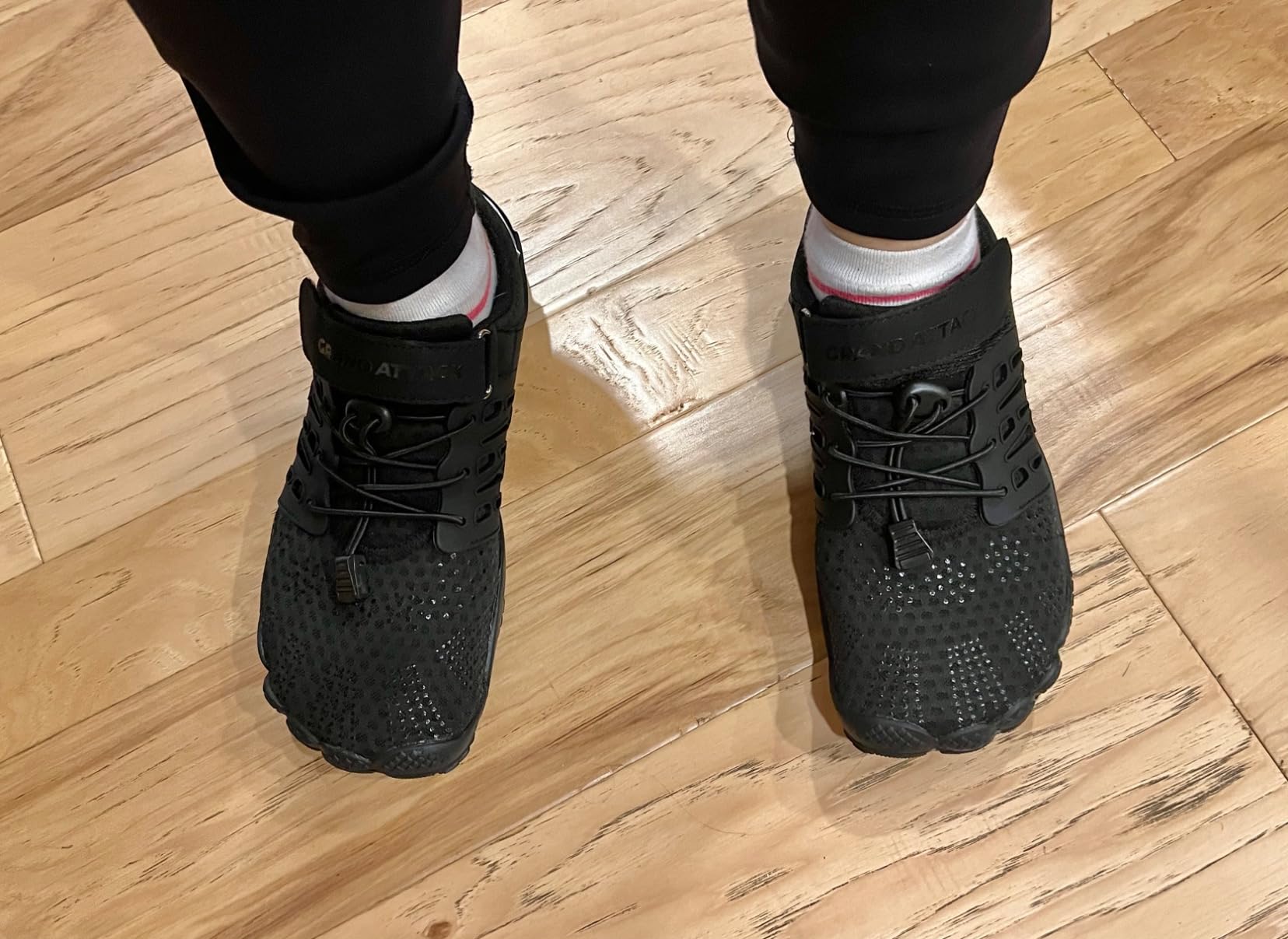
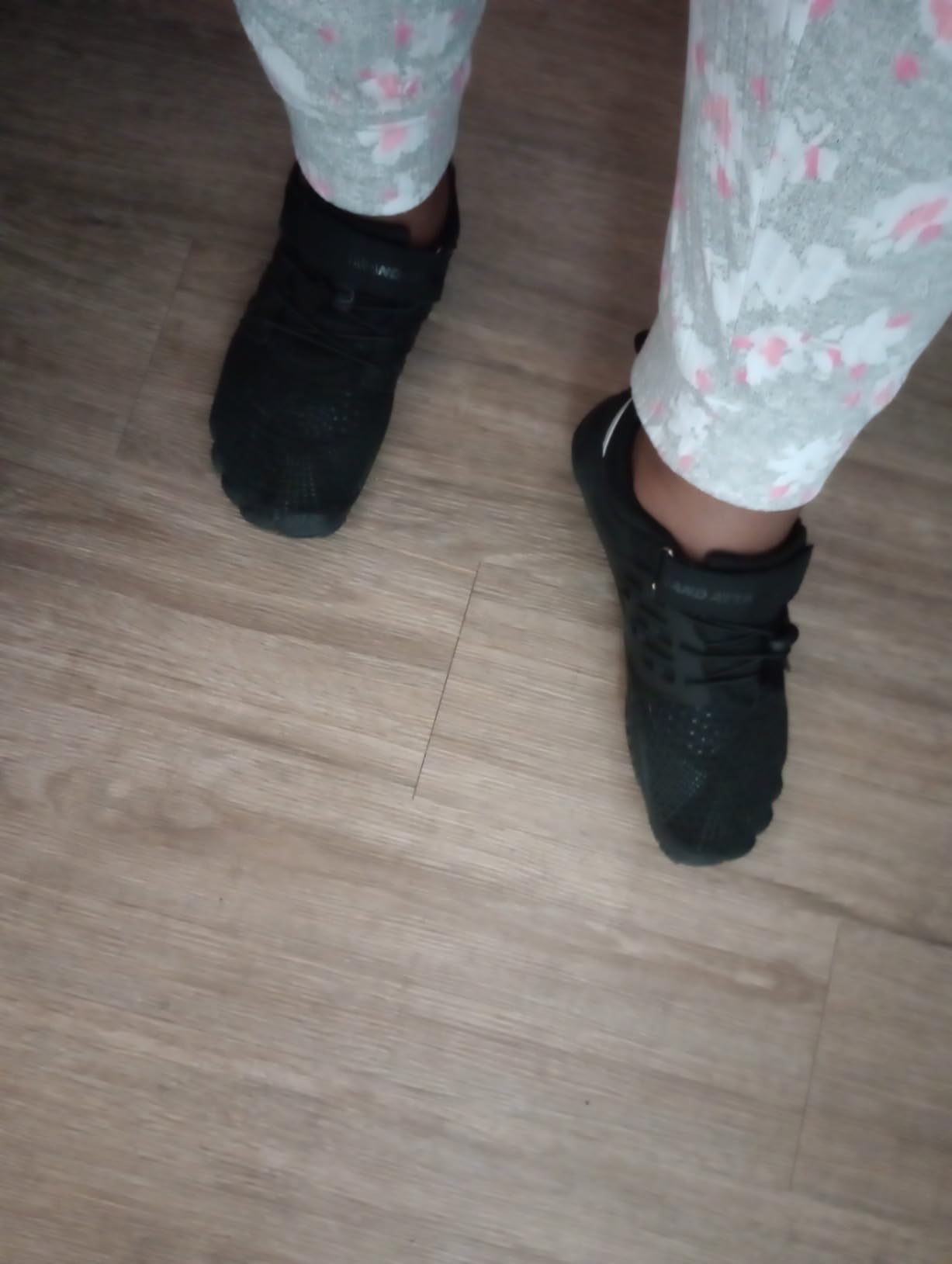
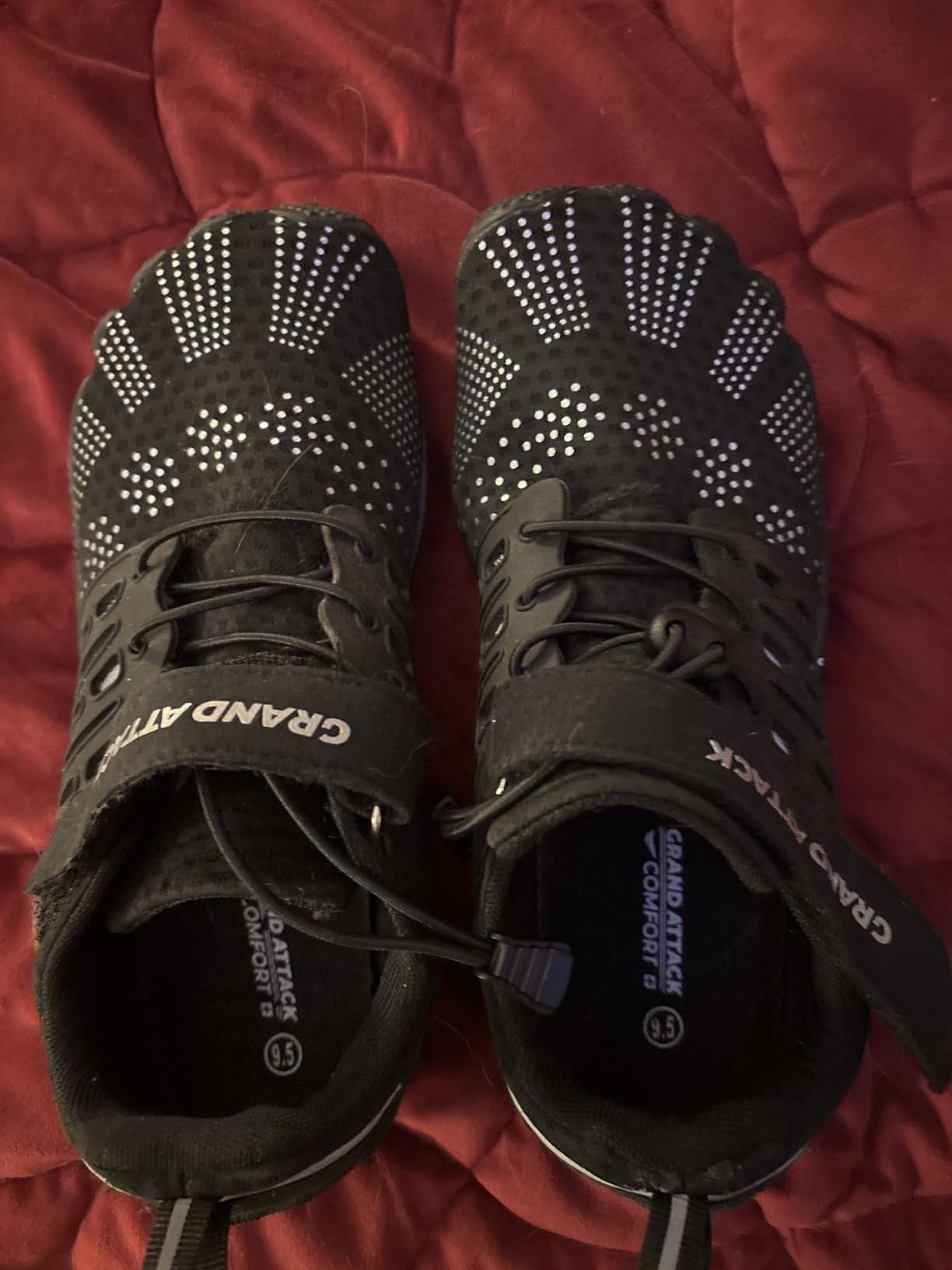
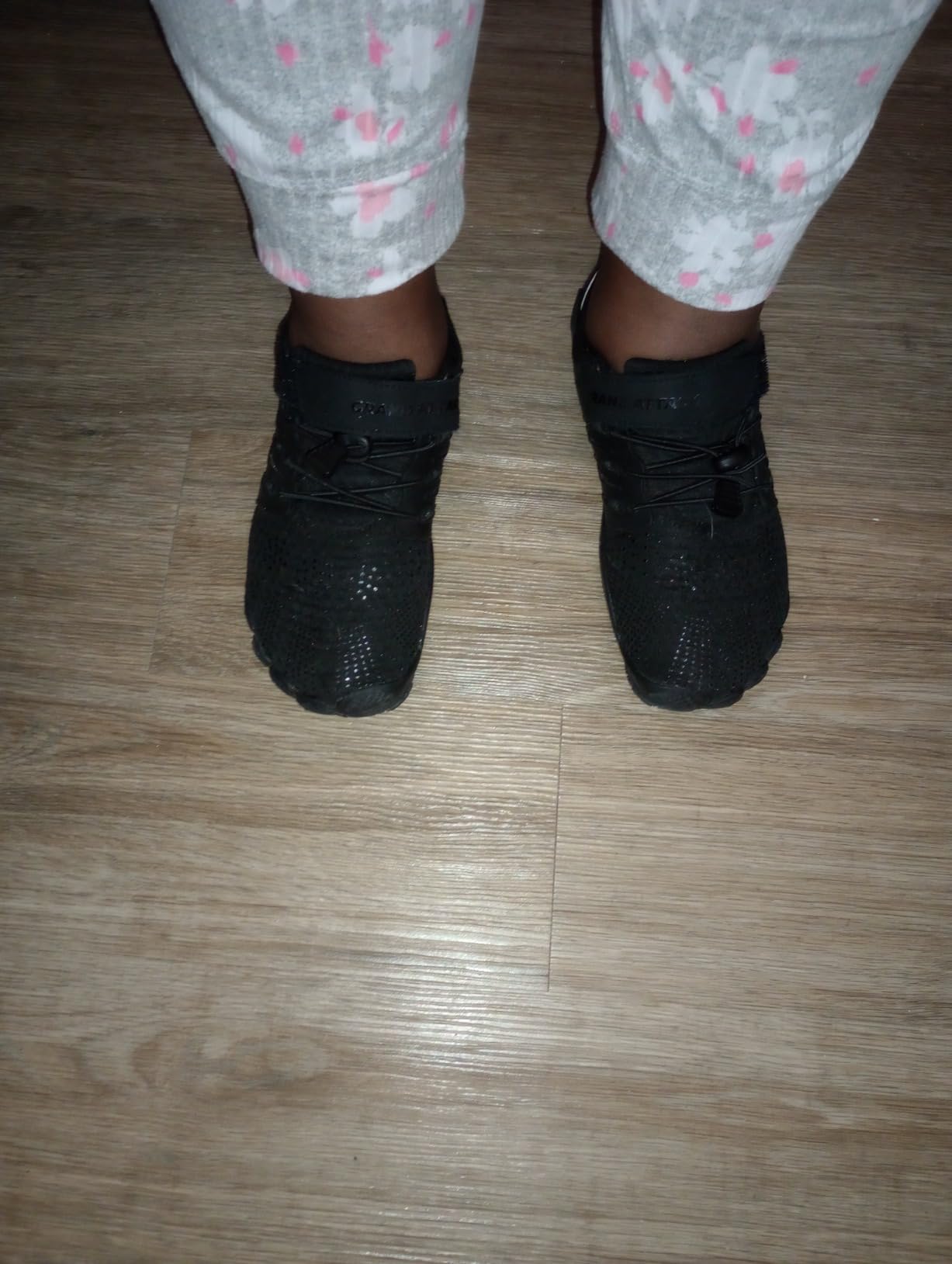
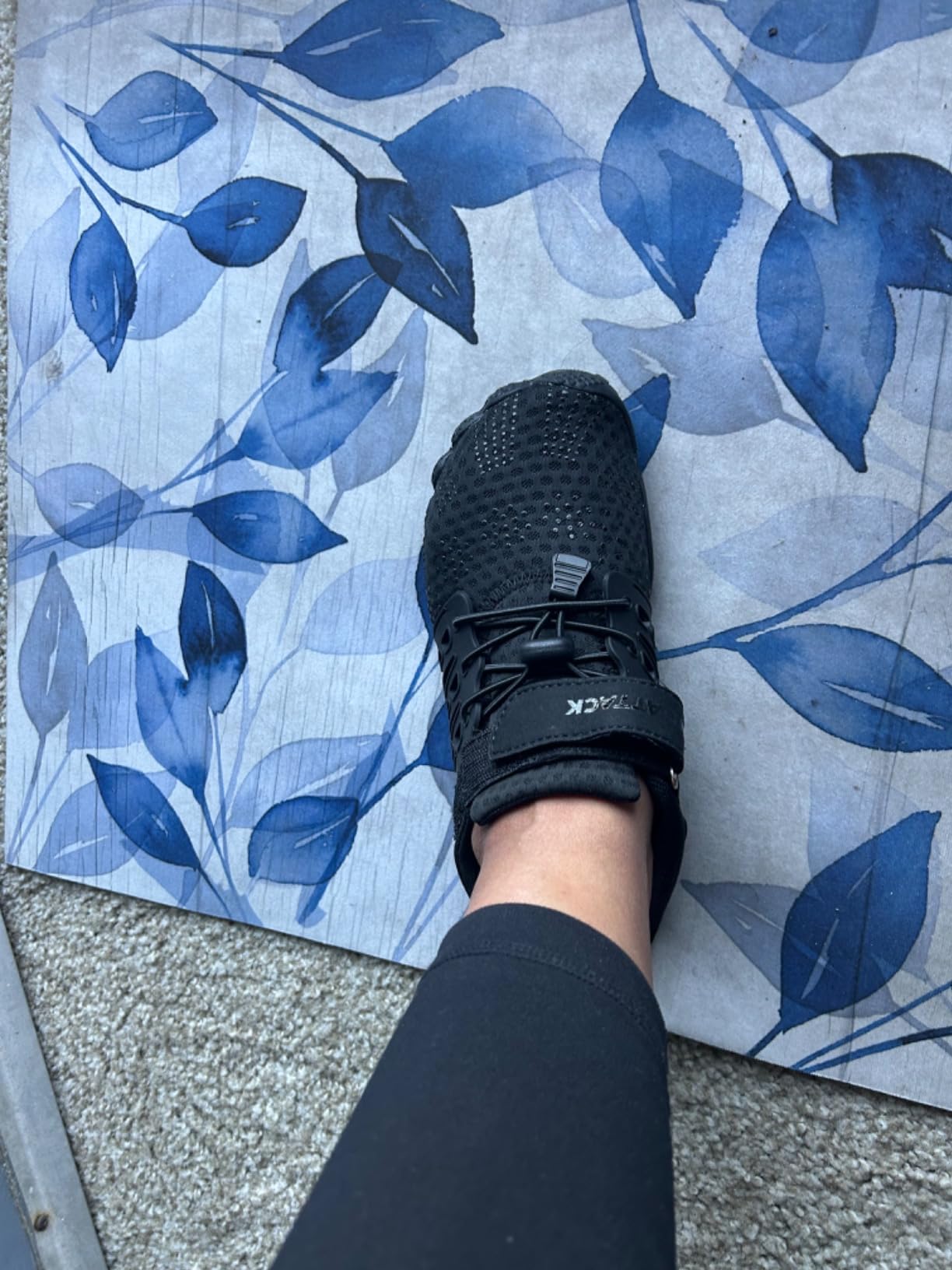
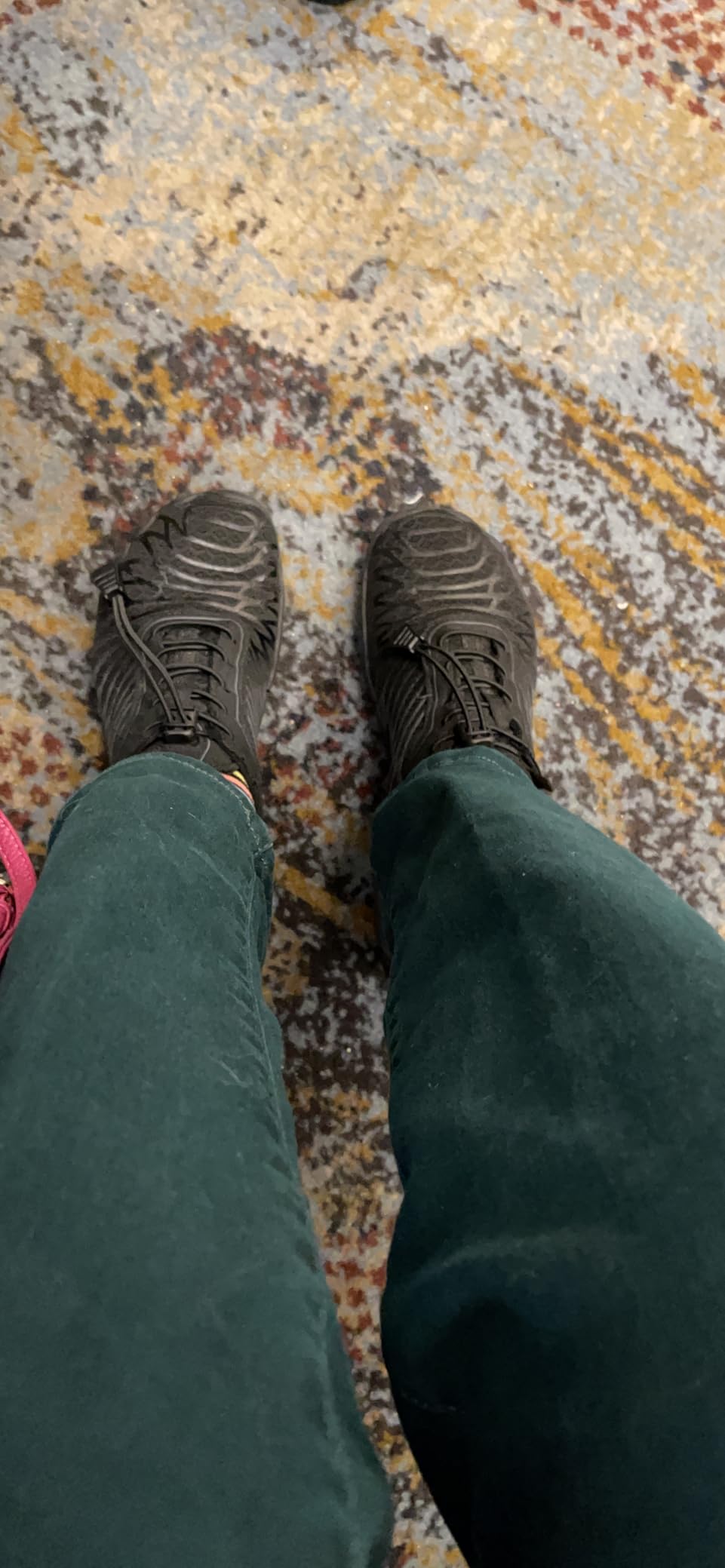
The first thing you notice about the Grand Attack barefoot shoes is how different they look from traditional athletic shoes. That wide, almost duck-like toe box might seem unusual at first, but after wearing conventional shoes my whole life—shoes that squeezed my toes together—I started wondering if maybe the problem wasn’t the “weird-looking” barefoot shoe, but everything else I’d been wearing.
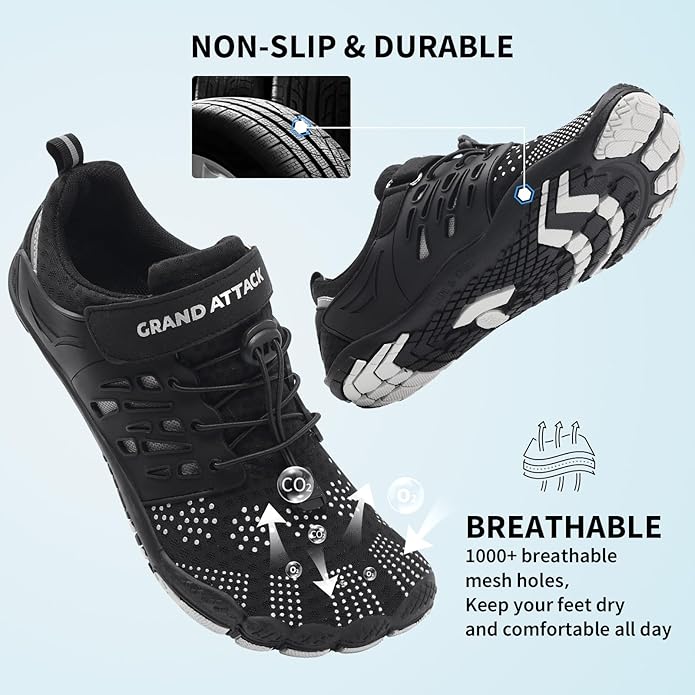
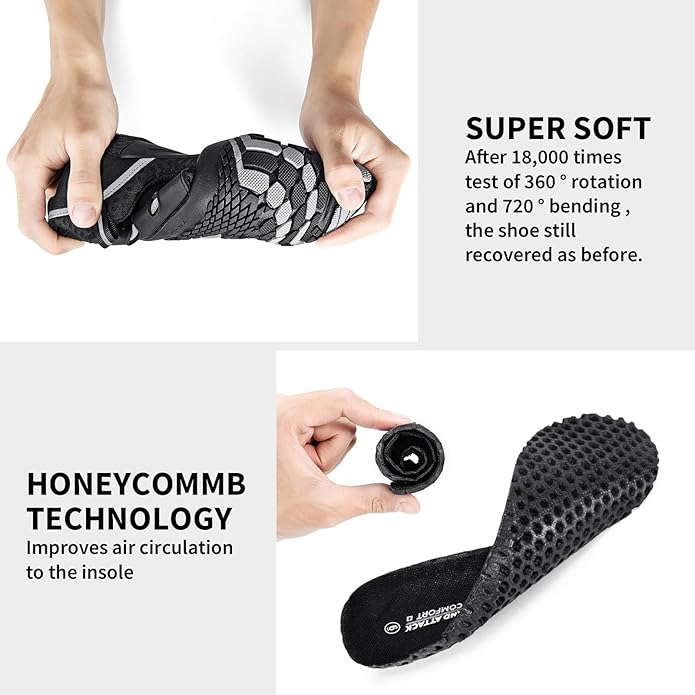
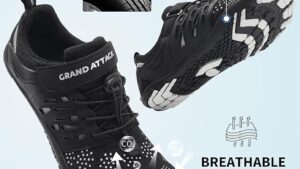
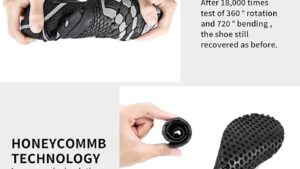
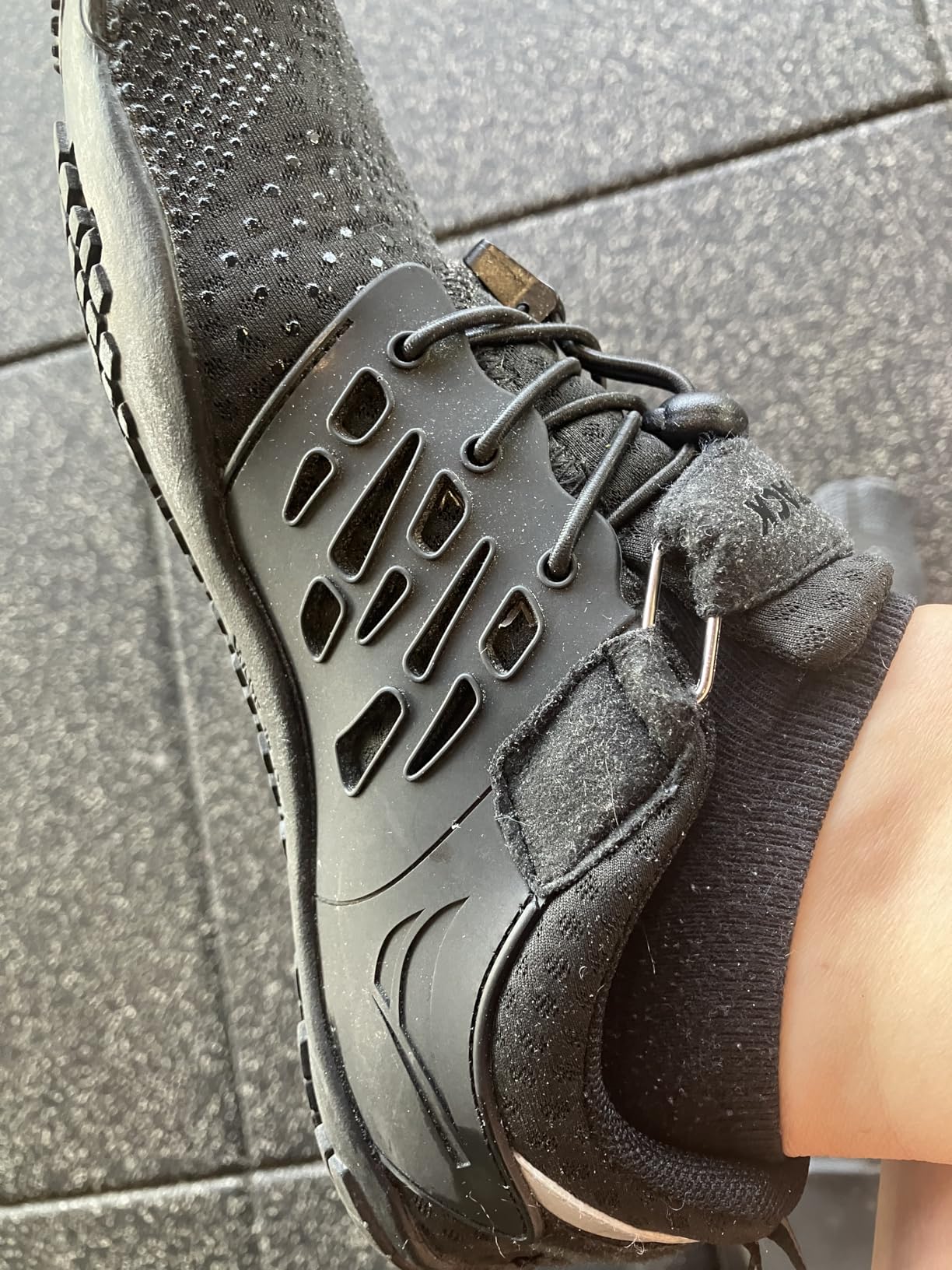
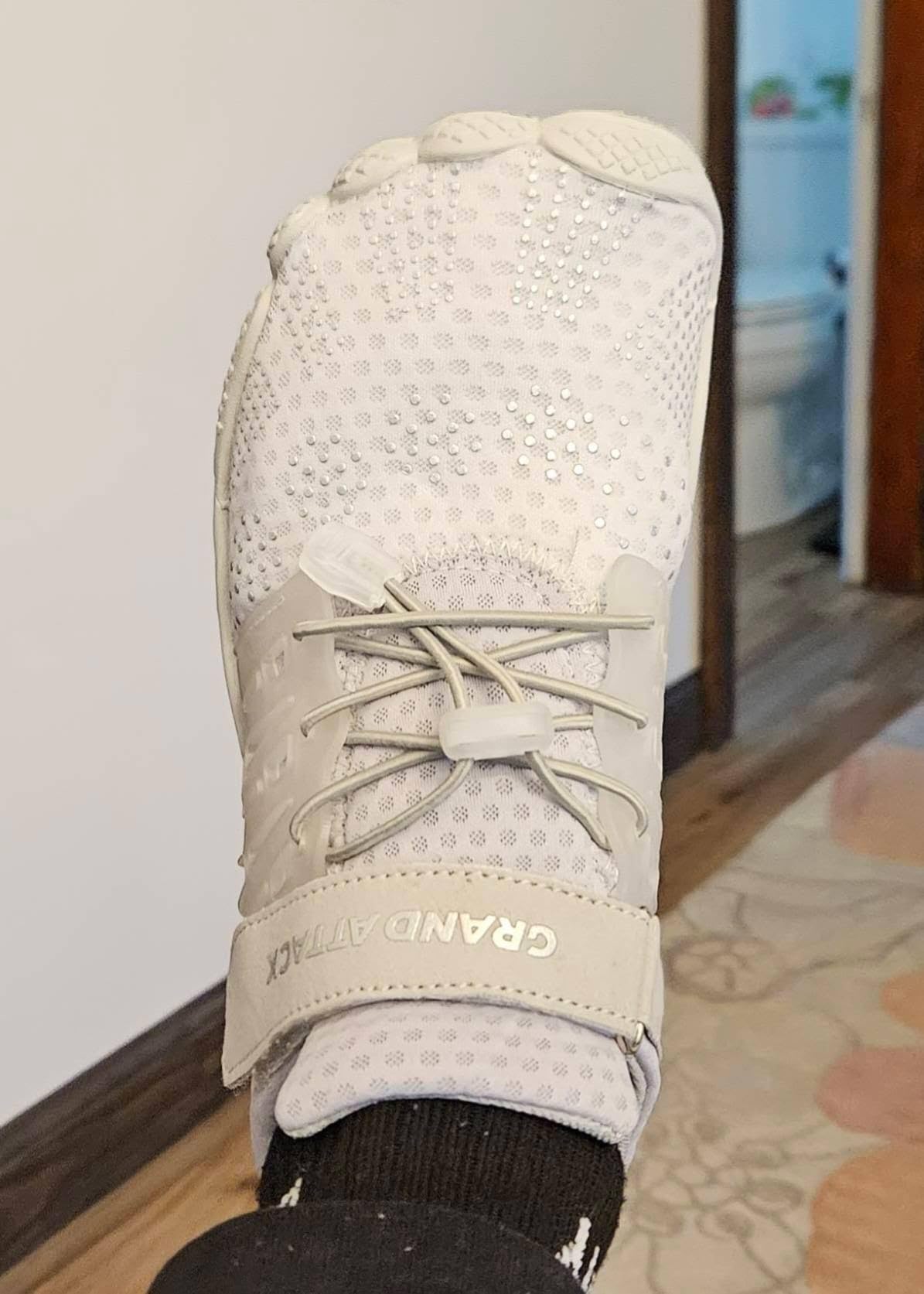
The upper construction uses what Grand Attack calls “flywoven fabric”—essentially a stretchy, breathable knit that molds to your foot shape rather than forcing your foot into a predetermined mold. During my first week of testing, I noticed the material adapting to my foot’s natural curves without creating the pressure points I usually get near my pinky toe. The honeycomb breathable technology they mention in the insole actually works; even after my most intense 45-minute HIIT session, my feet stayed surprisingly dry.
What really caught my attention was the velcro strap system combined with elastic laces. As someone constantly juggling gym time with running errands (mailbox, grocery store, picking up the neighbor’s mail), this slip-on design became genuinely useful. I could transition between activities without fighting with traditional laces. The elastic laces give you just enough adjustability for a secure fit, while the velcro strap lets you fine-tune midfoot pressure.
The Zero Drop Design—Does It Actually Do Anything?
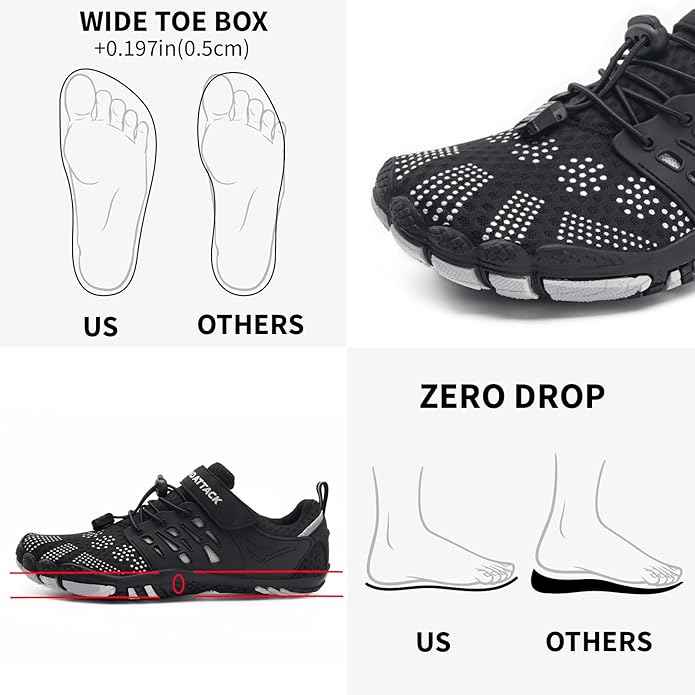
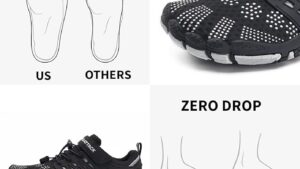
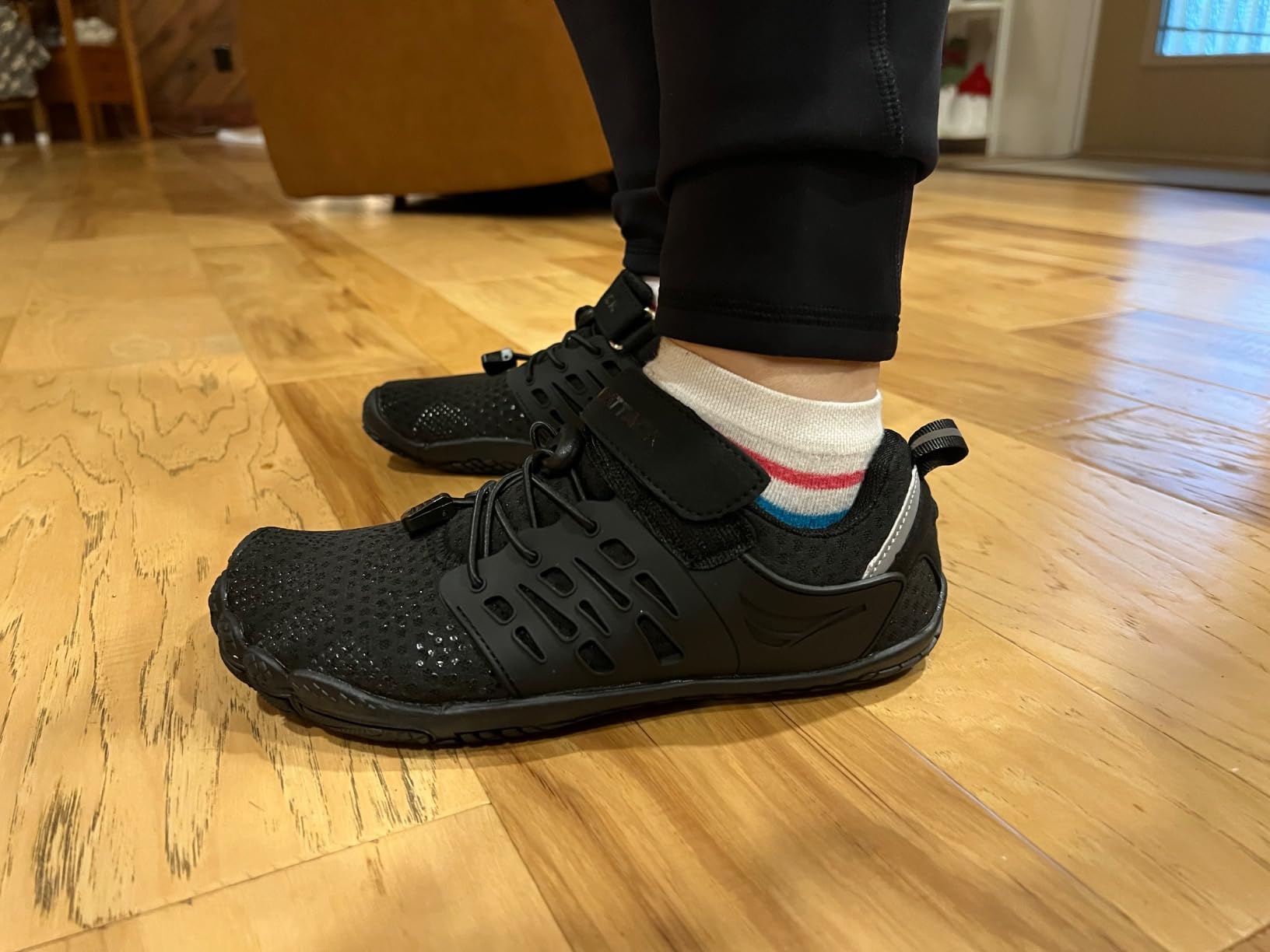
Zero drop means your heel and forefoot sit at the same height. No elevated heel like traditional running shoes or cross-trainers. Grand Attack claims this promotes natural foot alignment and reduces impact stress. I’ll be honest—the first three days felt completely foreign. After years of wearing shoes with heel elevation, my calves had to wake up muscles I didn’t even know were dormant.
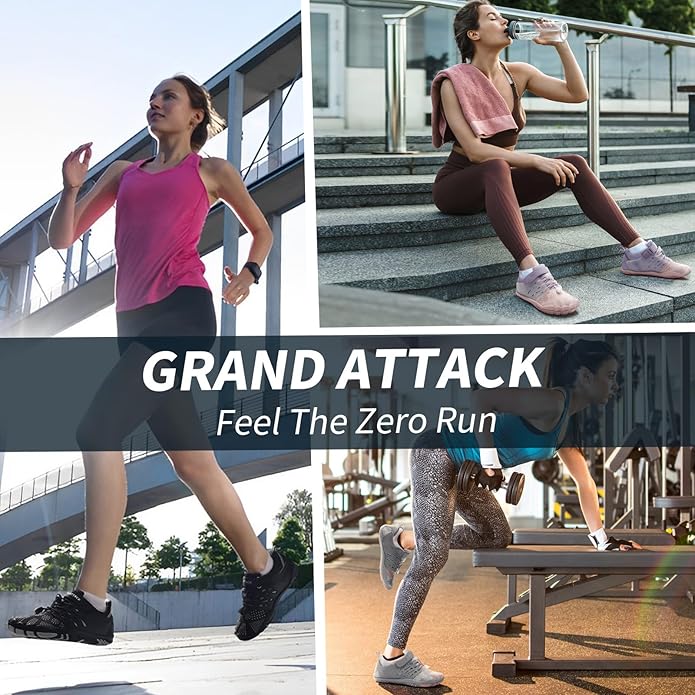
But here’s what happened after two weeks: I started noticing better balance during my strength training sessions. Squats felt more stable. My deadlift form improved because I could feel the ground connection better—that flat platform for lifting made a real difference. My physical therapist even commented during our session that my stance looked more natural. She didn’t know I’d switched shoes.
The wide toe box deserves its own mention. Coming from someone who usually wears narrow to medium width shoes, the extra room felt luxurious for about two days—then it just felt normal, which is probably how shoes should feel. My toes could actually spread and flex naturally. This became particularly noticeable during yoga and Pilates classes where balance matters. Several women in my fitness group asked me about these shoes after class, especially those struggling with bunions or wide feet looking for barefoot options.
How They Actually Perform Across Different Activities
Over six weeks, I tested these shoes in ways most listicle reviews never bother with. Here’s what I found across real activities.
Strength Training & Weightlifting: Where They Excel
This is where these shoes genuinely shine. The zero drop platform gave me excellent stability during squats, deadlifts, and overhead presses. Unlike traditional athletic shoes with cushioned soles that compress under load, these maintained consistent ground contact. During a particularly heavy deadlift session (for me—185 lbs), I felt more planted and confident than in my old Nike trainers.
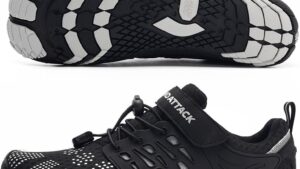
The flexible sole worked perfectly for box jumps and burpees too. That ground feel helped with landing mechanics—I could sense my foot position and weight distribution in ways I couldn’t with thicker-soled shoes. The rubber outsole provided reliable traction on my gym’s floors, even during sweaty sessions when I’m not exactly graceful.
HIIT & Circuit Training
For rapid direction changes and explosive movements, the flexible construction proved responsive. Lateral shuffles felt natural. The grip pattern handled transitions between movements without any slipping, even on slightly worn gym flooring. During circuit training where I’m moving between exercises quickly, the secure fit meant I wasn’t thinking about my shoes—which is exactly what you want.
Yoga & Pilates: Unexpected Benefit
I didn’t expect these to become my go-to yoga shoes, but the wide toe box and flexible design made them perfect for mat work. Being able to spread my toes naturally improved my balance during challenging poses. The thin sole (8mm total stack height) provided excellent proprioception—I could feel exactly where my weight was distributed and make subtle adjustments during balance poses.
Walking & Daily Wear: Good with Caveats
For casual walking on smooth pavement, these were comfortable for extended periods. The lightweight design (7.2 oz) meant my feet didn’t feel weighed down during a full Saturday of errands—I tracked it: 12,000 steps, about 5.5 miles. My feet felt less fatigued than usual.
However—and this is important—you will feel surface textures. On smooth sidewalks, this enhanced ground feel is fine, even interesting. On gravel paths or uneven surfaces, you’ll definitely feel rocks and sticks through the sole. I learned this during a quick shortcut across a gravel parking lot. These are not hiking shoes, despite what some marketing materials might suggest.
The rubber outsole provided decent traction on most surfaces. During light rain, I felt secure on wet pavement. I wouldn’t push it in heavy downpours, but normal weather was fine. Indoor performance was excellent across various gym floor types—from rubber flooring to hardwood courts, consistent grip without being too sticky.
Testing Grand Attack’s Specific Claims
Let’s examine what the brand actually promises versus what I experienced.
“80,000 consecutive 180° bends and 360° rotations” — After six weeks of daily use including 40+ gym sessions, the sole showed no cracking or separation. The shoes maintained their shape and flexibility. For normal use (not industrial stress-testing), this flexibility claim holds up.
“Unparalleled sensory feedback” — Mostly true, though “unparalleled” is marketing speak. The thin sole definitely provides more ground feel than traditional athletic shoes. Whether this translates to better performance depends on your activities. For weightlifting and gym work, I found it beneficial. For rough terrain walking, it requires more attention.
“Perfect balance and stability” — I’d say “improved” rather than “perfect.” The zero drop design did enhance my stability during strength training. My physical therapist’s comment about my stance improvement was unsolicited—she genuinely noticed a difference. But the thin sole requires an adjustment period and more mindfulness on uneven surfaces.
“Strengthened feet and leg muscles” — After six weeks, I noticed subtle improvements in foot strength and calf muscle activation. My calves definitely felt more engaged, especially in the first two weeks. However, this came with initial soreness as my body adapted to working muscles that had been dormant in conventional shoes.
“High-quality rubber outsole” — Decent durability for the price point. Some wear is visible after 60+ miles of walking, but nothing concerning. The grip pattern remains effective. For a $40-50 shoe, I wasn’t expecting premium outsole materials, and what’s here seems appropriate.

What Other Women Are Saying
Based on customer reviews I researched and conversations with women who bought these, several patterns emerge. The wide toe box gets consistent praise, particularly from women with bunions or foot problems that expensive orthopedic shoes couldn’t solve. Many customers report these shoes helped where more expensive comfort sneakers failed.
The slip-on design receives universal appreciation—people genuinely like not fighting with laces. Several fitness instructors I spoke with have recommended these to their clients, particularly for strength training and functional movement work. The zero drop design has support from physical therapists who emphasize natural foot positioning.
Common criticisms focus on the learning curve for zero drop shoes (which matches my experience), the thin sole not being suitable for everyone (also true), and some quality control issues with strap components that I couldn’t personally verify but appeared in enough reviews to mention. The unconventional appearance takes getting used to—I’ll admit it. A few people in my gym asked if I was wearing “toe shoes,” though they’re not.
The Honest Assessment After 6 Weeks
After comprehensive testing, these Grand Attack barefoot shoes offer exceptional value for women seeking a minimalist cross-training option. They’re not perfect for everyone or every activity, but they excel in their intended purpose.
Performance Breakdown
| Category | Score | Notes |
|---|---|---|
| Comfort & Fit | 8.5 | Wide toe box excellent, adaptation period needed |
| Gym Performance | 9.0 | Outstanding for weightlifting, HIIT, strength training |
| Walking & Daily Wear | 7.5 | Great on smooth surfaces, limited on rough terrain |
| Durability | 7.0 | Good for price point, some QC concerns mentioned in reviews |
| Value for Money | 9.0 | Excellent features for $40-50 price |
| Style & Appearance | 6.5 | Functional design, unconventional appearance |
| Versatility | 8.0 | Multiple activities, some limitations |
| OVERALL SCORE | 8.2 | Excellent value with specific strengths |
Value Assessment: The Math
At $40-50, these shoes offer features typically found in $100-200 barefoot shoes from established brands. Let’s break down the actual value.
If you use these 3-4 times per week for gym workouts and occasional walking, expect a lifespan of 6-12 months based on my testing and customer feedback. At the midpoint (9 months), that’s roughly $5 per month, or $0.28 per use if you’re averaging 3 sessions per week. Compare that to premium barefoot shoes that cost $150+ and might last 12-18 months—you’re looking at $8-12 per month for minimal additional longevity.
The money saved can go toward quality insoles if you need additional arch support, or toward a second pair for rotation (which actually extends both shoes’ lifespan). This budget barefoot approach makes sense for women curious about barefoot training who don’t want to invest heavily before knowing if it works for them.
Who Should (and Shouldn’t) Buy These
| Strengths | Weaknesses |
|---|---|
|
|
Perfect for: Women exploring barefoot training without a major investment, gym enthusiasts focused on strength training and functional movement, those with wide feet or foot problems seeking natural toe room, anyone looking for versatile cross-training shoes for multiple activities.
Consider alternatives if: You need heavy cushioning for high-impact activities, prefer traditional athletic shoe aesthetics, require serious hiking or trail running capability, or want premium materials and construction quality.
For serious trail running or hiking, consider dedicated barefoot trail shoes from brands like Merrell or Vibram. If you need more cushioning while maintaining a wide toe box, look at Altra trail running shoes. For premium barefoot training shoes, Vivobarefoot offers higher-end options with better materials—at 3-4 times the price.
Frequently Asked Questions
Are these shoes true to size?
Based on my testing and customer feedback, these generally run true to size for standard width feet. I wear a women’s size 8 and ordered an 8, which fit perfectly with the wide toe box providing natural accommodation. If you prefer extra room or have particularly wide feet, consider going up half a size, though the wide toe box design typically handles most foot shapes at true size.
Can I wear these for running?
These are designed for cross-training rather than dedicated running. While you can do light jogging (I did some during warmups), the thin 8mm sole and minimal cushioning make them unsuitable for serious running programs or distance running. They’re better suited for gym workouts, strength training, and walking. If running is your primary activity, look at dedicated running shoes even in the barefoot category.
How long do they last?
For the price point, durability is reasonable. With regular gym use (3-4 times per week) and casual walking, expect 6-12 months of solid performance based on my testing and customer reports. The main wear points are the rubber sole and potentially the strap components (some customers reported strap wear, though I didn’t experience this in 6 weeks). For less intensive casual use, they should last toward the upper end of that range or beyond.
Are they suitable for people with plantar fasciitis?
This is nuanced. Many customers with plantar fasciitis report positive results—the zero drop design and natural foot positioning can help strengthen foot muscles over time, which addresses one cause of plantar fasciitis. However, results vary by individual, and the minimal arch support might not work for everyone. During my testing, I didn’t have plantar fasciitis, so I can’t personally verify this claim. Consult your healthcare provider before making significant footwear changes if you have ongoing foot pain.
Do they work for weightlifting?
Absolutely. This is where they genuinely excel. The zero drop platform provides excellent stability during squats, deadlifts, and other compound movements. The flexible sole maintains ground contact without the compression issues of traditional cushioned athletic shoes. After 40+ gym sessions including heavy lifting days, I can confidently say these are among the best budget options for weightlifting and training.
Can I wear them all day?
Yes, many women wear these for full days of work and errands. The lightweight design (7.2 oz) and comfortable fit make them suitable for extended wear. I wore them during a full Saturday of errands (12,000 steps) and my feet felt less fatigued than in my usual shoes. However, expect a 1-2 week adjustment period as your feet adapt to the zero drop design and enhanced ground feel. Your body needs time to strengthen muscles that conventional shoes have been doing the work for.
Are they good for wide feet?
This is genuinely one of their strongest features. The wide toe box accommodates most foot shapes naturally, and several women in my fitness group with wide feet or bunions found these more comfortable than traditional athletic shoes. The flywoven fabric upper also molds to individual foot shapes. If you’ve struggled with narrow toe boxes in conventional athletic sneakers, these are worth trying.
What’s the return policy?
Check Amazon’s standard return policy for your specific purchase—most orders qualify for 30-day returns if you’re unsatisfied. Given the adjustment period required for barefoot shoes, I’d recommend giving them at least a week of regular use before making a final decision. The initial foreignness of zero drop typically resolves within 5-7 days as your body adapts.
How do they compare to more expensive barefoot brands?
Compared to $120-200 options from brands like Vivobarefoot or Xero Shoes, these Grand Attack shoes deliver about 70-80% of the features at 25-35% of the cost. The main differences are material quality (premium brands use more durable uppers), construction refinement (better QC consistency), and design aesthetics. For most active women wanting to try barefoot training, the Grand Attack shoes provide enough of the core benefits—wide toe box, zero drop, flexible sole—to determine if barefoot works for you before investing in premium options.
My Final Recommendation
After 6 weeks of testing—40+ gym sessions, 60+ miles of walking, and more errands than I care to count—I genuinely recommend these Grand Attack Women’s Barefoot Shoes for most active women, especially those curious about barefoot training or struggling with traditional narrow athletic shoes.
They’re not perfect. The thin sole means you’ll feel rough surfaces. The unconventional appearance takes getting used to. They’re not suitable for serious hiking or distance running. But they excel in their intended purpose: gym workouts, strength training, functional movement, and daily activities on smooth surfaces.
The wide toe box alone makes these valuable for women with foot problems. The zero drop design provides genuine benefits for strength training—the improved form feedback and natural alignment are real, not marketing hype. At $40-50, they’re a low-risk way to explore barefoot training or simply enjoy more natural foot positioning during daily activities without the financial commitment of premium brands.
If you’re on the fence, consider this: the cost of these shoes is roughly equivalent to 4-5 specialty coffee drinks or a single nice dinner out. For that price, you get to experiment with barefoot training and potentially improve your foot strength, posture, and training performance. The worst case? They don’t work for you and you’re out $45. The best case? They solve foot problems that expensive orthotics couldn’t address and become your go-to gym shoes.
Based on my real-world testing, not marketing promises, these deliver.
Technical Specifications Summary
| Specification | Value |
|---|---|
| Price Range | $40-50 |
| Weight | 7.2 oz (women’s size 8) |
| Heel-to-Toe Drop | 0mm (zero drop) |
| Stack Height | 8mm forefoot / 8mm heel |
| Sole Material | High-density rubber with circular lug pattern |
| Upper Material | Flywoven fabric (breathable, elastic) |
| Closure System | Elastic laces + Velcro strap |
| Toe Box | Wide, foot-shaped design |
| Best For | Gym workouts, strength training, walking, wide feet |
| Testing Period | 6 weeks, 40+ workouts, 60+ miles |
| Overall Rating | 8.2/10 |
Bottom Line: The Grand Attack Women’s Barefoot Shoes deliver exceptional value for women seeking affordable barefoot training footwear. While not perfect for every activity, they excel in gym workouts, strength training, and daily wear. At $40-50, they’re a low-risk entry point into barefoot training with features typically found in much more expensive shoes.
Be the first to review “Grand Attack Barefoot Shoes Women Minimalist Zero Drop Lightweight Cross-Trainer”
Related products
Training Shoes
Training Shoes
Training Shoes
Basketball Shoes
Training Shoes
Running Shoes
Reviews
There are no reviews yet.