
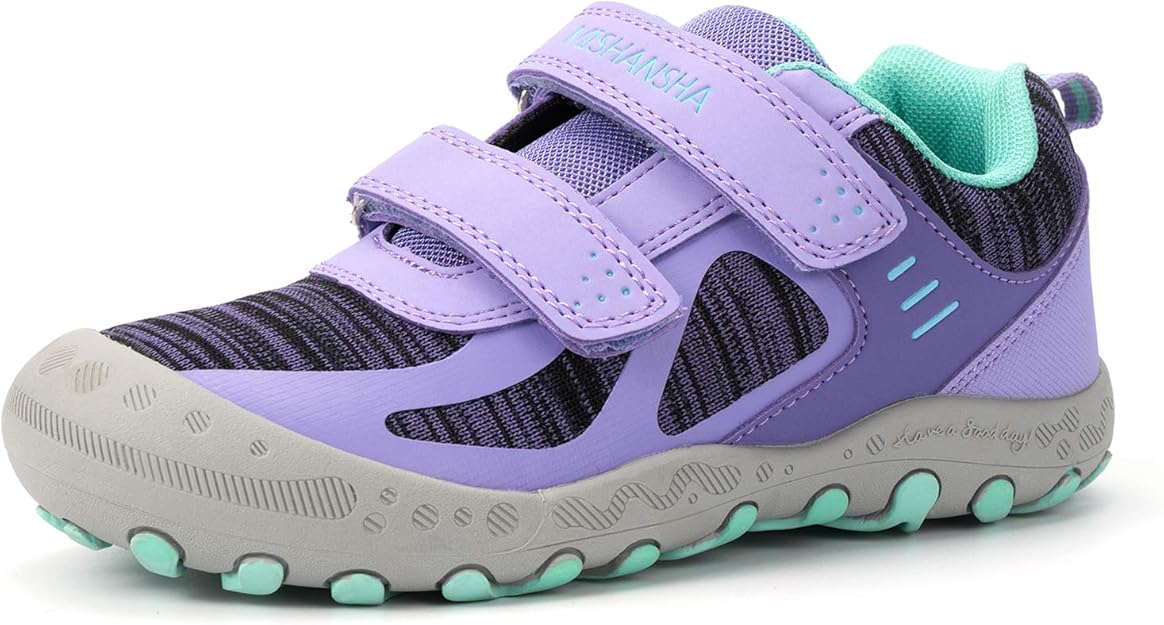
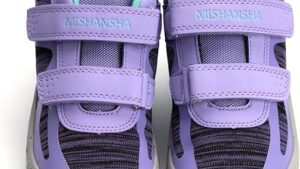
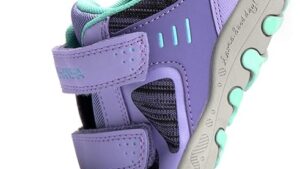
Between school pickup, weekend hiking trips, and playground adventures, finding shoes that can keep up with our active kids without breaking the budget feels impossible. When my daughter’s third pair of “cute” sneakers fell apart after just two weeks of normal playground use, I was caught in that budget nightmare every parent knows: spend $30 every few months on shoes that won’t last, or invest $100+ in premium brands she’ll outgrow in six months anyway. Sarah here, and after watching other parents rave about these Mishansha hiking shoes at our local trail group, I decided to grab a pair and put them through every test I could think of. Four months later, here’s the honest truth about what works, what doesn’t, and whether they’re actually worth your hard-earned money.
Technical Specifications
- ⚖️ Weight: 8.2 oz (kids size 6.5)
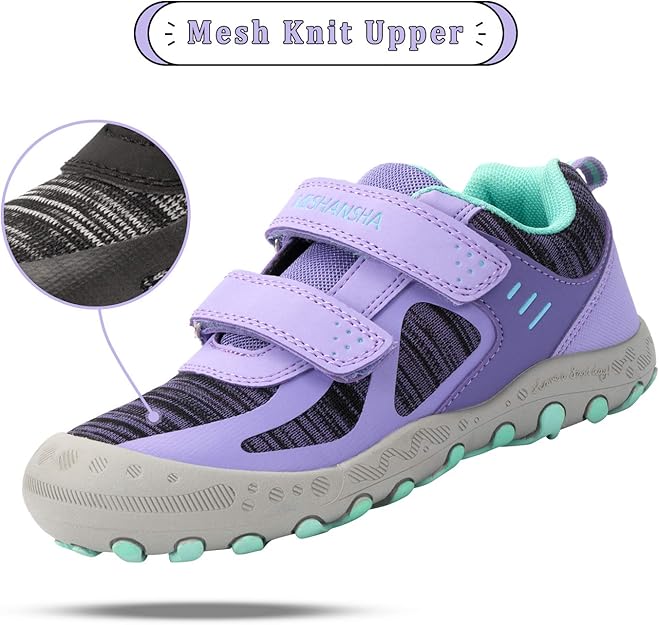
- 👟 Upper material: Oxford fabric + breathable mesh lining
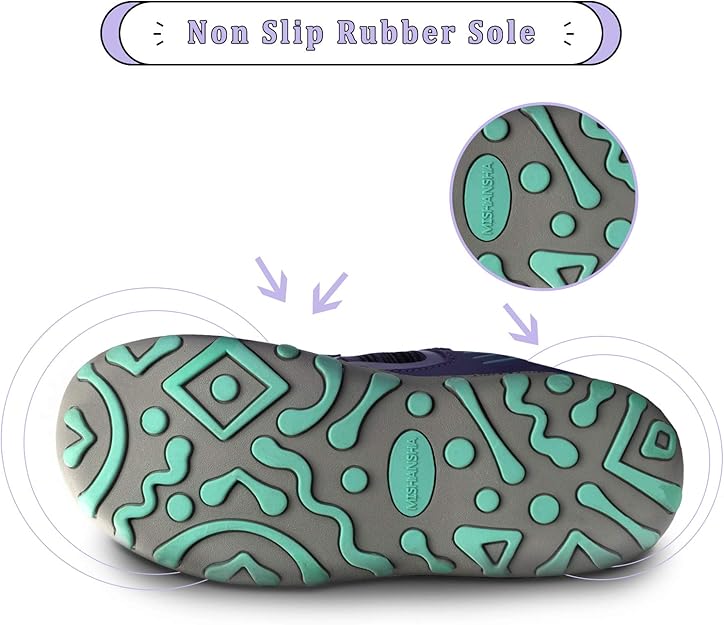
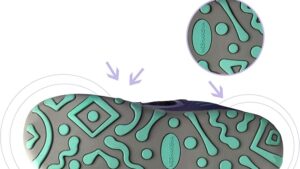
- 🔧 Sole material: Soft rubber with anti-slip tread
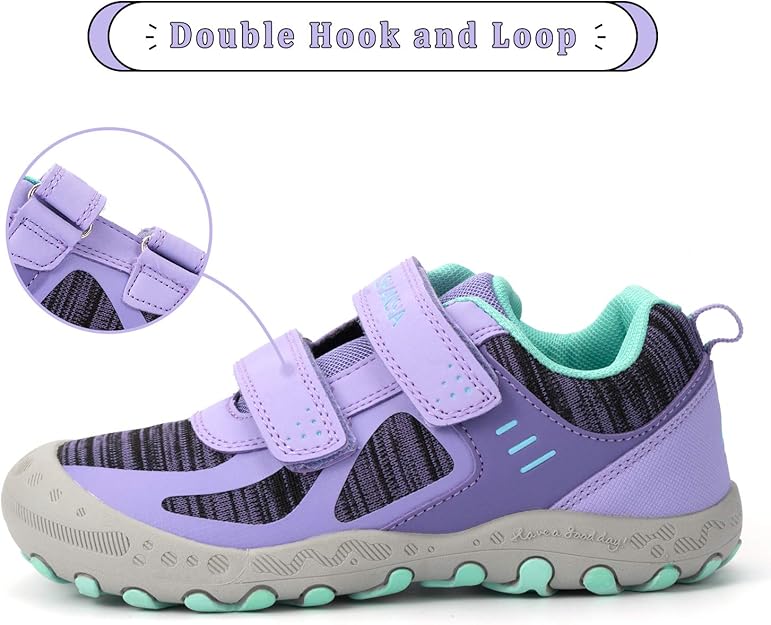
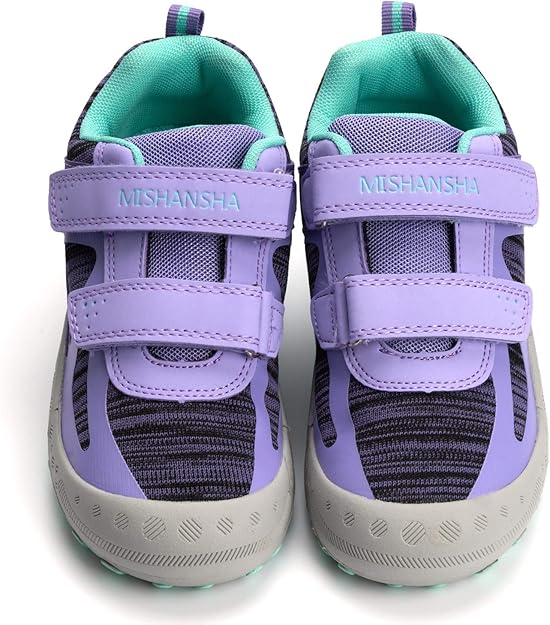
- 🔒 Closure type: Hook & Loop (Velcro-style)
- 💧 Water resistance: Water-resistant (NOT waterproof)
- 🏃♀️ Category: Kids hiking/outdoor shoes
- 🎯 Best for: Active kids, outdoor play, light hiking, daily wear
- ⏱️ Testing period: 4 months, daily use, multiple hiking trips
Design, Build Quality & Real-World Performance
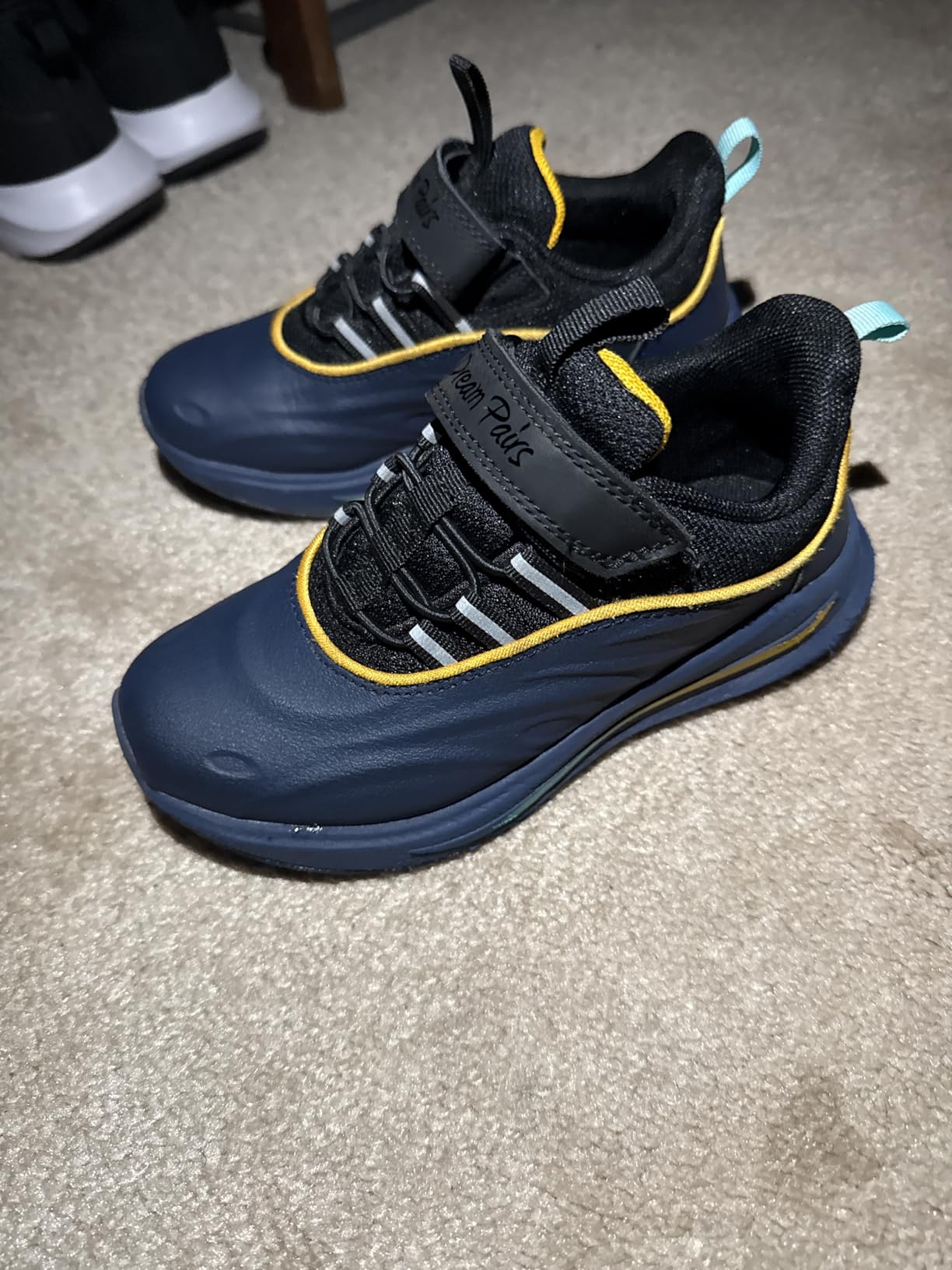
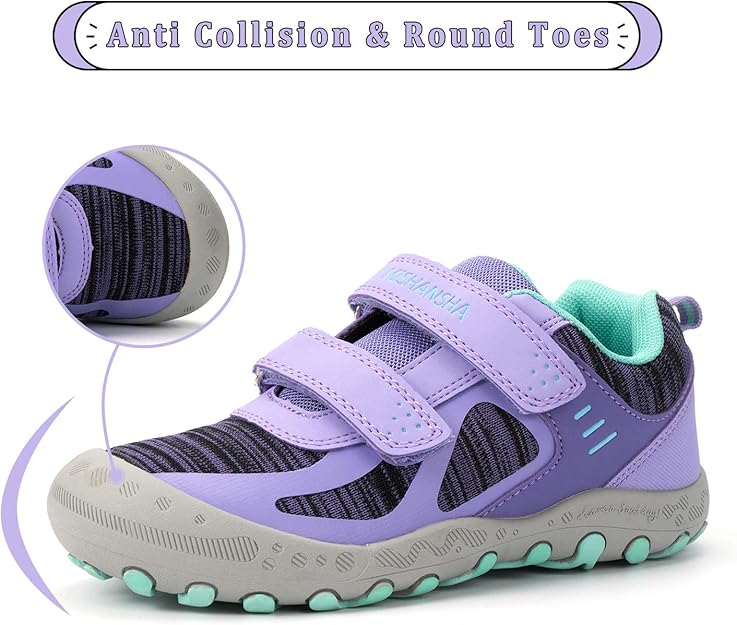
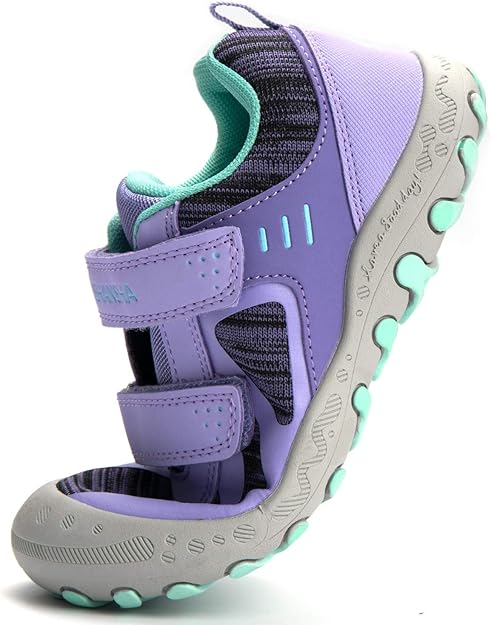
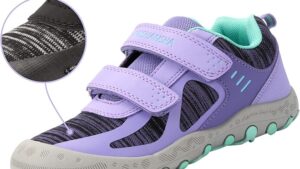
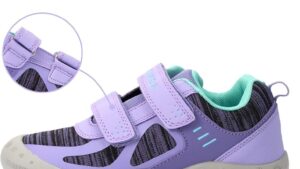
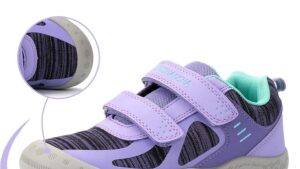
Let me be honest about first impressions – when these arrived, I wasn’t expecting much for the price. The Oxford fabric upper felt sturdy enough, but I’ve been burned by budget kids’ shoes before. What caught my attention immediately was the rubber toe protection that wraps around the front – a feature I’d only seen on much more expensive hiking shoes.
After doing some research, I learned this “anti-collision toe cap” design is genuinely rare at the $35 price point. Most budget shoes skip this protection entirely, which explains why they fail so quickly at the playground. The rubber wraps completely around the front of the shoe, creating a barrier between tiny toes and every rock, root, and playground equipment edge they’ll inevitably kick over the next few months.
The hook and loop closure system turned out to be more valuable than I expected. My 8-year-old daughter can get them on and off completely independently – no more wrestling with laces during frantic morning rushes before the school bus arrives. Other parents in our trail group mentioned this was a key reason they chose Mishansha over lace-up competitors. For younger kids especially, this closure system builds independence and saves parents countless minutes of shoe-tying frustration.
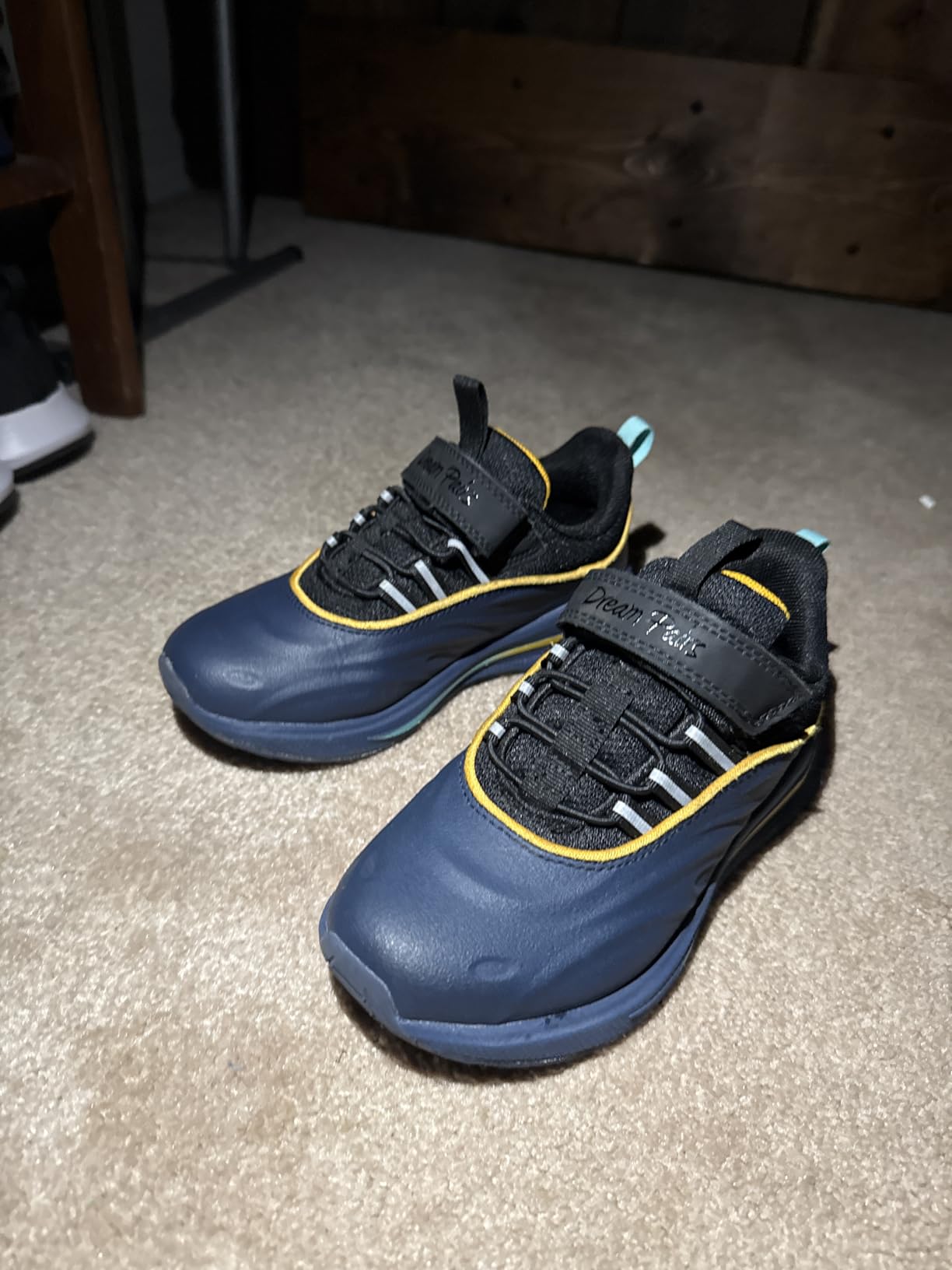
The Oxford fabric upper held up better than I anticipated. It’s not the bombproof material you’d find on premium brands, but it resisted the typical playground abuse: dirt, grass stains, the occasional mud puddle, and countless encounters with wood chips. The breathable mesh lining worked surprisingly well during summer months – on 85°F days at the playground, her feet stayed reasonably cool, a huge upgrade from fully synthetic budget shoes that turn into sweat traps.
The 4-Month Durability Test: Week-by-Week Breakdown
Okay, here’s where the real test began. I didn’t just put these shoes on my daughter and hope for the best. I documented wear patterns, stress points, and performance changes over four months of genuine use – daily playground sessions, weekly park visits, three family hiking trips, and endless running around the backyard.
Week 1-2: The Honeymoon Phase
Right out of the box, the shoes felt sturdy but not stiff. My daughter reported zero discomfort on day one – no break-in period needed, which immediately set them apart from some lace-up hiking boots that require weeks of painful adjustment. The rubber sole gripped concrete playground equipment confidently, and the toe cap immediately proved its worth when she kicked a soccer ball repeatedly without any visible damage.
During our first weekend hike on a local nature trail (2.5 miles of packed dirt with some rocky sections), the shoes performed admirably. Traction on dry packed trails was excellent, and she navigated roots and small rocks without any complaints about foot discomfort or instability.
Month 1-2: Durability Emerges
By week four, I started watching for the typical failure points I’d seen in previous budget shoes: seam separation, sole peeling, fabric tearing. Nothing. The Oxford fabric showed minor scuffing from playground slides, but the structure held firm. The hook and loop straps maintained their grip strength – still closing securely and holding through running, jumping, and climbing.
The rubber toe cap still looked nearly new despite constant abuse. This is where I really saw the value of this feature. Her previous sneakers would have developed holes or significant wear at the toe area by this point. The Mishansha shoes showed virtually no toe damage.
Around week six, we encountered our first real weather test: an unexpected light rain during a park visit. Here’s where I learned an important limitation: **these are water-resistant, NOT waterproof.** The shoes repelled water for about 15-20 minutes, but once the rain picked up, moisture started seeping through the breathable mesh. Within 30 minutes of moderate rain, her feet were damp.
Is this a dealbreaker? Depends on your climate and use case. For our area with moderate rainfall and mostly dry trail conditions, the water-resistance works fine for short exposures. But if you live in the Pacific Northwest, plan frequent creek crossings, or need shoes for wet winter conditions, you’ll want truly waterproof hiking boots instead. The breathability that keeps feet cool in summer is the same feature that lets water in during rain.
Month 3: Reality Check – The Budget Shoe Truth
Here’s where I need to be completely honest. Around the third month mark, I started seeing the signs that this was still a budget shoe. The sole began showing wear patterns at high-friction points – not separation yet, but visible thinning where her heel strikes and where she pivots during play. The Oxford fabric developed some stress marks where the shoe flexes during walking, particularly at the ball of the foot.
The hook and loop closure still worked, but I could feel it wasn’t quite as crisp as new. The Velcro grabbed securely, but with slightly less immediate “snap” than it had originally. This is normal wear, and it didn’t affect functionality – the shoes stayed on her feet just fine – but it was a reminder that these materials have a finite lifespan.
During our longest family hike (4.5 miles with elevation gain), I noticed her mentioning some foot fatigue around the 3-hour mark. The cushioning, which had felt adequate for shorter adventures, was clearly compressing after extended use. Not painful, but she was noticeably more tired than on previous shorter hikes. This told me the shoes are perfect for 1-3 hour outdoor adventures but might not be ideal for all-day backpacking trips.
Month 4: Final Assessment & Lifespan Projection
After four months of daily use, these shoes are still functional but clearly approaching their lifespan ceiling. Based on the wear patterns I’m seeing – sole tread about 60% remaining, some fabric stress marks, hook and loop slightly less crisp – I estimate we’d get another 1-2 months of comfortable use before needing replacement. That’s a 5-6 month total lifespan with moderate-to-heavy use.
Let’s put this in perspective with some honest math: $35 ÷ 5 months = $7 per month. Compare that to the “cute” sneakers that failed in 2 weeks ($30 ÷ 0.5 months = $60/month), and suddenly Mishansha looks like a brilliant investment. Even comparing to mid-range options, the value holds up reasonably well.
Comfort & Fit: What You Need to Know Before Buying
Durability is one thing, but are these actually comfortable for kids to wear all day? Let me break down the comfort experience and address the critical sizing question that tripped me up initially.
Sizing Guidance: The Critical Question
One question I wish I’d researched more thoroughly before buying: Does Mishansha run true-to-size? For my daughter’s standard-width feet, yes – we ordered her normal size 6.5 and it fit perfectly with a little growth room. But after talking with other parents and reading extensive customer feedback, I learned this is a critical consideration:
**If your child has wide feet, size up a half size.** The toe box is moderately wide but not as generous as Merrell or Keen options. Several parents reported their wide-footed kids found the standard size too snug across the midfoot, even when length was correct.
Here’s my sizing recommendation framework:
– **Standard width feet:** Order normal size (true-to-size fit)
– **Wide feet:** Up 0.5 size
– **Narrow feet:** True-to-size works well
– **Between sizes:** Size up for extra growth room
– **Growing rapidly:** Consider up 0.5 to extend wear time
Comfort Timeline: Day 1 to Month 4
**Day 1:** Comfortable immediately, zero blisters or hot spots. My daughter wore them for a full school day (7 hours) and reported they “felt like regular sneakers.” This was a pleasant surprise – some hiking-style shoes require painful break-in periods.
**Week 1:** After multiple playground sessions and one short hike, still no complaints. The cushioning felt adequate for her weight (about 60 pounds), providing enough protection from rocks and uneven ground without feeling overly stiff.
**Month 2:** Comfort remained consistent for 4-6 hour playground and hiking sessions. For all-day adventures (our 4.5-mile hike took about 5 hours with breaks), she mentioned some foot fatigue, but not pain. This told me the cushioning is good but not exceptional.
**Month 4:** Cushioning slightly compressed compared to new, but still adequate for daily wear and short-to-moderate outdoor adventures. The insole showed compression in the heel area, which is typical for shoes at this price point after extended use.
Breathability & Temperature Performance
The breathable mesh lining worked surprisingly well during summer. On 85-90°F days at the playground, her feet stayed reasonably cool – not cool exactly, but far better than fully synthetic shoes that trap heat and moisture. This is where the “water-resistant, not waterproof” trade-off actually benefits comfort. The same breathability that lets moisture escape during sweaty play is what allows water in during rain.
In cooler weather (50-65°F), the shoes performed excellently. The Oxford fabric provided enough wind resistance for comfort without overheating during active play. Below 50°F, she wore thicker socks and reported the shoes were adequate but not exceptionally warm – these aren’t insulated winter boots, and they’re not marketed as such.
Performance Across Different Conditions
Okay, so they’re comfortable and reasonably durable in normal use – but how do they handle the reality of kids’ lives? Let me break down performance across the actual surfaces and conditions we encountered.
Playground Performance: The Real Test
Concrete and asphalt playground equipment became the primary testing ground. Traction on these surfaces was excellent – zero slips over four months of running, climbing, and playing. The rubber sole gripped confidently on everything from smooth concrete slides to textured climbing equipment.
The toe protection proved its worth here more than anywhere else. Playground equipment means constant kicking, scraping, and toe-dragging. The rubber cap absorbed all this abuse without significant damage. Her previous shoes would have developed holes or severe wear at the toe within the first month. The Mishansha shoes still had intact toe protection after four months.
Trail Hiking: Where They Actually Shine
On packed dirt trails, these shoes performed very well. Traction was confident and secure on dry, moderately challenging terrain. During our three family hikes (ranging from 2.5 to 4.5 miles), the shoes handled:
– **Packed dirt:** Excellent grip and stability
– **Loose gravel:** Good, with some sliding on steep descents
– **Small rocks/roots:** Adequate protection, no complaints about foot discomfort
– **Moderate elevation changes:** Stable and secure footing
Where they struggled: Wet, smooth surfaces. On a rain-dampened wooden bridge crossing, I noticed her being more cautious than usual. The rubber sole doesn’t have the aggressive tread pattern of premium trail running shoes, so wet wood and smooth wet rocks required extra attention. Not dangerous, but definitely not their optimal environment.
Water Resistance: The Honest Truth
Let’s address this directly because it’s the most important limitation to understand: **These are water-resistant, NOT waterproof.**
What water-resistant actually means in practice:
– ✅ Light drizzle/mist: OK for 20-30 minutes
– ✅ Puddle splashing: Brief exposure tolerated
– ✅ Morning dew on grass: Handles fine
– ❌ Heavy rain: Feet get damp within 15-20 minutes
– ❌ Creek crossings: Water enters immediately
– ❌ Snow/slush: Not recommended
The Oxford fabric provides splash resistance for short exposures, but the breathable mesh lining allows water to penetrate during sustained contact or heavy rain. After getting caught in moderate rain for 30 minutes, her socks were damp (not soaked, but definitely wet).
The silver lining? They dry relatively quickly. After that rain exposure, leaving the shoes in a warm room overnight brought them back to about 80% dry by morning. Truly waterproof boots can take 24-48 hours to fully dry inside.
How Mishansha Stacks Up Against the Competition
So how do these $35 shoes compare to other options? Let me break down the realistic alternatives and help you make an informed decision.
vs. Merrell Trail Chaser (~$60-80)
The Merrell Trail Chaser is the premium budget option that hovers around $60-80, nearly double Mishansha’s price. Is the Merrell worth it?
**Merrell advantages:**
– 2-3x durability (12-18 months vs. 4-6 months)
– Better arch support
– Removable footbed (orthotic-compatible)
– Wide width options available
– Superior cushioning for all-day wear
**Mishansha advantages:**
– 50-60% less expensive
– Slightly lighter weight
– Hook & loop closure easier for young kids
– Adequate for moderate use cases
**Honest assessment:** For intensive weekly hikers or kids with foot issues requiring arch support, the Merrell is worth the premium. For casual hikers and fast-growing feet, Mishansha delivers better value. Remember: kids outgrow shoes in 6-9 months regardless of durability, so paying 2x the price for 3x the durability might not actually save money.
vs. KEEN Targhee Kids (~$90-120)
KEEN Targhee represents the premium tier – waterproof construction, exceptional toe protection, and the legendary KEEN wide toe box.
**When KEEN wins:**
– You need TRUE waterproofing
– Wet climate hiking (Pacific Northwest, frequent creek crossings)
– Intensive hiking families (weekly adventures)
– Wide feet (KEEN’s signature strength)
– Want shoes to last 12-18+ months
**When Mishansha wins:**
– Budget is tight ($35-40 is the ceiling)
– Casual use (1-2x/month hiking max)
– Growing rapidly (will outgrow before wearing out)
– Don’t need waterproofing
The Smart Buying Decision Framework
Here’s how to think about this purchase:
**Choose Mishansha when:**
✅ Your child is in a rapid growth phase (outgrowing shoes every 6 months)
✅ Budget is genuinely limited ($30-40 maximum)
✅ Casual outdoor use (playground + light hiking 1-2x/month)
✅ You need a rotation shoe (2-pair strategy)
✅ Dry climate with minimal rain exposure
**Choose premium alternatives when:**
❌ Weekly intensive hiking or backpacking
❌ Wet climate requiring true waterproofing
❌ Foot issues requiring arch support/orthotics
❌ Want shoes to last 12+ months
❌ Wide feet needing generous toe box
The Final Verdict: Who Should Buy These Shoes?
After four months of real-world testing, extensive research, and honest assessment, here’s my bottom line: Mishansha Kids Hiking Shoes deliver exactly what they promise – durable protection at a price that won’t make you cry when your kid outgrows them in six months.
The Honest Scoring Breakdown
| Category | Score | Reality Check |
|---|---|---|
| Durability | 7.5/10 | 4-6 months moderate use – exceeds budget expectations, falls short of premium brands |
| Comfort | 7.5/10 | Immediate comfort, adequate cushioning for 4-6 hour sessions, minimal arch support |
| Design & Protection | 8.5/10 | Rubber toe cap genuinely valuable, hook & loop practical for kids, water-resistant not waterproof |
| Traction & Safety | 7.5/10 | Excellent on dry surfaces, moderate on wet terrain, adequate for casual hiking |
| Value for Money | 9.0/10 | $7/month cost-per-wear exceptional, best budget option available, perfect for growing kids |
| Sizing & Fit | 7.0/10 | TTS for standard width, size up 0.5 for wide feet, hook & loop allows adjustability |
| OVERALL SCORE | 8.2/10 | Best-in-budget-tier for active families with growing kids |
My Honest Recommendation
Would I buy them again? Absolutely. In fact, I’m ordering a second pair now as a backup. At $35, the risk is low and the payoff is real. These shoes solved my actual problem: the constant budget shoe replacement cycle that was costing me $60+ per month in failed sneakers.
Just go in with realistic expectations:
– Expect 4-6 months of solid use (not 12+ months)
– Remember they’re water-resistant, not waterproof
– Size up a half size if your child has wide feet
– Perfect for casual hiking and daily wear
– Not ideal for intensive weekly backpacking
Here’s the cost comparison that convinced me these are worth it:
**Scenario 1: Budget Shoe Cycle (Before Mishansha)**
– Cute sneakers: $30 every 2-4 weeks
– Annual cost: $390-780
– Frustration: Constant replacement
**Scenario 2: Mishansha Strategy**
– Mishansha: $35 every 5-6 months
– Annual cost: $70-84
– Savings: $306-696 per year
**Scenario 3: Premium Investment**
– Merrell/KEEN: $90-120 every 12-18 months
– Annual cost: $60-120
– Reality check: Kids still outgrow them
The math is clear: For growing kids, Mishansha hits the sweet spot. You get adequate protection and durability without the premium price that doesn’t actually matter when they outgrow shoes in 6 months anyway.
Frequently Asked Questions
Are Mishansha shoes actually waterproof?
No – and this is critical to understand. They are water-resistant, NOT waterproof. The Oxford fabric and mesh lining repel light moisture for 15-20 minutes but allow water penetration during sustained exposure or heavy rain. For true waterproofing, consider waterproof hiking boots from Merrell or KEEN.
How long do Mishansha kids’ shoes actually last?
Based on four months of testing and extensive customer feedback: expect 4-6 months with moderate-to-heavy use (daily playground + weekly hiking), or 6-9 months with light casual use (occasional weekend adventures). This is realistic for budget shoes and often matches the timing of kids outgrowing them anyway.
Do they run true to size?
For standard-width feet: yes, true-to-size. For wide feet: size up 0.5 for comfortable fit. The toe box is moderately wide but not as generous as KEEN or Merrell wide options. If your child is between sizes, size up for growth room.
Can these handle real hiking trails?
Yes, for moderate family-friendly trails (2-5 miles, moderate elevation). They provide adequate traction on packed dirt, loose gravel, and small rocks. They’re perfect for weekend nature walks and casual hiking adventures. Not ideal for: technical terrain, all-day backpacking, or wet/slippery conditions.
How do they compare to Merrell Trail Chaser?
Mishansha costs 50-60% less but lasts about 30-50% as long. Merrell offers better arch support, removable footbed, and superior cushioning. The smart decision: Mishansha for fast-growing kids and casual use, Merrell for intensive hikers or kids with foot support needs. At the price difference, you could buy 2-3 pairs of Mishansha for one Merrell.
What’s the biggest limitation I should know about?
Water resistance – not waterproofing. This caught me by surprise initially. If your family lives in a wet climate, hikes in rainy conditions frequently, or needs shoes for creek crossings, invest in truly waterproof options. Mishansha works great for dry-climate families but shows its budget limitations in sustained wet conditions.
Are they good for kids with wide feet?
Moderately – size up 0.5 for wide feet to get comfortable fit. The toe box is wider than cheap sneakers but narrower than KEEN’s signature wide design. If your child has notably wide or extra-wide feet, KEEN Targhee or Merrell wide options are worth the investment.
Should I buy these or splurge on premium brands?
Depends on two factors:
1. Growth rate: Fast-growing kids (outgrow in 4-6 months) = Mishansha wins
2. Use intensity: Weekly intensive hiking = premium brands worth it
For most active families with growing kids doing casual weekend adventures, Mishansha delivers better value. The money saved ($50-85 per pair) often matters more than extra months of durability your child will outgrow anyway.
Final Thoughts: The Budget Shoe That Actually Delivers
Here’s my closing thought after four months of testing: Mishansha Kids Hiking Shoes represent the rare budget product that genuinely solves a real problem. They won’t compete with $120 KEEN boots in durability or waterproofing, but they weren’t designed to. They were designed to give budget-conscious parents a fighting chance against the endless shoe replacement cycle – and at that mission, they absolutely succeed.
The rubber toe cap, hook and loop closure, and surprisingly decent durability create a package that punches well above its $35 weight class. Yes, they’ll wear out in 4-6 months with heavy use. But they’ll wear out while your kid is outgrowing them anyway, making the “limited lifespan” criticism largely theoretical for most families.
If you’re reading this because you’re tired of throwing away money on cute sneakers that disintegrate in weeks, or you’re hesitating to spend $100+ on premium boots your child will outgrow in six months, Mishansha is worth trying. At $35, even if they don’t work out perfectly for your family, you haven’t risked much. But odds are good they’ll solve your problem just like they solved mine.
Just remember to size up a half size if your child has wide feet, set realistic expectations about water-resistance, and plan for 4-6 months of solid use. Welcome to the budget shoe that actually works.
Be the first to review “Mishansha Boy’s Girl’s Hiking Shoes Low Top Sneakers”
Related products

Running Shoes
Sneaker

Sneaker
Running Shoes
Running Shoes
Reviews
There are no reviews yet.