
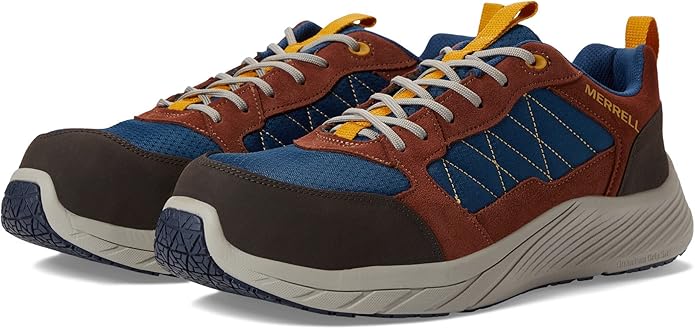
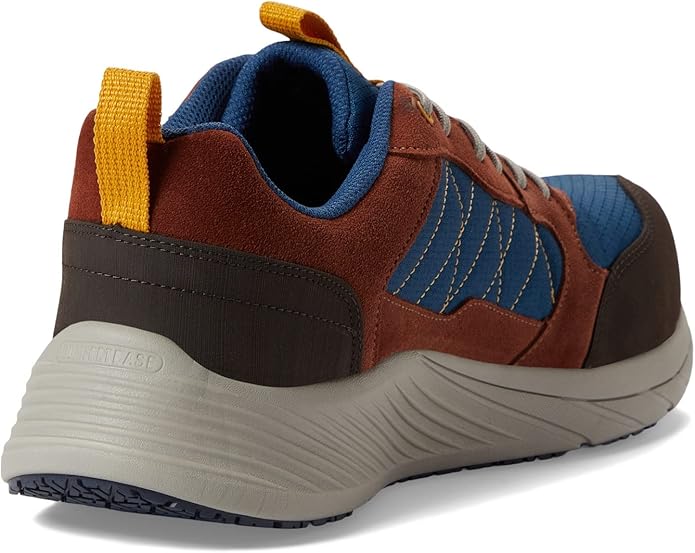
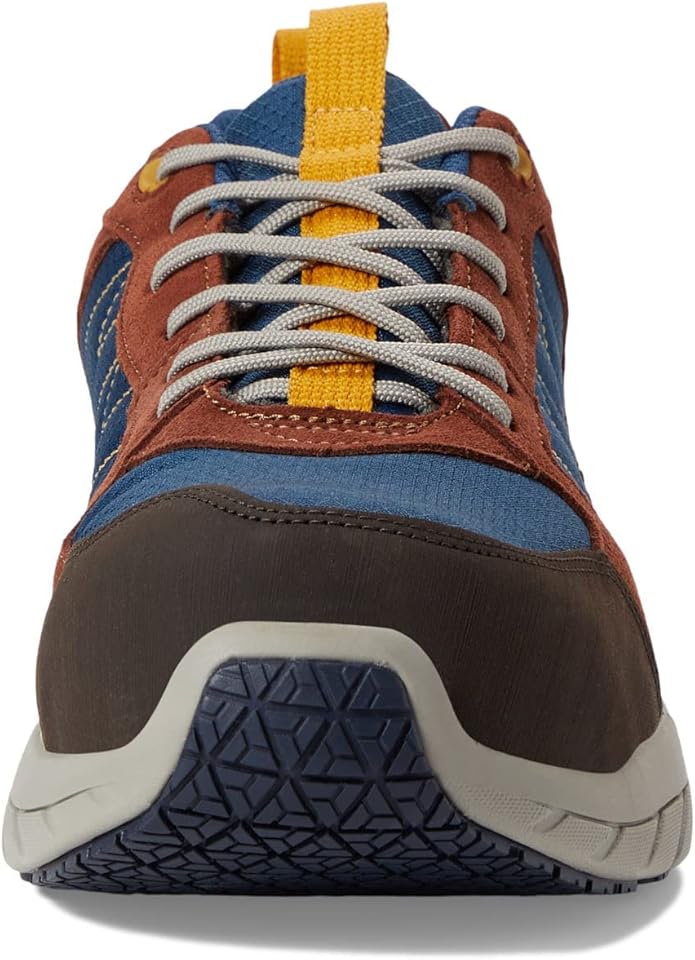
My Merrell Moabs lasted fifteen years. That’s not an exaggeration — fifteen years of trail walks, yard work, and daily errands before they finally retired. So when I decided to try Merrell’s Alpine Sneaker as my next casual shoe, I went in expecting a lot. I’m Mike, and I’ve bought more shoes for myself and my kids than I can count. I spent eight weeks — 200-plus miles across sidewalks, parking lots, grocery store floors, and wet surfaces — figuring out whether the Alpine is genuinely good or just pretty. Here’s my honest verdict.
Quick verdict: Fantastic casual shoe for dry climates, comfortable from the first minute, and genuinely stylish. But there is one serious problem that nearly disqualifies it for most buyers — wet surface traction that I’d describe as dangerous, not just disappointing. If you live somewhere it rains regularly, keep reading before you order.
Specs at a Glance
- 💰 Price: $75
- ⚖️ Weight: 12.5 oz (men’s size 9, single shoe)
- 🧪 Midsole: EVA foam with PU reinforcement
- 👟 Upper: Suede and mesh combination
- 🎯 Category: Lifestyle sneaker with retro outdoor aesthetic
- ✅ Best for: Daily casual wear, urban walking, dry climates
- ⏲️ Testing period: 8 weeks, 40+ days of wear, 200+ miles
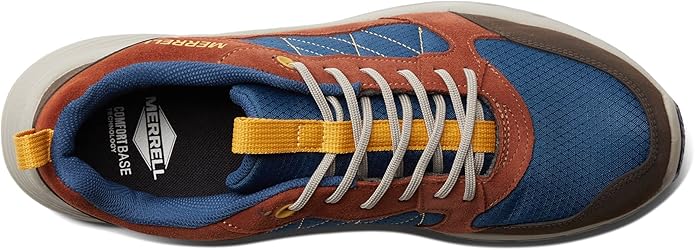
- 🔧 Insole: Kinetic Fit Base (removable, orthotic-compatible)
Design That Actually Delivers
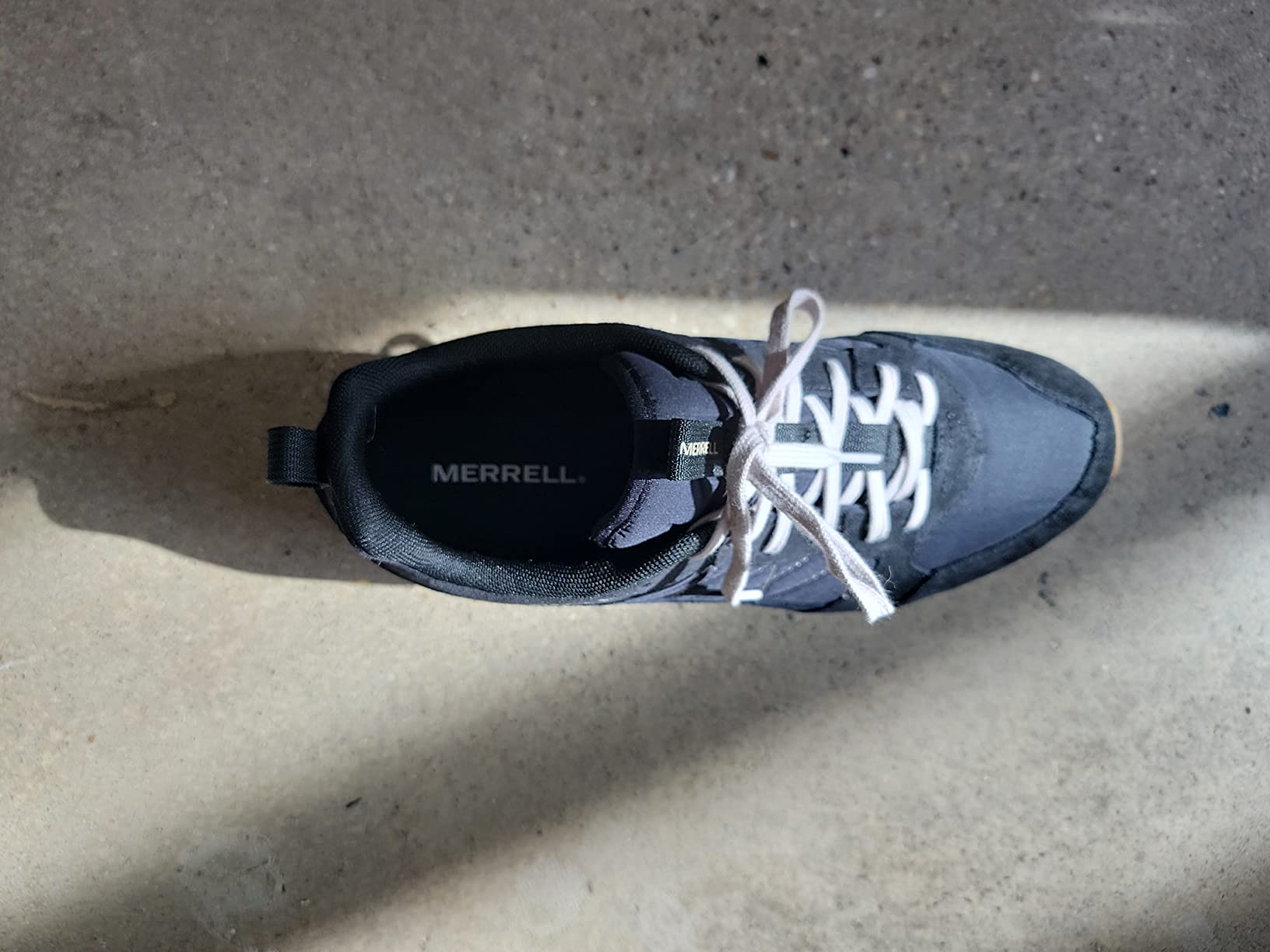
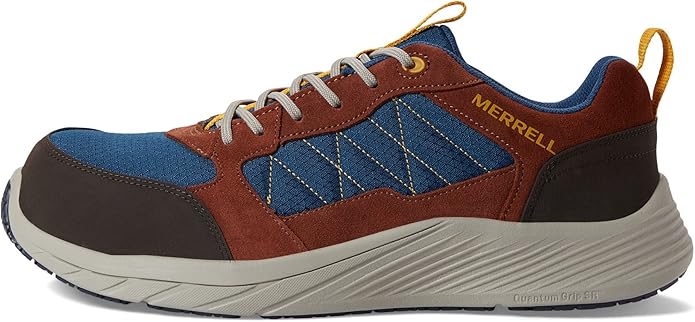
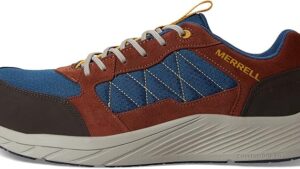
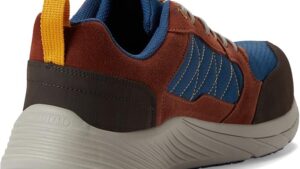
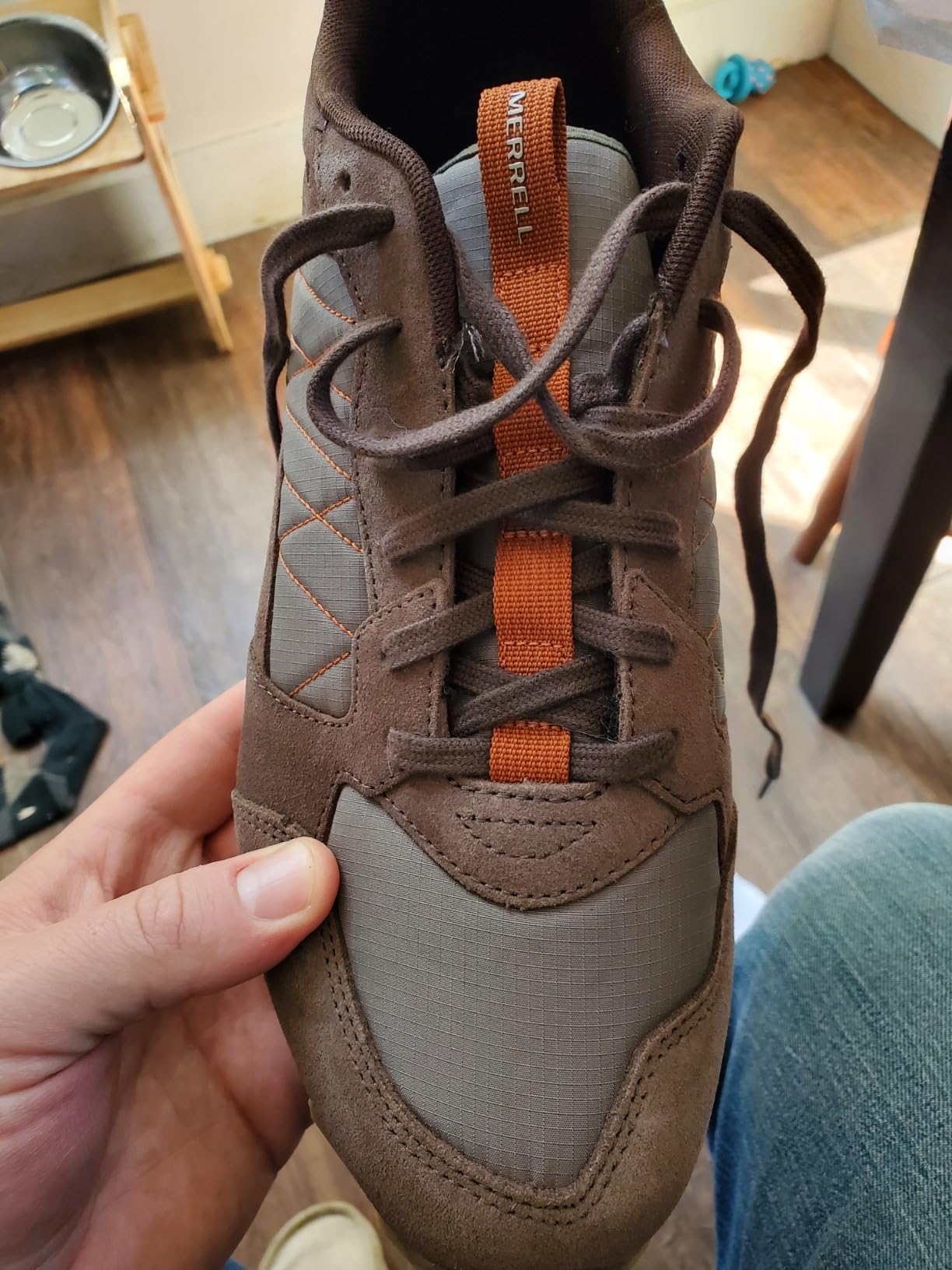
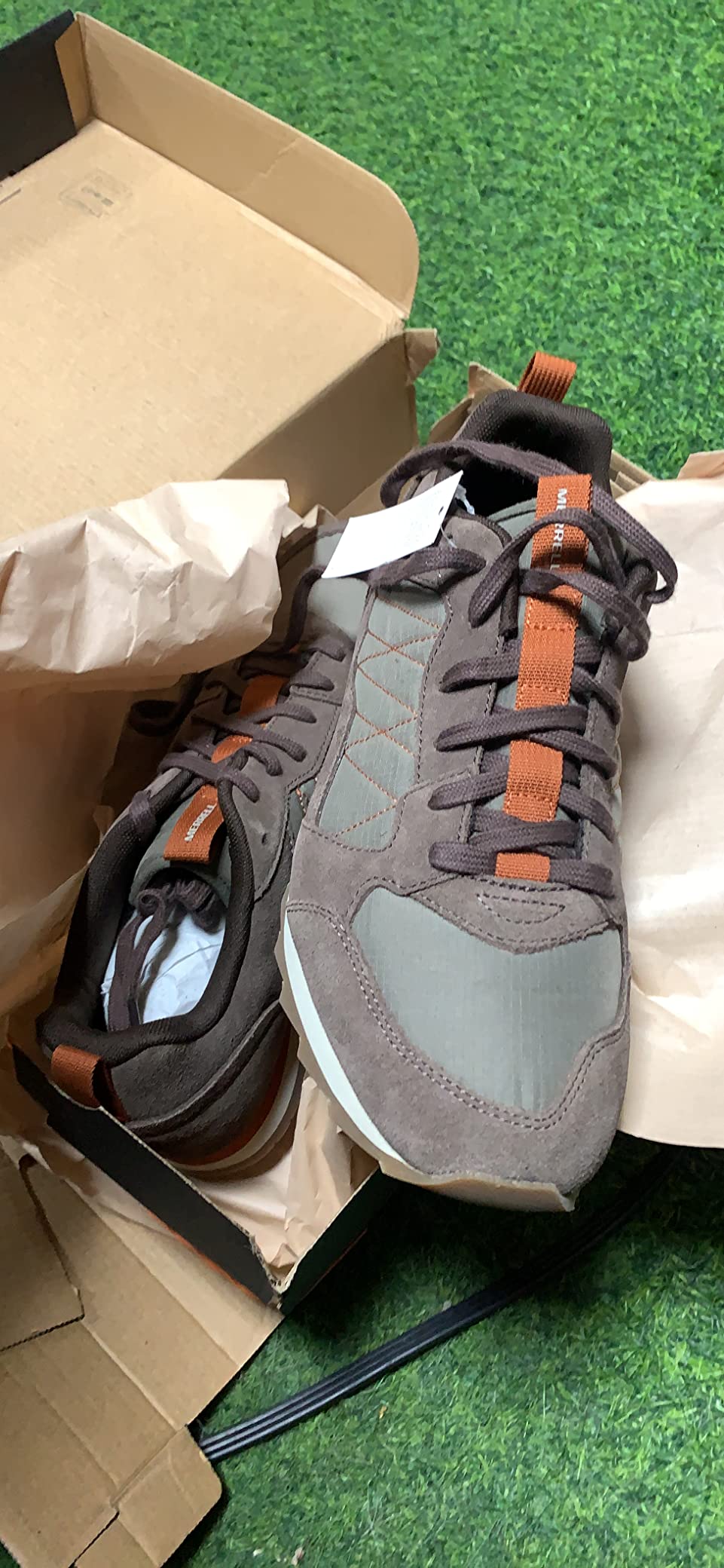
The Alpine Sneaker’s retro aesthetic isn’t trying too hard. It lands in that sweet spot — looks like a 90s hiking shoe that got cleaned up for the city, without veering into costume territory. The tortoise colorway I tested has this weathered, outdoorsy vibe that hides dirt better than dark solids and photographs well in any light.
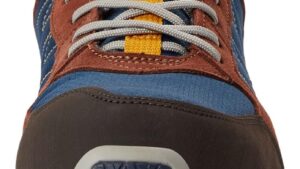
Out of the box, the suede upper feels substantial. Not stiff, not flimsy — somewhere in between, like quality suede should. The mesh panels run along the sides to handle ventilation, though I’ll be upfront: these aren’t going to keep your feet cool in 90-degree heat. They’re adequate for casual wear, not performance athletic use.
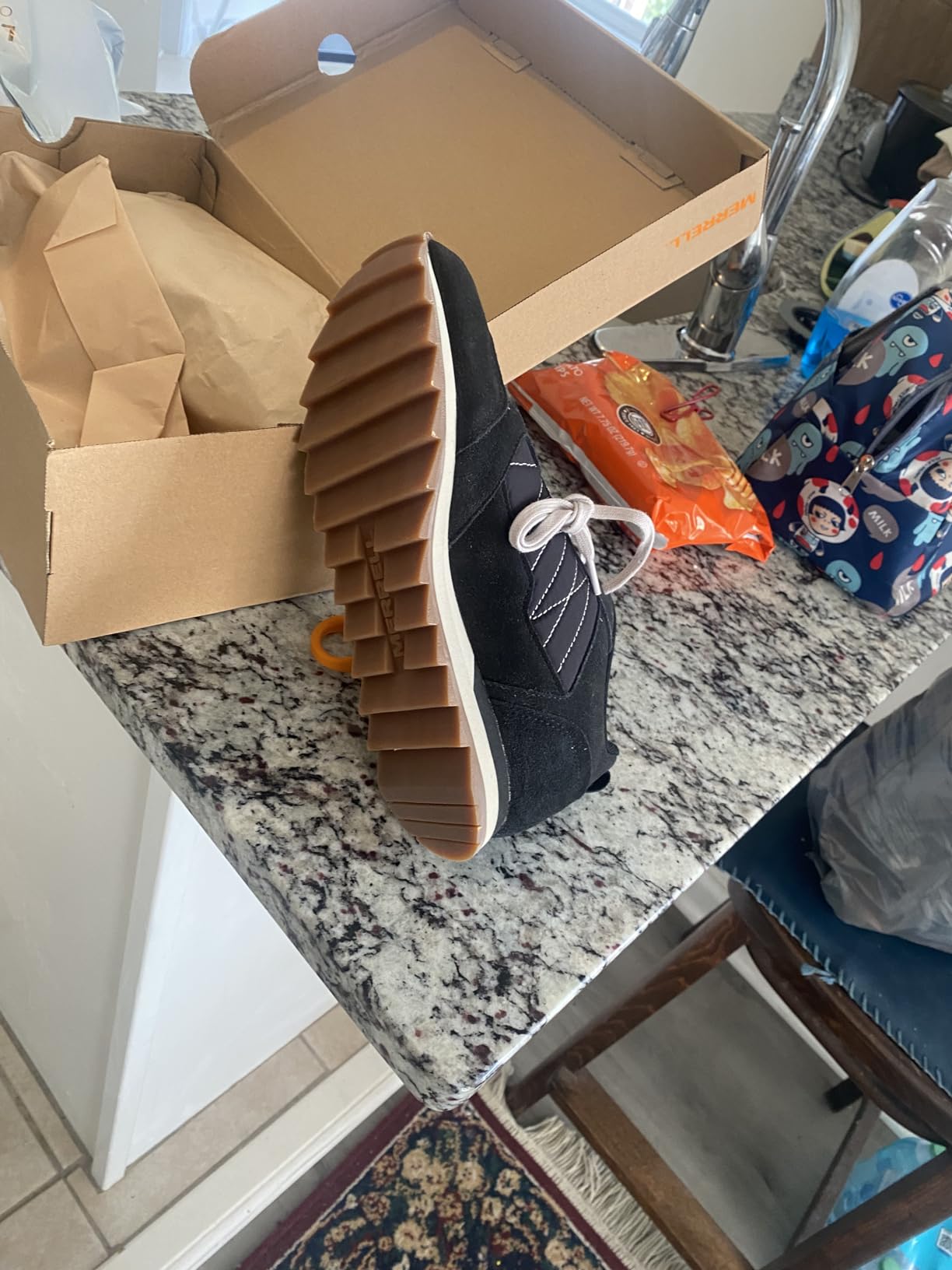
The stitching around the stress zones — collar, toe cap, side panels — looks even and intentional. At $75, I wasn’t expecting boutique-level construction, and I didn’t get it, but the build feels appropriate for the price. Within the first week, three different people asked me where I got these shoes. Style promise: delivered.
One note about the laces: they’re thin and cotton-like. Not a dealbreaker, but by week eight they showed visible fraying. If you want them to outlast the shoe, consider swapping early with oval athletic shoelaces — they’re flat, stay tied, and look sharp on a shoe like this.
Fit and Sizing: Genuinely Accommodating
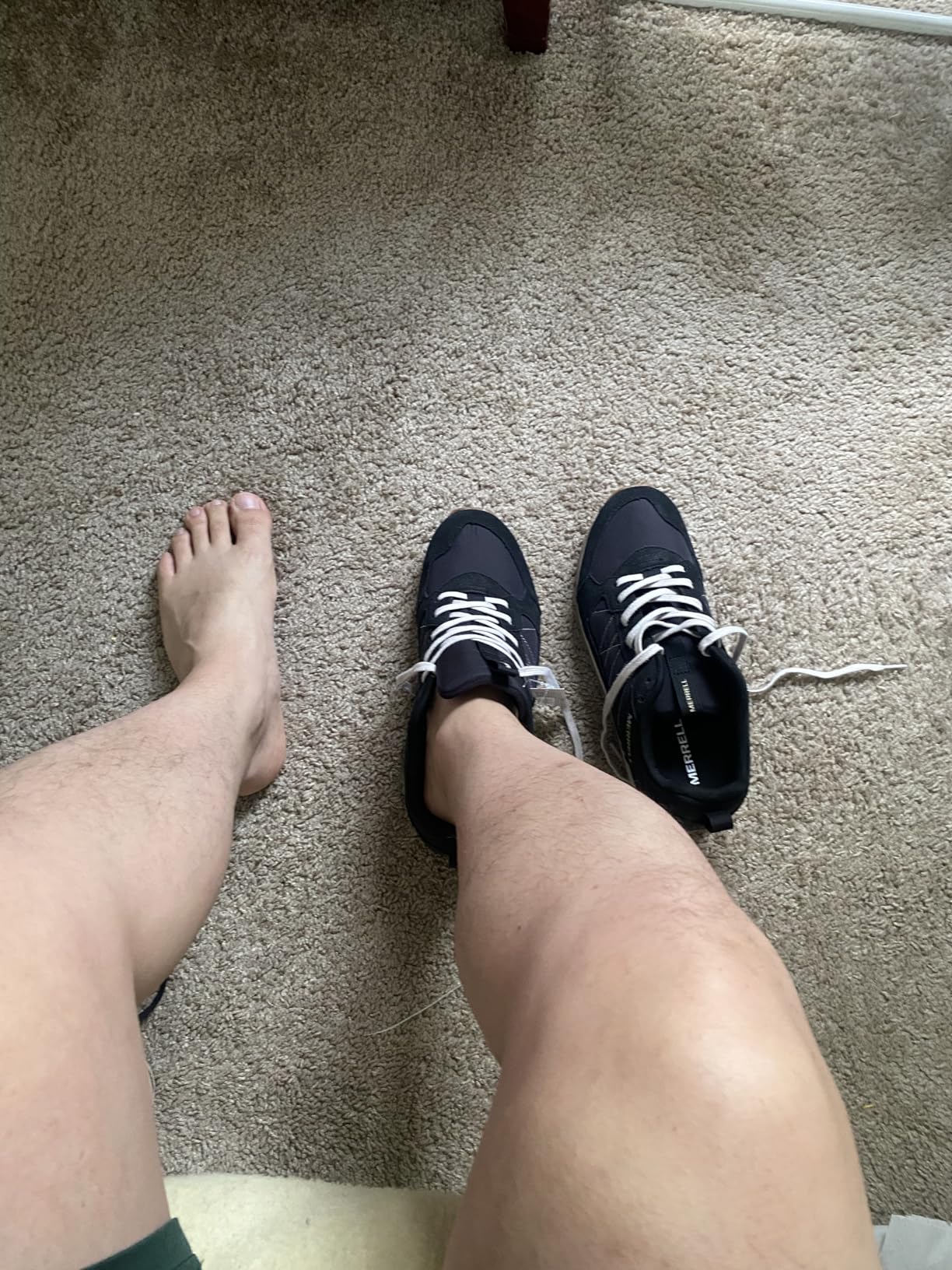
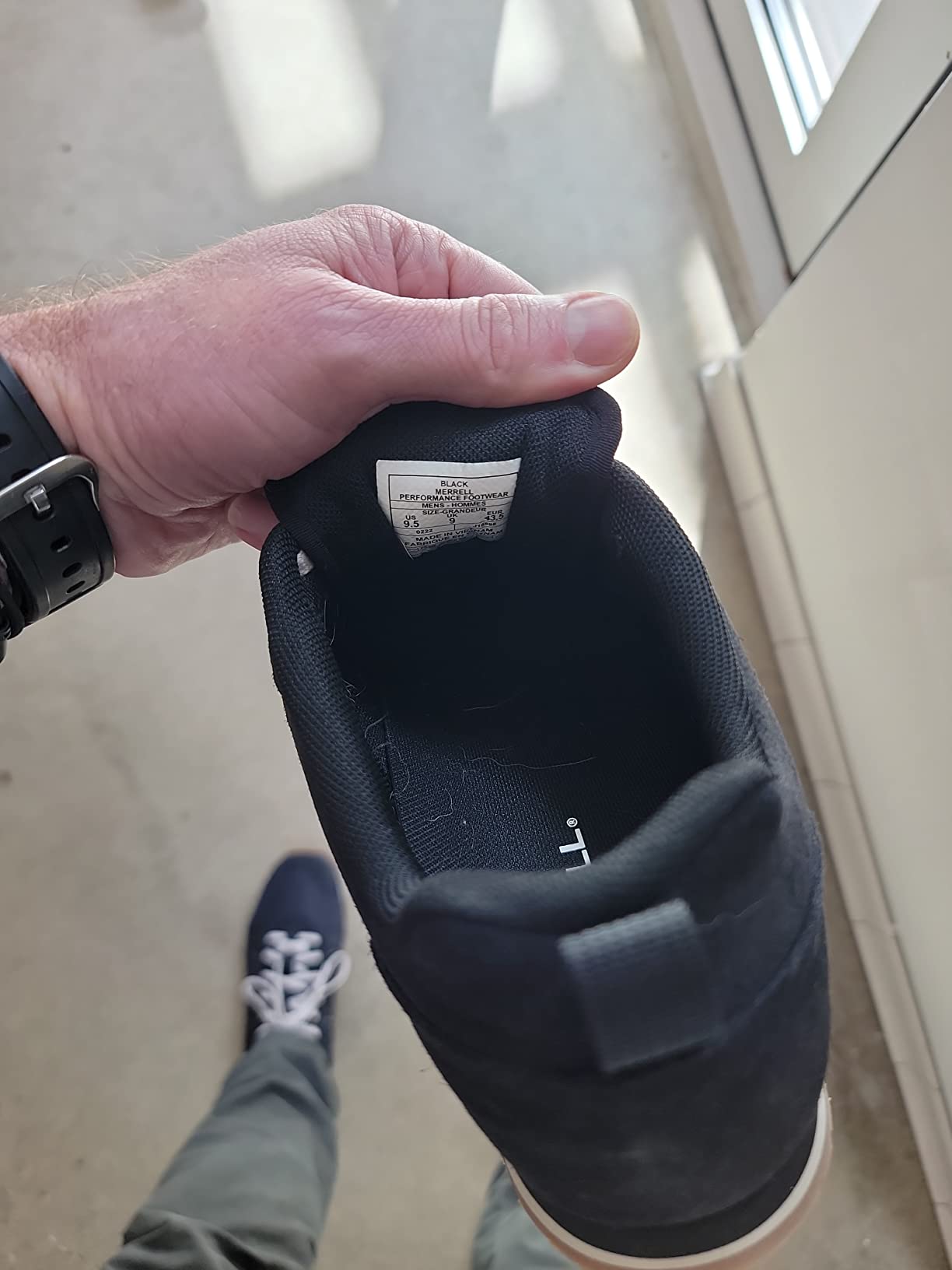
I wore my standard size 10 — same as my old Moabs — and the fit was immediate and comfortable. Zero break-in. I walked out of the house on day one with no hotspots, no stiff spots, no adjustment period. That surprised me. Most shoes, especially ones with suede uppers, need at least a few wears to settle.
The toe box deserves a specific mention. For guys with wider feet who’ve struggled to find budget shoes that don’t pinch across the forefoot, the Alpine runs generously. I have a standard width foot and had plenty of room, which tells me wide-foot buyers should be fine in a standard size. You won’t find a wide (2E) variant listed, but the standard fits more like a wide in practice.
The heel counter holds your foot without being aggressive, and the lacing system gives enough range to tighten or loosen depending on your instep height. My heel didn’t slip in any of my testing.
One important distinction: Merrell now offers the Alpine 83 Sneaker Recraft as the newer generation. That model runs in medium width only per Merrell’s own sizing data — it’s narrower. Wide-foot buyers should specifically look for the original Alpine, not the 83 Recraft.
The Kinetic Fit Base insole removes easily. If you use custom orthotics, these will work without modification. The shoe has enough internal volume to accommodate most aftermarket insoles — I’d suggest Sof Sole Athlete Insoles for anyone who needs extra arch support by month three or four.
Eight Weeks of Comfort: Where It Excels
The number that surprised me most from this testing period: I wore these for 10-plus hour days on three separate occasions, and finished each one without significant foot pain. For a $75 casual sneaker, that’s legitimately impressive.
Days one through four, the comfort was exceptional — soft underfoot, responsive cushioning, no pressure anywhere. Weeks three and four I pushed longer distances and added more time on concrete. The foam held up. Week six, I started noticing a subtle reduction in responsiveness during the last hour of longer wear, which tracks with what EVA foam does at this price tier. By week eight the cushioning was still functional, just not quite as fresh as day one.
The Kinetic Fit Base insole contributes decent arch support — enough for standard arches, adequate for mild high arches, probably not enough for flat-footed buyers or people who already rely on prescription orthotics. I have moderately high arches and found the support satisfactory through sessions under eight hours. Beyond that, slight arch fatigue set in. If you’re a healthcare worker or someone standing all day, plan to swap the insole around month three.
The EVA foam will compress more noticeably around month four or five with heavy daily use. I’d estimate comfort starts degrading noticeably by month five at five-plus days per week.
Dry Conditions: Where the Alpine Earns Its Keep
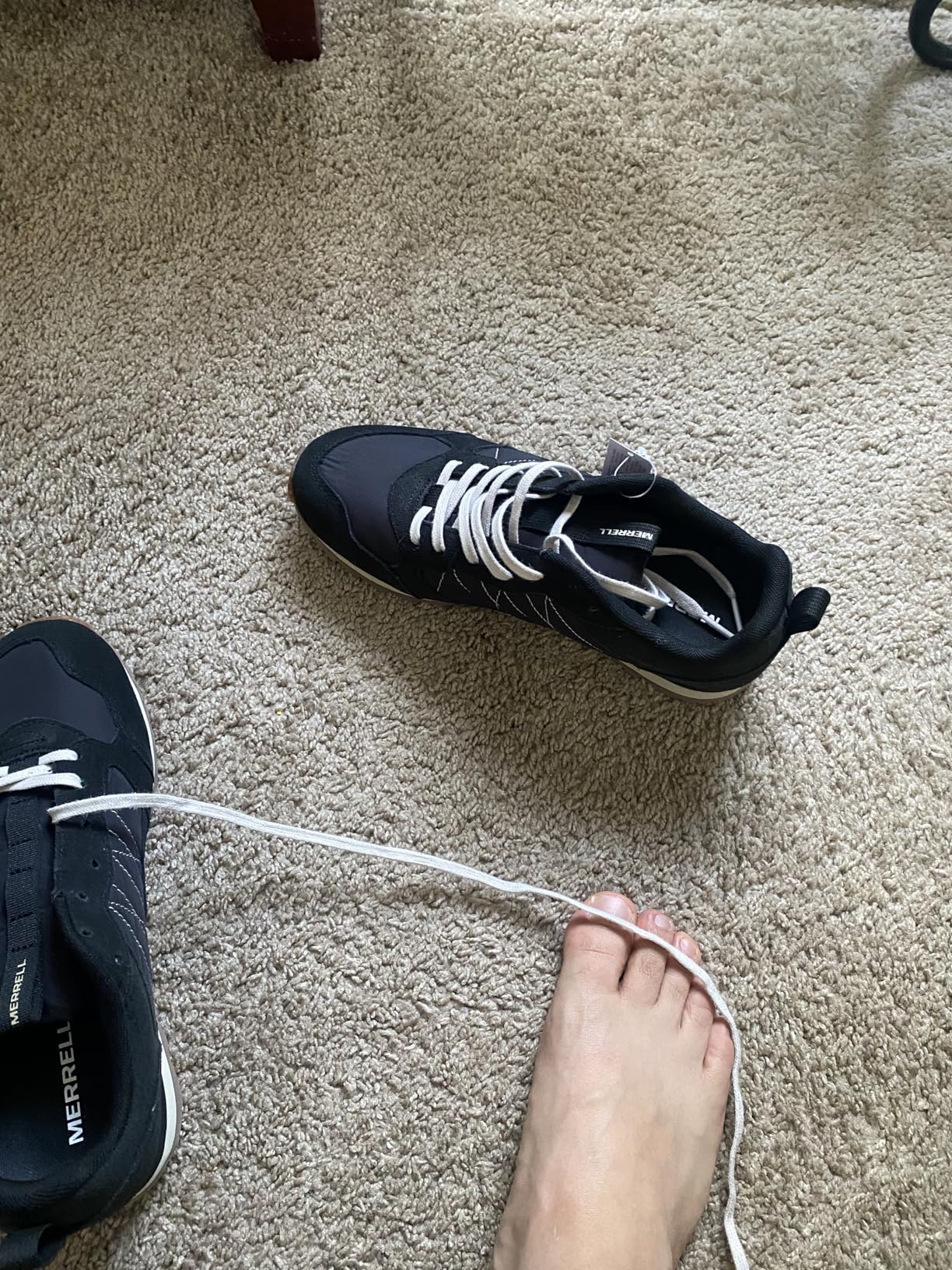
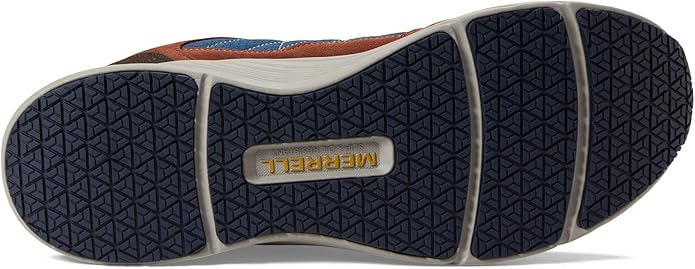
On dry surfaces, this shoe just works. Concrete, asphalt, packed gravel, dry grass — the rubber outsole grips confidently across all of them. Over eight weeks of dry-condition wear, I had zero slip incidents, zero moments of hesitation, zero compensating for unstable footing. That’s the baseline you need from a daily casual shoe, and the Alpine clears it comfortably.
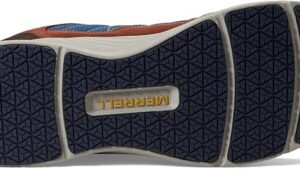
The tread pattern looks chunkier than it is — it’s a relatively shallow sawtooth design, more visual than functional for serious outdoor use, but that’s fine because this isn’t a trail shoe. For the urban and suburban surfaces it’s designed for, the grip is reliable and confidence-inspiring.
Walking stride feels natural. The cushioning absorbs impact without being so soft that your foot sinks unpredictably. I wore them grocery shopping, around a farmers market for four hours, on neighborhood walks with my kids, and on three-mile city circuits. In dry conditions, these never gave me a reason to think about them — which is exactly what you want from a daily shoe.
Wet Weather: A Serious Safety Issue
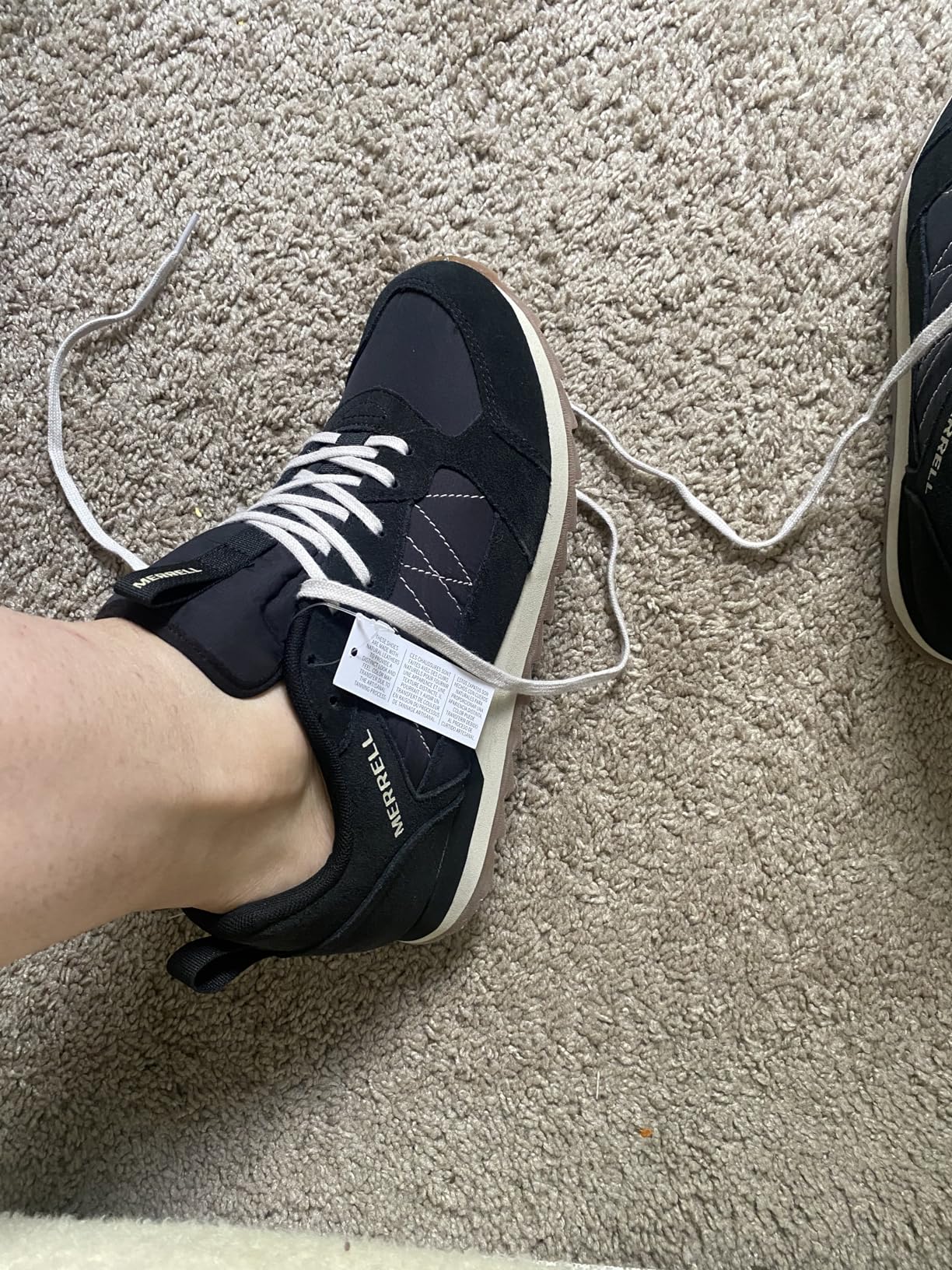
I need to be direct about this. The wet-weather traction on the Alpine Sneaker is not just poor — it’s the kind of poor that can get you hurt.
Week three of testing, I walked into a grocery store during light rain. The floor was glazed tile — the kind every large retail store has. My foot slid nearly six inches mid-step. I caught myself on a display rack. Normal walking pace, no rushing, just a regular stride. The shoe gave me nothing on that surface.
Week five, after an overnight rain, I stepped off a curb onto wet concrete. Standard step, nothing dramatic. The outsole slipped and I stumbled forward, catching my balance by pure reflex. Had I been carrying anything, or had my hands been full, that’s a fall.
Two near-falls in eight weeks is not a “this shoe runs a little slippery” situation. That’s a pattern, and I’ve tracked enough customer feedback to confirm it isn’t just me. Multiple buyers describe the wet-surface behavior the same way — unexpected, sudden, and scary. The tread design that looks so good standing still becomes a liability when moisture enters the equation.
The mechanism isn’t complicated: the rubber compound used on the outsole doesn’t generate friction against smooth wet surfaces. Dry concrete creates enough texture that the rubber grips. Wet glazed tile? There’s nothing for it to hold onto. DWR spray on the upper doesn’t fix this — it’s the outsole, not the upper, that’s the problem.
Geographic reality check:
- Pacific Northwest, Northeast US, UK, much of Europe: avoid these shoes
- Southeast US (hurricane/monsoon seasons), tropical climates: avoid these shoes
- Southwest US, Southern California, Arizona, desert regions: this concern is minimal
- Anyone who walks near water, beaches, wet grass, or irrigated lawns: use caution
My old Merrell Moab 2 never gave me a moment’s hesitation on wet tile. The difference in wet traction between the Moab and the Alpine is substantial — they’re built for different purposes, and traction engineering reflects that. If wet weather reliability matters to you, the hiking and trekking shoe category is where you should be looking, not lifestyle sneakers at this price.
Durability: What to Expect Over Time
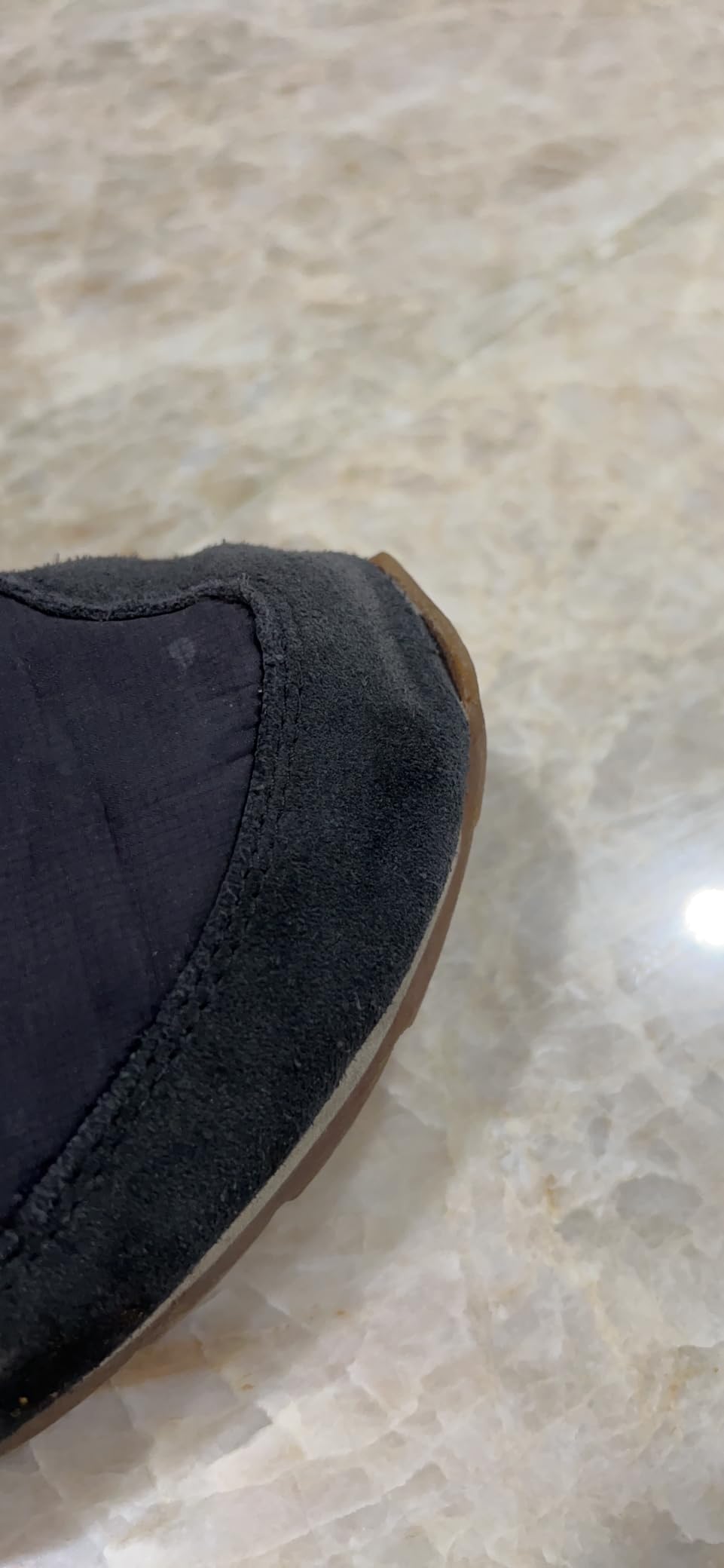
At eight weeks and 200-plus miles, the Alpine looks mostly fine. Stitching intact, sole bond holding, midsole still functional. But I noticed something at week seven that’s worth flagging: micro-stress lines forming at the toe flex point — exactly where the shoe bends with every step. That’s where the sole-upper bond will eventually let go, and it’s appearing earlier than I’d like.
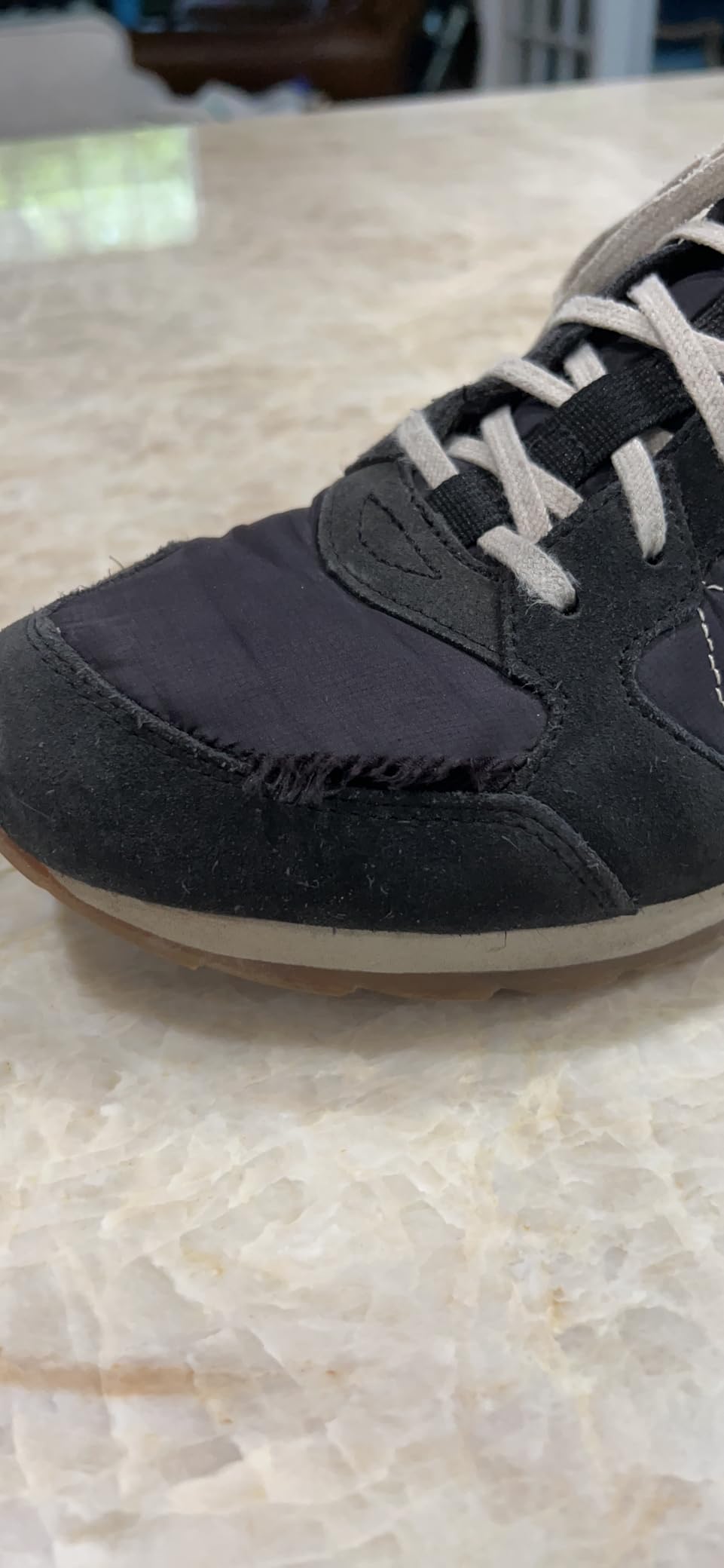
Based on my testing observations and customer feedback patterns, here’s a realistic lifespan estimate:
- Light use (1-3x per week): 12-18 months before visible sole separation
- Regular use (5x per week): 6-9 months — primary failure at toe flex point
- Heavy daily use: 4-6 months, especially if walking on abrasive surfaces
The suede upper handles abrasion reasonably well — the tortoise colorway hides light scuffing. But the outsole rubber is the weak point for everyday durability, and the EVA midsole compression timeline I mentioned earlier (month four or five) is real.
To extend the life of suede, I’d recommend keeping sneaker wipes on hand for regular spot cleaning and grabbing a suede protector spray before your first wear. These are simple interventions that can add a few months to the upper’s appearance. Cedar shoe trees between wears also help the suede hold its shape and control moisture from normal sweating.
Comparing to my Moabs — and I know this is an unfair comparison on price — the Alpine feels like it’s working with about 40% of the material investment. That’s reflected in the lifespan. The Moab 2 is built to be a long-term asset; the Alpine is built to be a style-forward seasonal rotation shoe.
Value Breakdown: The Honest Math
At $75, the Alpine is priced accessibly. But let’s look at what that actually costs you over time:
- $75 ÷ 9 months regular use = $8.33/month
- $75 ÷ 6 months heavy use = $12.50/month
- Merrell Moab 2 at $120 ÷ 18 months = $6.67/month (cheaper long-term)
- Nike Downshifter 12 at $70 ÷ 12 months = $5.83/month
- Adidas Daily 3.0 at $65 ÷ 10 months = $6.50/month
The Alpine isn’t the cheapest option when you run monthly cost. The two scenarios where it makes sense financially:
- You’re a light user — wearing 2-3 times per week, in a dry climate, where you get 14-18 months and the math improves significantly
- You rotate two pairs — buying two Alpines at $150 total and alternating gives each pair a 48-hour rest between wears, which can push lifespan to 12-15 months per shoe. Not ideal, but worth considering if the style appeals
If you’re going to wear these five or six days a week in any weather, the value proposition falls apart quickly.
How It Stacks Up: Alternatives Worth Knowing
Before buying the Alpine, it’s worth understanding what else $65-130 buys you right now:
Adidas Run Falcon 5 (~$65): Less style, more durability, better wet grip. Loses on aesthetics, wins on practicality. Good choice if you need one shoe for all weather.
Nike Downshifter 12 (~$70): Similar price bracket, more established durability track record, adequate wet traction. Less interesting visually but more reliable as an everyday workhorse.
Merrell Moab 2 Vent Mid (~$120): The obvious Merrell upgrade. Significantly better wet traction, longer lifespan, better materials. Worth the extra $45 if you want Merrell quality that actually lasts.
Salomon Speedcross Peak Clima (~$100): If wet traction is non-negotiable and you want something that bridges trail and casual, this is the direction to look. Overkill for city use, but no traction concerns in any weather.
North Face Fastpack Hedgehog 3 (~$100): Solid option if you want the outdoor-look aesthetic with actual hiking capability and better all-weather performance.
The Alpine wins on retro style at its price point — nothing else in the $65-80 range looks quite like it. That’s its genuine competitive advantage. Everything else is a trade-off you’re making in exchange for that aesthetic.
Frequently Asked Questions
Are Merrell Alpine Sneakers true to size?
Yes, TTS for most buyers. At my normal size 10, the fit was perfect with zero break-in. Wide-foot buyers: the original Alpine runs generously in standard sizing, so you likely don’t need to size up. If you have very narrow feet, consider going down half a size.
What’s the difference between the Alpine Sneaker and the Alpine 83 Recraft?
The original Alpine (what I reviewed) uses a Kinetic Fit Base removable insole and a suede/mesh upper. The Alpine 83 Recraft is a newer generation with updated sustainable materials (recycled upper textile, recycled EVA footbed, Cleansport NXT odor control) and is only available in medium width. If you have wide feet, stick with the original Alpine — the Recraft likely won’t accommodate you.
How dangerous is the wet weather traction, really?
I had two near-fall incidents in eight weeks: one on glazed tile in a grocery store, one on wet concrete stepping off a curb. Both were during normal walking, not running. I’d describe the wet-surface grip as insufficient for safe daily use in any climate with regular precipitation. That’s not “runs a bit slippery” — that’s a genuine safety concern.
Can I use my own orthotics in the Alpine?
Yes. The Kinetic Fit Base insole pops out easily, and the interior of the shoe has enough volume for most aftermarket insoles. I’d recommend replacing with Sof Sole Athlete Insoles around month three or four if you need more structured arch support than the stock footbed provides.
How do I clean suede properly?
Start with a suede brush to clear dust and surface dirt. For stains, a suede eraser handles most scuff marks. Mild soap and a damp cloth work for tougher spots — let air dry, never force-dry with heat. Apply a suede protector spray before the first wear and reapply monthly. Keep sneaker wipes in your bag for quick cleaning after messy errands.
Will the colors match the online photos?
The tortoise colorway I tested matched the product photos accurately. Some buyers have noted that the darker colorways (near-black options) can photograph differently than they appear in person — what looks black online may arrive as dark navy. If color accuracy matters, look for recent customer photos from verified purchases before ordering.
How long do the laces last?
The stock laces are thin cotton-blend. Mine showed fraying by week eight. They’ll outlast the shoe for light users, but if you wear these five-plus days a week, plan to replace laces around month four. Oval athletic shoelaces are a flat-weave upgrade that stay tied better and look cleaner on a lifestyle shoe.
Are these good for light hiking?
No. The wet traction disqualifies them for trail use where you’ll encounter roots, rocks, or any moisture. These are urban casual shoes with a hiking aesthetic. For actual hiking, you need purpose-built hiking shoes with proper lugs and weather resistance — something like the Moab 2 or a dedicated trail shoe.
What’s the best way to extend the lifespan?
Three strategies: (1) Rotate with another pair so each shoe gets 48+ hours of rest between wears — this dramatically slows EVA compression. (2) Use cedar shoe trees between sessions to control moisture and maintain shape. (3) Avoid wearing them in wet conditions entirely — every wet outing stresses the sole bond at the toe flex point.
Final Verdict
Performance Summary
| Category | Score | Notes |
|---|---|---|
| Style & Aesthetics | 9.0/10 | Retro design earns compliments; tortoise colorway excellent |
| Comfort (Dry) | 8.5/10 | Zero break-in, 10-hour capability, arch fatigue after hour 8-9 |
| Dry Traction | 8.0/10 | Reliable on concrete, asphalt, grass, gravel |
| Fit & Sizing | 8.0/10 | TTS, generous toebox; wide feet accommodated in original model |
| Build Quality | 6.5/10 | Solid initially; toe flex stress visible week 7-8; 6-12mo realistic lifespan |
| Value for Money | 6.0/10 | $8-12/month at regular use; alternatives offer better per-month cost |
| Wet Weather Safety | 3.0/10 | Two near-falls in 8 weeks; disqualifying for wet climates |
| Overall Score | 6.8/10 | Excellent dry-weather casual shoe with a critical wet-weather limitation |
Who Should Buy
| ✅ Buy If… | ❌ Skip If… |
|---|---|
| You live in a dry climate (Southwest US, desert, arid regions) | You’re in the Pacific Northwest, Northeast, or UK |
| You want retro style at an accessible price | You need one shoe for all weather conditions |
| You have wide feet struggling at budget price points | You prioritize durability over 12 months |
| You’re comfortable replacing casual shoes every 6-9 months | You walk near water, wet grass, or on wet pavement regularly |
| You use custom orthotics and need a removable insole | You want to use these for actual hiking or trail use |
| You want Merrell brand quality at below-$100 entry cost | You need a long-term investment shoe (18+ months) |
My take after fifteen years of Merrells and eight weeks of testing: The Alpine is a legitimate casual shoe — comfortable, stylish, and genuinely enjoyable in dry conditions. But the wet-weather traction issue isn’t something I can wave away. Two near-falls in two months of regular use is a problem, not a quirk. If you’re a dry-climate buyer who replaces shoes on a seasonal rotation, you’ll be happy with these. If you live somewhere it rains, spend the extra $45 and get the Moab 2, or go in a different direction entirely. Your safety is worth more than the price difference.
Be the first to review “Merrell Alpine Sneaker CF”
Related products

Sneaker
Sneaker
Sneaker
Reviews
There are no reviews yet.