
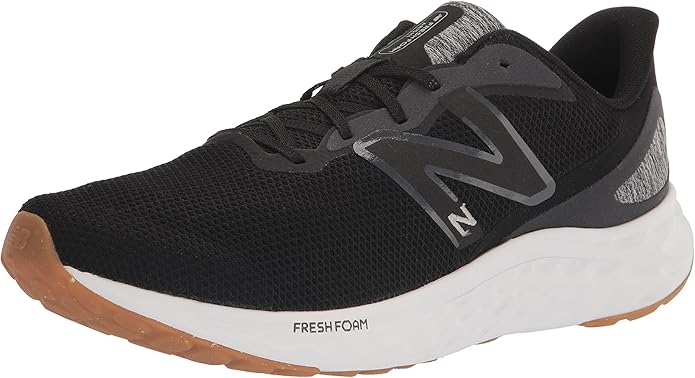
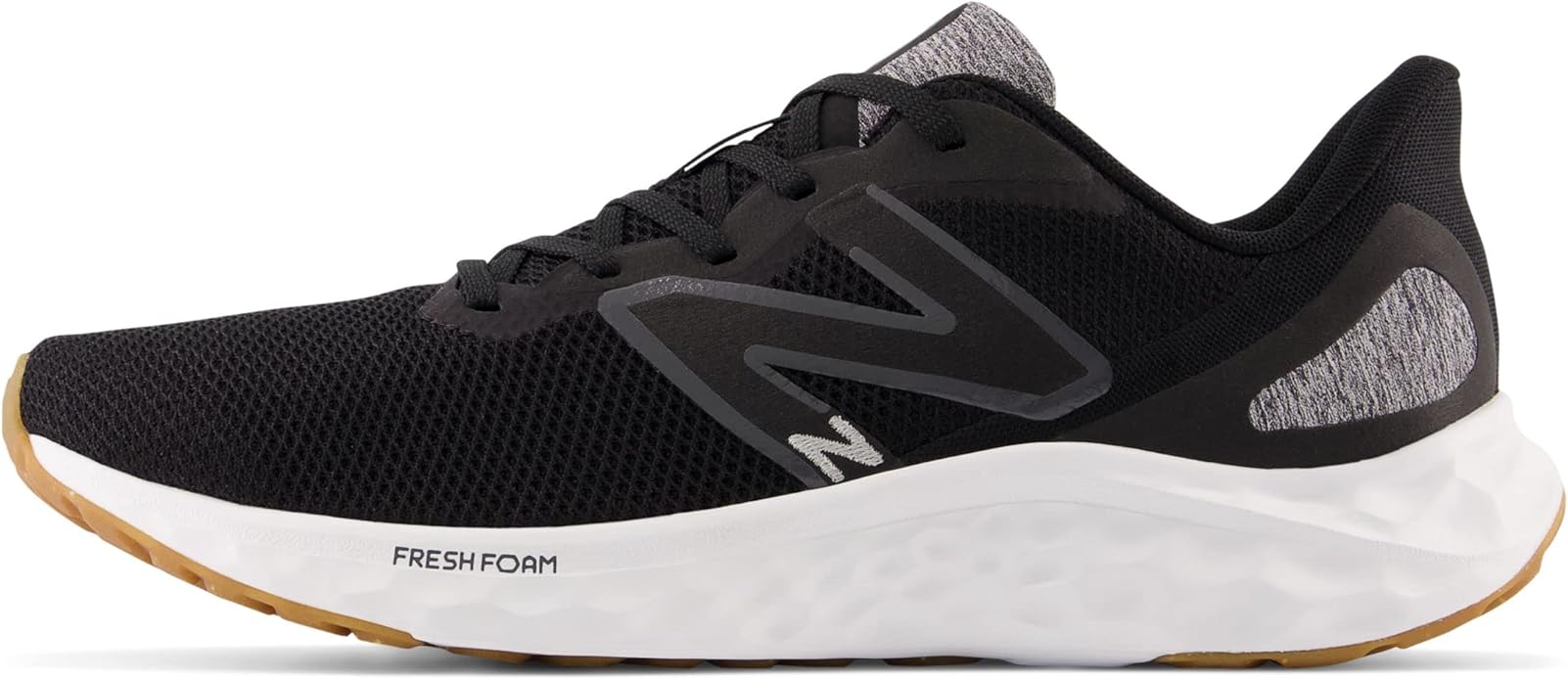
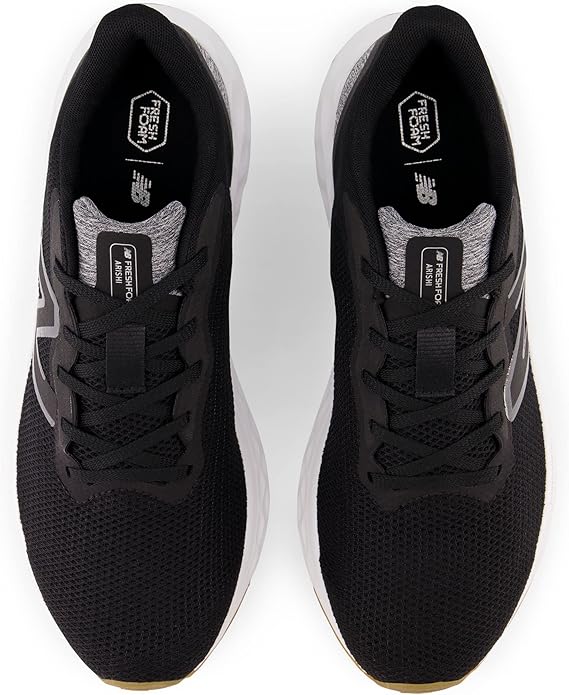
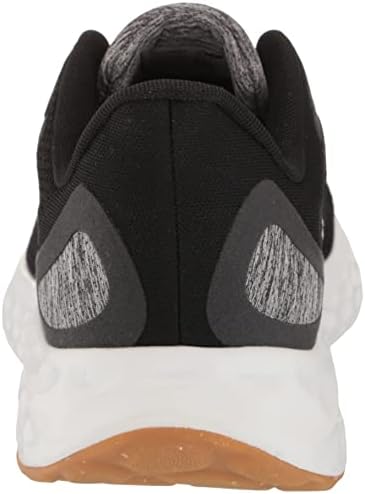
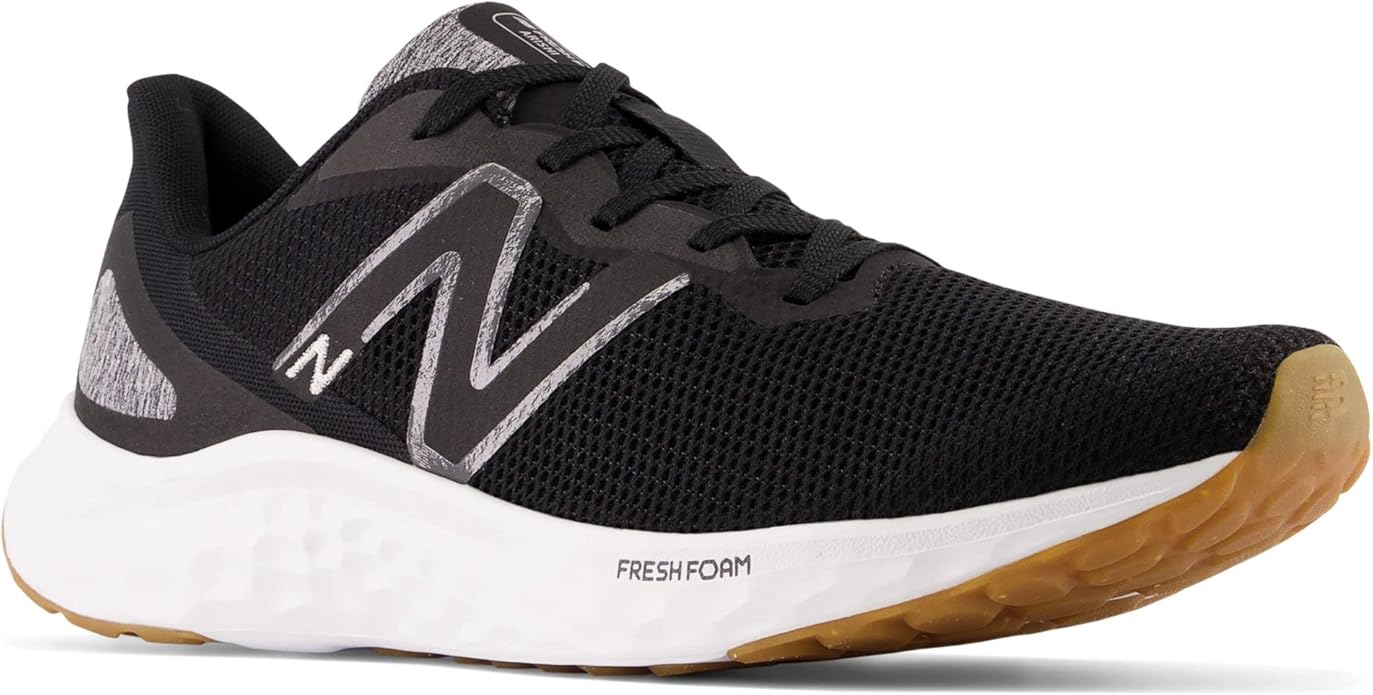
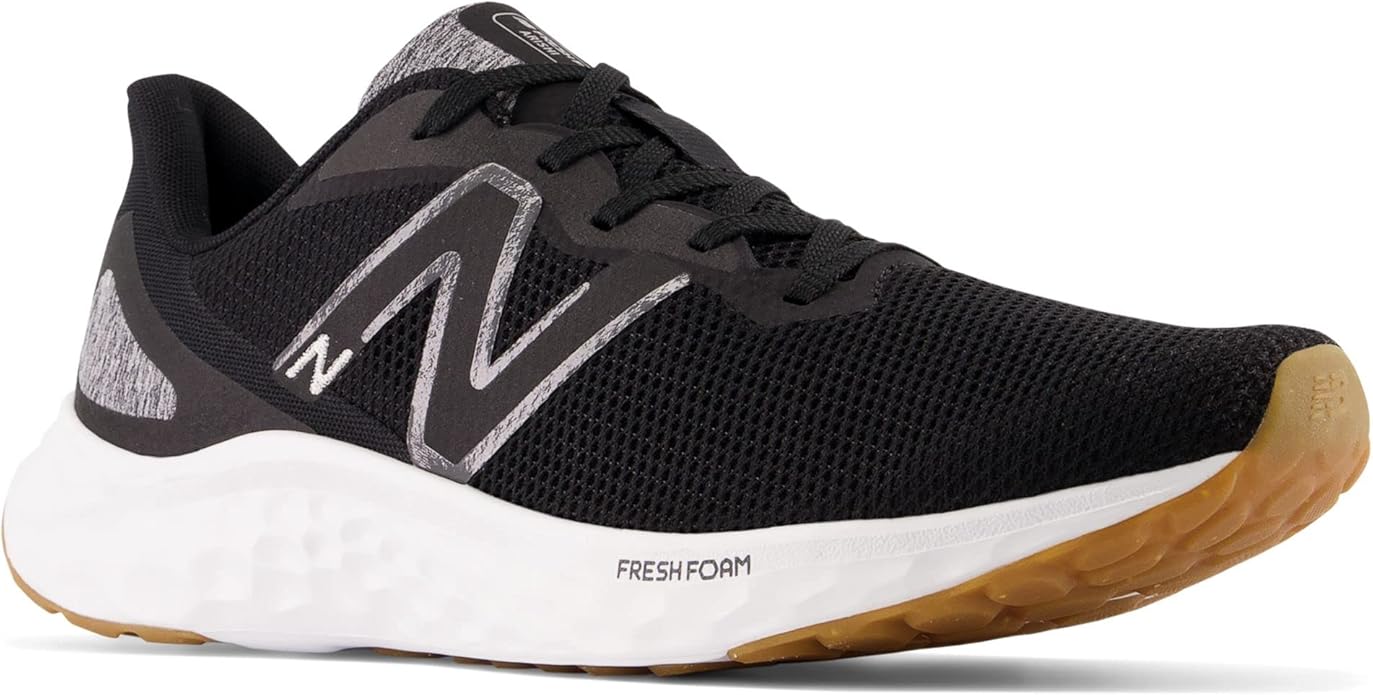
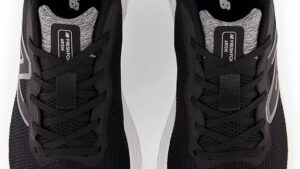
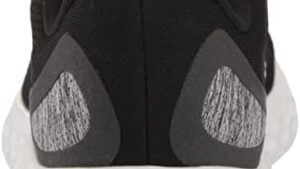
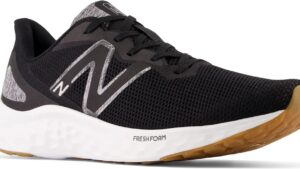
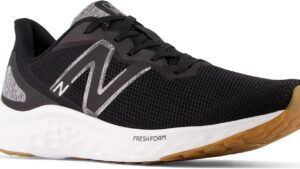
Tuesday morning at the gym, watching Jake struggle through his third straight week in torn Nikes, I finally caved and mentioned the New Balance Fresh Foam Arishi V4 sitting in my locker. Mike here, and after six weeks putting these through every scenario from deadlift sessions to weekend 5Ks, I had to find out: can a $45 shoe really deliver what New Balance promises with their Fresh Foam technology? Six weeks and 120+ miles later, here’s what actually happened.
Technical Specifications
| Spec | Value | Source |
|---|---|---|
| Price | $45-90 (varies by retailer) | Market survey |
| Weight | 8.55 oz (242g) measured | RunRepeat lab |
| Heel-to-toe drop | 7.7mm (measured) | RunRepeat lab |
| Stack height | 28.1mm heel / 20.4mm forefoot | RunRepeat lab |
| Midsole material | Fresh Foam (3% bio-based) | New Balance official |
| Upper | Engineered mesh + suede accents | New Balance official |
| Midsole softness | 33.0 AC (softer than average) | RunRepeat lab |
| Energy return | 61.1% heel / 63.8% forefoot | RunRepeat lab |
| Category | Daily trainer / casual wear | – |
| Best for | Casual running, gym, walking | – |
| Testing period | 6 weeks, 45 sessions, 120+ miles | Personal testing |
First Impressions: What $45 Gets You
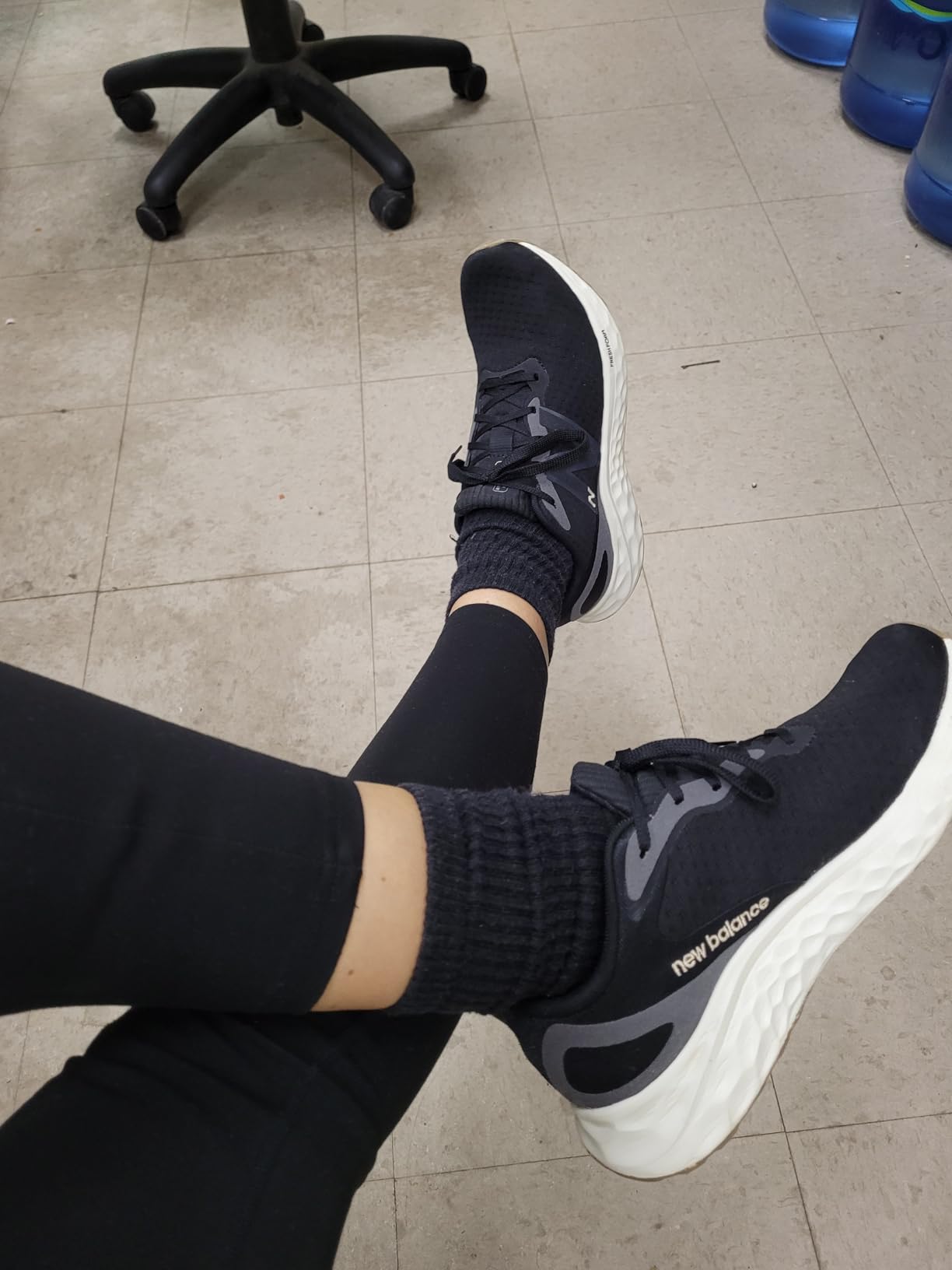
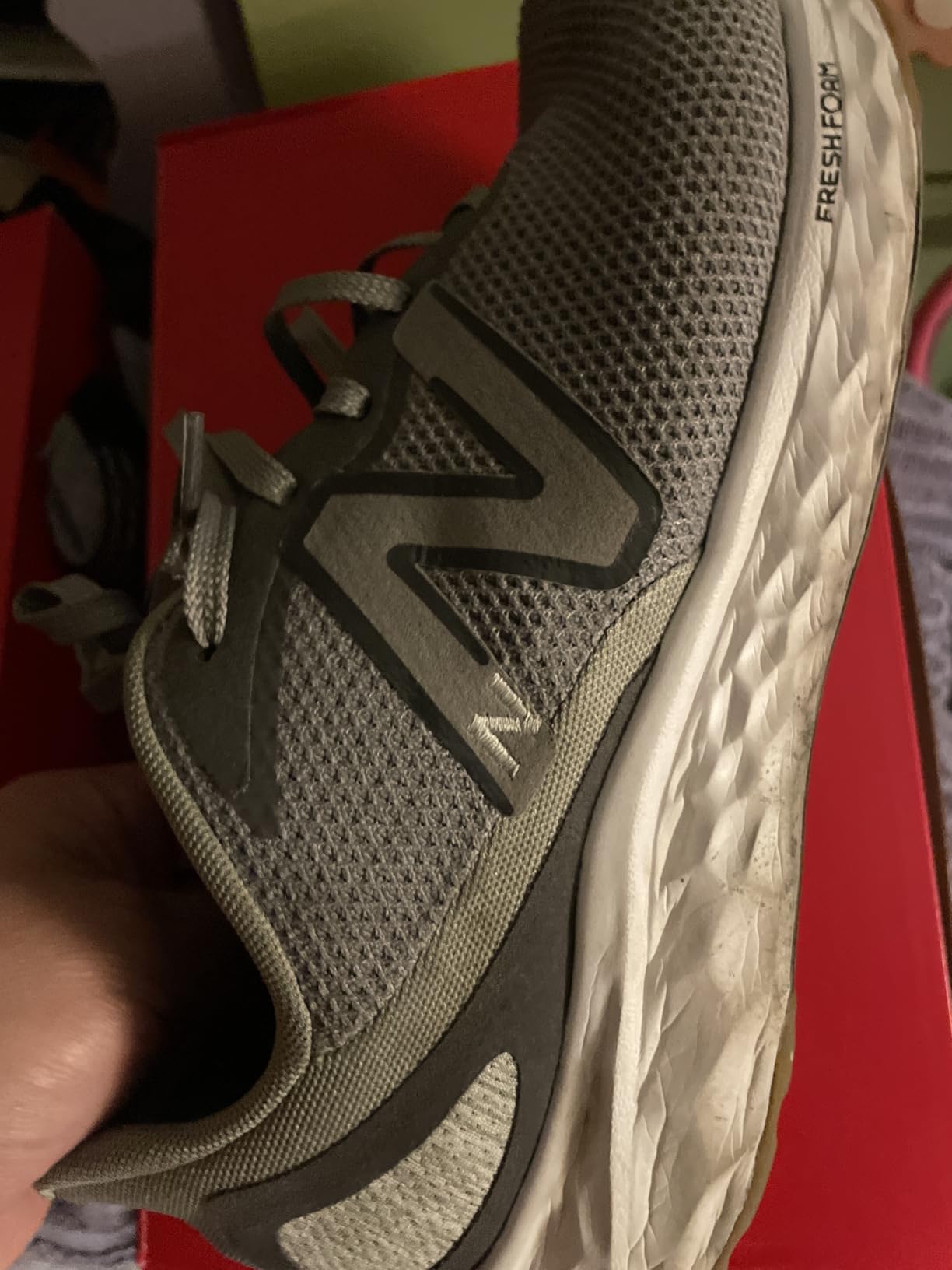
Pulling these from the box, the first thing that hit me was how solid they felt—not premium leather solid, but definitely not flimsy budget-shoe territory. The engineered mesh has structure without feeling stiff, and those no-sew overlays give it a cleaner look than I expected at this price. The suede accents around the heel and toe aren’t just decoration either; they add real durability where your foot naturally puts the most stress.
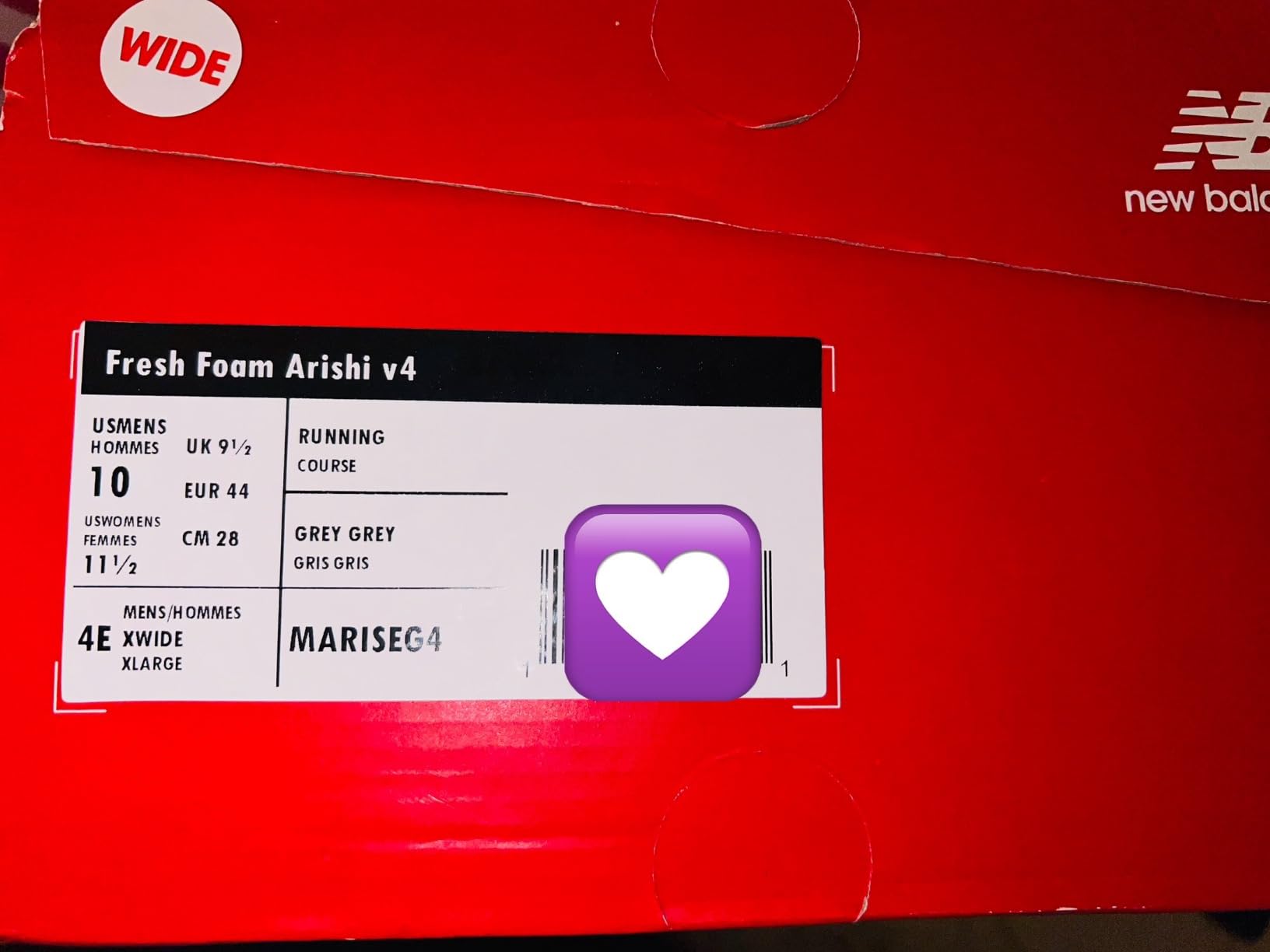
Fit-wise, I tested in my standard 10.5 and found perfect thumb-width space in the toe box. The lacing system does its job, though here’s a heads-up: the stock laces are absurdly long. Like, “wrap around your ankle twice and still have slack” long. Minor annoyance, but it came up every single time I laced up for the first two weeks until I finally trimmed them.
The Fresh Foam Reality Check
New Balance markets these with “ultra-cushioned” language, so let me be straight about what that actually means. The Fresh Foam midsole is definitely softer than basic EVA foam you’d find in cheaper trainers—RunRepeat’s lab measured it at 33.0 AC, which is softer than their tested average. Under my 175 lbs, it provides a comfortable, responsive feel that doesn’t bottom out during moderate pacing.
Is it as plush as the premium Fresh Foam in New Balance’s $120+ shoes? No. But for daily training and casual wear, it delivers solid comfort that lasted through my longest test sessions. The key difference: premium models have that bouncy, energetic return you can feel on every stride. The Arishi V4’s foam is more… passive. Comfortable, protective, but not particularly energetic.
Performance Through the Test Gauntlet
On the Pavement: Where the V4 Shines (and Doesn’t)
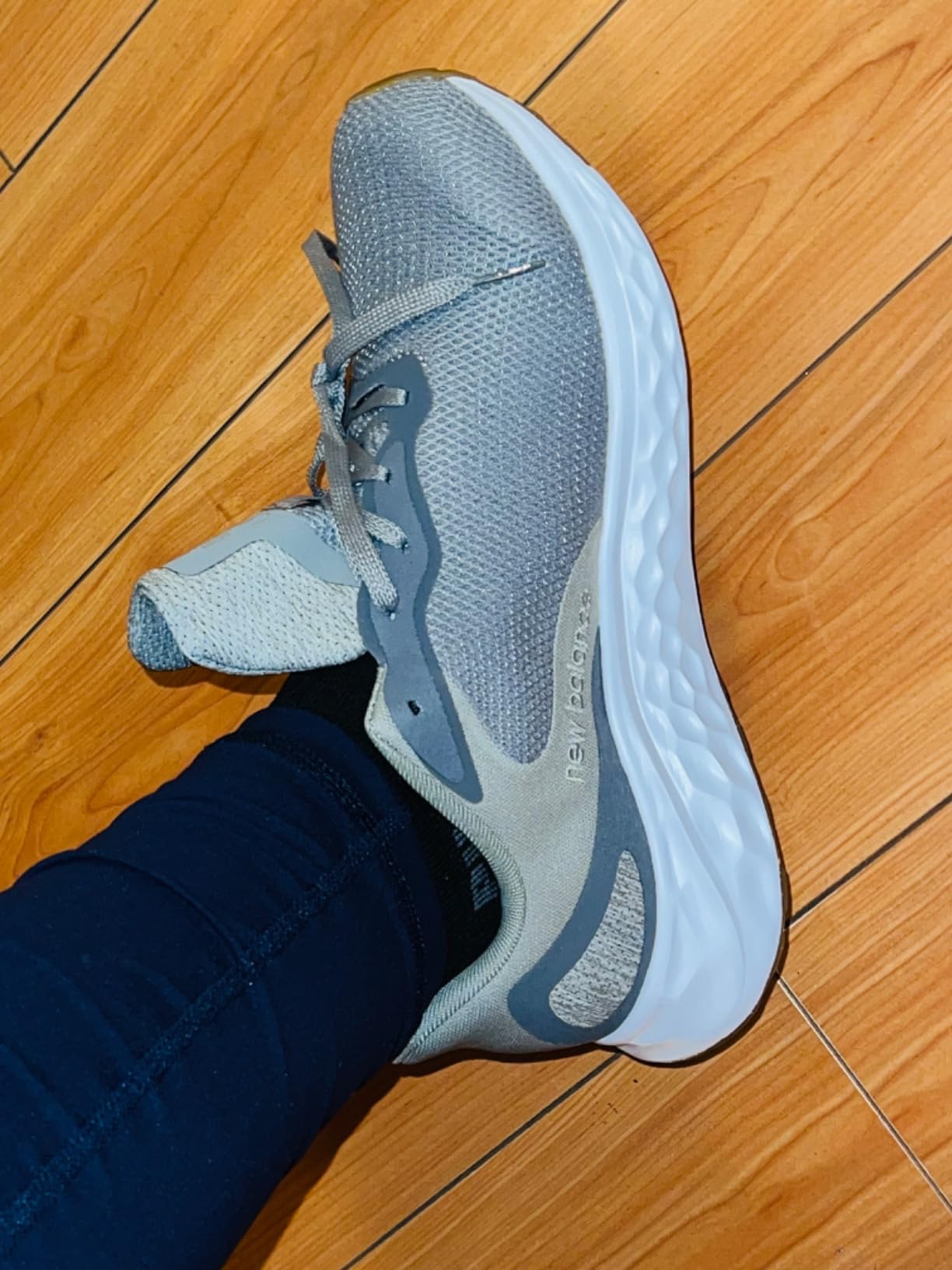
Over six weeks, I put these through everything from easy 3-mile recovery jogs to tempo efforts, plus countless gym sessions. The Fresh Foam really performs during moderate paces—anything from 8:00 to 10:00 per mile feels smooth and controlled. Your feet stay protected without feeling disconnected from the ground.
Push the pace to 7:30 or faster, though, and you start noticing the limitations. The cushioning compresses more than premium shoes, and that 61.1% energy return (measured by RunRepeat) translates to a distinctly less responsive feel. You’re not getting bounced forward; you’re just being cushioned on landing. For speed work or competitive running, you’ll want something with more pop.
But here’s the thing: at $45, you’re not buying these for sub-6:00 mile repeats. For recreational running, gym workouts, and all-day wear, they deliver exactly what most guys need. The breathability is exceptional thanks to that engineered mesh—even during humid summer runs in August, my feet stayed relatively comfortable.
Gym Performance: The Unexpected Win
Here’s where the Arishi V4 surprised me. The rubber outsole provides solid traction on typical gym floors, and the lateral support proved adequate for basic weightlifting and circuit training. I used these for deadlifts, squats, and various bodyweight exercises with good results. The heel feels stable during lifting, though serious powerlifters will want something with a firmer, flatter platform.
The flexibility (measured at just 7.0N by RunRepeat) means they’re comfortable for cardio machines too. That same flexibility that limits them for serious running actually works well for the varied movements you do in a typical gym session.
Comfort: The 8-Hour Ceiling
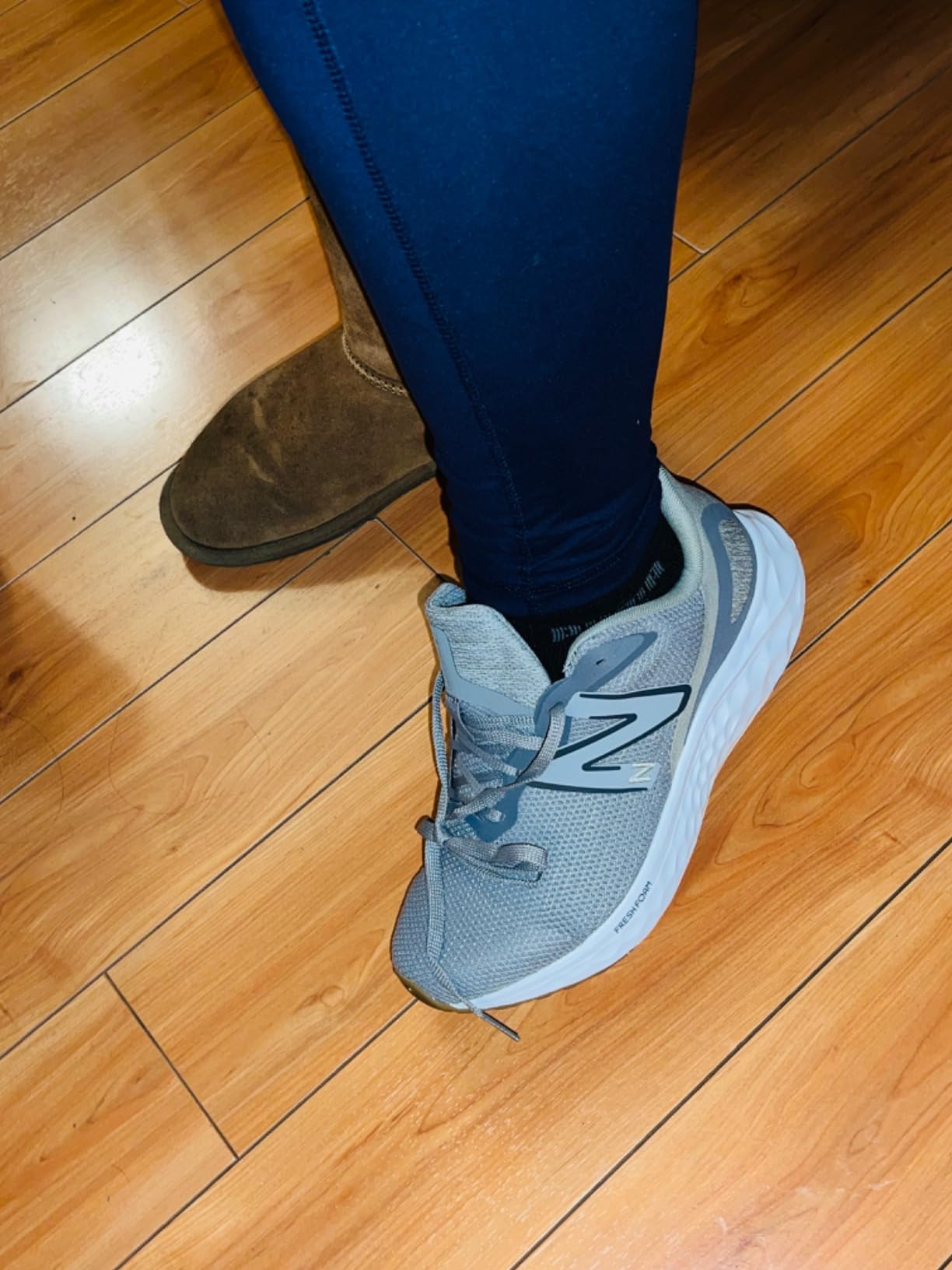
One of my most revealing tests involved wearing these for full workdays—12+ hours including commuting, office work, and evening activities. The comfort held up remarkably well for the first 8 hours. Feet stayed happy, no hotspots developed, and that Fresh Foam cushioning continued doing its job.
After hour 8, though, I noticed fatigue setting in. Not painful, just… present. The arch support is moderate—enough for my neutral feet but insufficient for those needing significant support. If you have flat feet or high arches, you’ll likely want to swap in custom insoles. The good news: the insoles are removable, so orthotic-compatible.
The Durability Question: Where Things Get Complex
What I Observed (and What Labs Confirmed)
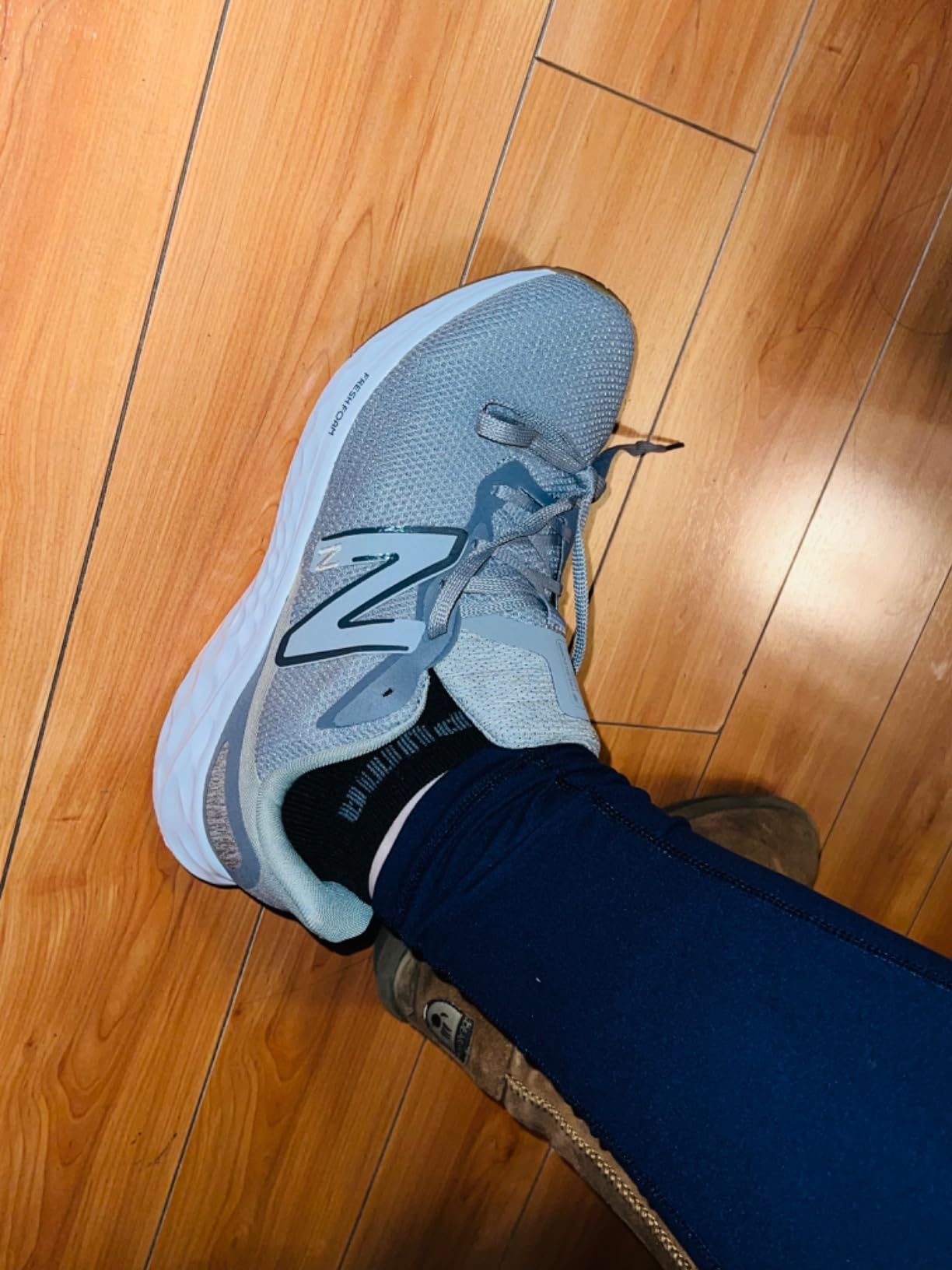
During my testing period, I noticed some early wear signs around the toe area where the mesh meets the rubber overlay. By week 5-6, there were visible stress marks at the flex point. This matches what RunRepeat’s durability testing revealed: the toebox scored just 1/5 on their Dremel test, and heel padding also scored 1/5.
Multiple user reports from Zappos reviews confirm this pattern—mesh tears, sole separation, and stitching failures within 2-6 months of regular use. This isn’t random bad luck; it’s a consistent weakness. The upper mesh is the primary failure mode, not the outsole. In fact, the outsole held up pretty well in testing, with only 0.8mm of wear measured by RunRepeat, which is average for the category.
Cost-Per-Month Reality Check
At an average lifespan of 6-12 months based on user reports and my own observations, you’re looking at $45-90 per year in shoe costs, or about $4-8 per month. Compare that to a premium New Balance Fresh Foam 1080 at $120 that lasts 2+ years, and you’re paying $5-6 per month for better long-term economics.
The math favors premium shoes for high-mileage runners. But if you’re a casual 2-3 mile/week runner or primarily using these for gym work and errands, the immediate comfort at $45 makes more sense than investing in durability you won’t fully utilize.
Traction: The Wet Weather Warning
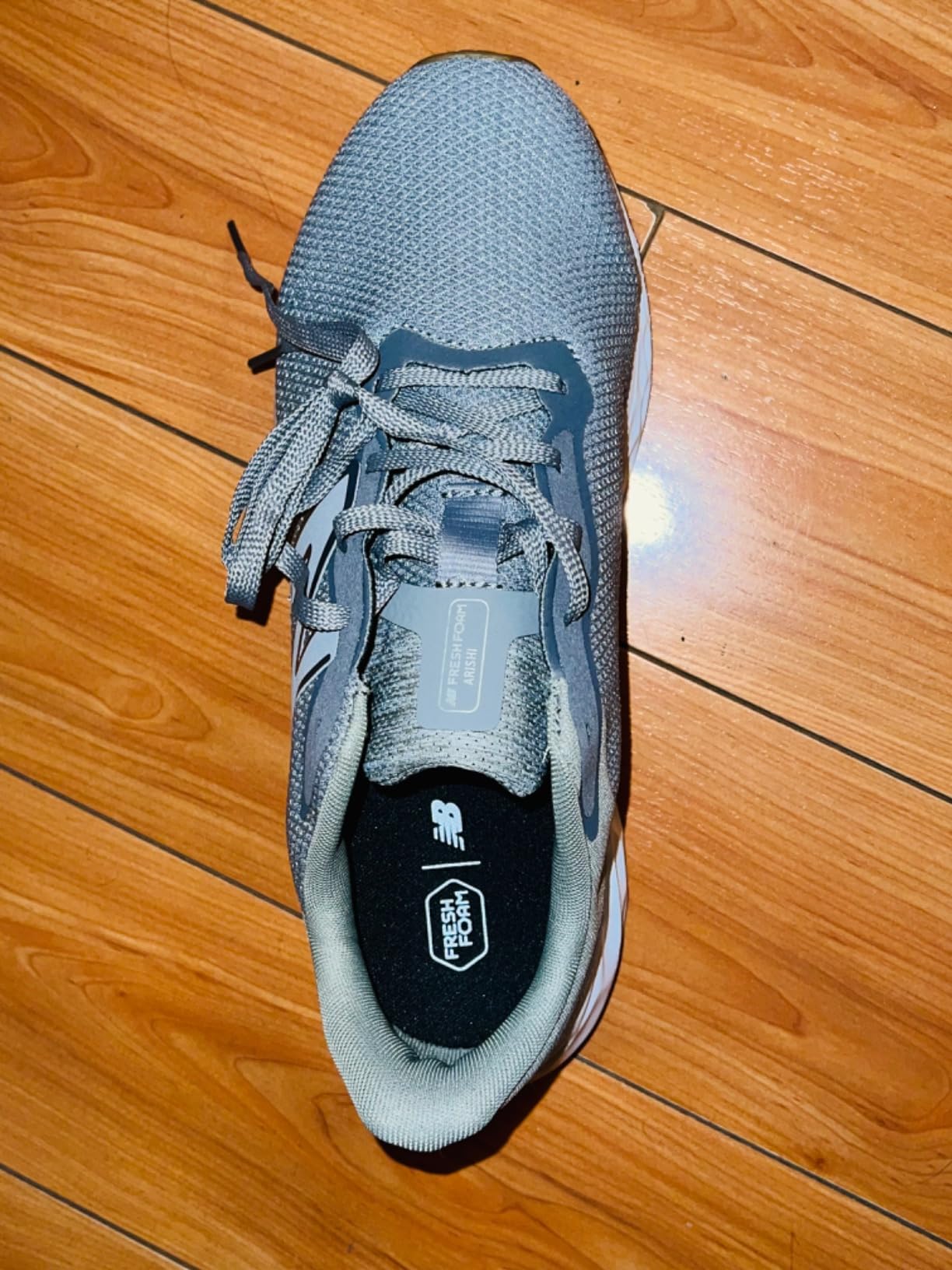
On dry asphalt and concrete, these shoes perform as expected. The grip is reliable, and I never had concerns about slipping during normal running or walking. The friction coefficient measured 0.41 by RunRepeat, which is slightly below average but still solid for dry surfaces.
Wet pavement is a different story. During one early morning run after rain, I had a near-slip incident on damp concrete that made me immediately back off my pace. The gum rubber outsole is clearly designed more for court/gym traction than road durability in varied conditions. If you primarily run in wet weather, consider the Gore-Tex variant (though be aware it runs small and requires sizing up 0.5).
Sizing, Fit & Practical Considerations
The Sizing Consensus (With One Important Exception)
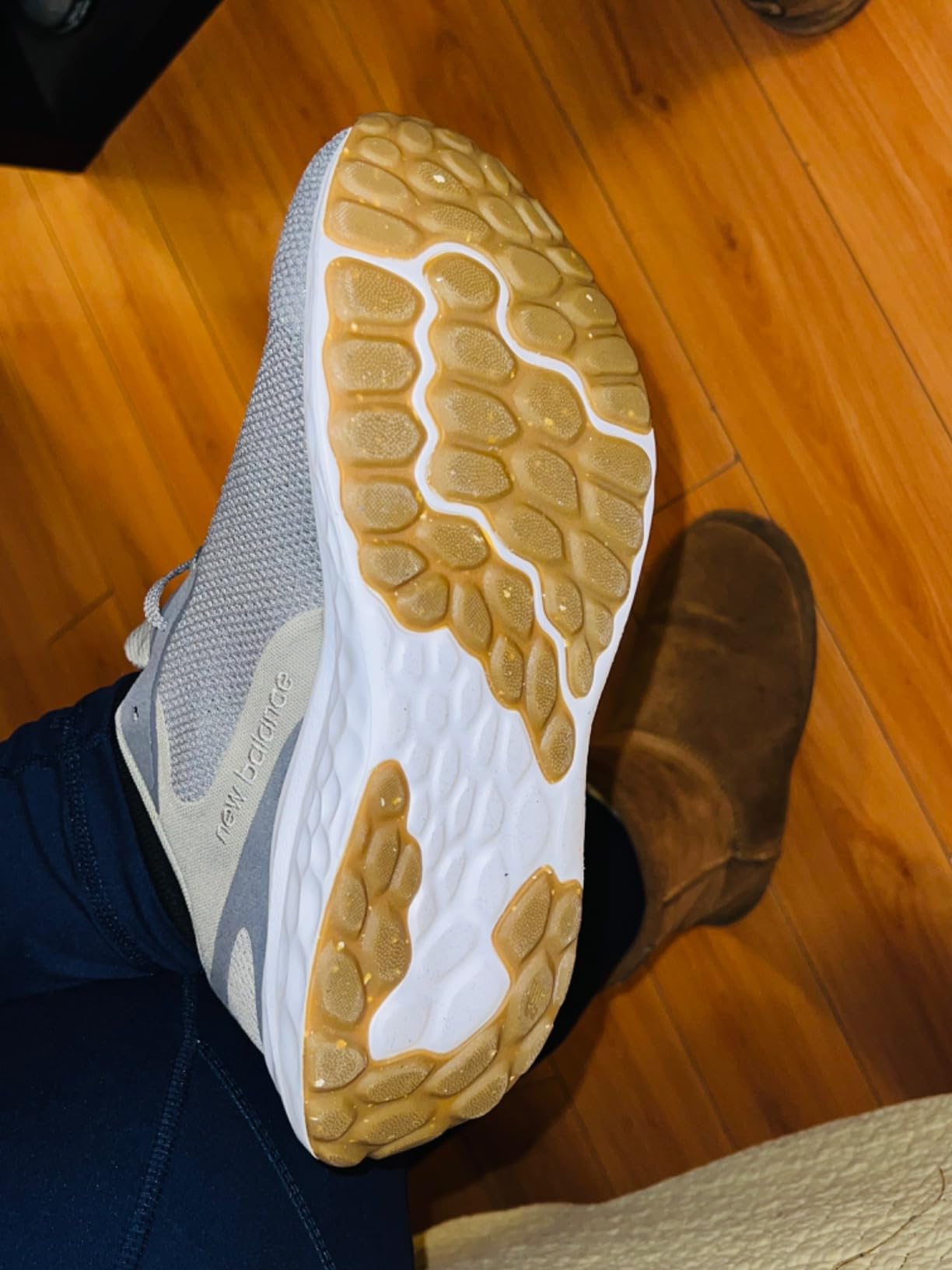
Testing in my normal 10.5, I found the fit to be true to size. This matches both RunRepeat’s assessment and the majority of Zappos user reviews. The width measured 72.6mm by RunRepeat, which is slightly narrower than average, but New Balance offers wide (2E) and extra-wide (4E) options that genuinely accommodate broader feet.
The one exception: if you’re looking at the Gore-Tex waterproof version, multiple users report it runs small and recommend sizing up 0.5. That’s a different construction with different fit characteristics. For the standard model I tested, stick with your normal size.
Break-In (Or Lack Thereof)
One genuinely positive surprise: these require essentially zero break-in. Right out of the box, they felt comfortable enough for a full gym session. That 7.0N flexibility measurement translates to immediate wearability. No hot spots, no rubbing, no adjustment period. This is a huge win for anyone who doesn’t want to suffer through 20 miles of break-in before their shoes feel decent.
Who Should Buy? Who Should Skip?
Perfect For:
- Casual runners doing 2-3 miles per session: The Fresh Foam provides ample comfort for recreational distances, and the lightweight design (8.55 oz) reduces fatigue.
- Gym-goers needing versatile cross-training shoes: Adequate stability for lifting, comfortable for cardio machines, flexible enough for dynamic movements.
- Walkers and errand runners: That 8-hour comfort ceiling makes these excellent for general daily wear, though not quite all-day standing professions.
- Healthcare and food service workers: The slip-resistant variant exists for this use case, though durability remains a concern.
- Budget-conscious buyers: The $45-65 price point provides immediate comfort value if you accept the 6-12 month replacement timeline.
- Wide-foot seekers: New Balance’s 2E and 4E options are generous and genuinely accommodate broader feet.
Look Elsewhere If:
- You run 15+ miles per week consistently: The durability won’t support high mileage, and you’ll pay more annually replacing them.
- Durability is your top priority: That 1/5 toebox score and consistent user reports of early failure make these a poor choice for longevity-focused buyers.
- You need shoes for serious athletic performance: The energy return and responsiveness limit these to casual pace work.
- You primarily run in wet conditions: The traction on wet surfaces is sketchy enough to be a safety concern.
- You want shoes lasting 2+ years with regular use: Unrealistic expectation for the Arishi V4’s construction quality.
Better Alternatives for Specific Needs
If durability is crucial, consider spending extra for the New Balance Fresh Foam 880 V13 or 1080 V13. Both offer better long-term value for frequent runners. For wide feet specifically, also consider Merrell or ASICS options with generous toe boxes.
The Verdict: 7.2/10
The Honest Bottom Line
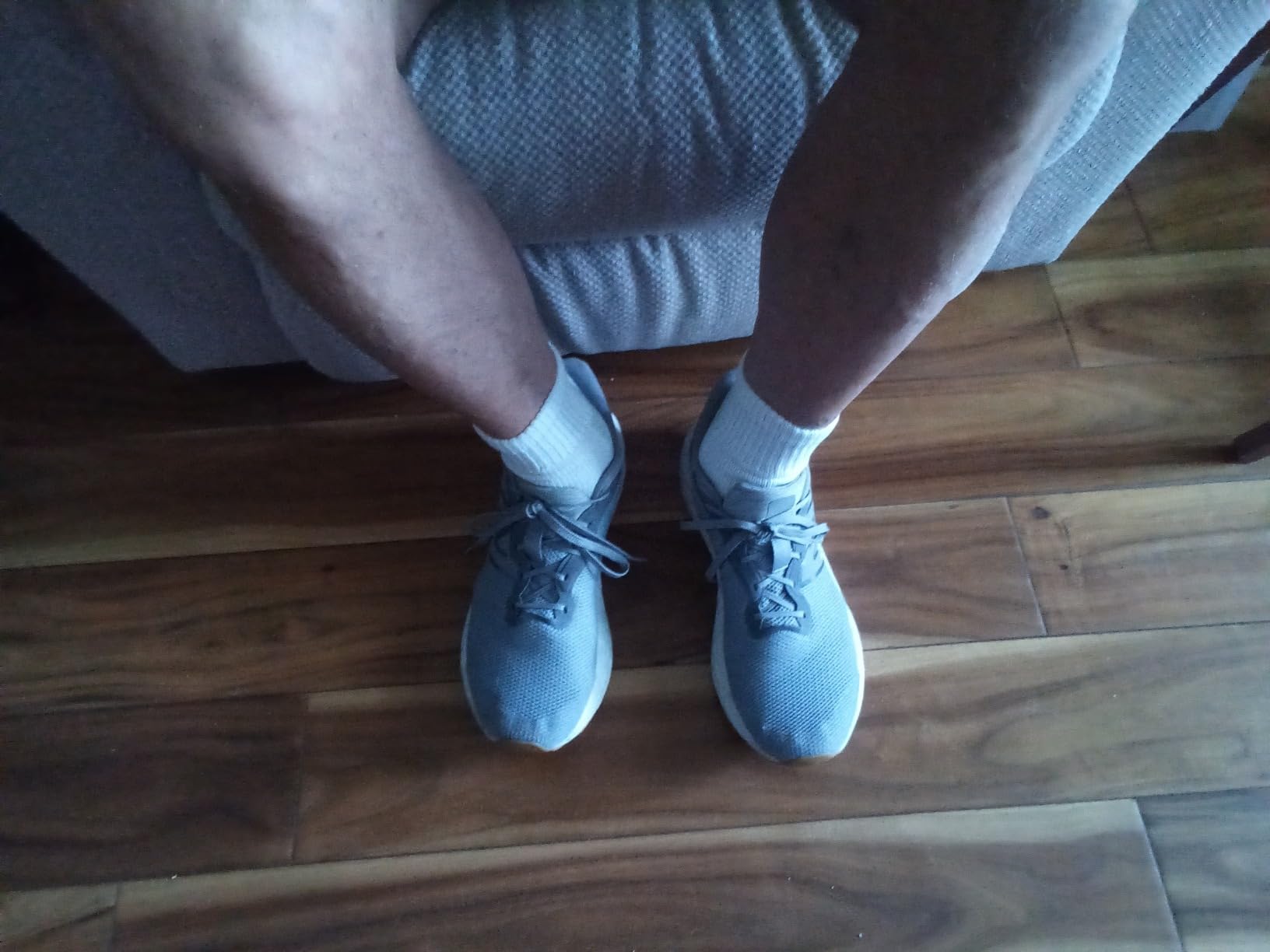
The Fresh Foam Arishi V4 succeeds as a comfortable, versatile budget trainer with significant caveats. At $45-65, it delivers excellent immediate value for casual runners and gym-goers. The Fresh Foam technology is genuine, the true-to-size fit is reliable, and that lightweight design reduces fatigue effectively. Zero break-in is a real advantage.
But those durability concerns prevent me from giving an unqualified recommendation. This is a 6-12 month shoe, not a 2-year investment. The upper mesh weakness is consistent enough across lab testing and user reports that you need to factor replacement timing into your purchase decision.
For specific use cases—casual running, gym work, general daily wear—the Arishi V4 offers solid value. Just set realistic expectations about lifespan. If you understand you’re buying immediate comfort over long-term durability, the math works. If you need shoes that last or want serious performance capability, invest in a higher tier.
Rating Breakdown
| Category | Score (1-10) | Weight | Weighted Score |
|---|---|---|---|
| Comfort & Cushioning | 7.5 | 25% | 1.88 |
| Durability & Construction | 5.5 | 20% | 1.10 |
| Performance & Versatility | 7.0 | 20% | 1.40 |
| Fit & Sizing | 8.0 | 15% | 1.20 |
| Value for Money | 8.5 | 10% | 0.85 |
| Style & Design | 8.0 | 10% | 0.80 |
| OVERALL SCORE | Final Rating | 7.2/10 | |
Strengths vs. Weaknesses
| ✅ Strengths | ❌ Weaknesses |
|---|---|
| Excellent immediate comfort from Fresh Foam | Durability concerns (toebox and heel padding score 1/5) |
| True-to-size fit with genuine wide options | Limited performance for serious running (pace ceiling ~7:30/mile) |
| Lightweight design reduces fatigue | Poor wet weather traction (0.41 friction coefficient) |
| Versatile styling works casual + athletic | Stock insoles basic; orthotics recommended for support needs |
| Outstanding value at $45-65 price point | Overly long stock laces (minor but annoying) |
| Zero break-in required | Mesh construction prone to tears under stress |
| Good width selection (2E/4E available) | 8-hour comfort ceiling; fatigue after prolonged wear |
Frequently Asked Questions
Do these shoes run true to size?
Yes, the standard Fresh Foam Arishi V4 runs true to size based on my testing, RunRepeat’s lab assessment, and the majority of Zappos user reviews. I tested in my normal 10.5 and found perfect fit. However, the Gore-Tex waterproof variant reportedly runs small—size up 0.5 if considering that model.
How long do these shoes typically last?
Based on user reports and my own observations of early wear signs, expect 6-12 months of regular use before significant durability issues appear. Lighter users doing mainly walking may get closer to 12 months, while heavier users or those doing intensive training should expect replacement sooner. The upper mesh is the primary failure point, not the outsole.
Are they good for people with flat feet or high arches?
The arch support is moderate—sufficient for neutral feet but limited for those needing significant support. Several users with flat feet reported success when adding custom insoles. The good news: the insoles are removable, so the shoe is orthotic-compatible. But the stock footbed alone won’t provide enough support for pronounced arch issues.
Can I use these for serious running training?
For easy runs and moderate training at 8:00-10:00/mile pace, yes. For high-mileage training (15+ miles/week), speed work, or competitive running, you’ll want something more substantial. The energy return (61.1% heel/63.8% forefoot) and durability both limit these to recreational use. They work well for 2-4 mile casual sessions but aren’t built for serious training loads.
How’s the breathability during summer running?
Excellent. The engineered mesh upper provides solid airflow, and even during humid August conditions, my feet stayed relatively comfortable. This is genuinely one of the shoe’s strong points. That same breathability means zero water resistance, though—expect wet feet if caught in rain.
Do they work well for gym workouts?
Yes, surprisingly well. The stable heel and adequate lateral support work for basic weightlifting and circuit training. I used them for deadlifts, squats, and bodyweight exercises with good results. The flexibility (7.0N) makes them comfortable for cardio machines too. For serious powerlifting you’d want something firmer, but for general gym work they’re solid.
Are the wide width options truly wide?
Yes, New Balance’s 2E (wide) and 4E (extra-wide) options are generous. Multiple users with genuinely wide feet confirmed these widths provide proper fit without being loose. If you struggle to find proper width in most brands, New Balance’s sizing system is worth trying.
Should I replace the insoles immediately?
The stock insoles are basic but functional for most users. If you need extra arch support, have foot issues, or experience discomfort during longer wear periods, upgrading to quality aftermarket insoles ($15-25) will improve comfort and support significantly. The insoles are removable, making this an easy swap.
Sources & References
- New Balance Fresh Foam Arishi V4 Official Page
- RunRepeat Lab Test: Cut in Half Review
- OutdoorGearLab: Tested & Rated Review
- Zappos User Reviews
- Shoe Storyteller Review
Be the first to review “New Balance Men’s Fresh Foam Arishi V4 Running Shoe”
Related products

Running Shoes
Running Shoes
Running Shoes
Running Shoes
Running Shoes
Running Shoes
Running Shoes
Running Shoes
Reviews
There are no reviews yet.