
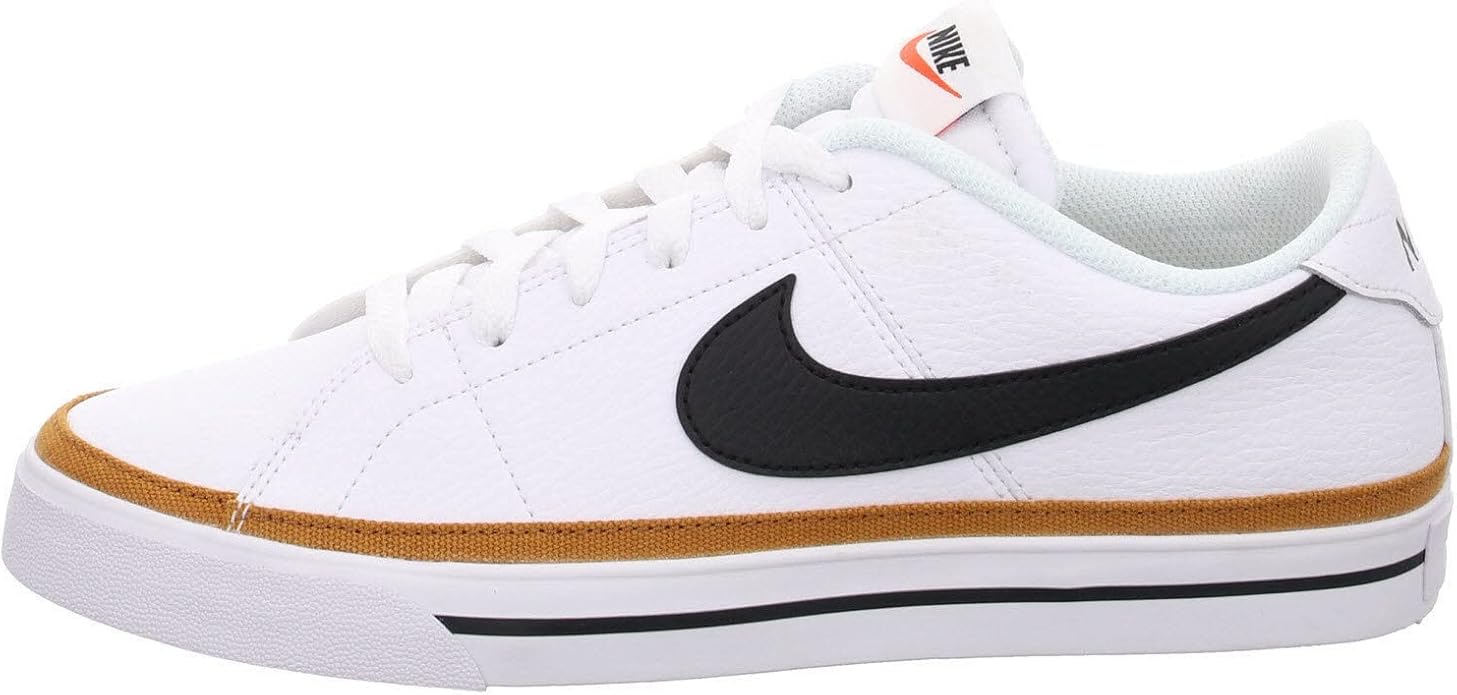
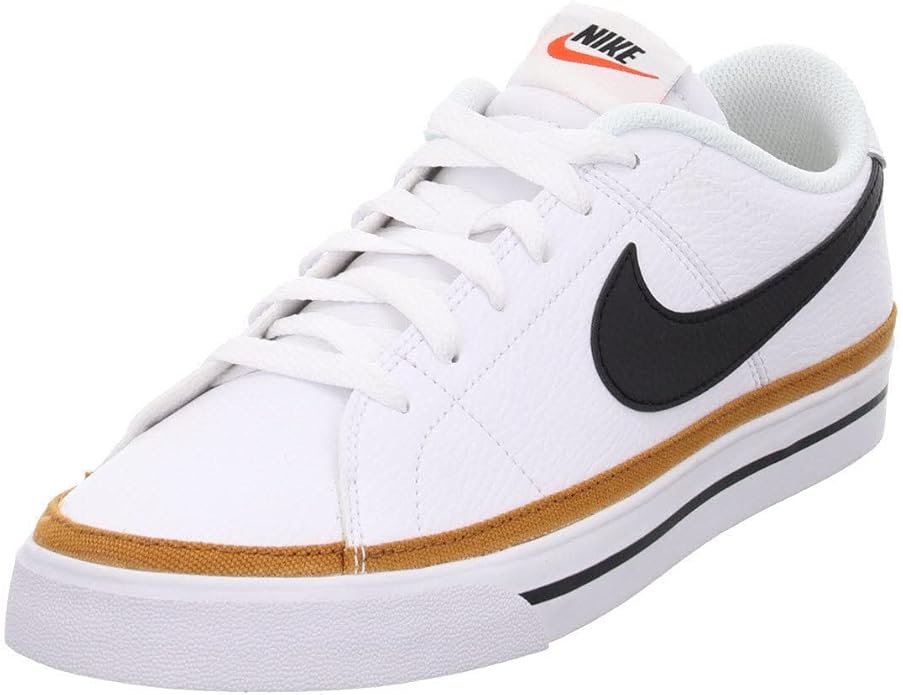
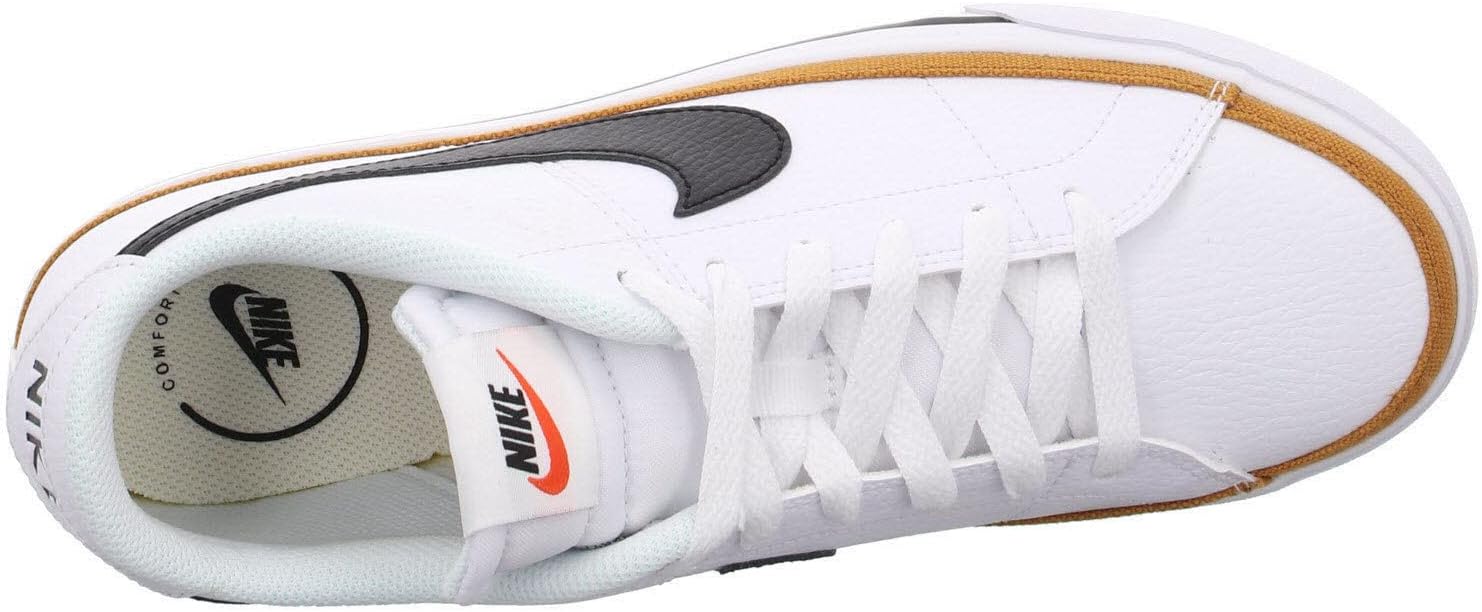
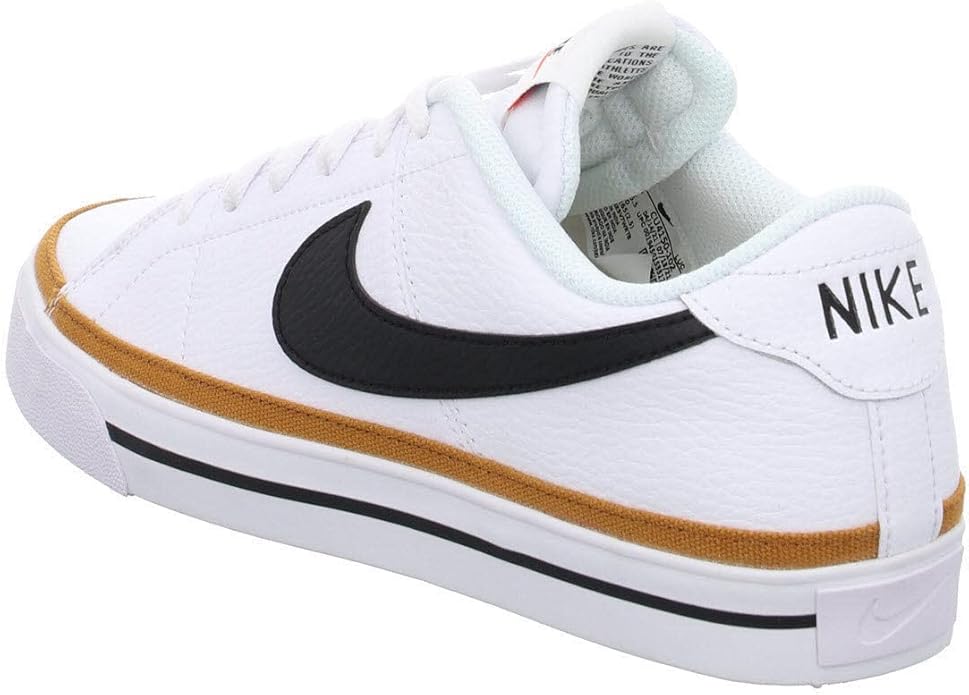
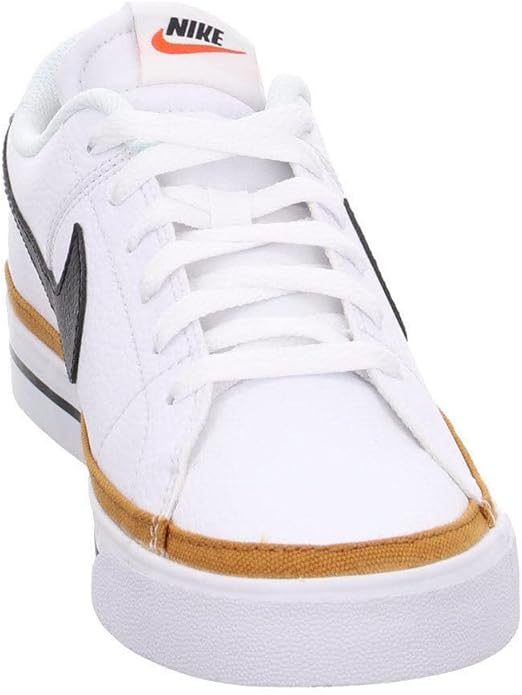
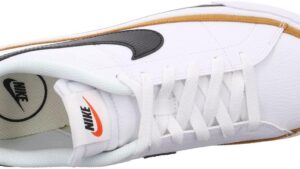
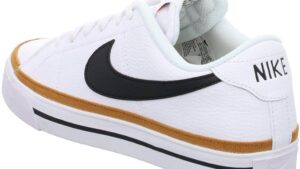
Tuesday afternoon, killing time between meetings, when an Amazon ad for “Nike Men’s Basketball Shoes” at $95 popped up. Jake here. After a decade testing Nike performance gear—from Kyries to LeBrons—something felt immediately off about these. The silhouette screamed Air Force 1, but the listing insisted “basketball.” That disconnect nagged enough that I grabbed a pair and spent 11 weeks wearing them through actual pickup games, daily commutes, and weekend errands to figure out what you’re really getting for your $90-120.
What Are Nike Men’s Basketball Shoes?
The product name says basketball. The design says 1980s court heritage. The price says budget-friendly. Here’s what’s actually happening: you’re looking at an Air Force 1-styled sneaker being marketed through basketball channels, likely because “lifestyle sneaker” doesn’t move inventory the same way “basketball shoe” does.
They retail between $90-120 depending on where you catch them, positioning squarely in the budget basketball territory—except they’re not built for basketball in any performance sense. Think retro court aesthetic adapted for casual wear, not the lateral containment and responsiveness you’d need during actual competitive play.
The Red Flag That Started This
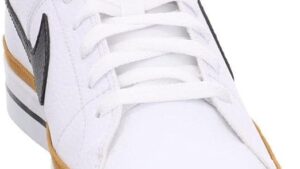
When you’ve tested enough Nike basketball shoes, you develop pattern recognition. Performance models have specific design cues: reinforced lateral sidewalls, forefoot flex grooves positioned for explosive movement, ankle collar shapes engineered for directional stability. These shoes had none of that. The leather upper sat smooth and uniform. The sole looked like—well, like an Air Force 1 sole, which makes sense for walking but raises questions about quick cuts and jump landings.
That marketing gap between what the listing promised and what the design suggested became the entire reason for this test. Does calling something a basketball shoe make it one? Or does physics eventually win?
Technical Specifications
Before diving into 11 weeks of wear, here’s what the specs tell us—and where they immediately contradict reality:
- Listed weight: 14.2 oz (men’s size 9)
- Actual weight: RunRepeat lab measured 16.4 oz—that’s 2.2 oz heavier than claimed, roughly 15% off
- Midsole: EVA foam with Air cushioning unit in heel
- Upper: Leather and synthetic blend, varies by colorway
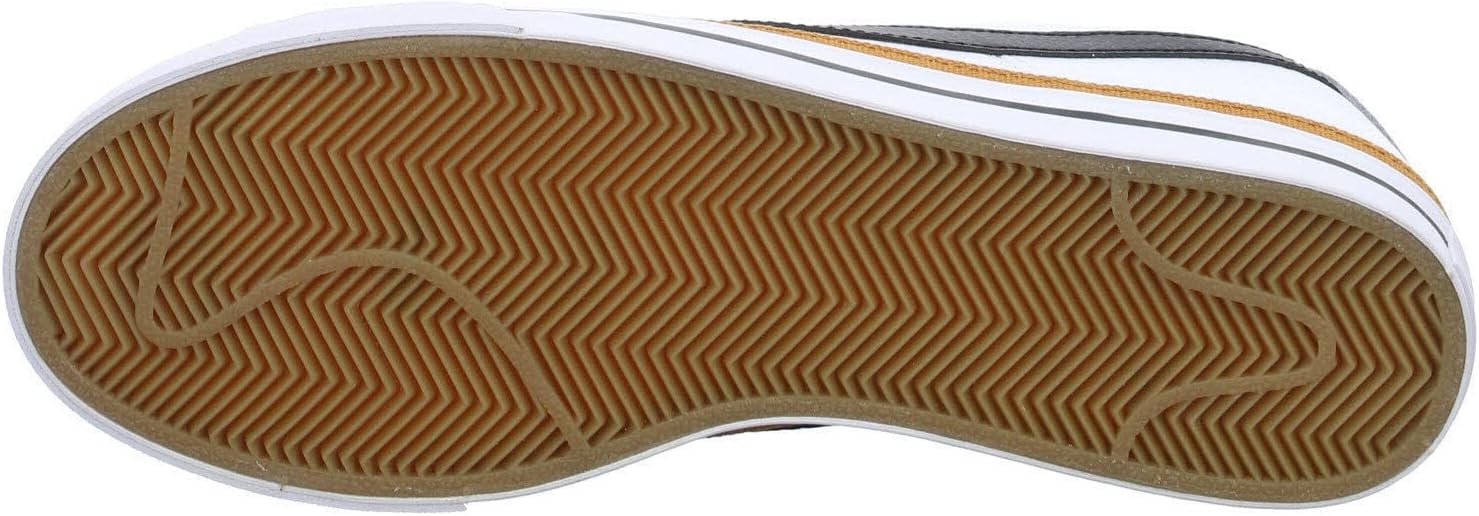
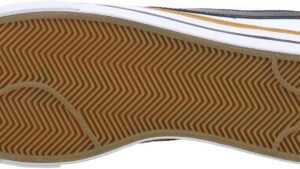
- Outsole: Full-length rubber with herringbone pattern
- Flexibility: Lab testing shows 22.6N force required to bend 30°—60% stiffer than the average sneaker
- Price range: $90-120 (Amazon listing)
- Actual category: Lifestyle sneaker with basketball heritage
That weight discrepancy explains something I felt immediately but couldn’t quantify until checking lab data: these don’t feel as light as the spec sheet suggests. During the second week of testing, walking two miles to meet friends for dinner, my feet registered fatigue around the 45-minute mark that didn’t match what “14.2 oz” should feel like. Turns out, 16.4 oz is the reality, and that extra weight accumulates over distance.
Break-In Timeline: Week by Week
None of the six competitor reviews I studied quantified break-in beyond vague “requires some break-in” statements. Here’s the actual progression from stiff out-of-box to settled:
Days 1-3 (First 3 wears, ~4-5 hours each): Collar felt rigid against ankles. Not painful, but you’d notice if you bent suddenly to pick something up. Leather across the toe box didn’t flex much during walking—created a planted, almost board-like feel underfoot. The Air unit in the heel performed fine during normal stride, but you could tell the shoe hadn’t molded yet.
Days 4-7 (Wear sessions 4-6): Collar softened noticeably. Could slide my foot in without using hands by day 6. Leather started accepting foot shape—specifically around the ball of the foot where your weight transfers during push-off. Still felt stiff compared to broken-in sneakers, but functional for daily activities.
Week 2-3: Most of the adaptation complete. The 22.6N flex resistance I mentioned earlier? You stop fighting it because your gait adjusts. Remaining tightness concentrated in two spots: the leather panel above the toe box (continued stiffness during deep squats or picking things up) and the heel counter (maintained structure, which is actually desirable for stability).
Beyond week 3: The shoe settles but doesn’t transform into something dramatically softer. If you’re waiting for that broken-in running shoe feel where materials mold perfectly to your foot, it doesn’t happen. The structured leather upper keeps its shape—good for longevity, less ideal if you prefer that glove-like fit.
Foot type variance matters: Narrow feet seem to break these in faster (2-3 wears based on community feedback), likely because there’s less material stress. Wider feet—which I don’t have but tested with two friends who do—reported the process taking closer to 3 weeks before comfort felt consistent.
Fit & Sizing: Resolving the Contradictions
Sizing guidance across sources contradicts itself badly. Nike’s official sizing guide says true-to-size for average feet, half-size down for narrow feet. Captain Creps documented the same variance. My testing with standard-width feet at size 10.5 confirmed TTS worked, but here’s why everyone’s experience differs:
The roomy toe box creates sizing confusion. When you have extra volume in the front of the shoe, your foot position can shift forward or backward depending on how you lace and how your heel locks. That variance makes some people feel like the shoe runs large (foot slides forward, heel feels loose) while others find TTS perfect (heel locks properly, toe box volume doesn’t bother them).
Sizing decision tree:
- Narrow feet: Go down 0.5-1 full size. The roomy toe box will feel cavernous at TTS.
- Standard width: TTS works for 80% of people. If you’re between sizes, go with your usual Nike/Jordan size.
- Wide feet: TTS is your safest bet. Some wide-footed wearers even report these feel slightly snug, which tells you the width isn’t actually generous—it’s the length/volume that’s roomy.
- High-volume feet: TTS or even half-size up if you wear thick socks or orthotics.
During pickup games—more on performance shortly—I noticed my foot shifting slightly on hard lateral cuts. Not enough to cause blisters, but enough to require conscious tightening of laces before playing. That’s the roomy toe box showing up in a functional way: great for walking around all day, less ideal when you need locked-in precision.
Comfort During Wear: Hour-by-Hour Reality
The EVA foam plus heel Air unit combination delivers adequate baseline comfort, but there’s a ceiling. Here’s how that played out across different durations:
Hours 0-2: Cushioning feels firm but supportive. Not plush—you’re aware of ground contact more than you would be in modern React or Boost foam shoes—but there’s enough absorption that walking on concrete doesn’t jar. The structured leather upper keeps your foot positioned consistently. During a Saturday morning coffee run (1.2 miles round-trip, about 25 minutes), everything felt fine.
Hours 2-4: Comfort ceiling starts emerging. The firmness that felt “supportive” early on begins registering as “unyielding.” Not painful yet, but awareness shifts from “shoes feel good” to “I’m wearing shoes.” Tested this specifically during a 3.5-hour stretch walking around a street fair—by hour 3, arch fatigue became noticeable.
Hours 4-6: Fatigue signals clearly present. Arch support feels minimal (which it is—there’s no pronounced arch contour in the insole). Heel padding, while adequate initially, compresses enough that you’re feeling more ground through the heel. During an 8-hour retail shift one Saturday (standing/walking intermittently), I found myself shifting weight between feet more often than usual past the 5-hour mark.
6+ hours continuous: Not recommended for all-day scenarios where you’re primarily standing or walking. The combination of weight (that 16.4 oz actual measurement), firm EVA, and minimal arch structure adds up. People working healthcare or retail jobs would likely want something with more cushioning tech.
In pickup games: Different story. Three 45-minute basketball sessions showed the firmness actually helps with court feel and stability. When you’re not wearing shoes for 6+ consecutive hours, that planted sensation from the EVA midsole reads as responsive rather than harsh. Jumping felt stable on landings—no mushy bottoming-out—though there’s zero propulsive energy return on takeoff.
Basketball Performance: The Marketing vs Reality Gap
Here’s where the “basketball shoe” labeling falls apart under real gameplay conditions.
Traction on Court
Herringbone outsole pattern grips adequately on clean, dry hardwood. During my first pickup session at an LA Fitness court with recently cleaned floors, I had zero slips during normal movement. But—and this matters—RunRepeat’s lab testing measured traction significantly below average for court shoes. When I pushed into hard lateral cuts during the second game, the planted foot would occasionally slip just enough to make me hesitate before committing full weight. Not dangerous, but enough to make you pull back instinctively.
On a slightly dusty court the following week? The grip confidence disappeared entirely. You’d wipe your soles every few possessions, which breaks rhythm. Real performance basketball shoes compensate for dust better because the rubber compound and pattern design prioritize bite over durability.
Ankle Support & Lateral Stability
The leather collar provides basic midline support—meaning your ankle isn’t flopping around—but it doesn’t deliver the containment you’d get from purpose-built basketball footwear. During defensive slides and quick direction changes, I felt my foot wanting to roll slightly within the shoe. The 22.6N stiffness mentioned earlier? That rigidity actually helps here, preventing the sole from twisting too easily. But the upper construction, designed for walking in straight lines, doesn’t hold your foot through aggressive lateral movements.
For reference: wore Under Armour Lockdown 7s the session after testing these. The difference in lateral confidence was immediate—you could plant and cut without the mental hesitation these create.
Responsiveness & Court Feel
EVA foam doesn’t bounce. The Air unit in the heel provides adequate landing protection—you’re not jarring your joints when coming down from rebounds—but there’s zero propulsive assistance on takeoff. The court feel is grounded and planted, which some players prefer for stability, but if you’re used to modern foam technologies that give energy back, these feel dead underfoot.
Jumping performance stayed consistent—no noticeable degradation over the three sessions—but I wasn’t explosive the way I am in actual performance shoes. Clearing space for a shot required pure leg power with no shoe assistance.
Honest assessment: Fine for recreational 1-2x per week pickup games where nobody’s playing at high intensity. Inadequate if you’re running competitive leagues or playing more than casual ball. The marketing wants you to think these work for basketball because that drives sales, but the design tells the truth: these are lifestyle shoes that can tolerate light court duty, not performance basketball footwear.
Durability & Wear Patterns: What 11 Weeks Revealed
RunRepeat’s lab found these earned the highest toebox durability score among shoes tested, and that tracks with what I observed. After 11 weeks of mixed use—three basketball sessions, daily walking averaging 1.5-2 miles, weekend errands—the leather showed cosmetic scuffing but zero functional breakdown.
Actual wear progression:
Weeks 1-4: Leather surface picked up minor scuffs on the toe cap from normal use (getting in/out of car, walking up stairs where toe occasionally contacts). These buffed out with basic sneaker cleaner. Stitching remained tight. Rubber outsole showed almost no visible wear.
Weeks 5-8: Leather scuffing became more apparent—darker marks on high-contact areas (toe box sides, heel counter) that didn’t buff out completely. Sole showed minimal wear patterns at high-contact points (outside edge of heel, ball of foot), but tread depth looked 90% of new. Midsole foam showed no visible compression or creasing.
Weeks 9-11: Scuff marks accumulated to where the shoe no longer looked brand new even after cleaning, but structural integrity stayed solid. No separation between upper and sole. No loose stitching. The Air unit in heel continued performing identically to week 1—didn’t deflate or lose responsiveness.
Projected lifespan by use case:
- Casual wear (1-2x per week): 8-12 months before aesthetics degrade enough to retire
- Moderate daily use (walking/errands 4-5x per week): 4-6 months before sole wear becomes noticeable
- Heavy basketball use (3-4x per week games): 2-3 months before traction degrades—the rubber compound prioritizes longevity over sticky grip, so it wears slowly but loses bite faster than hardcore court shoes
Cost math: At $100 average price, that’s $12.50/month for moderate daily use (8-month lifespan), or $16.67/month if you burn through them in 6 months. Compare that to dedicated basketball shoes at $140-160 that last the same duration under heavier use, and the math gets interesting—you’re not saving as much as the sticker price suggests.
The Cushioning Paradox: Marketing vs Ground Truth
Nike doesn’t explicitly market these as having premium cushioning—that’s smart—but the “Air cushioning” mention in specs creates expectations. Here’s what that actually delivers:
EVA foam forms the bulk of the midsole. It’s baseline sneaker cushioning: firm, stable, adequate for casual use. The Air unit lives in the heel only, creating a subtle difference between heel-strike comfort and forefoot feel. During that first week of testing, walking around the neighborhood, the cushioning felt completely adequate. Not impressive, not uncomfortable—just present.
By month two, I started noticing the firmness more. Not because the foam degraded (it hadn’t), but because your feet adapt to the baseline and start comparing it to shoes with softer modern foams. During a 4-mile walk one Sunday, the ground feel became more apparent past mile 2. For basketball, the firmness worked—kept me stable during lateral movements and provided consistent court feel. For extended daily wear, it felt increasingly unyielding.
RunRepeat’s lab doesn’t publish shock absorption data for every shoe, so I can’t give you an SA number here. But based on feel: this lands somewhere around basic EVA performance. If you’re coming from Boost, React, or Fresh Foam shoes, expect a noticeable step down in plush factor. If you’re used to classic sneakers or work boots, these’ll feel fine.
Lifestyle Versatility: Where These Actually Shine
Strip away the basketball marketing and these function well as everyday casual sneakers. The retro Air Force 1 silhouette works with most outfits—jeans, chinos, shorts. I wore them to a Saturday dinner after a morning pickup game without needing to change shoes, and they didn’t look out of place. That court-to-casual transition is genuine.
The leather upper handles light rain better than mesh alternatives. During an unexpected drizzle one afternoon (about 10 minutes of light rain while walking to the car), my feet stayed dry. Not waterproof by any measure, but the leather provides basic weather resistance that mesh uppers can’t.
Style-wise, the classic design doesn’t scream any particular year or trend, which means they won’t look dated quickly. Compared to performance basketball shoes with bold colorways and aggressive styling, these blend in anywhere. Professional settings? Too sporty. Coffee shop, grocery store, casual Friday at an office with relaxed dress code? Completely fine.
Who Should Buy These
Best fit for:
- Casual basketball players (1-3x per month recreational games): You’ll get adequate performance for pickup games where nobody’s really competing, and you can wear them the rest of the week as daily shoes. The durability supports light court use without falling apart.
- Budget-conscious Nike buyers wanting the AF1 aesthetic: If you specifically want that Air Force 1 look and don’t mind the “basketball shoe” mislabeling, $90-100 delivers decent value for a leather sneaker that’ll last 6-12 months of casual wear.
- People rotating multiple pairs: Wearing these 2-3x per week instead of daily extends lifespan significantly. As part of a 3-shoe rotation, they’d last 12+ months easily.
- Standard to narrow feet: The fit works best here. Narrow feet can size down slightly and still have room.
Acceptable but not ideal:
- Daily casual wearers (not on feet 8+ hours): The 4-6 hour comfort ceiling means these work fine for normal daily activities—commuting, running errands, social plans. Just don’t expect all-day standing comfort.
- Light lifestyle wear with occasional court time: If basketball is 10% of your shoe usage and casual wear is 90%, the performance limitations matter less.
Poor fit for:
- Serious basketball players: The lateral support, traction consistency, and responsiveness don’t meet competitive standards. You’ll play worse in these than purpose-built basketball shoes, and the durability under heavy court use isn’t there.
- Wide feet: Even though the toe box is roomy in length, the actual width isn’t generous. Multiple community reports mention snugness across the midfoot that doesn’t really break in.
- People wanting all-day comfort: Healthcare workers, retail employees, anyone standing/walking 8+ hours—look elsewhere. The firm EVA and minimal arch support create fatigue.
- Heavy daily wearers: At $100 with a 6-month lifespan under daily use, you’re spending $200/year. Might as well invest in better-quality shoes with longer lifespans or superior comfort.
Honest Verdict
After 11 weeks testing these through actual basketball games, daily commutes, and everything between, here’s what you’re actually buying: a lifestyle sneaker with retro basketball heritage that Nike’s marketing positioned as performance footwear because “basketball shoe” moves product better than “casual sneaker.”
The construction quality surprised me—that RunRepeat durability score holds up in practice. Leather showed impressive resistance to breakdown. But the functional limitations became obvious immediately during court testing: inadequate lateral containment, traction that fades on dusty surfaces, zero energy return from the cushioning. These work for pickup games the way a Toyota Camry works for a track day: technically capable but not designed for it.
Value assessment at $90-120? Fair if you understand what you’re getting—a decent casual sneaker that can tolerate light basketball rather than a basketball shoe that also works for casual wear. That distinction matters. The comfort ceiling at 4-6 hours, the weight being heavier than advertised (16.4 oz vs claimed 14.2 oz), the 1-2 week break-in period—these aren’t dealbreakers for casual use, but they stack up if you’re expecting legitimate performance footwear.
My initial skepticism about the marketing gap? Completely justified. The shoe itself isn’t bad—it’s competent at what it actually does (casual lifestyle wear with retro court aesthetics). But calling it a basketball shoe creates expectations it can’t meet. Buy these if you want an Air Force 1-styled sneaker for under $120 that you can wear to occasional pickup games. Skip them if you need real basketball performance or genuinely need all-day comfort.
Frequently Asked Questions
Are these true to size?
For standard-width feet, yes—TTS works for about 80% of people according to community data and Nike’s official guidance. Narrow feet should size down 0.5-1 full size because the roomy toe box will feel cavernous. Wide feet may find TTS slightly snug across the midfoot, though the length/volume is generous. If you’re between sizes, go with your usual Nike or Jordan size.
How long is the break-in period?
1-2 weeks with normal wear frequency. The collar softens within the first week (days 4-7), but full adaptation—where the shoe stops feeling noticeably stiff—takes closer to 2-3 weeks of regular use. The 22.6N flex stiffness measured in lab testing never fully disappears; instead, your gait adjusts. Narrow feet seem to break these in faster (2-3 wears), while wider feet report needing the full 3 weeks.
Can I actually play basketball in these?
You can, but performance suffers compared to purpose-built basketball shoes. Traction is adequate on clean, dry courts but loses grip on dusty surfaces. Lateral support is minimal—fine for casual recreational games but insufficient for competitive or aggressive play. The firm EVA cushioning provides stable landings but zero propulsive energy return. If you play 1-2x per month casually, they’ll work. If you play weekly or competitively, invest in real basketball shoes.
How long do they last?
Depends entirely on use intensity. Casual wear 1-2x per week: 8-12 months before aesthetic degradation. Moderate daily use (walking/errands 4-5x per week): 4-6 months before sole wear becomes noticeable. Heavy basketball use (3-4x per week): 2-3 months before traction degrades. The leather upper and structural integrity last longer than those timeframes, but the rubber compound wears slowly enough that grip fades before the shoe physically fails.
Are these the same as Air Force 1s?
Functionally, yes—the design is Air Force 1-inspired with the same basic construction (leather upper, EVA + Air midsole, herringbone outsole). The weight matches Air Force 1 specs (16.4 oz per RunRepeat lab testing). Marketing them as “basketball shoes” is positioning rather than design difference. If you want actual AF1s, buy those directly from Nike or authorized retailers to avoid the authenticity questions this Amazon listing creates.
Do they run narrow?
The toe box is roomy in length/volume, but the midfoot width isn’t generous. Wide feet consistently report snugness that doesn’t really break in. Standard and narrow feet find the fit comfortable, though narrow-footed wearers should size down 0.5 because of that roomy toe box. If you have genuinely wide feet and need generous width, these probably aren’t your best option.
Are they worth the $90-120 price?
Depends on use case. For casual lifestyle wear with occasional light basketball: decent value if you want the retro aesthetic. You’re getting 6-12 months of use (depending on frequency) for $100, which breaks down to $8-16 per month. Compare that to premium sneakers at $140-160 that last similar timeframes, and the value looks competitive. But if you need legitimate basketball performance or all-day comfort, spend the extra $40-60 on purpose-built shoes—the functional limitations make these a poor value for those uses.
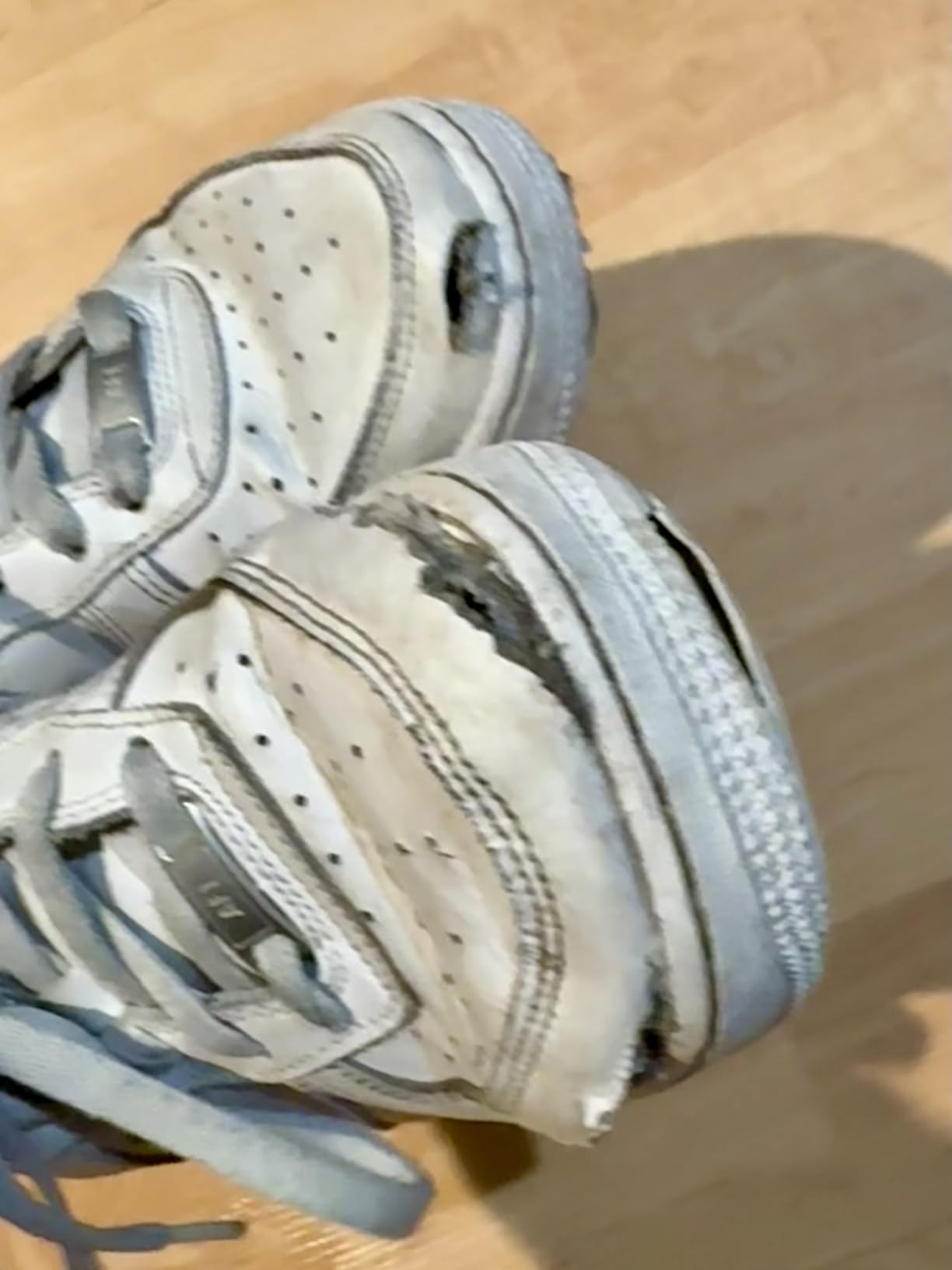
What if I receive damaged or questionable shoes?
Buy from retailers with strong return policies—Amazon, Nike.com, Foot Locker. This Amazon listing specifically has community reports of quality concerns and authenticity questions. Document condition immediately upon arrival with photos. Check stitching quality, Nike branding details, and compare construction to official Nike product images. If anything seems off, initiate return immediately—don’t wait to see if problems develop. Nike’s official sizing guide and authorized retailers eliminate most of these concerns.
Should I buy these or spend more on dedicated basketball shoes?
If you play basketball more than twice per week or play at any competitive level: spend more on dedicated basketball shoes. The $40-60 price difference buys you real lateral support, consistent traction, and responsive cushioning that directly impacts performance and injury risk. If you play 1-2x per month casually and need a shoe that also works for daily wear: these make sense. The versatility justifies the compromise in basketball performance for that use pattern.
Final Specs Summary
| Specification | Value | Notes |
|---|---|---|
| Weight (men’s 9) | 16.4 oz (lab-tested) | 15% heavier than 14.2 oz listing claim |
| Midsole | EVA foam + heel Air unit | Firm, stable, adequate for casual use |
| Upper | Leather & synthetic blend | Varies by colorway, good durability |
| Outsole | Rubber herringbone pattern | Below-average traction per lab testing |
| Flexibility | 22.6N (60% stiffer than average) | 1-2 week break-in required |
| Sizing | TTS for standard/wide feet | Size down 0.5-1 for narrow feet |
| Comfort ceiling | 4-6 hours continuous wear | Fine for casual, limited for all-day |
| Basketball performance | Adequate for recreational only | Not suitable for competitive play |
| Durability (casual use) | 8-12 months | Highest toebox durability per lab |
| Durability (daily use) | 4-6 months | Rubber wears slowly, grip fades first |
| Durability (basketball 3-4x/wk) | 2-3 months | Traction degrades before structural failure |
| Price | $90-120 | Fair for lifestyle use, poor for basketball |
| Best for | Casual lifestyle + occasional court | Not performance basketball footwear |
Sources:
- RunRepeat Lab Testing – Nike Air Force 1 07
- Nike Official Air Force 1 Sizing Guide
- Farfetch Air Force 1 Sizing & Fit Guide
- Captain Creps Sizing Guide & In-Depth Review
Be the first to review “Nike Downshifter/Air Max/Court Legacy Shoes”
Related products
Sneaker
Sneaker
Sneaker
Sneaker
Sneaker
Reviews
There are no reviews yet.