
My last pair of budget athletic shoes made it exactly one work trip before self-destructing — by day three, the insoles had compressed into cardboard and my feet were staging a protest through client dinners. So when a coworker mentioned Padgene’s sub-$30 sneakers after noticing my visible wince, I was the worst combination of desperate and skeptical. I decided to give them an honest six weeks: 45 hours across morning dog walks, work calls, gym sessions, and one particularly humbling HIIT class. Here’s what I actually found.
First Impressions: Lightweight, Thin, and Requiring Some Size Strategy
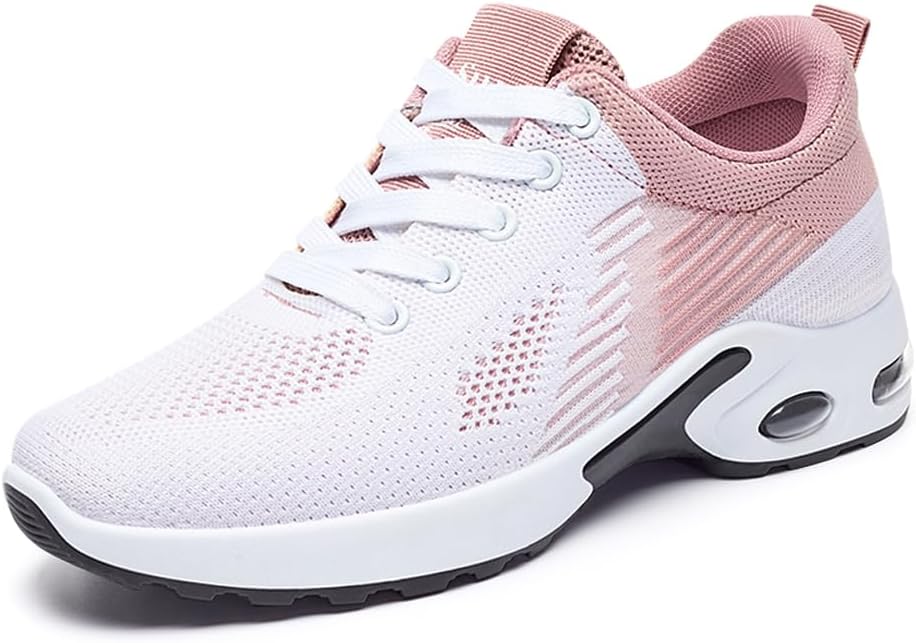
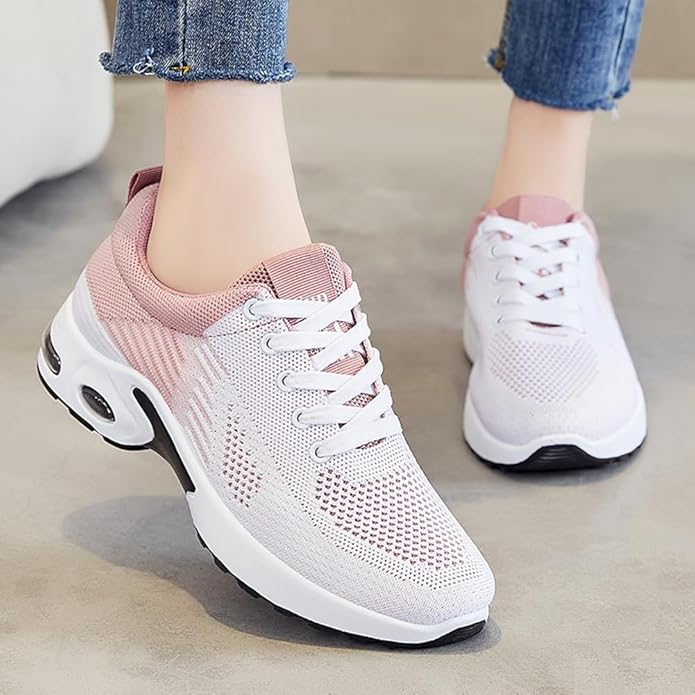
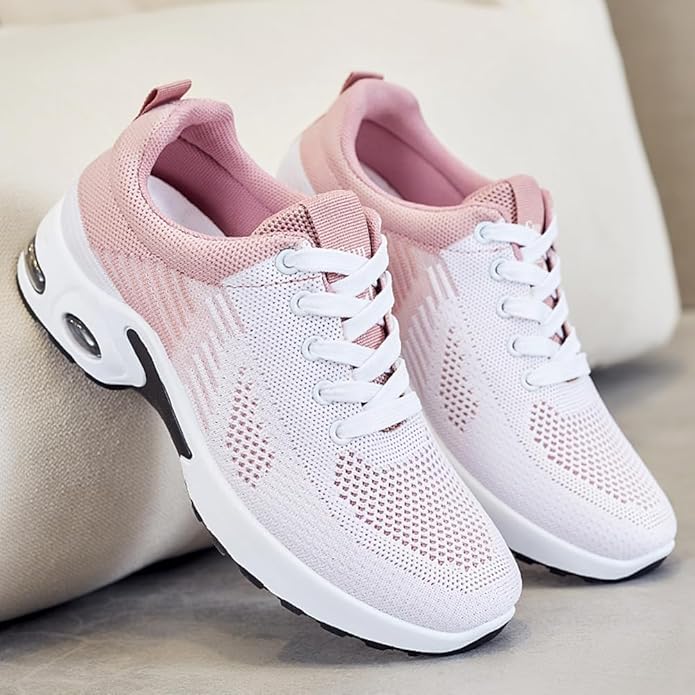
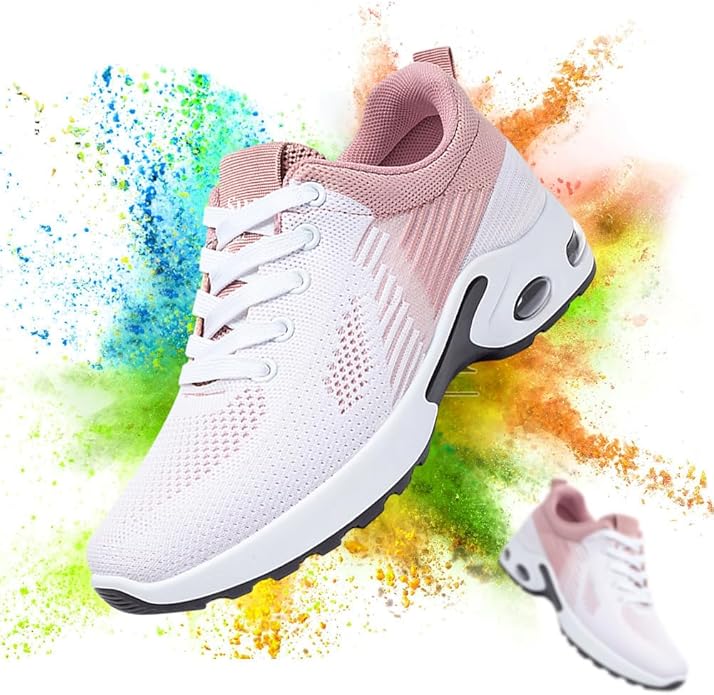
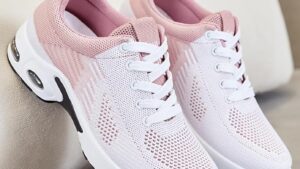
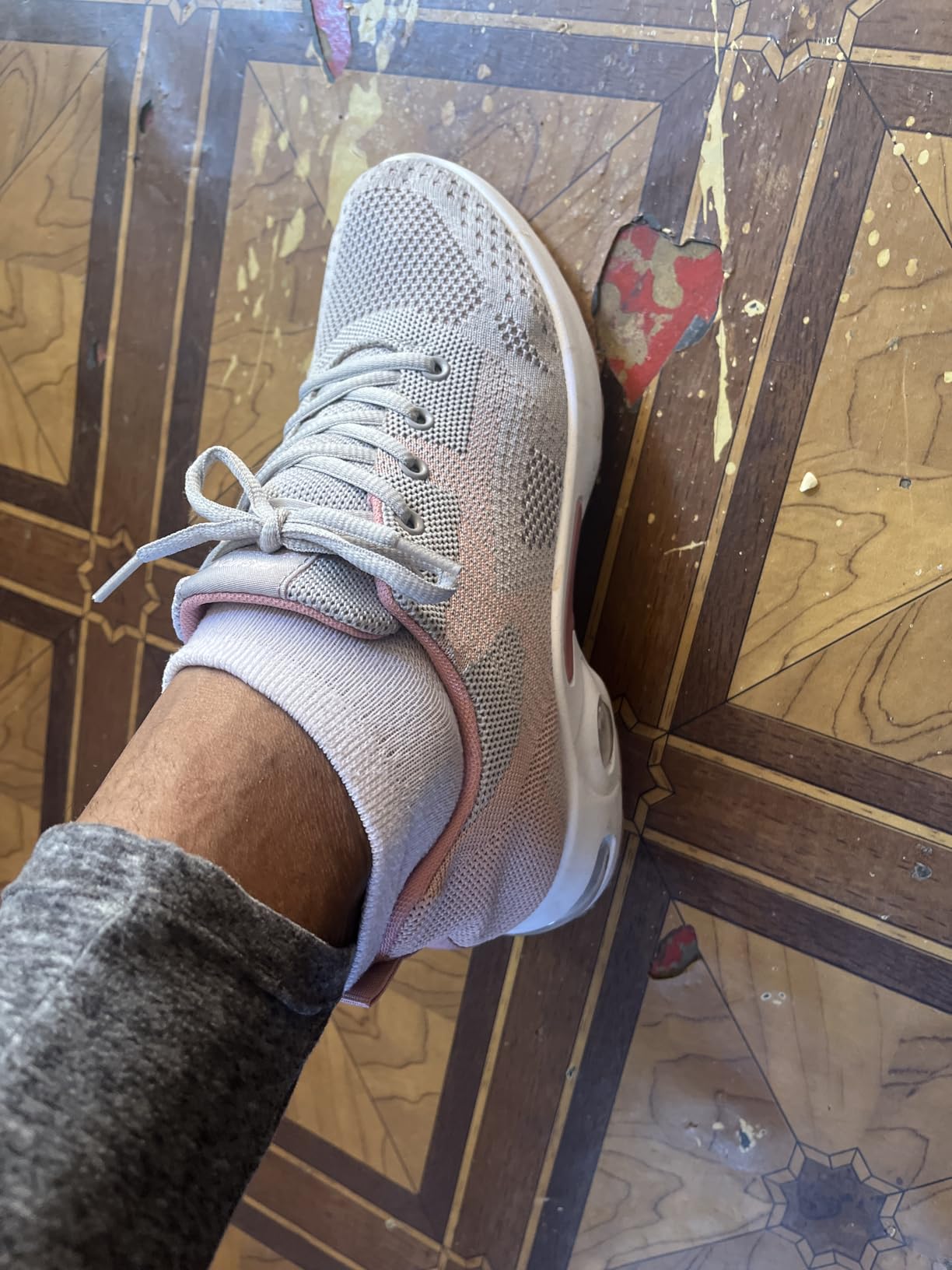
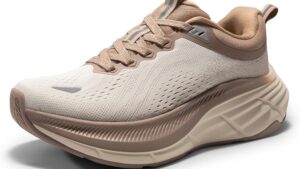
They arrive in a plastic bag, no box — which tells you something about where this sits in the casual sneaker market. Pulling them out, my first reaction was genuine surprise at the weight, or rather the lack of it. 8.2 ounces in size 8 and it shows — these feel closer to a thick sock than a structured athletic shoe in your hand.
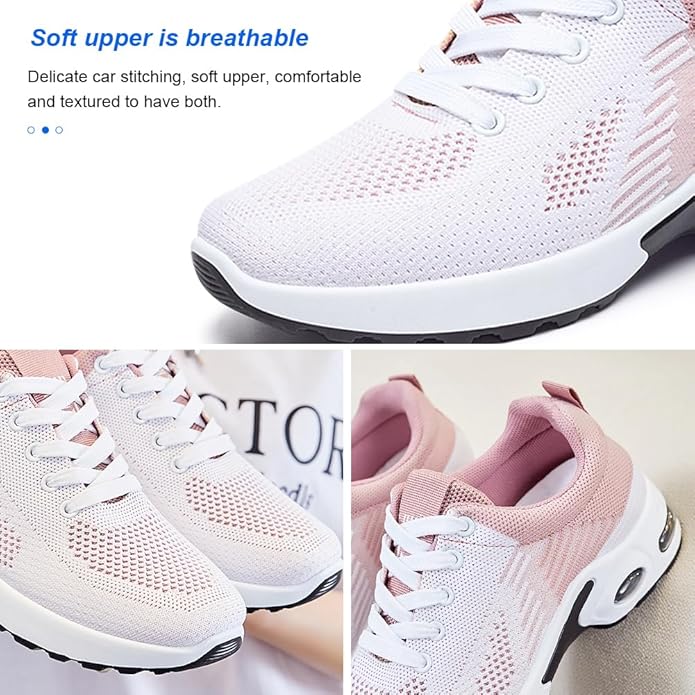
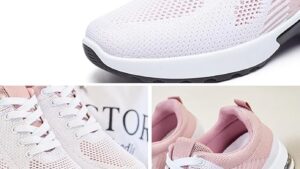
The mesh upper is noticeably thin, almost translucent in the forefoot panels. My instinct was that it would be a durability problem. Six weeks in, I was partially right — but the breathability those thin panels create ended up being the shoe’s strongest genuine quality.
The fit took some navigation. I ordered my standard athletic size 8 first and found it pinched across the toes by early afternoon. My 8.5 order was right. Based on consistent feedback and my own testing, order a half size up from your normal athletic shoe size for this model. There’s some information floating around online suggesting these run large — but that appears to reference the Padgene Orthopedic Walking shoe (slip-on variant), which is a different product. For this lace-up air cushion version, size up 0.5.
Once in the correct size, the toe box is reasonably spacious. The mesh has enough give to accommodate standard-to-slightly-wide forefoot shapes. Women with genuinely wide feet will want to temper expectations — there’s no structural width accommodation; you’re relying entirely on mesh stretch, which has limits. The lacing system does allow meaningful midfoot customization, which helps compensate for the sizing guesswork.
The “Air Cushion” Section — Setting the Record Straight
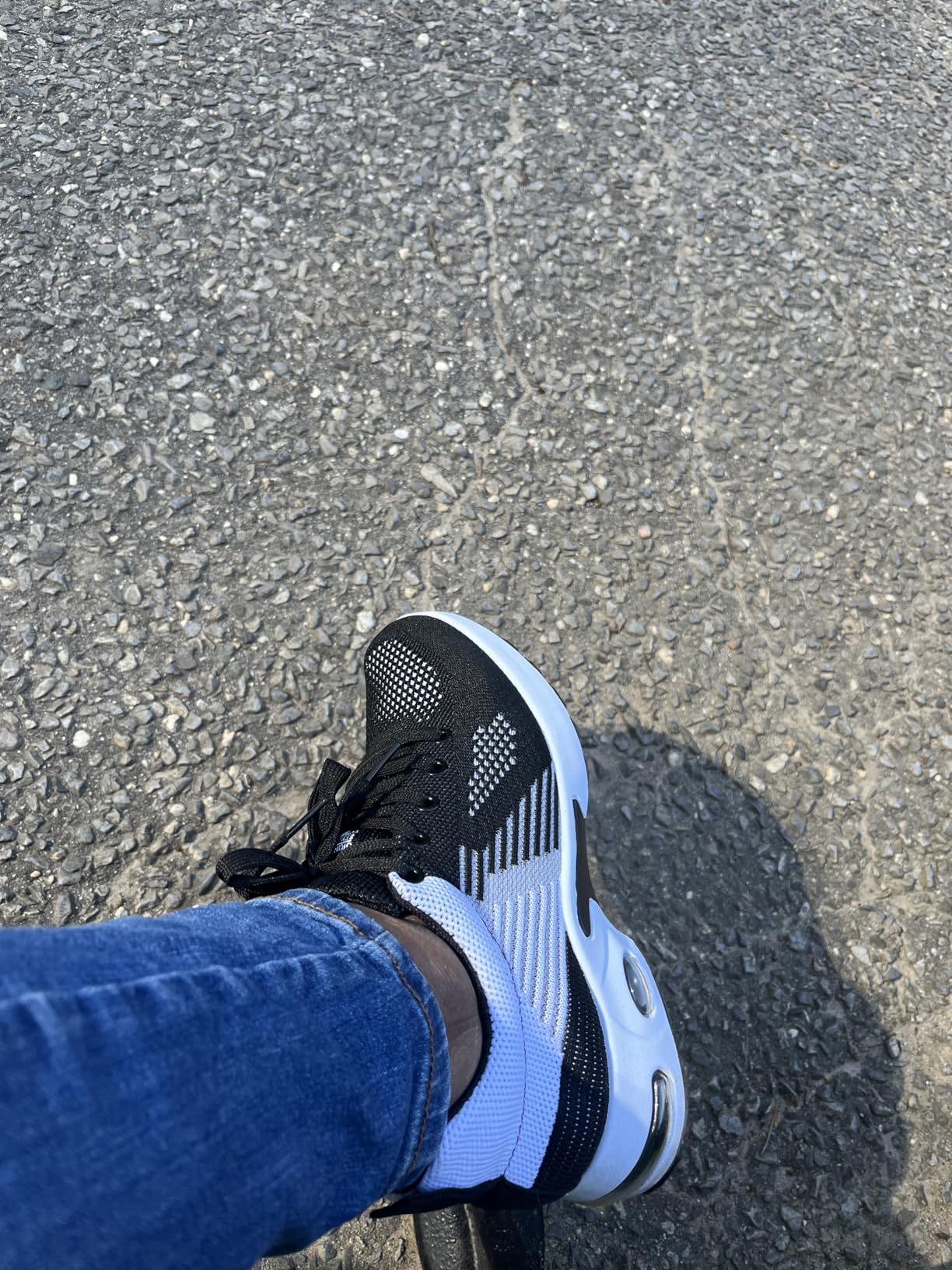
Before I talk about how these feel, there are two things on the spec sheet that need addressing directly.
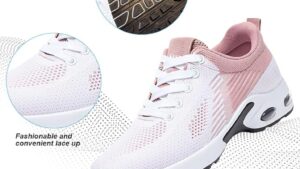
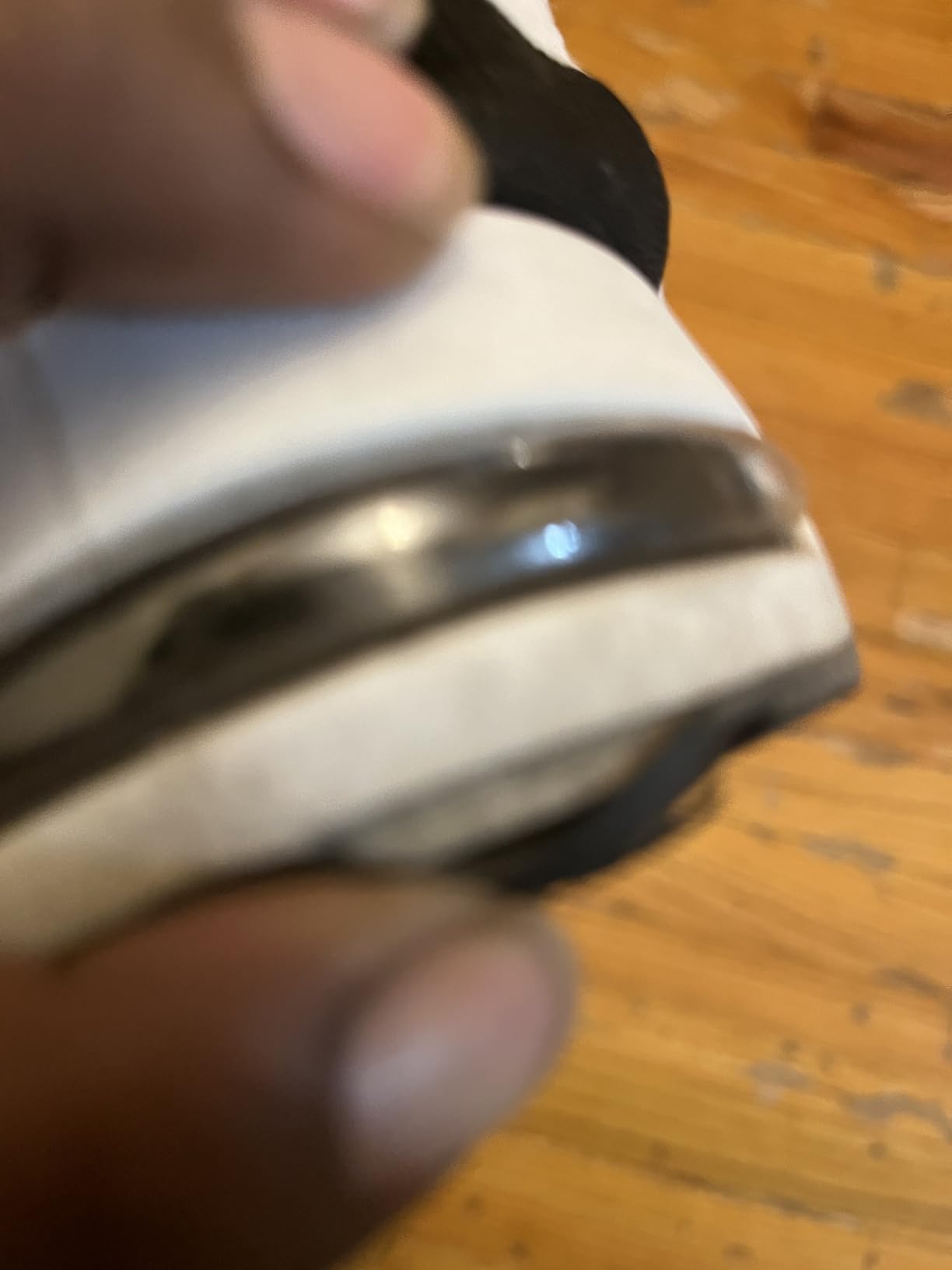
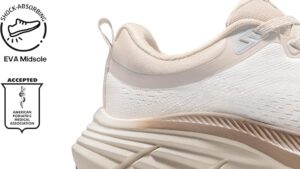
First: the dual air cushion EVA midsole. This is real, in the sense that you can feel give underfoot during walking. Week one — daily dog walks, grocery runs, standing through long video calls — there was a soft decompression at heel strike that I noticed and appreciated. It’s not bouncy or dynamic. It’s not what a $90 running shoe feels like. But it’s genuinely better than walking on a flat, hard sole, and that matters for casual daily use.
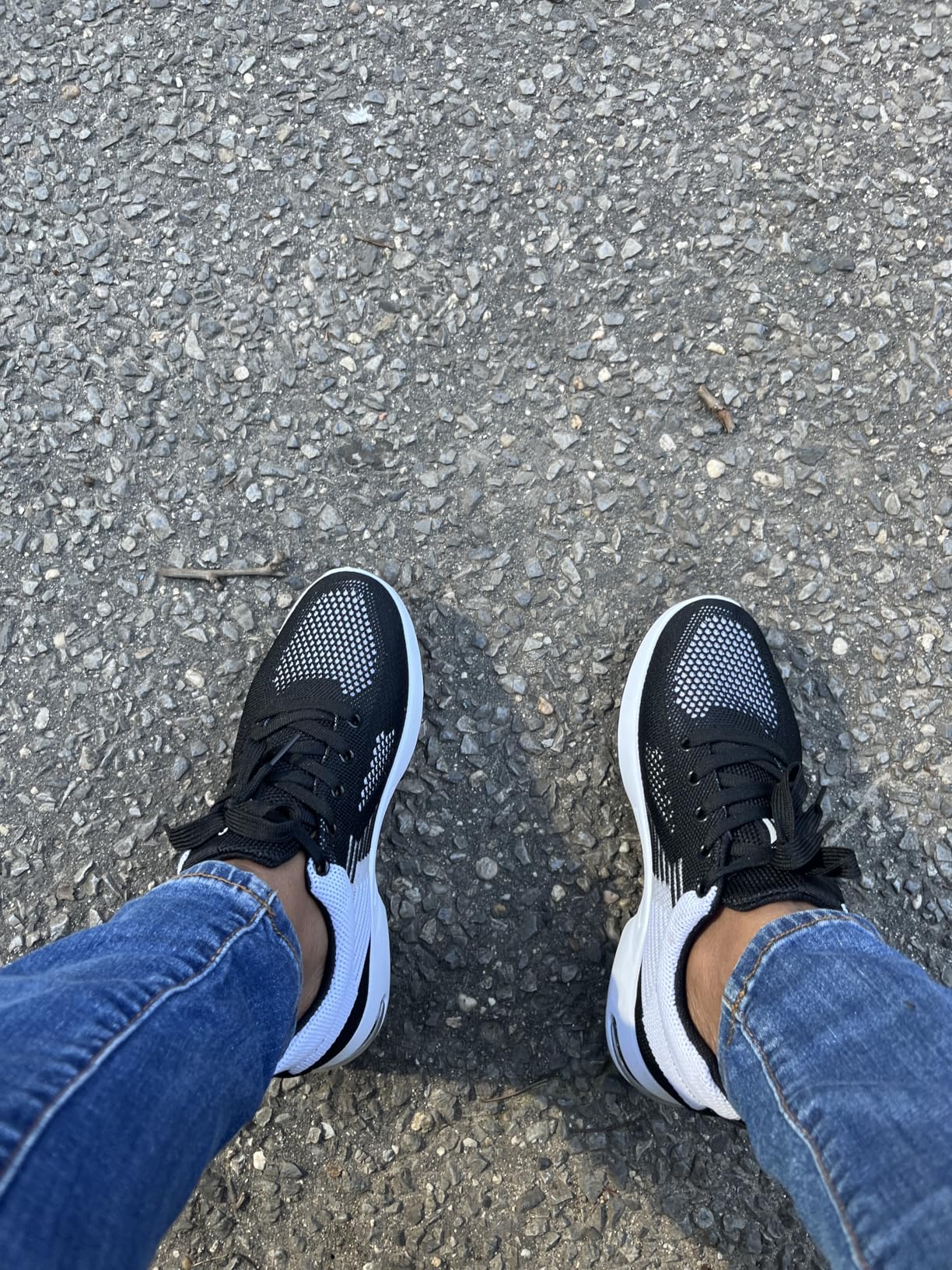
Second: the stock insole. The listing says “memory foam insole.” After my second gym session, the insole slid forward on a lateral step. I peeled it out and checked — thin foam, no contouring, zero springback when pressed with a thumb. Whatever memory foam means to Padgene’s marketing team, this isn’t it. Within three weeks, it had compressed measurably flat.
The fix was quick and inexpensive. A pair of Dr. Scholl’s memory foam inserts at around $8 transformed the experience entirely. With those swapped in, six- to eight-hour days became genuinely comfortable. Without them, I’d cap the usable window at three to four hours before foot fatigue set in. Buy these shoes knowing you’ll replace the insole immediately. Think of the functional shoe as costing $38 — the chassis at $30 plus working cushioning at $8.
45 Hours of Testing: What Held Up and What Didn’t
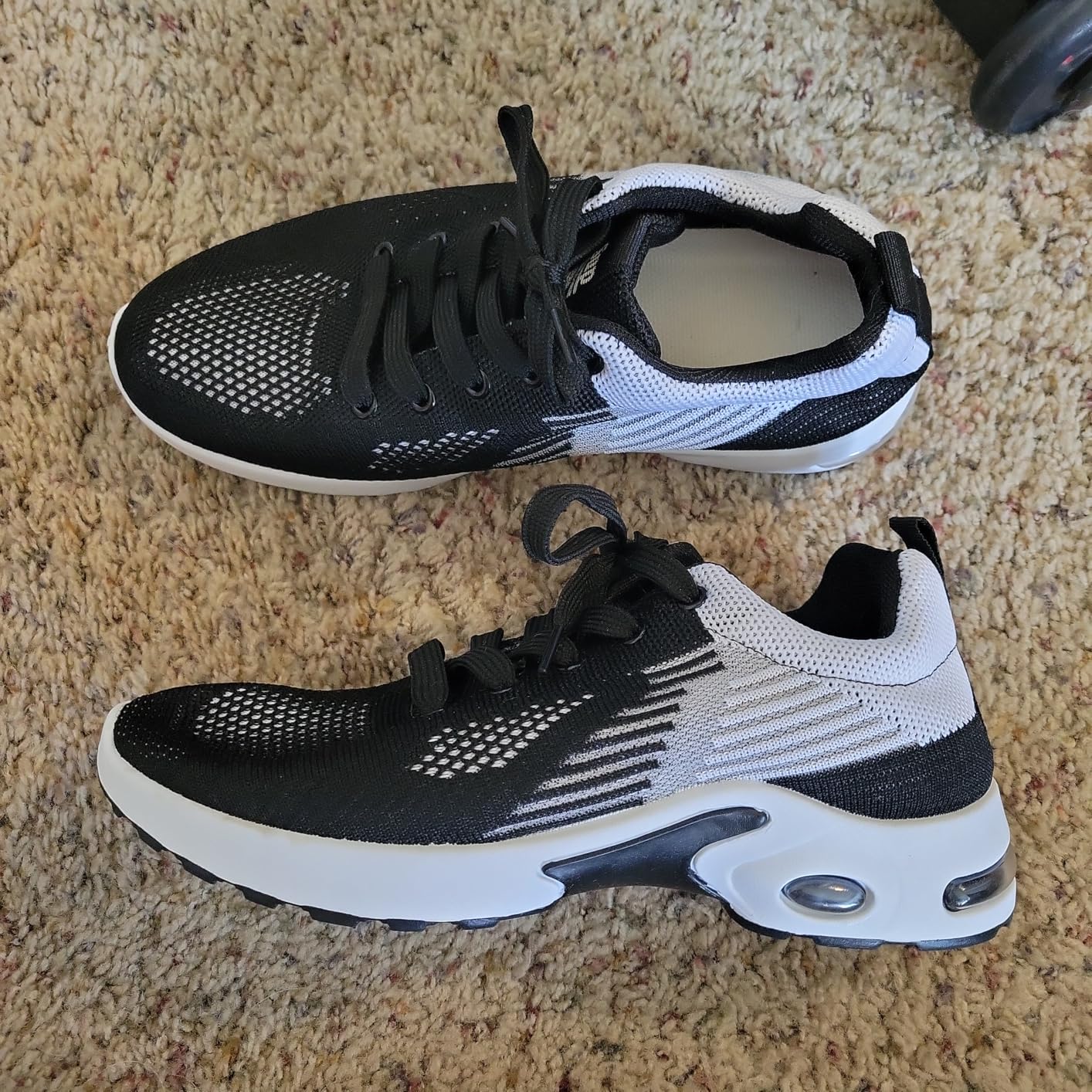
For the first two and a half weeks, I tested them across the full range of my daily routine: two-mile morning dog walks on mixed sidewalk and light gravel paths, standing through 45-minute back-to-back work calls, and two gym sessions per week of treadmill walking and light floor strength work. Everything in that range was fine. Actually better than fine in one specific area — the breathability during August-temperature morning walks was the best I’ve experienced in any shoe at this price point. No heat buildup, no sweaty sock situation, feet feeling tolerable through the whole loop on 84-degree mornings.
Indoor gym traction on rubber flooring was adequate. No slipping, no instability during stationary strength exercises.
Week three is where the ceiling became clear. HIIT class — the first twenty minutes were fine, standard cardio station rotation. Then came lateral shuffle drills. On the first quick side-plant, the shoe flexed laterally in a way that felt like standing on the edge of a poorly inflated ball. Ankle didn’t roll, but the instability was pronounced and consistent enough that I modified the rest of the lateral movement work for the session. These are forward-motion shoes: walking, treadmill jogging, light cardio machines, stationary strength. Any side-to-side loading — court sports, dance cardio, HIIT with agility components — requires proper training shoes with lateral reinforcement.
Week four brought the rain test, involuntarily. Mid-errand downtown, a surprise drizzle. The mesh saturated in under four minutes. Feet were noticeably damp in five. This isn’t surprising given that breathability and water resistance are opposing properties in mesh construction — you simply can’t have both at a $30 price point. But experiencing it directly is still jarring.
Indoor vs. Outdoor: These Have a Preferred Environment
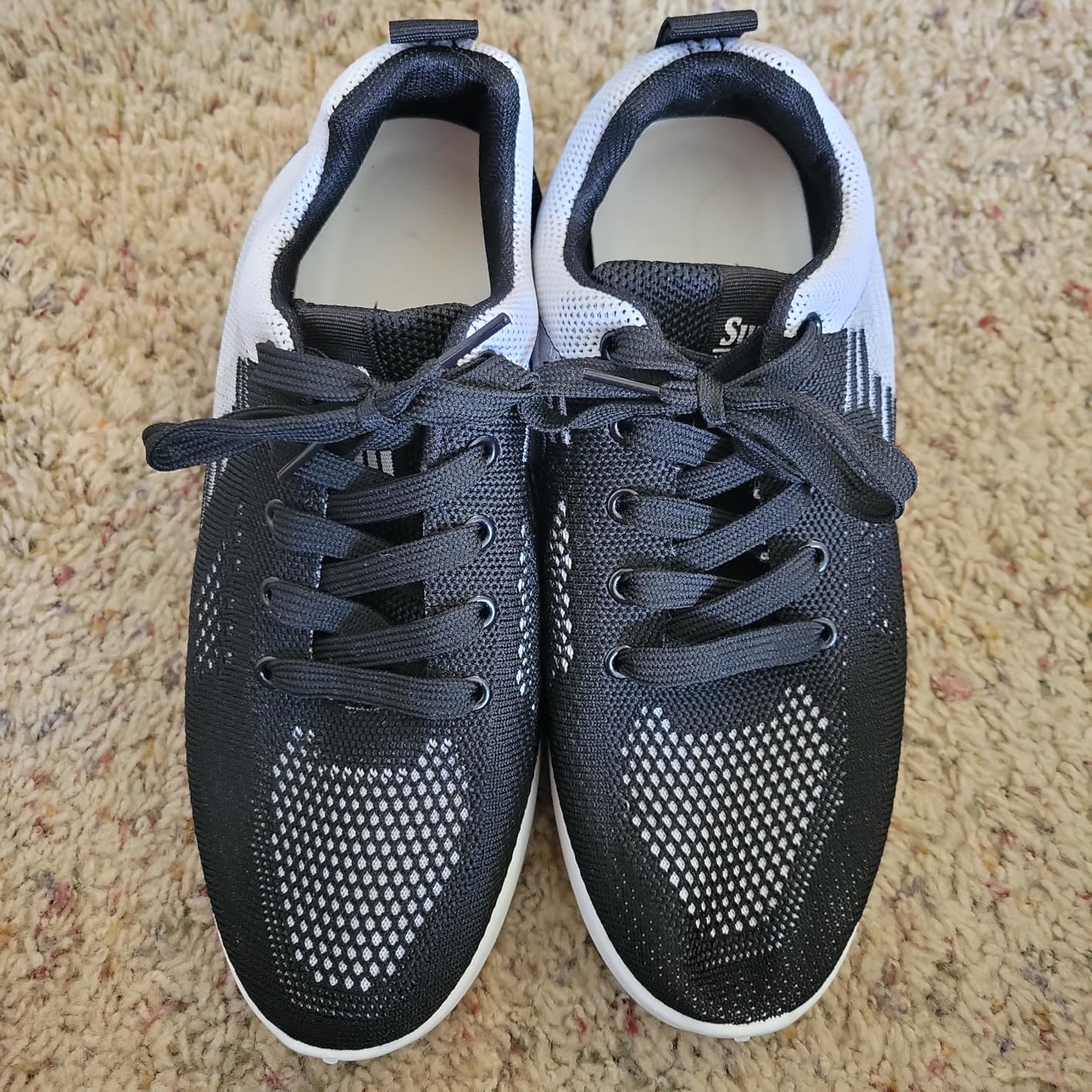
Climate-controlled environments are where these live comfortably. Gym, office, errands in a shopping center, indoor cycling class as transitional footwear — in any of those settings, the breathability is a genuine asset and the lightweight construction means you forget you’re wearing them during low-intensity activities. They’re quiet on hard floors and don’t accumulate heat in air conditioning.
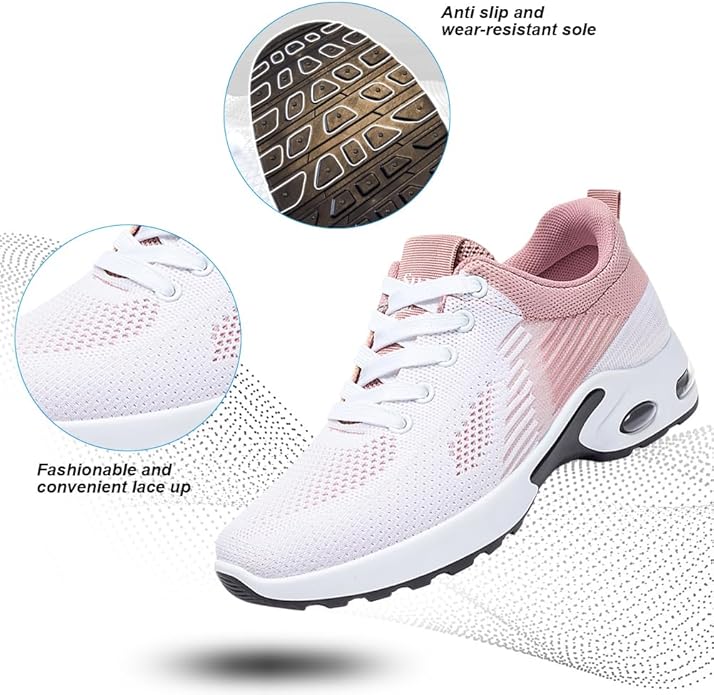
Outside, the budget construction becomes more apparent at the feet level. The thin mesh upper transmits sidewalk texture directly — you feel pebbles and pavement cracks in a way you wouldn’t in a shoe with meaningful midsole structure. On clean, dry concrete and asphalt the traction is adequate for a casual walking pace. On wet surfaces, loose gravel, or anything damp, the polyurethane outsole’s rubber patches are insufficient. The traction promise in the marketing is calibrated for best-case dry indoor conditions.
What Padgene Claims vs. What Six Weeks of Testing Found
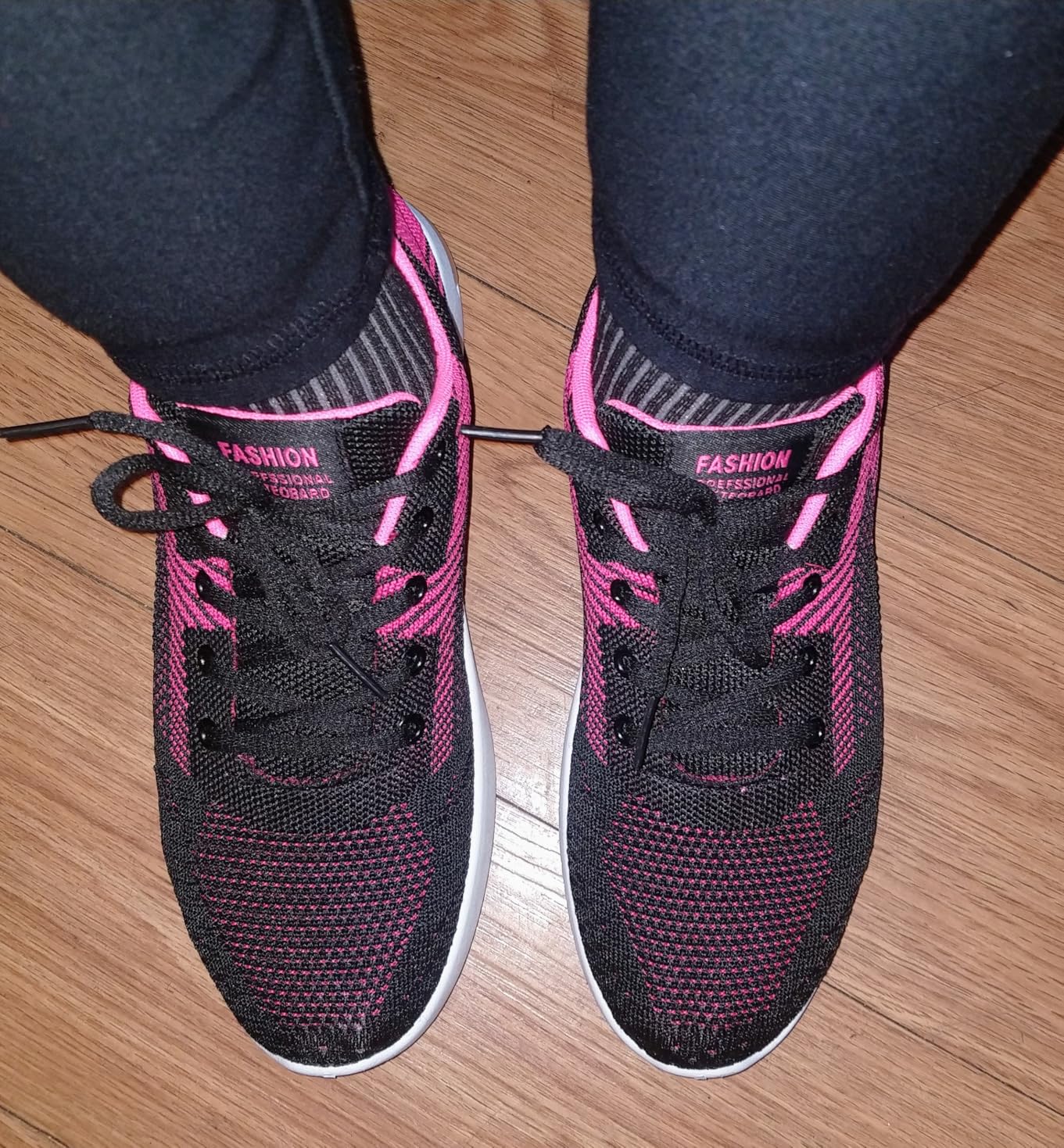
“Breathable Tennis Upper”: Accurate. This is the shoe’s actual strength, not a marketing exaggeration. The mesh delivers consistent ventilation through summer heat. If breathability is what you’re buying for, it delivers.
“Shock-Absorbing Air Cushion”: Partially accurate, significantly overstated for athletic use. There is EVA-based cushioning that helps with light walking. For any activity with meaningful impact — running, jumping, lateral agility — the midsole structure isn’t there to absorb that kind of force. Good for strolling, not for sport.
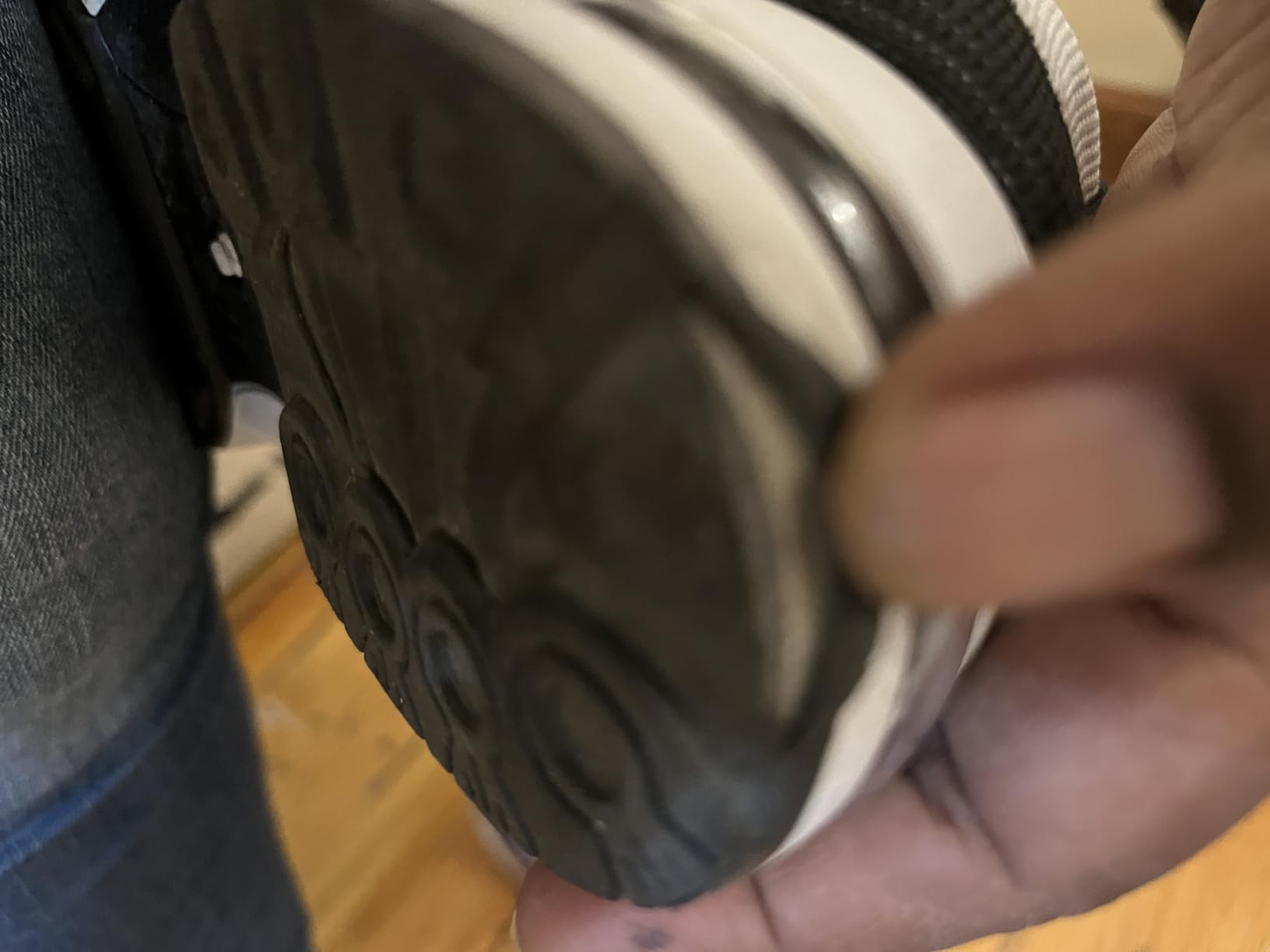
“Non-Slip & Durable Sole”: Non-slip on dry indoor surfaces, yes. On wet pavement or loose outdoor terrain, the grip fails clearly. The durability claim is the harder one — by week six, I had visible wear patterns at the heel and ball of foot strike zones. The trajectory suggests two to four months at moderate use, not the multi-season longevity “durable” implies.
“All-Day Comfort”: Achievable — but only with aftermarket insoles. The stock insoles cap comfortable wear at three to four hours. With upgraded insoles, six to eight hours is realistic.
“Memory Foam Insole”: Not true. Basic foam that slides and compresses. This is the clearest discrepancy between the listing and what you actually get.
Key Strengths
- Best-in-class breathability for the price — genuine standout for hot weather
- Featherweight construction at 8.2 oz — fatigue-free for low-intensity wear
- With aftermarket insoles: comfortable for 6-8 hour days
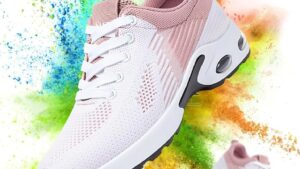
- Clean, versatile design pairs naturally with casual and athleisure outfits
- Easy on-off with the lacing system; no break-in period needed
- Genuine value for light, occasional use at $38 all-in
Key Weaknesses
- Stock insole is functionally unusable past week two — not memory foam, slides, compresses flat
- Zero weather resistance — mesh saturates in light drizzle within minutes
- Lateral support insufficient for HIIT, court sports, or any side-to-side movement training
- Runs small — size up 0.5 from your normal athletic shoe size
- Outsole wear visible at 6 weeks; 2-4 month realistic lifespan at moderate use
- Thin mesh transmits every ground imperfection on rough outdoor surfaces
| Category | Score | Notes |
|---|---|---|
| Comfort | 6.5/10 | With aftermarket insoles: solid. Stock insoles: poor after week two |
| Style | 7.0/10 | Clean athletic design; good color range; pairs well with casual outfits |
| Performance | 5.5/10 | Good for forward-motion light activity; fails lateral/impact demands |
| Durability | 4.0/10 | Budget construction; outsole wear visible at 6 weeks; 2-4 month lifespan |
| Value | 7.5/10 | Fair at $38 total (shoe + insoles) with realistic expectations |
| Overall | 6.1/10 | Solid budget casual shoe with clearly defined limits |
The Real Cost and What You’re Actually Getting
$29.99 for the shoe, $8 for functional insoles — whether you go with Sof Sole Athlete insoles, Dr. Scholl’s memory foam, or a similar budget option. That’s $38 total for a shoe that’ll realistically last three to six months with moderate use (four to five sessions per week, light activity). Translated: roughly $7 to $13 per month for casual athletic footwear.
That’s not a terrible number for budget footwear when calibrated correctly. Where people go wrong is expecting year-long durability from $30 construction. The outsole compound, the midsole foam density, and the upper adhesion are all engineered to a price point. This is a seasonal shoe — buy it, get your season’s worth of use, replace it without the financial sting of losing a $120 investment to early failure.
A broader pattern that showed up in community feedback aligns with my experience: women who use these as intended (light casual use, weather permitting, with insole upgrades) report genuine satisfaction. Women who pushed them into daily athletic use or relied on the stock insoles were consistently disappointed. The shoe performs at its category, not above it.
Who This Works For — and Who Needs Something Different
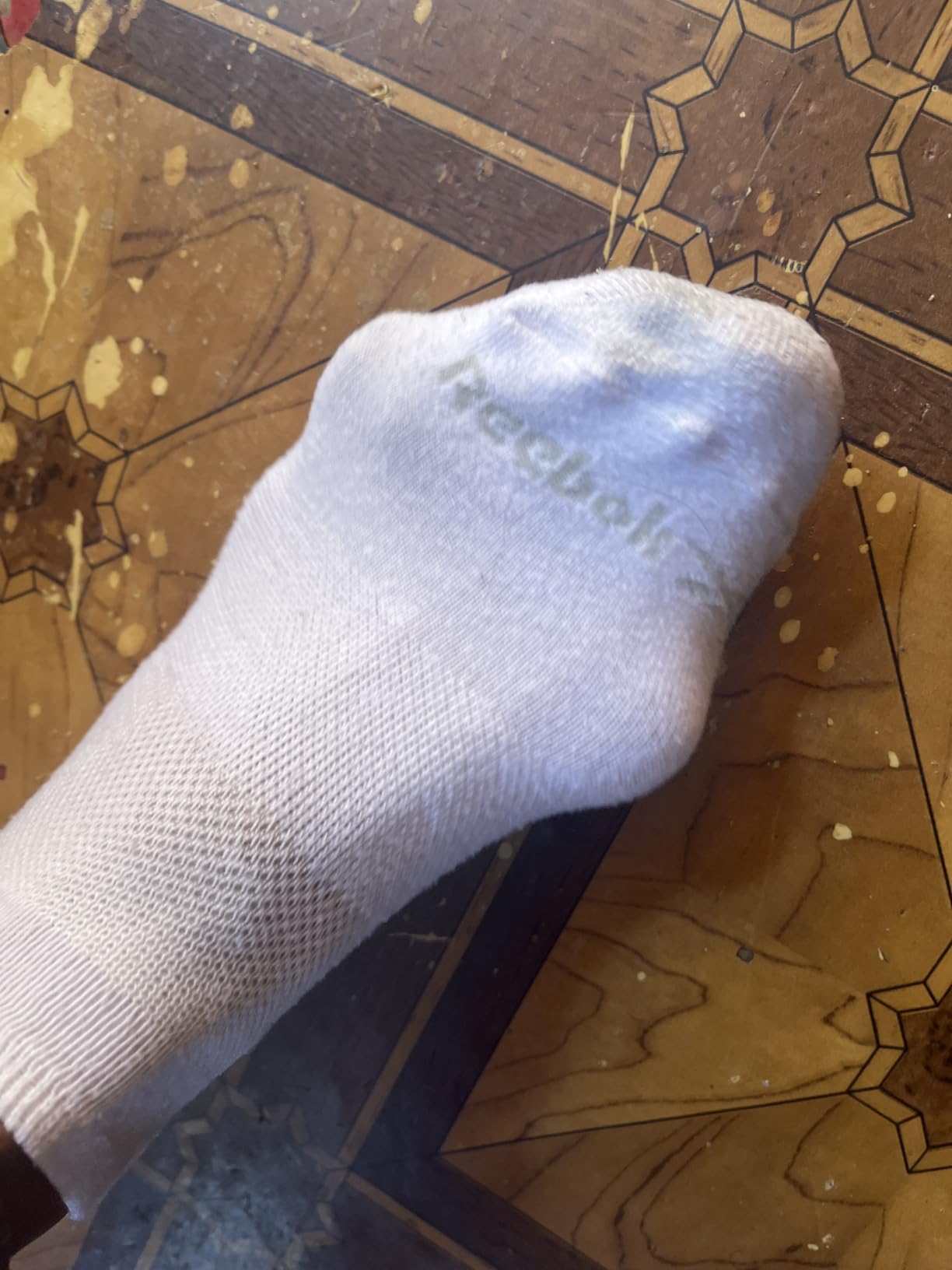
These are a solid fit for:
- College students or anyone budget-constrained who needs gym footwear for light cardio, treadmill work, or stationary strength training
- Occasional walkers — under 45 minutes daily — who prioritize breathability over structure
- Anyone wanting a lightweight travel backup shoe where primary footwear is already committed
- Casual athleisure wear paired with jeans, leggings, or casual dresses — the design is genuinely clean
- Fair-weather errand running, dog walking, and daily light activity
Look elsewhere if you:
- Stand or walk eight-plus hours daily — even with upgraded insoles, the midsole compression curve won’t support that level of sustained wear
- Do any training with lateral movement, HIIT, court sports, or dance fitness
- Live in a climate with unpredictable or frequent rain
- Have plantar fasciitis, high arches, or any condition that requires genuine orthopedic support
- Want shoes that last a full year of regular use
Better fits depending on what you need:
For all-day walking comfort without the insole upgrade requirement: the Skechers Go Walk Joy and Skechers Summits run around $55-65 and come with significantly better midsole structure from the box.
For durability at a similar casual price point: Keds Champion lace-ups built on canvas construction typically outlast budget mesh sneakers by a meaningful margin — the upper material is inherently more resilient even if less breathable.
For style-focused casual sneakers at a comparable price: Lucky Step Women’s Retro Fashion Sneakers offer more visual interest with similar price-point construction.
For real gym performance: almost any entry-level training shoe from an established athletic brand will provide meaningfully better lateral support and impact protection than these.
Frequently Asked Questions
Do the Padgene Women’s Sneakers run true to size?
Not in the standard sense. Based on my six weeks of testing and consistent feedback from the broader women’s community who’ve worn this specific lace-up air cushion version, order half a size up from your normal athletic shoe size. I wear an 8 and needed an 8.5 for all-day comfort with adequate toe room. You’ll see some information suggesting these run large — that appears to reference the Padgene Orthopedic Walking shoe (a different slip-on model), not this version.
Can I use them for running or any high-intensity training?
For easy-pace treadmill jogging under 20 minutes, they’re marginally adequate short-term. For anything involving impact, plyometrics, or lateral movement, I’d strongly recommend actual running shoes — the lateral support structure simply isn’t there for higher-demand activities, as my week-three HIIT class made obvious.
How long do these realistically last?
Two to four months at moderate use — four to five sessions per week across walking and light gym activity. If you rotate them with other shoes and use them specifically for casual wear (not gym sessions), you might stretch to five or six months before the outsole and midsole show meaningful degradation. I saw visible outsole wear at six weeks of moderate testing, which tracks with that trajectory.
Are they suitable for women with wide feet?
With caution. The mesh upper does stretch under pressure and provides some accommodation, but the overall last runs standard to slightly narrow. True wide-foot wearers will likely find the width insufficient even with sizing up. The Somiliss Wide Toe Box sneakers are designed specifically for this need and worth considering if width is a primary concern.
Do I really need to replace the stock insoles?
Yes, for any wear beyond a short errand or two. The included insole slides, compresses quickly, and offers minimal support. A basic $8 pair — Sof Sole Athlete insoles, Dr. Scholl’s memory foam, or equivalent — makes a genuine difference. Factor that cost in from the start; it’s part of what makes this shoe actually functional.
Are they waterproof or water-resistant at all?
No — not even close. The breathable mesh that makes them comfortable in heat is the exact property that fails completely in wet conditions. Light drizzle will saturate the upper in under five minutes. Treat these as strictly fair-weather shoes and plan accordingly.
How do they compare to budget options from major athletic brands?
Generally, you get what the price difference implies. Entry-level athletic shoes from established brands — something like the Nike Air Winflo 9, New Balance Fresh Foam Arishi V4, or Adidas Run Falcon 5 in the $60-80 range — offer meaningfully better lateral support, more durable outsoles, functional stock insoles, and actual running capability. The gap is real. If your budget allows, the extra $30-50 buys you a shoe that covers a much wider range of activity.
The Padgene makes sense when the budget genuinely constrains you to the $30 range and your use case is actually light casual: errands, dog walks, low-intensity gym days in good weather. In that specific context, it delivers genuine value. Outside that context, the major-brand budget options are worth the price difference.
Final Scoring Summary
| Comprehensive Rating Breakdown | Score (1-10) | Weight | Weighted Score |
|---|---|---|---|
| Comfort & Fit | 6.5 | 25% | 1.63 |
| Performance & Functionality | 5.5 | 25% | 1.38 |
| Build Quality & Durability | 4.0 | 20% | 0.80 |
| Style & Aesthetics | 7.0 | 15% | 1.05 |
| Value for Money | 7.5 | 15% | 1.13 |
| FINAL OVERALL SCORE | 6.1 | 100% | 6.1/10 |
Be the first to review “Padgene Womens Sneakers Air Cushion Running Shoes”
Related products
Running Shoes
Running Shoes

Running Shoes
Running Shoes
Running Shoes
Running Shoes
Running Shoes
Running Shoes
Reviews
There are no reviews yet.