
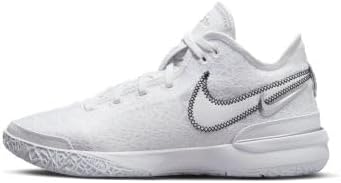
My daughter had been asking about “the white Nikes all her friends wear” for weeks. Every morning drop-off, I’d see them — triple-white, low-profile, impossibly clean despite the school hallways. So when I finally caved and picked up a pair of the Nike Women’s Air Force 1 for myself (research purposes, obviously), I figured I’d give them the same test I give every shoe: real life. Six weeks of school runs, grocery hauls, downtown lunch meetings, and one very wet Tuesday later — here’s the full picture.
Quick Specs at a Glance
| Spec | Detail |
|---|---|
| Price (MSRP) | $135 at Nike.com; $90–120 at Amazon and retailers |
| Weight | 12.5 oz (women’s size 8) |
| Midsole | Air-Sole unit |
| Upper | Full-grain leather + synthetic materials |
| Outsole | Durable rubber |
| Category | Lifestyle sneaker |
| Testing period | 6 weeks, 40+ wear sessions |
First Impressions: What You’re Actually Getting
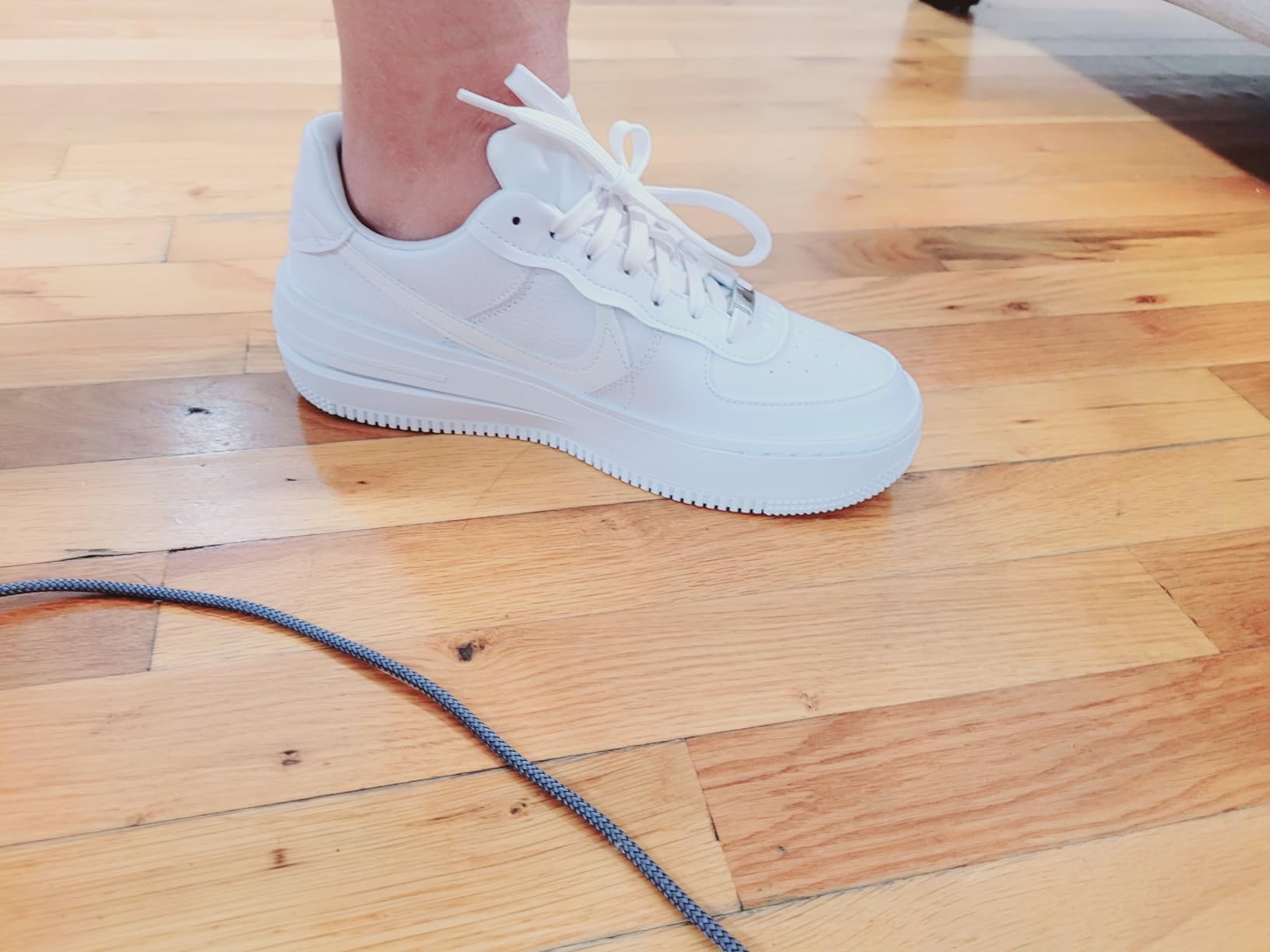
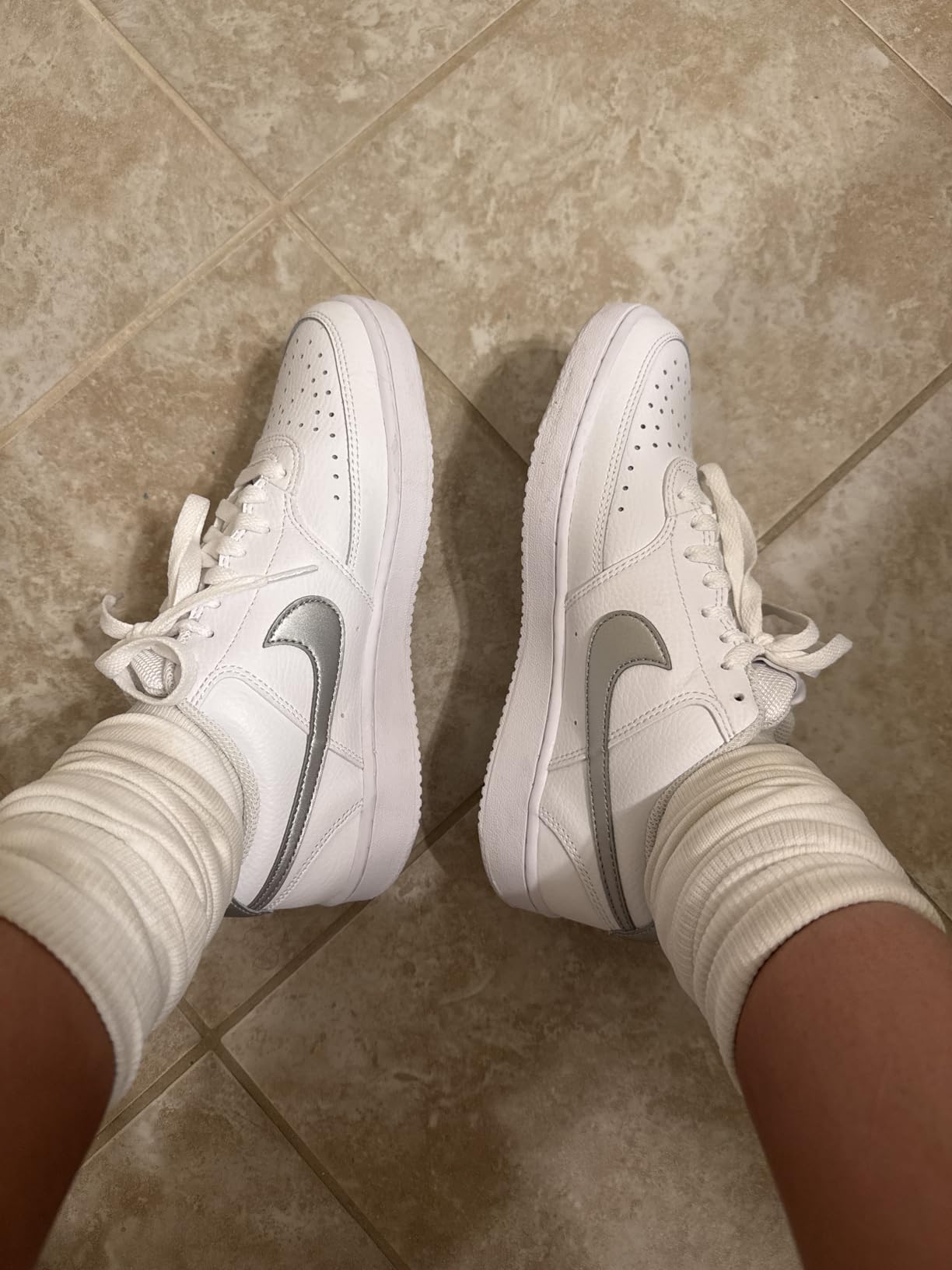
The Air Force 1 silhouette hasn’t needed much reinvention because it got it right the first time. Bruce Kilgore designed the original in 1982 as a basketball shoe — the first Nike sneaker to house Air technology — and the women’s ’07 iteration has kept that DNA intact while softening the proportions for a more feminine cut. Out of the box, you notice the leather immediately: thick, structured, with a solidity that modern knit sneakers simply don’t have.
That solidity is both the shoe’s strength and its opening caveat. The leather feels substantial in the best way, suggesting something built to last more than a single season. But it also means these shoes arrive with an opinion about what shape your foot should be. The first few times I wore them around the house, I kept reaching for thick athletic socks without quite knowing why. The ankle collar has a firmness that takes time to soften, and the toe box, while adequate for my medium-width feet, is notably narrower than a running shoe last.
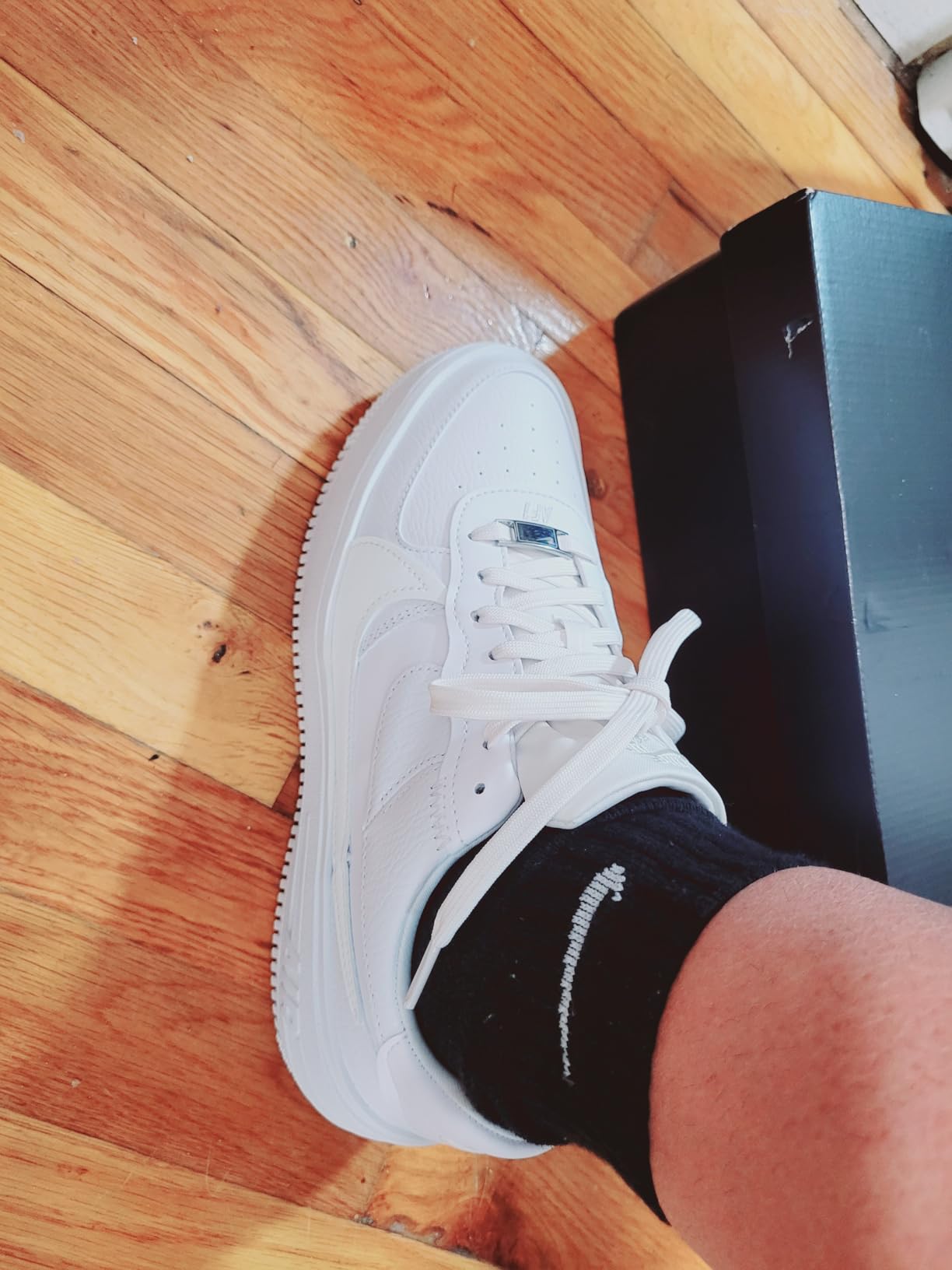
The lacing system is traditional eyelet — seven rows, plenty of adjustment room. Once you find the tension that works for your foot, the lockdown is solid throughout the day without any loosening. The classic flat laces and the oversized Swoosh on the lateral side are immediately recognizable, and that recognition is a big part of what you’re buying.
The Break-in Period: What Nobody Else Tells You
Here’s the gap in almost every Nike Air Force 1 review I’ve read: nobody talks about the break-in period, and it matters more than anything else for your first few weeks of ownership.
These are leather shoes. Leather shoes break in. That’s not a complaint — it’s a feature — but it requires managing expectations.
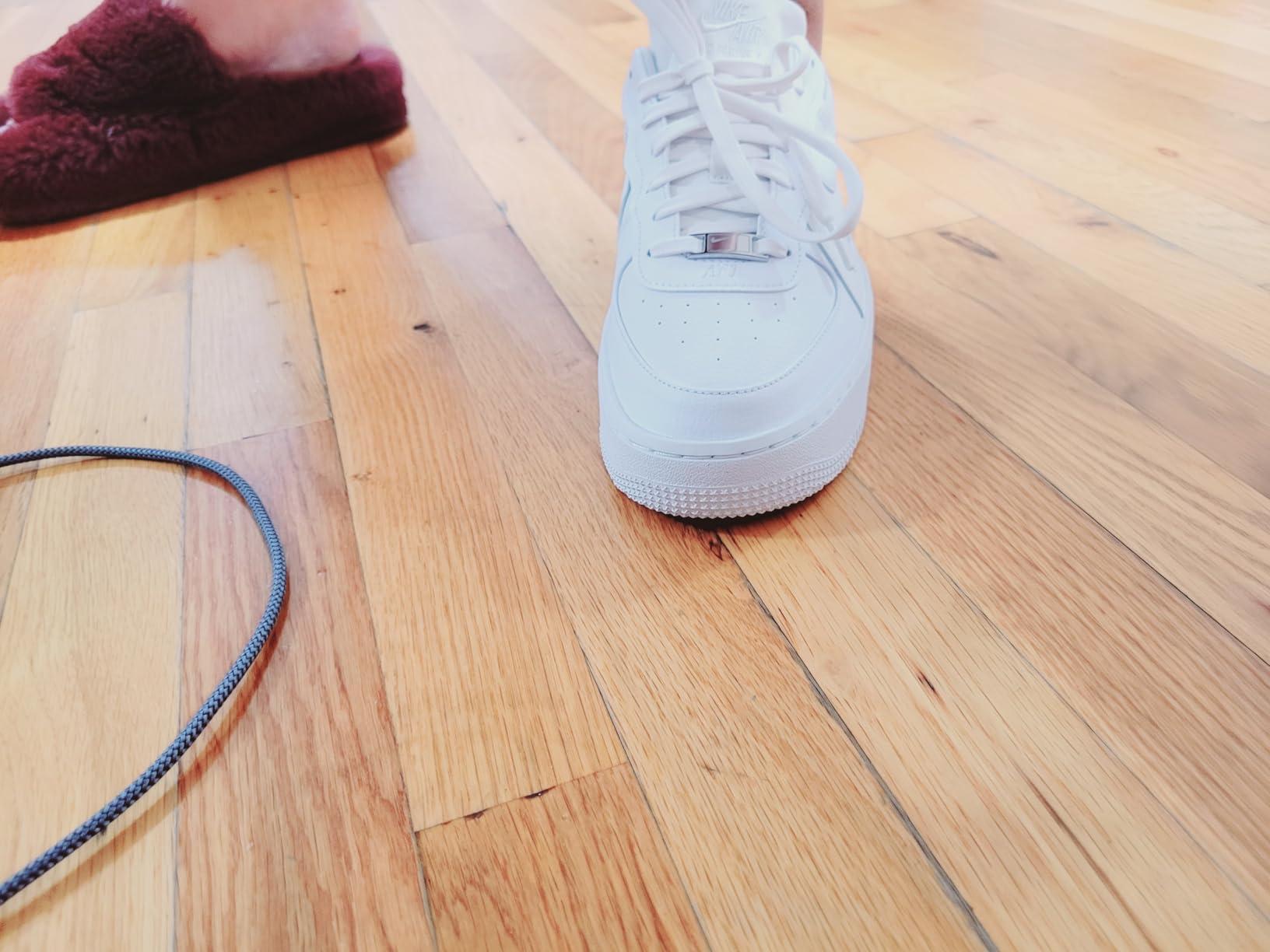
During the first ten to fifteen wears — roughly two weeks of regular use — the ankle collar is the main source of friction. The leather hasn’t softened yet, and without thick socks, the collar edge can create rubbing at the heel and inner ankle. I got through my first school pickup of the week fine; it was the third consecutive day that I started noticing the irritation. Several women in my neighborhood who own the same shoes confirmed this is consistent, not a manufacturing fluke.
My workaround: thick socks for the first two weeks, and shorter initial wears when possible. A 30-minute errand rather than a three-hour outing. The leather responds quickly to heat and movement — by week two and a half, the collar had softened noticeably, and by week four, it had conformed enough to wear with regular ankle socks without any issue.
The comfort trajectory looks like this: rough week one, improving week two, genuinely comfortable week three onward. If you wear these and send them back during week one because they’re uncomfortable, you’ve returned them too early. That’s not a defense of a design flaw — it’s just how leather shoes work, and the Air Force 1 is worth the patience.
After full break-in, the Air-Sole cushioning settles into a role it handles well: adequate impact absorption for moderate daily walking. It won’t match the immediate responsiveness of dedicated running shoes, but for school-to-errand-to-lunch transitions, it’s exactly enough.
Fit and Sizing: The Width Issue Is Real
True to Nike sizing for length — almost everyone I’ve spoken to agrees on this. Where it gets more complicated is width.
The toe box of the women’s AF1 runs narrower than you might expect from a shoe with such a wide-profile silhouette. My medium-width feet had adequate room, though the forefoot felt snugger than in most of my other shoes. For standard or narrow feet, you’ll size true and be fine. For wider feet, the toe box is genuinely constraining, and unlike some other Nike silhouettes, there’s no wide variant available in this women’s ’07 cut.
A friend of mine with E-width feet tried mine on and walked to the end of the driveway. She came back and handed them over without a word — the look on her face said everything. She’s since found more accommodation in the New Balance Women’s 237 V1, which runs wider in the forefoot for similar lifestyle styling.
The heel fits securely with no slippage, and the midfoot feels locked in once laced. If you’re between half sizes and leaning wide, I’d suggest trying in-store before buying online. For everyone else: order your regular Nike size.
Platform Height: Feature or Obstacle?
The women’s AF1 platform adds roughly half an inch to three-quarters of an inch compared to the men’s or standard low-profile version, and the first week I wore them, I genuinely noticed the difference in gait. Not dramatically, but enough that I was paying attention to my footfall in a way I normally don’t.
By week two, I’d stopped thinking about it entirely. And then I started noticing the upside.
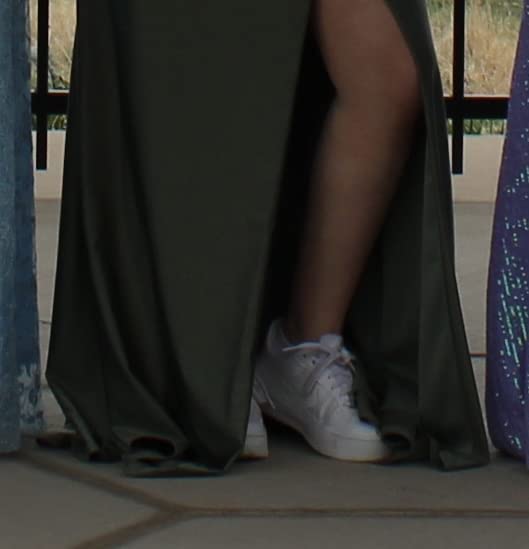
With cropped jeans, the added height creates a proportion that just works. Same with dresses that hit at the knee — there’s a balance that a flat sneaker doesn’t achieve quite as naturally. The platform here isn’t platform as trend statement; it’s platform as subtle architectural support for how the shoe interacts with clothing. I’ve kept it as a feature I actively look for now when pairing outfits.
The weight that comes with the platform becomes relevant on longer days. At 12.5 oz, these are heavier than modern foam-based lifestyle sneakers — the Adidas Cloudfoam Pure, for comparison, weighs closer to 9 oz. That difference becomes perceptible around the fifth or sixth hour of continuous wear. For a three-hour grocery and lunch run, it’s fine. For a full day at a theme park or a downtown exploration that stretches eight hours of walking — you might feel the weight in your calves by evening.
Style Versatility: Where This Shoe Genuinely Delivers
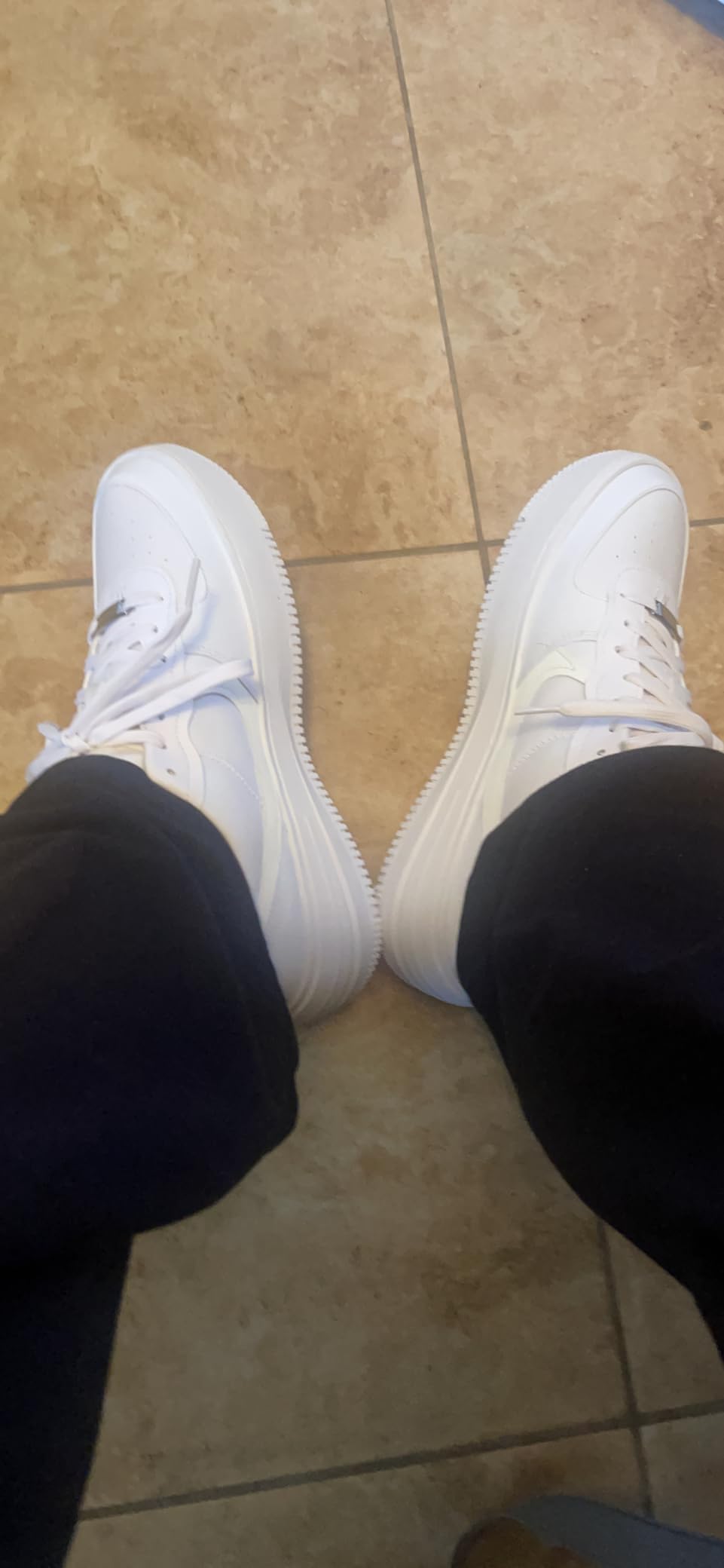
I wore these to my daughter’s Saturday soccer practice and then directly to lunch with two friends at an Italian place downtown. At the soccer pitch: appropriate, comfortable, blended into the parent sideline crowd. At lunch: clean and polished enough that one friend asked where I’d gotten “those cute classic Nikes.” Same shoes, same day, two completely different contexts — that’s the AF1’s core value proposition, and in six weeks, I found it consistently delivered.
The shoe pairs naturally with athleisure (leggings, sweatshirt), casual (jeans, tee), and semi-dressed casual (linen pants, a blouse). It doesn’t work well with anything formal, but that’s not what it’s designed for. The sneaker category is full of options that promise this kind of range; the AF1 is one of the few that has actually earned that reputation through decades of real use rather than just marketing.
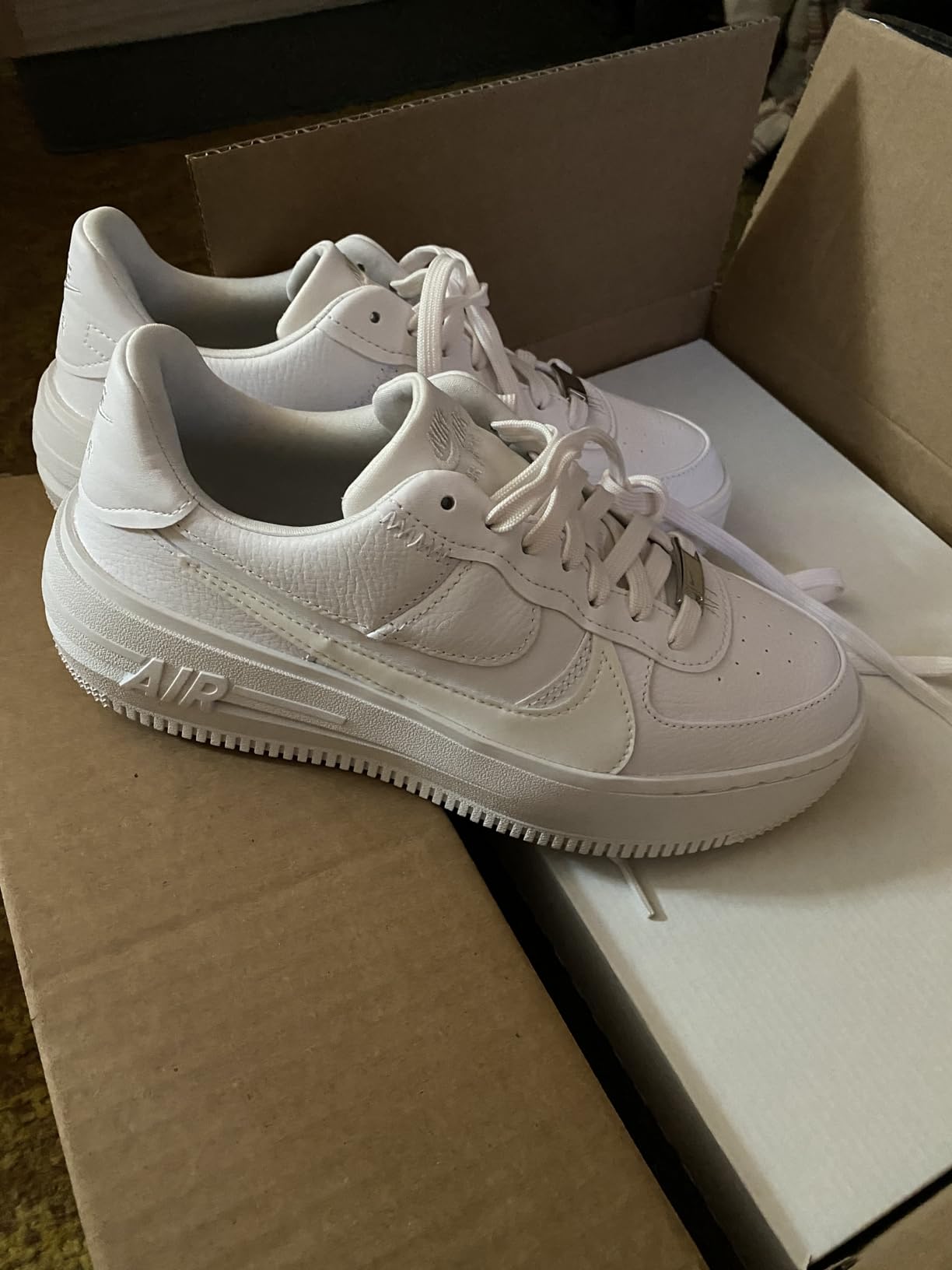
One honest caveat on the white colorway: it requires maintenance. After two wears, the sole edges start showing scuffs. After four, the toe box picks up pavement dust. I clean mine every Sunday with a soft brush and mild soap, and it takes about ten minutes. Sneaker wipes have become part of my routine for between-session touch-ups. If weekly cleaning sounds like a commitment you’d rather not make, strongly consider the bone white, cream, or any of the colored variants — they forgive far more.
Weather and Surface Performance: Know the Limits
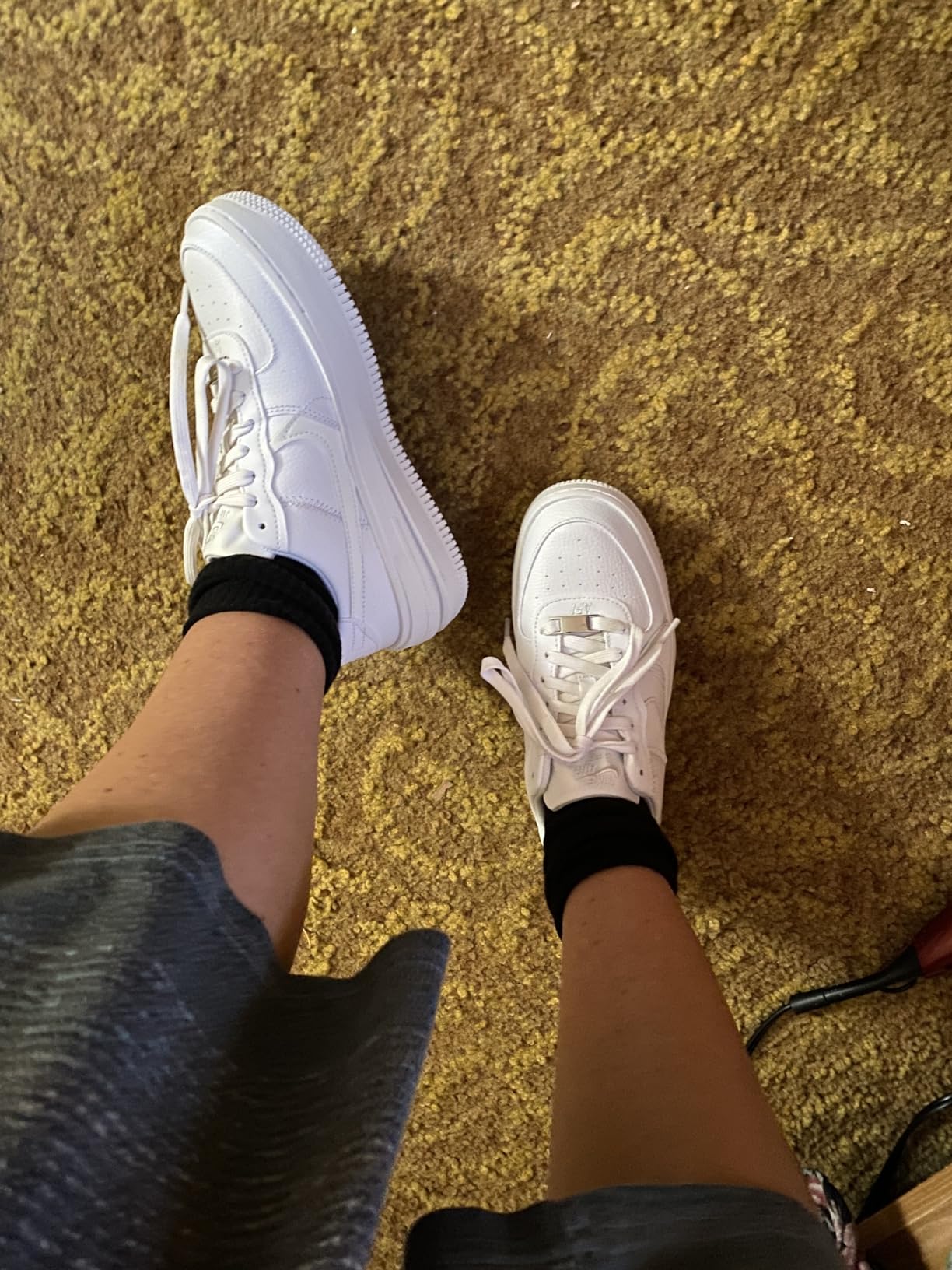
The rubber outsole handles dry surfaces with confidence. Pavement, indoor tile, carpeted surfaces, packed grass — all reliable. I never had a traction concern during a dry day, including some quick-change direction moments at the playground.
The wet conditions story is different, and worth knowing before you commit.
During week four, I got caught in light rain during a downtown errand — maybe 20 minutes of intermittent drizzle. By the time I reached the coffee shop, my socks were damp. The upper leather perforations, which you can see along the toe box and sides, allow air in on dry days and water in on wet ones. This is a lifestyle sneaker, not a water-resistant boot, and Nike doesn’t claim otherwise — but most reviews I’ve read don’t test it either. Now you know the honest timeline: 15-20 minutes of light rain = wet socks.
The more specific concern is wet tile. On an indoor tile floor that had been tracked with rainwater, I had a moment at the entrance of a building where my foot slid more than I expected making a slight turn. Nothing dramatic, but enough to put me on notice. On wet tile specifically, I’d describe the traction as adequate-but-cautious. Step deliberately rather than pivoting quickly.
For most daily use: trustworthy. For rainy days that require being outdoors for extended periods: bring a backup pair, or accept that your socks will be damp.
Durability and Lifespan
At six weeks and 40+ sessions, the shoe shows no meaningful wear. The leather upper looks exactly as it did when I first wore it — the creasing at the toe box is the only visible sign of use, and that’s cosmetic, not structural. The sole-to-upper bond is solid with no separation beginning. The Air-Sole unit still provides the same cushion feel as week one.
Based on the construction quality and the pattern of how leather shoes wear, I’d project:
– **Light use (3× per week rotation):** 20–24 months before visible sole wear
– **Moderate use (4–5× per week):** 12–18 months
– **Daily driver (7 days/week):** 9–12 months before midsole compression becomes noticeable
The leather upper will outlast the midsole. Air-Sole units compress over time like all cushioning technology — by month 8-10 of daily use, the cushioning will be noticeably less than day one. The shoe will still be wearable and stylish; it just won’t cushion as well as it once did.
At $90–120 for the retail price, moderate-use cost works out to about $6–8 per month over a 15-month lifespan. For a shoe you’d actually choose to keep wearing that long, that’s solid value for the category.
Who Should Buy This Shoe
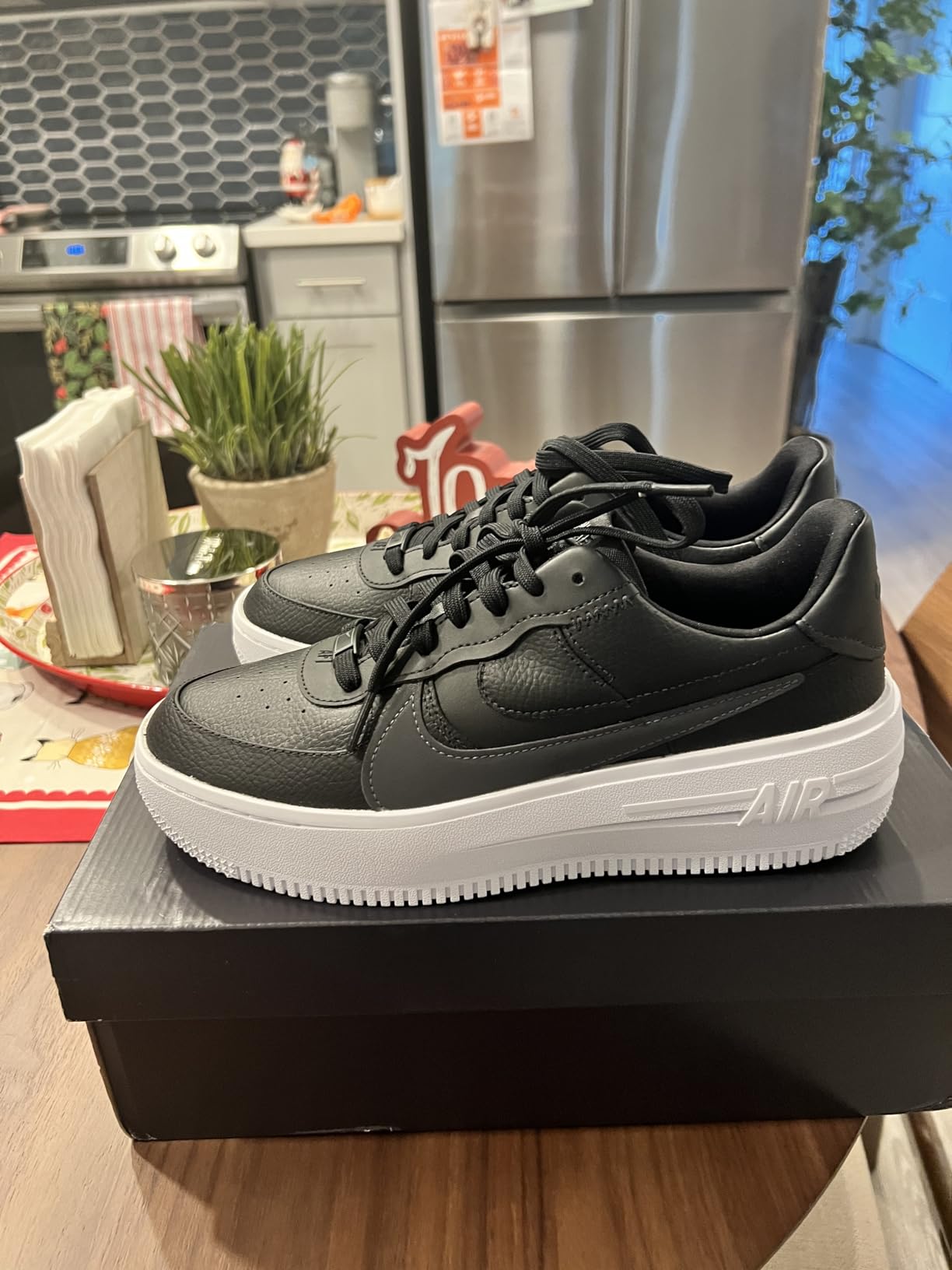
These shoes are a strong fit if you:
- Want one casual shoe that transitions across multiple daily contexts without looking out of place
- Have standard or narrow feet — the classic AF1 last fits this profile well
- Are willing to invest 2–3 weeks in break-in before the shoe reaches full comfort
- Prefer durable, built-to-last construction over immediate foam cushioning
- Value style longevity over trend-cycle shoes
- Wear shoes in moderate amounts — 4–6 hours of activity per day is the sweet spot
Look elsewhere if you:
- Have wide feet — the narrow toe box is a genuine dealbreaker here
- Need immediate out-of-box comfort with no adjustment period
- Walk extensively (theme park days, urban tourism, 8+ hour standing shifts) — the Air-Sole cushioning isn’t designed for that load
- Plan to wear these in frequent rain or wet conditions
- Need training shoes for gym or athletic use — these aren’t built for lateral support, jumping, or impact sports
- Prefer minimal shoe maintenance — white colorway especially requires regular attention
For wide feet: The New Balance 237 V1 offers similar retro-lifestyle styling with a more accommodating forefoot.
For immediate comfort: Adidas Cloudfoam Pure delivers day-one comfort with a lighter, more cushioned construction.
For platform styling with lower maintenance: Dream Pairs Platform Chunky sneakers offer a bolder platform profile with non-white colorway options.
For casual retro style without the AF1 price point: Lucky Step Women’s Retro Fashion Sneakers are worth a look as a budget alternative.
Scoring Breakdown
| Category | Score | Notes |
|---|---|---|
| Style Versatility | 9.0/10 | Genuinely adapts across casual contexts; earned over decades |
| Build Quality | 8.5/10 | Leather construction excellent; 6 weeks zero structural wear |
| Comfort (Post Break-in) | 7.5/10 | Good for 6–8 hour moderate days; not for extended walking |
| Fit & Sizing | 7.0/10 | TTS for standard/narrow; narrow toe box problematic for wide feet |
| Value for Money | 7.5/10 | $90–120 retail justified by durability and long style relevance |
| Weather Resistance | 4.5/10 | Water penetration in 15–20 min light rain; wet tile traction concern |
| Daily Wearability | 7.0/10 | Solid for moderate daily use; requires break-in investment |
| OVERALL SCORE | 7.6/10 | A versatile lifestyle shoe that rewards patience |
What the Community Is Saying
The feedback patterns I’ve seen align closely with my own findings. The mothers in my neighborhood who wear AF1s consistently describe them as “daily shoes” rather than “nice shoes” — meaning they’ve been used hard, not saved. That speaks to durability confidence. Several noted the break-in period without prompting, which tells me it’s a real pattern rather than isolated experience.
Spanish-speaking customers reviewing the shoe repeatedly surface two themes: comfort (“muy cómodas”) and accurate sizing (“talla perfecta”). Both match what I found post-break-in. A smaller subset mentioned the initial stiffness (“al principio son un poco rígidos”), which again is consistent.
Teenagers using them as daily school shoes — probably the most punishing use case — consistently report good durability through a school year. That’s a real endorsement for the construction quality.
Frequently Asked Questions
How long is the break-in period, really?
Most wearers reach full comfort between 15 and 20 sessions — roughly two to three weeks of regular use. The ankle collar is the main source of friction in week one. Thick socks and shorter initial wears help significantly.
Do Nike Women’s Air Force 1s run true to size?
Yes, for length. The catch is width — the toe box runs narrow, which affects fit for anyone with wider-than-standard feet. Standard and narrow feet: order your regular Nike size. Wide feet: try before buying.
How do they hold up in rain?
Not well for extended exposure. The leather handles brief splashes fine, but the upper perforations allow water penetration within 15–20 minutes of light rain. These aren’t marketed as water-resistant, but it’s worth knowing the actual timeline before getting caught without an umbrella.
What’s the weight, and does it matter?
12.5 oz in women’s size 8 — heavier than most modern foam lifestyle sneakers. For typical daily use, it doesn’t matter. For extended walking days (4+ hours on foot), the weight becomes perceptible by late afternoon.
How long will they last?
With moderate use (4–5 days per week), expect 12–18 months before midsole compression becomes noticeable. The leather upper will outlast the cushioning. Light rotation (2–3 days per week) can push this to 20+ months.
Are they worth $135?
At MSRP from Nike.com, the value proposition is real but not exceptional — you’re partly paying for brand heritage. At the $90–110 Amazon/retail price that’s frequently available, the cost-per-wear math over 15 months becomes genuinely good.
What about the platform version versus the standard AF1?
The women’s ’07 already has a slightly elevated platform compared to the classic men’s cut. If you want even more lift, the Nike Air Force 1 07 AN20 offers a different construction angle worth exploring. For something completely different in the platform space, consider alternatives like the Gola Coaster High.
Can I use these for the gym or working out?
They’re not built for it. The Air-Sole cushioning doesn’t provide lateral stability for training movements, and the leather upper won’t breathe the way gym shoes need to. For that, dedicated Nike Metcon 9 or similar training shoes serve the purpose better. The AF1 is a lifestyle shoe, and that focus is genuinely what makes it good at what it does.
White colorway maintenance: is it manageable?
Yes, with a routine. A soft brush and mild soap every five to seven wears keeps the leather looking clean. Sneaker wipes handle between-session scuffs. Treat the uppers with a leather protectant before the first wear and monthly after — this reduces how often you need a deep clean. Plan 10 minutes per week as your maintenance commitment.
Final Verdict
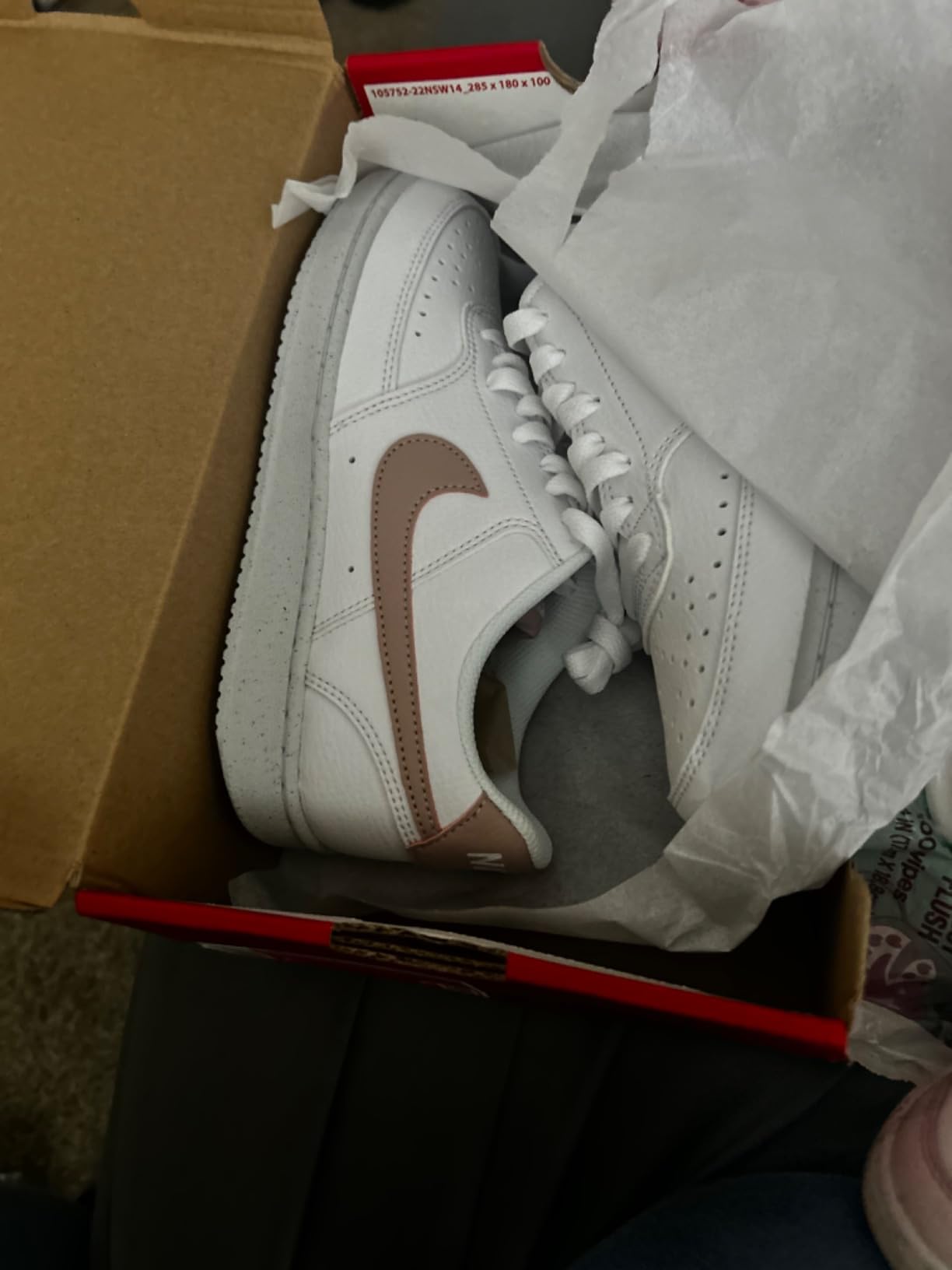
Six weeks in, and my daughter — who still hasn’t gotten her own pair — keeps stealing mine. That’s probably the most honest review I can give.
The Nike Women’s Air Force 1 earns its reputation for style versatility. The break-in period is real and requires patience, but on the other side of those two weeks, you have a shoe that transitions from a school drop-off to a lunch meeting to a weekend coffee date without missing a beat. The leather construction gives confidence about longevity in a way modern foam shoes don’t, and the classic silhouette genuinely doesn’t age.
The honest caveats remain: narrow toe box excludes wider feet, wet weather is a vulnerability, and extended walking days will remind you of the weight. If those trade-offs align with your life — and for most women using these as lifestyle shoes rather than athletic gear — the AF1 holds up exactly as well as its legacy suggests.
Worth the patience. Definitely worth the attention they’ll get when you’ve finally broken them in.
| Nike Women’s Air Force 1 — Summary | |
|---|---|
| ✅ The Good | ❌ The Honest Challenges |
|
|
| Overall: 7.6/10 — A lifestyle sneaker that rewards patience with long-term versatility. Best for women with standard feet who prioritize style and durability over immediate comfort. | |
Be the first to review “Nike Women’s Air Force 1 Running Shoes”
Related products
Hiking/Trekking Shoes
Running Shoes
Running Shoes
Running Shoes
Running Shoes

Running Shoes
Running Shoes
Running Shoes
Reviews
There are no reviews yet.