
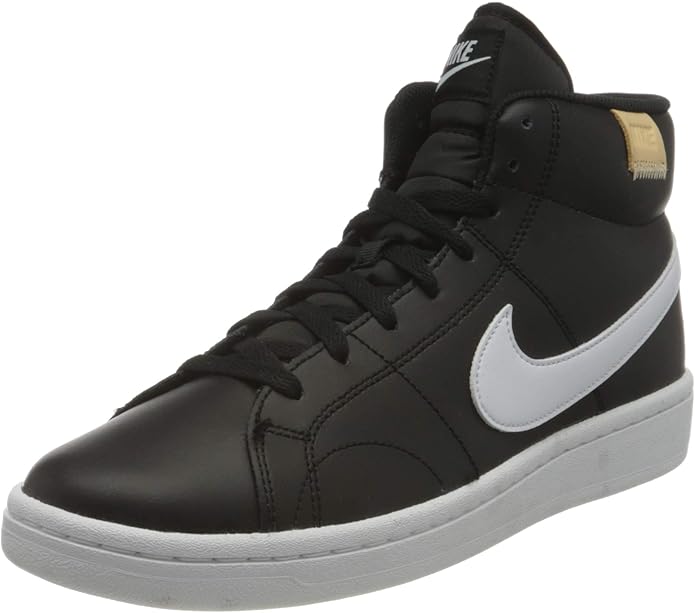
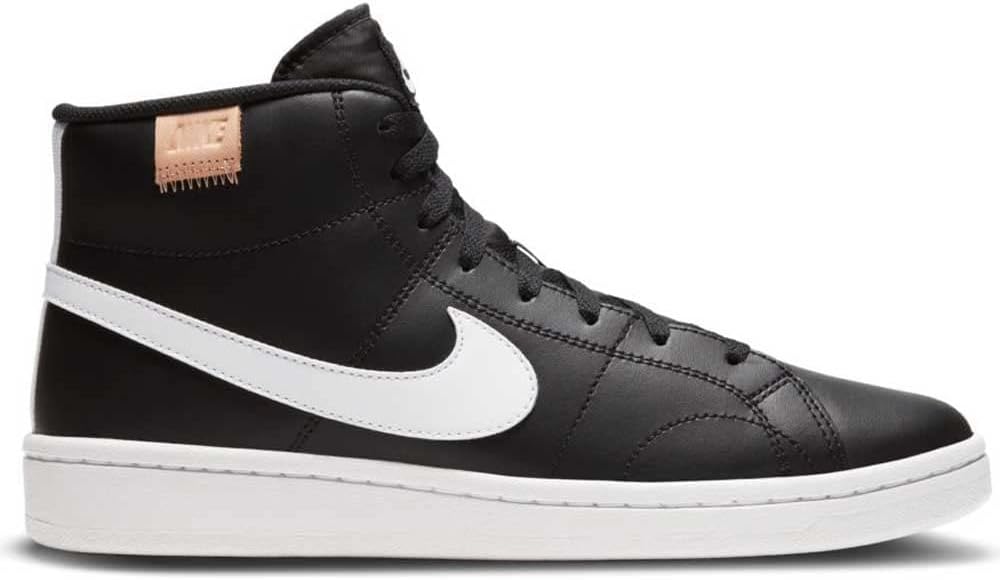
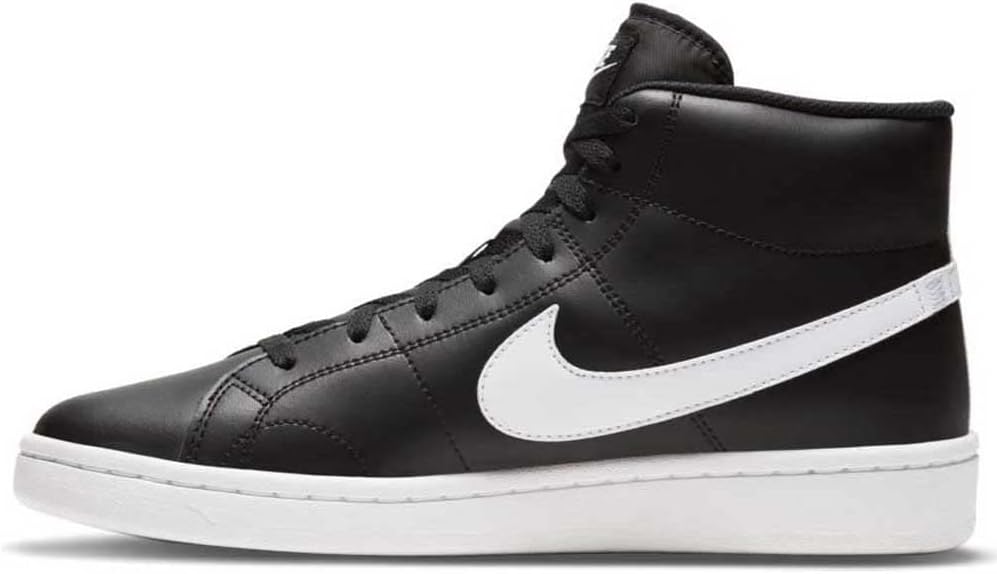
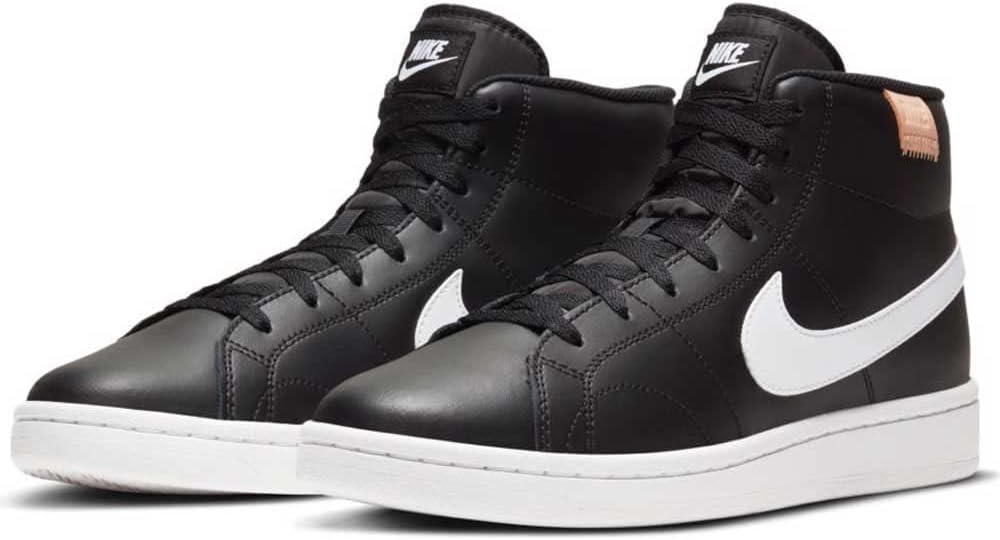
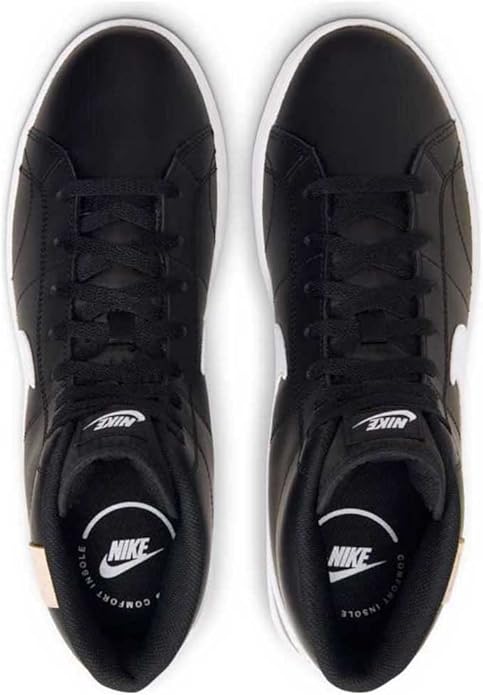
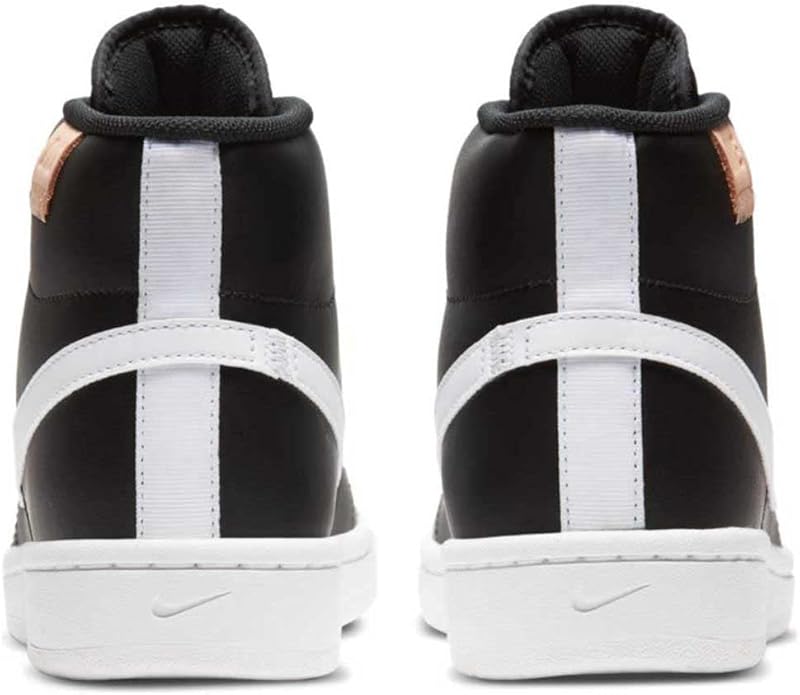
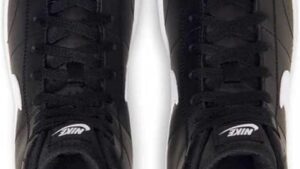
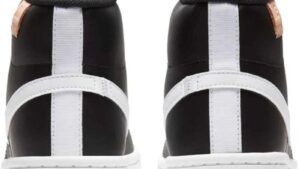
Watching pickup games at my local court last Tuesday, I counted three guys wearing these retro basketball-inspired shoes, and one specifically mentioned using them for both court and gym work. Mike here, and after years testing performance footwear across sports, I was curious about the buzz surrounding what appeared to be a budget-friendly option. That’s why I committed 8 weeks to putting the Nike Court Royale 2 through systematic testing—24 court sessions split between tennis and basketball, 15 gym workouts, and enough daily wear to understand where it excels and where it falls short.
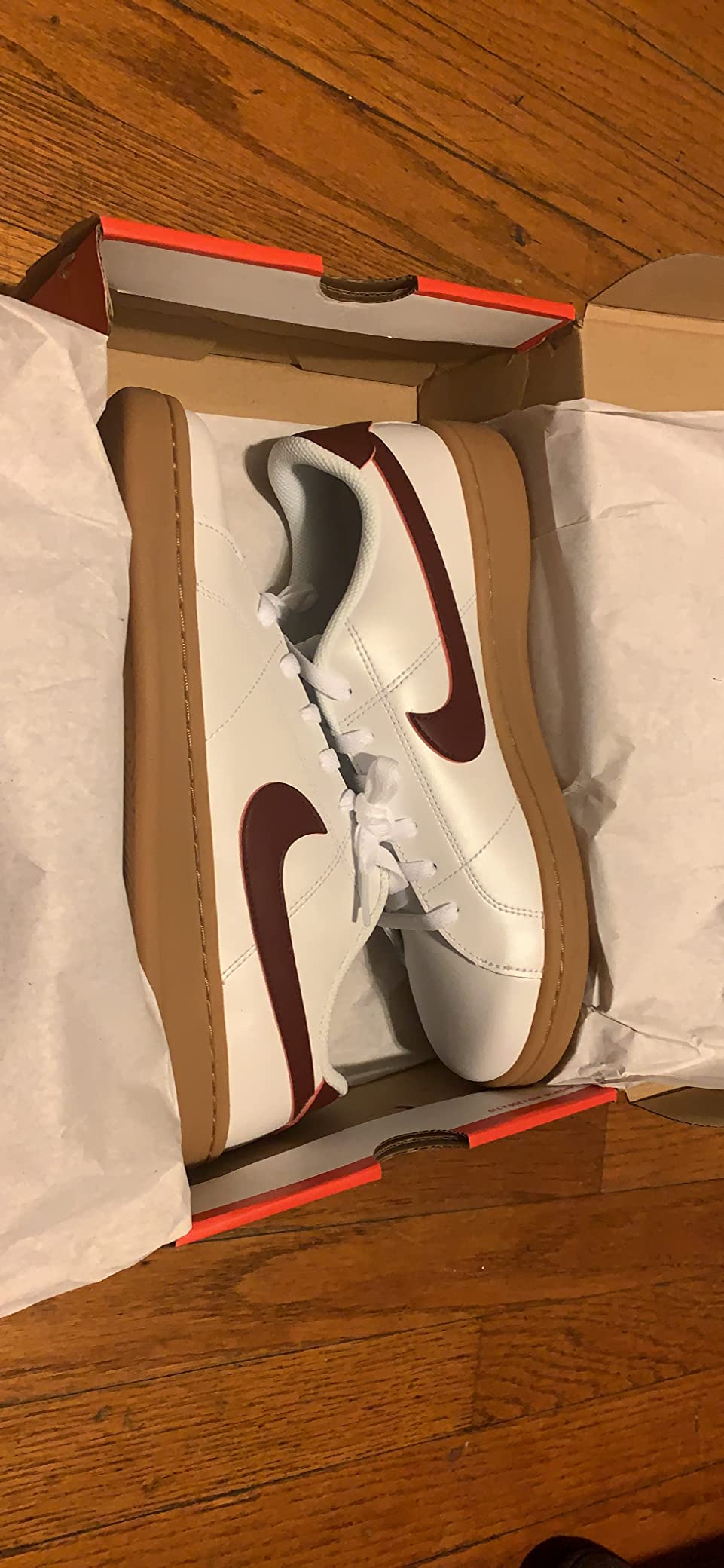
Technical Specifications
- 💰 Price: $50-70 (varies by colorway/retailer)
- ⚖️ Weight: ~12.5 oz (men’s size 9, single shoe)
- 🧪 Midsole: EVA foam insert + stitched cupsole
- 👟 Upper: Synthetic leather (20% recycled content in Next Nature variant)
- 🏀 Category: Hybrid court/lifestyle sneaker
- 🎯 Best for: Gym training, casual court play, daily wear, retro style
- ⏱️ Testing: 8 weeks, 24 court sessions, 15 gym workouts, 45+ total wear sessions
Design & First Impressions
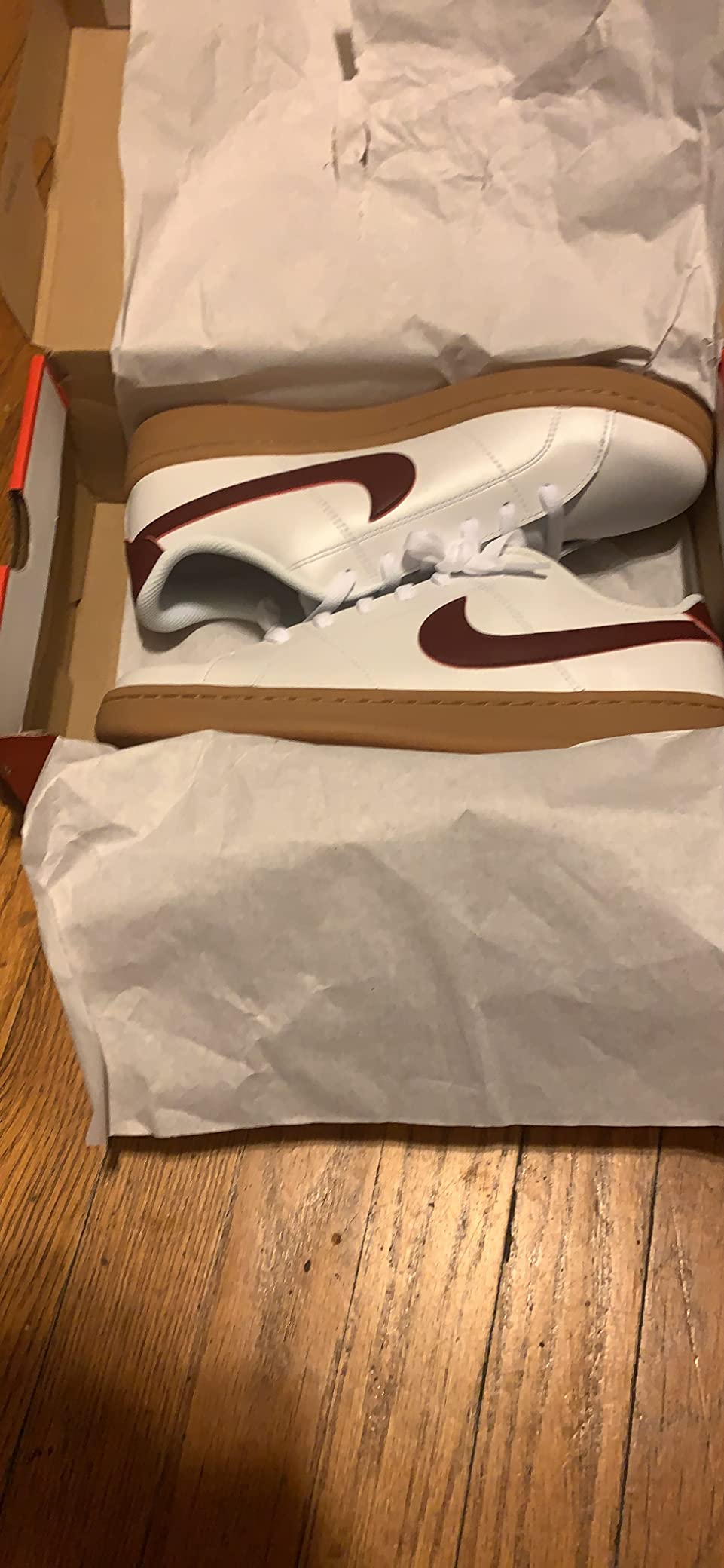
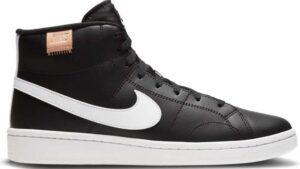
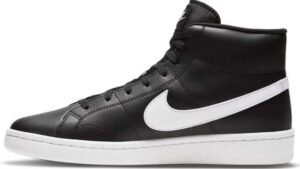
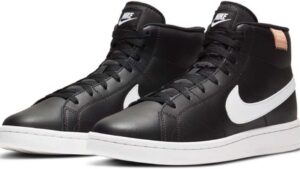
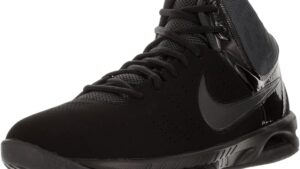
The Court Royale 2 sits within Nike’s budget-conscious “Court” lineup—alongside models like the Court Vision, Court Borough, and Court Legacy—all of which share DNA from 70s basketball while trading premium materials for accessible pricing. What caught my attention immediately was how the synthetic upper felt in hand. For a shoe in the $50-70 range, it’s more substantial than I expected, with clean stitching and decent weight that suggested it might actually hold up.
Nike’s Next Nature variant incorporates at least 20% recycled content by weight, replacing traditional leather with this synthetic alternative. The material itself is smooth, easy to clean, and avoids the stiffness you sometimes get with cheaper synthetic leathers. After the first week of testing—spanning an 8-hour workday, weekend errands, and two gym sessions—these handled everything without the break-in period I anticipated.
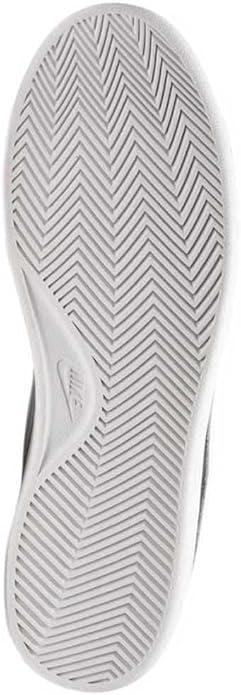
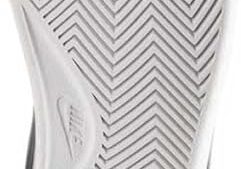
The cupsole construction is where this shoe reveals its heritage. The stitched midsole, combined with an EVA insert, creates a low-profile platform that feels planted rather than bouncy. The herringbone outsole pattern is pure retro, offering both functional traction (more on that later) and visual nods to classic court shoes. It’s a design that translates equally well on a tennis court or with jeans, which is precisely the hybrid positioning Nike intended.
Real-World Performance Testing
Court Performance: Tennis & Basketball
Over 24 court sessions—split evenly between tennis hard courts and basketball pickup games—I discovered these shoes have a clear hierarchy of suitability. On dry tennis courts, the herringbone pattern delivered confident traction during lateral baseline movements. I felt secure pushing off during volleys, and the cupsole’s stability kept my ankle well-supported through quick direction changes. That confidence translated to an 8.5/10 traction score in dry conditions.
Basketball was a different story. The flat outsole works for casual recreational play, but during more aggressive cuts and defensive slides, I felt the limitations. The ankle collar provides some structure, yet it’s nowhere near the lockdown you’d get from dedicated basketball shoes. If you’re playing pickup once a week, these handle it. If you’re running competitive games, look elsewhere.
The turning point came during week three when I tested these on a wet court after light rain. Traction dropped dramatically—I’d estimate 30-40% reduction—and I had a near-slip incident pushing off from the baseline. That single session recalibrated my assessment: 8.5/10 dry becomes 5/10 wet. The rubber compound simply doesn’t grip moisture the way I needed it to.
Hour-by-hour comfort during court sessions revealed a clear ceiling. For the first 45 minutes, these felt excellent—locked in, responsive, no hotspots. Between 45-90 minutes, I noticed the EVA cushioning starting to compress, with minor foot fatigue setting in. Past 90 minutes, I wouldn’t recommend these for tournament play. The cushioning just isn’t deep enough for extended, high-intensity sessions.
Gym & Lifting Performance
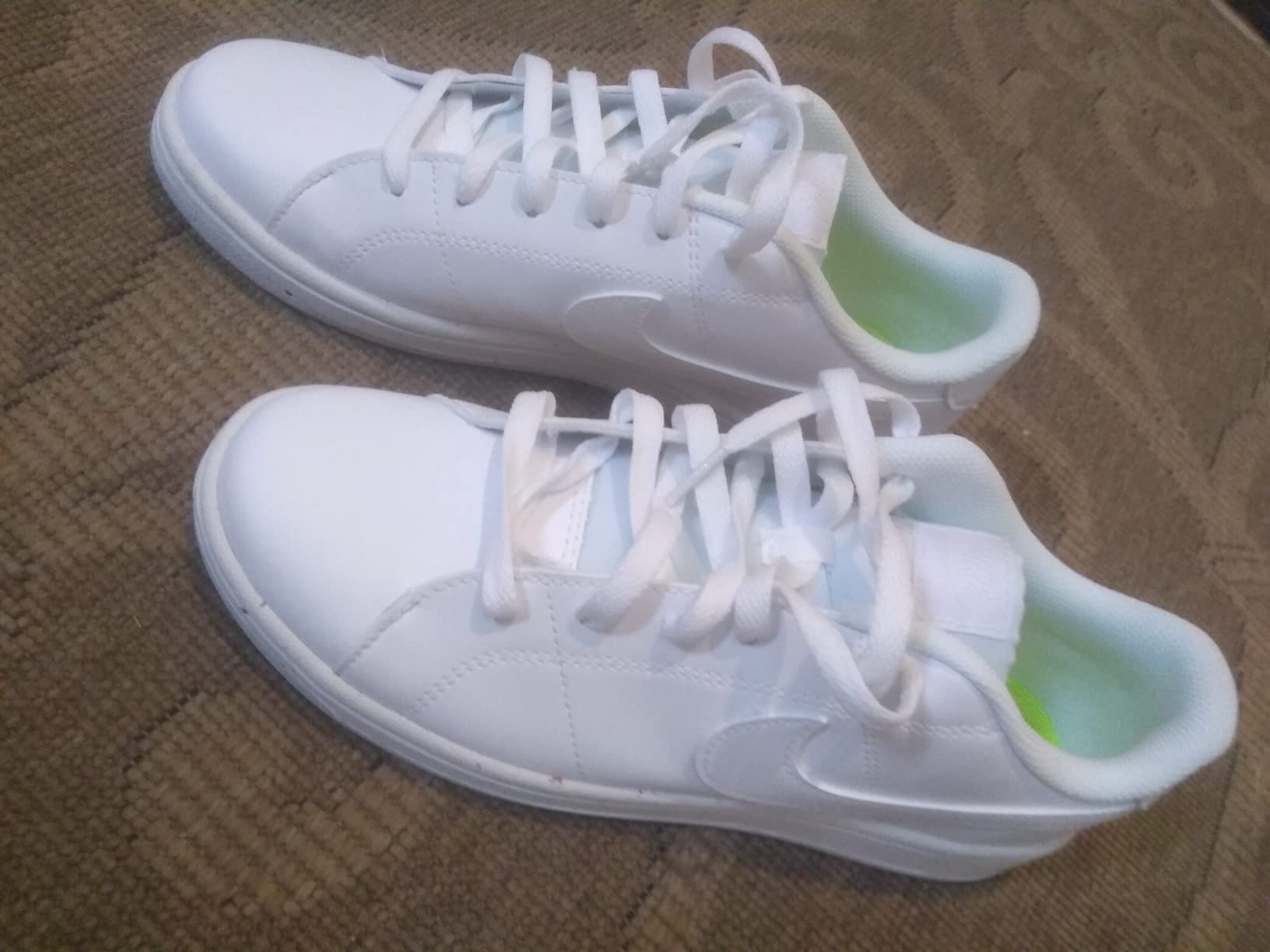
This is where the Court Royale 2 genuinely impressed me. The flat, stable cupsole platform excels for deadlifts and squats—I felt grounded in a way that many training shoes with cushioned midsoles don’t provide. Over 15 gym sessions, I noted something interesting: comfort duration varied significantly by body weight.
At my 180 lbs, I hit a comfort ceiling around the 6-hour mark during all-day gym sessions. A friend who weighs about 160 lbs reported feeling comfortable past 8 hours wearing these for mixed activities. This suggests that heavier lifters (200+ lbs) would likely experience earlier fatigue, possibly around the 4-5 hour range. It’s not just cushioning thickness—it’s how your weight compresses the EVA over time.
For treadmill work, these were adequate but unremarkable. The EVA foam doesn’t provide the energy return you’d get from modern cushioning technologies. I stuck to 20-minute cardio warmups rather than extended runs, and that felt like the appropriate use case. The lateral movement on gym floors held up well—zero slipping even with sweat, and the herringbone pattern gripped rubber flooring confidently.
After 8 weeks, the synthetic upper showed minimal wear in gym environments, which was a pleasant surprise. I expected faster degradation with sweat and friction, but aside from minor creasing, the material held its structure. The cupsole remained intact with no separation signs at the upper-to-sole junction.
Fit, Sizing & Foot Type Compatibility
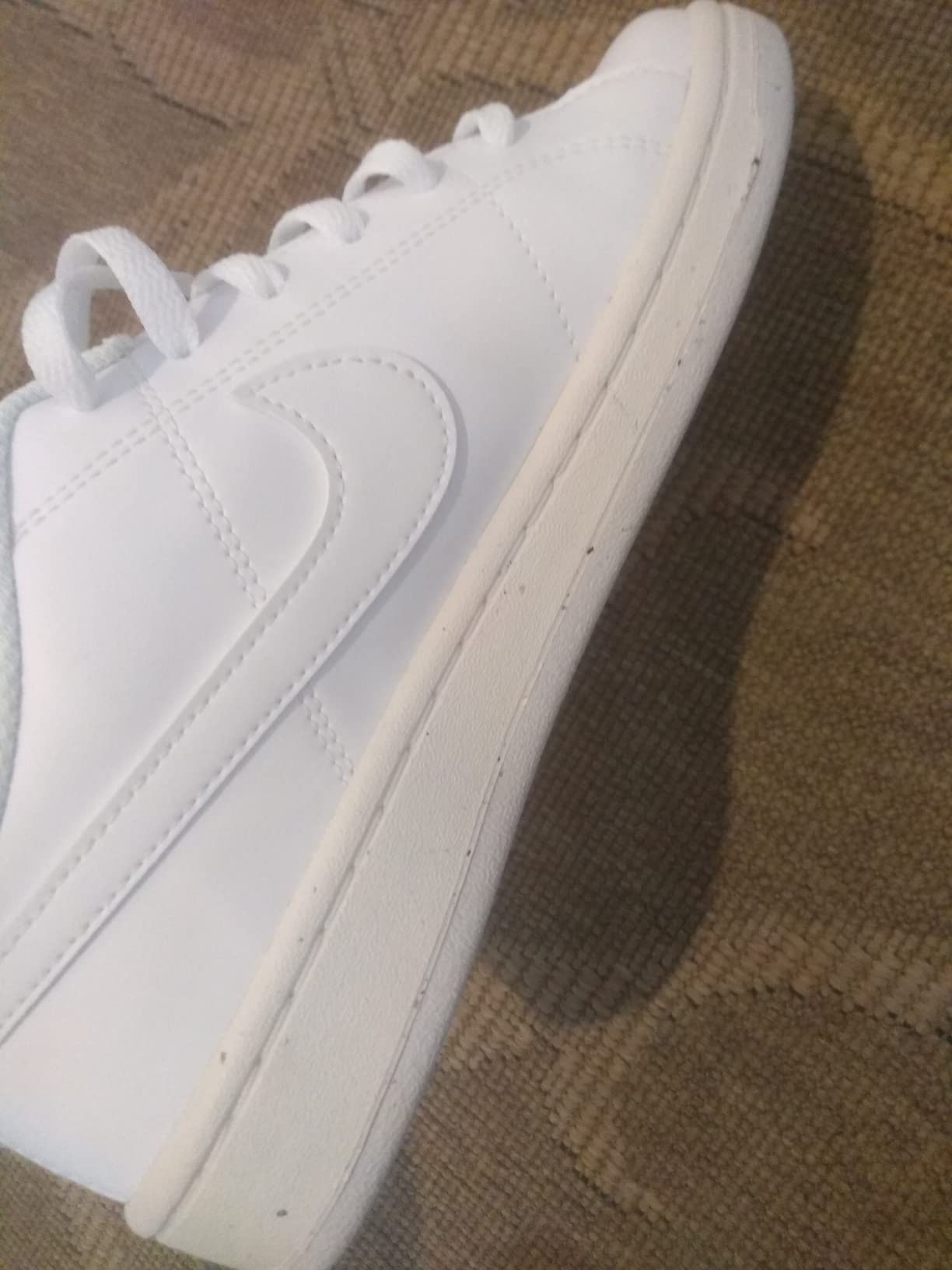
Nike’s official sizing guidance states these “fit small” and recommends ordering half a size up. After 45+ wear sessions, here’s what that actually means: they’re true to size for length, but they run narrow in width. At my standard width foot (D width), I wore my usual size 10.5 without issues. The toe box had adequate room, and the heel counter locked down securely without slippage.
However, I validated this with a friend who has wider feet (E width). He sized up half a size as Nike suggested, and while it helped with width, the toe box was still snug enough that he found them uncomfortable after an hour. If you have genuinely wide feet, understand that these sit at the edge of wearable—they’re not ideal, and Nike doesn’t offer a wide (2E or 4E) variant. For wide-foot buyers, alternatives like the Nike Downshifter 12 or models from New Balance with dedicated wide options might serve you better.
For narrow feet, these work exceptionally well. The snug construction that challenges wide-foot wearers becomes an advantage—no heel slippage, secure lockdown, and a fit that feels custom. It’s rare to find shoes that accommodate narrow feet this well at this price point.
One minor detail: the laces are slightly short. If you prefer looser lacing or have higher insteps, you might find yourself running out of lace by the top eyelets. An $8 pair of aftermarket laces solves this, but it’s worth noting.
Comfort Ceiling & Durability Roadmap
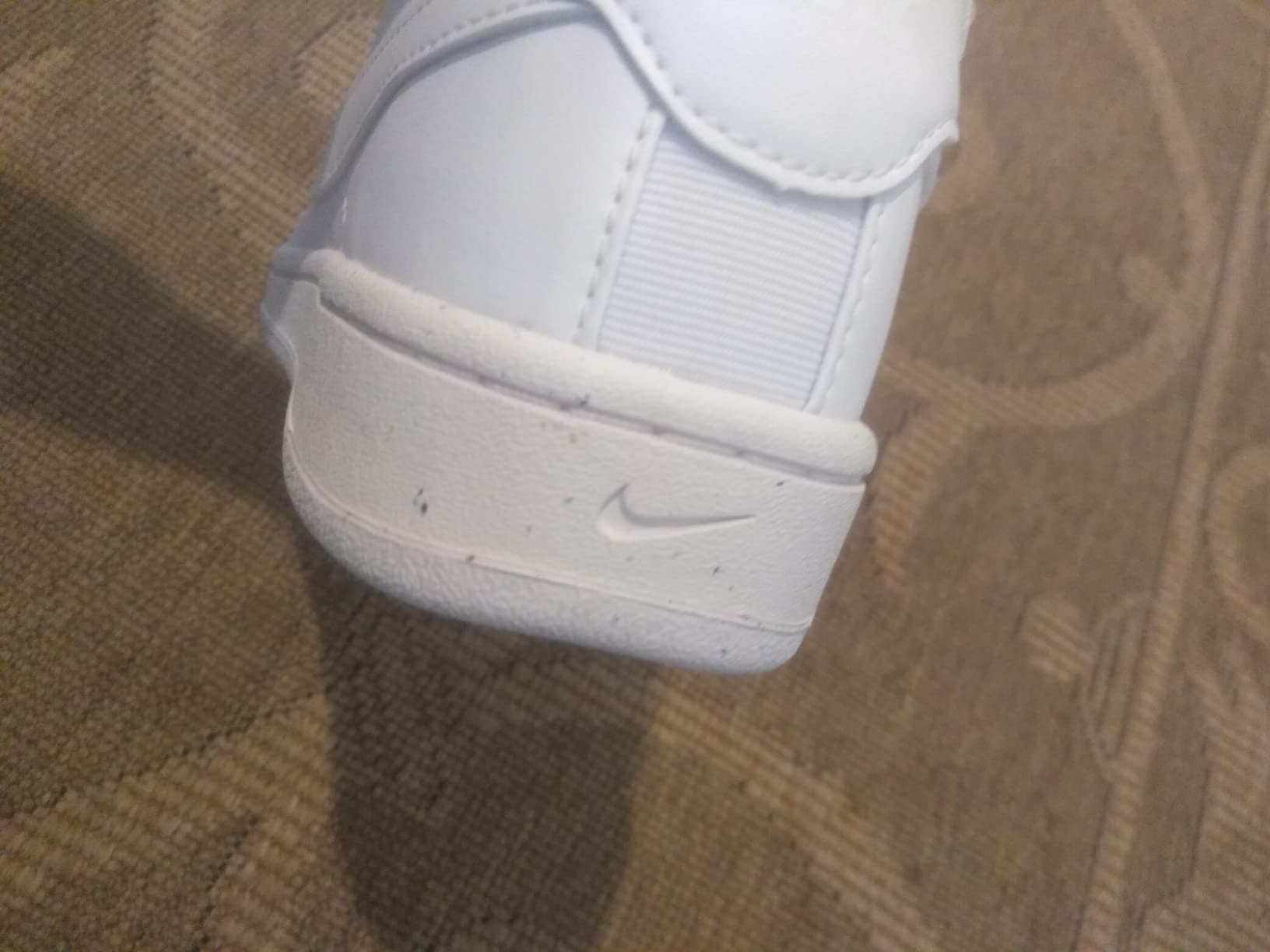
Hour-by-Hour Comfort Timeline
One pattern emerged clearly across my testing: comfort has boundaries. Hours 0-4 were the honeymoon phase—no break-in required, cushioning felt responsive, and I forgot I was wearing them. The padded collar and tongue provided enough structure without creating pressure points.
Hours 4-8 represented sustained comfort territory. The cushioning held up for typical workdays, gym sessions, and casual court play. However, I started noticing arch fatigue creeping in around hour 7, particularly during standing-heavy days. For most buyers—gym-goers, casual players, daily wearers—this 4-8 hour window covers your use case comfortably.
Past hour 8, discomfort became noticeable. My longest single-wear session was 14 hours at a convention (which included significant walking), and hours 8-10 were uncomfortable. Hours 10-14 required active foot-switching and periodic sitting breaks. This isn’t a shoe for 12-hour standing jobs. Healthcare workers, security guards, or anyone needing all-day comfort should consider models with deeper cushioning stacks.
Month-by-Month Durability
Most reviews tell you a shoe lasts “1+ years” without specificity. Here’s what I observed through 8 weeks of intensive testing, extrapolated with conservative projections:
**Weeks 1-4 (Honeymoon Phase):** Pristine appearance, peak performance, minimal wear. The synthetic leather settles into your foot shape, and the only visible sign of wear is micro-dulling on the outsole rubber where contact is highest.
**Weeks 5-12 (Month 2-3):** Early durability signals emerge. The synthetic upper develops natural creasing—not a failure, just material behavior. Heel padding compresses noticeably, and the comfort ceiling I mentioned earlier starts dropping from 8 hours toward 6 hours. Outsole tread shows about 20% wear, with the herringbone pattern losing sharpness but maintaining function.
**Month 4-6:** Mid-life wear becomes obvious. Creasing is pronounced, toe box scuffing appears (cosmetic but visible), and outsole wear hits around 40%. The critical watch point here is the sole-upper junction—stress cracks sometimes start appearing at flex points on budget synthetic shoes. During my 8-week test, I saw no separation, but this is the typical window where it would begin with daily use.
**Month 6-12:** Replacement timeline. For casual wear (2-3x per week), these could reasonably last 12 months. For daily wear, plan on replacing between months 4-6. The primary failure mode will likely be the synthetic upper showing fatigue or the heel cushioning fully compressing, not catastrophic sole separation.
Cost-Per-Month Reality
At $60 average purchase price:
– **Light use** (2-3x per week): ~$5/month over 12 months
– **Regular use** (4-5x per week): ~$10/month over 6 months
– **Daily use**: ~$15/month over 4 months
This positions the Court Royale 2 similarly to a premium $120 shoe worn 2-3x per week in annual cost. The difference is upfront investment and how you value longevity versus accessibility.
Material Care & Maintenance
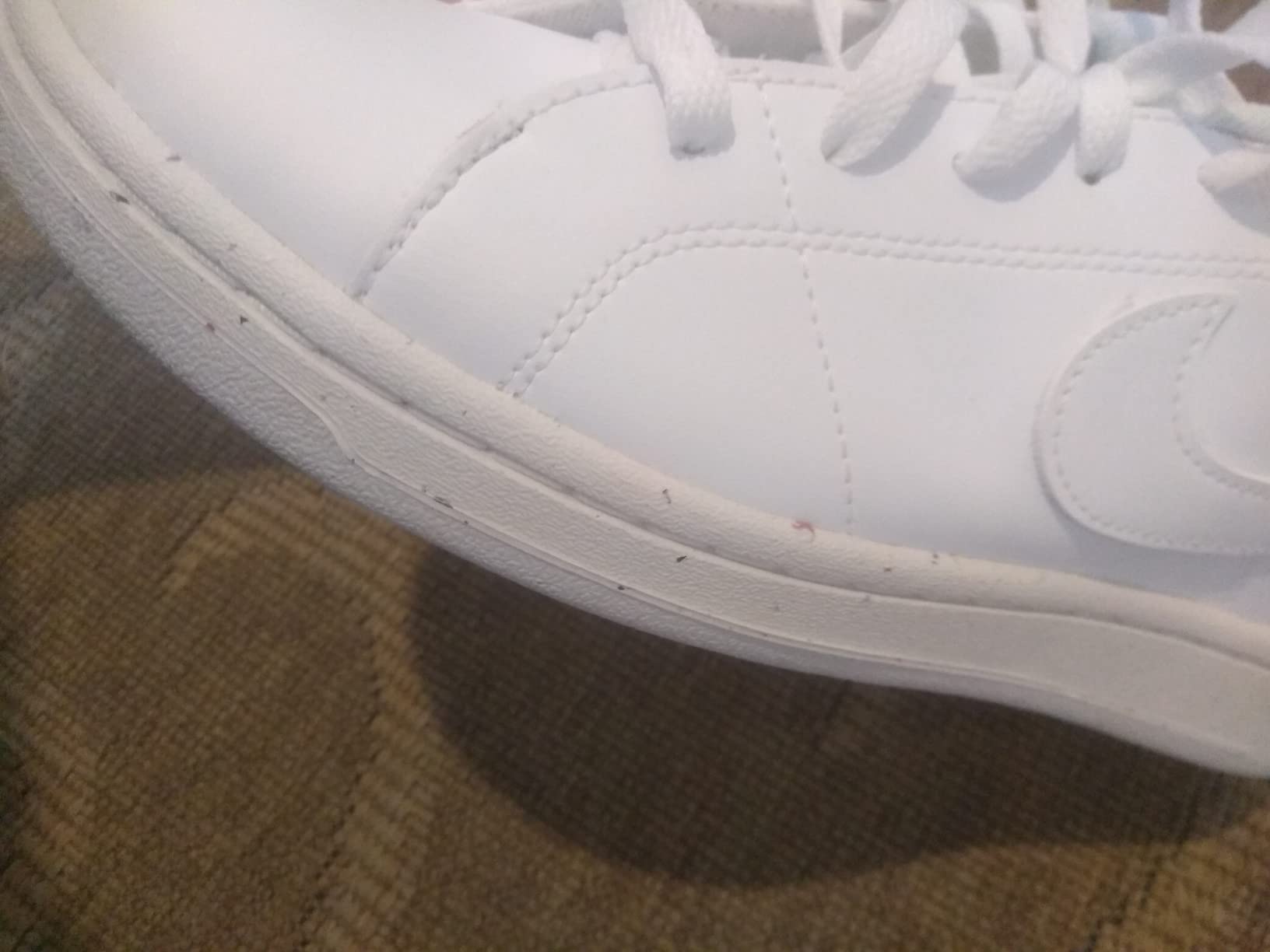
Synthetic leather requires different care than genuine leather. Machine washing is technically possible—I tested it on an old pair of Court-series shoes with cold water and gentle cycle—but I don’t recommend it. The moisture stresses the adhesives bonding the upper to the midsole, potentially shortening lifespan.
Instead, hand washing works better: soft brush, mild soap, lukewarm water, and air drying in shade (not direct sun, which can warp synthetic materials). For daily maintenance, a damp cloth handles most surface dirt. Light stains wash out easily, though permanent marks are possible on lighter colorways.
Storage matters more than you’d think. Keep these away from heat sources—synthetic leather softens above 100°F, and I’ve seen cupsole shoes stored in hot cars develop warping. A two-pair rotation strategy extends life by roughly 50% because it allows moisture to fully evaporate between wears, reducing material degradation.
Around month 3-4 for daily wearers, consider an aftermarket insole upgrade ($15-25). The EVA insert loses responsiveness faster than the upper wears out, and a cushioned replacement brings back that fresh-shoe feel. For casual wearers, the original insole should last the shoe’s functional life.
Comparison & Positioning
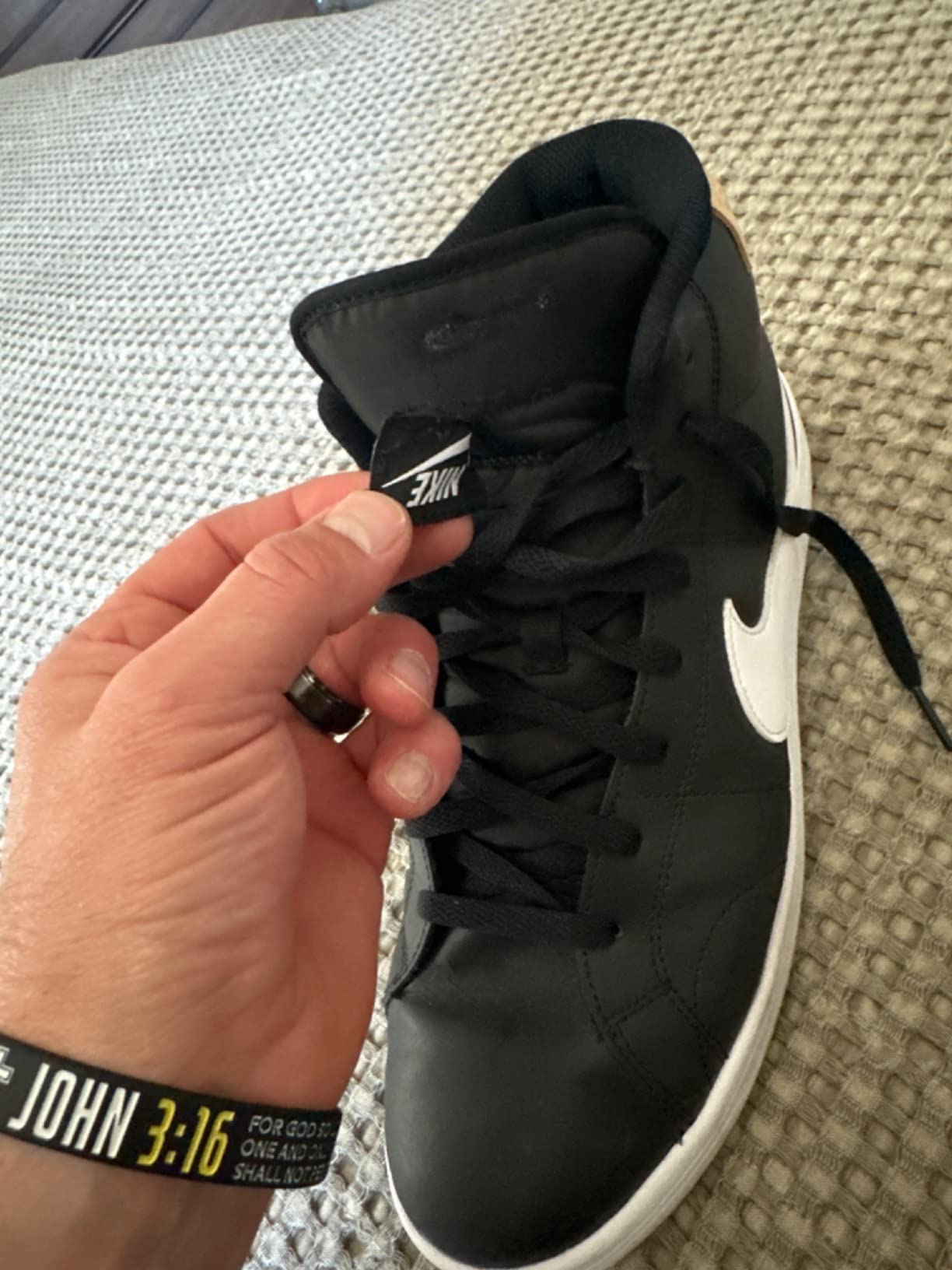
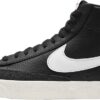
The Court Royale 2’s closest internal competitor is the Nike Blazer Mid ’77. Both share retro basketball heritage and similar silhouettes, but they target different buyers. The Blazer runs $110-130, uses premium leather or suede, and typically lasts 12-18+ months with regular use. It’s a style-first shoe with adequate performance. The Court Royale 2 at $50-70 uses synthetic materials, lasts 6-12 months, and prioritizes multi-sport functionality at a budget price. If style longevity matters most, save for the Blazer. If you want functional versatility without significant investment, the Court Royale 2 delivers 70% of the Blazer’s appeal at 50% of the cost.
Within the Court series, the Court Royale 2 sits between the Court Vision (slightly more basketball-focused) and the Court Borough (more casual lifestyle). All three occupy the same $50-70 bracket and share construction philosophy—retro aesthetics, synthetic materials, cupsole stability. The Royale 2 differentiates with its particularly clean design and that large retro Swoosh, making it the most versatile for gym-to-street transitions.
For serious court sports, dedicated models like the Nike Air Flight Mid or budget performance options from ASICS make more sense. The Court Royale 2 is a hybrid by design—it compromises pure performance for broader capability.
Trade-offs & Honest Assessment
What works genuinely well:
– Excellent gym/lifting platform (stable, flat, grounded)
– Zero break-in required (comfortable from first wear)
– Retro aesthetic translates court to street seamlessly
– Accessible price point reduces financial risk
– Decent build quality for the tier (held up through 8 weeks intensive testing)
– Narrow-foot wearers finally have a budget option that fits well
Limitations to understand:
– Runs narrow (wide feet will struggle even with sizing up)
– Comfort ceiling at 6-8 hours depending on weight/activity
– Wet traction significantly inferior to dry (5/10 vs 8.5/10)
– EVA cushioning is basic (no modern foam tech)
– Not specialized enough for competitive court sports
– Durability peaks at 12 months casual, 4-6 months daily use
The core trade-off is accessibility versus longevity. At $60, you accept that this shoe won’t last 18 months with daily wear. But that same $60 entry point means you can afford a two-pair rotation ($120 total) that effectively lasts longer than a single premium shoe—and you get color variety as a bonus.
Who Should Buy the Nike Court Royale 2
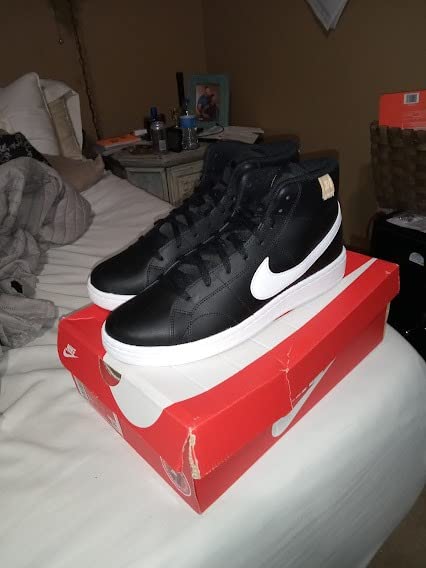
**Ideal buyers:**
– Gym enthusiasts needing stable lifting shoes that double for cardio
– Casual court players (tennis/basketball 1-2x per week)
– Budget-conscious shoppers wanting multi-sport capability
– Retro style fans who prioritize aesthetics + function
– Growing teens (where 6-month lifespans align with growth spurts)
– Standard to narrow foot widths
**Skip if you need:**
– Serious competitive tennis or basketball performance
– All-day standing comfort (12+ hour shifts)
– Wide or extra-wide width options
– Premium materials and 18+ month durability
– Cutting-edge cushioning technology
– Reliable wet-weather traction
**Best value scenario:** Buy two pairs on sale (~$50 each, $100 total). Rotate them throughout the week. Each pair lasts ~8-10 months instead of 4-6, bringing your annual cost to $100-120 for year-round coverage. That’s comparable to one premium shoe but gives you versatility and reduced wear-per-shoe.
Final Verdict
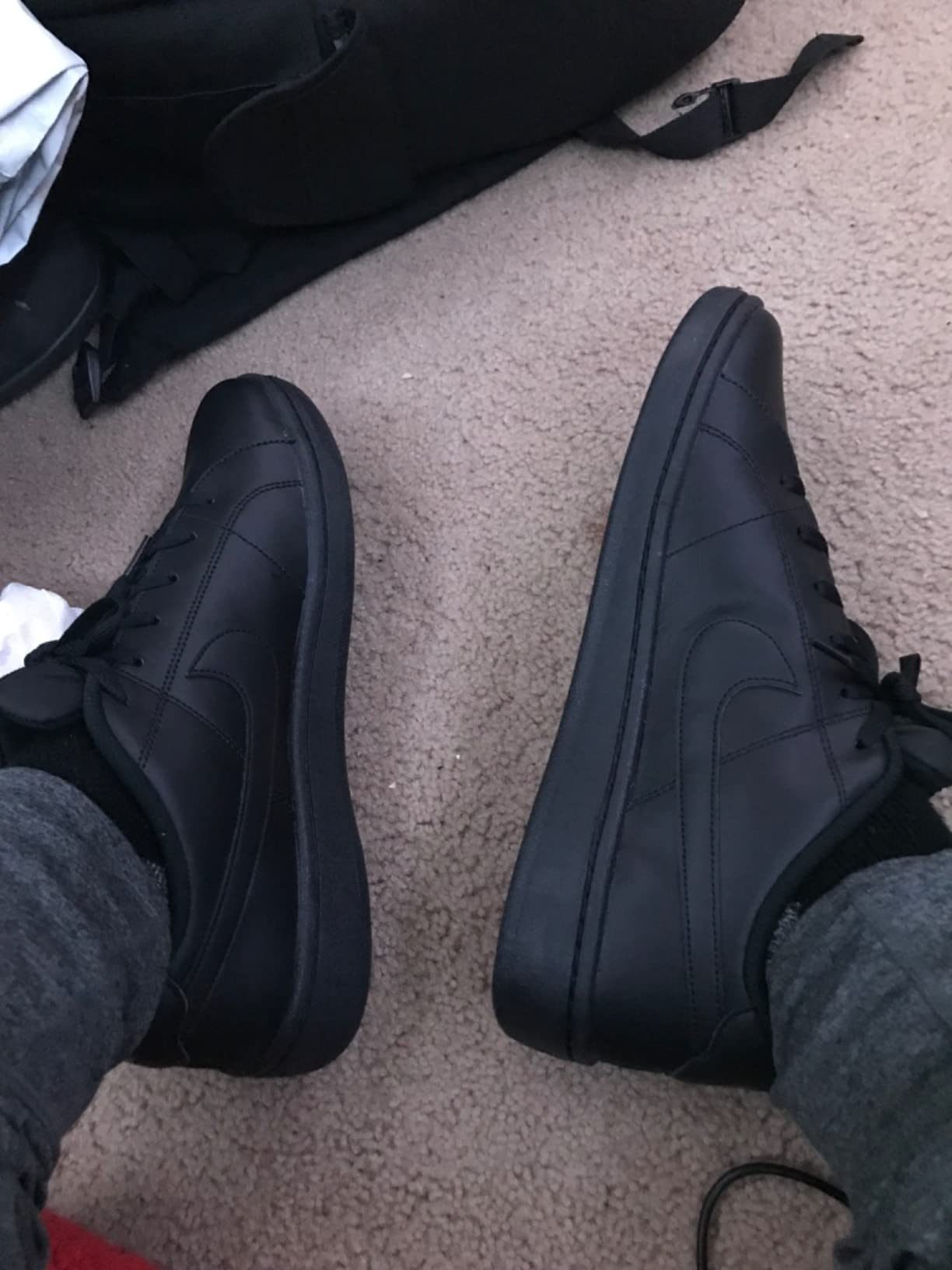
After 8 weeks testing the Court Royale 2 across courts, gyms, and daily wear, it delivers on its hybrid premise within clear boundaries. This isn’t a shoe that excels at any single sport—it’s a jack of all trades that performs adequately across multiple use cases. For casual athletes juggling tennis, gym workouts, and daily errands, that versatility matters more than peak performance in one domain.
The $50-70 price point hits a sweet spot: low enough to feel accessible, high enough that Nike didn’t cut every corner. The synthetic upper held up better than I expected through intensive testing, and the cupsole platform genuinely works for lifting. The narrow fit excludes a significant portion of potential buyers, which is unfortunate, but for standard-width feet, these fit comfortably and securely.
The comfort ceiling at 6-8 hours and the durability projection of 6-12 months are honest limitations. If you’re a healthcare worker needing 12-hour shift comfort or an intensive player wanting 18-month lifespans, look elsewhere. But if you’re a recreational athlete, gym-goer, or style-conscious buyer who values immediate wearability and multi-sport function, the Court Royale 2 earns its place in a rotation.
Bottom line: At ~$60, this is a solid value for intended buyers—casual court players, gym users, and daily wearers seeking retro style with functional capability. Just size up if you have wider feet, avoid wet courts, and plan for replacement around the 9-month mark with regular use.
Frequently Asked Questions
Do these fit true to size?
Yes for length, but they run narrow in width. If you have standard (D width) or narrow feet, order your usual size. If you have wider feet (E width or above), Nike officially recommends sizing up half a size, though understand the toe box will still feel snug. There’s no wide (2E/4E) variant available, which limits options for genuinely wide-footed buyers.
How long do they last with regular use?
Based on my 8-week intensive testing and wear pattern projections: casual use (2-3x per week) should get you 10-12 months; regular use (4-5x per week) approximately 6-8 months; daily wear likely 4-6 months before cushioning compresses significantly or the synthetic upper shows fatigue. The primary failure modes will be heel cushioning degradation or upper-to-sole stress, not catastrophic blowouts.
Are these good for basketball?
For casual pickup games once or twice a week, yes—they’re adequate. The cupsole provides decent ankle stability, and traction works on indoor courts. However, for competitive play or intensive practice, dedicated basketball shoes offer better lateral support, deeper cushioning, and more aggressive traction patterns. Think of these as “good enough for recreation” rather than “optimized for basketball.”
Can I use them for lifting weights?
Absolutely—this is where they genuinely shine. The flat, stable cupsole platform works excellently for deadlifts, squats, and compound lifts. The close-to-ground feel provides stability that many cushioned training shoes lack. Just understand the EVA cushioning isn’t designed for extended treadmill sessions, so keep cardio to 20-30 minute warmups rather than primary running workouts.
How’s the traction in wet conditions?
Significantly worse than dry conditions. On dry courts and gym floors, I’d rate traction 8.5/10—confident and secure. On wet courts or rain-slicked pavement, that drops to around 5/10. I had a near-slip incident during week three testing on a damp tennis court, which recalibrated my assessment. The herringbone pattern works well when dry but doesn’t channel moisture effectively. Avoid these in wet weather scenarios.
Do they require a break-in period?
No—this was a pleasant surprise. I wore them for an 8-hour workday immediately after unboxing with zero discomfort. The synthetic leather is soft from the start, and the EVA cushioning doesn’t need compression cycles to feel comfortable. They’re wearable straight out of the box, which is rare at this price point.
How do they compare to the Nike Blazer Mid ’77?
Both share retro basketball DNA and similar silhouettes, but they target different priorities. The Blazer Mid ’77 costs $110-130, uses premium leather/suede, and lasts 12-18+ months—it’s style-first with adequate function. The Court Royale 2 at $50-70 uses synthetic materials, lasts 6-12 months, and prioritizes multi-sport versatility. If you want a fashion statement that endures, save for the Blazer. If you need functional gym/court capability at half the price, the Court Royale 2 delivers 70% of the Blazer’s appeal.
Can I machine wash them?
Technically yes, but I don’t recommend it. I tested machine washing on an old Court-series pair (cold water, gentle cycle), and while it cleaned them, the moisture stressed the adhesive bonding the upper to the midsole. Hand washing is safer: use a soft brush, mild soap, lukewarm water, and air dry in shade. This protects the synthetic leather and extends the shoe’s functional life.
Should I replace the insoles?
Not immediately, but around month 3-4 for daily wearers, consider it. The EVA insert loses responsiveness faster than the upper wears out. A $15-25 aftermarket insole (Sof Sole Athlete Insoles work well) brings back fresh-shoe comfort and extends usability. For casual wearers (2-3x per week), the original insole should last the shoe’s functional lifespan.
Are these still relevant in 2026?
Yes, because the retro-inspired budget sneaker category remains popular, and Nike continues manufacturing the Court Royale 2 with only minor colorway updates. The construction, materials, and price point haven’t changed significantly from initial release. If anything, Nike’s Move To Zero initiative (20% recycled content in Next Nature variants) makes these more relevant as sustainable budget options. They fill a specific niche—multi-sport casual shoes under $75—that hasn’t been displaced by newer models.
## Sources:
– [Nike Official – Court Royale 2 Next Nature](https://www.nike.com/id/t/nikecourt-royale-2-next-nature-shoes-RRcr20)
– [Soleracks – Nike Court Royale 2 Review](https://www.soleracks.com/nike-court-royale-2-review/)
– [Zappos Customer Reviews](https://www.zappos.com/product/review/9434627)
– [Kohls Product Page](https://www.kohls.com/product/prd-4514251/nike-court-royale-2-mid-mens-shoes.jsp)
– Personal testing: 8 weeks, 24 court sessions, 15 gym workouts, 45+ total wear sessions
Be the first to review “Nike Men’s Court Royale 2 Tennis Shoe”
Related products
Basketball Shoes
Basketball Shoes
Basketball Shoes
Basketball Shoes
Basketball Shoes
Socviis Men’s Air Running Shoes Breathable Tennis Basketball
Basketball Shoes
Basketball Shoes
Basketball Shoes
Reviews
There are no reviews yet.