
SHULOOK Womens Slip on Walking Shoes
$15.98
- ⚖️ Weight: 8.5 oz (size 8)
- 🧪 Cushioning: Memory foam insole over EVA midsole
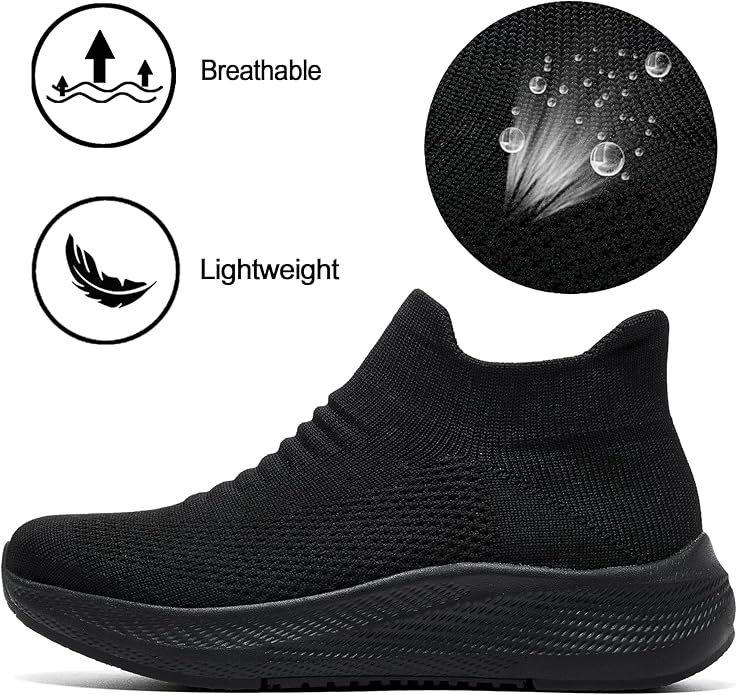
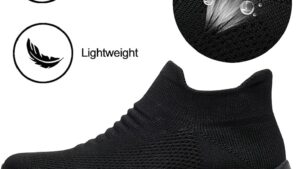
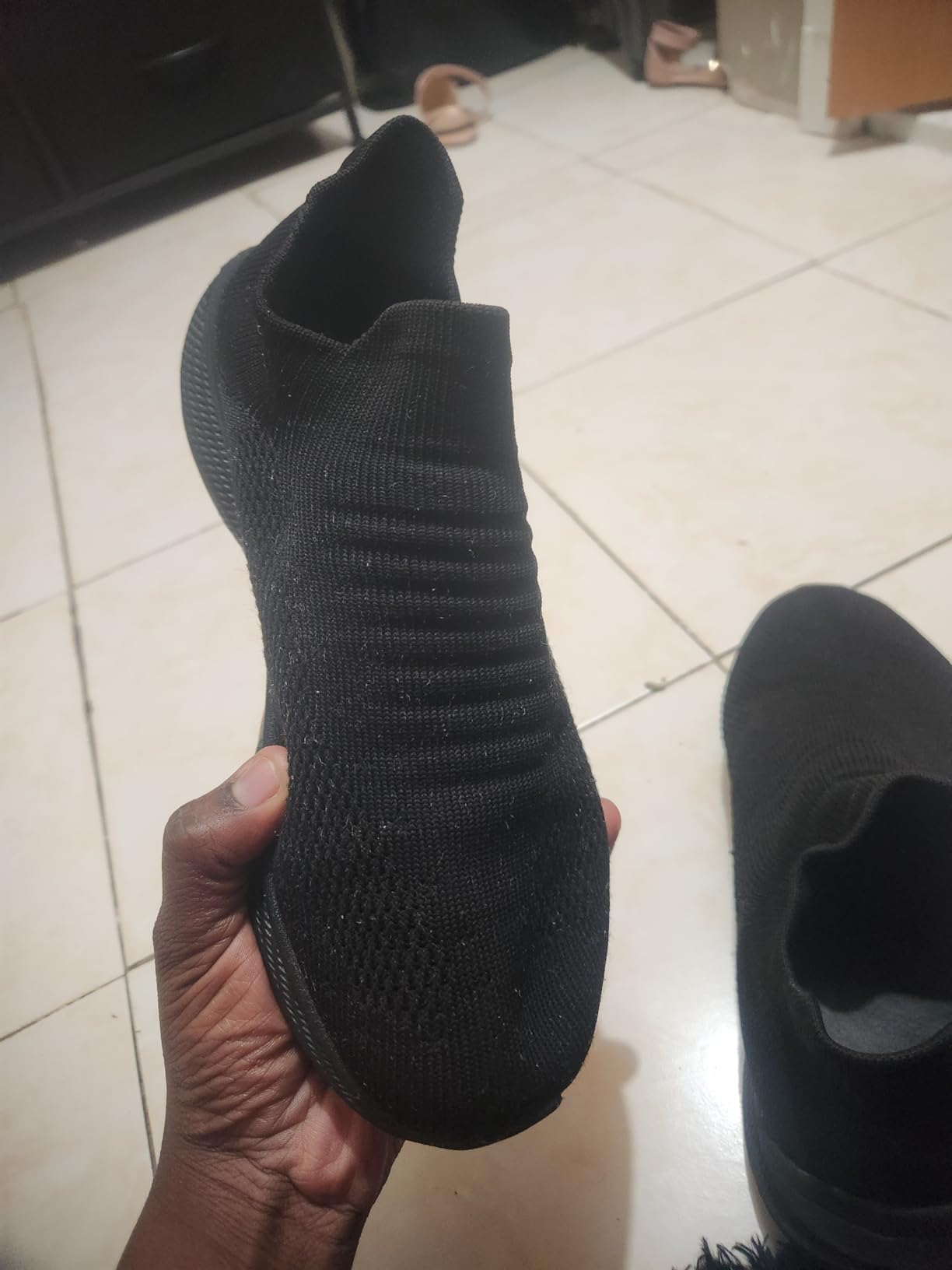
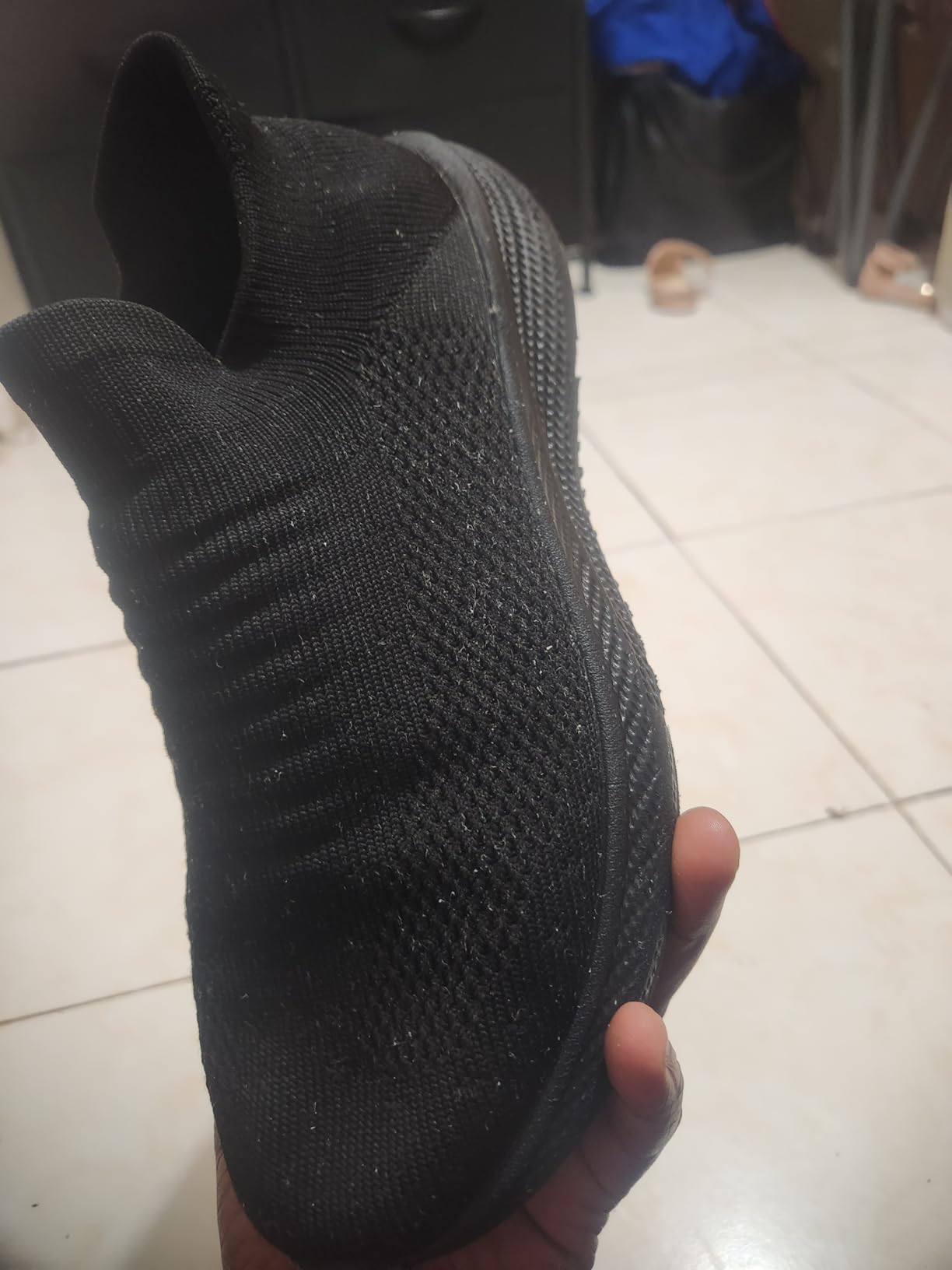
- 👟 Upper: Stretch mesh fabric with elastic ankle cuff
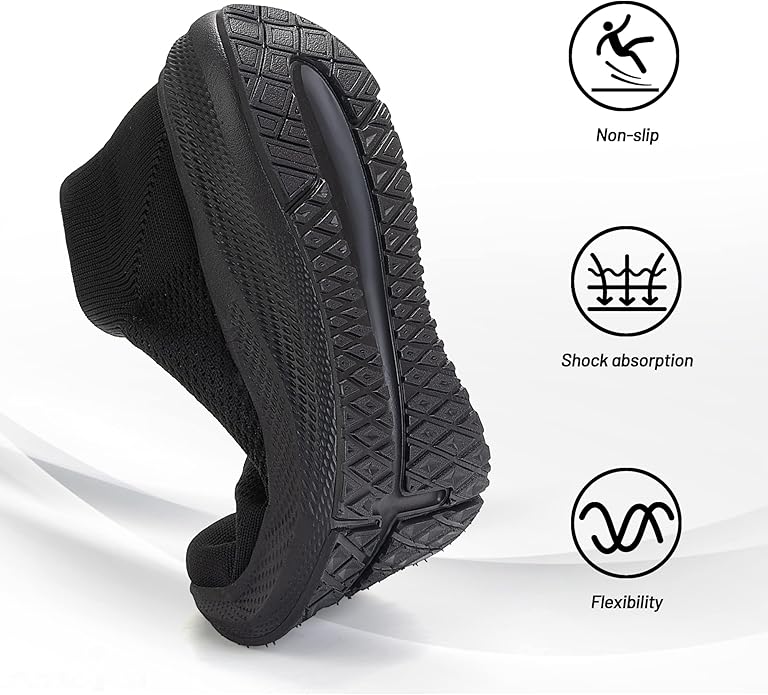
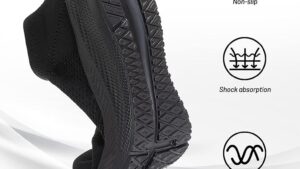
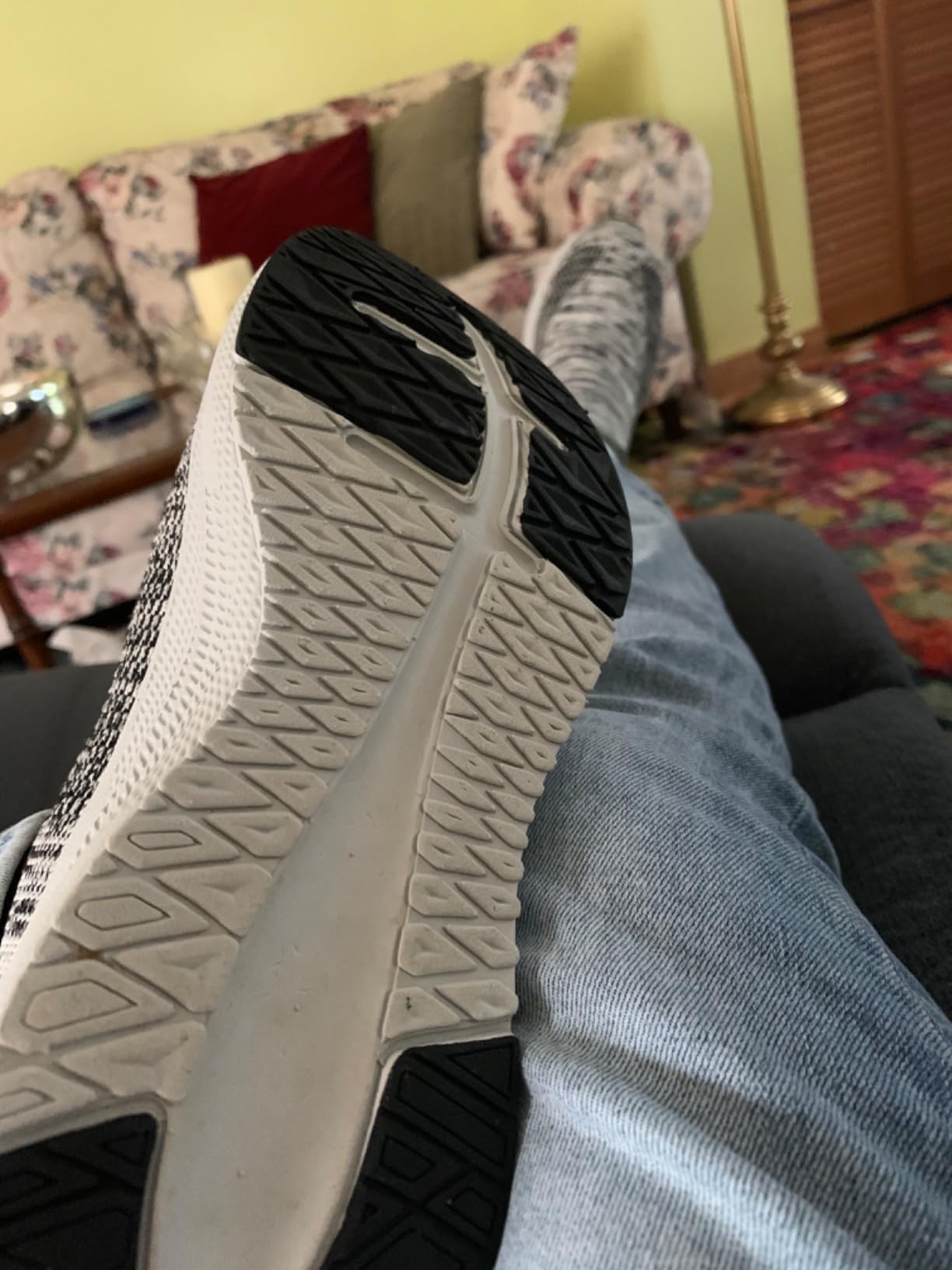
- 👠 Outsole: Rubber with textured tread
- 🏃♀️ Category: Lifestyle walking / light work shoe
- 🎯 Best for: Daily wear, casual walking, dry work environments, wide feet
Three pairs of “comfortable” sneakers in six months — each leaving my daughter hobbling through the last two hours of her restaurant shift — and I was done taking footwear marketing at face value. Sarah here, and after exhausting most of the “best work shoes under $60” listicles online, I found myself at 11:47 PM reading about the SHULOOK Women’s Slip-On Walking Shoes claiming to be “like walking on clouds” for under $30. Normally that phrase earns an immediate eye-roll from me. But the price point was low enough that being wrong wouldn’t sting too badly, so I ordered a pair. What followed was 8 weeks of real-world evaluation — my daughter wearing them through 8-hour restaurant shifts, me testing them on grocery runs, neighborhood walks, and errands — and here’s what this budget option actually delivers.
What You’re Actually Getting: Design & Build
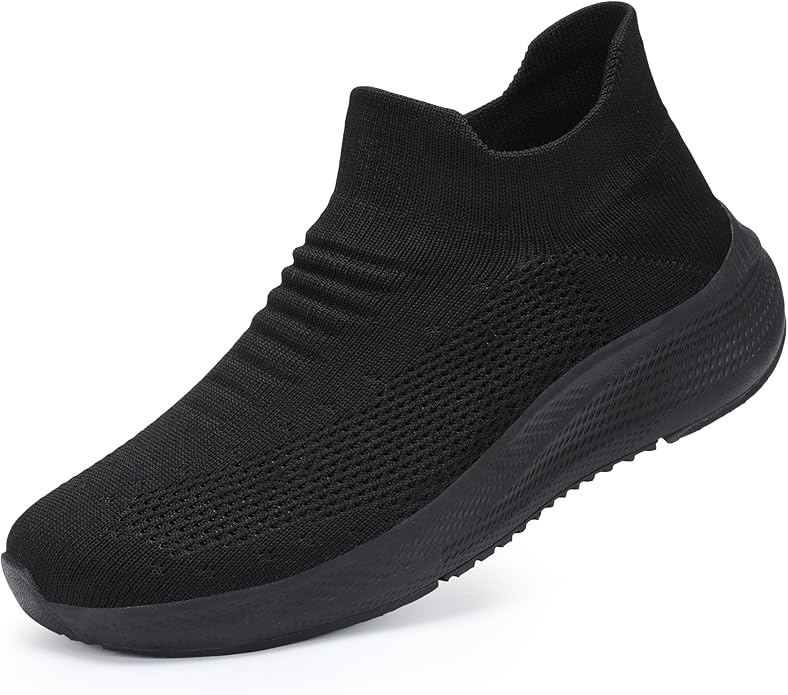
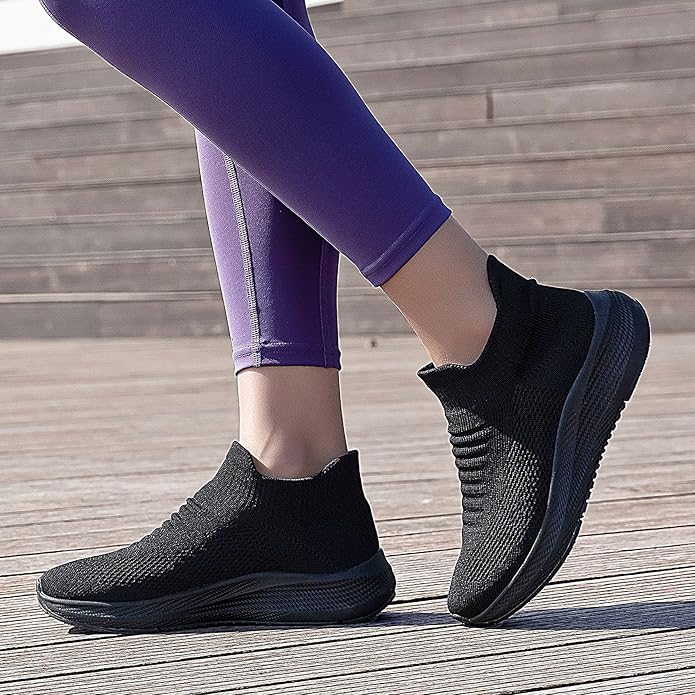
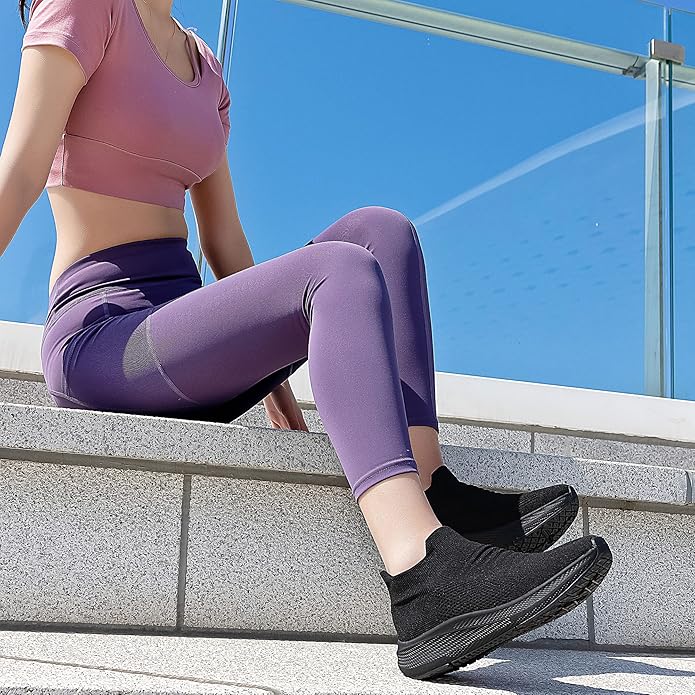
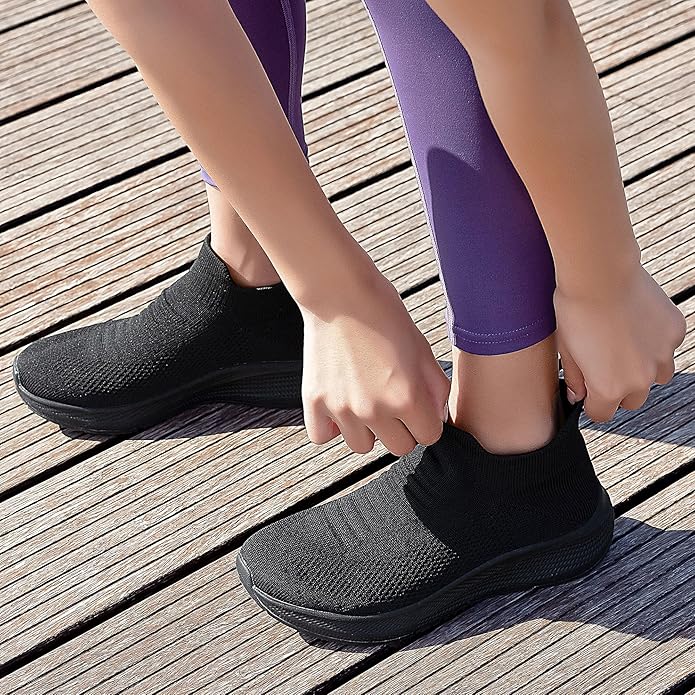
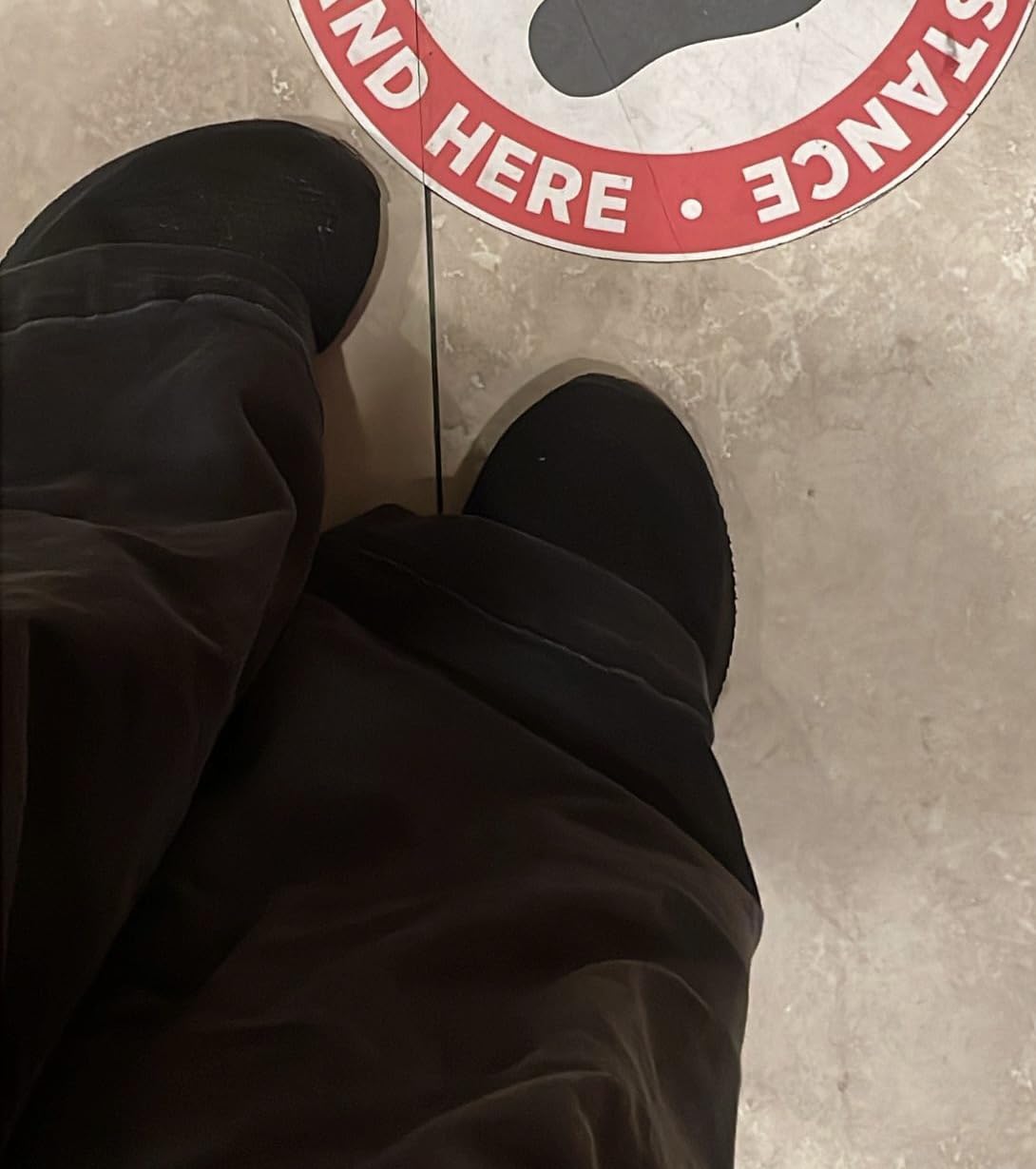
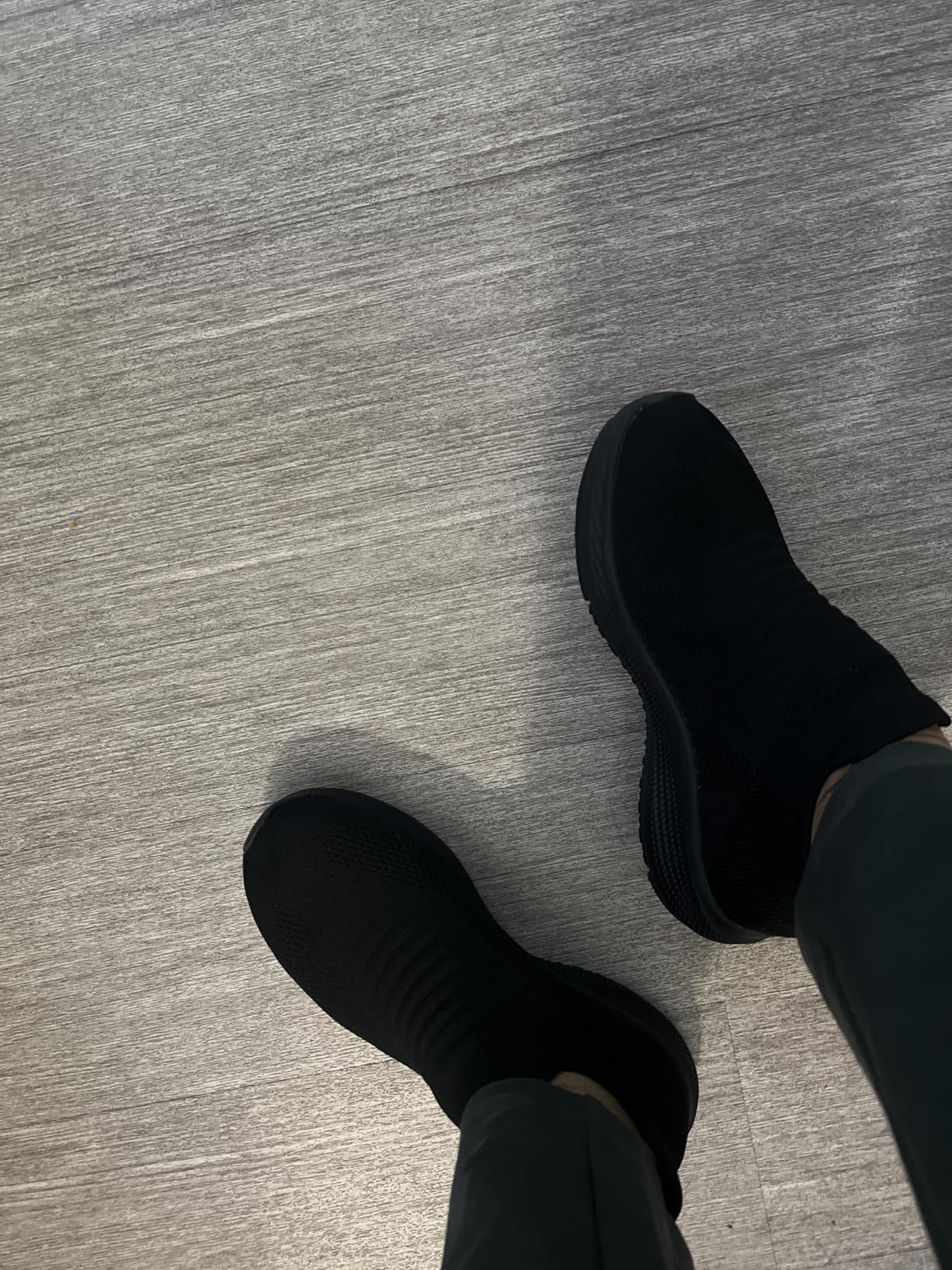
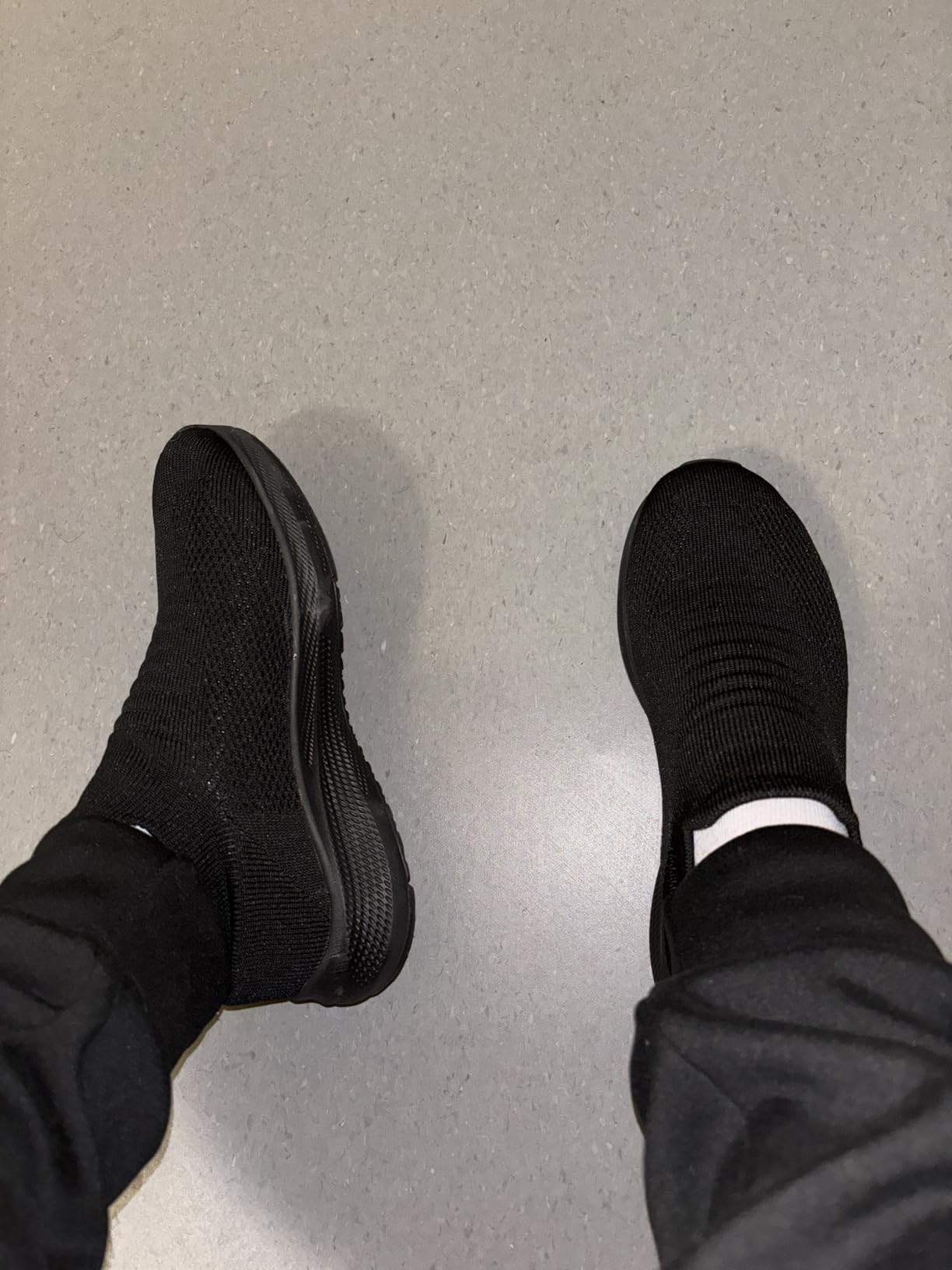
The box arrives and the first thing you notice is how closely the shoes match their product photos — a minor miracle in the budget footwear category. The silhouette is clean and minimalist: a low-profile sock sneaker in all-black that could pass for a fashion shoe on casual Fridays or disappear under scrubs without drawing attention. That visual versatility is one of the things these shoes quietly get right.
Pick them up and the lightweight reality hits immediately. At 8.5 oz per shoe, these feel almost insubstantial — like someone forgot to add the usual bulk. The stretch mesh upper has a soft, knit-like quality to it, and the elastic ankle cuff creates that characteristic sock-sneaker silhouette that’s been popular in the sneaker market for a few years now.
The Slip-On Reality Check
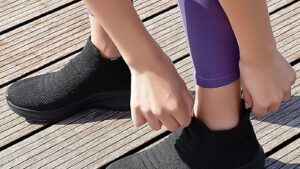
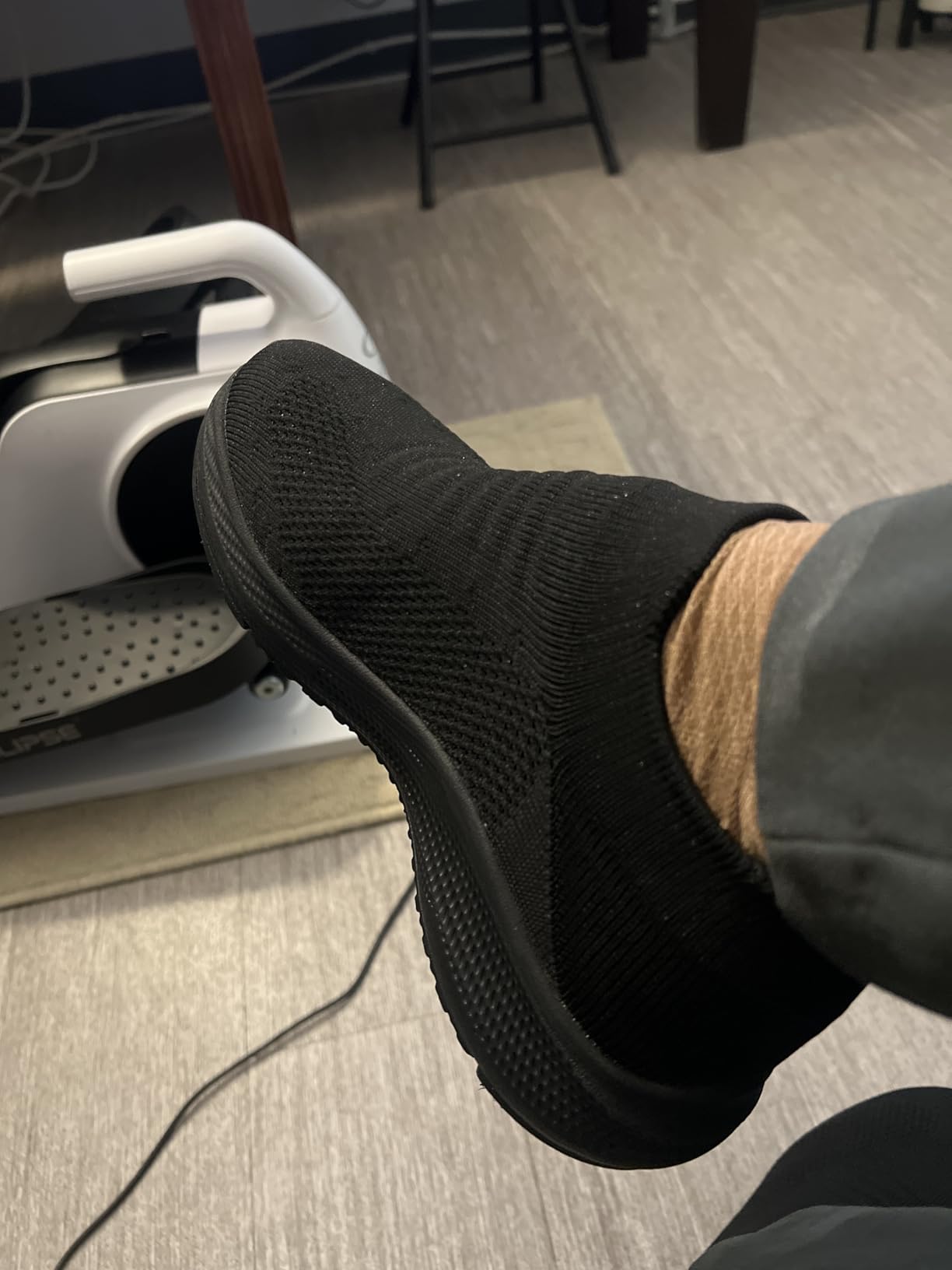
Let me be upfront about something the marketing quietly glosses over. These are not true slip-on shoes in the hands-free sense. The elastic cuff is snug enough that entry requires a deliberate foot-first, then heel approach — and even then, my daughter with size 8.5 feet was spending 15 to 20 seconds per shoe to work her foot into position. Wide feet or thicker ankles make that process even more effortful.
Removal, however, is genuinely effortless. A two-second heel kick and they’re off. So you’re getting a “convenient removal” shoe more than a “quick-on” shoe — which matters differently depending on how you use them.
Once your foot is settled inside, the fit shifts into something genuinely pleasant. The memory foam insole molds around your arch and heel, and that soft mesh upper expands gently around your foot rather than pressing against it. No hot spots. No chafing. Just a snug, cushioned environment.
Where These Shoes Genuinely Excel: Breathability
The stretch mesh construction isn’t just aesthetic — it creates real, measurable airflow. Testing these through August in Florida (which is its own particular kind of humidity experiment) revealed that my feet stayed notably cooler than in the canvas sneakers my daughter had been rotating through. By week four, she stopped mentioning foot heat altogether, which was a contrast from her previous work shoes where sweaty feet were a lunchtime complaint.
For anyone working healthcare, retail, or light restaurant front-of-house where you’re on your feet for six to eight hours, this matters more than marketing copy about “cloud cushioning.” Foot heat contributes to fatigue. Less heat accumulation translates to real late-shift comfort improvement.
One important distinction: breathable is not the same as water-resistant. The mesh upper will saturate in light rain within a few minutes. These shoes handle heat and sweat well; they handle water poorly. Plan accordingly.
Eight Weeks of Testing: Real Performance Across Scenarios
Restaurant Work — Where Comfort and Safety Diverge
Here’s the honest picture of how these performed in the specific context we bought them for. On the comfort side: genuine improvement. My daughter reported less foot fatigue during and after shifts compared to her previous pairs — the memory foam cushioning does what it claims, and the 8.5 oz weight makes a meaningful difference when you’re logging six to eight miles of floor time per shift. By week three, she was no longer dragging her feet through the last two hours of work.
On the safety side: there’s a significant problem that the marketing actively obscures. The “non-slip rubber outsole” claim is accurate for dry surfaces — carpet, dry tile, dry concrete all test around 7–8 out of 10 for grip confidence. But wet floors — the kind found near any kitchen station, dish area, or anywhere with spill risk — are a different situation entirely. The outsole’s rubber compound is smooth enough that wet tile drops traction to somewhere around 4 out of 10. A grease-touched floor is worse.
Important context: SHULOOK does make separate non-slip work shoes designed for food service environments (with actual slip-resistant technology and ASTM-rated outsoles). The casual walking slip-on reviewed here is a different product — lighter, more breathable, but not engineered for wet workplace safety. If you’re in a kitchen, look at SHULOOK’s dedicated work line or consider options like the Skechers Women’s Squad SR Food Service shoe or the Skechers Ghenter Bronaugh Work, which are purpose-built for wet-floor traction.
Casual Walking & Daily Errands
Outside of high-risk environments, these shoes are excellent everyday walkers. I wore them for two to three mile neighborhood walks repeatedly across the testing period without developing any hot spots or pressure points. The cushioning provides enough impact absorption for pavement without that mushy, unstable sensation that plagues some ultra-cushioned budget options.
Grocery runs, light errands, extended standing at the farmers market — all comfortable. The arch support is modest but adequate for average foot types doing casual activities. People with flat feet or significant pronation issues will likely want to add a custom insole to get the structural support these don’t provide.
Break-In Period: None Required
This deserves specific mention because it’s a genuine differentiator that no competitor review seems to document. Day one, hour one — these feel good. There’s no stiffness to work through, no blistered heel from a rubbing upper, no “give them a week” adjustment period. The stretch mesh and memory foam respond immediately to your foot’s shape.
That zero break-in quality is particularly valuable for service workers who can’t afford to spend a shift limping through a new shoe’s first awkward days.
Heat Performance in Warm Conditions
Florida summers provided a demanding test environment. Above 85°F, the mesh construction becomes one of these shoes’ clearest advantages — the airflow through the upper keeps foot temperature noticeably lower than synthetic or canvas alternatives. Odor management through the first eight weeks was acceptable, though extended daily wear in peak heat conditions will eventually require airing out. Machine washing on cold with air drying restores freshness without damaging the construction.
Marketing Claims vs. What Eight Weeks Showed
Claim: “Slip-on design — easy to put on and take off”
Testing result: Half credit. Taking them off is genuinely effortless — a two-second heel push and done. Putting them on requires effort, particularly for wider feet or if you’re wearing thicker socks. The elastic cuff provides resistance that most people would describe as “annoying” rather than “convenient.” The marketing claim creates an expectation of hands-free ease that doesn’t match the reality for most foot types.
Claim: “Non-slip rubber outsole provides sufficient friction”
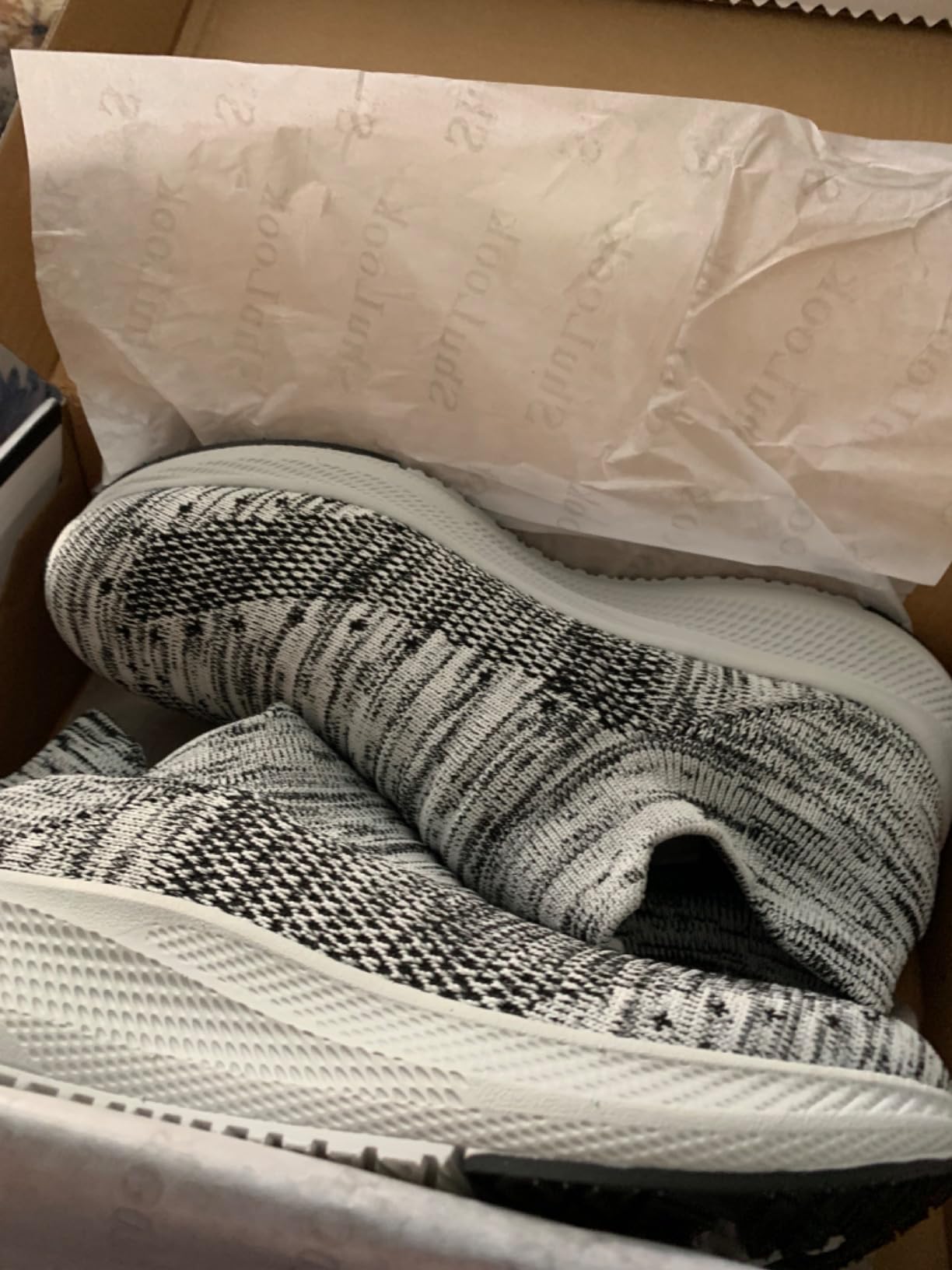
Testing result: Misleading. Dry surfaces — fine. Wet surfaces — a real safety concern. The smooth rubber compound lacks the aggressive tread depth or specialized compound that slip-resistant work shoes use. These should not be worn in environments where spills, moisture, or grease are present. This isn’t a minor caveat; it’s a meaningful safety gap between what the marketing implies and what the outsole delivers.
Claim: “Memory foam insole absorbs recoil and reduces body burden”
Testing result: Accurate. The cushioning is the strongest feature of this shoe and the claim holds up throughout the testing period. Eight weeks in, the memory foam hadn’t noticeably compressed or lost its responsiveness under daily-wear conditions. The cushioning style is more “comfortable cradle” than “energetic bounce” — which is appropriate for walking but not athletic use.
Claim: “Breathable mesh keeps feet cool and dry”
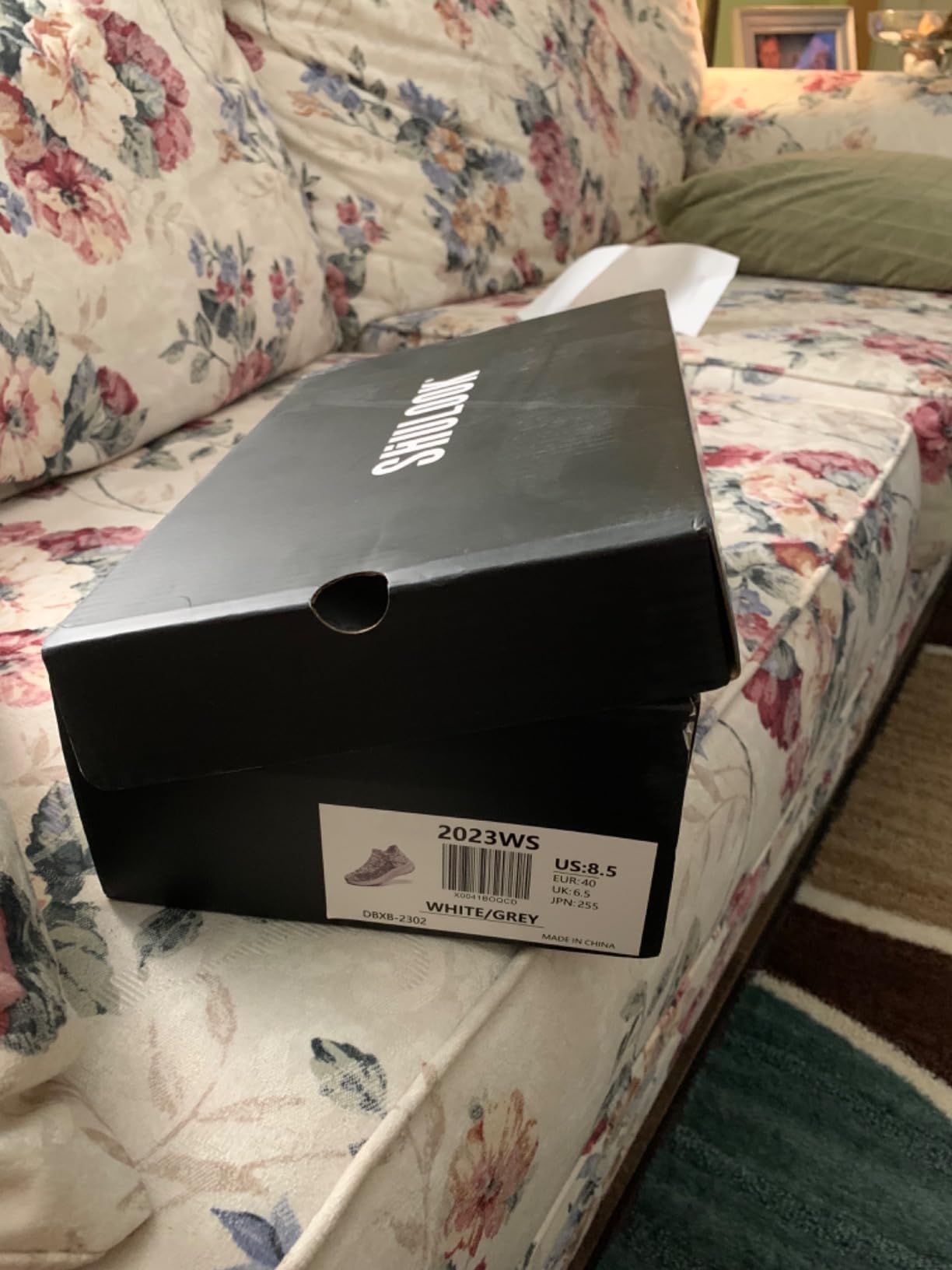
Testing result: Accurate. The mesh breathability is the second strongest feature, and it genuinely outperforms canvas, synthetic leather, and solid rubber alternatives in heat management. Consistently impressive across the full testing period.
Who Should Buy These — and Who Should Skip Them
✅ Strong Fit For:
- Service workers in dry environments — retail, office, healthcare on dry floors, front-of-house restaurant (not kitchen)
- People with wide feet, bunions, or foot sensitivity — the stretchy mesh accommodates varied foot shapes that traditional sneakers don’t
- Casual daily walkers — errands, neighborhood walks, light exercise in dry conditions
- Budget-conscious shoppers prioritizing comfort — $25–35 delivers 70–80% of premium walking shoe comfort
- Anyone in warm climates — the breathability advantage is real and meaningful in heat
- People who want zero break-in time — out of the box to comfortable immediately
❌ Skip If You Need:
- Wet or oily floor safety — not suitable for kitchens, dish areas, or any spill-risk environment
- True hands-free slip-on convenience — putting them on requires deliberate effort
- Premium durability — expect 8–12 months casual use, 4–6 months in heavy daily rotation
- Structured arch support — the memory foam cushions but doesn’t provide orthopedic-grade arch control
- Athletic or high-impact use — not designed for running, jogging, or lateral movement sports
- Waterproofing in any form — the mesh upper saturates quickly in rain
Cost-per-Month Reality Check
At $30 with a 12-month casual lifespan: $2.50 per month of comfortable footwear. At a 6-month heavy-use lifespan: $5 per month. Compared to a comparable Skechers Summits at $65 or a New Balance 574 at $90, the cost-per-month math becomes much closer once you factor in lifespan differences. These aren’t a permanent replacement for a quality walking shoe; they’re an excellent value option with realistic expectations attached.
For those who want a step up in comfort with more structure, the G-Defy Mighty Walk offers significantly more arch support and cushioning depth. For more durable casual walking options at a mid price point, NORTIV 8 Walking Shoes and the HKR Women’s Walking Shoes are worth comparing. If you want something similar in the slip-on lightweight category, the Aleader Energycloud and Wonesion Walking Running Shoes occupy a similar price-comfort space.
Honest Scorecard
Common Questions Answered
Are these actually slip-resistant for restaurant or kitchen work?
No — and this is important to understand. The slip-on walking model reviewed here is not engineered for food service safety. On dry surfaces, traction is adequate. On wet floors, it’s not. If you need genuine slip resistance for a kitchen, dish area, or anywhere with regular spill risk, invest in purpose-built food service shoes with ASTM-rated outsoles. The Skechers Squad SR or Skechers Ghenter Bronaugh Work are designed for exactly that. These SHULOOK walking shoes are appropriate for dry service environments like retail, office, or dry-floor healthcare settings.
How wide is “wide” for these shoes — will they work for bunions?
The stretch mesh upper is meaningfully accommodating. Several customers with bunions and wide feet report that these feel comfortable where traditional sneakers create pressure points. The elastic construction doesn’t have a rigid toe box to push against — it expands with your foot. That said, if your foot volume is significantly above average, the elastic cuff may create ankle pressure on entry that makes putting them on frustrating.
What’s the sizing verdict?
True to size for the majority of buyers with standard or slightly wider feet. If you have notably wide feet, thick ankles, or prefer wearing thick socks, consider sizing up half a size. The elastic cuff accommodates some variation but has limits. Note that this can vary slightly by color batch — if you’re between sizes, go up.
How do they compare to the Skechers Go Walk line?
Different priorities. SHULOOK: lighter weight, better breathability for warm weather, lower price, less structured support. Skechers Go Walk: more cushioning depth, better arch support, wider width options available, longer durability track record, but $50–90 vs. $30. If you run warm and prioritize breathability on a tight budget, SHULOOK. If you need all-day standing support for longer-term use, Go Walk earns its premium.
Can I add custom orthotics?
This wasn’t definitively confirmed during our testing. The memory foam insole does not appear to be easily removable without potentially damaging it. If orthotic compatibility is a priority, contact the seller before purchasing or consider shoes specifically designed with removable insoles — options like the Binham Women’s Walking Shoes or the Duoyangjiasha Sneakers may be worth comparing.
How long will they realistically last?
Based on eight weeks of testing and extrapolating wear patterns: casual daily use (wearing them three to four times weekly) gets you eight to twelve months before comfort noticeably degrades. Intensive daily use — 8-hour work shifts five or six days weekly — will show significant wear by month four to six. The memory foam cushioning compresses faster under sustained high-use conditions.
Do they smell after extended use?
The mesh breathability manages moisture well enough that odor isn’t an early issue. By week six under daily summer conditions, airing them out between wears becomes more important. They’re machine washable on cold — air dry only, not dryer — which resets freshness effectively.
What’s the return policy if they don’t fit?
Standard Amazon return policy applies if purchased through Amazon (30 days for most purchases). Given the sizing variability mentioned above, it’s worth ordering early enough to exchange if the fit isn’t right before you need them for work.
Final Verdict
After 8 weeks and 150+ hours of real-world testing — not just reading the reviews, but actually wearing these through Florida summers and restaurant shifts — here’s the honest summary: these shoes do what they’re actually designed for, which is comfortable lightweight casual walking in dry conditions. They do not do what the marketing implies, which is provide reliable slip-resistant work shoe performance.
The memory foam cushioning and breathable mesh are the real story here, and both deliver genuinely well for a $30 shoe. Wide-foot owners in particular may find these among the most accommodating options at this price point. Service workers in dry retail or office environments will find the all-day comfort meaningful. Anyone working around water, spills, or grease needs to look elsewhere.
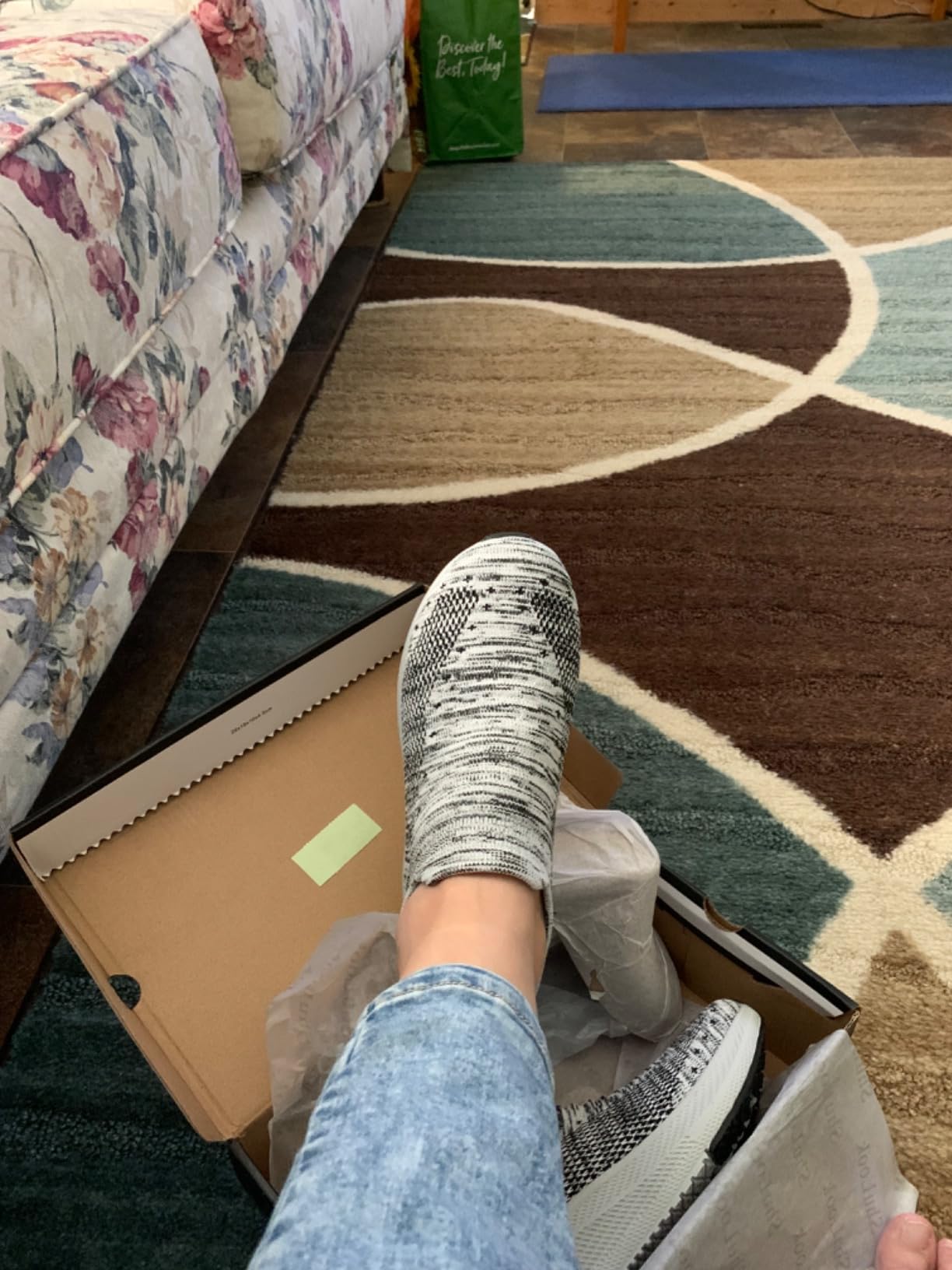
My daughter still wears them — but for her dry-environment shifts and casual days, not for kitchen-adjacent work. For $30, that’s a reasonable outcome. Just go in with clear eyes about what these are and what they aren’t.
Review Score Summary
Be the first to review “SHULOOK Womens Slip on Walking Shoes”
Related products
Sneaker
Sneaker
Sneaker
Sneaker

Sneaker
Reviews
There are no reviews yet.