
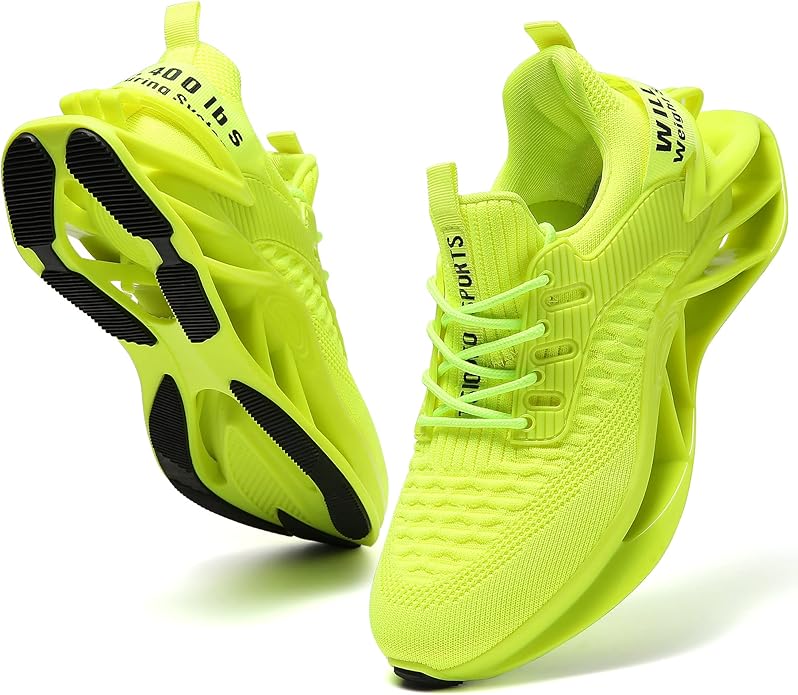
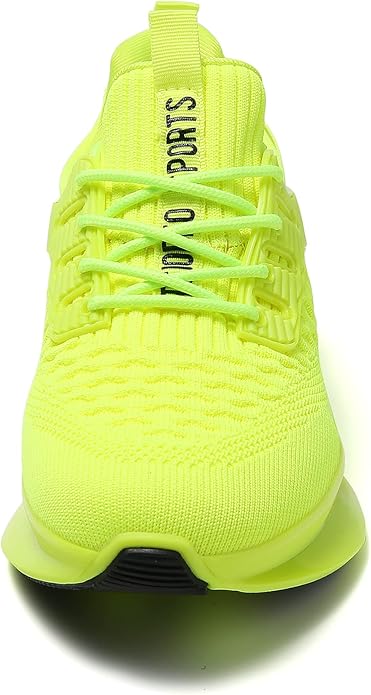
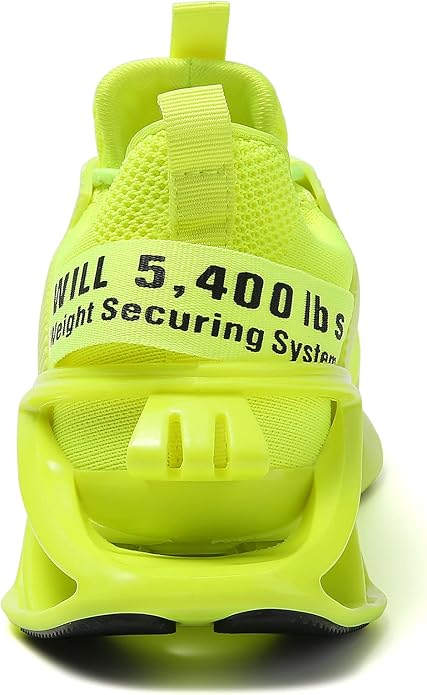
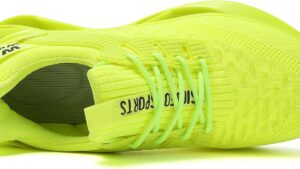
Halfway through a pickup game at my local rec center last month, one of the regulars stopped mid-play and pointed at my feet. “Are those tap shoes?” he asked, dead serious. I was wearing the SKDOIUL Men Sport Athletic Running Sneakers — the fluorescent green pair I’d grabbed off Amazon for $40 three weeks earlier. That clicking sound you’re wondering about? Yes, it’s real. After six weeks of testing these across basketball sessions, HIIT workouts, neighborhood runs, and plenty of regular gym time, here’s the honest breakdown.
Upfront: these aren’t the athletic shoes their marketing describes. They’re style-forward budget sneakers with genuinely great breathability, and they work well for casual wear. For anything more demanding than light gym cardio or neighborhood walks, the hard TPU sole and durability concerns are going to work against you. Keep reading for the specifics — including a durability timeline by use intensity and cost-per-wear math that’ll help you decide if $40 actually makes sense for your situation.
Quick Specs
- Price: ~$40
- Weight: 11.2 oz (men’s size 10)
- Heel-to-toe drop: 12mm
- Stack height: 32mm heel / 20mm forefoot
- Midsole: EVA foam
- Outsole: TPU (some Amazon listings say “Synthetic Rubber” — both refer to the same segmented outer sole)
- Upper: Breathable mesh with honeycomb interior lining
- Closure: Lace-up (one Amazon listing incorrectly says “Pull-On” — it’s lace-up)
- Water resistance: None — officially “Not Water Resistant”
- Care: Machine washable, cold water, air dry
- Colors available: 12 options including fluorescent green, black, navy, purple, yellow, orange, light blue, dark gray, white
- Testing period: 6 weeks, 45+ hours across basketball, HIIT, running, gym, and extended walking
First Impressions and Build Quality
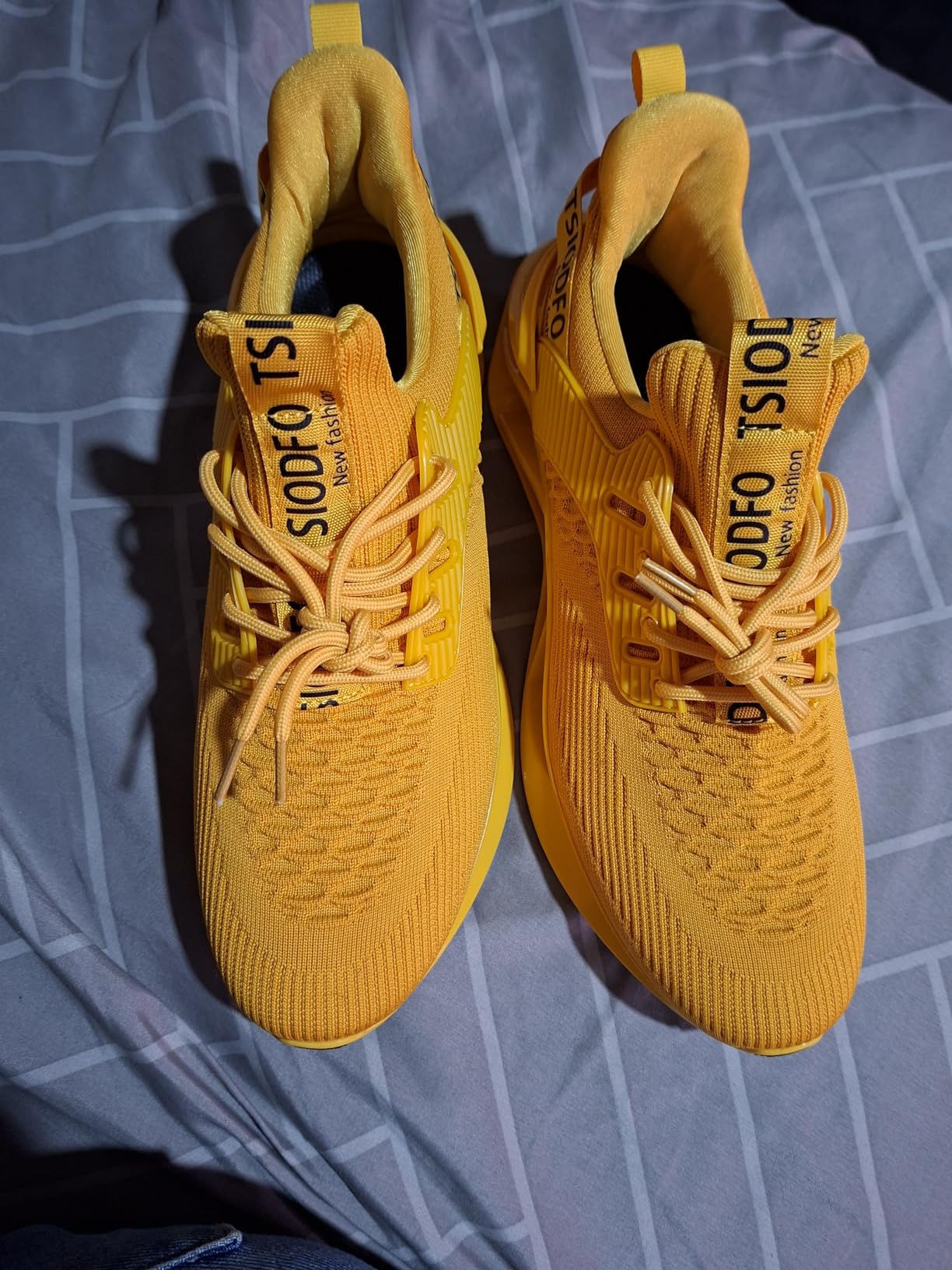
Pull these out of the box and the fluorescent green colorway does its job — the shoe looks genuinely bold and modern. I’ve worn plenty of athletic shoes that cost three times as much and generated zero comments. These generated more than I could count in six weeks. At the gym, on the street, in the grocery store parking lot. Whatever else these shoes are or aren’t, they’re an attention-getter.
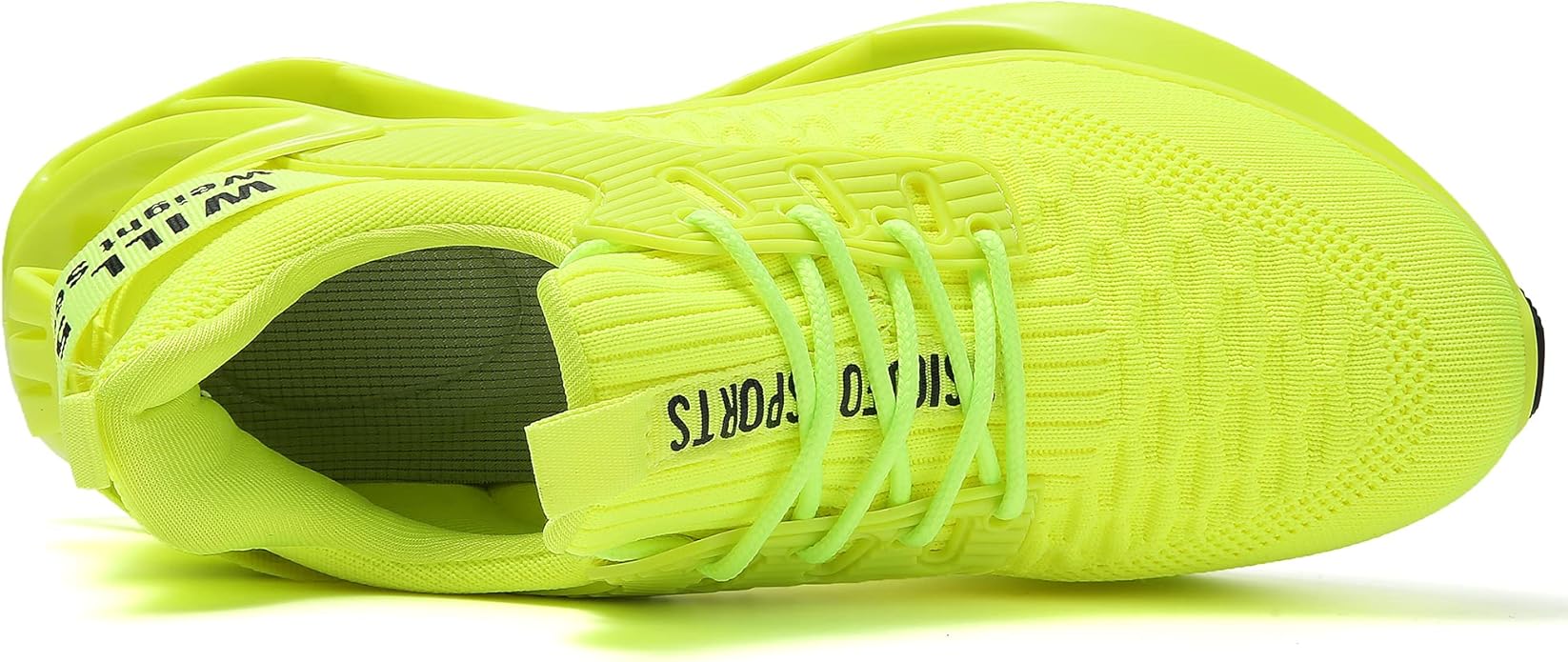
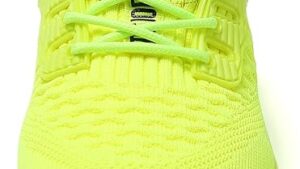
The mesh upper feels better than you’d expect for $40. It has a slightly stretchy, sock-adjacent quality that makes the initial fit comfortable, and the honeycomb-patterned interior lining isn’t just cosmetic — it actually channels moisture away during workouts. Compared to similarly priced budget sneakers I’d tested before (including a pair of Camelsports budget shoes with a solid fabric interior), my feet stayed noticeably drier in the SKDOIULs during summer cardio sessions.
The lace-up system is clean and functional. Laces hold without slipping during casual movement, though the eyelets feel thin — I’d watch those around month two or three with regular use.
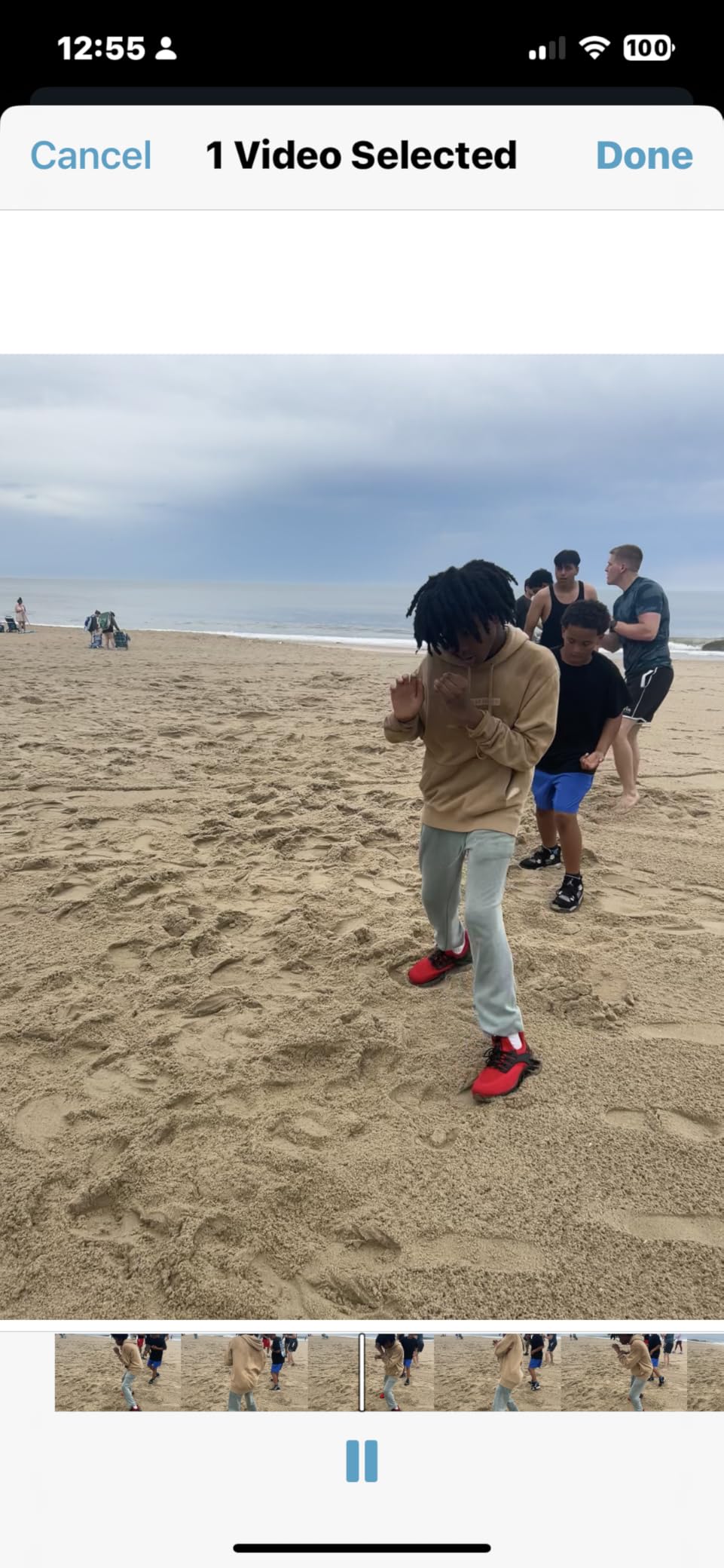
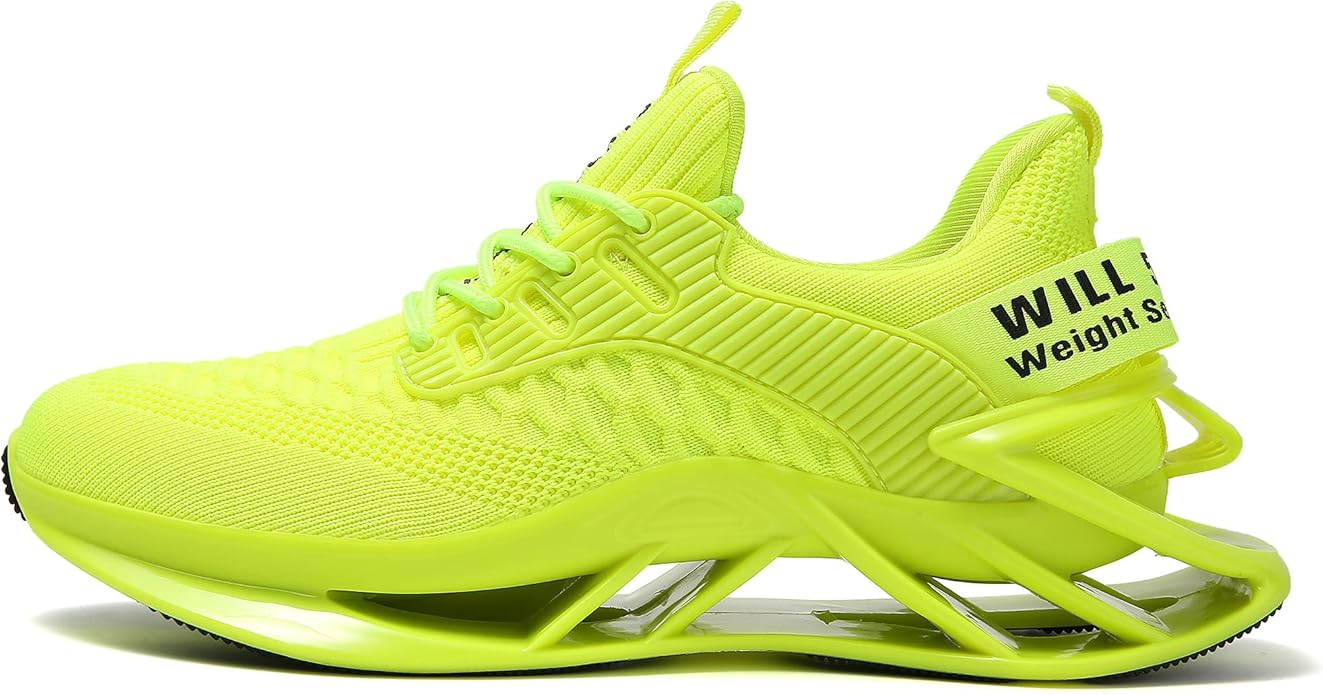
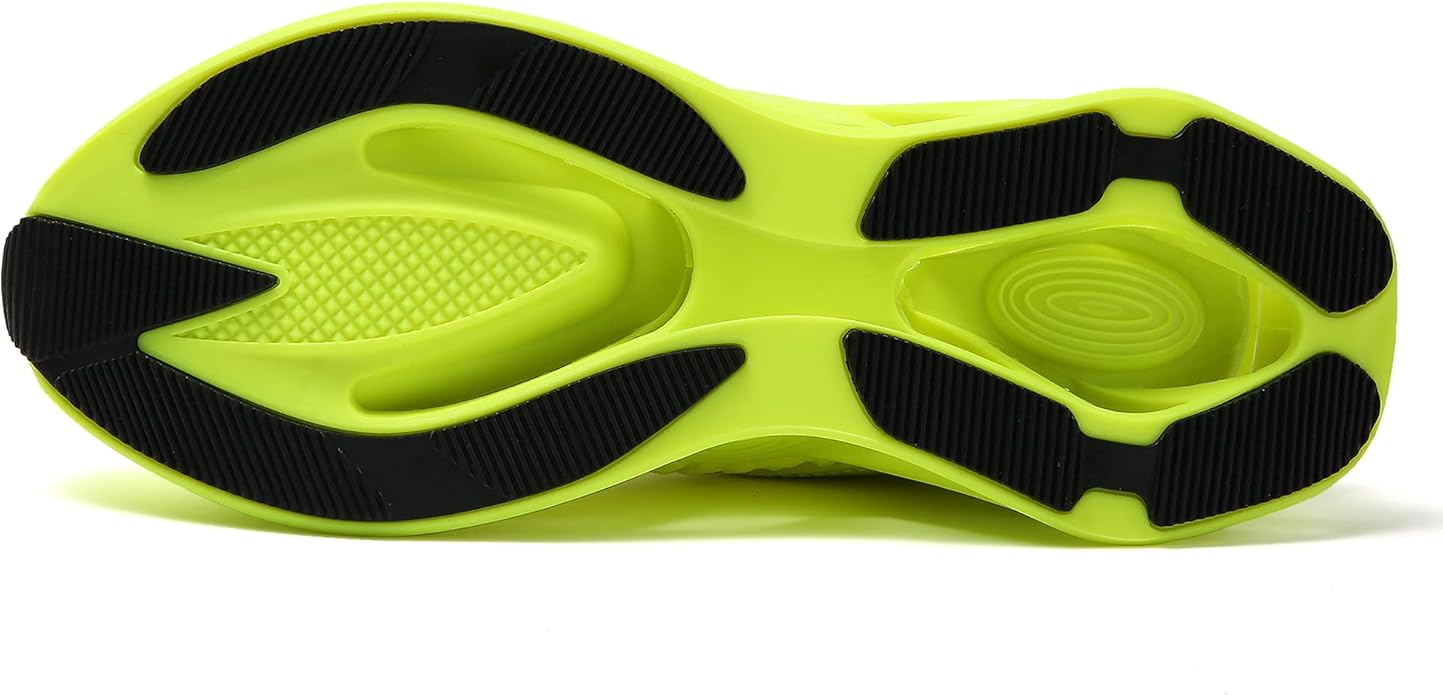
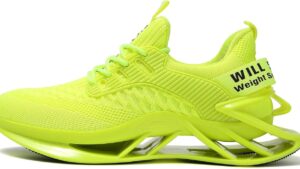
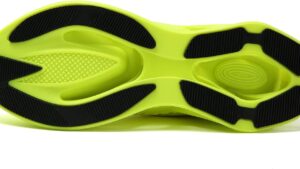
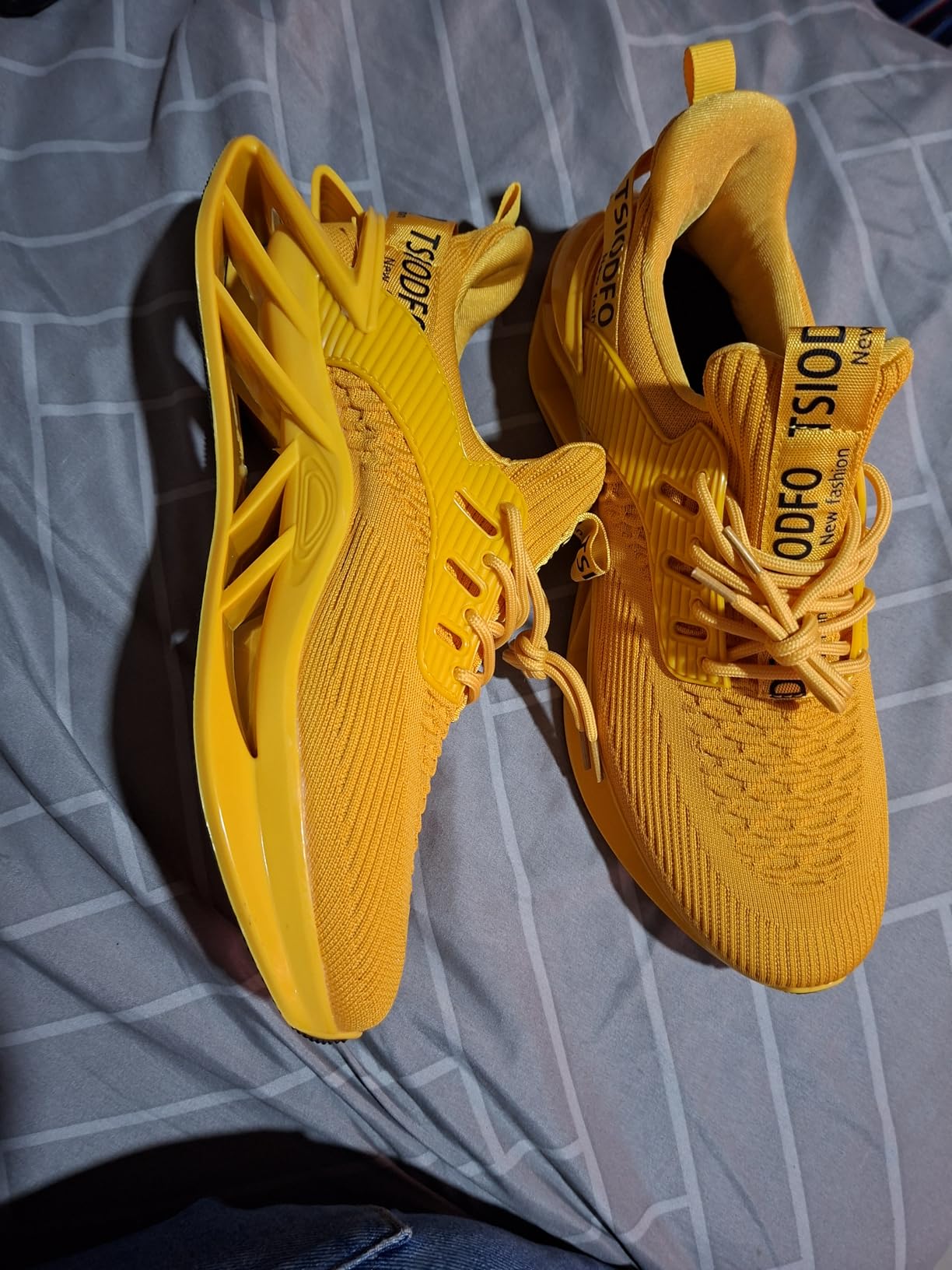
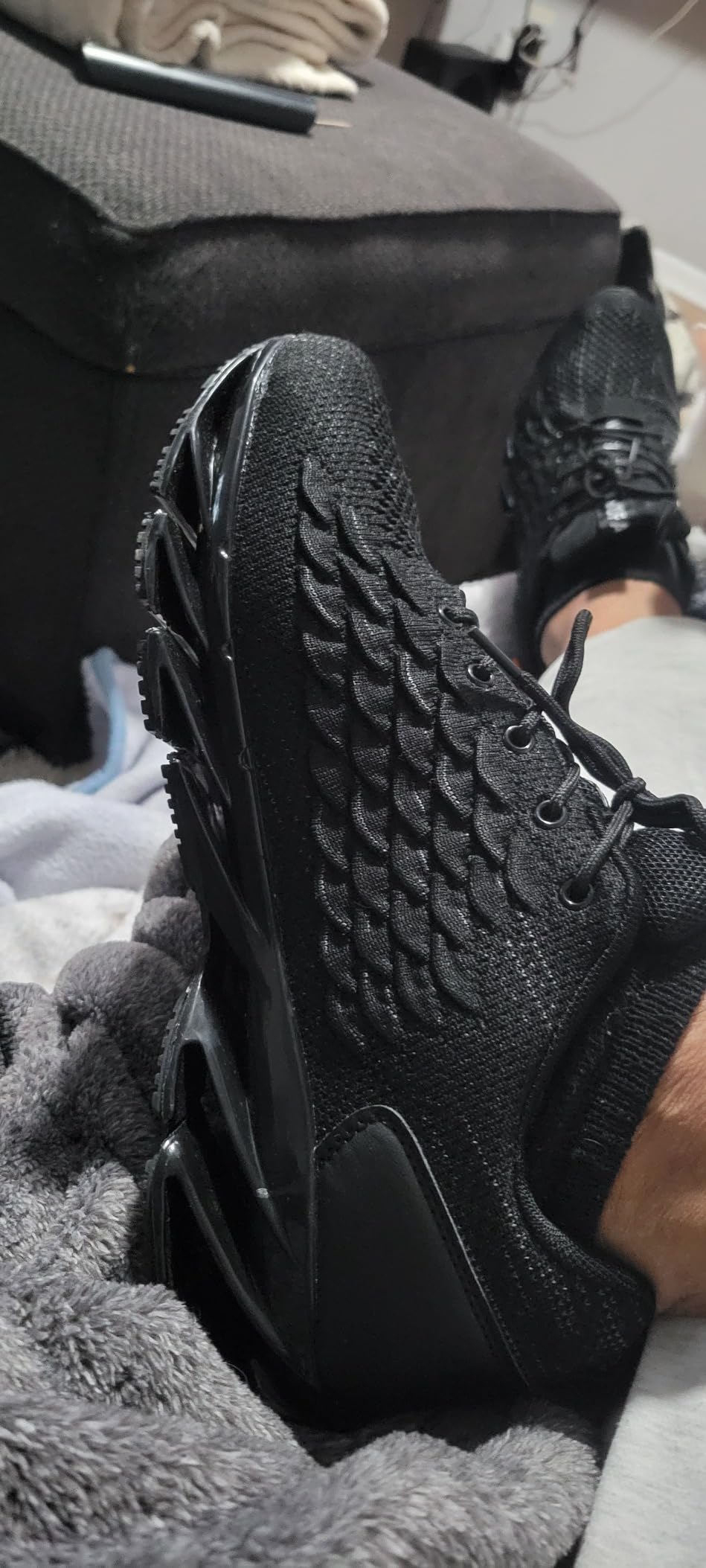
The sole is where the shoe’s visual design creates a false impression. Those segmented, almost spring-like TPU segments look like they might provide some energy return or cushioning response. They don’t. Step in them on a hard floor and you’ll immediately understand what I mean — it’s less “responsive” and more “walking on a rigid plastic tray divided into sections.”
The Sole Problem: Court Feel and Impact
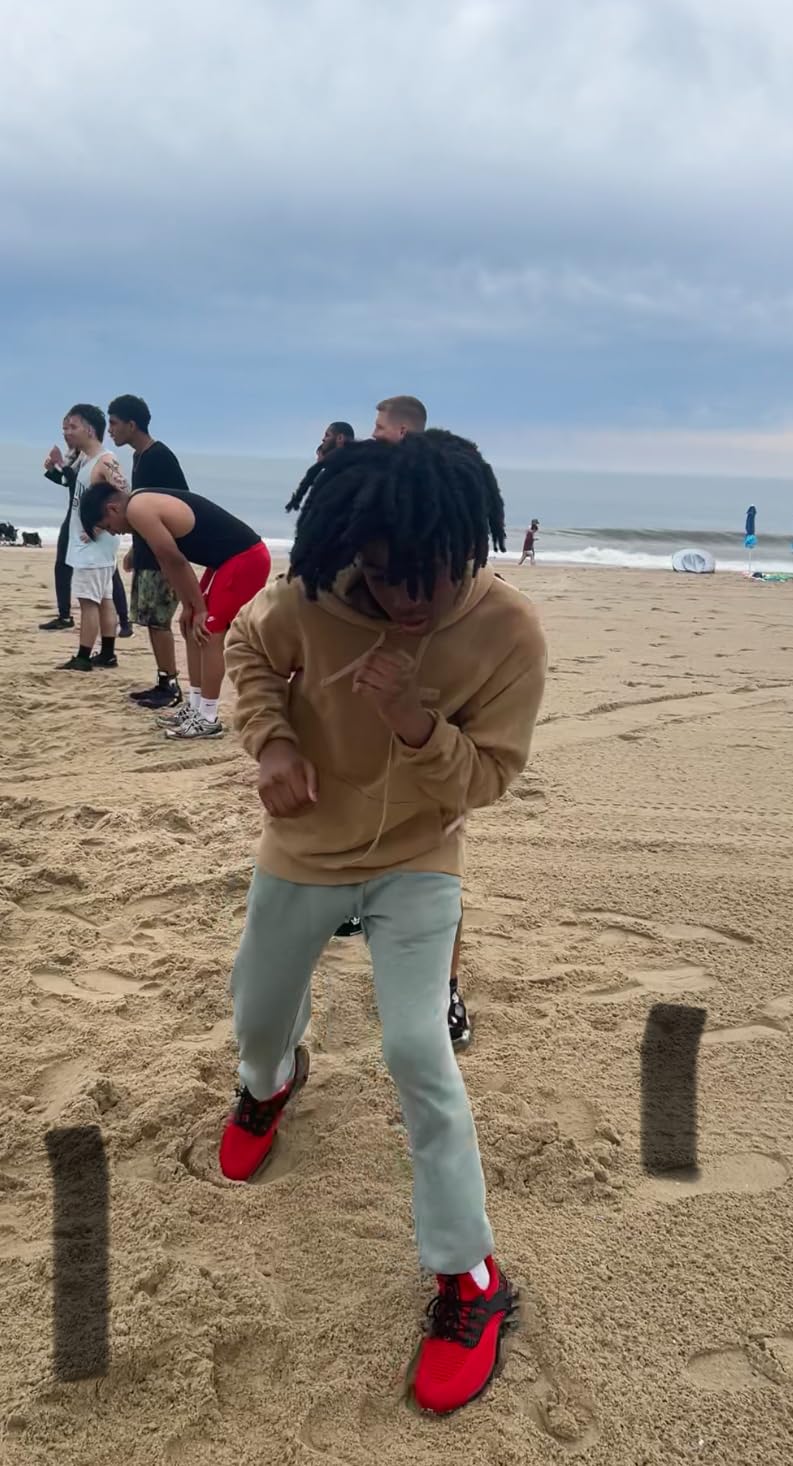
The basketball court is where this became impossible to ignore. The sole’s segmented design creates a distinct clicking-and-separating sensation with each step on hard surfaces. It’s audible — the kind of audible that gets your teammates asking questions during warm-ups. The click happens because the TPU segments flex and reconnect slightly with each foot strike, rather than compressing like foam-based cushioning.
Beyond the noise, the functional problem is impact. Traditional basketball shoes absorb energy at heel strike and channel it through a cushioned midsole. The SKDOIUL sole transmits most of that impact directly upward. After 90 minutes of pickup ball, I felt it in my calves and my lower back — neither of which typically complains after a game in purpose-built court shoes.
Lateral movement is another issue. During cuts and direction changes, the segmented sole creates brief moments of instability where the sole’s sections flex independently rather than providing a unified platform. It’s not dangerous at recreational intensity, but it’s distracting and undermines the confidence you want when you’re planting for a crossover. On wet gym floors, I experienced actual slipping during quick cuts — which is a legitimate safety concern for anything above casual shooting around.
The clicking noise is genuinely consistent regardless of who’s wearing them. Multiple Amazon reviewers describe it in nearly identical terms, including one who wrote that the sole “is made out of HARD plastic and some type of hard rubber I’ve never witnessed before.” That description matches exactly what the sole feels like under foot pressure.
Gym and Training Performance
The gym picture is more mixed, and honestly more forgiving — as long as you stay in the right training categories.
For cardio equipment (treadmill walking, elliptical, light cardio circuits), these work fine. The mesh breathes well, the toe box is roomy enough for most foot shapes, and at low-impact intensities the hard sole isn’t a meaningful problem. The fluorescent green colorway is legitimately useful for visibility in busy gym spaces with equipment moving around — a small practical win.
Training shoes for weight work are a different situation. During compound movements — squats, deadlifts, Romanian deadlifts — you want a stable, flat platform. The segmented sole design fights against this. The sections can shift slightly relative to each other under load, creating a subtle but noticeable instability that makes you compensate with your stabilizer muscles. That compensation fatigue compounds across a training session.
After a 45-minute HIIT circuit, my calves were more fatigued than I’d expected, beyond what the workout itself should have caused. Part of that is the 11.2-oz weight (heavy for a shoe this minimally constructed), and part is the extra muscular work of stabilizing against a sole that doesn’t give you a firm base. The Adidas Amplimove Training shoe, which I’ve used for similar sessions, runs lighter and provides a proper stable platform for the same dollar range.
Short version for the gym: light cardio yes, serious lifting no.
Running and Walking Reality
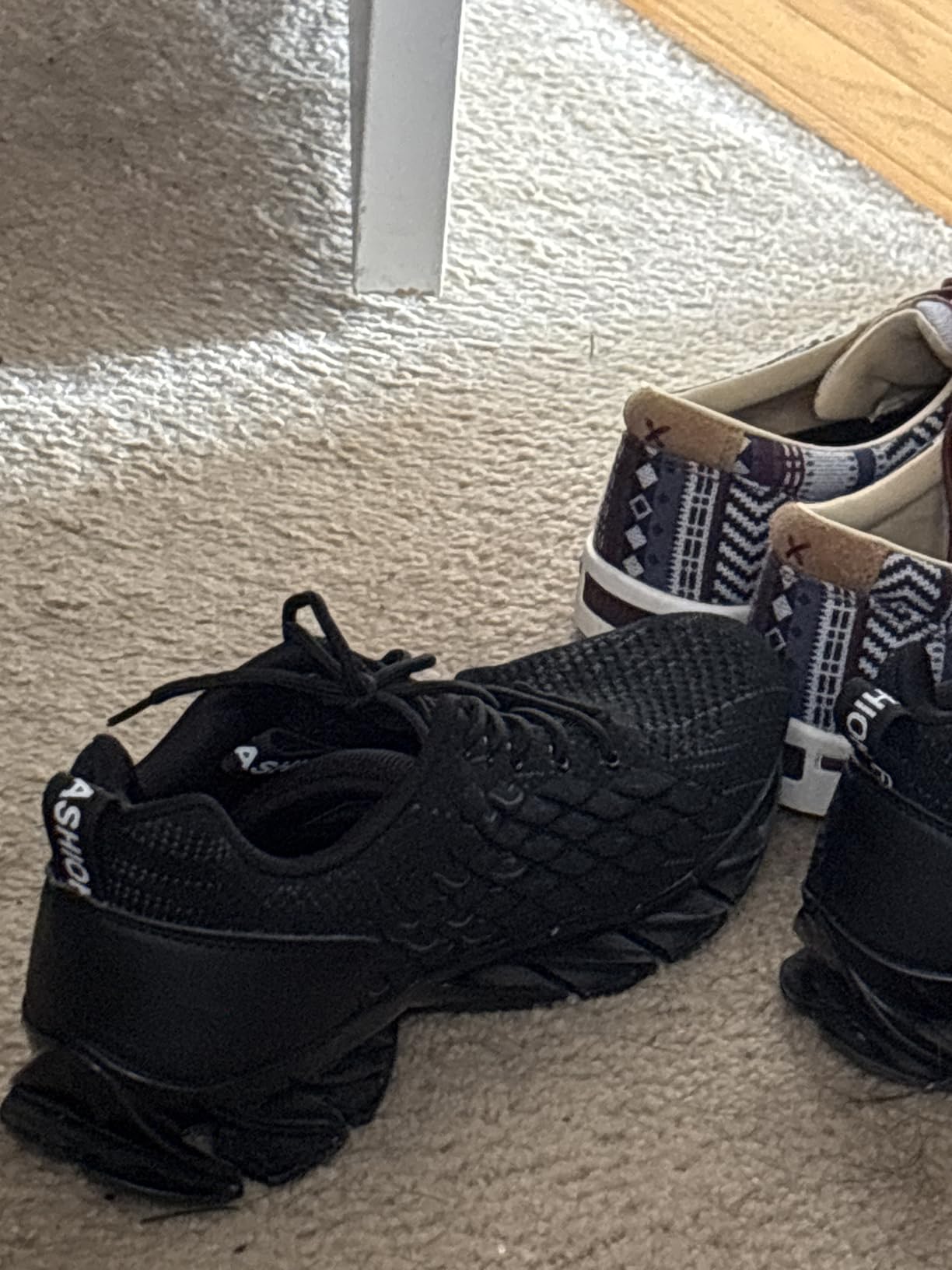
The “running” in this shoe’s product name is doing a lot of marketing work.
At 11.2 oz per shoe, these are significantly heavier than most budget running shoes. The Adidas Run Falcon 5 comes in around 9.5 oz; the ASICS Gel-Venture 10 is about the same. Two extra ounces sounds minor but becomes very apparent over a 3-mile run — I was working harder to maintain a 7:30 pace than that effort level normally requires, and my calves were communicating clearly by mile two.
The 12mm heel drop is actually standard for running (not minimalist, not extreme), which suggests these were designed with running in mind. But the hard EVA/TPU sole has no meaningful energy return, so the drop number is somewhat irrelevant — you’re getting the geometry without the biomechanical benefit.
For outdoor running, the traction is adequate on dry pavement and light trail surfaces. Wet conditions are where traction drops off noticeably; slipping during direction changes on wet surfaces was consistent, and I wouldn’t want to run in these in rain.
There is one genuine running benefit worth noting: the fluorescent green colorway provides excellent early morning visibility. For safety during pre-dawn runs, the color actually matters, and this shoe delivers.
Walking performance is better than running. Lower impact means the hard sole is less punishing, and for walks under 2 miles on good surfaces, these are comfortable. Extended walking (3+ miles, or anything involving prolonged standing) reveals the absence of meaningful arch support — feet start to register the flat insole around the 90-minute mark.
Breathability: Where These Actually Deliver
The mesh upper is the product’s best feature, full stop.
During summer workouts, the difference between these and comparable budget shoes with denser fabric interiors is immediate and real. The honeycomb interior channels air across the full length of the foot, not just in ventilation zones. Sweat management is notably better than solid-upper budget sneakers in the same price range, and after a 45-minute cardio session, my feet came out of these significantly drier than they would have from alternatives I’ve used at this price point.
The mesh durability held across six weeks without any visible degradation — no sagging, no pilling, no tearing at stress points. Color also held; the fluorescent green hadn’t faded noticeably after multiple washes and extended outdoor exposure.
For buyers in warm climates, or anyone who runs hot and prioritizes foot ventilation over performance specs, this is a legitimate selling point. Just understand that breathability is the shoe’s one genuine athletic strength — it doesn’t compensate for the sole limitations in running or court settings.
Durability: The Honest Timeline
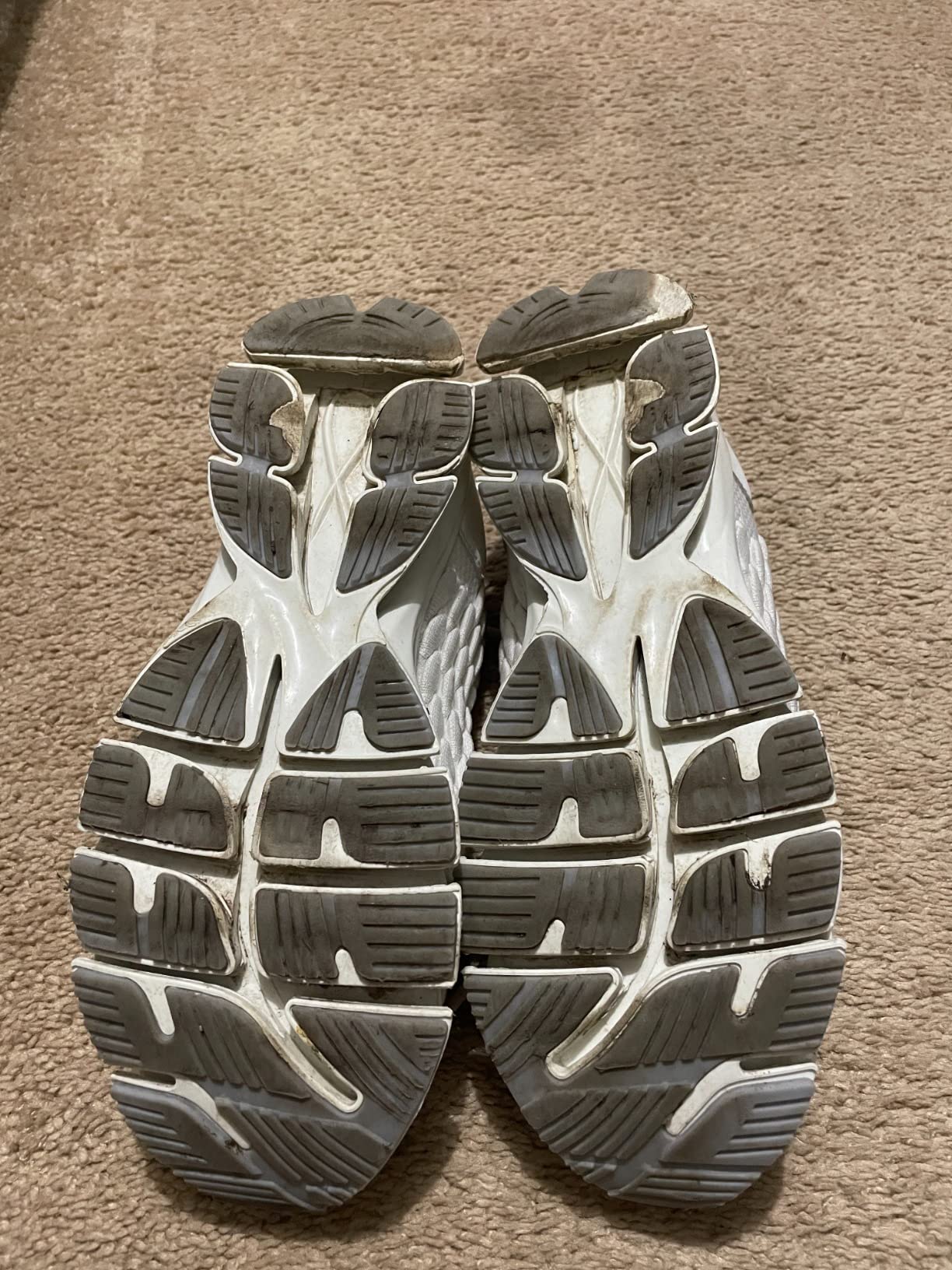
After six weeks, I can see stress indicators at the sole attachment points around the toe box, and the tread segments on the lateral heel show wear that seems accelerated relative to the hours of actual use. This is consistent with user reports describing sole separation at the 2-3 month mark with regular wear.
Here’s a realistic durability breakdown by how often you’re actually using them:
| Use Pattern | Expected Lifespan | Primary Failure Mode |
|---|---|---|
| Light casual (1-2x/week, short walks, occasional gym) | 8-12 months | Eyelet wear, color fade |
| Regular use (3-5x/week gym or running) | 2-6 months | Sole separation, tread wear |
| Daily intensive (daily gym, running, or court sports) | 1-3 months | Rapid sole delamination |
| Competitive court sports (basketball, tennis) | 4-8 weeks | Lateral sole failure under load |
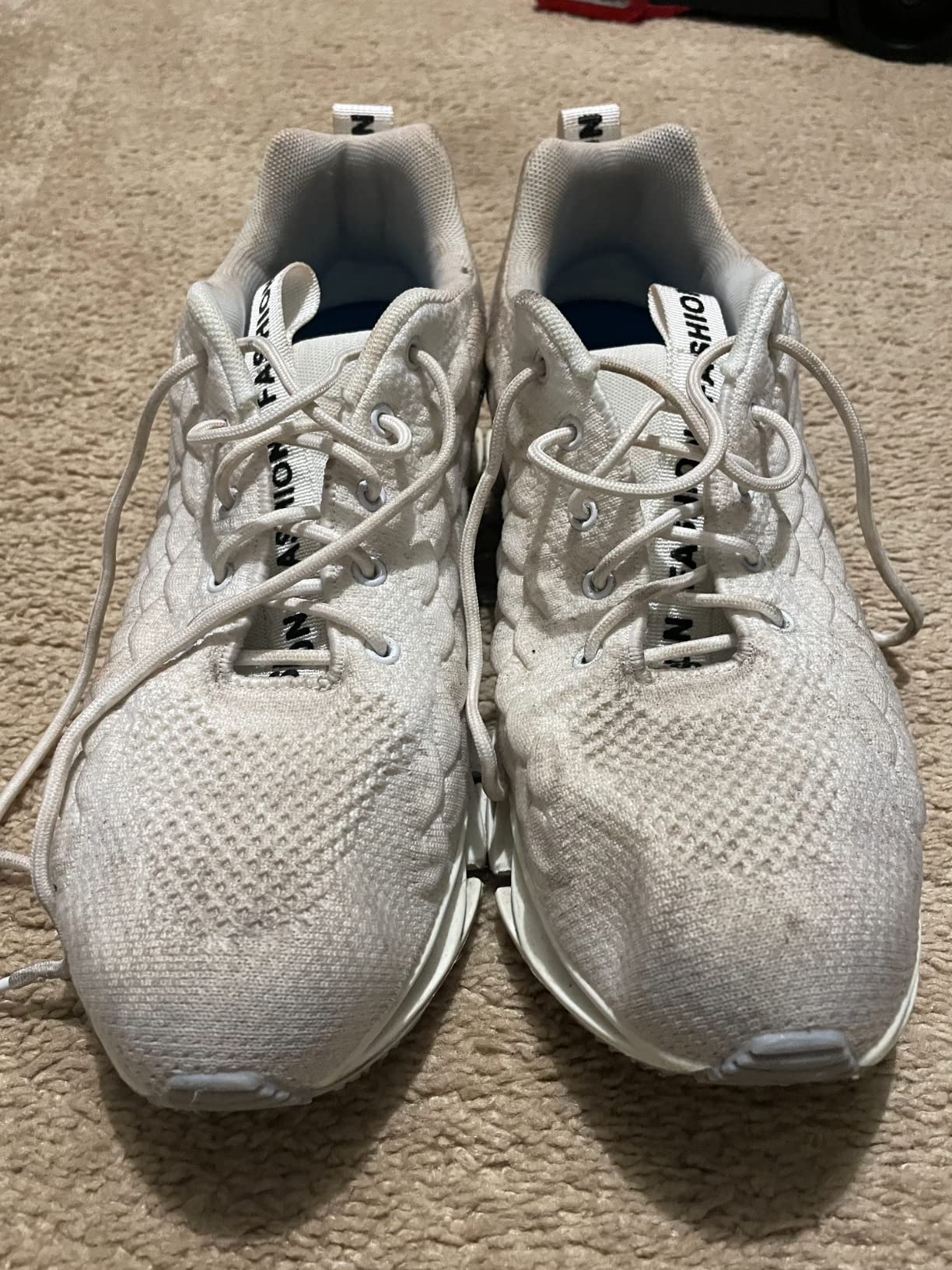
There’s some QC variance across production batches — some users report longer lifespan than these estimates, others shorter. But the failure mode (sole separation under repetitive impact stress) is consistent enough across reviews that it’s not an outlier issue.
Plan this shoe as a consumable, not an investment. That framing matters for what comes next.
Sizing and Fit
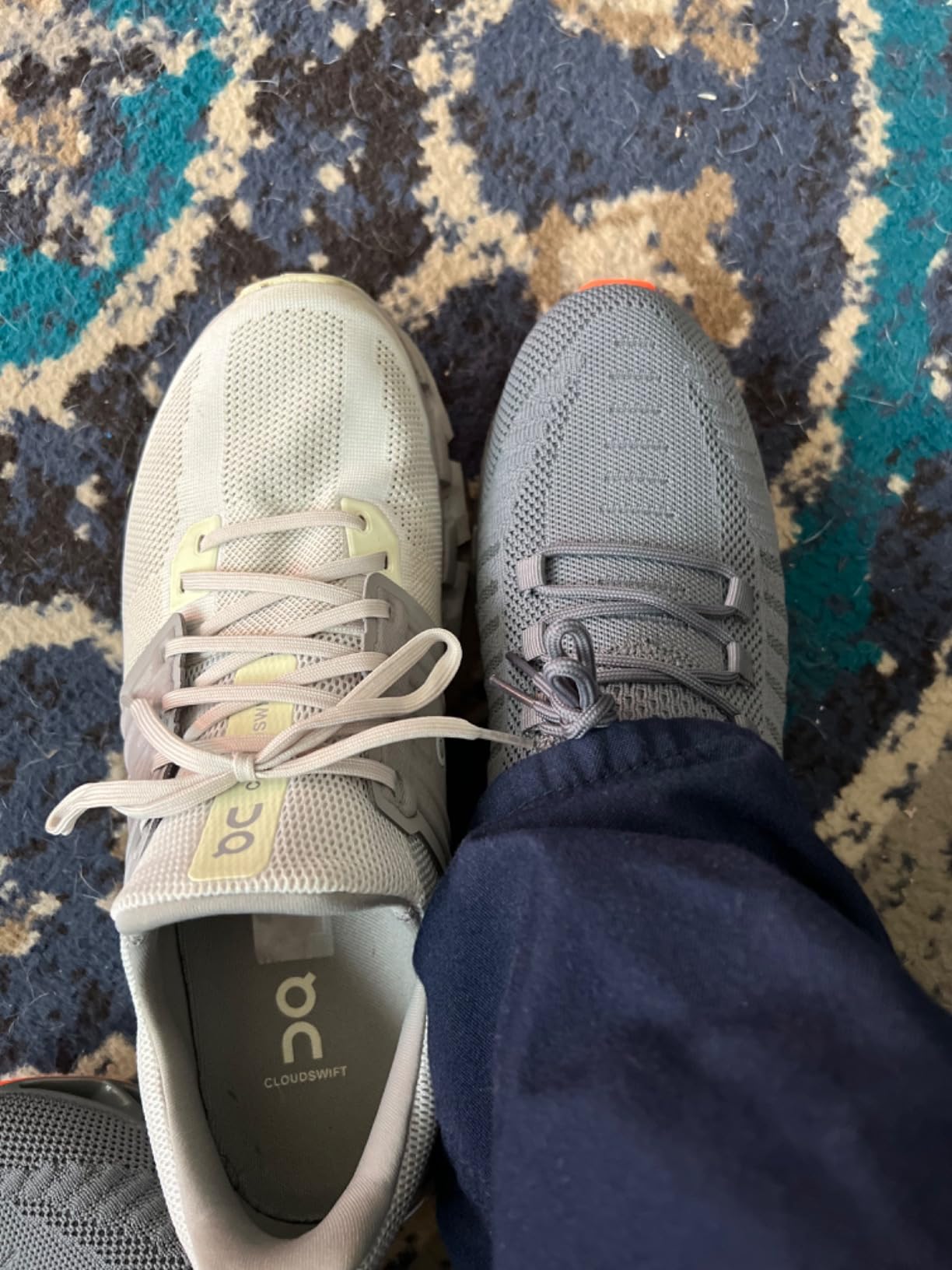
Most people should order true to size. Standard and medium-width feet fit as expected, with good heel lockdown and adequate midfoot wrap. If you have narrow feet, you can size down a half without issue.
Wide feet are a different story. The toe box runs narrow, and buyers with broader forefoot profiles consistently report discomfort after 2-3 hours regardless of size selected. Sizing up helps with length but doesn’t solve the width constraint at the toe box. If you typically reach for wide (2E) or extra-wide (4E) sizes, options like the Jackshibo Wide Toe Box shoes would serve you better here.
Comfort ceiling is meaningful to understand before you buy. Initial comfort — the first 1-2 hours — is genuinely good due to the stretchy mesh upper and adequate cushioning for casual movement. Around hours 3-4, the flat insole and hard sole start making themselves known, particularly in the arch and heel. All-day wear (6+ hours of standing or walking) isn’t what this shoe is designed for.
Thin athletic socks pair well with the narrow toe box. If you reach for thick cushioned socks, expect the forefoot to feel compressed within an hour — the toe box simply doesn’t have extra volume to accommodate bulk.
Half sizes appear limited based on available data (7.5 and 9.5 confirmed, full size range 7-13 standard). If you’re between sizes, err toward your smaller size for standard width, larger size if your foot is wider than average.
Value Math: Does $40 Make Sense?
Whether this shoe is a good value depends almost entirely on your use frequency. Here’s the math:
At $40 with a 3-month regular-use lifespan, you’re spending approximately $13.33 per month. At a more generous 8-month light-use lifespan, that drops to $5 per month.
Now compare that to a step-up option like the Adidas Response Running (~$65) or Nike Downshifter 12 (~$65-70), both of which typically last 9-12 months with regular use. That’s roughly $6-7 per month — cheaper than the SKDOIUL at regular use intensity.
| Scenario | SKDOIUL $40 | Budget Durable (~$65) |
|---|---|---|
| Light use (1-2x/week casual) | $5/month ✅ Win | $6-7/month |
| Regular gym use (3-5x/week) | $13/month ❌ Lose | $6-7/month |
| Daily intensive use | $20+/month ❌ Lose badly | $7-8/month |
The SKDOIUL wins on value only when you’re using them casually and infrequently. That’s a narrower value proposition than the “$40 budget athletic shoe” framing suggests. If your gym schedule is consistent or you’re planning to run in these, the annual cost math decisively favors spending $20-25 more on a durable option.
The hidden cost to factor in: if the flat insole bothers you for longer sessions, quality aftermarket insoles run $15-25 — which eats directly into the price advantage over better-built alternatives.
Who Should Buy This Shoe
✅ Good fit for:
- Style-first buyers who want a bold colorway without a premium price
- Warm-climate wearers who need genuine foot ventilation
- Casual gym users doing light cardio 1-2 times per week
- Short-walk and errands use (under 2 miles, under 3 hours)
- Buyers with standard to narrow width feet
- Those comfortable with a 6-12 month rotation cycle on casual footwear
❌ Pass on these if you:
- Plan to run more than occasionally — the weight and hard sole will cost you
- Play court sports with any regularity — the clicking and instability are real problems
- Have wide feet — the toe box isn’t accommodating
- Need shoes for daily intensive use lasting 12+ months
- Do weight training as a primary activity — the unstable sole works against you
- Need arch support for longer sessions
Better Alternatives for Specific Needs
For running: The Nike Downshifter 12 or Brooks Launch 10 run lighter, provide actual cushioning, and last significantly longer. Spending $25-30 more here pays for itself within a few months of regular use.
For basketball: The AND1 Pulse 3.0 or Under Armour Lockdown 7 provide proper lateral support, court grip, and impact cushioning that the SKDOIUL sole can’t replicate.
For gym training: The Under Armour Charged Assert 9 is a versatile option at around $70 that handles both cardio and strength work without the stability issues.
For fashion-forward casual wear: If style is the primary driver but you want better durability, the Jousen Fashion Sneakers offer similar aesthetic energy with better construction.
Overall Score Breakdown
| Category | Score | Key Finding |
|---|---|---|
| 🏃♂️ Running Performance | 5.5/10 | Heavy, no energy return, hard sole |
| 🏀 Court Sports | 4.0/10 | Clicking noise, instability, wet floor slipping |
| 🏋️♂️ Gym Training | 6.0/10 | Light cardio fine, weight training problematic |
| 👟 Daily Wear | 7.5/10 | Comfortable for short casual sessions |
| 💨 Breathability | 8.5/10 | Honeycomb mesh genuinely effective in summer |
| 🔧 Build Quality / Durability | 4.0/10 | Stress indicators at 6 weeks, sole separation risk |
| 💰 Value | 6.5/10 | Good value only for light casual use |
| 🎨 Style | 8.0/10 | Bold, modern, generates genuine attention |
| 🎯 OVERALL | 6.2/10 | Style-led lifestyle sneaker, not athletic shoe |
Frequently Asked Questions
Are SKDOIUL shoes true to size?
For standard and medium-width feet, yes — order your normal size. If your feet are on the narrow side, sizing down a half works fine. Wide feet need to size up 0.5-1 full size, though the narrow toe box may still be limiting even then.
How long do SKDOIUL shoes actually last?
It depends entirely on how often you wear them. Light casual use (1-2x per week) can extend lifespan to 8-12 months. Regular gym use at 3-5x per week typically lands at 2-6 months before sole separation becomes an issue. Daily intensive use or court sports can reduce that to under 3 months.
Why do these make a clicking noise?
The segmented TPU sole design creates a flex-and-reconnect motion with each step on hard surfaces. It’s consistent and reproducible across different users — not a defect but an inherent characteristic of the sole construction. It’s most noticeable during court sports and hard floor gym use, less so during walking.
Are these good for running?
Not really. The 11.2-oz weight is high for a running shoe at any price point, and the hard EVA/TPU sole provides no energy return. Short runs and treadmill walking at low intensity are tolerable; distance running or pace-focused training will feel harder than it should.
Are they water resistant?
No — Amazon officially lists them as “Not Water Resistant.” Light drizzle for short periods is probably fine, but the mesh upper will saturate quickly in actual rain.
Do these have arch support?
The insole is flat with no meaningful arch contouring. For casual wear under 2-3 hours, most people won’t notice. For extended sessions or anyone with flat feet or plantar fasciitis, an aftermarket insole is essentially required for comfort.
Can I machine wash these?
Yes, per Amazon.ca specifications. Cold water, gentle cycle, air dry only. Skip the dryer — heat can accelerate sole adhesive breakdown, which is already the main durability weak point.
What’s the best color option?
Fluorescent green is the most visible and arguably the most compelling choice — it’s what makes these shoes a conversation piece. For visibility during low-light outdoor activity, it’s a practical benefit too. That said, all 12 color options share the same construction, so choose based on what you’ll actually wear.
Are these better than spending $60-70 on a dedicated running shoe?
For regular runners, no. The cost-per-wear math works against the SKDOIUL once you’re using it 3+ days per week. At 3 months regular use, you’d spend $160/year on replacements vs. $65-80 for a more durable option that lasts 12 months. For casual buyers who need shoes 1-2x per week and prioritize style, the $40 price makes more sense.
Are these suitable for basketball?
I’d say no for anything resembling competitive play. The clicking distraction, lack of lateral stability, and compressed lifespan under court conditions all point toward dedicated basketball shoes like the AND1 Pulse 3.0 for anyone taking the game seriously.
Final Verdict
Back to the guy at my rec center who asked if I was wearing tap shoes: he wasn’t wrong, but he was also asking me that while I was wearing fluorescent green sneakers that cost $40 and had just survived six weeks of varied real-world testing. That’s a weird combination of failure and success.
The SKDOIUL Men Sport Athletic Running Sneakers are a breathable, eye-catching lifestyle shoe that works well for casual use and genuinely struggles everywhere the “athletic” label implies it shouldn’t. The breathability is real. The style appeal is real. The durability concerns are real. And the performance limitations — particularly that sole — are real.
If you’re buying these as a fashion-first casual sneaker with the expectation of 6-12 months of light use, they’re worth trying at $40. If the athletic marketing has you thinking running shoe, gym training workhorse, or basketball option — spend a little more and get something purpose-built. The cost-per-wear math will thank you within a few months.
Check current pricing and availability at the product link above.
Be the first to review “SKDOIUL Men Sport Athletic Running Sneakers Walking Shoes”
Related products

Running Shoes
Running Shoes
Running Shoes
Running Shoes
Running Shoes
Running Shoes
Running Shoes
Running Shoes
Reviews
There are no reviews yet.