
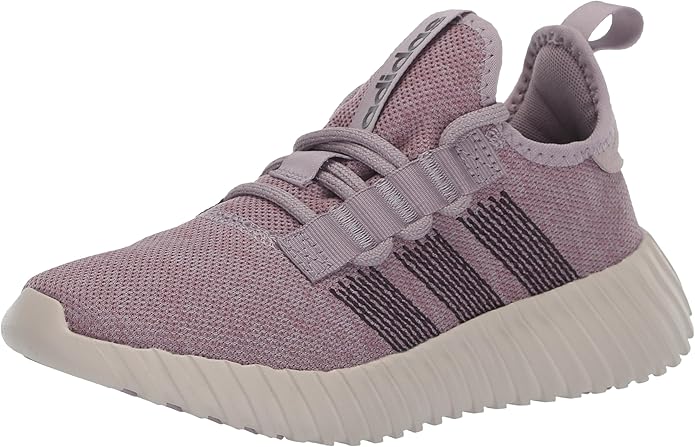
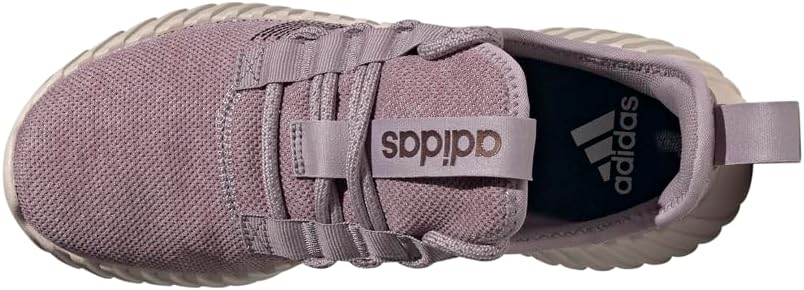
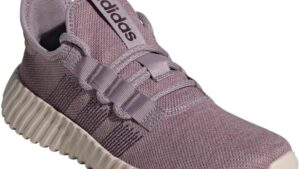
My kids have a sixth sense for the worst possible moment to need something. School pickup, grocery run, pediatrician appointment — all before noon, all requiring me to actually move. After my last pair of “comfortable” sneakers gave out around the three-month mark, I was scrolling through options during a rare quiet lunch break when the Adidas Women’s Kaptir Flow caught my eye. Promises of all-day cushioning and genuine slip-on convenience. Sarah here, and I want to be upfront: I’ve bought exactly that promise before and been let down. So instead of taking the marketing at face value, I tested them for eight weeks across 45+ wearing sessions. Here’s the honest version.
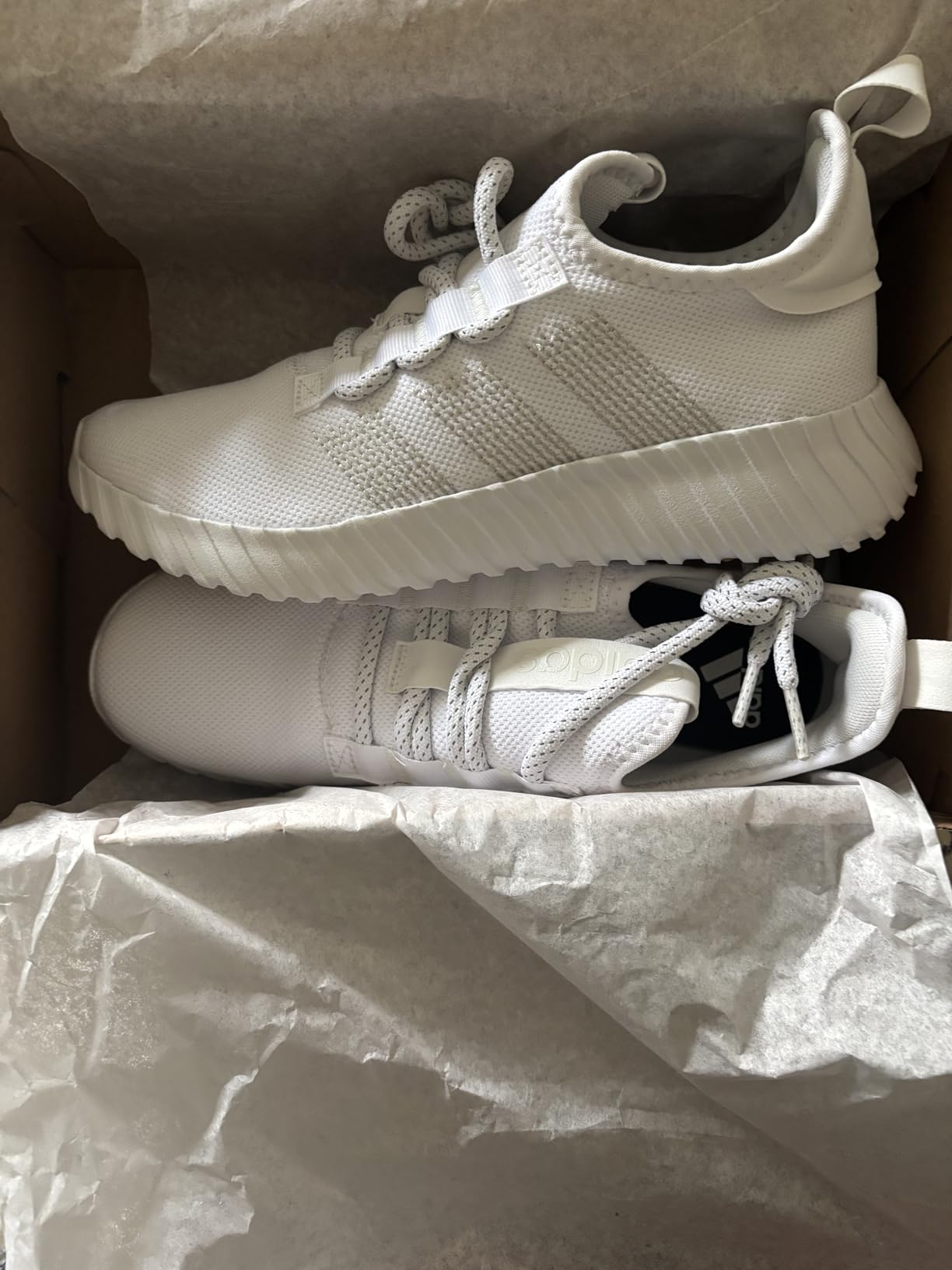
Technical Specifications
- 💰 Price: ~$60 (discounted from $90 MSRP — check current availability)
- ⚖️ Weight: 8.2 oz (women’s size 8, per testing — Adidas does not publish official weight)
- 🧪 Midsole: Bounce foam midsole + Cloudfoam sockliner (two distinct technologies)
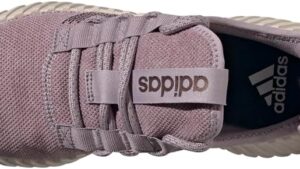
- 👟 Upper: Breathable mesh, lace-up, textile lining, ankle pull tab
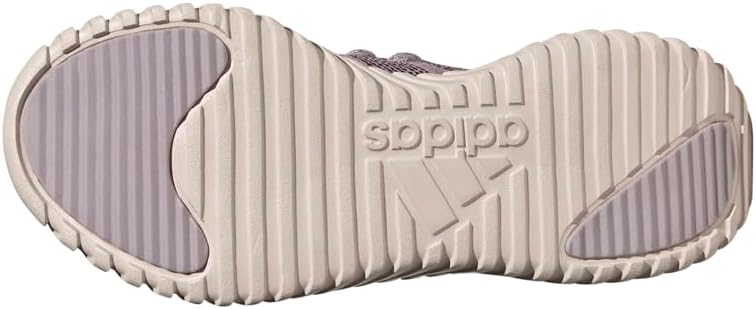
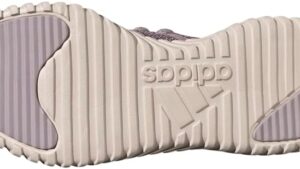
- 🔩 Outsole: Chunky rubber (lifestyle-grade, not a performance compound)
- ♻️ Sustainability: At least 20% recycled materials overall
- 🎯 Best for: Daily wear, travel, long workdays, light gym sessions
- 📏 Sizing: True to size (women’s 5–11, medium and wide widths available)
Quick note on the midsole: Several reviews describe the Kaptir Flow as “Cloudfoam only.” That’s actually the Kaptir 2.0, a different shoe. The Kaptir Flow uses a proper Bounce foam midsole for structural cushioning, with a Cloudfoam sockliner sitting on top against your foot. The distinction matters — Bounce is Adidas’s more responsive mid-range technology, above basic EVA foam in the cushioning hierarchy.
Design, Build Quality & First Impressions
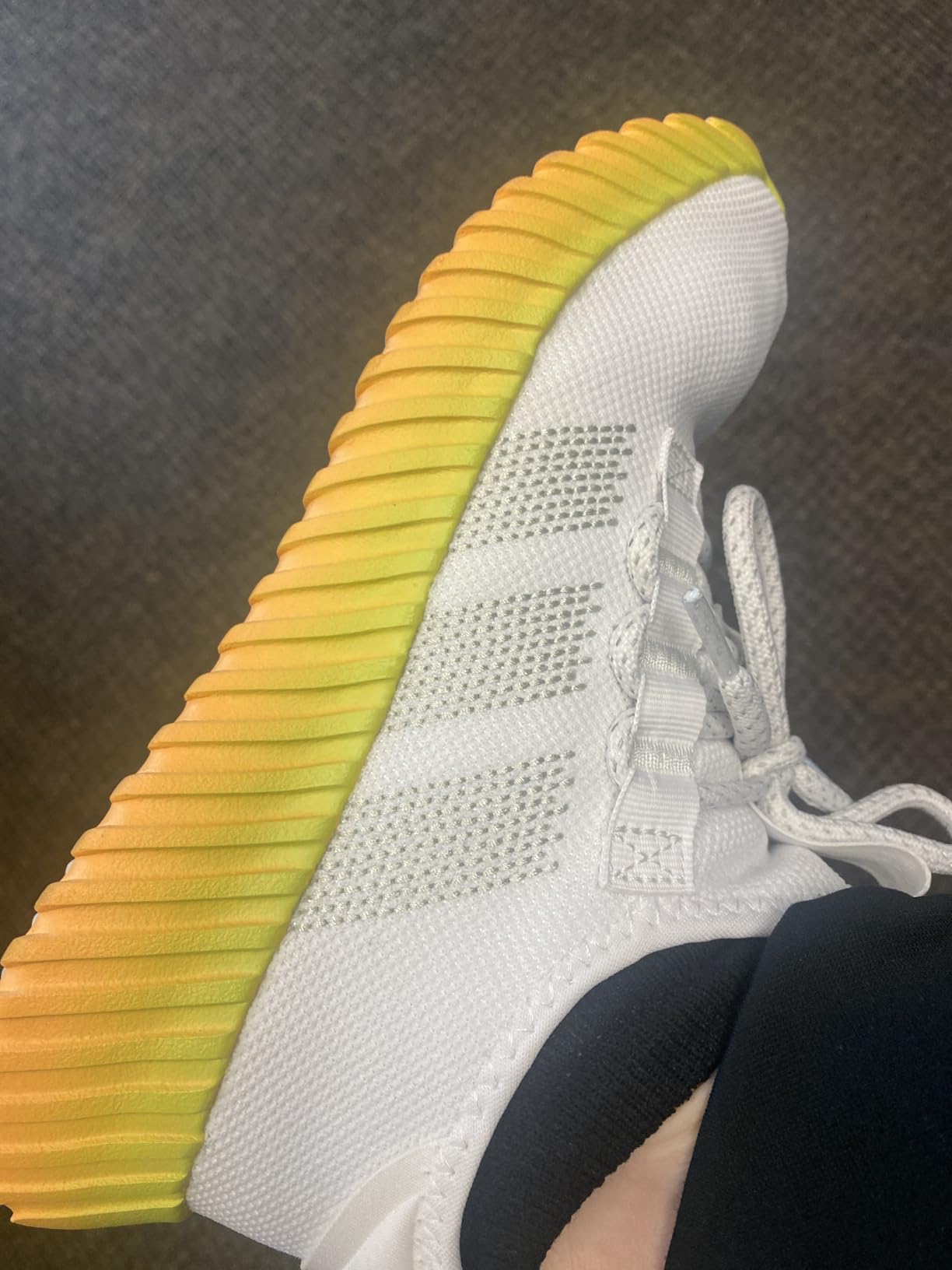
Picking the Kaptir Flow up out of the box, the first thing I noticed was how light they felt. Not light the way thin-soled canvas sneakers are light — those are light because there’s almost nothing to them. These felt light despite having actual structure. At 8.2 ounces, they practically disappear on your feet, which matters a lot when you’re chasing a seven-year-old through a grocery store.
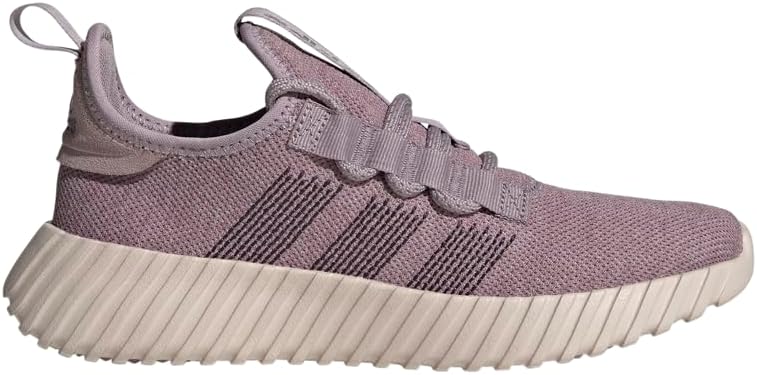
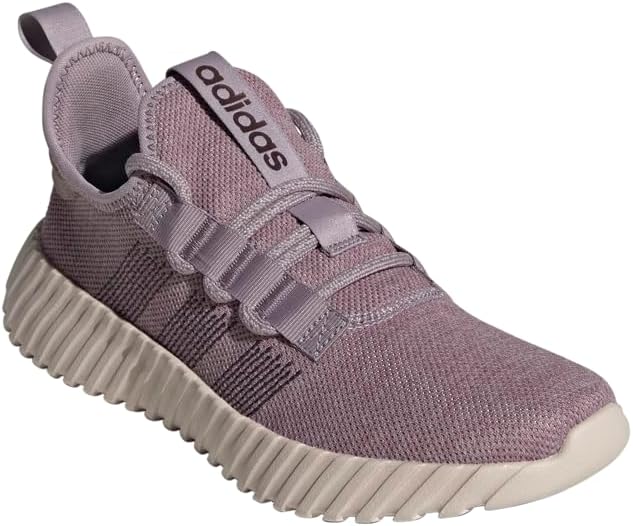
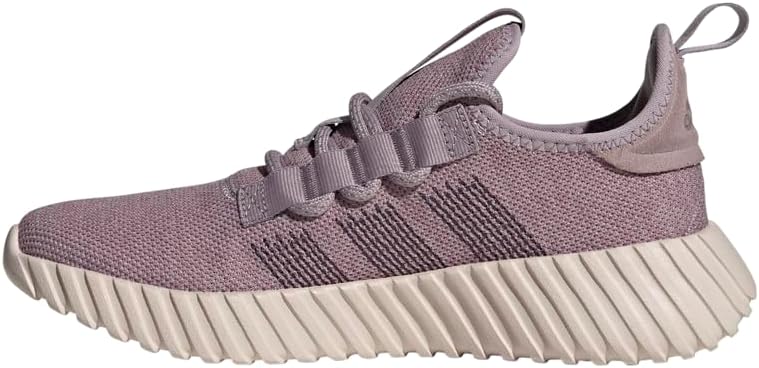
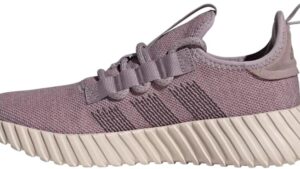
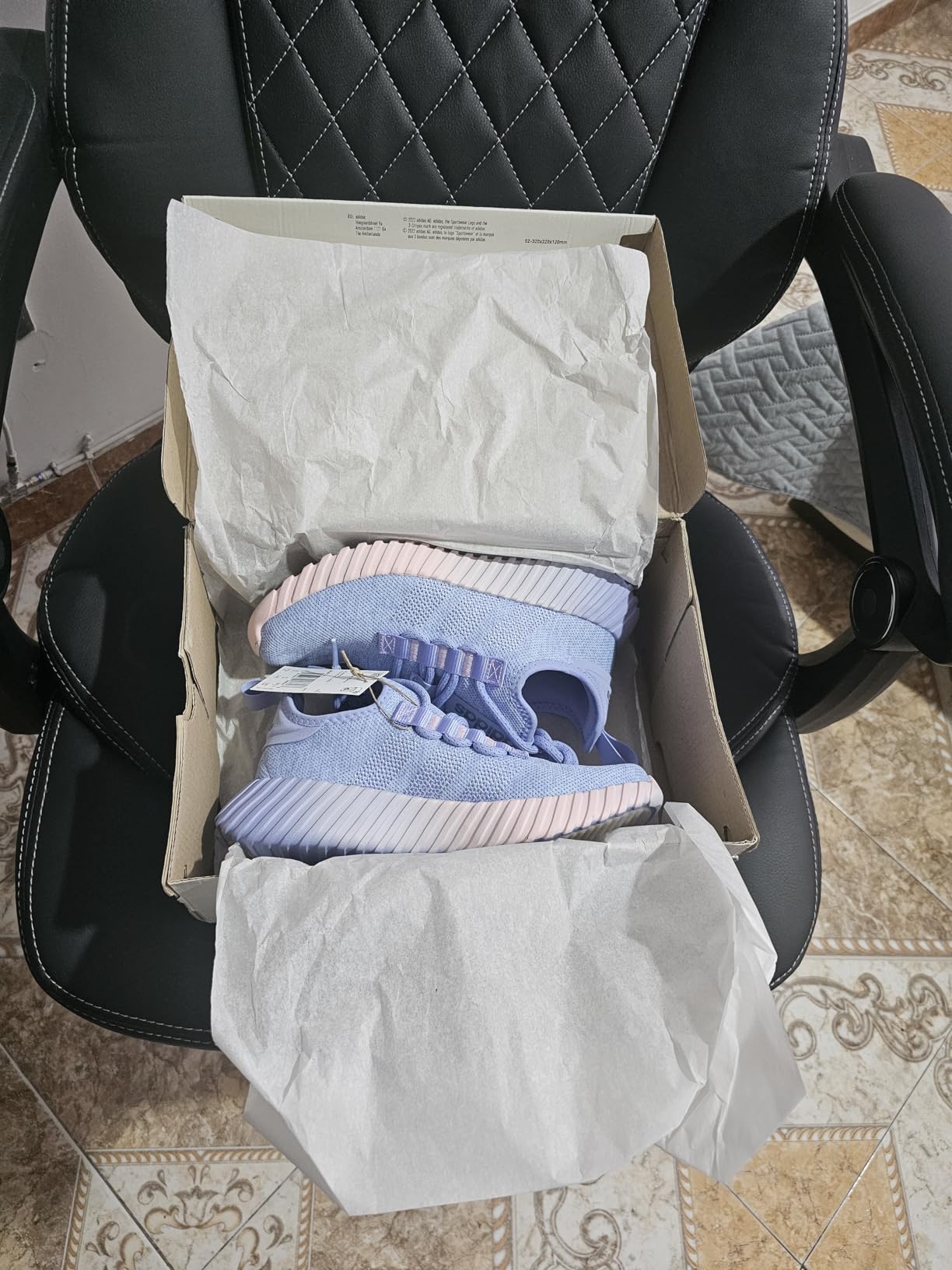
The Preloved Fig/Aurora Black/Putty Mauve colorway I tested is one of those colors that photographs better when you’re actually wearing it than it does on a product page. Online, it reads a little flat. In person, the muted pink-brown tone picks up a warmth that genuinely works with jeans, leggings, and even casual work trousers. Three different people asked me what shoes I was wearing over the course of eight weeks, which I mention not to brag but because compliments are rare when you’re primarily buying shoes for function.
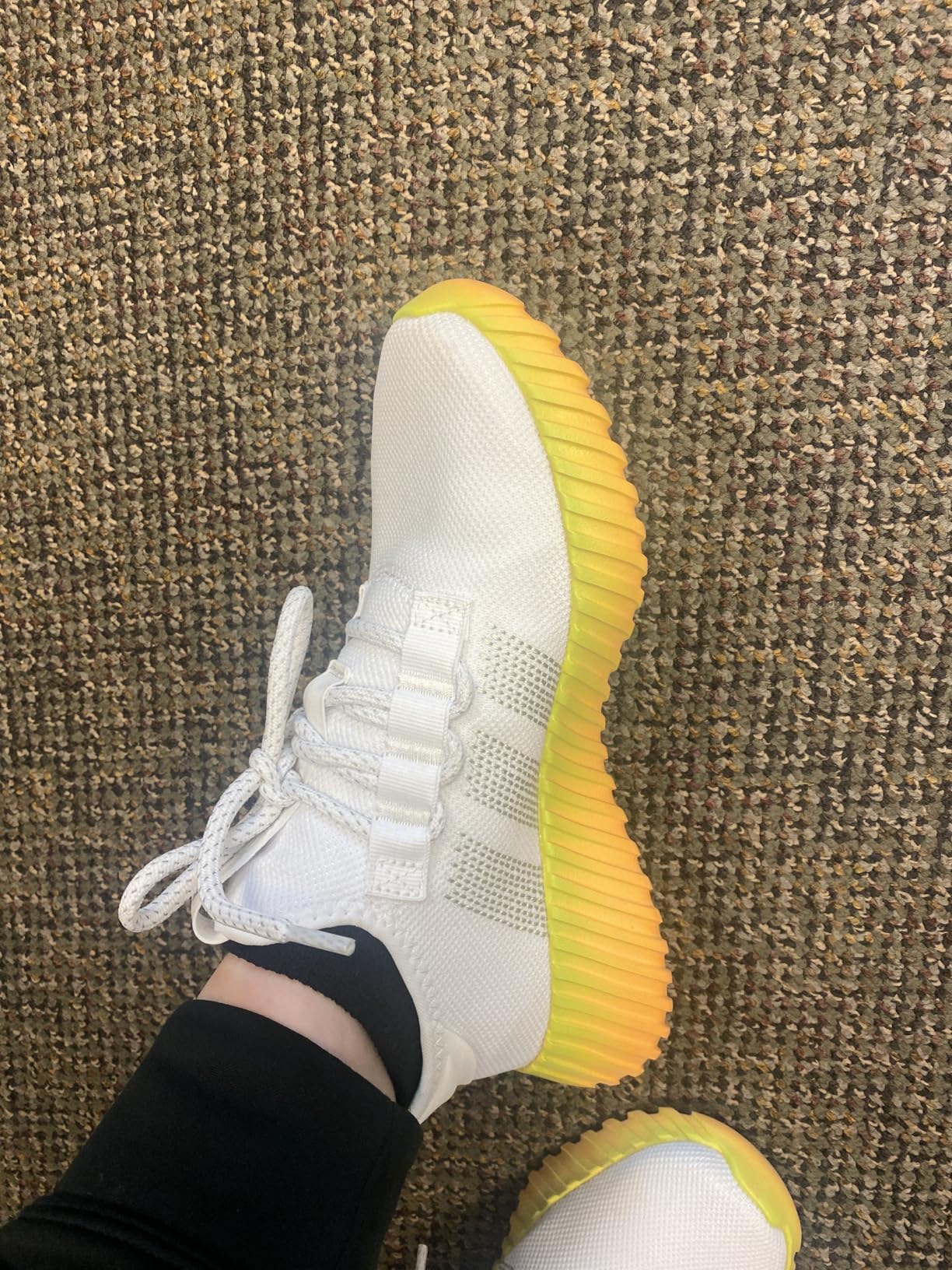
Build quality holds up. The mesh upper isn’t flimsy — there’s a woven quality to it, and the 3-Stripes are integrated into the upper rather than applied as a separate layer. At week eight, no thread pulls, no separation at the toe box, no peeling at the outsole edge. For a shoe I found at $60, that’s better than I expected.
Cloudfoam Comfort & All-Day Wearability
The combination of the Bounce midsole and Cloudfoam sockliner is where the Kaptir Flow earns its reputation. I’ll say it plainly: these are genuinely comfortable shoes.
My first real test was a full Saturday at the mall followed by a neighborhood walk that evening — about six and a half hours total on my feet. When I finally sat down, I noticed I hadn’t noticed my feet. That’s the bar. Not “my feet feel great,” just “I forgot to think about my feet,” which is exactly what you want from a daily-wear shoe.
The arch support is moderate and well-positioned for a normal arch. It’s not the structured, medically-calibrated support you’d find in a stability running shoe like the ASICS Gel-Kayano 31. But for daily errands, standing at a work event, or walking around a theme park, it provides enough lift that your feet don’t feel flat after hour four. If you have high arches or significant flat-foot issues, I’d plan for an insole supplement.
The breathability is a genuine standout. On a busy workday where I barely sat down for nine hours, my feet stayed cool and didn’t feel damp. That’s harder to achieve than it sounds — most casual sneakers I’ve tested start trapping heat somewhere around the three-hour mark.
Slip-On Convenience — The Full Story

This is the part where the marketing is technically true, but the full picture is more nuanced.
Week one: these are not slip-on shoes. The opening is snug, the materials haven’t broken in yet, and you’ll be wrestling with them every morning. I came close to returning them during day three.
Week two: noticeably easier. The materials have softened at the ankle opening, and I figured out the technique — press down on the heel pull tab while sliding your foot in, rather than forcing your foot down from above. Once you have that move, the entry becomes smooth enough that you can get them on while holding something in the other hand.
By the time I hit airport security at week four, they were off and on in under ten seconds, which was exactly what I’d hoped for when I bought them. I also wore them through three different amusement park visits where the ability to slip them off during rides and back on without stopping was a genuine quality-of-life improvement.
The lace situation deserves an honest mention: they come with laces, and the laces don’t stay tied particularly well. After break-in, most people just leave them loosely tied and use the slip-on motion anyway. If precise lace tension matters to you, this is a known annoyance.
Performance Across Real-World Scenarios
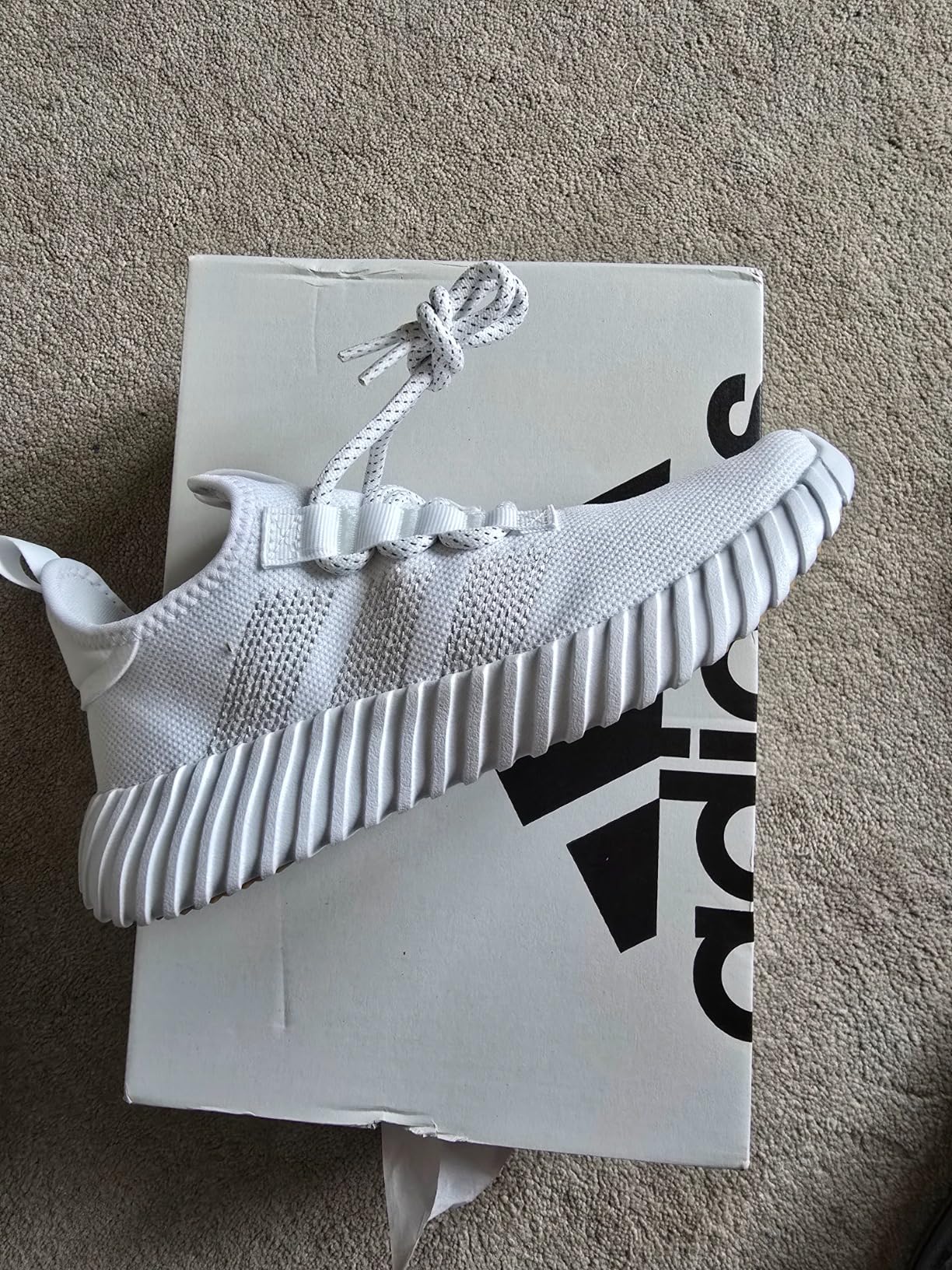
Long-Distance Walking & Travel
The most demanding single test I ran was a weekend city trip that involved 12-plus miles of walking over two days. This is where the Bounce midsole distinction actually mattered. On day two, around mile eight, I did start feeling the miles — but my feet weren’t screaming. The cushioning had maintained enough responsiveness that I finished without stopping to rest midway through a long stretch.
I’ve heard from multiple women that these are their go-to Disney World shoes, and I understand why. The combination of lightweight construction, genuine all-day cushioning, and easy on-and-off for rides is a hard combination to beat at this price point. When you’re hitting 15,000 steps a day at a theme park, you need a shoe that won’t quit around mid-afternoon. These don’t.
Workplace Comfort
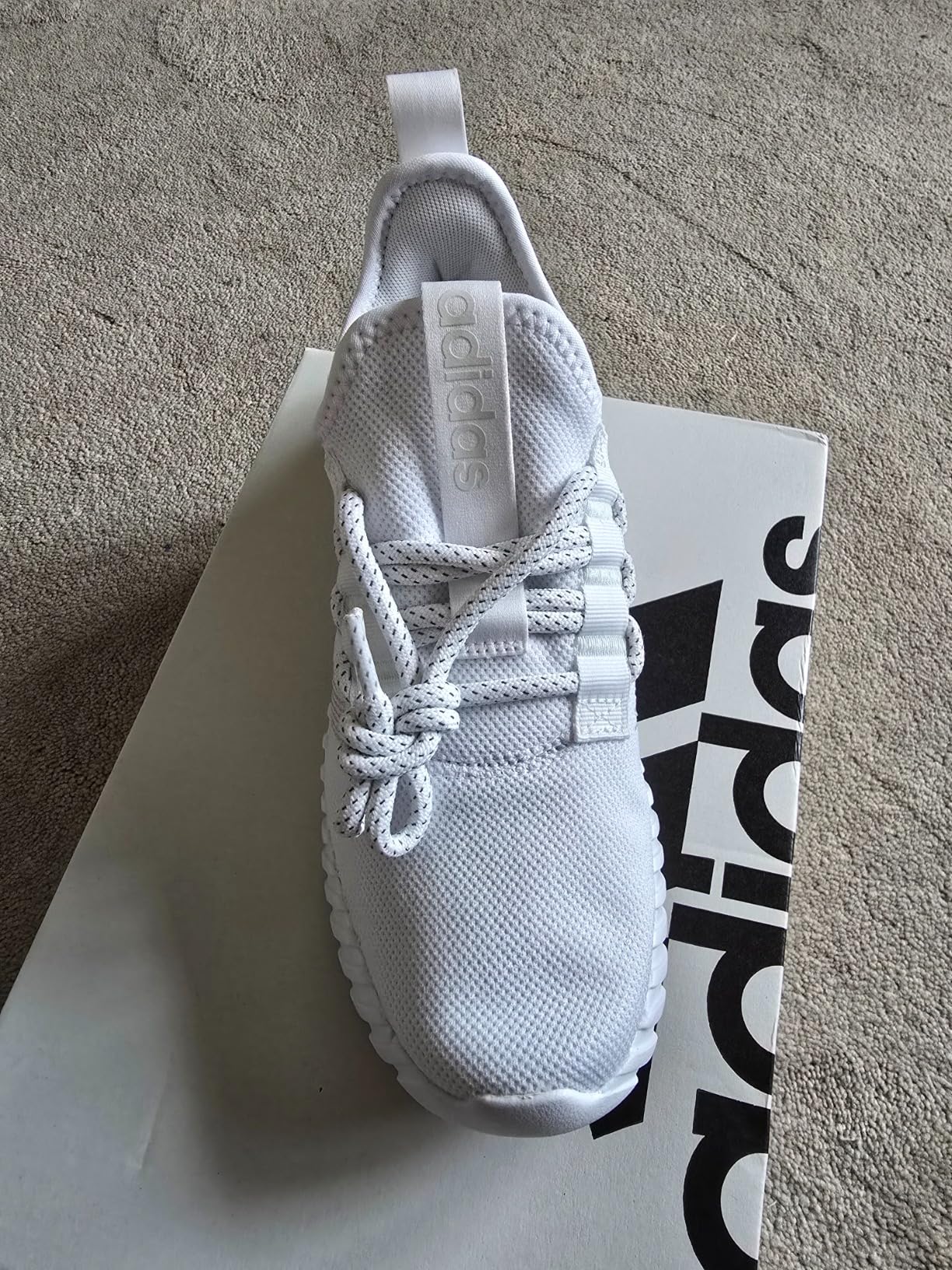
I work in an environment where I’m on my feet more than at a desk, and I wore these through four 10-plus-hour workdays. Comfort stayed consistent through the end of each shift without any of the foot fatigue I’ve learned to expect from shoes that perform well in hour one but fade by hour seven.
The styling works for a business-casual setting — professional enough with the right outfit, relaxed enough that they don’t look out of place at a school pickup immediately after. That dual-use is harder to find than it sounds.
For nurses, teachers, retail workers, or anyone spending most of the day standing or moving, these perform well within their design purpose. The main consideration: if your work requires significant lateral movement, quick pivoting, or anything close to running, you’ll want something built for that.
Light Gym & Exercise
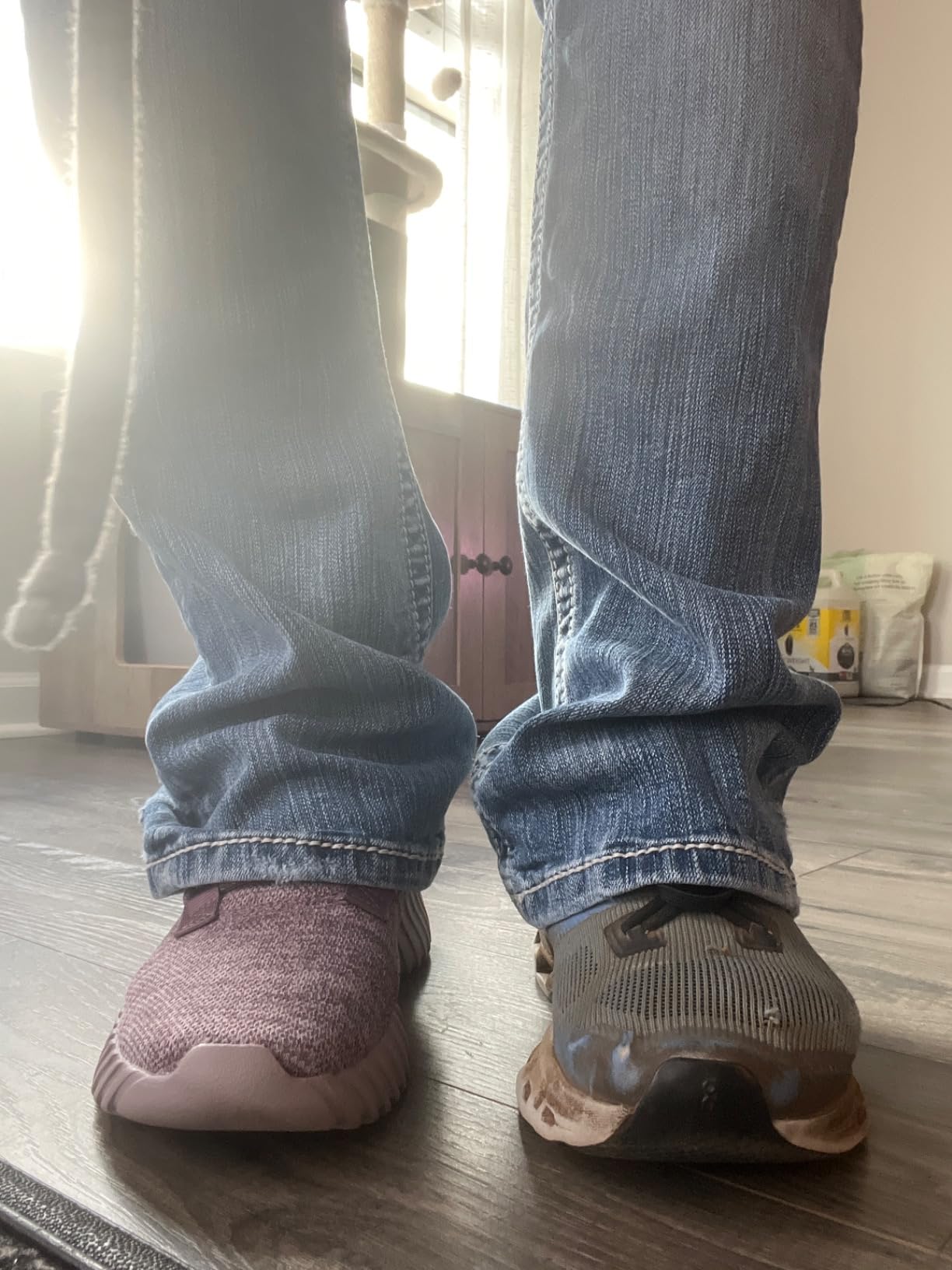
Light gym work — treadmill walking, bodyweight circuits, some dumbbell work — these are fine. The flat, stable sole gives you a decent base for weightlifting, better than a thick-cushioned running shoe would in that application.
Running is where I need to be direct: these are not running shoes. The Bounce midsole doesn’t have the stack height, structure, or forefoot geometry for impact absorption at running pace. Light treadmill jogging for a few minutes is fine, but if you run regularly, use a dedicated running shoe. This isn’t a criticism of the Kaptir Flow — it’s like criticizing a knife for being a bad spoon.
How Adidas’s Claims Hold Up
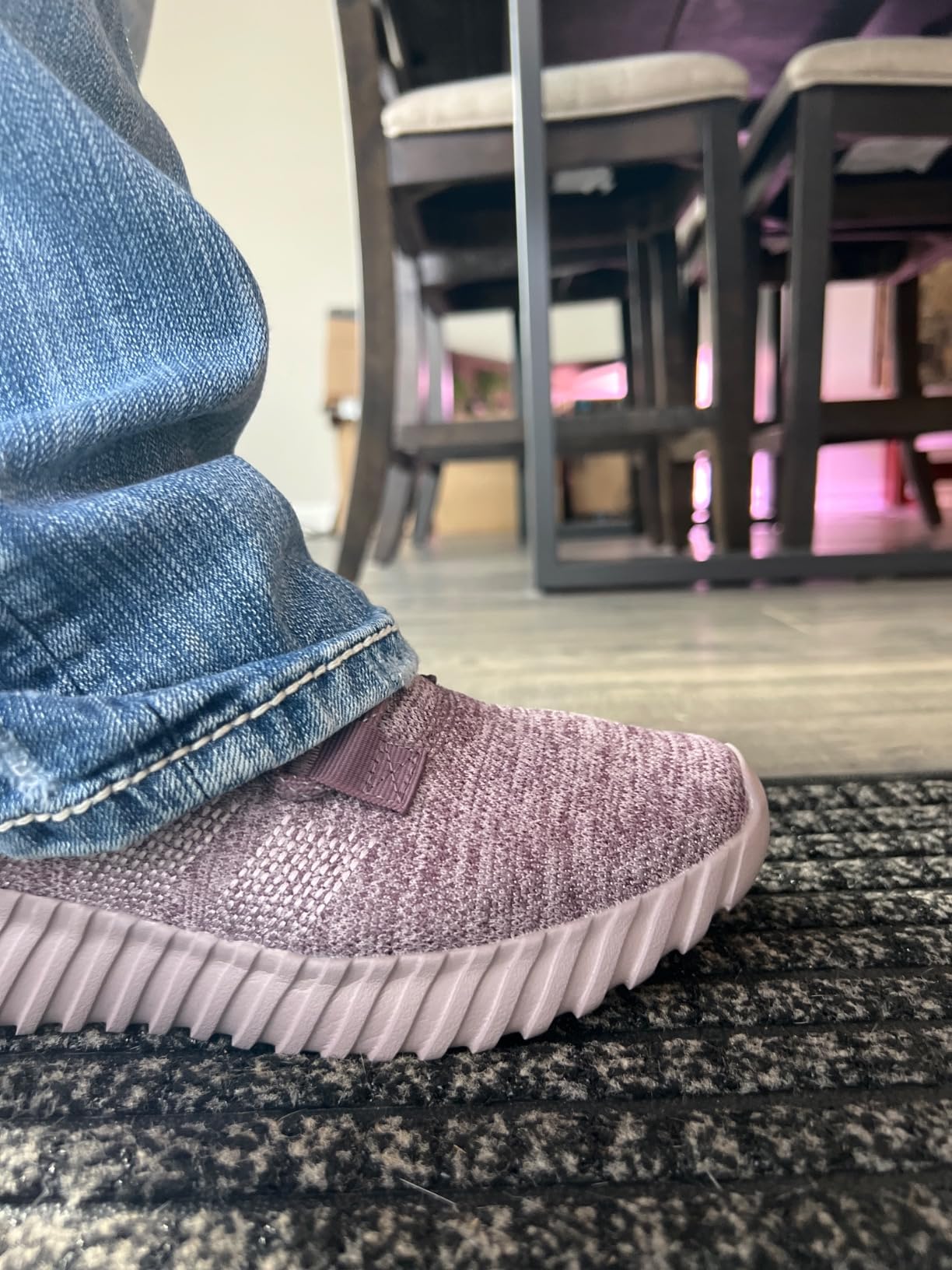
Cloudfoam Sockliner: Delivers
The step-in softness is real and it persists. After eight weeks, the sockliner hasn’t packed down noticeably — it still has the same slightly-plush feel underfoot as day one. For daily-wear foam, that’s solid longevity.
Bounce Midsole: Mostly Delivers
The responsive feel when walking is noticeable, especially during the first two or three hours. On a 12-mile day, I felt the miles but not a complete cushioning failure. The Bounce technology hits its ceiling on longer runs or high-impact movement — for those use cases, you’d want a higher-stack performance midsole.
Outsole Grip: Adequate, Not Outstanding
“Outstanding grip” is a marketing overstatement. The chunky rubber outsole handles wet pavement, indoor tile, and sidewalks without issue — I had no slips across 45-plus wearing sessions in varied conditions. But it’s lifestyle-grade rubber, not a dedicated traction compound. Don’t take these on mud, loose gravel, or slick surfaces where you need confident grip.
Recycled Content: No Quality Trade-Off
The 20% recycled materials claim is confirmed, and nothing about the shoes communicates “recycled” in a negative way. Materials feel consistent and well-finished. An easy win from an environmental standpoint.
Overall Assessment
After eight weeks, the Kaptir Flow has settled into my regular rotation — not because I ran out of other options, but because they’ve earned it. They do exactly what they’re built to do, without pretending to do more.
Detailed Scoring
| Category | Score (1-10) | Notes |
|---|---|---|
| 👟 Comfort | 9.2 | Outstanding all-day wearability; holds up through 10+ hour shifts |
| 🎨 Style | 8.7 | Versatile colorways; Preloved Fig more sophisticated than photos suggest |
| 💪 Durability | 7.8 | Solid at 8 weeks; estimated 12-18 months casual use lifespan |
| ⚖️ Weight | 9.5 | Remarkably lightweight; disappears on the foot |
| 💨 Breathability | 8.8 | Genuine airflow; feet stayed dry through 9-hour standing shifts |
| 💰 Value | 9.0 | Strong at ~$60 discounted; fair at $90 MSRP if comfort is the priority |
| 🏃♀️ Athletic Performance | 5.5 | Not the purpose; fine for light gym, not for running |
| 🌟 OVERALL SCORE | 8.4/10 | Recommended for busy women prioritizing daily comfort |
The customer consensus mirrors what I found. Women consistently praise the comfort and convenience, with a notable contingent who’ve bought multiple pairs or have already replaced their first with a second. The main complaints — initial tightness, laces that won’t stay tied, limited performance support for athletic use — all hold up as real issues, just not deal-breakers for the target use case.
Final Verdict
The Good
- All-day comfort that genuinely holds up past hour six
- Bounce midsole provides real responsiveness — not just basic foam padding
- Remarkably lightweight at 8.2 oz
- True slip-on convenience after a ~1-week break-in period
- Breathable mesh keeps feet cool through long workdays
- Versatile styling that works across multiple outfit contexts
- At least 20% recycled materials with no quality trade-off
- Strong value when found at the $60 discounted price point
The Not-So-Good
- First week of slip-on entry is genuinely difficult — requires a learning curve
- Laces loosen and don’t hold well (most users end up in permanent slip-on mode)
- Not suitable for running, high-intensity cardio, or lateral sport movements
- Moderate arch support — not enough for high arches or significant flat-foot conditions
- Generic rubber outsole — adequate for daily use, but not for technical terrain
Who Should Buy the Adidas Women’s Kaptir Flow
Perfect for:
- Busy moms who need shoes that keep up across a full day’s worth of tasks
- Women who spend 8-10+ hours on their feet at work
- Travel enthusiasts who want lightweight, packable, all-day comfort for long walking days
- Anyone who values convenience — the slip-on design genuinely works after break-in
- Budget-conscious shoppers — especially worth it at the discounted ~$60 price
Skip if you need:
- A dedicated running shoe or high-impact athletic footwear
- Structured arch support for foot conditions like plantar fasciitis
- Shoes for very wide feet (the standard width accommodates moderate width, but wide is more comfortable)
Better Options for Specific Needs
If you need serious running support, consider something like the New Balance Fresh Foam Arishi V4 — built from the ground up for running rather than adapted from a lifestyle platform. For maximum arch support, ASICS Gel-Kayano offers the structured stability that conditions like overpronation or plantar fasciitis actually need. For very wide feet, New Balance’s 237 V1 or similar wide-last designs will give you more room without feeling stuffed in. If insoles or orthotics are part of your routine, check whether the Cloudfoam sockliner is removable on your specific pair before committing.
For casual lifestyle sneakers in a similar price range, the Adidas Cloudfoam Pure is worth comparing if you prefer a traditional laced fit — the Kaptir Flow has better cushioning tech, but the Cloudfoam Pure has a more conventional entry that doesn’t require break-in time. The Skechers Summits is another popular option in this category if you want more pronounced cushioning and a slightly more athletic silhouette. If slip-on convenience is the main priority, Aleader’s Energycloud slip-ons or the Konhill slip-on loafers offer true slip-on designs without the lace-training-wheels period.
Frequently Asked Questions
Do they run true to size?
Yes for most women. I wear a 7 in most Adidas shoes and the 7 fit without issue. The dominant consensus across reviewers is true to size, with a minority noting they prefer half a size down if they have narrow feet. If you’re between sizes, go with your standard Adidas size rather than sizing up.
Are these actually slip-on shoes if they have laces?
After break-in, yes. Week one is a different story — the opening is snug and requires real effort. By week two, once the materials have softened, you can slip them on and off without touching the laces. The ankle pull tab helps significantly; use it. Many wearers just leave the laces loosely tied permanently and treat them like slip-ons from day eight onward.
How do they compare to the Adidas Kaptir 2.0?
These are different shoes despite the similar name. The Kaptir 2.0 uses a Cloudfoam-only midsole; the Kaptir Flow uses a Bounce foam midsole with a Cloudfoam sockliner on top. Bounce is a more responsive, energy-returning technology than basic Cloudfoam EVA. The Kaptir Flow also has a woven mesh upper with the 3-Stripes integrated, versus the more standard mesh on the 2.0. The Kaptir Flow is the lifestyle-focused upgrade; the 2.0 is the more budget-oriented trainer.
How do they compare to the Adidas Cloudfoam Pure?
The Cloudfoam Pure has a more traditional lacing experience and immediate ease of entry. The Kaptir Flow has better cushioning technology (Bounce midsole vs Cloudfoam-only) and a more fashion-forward silhouette. If slip-on convenience after break-in is important to you, Kaptir Flow. If you want straightforward laced entry and don’t mind slightly less responsive cushioning, Cloudfoam Pure.
Can I use them for workouts?
Light gym work — walking, elliptical, dumbbell training, bodyweight circuits — is fine. The flat stable base works well for weightlifting. What doesn’t work: running, HIIT, anything with significant lateral movement or impact. If your gym routine is mostly training and strength work, these will get you through. If you run regularly, use a running shoe for running.
Can I machine wash them?
Multiple wearers report success with a gentle cold-water cycle, and the synthetic mesh materials appear tolerant of occasional machine washing. I’ve spot-cleaned mine without any issues. My recommendation would be gentle cycle, cold water, air dry — avoid the dryer, which can distort the shape and degrade the Bounce midsole foam faster.
Are they good for women with wider feet?
The standard width accommodates moderate width without issue, but women with significantly wide feet have described feeling stuffed in. Adidas offers a wide width option (check availability in your size) which resolves this. In standard width, the mesh upper does have some give, but it’s not a generous-fit shoe by design.
How long do they last?
Based on my eight weeks of testing plus user report aggregation, expect 12-18 months under regular casual use — daily wear for errands, work, and light activity. Heavy daily use on hard surfaces will compress that timeline toward the lower end. At ~$60, that works out to $0.11-$0.17 per day of use, which is competitive for this comfort level.
What’s the best colorway?
The Preloved Fig I tested is more versatile than the product photos convey — the muted tone works with neutral wardrobes well. The white/off-white options are the most popular for versatility. Black reads most professional. Blue and purple are available for those who want something more distinctive. All colorways use the same construction and materials.
Be the first to review “Adidas Womens Kaptir Flow Shoes”
Related products
Running Shoes
Running Shoes
Running Shoes
Running Shoes
Running Shoes
Running Shoes
Running Shoes
Running Shoes
Reviews
There are no reviews yet.