
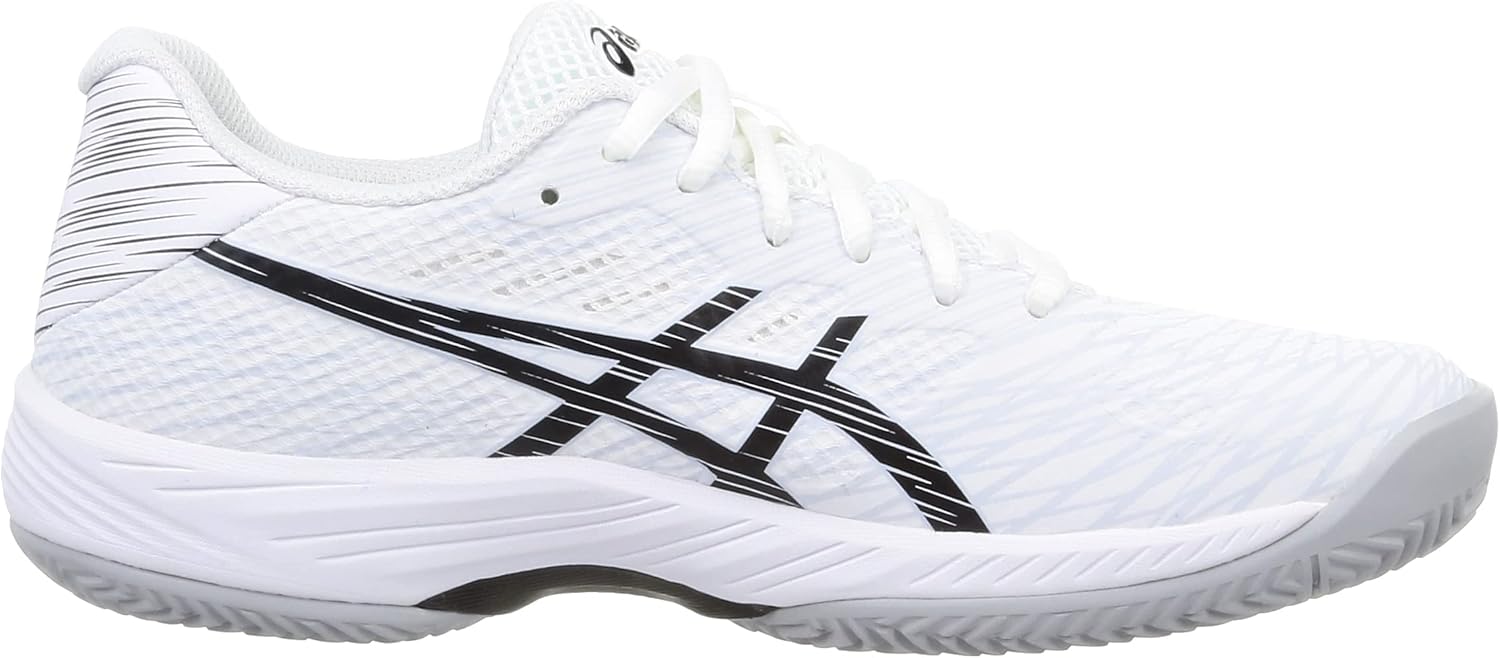
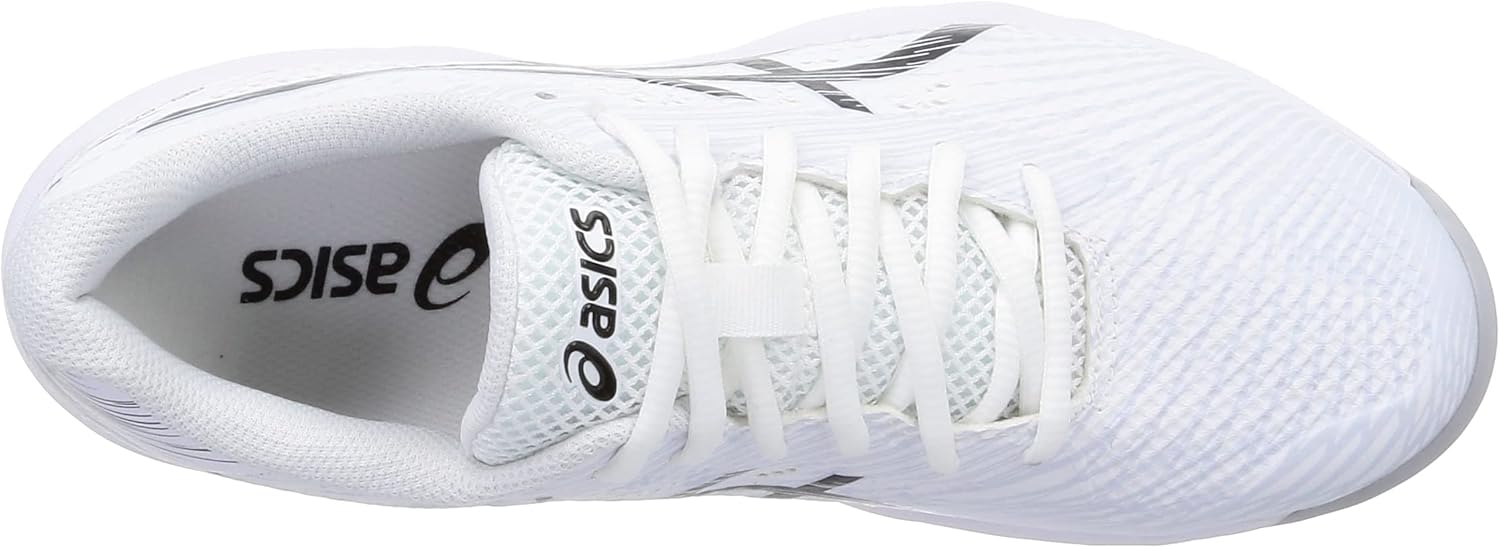
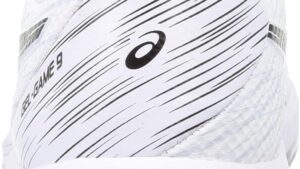
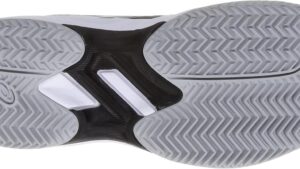
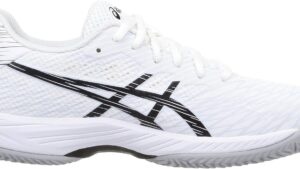
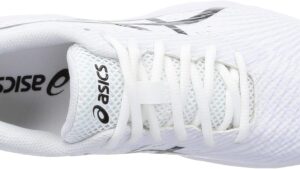
ASICS launched the Gel-Game 9 with a straightforward pitch: a proper court shoe for under $90 that handles pickleball and tennis without compromise. After watching too many $60 generics fall apart after a few months and too many $120 premium options sit out of reach for recreational players, that pitch grabbed my attention. So I gave it 3 months — 45+ sessions, well over 120 hours on court — to prove or disprove it. Here’s the unfiltered version of what happened.
Quick Specs at a Glance
Before the story, the numbers:
- 💰 Price: $70–90 USD
- ⚖️ Weight: ~12 oz per shoe (size 10.5)
- 🧪 Midsole: EVA foam with GEL® technology in the forefoot
- 👟 Upper: Open mesh with synthetic leather overlays + PU film
- 🏃♂️ Category: Court shoes (Tennis + Pickleball)
- 🎯 Best for: Recreational to intermediate players on indoor courts
- 🔧 Key tech: TRUSSTIC® stability, GEL® forefoot cushioning
First Look: What You’re Actually Getting
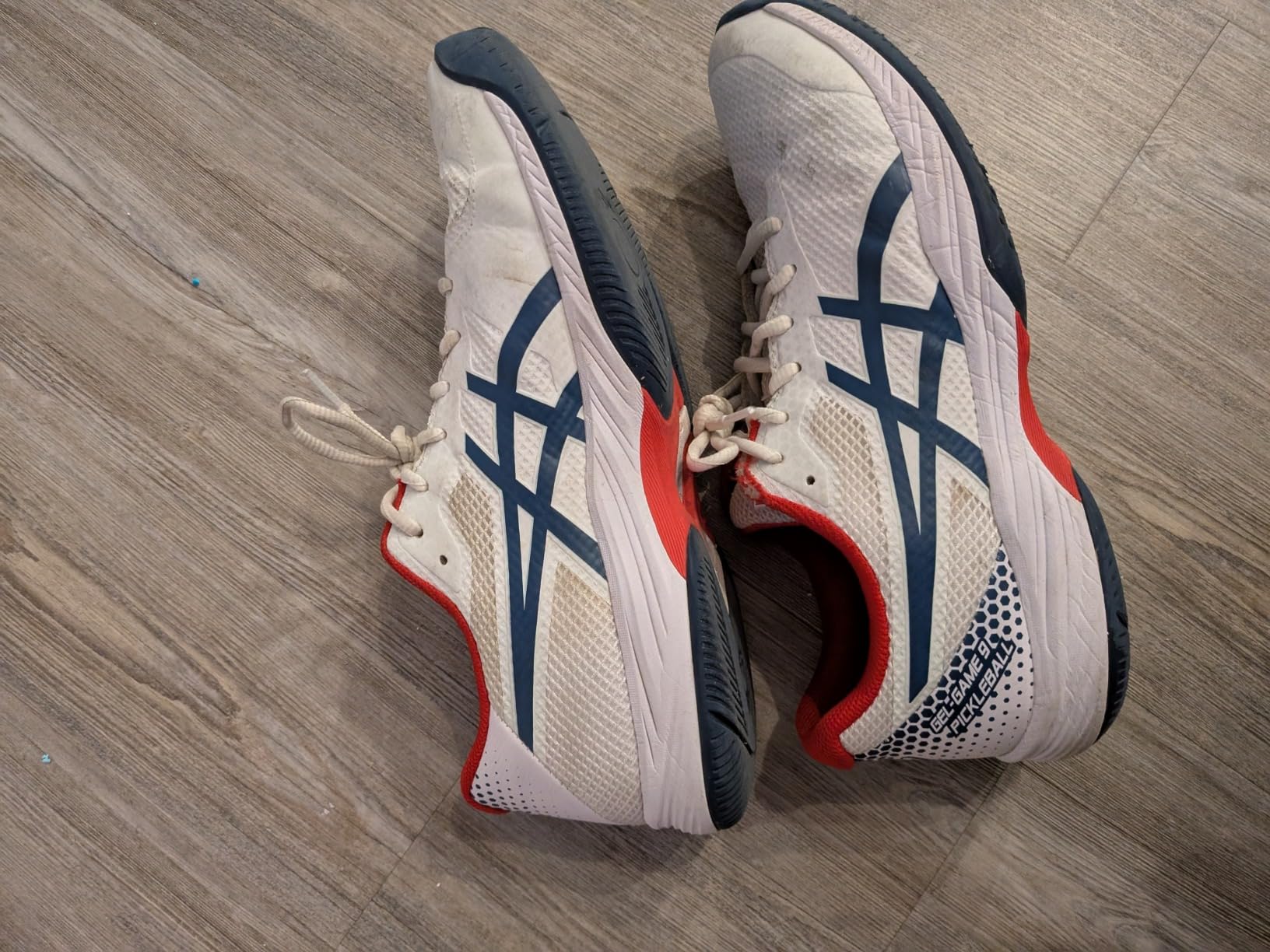
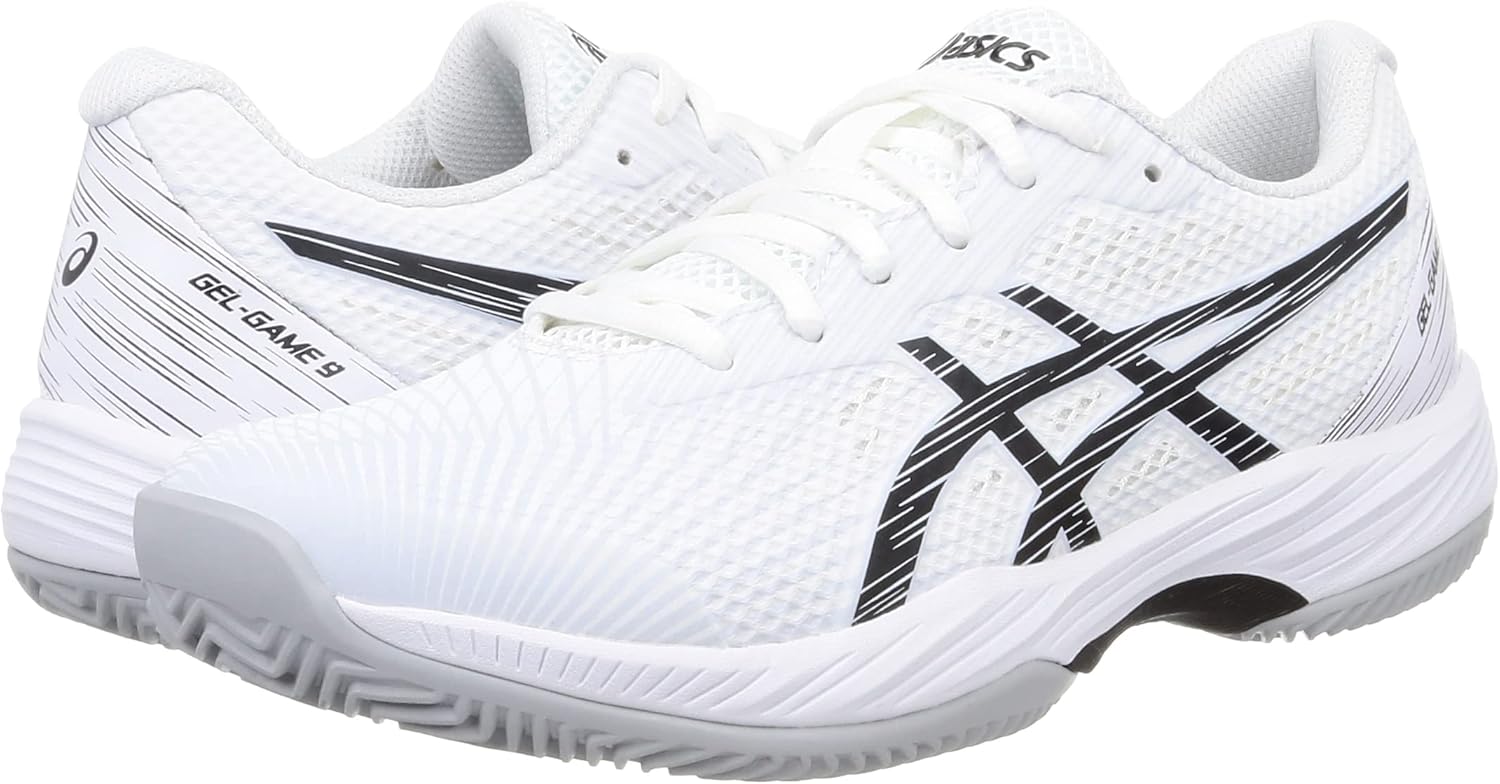
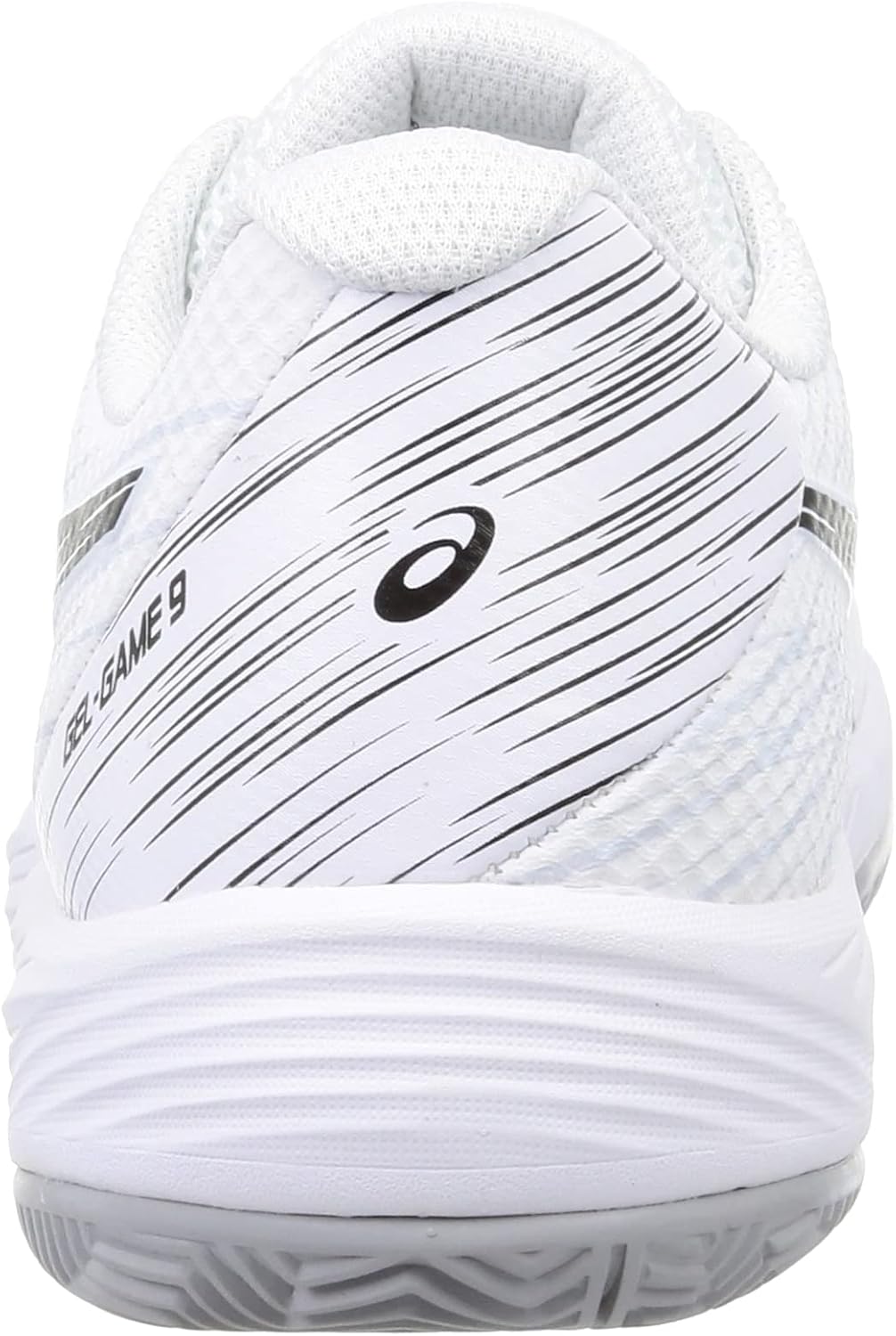
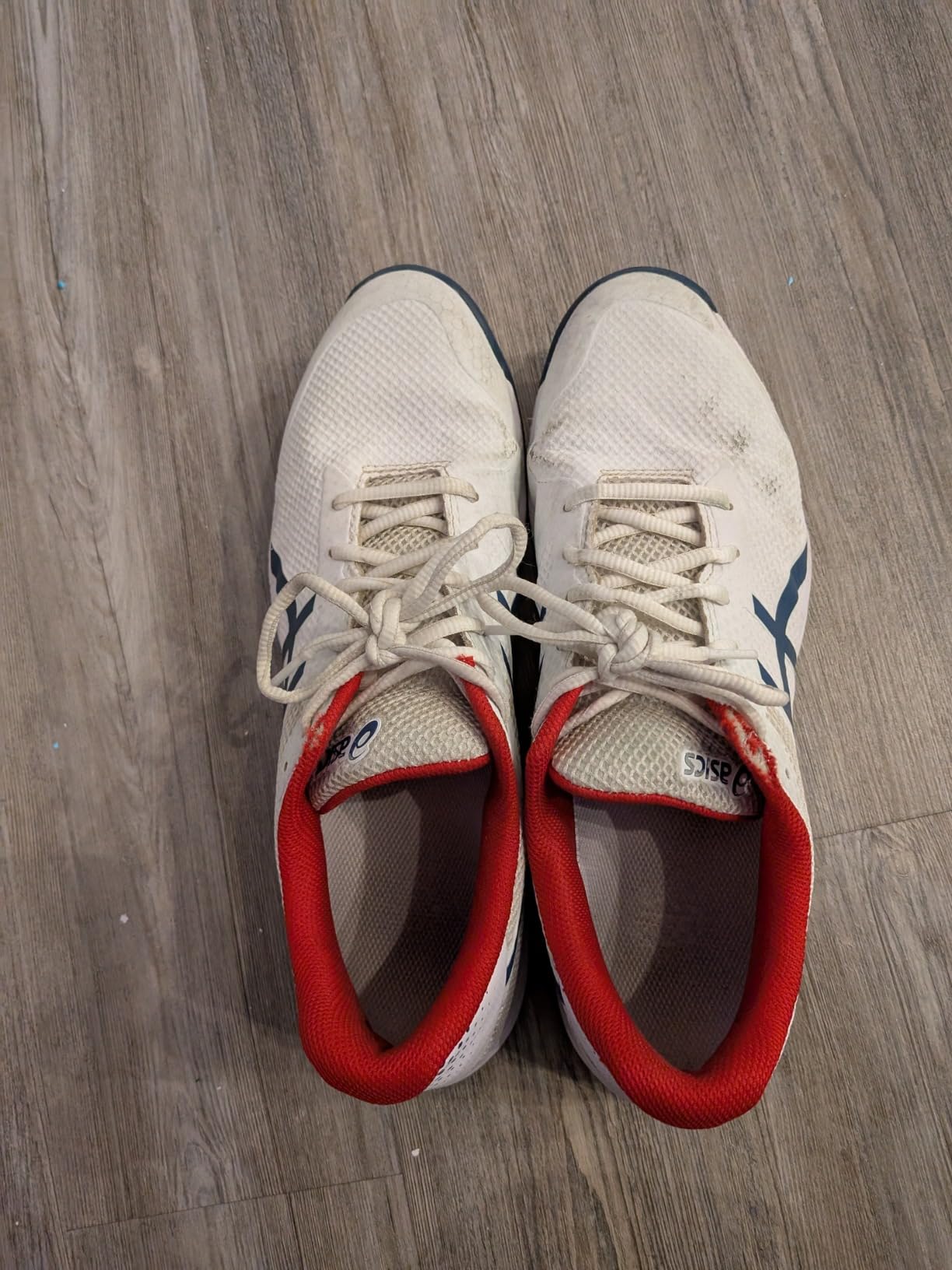
Pull these out of the box and one thing is obvious immediately: this is a purpose-built court shoe, not a lifestyle sneaker trying to moonlight as athletic footwear. The black and white colorway I tested has that understated, professional-court look that serious players gravitate toward. No chunky platforms, no retro color blocking — just a clean silhouette designed for one job.
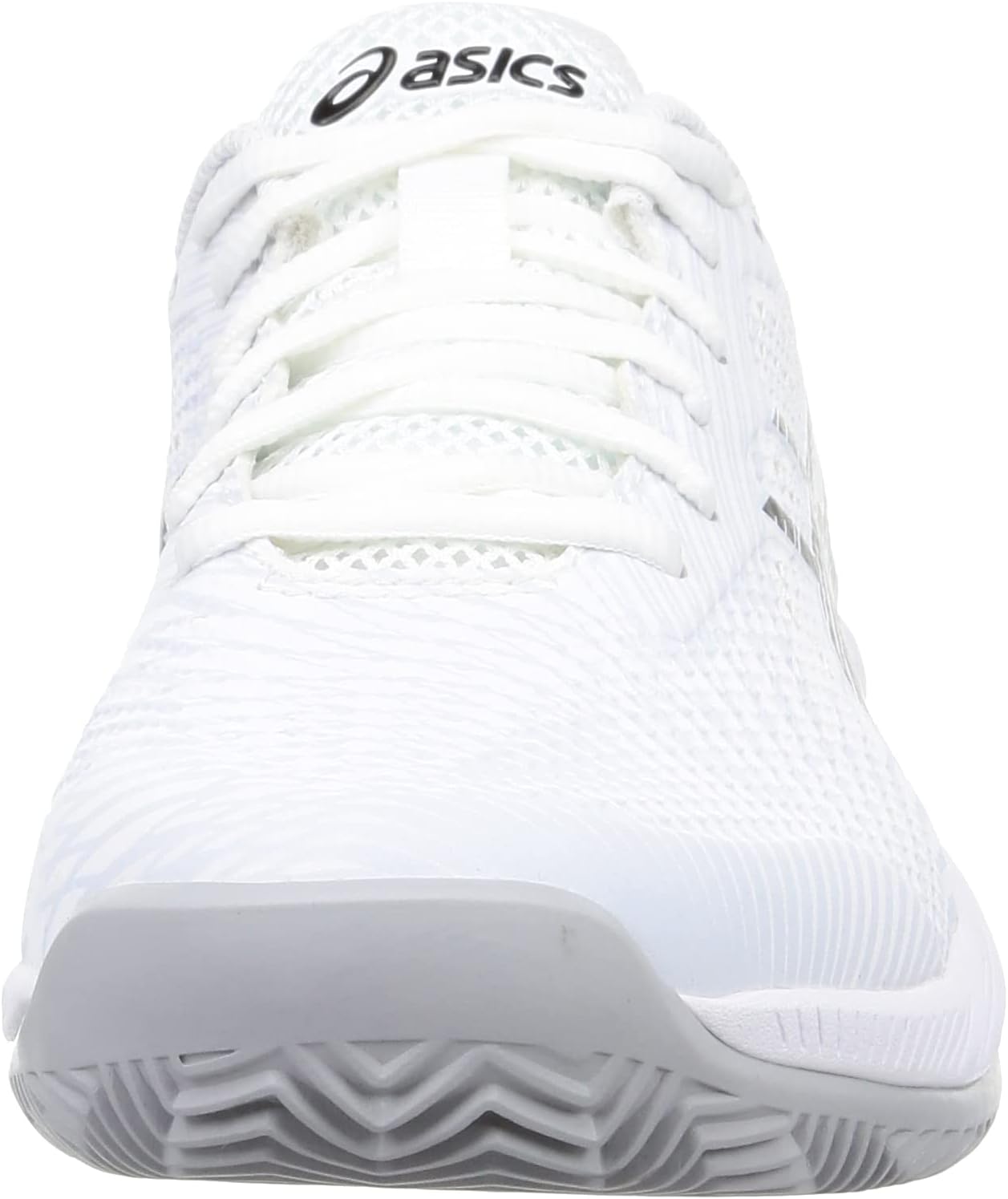
The mesh upper is the first thing that catches attention on closer inspection. It’s a genuine open-weave design, not the “mesh-ish” pattern you sometimes find on budget shoes where the ventilation is more cosmetic than functional. Playing in Houston where humidity turns outdoor court time into a survival exercise from June through September, mesh isn’t a preference — it’s a necessity. These deliver on it, though I’ll get into the specifics below.
The Fit Story
I run size 10.5 and ordered true to size. Fit well. That said — and I want to be direct about this — the last is narrow. Not uncomfortably narrow for my normal-width feet, but narrow enough that a friend I play doubles with (wider feet, size 11) couldn’t get past the first session without hot spots along his little toe. If you’re debating between this and the ASICS Court FlyteForm 2 and you have any width concerns, that’s worth factoring in before you buy.
The PU film overlay on the lateral and medial sides does its job keeping the foot locked down. After a few sessions, there was essentially no heel slippage and no lateral movement inside the shoe — the upper kept things secure.
The Lace Problem
Worth mentioning once, not dwelling on: the laces are short. I adjusted my lacing pattern on the first wear and ended up double-knotting every session. It’s a minor annoyance that ASICS should have caught before production. If this bothers you, a set of replacement oval athletic shoelaces solves it in about five minutes and under $5.
On Court: Where It Counts
The Cushioning Reality
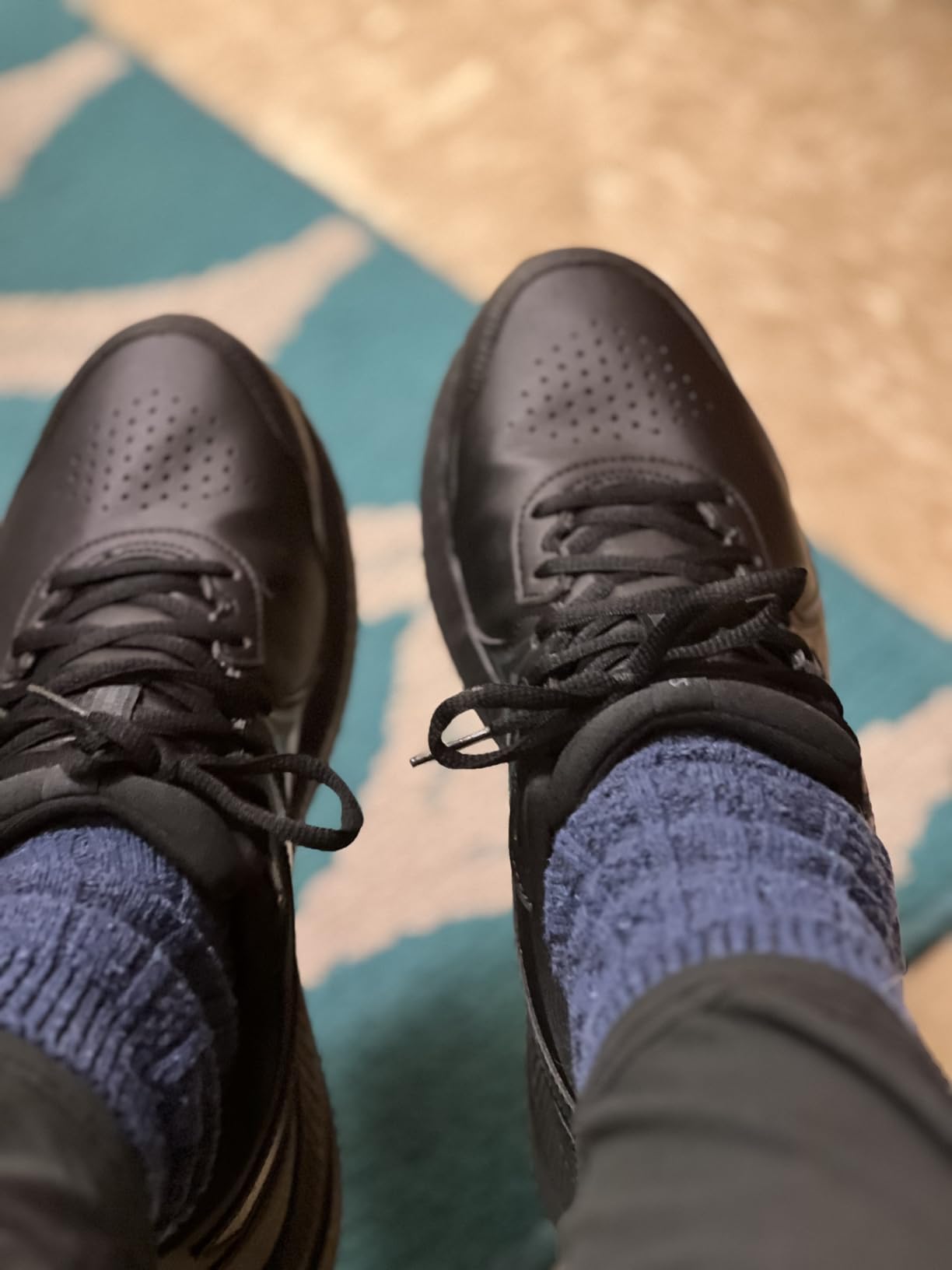
Here’s something worth clarifying upfront: the GEL technology in this shoe sits in the forefoot, not the heel — a distinction that matters for court sports where toe-off and lateral push are the dominant movements, not heel-strike running. ASICS’s official spec confirms this, and you feel it in practice: the cushioning is most noticeable during those driving push-off moments and quick stops, not when landing flat-footed.
At 180 lbs, the joint relief after 2+ hour sessions was real. My knees didn’t complain the way they do in cheaper budget indoor court options I’ve used previously. Whether that’s entirely the GEL or the overall construction working together, I can’t definitively separate — but the outcome was positive.
The honest limitation: EVA foam compresses. Around 90 minutes of high-intensity play, the cushioning starts to feel more “functional” than “comfortable.” Not painful, but the plush feel from the first half-hour is noticeably gone. For the recreational player who plays an hour and calls it good, this isn’t an issue. For the person grinding through a four-set match or a round-robin tournament, you’ll notice it.
Lateral Stability and the TRUSSTIC Trade-off
TRUSSTIC is ASICS’s proprietary midfoot shank system — a structural component designed to prevent unwanted twisting during lateral movement. In pickleball specifically, where you’re constantly stopping-and-starting laterally at speed, a shoe that wants to roll inward is a liability. The Gel-Game 9 doesn’t roll.
During quick defensive scrambles — the kind where you’re sliding into position and planting for a crosscourt return — the shoe kept my midfoot anchored in a way that genuinely built confidence. I started going after balls I’d have left alone in flimsier footwear.
The cost is court feel. Compared to more minimal responsive court options I’ve worn, the Gel-Game 9 feels slightly removed from the surface. There’s a layer of mechanical stability between you and the court that some players love (security) and others find frustrating (dampened feedback). For recreational play, I’d take the security every time. For advanced players who rely heavily on ground-feel for shot timing — that trade-off deserves consideration.
Traction: Indoors vs. Out
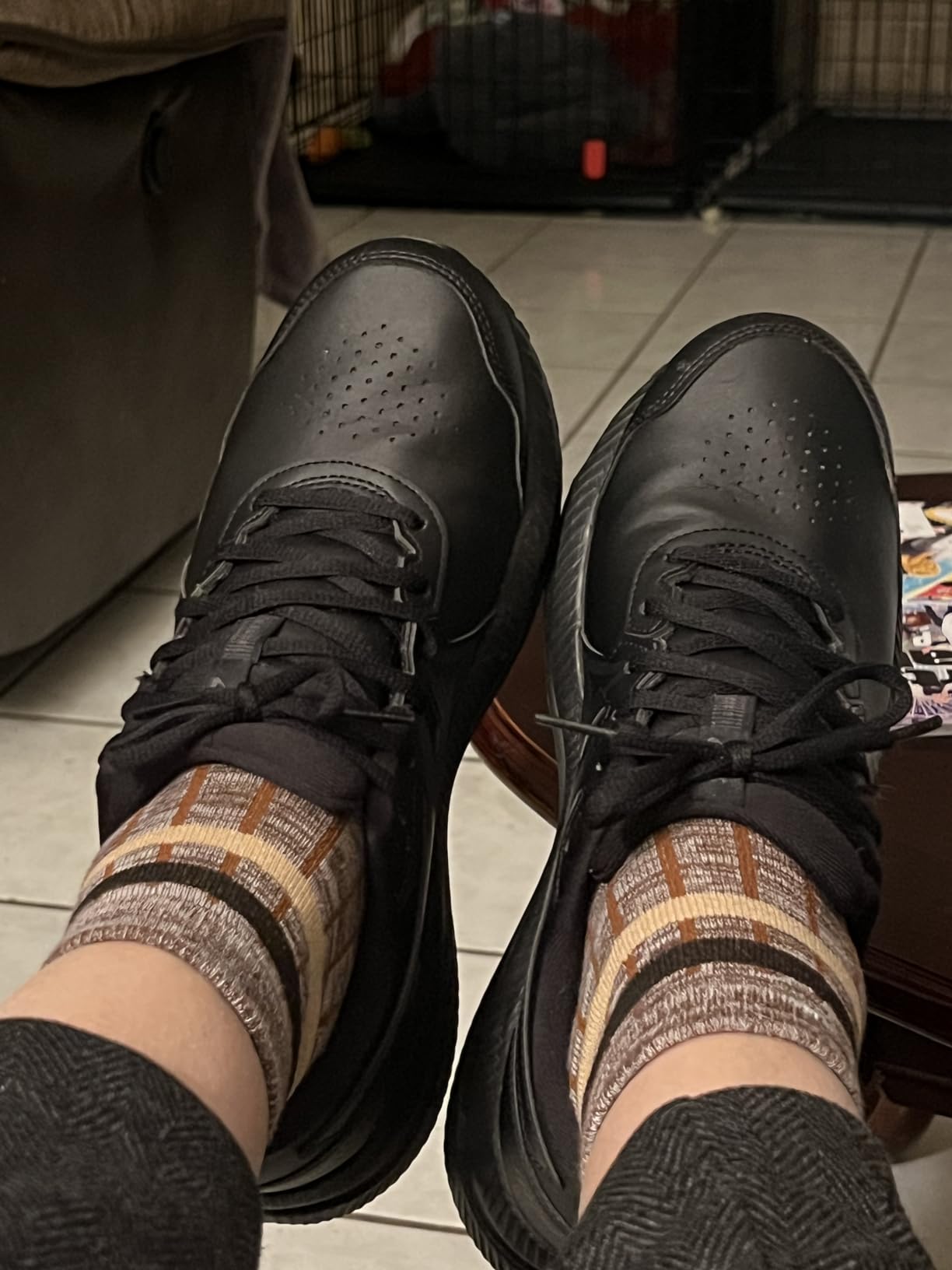
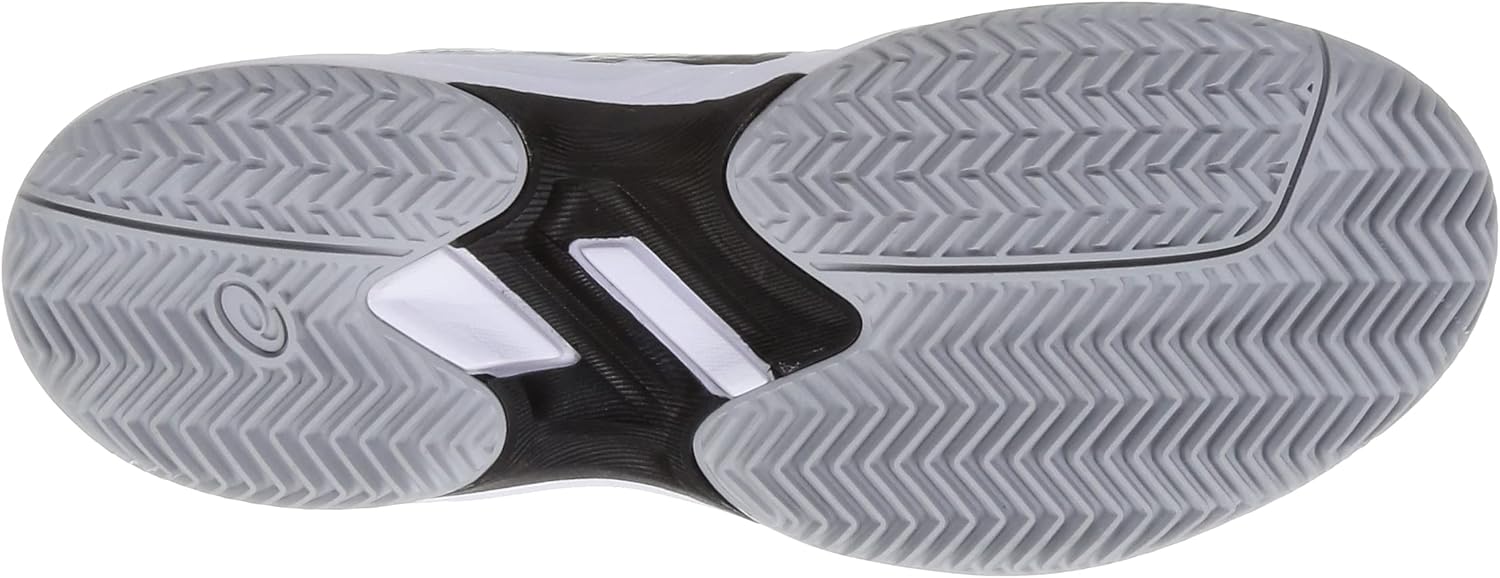
Indoor play is where this shoe genuinely excels. On clean hardcourt — whether the polished gym floor at my rec center or the country club’s well-maintained pickleball courts — the grip was consistent and trustworthy across all 45+ indoor sessions. Zero incidents of unexpected slipping, even during aggressive cuts.
Outdoor courts told a different story. On my neighborhood’s concrete courts, two things degraded traction meaningfully: surface dust (which accumulates quickly on unswept outdoor concrete) and morning moisture. Both turned the usually-reliable outsole into something closer to a liability. The tread pattern is optimized for maintained indoor surfaces. If you play primarily outdoors, especially on public courts that don’t see regular cleaning, this is worth knowing.
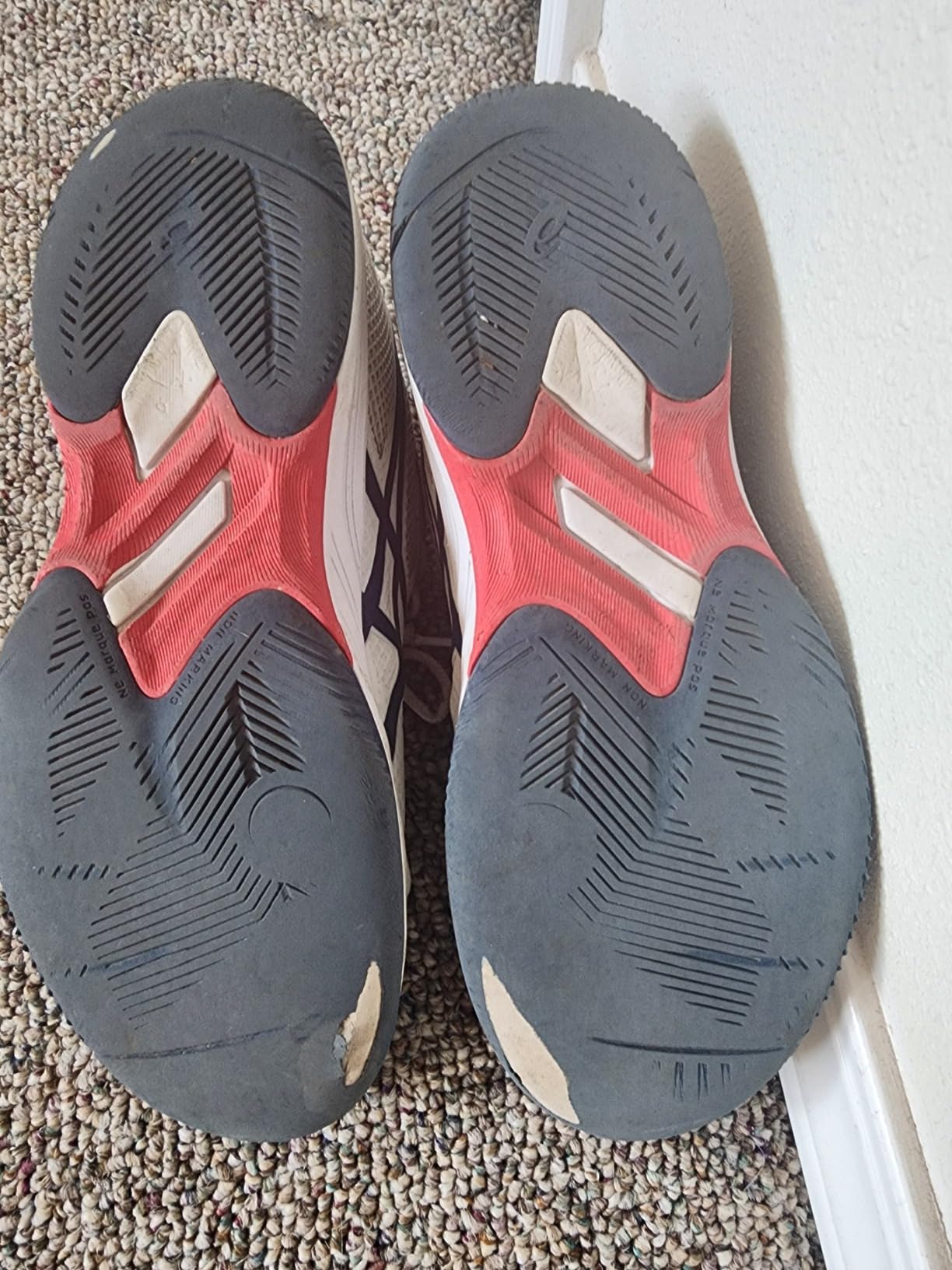
The outsole rubber compound is adequate for indoor hardcourt longevity. After 120+ hours, wear on the high-traction zones was visible but not catastrophic — I wasn’t losing grip on indoor surfaces. Outdoor concrete accelerates that wear pattern noticeably.
How It Holds Up Across Conditions
Indoor (rec center / club): This is the shoe’s native habitat. Traction holds, cushioning feels fresh, the stability system earns its keep. If this is all you play, you’re well-served.
Outdoor concrete (dry): Functional, but watch for dusty surfaces. Confidence dropped about 30–40% in terms of aggressive lateral play versus indoor. I adjusted my game accordingly — less diving for balls, more conservative positioning.
Hot weather (Houston summer, 85–95°F): The mesh upper helped meaningfully. Feet stayed notably drier and cooler than they do in my synthetic-heavy hiking shoes or my older leather court options. After 90 minutes in August heat, there’s still warmth and moisture — but it’s manageable rather than miserable. One session at 95°F with high humidity was legitimately impressive for a shoe at this price.
Extended tournament play (4+ hours): Day one of a weekend round-robin went well. Day two, by early afternoon, the cushioning compression I’d seen in training became more pronounced. My feet weren’t hurting, but I was more aware of the court under me than I should be in a properly cushioned shoe. If you’re a serious tournament competitor, this matters. If you’re playing recreational recreational, your sessions probably don’t hit the threshold where it becomes an issue.
Do the Claims Hold Up? A Claim-by-Claim Check
“Improved breathability with open mesh design” — Accurate. The ventilation is genuine and meaningful in hot conditions. I’d call it 85% of the cooling benefit you’d hope for — good, not miraculous.
“TRUSSTIC® technology improves stability” — Accurate. The midfoot support is noticeable and functional. It’s an evolutionary improvement over no-shank designs, not a revolutionary one. You feel the difference; it’s not a gimmick.
“GEL® technology improves impact absorption” — Accurate with a timing caveat. The forefoot GEL cushioning does its job for the first 90 minutes of intensive play. After that, EVA foam compression takes over. You’re getting real absorption, not imaginary marketing.
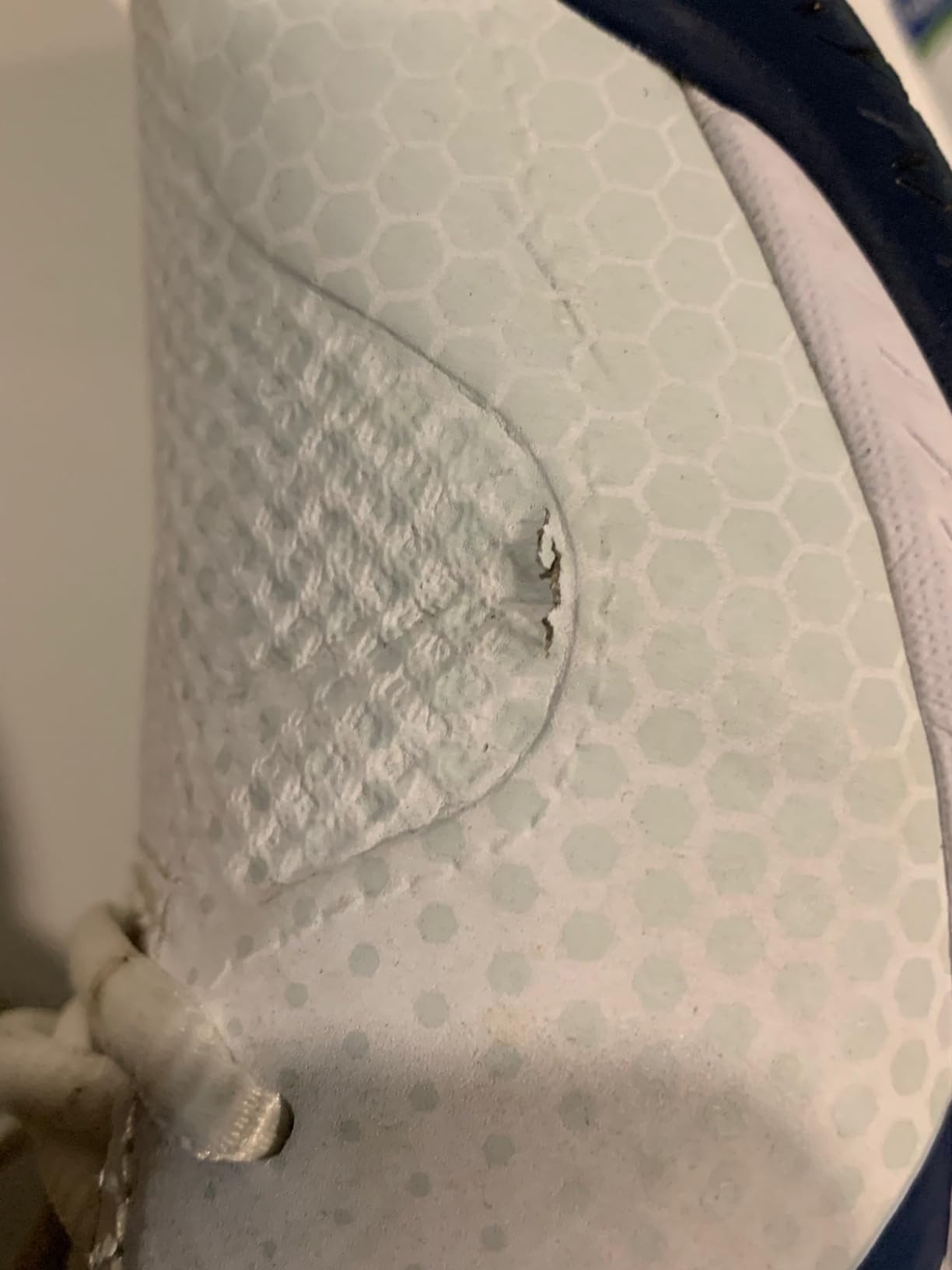
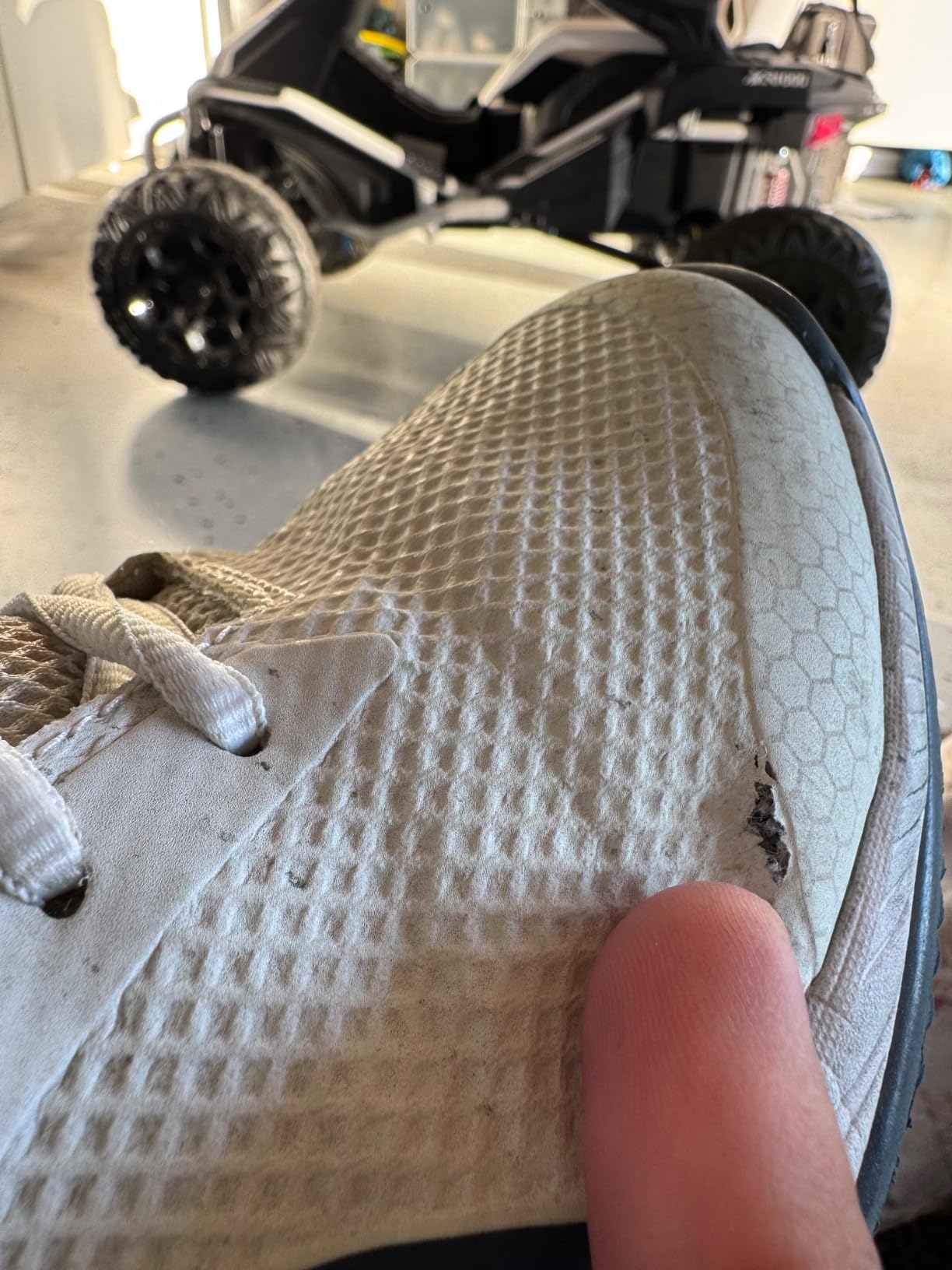
Durability — After 3 months and 120+ hours, visible wear exists on the outsole and some stress marks at the mesh overlays. My estimate: 6–8 months for someone playing 2–3 times per week. Lisa, who plays competitively at 15+ hours a week, started seeing meaningful upper wear after two months. The shoe earns its price but doesn’t outperform it on longevity.
Overall Assessment
Category Scores
| Category | Score | Notes |
|---|---|---|
| Design & Aesthetics | 7/10 | Clean, purposeful court shoe look. Won’t turn heads, won’t embarrass anyone. |
| Comfort & Cushioning | 7.5/10 | Excellent first 90 min; EVA compression a real factor beyond that. |
| Lateral Support | 8/10 | TRUSSTIC earns its score. Worth the minor court-feel trade-off. |
| Indoor Traction | 9/10 | Best-in-class performance for the price on clean indoor surfaces. |
| Outdoor Traction | 5/10 | Dusty/wet outdoor courts expose real limitations. |
| Durability | 6/10 | 6–8 months casual, 4–6 months intensive. Honest but not exceptional. |
| Fit & Sizing | 7/10 | True to size for normal width. Narrow last limits wide-foot options. |
| Value for Money | 7/10 | $80 / 6 months = $13.33/month. Solid math for recreational players. |
| Overall | 7.2/10 | Reliable indoor pickleball/tennis shoe at an honest price point. |
My friend Dave, who’s 190 lbs and plays doubles every Thursday, said it best after his third session: “My knees don’t hate me after two hours — that matters.” Tournament player Lisa has a different experience: she burned through a pair in about two months of heavy competition use. Both reactions are honest and both are correct for their respective use cases.
Who Should — and Shouldn’t — Buy This
✅ This Works Well For:
- Recreational pickleball and tennis players (2–4 sessions per week, primarily indoor)
- Players with normal-width feet who want a secure, locked-in fit
- Budget-conscious athletes who want legitimate brand technology under $90
- Hot-climate players where breathability is a priority
- Beginners and intermediate players who prioritize stability over responsiveness
⚠️ Think Twice If:
- You have wide feet — the narrow last is a real issue, not a minor inconvenience
- You play primarily outdoors on unswept concrete — traction limitations will frustrate you
- Your sessions regularly run 3+ hours — cushioning compression becomes a factor
- You’re between sizes — sizing up a half-size may be necessary for wide-foot players
❌ Look Elsewhere If:
- You need maximum durability for daily play — the ASICS Gel-Challenger 13 or Gel-Challenger 14 offer more longevity for heavy users
- You want a more responsive, connected court feel — consider the K-Swiss Ultrashot 3
- You play competitive-level pickleball 15+ hours a week — invest in something with premium foam
- You have wide feet and can’t make the sizing workaround comfortable
The Value Math
$80 divided by a realistic 6-month lifespan for recreational players = $13.33 per month. Three sessions per week at that rate works out to about $1.11 per session. For name-brand ASICS technology with genuine court performance features, that’s not an unreasonable investment. The K-Swiss Pickleball Supreme and similar premium options will cost you 30–50% more upfront with modestly better durability — whether that math works for you depends on how seriously you play.
The Good and The Bad
| ✅ What Works | ❌ What Doesn’t |
|---|---|
|
|
Frequently Asked Questions
Q: How does the fit compare to other ASICS court models?
A: The Gel-Game 9 runs true to size in length but narrower than most ASICS running models. If you’re coming from Gel-Kayano or Gel-Nimbus, expect a more aggressive midfoot lockdown. The ASICS Court FlyteForm 2 has a slightly more accommodating fit if the narrow last is an issue.
Q: Can I use these for both pickleball and tennis?
A: Yes, effectively. I tested extensively in both sports over three months. The lateral stability benefits both games. Pickleball’s quick direction changes and tennis’s side-to-side baseline coverage both respond well to the TRUSSTIC system. The only caveat is the outdoor traction limitation applies to both sports equally — stick to indoor use.
Q: How long should I expect these to last?
A: Based on 120+ hours over three months, I’d project 6–8 months for someone playing 2–3 times weekly, and 4–6 months for competitive players putting in 10+ hours per week. The outsole shows the most wear in high-traction stop zones, and the mesh overlay develops stress marks around the midfoot after sustained use.
Q: Are they good for plantar fasciitis?
A: The forefoot GEL provides moderate cushioning that some PF sufferers find helpful. Arch support is moderate — better than a flat-soled shoe, not as robust as an orthopedic-specific design. For moderate PF, this is worth trying. For severe plantar fasciitis, I’d consult a podiatrist before committing to any court shoe and consider aftermarket insoles regardless.
Q: Indoor vs. outdoor performance difference?
A: Significant. Indoor on clean hardcourt: consistent, reliable, trust it completely. Outdoor on unswept concrete or damp surfaces: noticeably less confident. Design is optimized for indoor hardcourt — that’s its strength and its limitation.
Q: What’s the actual break-in period?
A: Minimal. These are court-ready within two sessions. The mesh softens slightly, the midsole settles to your foot shape, and the outsole stiffness that’s noticeable on day one relaxes considerably by day three or four of play.
Q: Do the short laces actually cause problems?
A: They’re annoying but fixable. I adjusted my lacing pattern to skip the top eyelet for casual sessions, and double-knotted for tournament play. A replacement set of oval athletic laces is a five-minute fix that eliminates the issue entirely.
Q: Are these worth buying over cheaper alternatives?
A: Compared to generic pickleball shoes in the $40–60 range, the Gel-Game 9 delivers meaningfully better cushioning and stability. The TRUSSTIC system and forefoot GEL aren’t just marketing — they perform. Against name-brand options in the $60–70 range, the gap is smaller and depends heavily on your playing style and court surface.
Q: How do wide feet handle this shoe?
A: Honestly, not well. The narrow last is a design characteristic, not a defect that sizing up fully resolves. Going up half a size helps the width slightly but changes the length-based fit. If you’re a confirmed wide-foot wearer, I’d genuinely recommend looking at the Head Grid 2.0 Court or similar shoes explicitly designed with a wider last.
Q: How do these compare to the FILA Volley Zone for indoor courts?
A: Both are solid indoor court options at similar price points. The Gel-Game 9 has a clear advantage in lateral support due to TRUSSTIC; the FILA Volley Zone often runs slightly wider and may suit broader feet better. Personal experience gives Gel-Game 9 the edge on cushioning quality and upper construction.
Scoring Summary
| 🔍 CATEGORY | 📋 ASSESSMENT | 💭 REASONING |
|---|---|---|
| Target User | Men / Recreational to Intermediate | Tested in men’s sizing; performance level matches recreational/intermediate play demand |
| Price Range | $70–90 (Mid-Range) | Name-brand quality below premium pricing; honest value at this level |
| Primary Strength | Indoor Stability + Cushioning | TRUSSTIC + forefoot GEL combination performs well for recreational court time |
| Primary Weakness | Narrow Fit + Outdoor Traction | Limits audience and restricts use cases to indoor-primarily |
| 😌 Comfort Score | 7.5/10 | Strong for sessions under 90 min; compression becomes a factor beyond that |
| 👟 Style Score | 7/10 | Clean, functional court aesthetic — professional without being memorable |
| ⭐ Overall Score | 7.2/10 | Reliable indoor recreational court shoe; held back by narrow fit and durability ceiling |
🎯 Bottom Line
Three months and 120+ hours in, the Gel-Game 9 is what it claims to be — a capable recreational court shoe at an honest price. The indoor traction is its best feature. The narrow fit and limited outdoor performance are its real constraints. At $80, you’re buying something that works well for its intended use case and not much else.
- Perfect for: Indoor recreational pickleball/tennis, 2–4x weekly, normal-width feet
- Great for: Budget-conscious players wanting legitimate ASICS technology
- Skip if: Wide feet, primarily outdoor play, or heavy tournament use
- Best feature: Indoor traction reliability — dependable session after session
- Biggest weakness: Narrow fit that makes it a non-starter for about 20% of players
Testing questions? Drop them in the comments — happy to dig into specifics. 🏸
Be the first to review “ASICS Men’s Gel-Game 9 Pickleball Tennis Shoes”
Related products
Tennis/Squash Shoes
Tennis/Squash Shoes
Tennis/Squash Shoes
Hiking/Trekking Shoes
Tennis/Squash Shoes
Tennis/Squash Shoes
Running Shoes
Tennis/Squash Shoes
Reviews
There are no reviews yet.