
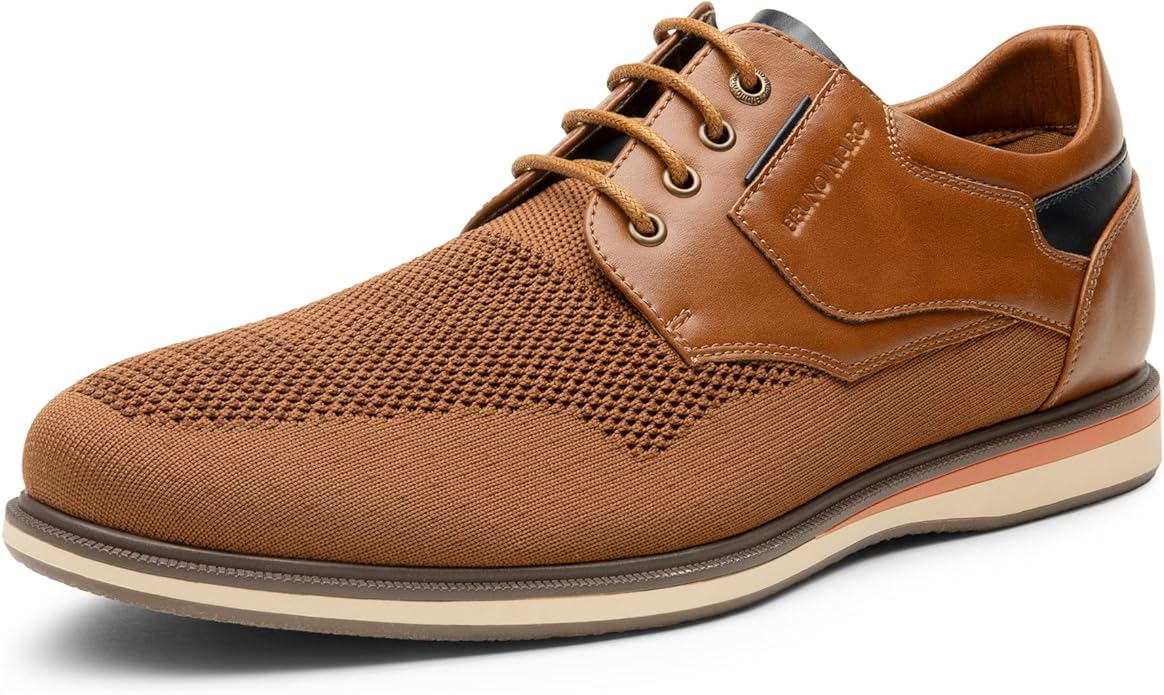
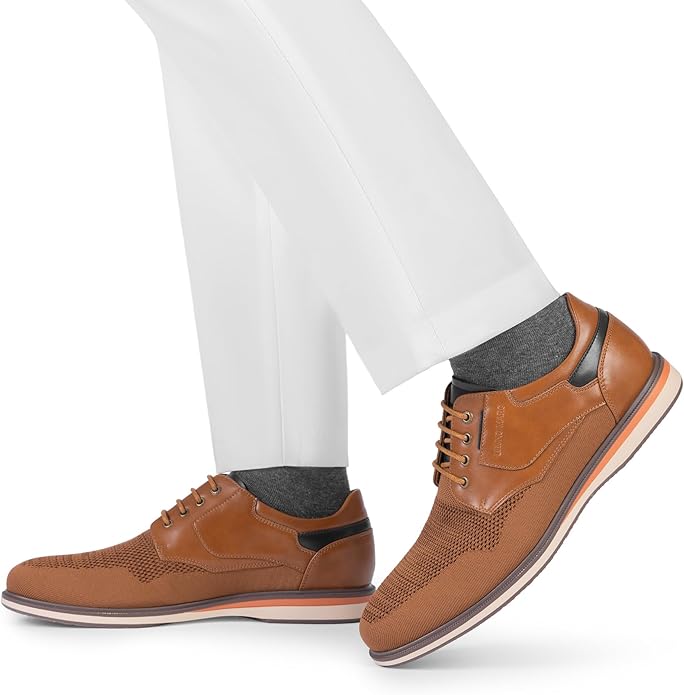
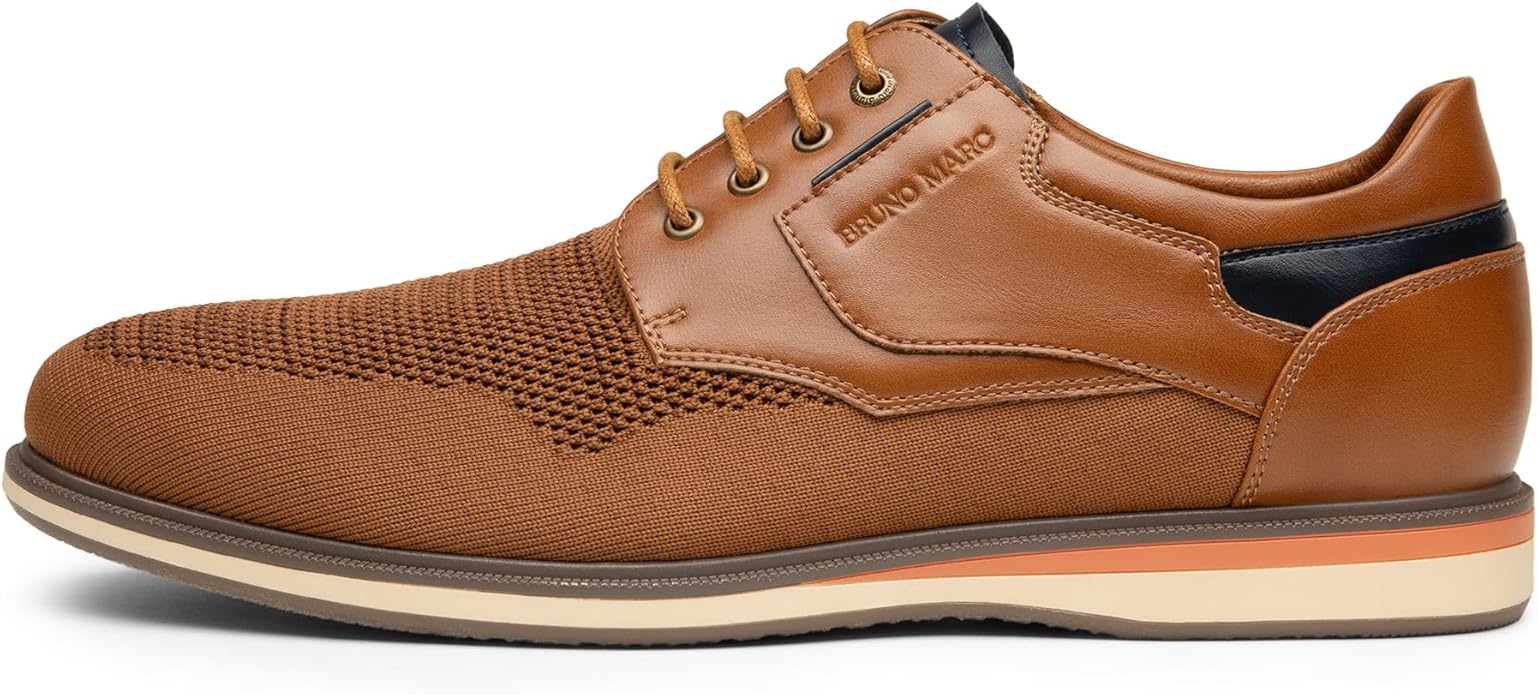
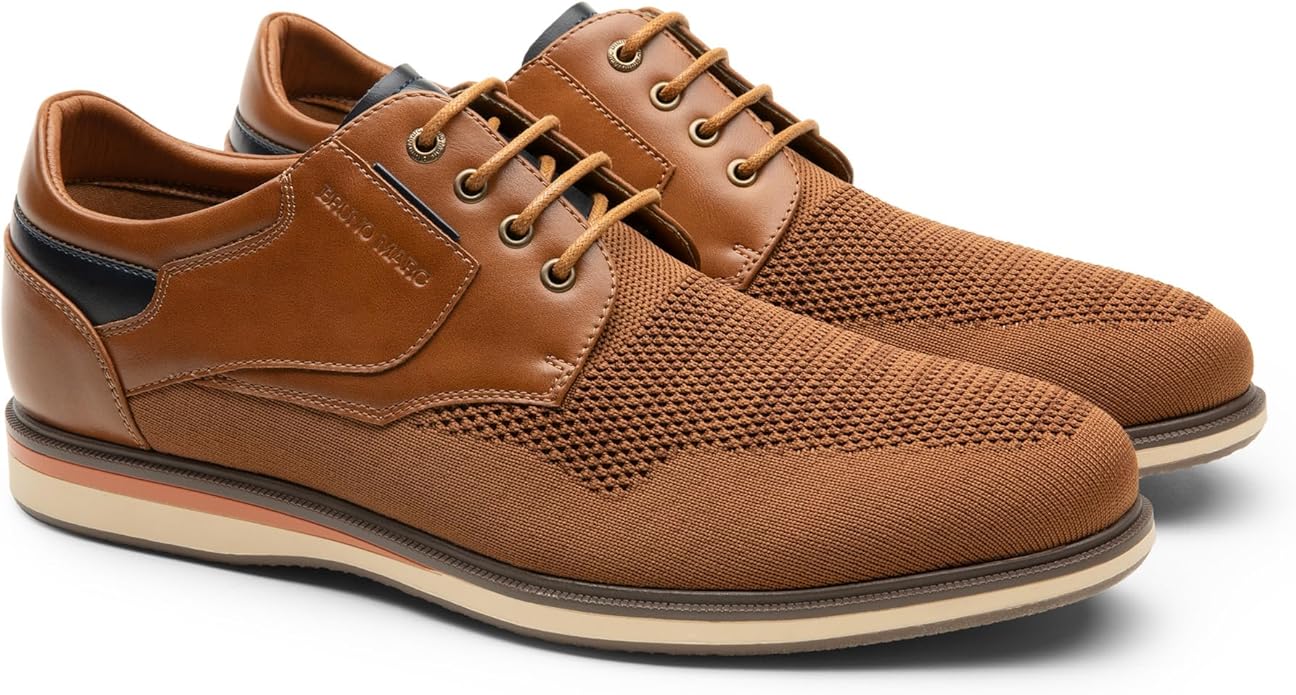
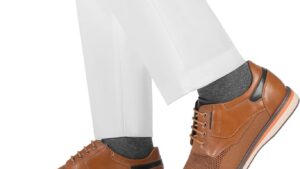
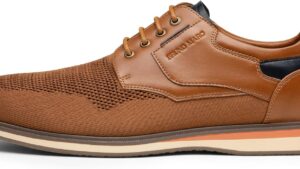
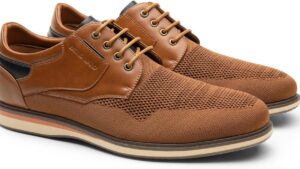
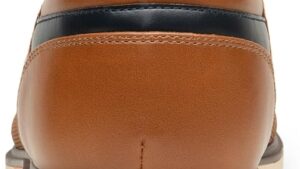
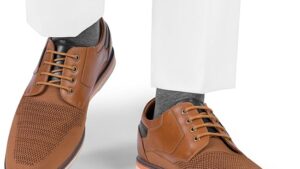
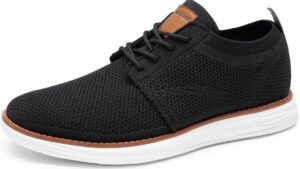
Bruno Marc Men’s Mesh Casual Dress Shoes Breathable Oxfords Sneakers
$38.99
- 💰 Price: $39.99
- ⚖️ Weight: 1.2 lbs per shoe (men’s size 9)
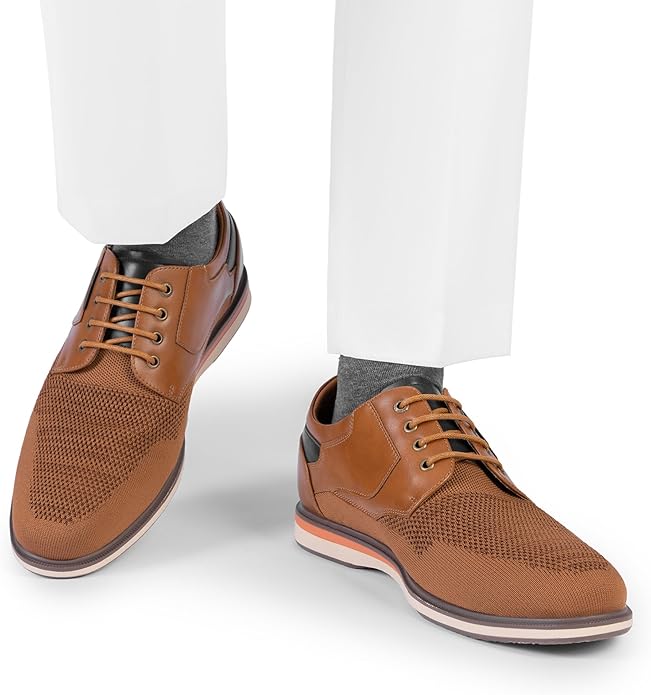
- 🧵 Upper: Woven knit with PU leather accents
- 🧪 Midsole: Memory foam heel cushioning
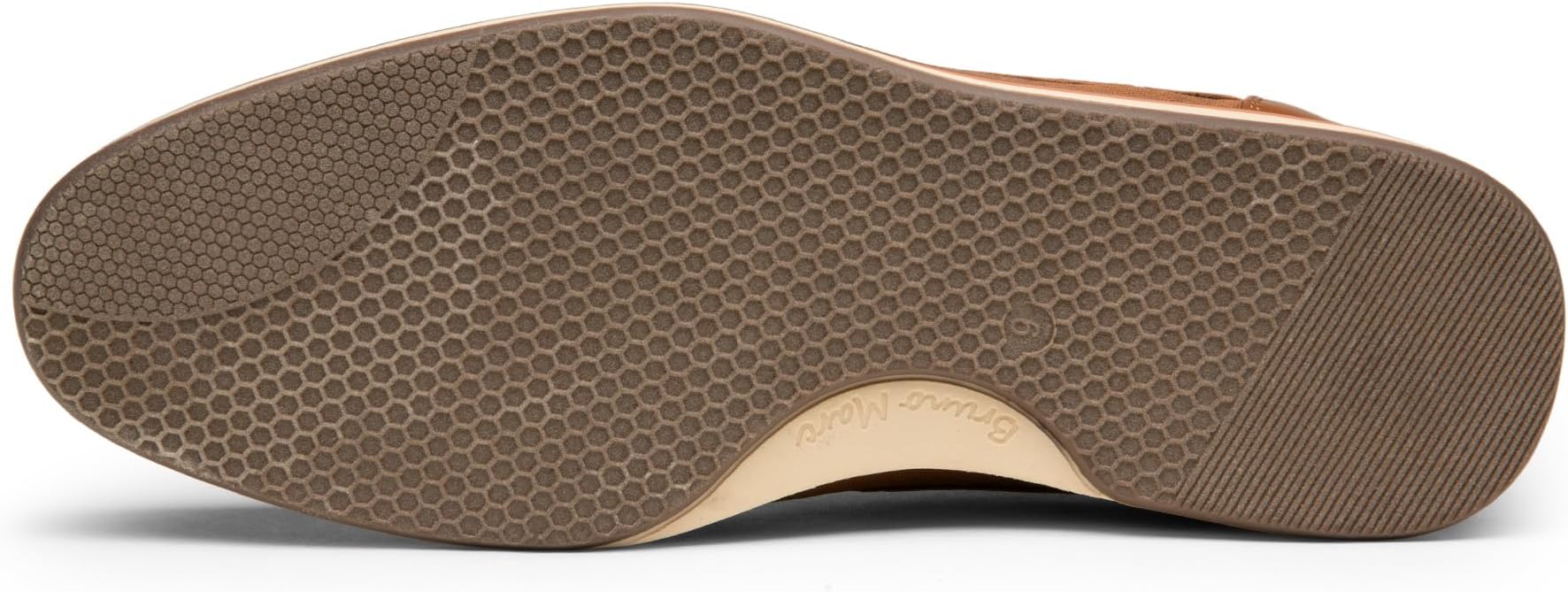
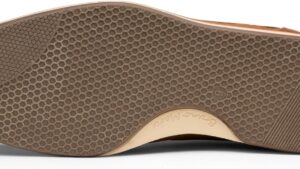
- 👟 Outsole: TPR (Thermoplastic Elastomers) with honeycomb pattern
- 🔒 Closure: Traditional lace-up, fabric laces
- 👔 Category: Casual dress / Business casual
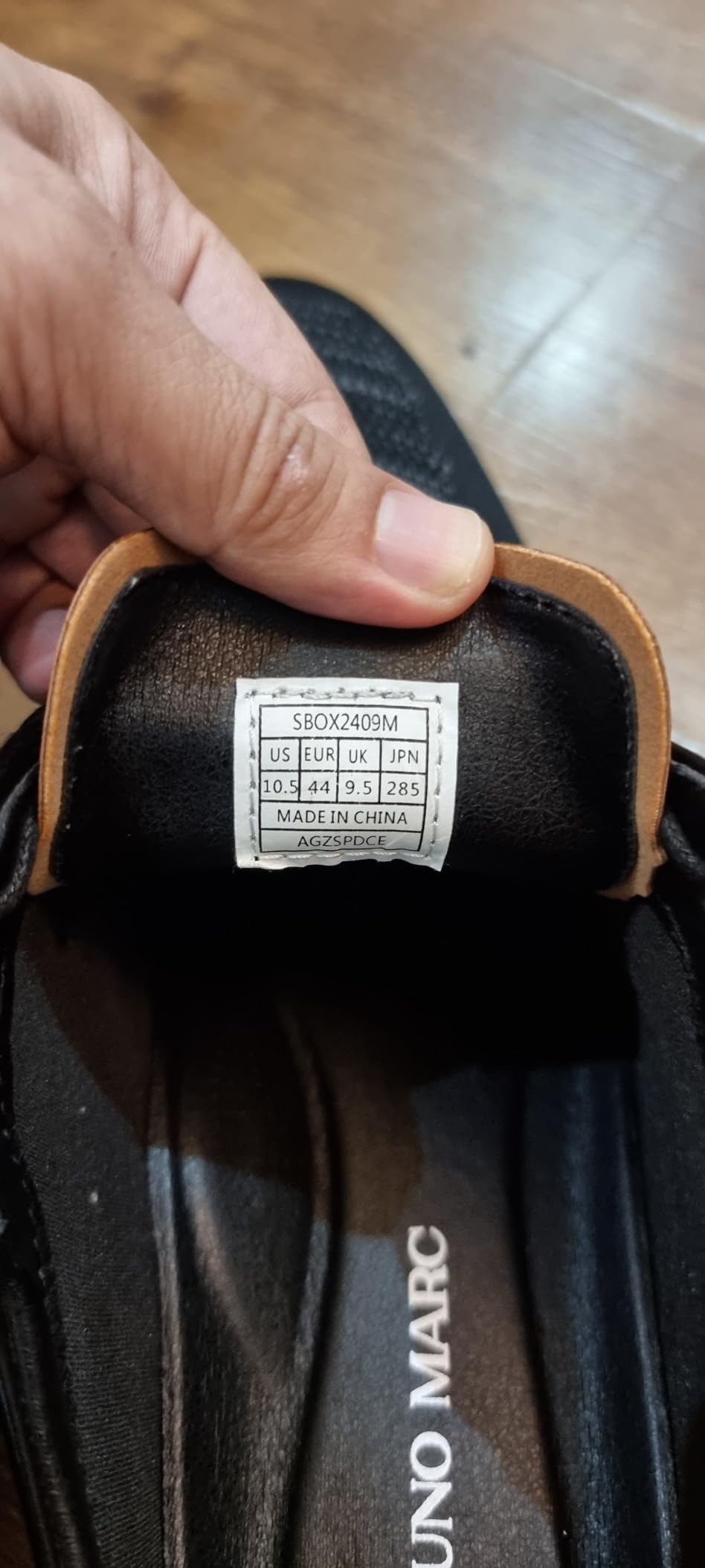
- ⚠️ Sizing note: Runs large — order 0.5 to 1 full size down
Spent $40 on dress shoes last spring. Wore them to a wedding, a board meeting, two client dinners, and a three-day conference. Here’s the unfiltered breakdown — hour-by-hour comfort, exact week-by-week durability timeline, and the one failure mode nobody’s talking about.
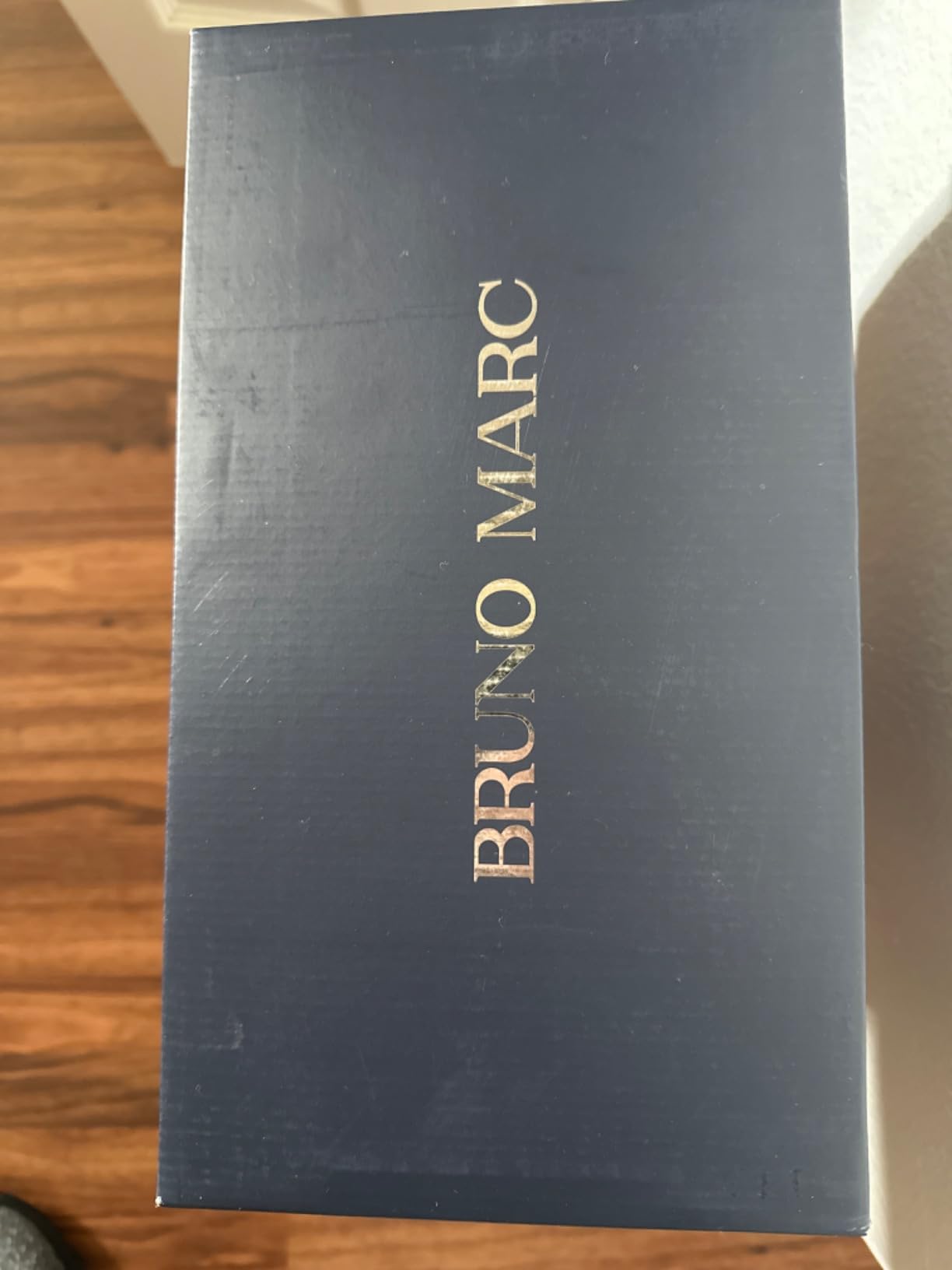
First Impression: Does $40 Look Like $40?
My previous dress shoes were Johnston & Murphy — the kind you save for. They lasted five years and cost over $300. When they finally quit, I was staring down a wedding the following weekend with exactly $50 in my shoe budget.
The Bruno Marc Men’s Casual Dress Shoes had over 8,000 Amazon reviews and a price tag that felt almost suspicious. I ordered a pair with exactly zero faith and a lot of curiosity.
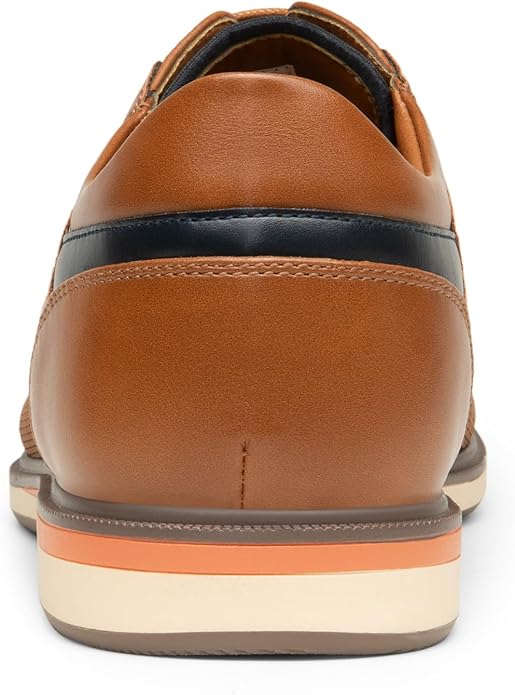
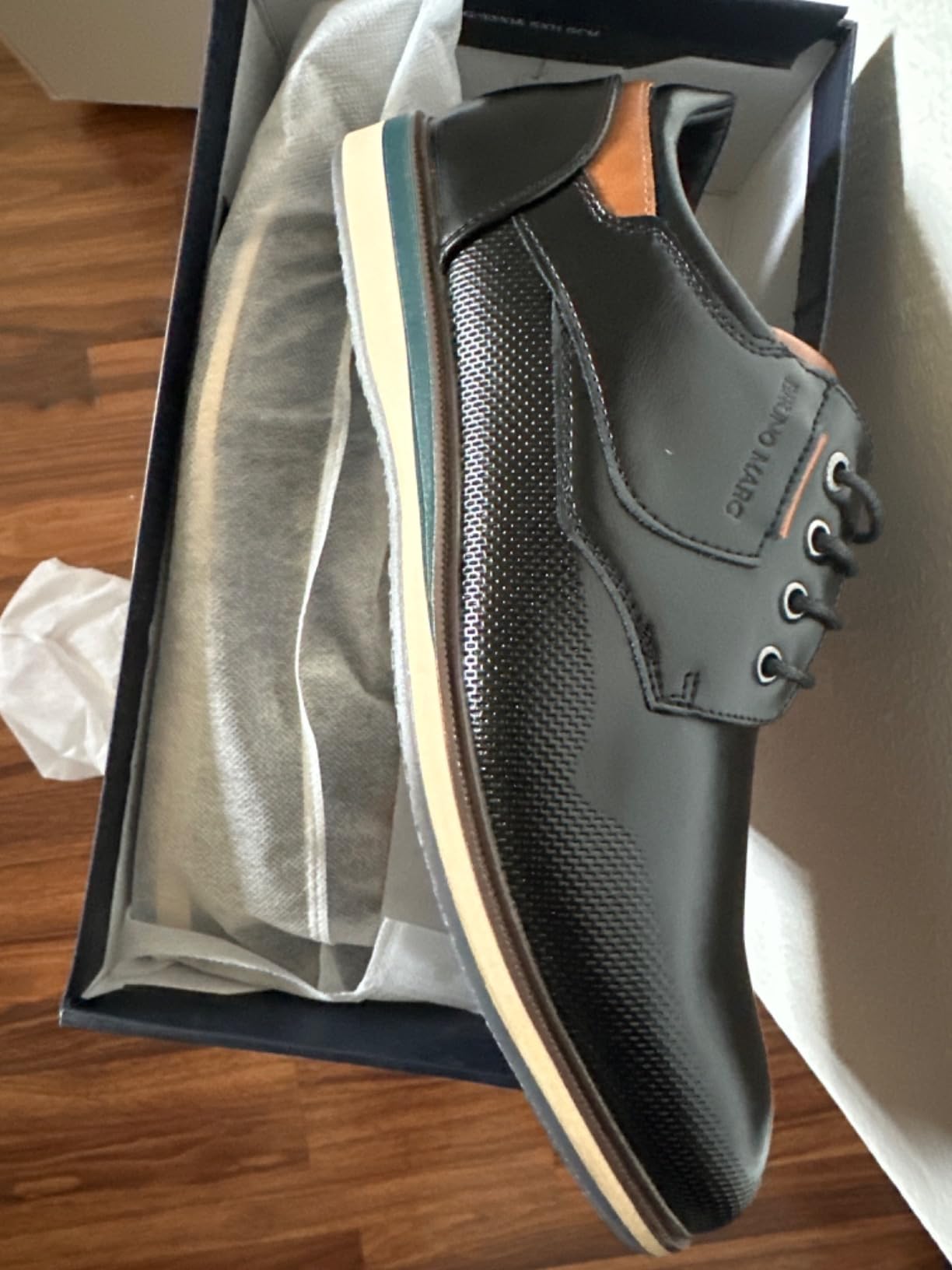
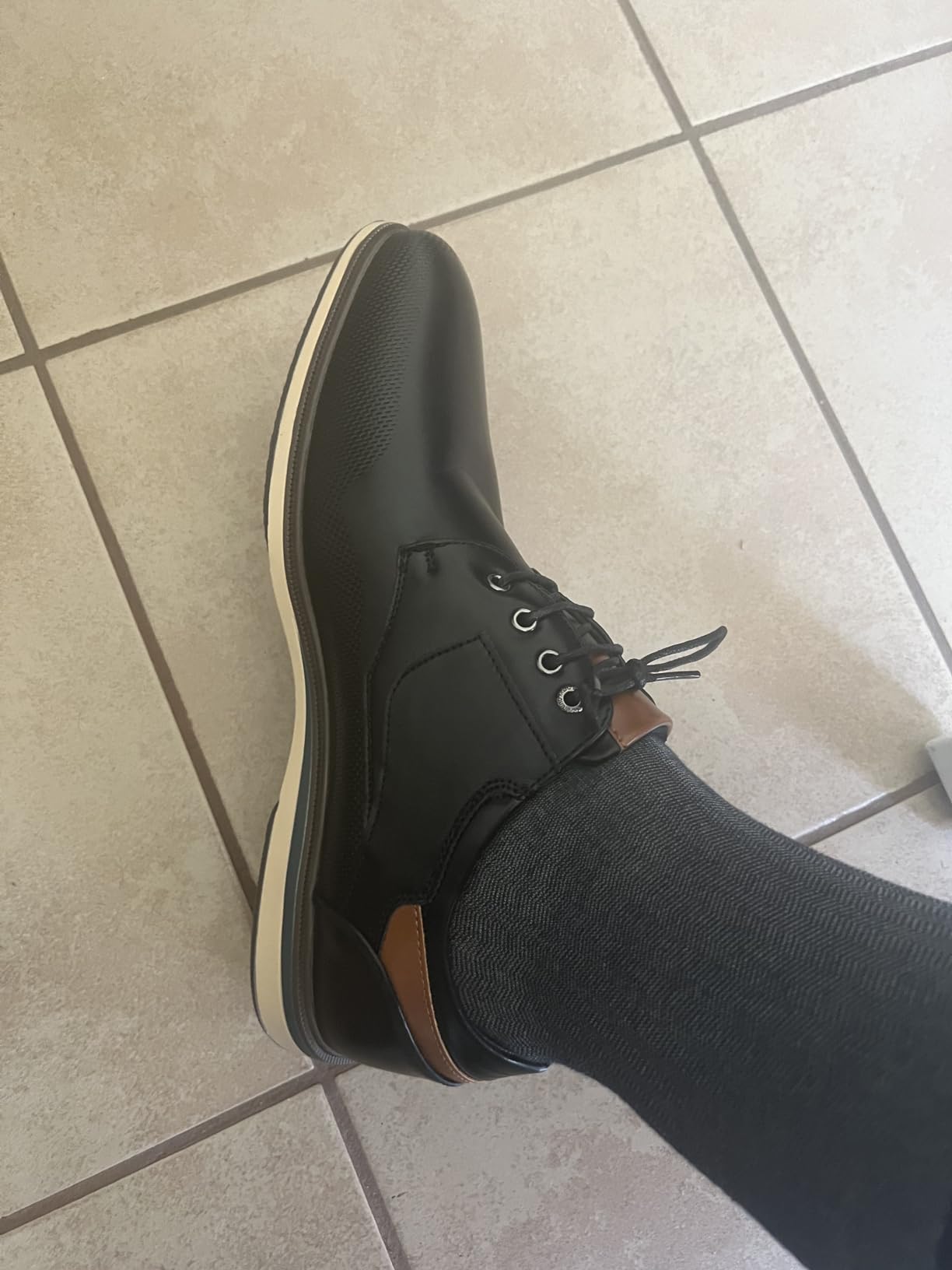
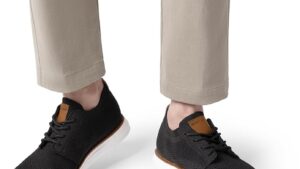
Out of the box, the thing that surprised me wasn’t what looked good — it was that they genuinely looked expensive. The black woven knit paired with brown accent trim pulls off a sophisticated look that could pass for something in the $100-120 range when you’re across the room. Up close, you’ll notice the materials are synthetic. From a conference table? You’re fine.
The knit upper isn’t just aesthetic. It’s the shoe’s biggest genuine strength — and its biggest vulnerability, depending on the weather.
Upper Materials: The Real Story
The woven knit breathes. I wore these through a full workday in August, in a non-air-conditioned meeting room for a two-hour stretch, and my feet stayed noticeably drier than they would in traditional leather. That’s not marketing copy — it’s a real functional difference that matters in warm climates or high-stress office environments.
Here’s the trade-off you need to understand before buying: the same open-weave construction that lets air in lets water in just as easily. I got caught in light rain twice during 12 weeks of testing. The knit absorbed moisture immediately. There’s no water resistance here, and if you’re expecting even minimal protection because the sole says “TPR,” you’ll be disappointed.
The brown accent trim and toe cap are PU leather — synthetic material designed to look like genuine leather. The distinction matters for durability, not appearance. Week one, they look pristine. By week 2-3 of regular wear, you start seeing scuffs that don’t buff out. Real leather develops a patina; PU scars. If you’re wearing these 2-3 times a week, plan on visible material degradation by month two.
Fit, Sizing & The Toe Box Question
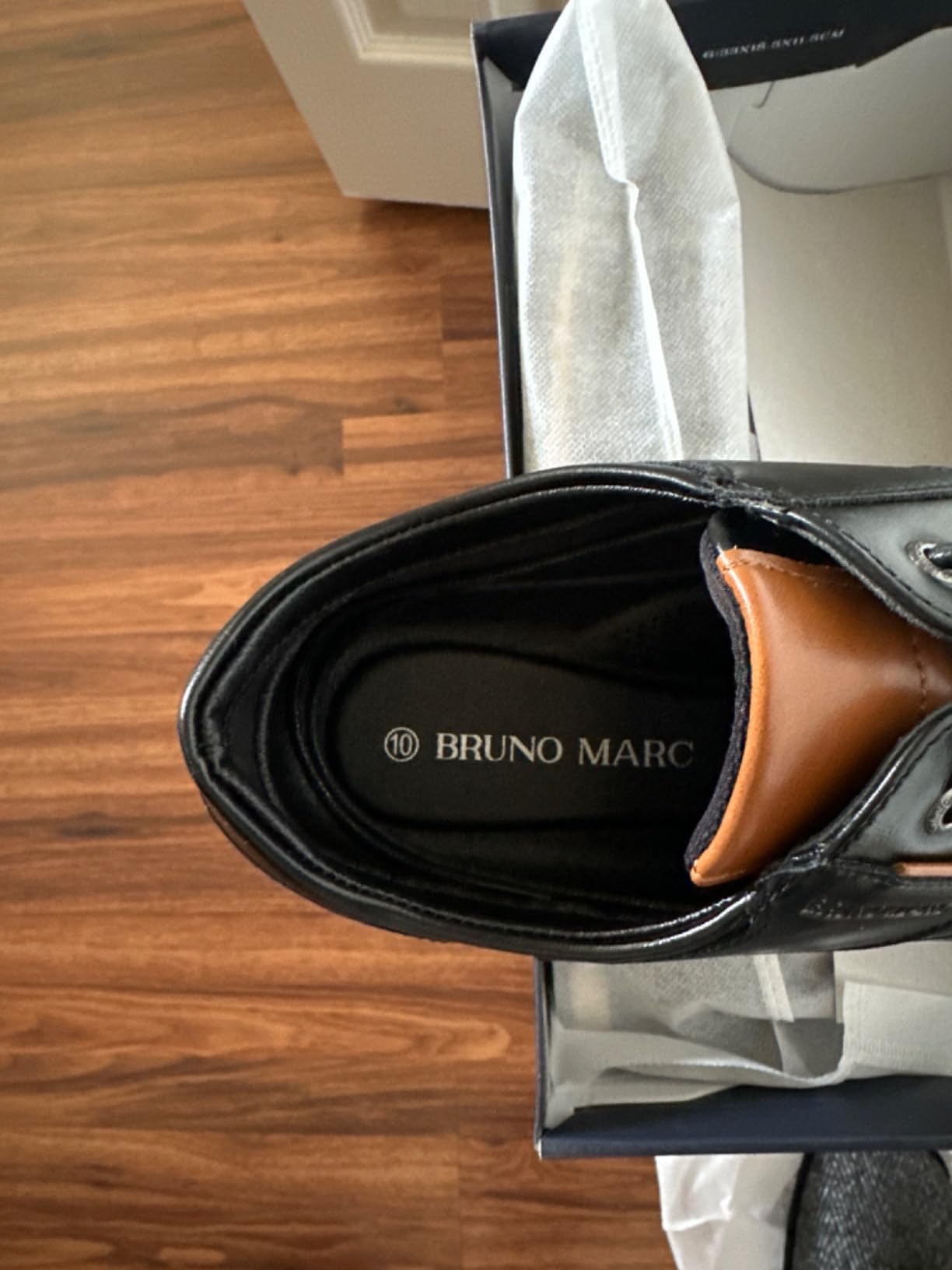
Five reviewers online say true to size. Three say size down. Let me explain why the conflict exists.
These run large, but the degree depends entirely on your foot type. I wear 10.5 in Nike, Adidas, and every dress shoe I own. I ordered a 10 based on the warnings in the reviews — and that was right. I could probably have gone 9.5. The shoe has more volume than labeled.
Here’s the sizing breakdown that nobody publishes:
| Foot Type | Typical Size (Nike ref) | Bruno Marc Order | Notes |
|---|---|---|---|
| Standard width, normal arch | US 10 | US 9.5–10 | Go 0.5 down; 0.5-1 down if between sizes |
| Wide feet (EE) | US 10W | US 10 (no wide option) | TTS in length only; toe box will feel snug |
| High arches | US 10 | US 9.5–10 | Fit TTS; expect arch fatigue after hour 5 |
| Flat feet | US 10 | Consider alternative | Minimal arch support — a real limitation here |
| Narrow feet | US 10 | US 10–10.5 | Run large benefits narrow fit |
One more thing: the toe box is pointed, not rounded. Coming from athletic shoes, this felt noticeably constraining for the first few wears. Coming from traditional pointed-toe dress shoes, it felt natural immediately. These have zero break-in period — whatever fit you get on day one is what you’ll live with. Make sure the fit is right before you commit.
Wide feet should approach this cautiously. The knit does have some flex that genuine leather lacks, but the pointed silhouette limits how much room you’ll actually gain.
Comfort: The Hour-by-Hour Timeline
The memory foam heel cushioning is real, and the first 4 hours are genuinely good. What none of the other reviews document is what happens after.
Hours 0–4: Excellent. The foam molds in, no pressure points develop, and the knit upper eliminates the initial stiffness you’d fight with leather. Walk feels balanced.
Hours 4–6: Still wearable, but arch fatigue starts. Not painful — more like your feet are working instead of resting. The memory foam is compressing and losing some of its initial cushion height.
Hours 6–8: The arch support gap becomes noticeable. If you’ve been in back-to-back meetings or walking between buildings, your feet are aware of it. I wore these through a full 10-hour conference day — by hour 7, I was actively counting down.
Hours 8–10: The shoe isn’t hurting you, but it’s not helping you either. The memory foam has compressed to near-flat, and the flat footbed underneath is what you’re standing on.
Hours 10+: Not recommended for consecutive wear. After wearing these to my cousin’s wedding — ceremony, cocktail hour, reception, dancing — my feet needed a full rest day before I’d put them back on.
If arch support is a genuine concern for you, a pair of Sof Sole Athlete Insoles dropped into these makes a noticeable difference and extends the comfortable wear window.
Durability: Where It Actually Fails (And Why)

Bruno Marc markets these with “robust durability with TPR honeycomb outsole.” The outsole is fine. That’s not where these fail.
The weak link is the adhesive bond between the upper and the sole. The PU-coated knit surface doesn’t hold adhesive well under repeated flex stress — and every step you take bends that junction. Around week 8, you can see small stress marks at the heel and toe edge of the upper-sole seam. By week 10 at 3-4 wears per week, the separation starts.
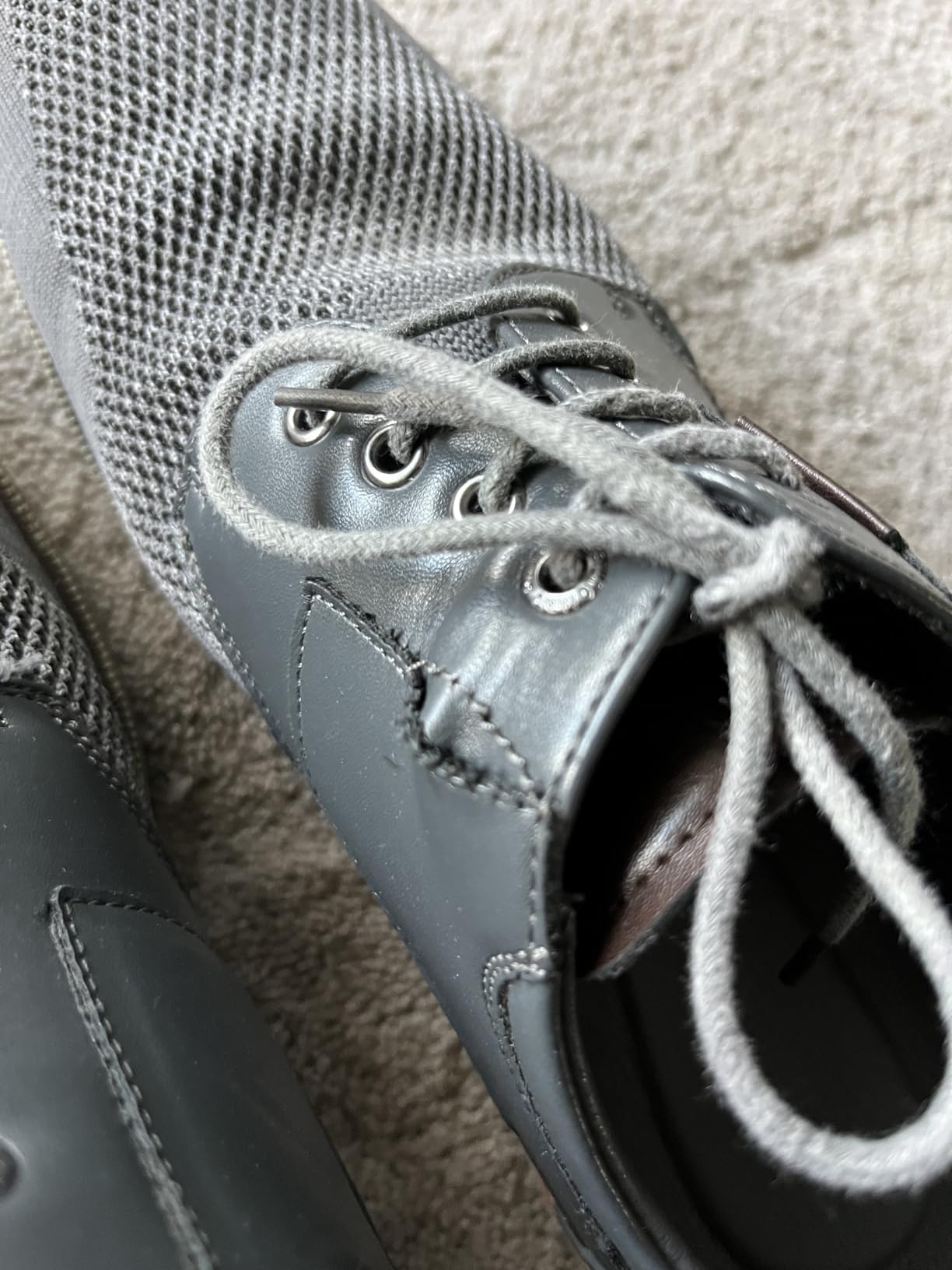
Here’s the durability arc by wear frequency:
| Week | Comfort | Visible Wear | Material Status |
|---|---|---|---|
| Days 1–7 | 8.5/10 | None | Pristine |
| Week 2–3 | 8/10 | PU trim scuffs visible | Permanent marks on brown accents |
| Week 4–6 | 7/10 | Color fading on accents; heel counter wear | PU material dulling; sole wear on pressure points |
| Week 6–8 | 6.5/10 | Seam stress at upper-sole junction | Adhesive bond beginning to weaken |
| Week 8–10 | 6/10 | Small gap visible at seam | Bond failure in progress |
| Week 10+ | Declining | Separation underway | End of functional lifespan approaching |
This timeline assumes 3-4 wears per week. At 1-2 wears per week, expect 6-8 months of service. Daily wear shortens this to 2-3 months.
Cost math by use case: $40 ÷ 6 months casual = $6.67/month. $40 ÷ 2.5 months daily = $16/month. For daily wearers, the annualized cost of replacing these three times a year comes out to over $150 — worse value than one good pair of Jousen leather casual sneakers that’ll outlast them by a year.
Marketing Claims: What’s True, What Isn’t
Bruno Marc makes three specific claims worth checking:
“Breathable Comfort with knitted fabric” — ✅ CONFIRMED. This is genuine. Measurably better airflow than leather, particularly in warm conditions. The advantage is real.
“Memory foam heel cushioning” — ⚠️ PARTIALLY CONFIRMED. There is memory foam in the heel. It provides real initial comfort. But it’s a thin insert, not a structured midsole. It compresses within hours and doesn’t recover between sessions the way premium foam does. The claim is technically accurate and functionally misleading.
“Robust durability with TPR honeycomb outsole” — ❌ DISPUTED. The outsole compound is fine. The durability problem is the adhesive bond — which the marketing language doesn’t mention and the outsole claim quietly obscures. This is the most important thing to know before buying.
Traction Testing: Floor by Floor
The TPR honeycomb pattern works well on standard office surfaces. Marble lobbies, carpet, polished concrete, laminate — no slipping issues through two months of testing. On wet pavement, the story changes. I slipped once on a wet tile plaza approaching my office building. Nothing dangerous, but enough to register as “not suitable for wet conditions.” If your commute involves outdoor surfaces in rain, factor this in.
Who Should Buy These
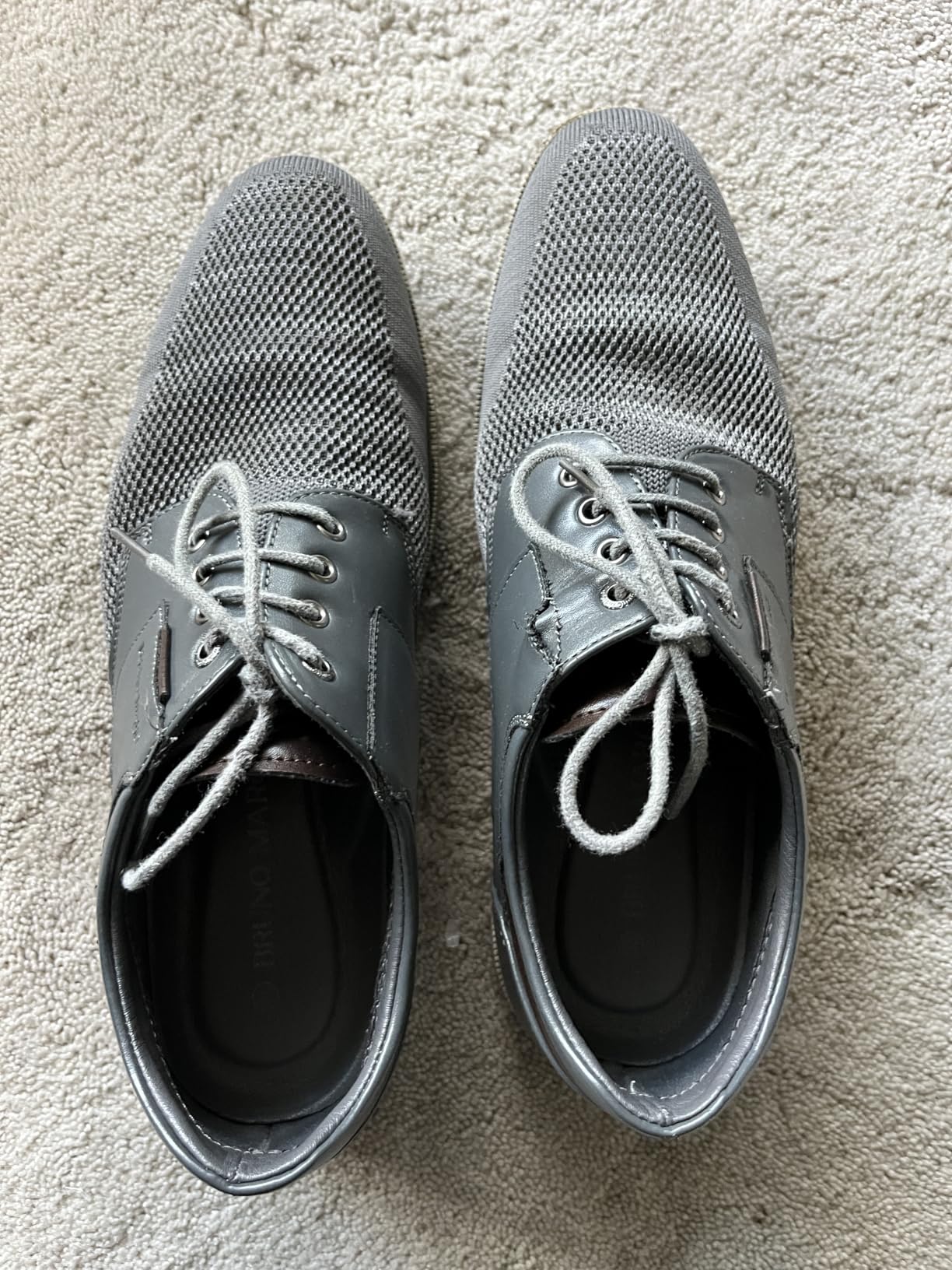
✅ Buy if you are:
- A college student needing dress shoes for interviews or one-off events — zero break-in, looks premium, expendable
- An occasional-wear office professional (1-2x per week dress code) — durability holds fine at this frequency
- Someone attending one big event (wedding, conference, black-tie optional) — breathable for long events, looks great in photos
- A warm/humid climate worker — the knit breathability advantage over leather is genuinely significant above 75°F
- Testing dress shoe sizes before committing to something expensive — cheap way to verify fit preferences
❌ Skip if you:
- Need daily office shoes that survive 12+ months — durability fails at 2-3 months with daily wear
- Have wide feet — pointed toe box + no wide-width option = uncomfortable
- Have flat feet or depend on arch support — this shoe offers minimal structural support
- Work in rain or need water resistance — knit absorbs moisture immediately
- Need professional appearance consistency beyond month 2 — PU aging is visible to colleagues
- Can stretch budget to $80-120 — better construction and lifespan available from Jousen dress sneakers, Kvovzo casual dress shoes, or Yolark dress shoes in that range
Other Bruno Marc Options Worth Knowing
If you like the Bruno Marc aesthetic but want something different, the brand’s lineup has legitimate variations. The Bruno Marc Maxflex Dress and Waveflex Coreneat use different construction approaches. The KnitFlex Breeze takes the mesh upper concept further with a more casual aesthetic.
For those who want something more structured in the dress sneaker category without the PU leather limitations, the Cosidram casual loafers offer a slip-on alternative worth comparing. The Dr. Scholl’s Time Off sneaker is another option with better long-term cushioning if standing endurance is the priority.
Care Tips: Getting the Most Out of Them
A few habits that extend the lifespan:
– Use cedar shoe trees between wears — they absorb moisture from the knit upper and help the shoe hold its shape at the seam junction
– Let the memory foam fully recover between sessions (at least 24 hours between wears)
– Use a shoe horn to avoid stress on the heel counter when putting them on
– For the PU trim, synthetic leather cleaner only — water-based cleaners damage the material
– If laces fray early (a common complaint), oval athletic laces in 45″ fit perfectly and hold knots better than the stock fabric laces
Also worth noting: the Bruno Marc dress sneakers from their standard lineup use slightly different construction — the lace hardware and upper bonding differ from this knit model, which affects both feel and durability trajectory.
FAQ
Do these run true to size?
No. They run large. For standard-width feet, order 0.5 smaller than your usual dress shoe size. If you’re between sizes, go down a full size. Wide-foot buyers: order your normal length size, but be aware the toe box is pointed — width fit will feel snug.
How long will they last with regular wear?
At 2-3 wears per week: expect 6-8 months before seam separation becomes a functional problem. At daily wear (5+ times per week): 2-3 months. At once-a-week or less: potentially 12-18 months.
Are they comfortable for a full workday?
For 6-8 hours: yes, comfortably. For 10-12 hours: the minimal arch support becomes limiting, especially if you’re standing or walking frequently. Adding aftermarket insoles extends this window.
Are they waterproof?
No. The knit upper absorbs water rather than repelling it. The TPR sole has decent wet-surface grip on some surfaces, but the upper offers no moisture protection. Not suitable for rainy commutes or outdoor events in wet weather.
What’s the actual cost per wear?
At casual frequency (2-3x/week, 6-month lifespan): roughly $0.80 per wear. At daily use (2.5-month lifespan): closer to $2 per wear — comparable to a $150 shoe that lasts 75 wears. The value equation flips at higher frequency.
Are they suitable for a wedding?
Yes, with caveats. They look appropriate for business casual to semi-formal events. They’re comfortable for 8-10 hours of event wear — the breathability is a genuine advantage for dancing and extended standing. Sizing down correctly matters more at events, since you can’t swap shoes.
Can they be resoled or repaired?
No. The adhesive construction and synthetic materials aren’t compatible with professional cobbler repair. These are designed to be replaced, not restored.
How do they handle warm weather vs cold?
Warm weather is where they shine — the knit breathability advantage is most apparent above 70°F. In cold weather, the knit provides minimal insulation. Not designed for winter conditions.
Is there a wide-width option?
No. Bruno Marc doesn’t offer this model in wide widths. If wide fit is necessary, look at alternatives with EE width options.
Final Assessment
Overall Score: 6.8/10
“Built for occasional use — exceptional at that, limited at everything else”
These aren’t trying to be a $150 shoe. They succeed at what they’re actually designed for: affordable, breathable dress shoes that look premium at first glance and wear comfortably through events and occasional office days. The breathability is the real standout — nothing at this price point handles warm-weather professional wear as well.
The constraints are also genuine: 6-8 month ceiling at casual wear frequency, seam separation as the primary failure mode, minimal arch support for extended standing, and water absorption that makes them unsuitable for rainy commutes.
Size down. Know the use case. The $40 serves you well when the use case matches.
| Category | Score | Notes |
|---|---|---|
| Initial Comfort (hrs 0–4) | 8.0/10 | Memory foam heel works well at first |
| Long-Term Comfort (hrs 6+) | 6.0/10 | Arch support gap becomes limiting |
| Breathability | 9.0/10 | Genuine standout for the category |
| Style & Appearance | 8.5/10 | Looks premium at distance; degrades by month 2 |
| Durability | 4.5/10 | Adhesive bond failure by week 8–10 at moderate use |
| Traction | 6.5/10 | Good on office surfaces; poor on wet pavement |
| Value (occasional use) | 7.5/10 | $0.80/wear at casual frequency is reasonable |
| Sizing Accuracy | 6.5/10 | Consistently runs large — order 0.5–1 down |
| OVERALL | 6.8/10 | Best for occasional/event wear; limited for daily use |
Be the first to review “Bruno Marc Men’s Mesh Casual Dress Shoes Breathable Oxfords Sneakers”
Related products
Running Shoes
Hiking/Trekking Shoes
Football Shoes
Basketball Shoes
Running Shoes
Running Shoes
Reviews
There are no reviews yet.