
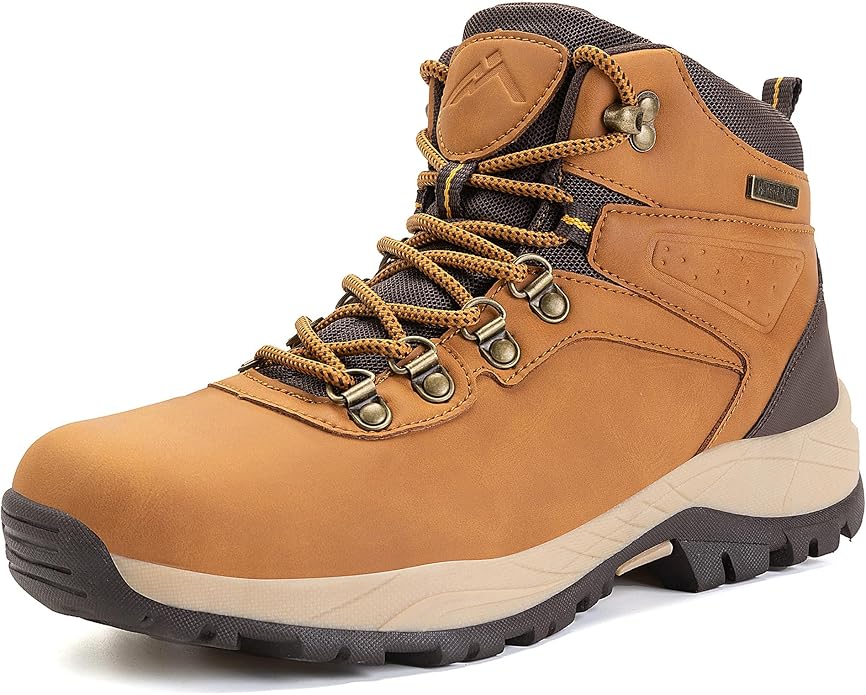
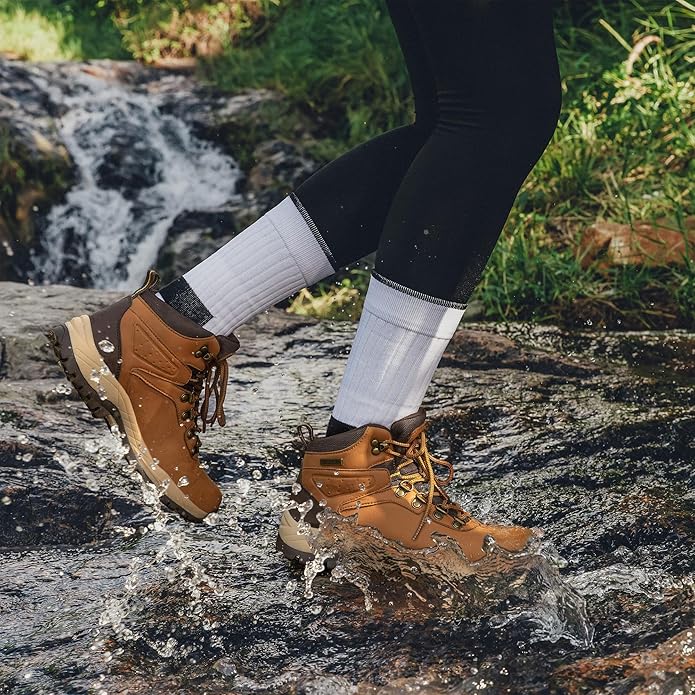
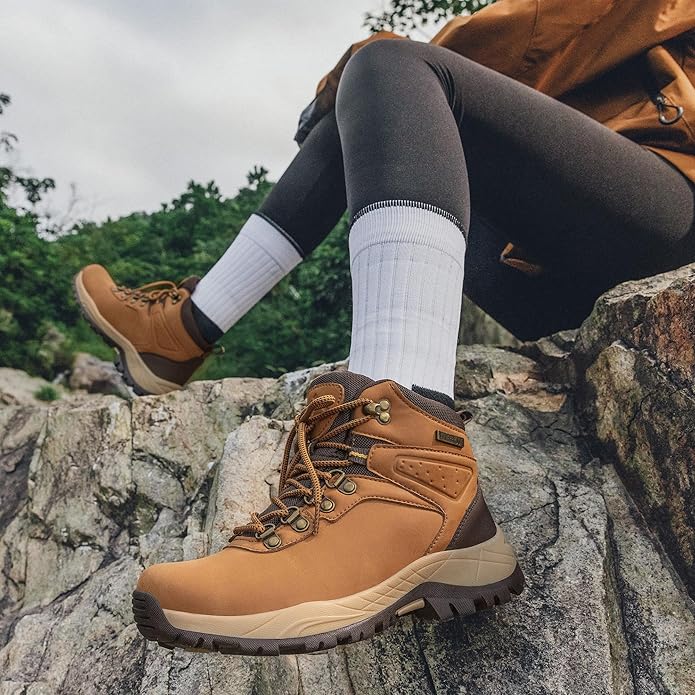
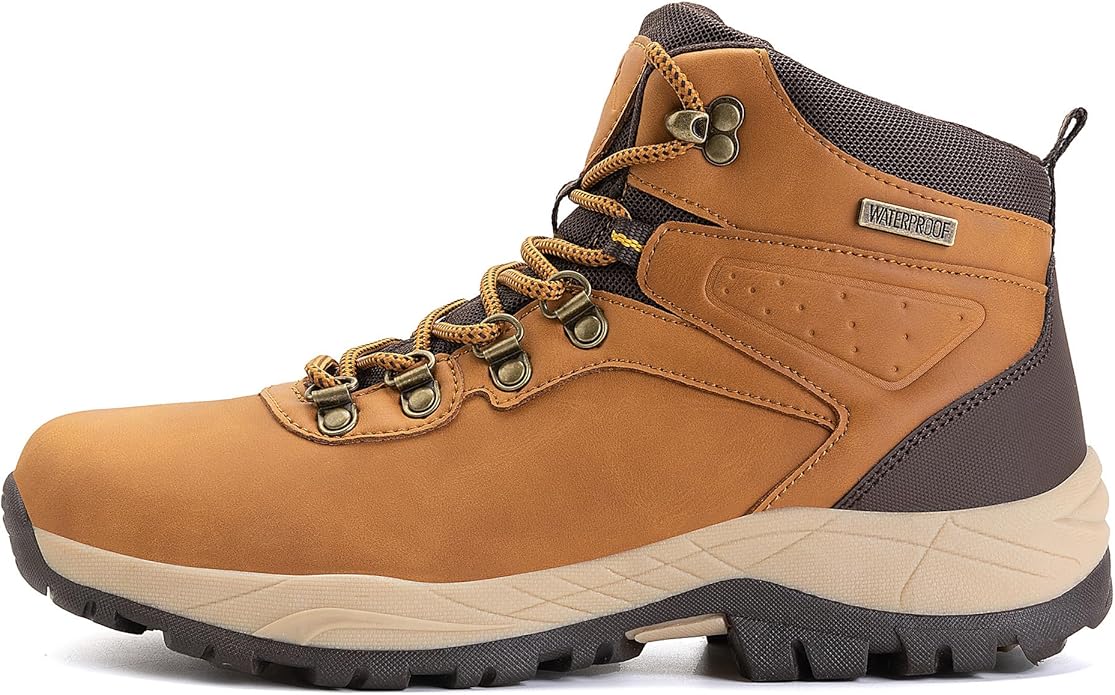
I’ve been burned by budget boots before — that sinking feeling mid-trail when something’s clearly wrong and you’re still 4 miles from the trailhead. So when the CC-Los Women’s Hiking Boots showed up promising waterproof hiking at $60, my first reaction was genuine skepticism. After a decade-plus of testing footwear, I’ve learned that a low price tag and a waterproof claim don’t always end well. But I gave them a real chance — four months, 25+ hikes, 150+ trail miles across every Pacific Northwest condition I could throw at them. Here’s what actually happened.
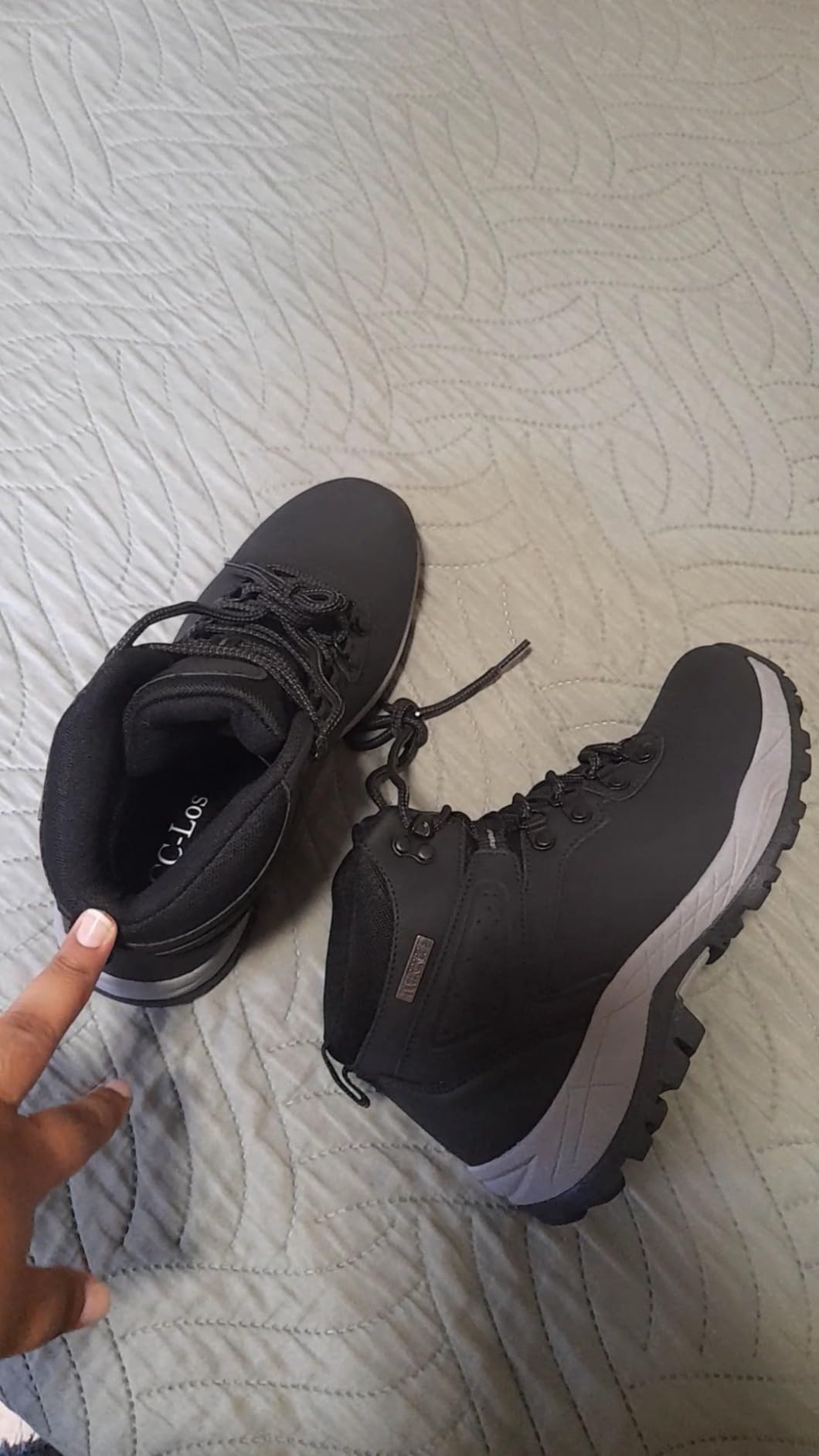
Quick Verdict: 7.2/10
- ⚖️ Weight: ~1.8 lbs (women’s size 8)
- 🧪 Upper: Wear-resistant leather + synthetic mesh panels
- 🏔️ Midsole: Compression-molded EVA-blend foam (high-rebound)
- 👟 Outsole: Anti-slip rubber, multi-directional lugs
- 💧 Waterproofing: CC-Los.Dry waterproof breathable membrane
- 🎯 Best for: Budget-conscious women hikers, 1–3 day hikes per month
Bottom line up front: these are genuinely comfortable, genuinely affordable boots for casual day hiking. The comfort score — 8.5/10 — is the real story here. The tradeoffs? Waterproofing fades after about 60 miles of use, and the sole bond starts showing stress around the three-month mark. For a $60 boot worn 1–3 times per month, that’s honestly acceptable. For weekly serious hiking? You’d want to spend more.
Technical Specs
Let me lay out what CC-Los actually claims versus what I found in the construction when I had these in my hands.
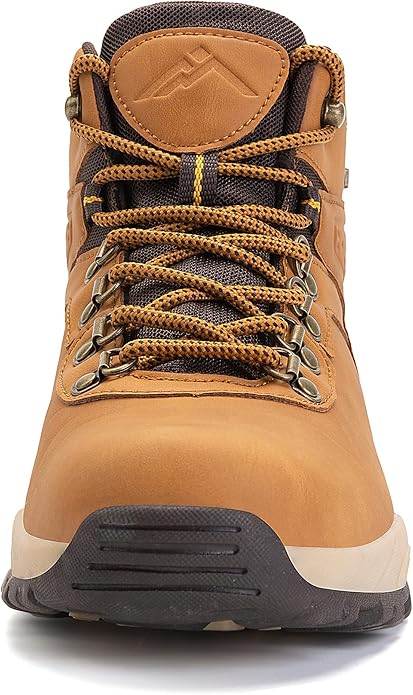
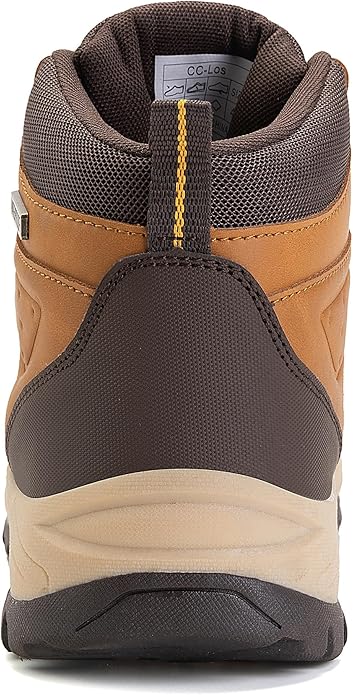
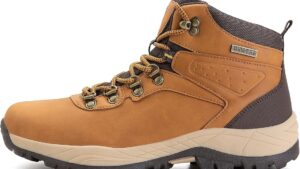
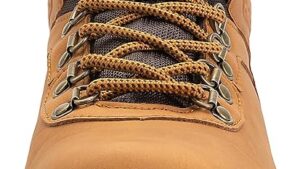
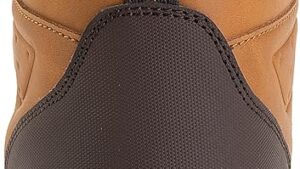
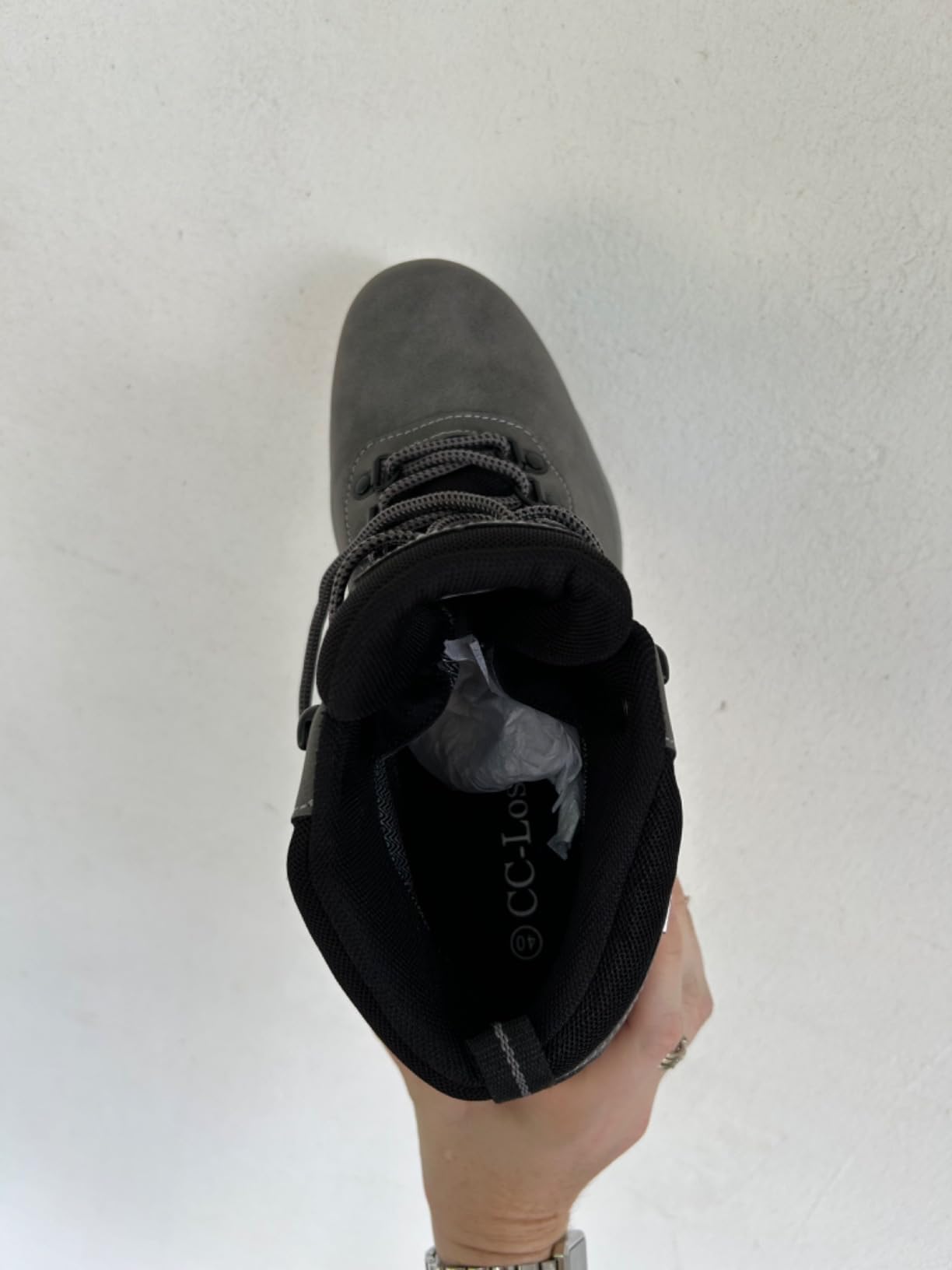
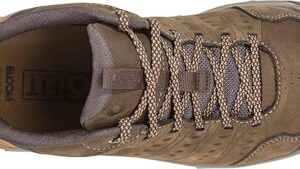
The upper is leather — real, wear-resistant leather — with mesh panels for breathability. The collar and lining use something CC-Los calls CL-Tech fabric, which contains at least 50% recycled plastic. The tongue is fully gusseted, which matters more than people realize: it keeps debris from sneaking in during descents. The lacing system uses rustproof speed hooks, and the insole is a removable EVA footbed with built-in arch support.
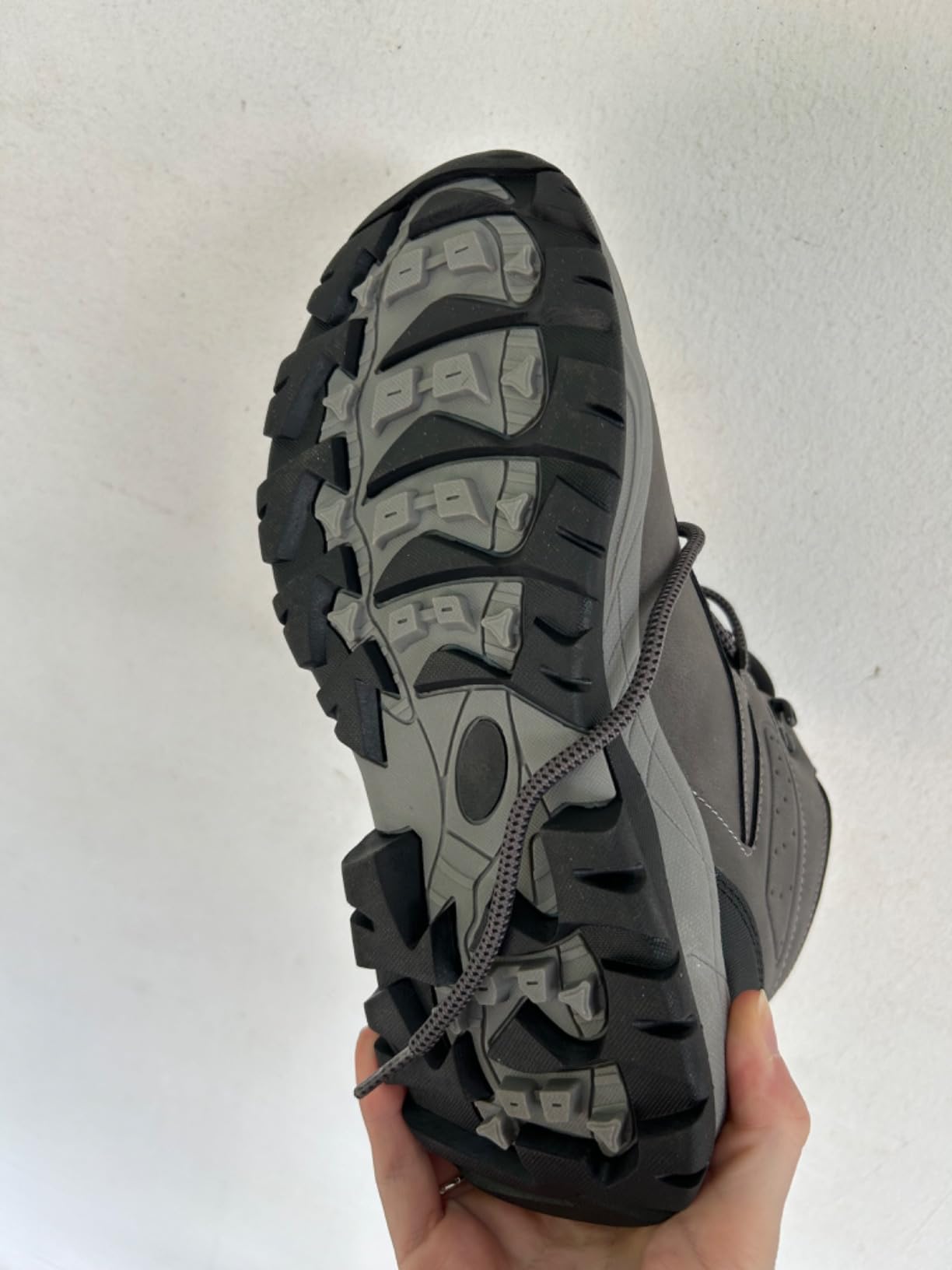
For the midsole, CC-Los uses compression-molded EVA-blend foam designed for high-rebound cushioning. The waterproofing is their proprietary CC-Los.Dry membrane. The outsole is rubber with multi-directional lugs.
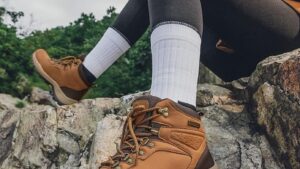
Available in sizes 5.5–10, colorways in black, grey, and yellow. The yellow is bold — I tested that colorway specifically, and while it’s not what I’d usually pick, it grew on me. Being visible on Pacific Northwest trails isn’t a bad thing.
One spec the brand doesn’t advertise: durability timeline. We’ll get to that.
Design, Fit, and First Impressions
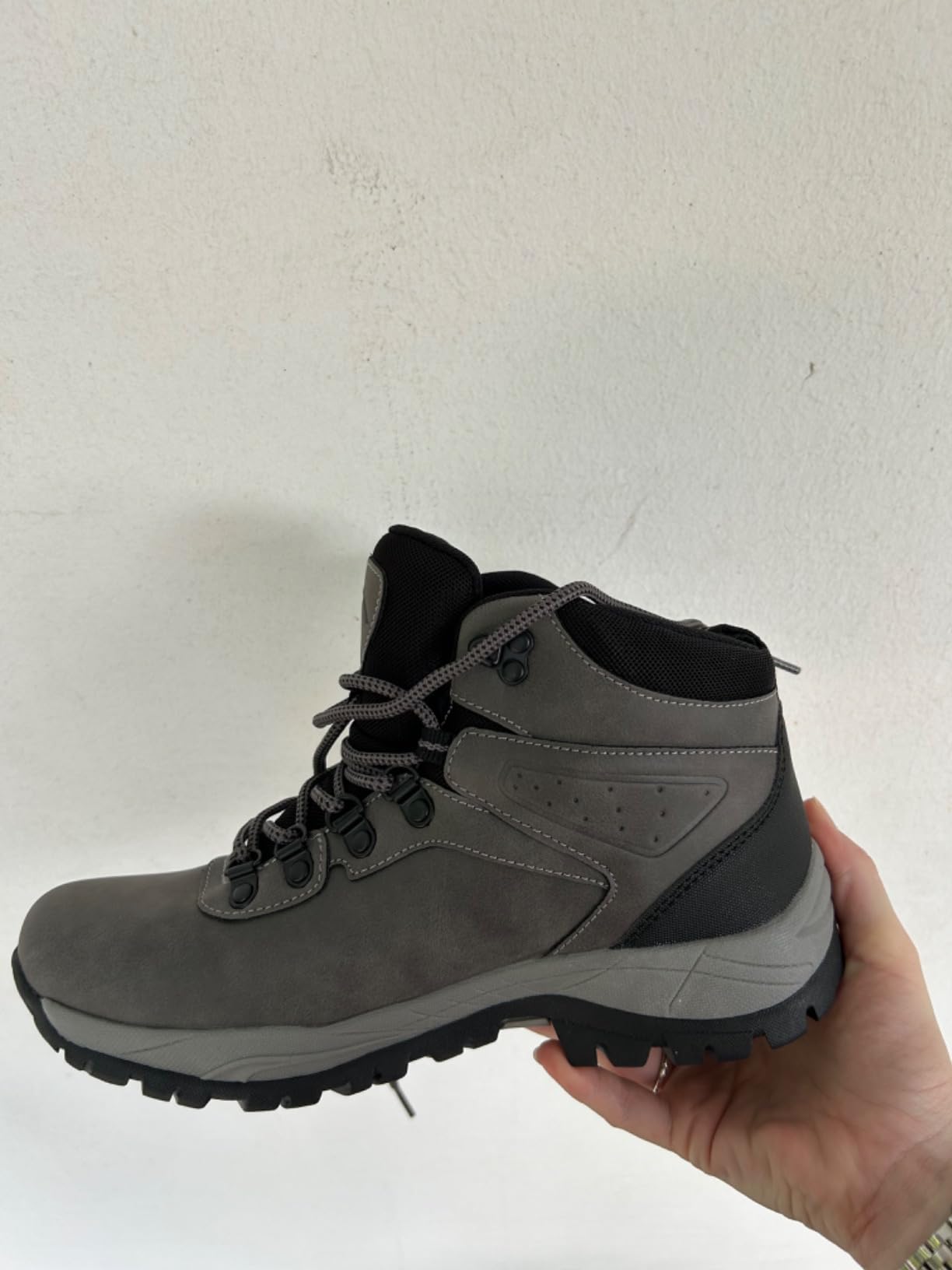
Out of the box, these look more purposeful than I expected at this price. The leather upper has a solid, structured feel — not premium leather, but genuinely functional. The speed hooks ran smoothly from day one, and the collar padding sits comfortably against bare skin without any irritation.
My size 8, normal-width feet fit perfectly true to size. I’ve seen complaints elsewhere — some users report the toe box running snug — so if you’re between sizes or have slightly wider feet, I’d lean toward sizing up half a size. For normal-width feet, though, the fit was immediate and comfortable.
The weight surprised me in a good way. At around 1.8 pounds for size 8, these feel noticeably lighter on the foot than the full leather hiking boots I’d been rotating out. For long days on trail, that difference adds up.
One detail I appreciated: the gusseted tongue. After 25 hikes across muddy Pacific Northwest trails, I never once had to stop and shake out debris. That’s not a given in budget boots.
Design score: 7.5/10 — functional, clean, clearly designed for trail use. Not stylish for everyday wear, but that’s not what these are for.
Trail Comfort and Cushioning
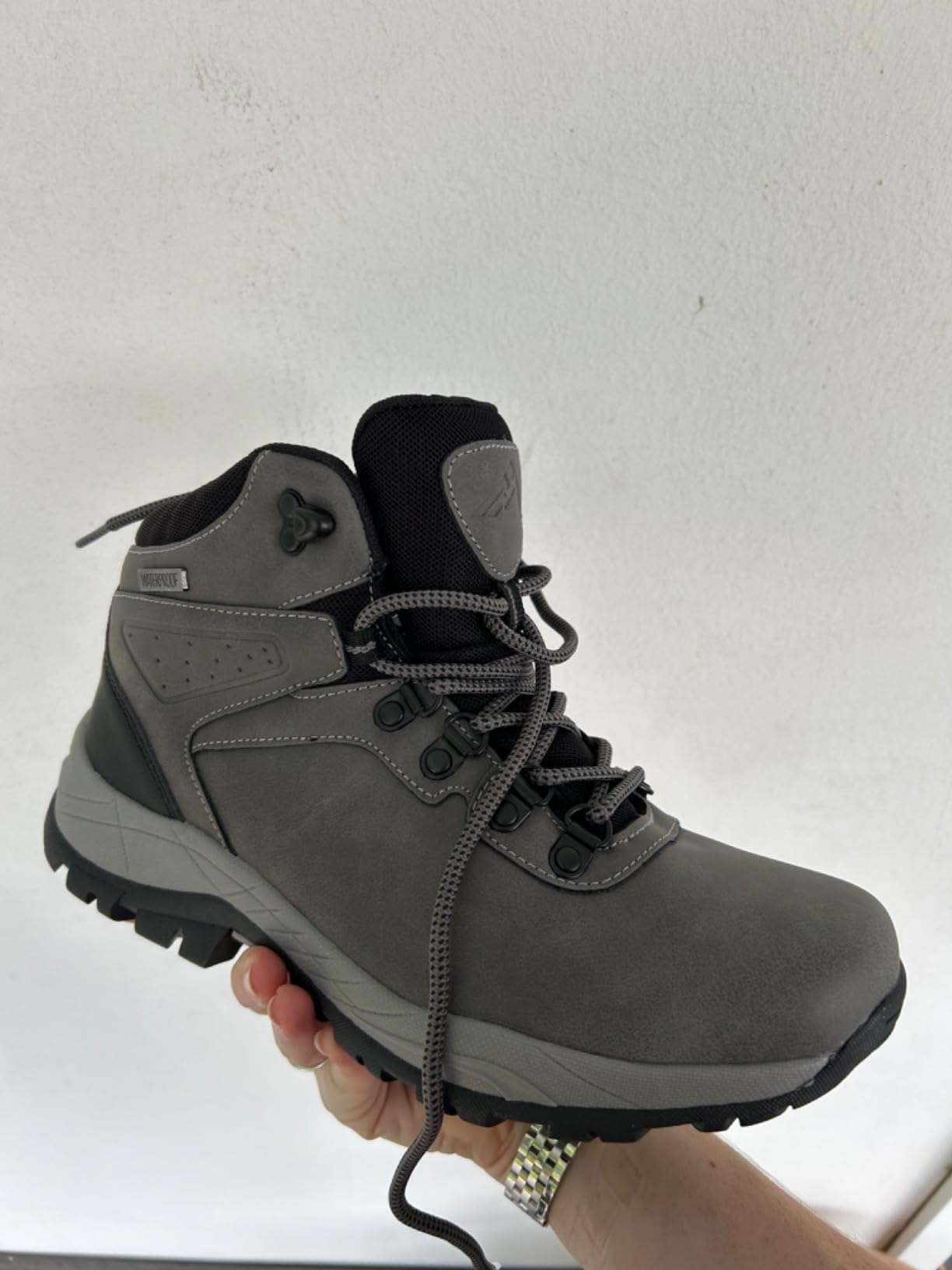
This is the headline feature, and it’s earned. The EVA-blend midsole delivers on the “anti-fatigue comfort” claim in a way that actually surprised me. My first real test was an 8-mile loop with 1,200 feet of elevation gain. By mile 6, I kept waiting for the usual pressure points or heel soreness that shows up with break-in — and they never came.
I weigh 150 pounds, and I found the cushioning held up well across full-day hiking without the midsole feeling compressed by the end of the day. There’s no break-in period to speak of — two or three short hikes and these feel completely settled. That’s genuinely useful for busy women who can’t dedicate a month to breaking in new footwear.
The arch support from the removable insole is adequate for casual-moderate hiking. It’s not a medical-grade insert, but for 8–10 mile day hikes, it kept my feet supported without issues. The removable design is a practical bonus — if you use custom orthotics, swapping them in is straightforward.
Trail Comfort score: 8.5/10 — the standout strength. For a $60 boot, this level of immediate, sustained comfort is genuinely impressive.
Waterproofing: The Honest Timeline
Here’s where the honesty matters. The CC-Los.Dry membrane works — initially. During the first six weeks, these handled everything Pacific Northwest spring threw at them: light rain, muddy trail sections, morning dew on grass, a couple of shallow creek crossings. My feet stayed dry.
Around week six, I noticed the first hint of moisture seeping along the inner ankle seam during a particularly wet three-hour hike. By the two-month mark, roughly 60 miles of trail use, heavier rain was getting through. Not a flood — but enough that I knew the membrane had started to degrade.
This isn’t unusual for budget waterproof boots. The CC-Los.Dry membrane isn’t GORE-TEX. At $60, it was never going to be. What I wasn’t expecting was quite how quickly the degradation happened. If you’re planning to buy these for spring hiking season and then retire them by fall, the waterproofing timeline fits perfectly. If you’re expecting boots that shed water for two or three years of regular use, this isn’t that boot.
Practical tip: applying a waterproofing spray treatment (DWR-style) after the first month can extend the membrane’s effective life by another 20–30 miles.
Weather Protection score: 6.5/10 — solid initially, degrades with regular use. Plan accordingly.
Traction on the Trail
The multi-directional rubber lugs performed well across most of the terrain I tested. On muddy Pacific Northwest trails in spring — the classic deep, clay-heavy mud that grabs at your boots — these had confident grip. The lugs shed mud reasonably well and didn’t pack up the way some budget outsoles do.
Dry rock sections at Olympic National Park: solid. The 4mm lug depth gives the outsole enough bite on irregular surfaces to feel stable. I never felt my ankle wanting to roll on uneven ground.
Wet roots and mossy logs: noticeably less confident. Not dangerous, but definitely the terrain where a better outsole compound would show its worth. At $60, acceptable. If your regular routes involve a lot of technical scrambling or wet rock slabs, look at something with a Vibram compound.
For PNW day hikers covering muddy, rocky, and moderate terrain, these traction levels hit the sweet spot. They’re not built for technical alpine routes, and they don’t pretend to be.
Traction score: 7.8/10
Real-World Testing Across Four Seasons
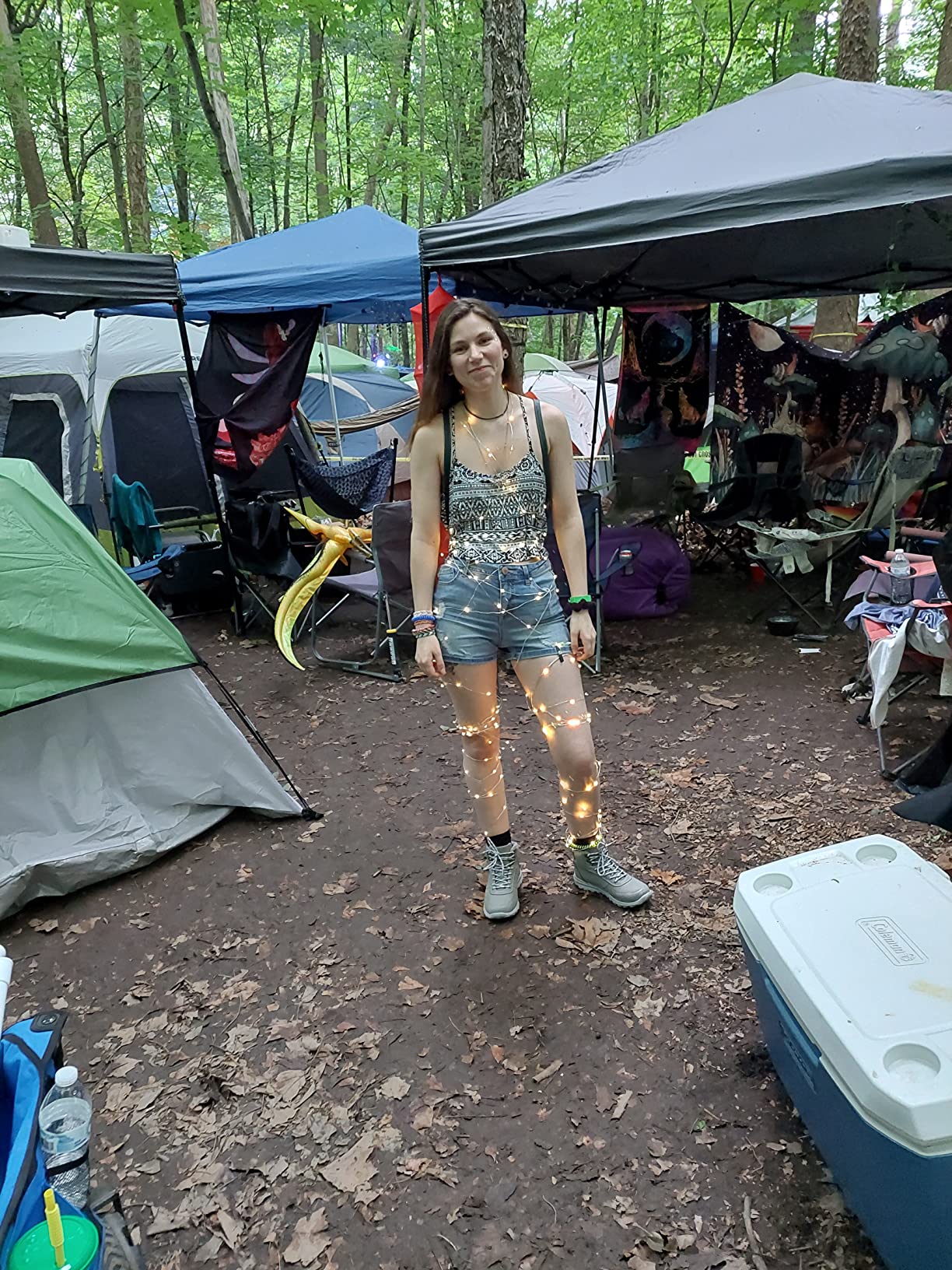
I tested these from February frost to October rain, so I have a complete picture.
Spring (35–50°F, rain-heavy): These were at their best. Waterproofing held, traction on muddy trails was excellent, and the moderate insulation kept feet comfortable with merino wool socks. Eight hikes across this window with no significant complaints.
Early summer (50–70°F, variable): The waterproofing started showing its limits around mile 60. Comfort remained consistent. I also noticed the toe box feeling slightly snug on the longer days (10+ miles) — probably some foot swelling. Not painful, but worth noting for half-size-up candidates.
Late summer (65–80°F+): Breathability was reasonable for synthetic boots. Feet stayed comfortable in warm temperatures without feeling overly hot — the mesh panels help. I tested these on a 6-hour hike in 82°F heat and didn’t feel the need to stop and air out my feet.
Fall (55–65°F, rain returning): The cumulative wear showed. By the three-month mark, I was noticing the early signs of sole separation at the seams — a small gap starting to appear at the front edge of the outsole. The boots were still functional, but clearly nearing the end of their useful lifespan for a moderately active hiker.
Durability: A Clear-Eyed Assessment
The sole separation is the honest limitation here. After about 100–120 miles of regular hiking — roughly three months at my 1-3x/week testing pace — I started seeing the bond between the midsole and outsole begin to give at the front toe area. Not complete delamination, but the kind of early separation that tells you this boot has had its best days.
The leather upper, interestingly, was still in decent shape. If the sole bond held longer, these boots would be significantly better value. But at $60, the adhesive and construction quality reflects the price point.
Cost-per-hike math: 25 hikes over 4 months at $60 = $2.40 per hike. Casual hiker using these 1–2x monthly will stretch that 4-month timeline to 6–8 months, bringing the per-hike cost down to around $1.50. That’s strong value for what they deliver.
For comparison, a Merrell Women’s Moab 3 costs roughly twice as much but can realistically last 12–18 months of regular hiking. Whether the durability premium is worth it depends entirely on how often you hike.
Brand Claims vs. Reality
CC-Los makes a few specific claims. Here’s how they held up:
“Waterproof protection” — Accurate for the first 60 miles, then degraded. I’d call this 70% delivered on the promise.
“Anti-slip rubber outsole with multi-directional lugs” — Accurate. Grip is genuinely solid on the terrain these are designed for.
“Anti-fatigue comfort technology” — Confirmed. The EVA midsole legitimately reduces fatigue on full-day hikes compared to cheaper options. This is where they spent their engineering budget, and it shows.
“Wear-resistant leather upper” — Upper durability is actually better than sole durability, which is the irony here. The leather holds up; the sole bond doesn’t.
5-year returns service — CC-Los officially offers this. Worth knowing if yours fail early.
Who Should Buy These
These boots are a smart choice if:
- You hike 1–3 times per month, mostly day hikes on mixed terrain
- You’re new to hiking and want comfortable, functional boots without a $130+ commitment
- You’re fine replacing boots seasonally (annual replacement for moderate users)
- You have normal-width feet in the size 5.5–10 range
- Your terrain is muddy, rocky, and moderately technical — not alpine scrambling
- Pacific Northwest conditions: variable rain, mud, mild temperatures
Look elsewhere if:
- You hike 3–4+ times per week and need boots that survive serious mileage
- You’re planning multi-day backpacking trips with heavy pack weight
- You need technical waterproofing for extended wet conditions (consider KEEN Women’s Circadia Waterproof or similar)
- You have wide feet (tight toe box is a recurring complaint)
- You want boots that last 2–3 years without replacement
Alternatives worth considering:
- For better durability in the mid-range: Merrell Women’s Moab 3 (~$130)
- For a women’s waterproof option with better longevity: NORTIV 8 Women’s Waterproof Hiking Shoes
- For Columbia’s waterproofing tech at mid-range: Columbia Granite Trail Mid
Scoring Summary
| Category | Score | Notes |
|---|---|---|
| Design & Aesthetics | 7.5/10 | Clean, functional, trail-specific. Bold colorway options. Not casual-wear versatile. |
| Trail Comfort | 8.5/10 | Standout strength. Immediate comfort, no break-in, EVA cushioning holds across 8+ mile days. |
| Weather Protection | 6.5/10 | Good initially, degrades after ~60 miles. Reapply DWR treatment to extend life. |
| Traction & Stability | 7.8/10 | Solid on mud and dry rock. Less confident on wet roots and technical terrain. |
| Value for Money | 8.0/10 | $2.40/hike for casual users. Strong value as seasonal footwear. |
| Overall | 7.2/10 | Best budget hiking boot for comfort-first casual hikers. Know what you’re getting. |
Final Thoughts
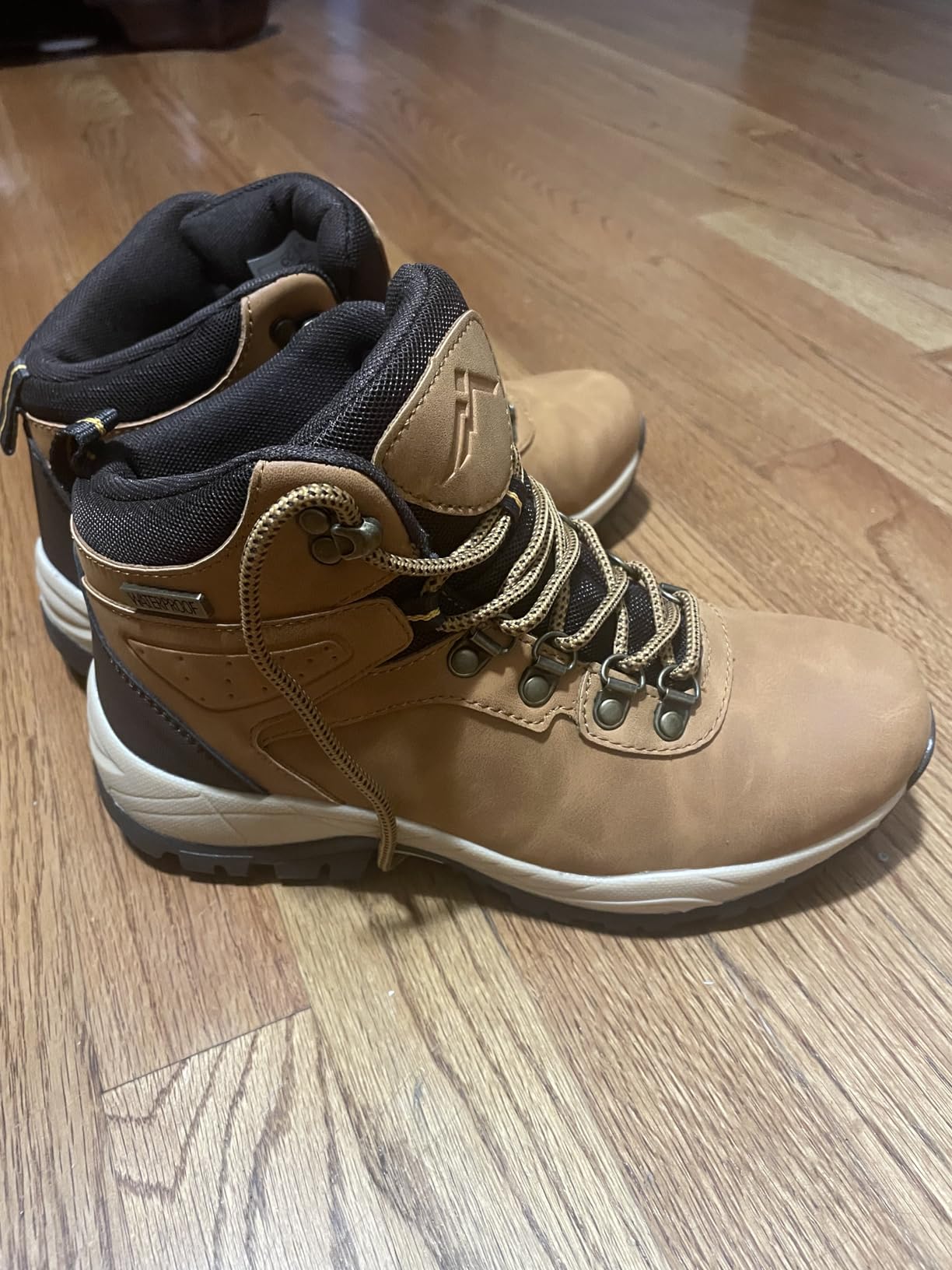
After four months of honest testing, here’s how I’d describe these boots to a friend: they’re a really good seasonal hiking boot at a price that makes hiking accessible. If you’re a casual hiker — 1–2 times a month, day trips, moderate terrain — buy them knowing they’ll serve you well for a season or two. The comfort is the real deal. The waterproofing is solid until it isn’t. Plan for replacement rather than long-term investment.
If you’re on the fence about hiking and don’t want to drop $150 before you know whether you’ll love it, this is exactly the kind of footwear that earns its price tag. Comfortable out of the box, capable on trail, affordable enough that the durability trade-offs feel reasonable rather than frustrating.
Browse the full range of hiking and trekking shoes at FootGearUSA to compare options at different price points.
Frequently Asked Questions
Are these boots true to size?
For normal-width feet, yes — I wore my standard size 8 and the fit was immediate and comfortable. Some users with wider feet or fuller toe boxes report snugness. If you’re between sizes, consider going up half a size.
How long does the waterproofing actually last?
Honest answer: around 60 miles of regular trail use, which works out to roughly 2 months at a moderate pace. After that, you’ll notice moisture seeping through during heavier rain. Applying a DWR spray treatment early can push that timeline further.
Can I use these for backpacking?
I wouldn’t. They’re designed for day hiking with light loads. The ankle support and sole durability aren’t adequate for multi-day trips with a loaded pack. For overnight adventures, invest in something with a more robust construction.
How long will they last?
For casual hikers (1–2 times/month): 5–8 months. For moderate hikers (2–3 times/month): 3–4 months. The sole bond is the limiting factor — the upper leather actually holds up better than the sole.
Do these work for wide feet?
Not ideal. Multiple reviews cite a snug toe box. Normal-width feet fit well; wide-width feet struggle. The NORTIV 8 Women’s Waterproof Hiking Shoes offer a wider fit option worth looking at.
What’s the break-in period?
Minimal — 2 to 3 short hikes and they feel fully settled. I wore them on a 5-mile hike the day after unboxing with no hot spots or blisters. Out-of-box comfort is a genuine strength.
Are they good for hot weather hiking?
Reasonable. The mesh panels allow enough airflow that I hiked comfortably in 80°F+ conditions without my feet overheating. They’re not as breathable as trail runners, but significantly better than full leather boots.
What if the sole separates early?
CC-Los officially offers a 5-year returns service — contact them directly if you experience premature failure. For typical wear patterns, sole separation after 100+ miles of moderate use is expected at this price point.
How do they compare to Merrell or Columbia hiking boots?
The CC-Los are more comfortable out of the box for casual use, but the Merrell Women’s Moab 3 and Columbia Granite Trail Mid offer better durability and waterproofing longevity at their higher price points. The CC-Los value proposition is for hikers who want comfort-first footwear at budget pricing and can accept shorter lifespan.
What should I do to get maximum life from these?
Apply a waterproofing spray treatment after the first few hikes and again monthly. Rotate with other footwear when possible. Avoid heavy use on concrete (it accelerates sole wear). Store in a dry place between hikes. And don’t expect them to handle more than they’re built for — these are casual day-hike boots, not expedition gear.
Review Scoring Summary
| 🔍 CATEGORY | 📋 ASSESSMENT | 💭 REASONING |
|---|---|---|
| 👥 WHO THIS IS FOR | ||
| Target Gender | Women | Women’s-specific sizing and fit; reviewed from female hiker perspective |
| Primary Purpose | Hiking / Trail | Gusseted tongue, rubber outsole, ankle coverage — designed for trail use |
| Activity Level | Casual to Moderate | Durability ceiling limits suitability for heavy/frequent hiking |
| 💰 VALUE | ||
| Price Range | $50–$70 | Listed at $54–$60 depending on retailer and colorway |
| Brand | CC-Los | Budget-tier brand with solid comfort engineering; durability ceiling is honest limitation |
| Primary Strength | Comfort | 8.5/10 trail comfort; no break-in; 8+ hour hiking days without foot fatigue |
| Expected Lifespan | Seasonal (3–8 months) | Casual users: 5–8 months; moderate users: 3–4 months. Annual replacement typical. |
| ⭐ SCORES | ||
| 😌 Comfort | 8.5/10 | Best-in-class for $60 boots; EVA cushioning delivers through full-day hikes |
| 👟 Style | 7.0/10 | Functional hiking boot aesthetic; bold yellow colorway; not versatile for everyday wear |
| ⭐ Overall | 7.2/10 | Strong seasonal boot for casual women hikers; clear waterproofing and durability trade-offs |
Questions? Drop them in the comments. Happy trails!
Be the first to review “CC-Los Women’s Waterproof Lightweight Hiking Boots Trekking for Outdoor”
Related products

Hiking/Trekking Shoes

Hiking/Trekking Shoes
Hiking/Trekking Shoes
Hiking/Trekking Shoes
Hiking/Trekking Shoes

Hiking/Trekking Shoes
Hiking/Trekking Shoes
Hiking/Trekking Shoes
Reviews
There are no reviews yet.