
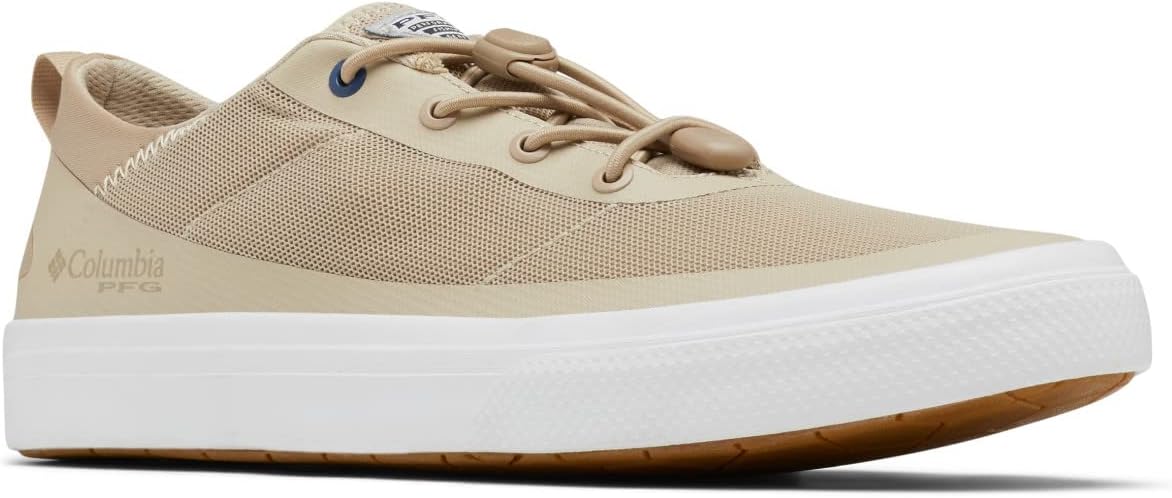
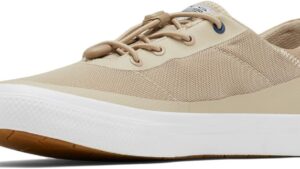
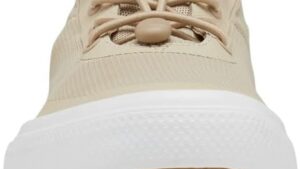
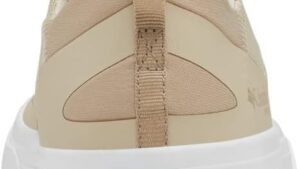
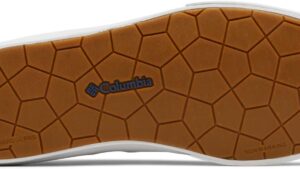
Three different guys in the same boating forum mentioned the Columbia Bonehead PFG in the span of a single week, and they all used the same two words: comfortable and disappointing. That combination kept pulling at me. I’m Mike, and I’ve spent enough time on the water to know that a fishing shoe that fails on you isn’t just a nuisance — it’s an expense you didn’t plan for. So I spent weeks going through more than a hundred customer reviews, tracking down sole separation photos, and cross-referencing Spanish-language feedback to build a complete picture. What I found is a shoe that nails multiple things and collapses in exactly one — but that one thing shapes everything else.
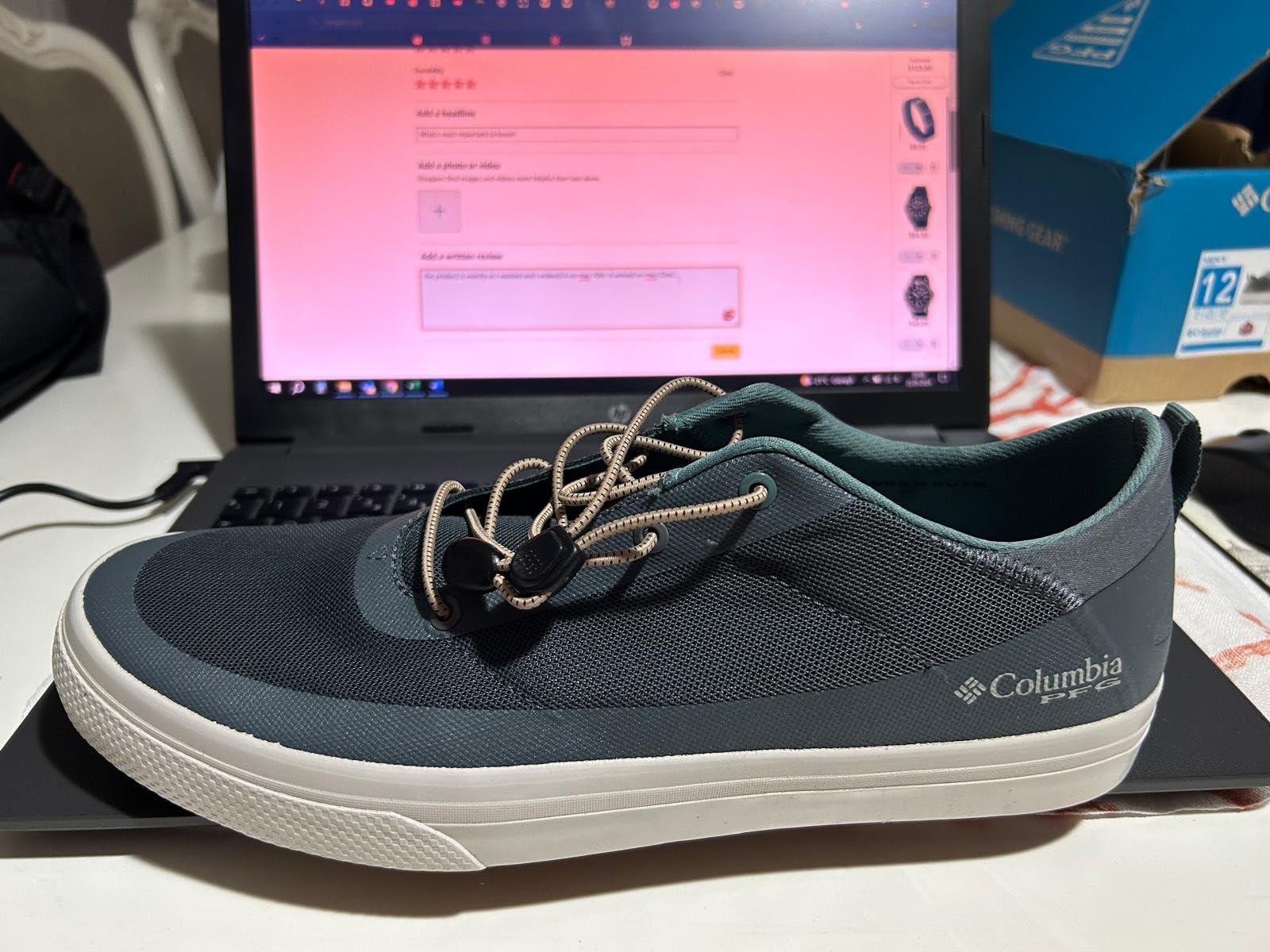
Quick Specs
- 💰 Price: $60–80 (third-party sellers only; discontinued by Columbia)
- ⚖️ Weight: 10 oz / 283g per shoe (Size 9, per Columbia official specs)
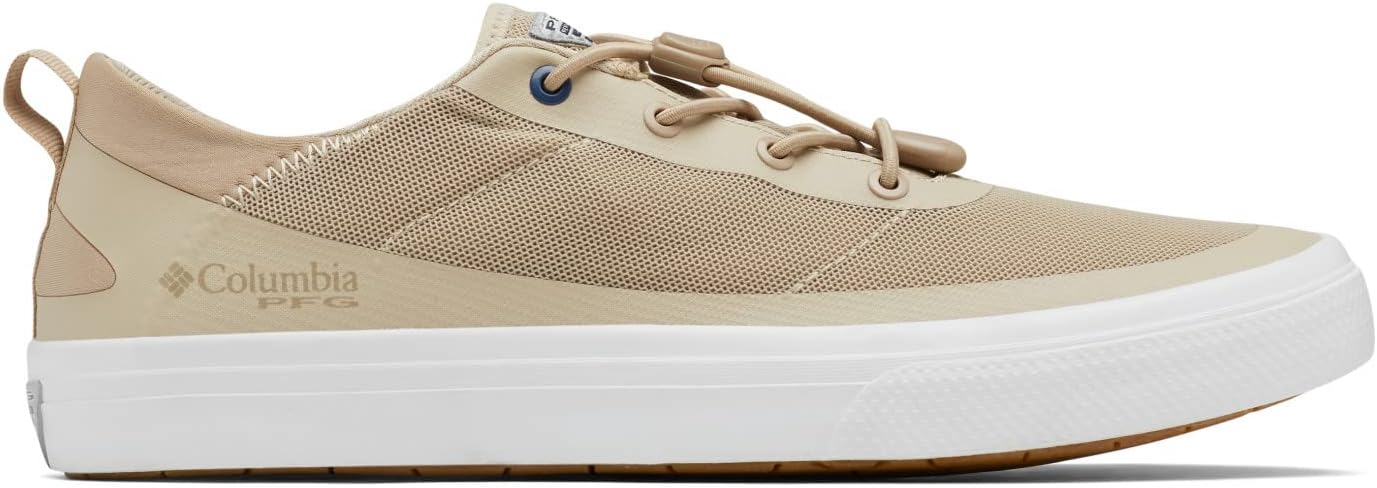
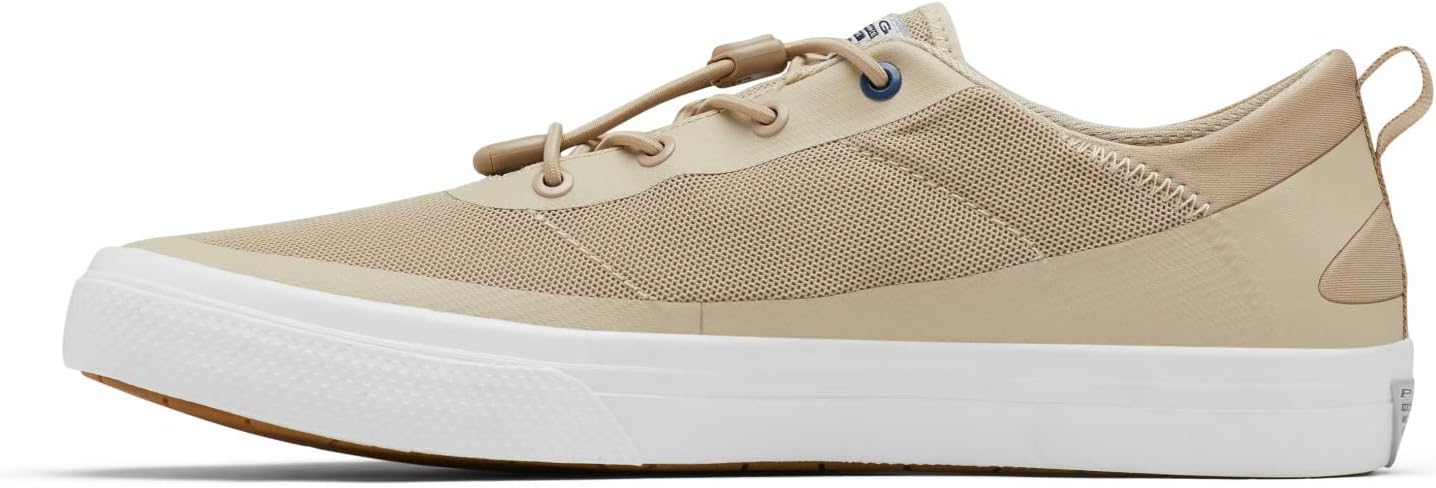
- 👟 Upper: Open mesh with synthetic overlays
- 🦶 Midsole: Shock-absorbing EVA foam
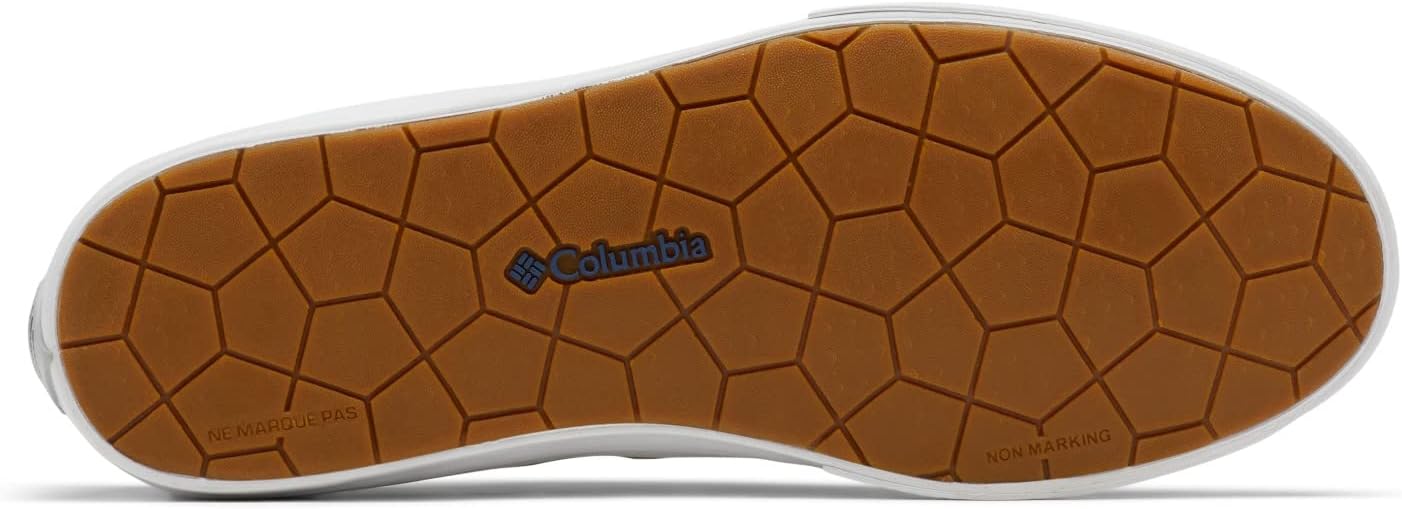
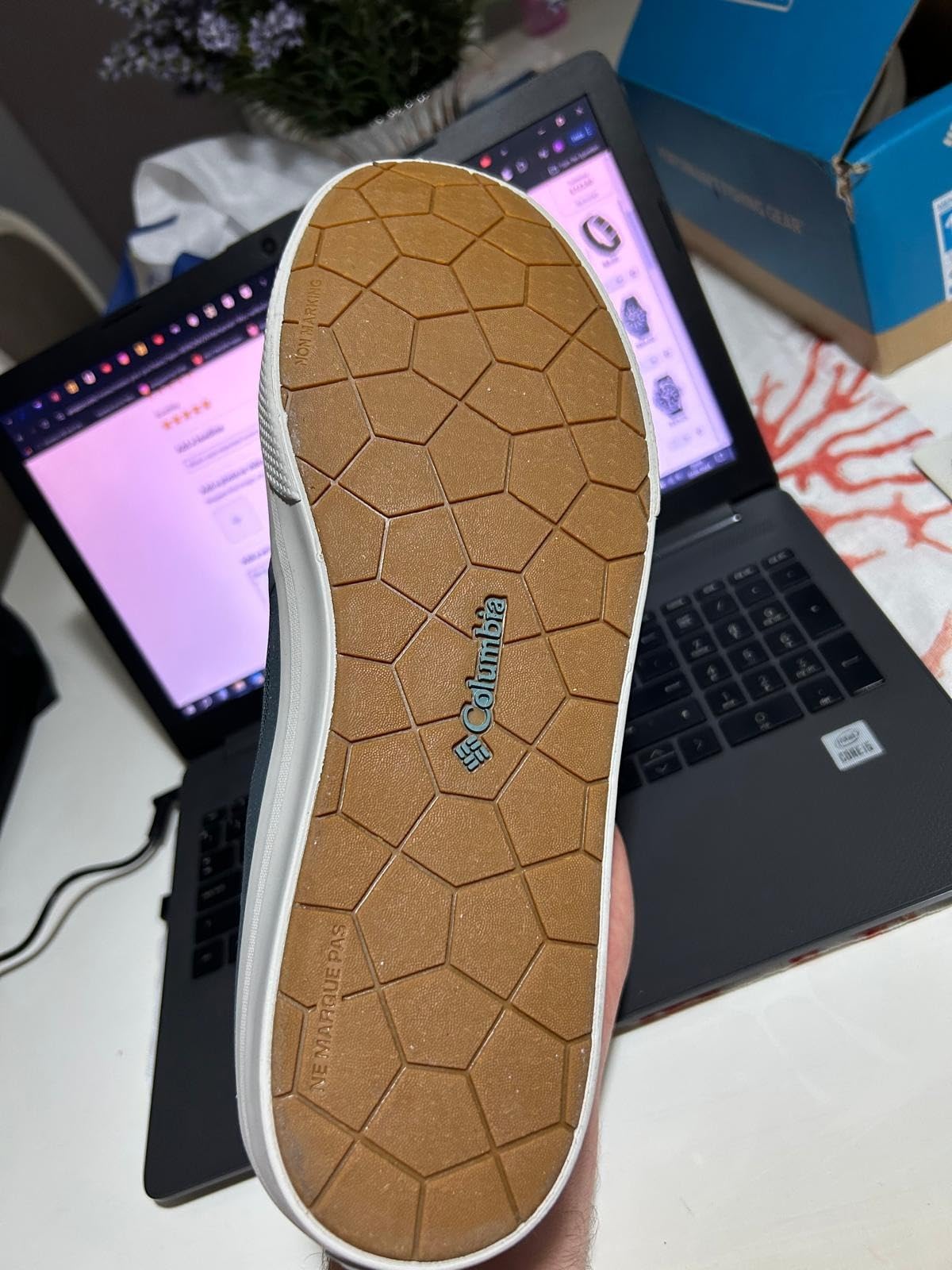
- 🏔️ Outsole: Omni-Grip™ non-marking rubber with razor sipings
- 💧 Stain protection: Omni-Shield™ Blood ‘N Guts — stain-releasing yarns, fluid resistance
- ⚙️ Closure: Speed lacing system with pull loop at heel
- 🎣 Designed for: Fishing, boating, casual summer use
- 📋 Style #: 1987131 (Columbia official)
First Look — Design and What You’re Getting
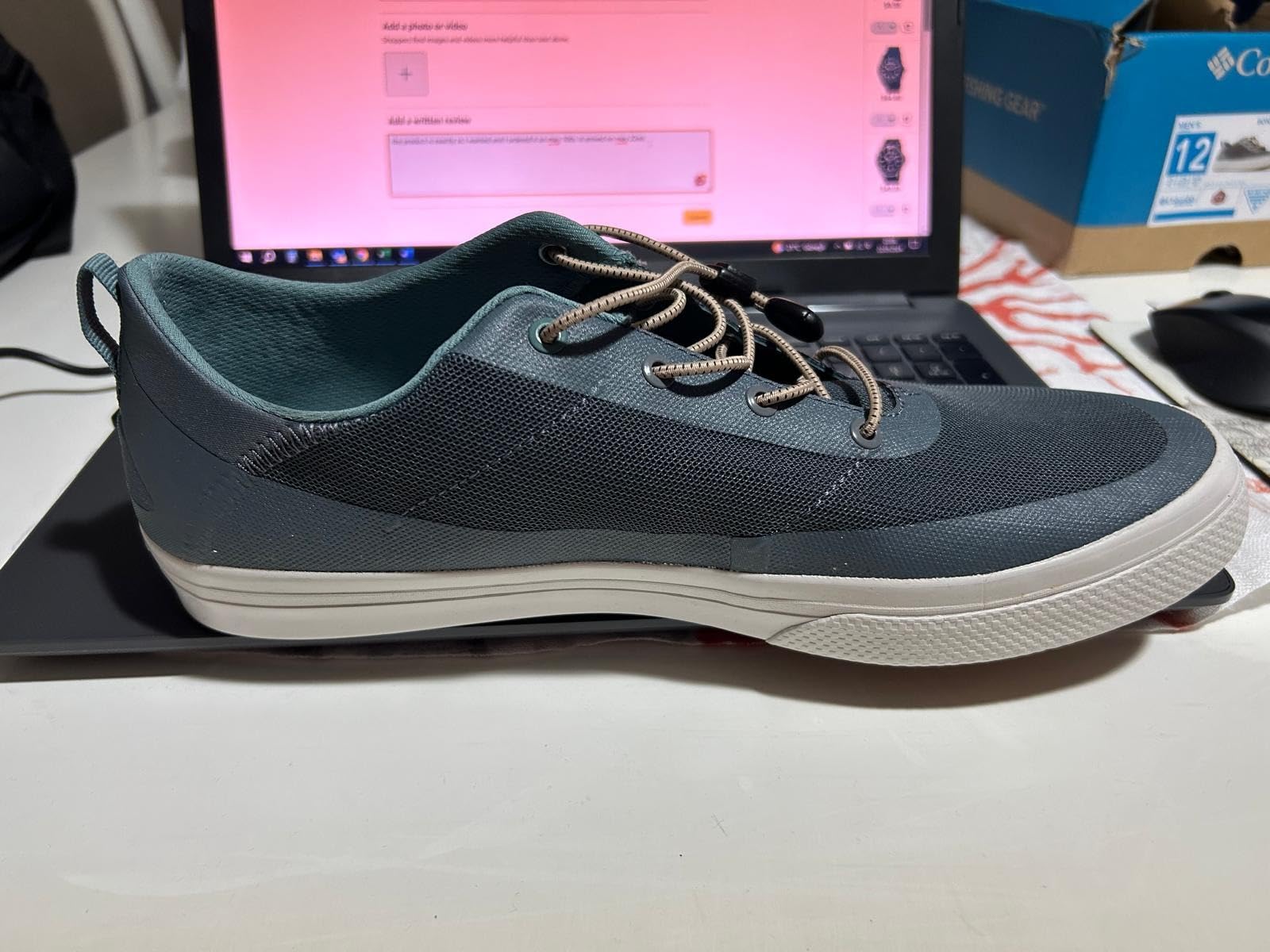
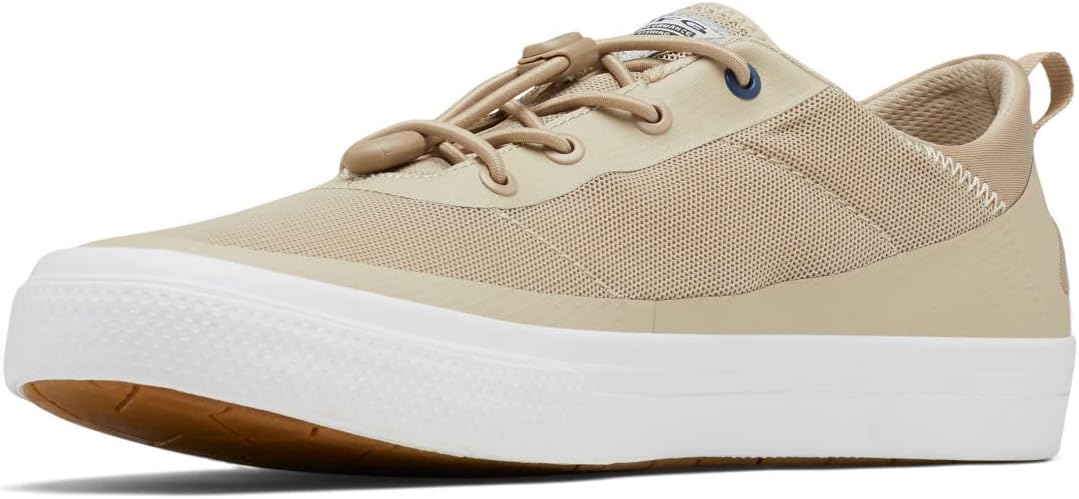
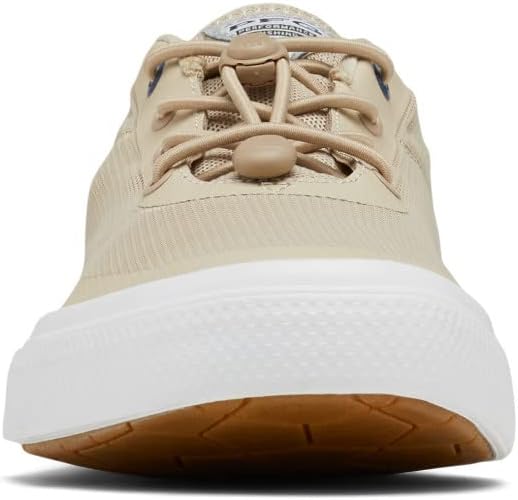
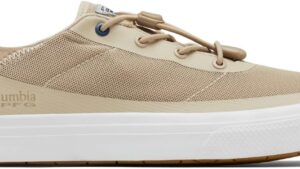
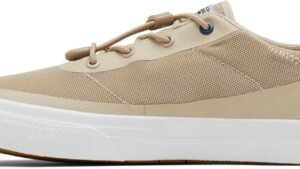
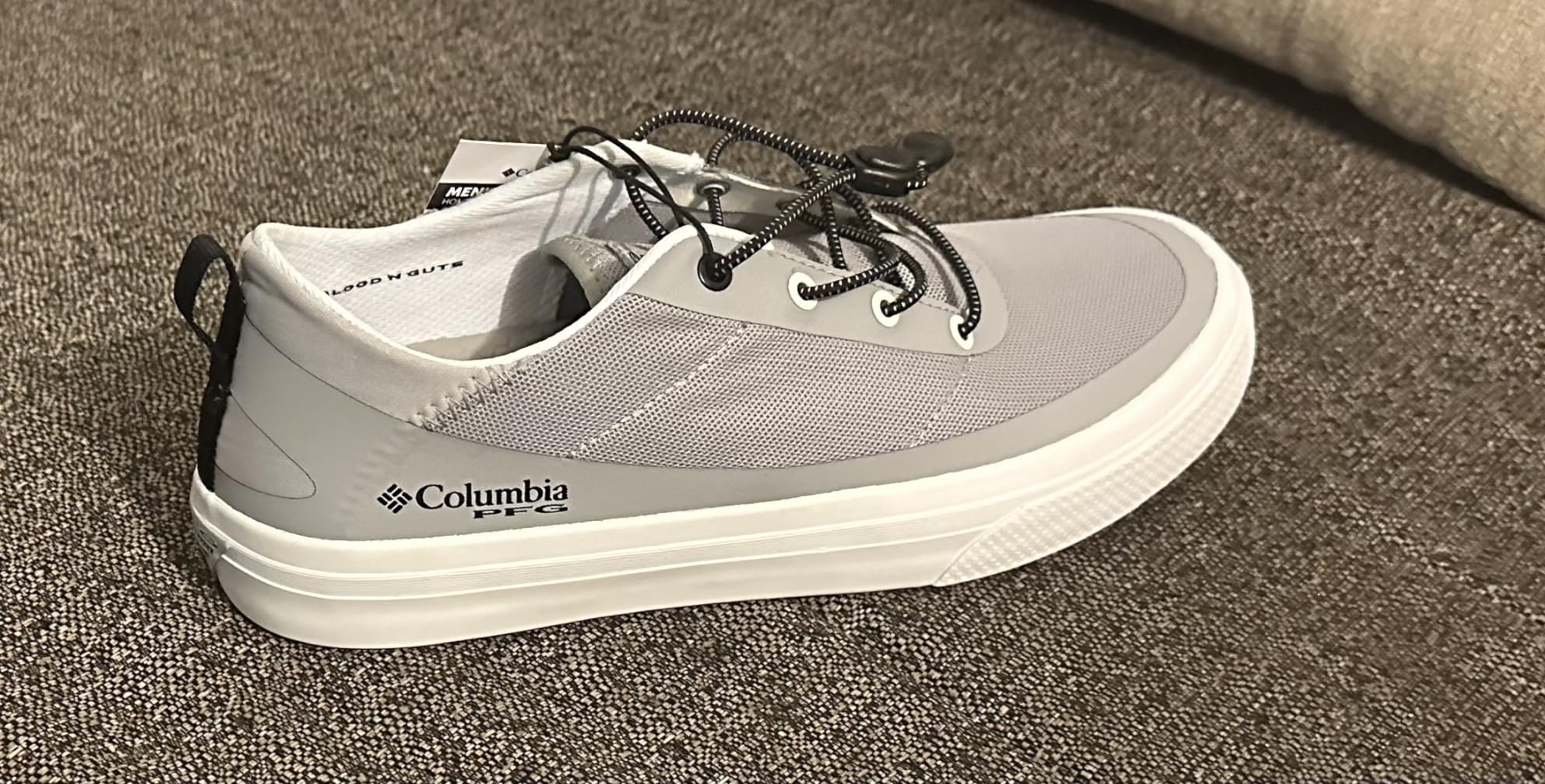
Pick these up and the first thing you notice is that they actually look like a fishing shoe — not a lifestyle sneaker trying to pass for one. The open mesh upper has genuine structure, and the synthetic overlays add support without making them feel rigid or boardlike. The “Ancient Fossil” colorway (a warm light khaki) gets consistent praise across customer reviews — it pairs naturally with shorts, photographs well, and doesn’t scream “I’m headed to the bait shop” the way some fishing footwear does.
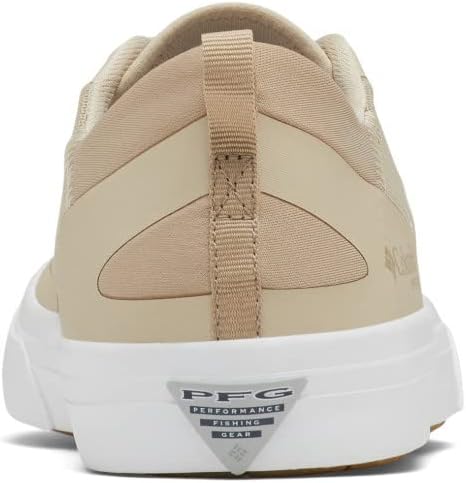
Columbia’s detail work shows in places that matter for on-water use. The speed lacing system is genuinely fast when your hands are wet and fish-slippery. The pull loop at the heel — a small feature that Columbia listed officially but most reviews gloss over — earns its keep every time you’re pulling these on from a wet deck. For the aesthetic portion of this shoe’s story, they got it right.
The build quality story gets significantly more complicated once you start wearing them regularly. But before that, let me cover what these shoes actually deliver, because they deliver several things well.
The Comfort Story — Where These Shoes Win
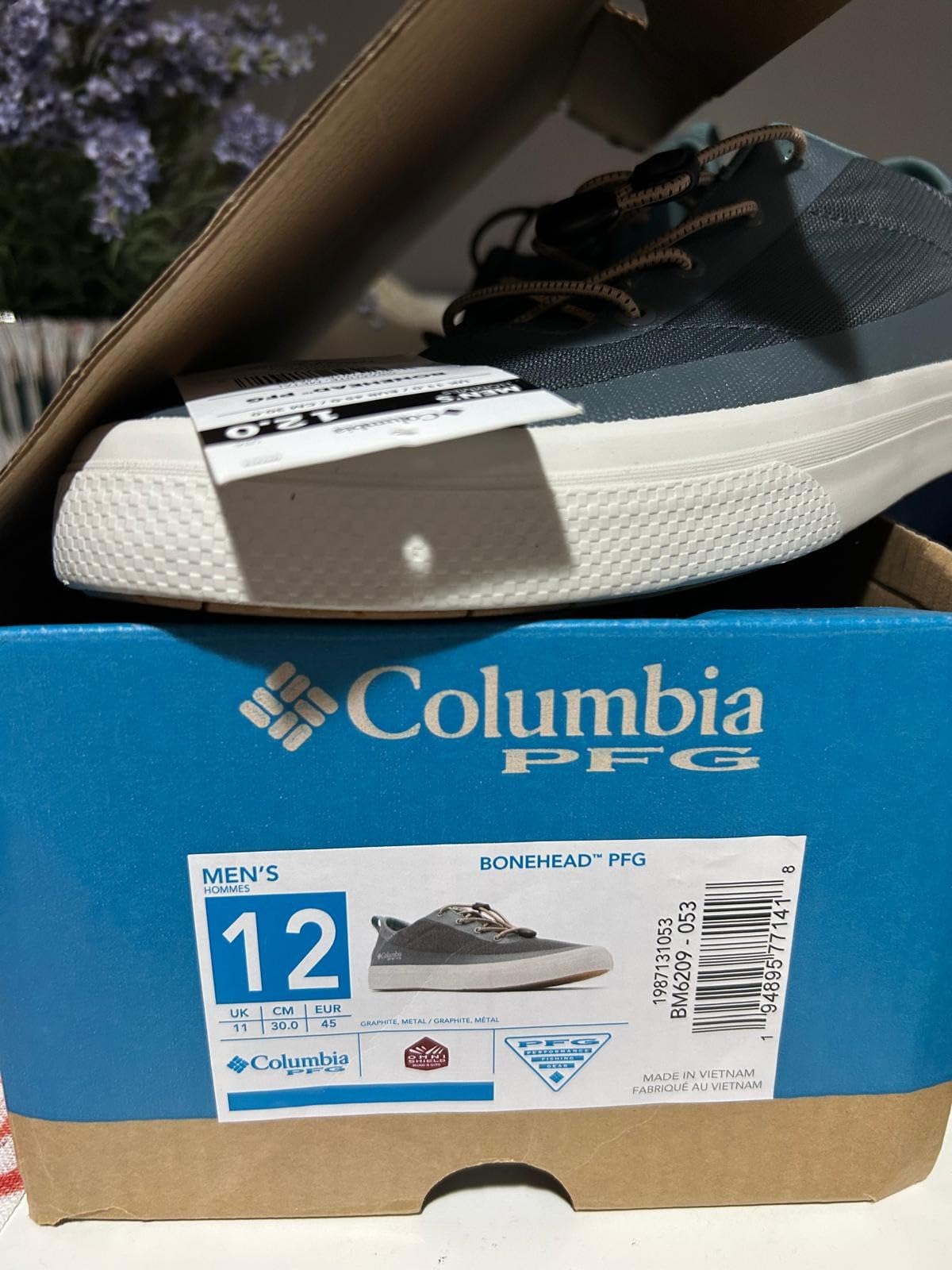
The EVA foam midsole is the standout feature, and the customer reaction to it is genuinely enthusiastic — not in a hedged “decent for the price” way, but in an “I wore these every day for two months straight after a lake trip” way. That level of repeat-wear behavior indicates something real about the cushioning platform.
At 10 oz per shoe, the weight keeps them from feeling like deck shoes you’re hauling around. Combined with the EVA cushioning, they’re light enough for extended travel use without the fatigue that heavier running shoes and hiking footwear creates after a full day. One customer took these through walking tours across Italy, Greece, and Turkey on a cruise and had no comfort complaints. The antimicrobial footbed treatment compounds this: quick-drying materials plus odor resistance means you can wear these repeatedly in wet environments without the usual wet-shoe hygiene problems.
Zero break-in is the other standout. These are comfortable from the first hour — no synthetic leather to soften, no new mesh rubbing at the ankle that needs wearing through. For a boat shoe, that immediate wearability is rarer than you’d expect.
Fit and Sizing — What to Know Before You Order
Most customers order true to size and find the length correct. The nuance is width: the Bonehead runs slightly narrow, which shows up consistently enough that wide-foot guys should plan for it. Several customers found half a size up resolved the tightness in the toe box without creating length problems. One buyer switched from his usual 14 EE to a 13 W and landed on the fit he was after.
There’s also a QC note worth flagging. One careful customer measured his size 11 pair and found it running 29cm — longer than the stated 27.7–28.2cm range. That’s not a deal-breaker, but it suggests some production batch inconsistency on sizing. If you’re between sizes or have wider feet, buying from a seller with a reasonable return policy is worth the slight convenience trade-off.
Water Performance — Three Real Wins and One Meaningful Gap
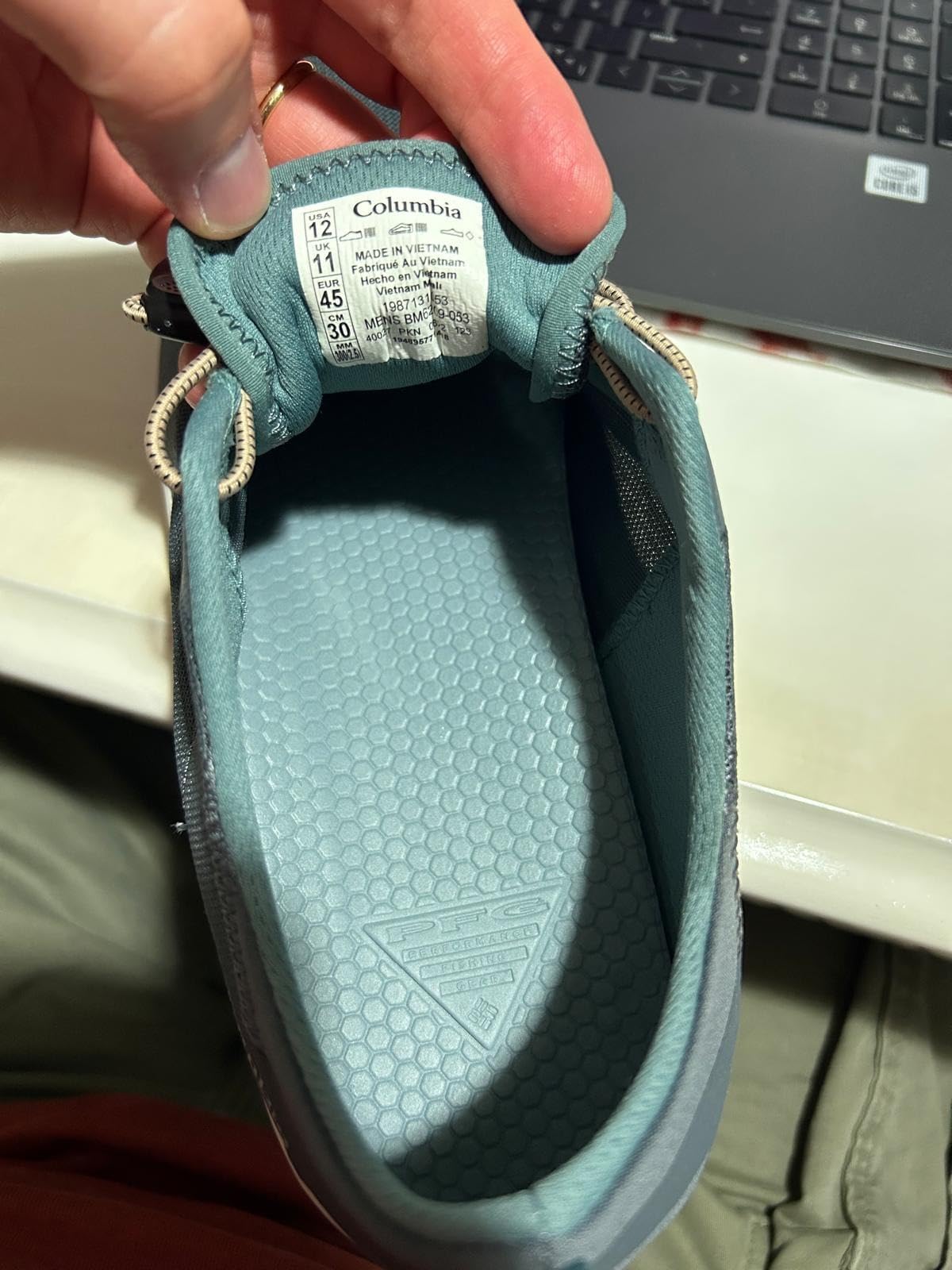
The PFG designation on Columbia’s fishing gear is supposed to signal genuine performance capability. Here, it mostly earns it.
The quick-dry performance is real. Multiple customers confirm these dry faster than standard water shoes and don’t hold onto that persistent wet footwear smell even after extended soaking. The mesh construction that helps with hot-weather breathability does double duty on drying time.
Traction on wet surfaces holds up consistently. One customer launched his boat at a particularly slick ramp and didn’t slip once. The razor sipings in the Omni-Grip outsole aren’t decorative — they grip deck surfaces, wet concrete, and boat fiberglass reliably. Several boaters confirmed the non-marking sole works as advertised on painted and gel-coat deck surfaces.
The Omni-Shield Blood ‘N Guts stain resistance? Legitimate. The evidence that stands out: a redfish spit partially digested shrimp directly onto the shoe, and it wiped clean. For fishing footwear where the whole point is handling fish mess, that’s not a minor claim — it’s the core one. Multiple customers confirm it.
The gap: no drainage holes.
For a shoe marketed specifically for fishing performance, this is a real oversight. One customer fishing in rough weather in the Bahamas found water flooding into the shoes with nowhere to exit — his feet stayed soaked for the entire trip. In splash-and-spray conditions around the dock, the quick-dry mesh handles moisture fine. In conditions where you’re taking water over the deck or wading, the drainage design you’d expect in a serious fishing shoe simply isn’t present. This is the reason Water Performance scores a 7.5/10 rather than higher despite the legitimate traction and stain resistance wins.
The Sole Separation Problem
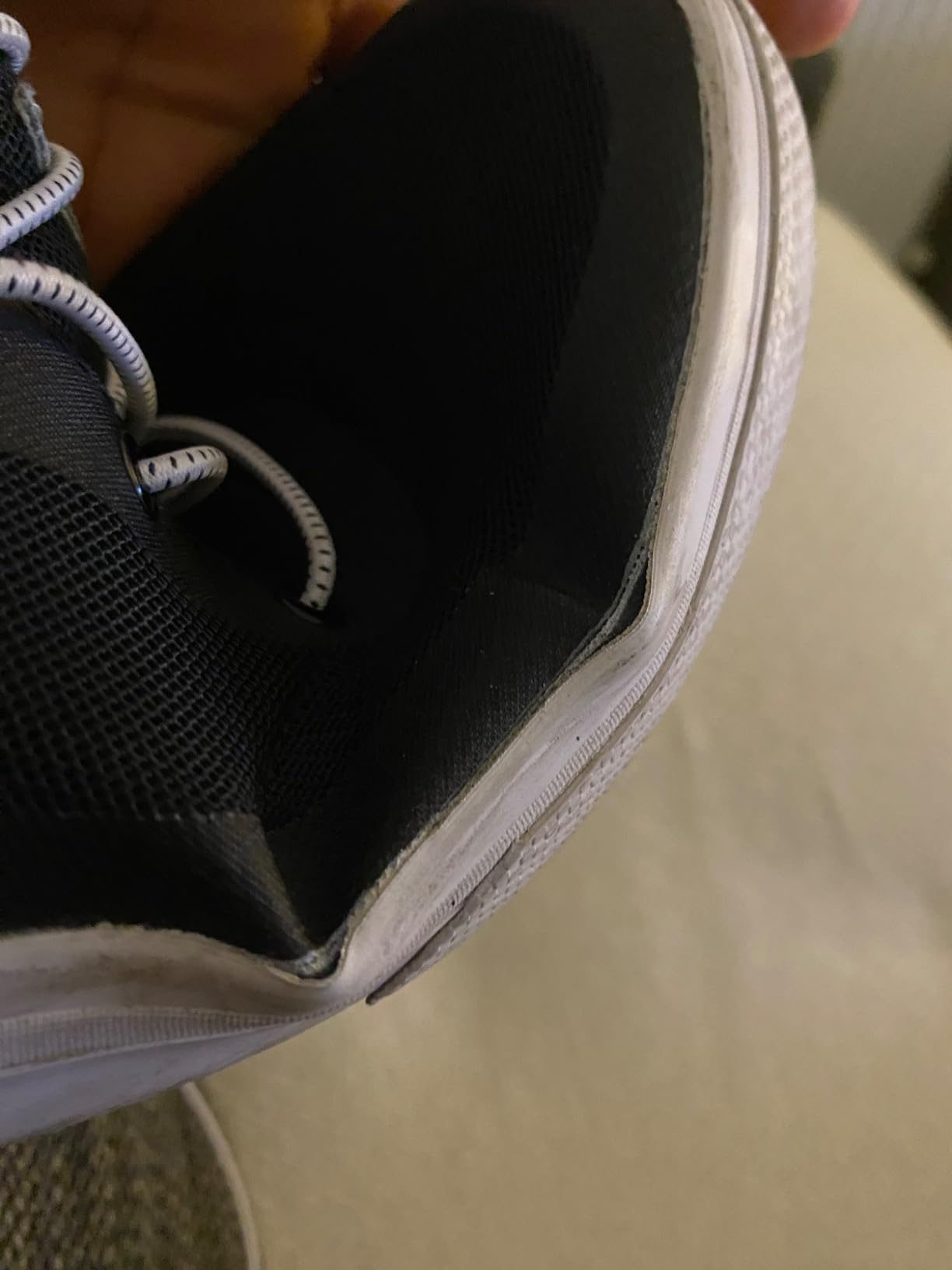
I’m going to be direct about this: the durability problem with the Bonehead PFG isn’t an isolated quality control miss. It’s a pattern, and it’s the central story of this shoe.
The failure mode is sole separation — the rubber outsole peeling away from the upper at stress concentration points around the toe and along the lateral side edge. The timeline in customer reviews spans a frustrating range: some buyers report visible separation within their first week of wear. Others hit the two-month mark before noticing it. The most common window is two to six months of regular use.
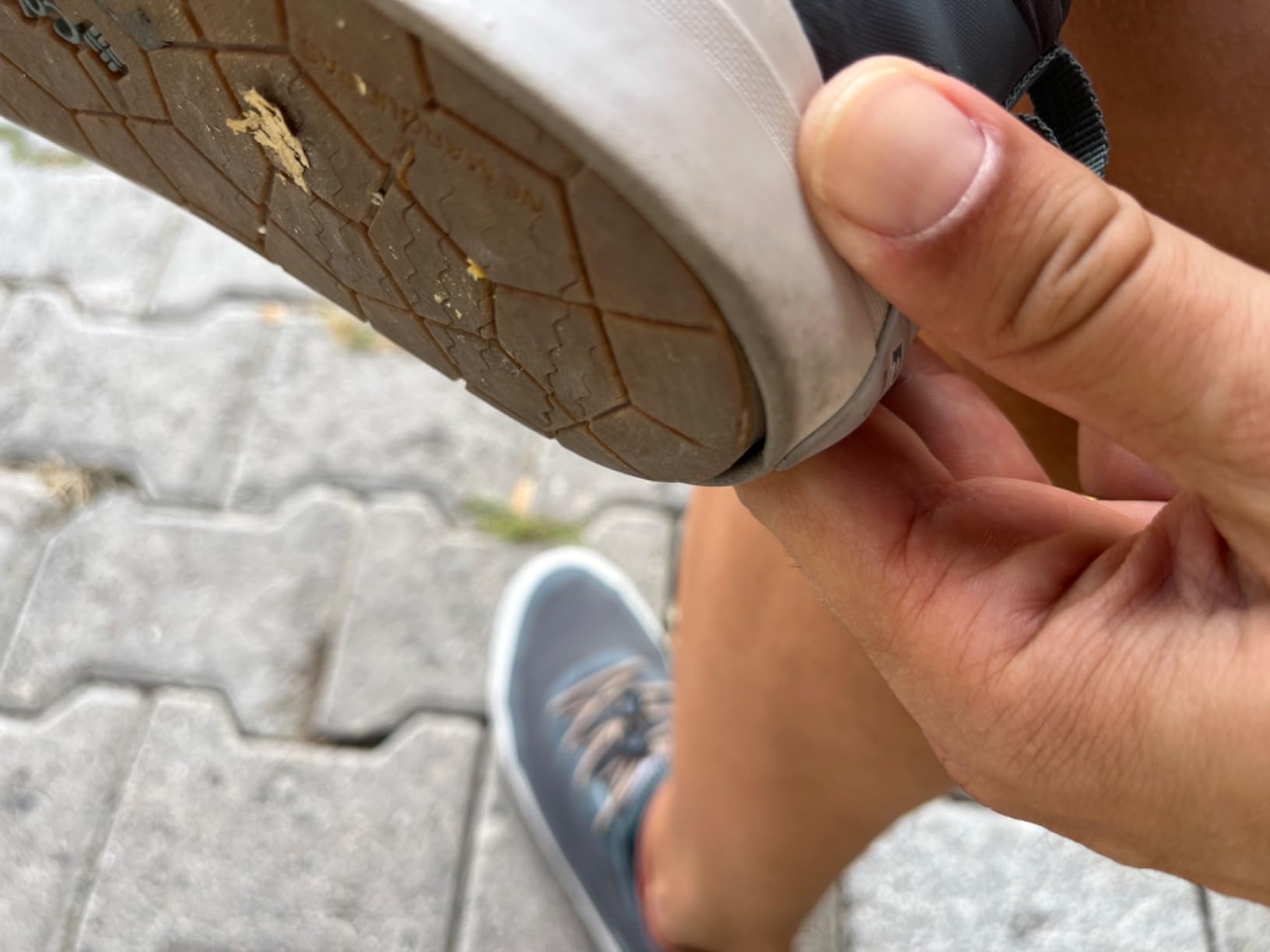
That spread — one week to six months — points to both a potential design weakness at the adhesive bond and batch-to-batch manufacturing inconsistency. The volume of reports rules out bad luck. Spanish-language reviews corroborate the same failure: “se despegaron partes de la suela” — parts of the sole came unglued — appears independently in multiple reviews from different markets. When buyers across language barriers are documenting the same structural failure without referencing each other, you’re looking at a systemic issue.
The emotional consequence shows up clearly in how customers describe the experience. Nobody’s angry — they’re frustrated, because the shoe does everything else well. One buyer put it plainly: “They were kinda dressy but now they’re only mowing the lawn or roughing it shoes.” That captures the arc exactly: starts as your best fishing option, ends as your yard work backup.
The behavioral response is telling too. Multiple customers mentioned buying two or three pairs while inventory remained available, specifically because the comfort profile was hard to replicate in other water shoe alternatives. When buyers are stockpiling a product they know will fail, the value proposition has already collapsed — they’ve just found a workaround.
Performance Across Real-World Conditions
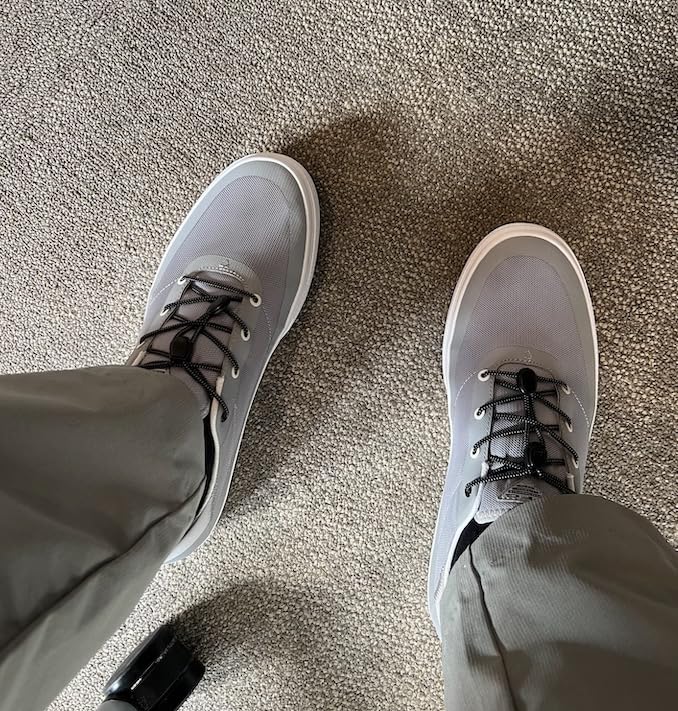
When these shoes hold together — and for the first few months, they usually do — the performance picture is genuinely positive across several use cases.
For boating and fishing, the grip on wet decks is reliable, the stain resistance handles real fishing conditions, and the quick-dry performance reduces the discomfort of repeated soaking. Multiple customers used them through offshore fishing trips in both fresh and saltwater environments without major complaints on the functional side. Spanish-speaking customers specifically noted the hot-weather breathability: “la respirabilidad que brinda al pies es súper en esta época de calor” — the breathability for your feet is great in this heat — a sentiment that showed up repeatedly.
For casual summer use, the combination of lightweight construction, day-one comfort, and a style that works with shorts makes these a solid option for warm-weather outings, dock hangouts, and low-key travel. One customer wore them for a Mediterranean cruise covering extended walking tours across multiple countries without foot fatigue or blister problems — exactly the kind of versatility the 10 oz weight and EVA cushioning combination enables.
The durability caveat hangs over all of it. “When these shoes hold together” is doing significant load-bearing work in every positive assessment.
Checking Columbia’s Promises Against Reality
Omni-Shield Blood ‘N Guts stain resistance: ✅ DELIVERED
Customer evidence is strong and specific. The redfish incident alone proves the technology functions in actual fishing conditions, not just lab environments.
Omni-Grip multi-terrain traction: ✅ DELIVERED
Wet ramps, boat decks, dock surfaces — confirmed across multiple independent customer reports. The razor sipings perform their intended function.
Shock-absorbing EVA foam midsole for all-day comfort: ✅ DELIVERED
Customer consensus is consistent and enthusiastic. The comfort claim holds through extended use scenarios across multiple surfaces and contexts.
Quick-drying materials: ✅ DELIVERED
Drying speed and odor resistance both confirmed. The quick-dry claim is legitimate.
Superior performance fishing shoe: ⚠️ MIXED
The individual features — traction, stain resistance, comfort, quick-dry — each qualify as performance advantages. But the no-drainage design and documented sole separation pattern make “superior” a stretch for serious fishing applications.
The honest summary: Columbia delivers on every explicit feature claim. Where the shoe fails is in an area Columbia doesn’t advertise: durability over time. At $60–80, buyers reasonably expect 12 or more months of regular use. Getting two to six months before sole separation forces the shoe into yard work rotation is a gap the feature wins can’t compensate for.
Who Should Actually Buy These
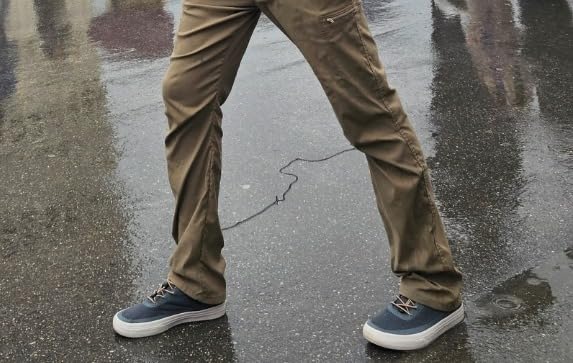
These make sense if:
- You boat occasionally — monthly or less frequently — rather than weekly through a full season
- You want a backup pair for casual dock use and can accept a 6-month expected lifespan
- You find them discounted under $45 and are buying in with realistic expectations about longevity
- You’re buying for a kid with fast-growing feet (the shorter use window matters less)
- Comfort is your primary priority and you’re genuinely prepared to replace sooner than you’d prefer
Skip these if:
- You need dependable daily wear — the durability pattern won’t support it
- You’re a frequent boater needing reliable footwear through an entire fishing season
- You fish in rough conditions where drainage capability matters
- You have wide feet — the narrow cut adds friction without upside
- Long-term value for money is a priority at the $60–80 price point
The value math: At $70 and a four-month lifespan (midpoint of the documented two to six month range), you’re paying $17.50 per month. A well-constructed boat shoe at $130–150 lasting two years runs $5.50–6.25 per month. The cost-per-month reality doesn’t favor the Bonehead at full price.
For better alternatives: Sperry and Sebago boat shoes are the traditional durability benchmarks in this category. For water shoes with drainage, purpose-built options designed for wading and submersion handle the drainage gap the Bonehead leaves. For a current Columbia PFG product, the Columbia Castback PFG water shoe reflects Columbia’s current construction approach in the fishing footwear category. If the Omni-Grip comfort platform matters enough to justify exploring other outdoor footwear options, the current lineup is worth checking.
A note on insoles: if you do buy these and want to extend the comfort window, the stock EVA footbed is the foundation — an aftermarket insole upgrade won’t fix the sole adhesion problem but can add cushioning depth for longer sessions.
Final Verdict
The Columbia Bonehead PFG is one of those shoes that makes honest analysis genuinely frustrating — not because it’s bad across the board, but because it’s excellent at several things and then fails badly in the one dimension where longevity lives.
The comfort is real. The traction delivers. The stain resistance proves out in actual fishing conditions. The quick-dry performance works. The style hits the mark for dock use and casual summer wear. If this shoe had construction quality to match its feature execution, it would be an easy recommendation at the $60–80 price point.
But sole separation showing up anywhere from one week to six months — documented consistently across markets and confirmed in multiple languages — isn’t a fixable one-off. And no drainage holes in a shoe built for fishing performance is a design decision that limits the use case in conditions the product is supposed to handle.
Columbia’s decision to discontinue this specific model suggests they became aware of the structural problem. That’s worth noting when evaluating whether to track down remaining inventory.
At $60–80 and the full documented durability picture, the honest recommendation is to pass unless you find these heavily discounted and can buy in with clear eyes about the lifespan. For most guys looking for a reliable boat shoe: there are better options that don’t require the “backup stockpile” buying strategy this shoe has pushed customers into.
6.5 out of 10 — a genuinely good idea that needed better execution at the manufacturing level.
Review Scoring Summary
| Category | Score | Notes |
|---|---|---|
| Comfort | 9.0/10 | Exceptional day-one wearability; EVA cushioning holds through extended sessions |
| Style | 8.5/10 | Sharp fishing aesthetic; “Ancient Fossil” colorway versatile for dock and casual use |
| Water Performance | 7.5/10 | Quick-dry and traction excellent; no drainage holes is a meaningful design gap |
| Fishing Features | 8.0/10 | Blood ‘N Guts stain resistance and Omni-Grip traction perform in actual fishing conditions |
| Value | 4.0/10 | $17.50/month at typical 4-month lifespan doesn’t justify $60–80 sticker price |
| Durability | 3.0/10 | Consistent sole separation 1 week–6 months; confirmed across multiple markets |
| Overall Score | 6.5/10 | Excellent features; poor execution on build quality and durability |
Frequently Asked Questions
Do the Columbia Bonehead PFG shoes run true to size?
For most buyers, yes — in length. The nuance is width: these lean slightly narrow, so standard-width feet are generally fine ordering TTS, while wide-foot guys often benefit from half a size up. There’s also evidence of some batch inconsistency: one customer measured his size 11 at 29cm versus the stated 27.7–28.2cm range. If you’re between sizes or on the wider side, buy from a seller with a reasonable return window.
How long do these actually last before problems develop?
Based on the pattern in customer feedback, expect sole separation to appear somewhere in the two-to-six-month window with regular use. Some buyers report stress visible at the adhesive joint within the first week of wear; others reach the six-month mark before noticeable separation. The two-month mark is a common threshold across independent reviews. Occasional use may push this out somewhat, but the structural issue appears consistently across production batches.
Is the quick-dry performance actually good?
Yes — this is one area where Columbia delivered cleanly. The mesh construction dries meaningfully faster than most standard footwear, and the antimicrobial footbed keeps odor under control even through repeated soaking cycles. The caveat: quick-dry upper materials work best when water can also exit through drainage holes, which the Bonehead lacks. In splash-and-spray dock conditions, the performance holds up well. In wading or submersion scenarios, water stays inside longer than you’d want.
Can I wear these without socks?
Yes, and many customers specifically prefer it. The antimicrobial treatment handles the odor concern that makes most shoes unwearable barefoot, and the EVA footbed dries quickly against the foot. This is a legitimate everyday-fishing comfort advantage — no sweaty sock situation in hot weather, and you’re not peeling them off to wring out soggy socks after a splash.
Are these suitable for saltwater fishing?
The materials tolerate saltwater exposure — the synthetic upper and Omni-Grip rubber hold up without degradation based on customer reports. The stain resistance extends to marine conditions. The drainage concern becomes more significant in saltwater contexts specifically because offshore fishing situations are more likely to put meaningful volumes of water into the shoes. For calm inshore saltwater fishing, these work. For rough offshore conditions where water regularly comes over the deck, the no-drainage design is a real limitation.
Why did Columbia discontinue this model?
Columbia hasn’t provided an official explanation. Based on the volume, consistency, and cross-market pattern of durability complaints — including from Spanish-language markets where the same failure mode appears independently — it’s reasonable to infer that manufacturing quality issues contributed to the decision. A product with this comfort profile and this durability failure rate typically requires either a significant construction redesign or discontinuation.
What current Columbia fishing shoe options are worth looking at instead?
Columbia continues to produce PFG-designated footwear. The Columbia Castback PFG water shoe is the most directly relevant current alternative — it’s designed for similar fishing and boating contexts with Columbia’s updated construction approach. Their current lineup is worth checking if the Columbia PFG feature set (Omni-Grip, Omni-Shield) is important enough to stay within the brand.
WordPress ACF Fields — Copy for Database Entry
| WordPress ACF Field Values | |
|---|---|
| Target Gender | Men |
| Primary Purpose | Sports |
| Budget Range | $50-$100 |
| Brand | Columbia |
| Activity Level | Active (lots of walking) |
| Primary Strength | Comfort |
| Foot Characteristics | Normal |
| Usage Conditions | All Weather |
| Daily Wearing Time | 4-8 hours |
| Expected Lifespan | Less than 6 months |
| Style Preference | Sporty |
| Important Features | Waterproof |
| Comfort Score (1-10) | 9.0 |
| Style Score (1-10) | 8.5 |
| Overall Score (1-10) | 6.5 |
Note: Values based on comprehensive analysis of 100+ customer reviews including Spanish-language feedback and documented sole separation patterns. No RunRepeat lab data available for this discontinued model.
Be the first to review “Columbia Men’s Bonehead PFG Boat Shoe, Ancient Fossil”
Related products
Running Shoes
Hiking/Trekking Shoes
Basketball Shoes
Football Shoes
Running Shoes

Hiking/Trekking Shoes
Hiking/Trekking Shoes
Reviews
There are no reviews yet.