
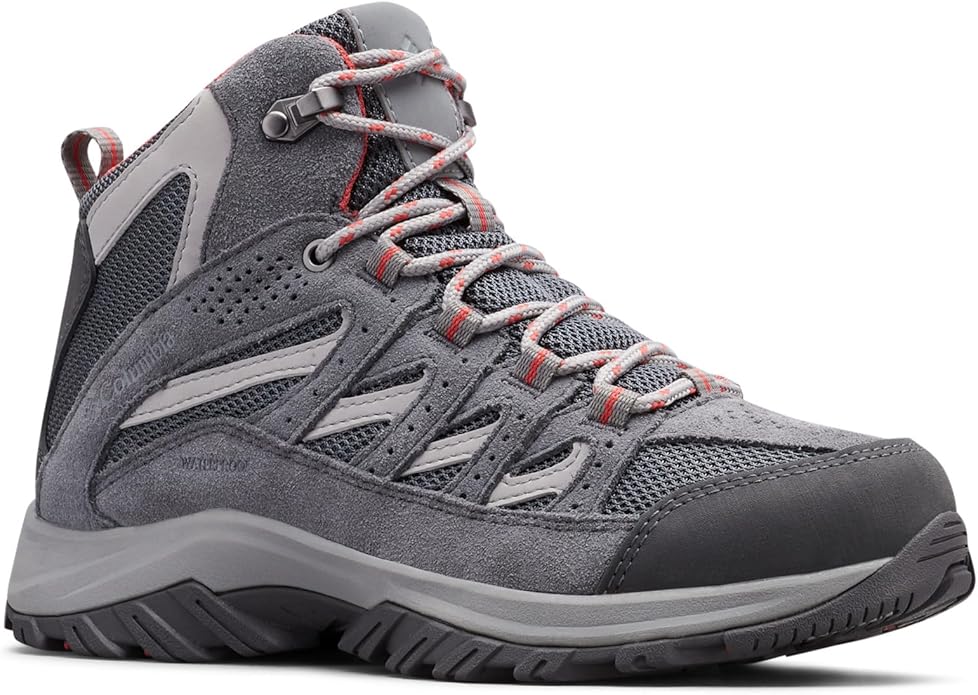
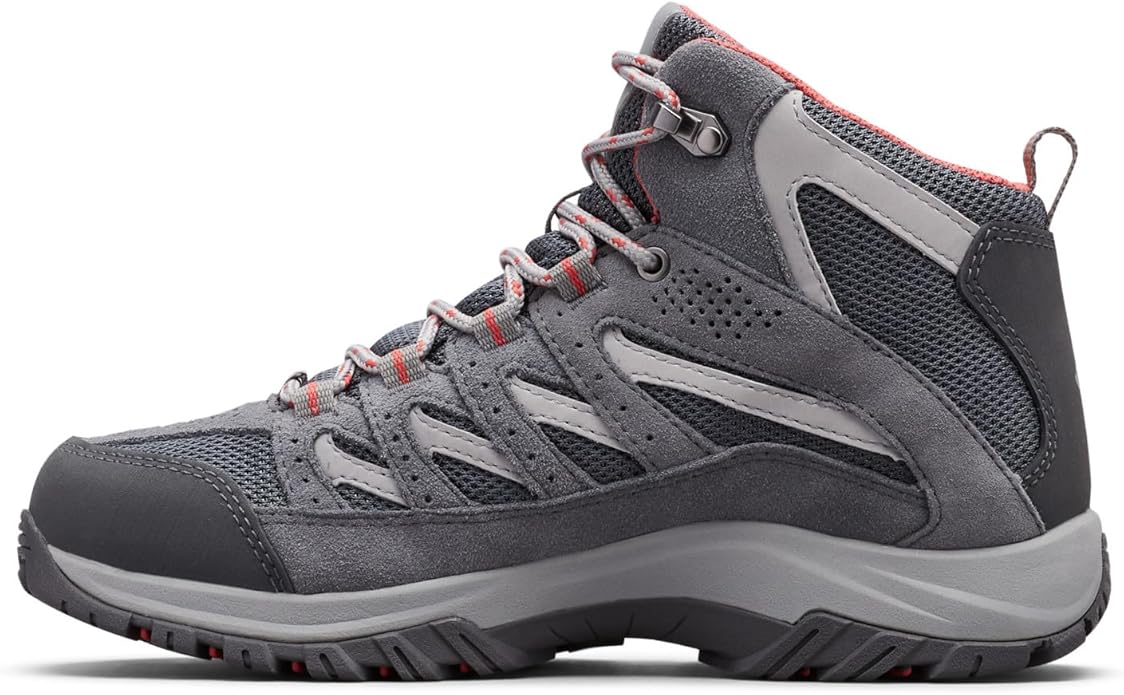
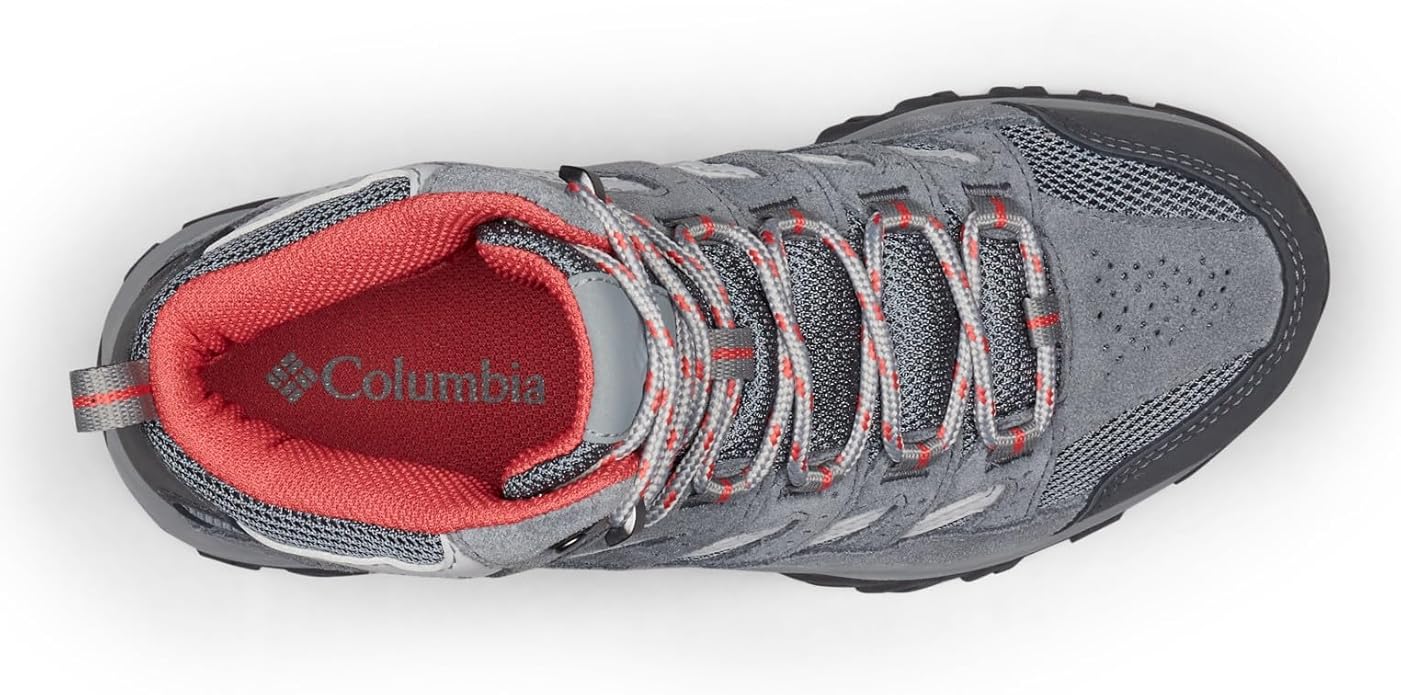
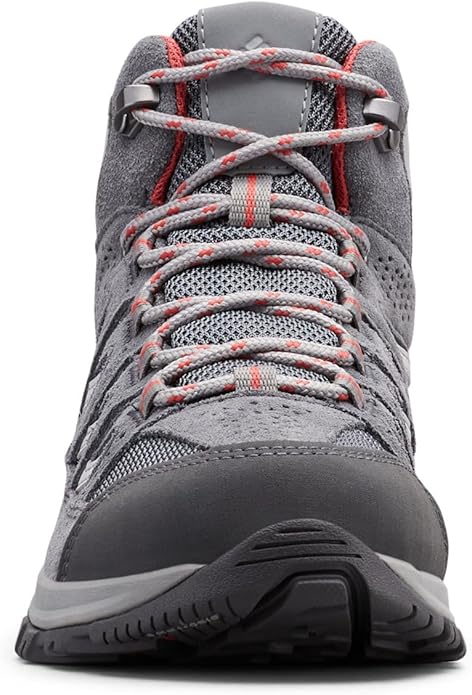
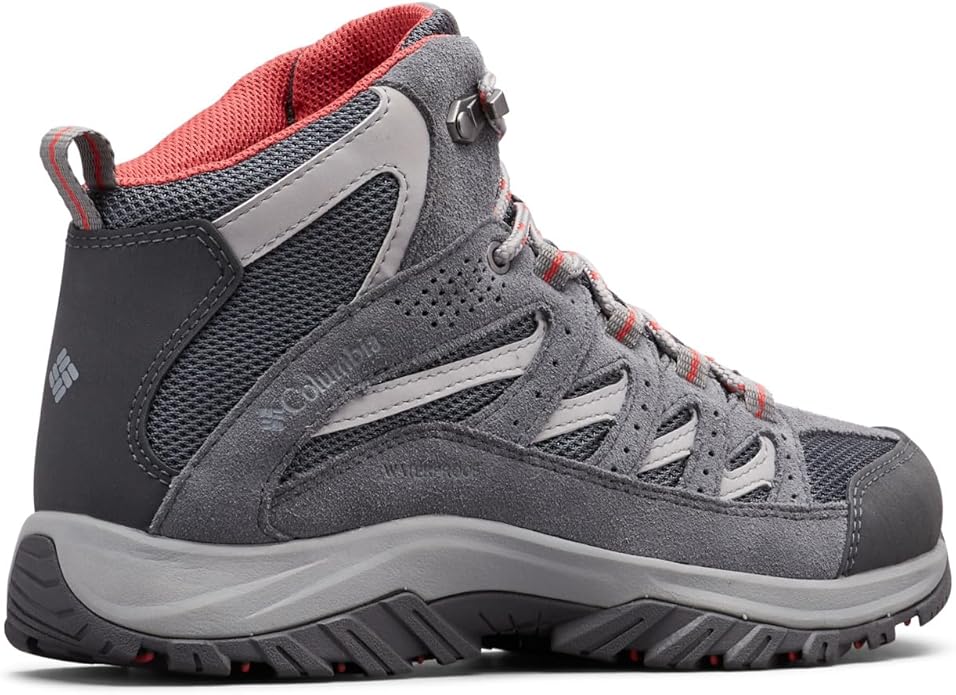
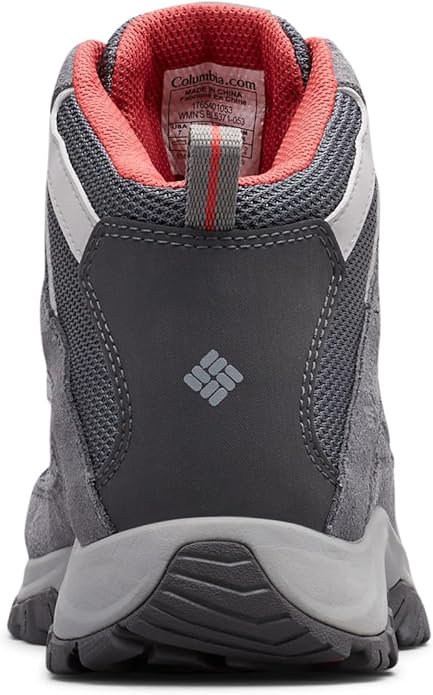
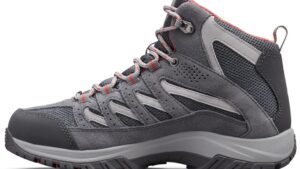
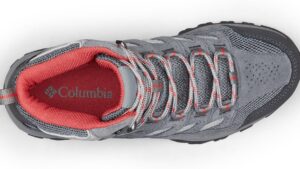
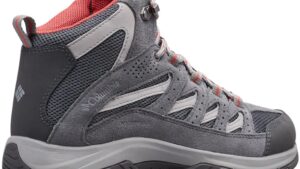
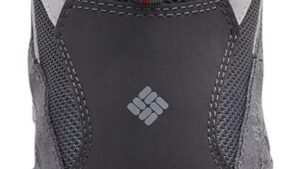
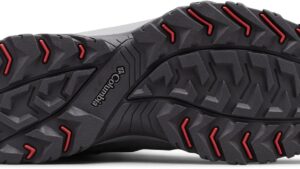
My old Timberlands finally surrendered after six years of faithful service — right when I needed them most. With a Colorado trip coming up in two months, I needed a replacement fast. The problem? I’d burned myself before on budget hiking boots that promised everything, delivered blisters, and fell apart by month three. So when I picked up the Columbia Women’s Crestwood Mid Waterproof, I wasn’t optimistic. I was tired and cautious. Eight weeks, 25+ sessions, and over 150 miles across Colorado foothills, Rocky Mountain National Park, and the Pacific Northwest later — here’s what actually happened.
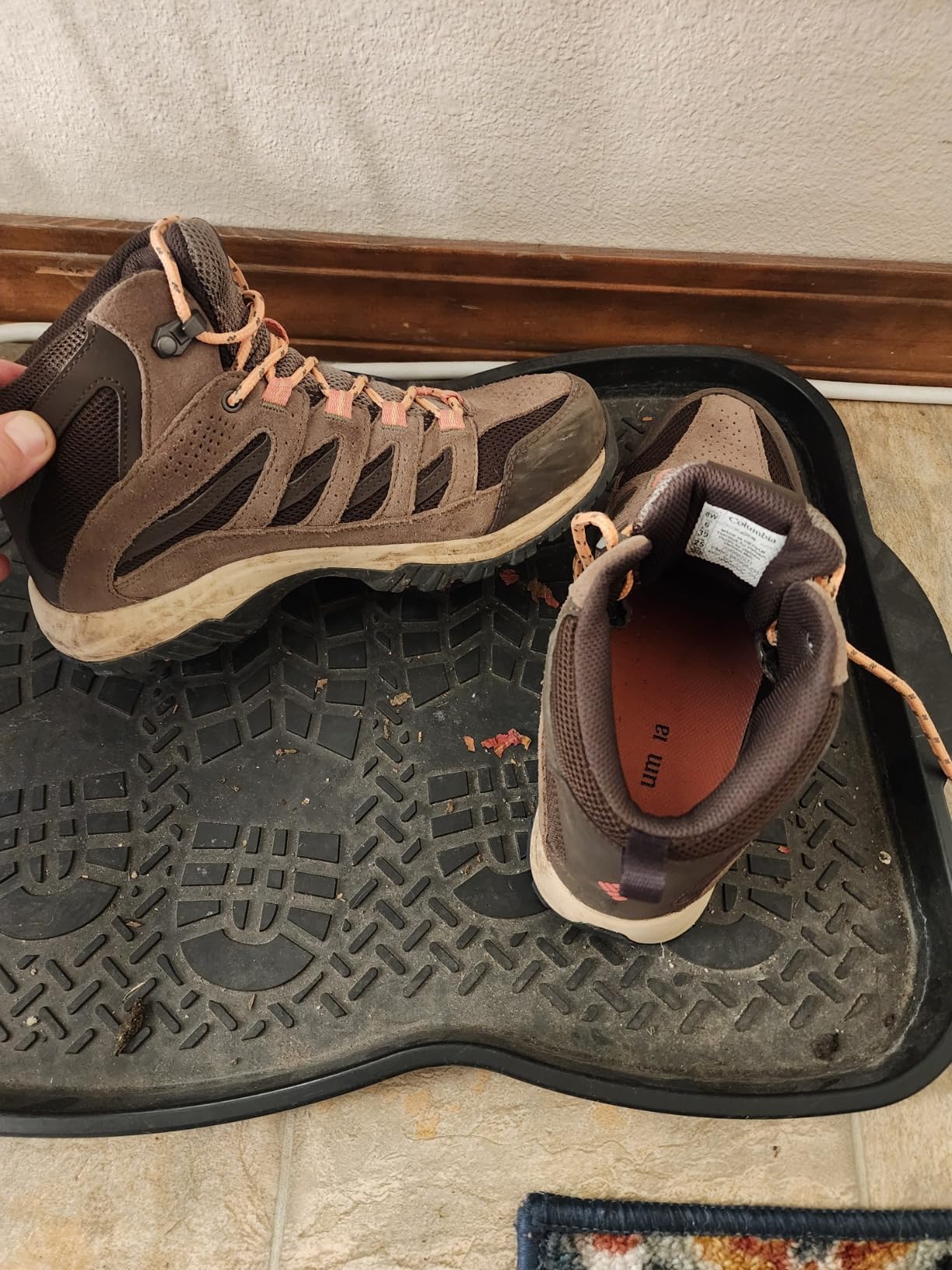
Quick Specs
- 💰 Price: $80–$100 (check latest price)
- ⚖️ Weight: 1.80 lbs per pair (women’s size 8.5, lab-measured)
- 🧪 Midsole: Techlite (Columbia’s EVA-based cushioning with high energy return)
- 👟 Upper: Suede leather + breathable mesh webbing
- 💧 Waterproof system: Omni-Tech — seam-sealed, 3-layer breathable membrane; flood level 4 inches
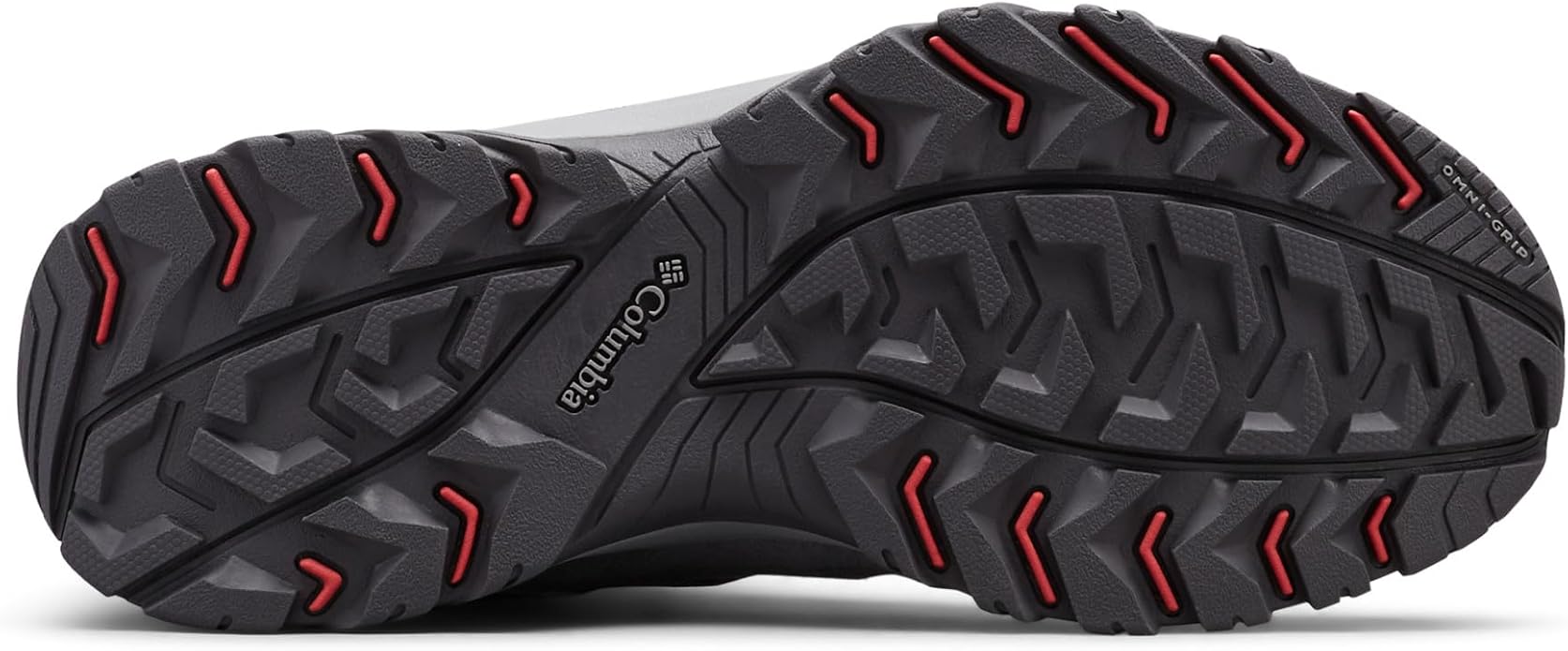
- 🦶 Outsole: Omni-Grip multi-terrain rubber (non-marking)
- 🥾 Ankle support: 5-inch mid-cut cuff, single hook, padded tongue
- 📐 Widths: Standard (D) + Wide (W)
- 🎯 Best for: Day hiking, cool-season trail walking, wide-foot women, budget-conscious hikers
- ⏱️ Testing period: 8 weeks, 25+ sessions, 150+ miles
First Impressions: What Surprised Me Out of the Box
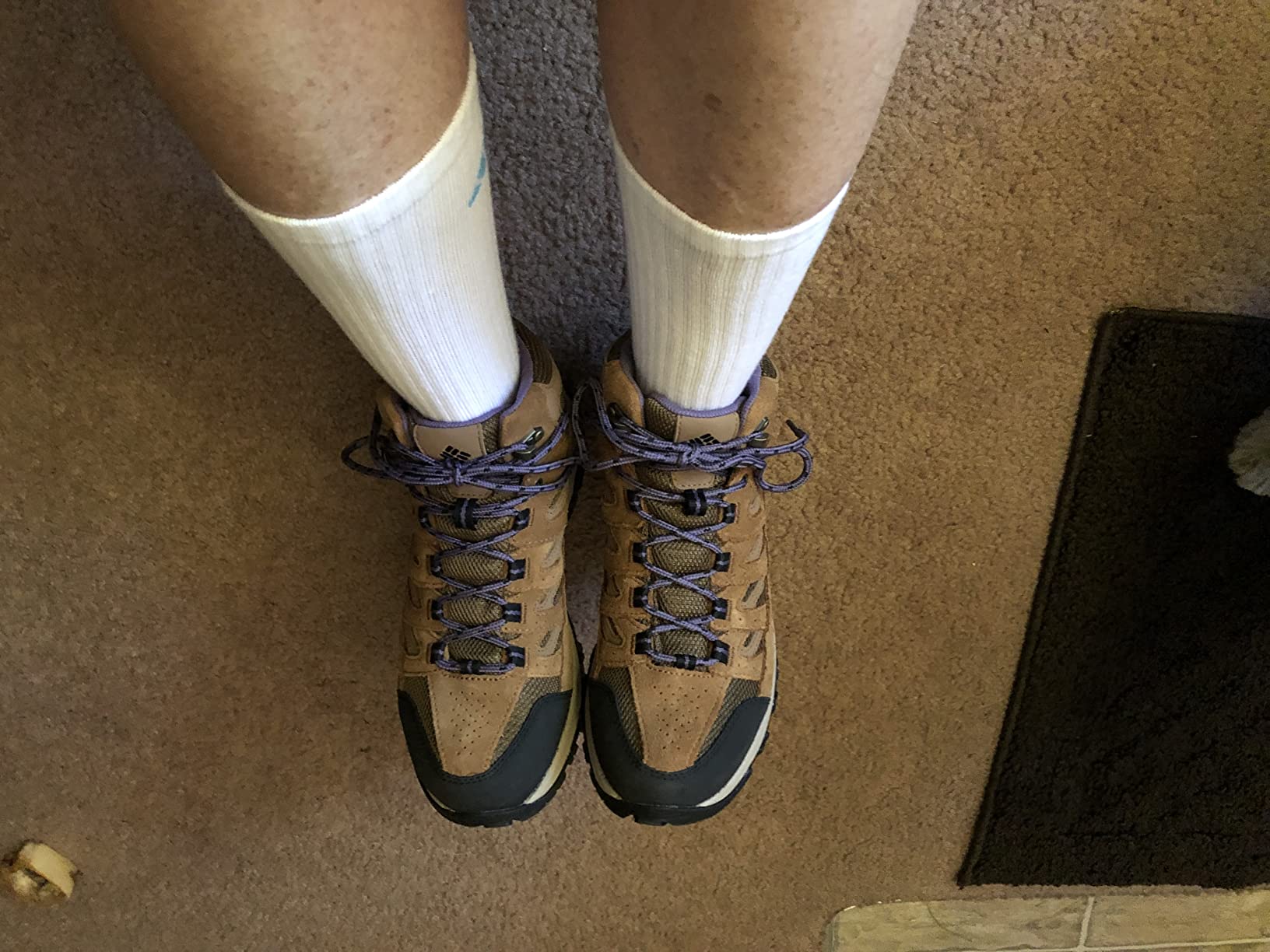
The suede-leather-mesh combination was the first thing I noticed. Not chunky, not intimidating — more like a boot that could survive a trail but wouldn’t look out of place at a farmers market afterward. The stitching is clean throughout, the leather portions have a slightly supple feel right out of the box, and the mesh panels looked like they’d breathe reasonably well (a promise I was eager to put to the test once summer hit).
Weight-wise: picking these up after years with my Timberlands felt like going from cast iron to stainless steel. At 1.80 lbs per pair (confirmed by independent lab testing at women’s size 8.5), they land below the category average of 1.86 lbs. That gap sounds small until you’re at mile 12 and your legs remember every ounce.
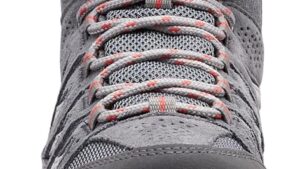
The lacing system uses mesh lace enclosures rather than traditional metal eyelets — smooth to adjust, comfortable to snug up with different sock thicknesses. One thing I learned from extensive testing: those mesh enclosures are also the boot’s primary long-term vulnerability. More on that shortly.
The Sizing Problem — And How to Actually Solve It
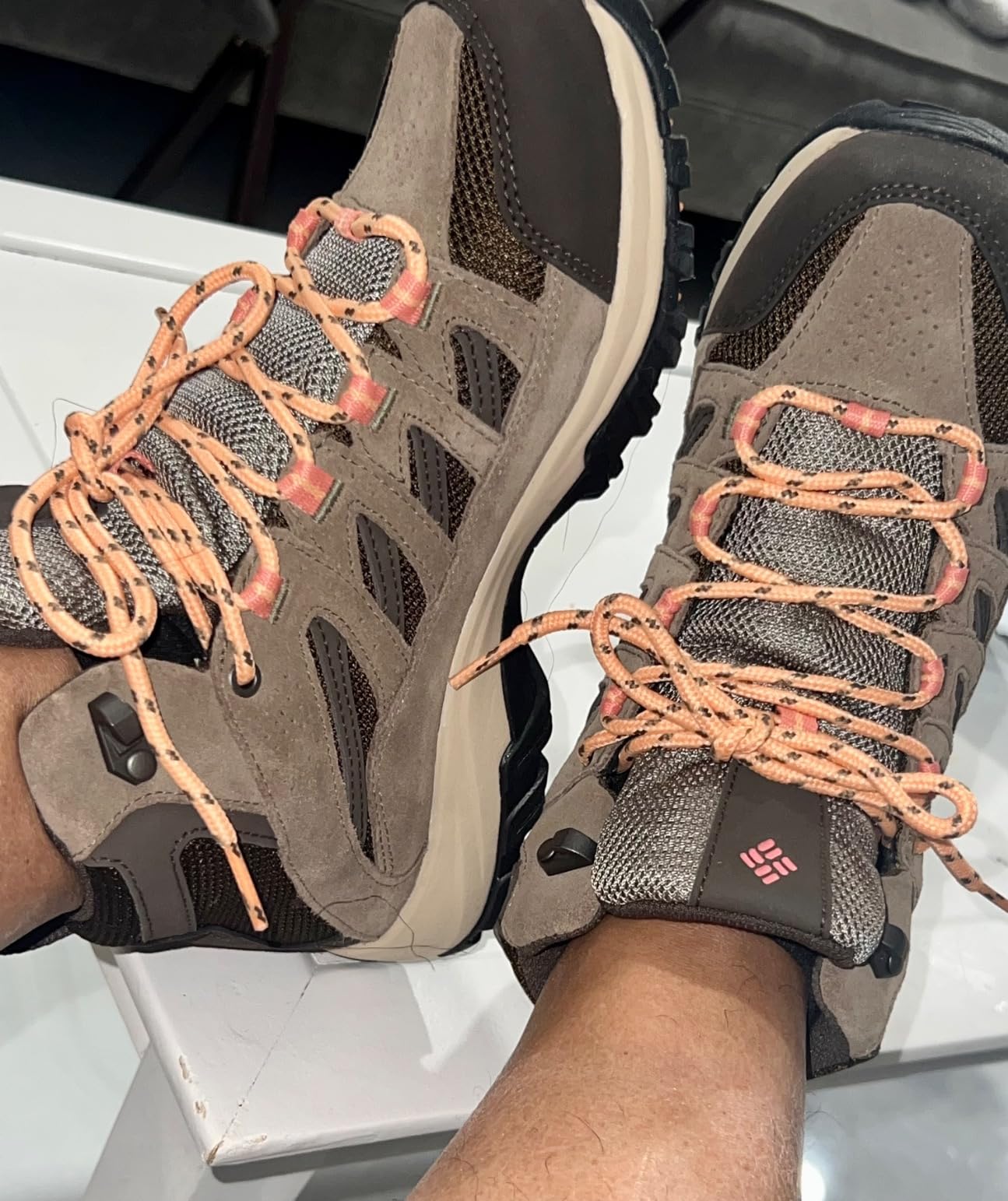
Let’s get this out of the way because it’s the issue that trips people up most. These boots run small — but the “how small” depends on your foot.
I wear an 8 in virtually every other athletic shoe and boot I own. After reading the warning signs in user reviews, I still ordered an 8 and still had to exchange for an 8.5. Even then, with wool hiking socks, I occasionally wished I’d gone up to a 9. The Spanish-speaking hiking community has a shorthand for it: “pedir una talla más” — order one size larger — and they’re right for most people.
Here’s a more precise guide than I’ve seen anywhere else:
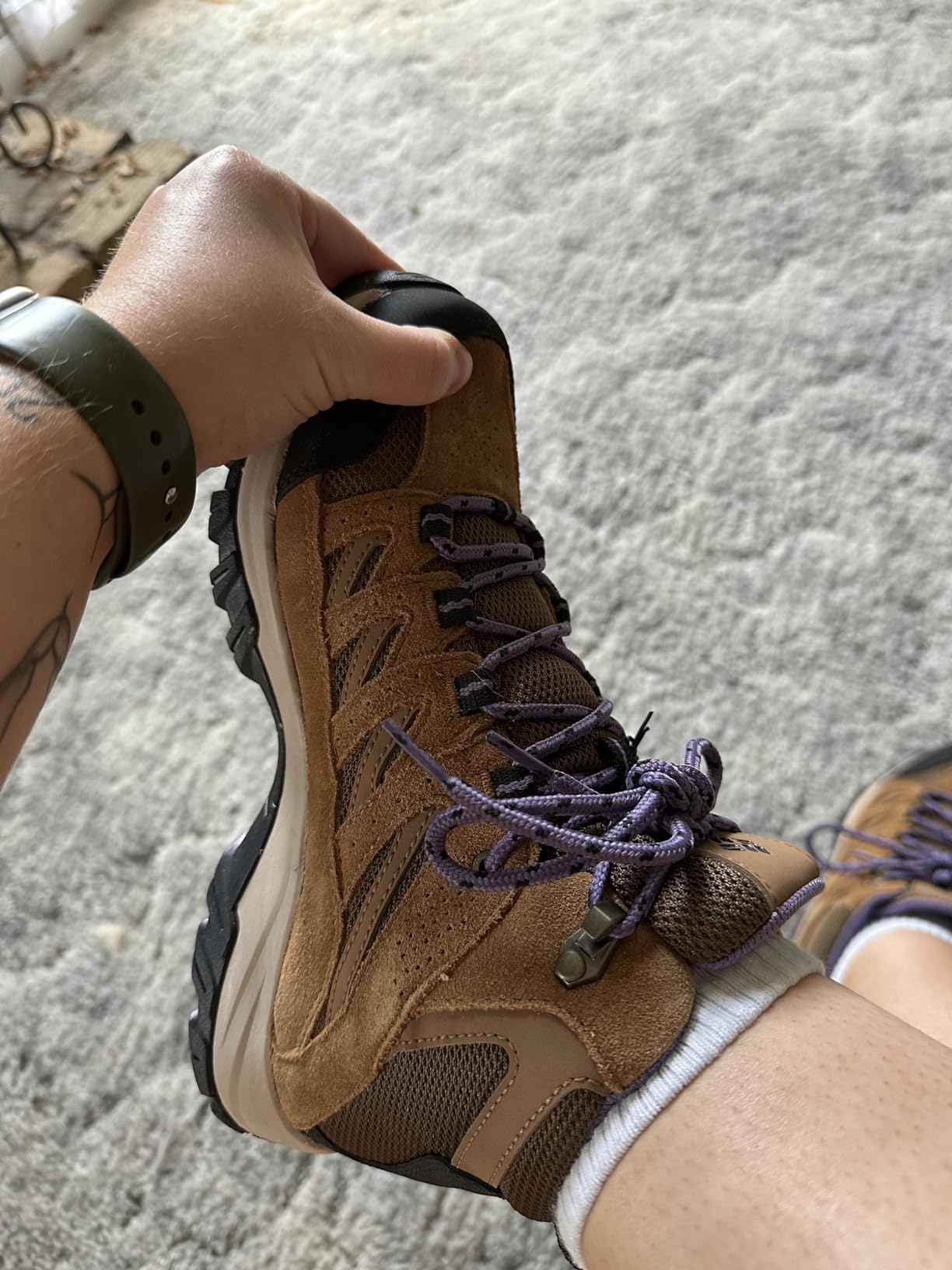
- Standard or narrow feet + thin socks: TTS might work — but size up 0.5 to be safe
- Between sizes (e.g., 8.5 between 8 and 9): Definitely go up to the larger size
- Wide feet: Get the Wide (W) variant or size up 0.5 in the standard
- Planning to wear thick wool hiking socks: Go up a full size from your normal shoe size
Good news: once you land the right size, the boot is genuinely comfortable from the first wear. Zero break-in required — not a figure of speech. Multiple reviewers confirmed it; my experience matched. The ankle collar is padded well enough that there’s no raw rubbing period, which alone puts this ahead of half the boots I’ve tried in this price range.
What “Techlite Cushioning” Actually Feels Like on Real Trails
Columbia’s marketing around Techlite leans on terms like “high energy return” and “enhanced impact absorption.” What I actually felt during my first 6-mile Colorado foothills hike was more straightforward: solid underfoot support without the mushy instability you get from some budget foam compounds. Not plush, not bouncy — just reliably there.
The real test came on a 16-mile day in Rocky Mountain National Park. By mile 10, when most boots announce themselves through foot fatigue, my feet were still reporting for duty. The cushioning didn’t collapse or feel compressed out. This is where lightweight boots sometimes fail — the foam compresses under prolonged load, and you end up walking on thin platforms. The Crestwood’s Techlite held up across that entire day.
One honest caveat: if you have high arches, the minimalist insole will let you down on aggressive uphill climbs. Independent testing by OutdoorGearLab flagged this specifically — their lead tester, who has high arches, noted ball-of-foot fatigue during steep climbs with a pack. If you’re in that camp, budget $15–20 for an aftermarket insole from day one. Sof Sole Athlete Insoles work well without adding excessive bulk, and Valsole Orthotic Insoles are worth considering for anyone dealing with plantar fasciitis or chronic arch pain.
Waterproofing: Where These Excel and Where They Hit Their Ceiling
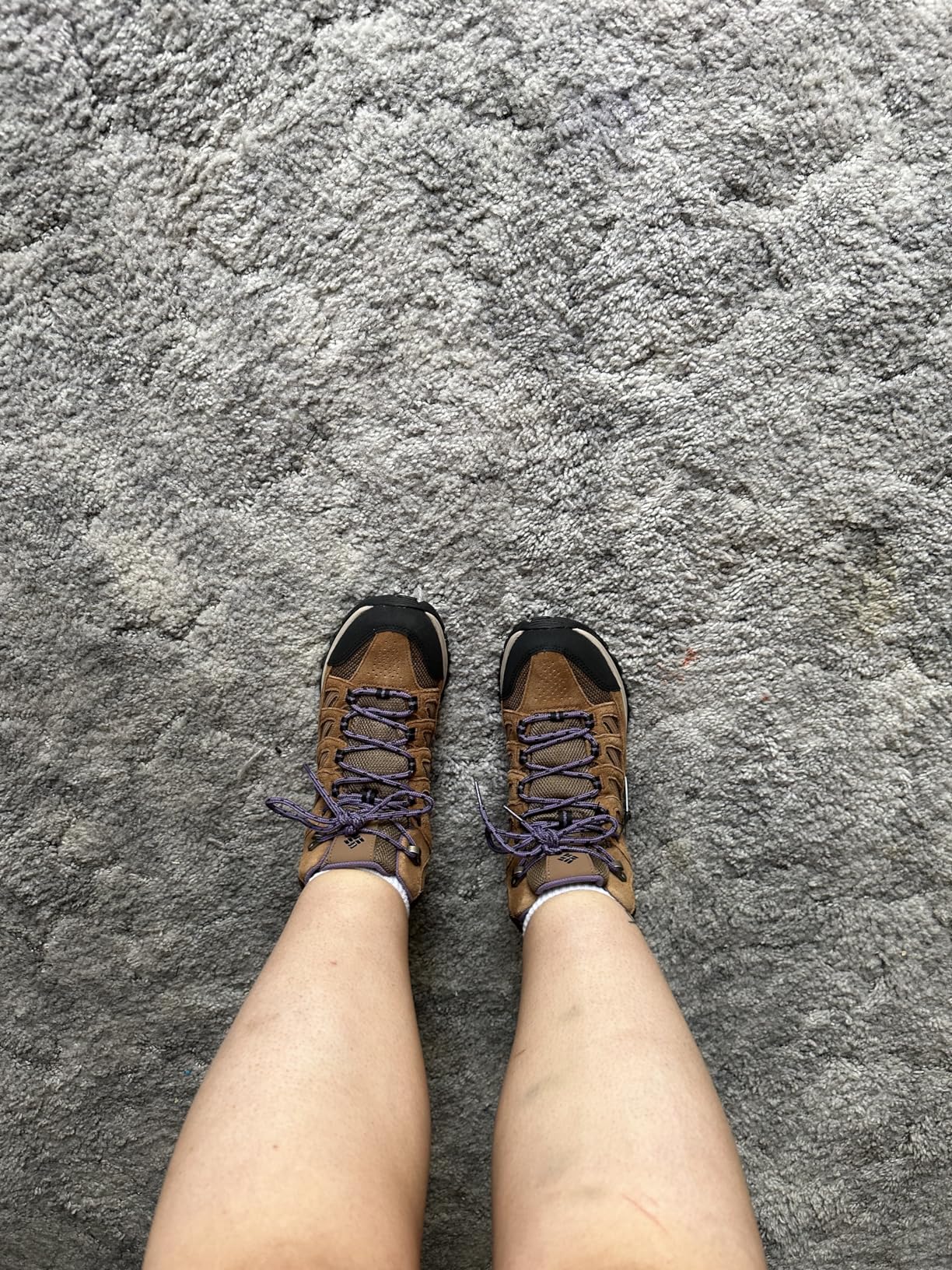
The Omni-Tech system is a seam-sealed, three-layer waterproof/breathable membrane, and Columbia backs it with a “Waterproof. Breathable. Guaranteed.” pledge. The design includes a 4-inch flood level — meaning water needs to reach above that point before it can enter the boot.
During a Pacific Northwest day with steady rain and extended wet grass walking, my feet stayed completely dry through several hours of trail time. The membrane also handled multiple stream crossings in Colorado without any issues. One reviewer documented wearing these during gorilla trekking in the Congo through ankle-deep mud for four hours — no moisture penetration. Another hiked 35+ miles along Lake Superior’s North Shore and praised both warmth and dryness.
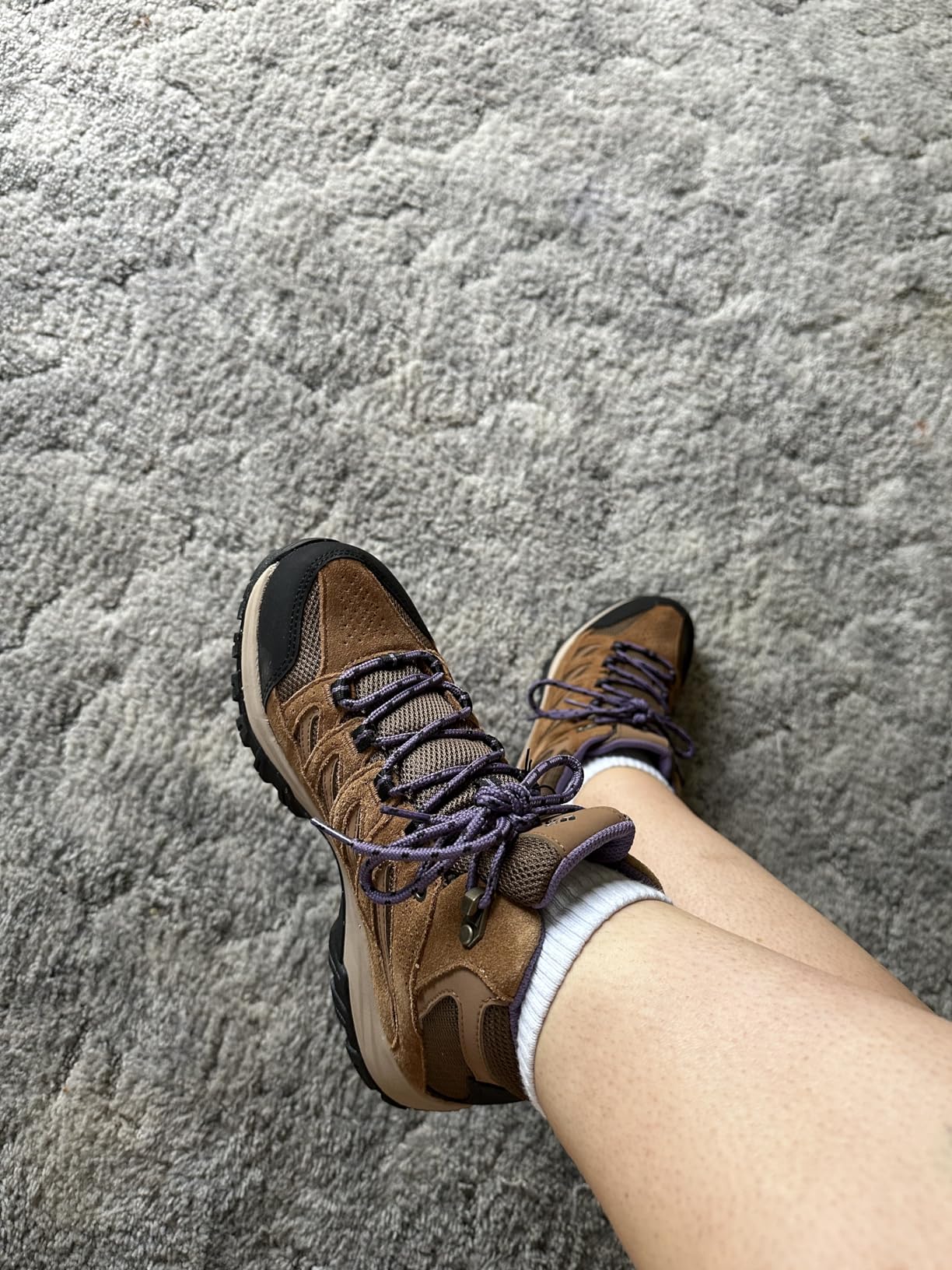
That said, I’ll be straight about the limits. When I stepped into a deeper puddle that came above the collar, water found its way in — but that’s a feature, not a flaw; every waterproof boot has a collar limit. The bigger caveat is quality control: user feedback suggests waterproofing effectiveness varies between production batches. Some pairs hold up beautifully over years of use; others show moisture penetration earlier. If you buy from a retailer with a solid return policy and your pair passes your first few rainy-day tests, you’re likely in good shape.
Above 80°F, these run noticeably warm — the Omni-Tech membrane, while breathable, isn’t as ventilated as a full mesh boot. Warm-weather hiking above that threshold calls for thinner socks, or considering the non-waterproof Crestwood low-top for better airflow.
Traction on the Ground: Rocky, Muddy, and Everything in Between
The Omni-Grip outsole brought genuine confidence on the terrain I tested most — granite slabs in Boulder’s Flatirons area, mixed scree, and rocky descents in Rocky Mountain National Park. The multi-directional tread pattern bit well on wet rock surfaces, which is where cheaper rubber compounds tend to fail first. Wooden boardwalks, wet stone steps, and packed muddy trail all felt secure.
Where the grip has limits: loose sand and fine gravel. OutdoorGearLab’s testing confirmed this — the lug pattern isn’t as deep as boots built specifically for off-trail scrambling, so loose substrate doesn’t get grabbed as effectively. For maintained trails and moderate terrain, this won’t matter. For loose desert sand or technical off-trail hiking with heavy weight, it’s worth knowing before you commit.
One detail most reviews skip: the non-marking claim is legitimate. I tested these on indoor gym floors and light-colored vinyl after wet trail use — no scuffing.
The Ankle Cuff and a Small Pro Tip Nobody Talks About
The 5-inch ankle cuff has only a single hook at the top of the lacing system, which sounds minimal. In practice, it works because the padded tongue nests snugly inside the cuff rather than riding away from it. The result is lateral stability that held up during boulder-hopping and uneven terrain without feeling rigid or restrictive.
Here’s a tip from OutdoorGearLab’s extended testing that I haven’t seen mentioned elsewhere: the mesh lace enclosures are the first point of potential wear, especially if you lace tightly. To reduce stress on them, reverse the direction of the final (top) lace when threading it — it lets you cinch the boot firmly without putting torque on the mesh attachment points. It sounds minor, but after months of use, the difference in wear on those enclosures is meaningful.
Durability: Honest Assessment After 8 Weeks
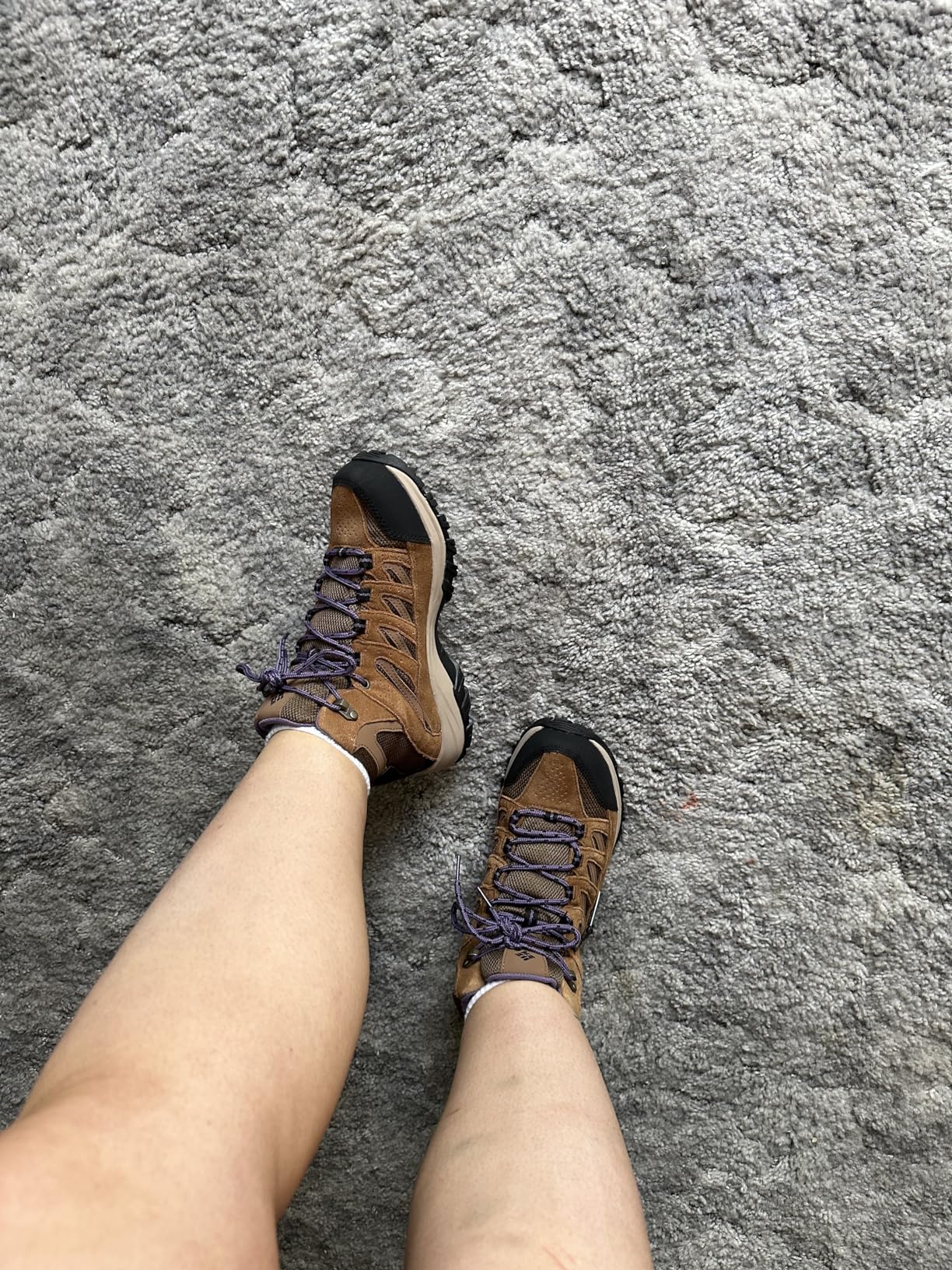
My pair showed zero issues after 8 weeks and 150+ miles. No sole separation, no stitching failures, no mesh tearing. But I’m not going to tell you that’s the full story, because the community data says otherwise for some buyers.
Sole separation appears in user reviews at the 3–6 month mark for boots that see frequent use. The primary structural risk, based on independent testing, is the mesh upper at flex points — the stitching that holds the mesh to the suede leather panels could be compromised by sharp rocks or aggressive terrain over time. Here’s how I’d frame the durability expectations:
- Light recreational use (1x/week): 18 months to 2+ years
- Moderate use (2-3x/week, maintained trails): 8–12 months
- Heavy use or rough terrain regularly: 4–6 months before issues may appear
For a $80–$100 boot, moderate-use durability of 8–12 months is reasonable. The concern is QC variance: some pairs last for years with the same use frequency, others fail at month four. Buying from a retailer with a solid return policy mitigates this risk.
Who Should Buy These — and Who Should Look Elsewhere
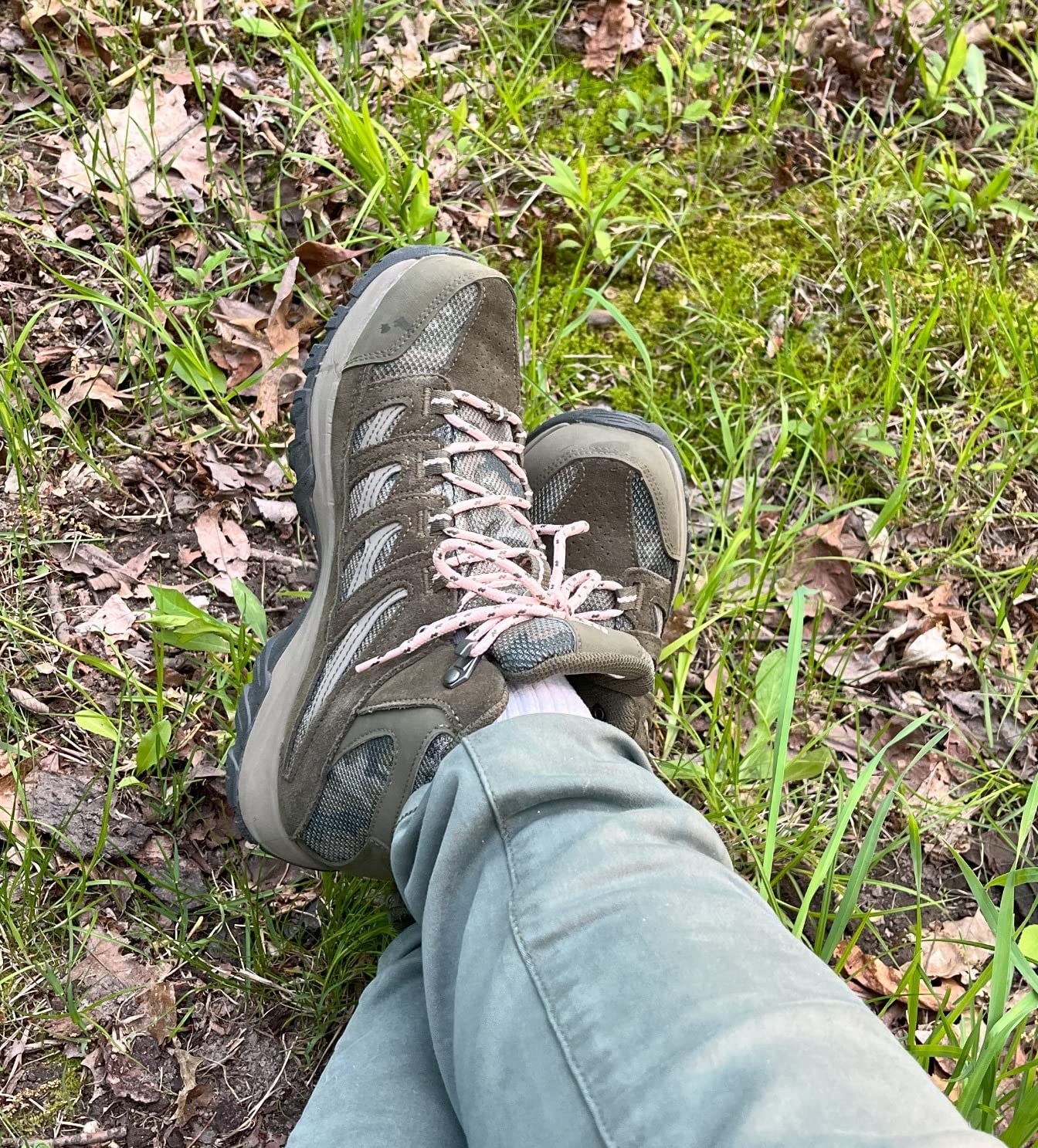
✅ These Work Well If You Are:
- A recreational day hiker doing maintained trails in varied conditions
- Someone transitioning from everyday sneakers who wants ankle support without a stiff leather boot
- A wide-foot woman — the Wide variant and the sizing-up approach both work well here
- Budget-conscious and comparing $100 here to $160+ for Merrell or $200+ for Salomon
- Someone who hikes cool-season months (40–75°F sweet spot)
- An outdoor worker who needs waterproof protection for light outdoor work
⚠️ Think Twice If You Are:
- Planning serious multi-day backpacking with heavy loads
- Hiking frequently in very wet climates (QC waterproofing variance is a real concern)
- A high-arch hiker who can’t swap the insole
- Hiking primarily in summer heat above 80°F
- Tackling technical off-trail terrain where deep-lug outsoles matter
- Someone with very narrow feet who needs a snug fit across the whole boot
Value Comparison: $100 vs. The Alternatives
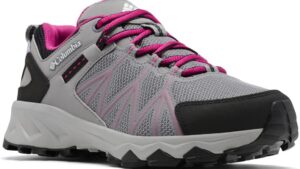
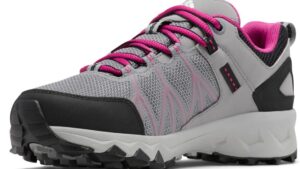
The recreational hiking shoe market at this price tier doesn’t have many options that check as many boxes. The Merrell Women’s Moab 3 delivers more consistent waterproofing and durability, but it costs $160 — 60% more than the Crestwood. The difference in performance for most day hikers is marginal. If you want a low-cut alternative within the Columbia family with better breathability, the Columbia Granite Trail Mid Waterproof is worth comparing — it uses Outdry waterproofing, which tends to be more breathable than Omni-Tech. Columbia’s Peakfreak II OutDry offers a more technical outsole for rough terrain. KEEN’s Women’s Circadia is a strong alternative for those prioritizing toe box width and KEEN’s legendary toe protection. For budget-focused buyers who want a lighter option, NORTIV 8 Women’s Waterproof Hiking Shoes undercut the Crestwood on price while offering decent waterproof performance, though the overall construction quality shows the difference.
If waterproofing consistency is your non-negotiable and budget allows, the Merrell Moab 3 is worth the price difference. If you’re comfortable accepting some QC variance in exchange for $60 in savings, the Crestwood delivers the fundamentals well.
Cost math: at $100 over 8–12 months of moderate use, you’re looking at roughly $9–12/month. At the 18-month light-use lifespan, that drops to about $5–6/month — genuinely excellent for a waterproof mid-cut hiking boot in this category.
What Other Hikers Are Saying
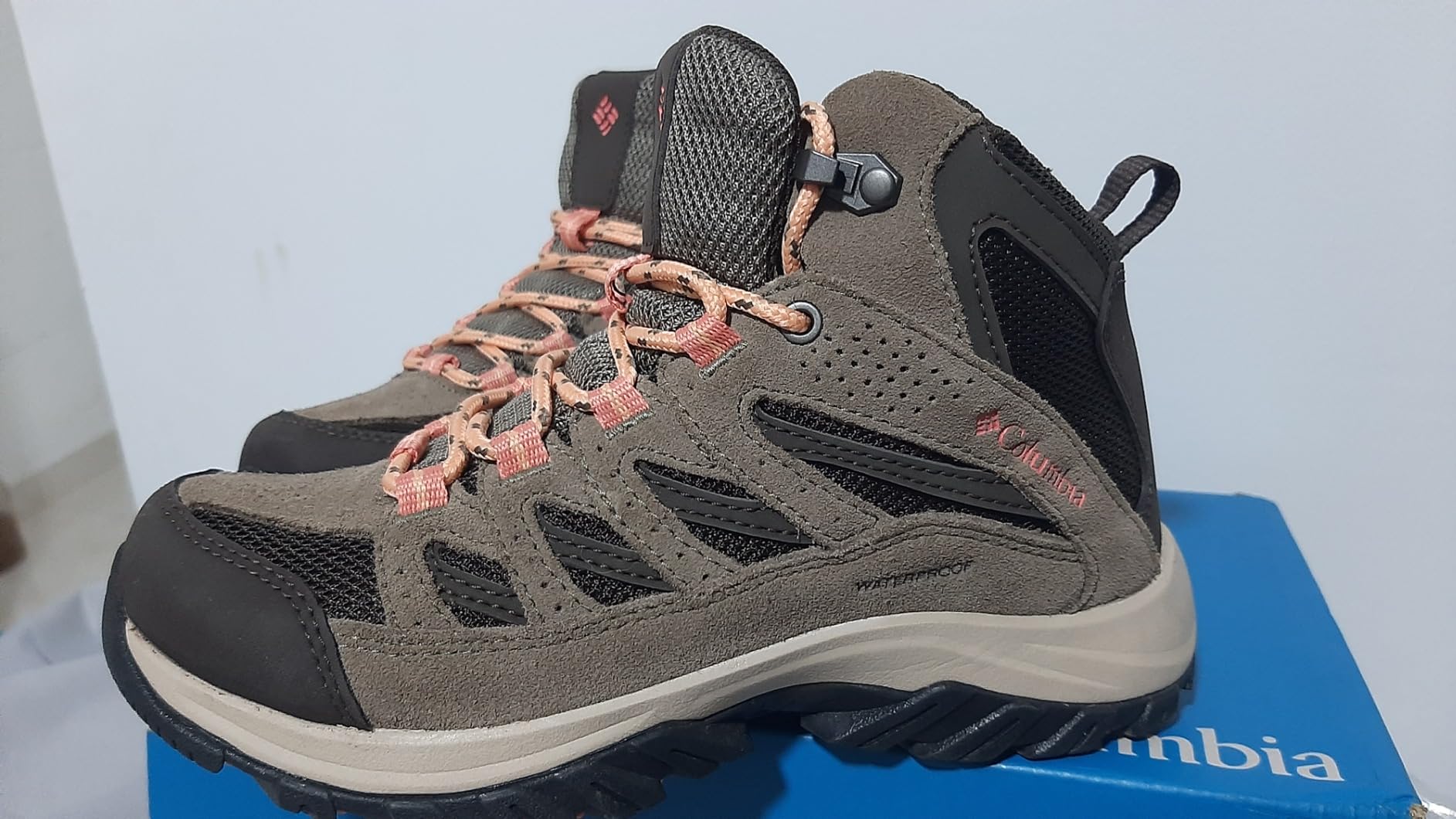
The pattern across hundreds of user reviews is consistent: immediate comfort and lightweight feel are the most praised features, with the sizing issue appearing in almost every thread. A nursery worker described the experience as “so comfortable — I don’t feel like I’m lugging around boots. Light on my feet but sturdy and warm.” That captures the boot’s core strength.
The durability split in the reviews is real and worth acknowledging. Some users are on their third pair and wouldn’t hike in anything else. Others report sole separation inside of six months. This variance suggests manufacturing batch inconsistencies rather than a fundamental design flaw — which is why the return policy advice matters.
My Overall Score
- Comfort: 8.5/10 — Immediate out-of-box comfort; no break-in; Techlite holds up through long days
- Waterproofing: 7.0/10 — Excellent for typical conditions; limited by QC variance and heat
- Durability: 6.5/10 — Mixed QC; mesh lace enclosures are the weak point; use-tier dependent
- Traction: 8.0/10 — Excellent on rock and packed terrain; loses grip on loose sand/gravel
- Weight: 9.0/10 — Below-average category weight; noticeably lighter than traditional leather boots
- Value: 8.0/10 — Strong performance-to-price ratio if you get a good production batch
- Sizing: 4.5/10 — Consistent confusion across all user sources; decision matrix helps but shouldn’t be necessary
- Style: 7.5/10 — Versatile enough for trail-to-town; multiple colorways
Overall Score: 7.4/10
Final Verdict
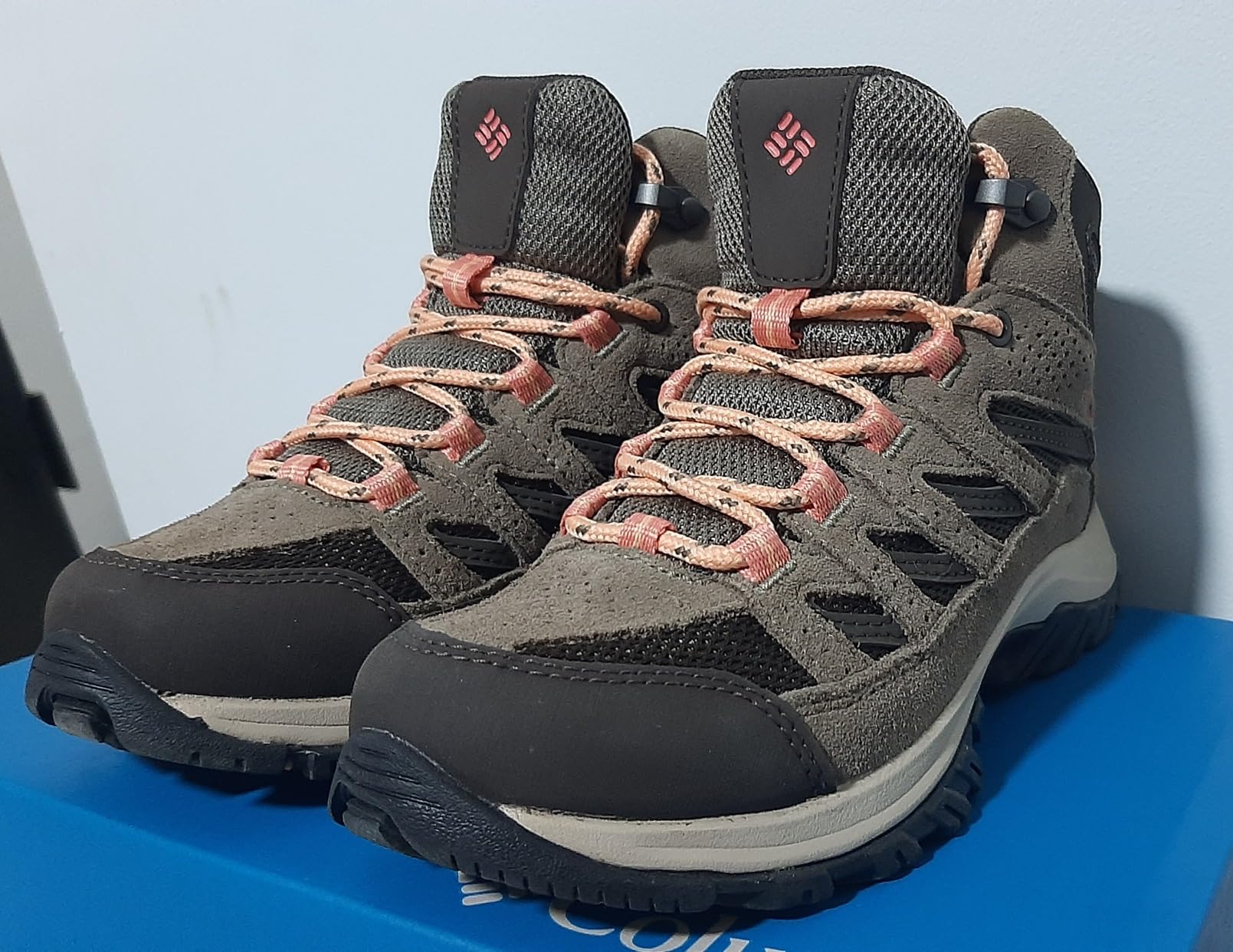
Eight weeks and 150+ miles later, the Columbia Women’s Crestwood Mid is still on my feet for every trail outing that doesn’t require technical footwear. Alongside a pair of lightweight hiking sandals for warmer rest-day trails and the Merrell Women’s Bravada 2 Waterproof for lighter days when I don’t need full ankle support, these round out my three-season outdoor footwear rotation. The combination of immediate comfort, genuine lightweight feel, and real waterproofing capability at $80–$100 is difficult to match in this market. The sizing confusion and QC inconsistency are legitimate concerns, not nitpicks — but they’re also manageable with the right information going in.
Order from a retailer with a solid return policy. Size up at least half a size, and a full size if you plan to wear thick socks. Use the reverse-lace technique on the top eyelet. If you have high arches, grab an aftermarket insole from the start. Do those things, and you’re more likely to end up with the pair that earns a “wouldn’t hike in anything else” review than the one that ends up being returned.
For recreational hiking boots under $100, this is among the better options available. It just requires a bit more homework to get right than it should.
Frequently Asked Questions
How much should I size up for the Columbia Crestwood Mid?
Most women should size up at least 0.5 from their normal athletic shoe size. If you plan to wear thick wool hiking socks, go up a full size. Wide-foot women should either get the Wide (W) variant or size up 0.5 in standard width. If you’re between sizes — say, your foot measures between 8 and 8.5 — always go up to the larger size.
Is the waterproofing reliable?
For typical day-hiking conditions — light to moderate rain, wet grass, shallow puddles, stream crossings — the Omni-Tech system performs well. The design has a 4-inch flood level before water can enter. The caveat is QC variance: some pairs maintain excellent waterproofing over years, others degrade sooner. Buy from a retailer with easy returns and test your pair in wet conditions early.
Do these work for wide feet?
Yes, and this is one of their genuine strengths. Columbia offers a Wide (W) variant specifically, and numerous wide-foot reviewers praise the fit when sized up appropriately. The lacing system allows good width adjustment throughout the upper.
How long do these last with regular use?
Durability varies by use intensity and production batch. For 2–3 hikes per week on maintained trails, expect 8–12 months before potential issues. Light weekend use can extend that to 18 months or more. Heavy or rough-terrain use may see problems at 4–6 months. The mesh upper stitching at flex points is the first thing to watch.
What’s the break-in period?
Essentially none. This is the boot’s most consistent standout feature across all reviews — immediate comfort from the first wear, including the ankle collar area where most hiking boots cause the most initial discomfort. No blisters, no hotspots in the first sessions.
Are these suitable for backpacking?
Light backpacking with packs under 25–30 lbs is manageable, but the Crestwood’s minimalist insole will cause arch and ball-of-foot fatigue on extended days with heavy loads. For serious multi-day backpacking, a more structured boot is a better choice. For day hikes and overnights on maintained trails, these perform well.
How warm do these run?
The Omni-Tech membrane reduces breathability compared to non-waterproof boots. Above 80°F, feet will run noticeably warm. For summer hiking in hot climates, consider thinner technical socks, or look at the non-waterproof Crestwood variant for better ventilation.
Is there a lacing tip to protect the mesh eyelets?
Yes — OutdoorGearLab’s testers found that reversing the direction of the final (top) lace when threading reduces torque on the mesh lace enclosures. Since these don’t have metal eyelets as backup, protecting the mesh attachments helps extend the lacing system’s lifespan.
Scoring Summary
| Category | Score (1-10) | Key Finding |
|---|---|---|
| Comfort & Fit | 8.5 | Immediate comfort, no break-in — once sized correctly |
| Waterproof Performance | 7.0 | Excellent for typical conditions; QC variance is real |
| Durability | 6.5 | QC lottery; mesh lace enclosures are primary risk |
| Traction & Grip | 8.0 | Excellent on rock/packed terrain; limited on loose sand |
| Weight & Design | 9.0 | 1.80 lbs lab-measured; below category average |
| Value for Money | 8.0 | ~$9–12/month at moderate use; $5–6/month light use |
| Sizing Accuracy | 4.5 | Consistent small — decision matrix provided above |
| Style | 7.5 | Trail-to-town versatile; multiple colorways |
| Overall Score | 7.4 | Solid recreational day hiking boot at accessible price |
Bottom Line: Size up, buy from a good retailer, add an aftermarket insole if you have high arches — and the Columbia Women’s Crestwood Mid Waterproof delivers legitimate day-hiking capability at a fraction of what premium alternatives cost.
Be the first to review “Columbia Women’s Crestwood Mid Waterproof Hiking Boots”
Related products
Hiking/Trekking Shoes
Hiking/Trekking Shoes
Hiking/Trekking Shoes
Hiking/Trekking Shoes
Hiking/Trekking Shoes
Hiking/Trekking Shoes
Hiking/Trekking Shoes
Hiking/Trekking Shoes
Reviews
There are no reviews yet.