
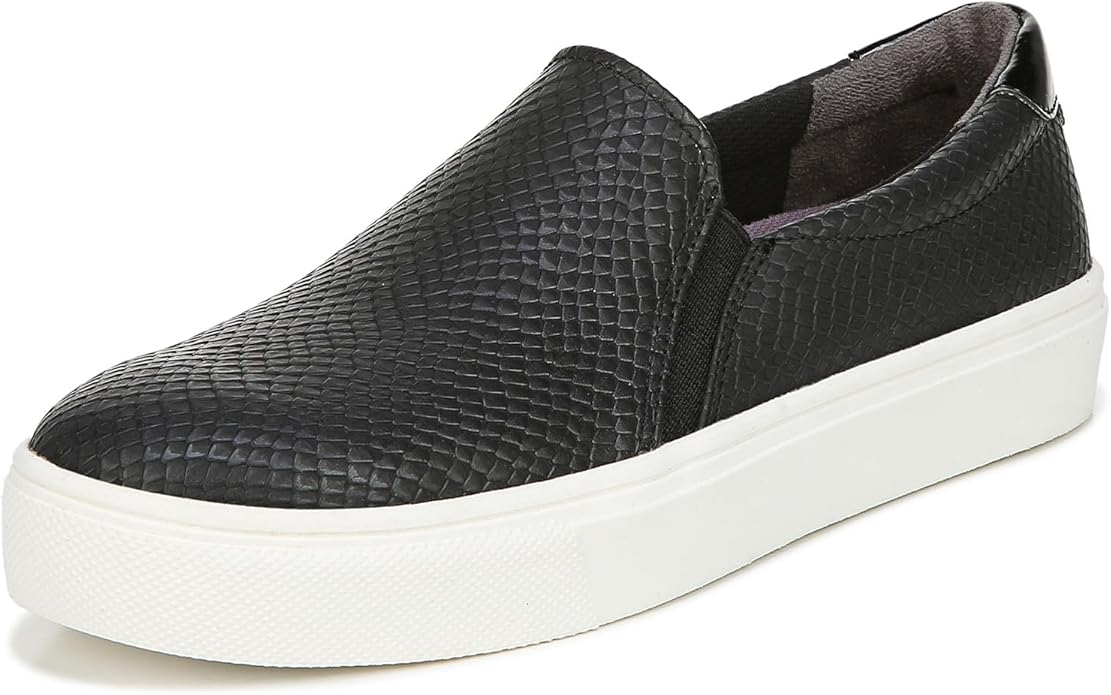
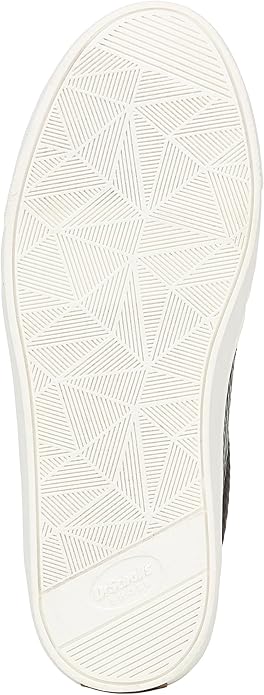
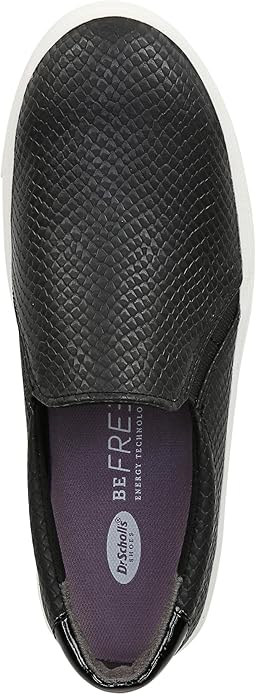
Dr. Scholl’s Shoes Women’s Nova
$55.00
- 💰 Price: $45–65 (varies by retailer and sale)
- ⚖️ Weight: ~8.2 oz per shoe (women’s size 8)
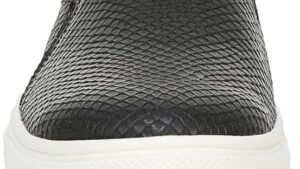
- 👟 Upper material: Synthetic faux leather with recycled plastic bottle linings
- 👠 Platform height: 1¾ inches
- 🧪 Insole technology: Dr. Scholl’s Insole Technology — anatomical arch support, antimicrobial
- 🏃♀️ Category: Lifestyle slip-on sneakers
- 🎯 Best for: All-day casual wear, travel, office/work environments
- ♻️ Sustainability: Upper, lining, toe box, heel counter all include recycled plastic bottle material
My last pair of casual slip-ons gave out during a Saturday that included three errands, one work lunch, and exactly zero willingness to deal with foot pain. The heel lining had worn through, the sole was peeling at the toe, and I’d been ignoring it for weeks because honestly, replacing shoes felt like one more thing on an already full list. When I finally went looking for something better, the Dr. Scholl’s Nova kept showing up — good price, clean design, that platform sole that looked like it might actually hold up. So I bought them. Then I tested them for six weeks across every real scenario I could throw at them. Here’s the full truth.
Design, Build Quality & Real-World Performance
First Impressions & Construction
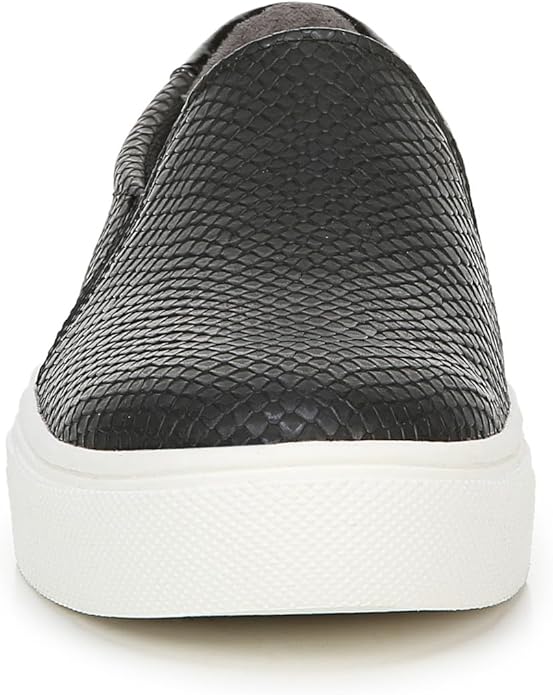
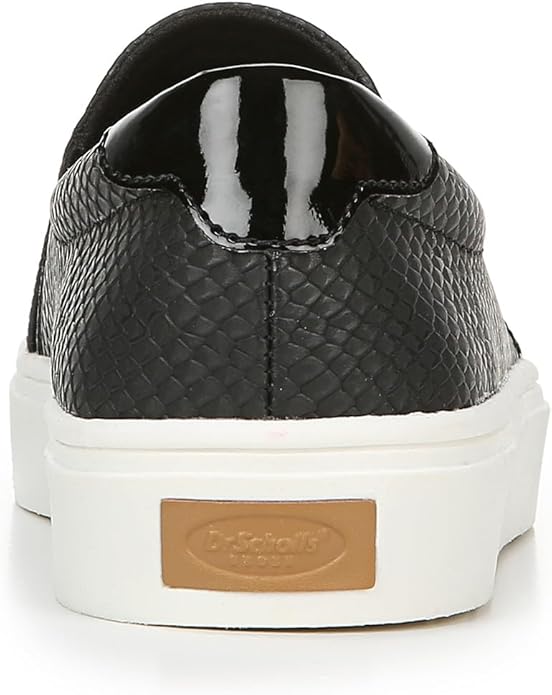
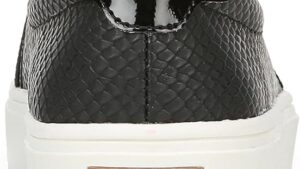
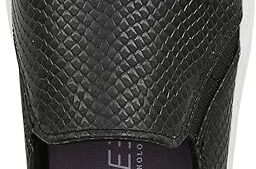
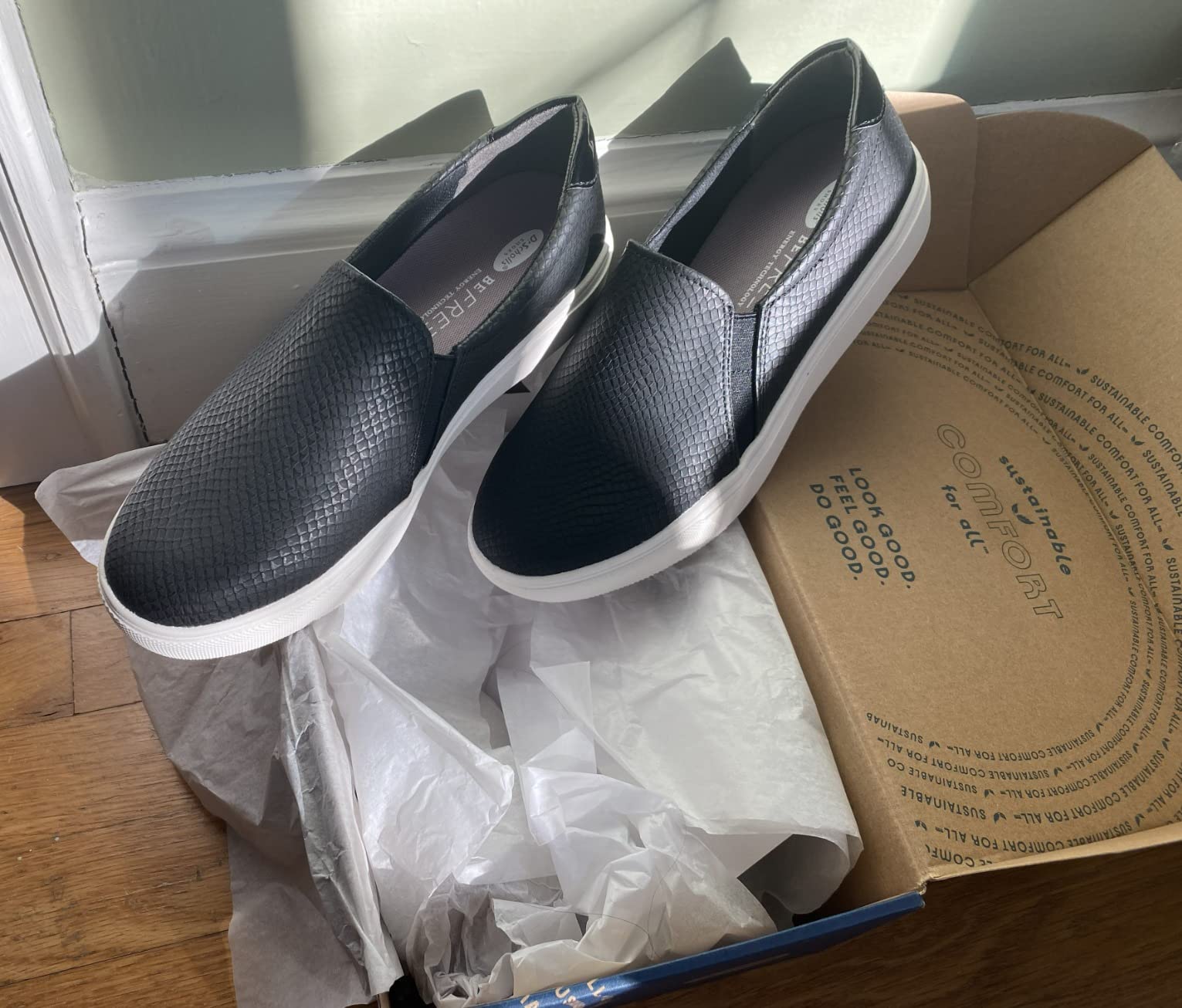
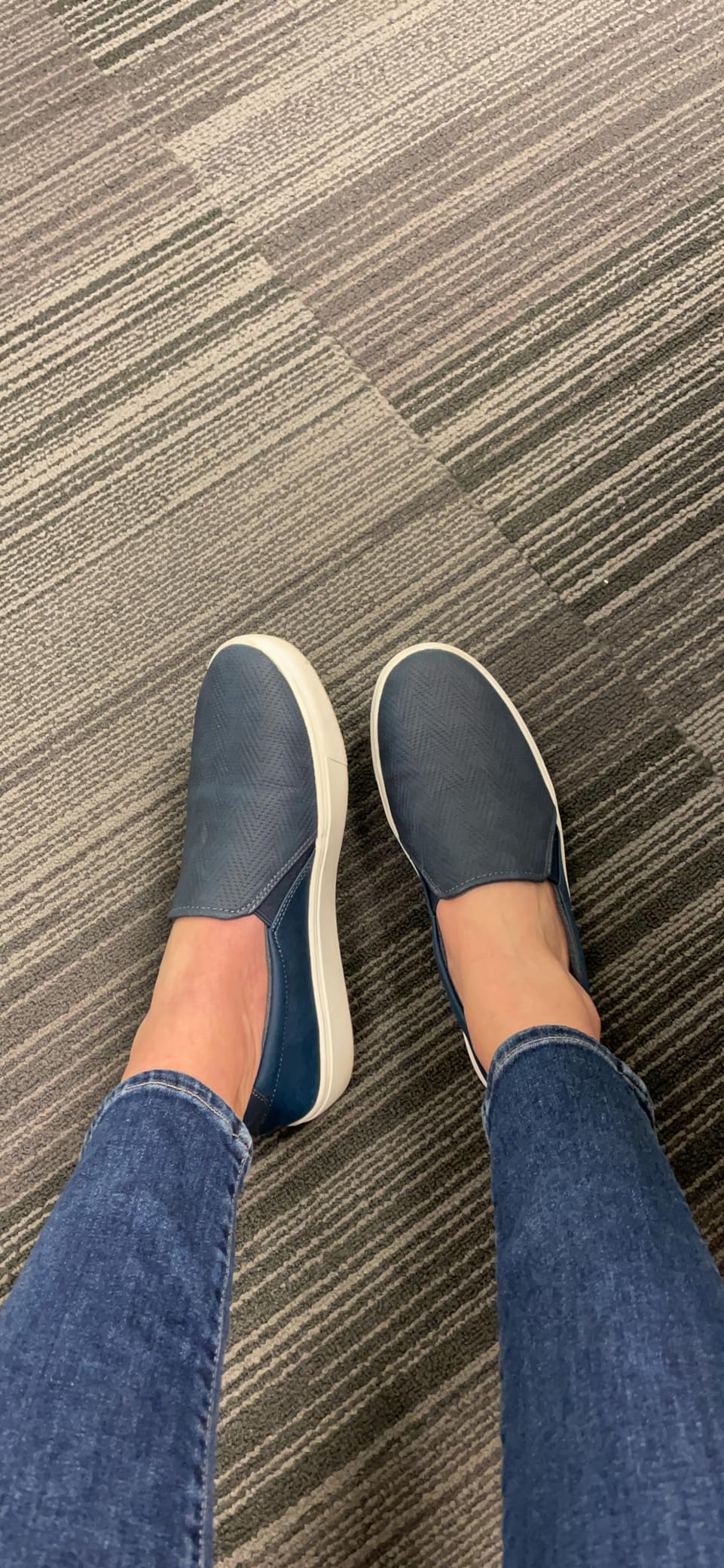
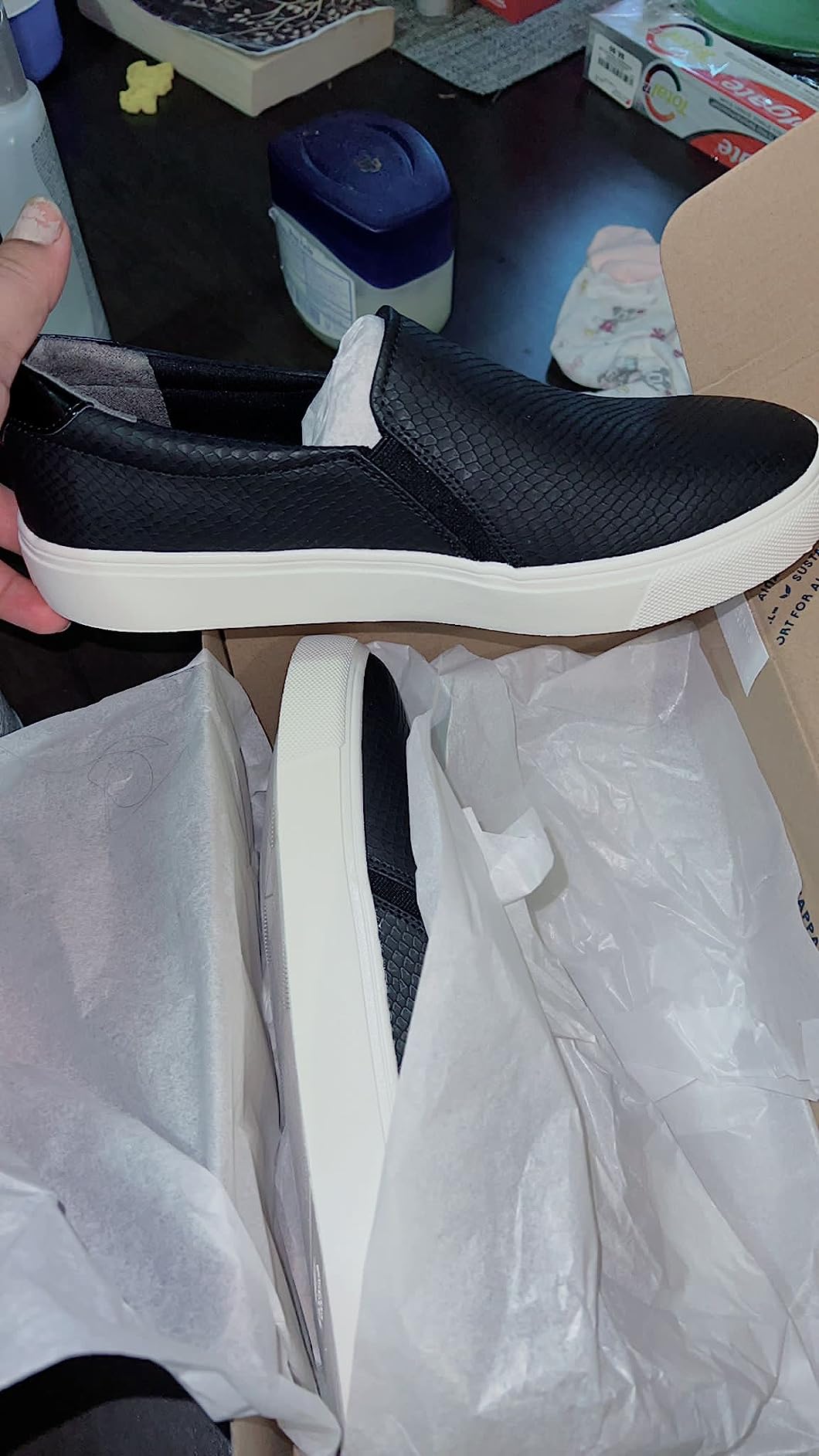
Out of the box, the Nova looks more expensive than the price tag suggests. The synthetic upper has a smooth, almost leathery finish — none of that plasticky sheen you sometimes get with budget shoes. The stitching is tight, the padded collar feels substantial, and the twin gore elastic panels sit flush without bunching. For a shoe under $65, the construction feel is genuinely solid.
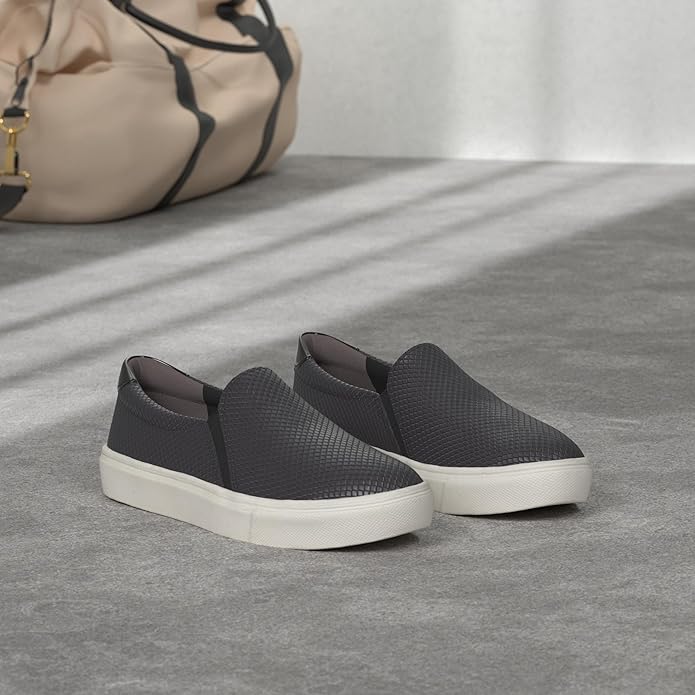
One detail I appreciated: the platform isn’t the chunky, awkward kind that makes you look like you’re wearing platform platform fashion sneakers. It’s subtle — a measured 1¾ inches that adds visual height without changing your silhouette dramatically. The overall aesthetic is clean enough to work with jeans, casual dress pants, or a flowy skirt without looking like you’re trying too hard.
The sustainability angle is worth acknowledging briefly: the recycled bottle materials are verified, not just marketing. That said, they feel identical to regular synthetic, so there’s no performance difference either way. It’s a nice choice if eco credentials matter to you.
The Fit Reality Check — Sizing Is Everything
Let me be direct here because sizing is where most shoppers go wrong with the Nova, and no one seems to explain it clearly.
The regular width runs narrow. Even with average-width feet (I’m a standard size 8 medium), the regular fit was snug across the midfoot and particularly tight at the toe box. Not “break-in tight” — genuinely constricting. I switched to the 8W (wide), which was the right call for my feet. But — and this matters — the wide width runs slightly long in length. My size 8W was comfortable in width but a fraction too long.
The practical takeaway from all this: if your feet are medium-width, try the wide width in your regular size, then assess whether the length feels off. If it does, consider sizing down half a size in the wide. If you have genuinely wide feet, you might still find the wide insufficient — several customers with wide feet reported the same frustration. The sizing here isn’t a disaster, but it’s definitely a puzzle that requires patience and a retailer with a good return policy.
The Zappos fit survey shows 79% mark “true to size” in length, which checks out — the length problem only shows up in wide widths. Width satisfaction is more mixed. Plan for at least one exchange.
All-Day Comfort & Support
Once I had the right size sorted, the comfort surprised me — in a good way. The Dr. Scholl’s Insole Technology isn’t just a branded name for a foam insert. There’s actual anatomical contouring under the arch that you feel within the first 20 minutes. For comparison, my previous slip-ons had completely flat insoles, and the difference was immediately obvious.
The most telling test: a 10-hour day that included three hours standing at a work event (concrete floor, no relief in sight), a grocery run mid-afternoon, and two hours walking around an outdoor market in the evening. Feet felt genuinely fine throughout — not “fine for a $60 shoe” fine, but actually comfortable. No significant soreness by end of day, which is not something I can say about every shoe in my rotation.
The 1¾-inch platform contributes to this in an underappreciated way. It keeps your foot slightly elevated, which reduces direct impact on the ball of the foot during long walks. I noticed this most clearly on concrete — the cushioning felt more generous than the specs would suggest. There’s a trade-off though: the platform adds weight compared to a flat slip-on, and it takes a few wears to feel natural if you’re not used to any heel elevation.
Performance in Various Lifestyle Scenarios
Work Environment Testing
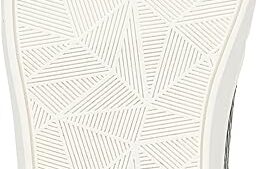
For office environments, the Nova performs well above its price point. The slip-resistant rubber sole handled various surfaces without issue — hardwood conference room floors, polished tile corridors, carpeted common areas. Traction was reliable across all of them.
The business-casual aesthetic works. Not “will pass for formal shoes if no one looks closely” — genuinely appropriate for office settings that don’t require heels. A colleague asked where I got them, and I did not say “Dr. Scholl’s” immediately because I wasn’t sure they’d believe me at the price.
Travel days are where the slip-on design really proves its value. Airport security, where you’re shuffling in socks across a gray plastic tray, is significantly less miserable when your shoes take three seconds to remove and replace. I also wore these on a full travel day — flight, rental car pickup, evening walk around a city I’d never visited — and the comfort held through all of it.
If you’re in healthcare or any profession that involves long shifts on your feet, the arch support does help. That said, compare them against something purpose-built like the Skechers Ghenter Bronaugh before committing to a work shoe you’ll wear daily — durability matters a lot more in that context (more on that shortly).
Weekend Errands & Casual Outings
Weekend errands — grocery trips, farmers market Saturday mornings, casual coffee meetups — are where these shine in terms of lifestyle fit. The slip-on convenience eliminates the small friction of lacing up for quick outings. The design pairs with essentially any casual outfit. And the comfort carries through multi-stop days without complaint.
Light rain is manageable. The synthetic upper handled a couple of unexpected drizzles without any water seeping through. Don’t test them in actual rain — they’re not waterproof and won’t pretend to be — but a light shower won’t ruin your day.
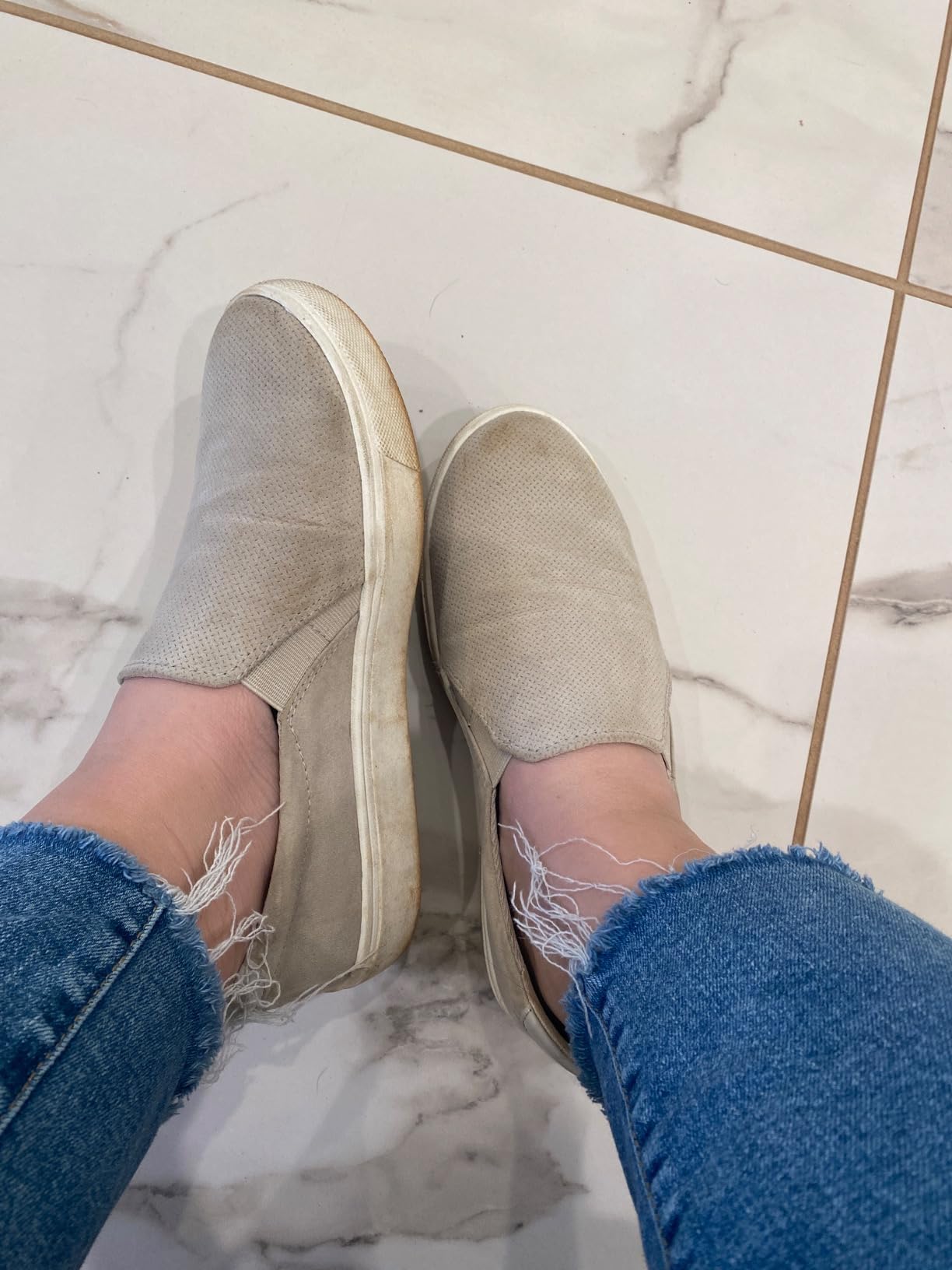
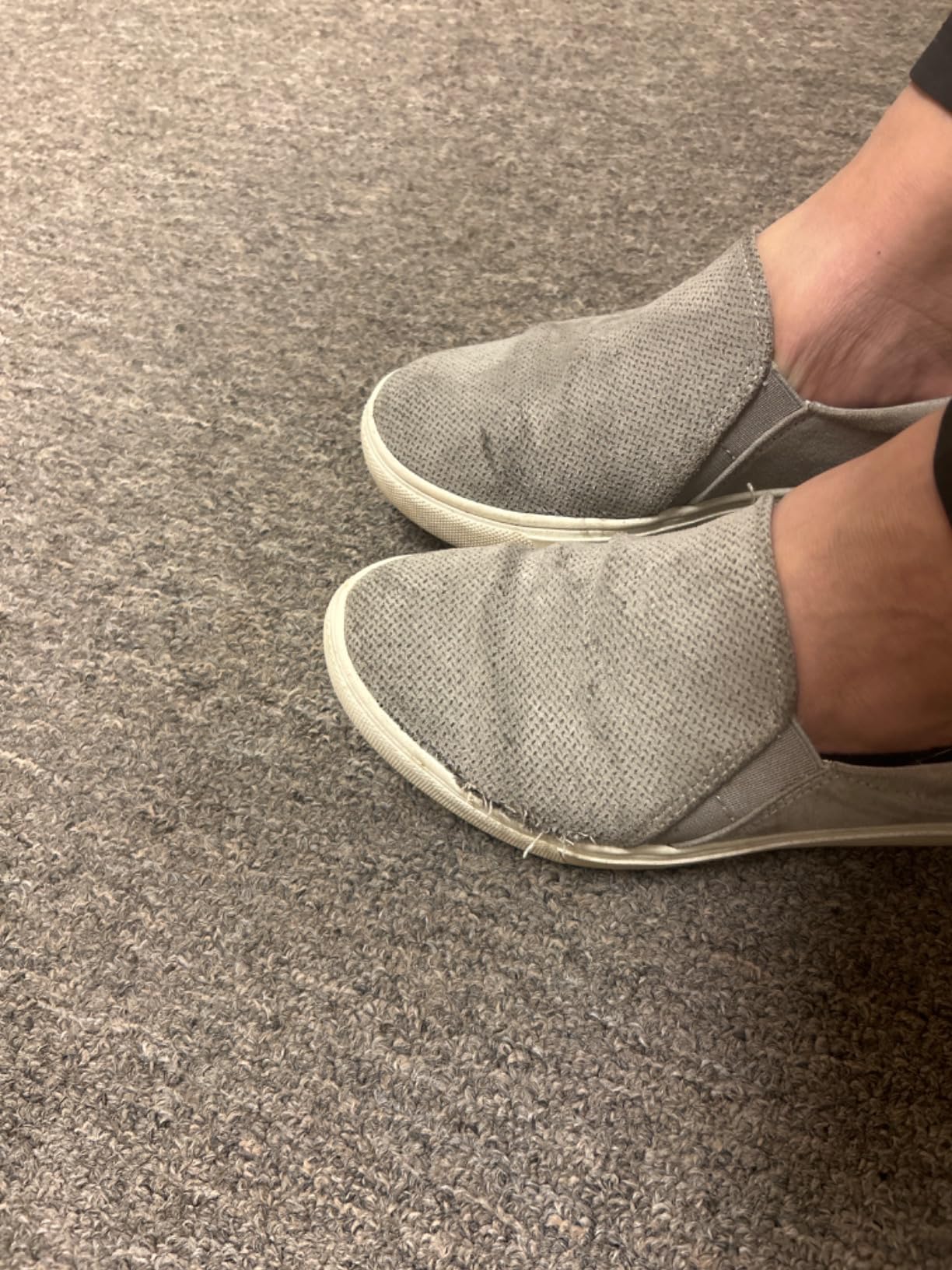
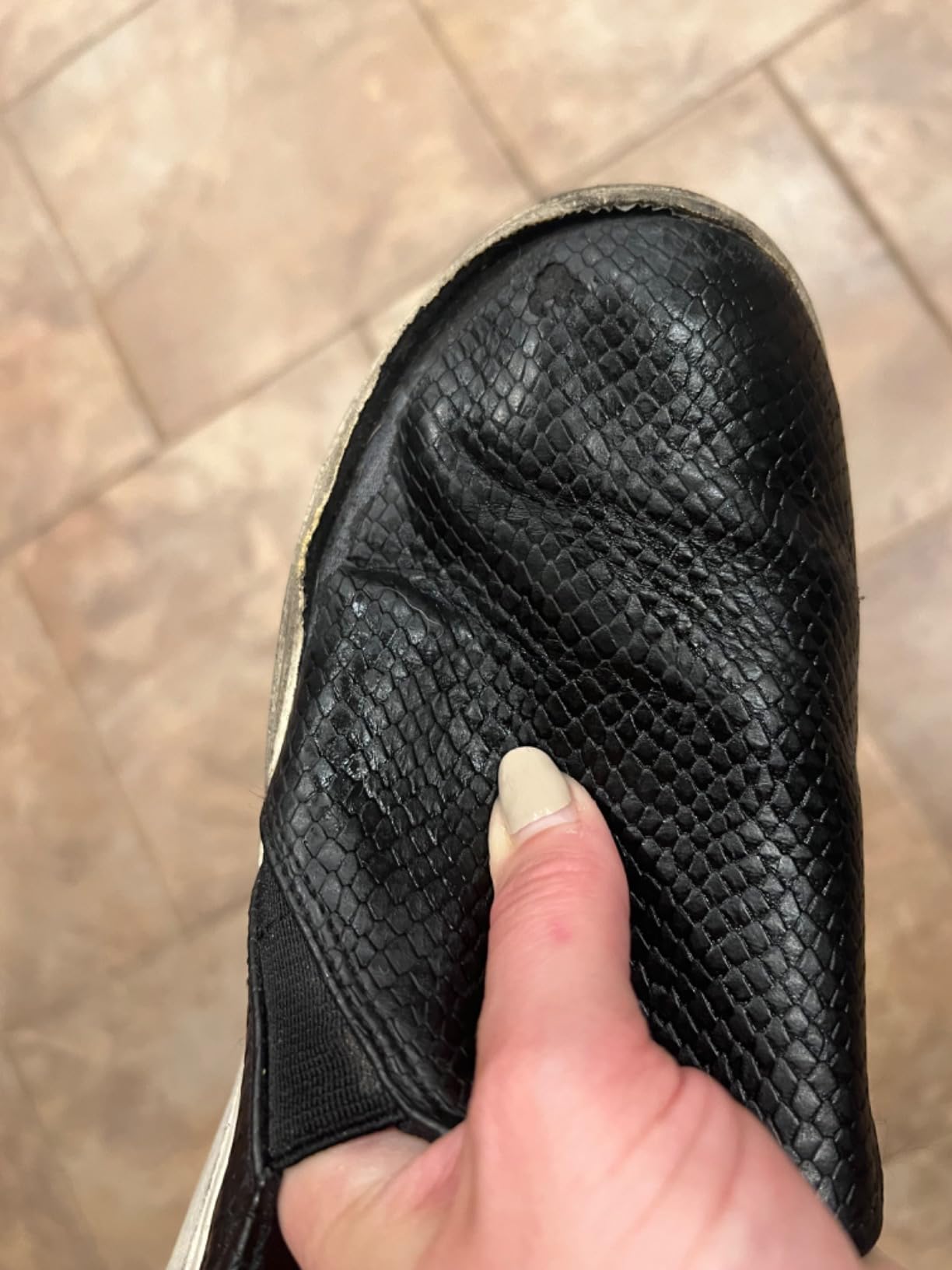
But this is also where you start noticing the longevity gap. By my fifth week of weekend-frequency wear, the fabric at the sides — right where the elastic panels meet the upper — showed visible stress. Not tearing yet, but the kind of fraying that tells you what’s coming. Multiple customers in Zappos reviews describe the same progression: fabric breakdown starts at the panel junction and spreads from there.
Travel Convenience
If there’s one specific use case where the Nova earns its price unconditionally, it’s travel. Easy airport security, genuinely comfortable for long flights (no swelling-related tightness), polished enough to go directly from the plane to a dinner reservation without a detour back to the hotel. The slip-on format means you can take them off on the flight, let your feet breathe, and put them back on before landing in about ten seconds.
For a vacation pair or a work trip shoe that you’re not wearing every day at home, the comfort-to-price ratio is hard to beat. The durability concerns I’ll detail below matter a lot less when you’re only wearing something 15-20 days per year.
Marketing Claims vs. Reality
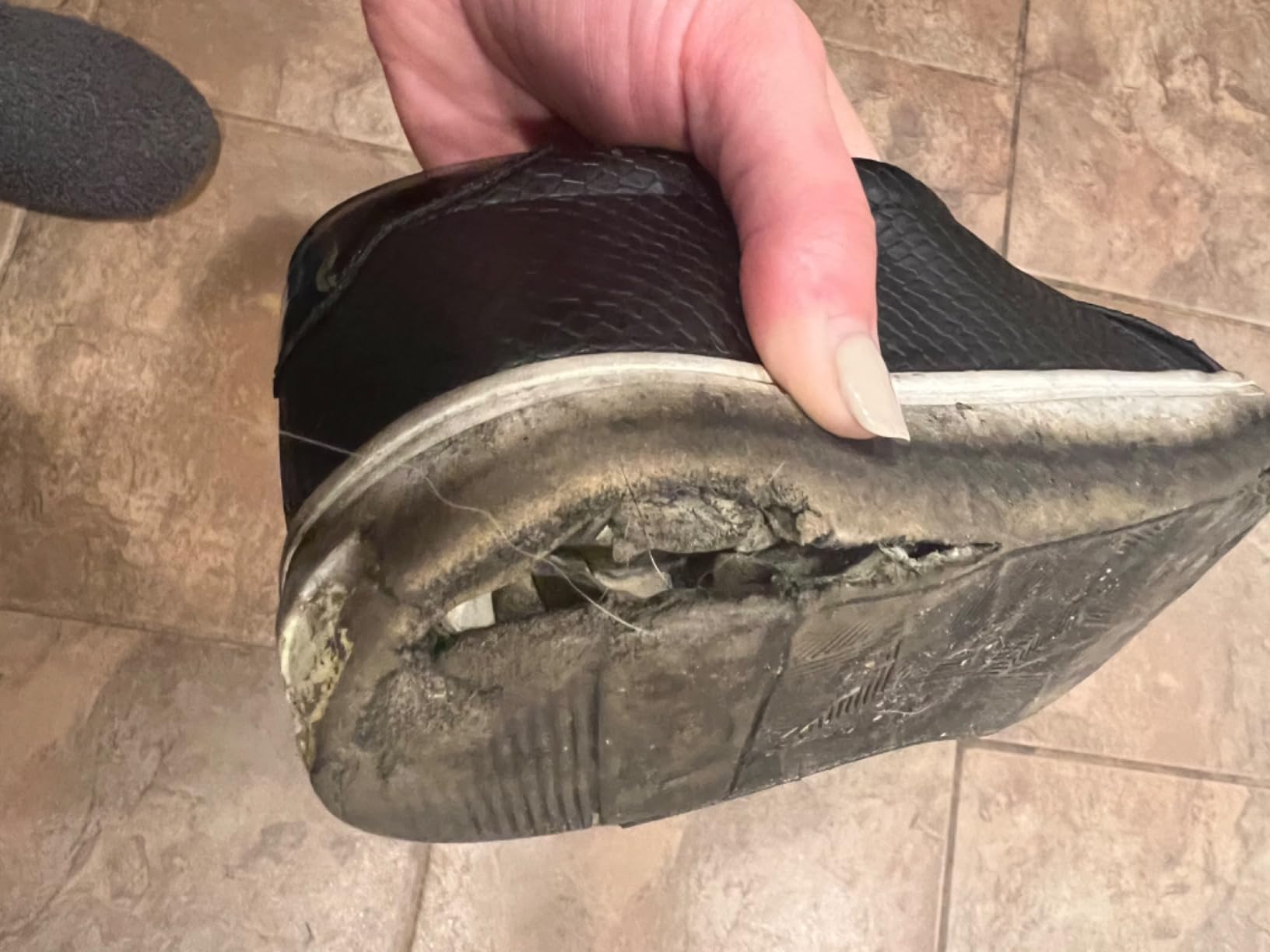
Claim: “Sustainable Comfort with Insole Technology”
Reality: ✅ DELIVERED. The insole technology is real — the anatomical arch support is perceptible, not just marketing language. The recycled materials are genuinely present throughout the construction. Both claims hold up.
Claim: “Lightweight, Flexible Construction”
Reality: ⚠️ PARTIALLY TRUE. Flexible in the forefoot — yes, it bends naturally through the stride. Lightweight compared to a traditional platform shoe — yes. But compared to a flat casual slip-on? The platform adds measurable weight and changes how the shoe feels on your foot. Don’t expect ultralight sneaker energy here.
Claim: “Great for All Occasions”
Reality: ✅ MOSTLY TRUE. The casual-to-business-casual range is genuine. Sporty enough for errands, polished enough for most offices. The only limitation is the athletic aesthetic doesn’t translate to formal wear, but that’s not what this shoe is positioning itself as.
Claim: “Durable Construction”
Reality: ❌ DISAPPOINTING. This is where the Nova stumbles and stumbles consistently. Multiple sources — Zappos reviews, Amazon feedback, my own six-week testing — all point to the same timeline: fabric stress around weeks 5-8, sole separation starting around month 3-4 with regular use. For a shoe in the $45-65 range, that’s below the expected lifespan of comparable options. Skechers Summits in the same price range, for example, routinely outlast the Nova by 6-12 months.
The Durability Problem — Let’s Talk Numbers
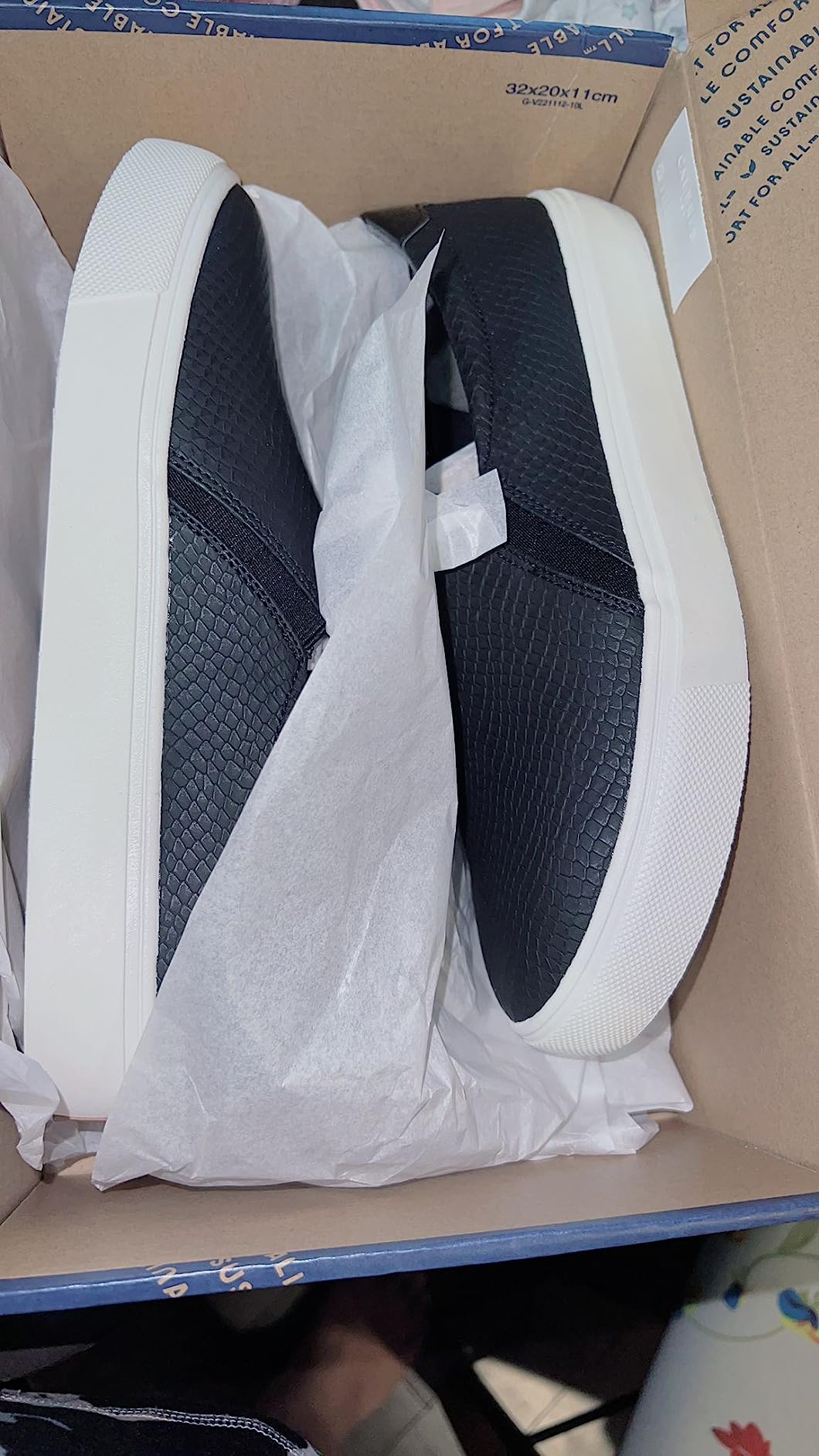
The durability issue isn’t just about a shoe falling apart. It’s about value math that most reviews skip.
At $60 and roughly 4-6 months of regular wear (3-4 times per week), you’re paying approximately $10-15 per month. Compare that to a more durable option at $100 that lasts 18 months — that’s $5.50 per month. The cheaper shoe upfront becomes the more expensive choice over time. If you’re wearing these as your primary casual shoe, you’re effectively budgeting $120-180 per year versus $65-75 for a longer-lasting alternative.
The failure pattern is specific enough that I can describe it: the fabric stress starts at the elastic gore panel junction — the seam where the stretchy panel meets the main upper material. It’s a high-stress point that bends with every step, and after enough cycles, the material fatigues. Sole separation typically follows, starting at the toe box area. The inside of the shoe tends to remain comfortable even as the exterior starts to fail, which is a strange durability paradox — the part you actually feel is fine; the part the world sees degrades first.
The QC lottery is real. Some customers report pairs lasting 12+ months with casual use. Others report visible breakdown within six weeks. The inconsistency across production batches seems to be a documented pattern rather than isolated bad luck.
Where does this leave the decision? If daily wear is your goal, I’d honestly point you toward HKR Walking Shoes or the Nortiv 8 Women’s Walking Shoes for better long-term value. If occasional wear — travel, rotating shoes in a collection, specific short-term needs — the comfort absolutely justifies the price.
Overall Assessment
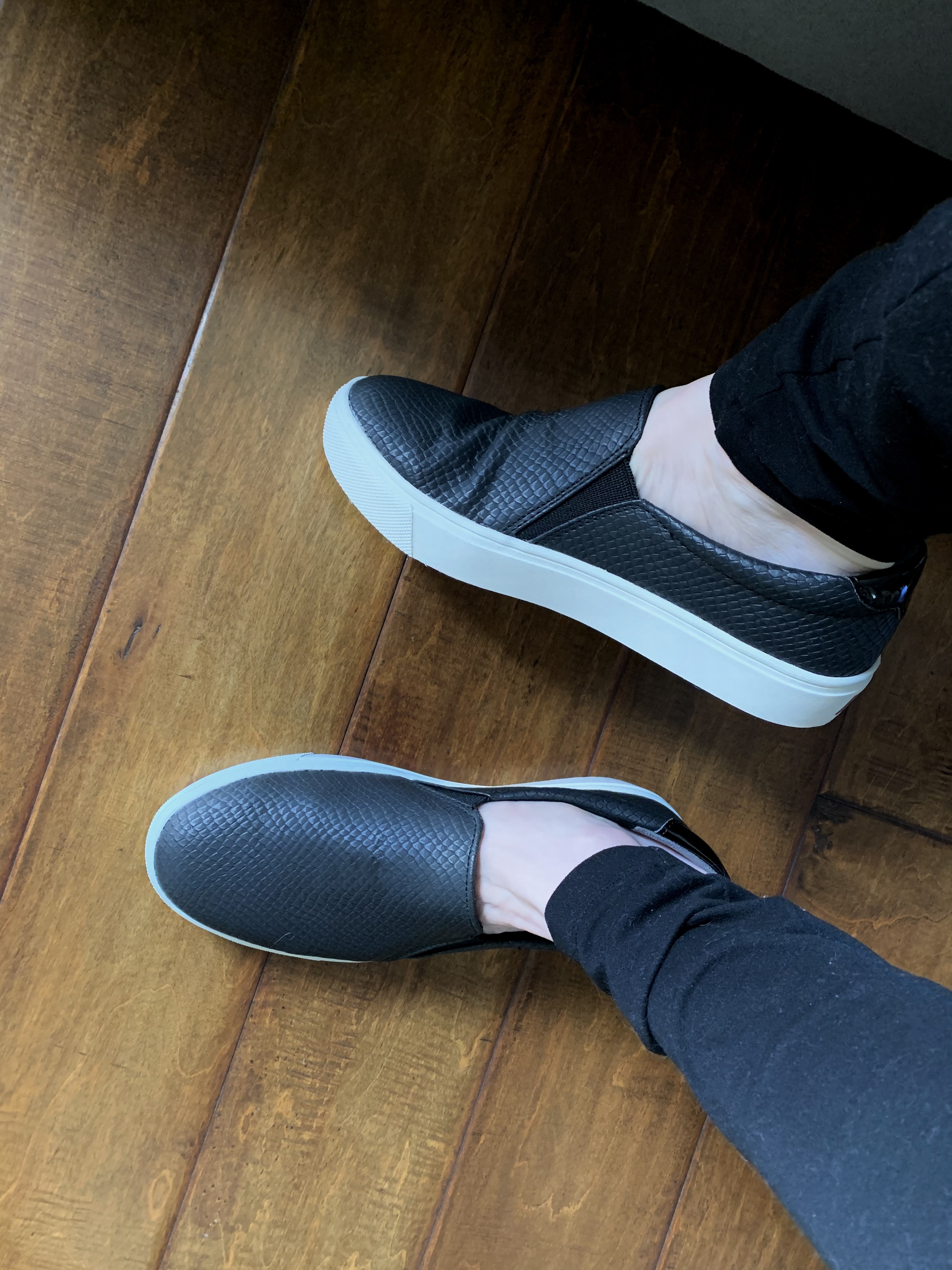
Performance Scoring
| Category | Score | Notes |
|---|---|---|
| Comfort & Support | 8.5/10 | Genuine arch support; 10-hour days manageable once sized correctly |
| Style & Versatility | 8.0/10 | Clean minimalist design works across casual and business-casual settings |
| Sizing Consistency | 4.0/10 | Narrow regular, wide runs long — requires patience and return-friendly retailer |
| Durability | 4.5/10 | Fabric stress week 5-8, sole separation month 3-6 with regular wear |
| Value for Money | 6.0/10 | Strong short-term value; $10-15/month real cost makes long-term use questionable |
| Slip-On Convenience | 9.0/10 | Twin gore panels, easy on/off — excellent for travel and busy routines |
| OVERALL SCORE | 6.7/10 | Comfort champion with a durability ceiling |
Looking at those numbers, the split is almost poetic: the things you feel (comfort, convenience) score well. The things you count on over time (durability, sizing consistency) score poorly. That duality defines the entire Nova experience.
Customers reflect this consistently. Reviews describing plantar fasciitis relief, bunion-friendly fit, comfortable long work shifts — those are real. Reviews describing shoes that fell apart in three months, narrow fit that still caused blisters, or pairs that looked worn after six weeks of occasional use — also real. Both camps exist because both are true, depending on your use case and the batch you receive.
Final Verdict
What Works
- Real arch support from the Dr. Scholl’s insole — not just branding
- Comfort for 10+ hour days, especially with standing and mixed-activity wear
- Platform height reduces ground impact on concrete — knees and hips thank you
- Genuinely versatile design — casual to business-casual without effort
- Slip-on convenience that makes travel days and busy routines easier
- Sustainable material credentials are legitimate
- No break-in period — comfortable from day one once sized correctly
What Doesn’t
- Durability falls short at the $60 price point — fabric stress starts at week 5-8
- Sizing complexity requires effort: narrow regular width, wide runs slightly long
- Breathability is poor — feet get noticeably warm, worse in summer or with long sessions
- Gets dirty easily; cleaning with damp cloth doesn’t fully restore the look
- Batch-to-batch QC inconsistency means your experience may differ significantly
- Real cost is $10-15/month with regular wear, not the sticker price
Who Should Buy the Dr. Scholl’s Nova
These are right for you if:
- You need a travel shoe worn 15-20 days per year, not a daily driver
- You’re rotating multiple pairs and this one is for specific outfits or occasions
- You have foot issues (plantar fasciitis, arch fatigue) and prioritize immediate comfort
- You value slip-on convenience for a particular lifestyle situation — healthcare shifts, airport travel, quick daily errands
- You’re willing to size experiment with a return-friendly retailer
Skip these if:
- You need one pair of shoes to last a full year of regular wear
- You have genuinely wide feet — even the wide width may not accommodate you
- You live somewhere warm and need breathable footwear
- You want consistent quality you can reorder without sizing uncertainty
- Daily work wear is the primary use case — durability makes the cost math unfavorable
Better Options for Specific Needs
For durability at a similar price: The Skechers Summits or New Balance 574 consistently outlast the Nova while offering comparable everyday comfort.
For wide feet: The Propet Vista Strap Sneaker or Konhill Women’s Slip-On Loafers offer more predictable wide-width fits.
For work/daily standing: If you’re wearing these all day in a healthcare or retail environment, look at purpose-built options like the Skechers Ghenter Bronaugh or HKR Walking Shoes — they’re built to last at that wear frequency.
For fashion-forward options with better longevity: Lucky Step Women’s Retro Fashion Sneakers or the Gola Coaster High give you the lifestyle sneaker look without the same durability risks.
Also from Dr. Scholl’s: If you like the brand’s comfort technology but want something that tends to hold up longer, the Dr. Scholl’s Time Off is worth comparing.
Final Recommendation
The Dr. Scholl’s Nova is a shoe I’d recommend with one honest caveat: know what you’re buying. You’re getting excellent immediate comfort, a genuinely useful slip-on design, real arch support, and a clean aesthetic — all for under $65. What you’re not getting is a shoe that will still look and feel the same a year from now with regular wear.
If you buy these knowing they’re for specific situations — travel, occasional rotation, short-term needs — you’ll probably love them. If you buy them hoping they’ll be the one pair that handles everything for the next 18 months, you’ll likely be disappointed by month five.
Order from somewhere with a good return policy, be prepared to experiment with sizing (wide width is almost certainly your starting point if you have medium-to-wide feet), and go in with realistic expectations. They’ll make your feet genuinely happy. Just not indefinitely.
Frequently Asked Questions
Do Dr. Scholl’s Nova run true to size?
The length generally runs true — about 79% of Zappos reviewers mark TTS. Width is the complication: the regular fit runs narrow for most women, and the wide width is the better starting point for medium-width feet. However, the wide can run slightly long in length, so if you’re between sizes, consider sizing down half a size when choosing wide. Bottom line: budget for one exchange and order from somewhere with free returns.
How long do Dr. Scholl’s Nova shoes last?
With regular wear (3–4 times per week), expect 3–6 months before visible deterioration — fabric stress at the elastic panel junction typically appears around week 5–8, and sole separation tends to follow around month 3–4. With occasional use (1–2 times per week), some pairs reach 8–12 months. Daily wear accelerates the timeline to 2–3 months. There’s also notable batch variation, so some pairs fall outside these ranges in either direction.
Are they good for plantar fasciitis?
Yes, many wearers with plantar fasciitis report genuine relief, and the anatomical arch support in the Dr. Scholl’s insole is real — not just a branded foam insert. The platform height also reduces forefoot pressure during walking. That said, the durability issues mean these work best as a medium-term comfort solution rather than a long-term therapeutic shoe. Always consult a healthcare professional for footwear decisions related to medical conditions.
Can you machine wash Dr. Scholl’s Nova?
The manufacturer doesn’t recommend machine washing. The synthetic material is water-sensitive enough that machine washing risks accelerating the deterioration the shoe already faces from regular wear. Hand clean with mild soap and a soft cloth — it’s tedious, and it doesn’t fully restore the upper once dirt has set in, but it’s the safer approach. These get dirty faster than average, so this becomes a recurring inconvenience.
Are they breathable?
Not particularly. The synthetic upper doesn’t ventilate the way a mesh running shoe would, and heat builds up noticeably during long sessions. This isn’t a problem in cooler months or air-conditioned environments, but in summer or during activity, expect warmth and some moisture. If breathability is a priority for your climate or use case, look at mesh-upper options instead.
Are they suitable for wide feet?
The wide width version helps, but there’s a complication: it accommodates width better than the regular, but some customers with truly wide feet still find it insufficient. The added wrinkle is the length — wide width tends to run slightly long, so you may end up with the right width but too much length in your normal size. Some wide-foot wearers find success sizing down half in wide; others find neither version works for them. If wide-fit footwear is consistently challenging for you, the Konhill Women’s Slip-On Loafers or Propet Vista Strap offer more reliably accommodating fits.
How does it compare to Skechers slip-ons?
For immediate comfort, the Nova is competitive — the Dr. Scholl’s arch support is a genuine differentiator. For durability, Skechers typically wins at this price point. The Skechers Summits, for instance, tends to outlast the Nova by 6–12 months with comparable use. If you’re wearing slip-ons daily and need them to last, Skechers is the safer bet. If you’re prioritizing arch support and the shoe won’t get heavy daily use, the Nova is worth considering.
Do they work for healthcare workers on long shifts?
Many nurses and healthcare workers report comfortable 8–10 hour shifts in the Nova, and the arch support does help with the demands of clinical floors. The main concern for this use case is durability — if you’re wearing them 5 days a week, they’re unlikely to survive past 2–3 months. For that kind of frequency, a purpose-built option like the Skechers Ghenter Bronaugh — designed specifically for extended work wear — offers significantly better longevity at a comparable cost-per-month.
Review Scoring Summary
| Dr. Scholl’s Women’s Nova — Final Scorecard | ||
|---|---|---|
| Comfort & Support | 8.5/10 | Genuine anatomical support; 10-hour days held comfortably |
| Style & Versatility | 8.0/10 | Clean design works from errands to office environments |
| Durability & Build Quality | 4.5/10 | Consistent fabric stress and sole separation 3–6 months regular use |
| Sizing & Fit Consistency | 4.0/10 | Narrow regular, wide runs long — requires effort to dial in |
| Value for Money | 6.0/10 | Great short-term value; $10–15/month real cost limits long-term appeal |
| Convenience & Usability | 9.0/10 | Best-in-class slip-on convenience for travel and daily routines |
| FINAL SCORE | 6.7/10 | Exceptional comfort with a durability ceiling — buy for specific use cases, not as a forever shoe |
Bottom Line: The Dr. Scholl’s Nova delivers genuine comfort backed by real arch support and thoughtful design — just not the durability to match. Buy them for travel, rotation, or short-term comfort needs. For daily wear, run the math first. At $10–15 per month, you might spend more than you bargained for.
Be the first to review “Dr. Scholl’s Shoes Women’s Nova”
Related products

Sneaker
Running Shoes
Sneaker
Sneaker
Reviews
There are no reviews yet.