
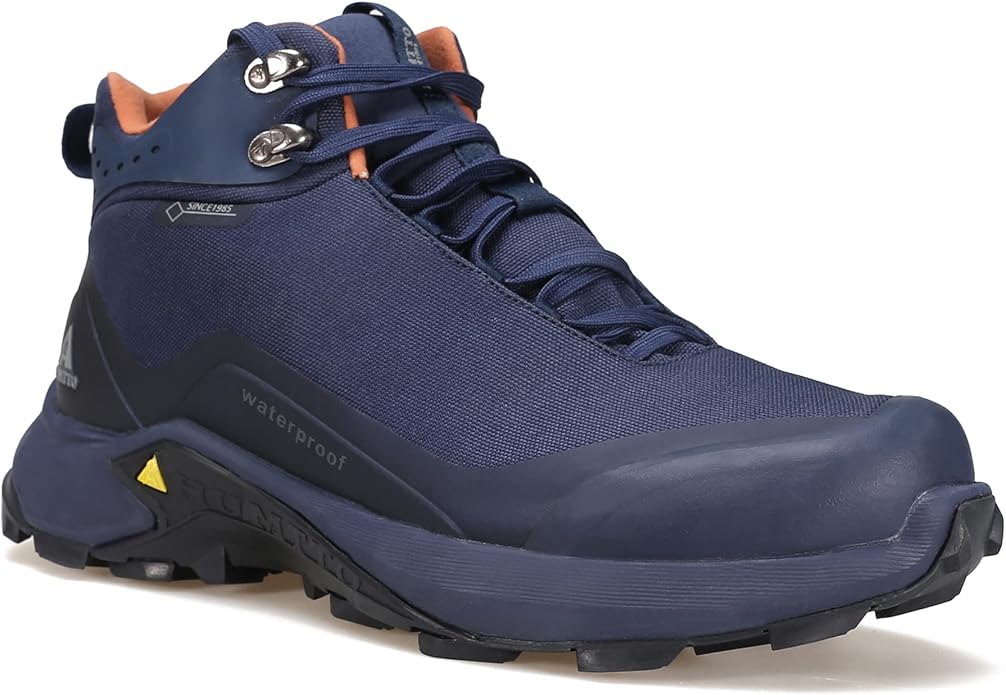
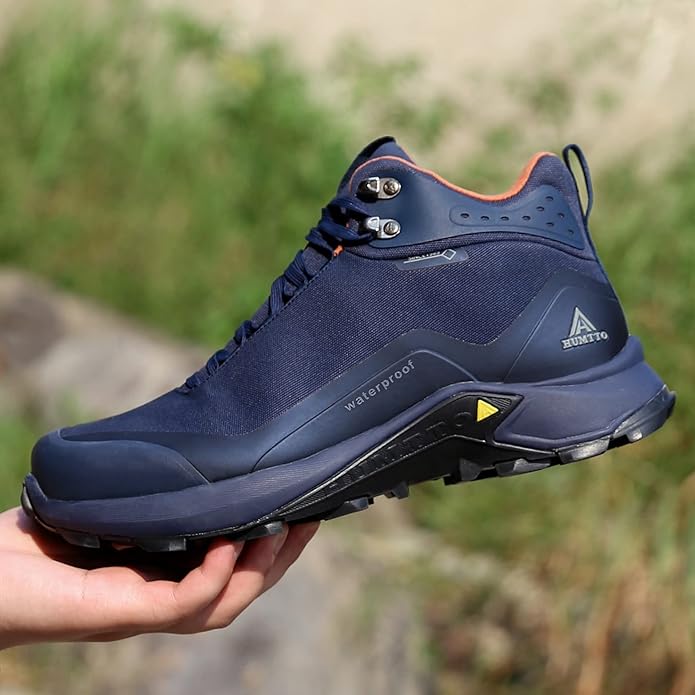
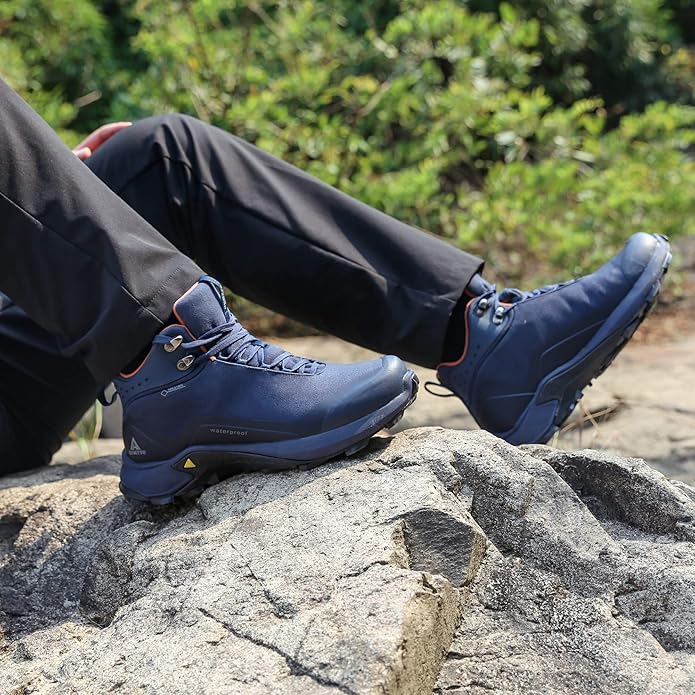
HUMTTO Men’s All-Terrain Waterproof Hiking Boots
$59.99
- 💰 Price: ~$65
- ⚖️ Weight: 2.1 lbs per pair (men’s size 9)
- 🧪 Sole material: RUBBER + MD (EVA midsole)
- 👟 Upper material: Fabric + TPU reinforcement
- 🥾 Height: Mid-height ankle boot
- 🛡️ Waterproofing: HUMTTO-TEX membrane
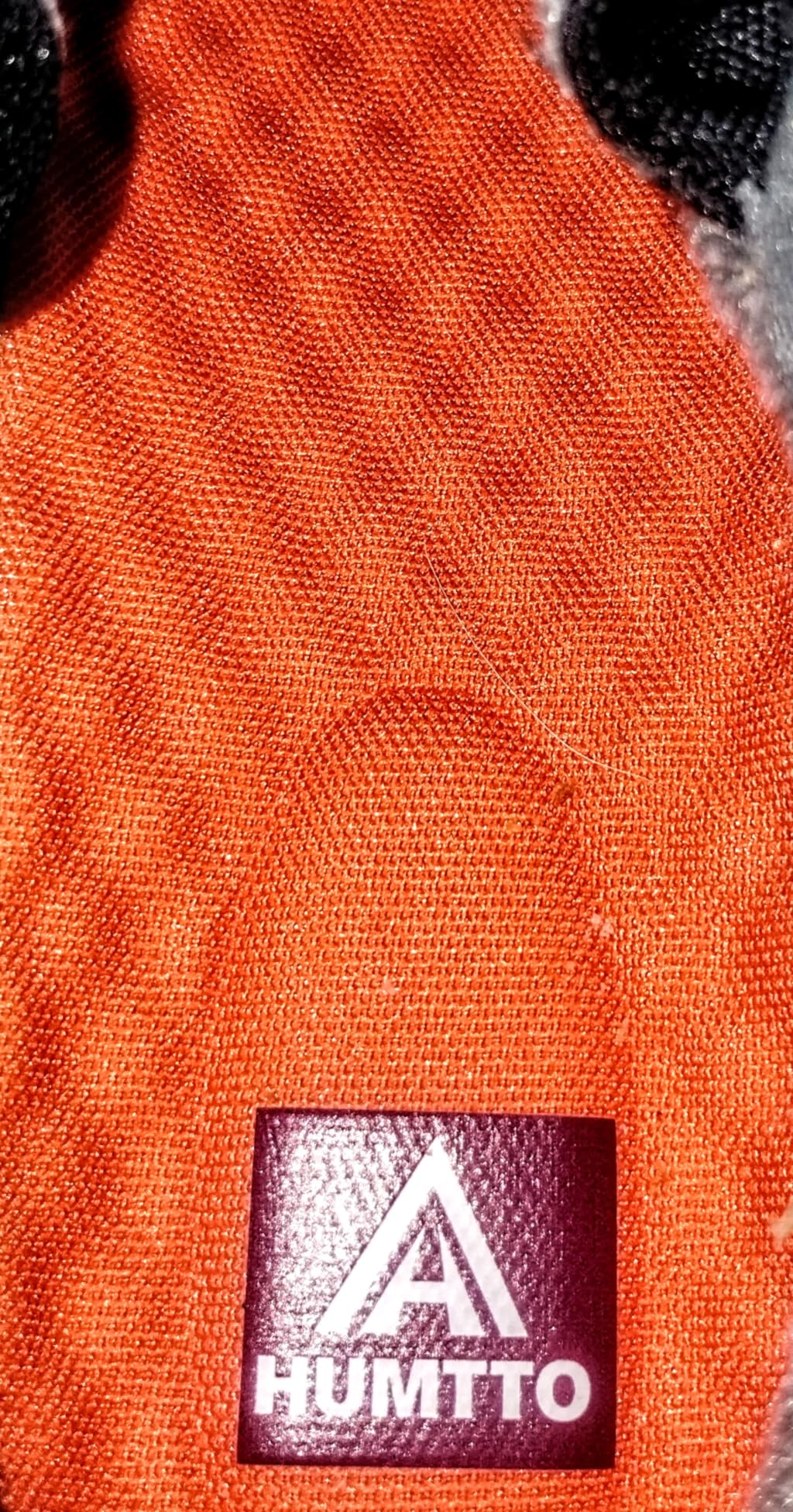
- 🎯 Insole: Removable memory foam with arch support
Sixty-five dollars. That’s what HUMTTO is asking for a pair of all-terrain hiking boots with a waterproof membrane, memory foam insole, and TPU-reinforced uppers. I’ve been hiking long enough to know that sounds too good to be true — good waterproof hiking boots typically start at $130 and climb fast from there. When my old pair gave out mid-trip, I grabbed these on impulse and figured I’d find out the hard way. Six weeks and over 25 hours of real terrain later, here’s what $65 actually buys you.
First Impressions: Build Quality That Defies the Price Tag
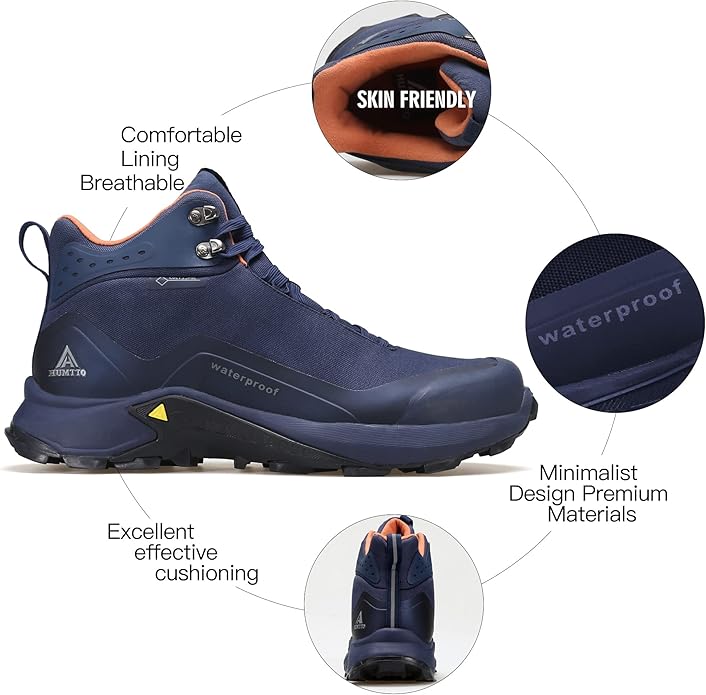
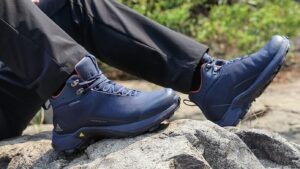
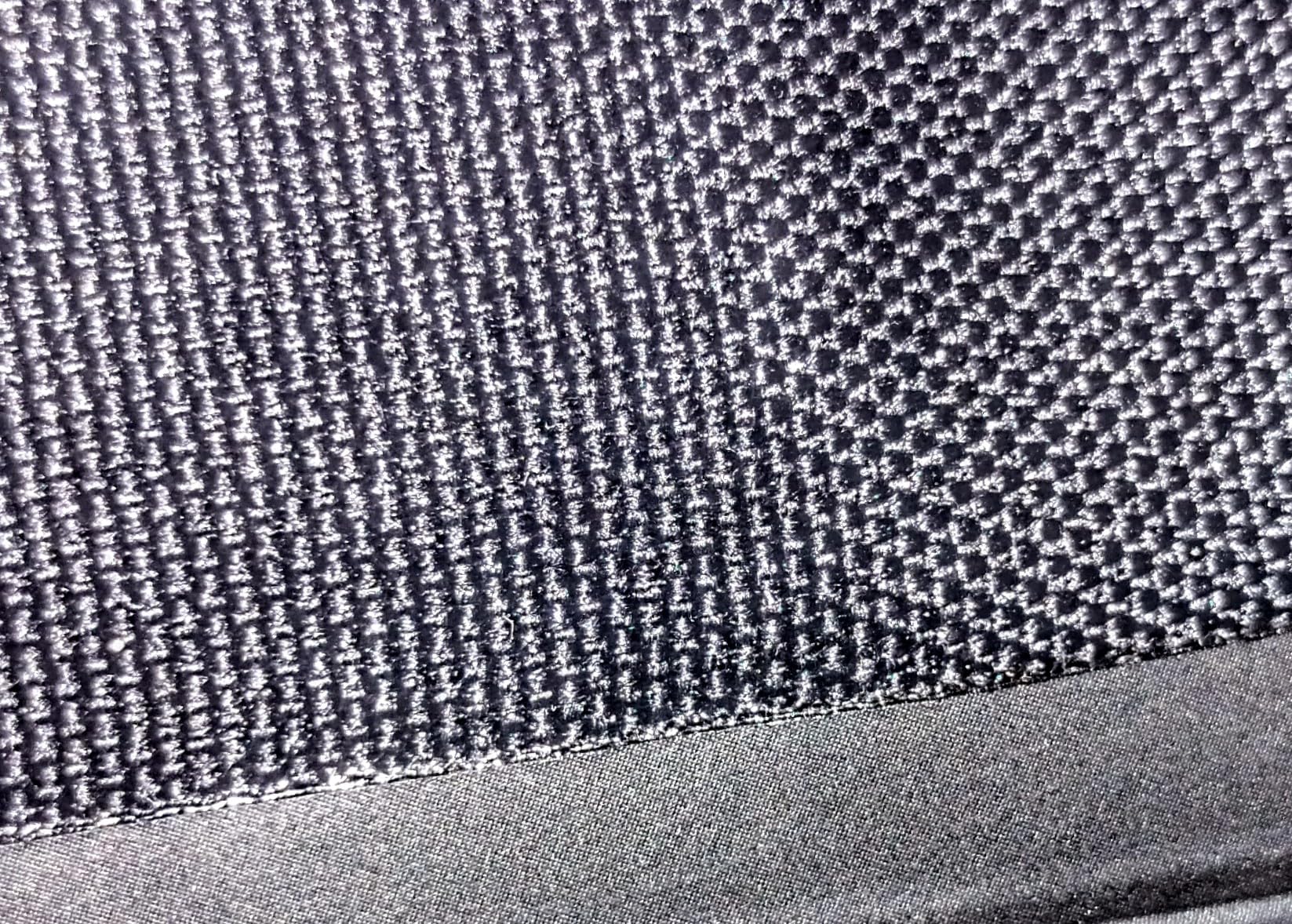
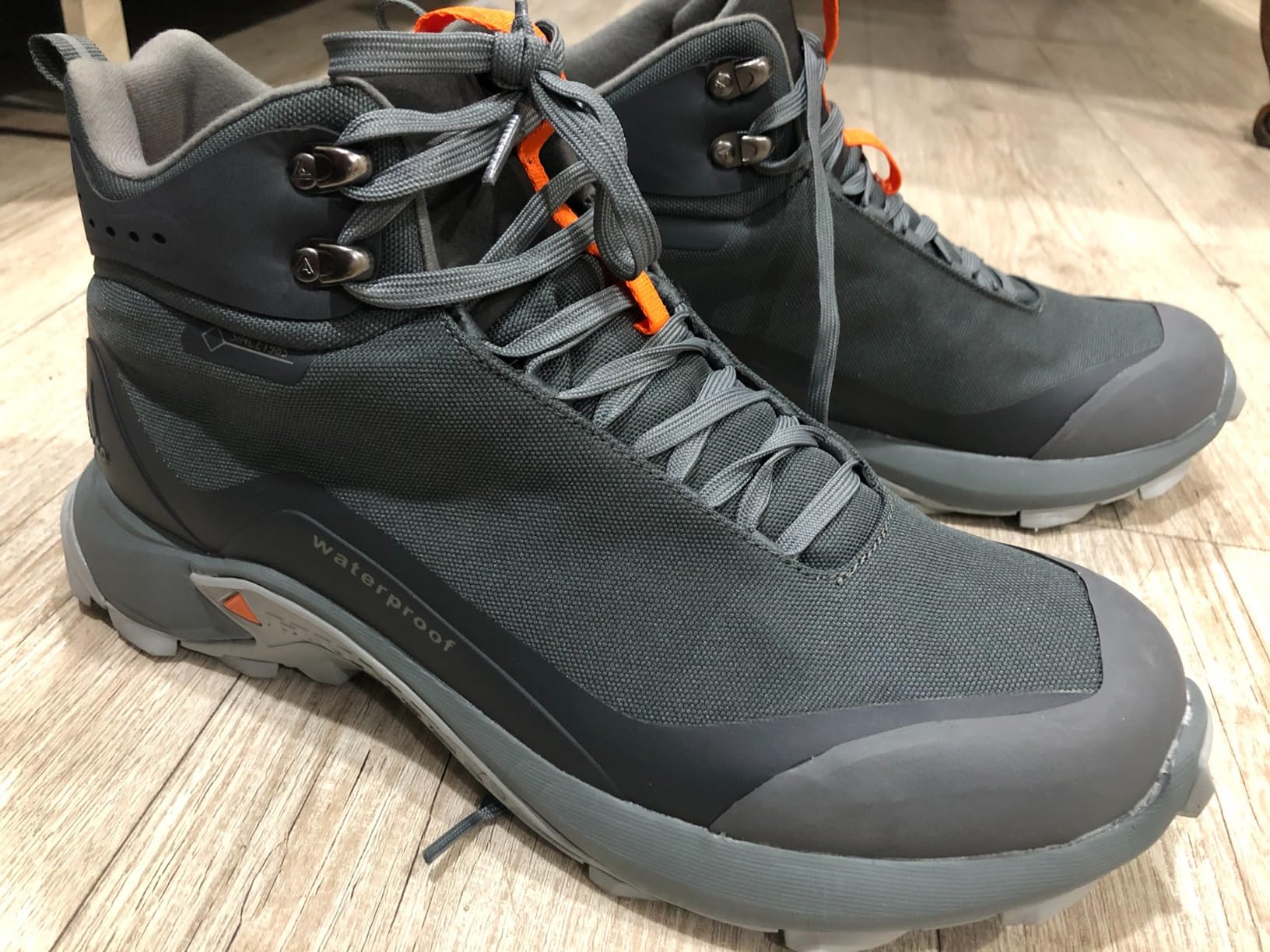
The unboxing experience was the first surprise. These don’t feel like $65 boots — not in a bad way. The fabric and TPU upper has real substance to it, not the flimsy synthetic material you find on bargain bin outdoor gear. The reinforced rubber toe cap is solid enough that I knocked it against a concrete step just to test the immediate reaction, and there was nothing. No flex, no visible damage. The heel counter is equally firm.
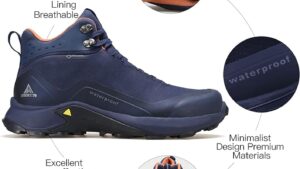
Construction details that caught my attention: the gusseted tongue is fully attached to the upper on both sides, which keeps trail debris out more effectively than loose tongues that shift around. The speed lacing system runs eyelets through most of the foot with metal hooks taking over at the ankle — meaning you can cinch the ankle independently from the toe box for a customized fit. At 2.1 lbs per pair, they’re lighter than most mid-height boots in this category without feeling hollow or underdone.
The aesthetic is clean and tactical — three colorways, no flashy branding, and a silhouette that reads “serious outdoor use” rather than “mall hiking.” They don’t look like a $65 boot next to the box, which is either impressive engineering or very good marketing. After six weeks of heavy use, I’m leaning toward the former.
For those exploring the broader hiking and trekking shoe category, the HUMTTO sits at the budget end of mid-height waterproof boots — but it doesn’t perform like the budget end.
Waterproofing: The HUMTTO-TEX Membrane in Real Conditions
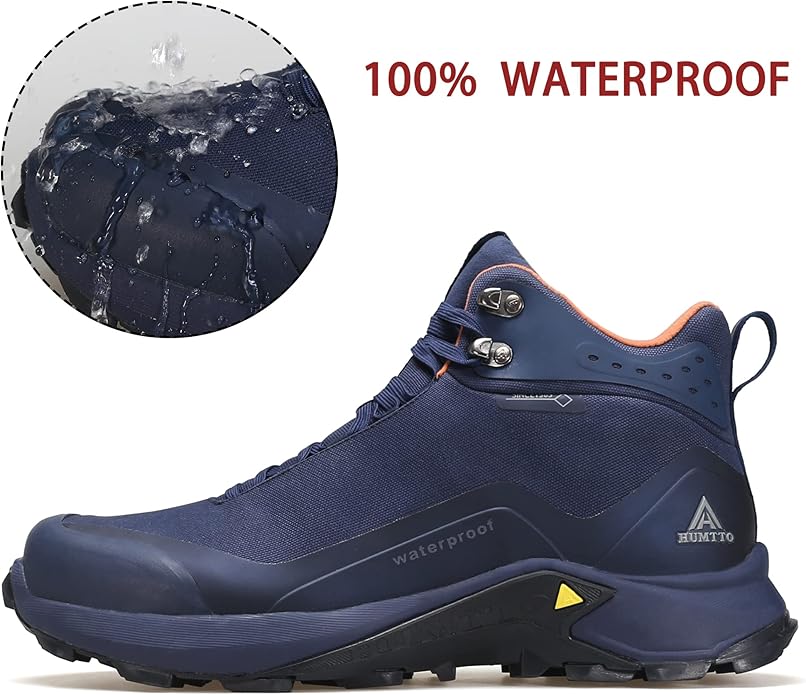
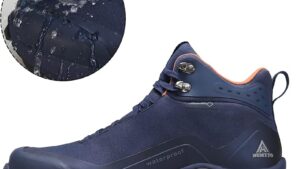
HUMTTO calls their system “HUMTTO-TEX” — their proprietary waterproof membrane. My skepticism was immediate: every budget boot claims waterproofing, and most fail within the first serious rain. After six weeks of actual testing, I have to give credit where it’s due.
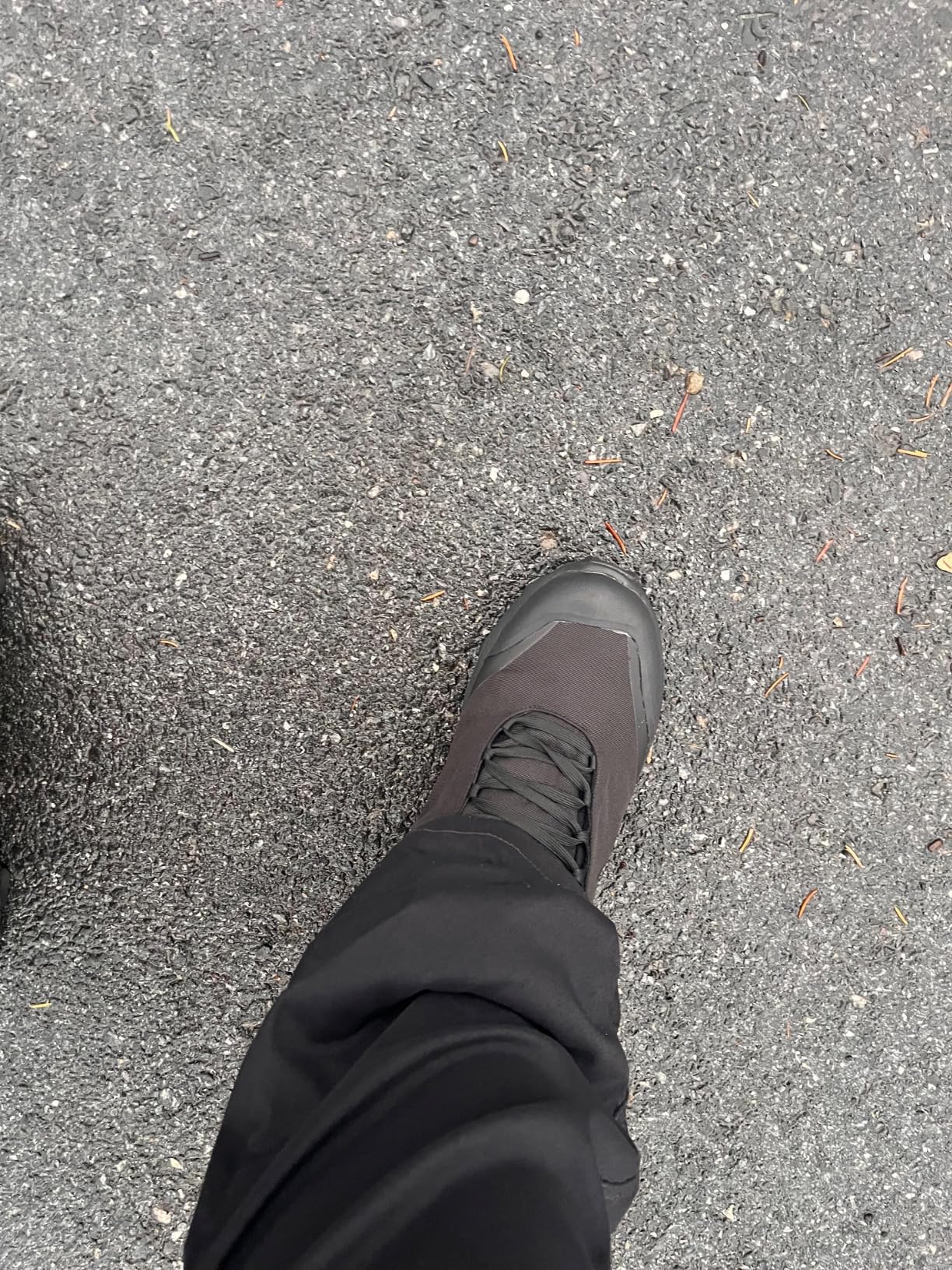
I tested these through ankle-deep stream crossings, morning trails soaked with dew, marshy ground on a late-April hike where every step sank an inch, and an ill-advised power washing experiment I’m not going to explain. In all of these scenarios, my feet stayed completely dry. The membrane extends high enough up the boot that water has to clear mid-calf before you’re in trouble — and most hiking situations don’t reach that threshold.
This lines up with longer-term community data too. Multiple Amazon reviewers with hundreds of hours in these boots describe the same thing: the waterproofing holds. One user described taking them through 10 days of consecutive Scottish Highlands hiking, including sections that turned into shallow stream walks, without ever feeling moisture. That’s a meaningful data point from someone who had no reason to flatter an unknown brand.
The breathability trade-off: Here’s where honesty matters more than marketing. HUMTTO advertises a “breathable” process, but any waterproof membrane limits vapor escape by design — physics doesn’t negotiate. In temperatures below 70°F, the warmth retention is actually a benefit. Above 90°F, your feet will sweat noticeably despite the membrane. The sweet spot for these boots is roughly 40–70°F: spring hiking, fall trail days, and cool-weather outdoor work. In genuine summer heat above 85°F, a mesh trail runner without waterproofing will serve your feet better. That’s not a flaw — it’s just what waterproof membranes do.
Outsole and Traction: Where the Engineering Gets Interesting
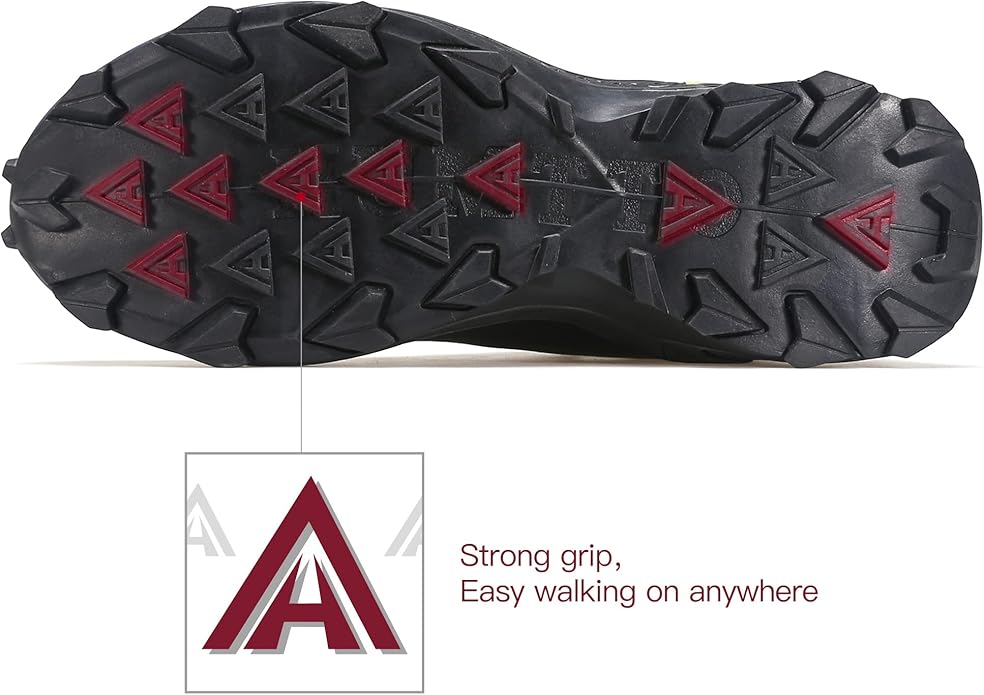
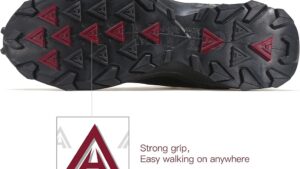
The aggressive lug pattern is the most visually striking feature of the outsole. Multi-directional lugs, deep enough to shed mud rather than pack it in, with a rubber compound that grips differently depending on the surface type.
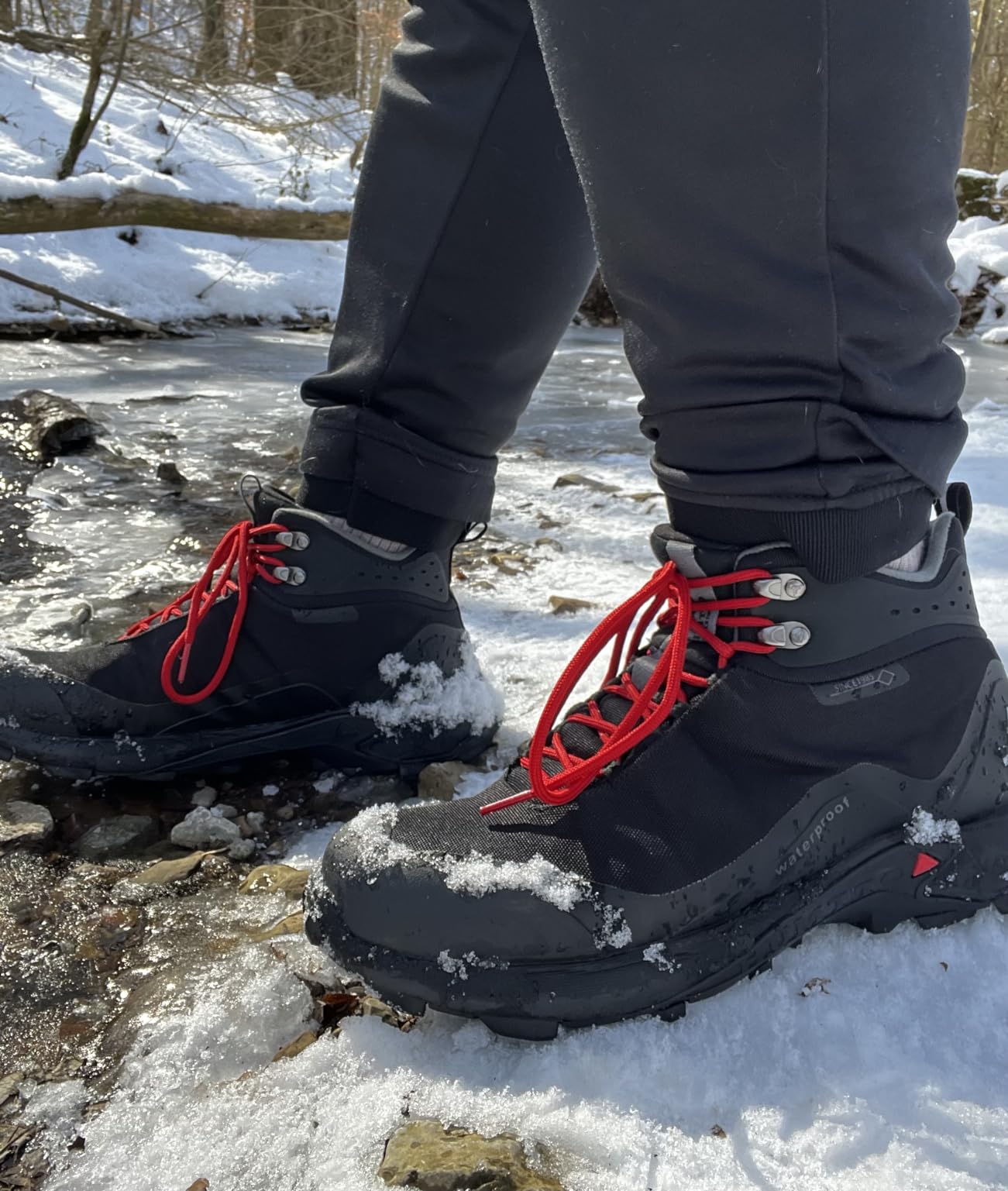
On loose scree, the grip was genuinely confidence-inspiring — the rubber conformed to the irregular surface and I never felt a foot slip. Same result on granite slabs, muddy stream banks, and gravel-heavy construction areas. The outsole handled everything I threw at it on technical surfaces.
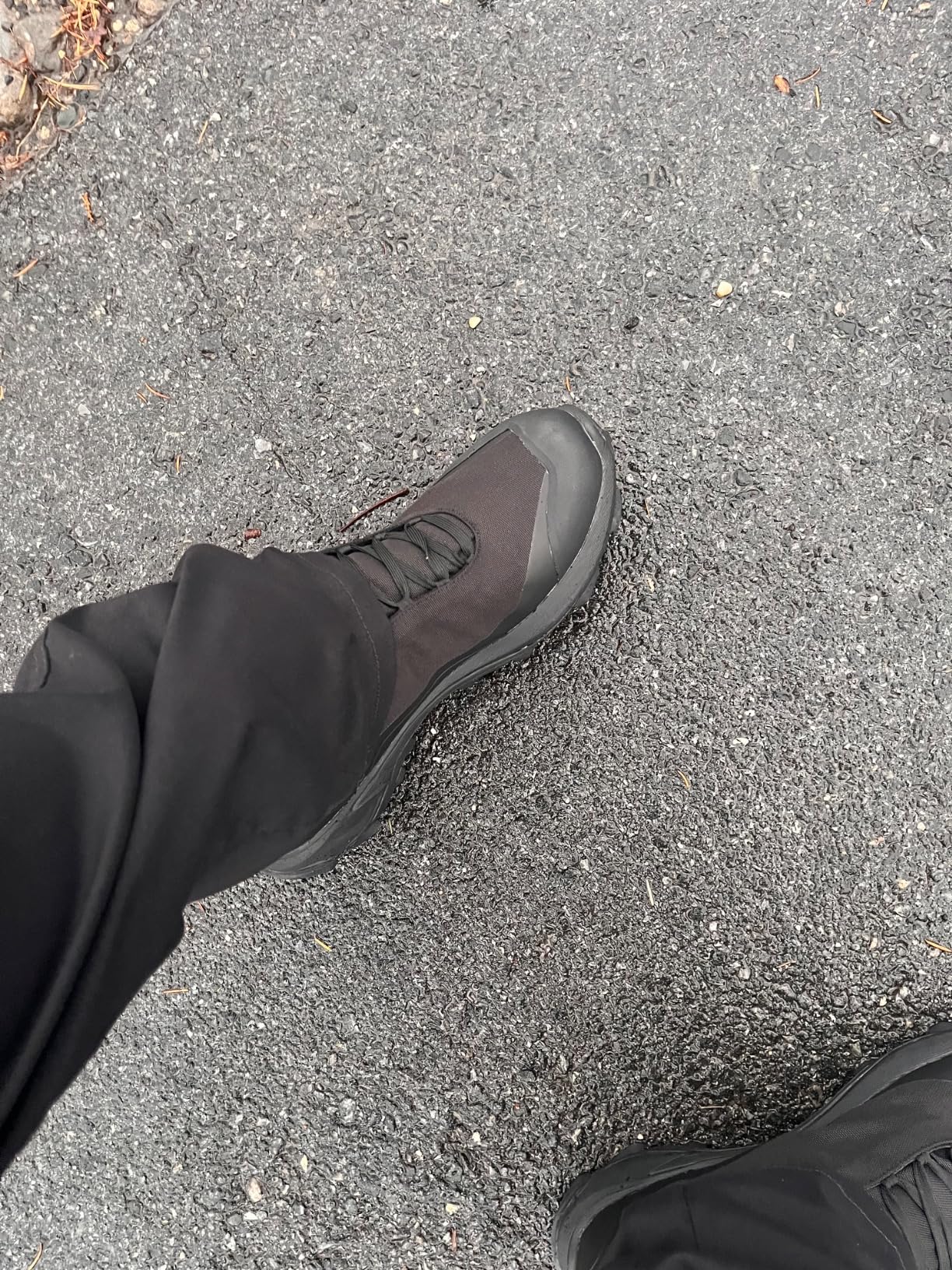
The wet pavement problem: This requires explanation, not just a warning. The HUMTTO outsole uses a softer rubber compound than you’d find on boots optimized for long-term pavement use. Softer rubber conforms better to irregular trail surfaces — it’s what gives the grip on rock and scree — but that same compliance works against you on polished concrete or tile. The boot isn’t defective; it’s optimized for trail use, and wet pavement is outside that intended performance envelope. I slipped once on a wet concrete loading dock and nearly again on wet tile at a construction site entry. Both incidents were on smooth artificial surfaces, not trail conditions.
If your primary environment involves wet polished floors or regular rain-soaked sidewalk commuting, these aren’t the right boot. For actual hiking terrain — dirt, mud, rock, loose gravel — they perform well above their price category.
Comfort and the Memory Foam Insole
The insole is the most surprising part of this boot. I’ve tested dozens of hiking boots across a wide price range, and the stock memory foam insole in the HUMTTO competes with aftermarket options I’ve paid $30+ for. The arch support engages immediately, the cushioning absorbs impact without feeling spongy underfoot, and after eight-hour days in these boots I wasn’t reaching for ibuprofen the way I usually do after construction site visits in cheaper footwear.
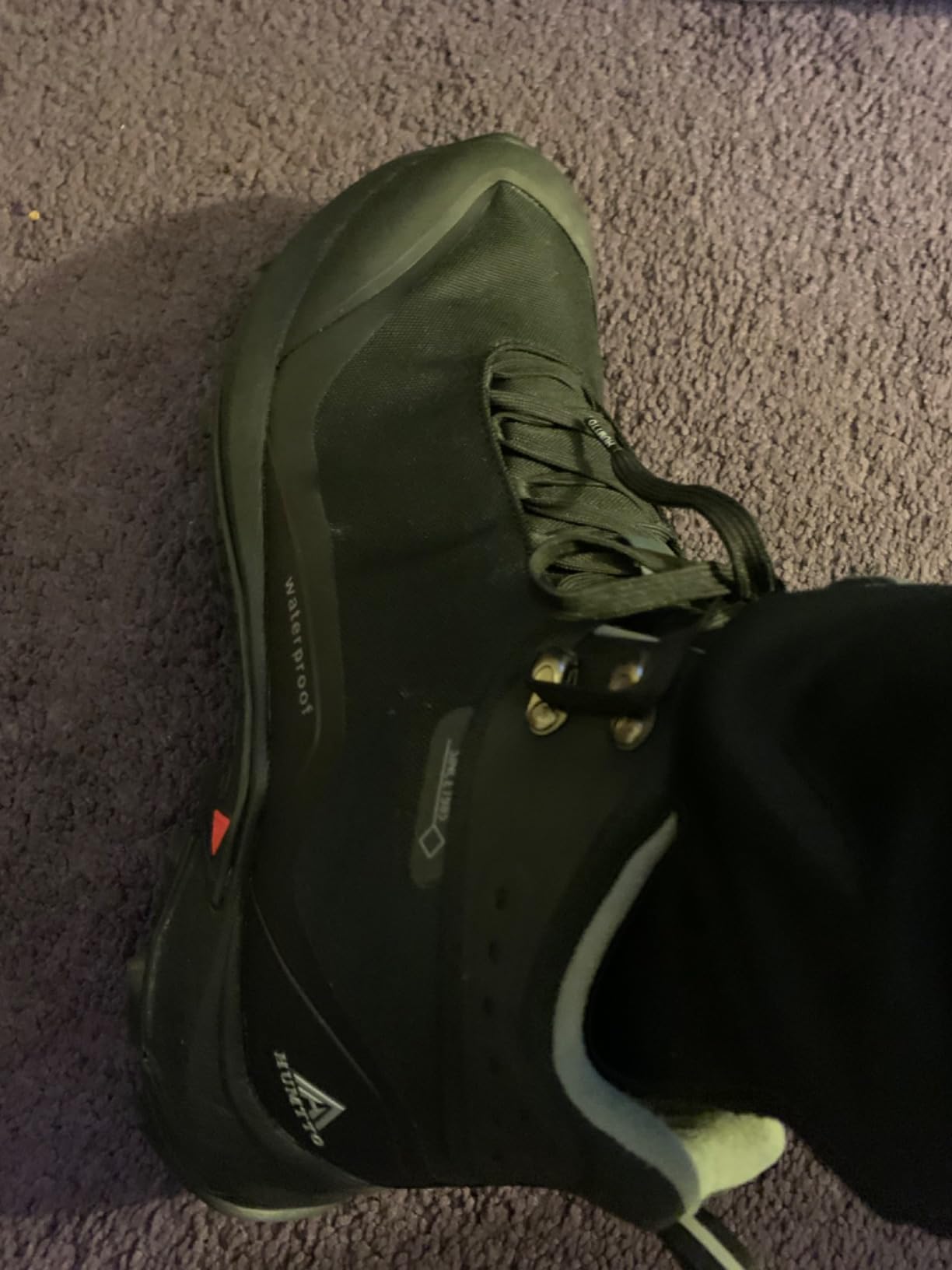
The insole is removable, which matters for two reasons. First, it gives you a path to upgrade when the foam eventually compresses — which it will. Based on reports from longer-term users, the cushioning peak is roughly the first eight weeks of use, with gradual compression beginning around month two or three. By month five or six with daily heavy use, noticeable padding thinning occurs. The good news is that an aftermarket insole like Sof Sole Athlete Insoles costs $15–25 and can extend the boot’s comfort life considerably. Second, if you use custom orthotics for plantar fasciitis or other conditions, these boots accommodate them.
The MD midsole beneath the insole adds another layer: firm enough to feel the trail, cushioned enough to protect the joints on rocky descents. No energy return claims worth making, but solid impact absorption for the weight class.
Sizing and Fit: Addressing the Contradiction Head-On
If you’ve read any other reviews of this boot, you’ve encountered conflicting sizing guidance. My own testing at size 10.5 found a true-to-size fit with perfect lockdown. A reviewer at hblifebuy.com tested a different colorway and found they run so large that a user who normally wears 8.5 in other boots found size 7.5 to be the right fit.
Both reviewers are probably right. Here’s what explains it:
The HUMTTO All-Terrain has a generous volume design — wide toe box, substantial interior space, extra room at the collar. This design is intentional (it accommodates thick hiking socks, wide feet, and prevents toe bang on descents), but it means fit experience varies significantly by foot shape.
Sizing guidance by foot type:
| Foot Profile | Recommendation | Notes |
|---|---|---|
| Narrow or slim | Size down 0.5 | Generous volume = heel slip at TTS |
| Standard width | Size down 0.5 or TTS | Depends on brand — test if possible |
| Wide or D+ width | True to size | Extra volume is an advantage here |
| Thick hiking socks (winter) | Size down 0.5–1 full size | Sock volume fills the extra space |
If you can’t try before you buy, order 0.5 below your standard size and ensure the retailer has a reasonable return window. The generous volume means a slightly smaller size still has room for toes to splay naturally on descents.
Durability: Setting Honest Expectations
Six weeks is early to make definitive durability claims, but the data so far combined with community reports over longer periods gives a reasonable picture.
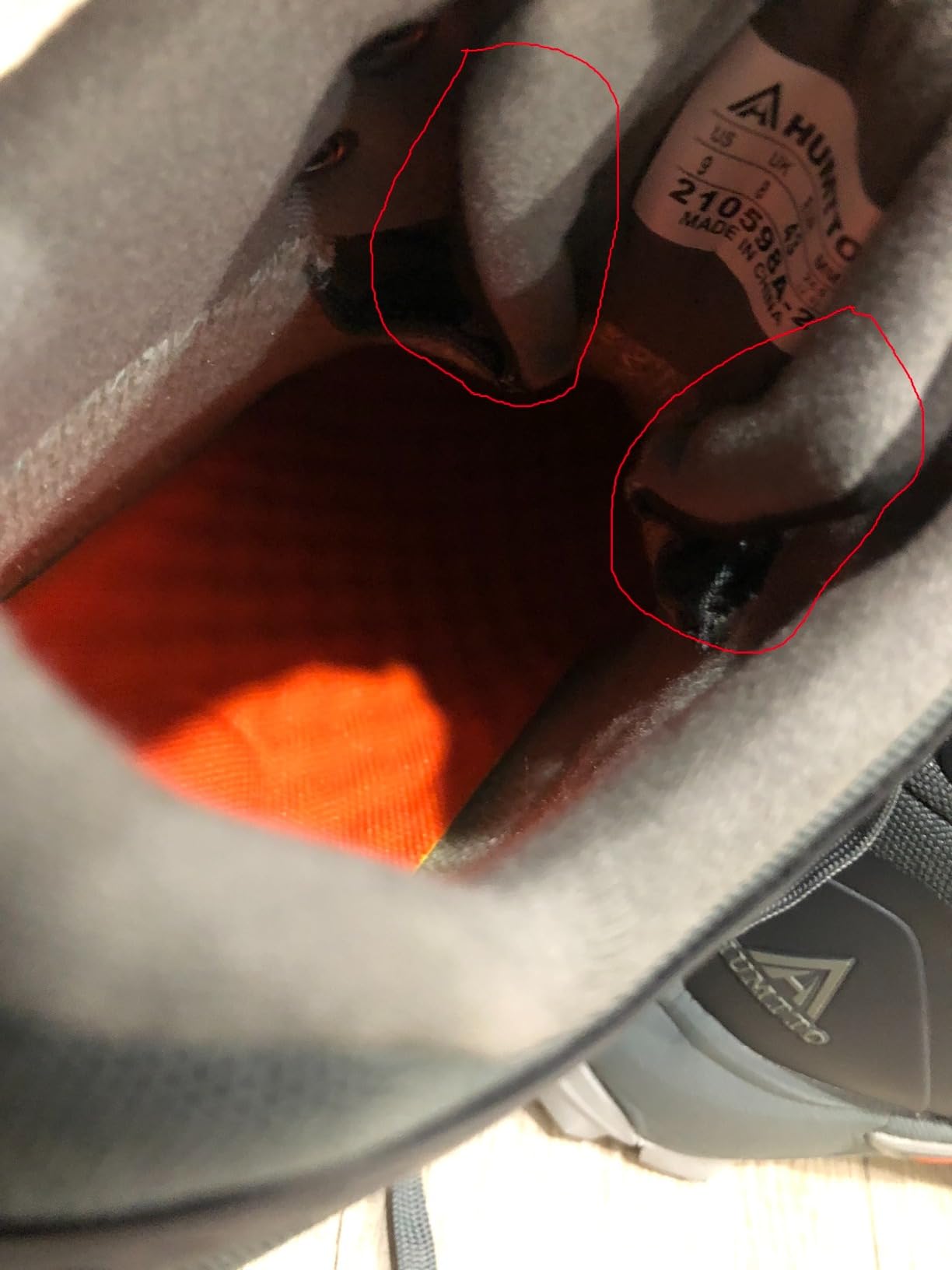
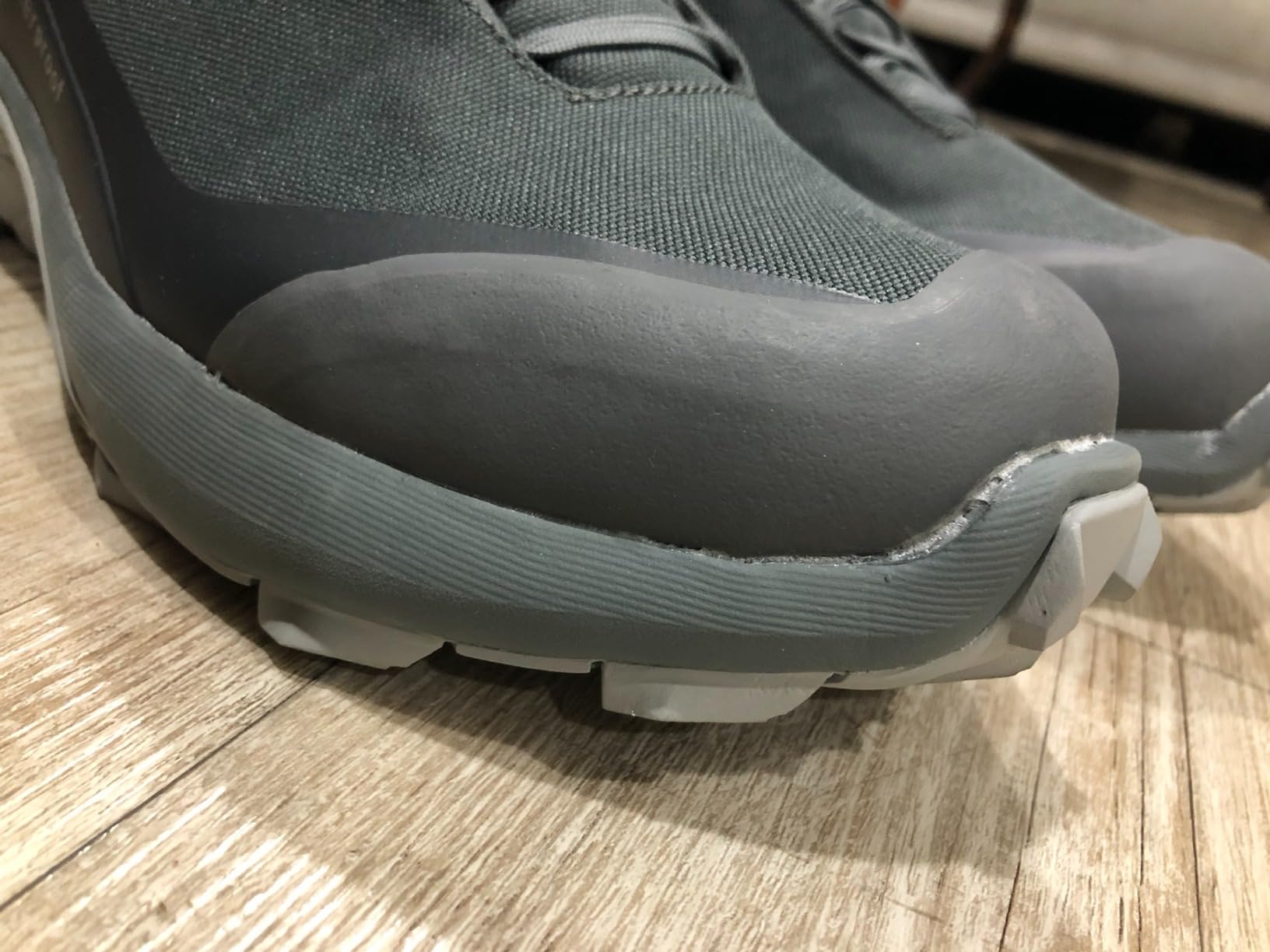
At six weeks, I’m seeing early outsole wear at the heel strike zone — visible but functional. No peeling, no delamination on the TPU panels. The metal lace hooks are intact and show no signs of fatigue. The gusseted tongue has held up to significant dirt and debris pressure without tearing. The waterproof membrane shows no signs of performance degradation.
Longer-term patterns from community reports and extended testing elsewhere point to a predictable failure sequence:
| Timeline | Use Intensity | Expected Condition |
|---|---|---|
| Months 1–3 | Any | Excellent condition, full performance |
| Months 3–6 | Moderate to heavy | Outsole wear visible; waterproofing intact; cushioning begins compressing |
| Months 6–12 | Moderate (4–5x/week) | Outsole degradation accelerates; insole upgrade worthwhile; upper still sound |
| Months 12–18 | Light (2–3x/week) | Upper still functional; outsole near end of useful life |
Daily work users in trades (construction, landscaping, plumbing) should expect 4–6 months before considering replacement. Weekend hikers at 2–3 sessions per week should get 12–18 months. At $65, that math works out favorably versus mid-tier boots for most use cases.
Worth mentioning: several trade workers in the Amazon review pool specifically note these as preferred work boots. One pool service technician’s comment is representative — excellent waterproofing keeps feet dry through a full service day, though some slippage on wet pool decking (the wet pavement issue again). A few users with heavy daily use report sole separation at the toe box junction between months 6–12. That’s below the performance of premium boots but consistent with what $65 buys in a waterproof mid-height hiking boot.
Temperature Performance: The Conditions Where These Shine and Struggle
Optimal range (40–70°F): This is where the HUMTTO All-Terrain performs exactly as advertised — waterproofing works, comfort is excellent, traction is reliable. Spring hiking and fall trail days are the intended sweet spot.
Summer heat (above 85°F): The waterproof membrane limits airflow enough that feet run warm. This isn’t a dealbreaker for short hikes, but for all-day summer use in hot climates, the accumulated warmth becomes uncomfortable. If your summer hiking is in 90°F humid conditions, a mesh trail runner without waterproofing will serve your feet better. Alternatives like the Altra Lone Peak 8 give you trail performance with far more breathability for hot weather use.
Cold weather (below 40°F): No insulation in this boot whatsoever. The waterproofing keeps out external moisture, but body heat is your only heat source. Down to about 35–40°F, thick wool socks compensate adequately. Below freezing, you need an insulated hiking boot — this category is just not what the HUMTTO was designed for. The North Face Fastpack Hedgehog 3 or similar insulated options serve that use case better.
Overall Assessment
Exceptional value for budget-conscious hikers who need reliable waterproof performance in mild-to-cool conditions
Detailed Scoring
| Category | Score | Notes |
|---|---|---|
| Comfort (initial) | 9.2/10 | Memory foam insole rivals $30+ aftermarket options; zero break-in |
| Waterproofing | 9.0/10 | Verified in streams, heavy rain, extended field testing |
| Trail Traction | 8.5/10 | Excellent on rock/mud/scree; not rated for wet pavement |
| Build Quality | 8.0/10 | Above price-class construction; TPU + reinforced toe/heel well-executed |
| Durability | 6.5/10 | Adequate for 6–18 months depending on use; not designed for 2+ year heavy use |
| Breathability | 5.0/10 | Waterproof membrane limits airflow — by design, not defect |
| Value | 9.5/10 | Premium features at budget price; exceptional for the category |
The Good and the Bad
✅ What Works
- Waterproofing is real — not a coating, not marketing language
- Memory foam insole competes with aftermarket upgrades
- No break-in required — comfortable from the first hour
- Trail traction is confident on technical surfaces
- Build quality exceeds the price point noticeably
- 2.1 lbs per pair — light for a mid-height waterproof boot
- Gusseted tongue keeps debris out on technical terrain
❌ What Doesn’t
- Slippery on wet pavement — soft rubber compound trades smooth-surface grip
- Runs warm above 85°F — membrane limits breathability
- No insulation — not a cold-weather boot below freezing
- Sizing inconsistency — generous volume fits differently by foot shape
- Durability ceiling — 6–18 months, not 2-year longevity
- Unknown brand — limited warranty history and support infrastructure
Who Should Buy These
These boots make sense if you: Hike 2–4 times per week on moderate terrain. Work outdoors in wet conditions (construction, landscaping, maintenance) but not on wet polished floors. Live somewhere with a spring/fall hiking climate between 40–75°F. Are budget-conscious and prefer replacing gear annually. Have standard-to-wide feet (the generous fit works in your favor).
Look elsewhere if you: Need maximum durability — daily heavy work users get better long-term value from Merrell Moab 2 Vent Mid or similar premium options. Hike regularly in summer heat above 85°F — a breathable trail runner serves better. Need winter insulation for cold-weather hiking. Work primarily on wet smooth surfaces where the soft outsole becomes a safety issue. Have narrow feet that won’t fill the generous volume without sizing down.
The direct budget alternative comparison: The NORTIV 8 MovePropel sits in a similar price tier and offers comparable waterproofing. The ULOGU Waterproof Hiking Shoes is a women’s-specific option at a similar price point. For dedicated wide-foot hikers, L-RUN Wide Hiking Shoes are purpose-built for that foot profile.
If your budget extends to $130–180, the Merrell Men’s Accentor 3 and Salomon Speedcross Peak Clima offer significantly better long-term durability and breathability. The HUMTTO competes on value, not longevity.
Final Take
Frequently Asked Questions
A: Genuinely waterproof in all conditions I tested — stream crossings, heavy rain, marshy ground, and soaked morning trails. The HUMTTO-TEX membrane is integrated into the boot lining, not a surface coating. Water needs to clear mid-calf height before you’ll feel anything. For reference, an extended 10-day hiking trip in Scotland with stream sections produced zero moisture penetration according to one long-term user. That said, no waterproofing lasts indefinitely with heavy use — expect performance to begin degrading after 12–18 months of regular wear.
A: The conflict is real and worth addressing directly. At size 10.5, I found a true-to-size fit with good lockdown. Another reviewer testing a different colorway found they ran large enough that he sized down a full size (8.5 → 7.5 felt right). The most likely explanation: the boot has a generous volume fit that suits wide feet but runs loose on narrow-to-standard feet. Safe bet: order 0.5 smaller than your usual size and verify your retailer’s return policy before committing. If you have wide feet, TTS is probably correct.
A: For casual trail use and outdoor work in cool conditions, the HUMTTO performs 80–85% of what a Merrell Moab delivers at roughly 50% of the cost. Where Merrell earns the premium: Vibram outsole durability (24+ months vs. 12–18 months here), better breathability through Gore-Tex vs. HUMTTO-TEX, and established warranty infrastructure. The HUMTTO wins on initial comfort (the memory foam insole is legitimately better out of box) and waterproofing depth (the HUMTTO-TEX membrane has performed as well as Gore-Tex in field conditions for under 12 months of use). If you hike more than 4 days per week, the Merrell is a better long-term investment. If you’re a weekend hiker comfortable with annual replacement, HUMTTO makes financial sense.
A: Yes, with one important caveat. The waterproofing and comfort make them excellent for landscaping, construction site visits, general outdoor maintenance, and similar work. The one limitation is wet polished surfaces — the soft rubber outsole that provides great trail grip becomes slippery on wet tile, smooth concrete, or wet pool decking. If your work involves wet smooth floors regularly, look for a safety-rated work boot with a harder rubber compound. For outdoor trades with primarily unpaved surfaces, these work well.
A: With limitations. The waterproofing handles cold wet conditions well, and down to about 35–40°F, a thick wool hiking sock provides adequate warmth. Below freezing, there’s no insulation here — body heat through socks is your only thermal buffer, and that’s not sufficient for extended cold-weather hiking. For winter use below 32°F, invest in a boot rated with actual insulation (200g–400g Thinsulate equivalent). The HUMTTO is a three-season boot — spring, fall, and mild winter conditions only.
A: Depends heavily on use intensity. Weekend hikers (2–3 sessions per week): expect 12–18 months before the outsole wears through. Regular hikers or outdoor workers (4–5 days/week): 6–12 months. Daily heavy trade work: 4–6 months. The outsole is typically the failure point, not the upper or waterproofing. Adding a quality aftermarket insole around months 4–5 (when the stock memory foam begins compressing) extends comfort life even after the outsole starts showing wear.
A: Yes. The insole is removable, and the boot accommodates standard aftermarket insoles and custom orthotics. If you have plantar fasciitis, high arches, or use prescription orthotics, the boot will work with your inserts. When you do swap insoles, size down slightly — the stock insole occupies meaningful volume, and a thicker aftermarket option in a TTS boot may feel too snug. This is another reason the half-size-down recommendation makes sense for most buyers.
A: The same rubber compound property that makes the boot grip well on rock and loose trail surfaces — a softer, more compliant formulation — reduces grip on smooth polished surfaces. Softer rubber conforms to irregular trail textures and “bites” into the surface variations, but on wet polished concrete or tile, there’s nothing to grip. It’s a deliberate design trade-off: better trail performance, worse smooth-surface performance. This is true of most hiking boot outsoles — it’s not unique to HUMTTO, just worth knowing before you take them onto a wet loading dock.
Review Score Summary
| Performance Category | Score (1-10) | Weight | Weighted Score |
|---|---|---|---|
| Comfort & Insole Quality | 9.2 | 25% | 2.30 |
| Waterproof Performance | 9.0 | 20% | 1.80 |
| Trail Traction & Grip | 8.5 | 15% | 1.28 |
| Build Quality | 8.0 | 15% | 1.20 |
| Durability | 6.5 | 15% | 0.98 |
| Breathability | 5.0 | 10% | 0.50 |
| OVERALL SCORE | Weighted Average | 8.06/10 | |
Be the first to review “HUMTTO Men’s All-Terrain Waterproof Hiking Boots”
Related products
Hiking/Trekking Shoes


Hiking/Trekking Shoes

Hiking/Trekking Shoes
Hiking/Trekking Shoes

Hiking/Trekking Shoes
Hiking/Trekking Shoes
Hiking/Trekking Shoes
Hiking/Trekking Shoes
Reviews
There are no reviews yet.