
Jousen Men’ s Casual Shoes Leather Dress Sneakers Business
$59.99
- ⚖️ Weight: 14.2 oz (men’s size 9)
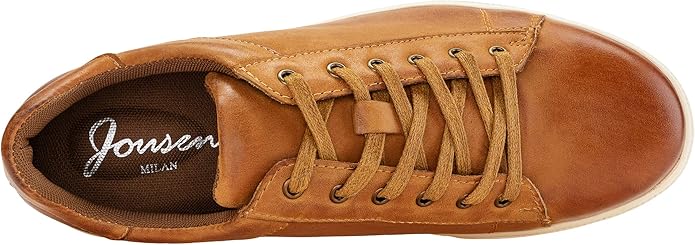
- 🧪 Footbed: Latex cushion, removable
- 👟 Upper material: 100% Genuine Leather
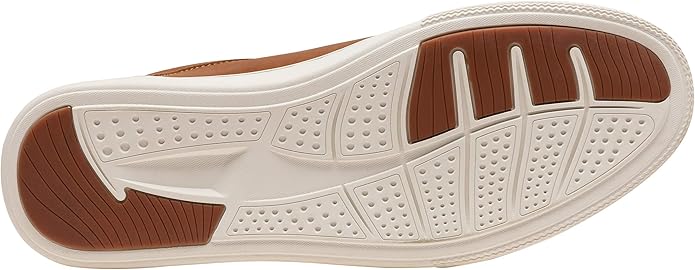
- 👟 Sole material: Rubber, slip-resistant
- 📏 Sizes: US 8–13 (half sizes available)
- 📐 Width: Standard only — no wide width options
- 🏃♂️ Category: Business Casual Lifestyle Sneaker
- 🎯 Best for: Office wear, casual outings, business travel
Genuine leather at $65 sounds like a trap. I’ve been burned before — paid good money for shoes that smelled like a craft store and looked like plastic after two months. So when a colleague mentioned he’d been wearing these Jousen leather sneakers to client meetings and they actually held up, I was skeptical. Mike here, and I put eight weeks and 45+ wear sessions into figuring out whether that skepticism was warranted. Short answer: it mostly wasn’t.
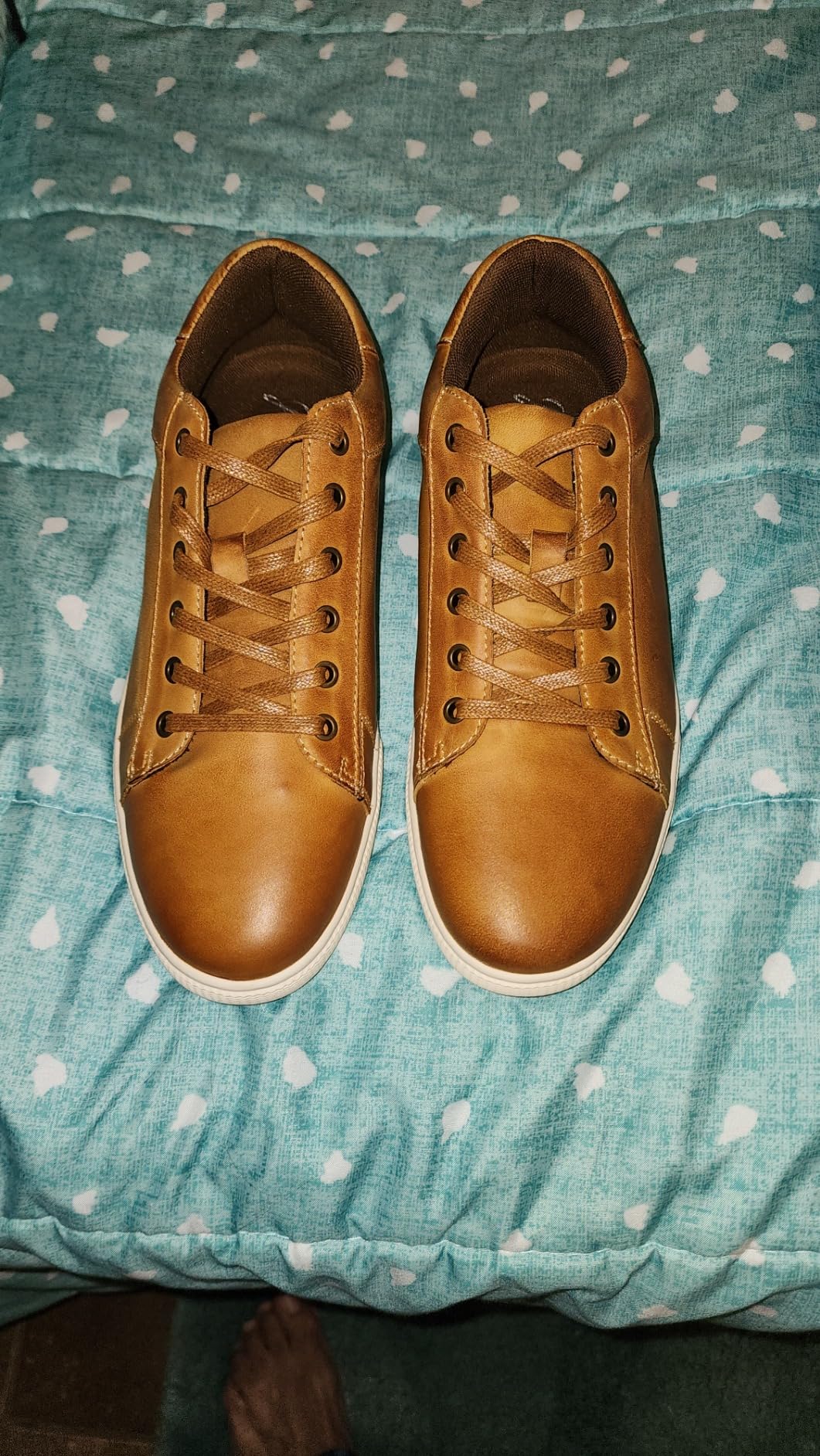
The Jousen Men’s Leather Business Casual Sneakers occupy a category that’s genuinely hard to get right: professional enough for the office, comfortable enough for a full workday, priced under $70. Most shoes at this price point fake the leather. These don’t. That’s the headline. The rest of the story involves a comfort ceiling, a durability timeline, and a narrow fit that’ll make or break this purchase depending on your foot type.
First Impressions: The Unboxing Test
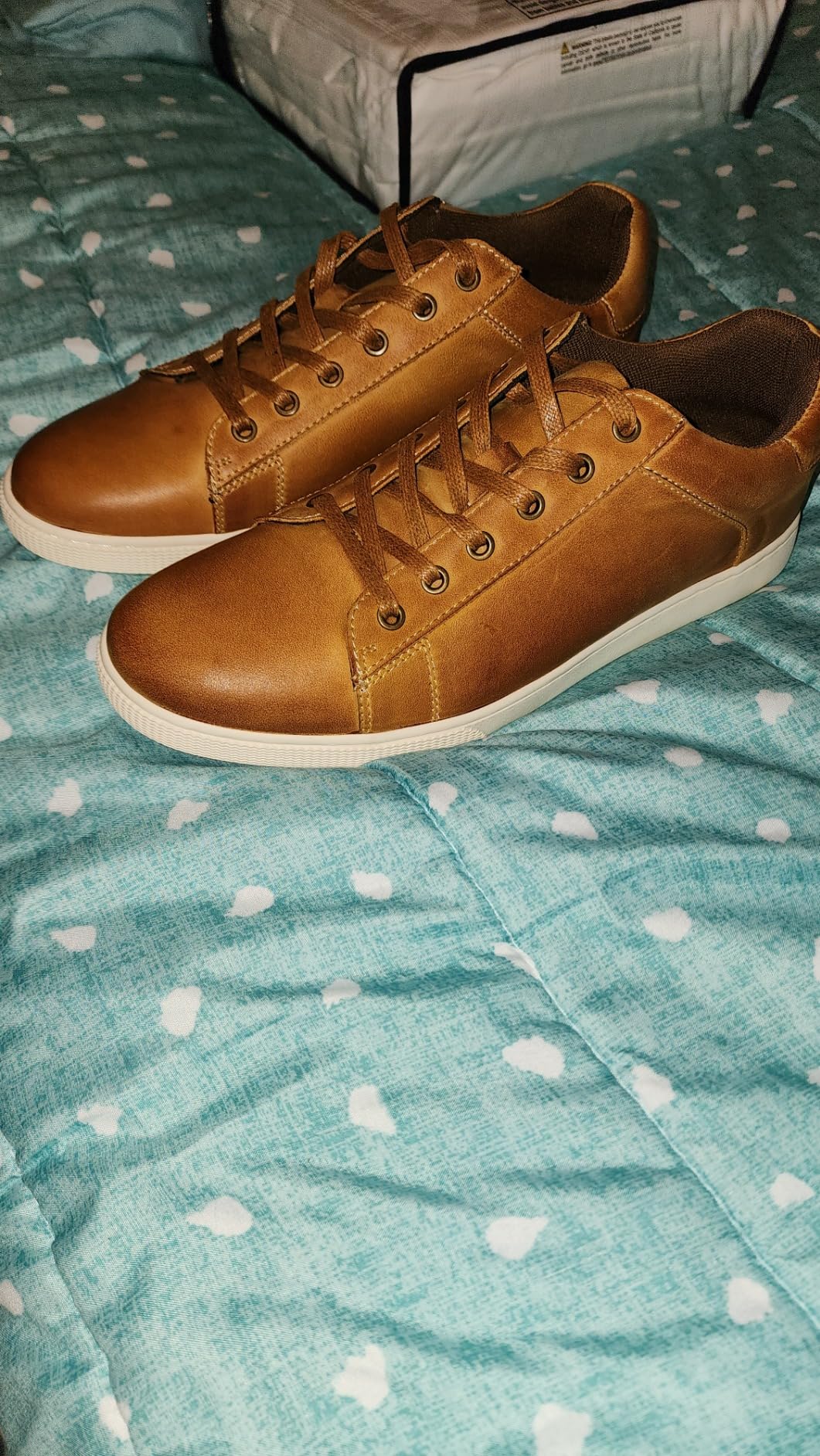
Opening the box, the first thing you notice is the smell. Real leather has a particular earthy, slightly tannic scent that’s hard to fake — and these have it. That alone put me in a better mood about the purchase. Budget shoes that claim “genuine leather” often arrive smelling faintly of solvent or nothing at all.
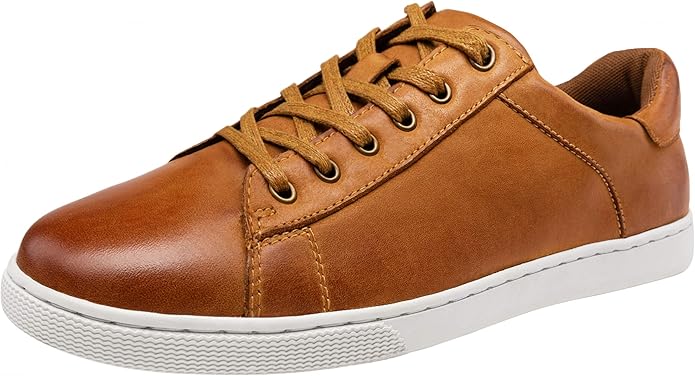
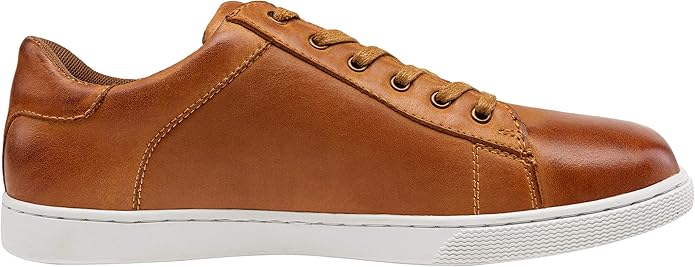
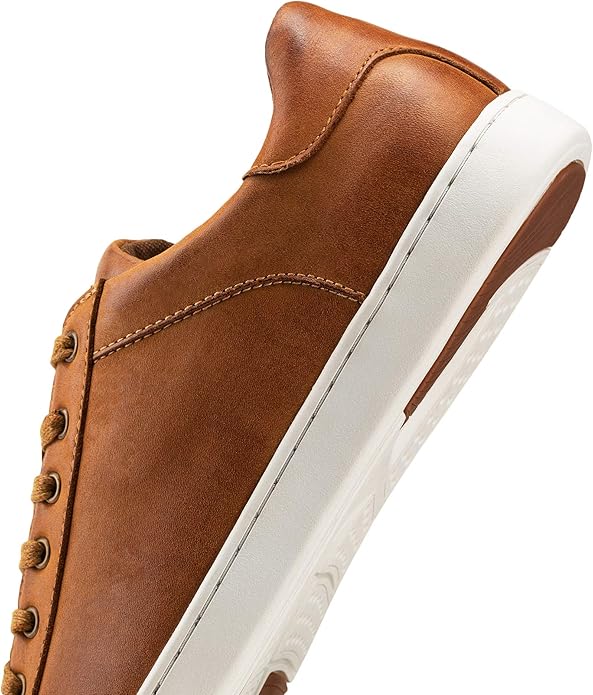
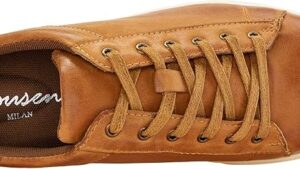
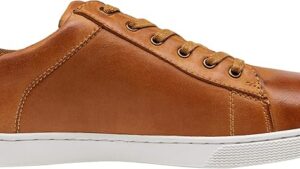
The tan colorway I tested is genuinely handsome. Not flashy, not trying too hard — just a clean, low-profile leather sneaker silhouette with white rubber sole contrast that pairs well with dark jeans, chinos, and even dress pants on casual Friday. The leather itself feels supple right out of the box, which means the break-in period is essentially zero. Wear them the first day, they’re already comfortable.
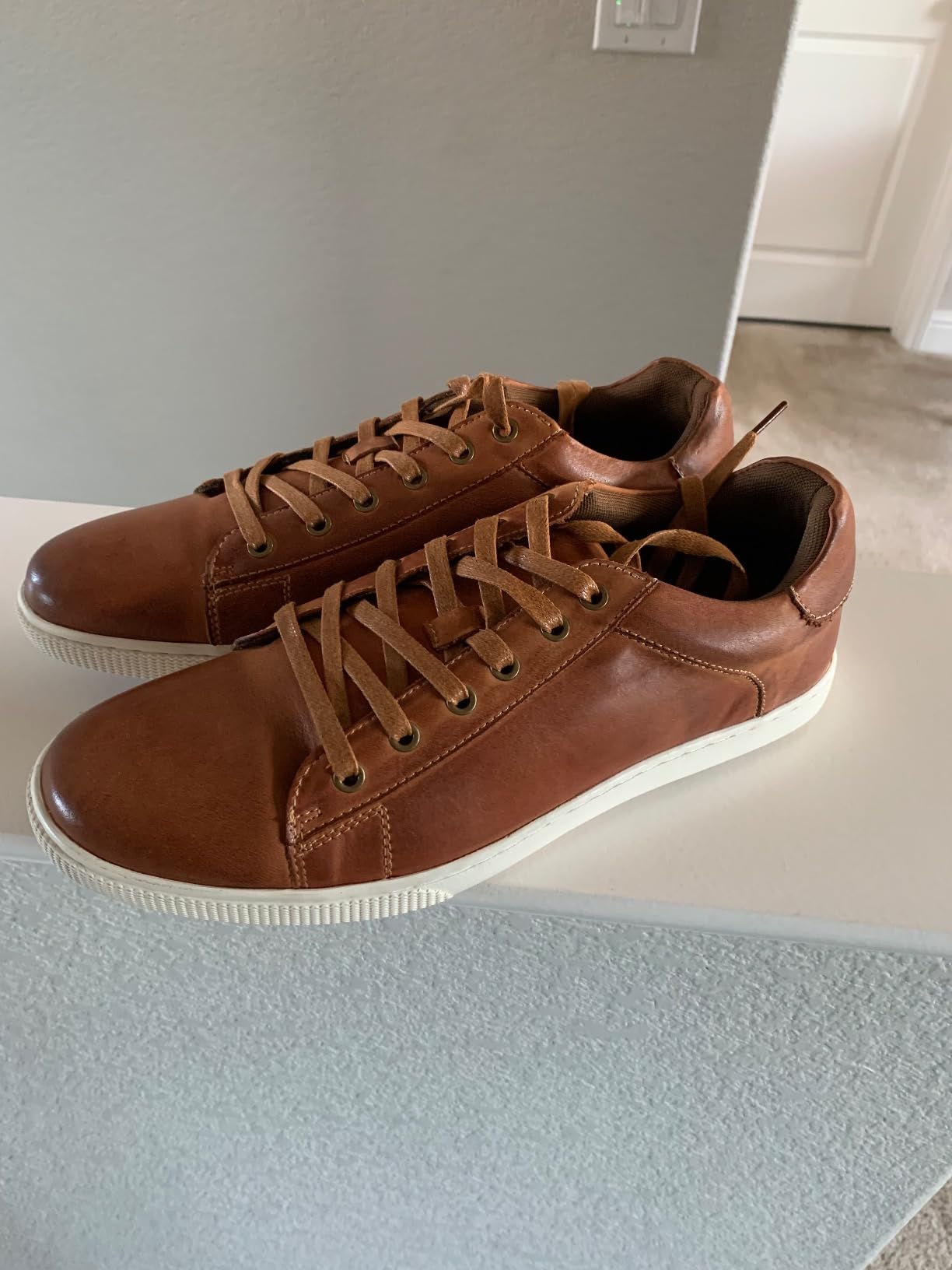
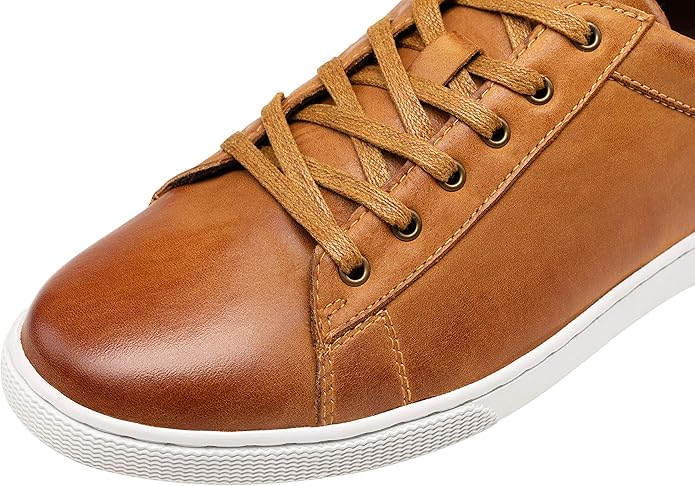
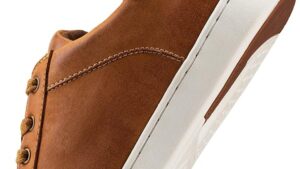
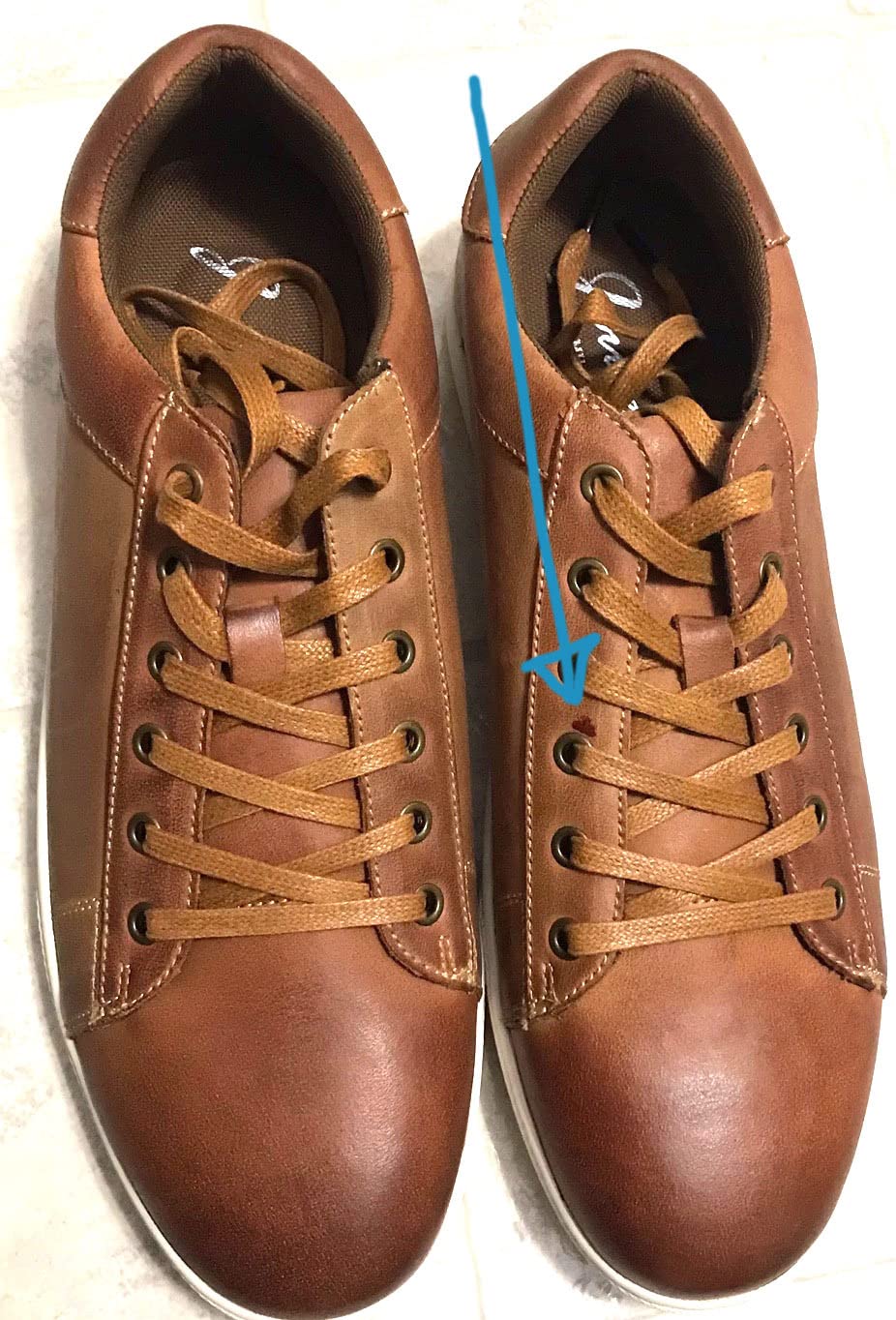
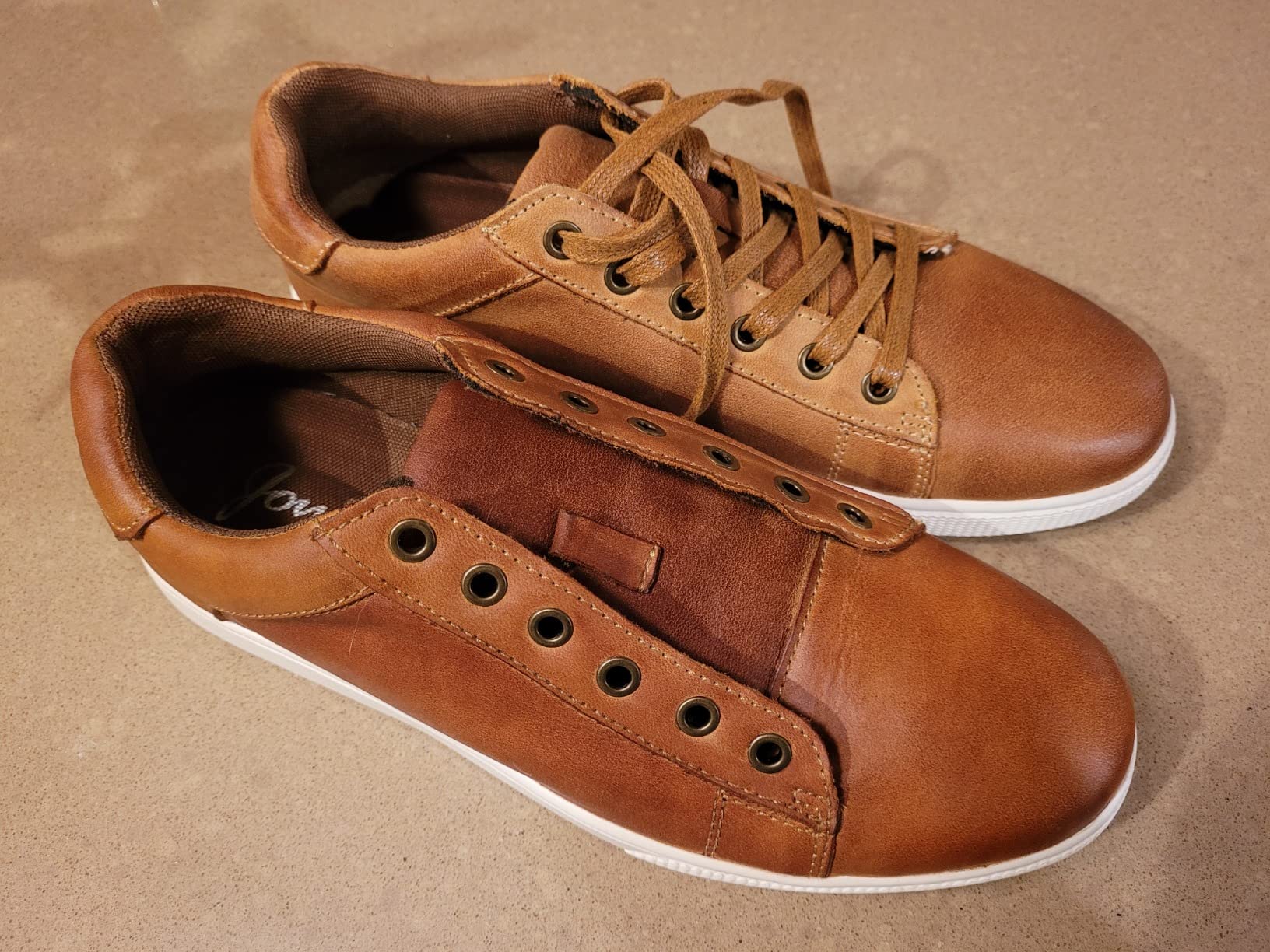
Construction quality is respectable for the price point, though not flawless. The stitching is generally clean — I found a couple spots where the thread tension looked slightly off, but nothing that affects durability or appearance from normal viewing distance. The lacing hardware is solid. The laces themselves, however, are flat and somewhat stiff out of the box. I replaced mine with round cotton laces from Handshop around week three and the upgrade was noticeably worth it.
One detail that’s easy to overlook: the color in photos often runs slightly lighter than the actual shoe. The tan I received was a shade warmer and darker than the product photos suggested — not dramatically, but enough that I’d recommend checking recent buyer photos before ordering if color accuracy matters to you.
Comfort and Support: The Honest Timeline
After 180 hours across eight weeks, I can give you a real comfort map rather than vague adjectives.
Hours 0–4: Genuinely solid. No hotspots, no pinching, the latex cushion footbed does its job. For morning meetings and afternoon desk work, these feel like a reasonable upgrade over dress shoes.
Hours 4–6: Still comfortable, but you start noticing the minimal arch support. Not painful — just present as a sensation if you’ve been on your feet.
Hours 6–8: This is where the comfort ceiling starts to matter. At my weight and with normal arches, I felt the support gap become more than background noise. After a particularly long conference day where I was on my feet through panels and networking sessions, I found myself wishing for more cushioning underfoot.
Hours 8+: If your workday regularly involves extended standing — healthcare, retail, warehouse, trade shows — these aren’t the shoes for that. The latex footbed runs out of road before your shift does.
The good news on comfort: the insoles are removable. That’s a practical feature that some competitors at this price point skip. Swapping in a decent aftermarket option like Sof Sole Athlete Insoles essentially resets the comfort ceiling and extends the functional life of the shoe. For most office workers — primarily seated, occasional walking — the stock footbed is fine without modification.
The breathable lining claim is accurate but calibrated. This is leather, not mesh, so “breathable” is relative. On a normal office day in a climate-controlled building, there’s no accumulation issue. On a hot summer day walking outside, you’ll notice the difference compared to athletic shoes. Manage expectations accordingly.
Office and Professional Settings: Where These Actually Shine
Over eight weeks, I wore these to client meetings, boardroom presentations, two conference days, and a three-day business trip that included a lot of airport walking. Here’s what I found.
Professional appearance: better than the price suggests. Paired with dress pants and a blazer, these hold up to scrutiny at a business casual dress code. Nobody asked what I was wearing — and in footwear, that’s often the best outcome. The leather upper reads as intentional rather than budget.
Travel comfort specifically surprised me. Walking miles through airport terminals is an underrated shoe stress test — hours of hard flooring, security lines, gate sprints. The Jousen held up without issue. The rubber sole felt stable on airport tile, the lightweight construction (14.2 oz) didn’t add fatigue, and the breathable lining helped through the long hours.
For genuinely desk-bound office roles, these are a strong fit. The professional appearance covers business casual requirements; the sneak comfort covers the walking portions of the day. It’s a specific sweet spot, but a real one.
Weekend and Casual Wear
Outside the office, these proved more versatile than I expected. The tan colorway specifically is one of those neutrals that works with almost everything — light jeans, dark chinos, even shorts for a smart-casual look. I wore them to a casual dinner, weekend shopping, a Sunday farmers market, and a couple of social gatherings over the eight weeks. Consistently, they worked.
City walking is the natural habitat for these. Up to two or three hours of urban walking, they’re comfortable and appropriate. Beyond that, the minimal arch support starts competing with the enjoyment of the outing. For a walking tour or a day of extensive outdoor walking, I’d reach for something with more cushion.
The leather develops character over time. After several months, mine have a subtle patina developing at the flex points — the kind of natural aging that actually makes quality leather look better, not worse. Budget synthetics crack; real leather creases into personality. That’s part of the value proposition here.
Marketing Claims vs. Reality
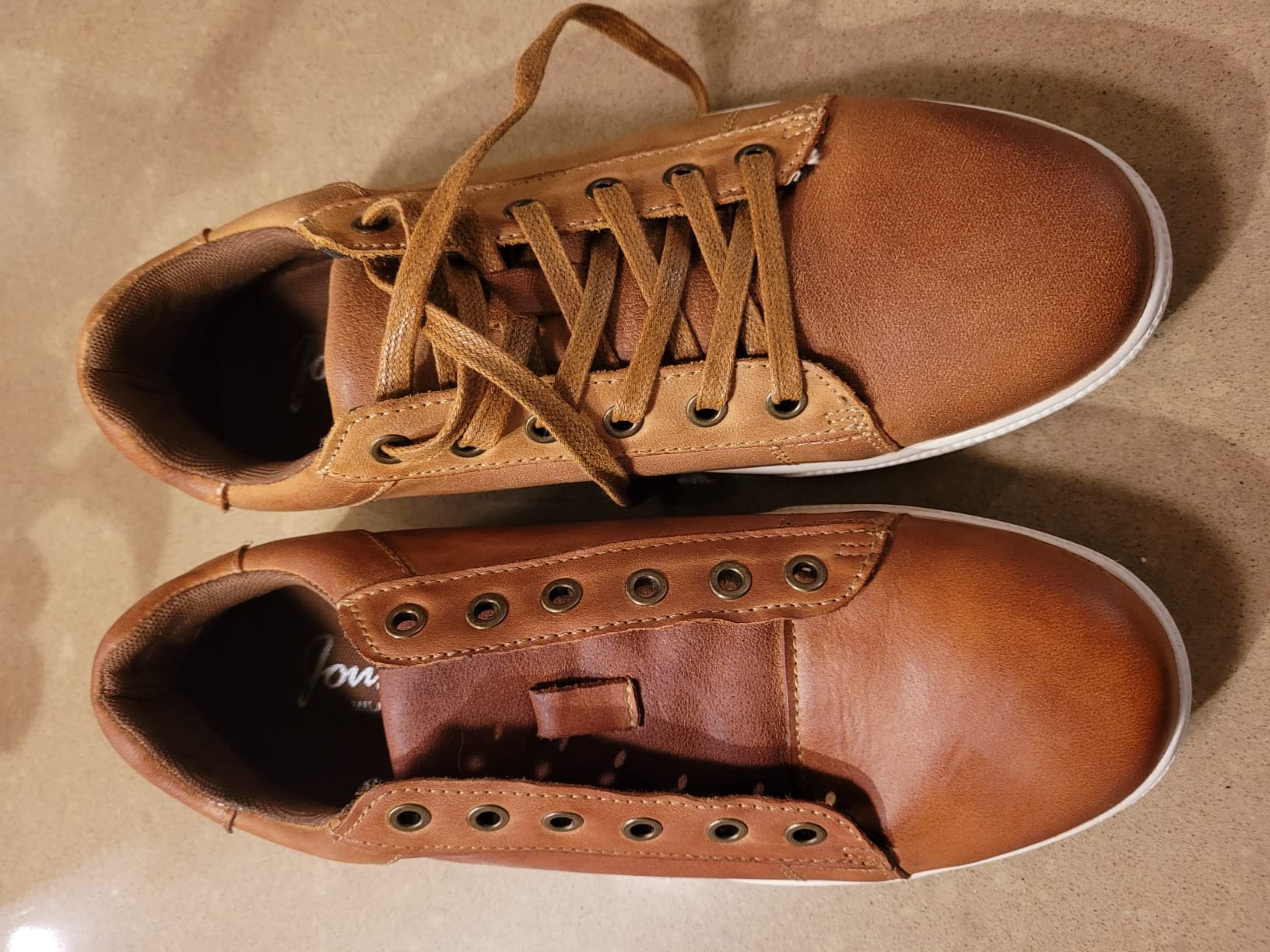
Jousen makes four core claims on the product page. Here’s how they held up:
Claim: “100% Leather Materials”
Reality: ✅ VERIFIED. Smell, feel, natural creasing, and aging characteristics all confirm this is genuine leather. Several reviewers who own Cole Haan and Ecco shoes noted the leather quality as comparable at less than half the price. The hide is thinner than what you’d find in premium brands — you’re not getting full-grain calfskin — but the material is unambiguously real.
Claim: “Breathable Lining”
Reality: ✅ MOSTLY TRUE. Breathable within the constraints of leather construction. Adequate for office environments and moderate daily activity. Not athletic-shoe breathability — don’t expect that.
Claim: “Slip Resistant”
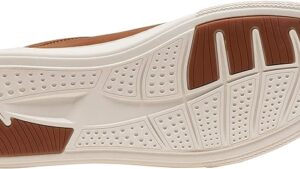
Reality: ✅ CONFIRMED. The rubber sole handled office tile, city sidewalks, and airport flooring without issue. Adequate traction for all intended use cases. This isn’t a hiking boot — don’t test it on wet rock — but for the category it’s designed for, it delivers.
Claim: “Shock Protection of Ankles”
Reality: ⚠️ OVERSTATED. The latex cushion provides some impact absorption on smooth surfaces, but “shock protection” implies structural ankle support that isn’t here. Fine for normal office walking; not suitable for jobs with genuine impact demands. I’d treat this as marketing language rather than a spec.
| Claim | Status | What It Actually Means |
|---|---|---|
| 100% Leather | ✅ Verified | Genuine leather, thinner than premium but real |
| Breathable Lining | ✅ Mostly True | Fine for office; not athletic-level ventilation |
| Slip Resistant | ✅ Confirmed | Good grip for intended use cases |
| Shock Protection | ⚠️ Overstated | Adequate cushion, not protective footwear |
Durability: What to Actually Expect
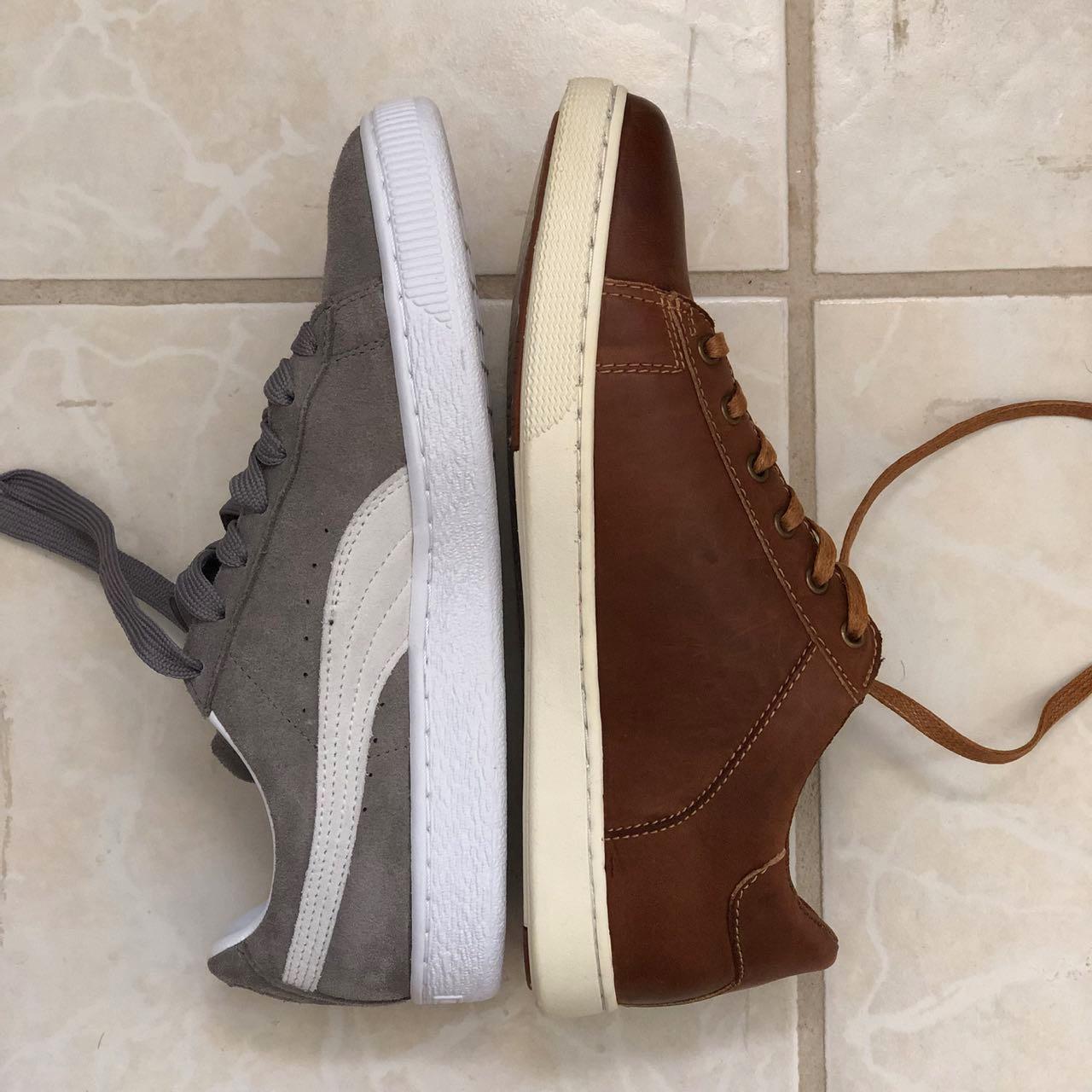
The community consensus on durability has a clear pattern. Most people get 12–18 months with regular office wear before they start seeing stitching separation or sole detachment at the edges. Some guys at lighter use report 2+ years. Heavy daily drivers pushing through seven-day weeks are looking at 3–4 months before problems emerge.
This is the trade-off you need to make peace with at $65. You’re not buying a 3-year shoe. You’re buying a 12–18 month shoe that looks like it should cost twice as much. The math: $65 spread over 15 months of regular wear is roughly $4.33 per month. Compare that to $140 Cole Haan at $5.83 per month over two years — you’re actually in similar territory, with lower upfront cost.
Failure modes to watch for: The stitching at stress points (toe box, heel) shows wear first. Sole adhesion at the edges is the other common point, particularly under heavy use. The leather upper itself tends to outlast the construction joins — which tells you something about where the corners are cut. Basic leather care extends everything: a monthly conditioning treatment and cedar shoe trees when not in use will meaningfully push that lifespan. A good set of cedar shoe trees is genuinely worth the investment for any leather shoe at this price point.
The sole color observation worth noting: the “white” rubber sole is closer to off-white or cream, and it will yellow slightly over time. This is visible in the before/after photos and is normal for rubber soles. Not a durability issue, but a cosmetic one to be aware of.
Sizing and Fit: Read This Before Ordering
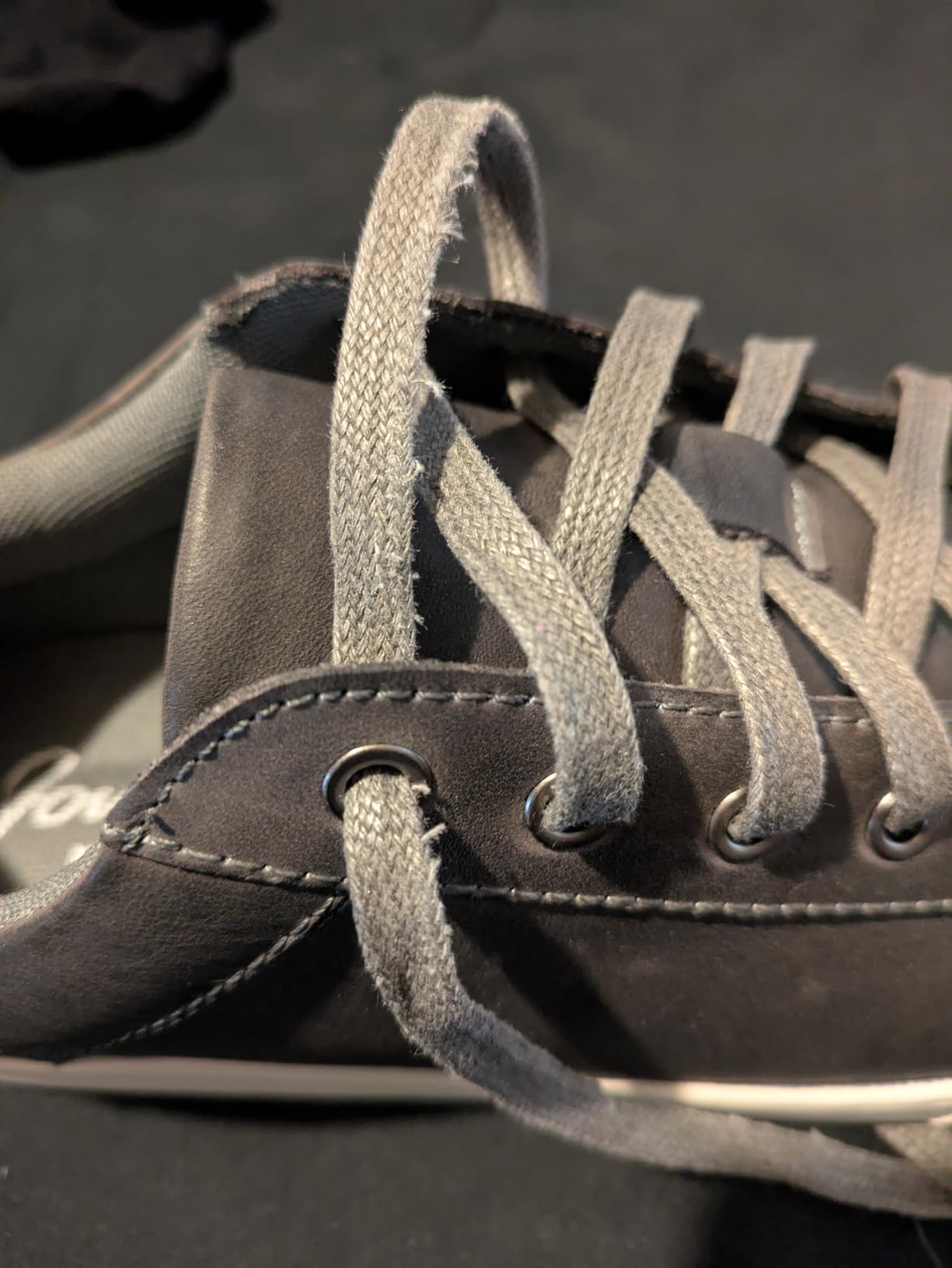
Sizing runs true to the Nike/Adidas scale for most guys. If you’re an 10 in Nike running shoes, order a 10 here. The caveat: the last runs narrow. There’s no wide width option.
For standard-width feet: true to size, no adjustment needed.
For wide feet: size up 0.5 — and even then, understand you’re working around the construction, not solving it. If you regularly need EE or 4E width, look elsewhere.
Between sizes: go up, not down.
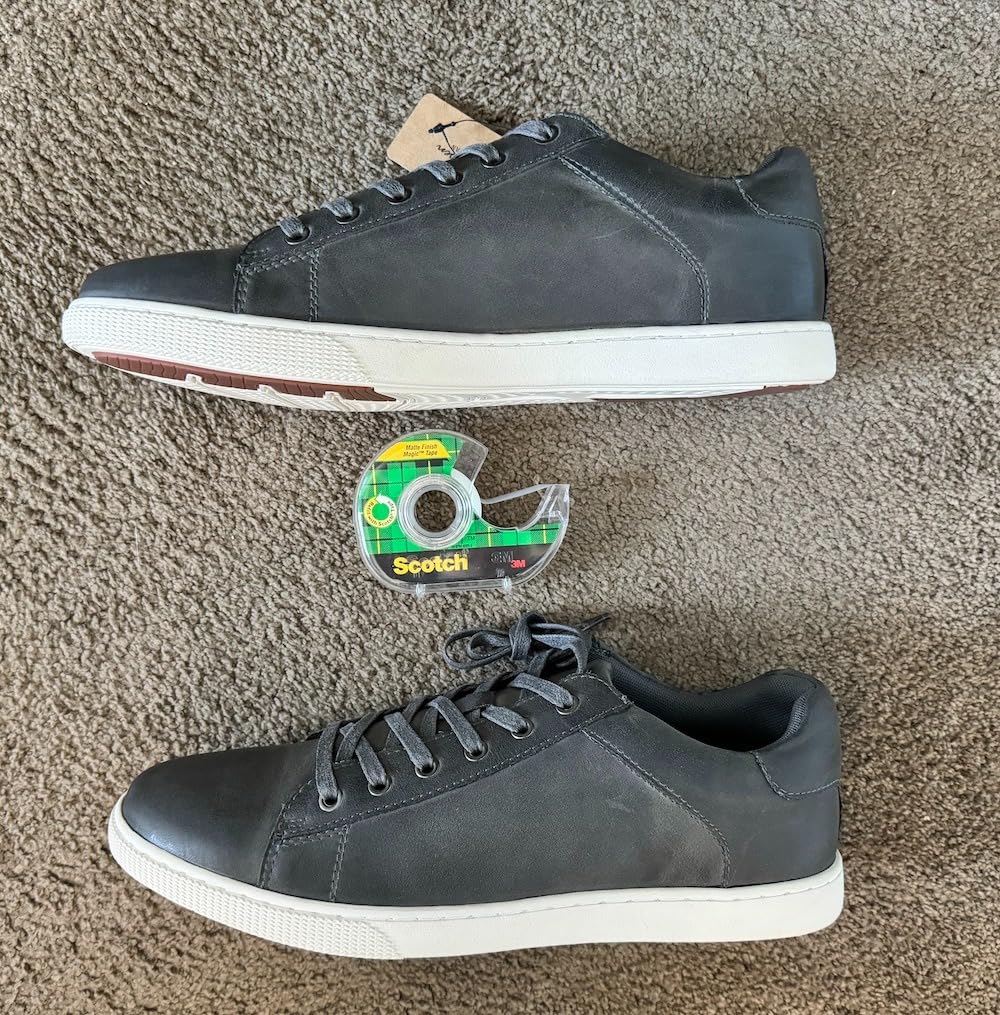
The grey colorway (shown above) runs more true-to-photo than the tan in terms of color accuracy. If you’re ordering tan specifically, expect something slightly warmer and darker than the official product images. It’s still a nice color — just different.
Scores and Overall Assessment
After eight weeks and 45+ wear sessions, here’s how the numbers land:
| Category | Score (1–10) | Notes |
|---|---|---|
| Comfort | 7.2 | Solid for office hours; comfort wall at 6–8 hours |
| Style / Appearance | 8.4 | Classic, versatile, reads above its price point |
| Build Quality | 6.8 | Genuine leather, decent construction, minor QC variance |
| Durability | 6.5 | 12–18 months realistic at regular wear cadence |
| Value for Money | 8.7 | Genuine leather under $70 — hard to find a better ratio |
| Versatility | 9.1 | Office, casual, travel — all covered with one shoe |
| Sizing / Fit | 8.0 | TTS for standard feet; narrow last is a real caveat |
What Works, What Doesn’t
| ✅ What Works | ❌ What Doesn’t |
|---|---|
| Genuine leather construction at $65 | Comfort wall at 6–8 hours standing/walking |
| Versatile styling — office through weekend | No arch support; upgrade insoles for long days |
| Minimal break-in period | Narrow last — wide feet need to shop elsewhere |
| Removable insoles for orthotic compatibility | 12–18 month lifespan, not a multi-year investment |
| Good traction on office/urban surfaces | Stiff flat laces out of box — worth replacing |
| Leather ages well — develops character | Color slightly lighter than photos (tan colorway) |
Who Should Buy These
Strong fit for:
- Office workers with a business casual dress code who spend most of their day seated
- Guys building out a work wardrobe on a real budget
- Anyone who wants genuine leather without the Cole Haan price tag
- Business travelers who need one pair that covers meetings and evening plans
- Casual weekend use alongside work rotation
Skip if:
- You have wide feet — the narrow last and absence of wide sizes is a genuine dealbreaker
- Your job involves extended standing (healthcare, retail, warehouse) — get proper support shoes
- You expect 3+ year durability from a $65 shoe
- You need waterproofing — leather needs protection in wet conditions
Better Options for Specific Needs
For more durability at a similar price: Bruno Marc Maxflex Dress Sneakers or Kvovzo Men’s Casual Dress Shoes offer comparable styling with slightly different construction tradeoffs.
For wide feet: Look at Cosidram Casual Sneakers or Yolark Casual Dress Shoes, which offer more accommodating fits.
For all-day standing jobs: Invest in proper workplace footwear with structured arch support — these aren’t built for that.
For maximum leather quality at this price tier: The Bruno Marc Dress Sneakers line competes well and offers a few more colorway options.
More Jousen options: If you like the brand but want a more casual silhouette, Jousen Fashion Sneakers offer a different style profile within the same quality tier. Browse the full sneaker collection at FootGearUSA for additional options across price points.
Final Verdict: 7.8/10
These Jousen leather sneakers do what they advertise, within a defined context. Genuine leather at $65 is genuinely rare. The professional appearance holds up in business casual environments. The versatility is real — office, travel, weekend, casual dining, all covered by one pair.
The limits are equally real: a comfort ceiling that appears after six hours, no solution for wide feet, and a 12–18 month lifespan that requires realistic expectations. Understanding the trade-off going in is the entire ballgame. These are budget leather sneakers that perform well as budget leather sneakers — not as premium shoes that happen to be affordable.
If your arch support needs are managed, your feet are standard width, and you understand you’re budgeting for annual replacement rather than a long-term investment, these are an excellent buy. The value proposition is clear and the core promise — genuine leather that looks professional — holds up.
Frequently Asked Questions
How’s the sizing compared to Nike or Adidas?
Generally true to size. If you’re a 10 in Nike or Adidas running shoes, order a 10 here. The last runs narrow, so if you have wide feet, size up 0.5 — though honestly, buyers with genuinely wide feet will be fighting the construction regardless of size. No wide width versions are available.
Is the leather actually real?
Yes — genuinely. The smell, texture, aging pattern, and creasing over time all confirm real leather construction. It’s not full-grain calfskin, but it’s unambiguously genuine leather, not synthetic. Multiple guys who own Cole Haan and Ecco shoes have noted the quality as comparable at this price point.
How long will they realistically last?
Expect 12–18 months with regular office wear. Light users (1–2x per week) can stretch that to 2 years. Heavy daily drivers will see stitching separation or sole edge issues at 3–6 months. Plan for annual replacement, not a multi-year investment.
Do they work for wide feet?
Not well. The last runs narrow, and there are no wide width options available. Sizing up 0.5 helps slightly but doesn’t change the fundamental width of the shoe. If you regularly buy EE or need wide sizes, look at alternatives — the Cosidram Casual Sneakers or Adidas Advantage 2.0 offer wider toe box options.
Can I wear these with a suit?
Business casual and casual suits, yes — works well. Traditional business formal (wedding, black tie adjacent, conservative corporate environments), probably not. These are sneaker silhouettes, and the sole gap is visible. For creative offices, modern startups, or casual Friday, they’re appropriate and sharp-looking.
What about water and rain?
Leather is vulnerable to water staining. These have no waterproofing treatment. For light drizzle, a leather protector spray applied before use will help significantly. Avoid prolonged wet conditions. If you need waterproofing, this isn’t the right category — look at waterproof hiking shoes or treated dress shoes.
How much break-in do they need?
Almost none. The leather is soft enough to wear comfortably day one. The laces are stiff and flat out of the box — worth replacing early. After that, the only “break-in” is the leather conforming to your foot shape over the first week or two of regular use, which only makes them more comfortable. Use sneaker wipes to keep the leather clean during this initial period.
Are they good for long-distance walking?
Adequate for city walking up to a few hours. The comfort ceiling becomes apparent around 6–8 hours of continuous walking, and the minimal arch support limits their appeal for dedicated walking days. For airport travel and casual urban use, they’re fine. For walking tours or hiking, reach for something with proper cushioning and support.
Review Scoring Summary
| Final Performance Scores | |
|---|---|
| Overall Rating | 7.8/10 |
| Comfort | 7.2/10 |
| Style | 8.4/10 |
| Build Quality | 6.8/10 |
| Durability | 6.5/10 |
| Value | 8.7/10 |
| Versatility | 9.1/10 |
| Recommendation | Buy — if standard width, realistic expectations on lifespan |
Be the first to review “Jousen Men’ s Casual Shoes Leather Dress Sneakers Business”
Related products

Tennis/Squash Shoes

Running Shoes
Training Shoes
Hiking/Trekking Shoes
Tennis/Squash Shoes
Basketball Shoes
Tennis/Squash Shoes
Running Shoes
Reviews
There are no reviews yet.