



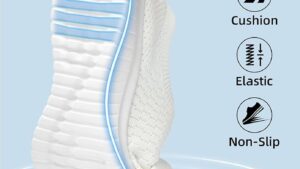
Here’s something I didn’t expect to be writing: a 3,000-word review about a $40 shoe. But after eight weeks of wearing these Konhill Men’s Athletic Walking Shoes through the kind of daily grind that actually tests footwear — hardware store runs, sideline standing at three different sports practices, neighborhood walks in July heat, and one miserable rainy afternoon in a parking lot — I have more to say about them than I did about some $120 shoes I’ve tested. Mike here. Let me tell you what actually happened.
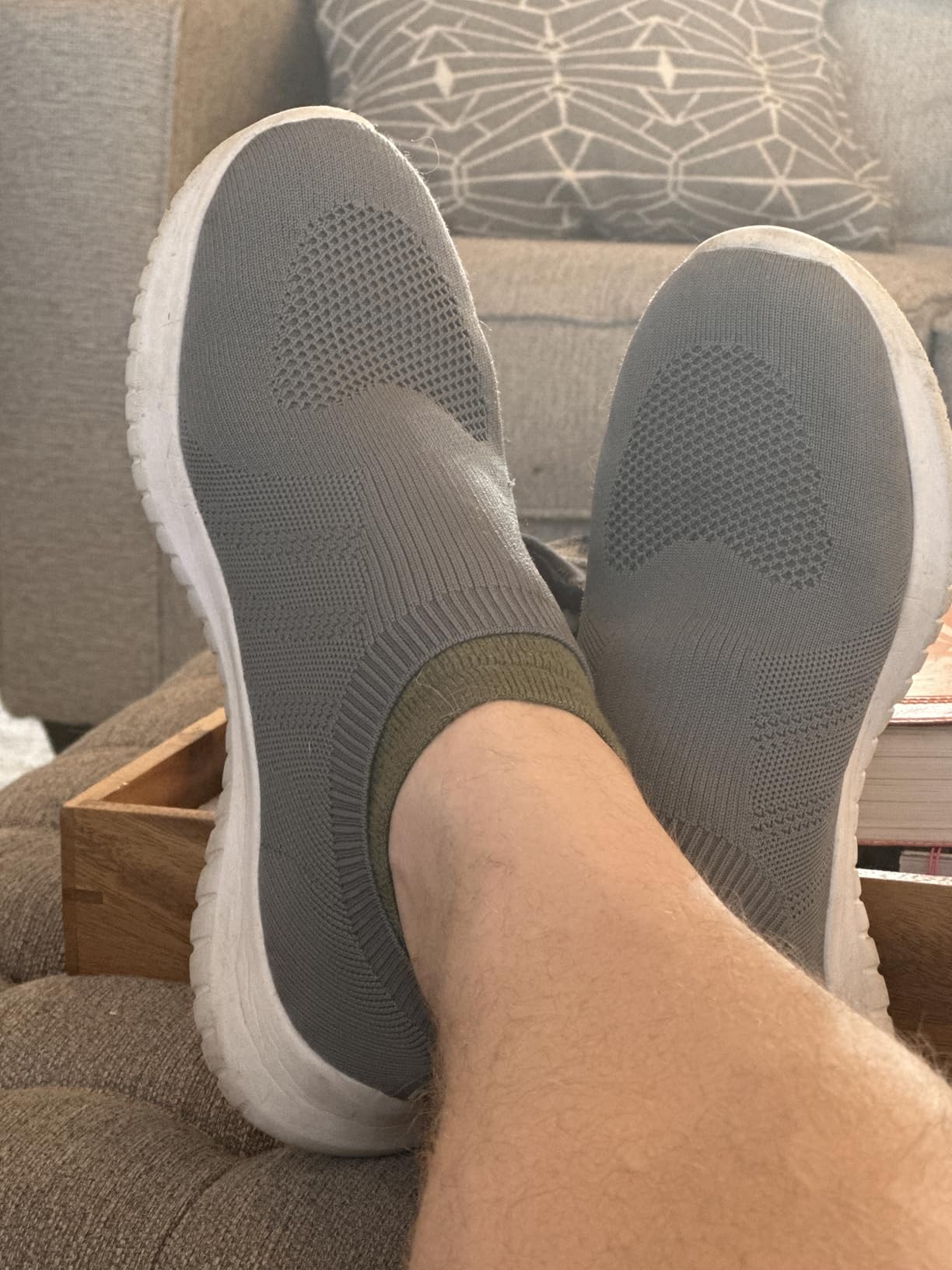
Technical Specifications
- 💰 Price: $35–45 (check current price)
- ⚖️ Weight: 8.5 oz (men’s size 9)
- 🧪 Midsole: MD foam (ethylene vinyl acetate variant)
- 👟 Upper: Breathable knit textile
- 👞 Outsole: Non-slip rubber
- 🚶♂️ Category: Casual lifestyle sneakers — NOT athletic training shoes
- 📏 Sizes: US Men’s 6.5–14 (half sizes available)
- 🎨 Colors: 15+ options (black, white, grey, navy, brown, and more)
- ⏱️ Testing: 8 weeks, 40+ sessions, 75+ miles
Before Anything Else: What These Shoes Actually Are
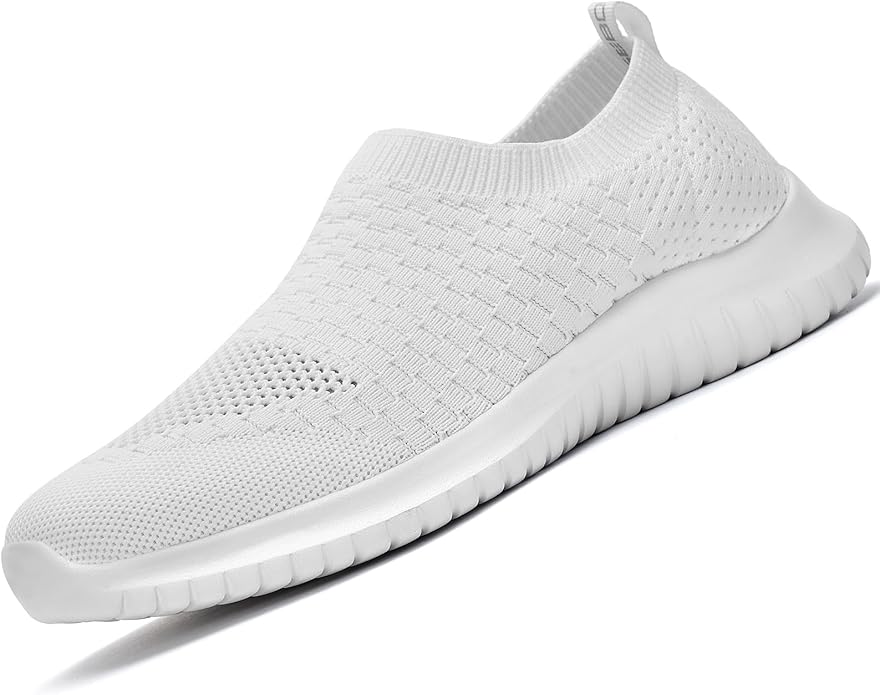
Konhill calls these “Athletic Walking Shoes.” That label is doing some heavy lifting. These aren’t athletic shoes. They’re casual lifestyle sneakers — the kind you reach for when comfort and convenience matter more than performance specs. Understanding that distinction before you buy will save you a lot of frustration.
Think of them as casual sneakers that happen to be excellent for light walking, daily errands, and situations where you need to be on your feet for a few hours without your feet staging a protest. They’re not built for athletic training. They’re not designed for hiking. And they won’t replace a proper running shoe or dedicated walking shoe with real arch support.
What they will do is deliver genuine comfort and featherweight convenience for the busy dad / everyday-on-feet demographic. That’s the promise. Here’s how it actually holds up.
First Impressions: Weight, Fit, and That Slip-On Design
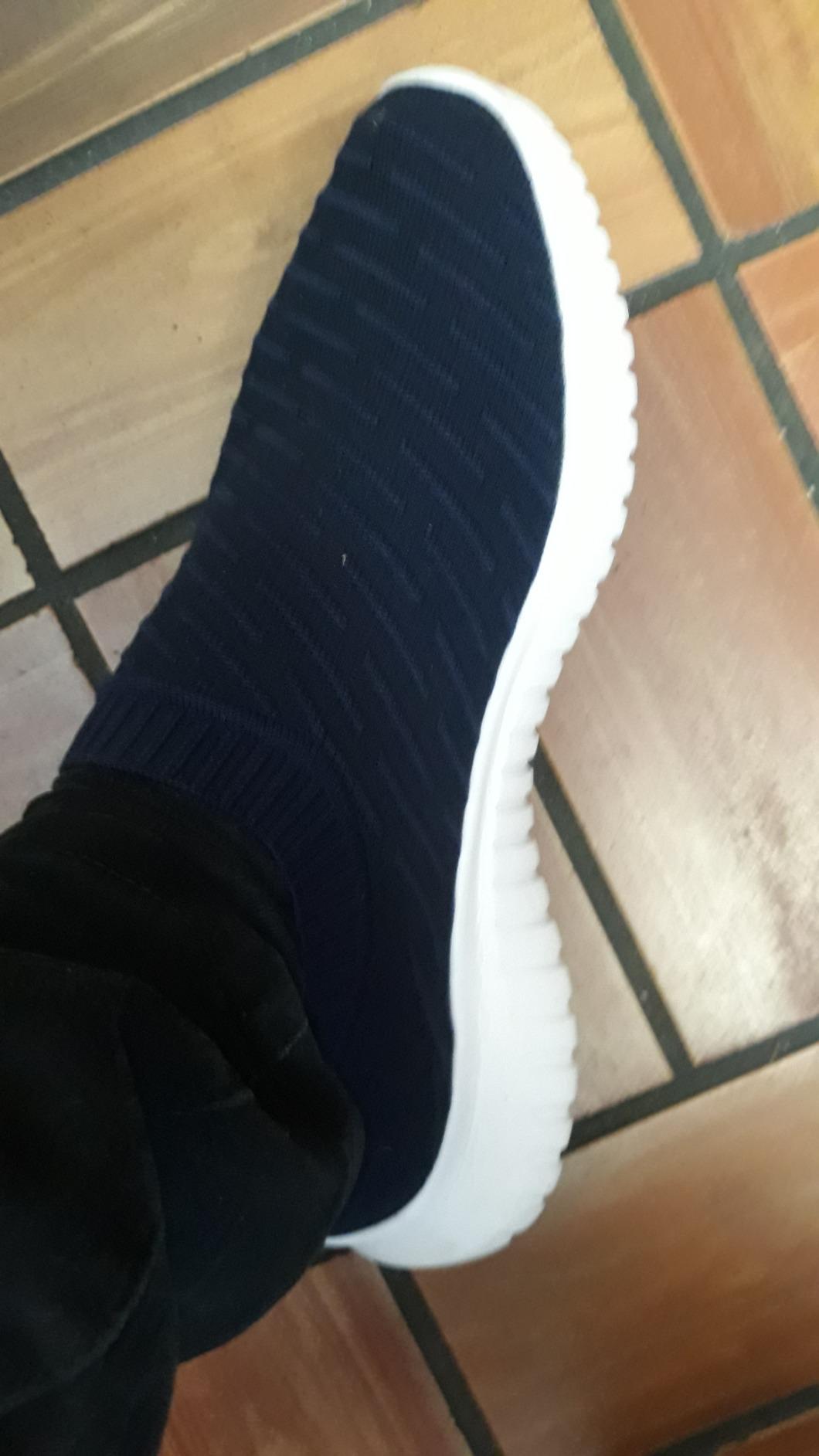
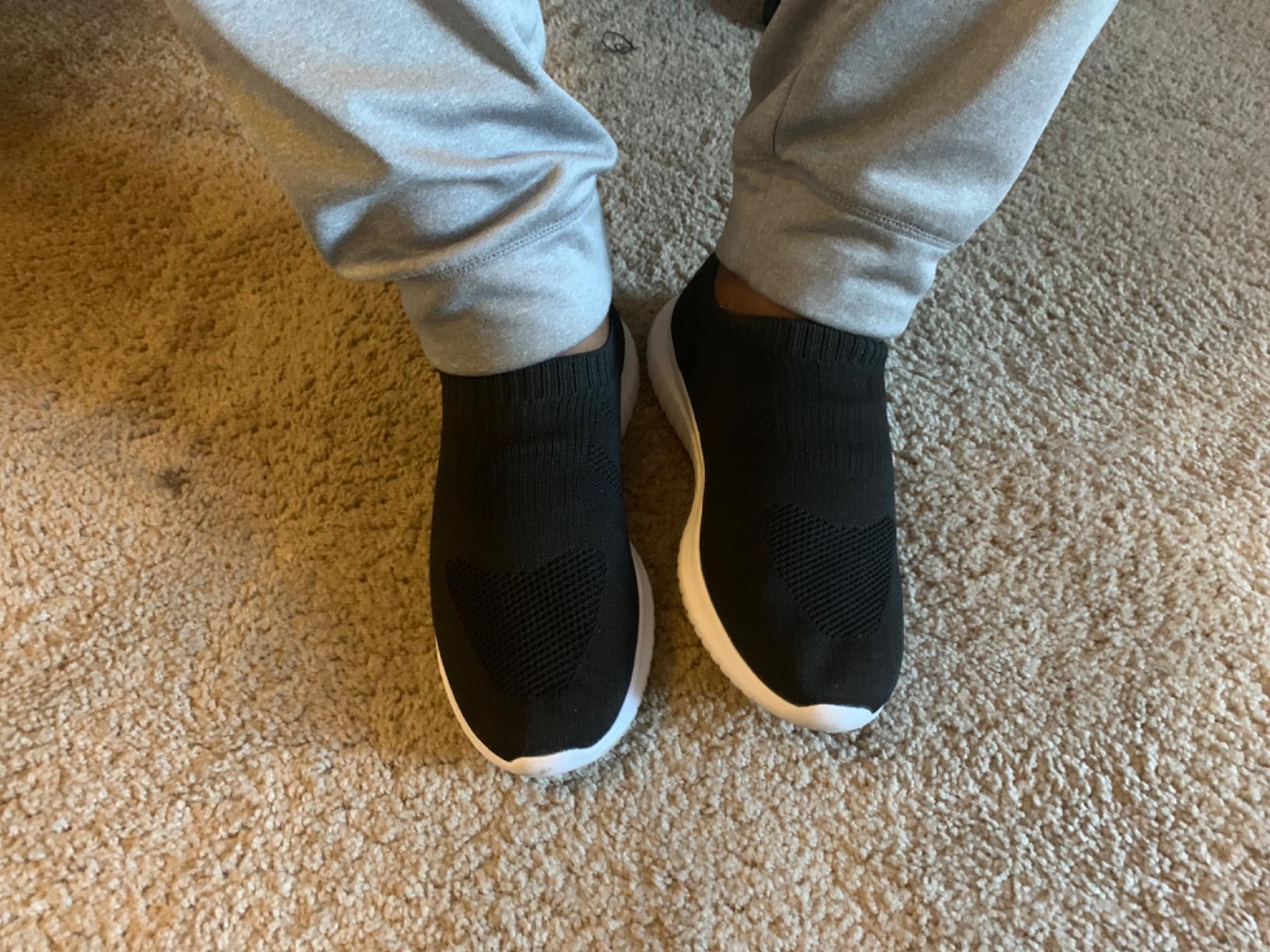
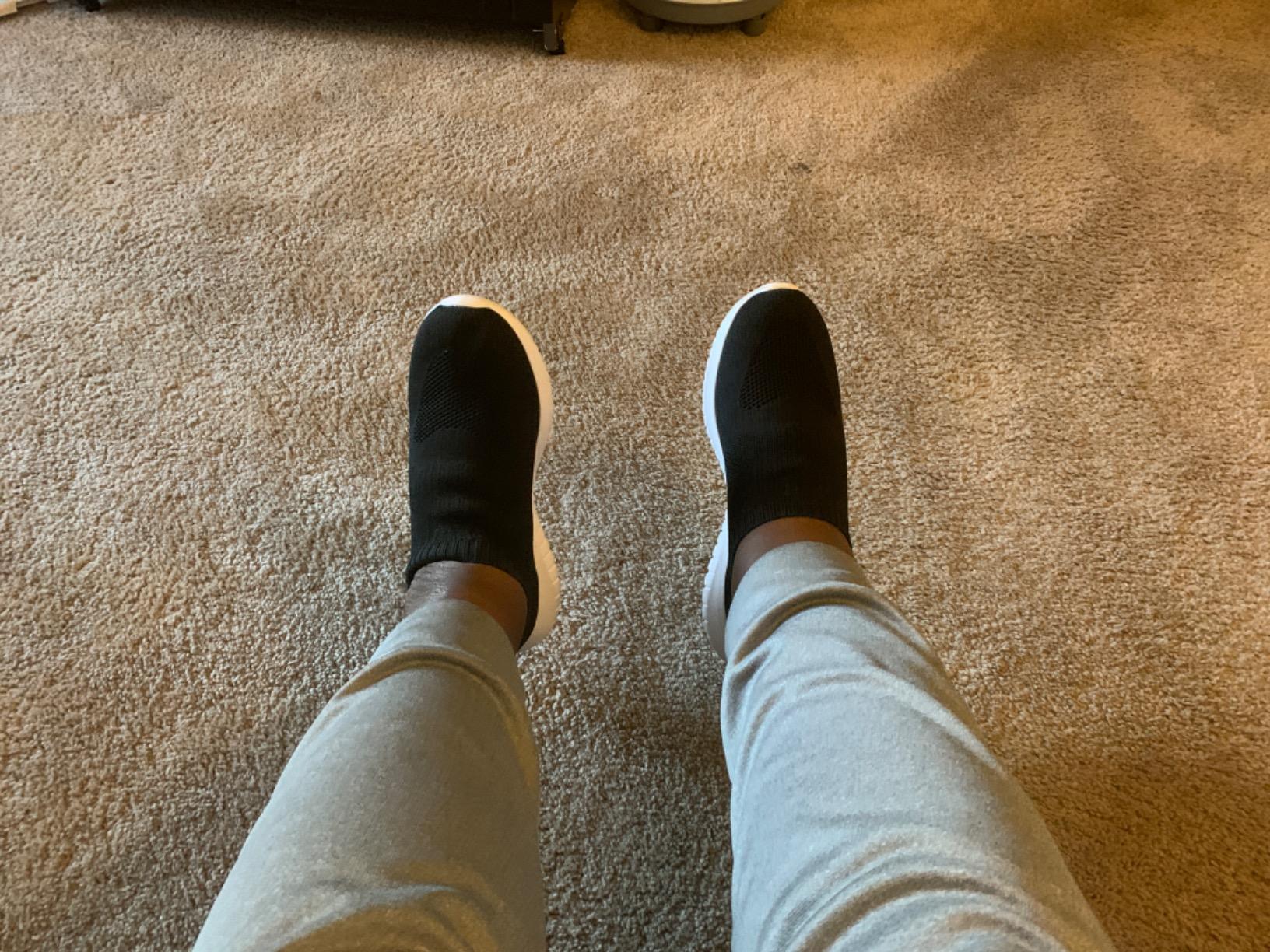
Pick these up out of the box and your first reaction is “are these actually shoes?” At 8.5 ounces for a men’s size 9, they’re closer in weight to a thick performance sock than a typical sneaker. The knit upper feels soft and pliable, almost like a hosiery material that’s been reinforced just enough to hold a shoe shape.
The slip-on design uses a heel pull loop instead of a lace system. No threading, no adjusting, no fumbling. For the kind of schedule where you’re in and out of shoes a dozen times a day — school drop-offs, quick hardware store runs, popping into the backyard — this convenience factor is real and I genuinely appreciated it by week three.
Fit and Sizing: The Decision You Need to Make Before Ordering
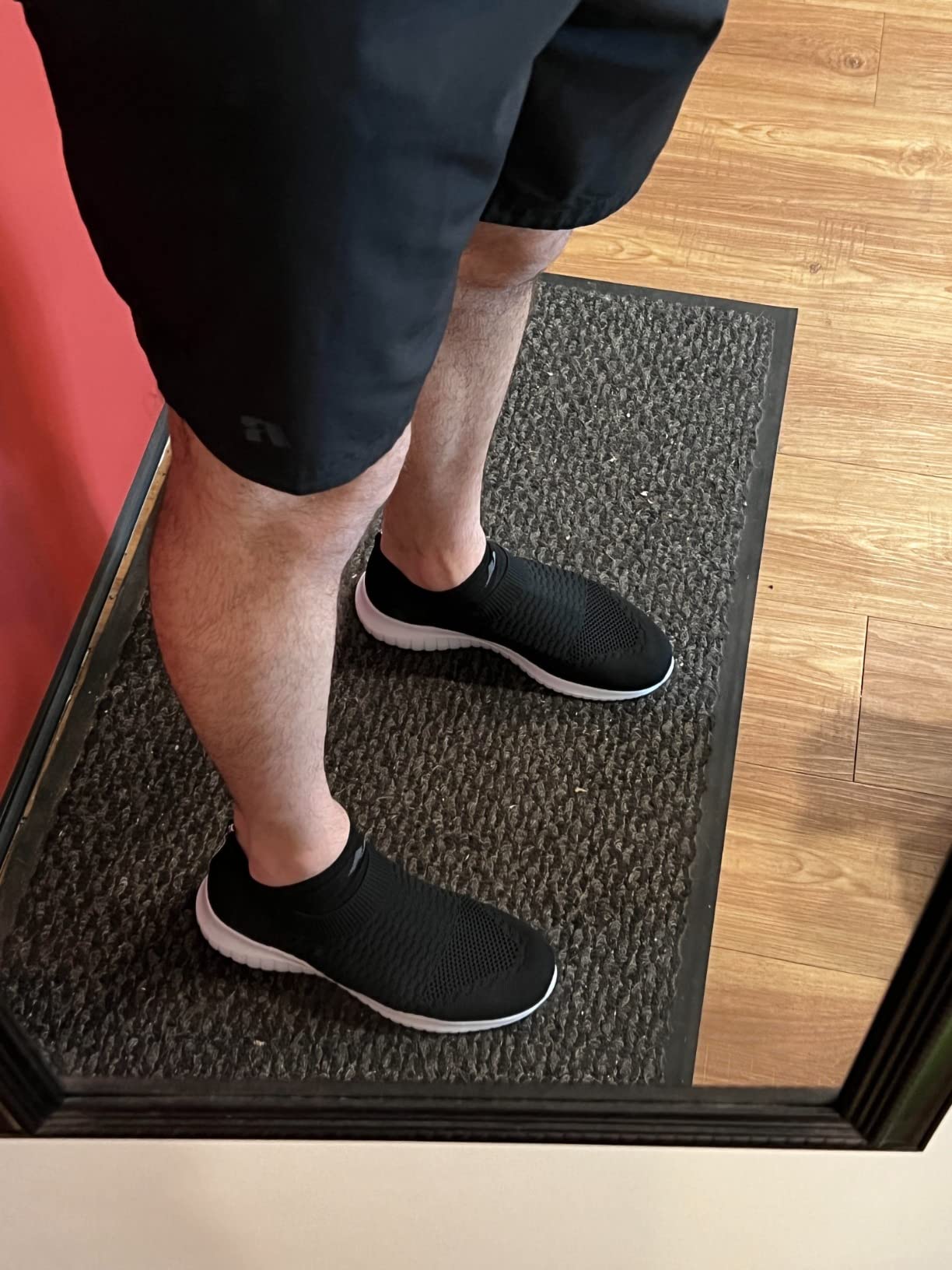
Sizing runs true for standard-width feet. My usual size worked exactly as expected — no wrestling, no breaking-in, comfortable immediately on day one. But there’s a catch that competitors barely mention: the sole width runs narrow.
The knit upper has some stretch, so it can accommodate a slightly wider forefoot. But the rubber sole is fixed in width, and it runs on the narrow side of average. If your foot naturally runs standard or slightly narrow, you’re fine ordering your regular size. If you wear wide variants in other brands — or you’ve been told by a podiatrist that you have a wider-than-average foot — you’ll want to size up half a size and be prepared that it still might feel snug through the midfoot.
If you need EE width or are dealing with serious bunions, skip these entirely. The sole shape isn’t going to accommodate that. A better option for wide feet would be something like the Orthofeet Tilos slip-on, which is built specifically around foot width accommodation.
There’s also zero break-in required. Day one comfort is a genuine feature, not marketing copy. But — and this matters — zero break-in also means the shoe never improves its support. It starts at its best and gradually wears toward its worst. Keep that trajectory in mind.
Build Quality: What $40 Actually Gets You
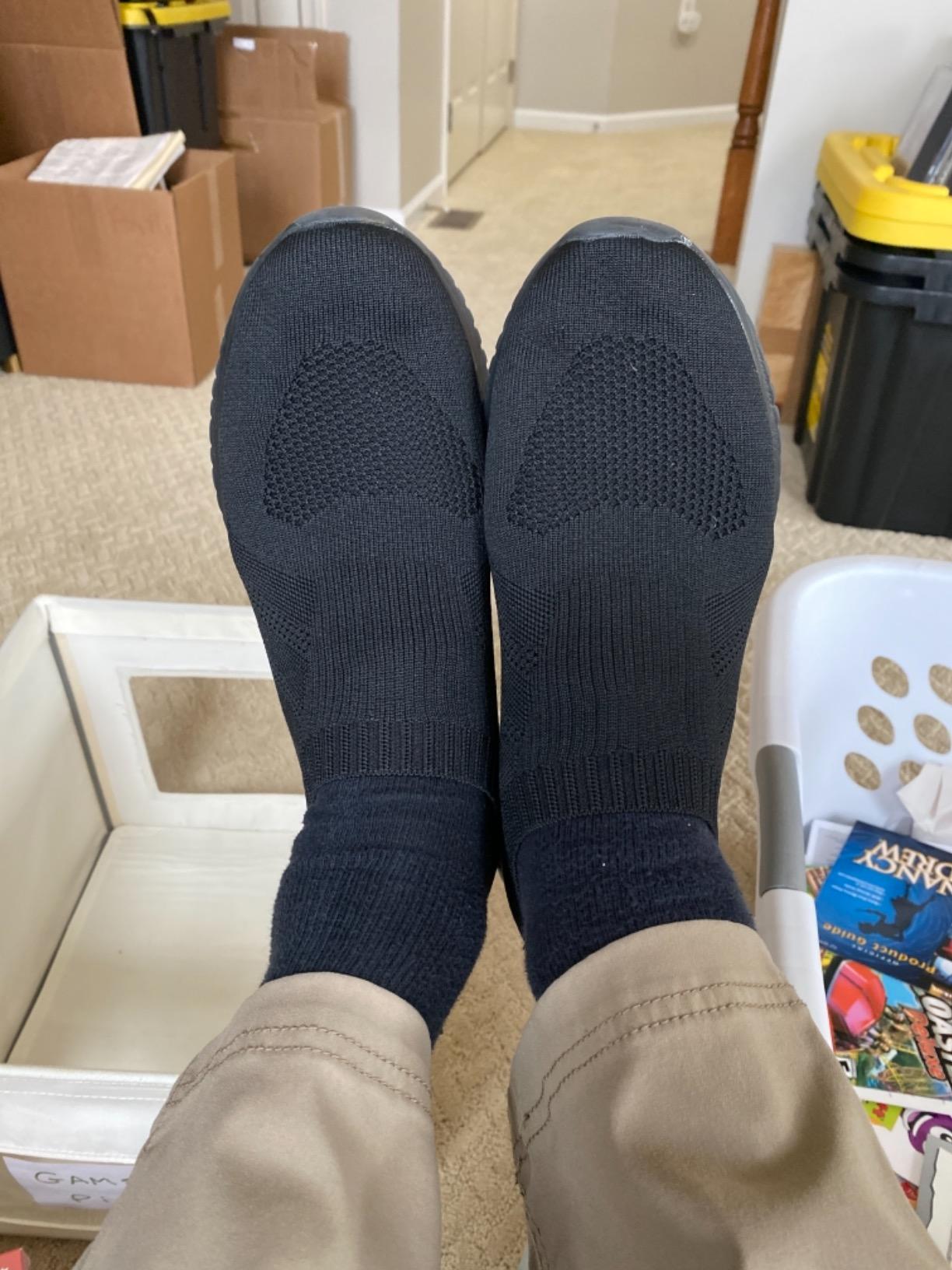
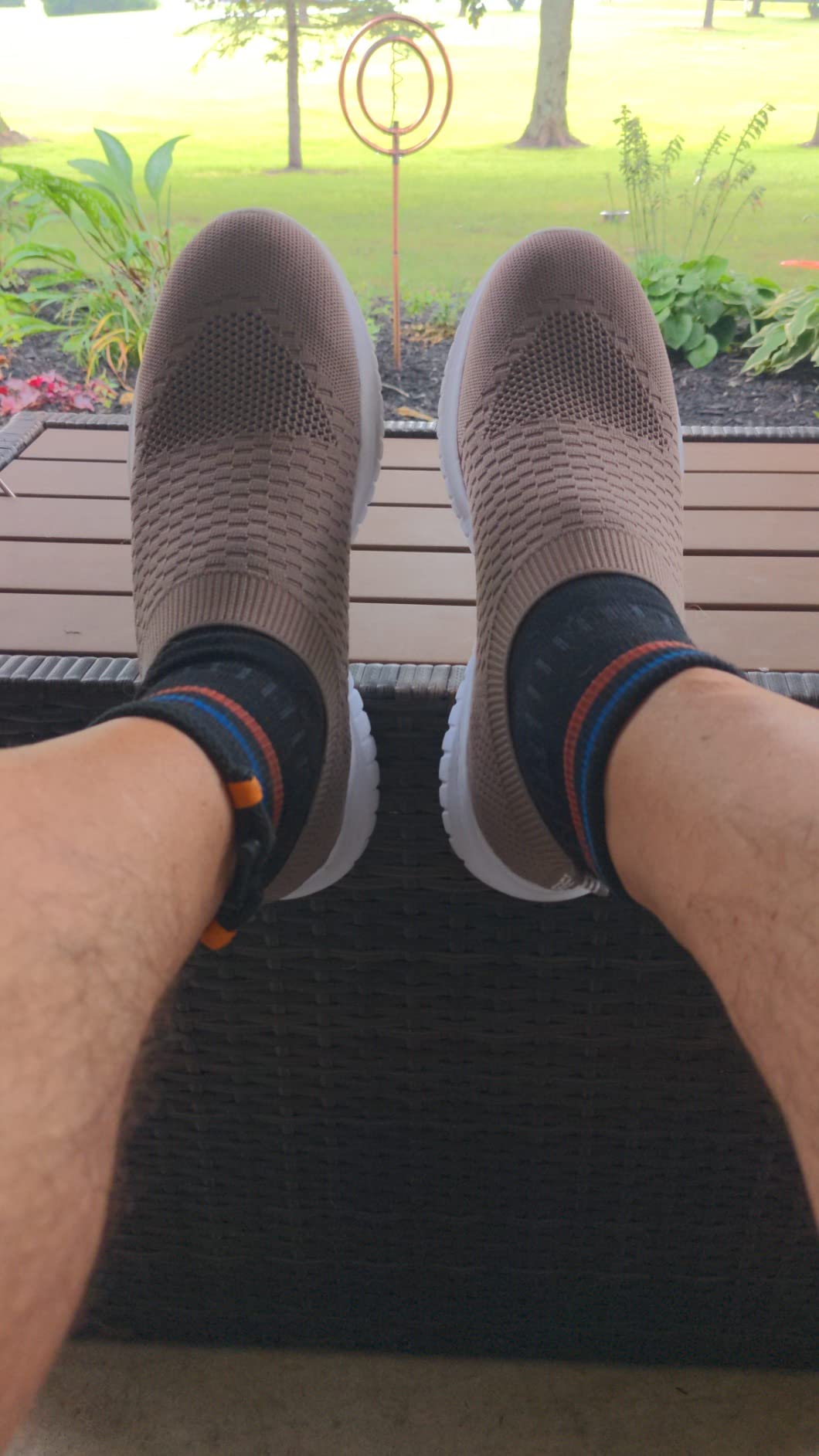
The knit upper is the same general construction you’d find in a casual running shoe upper — breathable mesh knit that allows airflow and has enough give to not create pressure points. The difference from an athletic-grade upper is that this one isn’t reinforced for lateral stress or repetitive impact. It’s built for casual forward-motion comfort, not athletic movement patterns.
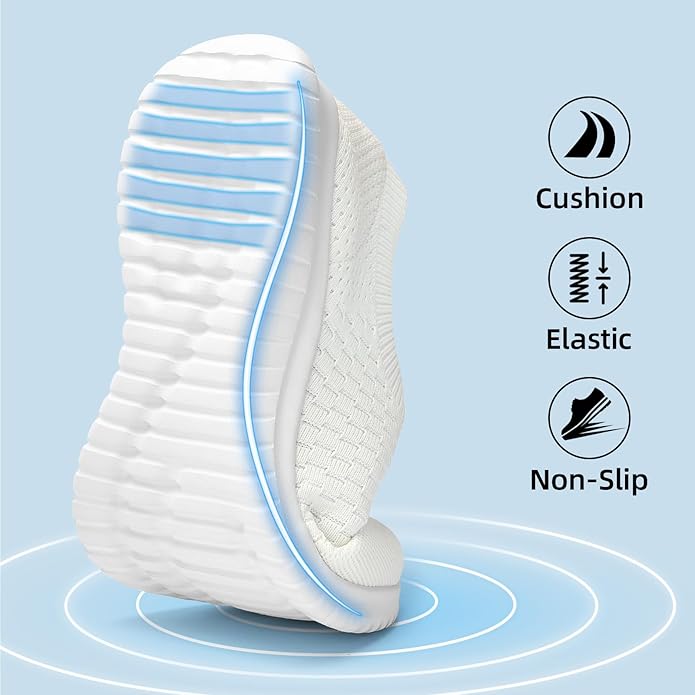
The MD foam midsole is soft EVA compound. Fresh out of the box it has a pillowy feel underfoot that you notice immediately. I’d describe the first two weeks as “pleasant cushioning” — not responsive bounce like a premium foam, but genuine softness that takes the edge off concrete and tile.
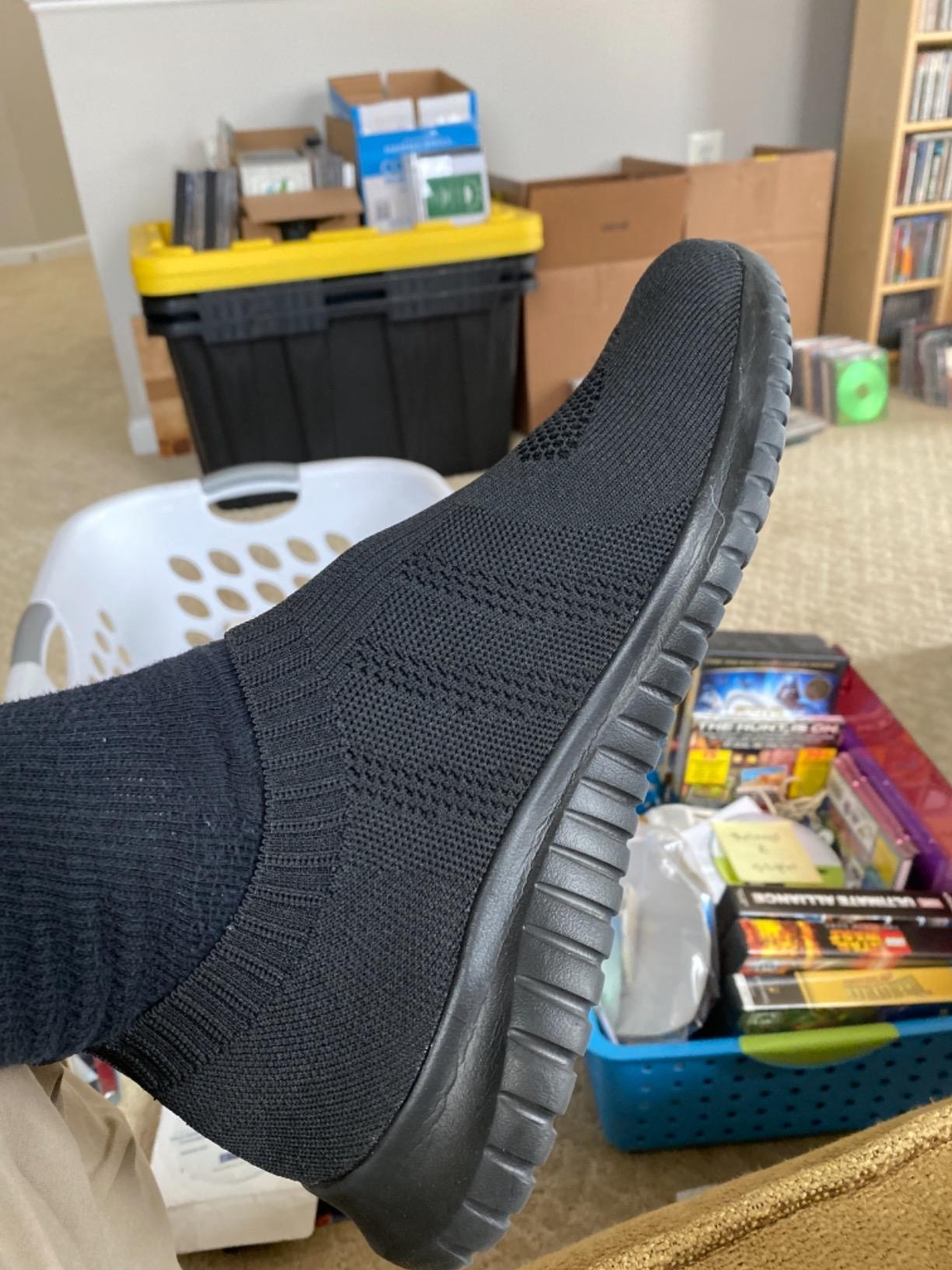
The rubber outsole has a general-purpose tread pattern — not deep lugs for trail use, not a flat court sole. Medium depth, moderate pattern spacing. On dry concrete and smooth indoor surfaces, it grips reliably. I never had a slip incident on normal walking surfaces.
What you don’t get at this price: reinforced toe cap, double-stitched stress points, any form of arch support beyond the basic insole shape, or lateral stability features. These are the compromises that turn a $120 shoe into a $40 shoe. The build is honest about what it is — casual tier, appropriate durability for the price.
Comfort: The Real Story Has a Time Component
Here’s what no competitor review I read mentions clearly: comfort is time-dependent with these shoes.
During the first 3–4 hours of casual use, these are legitimately comfortable. Not “comfortable for a budget shoe” comfortable — just comfortable. The foam absorbs impact on hard floors, the knit doesn’t create hot spots, the weight keeps fatigue from accumulating during movement. For the typical errand-running, parking-lot-walking, standing-at-a-kids-event dad scenario, these actually deliver.
After 4–5 hours, though, things shift. The foam, which was absorbing impact nicely, starts feeling denser. Your feet start registering the surfaces they’re standing on instead of the cushioning between them. By hour six in a sustained standing scenario — a long community event, a trade show, an afternoon at a museum — you’re ready to take these off.
Here’s how the different scenarios played out across 8 weeks:
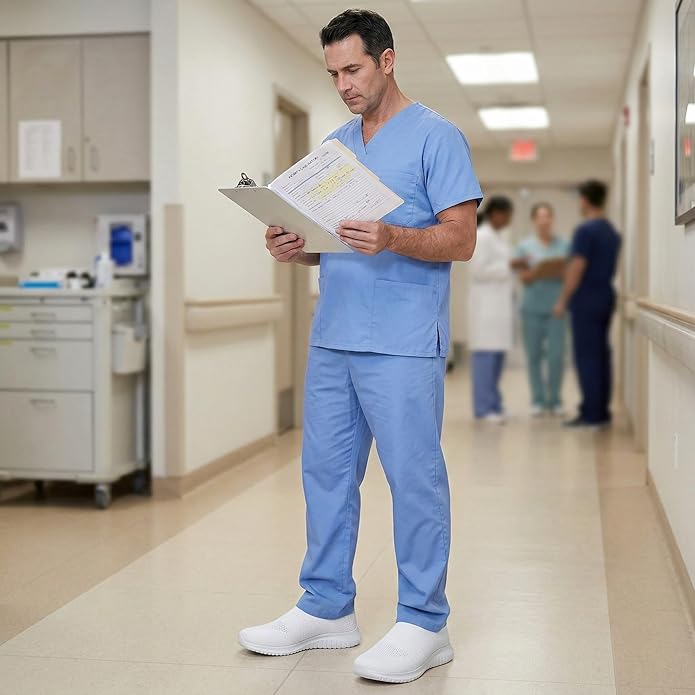
Home Depot / hardware store runs (90 minutes): These are what the shoe was designed for. Light, zero fatigue, no issues. The 8.5 oz weight is genuinely appreciated when you’re covering a lot of ground across a big store.
Neighborhood walks (1–2 hours): Excellent. Comfortable throughout, no pressure points. The cushioning handled concrete sidewalks well at this pace and duration.
Kids’ sports practice sidelines (3–4 hours standing + walking): Good through about 3.5 hours, then feet start wanting a change. Still comfortable enough to not be miserable, but not forgettable anymore.
Light yard work (2–3 hours): Fine comfort-wise; flexibility in the sole helps when kneeling or bending. Moisture issue noted (more on that in breathability section).
Standing at a 5+ hour work event: Hour four: still okay. Hour five: you’re shifting weight and looking for a wall to lean against. Hour six: these shoes are reminding you they’re casual shoes, not work boots.
The comfort ceiling isn’t a defect. It’s just the reality of a casual $40 shoe with a basic foam midsole and no arch support engineering. A dedicated G-Defy Mighty Walk or a purpose-built work shoe would handle those 8-hour standing days. These won’t, and they weren’t built to.
Breathability: What “Breathable” Actually Means Here
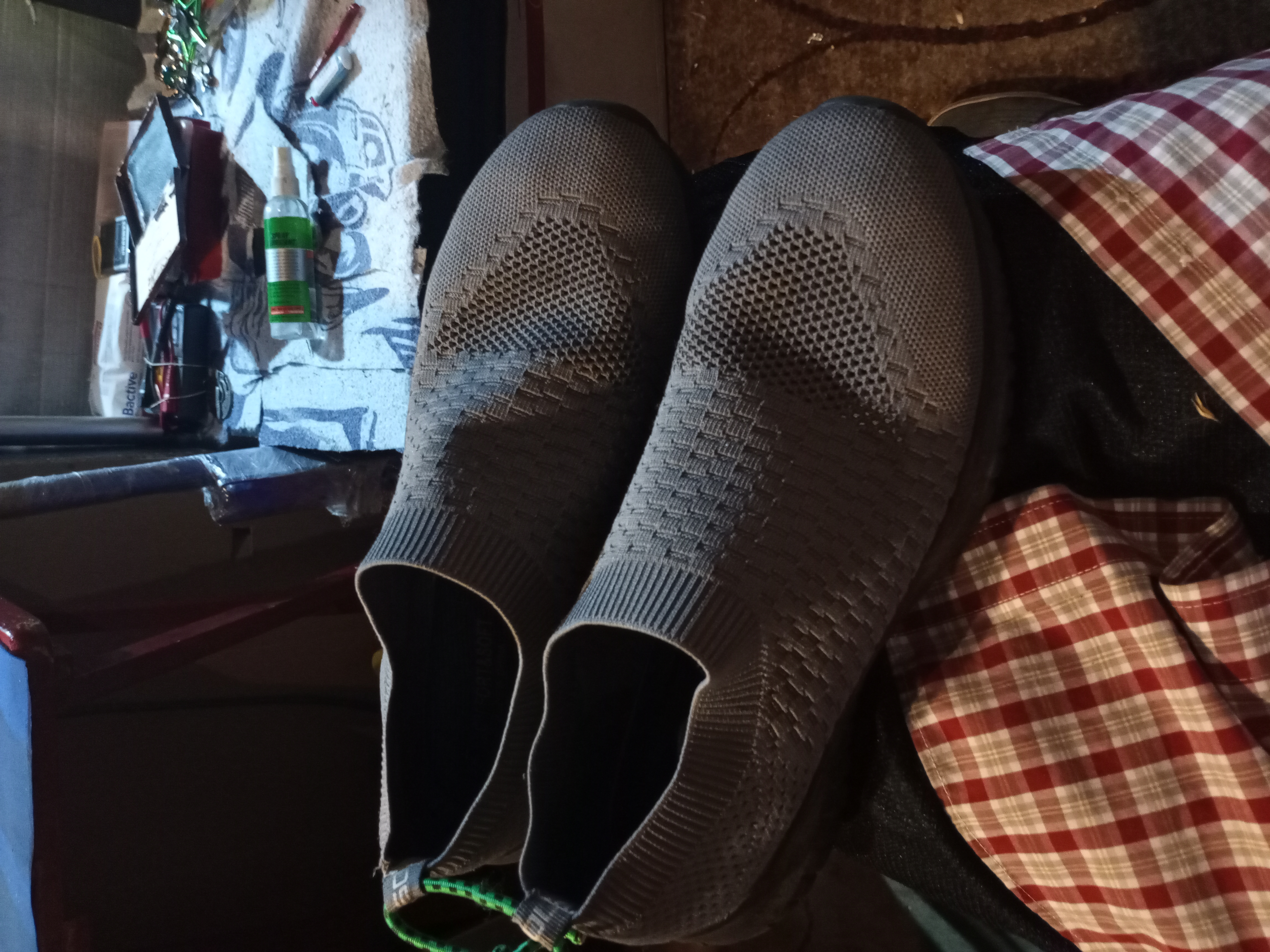
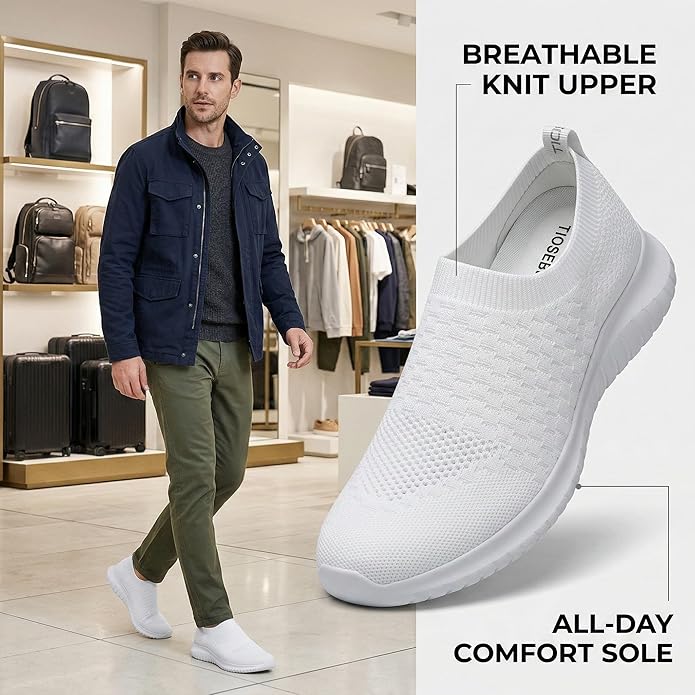
The knit upper genuinely lets air through. In terms of raw airflow, these perform well. During light-to-moderate summer activity in 80°F+ heat, socks stayed dry and feet stayed cool for the first few hours. The “breathable knit” claim is accurate.
What “breathable” doesn’t mean: moisture-wicking, waterproof, or suitable for serious athletic exertion. Those are different properties.
When I was doing yard work that got genuinely sweaty — sustained outdoor effort in 85°F heat over 3+ hours — moisture started accumulating despite the breathable construction. The upper lets air in, but it doesn’t actively pull moisture away. You’re relying on passive ventilation.
And wet conditions? The knit fabric soaks through fast. A 10-minute walk in moderate rain and your socks are wet. That’s not a flaw for this category of shoe — it’s just the physics of knit construction. No waterproofing treatment, no membrane. Dress accordingly.
Durability: When Things Start Changing (And When)
Eight weeks in, these shoes are still functional — but I can tell exactly when the wear started accumulating, because I was paying attention.
Weeks 1–3: Like new. Fresh foam feel, clean outsole, no visible wear spots.
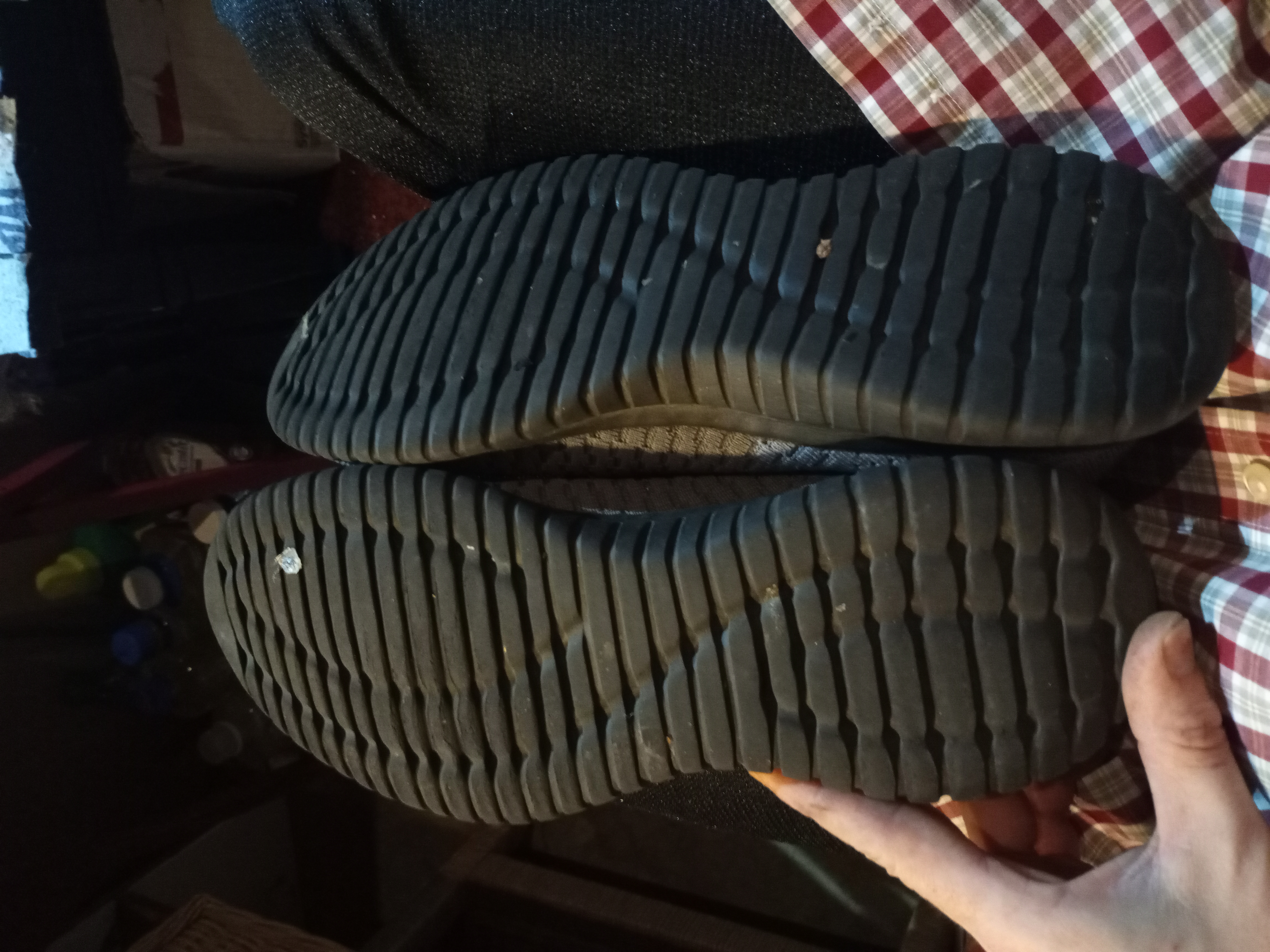
Weeks 3–4: First signs appear. Heel and forefoot zones on the outsole show slight surface scuffing. Normal for this material. The insole starts shifting slightly during walks — a design quirk of the removable insole combined with the soft upper. Not painful, just occasionally noticeable.
Weeks 5–6: Midsole starts feeling subtly firmer. Not dramatically different, but the initial pillowy softness is moderating toward a more compressed base. Insole shifting is consistent enough to require occasional repositioning.
Weeks 7–8: Comfort ceiling has dropped slightly. What was 4–5 hours is now more like 3–4 hours before feet want a break. Outsole tread shows measurable depth reduction in high-impact zones.
Projecting forward based on this trajectory:
Light casual use (1–2x per week): These should comfortably reach 18–24 months. Low wear rate, minimal impact accumulation.
Regular casual use (3–5x per week, the “daily rotation” scenario): Expect 8–12 months of good performance. This matches the original testing baseline.
Heavy daily use (primary shoe, outdoor work, 5+ days per week): Plan for 4–6 months before performance drops noticeably. These are casual lifestyle shoes used as work shoes — acceleration in wear is expected.
Cost math at the regular use scenario: $40 divided by approximately 200 wearing sessions = $0.20 per wear. That’s reasonable.
Surface-by-Surface Performance
One thing I tracked deliberately was how these behaved on different surfaces, because “casual walking shoe” covers a lot of terrain:
Dry concrete / asphalt: Solid. The rubber compound grips well and the cushioning absorbs the impact adequately for the distance and duration typical of casual use. Rating: 8/10
Smooth indoor surfaces (office, shopping mall, home tile): Also solid. Quiet footstep, good grip, comfortable for indoor wearing patterns. Rating: 8/10
Grass and light outdoor surfaces: Works fine. The flexible sole handles uneven yard surfaces without the rigid-shoe awkwardness. Not specialized outdoor footwear, but manages casual outdoor use well. Rating: 7/10
Wet pavement / post-rain: This is the weakness. The rubber compound, which performs well dry, loses meaningful grip on wet concrete. I had one near-slip experience on a wet parking lot slope. This isn’t a minor caveat — if your daily walking involves wet weather, you need a different shoe. Rating: 3/10
Uneven terrain / light trail: These don’t have the sole thickness or lateral support for anything beyond smooth pathways. Rating: 4/10
Who These Shoes Are Actually For
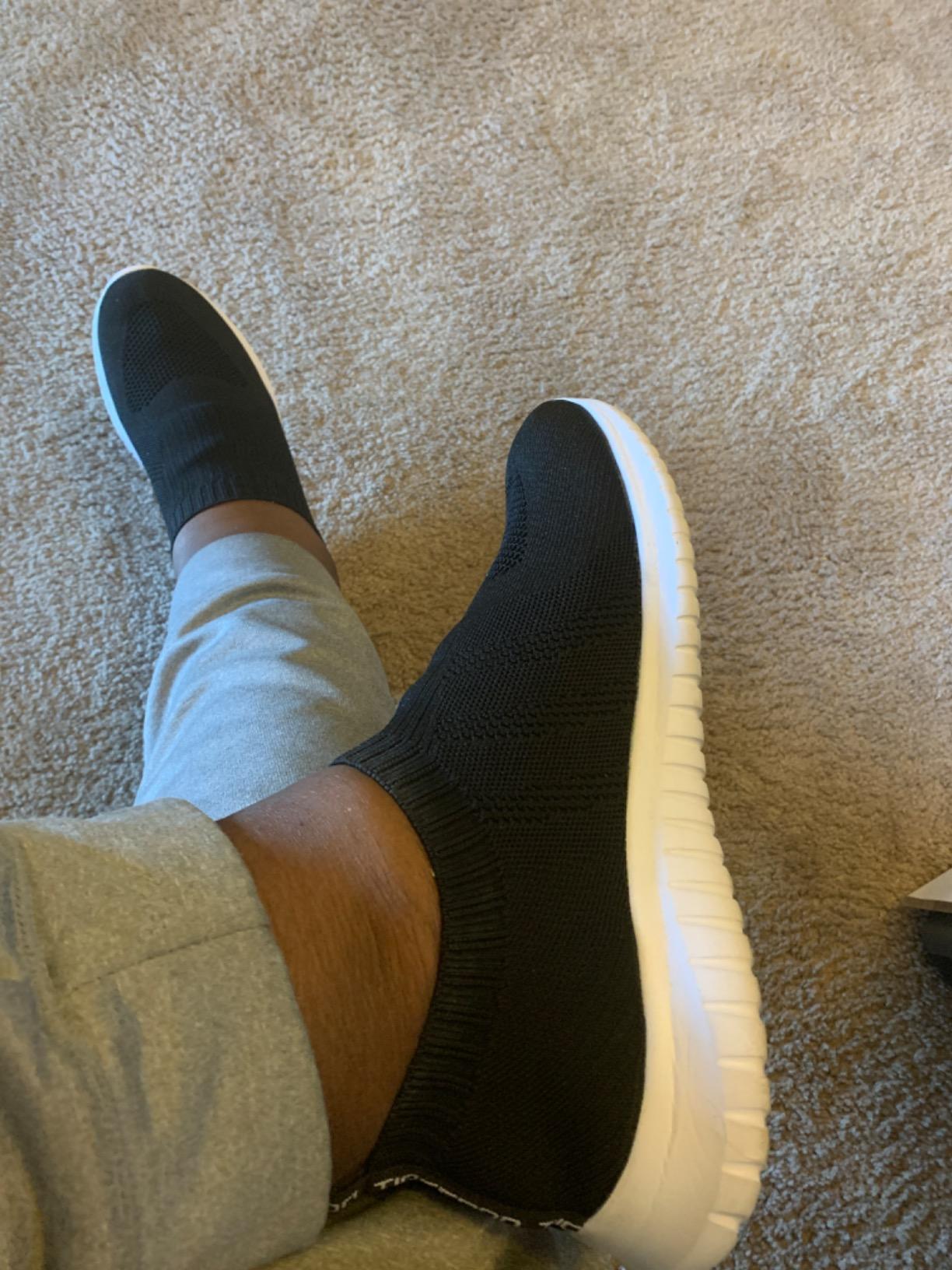
After 75+ miles in these, here’s my honest decision framework:
Buy these if:
- You want a lightweight slip-on walking shoe for daily errands and casual use under $50
- You’re adding a rotation shoe to your footwear lineup — something easy to grab for short trips
- Breathability matters because you live in a warm climate or deal with foot perspiration
- Convenience (no-lace slip-on) is a real priority for your daily schedule
- You have standard or narrow-width feet
- You expect to replace casual shoes every 8–12 months and the $40 price point fits that
Consider alternatives if:
- You need a shoe for 8+ hours of standing — the 4–5 hour comfort ceiling will frustrate you. Look at Skechers Bounder 2.0 for a men’s slip-in with better cushion longevity, or dedicated work shoes with orthopedic support
- You have wide feet — the narrow sole is a fundamental design constraint, not something sizing up will fully fix. Amansse walking shoes or Orthofeet options accommodate wider feet better
- You need a shoe for athletic training or any sport — wrong category entirely
- Wet-weather performance matters — the traction on wet surfaces is genuinely poor
Skip these entirely if:
- You’re looking for a hiking shoe or any outdoor performance footwear
- You need serious arch support (flat feet, plantar fasciitis, post-injury recovery)
- You’re expecting durability comparable to leather casual sneakers like Jousen leather casual sneakers — knit casual and leather casual are different durability tiers
- You want a shoe that will be your only pair for heavy daily use beyond 12 months
Frequently Asked Questions
Are these true to size?
For standard-width feet: yes, order your normal size. The knit upper has enough give that half-sizes aren’t usually a concern unless you’re right on a boundary. For wider-than-average feet, try half a size up — but understand the sole width is fixed, so width accommodation is limited. EE+ width feet: these won’t work.
How long do they actually last?
Depends on use frequency. Light use (1–2x per week, occasional): 18–24 months is realistic. Regular casual (3–5x per week): 8–12 months before performance noticeably declines. Heavy daily use (primary shoe outdoors, 5+ days/week): 4–6 months. The comfort ceiling also drops as the midsole compresses — what feels like 4–5 hours in month one becomes 3–4 hours by month three.
Can I use these for hiking?
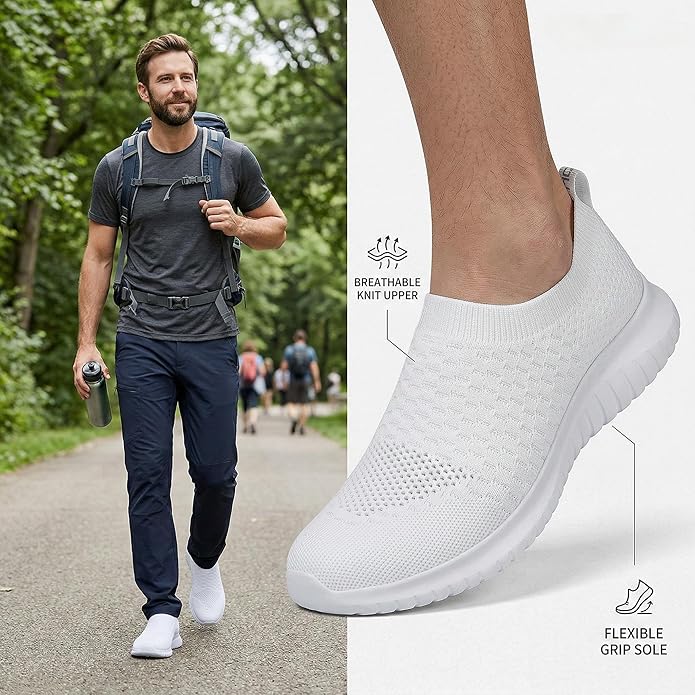
No. They’re casual walking shoes. No ankle support, no specialized tread for varied terrain, no durability for rocky or wet trails. If hiking is your goal, check out a proper dedicated hiking shoe.
Do the breathability claims hold up?
For light-to-moderate casual activity, yes. For high-exertion outdoor activity, breathable construction keeps air flowing but doesn’t manage moisture well beyond hour 3. The knit fabric soaks through in wet conditions. Think of “breathable” here as “ventilated,” not “moisture-proof.”
Are they machine washable?
The brand indicates yes. I’d recommend a gentle cycle, cold water, and air drying — not the dryer. The knit construction doesn’t respond well to heat.
How do these compare to Skechers Go Walk?
Skechers Go Walk series runs $60–80 and includes their Goga Mat cushioning technology, which has a meaningfully longer comfort ceiling (6–8 hours of walking vs. 4–5 for Konhill). If you need a shoe for longer-duration daily wear, Go Walk is worth the extra cost. If you’re buying a rotation shoe or budget casual, Konhill makes more sense.
Can I add aftermarket insoles?
Yes. The stock insole is removable, which means you can swap in a higher-support option if you need arch support or extra cushioning. This extends the functional lifespan and comfort ceiling. If you’re using these for 5+ hour sessions and want to make them work longer, a $20–30 supportive insole swap is worth doing.
What about the “no break-in” claim?
This is accurate. Comfortable from day one, no stiffness to work through. The flip side: the support level you experience on day one is the best it will ever be. Unlike leather shoes that conform and improve, these start at peak comfort and gradually compress toward end-of-life.
Is there a women’s version?
Yes — Konhill makes women’s slip-on loafers with similar casual construction. Same lightweight knit design, same general use case. For men wanting a leather-looking casual alternative in the same price range, the Cosidram casual loafers offer a more polished aesthetic at a comparable price.
What about the insole shifting issue?
A few users mention it; I noticed it at week 4. The removable insole in a soft knit shoe can shift during extended walking if not snugly seated. The fix: press it back into place at the start of each wearing session. It’s a minor quirk, not a structural issue.
The Verdict: 8.1/10 for What They’re Designed to Be
The Honest Summary Table
| ✅ What Works | ❌ What Doesn’t |
|---|---|
| Featherweight (8.5 oz) reduces walking fatigue | Narrow sole — wide feet need to look elsewhere |
| Zero break-in, comfortable from day one | 4–5 hour comfort ceiling — not for all-day standing |
| Genuine breathability in light casual activity | Wet surfaces are genuinely slippery |
| Slip-on convenience is real and daily-life practical | Insole shifts at week 4–5; needs occasional repositioning |
| Machine washable (brand claim) | Midsole compresses by month 2–3, comfort ceiling drops |
| $40 price point is honest for the category | Not water-resistant; knit soaks through in rain |
The 8.1/10 score is valid if you’re buying these for their intended purpose: casual lifestyle wear, light walking, errands, situations where comfort and convenience beat performance specs. The score would drop to a 5–6/10 if your actual need is athletic training, all-day standing, or outdoor performance footwear.
These are the Honda Civic of casual slip-ons. Not the fastest, not the most durable, not the most feature-loaded. But reliably practical, priced for real-world budgets, and genuinely good at the one thing they were built for. Eight weeks and 75 miles confirmed it.
If you’re shopping for alternatives with more cushion endurance, check out the Jackshibo slip-on walking shoes for a similarly-priced option or step up to the New Balance Fresh Foam X 880 V14 if you need genuine walking performance at a higher budget. Both serve different needs on the casual-to-athletic spectrum.
Frequently Asked Quick Hits
How do I clean these?
Gentle machine wash, cold water cycle, air dry. Keep them out of the dryer — heat degrades the knit and foam faster.
Can these work as travel shoes?
Good question. For light city travel — airports, museum days, casual sightseeing — these are excellent. Lightweight, packable, comfortable for 3–4 hour walking stretches. For heavy travel days (8+ miles on cobblestones), the comfort ceiling will become an issue.
Are there walking shoes better for flat feet?
If you have flat feet or plantar fasciitis, the basic foam insole in these won’t serve you well. Use the removable insole to swap in an aftermarket arch-support option, or look at orthopedic walking shoes designed specifically for flat foot support from the start.
Be the first to review “konhill Men’s Athletic Walking Shoes Breathable Knit Slip On Sneakers”
Related products
Sneaker

Sneaker

Sneaker
Reviews
There are no reviews yet.