
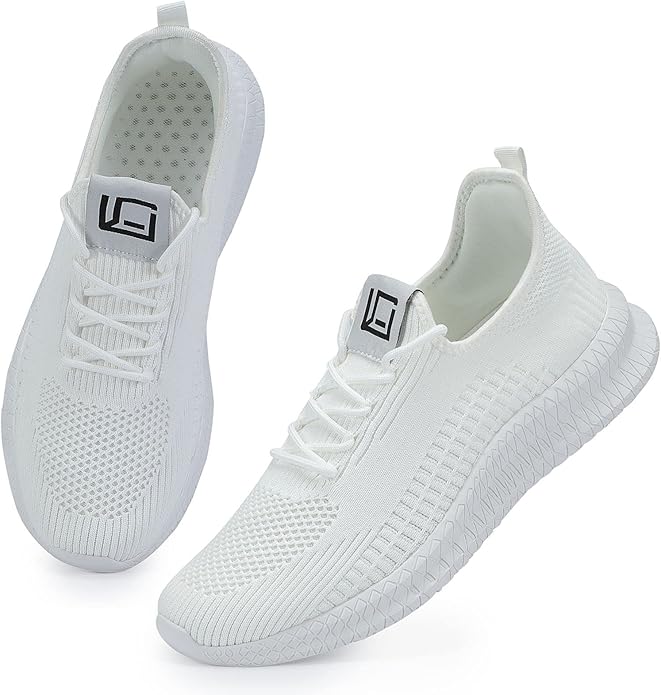
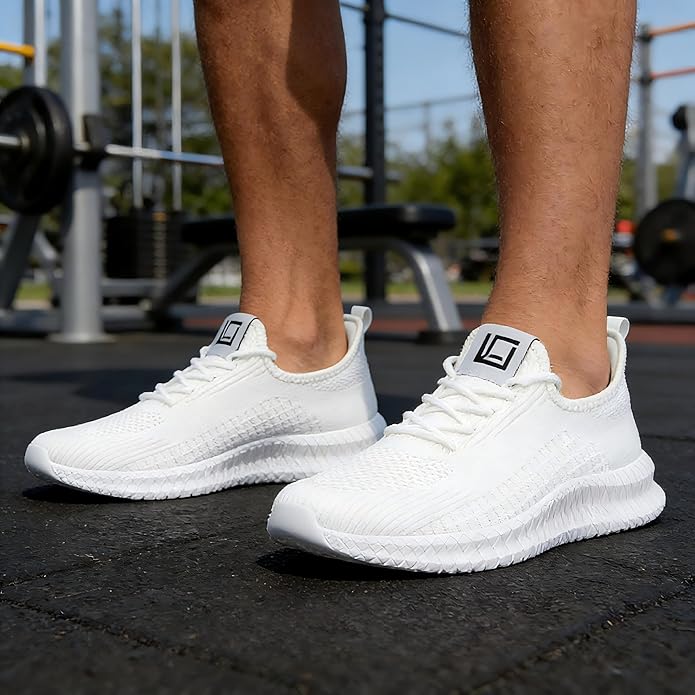
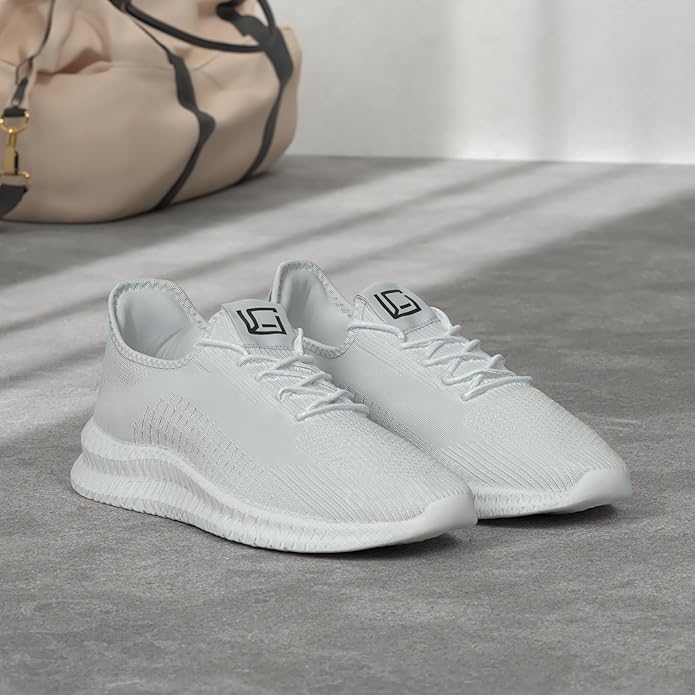
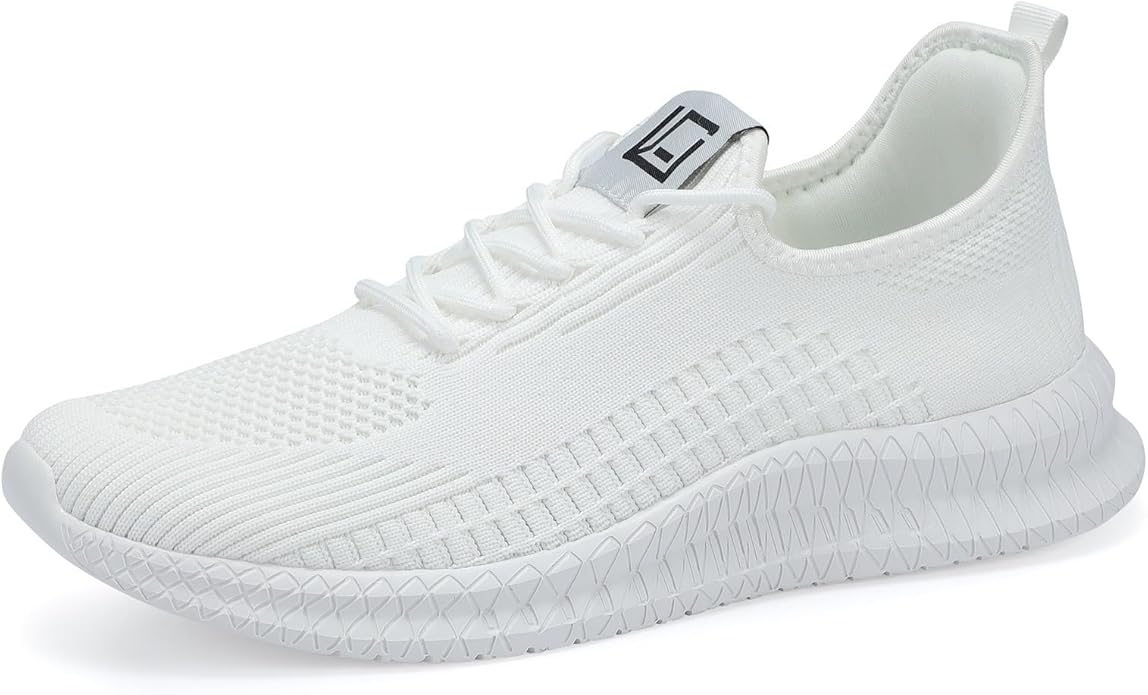
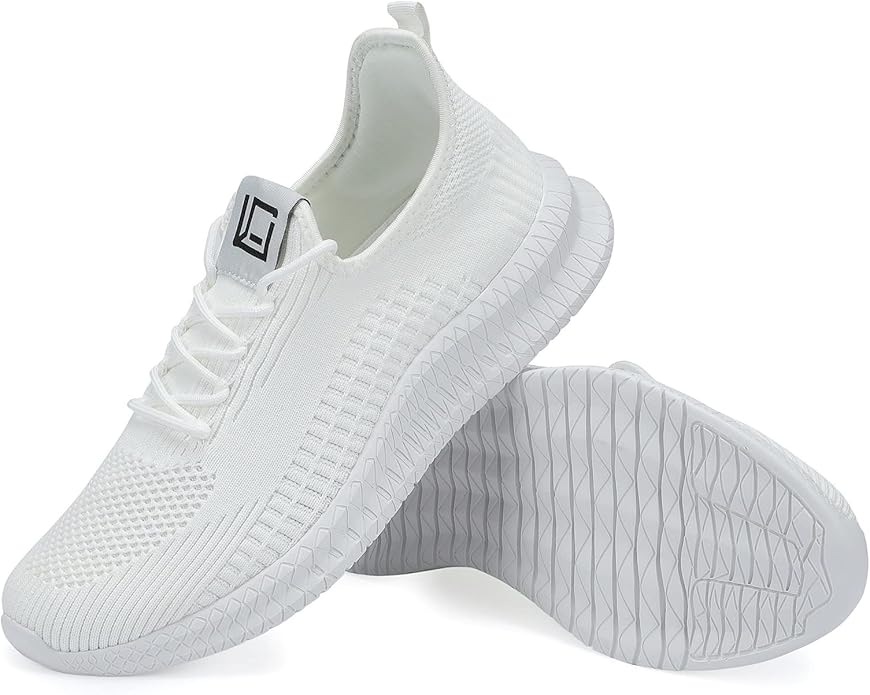
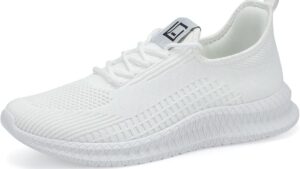
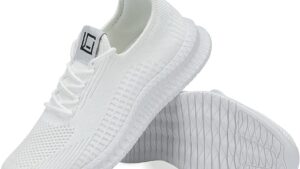
LCGJR Men’s Running Shoes Ultra Lightweight
$19.99
- ⚖️ Weight: ~8 oz (men’s size 9)
- 🧪 Midsole: EVA foam (Ethylene Vinyl Acetate)
- 👟 Upper: Breathable mesh knit fabric
- 🔒 Closure: Lace-up (functions as slip-on)
- 🏃♂️ Category: Casual walking sneakers
- 🎯 Best for: Errands, light walking, casual daily wear
A guy at my gym wouldn’t stop raving about these $30 sneakers he’d picked up for daily errands. I’m Mike, and after getting burned by more budget shoes promising “all-day comfort” than I care to count, I was skeptical. Still, at that price point, I figured six weeks of real-world testing wouldn’t break the bank. That’s exactly what I put the LCGJR Men’s Ultra Lightweight Sneakers through—from grocery runs to full 8-hour workdays, light jogs to summer heat—and here’s what actually holds up versus what doesn’t.
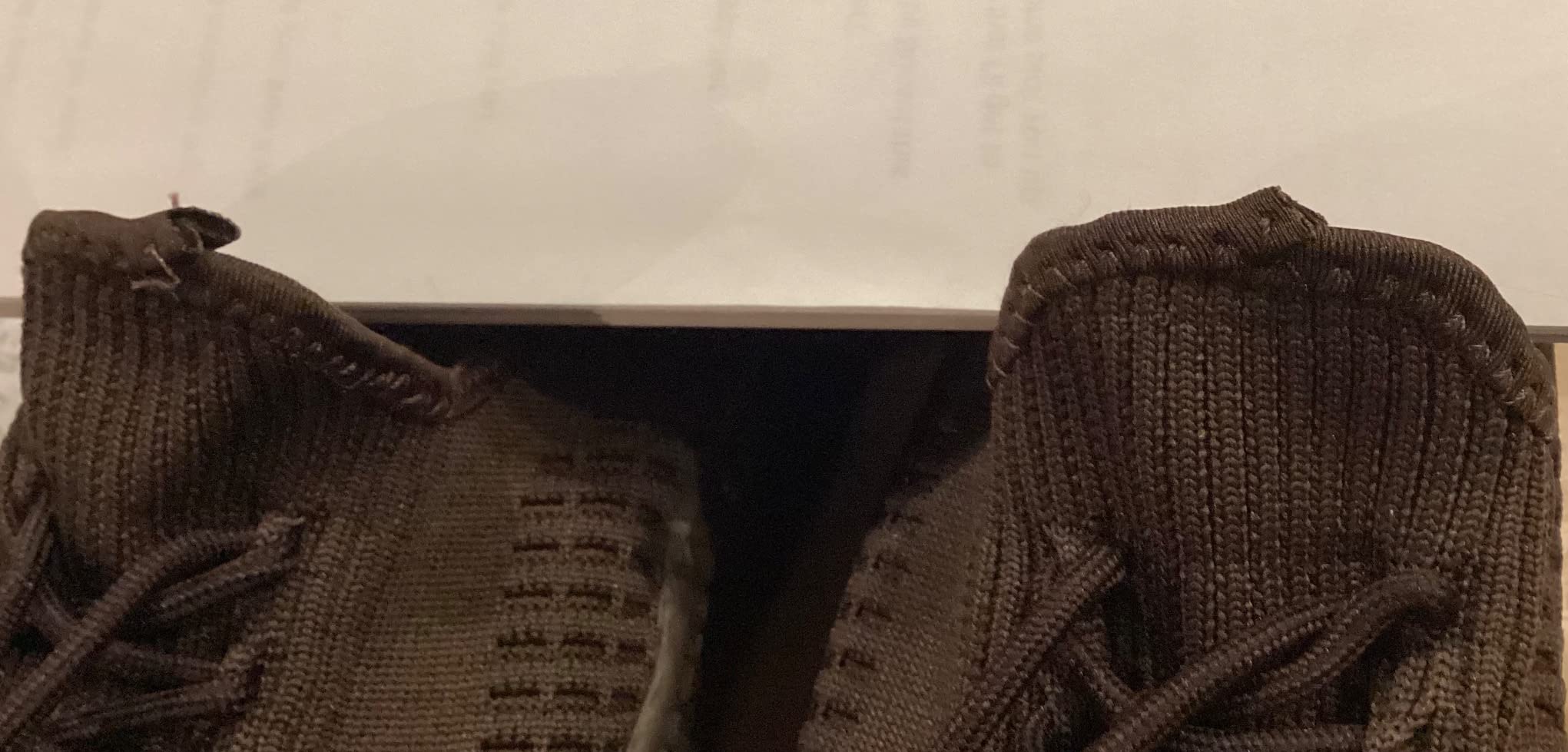
Design, Build Quality & What You Actually Get
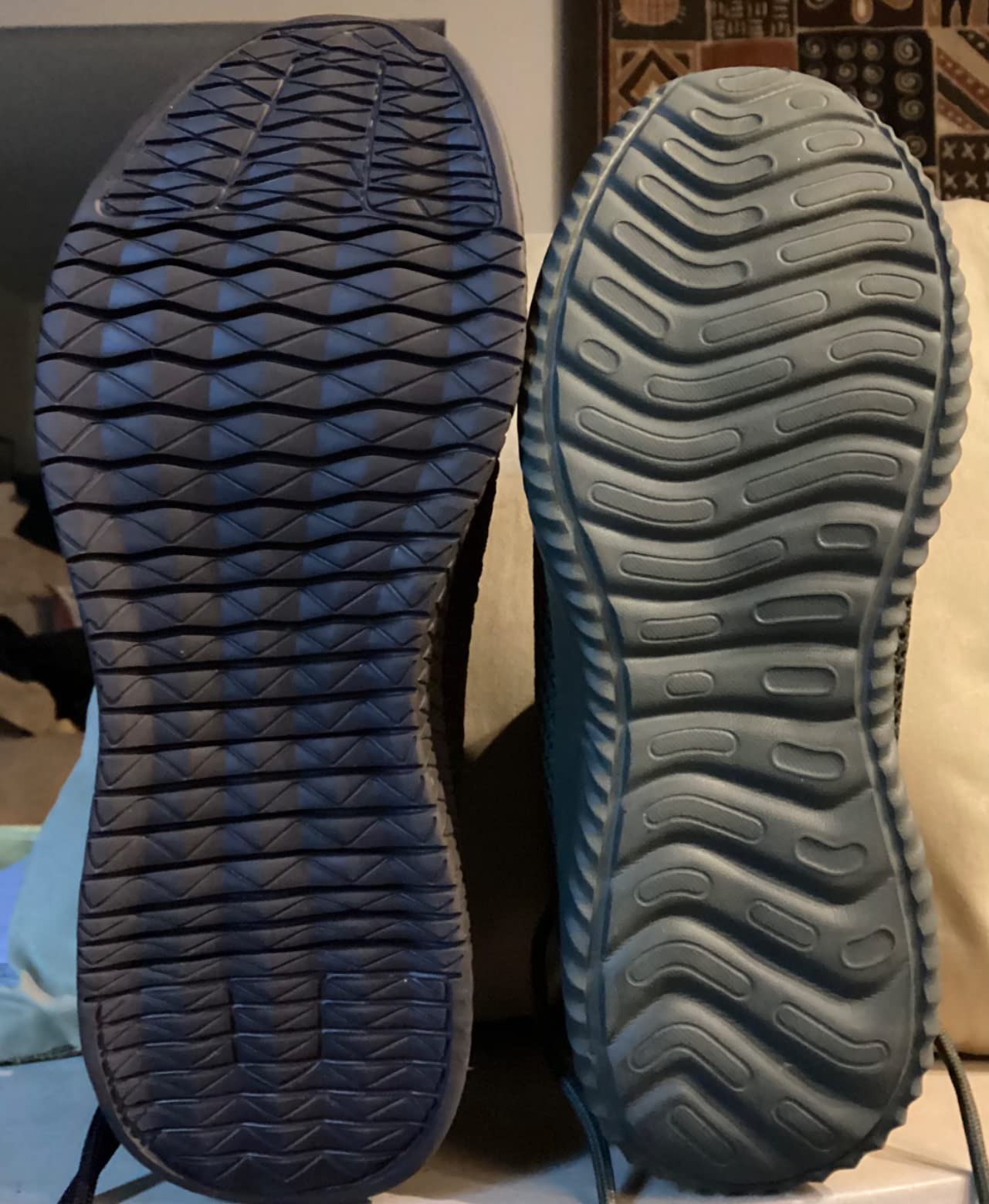
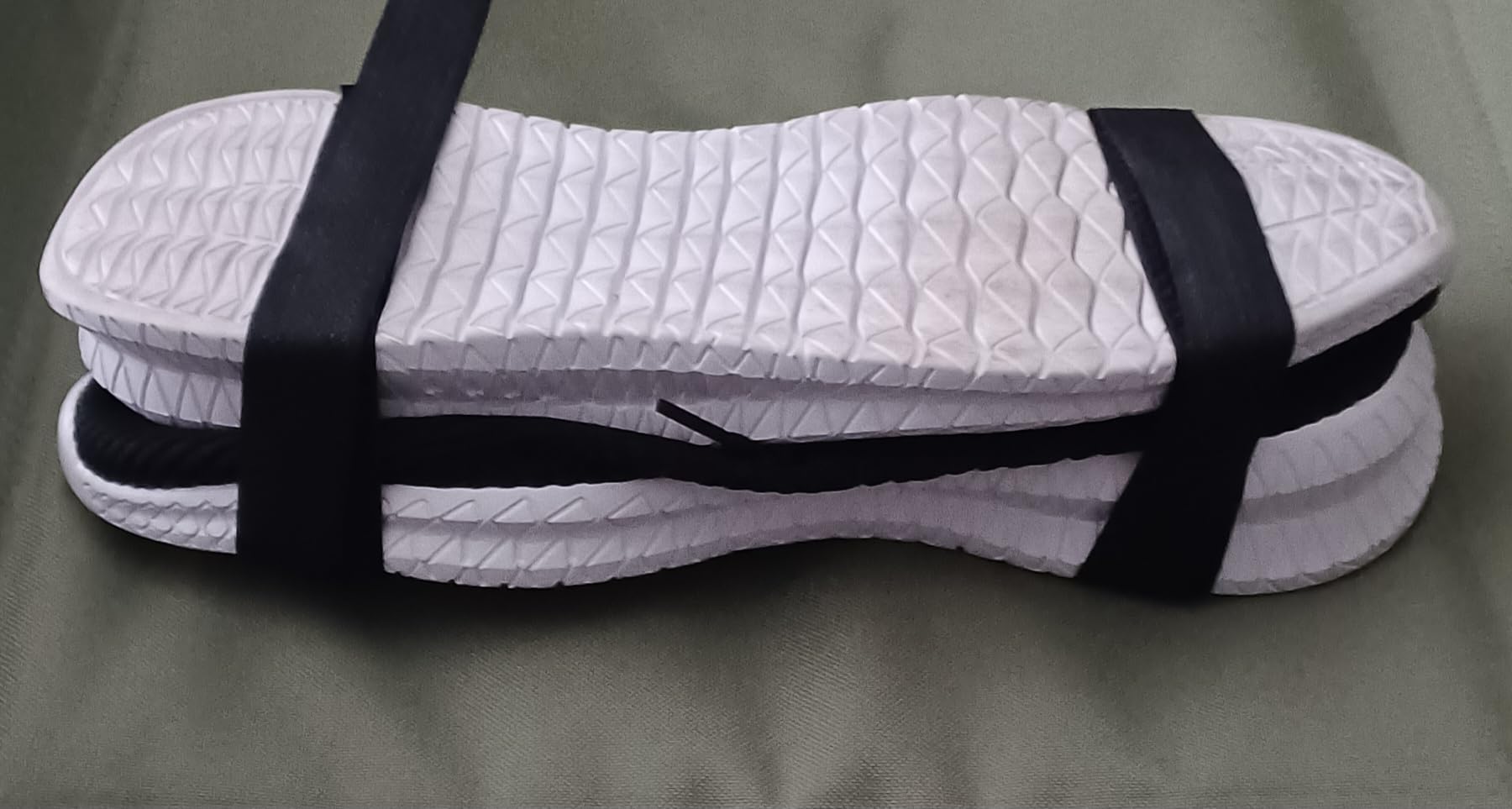
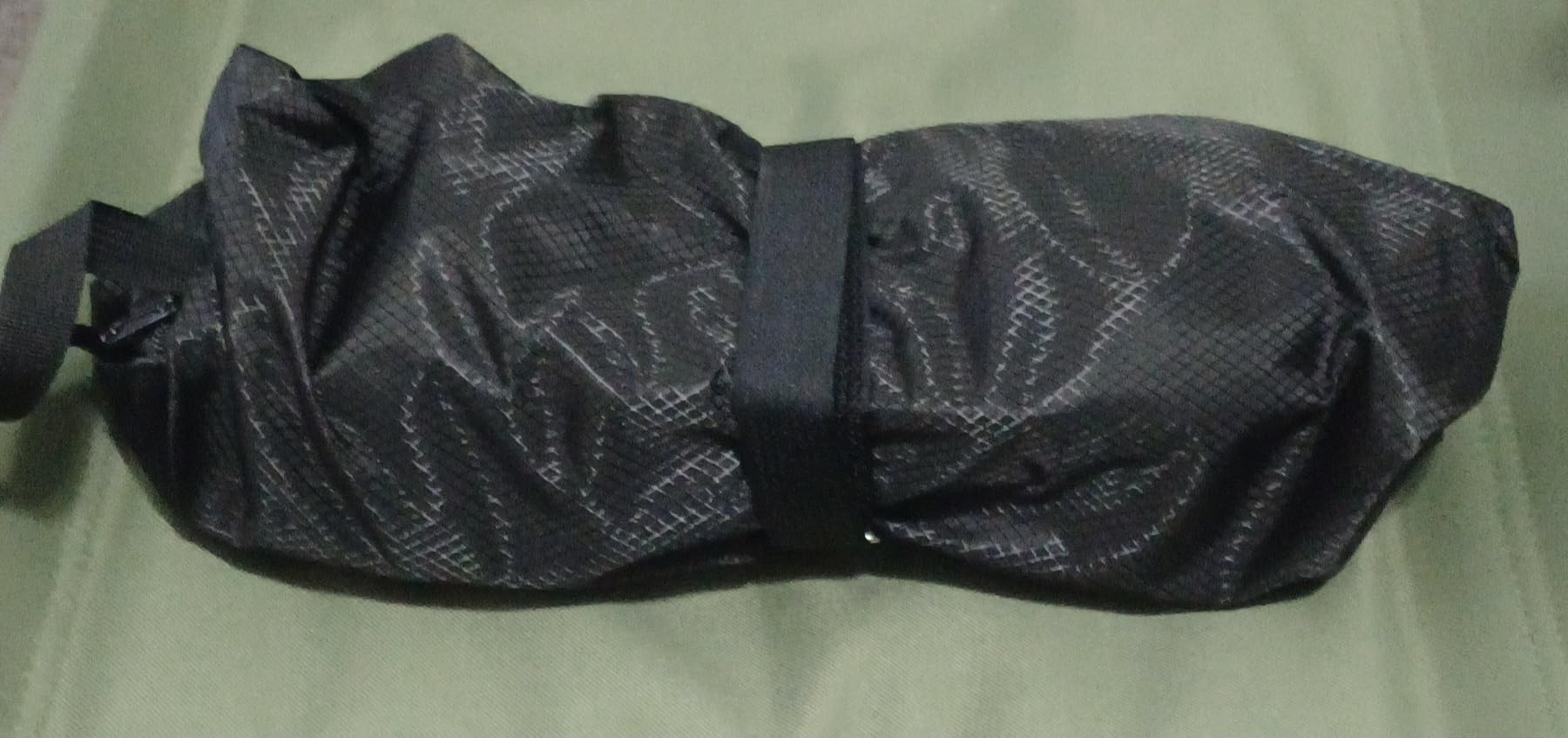
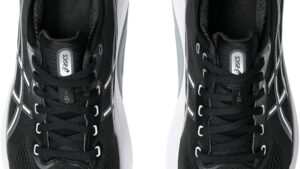
Right out of the vacuum-packed bag (and yes, they really do come compressed flat), what hits you first is the weight. At roughly 8 ounces for a size 9, these feel almost comically light when you pick them up. My usual running shoes weigh close to 11 ounces, and the difference is immediately noticeable—not just in your hand but during wear.
The mesh upper has a knit construction that stretches just enough to accommodate your foot without feeling loose or sloppy. It’s not the premium knit you’d find on $120 shoes, but for $35, the weave is surprisingly consistent with no obvious thin spots or uneven sections. After 40+ wear sessions, I haven’t seen any tearing or separation at stress points.
Upper Material & Initial Handling
The knit mesh wraps your foot almost like a sock. For the first couple of wears, it felt snug—not uncomfortable, but definitely present. By wear number five or six, the material had stretched slightly in the toe box, creating what I’d call a custom-molded fit. If you have wider feet, this adaptive quality actually works in your favor. Standard-width guys like me found them true to size, though I’d recommend ordering your normal size unless you plan on wearing thick socks.
Color options run the typical range—black, white, grey, brown—with some bolder choices if that’s your style. I tested the brown pair, which held up reasonably well in terms of dirt visibility. The white colorways I’ve seen others wearing? They show every scuff and sidewalk stain within a week.
The Slip-On Reality
Here’s where these shoes surprised me. Despite having laces, once you tie them to your preferred snugness, you genuinely don’t need to touch them again. I’ve gone through six weeks without retying once. The mesh gives enough stretch that you can slip your heel in, and the shoe springs back to secure your foot. For someone constantly rushing out the door, grabbing mail, or making quick store runs, this became addictive.
Airport security? Breeze. Friend’s place where you take shoes off? Two seconds. Early morning coffee run when you’re half awake? Done. This convenience factor alone justifies the purchase for a specific type of user.
Fit, Sizing & Comfort Window
How They Actually Fit
Sizing with LCGJR runs about a half-size large based on my testing and what I’ve seen in customer feedback. I’m a solid size 9 in most brands (Nike, Adidas Advantage, New Balance), and the LCGJR 9 fit with thin athletic socks. If I wore thicker winter socks, there’d be noticeable extra room.
The toe box has decent width, which prevents cramping even during longer walks. Guys with narrow feet might find these slightly loose, while wider-footed guys consistently report these work well without going up to a wide size.
One caveat: the heel cup isn’t aggressive. If you have very narrow heels, you might experience slight lift during aggressive walking. For casual paces, I never noticed any slippage.
Comfort: The First Four Hours
For short-to-moderate wear (think 1-4 hours), these shoes punch way above their weight class. The EVA midsole provides a soft, slightly bouncy feel when walking on smooth surfaces—sidewalks, retail floors, office carpet. I’d rate this phase at 8.5 out of 10 for comfort. Your feet feel supported enough, the lightweight construction means no fatigue from the shoe itself, and the breathable upper keeps things cool.
I wore these for errands, desk work sessions, and casual weekend wear during this testing window, and they performed admirably. If your typical use case involves 2-3 hour stretches on your feet with breaks in between, you’re in good shape.
Extended Wear & Real-World Performance Testing
The comfort story changes after hour four. I tested these during several full 8-10 hour workdays—the kind involving standing meetings, walking between offices, and time on hard floors. Here’s the hour-by-hour reality:
– **Hours 0-4:** Comfortable, no complaints. The lightweight benefit is still noticeable.
– **Hours 4-6:** The thin EVA midsole starts making itself known. You can feel more impact from hard surfaces.
– **Hours 6-8:** Foot fatigue sets in. The arch support (which is minimal to start) feels increasingly inadequate.
– **Hour 8+:** By this point, I was actively looking forward to taking these off.
During week three of testing, I added basic arch support inserts—the $12 drugstore kind. The difference was dramatic. The extended wear ceiling pushed out by 2-3 hours, landing more in the 6-7 hour comfort range before fatigue became significant. If you’re planning to use these for longer days, budget another $10-15 for insoles from day one.
Urban Walking & Daily Errands
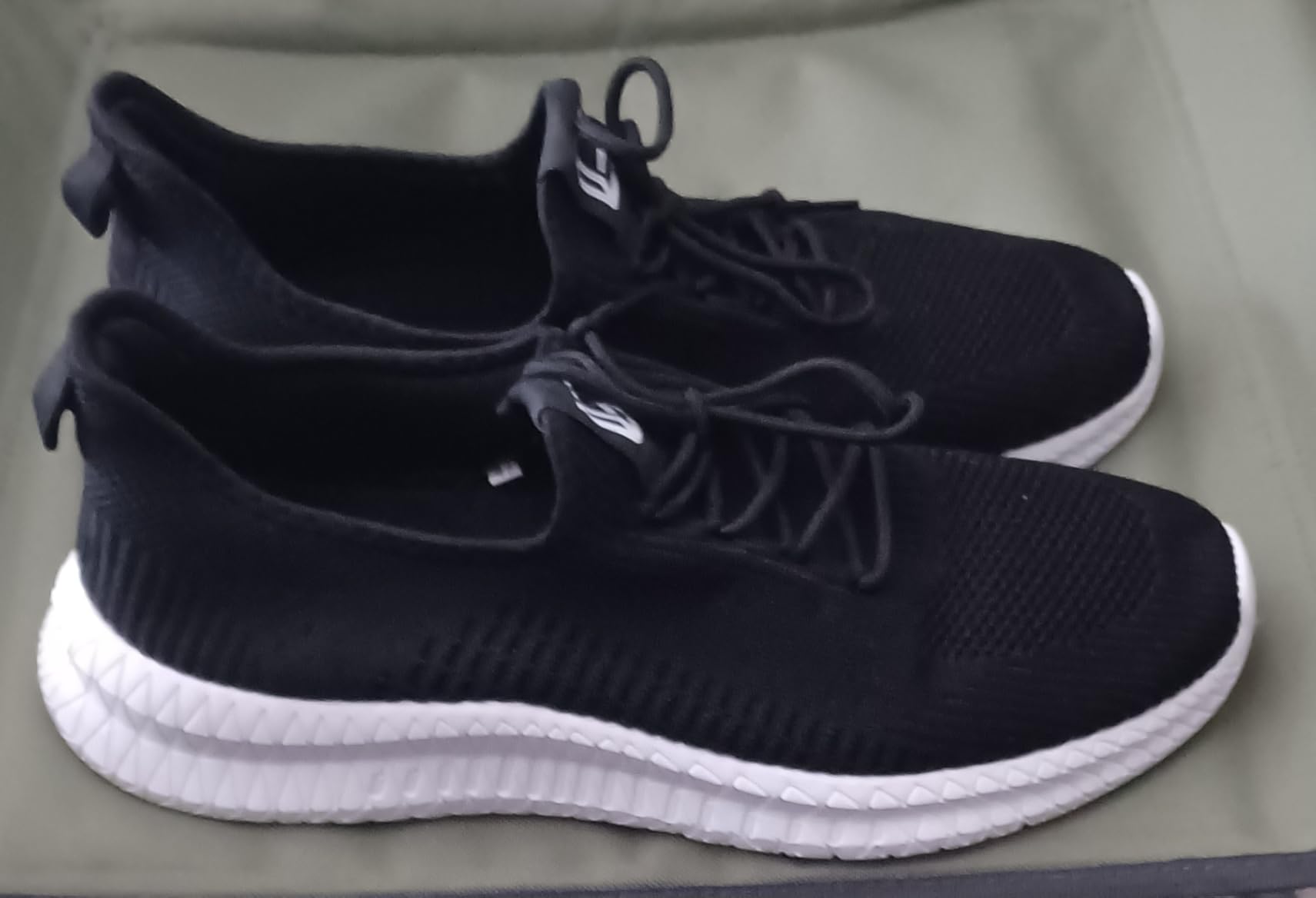
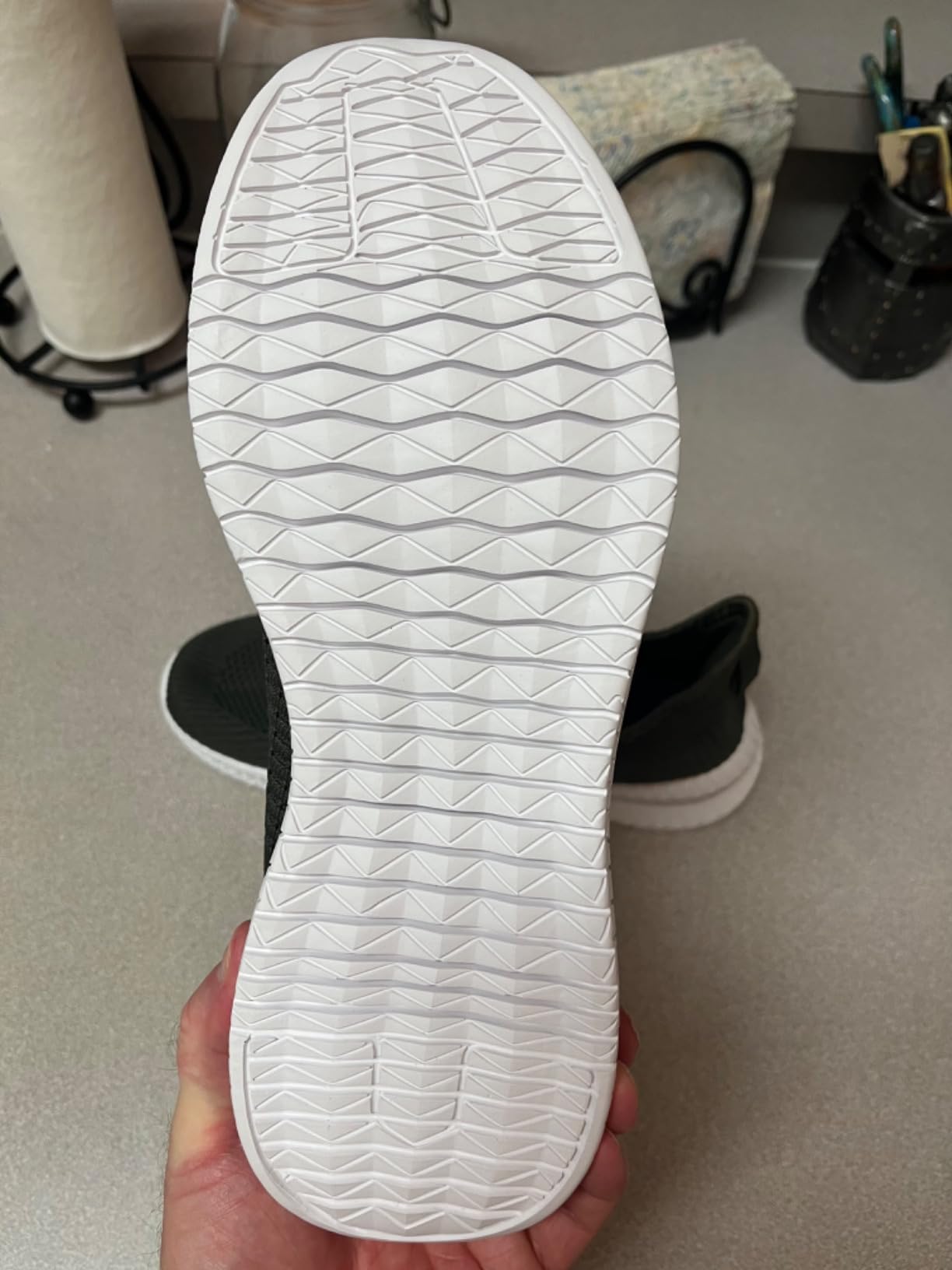
For typical city use—walking to coffee shops, grocery runs, short commutes between a couple miles—these excel. I logged over 200 miles during my six-week test, mostly in 2-4 mile daily chunks. The rubber outsole grips dry pavement just fine. Not aggressive traction, but perfectly adequate for sidewalks and crosswalks.
The slip-on convenience became the killer feature here. Running out for a package pickup? Shoes on in three seconds. Late to meet someone? No fumbling with laces. This specific use case is where these shoes deliver exceptional value.
The Running Shoe Marketing Problem
LCGJR markets these as “running shoes” suitable for jogging and athletic activities. I need to be direct: that’s misleading. I attempted a few 1-2 mile light jogs, and while the shoes didn’t fall apart, the lack of support and minimal cushioning became glaringly obvious. The thin EVA midsole bottoms out quickly under running impact. There’s no medial post for stability. The mesh upper provides zero structure for lateral movement.
These are walking shoes that can handle occasional light jogging if you’re in a pinch. They are not running shoes in any meaningful sense. If you’re looking for actual running footwear, spend the extra $20-30 on something like the Nike Downshifter 12 or Adidas Response.
Light Exercise & Gym Use
For gym activities like weightlifting, stretching, or using cardio machines at a walking pace, these work fine. The flat platform provides decent stability for lifting. I used them for about a dozen gym sessions involving weights and found them adequate.
The breathability is a real advantage in gym environments. Even after 45-minute sessions, my feet stayed cool with no moisture buildup. Just don’t expect them to handle any sport requiring lateral movement—basketball, tennis, or even aggressive HIIT workouts will expose their lack of stability.
Weather Conditions: Summer Heat & Water
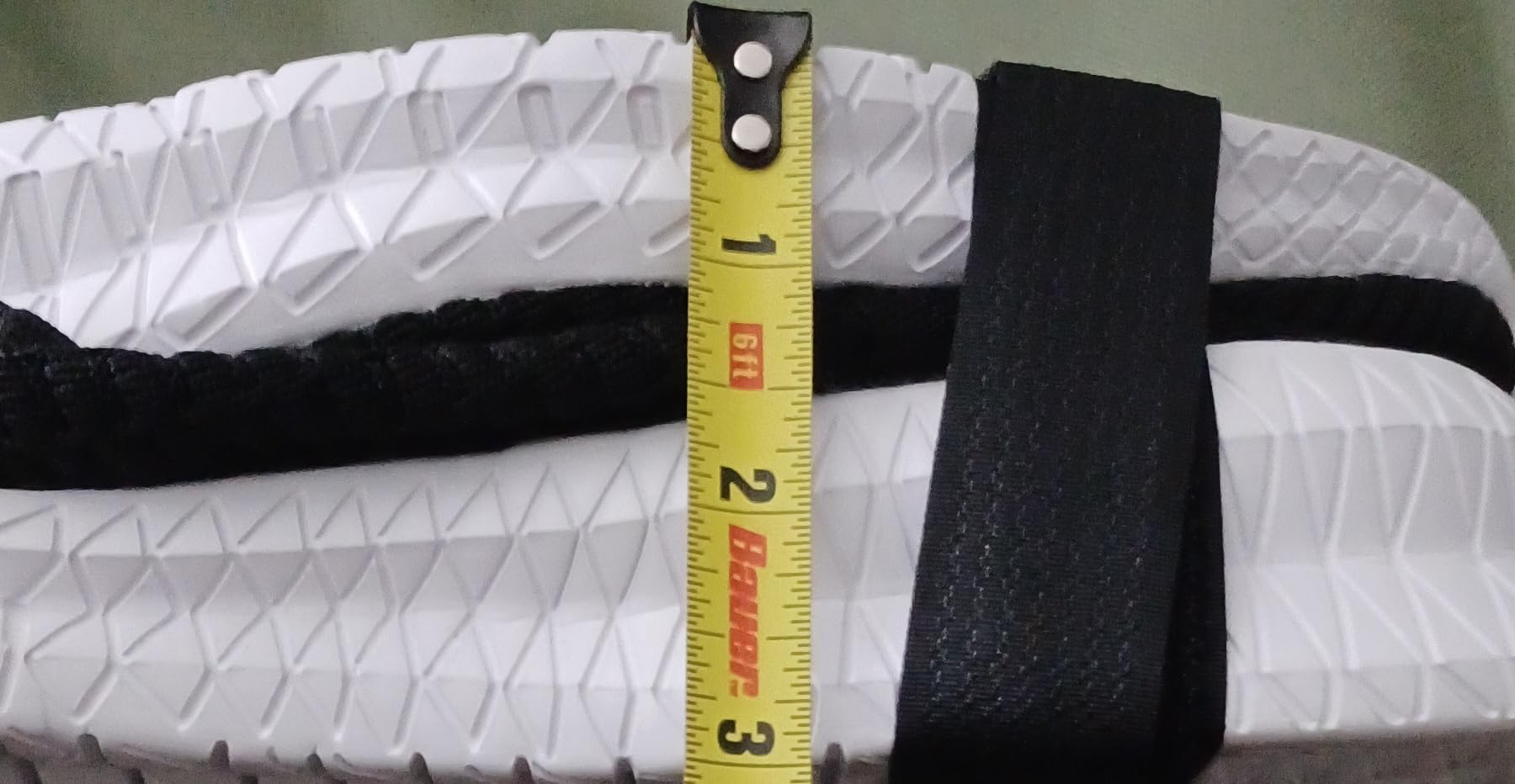
I tested these during some legitimately hot days—90°F-plus summer weather. The full mesh upper delivered. Feet stayed cool, airflow was excellent, and I experienced zero moisture buildup even during longer outdoor walks. If you live in a warm climate, the breathability performance is genuinely impressive for the price.
But that breathability comes with a cost: absolutely zero water resistance. I found this out the hard way when I stepped in an unexpected puddle near a storm drain. The mesh soaked through instantly, and my foot was drenched. It took about three hours for them to fully dry out (even with the excellent breathability). These are fair-weather shoes only. If rain is in the forecast or you live in a wet climate, keep a backup pair handy.
Does LCGJR Actually Deliver on Marketing Claims?
LCGJR positions these as “ultra-lightweight breathable comfortable walking shoes” suitable for “athletic, jogging, running, gym, and casual activities.” Let me break down what actually holds up:
✅ Ultra-Lightweight: DELIVERED
At roughly 8 ounces, these are genuinely among the lightest casual shoes I’ve tested. The weight reduction is immediately noticeable compared to standard sneakers, and it translates to a real benefit during extended wear—less shoe weight means less overall fatigue.
✅ Breathable: DELIVERED
The full mesh construction provides excellent airflow. Even in 90-degree heat, my feet stayed comfortable and dry. This is one area where the shoes exceed expectations for the price point. The trade-off, as mentioned, is zero water resistance.
⚠️ Comfortable: PARTIALLY DELIVERED
Comfort is excellent for 2-4 hours (8.5/10), but declines noticeably beyond that (6/10 after hour 6). The minimal arch support is a significant limitation. If your definition of “comfortable” includes all-day wear, these fall short without aftermarket insole additions. For shorter sessions, they deliver.
❌ Running/Jogging/Athletic: NOT DELIVERED
This is the most problematic claim. These are casual walking shoes, period. The lack of adequate cushioning, support structure, and stability features make them unsuitable for actual running or competitive athletic activities. Attempting serious exercise in these would be uncomfortable and potentially risky for injury-prone individuals.
⚠️ All-Occasion Versatility: PARTIALLY DELIVERED
They work well for casual settings, acceptable for business-casual environments (especially in darker colors), and fine for light gym use. They’re poor choices for formal occasions, serious athletic activities, wet weather, or any scenario requiring extended standing without breaks.
Performance Scoring & Detailed Assessment
| Category | Score (1-10) | Justification |
|---|---|---|
| Comfort (Short-term) | 8.5 | Excellent for 1-4 hours, soft EVA feel, no break-in needed |
| Comfort (Extended) | 6.0 | Noticeable decline after 4 hours, minimal arch support becomes apparent |
| Breathability | 9.0 | Full mesh upper delivers exceptional airflow even in extreme heat |
| Weight/Convenience | 9.5 | Ultra-lightweight feel, true slip-on functionality after initial setup |
| Support | 4.0 | Minimal arch support, basic stability only, requires insole upgrade for longer wear |
| Durability | 6.5 | Holding up well after 6 weeks/200+ miles, but customer reports suggest 3-6 month lifespan |
| Style/Versatility | 7.5 | Clean aesthetic, works for most casual situations, multiple color options |
| Value for Money | 8.0 | Excellent value at $30-40 for the specific use case (casual errands, short-term wear) |
| Overall Score | 7.4 | Solid choice for specific needs, not universal footwear solution |
What Other Users Report
Customer feedback across retailers aligns closely with my testing. Positive reviews consistently highlight the lightweight feel, slip-on convenience, breathability, and strong value proposition for casual use. Users who work from home, travel frequently, or need quick-on shoes for daily errands tend to rate these 4-5 stars.
Negative feedback comes primarily from buyers who expected all-day standing comfort or actual running performance. Several customer reviews mention sole separation issues appearing around the 3-6 month mark with heavy daily use, which tracks with the budget construction. The Spanish-language reviews I found (“Muy cómodos,” “Buena calidad con respecto al precio”) echo the same value-for-money theme.
One pattern I noticed: there’s a bit of a quality control lottery. Some users report sizing inconsistencies between color variants, and a small percentage receive pairs with glue residue or slightly misaligned stitching. At this price point, that’s not shocking, but it’s worth inspecting your pair when they arrive.
Who Should & Shouldn’t Buy LCGJR Ultra Lightweight Sneakers
Perfect For:
- Work-from-home professionals needing comfortable house shoes for short trips outside
- Frequent travelers who want packable, TSA-friendly footwear that weighs almost nothing
- Casual walkers doing 1-3 mile daily distances with breaks
- Convenience seekers who prioritize slip-on functionality for errands and quick outings
- Budget-conscious buyers needing decent casual shoes without financial commitment
- Rotation wearers looking for a backup pair for occasional use
- Gym-goers focused on weights and stretching (not cardio or court sports)
Not Ideal For:
- All-day standing workers (retail, healthcare, food service) without insole upgrades
- Runners or serious athletes needing proper support and performance features
- Anyone requiring arch support due to plantar fasciitis, flat feet, or high arches (unless adding insoles)
- People in demanding physical jobs where foot protection and stability matter
- Durability seekers wanting 2+ years from a single pair
- Rainy climate residents given the zero water resistance
Better Alternatives for Specific Needs
If the LCGJR shoes don’t quite match your requirements, here’s where to look:
For serious walking or light running: The Adidas Response or New Balance Fresh Foam Roav offer better cushioning and support for $60-75—worth the upgrade if you’re putting in miles.
For all-day standing comfort: Skechers Summits or similar Go Walk models are specifically engineered for extended wear and provide superior arch support.
For athletic activities: Invest in category-specific shoes. Don’t compromise on running shoes if you actually run. The Nike Downshifter 12 starts around $65 and delivers genuine running shoe performance.
For durability focus: Stepping up to established brands with 1-2 year track records means higher upfront cost but better cost-per-wear over time. The Adidas Advantage 2.0 at $70 typically lasts 12-18 months with regular use.
Frequently Asked Questions
Are these actually good for running?
No. Despite the “running shoes” marketing label, these are casual walking shoes. I tested them with 1-2 mile light jogs, and the lack of support and minimal cushioning became immediately obvious. The thin EVA midsole compresses too quickly under running impact, and there’s no stability structure for proper gait support. They’re fine for treadmill walking or very occasional light jogging in a pinch, but if you run regularly—even casually—invest in proper running footwear. The Nike Downshifter 12 or Adidas Response start around $60-65 and actually deliver running shoe performance.
How’s the sizing—do they run large or small?
They run about a half-size large based on my testing and customer feedback. I’m a true size 9 across Nike, Adidas, and New Balance, and the LCGJR 9 fit well with thin athletic socks. If you wear thicker socks, you’d have extra room. Most users recommend ordering your normal size for standard sock thickness. The mesh material does have some stretch, which accommodates minor sizing variations. If you have particularly wide feet, the standard width should work fine—I’ve seen consistent positive feedback from wider-footed buyers saying these fit without needing to size up.
Will these last for daily wear?
It depends on intensity. For light daily wear (2-4 hours, mostly smooth surfaces), expect 6-12 months. For heavy daily use (8+ hours on hard floors, constant walking), customer reports suggest 3-6 months before durability issues appear—commonly sole separation or mesh thinning at stress points. At $30-40, think of these as semi-disposable shoes rather than long-term investments. I’m at six weeks and 200+ miles with no issues yet, but I’m rotating them with other shoes rather than wearing them exclusively every day.
Can I wash these in the washing machine?
Yes, with precautions. Several users report success washing on cold water, gentle cycle. Remove the laces first. Air dry only—don’t put them in a dryer, as the EVA sole can warp under heat. The mesh cleans up reasonably well, though white colorways will show stains more easily than darker colors. I haven’t machine-washed mine yet (just spot-cleaned), but the breathable mesh suggests they’d handle it better than leather or synthetic leather shoes.
Are they suitable for office work environments?
For business-casual environments, yes—especially in darker colors like black, grey, or brown. They have a clean, modern sneaker aesthetic that fits contemporary office dress codes. I wore the brown pair to a couple of casual office meetings without looking out of place. However, they’re not appropriate for formal business settings or client-facing roles requiring traditional dress shoes. The mesh construction and athletic silhouette lean casual. If your workplace allows sneakers, these blend in fine.
Do I need to add insoles for better comfort?
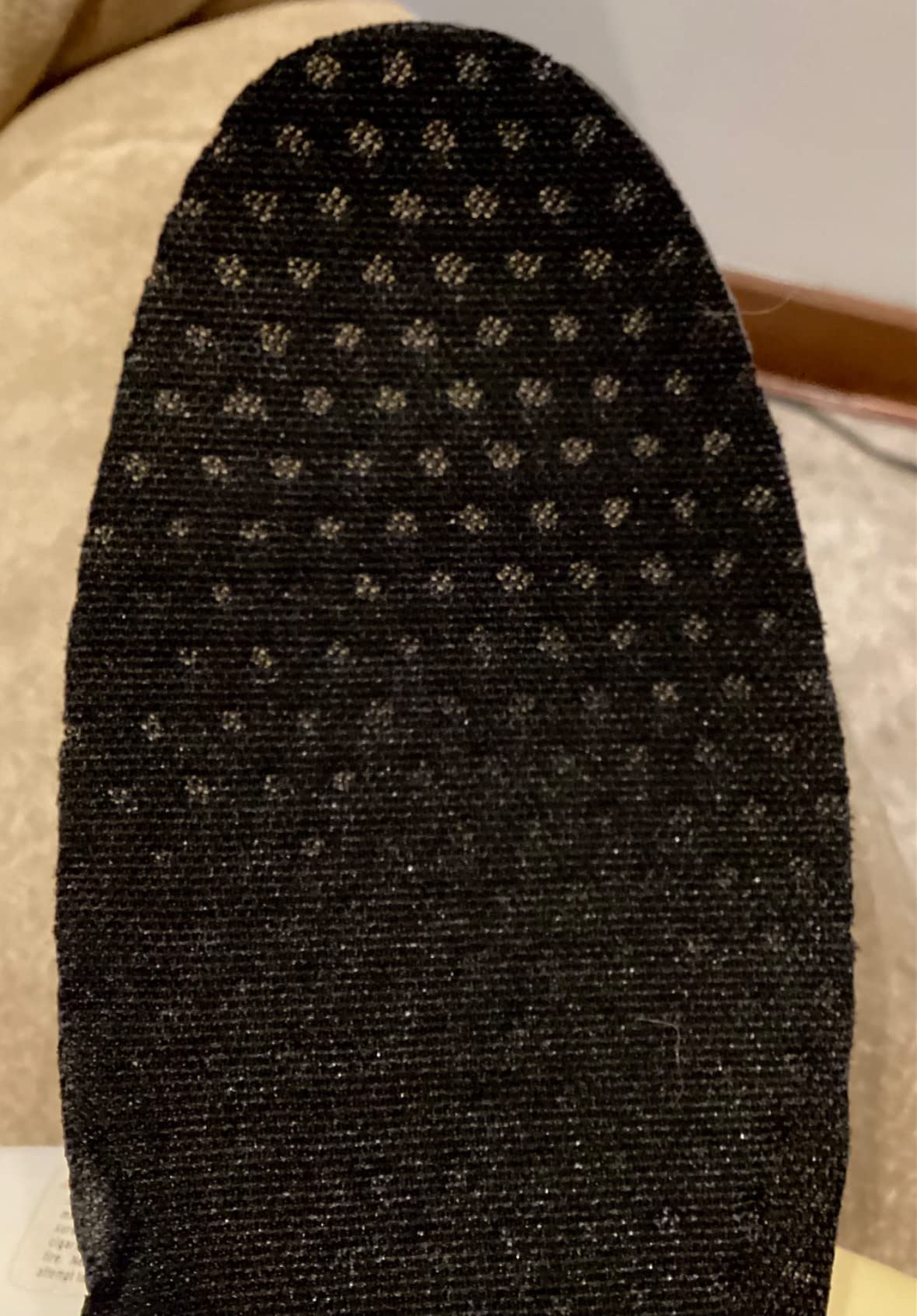
Not necessary for short-term wear (1-4 hours), but highly recommended for extended use. The stock insole provides minimal arch support. During week three of testing, I added basic $12 drugstore arch support inserts, and the extended wear comfort improved dramatically—pushing the comfort ceiling from about 4 hours to 6-7 hours. The shoes run slightly large, so there’s room for thin aftermarket insoles. If you have flat feet, high arches, or plantar fasciitis, budget for insoles from day one.
How do they handle wet conditions?
Poorly. The full mesh upper provides zero water resistance. I stepped in a puddle during testing, and my foot was instantly soaked. The shoes do dry relatively quickly (about 3 hours) thanks to the breathable material, but there’s no protective membrane or water-repellent treatment. These are strictly fair-weather shoes. If rain is forecast or you live in a consistently wet climate, keep a backup pair or look for shoes with water-resistant uppers.
What’s the realistic cost-per-wear?
At $30-40 entry price with an estimated 6-12 month lifespan for casual use, you’re looking at roughly $0.08-0.15 per wear if you use them 3-4 times per week. That’s excellent value for the convenience and comfort they provide within their intended use case. Compare that to a $75 shoe that lasts 18-24 months with daily use ($0.10-0.12 per wear)—the LCGJR offers comparable cost-per-wear for light rotation use. Heavy daily users (8+ hours, 5-7 days/week) might see 3-6 month lifespan, pushing cost-per-wear to $0.20-0.30, which is less competitive.
Final Recommendation & Bottom Line
After six weeks and 200+ miles of testing across every scenario I could throw at them, here’s what the LCGJR Ultra Lightweight Sneakers actually are: ultra-convenient, legitimately lightweight casual shoes for people who value slip-on functionality and comfort during short-to-moderate wear periods.
They’re not trying to be premium athletic shoes, and judging them against $120 running shoes misses the point. At $30-40, these deliver specific value: exceptional breathability, genuinely ultra-light construction, and convenience factor that becomes almost addictive once you adapt to the slip-on routine.
The comfort ceiling at 4-6 hours is real. The minimal arch support is non-negotiable without insoles. The “running shoe” marketing is misleading. But if you understand these limitations and your use case matches what they actually deliver—errands, light walking, travel, work-from-home footwear, quick gym sessions—these offer genuine value.
If you need shoes for serious running, all-day standing, or intensive athletic activities, spend the extra $20-40 on proper footwear. Your feet will thank you. But if you’re looking for lightweight, breathable, convenient shoes for casual daily wear and understand the 3-6 month replacement cycle, the LCGJR Ultra Lightweight Sneakers hit the mark.
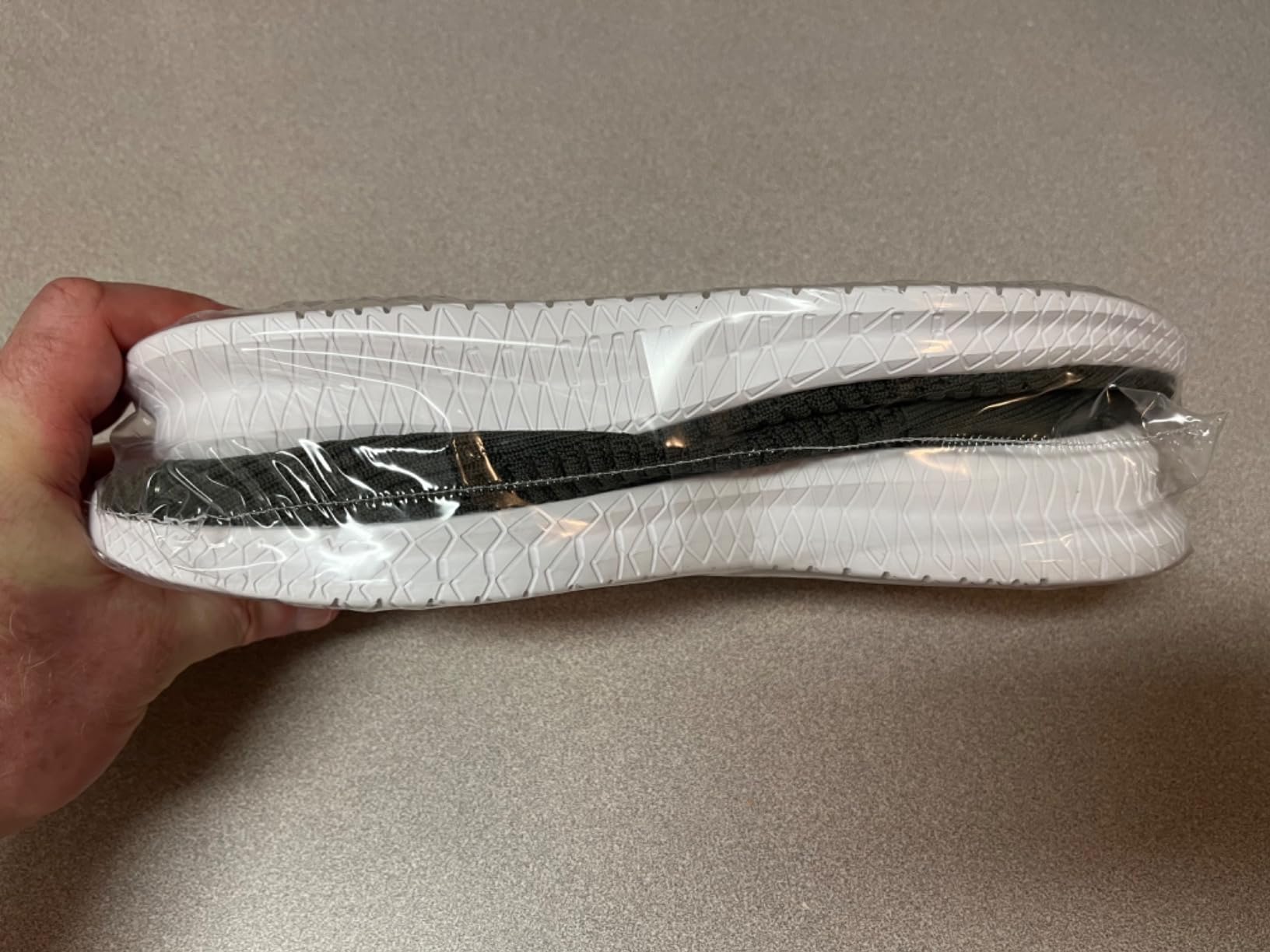
Final Rating: 7.4/10 — A solid choice for specific needs, excellent convenience factor, just match your expectations to reality.
| Final Performance Summary | ||
|---|---|---|
| Comfort Score | 7.2/10 | Excellent short-term (8.5/10), adequate extended with insoles (6.0/10) |
| Style Score | 7.5/10 | Clean, versatile design works for most casual situations |
| Performance Score | 6.8/10 | Excellent for intended use (walking, errands), poor for athletic activities |
| Value Score | 8.0/10 | Outstanding value for casual walking and convenience at $30-40 |
| Overall Score | 7.4/10 | Solid choice for specific needs, excellent convenience factor |
Be the first to review “LCGJR Men’s Running Shoes Ultra Lightweight”
Related products
Running Shoes
Running Shoes
Running Shoes
Running Shoes
Running Shoes
Running Shoes
Running Shoes
Reviews
There are no reviews yet.