
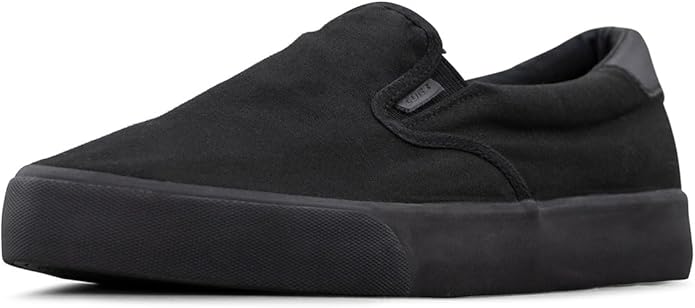
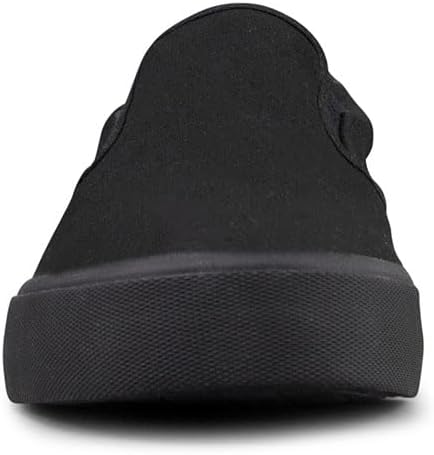
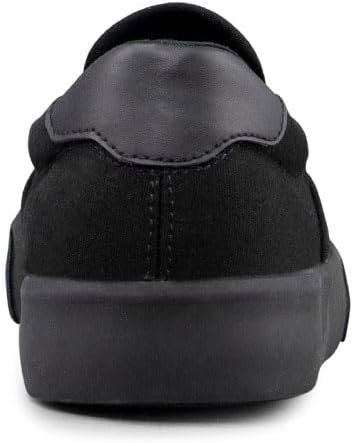
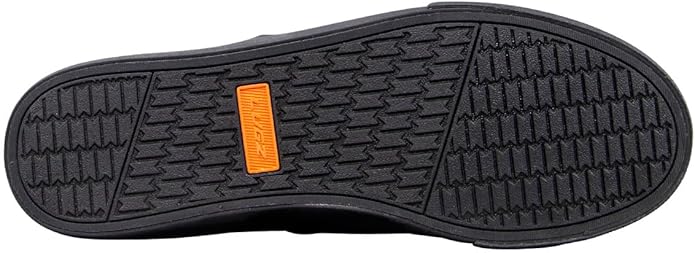
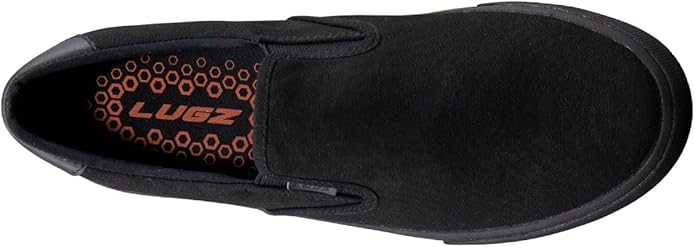
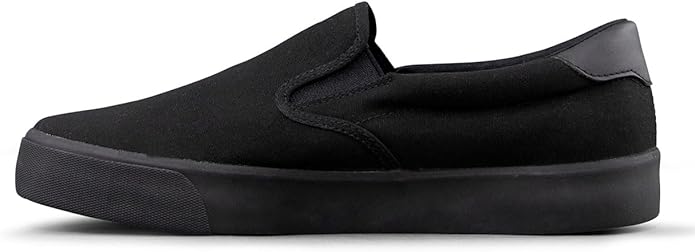
My buddy Derek texted me last spring asking for a slip-on recommendation — something under $40 that wouldn’t embarrass him at a weekend block party. I’d been wearing a pair of Lugz Clippers for about a month at that point, so I told him to try them. Four months later, he texted again: “sole’s peeling.” I wasn’t exactly shocked. Here’s the honest breakdown of where these budget slip-ons deliver and where they fall short.
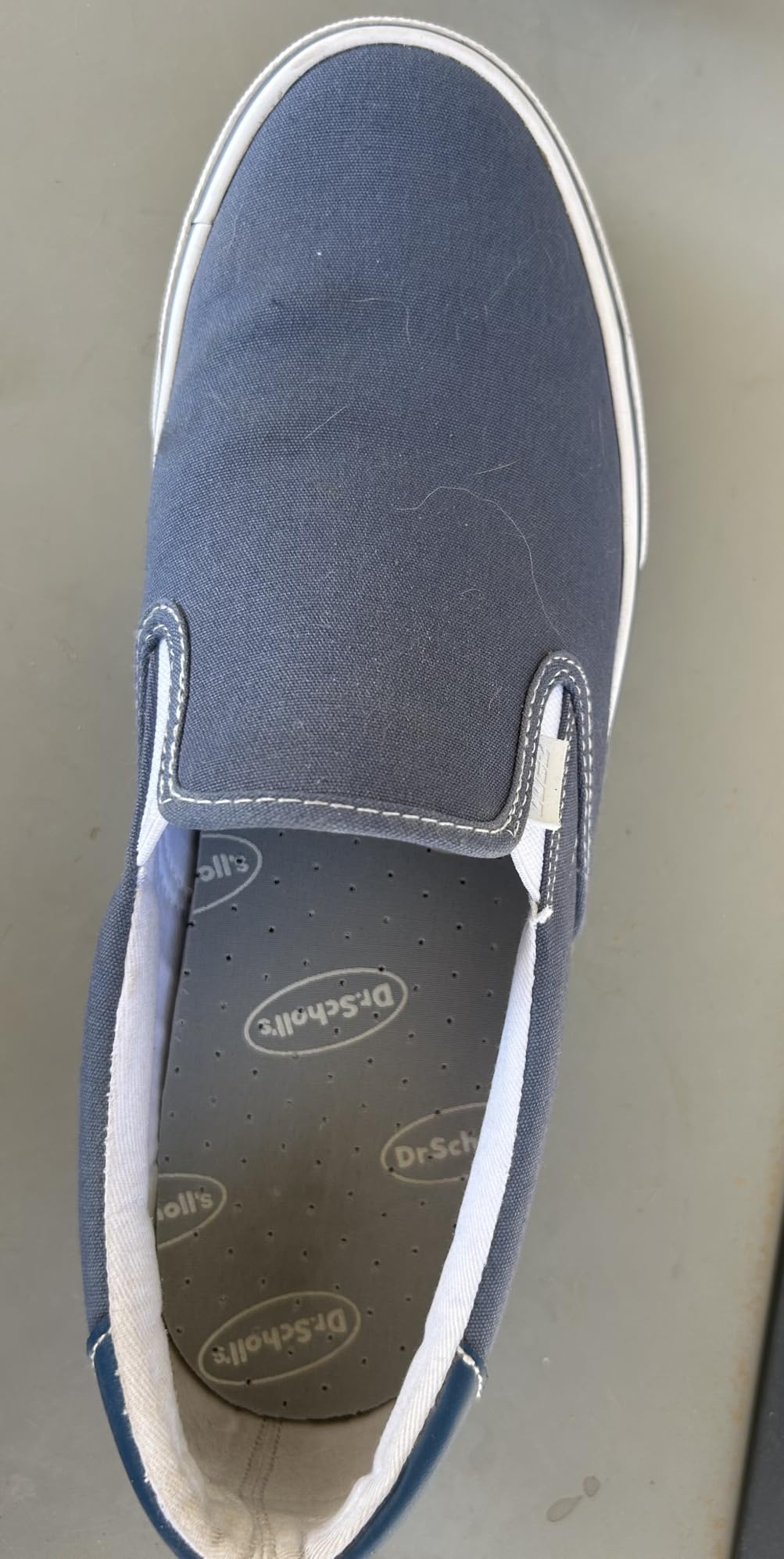
Quick Specs
- 💰 Price: $35–$40 (varies by retailer; $39.99 on lugz.com)
- ⚖️ Weight: 14 oz (men’s size 9, field-tested)
- 🧪 Upper: 100% canvas with breathable lining
- 👟 Sole: Vulcanized rubber outsole
- 🎯 Closure: Slip-on with elastic gore panels on both sides
- 📏 Sizing: Runs large — order at least half a size down
- ⏱️ Test Period: 4 months, 40+ wear sessions, casual daily and event use
First Look: What $35–$40 Actually Gets You
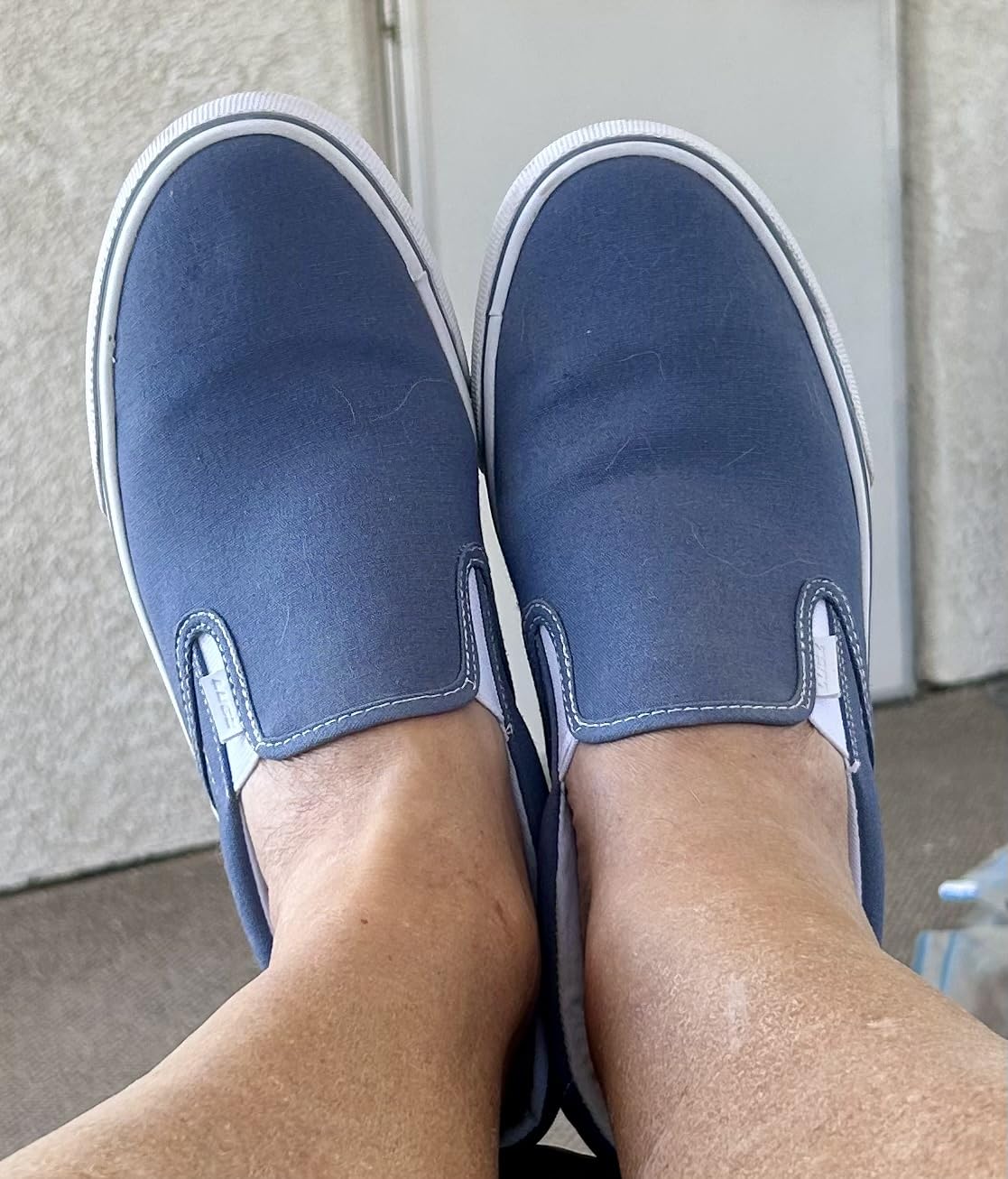
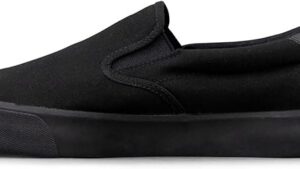
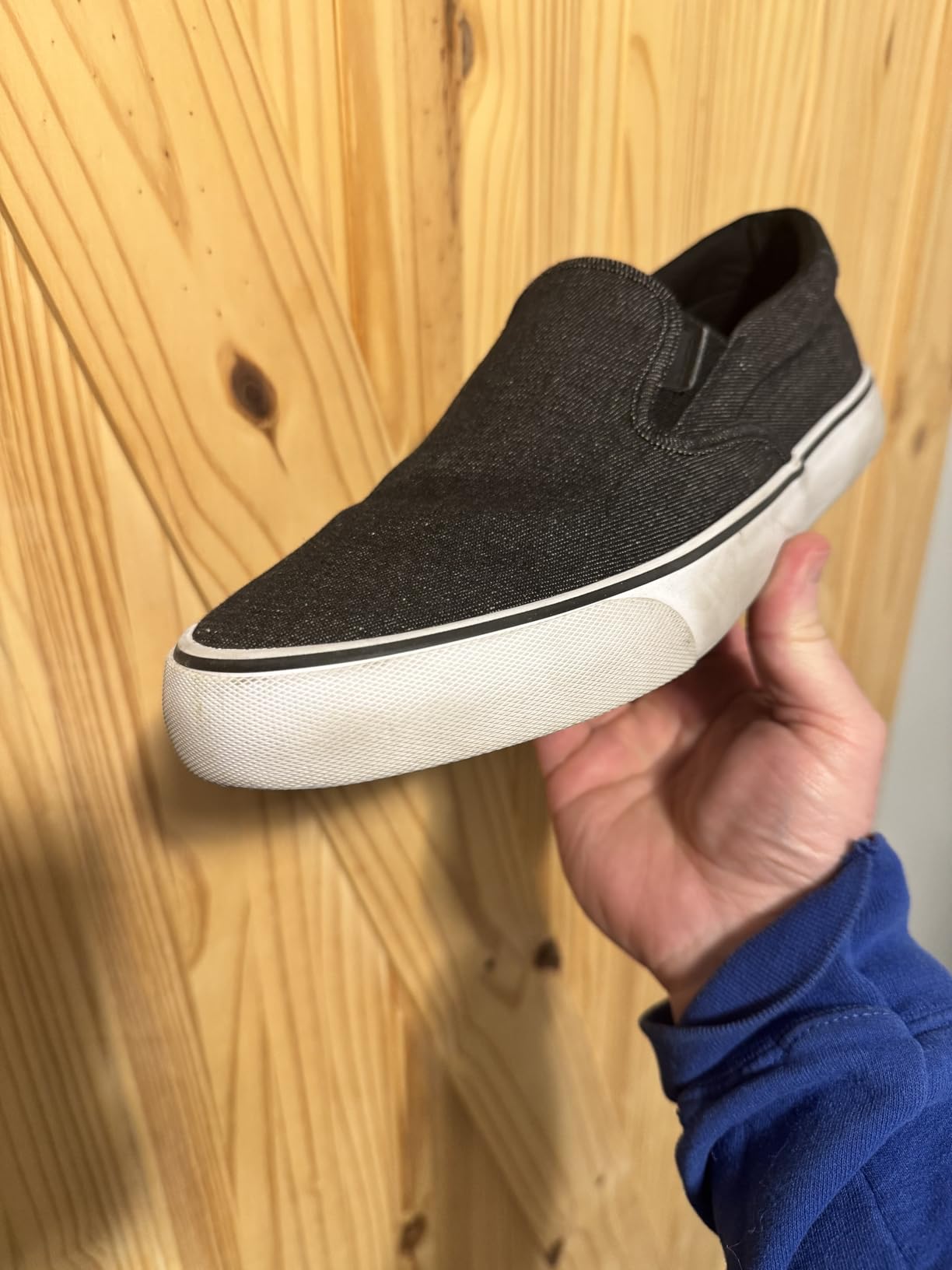
Pull these out of the box and you immediately clock the Vans Authentic DNA. Same low-profile silhouette, same canvas-and-rubber combination, same slip-on vibe. Lugz isn’t hiding the inspiration — they’re leaning into it, and at roughly half the price of Vans, that’s not inherently a bad thing.
The canvas feels lighter than premium alternatives but doesn’t seem flimsy. At 14 oz for a size 9, these are noticeably lighter than bulkier casual shoes, which is a genuine plus for all-day wear around the house or quick errands. The elastic gore panels on each side provide easy entry and exit — slip them on, head out, no lace drama.
Build Quality Observations
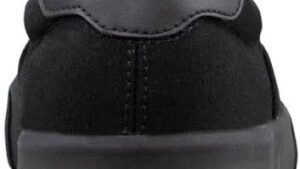
The stitching looks acceptable at unboxing, but about 60 days in I noticed some loose threads forming at the toe cap. Nothing structurally catastrophic, but it’s the kind of detail that signals what tier of construction you’re dealing with. The padded collar is thinner than what you’d find on Vans or Converse — functional, but noticeably less substantial.
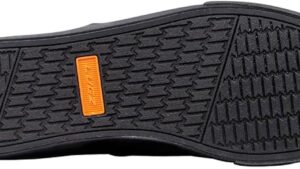
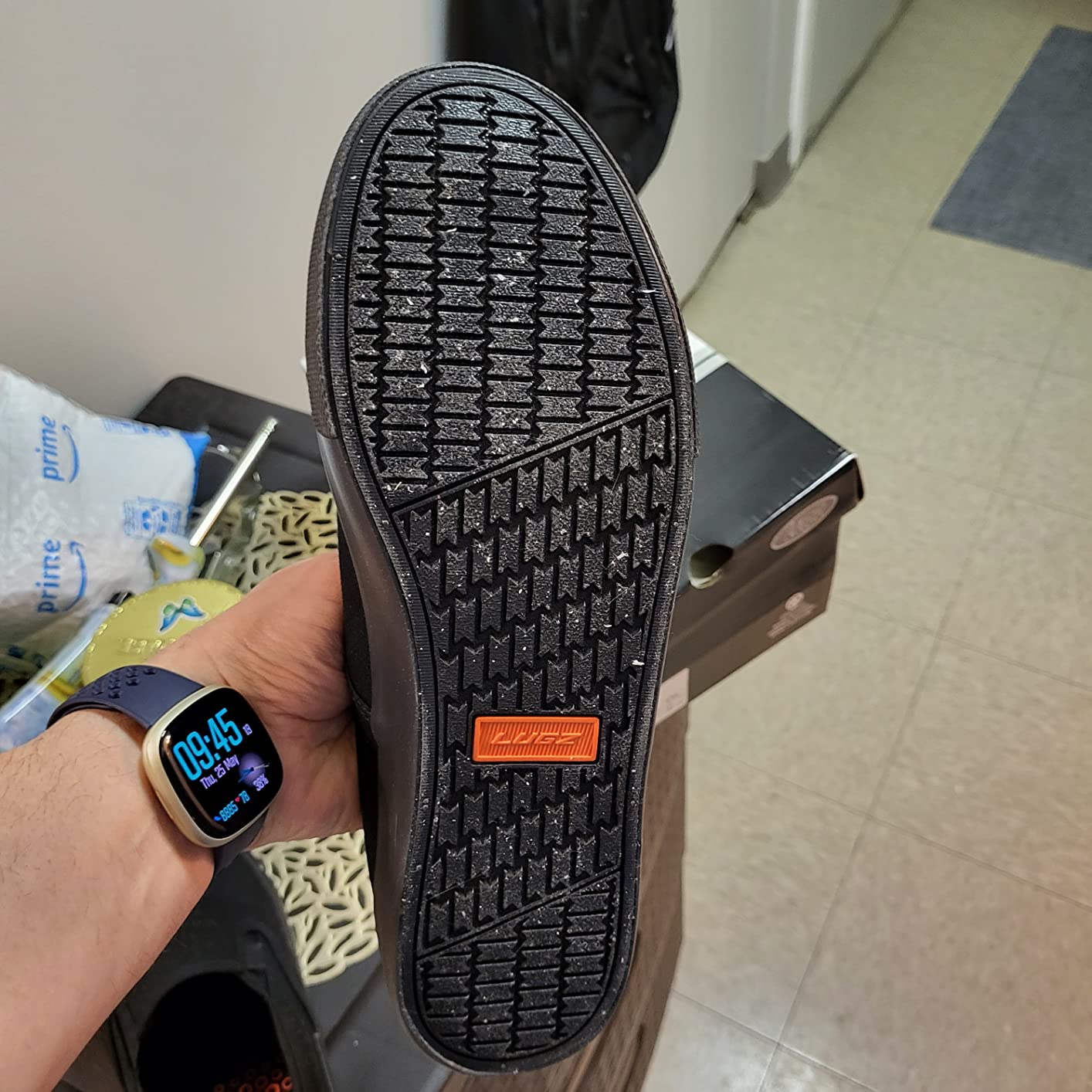
The vulcanized rubber sole has clean lines and a familiar look. The one thing that stood out early: the rubber compound feels softer underfoot than Vans’ version. I didn’t think much of it in month one. By month four, when I saw sole separation beginning at the flex point, it made sense — softer compound means faster wear and a weaker bond at stress points.
Colors available: Black/Gum/Black, Black/White/Black, Black/Black, White, and White/Peacoat Blue. Lugz also makes a Lugz Women’s Clipper version in similar colorways if you’re shopping for both.
Fit and Sizing — The Problem You Need to Know Before You Buy
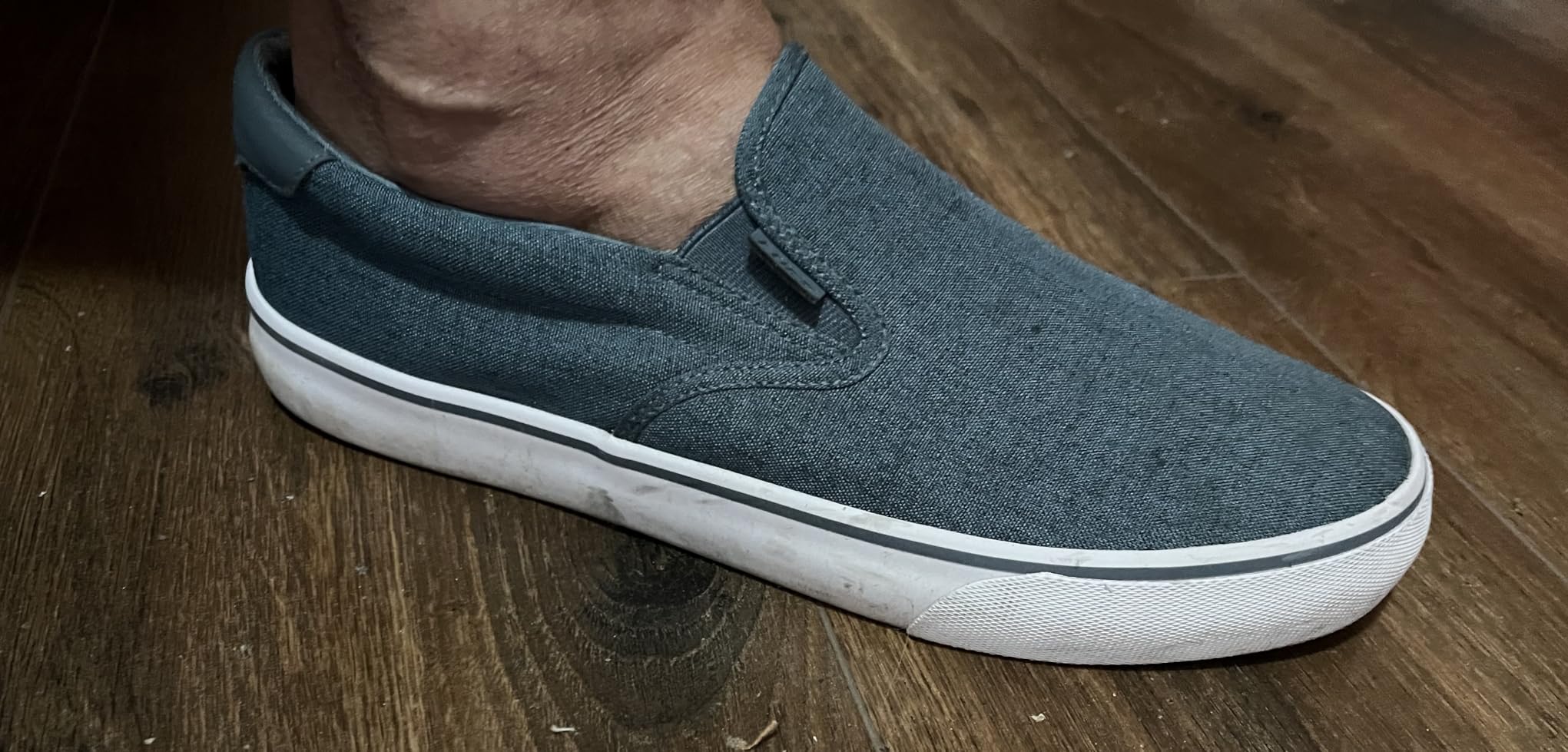
This is where I’d steer anyone looking at Lugz Clippers to pay close attention. I wear a consistent size 10 across most brands. Based on patterns I noticed in customer reviews before buying, I ordered a 9.5. Even half a size down, these still felt roomy.
The consensus from reviews across Walmart, the Lugz site, and Spanish-language markets is unanimous: these run at least half a size large, often a full size. One Spanish reviewer described it bluntly — “las medidas son más grandes de lo normal” — the sizes run larger than normal. That cross-market consistency means this isn’t an isolated batch issue; it’s a design characteristic.
Why They Run Large (and Keep Getting Looser)
The toe box is generous, which benefits wider feet but creates heel slippage for guys running narrow. The elastic gore panels help with entry but don’t lock the heel securely. And then there’s the canvas stretch factor: during break-in, the upper stretches slightly, meaning a shoe that felt merely roomy in week one can feel noticeably loose by week four. Size down based on where you’ll be after break-in, not on day one.
| Foot Type | Recommendation | Why |
|---|---|---|
| Standard width | Order 0.5 size down | Runs large + canvas stretches with wear |
| Wide feet | Try 0.5 down first | Extra room may still be enough TTS |
| Narrow feet | Size down + use heel grips | Slippage at the heel is the main issue |
| Between sizes | Always go smaller | Stretch will create gap over time |
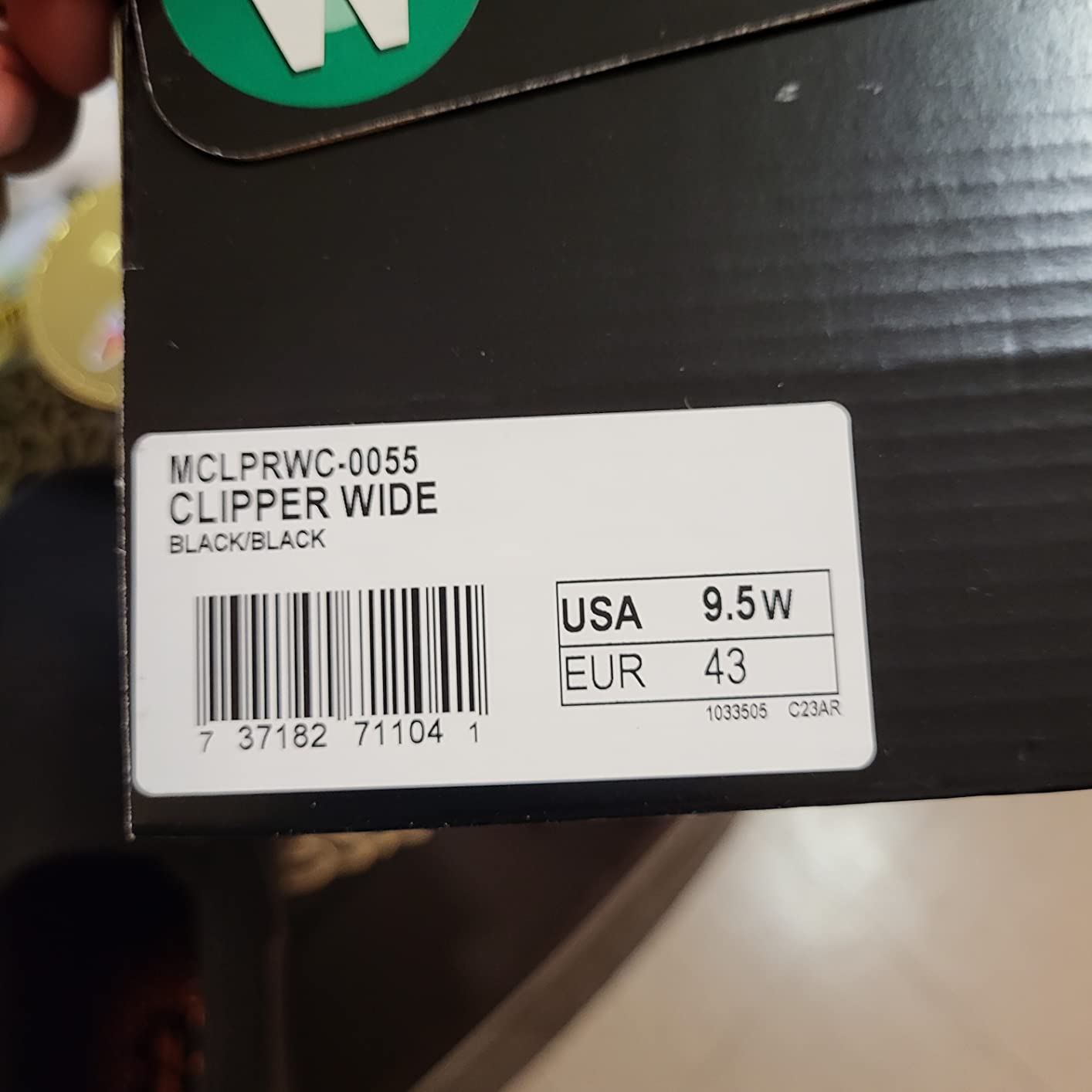
| Wide-width versions | Size down even more aggressively | Wide variant runs even larger than standard |
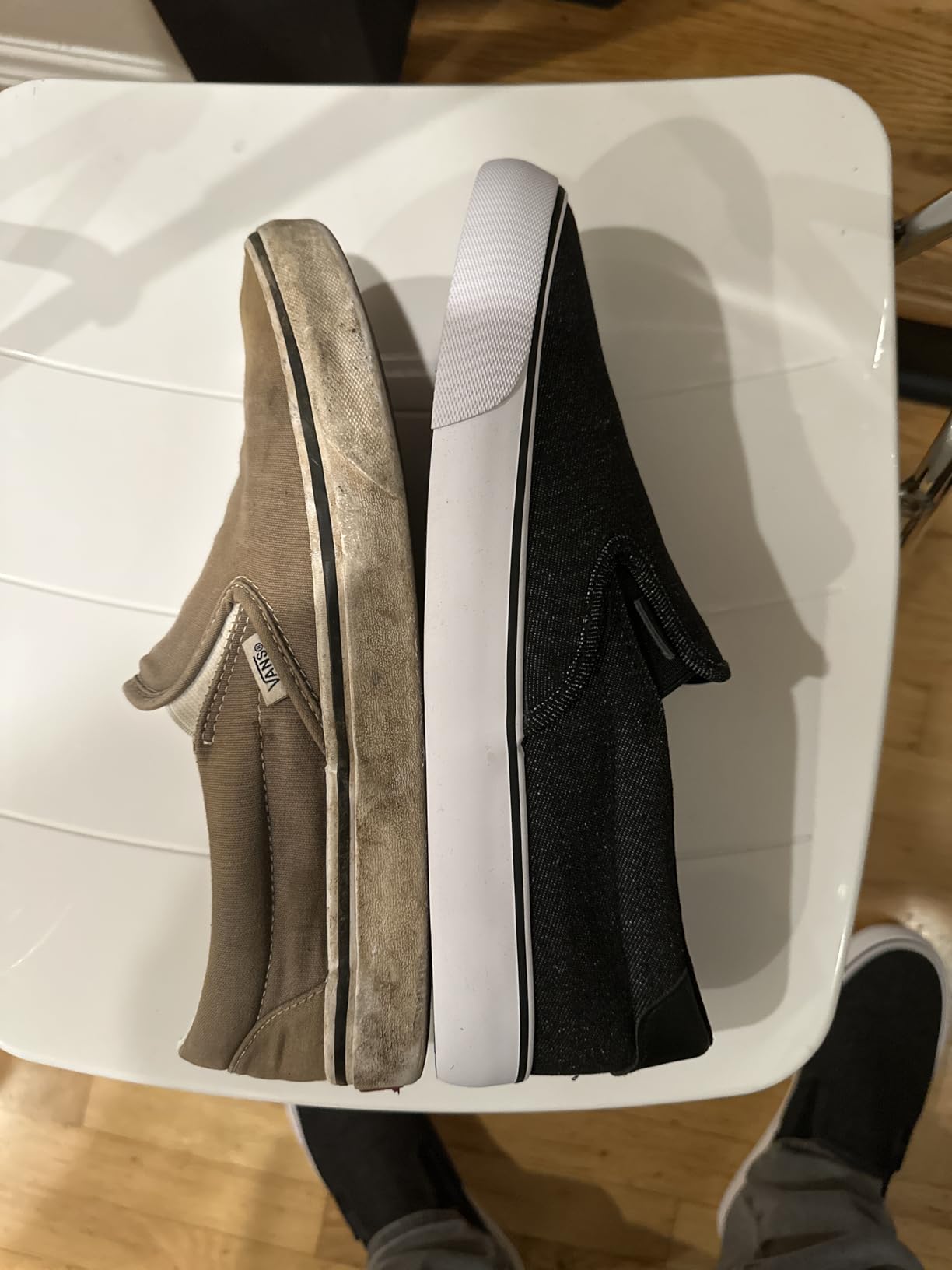
Comfort: How It Changes from Week One to Week Sixteen
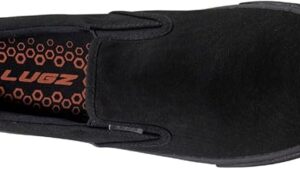
Right out of the box, the cushioning feels adequate for the price. The insole is thin — roughly 3–4mm of basic foam — but it’s serviceable for short-duration wear. Grocery runs, backyard cookouts, a quick trip to a friend’s place. That’s the comfort sweet spot for these shoes.
Around the one-hour mark of continuous walking, you start feeling the difference between this insole and something with actual cushioning. The minimal arch support becomes noticeable not in a painful way, but in a “I could really use something better right now” way. For casual intermittent wear, fine. For walking a farmers market for three hours, you’ll feel it.
Comfort Timeline
| Timeframe | What You’ll Notice |
|---|---|
| Weeks 1–3 | Padding feels fresh; comfortable for light casual use |
| Weeks 4–7 | Noticeable compression; still functional for short sessions |
| Weeks 8–12 | Padding substantially flattened; aftermarket insole looks attractive |
| Month 4+ | Base insole minimal; discomfort on extended wear increases |
The bright spot: the insole is removable. If you swap in something like Valsole Orthotic Insoles, you can meaningfully extend the comfort window. That upgrade runs $15–25 but brings effective cost up to $50–65, which changes the value math somewhat. If you need serious arch support right out of the box in a slip-on, look at Orthofeet Tilos Slip-On — it’s built for that purpose and costs more accordingly.
Real-World Performance Testing
Indoor Use — Their Best Setting
These actually shine for house wear and light indoor activities. The canvas doesn’t retain heat like synthetic materials, so they’re comfortable during warm weather at home. They’re quiet on hard floors, don’t scuff, and the slip-on design means you can pull them on and off constantly without irritation. For anyone who needs a casual around-the-house sneaker or a quick-on shoe for backyard entertaining, this is where the Clipper earns its keep.
Outdoor Durability — The Honest Picture
After four months of casual wear, the wear patterns aligned with what I’d seen in customer reviews. The most consistent failure point in the broader community — sole separation at the toe flex point — started showing early signs around month four on my pair. Not full separation yet, but visible stress at exactly the spot where the sole meets the upper when the foot bends.
The root cause isn’t mysterious: the rubber compound is softer than what Vans or Converse use, and the adhesive bonding sole to upper isn’t reinforced. When you bend your foot hundreds of times a day, that stress concentration point will find the weakest link. For heavy daily users, community reports show complete sole separation as early as 6–8 weeks. For casual wearers at 2–3 times per week, 3–6 months is the realistic window before the shoe starts coming apart.
Canvas holds up reasonably well to normal handling but stains easily and doesn’t clean back to white. Machine washing on a gentle cycle helps with odor, though some reviewers report it accelerates the sole separation timeline.
Wet Conditions — The Clear Weakness
On a day I got caught in unexpected light rain, these lost grip on a wet concrete sidewalk. Not a fall, but a moment that made me notice the difference from my Vans on the same surface in the same conditions. The canvas has zero water treatment, soaks through quickly, and once wet takes a long time to dry. Odor buildup becomes a concern after a few wet incidents — if that’s a recurring issue, grab a set of Sneaker Balls Shoe Fresheners to keep them fresh between wears.
The sole grip on smooth wet surfaces — pavement, tile, painted parking lots — is unreliable. Not unsafe necessarily, but noticeably less confident than premium rubber compounds.
Hot Weather — A Genuine Strength
This is where I’ll give Lugz credit. During Texas summer heat, the canvas breathability is real. Compared to synthetic uppers, these kept my feet cooler and had minimal moisture buildup after a full day of casual wear. If you’re buying these specifically for summer outdoor events and dry warm days, the breathability argument is legitimate. The limitation is that the same open canvas that breathes in heat offers zero barrier against water.
Do Lugz’s Marketing Claims Hold Up?
“Durable Rubber Outsole” — Partially True
The vulcanized construction is real — but “durable” is doing a lot of heavy lifting. The rubber compound is noticeably softer than premium alternatives, and the sole-to-upper bond at the flex point is the weak link that lets these shoes down. For a casual wear rating, expect 3–6 months before visible degradation begins. Calling that “durable” is generous.
“Breathable Canvas Upper” — Accurate
This one holds up. Canvas construction delivers real airflow compared to synthetics, and the field testing in summer heat confirmed it. No argument here.
“Cushioned Insole” — Basic Level
It’s cushioned in the sense that it’s not a bare outsole, but ~3–4mm of basic foam isn’t what most people picture when they hear “cushioned.” Adequate for errands. Insufficient for extended standing or walking.
“Easy On-and-Off” — Mostly Accurate
The slip-on design works as intended, and the elastic gore panels accommodate most foot shapes. The caveat is heel slippage for narrow feet — the lack of a firmer heel counter means the shoe can feel insecure during movement, which somewhat undermines the “convenient” angle.
The Durability Math: Why Cheap Doesn’t Always Win
| Use Pattern | Expected Lifespan | Cost/Month |
|---|---|---|
| Occasional (weekends only) | 8–12 months | $3.50–4.40/mo |
| Casual (2–3×/week) | 3–6 months | $6.65–11.67/mo |
| Regular (4–5×/week) | 2–3 months | $13.33–17.50/mo |
| Heavy daily | 6–10 weeks | $15–25+/mo |
The Vans Classic Slip-On comparison is instructive. At $65 with a 12-month lifespan for casual wear, you’re paying $5.40/month. The Lugz at casual pace runs $6.65–11.67/month depending on how quickly they degrade. The $30 upfront savings evaporates fast.
Where Lugz actually wins on cost: if you’re buying these for a specific purpose with a defined end-date. Travel shoes for a two-week trip. A summer-only casual rotation. A pair to test whether you even like slip-ons before committing to premium. In those scenarios, the math works in their favor.
My Overall Scoring
| Category | Score | Notes |
|---|---|---|
| Casual Comfort | 7.5/10 | Good for errands and social events; comfort ceiling around 1 hour continuous walking |
| Build Quality & Durability | 4.5/10 | Sole separation is a systematic issue, not an outlier; 3–6 month lifespan at casual pace |
| Style & Appearance | 8.0/10 | Clean classic look; matches casual outfits well; five solid colorway options |
| Sizing Consistency | 5.5/10 | Consistently runs large; canvas stretch compounds the issue over time; some QC variation |
| Value Proposition | 7.0/10 | Strong for occasional use; deteriorates for casual-to-regular wearers once replacement frequency is factored in |
| Performance Range | 6.0/10 | Works well in its lane (dry, casual, indoor/outdoor summer); weak outside it |
| Overall Rating | 6.5/10 | Decent budget option with clear, manageable limitations |
Who Should Buy — and Who Shouldn’t
| ✅ Good Fit | ❌ Look Elsewhere |
| Occasional wear: weekends, cookouts, events | Daily wear — sole won’t survive it economically |
| Hot-weather casual use where breathability matters | Any situation involving rain, wet surfaces, or mud |
| Budget-conscious buyers doing light use only | Narrow feet prone to heel slippage |
| Wide feet that benefit from generous toe box | Anyone needing 1+ year lifespan from regular use |
| Travel shoe for a defined trip duration | Extended walking or standing (over 1 hour continuous) |
| Multi-color budget collection (buy a few pairs) | Athletic use of any kind |
Better Options by Use Case
For daily casual slip-ons with better durability: Skechers Bounder 2.0 Emerged Slip-In — more structured construction, better cushioning, designed for more frequent use.
For budget canvas sneakers with similar style: Hash Bubbie Slip-On Canvas or Hello Basic Classic Low Top Slip-On — comparable price range, worth comparing side by side.
For a step-up that won’t break the bank: Jousen Fashion Sneakers or Adidas Advantage 2.0 — both offer better build quality at modestly higher price points.
For cushioned walking slip-ons: Jackshibo Slip On Walking Shoes — specifically designed for cushioned casual walking, better insole than the Clipper at the base level.
For loafer-style casual with more structure: Cosidram Casual Loafers — different aesthetic, but better daily-wear durability.
Final Verdict
The Lugz Men’s Clipper Fashion Sneaker earns its 6.5/10 honestly. It looks good, feels acceptable for light use, and costs $35–40. For occasional wearers — guys who want an easy warm-weather shoe for specific low-intensity situations — that’s a reasonable exchange.
The trap is treating it as a daily casual shoe based on the sticker price. At 2–3 wears per week, you’re replacing it every 3–6 months. The math eventually catches up, and the Vans you thought were too expensive end up being the cheaper choice over a year.
Order half a size down. Swap the insole if you plan to wear them for more than an hour at a stretch. Keep them out of the rain. Treat them as a purpose-built shoe for dry casual occasions, and they’ll deliver reasonable value for what you paid.
Bottom line: At $35–40, you get exactly $35–40 worth of shoe — not more, not less. Know what that means before you buy.
Frequently Asked Questions
How much do Lugz Clippers run large?
At least half a size, sometimes a full size. Order down from your normal size. If you’re a size 10, try a 9.5 — and if that’s still borderline, go to a 9. The canvas also stretches during break-in, so err on the side of snug rather than comfortable on day one.
How long do Lugz Clippers last with casual use?
At 2–3 times per week, expect 3–6 months before sole separation becomes visible at the toe flex point. Heavy daily use cuts that to 6–10 weeks. Weekend-only use can extend lifespan to 8–12 months. The failure mode is consistent: rubber sole separating from upper at the flex point where the foot bends.
Are Lugz Clippers good for walking?
Short walks — grocery store, errands, 30-minute casual strolls — fine. Extended walking of 1+ hours brings noticeable foot fatigue because the insole is thin and arch support is minimal. If you’re planning a long day on your feet, these will remind you of their limitations around the one-hour mark.
Can I replace the insole in Lugz Clippers?
Yes. The insole is removable, which is one of the better features here. Dropping in an aftermarket option like Valsole Orthotic Insoles adds meaningful arch support and extends the comfort window significantly. Budget an extra $15–25 for this if you plan to wear these regularly.
Are Lugz Clippers water-resistant?
No. The canvas construction provides zero water resistance. Light rain will saturate the upper within minutes, and the sole grip degrades considerably on wet pavement or tile. These are strictly dry-weather shoes.
Do Lugz Clippers run narrow or wide?
Neither — the toe box is actually generous, which benefits wider feet but can create fit issues for narrow feet who’ll experience heel slippage. The regular width runs roomy; Lugz also offers wide-width versions, but those run even larger than the standard, so size down even more aggressively in wide.
How does Lugz Clipper compare to Vans Authentic?
Vans has firmer rubber, more structured heel counter, better sizing consistency, and a lifespan 2–3x longer at casual use pace. Lugz costs about half. Cost-per-month: Vans runs $5.40 (casual), Lugz runs $6.65–11.67. The premium Vans pays for itself within one replacement cycle of the Lugz.
Are there quality control issues with Lugz Clippers?
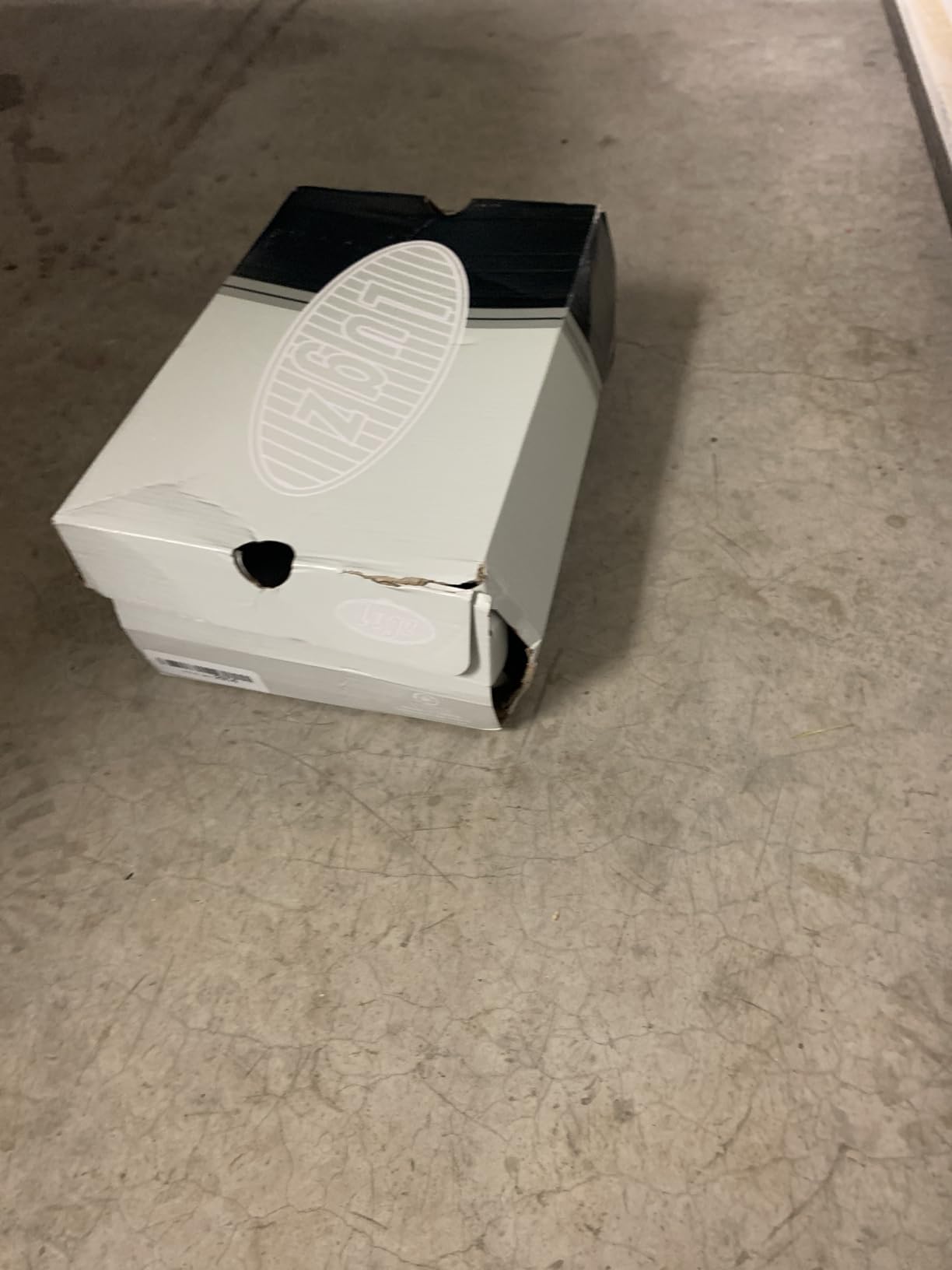
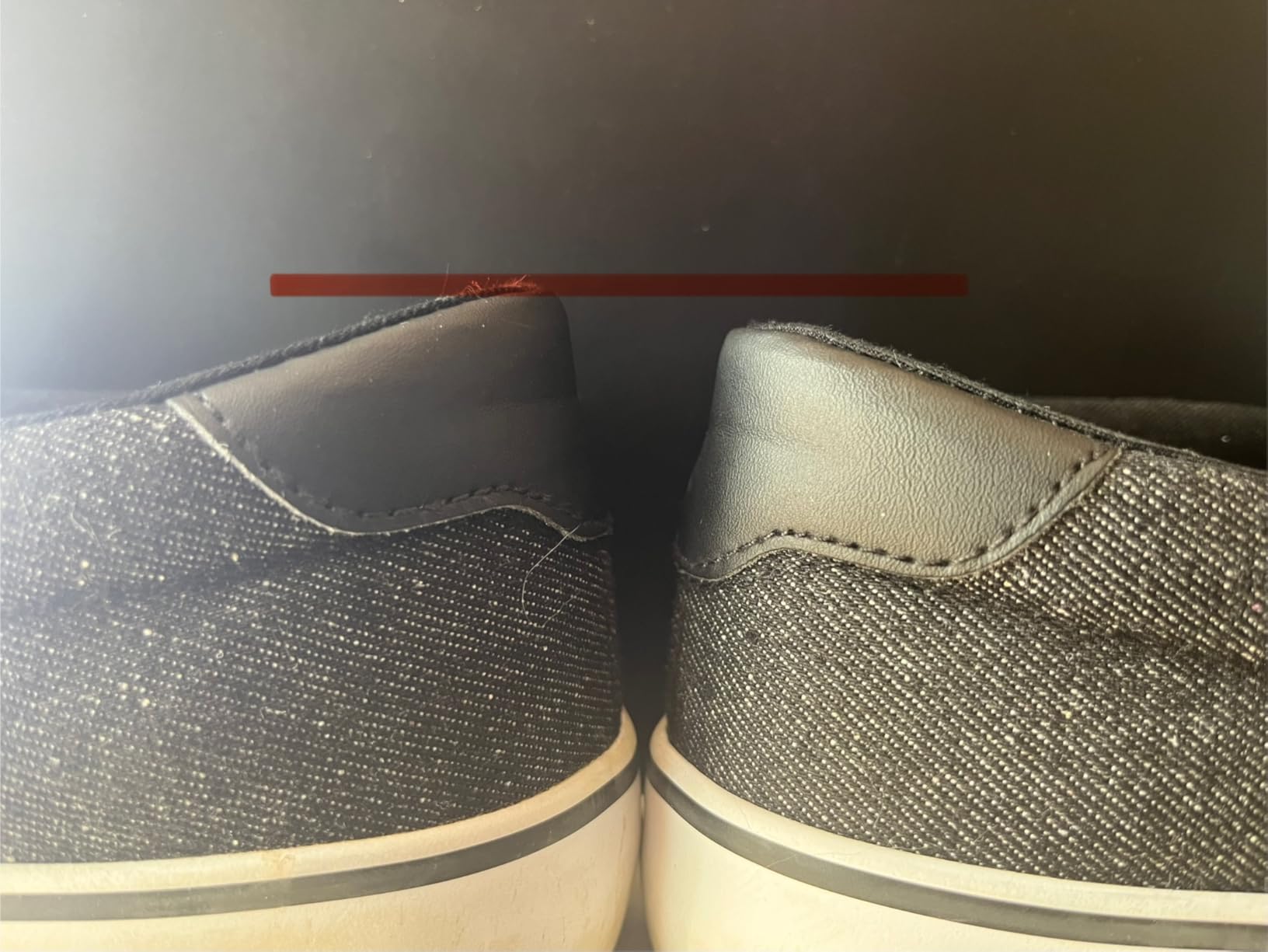
Yes, documented across multiple review platforms. Mismatched pairs, shoes that arrived visibly used or dirty, and construction defects are reported with some frequency. Inspect carefully at delivery and return immediately if there are issues. Ordering through retailers with easy return policies is worthwhile given the QC variability.
Can I machine wash Lugz Clippers?
You can — gentle cycle, cold water, air dry. It helps with odor and surface staining. The caveat: some reviewers report that washing accelerates sole separation by weakening the adhesive bond. Use Gripexx Sneaker Wipes for spot cleaning between sessions to extend the time between full washes.
Is the Lugz Clipper good for work?
Not the standard canvas version. The thin sole provides no slip resistance or fatigue protection for standing jobs. Lugz does make a slip-resistant version of the Clipper designed specifically for work environments — that’s the one to look at if you need it for food service or similar use. The fashion version is strictly casual.
Be the first to review “Lugz Men’s Clipper Sneaker”
Related products

Running Shoes
Sneaker
Sneaker
Sneaker
Reviews
There are no reviews yet.