
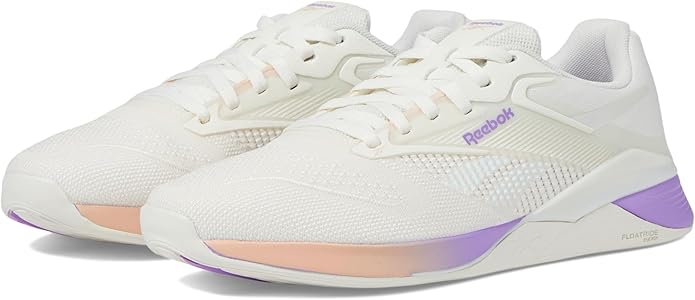
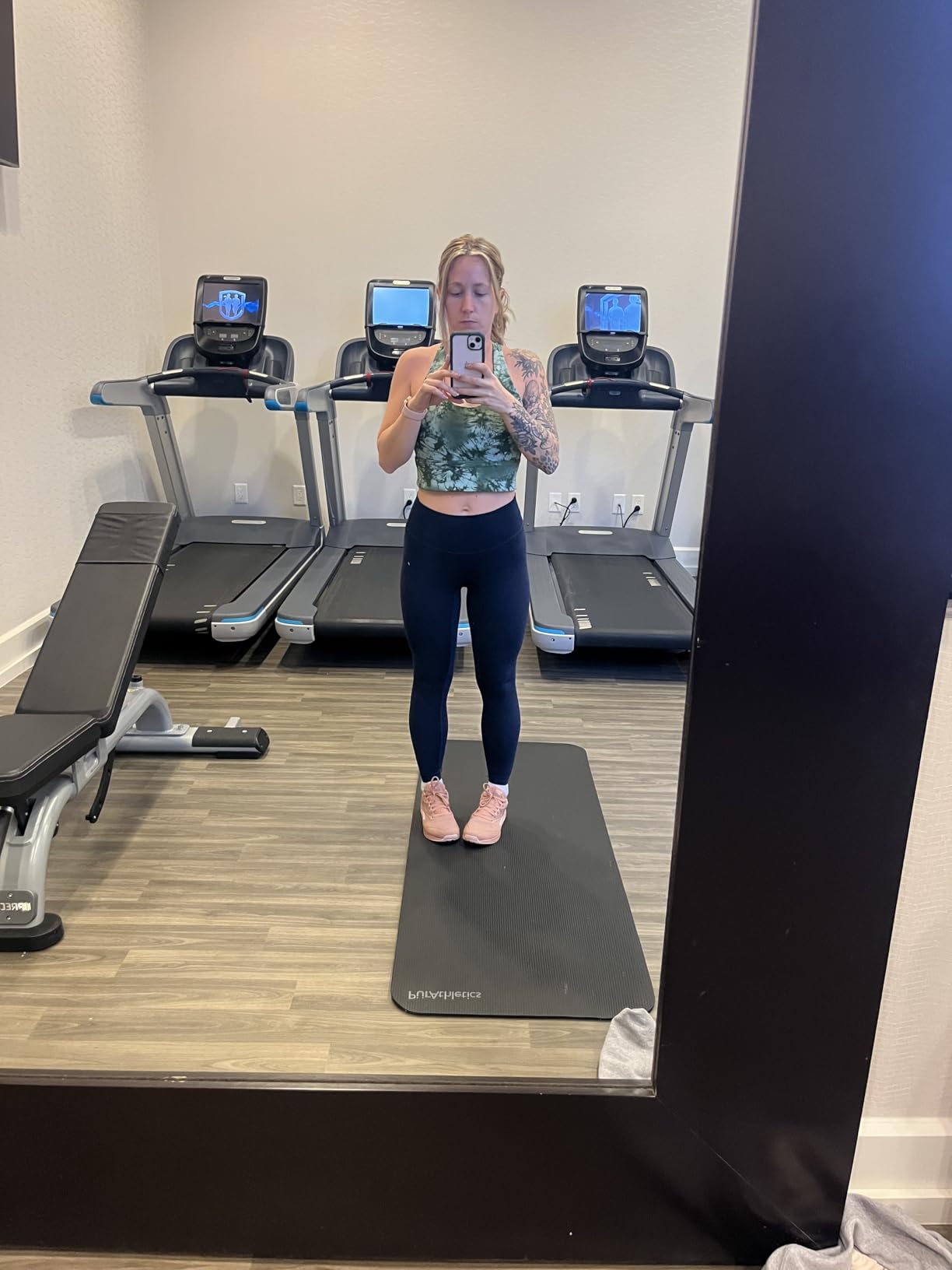
When my training buddy mentioned she’d just gotten the Reebok Nano X4 and couldn’t stop talking about how different they felt from her old CrossFit shoes, I knew I had to try them myself. As someone who’s tested dozens of training shoes over the years and currently trains four days a week mixing strength work with HIIT, I’m always on the hunt for that one shoe that can truly handle everything. After eight weeks of putting the Nano X4 through everything from heavy deadlifts to box jumps to sprint intervals, here’s my honest take on whether these shoes live up to Reebok’s promises.
What Makes the Reebok Nano X4 Different?
The Nano X4 represents Reebok’s answer to a common problem in the cross-training world: shoes that try to do everything often end up doing nothing particularly well. What caught my attention immediately was how Reebok stripped away excess bulk while maintaining the stability features that made the Nano line famous.
Lightweight Flexweave Upper That Actually Breathes
The first thing I noticed when I pulled these out of the box was how light they felt. At 12.07 ounces for women’s sizing, the Nano X4 is noticeably lighter than its predecessor, the X3. The updated Flexweave woven textile upper isn’t just marketing speak – this material genuinely adapts to your foot shape faster than traditional synthetic uppers I’ve tested.
What really impressed me was the new midfoot ventilation panel. During a particularly brutal 20-minute AMRAP in a stuffy gym, my feet stayed surprisingly comfortable. The air flow through that panel made a noticeable difference compared to my previous Nike Metcon 9 Women’s, which tended to get hot and sweaty during extended sessions.
The upper also features less TPU plastic than the X3, which contributes to both the lighter weight and improved flexibility. I could feel this difference most during rope climbs and movements requiring ankle mobility – the shoe moved with my foot rather than restricting it.
The Lift and Run Chassis System
Here’s where things get technical, but trust me, this matters. The L.A.R. (Lift and Run) Chassis system is an internal midsole plate that adapts based on your activity. When you’re lifting heavy, it flattens to provide a stable platform. When you’re running or jumping, it expands into a dome shape for cushioning.
During my testing, I noticed this most clearly during workouts that mixed heavy squats with box jumps. The transition between stability for the squats and responsiveness for the jumps felt seamless. It’s not magic – you can still feel the difference between a dedicated lifting shoe and these – but for a versatile training shoe, the L.A.R. system genuinely works.
Floatride Energy Foam Cushioning
The Floatride Energy Foam sits in that sweet spot between firm and responsive. It’s definitely not as soft as what you’d find in running shoes like the Brooks Glycerin Stealthfit 21, but that’s intentional. For training, you want energy return without mushiness.
I tested this specifically during box jumps and burpees. The foam compressed predictably during landings without feeling dead or unresponsive. When I pushed off for the next jump, I could feel the energy return helping my momentum. That said, anything beyond short sprint intervals (under 400 meters) started to feel punishing – this foam simply isn’t designed for distance running.
The official spec lists a 7mm heel-to-toe drop, though independent lab testing measured it closer to 8.6mm. In practice, it feels lower than that – maybe around 4-5mm when you’re actually wearing them. This ground feel is exactly what you want for lifting movements where you need to feel connected to the floor.
TPU Heel Clip and Lockdown
The TPU heel clip provides serious heel lockdown without creating pressure points. During heavy deadlifts and single-leg Romanian deadlifts, my heel stayed planted exactly where I needed it. I never experienced any slippage, which was a problem I occasionally had with the Nano X3.
The Performance Comfort collar works in tandem with the heel clip to keep your foot locked in during multidirectional movements. During lateral shuffles and agility drills, I felt completely secure.
Fit, Comfort, and Breaking Them In
Sizing and Width Considerations
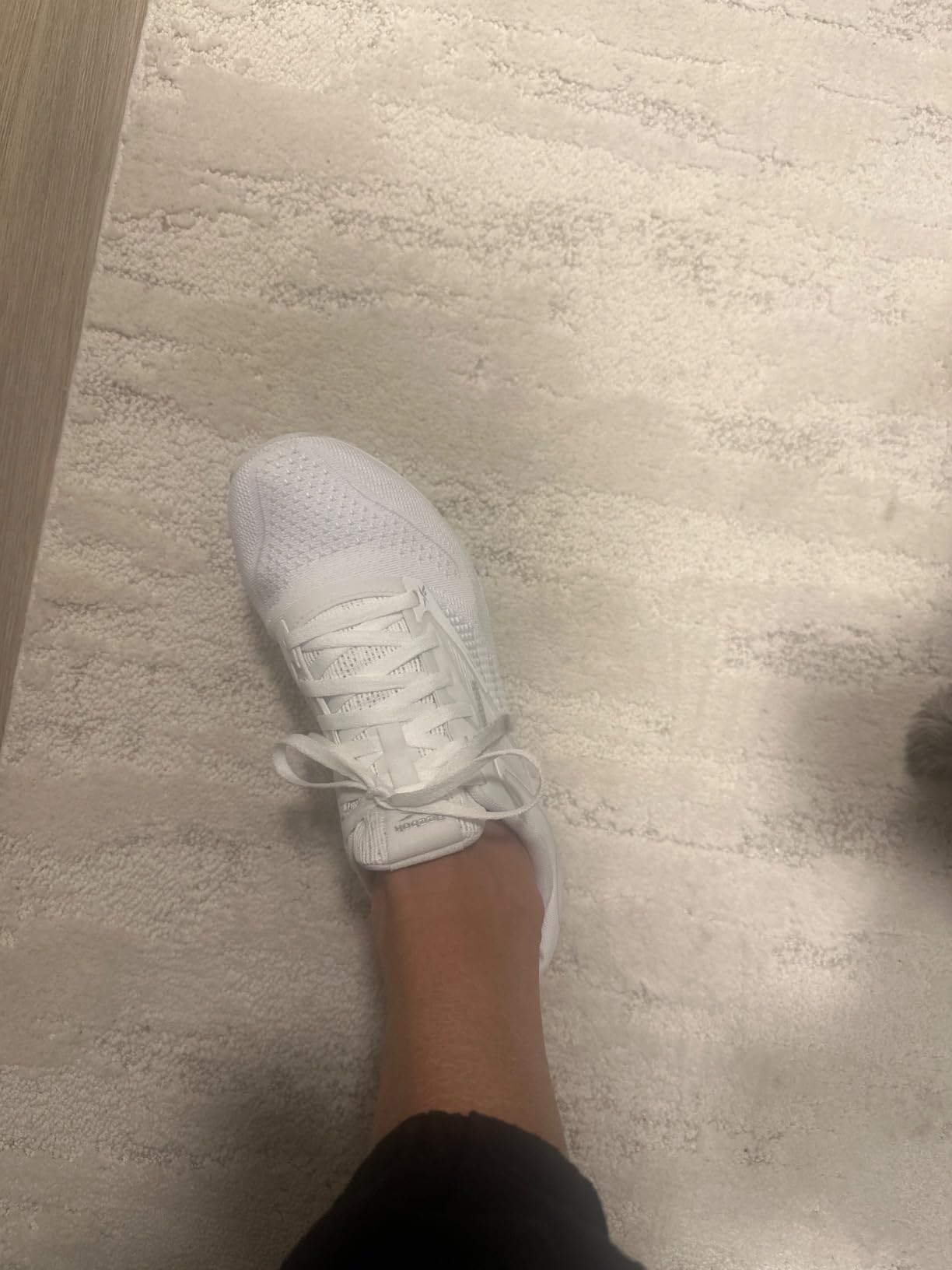
I wear a size 8 in most athletic shoes, and the Nano X4 fit true to size for me. The Flexweave upper is remarkably adaptive – it molded to my foot shape within the first two workouts. However, I have medium-width feet. If you have wide feet, you might find the fit snug, especially through the midfoot.
The toe box offers decent room without being sloppy. My toes had enough space to splay naturally during squats and deadlifts, which is crucial for stability. The unisex design means women with narrower feet might want to try these on before buying, though I found the fit perfectly secure.
One note: the laces run slightly short. If you have wider feet and need to loosen the lacing significantly, you might find the laces don’t provide much extra length. For my medium-width feet, they were fine.
Break-In Period Reality
Here’s some genuinely good news: the break-in period for the Nano X4 was minimal. I wore them for my first workout straight out of the box and experienced zero blisters or hot spots. The Flexweave material adapted so quickly that by workout three, they felt like I’d been wearing them for months.
This is a significant improvement over some training shoes I’ve tested that required 2-3 weeks of gradual break-in before they felt comfortable for intense sessions.
All-Day Wearability and Style
I tested wearing these for a full day of errands and casual activities. They’re definitely more comfortable for all-day wear than pure lifting shoes, and the sleek design doesn’t scream “gym shoe” the way some bulky trainers do.
That said, these aren’t designed for all-day comfort. After about 5-6 hours of walking and standing, I noticed some foot fatigue. The firm platform that’s perfect for training becomes less ideal for extended casual wear. For gym-to-coffee-shop transitions, they’re great. For a full day on your feet, I’d choose something with more cushioning like the Skechers Summits.
Performance Testing: Heavy Lifting and Strength Work
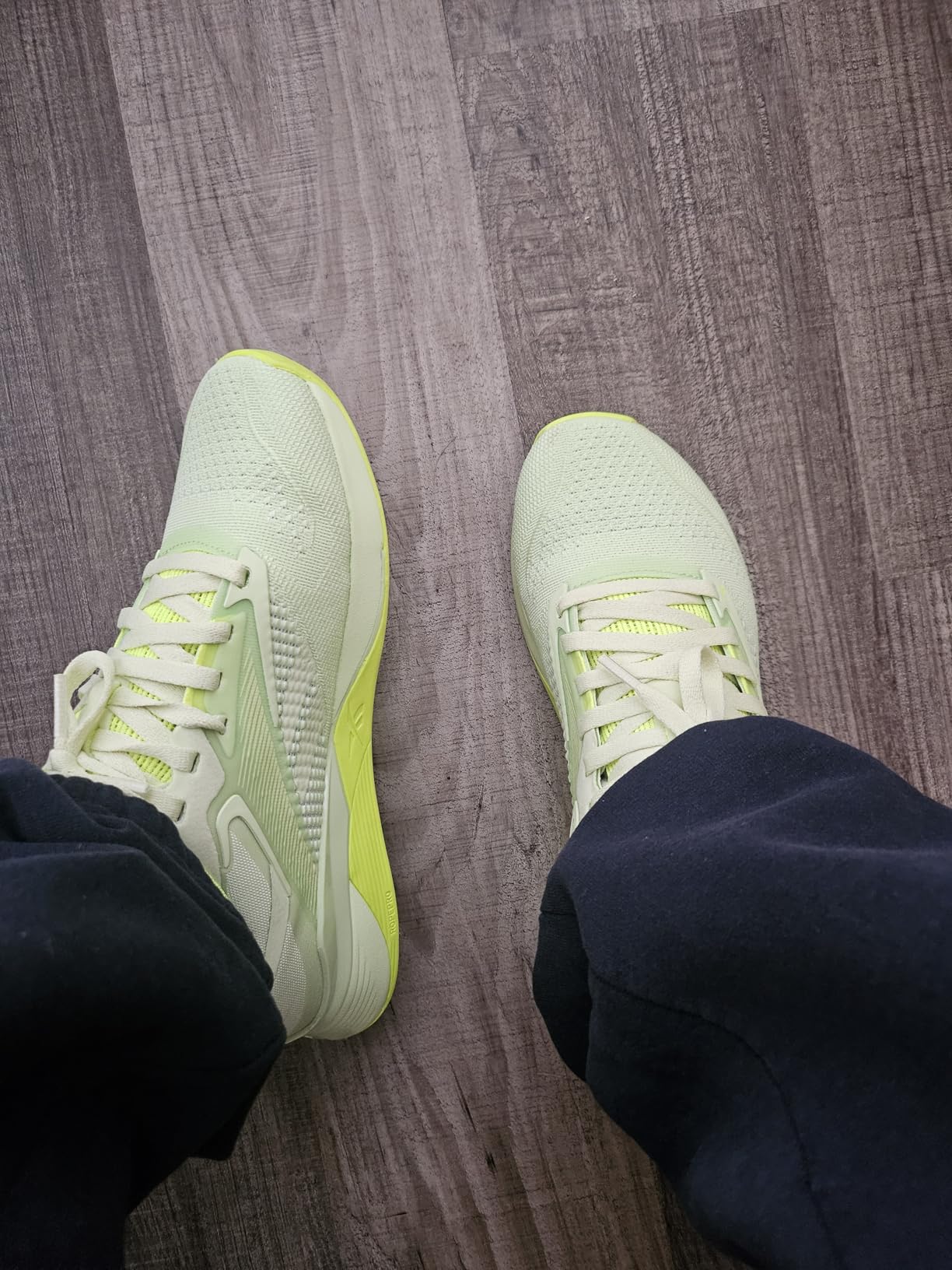
This is where the Nano X4 truly demonstrates its value. Over eight weeks, I tested these shoes through countless strength sessions, and they consistently impressed me.
Squats and Deadlifts
The firm platform and stable base made these excellent for both squats and deadlifts. During back squats with 185 lbs, I felt completely planted and secure. The 7-8mm drop provided just enough heel lift for ankle mobility without feeling elevated or unstable.
For deadlifts, the ground feel was outstanding. I could feel my connection to the floor throughout the entire lift, which helped with balance and power transfer. The lateral stability prevented any foot rolling, even during heavier sets.
Compared to dedicated lifting shoes like the Reebok Legacy Lifter III, these obviously don’t provide the same elevated heel for Olympic lifting. But for general strength training where you’re mixing compound movements with other exercises, the Nano X4 strikes an excellent balance.
Single-Leg Movements and Balance Work
Single-leg RDLs, Bulgarian split squats, and single-leg squats all felt confident and controlled. The proprioceptive feedback through the sole gave me excellent awareness of foot positioning, which is crucial for balance during unilateral work.
During a particularly challenging set of walking lunges, the stable platform kept me from wobbling or losing my footing. The heel lockdown prevented any slippage that could throw off my balance.
Functional Movements and Kettlebell Work
The L.A.R. Chassis system really showed its versatility during kettlebell complexes mixing swings, snatches, and Turkish get-ups. The multidirectional support handled lateral movements and rotational work exceptionally well.
The grip on the rubber outsole performed excellently on gym mats, wooden floors, and rubber weightlifting platforms. Even when switching between different surfaces during the same workout, traction remained consistent.
Performance Testing: HIIT, Plyometrics, and Dynamic Movements
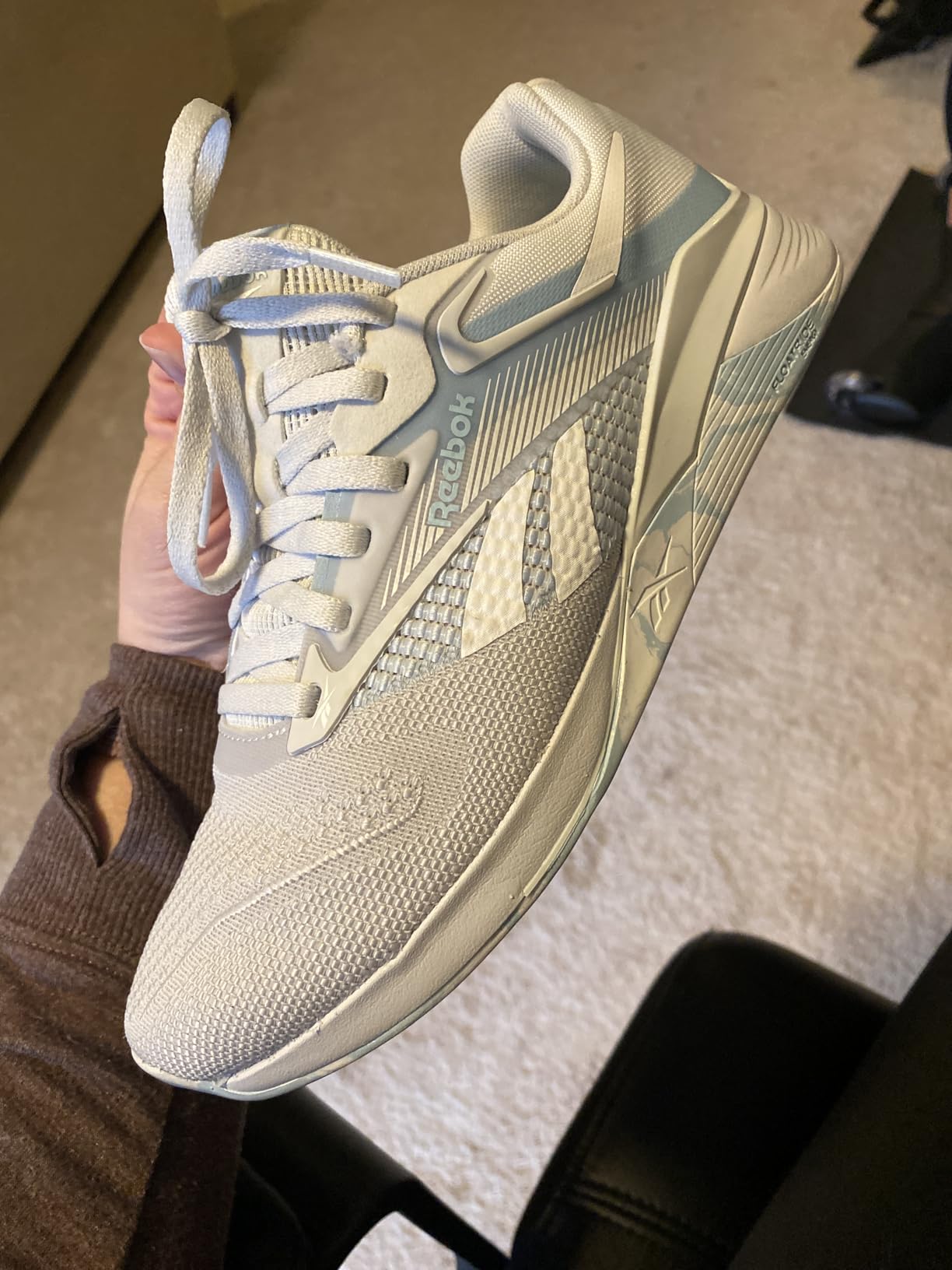
Box Jumps and Plyometric Training
The Floatride Energy Foam really shines during plyometric work. During sets of box jumps ranging from 20 to 30 inches, the takeoff felt powerful and the landings absorbed impact effectively without feeling mushy.
I specifically tested these during a workout with 100 total box jumps broken into sets of 10. By the end, my legs were tired, but my feet felt fine – no impact fatigue or soreness. The responsive cushioning genuinely helped with energy return during repeated explosive movements.
Burpees, Sprawls, and Ground Work
The flexible forefoot made transitions from standing to ground positions smooth and natural. During burpee-heavy workouts, I appreciated how the shoe didn’t fight against my foot during the down-and-up movement.
The toe box durability held up well even during high-rep ground work on textured gym mats. After eight weeks of testing, I see minimal wear on the upper material in the toe area.
Lateral Movements and Agility Drills
Lateral shuffles, side-to-side jumps, and agility ladder work all felt controlled and secure. The L.A.R. Chassis provided excellent lateral stability without making the shoe feel rigid or restrictive.
During a particularly intense agility circuit, I made quick cuts and direction changes without any ankle instability or foot sliding inside the shoe. The combination of the secure heel lockdown and adaptive midfoot kept everything locked in place.
Sprint Intervals and Short-Distance Running
For sprint intervals under 200 meters, the Nano X4 performed adequately. The lightweight design and responsive cushioning worked well for short bursts of speed. However, once I extended running beyond 400 meters, the limitations became apparent.
The firm platform that’s perfect for lifting becomes punishing during sustained running. The cushioning simply isn’t designed for repetitive impact over distance. If your training includes significant running (over a mile), you’ll want dedicated running shoes like the ASICS Gel-Nimbus 27 for those portions.
Real-World Integration Beyond the Gym
Style and Aesthetics
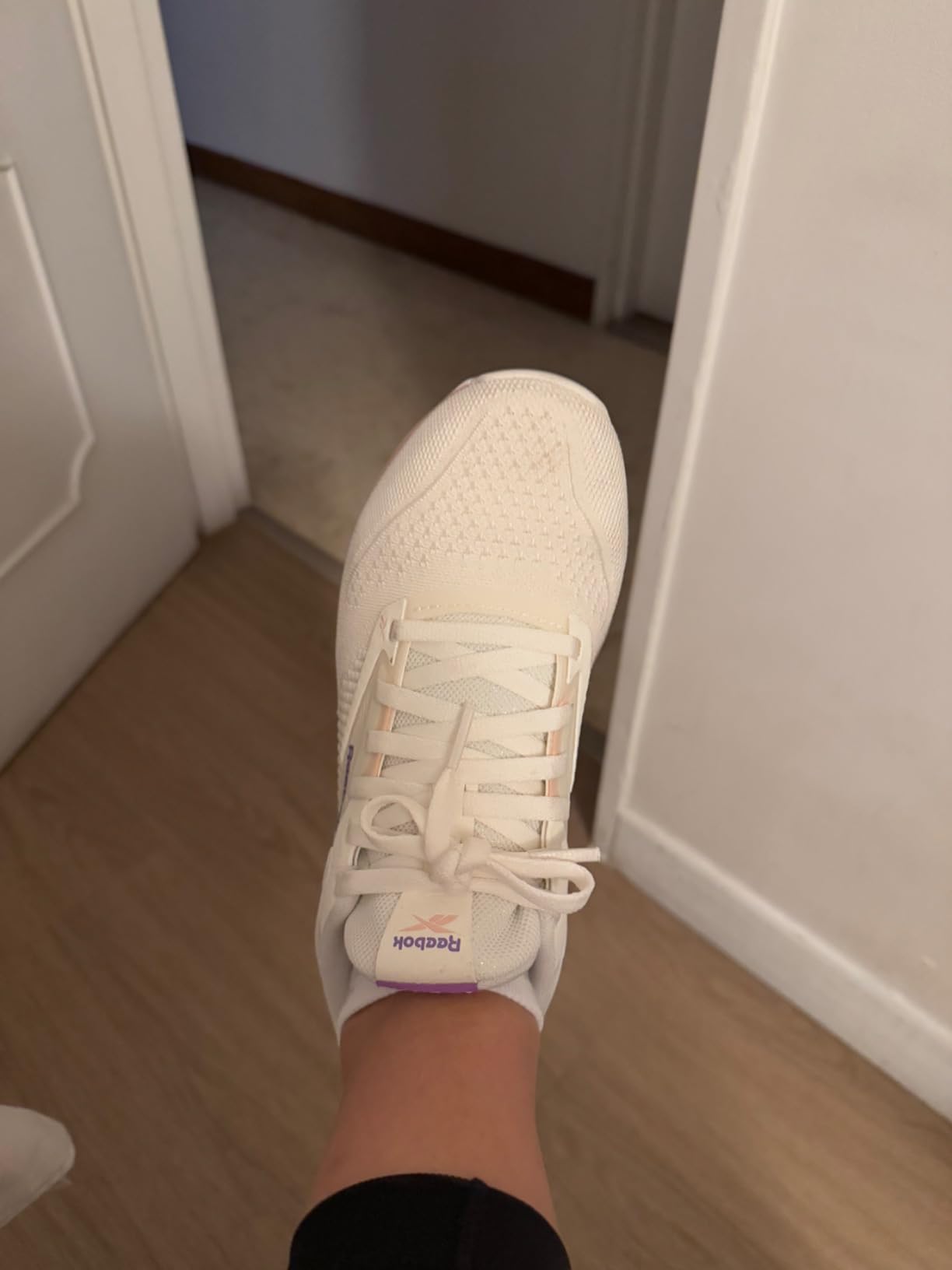
The Nano X4 looks significantly sleeker than its predecessors. The reduced TPU plastic and streamlined design make these suitable for casual wear in ways that bulkier training shoes aren’t.
I wore these with athleisure outfits – leggings and a hoodie for coffee runs, athletic shorts for weekend errands – and they worked well. The white/grey colorway I tested is particularly versatile. Reebok offers multiple color options, some more lifestyle-friendly than others.
Travel and Versatility
The lightweight design makes these excellent travel companions if you’re trying to pack light. At 12.07 ounces, they don’t add significant weight to your bag. And because they can handle most training activities, you don’t need to pack multiple pairs of shoes.
During a weekend trip, I used these for a hotel gym workout (mixing cardio and bodyweight training) and then wore them casually for sightseeing. They performed well in both contexts, though my feet definitely felt the walking by the end of the day.
Recovery Wear and Casual Comfort
As recovery shoes between training sessions, these are okay but not ideal. The firm platform doesn’t provide the cushioned comfort that tired feet crave after intense workouts. For recovery, I prefer something with more plush cushioning.
For short casual wear periods – running errands, quick shopping trips, gym-to-home transitions – they work perfectly fine. Just don’t expect all-day comfort if you’re going to be on your feet for extended periods.
Durability and Long-Term Wear Expectations
After eight weeks of consistent training (4-5 sessions per week averaging 60-90 minutes each), I examined the Nano X4 closely for wear patterns.
Outsole Durability
The full rubber outsole shows minimal wear after two months of use on various gym surfaces. The tread pattern remains intact and traction hasn’t diminished noticeably. Independent lab testing found the outsole wear depth at 0.5mm, which is 50% shallower than the category average – meaning these should last significantly longer than many competitors.
Based on the current wear rate, I’d estimate these shoes will easily last 12-18 months for someone training 4-5 times per week. For lighter use (2-3 times weekly), you could potentially get 2 years of solid performance.
Upper Material Longevity
The Flexweave upper has proven remarkably durable. Despite extensive ground work, rope climbs, and wall balls, I see no tearing or fraying. The material has maintained its shape and structure excellently.
The toe box reinforcement is particularly impressive. This area typically shows wear quickly in training shoes, but the Nano X4’s construction has held up beautifully. Independent testing rated the toe box durability at 4/5 (excellent), and my experience confirms that rating.
Midsole Compression and Cushioning Retention
The Floatride Energy Foam has maintained its responsiveness throughout my testing period. I haven’t noticed any significant loss of energy return or increased firmness that would indicate midsole breakdown.
Based on the current condition, I expect the cushioning to remain effective for the shoe’s entire lifespan. This is a significant quality indicator – cheaper shoes often lose cushioning response within 3-6 months.
Heel Counter and Structural Integrity
The TPU heel clip remains stiff and supportive. There’s no cracking, wearing, or loss of structure. The heel padding shows no compression or degradation. Independent testing rated heel padding durability at 4/5, and I’d agree with that assessment.
Who Should Buy the Nano X4 and Who Should Pass
After extensive testing, I have clear recommendations based on training style and needs.
Ideal Candidates for the Nano X4
These shoes are perfect if you:
– Train in CrossFit or functional fitness programs mixing strength and conditioning
– Need one versatile shoe for varied gym workouts (lifting, HIIT, plyometrics)
– Have medium to normal-width feet
– Value lightweight design without sacrificing stability
– Want a training shoe that also works for casual wear
– Prefer responsive cushioning over plush comfort
– Train primarily indoors on gym surfaces
Specific use case example: If your typical workout includes barbell movements (squats, deadlifts, presses), mixed with conditioning work (box jumps, burpees, kettlebell swings), and maybe some short sprints or rowing intervals, the Nano X4 will excel.
Consider Carefully If You
Think twice about these if:
– You have wide feet (try them on first or consider the Jackshibo Wide Toe Box Shoes instead)
– You need maximum arch support (these offer moderate support, not high)
– Your training includes significant running (over 1 mile regularly)
– You want one shoe for both intense training and all-day comfort
– You prefer maximum cushioning and softness
Definitely Look Elsewhere If You
Skip the Nano X4 if:
– You’re primarily a runner (get dedicated running shoes like Brooks Launch 10)
– You specialize in heavy Olympic lifting (invest in lifting-specific shoes)
– You need shoes for all-day standing or walking comfort
– You prefer minimalist, zero-drop footwear
– Your budget is under $100 (consider the previous Reebok Energen Lux or similar models)
Value Assessment: Is $140 Worth It?
At $140, the Nano X4 sits in the premium training shoe category alongside competitors like the Nike Metcon 9 ($150) and Under Armour Tri-Base Reign series.
Breaking down the value:
– Estimated lifespan: 500-600 training sessions (12-18 months at 4-5x/week)
– Cost per workout: approximately $0.23-$0.28
– Build quality: Excellent (durable materials, solid construction)
– Performance delivered: 85-90% of what Reebok promises
Compared to $100-110 training shoes, you’re paying an extra $30-40 for:
– Superior durability (especially outsole and upper)
– More advanced cushioning technology (Floatride Energy Foam)
– Better lightweight-to-stability ratio
– Enhanced versatility across different training modalities
Is that worth it? For serious CrossFit athletes and functional fitness enthusiasts training 4+ times weekly, absolutely. The durability alone justifies the price difference. For casual gym-goers training 2-3 times weekly, you could probably save money with a less expensive option without sacrificing much performance.
Final Verdict
The Reebok Nano X4 delivers on its core promise: a lightweight, versatile training shoe that excels at functional fitness without being overengineered. After eight weeks of testing across every training modality I could throw at it, I’m genuinely impressed.
What the Nano X4 Gets Right
The shoe achieves an excellent balance between lightweight design and stability. The Flexweave upper adapts quickly and breathes well. The L.A.R. Chassis system genuinely provides versatile support across different movements. The Floatride Energy Foam delivers responsive cushioning without mushiness. And the durability exceeds expectations for a shoe in this category.
Where It Falls Short
The limitations are clear: this is not a running shoe, not a heavy lifting specialist, and not an all-day comfort shoe. The fit won’t work for everyone, particularly those with wide feet. And the price point, while justified by quality, puts it out of reach for some budgets.
My Personal Recommendation
I will continue using the Nano X4 as my primary training shoe for CrossFit-style workouts. It’s become my go-to for any session mixing strength and conditioning work. However, I keep dedicated running shoes for longer cardio sessions and more casual footwear for recovery days and extended walking.
The Bottom Line
The Nano X4 proves that you don’t need bulky, overbuilt shoes for serious training. By focusing on what matters – stability, responsiveness, durability, and versatility within a specific use case – Reebok created a training shoe that genuinely works for its intended audience.
If you fit the ideal user profile (functional fitness enthusiast, medium-width feet, training 4+ times weekly with varied workouts), the Nano X4 is an excellent investment at $140. Just make sure you understand its limitations before buying.
Have questions about the Nano X4 or how it compares to other training shoes? Drop a comment below – I’m happy to help!
Frequently Asked Questions
Q: How does the Nano X4 fit compared to Nike Metcon 9?
A: The Nano X4 runs true to size with a more generous toe box than the Metcon 9. If you wear size 8 in Metcons and find them slightly narrow, you’ll likely appreciate the Nano X4’s roomier forefoot. Both lock down the heel well, but the Nano X4 feels slightly less restrictive through the midfoot.
Q: Can I use these for running 5Ks or longer distances?
A: I wouldn’t recommend it. While you could technically run in them, the firm platform and training-focused cushioning make anything over a mile uncomfortable. For race distances, you want dedicated running shoes with softer, more shock-absorbing midsoles. Save the Nano X4 for sprint intervals under 400 meters.
Q: How’s the arch support for flat feet or high arches?
A: The arch support is moderate – good enough for most people but not specialized for either flat feet or high arches. If you have flat feet or need significant arch support, consider adding aftermarket insoles like Valsole orthotic insoles. The removable stock insole makes this easy.
Q: Will these work for heavy squats and deadlifts (300+ lbs)?
A: Yes, with a caveat. The stable platform and firm midsole work well for heavy compound lifts. I tested them with squats up to 185 lbs and deadlifts over 200 lbs without any stability issues. However, if you’re a competitive powerlifter or Olympic weightlifter lifting significantly heavier, you’ll want dedicated lifting shoes with elevated heels for optimal biomechanics.
Q: How long should I expect these to last with 5x/week training?
A: Based on my testing and the durability I’ve seen so far, I’d estimate 12-18 months with 5 training sessions per week. The outsole durability is excellent (50% less wear than average), and the upper construction is holding up beautifully. Your actual mileage will vary based on workout intensity and surface types.
Q: Are they good for rope climbs?
A: Yes, surprisingly good. The toe box durability held up well during rope climbs, and the outsole provides excellent grip. The Flexweave upper shows no tearing or fraying even after multiple rope climb sessions. Just be prepared for some normal scuffing on the instep where the rope makes contact.
Q: How do they compare to the Nano X3?
A: The X4 is lighter (12.07 oz vs. heavier X3), more breathable (thanks to the midfoot ventilation panel), and has less bulky TPU plastic. The fit is similar, but the X4 feels more adaptive and less restrictive. Performance-wise, they’re comparable, but the X4 edges ahead in comfort and versatility.
Q: Do they run small, true to size, or large?
A: In my experience and based on other reviews, they run true to size for most people. I wear size 8 in most athletic shoes and the size 8 Nano X4 fit perfectly. However, some people with wider feet report sizing up half a size for better comfort. If possible, try them on before buying, especially if you have wider feet.
Q: Can I wear these all day at work or for walking?
A: You could, but it’s not ideal. The firm platform that’s perfect for training becomes fatiguing after 5-6 hours of walking or standing. For gym-to-errands transitions, they’re fine. For all-day wear, you’ll want something with more cushioning like walking-focused shoes.
Q: Are they worth the $140 price tag?
A: For serious functional fitness athletes training 4+ times weekly, yes. The durability, performance, and versatility justify the investment. For casual gym-goers training 2-3 times weekly, you could save money with less expensive alternatives without sacrificing much. Consider your training frequency and intensity when deciding.
Technical Specifications Summary
| Specification | Details |
|---|---|
| Weight | 12.07 oz (women’s sizing) |
| Heel-to-Toe Drop | 7mm (official) / 8.6mm (measured) / feels like 4-5mm |
| Upper Material | Flexweave woven textile with midfoot ventilation panel |
| Midsole | Floatride Energy Foam with L.A.R. Chassis system |
| Outsole | Full rubber with strategic tread pattern |
| Heel Support | TPU heel clip with Performance Comfort collar |
| Width | Medium (unisex fit) – generous toe box |
| Best For | CrossFit, functional fitness, HIIT, strength training |
| Not For | Distance running, all-day wear, heavy Olympic lifting |
| Price | $140 (MSRP) |
| Expected Lifespan | 12-18 months (4-5x/week training) |
Be the first to review “Reebok Womens Nano X4Sneaker”
Related products
Running Shoes
Running Shoes

Running Shoes
Running Shoes
Hiking/Trekking Shoes
Running Shoes

Running Shoes
Running Shoes
Reviews
There are no reviews yet.