
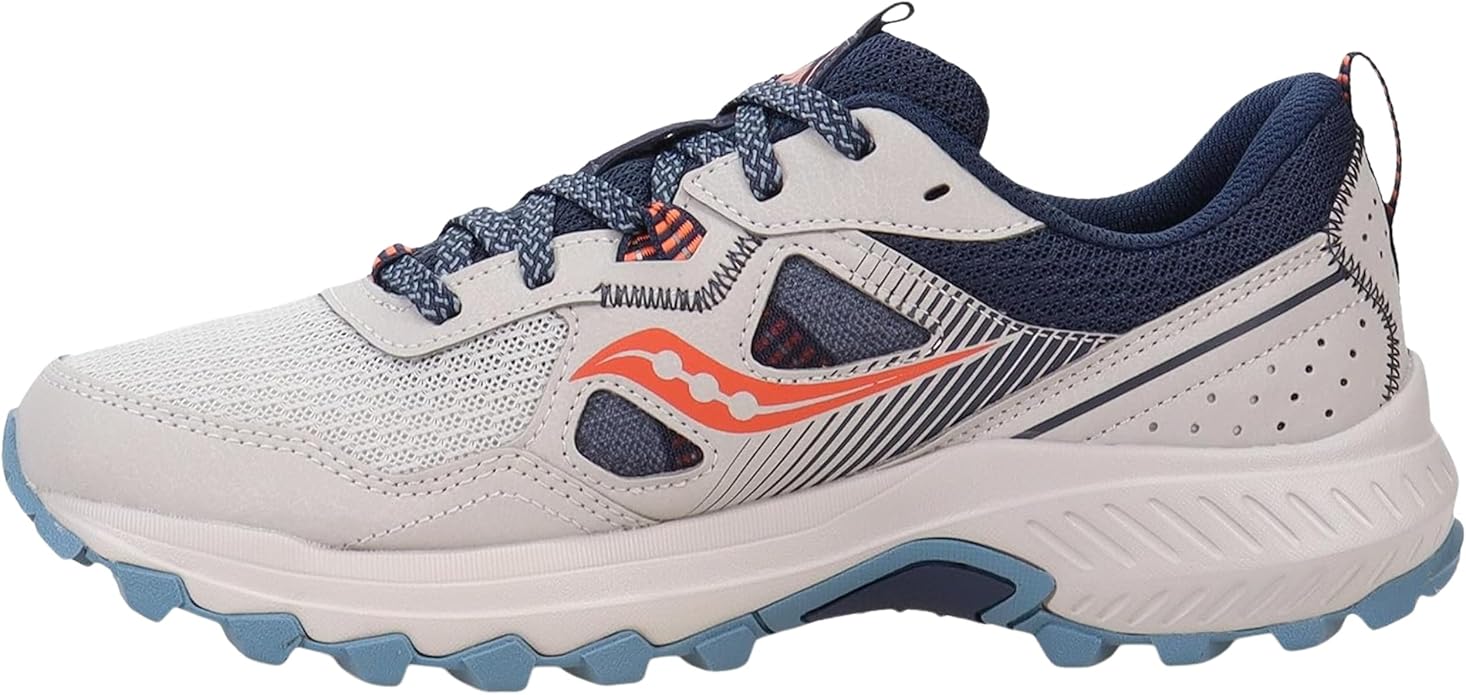
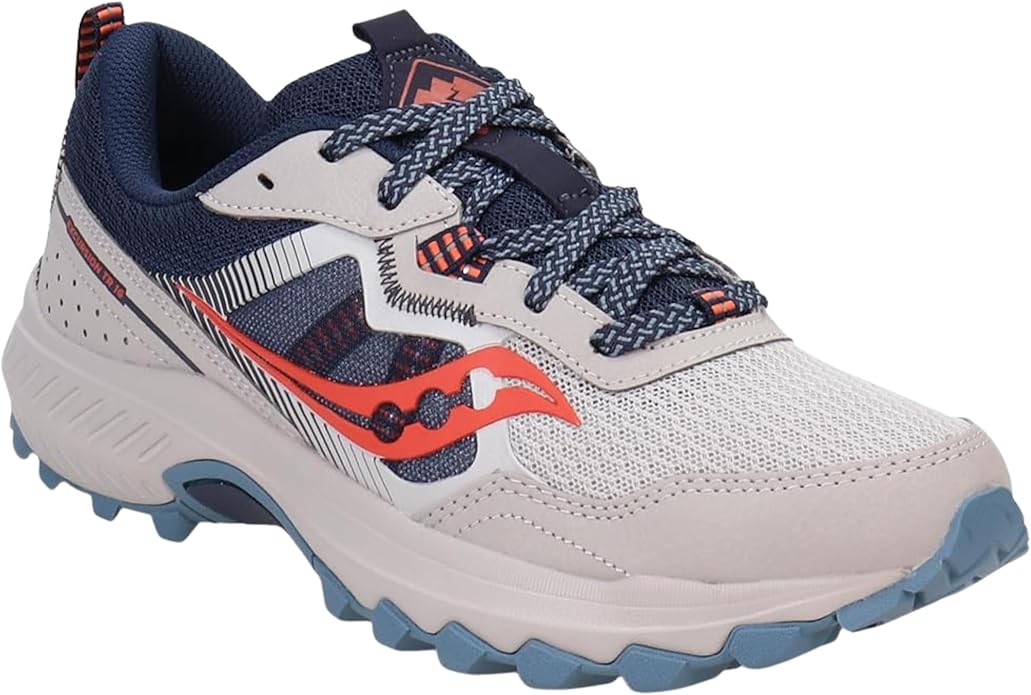
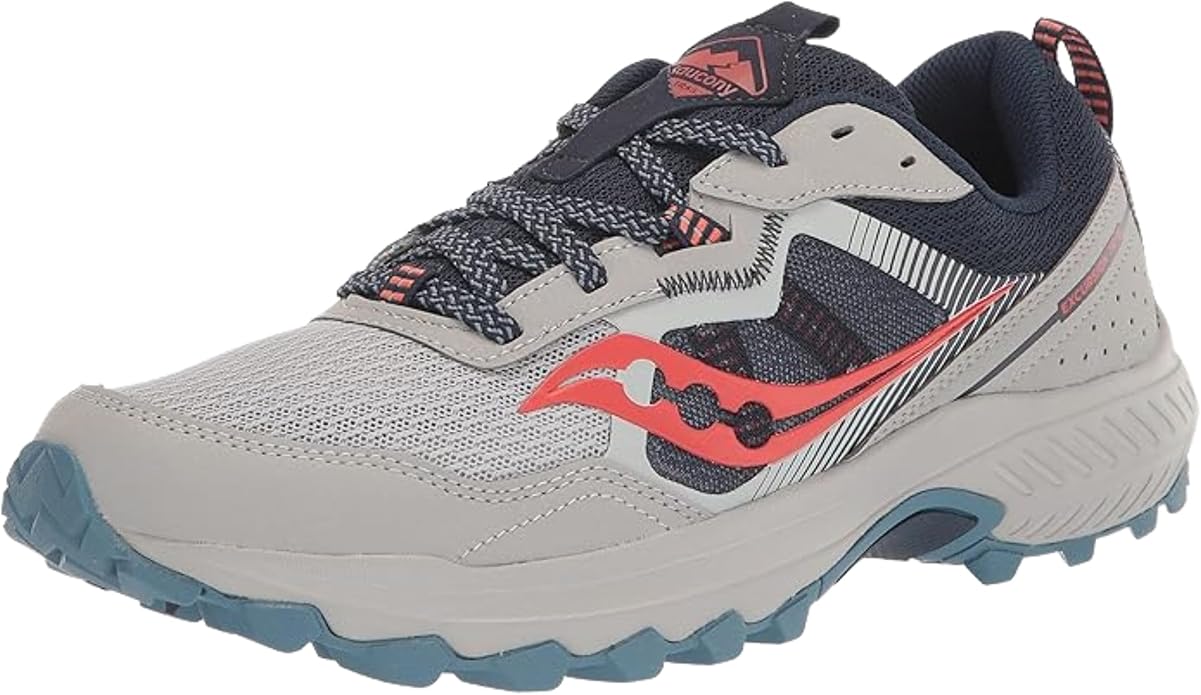
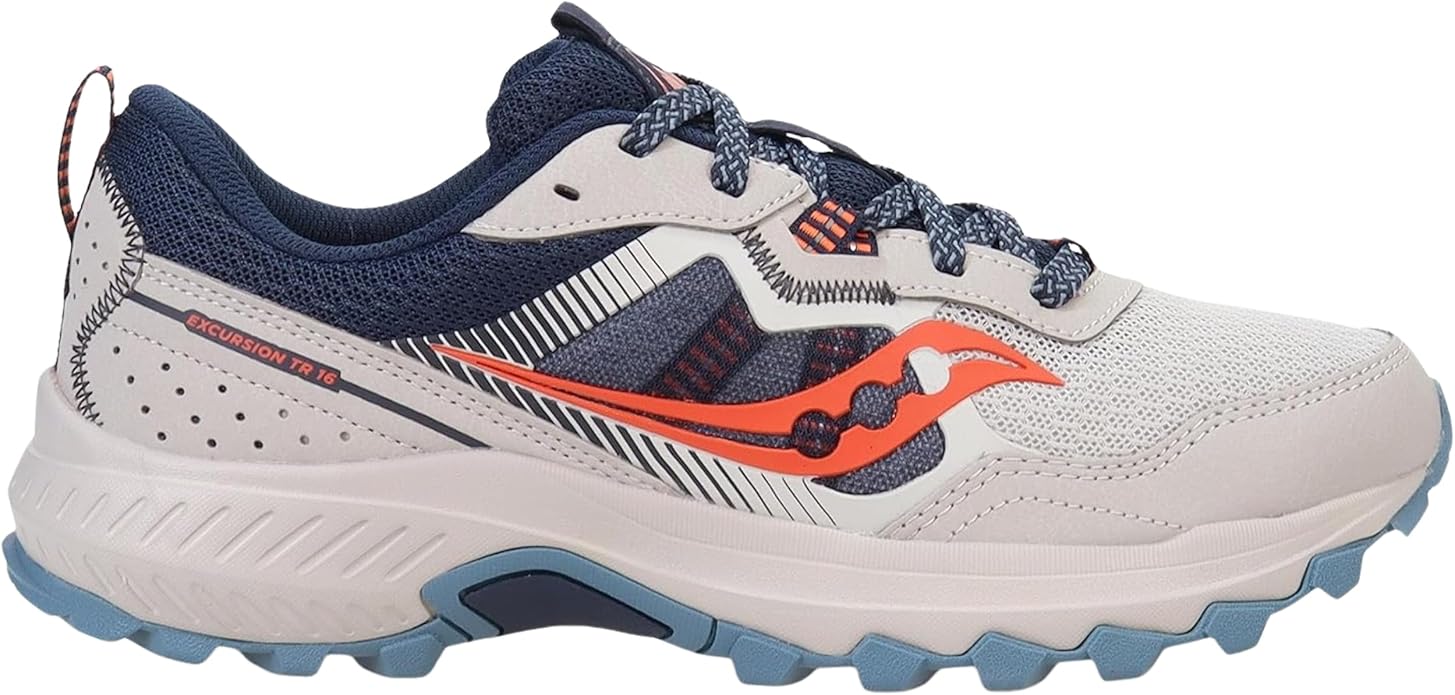
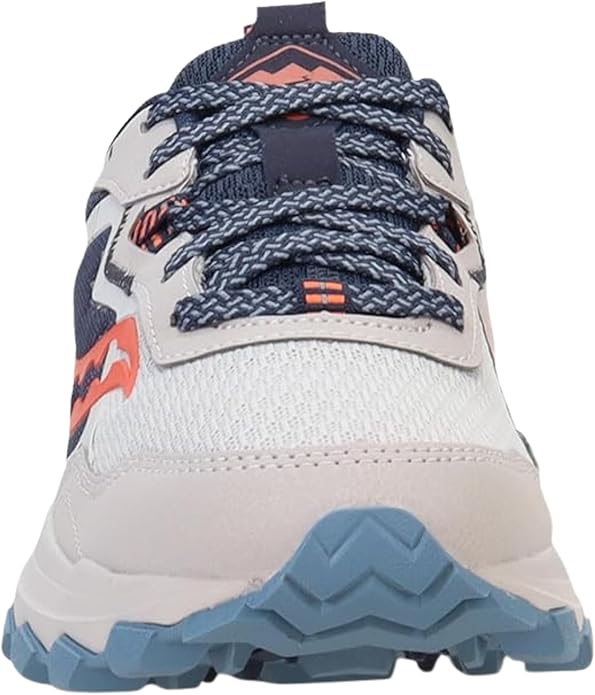
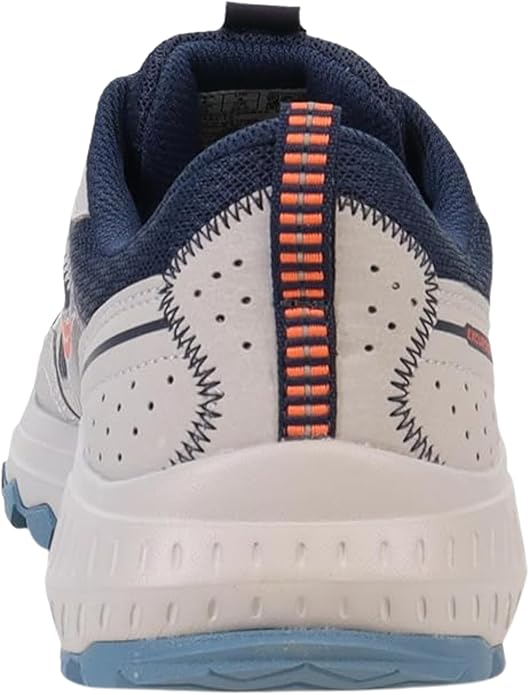
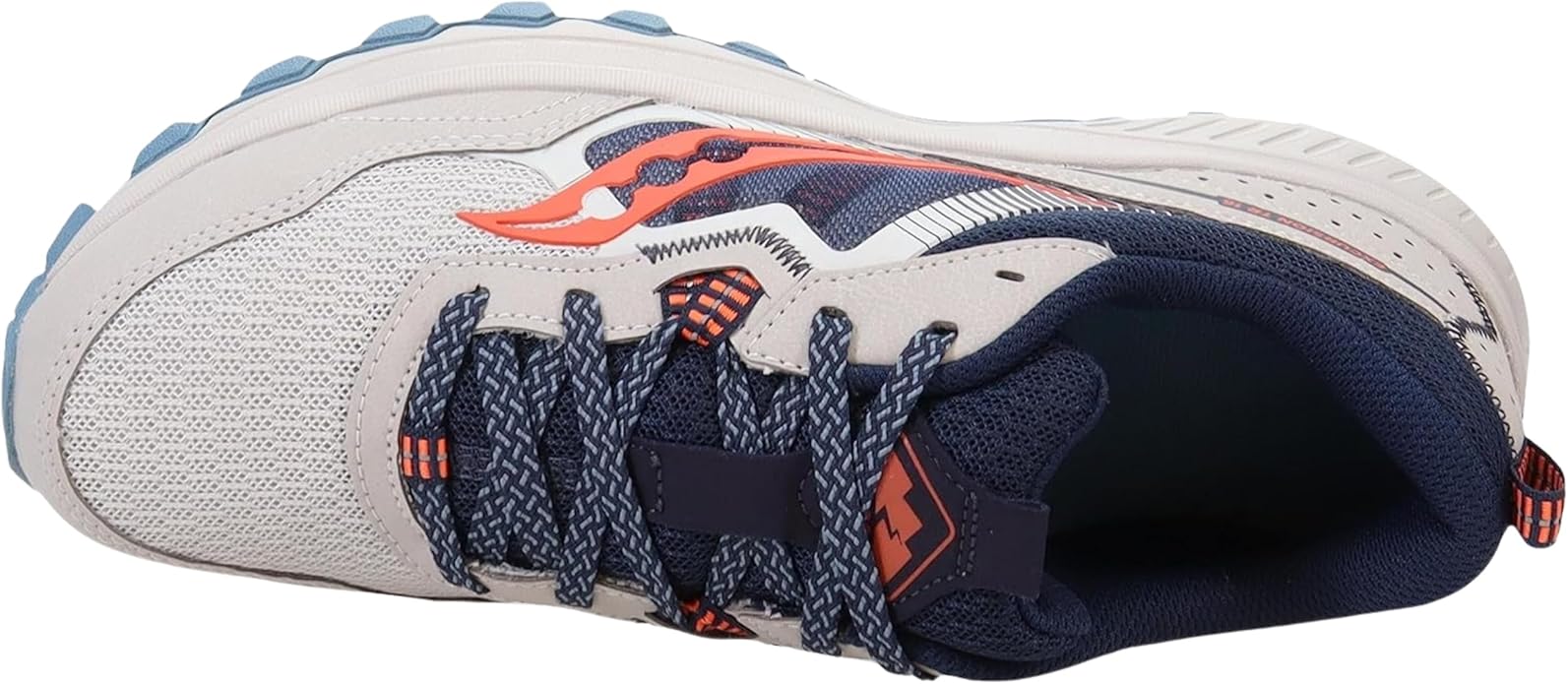
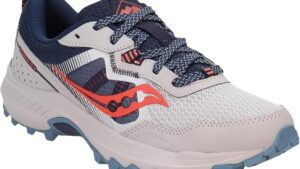
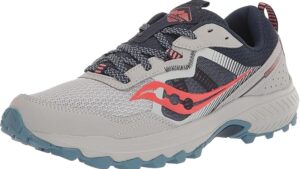
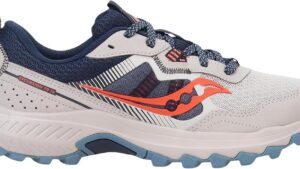
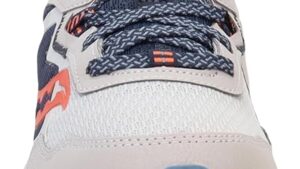
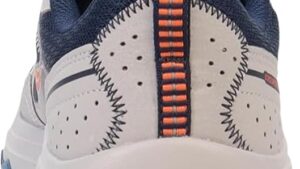
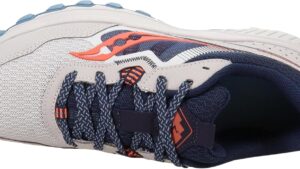
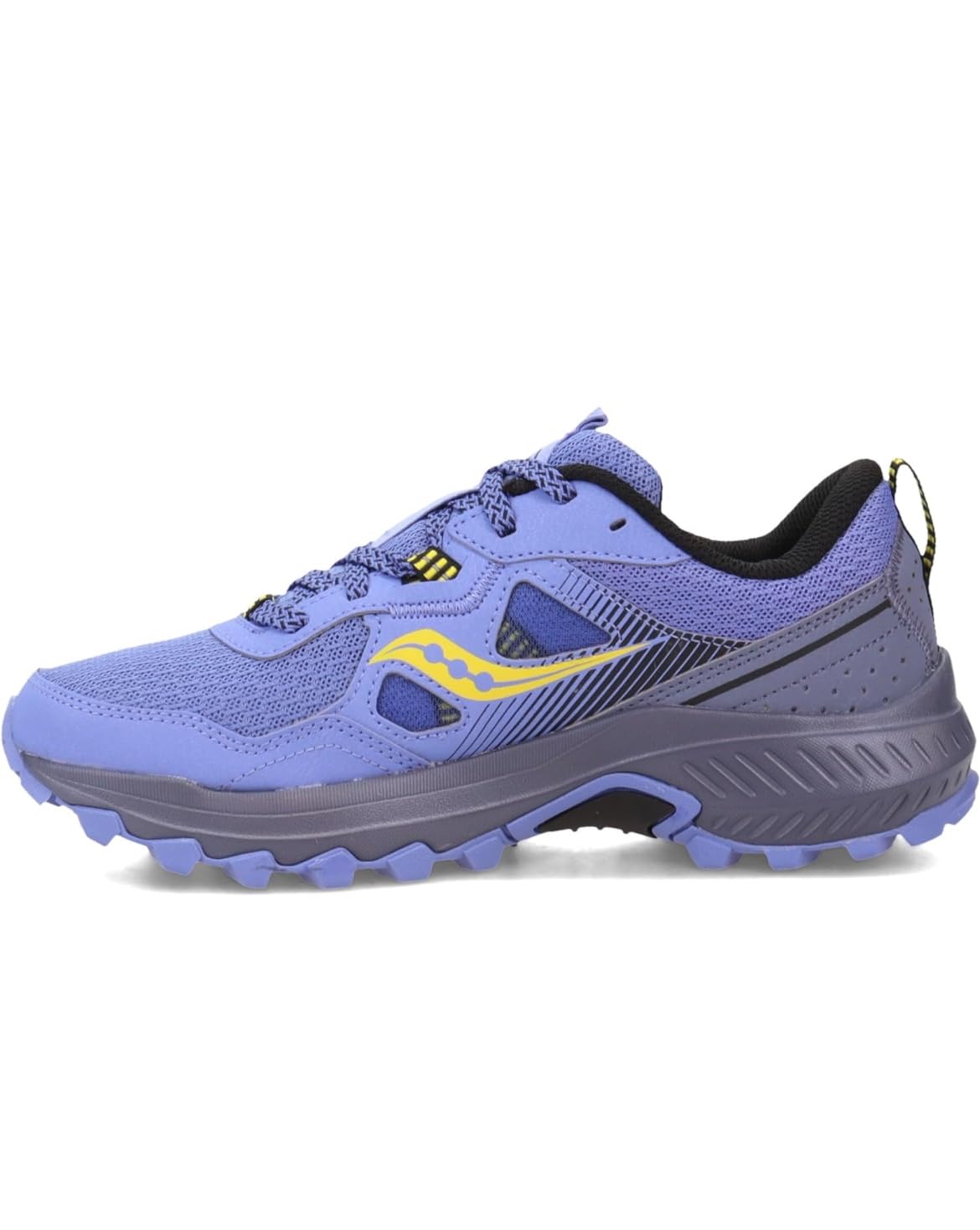
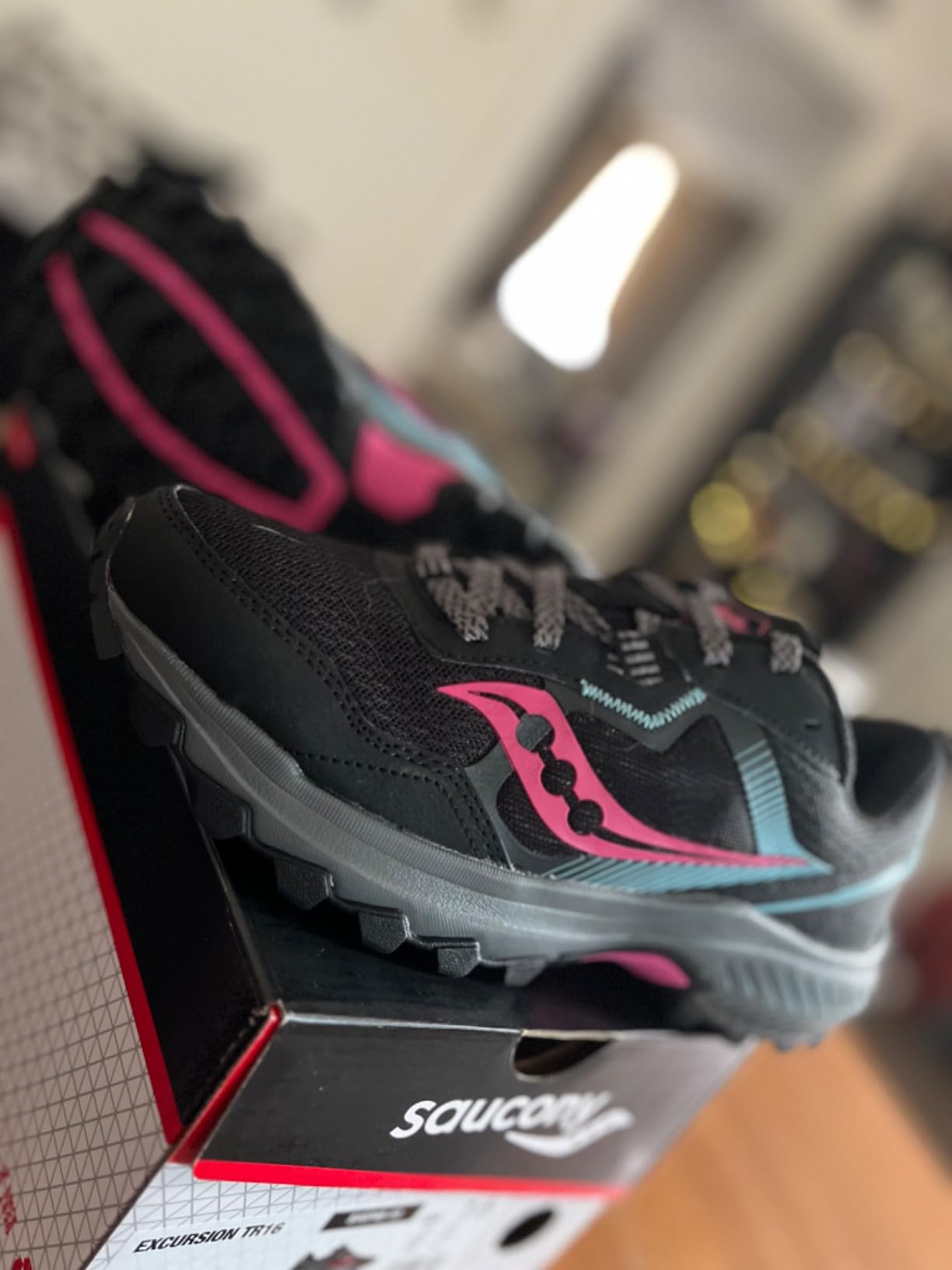
Quick specs: Weight 8.5 oz (women’s size 8) · 8mm heel-to-toe drop · 31mm heel / 23mm forefoot stack · VERSARUN (EVA-based) midsole · XT-900 carbon-rubber outsole with 4.5mm lugs · Mesh upper with synthetic overlays · Price $60–80 (clearance) / GTX variant ~$110
What Led Me to These Shoes (And Why I Tested Them Carefully)
My previous trail shoes gave out on a group hike about six weeks into ownership. Nothing dramatic — the mesh split at the lateral flex point on a muddy descent, and suddenly I had a floppy, waterlogged shoe for the remaining four miles back. That embarrassment, combined with the $90 I’d wasted, made me approach the Excursion TR16 with skepticism I don’t usually bring to a shoe review.
The TR16 sits at $60–80 depending on when and where you buy it. That’s enough money to hurt if it fails quickly, but not enough to justify premium trail shoe expectations. I went in knowing this is a budget trail shoe — and I tested it like one, pushing comfort windows, load limits, and weather conditions rather than treating it gently and calling it a victory.
Fit and Sizing: What the 79% Statistic Doesn’t Tell You
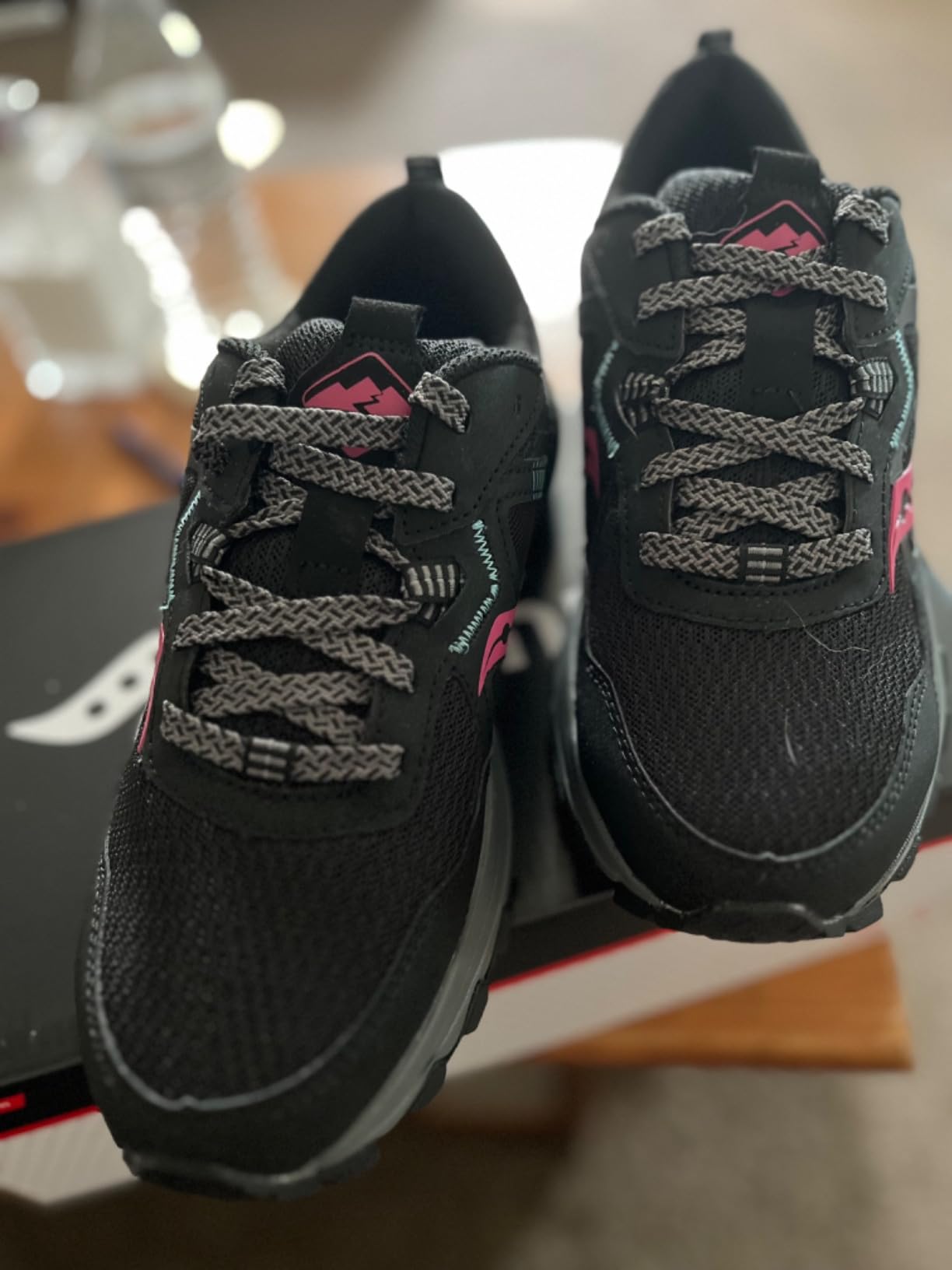
I wear a size 8.5, and the TR16 fit true to size for me. Standard medium width, no issues. The toe box had enough room for natural splay on descents without feeling sloppy, and the heel cup locked in after I tightened the laces through the top eyelet using a heel-lock technique.
Zappos surveyed 84 buyers: 79% reported TTS, 83% said the width matched expectations. That sounds reassuring until you read the fine print — a persistent minority reported the shoe running a half-size small, and wide-foot wearers consistently described the wide-width version as “still snug.” So the 79% stat tells you standard-width feet are well-served; it doesn’t tell you anything about wide-foot fit.
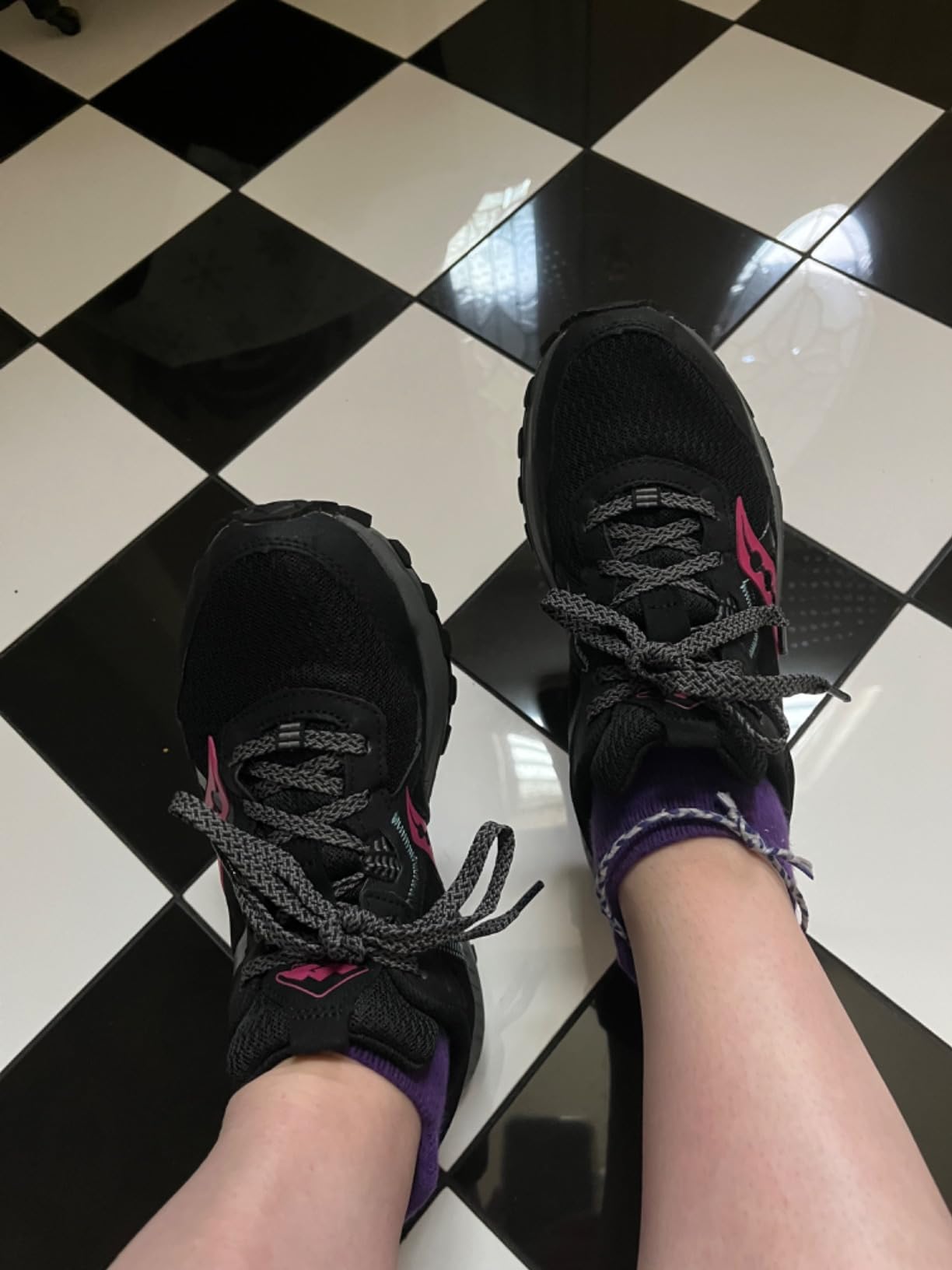
There’s also a heel slip issue worth knowing about. A field tester documented 2–3mm of slip before using the heel-lock lacing technique. I noticed it too during my first two hikes. The fix is simple — route your lace through the top two eyelets in a loop — but it requires knowing to do it. If you pick up VSUDO Flat Shoe Laces to replace the round factory laces, the technique holds even better on technical descents.
Sizing decision:
- Standard medium width: True to size for most buyers
- Wide feet: Size up 0.5–1, but know reports still describe snugness; consider the wide-width version
- Narrow feet: TTS in length; toe box may feel slightly loose
- With thick hiking socks: Size up 0.5
- Between sizes: Size up 0.5
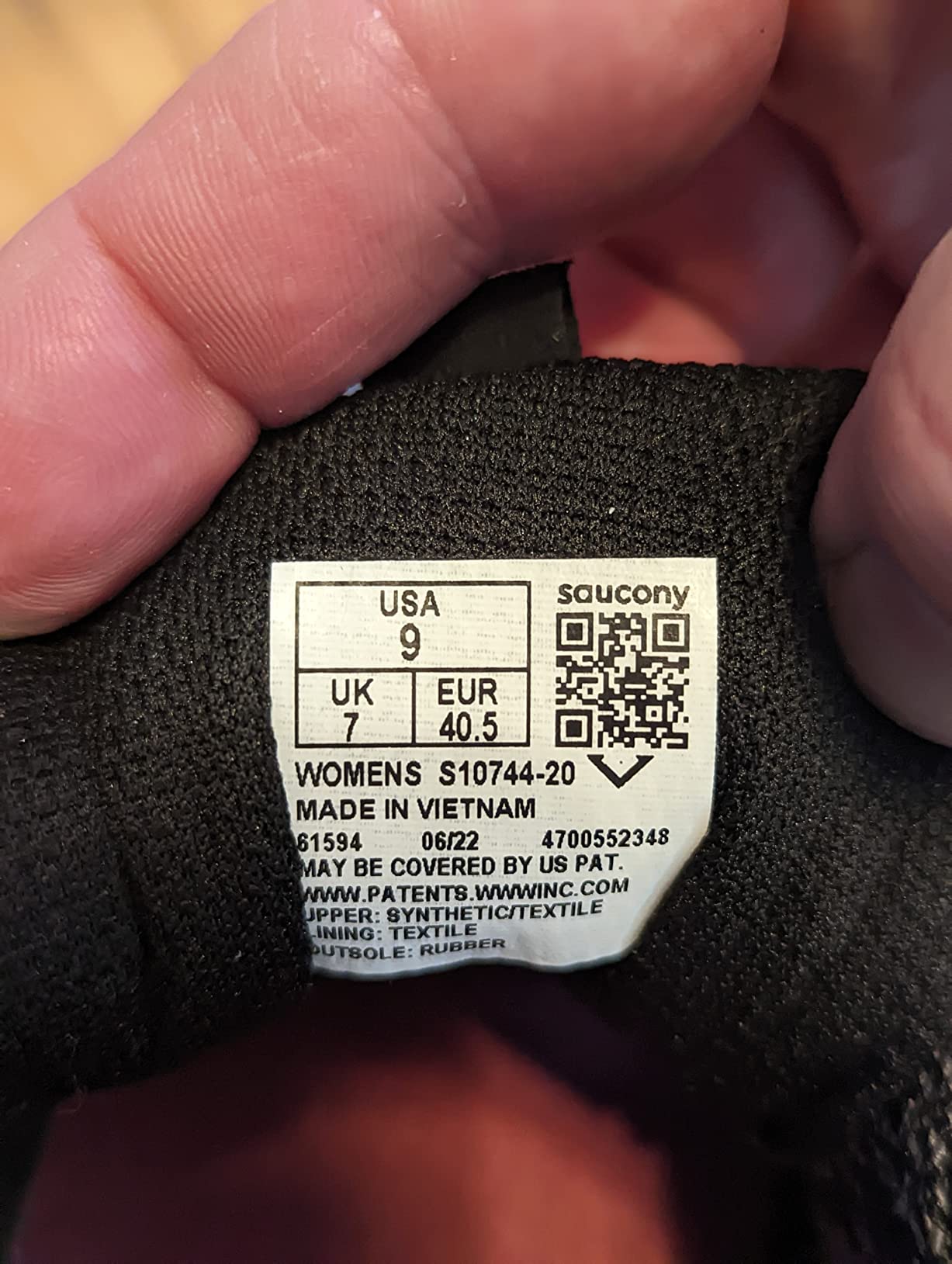
A note on orthotics: I tested removing the insole to check compatibility. The insole does lift at the heel edge with pressure, but full removal requires some effort — it’s not a quick pull-out. My Valsole Orthotic Insoles fit with the insole removed, though the fit was snug. One Zappos reviewer described the insole as “sewn or glued in” — worth checking in person before purchasing if orthotics are non-negotiable for you.
Break-In Period: There Isn’t One
The first day I wore these — a 2-mile neighborhood walk straight from the box — they felt comfortable immediately. No hot spots, no blisters, no heel irritation. That’s genuinely unusual for trail shoes, which typically need 3–6 hours of wear before the upper softens and the midsole starts to conform.
My first weekend trail hike (5 miles, moderate elevation) felt equally comfortable. The 8mm drop felt natural, the VERSARUN midsole had a soft initial response, and the lacing kept the heel seated. Zero adjustment period required.
This immediate comfort is one of the TR16’s strongest arguments. If you’re buying shoes three weeks before a planned hike, the no-break-in factor has real value.
Cushioning: The 6-Hour Ceiling Is Real
VERSARUN is Saucony’s description of “balanced cushioning” — and balanced is the right word, not generous. The midsole felt responsive and protective during the first two to three hours of hiking. At the four-hour mark of a moderate trail, I still felt fine. At hour six of my longest test hike (8 miles with moderate climbing), my feet started registering fatigue — specifically in the arch and big toe area, not sharp pain, just progressive depletion.
The stack spec — 31mm heel, 23mm forefoot, 8mm drop — looks generous on paper. In practice, it’s adequate for 4–6 hour sessions but doesn’t hold up to what more expensive trail shoes can sustain. The midsole compresses under sustained loading and doesn’t fully recover between sessions, which means the second day of a two-day hiking trip will feel noticeably firmer than the first.
A field tester who did load testing with a daypack confirmed what I found: a 15-pound pack felt stable; above 20 pounds, the cushioning felt underpowered and heel lift increased slightly. This is a day-hiker shoe, not a multi-day backpacking shoe.
Long-time Saucony users: the TR16 has less arch support than the TR15. Multiple buyers who upgraded from TR15s specifically called out this regression — the TR16 feels flatter underfoot at the midfoot. If you have TR15s and love them, the TR16 may disappoint you in the arch department.
Traction: Excellent Dry, Dangerous Wet — Don’t Confuse the Two
Dry Traction (8.5/10): Where This Shoe Earns Its Keep
On dry dirt, gravel, packed terrain, and root-covered trails, the TR16 grips confidently. The 4.5mm carbon-rubber lugs bite into loose scree and root systems cleanly. During a steep 45-degree incline section on week five of testing, the shoe planted without a single slip. On technical downhills over loose rock, I felt in control.
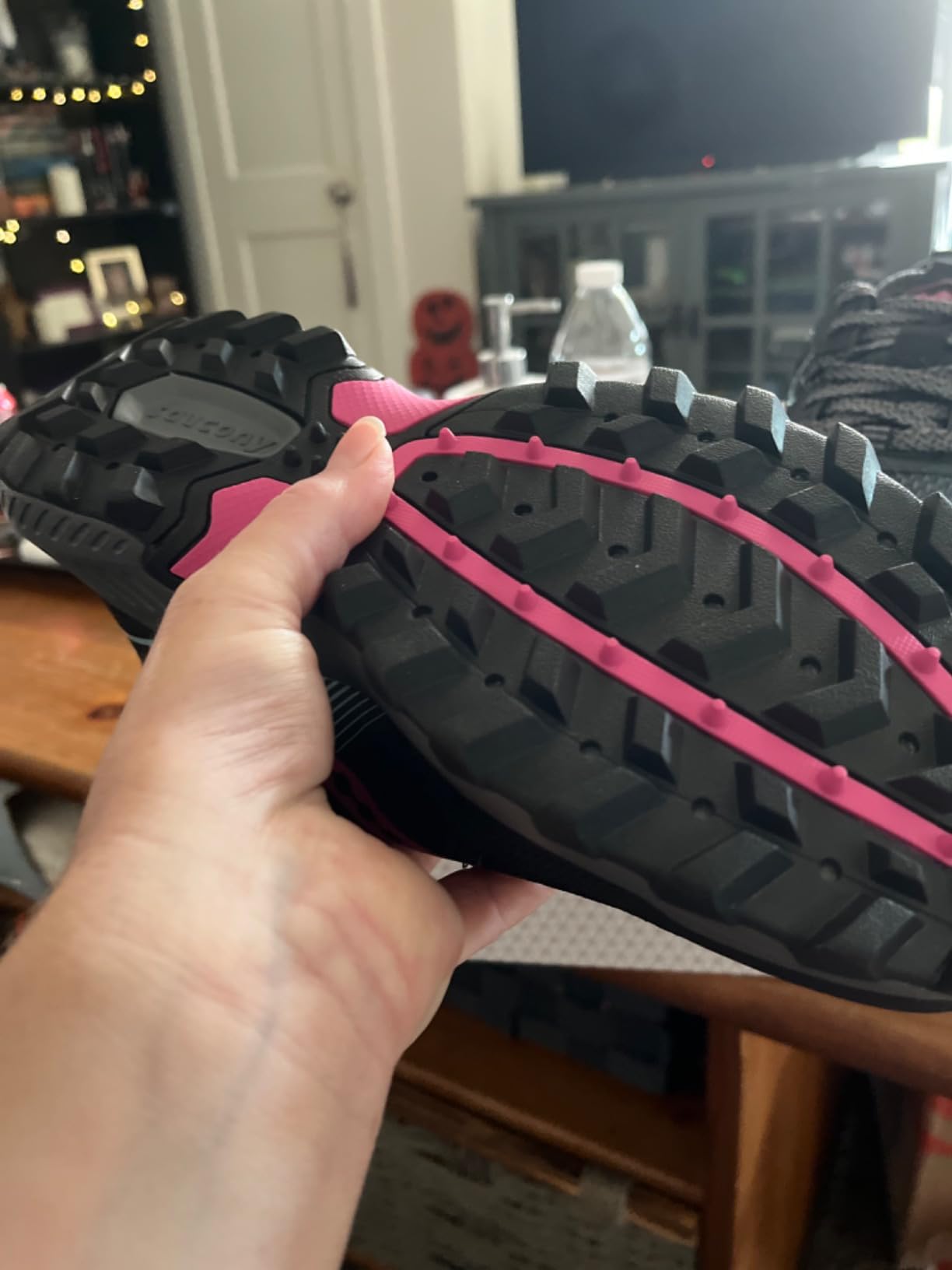
The mud shedding surprised me. These shoes aren’t waterproof — the standard mesh version allows water in freely — yet the lug spacing meant mud loaded onto the sole and then released rather than packing in. On a muddy post-rain session during week three, I navigated the trail without the clogged-sole skating effect that makes other shoes dangerous in mud. The design is doing something right here even without a waterproof membrane.
For sandy terrain, fine particles entered between the mesh and the overlay panels, but exited easily during movement and never caused a blister. I’d still wear gaiters for heavy sand hiking, but casual sandy trails were fine.
Wet Traction (3.0/10): A Genuine Safety Issue
Week six, rainy Tuesday, a wooden bridge over a creek on a trail I’ve hiked a dozen times. My right foot started sliding mid-stride. I grabbed a trail pole and recovered, but the shoe had no grip to offer — the carbon-rubber outsole on wet wood might as well have been tile socks.
This isn’t a minor caveat. Multiple independent testers and I found the same pattern: wet polished granite is dangerous, wet wooden bridges and steps are dangerous, rain-soaked dirt after 45 minutes of steady rain becomes slippery in a way that genuinely threatens your footing. The carbon-rubber compound grips dry surfaces excellently specifically because it’s hard and friction-dependent — that same hardness fails to find traction on smooth wet surfaces where soft, sticky rubber compounds would hold.
Climate decision framework:
- Dry-season Southwest hiking, Mediterranean conditions, summer trail days: Excellent choice
- Pacific Northwest, monsoon seasons, frequent rain: Skip these shoes entirely
- Unpredictable weather or mixed conditions: Consider the TR16 GTX (Gore-Tex) variant at ~$110–120 instead
Durability: The Mesh Hole Problem
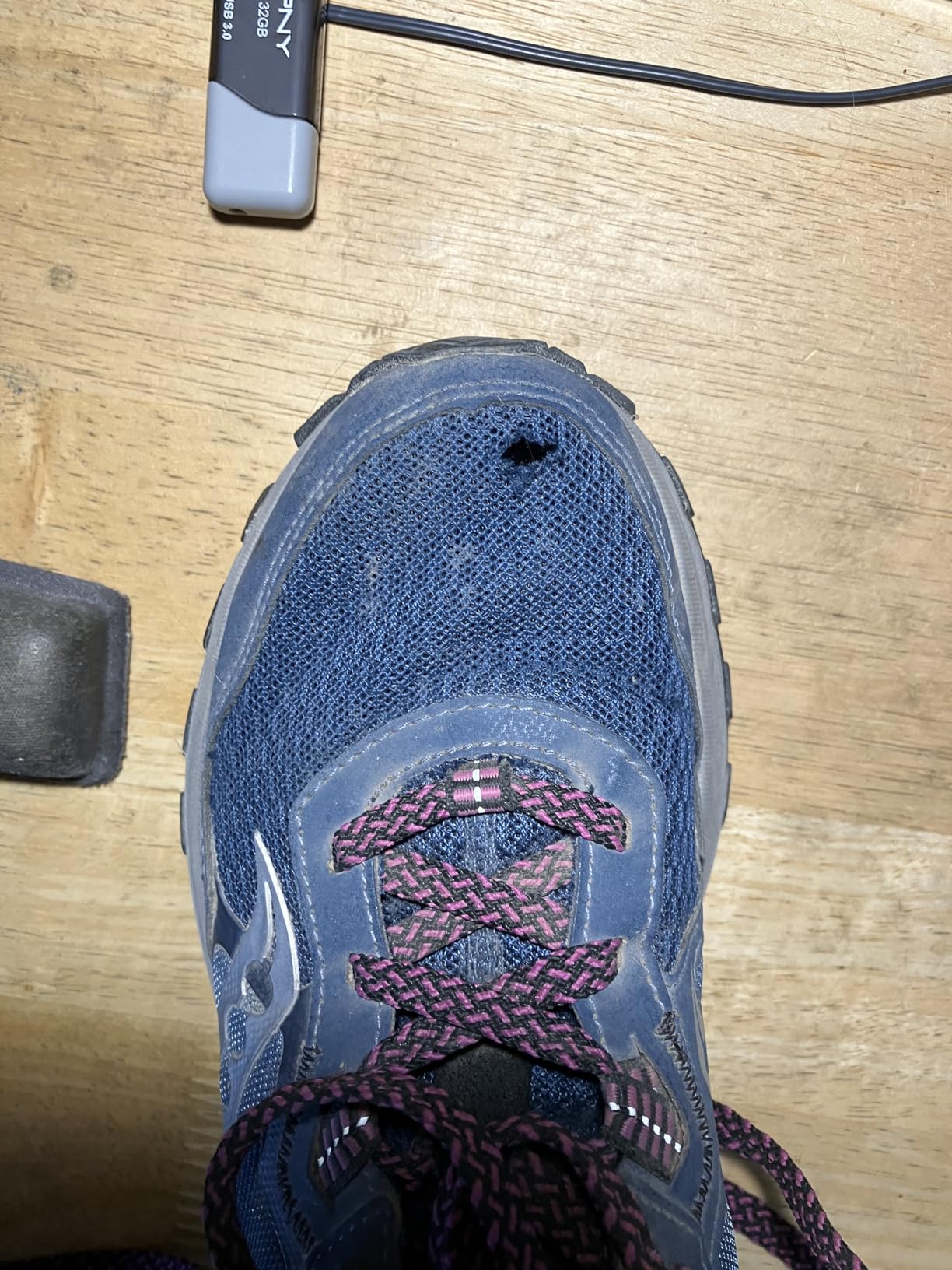
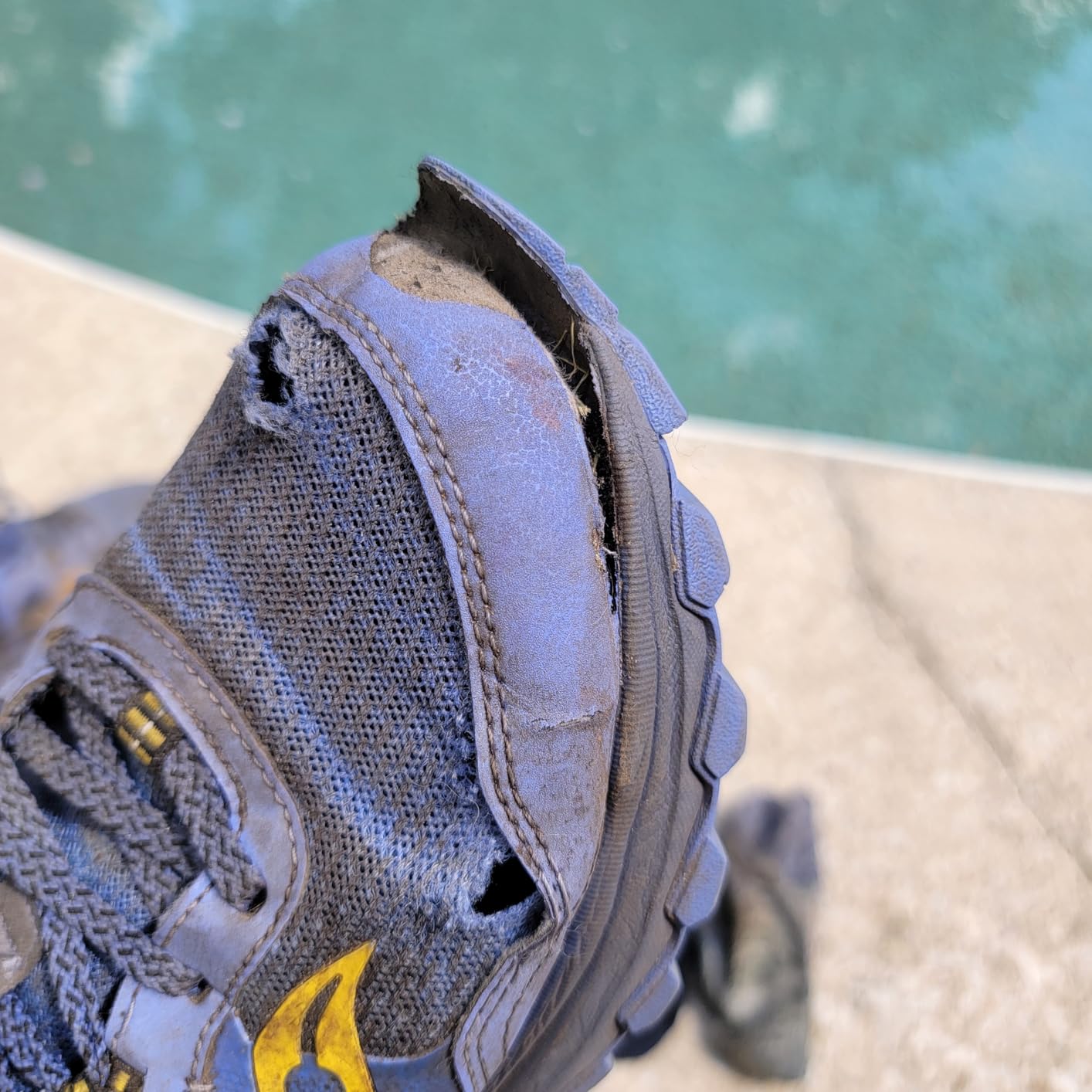
Months one and two: no issues. The shoe held up cleanly across varied terrain. Then at the eight-week mark, while cleaning the shoes after a muddy session, I spotted the first hole. Pinhead-sized, at the big toe pressure point on the right shoe. Exactly where multiple other reviewers had documented identical failures.
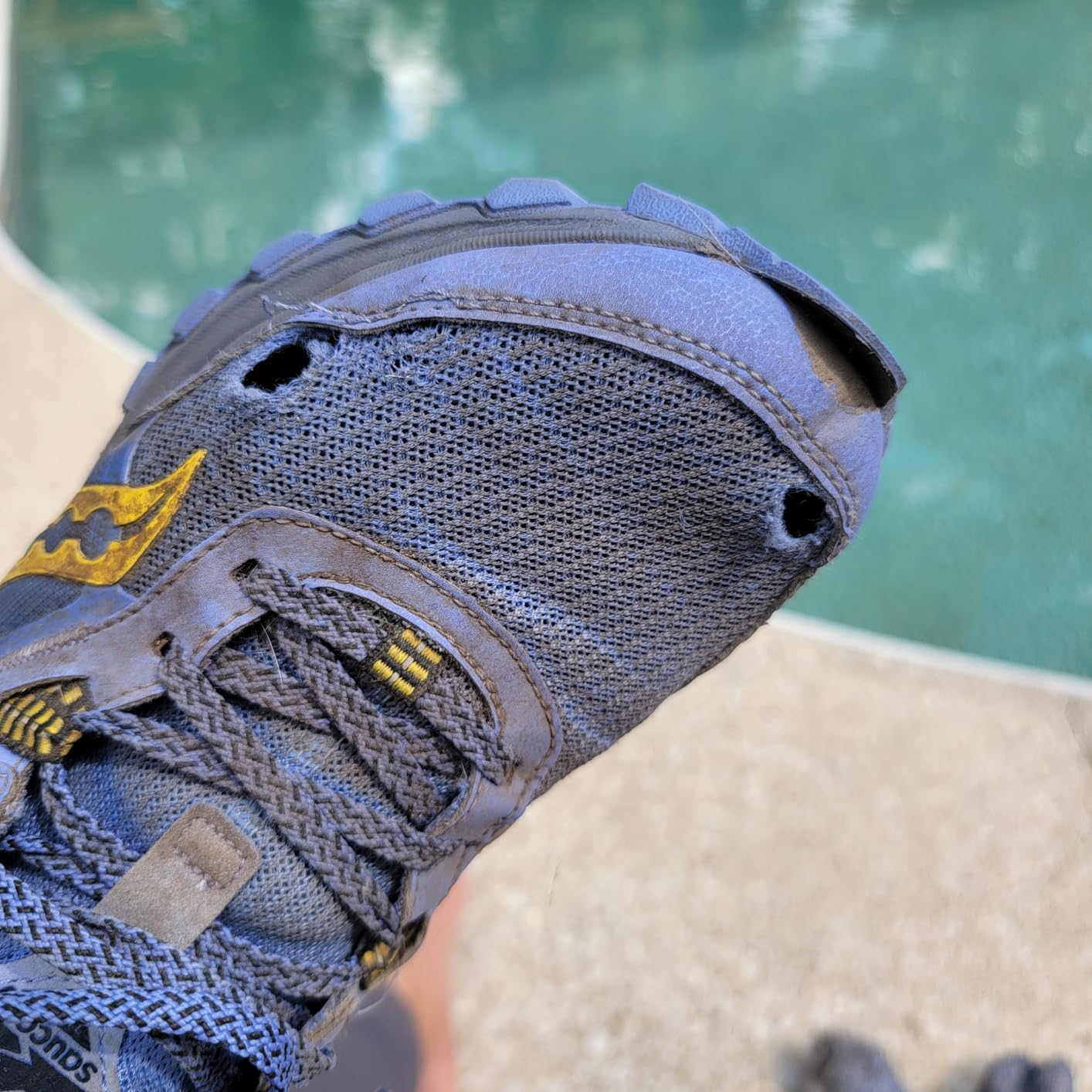
By week twelve, that hole had grown to pea-sized, and a second stress point appeared at the lateral flex line. The carbon-rubber outsole showed minimal wear — maybe light lug rounding on the most-used heel-to-toe transition — but the mesh upper is clearly the failure component.
This is a design pattern, not a defect lottery. The jacquard mesh Saucony uses provides excellent breathability and keeps weight at 8.5 oz, but it isn’t reinforced at the big toe pressure point. Under sustained load and trail flex cycles, the mesh fatigues there first. The TPU overlays help on the sides but don’t cover the toe box adequately for high-mileage use.
The TR16 also represents a regression from the TR15. Long-time Saucony users across multiple review platforms reported that the TR15 had better arch support AND longer mesh life. The TR16 feels like a weight-and-cost optimization that sacrificed structural longevity. If you can find TR15s at clearance pricing, they may offer better long-term value despite being an older model.
Lifespan by use intensity:
| Use Pattern | Estimated Lifespan | Cost per Month |
|---|---|---|
| Casual (1–2 hikes/month) | 12–18 months | ~$4–6/month |
| Moderate (weekend hiker, 4–6 sessions/month) | 6–12 months | ~$7–13/month |
| Heavy (8+ sessions/month) | 3–6 months | ~$13–25/month |
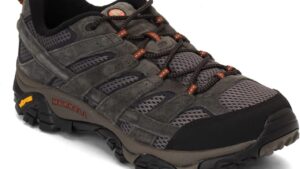
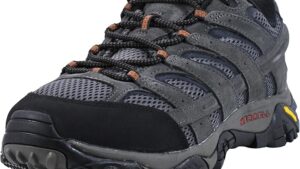
At $75 for 8 months of moderate use, that’s about $9.40/month — workable if you accept the replacement cycle. If you’re buying two pairs to rotate (a smart strategy for extending life), the combined investment of $150 puts you in range of single mid-tier trail shoes from Merrell Women’s Moab 3 or Merrell Women’s Antora 3 territory — shoes that will likely last longer per pair.
Weather Protection: Not Waterproof, But That’s the Design
These shoes do not have waterproofing. Water enters through the mesh within minutes of rain exposure. After 45 minutes of steady rain during week ten, the shoes were soaked through and my socks were wet from the inside out. Shoe weight increases noticeably when wet; comfort drops proportionally.
That said, Saucony doesn’t claim waterproofing for the standard TR16. This is intentional — lightweight mesh means better breathability and lower weight, but zero water resistance. The trade-off is explicit, and the mud-shedding performance actually works well despite the lack of waterproofing because that’s a lug-spacing design feature, not a membrane feature.
If you need waterproofing, the TR16 GTX variant solves this problem with a Gore-Tex membrane at around $110–120. The fit and outsole remain the same; you gain waterproofing and lose some breathability and about 1–2 oz of weight. Alternatively, the KEEN Women’s Circadia Waterproof and Ulogu Waterproof Hiking Shoes offer waterproof protection at comparable or lower price points.
Wool socks help if you expect damp conditions — they regulate temperature even when wet in a way cotton socks don’t. But they can’t replace waterproofing if you’re crossing streams or hiking in sustained rain.
Brand Claims vs. What Testing Found
Claim: “Lightweight trail shoe for active women”
Testing reality: The 8.5 oz weight is genuine. “Active” is the vague part — this shoe serves active women on occasional, moderate-intensity trails. It doesn’t serve active women doing all-day alpine adventures or multi-day backpacking. The weight advantage is real; the implied endurance range is not.
Claim: “VERSARUN cushioning provides balanced comfort”
Testing reality: Accurate — “balanced” is doing the honest work of distinguishing it from premium foam. It’s firm, not plush. If you interpret “balanced” as “adequate for 4–6 hour sessions with moderate loads,” that’s exactly correct.
Claim: “Versatile trail/hiking shoe”
Testing reality: Versatile on terrain, yes — dry dirt, gravel, roots, mud all handled well. Versatile in weather, no — wet conditions reveal a dangerous traction gap. “Versatile” needs an asterisk: *dry conditions only.
Who Should Buy This Shoe (And Who Should Skip It)
Buy the TR16 if you:
- Hike 2–4 times per month on dry trails (Southwest, Mediterranean climates, summer-only hiking)
- Need a shoe that feels good from day one — no break-in, no adjustment
- Are budget-conscious and accept a 6–12 month replacement cycle
- Want a shoe light enough (8.5 oz) to pack alongside work shoes for a post-meeting trail run
- Hike sessions under 6 hours regularly; occasional longer hikes are fine
- Have standard medium width feet (TTS works cleanly)
Skip the TR16 if you:
- Hike in the Pacific Northwest, monsoon regions, or anywhere with frequent rain — wet traction is genuinely dangerous
- Do all-day hikes regularly (8+ hours): comfort ceiling and durability don’t support this
- Need waterproofing: consider the TR16 GTX or an alternative trail shoe with a waterproof membrane
- Have wide feet: the wide-width version reportedly still feels snug
- Carry heavy packs (20+ lbs): stability drops above this threshold
- Value long-term durability over immediate comfort: mesh holes arrive within 1–6 months of regular use
Better Alternatives Worth Knowing
If the TR16’s wet traction or durability concerns rule it out for you, here’s where I’d look instead:
For waterproofing at the same price range: The NORTIV 8 Women’s Waterproof Hiking Shoes and Cottimo Waterproof Hiking Shoes add water resistance without the GTX price premium. The trade-off is a heavier feel and less breathability.
For durability priority ($90–120 range): The Merrell Women’s Moab 3 and Merrell Women’s Antora 3 offer a step up in mesh durability and outsole grip on wet surfaces. Expect a 12–18+ month lifespan at moderate use versus the TR16’s 6–12 months.
For waterproof mid-budget ($100–120): The Columbia Peakfreak II Outdry and Adidas Terrex AX4 Gore-Tex bring waterproofing with better wet traction compounds. They’re heavier, but the safety trade-off is worthwhile for wet-climate hikers.
For serious technical terrain ($130+): The Salomon Speedcross Peak Clima is a completely different category — aggressive lug pattern designed specifically for wet and technical terrain.
For same brand, more capability: If you love the Saucony fit and want to spend more, the Saucony Endorphin Edge is the trail upgrade with a carbon plate and a more durable outsole compound.
Budget and just need hiking shoes: The Camelsports Hiking Shoes are a viable budget alternative if the TR16’s durability concerns are your primary worry. Less breathable upper material, but often more resistant to pressure-point failures.
Scoring Breakdown
| Category | Score | Notes |
|---|---|---|
| Comfort (0–6 hrs) | 7.5/10 | Immediate, zero break-in; compresses after hour 6 |
| Fit | 7.0/10 | TTS for standard width; conflicts for wide feet |
| Dry Traction | 8.5/10 | Confident grip on roots, scree, packed dirt |
| Wet Traction | 3.0/10 | Near-slip incident; dangerous on wet wood and polished stone |
| Durability | 4.0/10 | Mesh holes 1–6 months; 6–12 month lifespan moderate use |
| Weather Protection | 3.5/10 | NOT waterproof; mud sheds well; GTX variant available |
| Value | 7.0/10 | $75 is reasonable for casual hikers; replacement cycle raises long-term cost |
| Overall | 6.8/10 | Excellent dry-weather casual hiking shoe; poor wet-weather choice |
The 6.8/10 isn’t a verdict on whether this shoe is worth buying — it’s a verdict on the complete picture. Dry-weather weekend hikers will experience a 7.5–8/10 shoe. Wet-climate hikers will experience something closer to a 5/10 with safety concerns. The overall reflects both realities.
Frequently Asked Questions
Do I need the GTX version?
If you hike in rain or wet conditions regularly — yes, absolutely. The GTX variant adds roughly $30–40 and a Gore-Tex membrane that eliminates water entry. The standard TR16 is soaked through in 10 minutes of steady rain. If you’re strictly dry-season or dry-climate hiking, the standard version is fine and you’ll appreciate the lighter weight and better breathability.
Are the mesh holes a defect or a design issue?
Design issue. The pattern is consistent across reviewers: big toe pressure point, 1–6 months depending on use intensity. It’s not a manufacturing defect in individual pairs — it’s the predictable result of using jacquard mesh without reinforcement at the highest-stress flex point. Some pairs may fail faster (aggressive downhill running, wider toe splay), others slower (lighter use, narrow foot), but the failure mode is the same across the board.
What’s the insole situation — removable or glued in?
Removable — confirmed by Saucony’s official listing and Amazon Q&A. However, “removable” doesn’t mean “roomy for thick orthotics.” When I tested removing the insole, the shoe’s interior volume is snug, and bulky aftermarket insoles may not sit comfortably. Thin orthotics work well; thick ones may cause tightness across the forefoot. The one reviewer who described the insole as “sewn in” was likely encountering this volume limitation rather than actual adhesive attachment.
Wide feet — size up or avoid?
Size up a half to full size, and consider the wide-width version if available. However, community reports consistently describe the wide-width TR16 as “still feels snug” — it’s not as accommodating as wide-width versions from KEEN or New Balance. If wide fit is critical, the TR16 may frustrate you even in the wide variant. Try Zappos for the 365-day return policy if you want to test without risk.
How does this compare to the TR15?
TR15 had more arch support and better mesh durability. The TR16 is slightly lighter and has immediate out-of-the-box comfort, but represents a step backward in both arch structure and long-term durability. If you can find TR15s on clearance, they likely offer better value for anyone who plans to put serious miles on the shoes.
Can I use orthotics?
Conditionally yes. If you can fully remove the insole (see question above), custom orthotics will fit. If the insole is glued in your pair, you’re limited to slimmer aftermarket insoles placed on top, which reduces interior volume and may cause tightness. Verify before purchasing if this matters to you.
Is there a break-in period?
Zero. Out-of-box comfort is one of the TR16’s strongest genuine advantages. I wore them for 2 miles on day one with no hot spots, no heel irritation, no toe box pressure. This is unusual for trail shoes, most of which need 3–6 hours of break-in before the upper softens.
Good for everyday walking?
Yes — for 6 months to a year if you’re using them as daily walkers. The 8.5 oz weight and VERSARUN cushioning make them comfortable for daily wear. The mesh durability will limit lifespan versus more structured walking shoes. At $75 with a 10-month lifespan for daily use, the cost-per-month is around $7.50 — higher than a more durable option over two years, but acceptable for a rotating shoe wardrobe.
Final Verdict
Three months and 200+ miles later, I know exactly where this shoe fits. It belongs in the weekend warrior’s rotation — specifically the weekend warrior hiking dry trails in fair-weather seasons, doing 4–6 hour sessions, and watching a $75 budget closely. For that person, the TR16 delivers immediate comfort, solid dry-trail traction, and decent mud handling at a price that leaves room in the budget for a gear upgrade elsewhere.
It doesn’t belong in rain, on wet surfaces, in serious backpacking, or as a daily driver for high-mileage users. The wet traction finding isn’t a nuance — I had a near-fall on a wet bridge. That’s a real safety concern, not a minor performance gap.
The TR16 is being phased out — the TR17 is the current model, and TR16 pricing reflects clearance positioning. If you’re buying at $60, the value proposition improves significantly. At $80, it requires honest acceptance of the durability and wet-traction trade-offs.
Buy it with clear eyes. It’s a good shoe for a specific scenario. I’ll keep testing through month six to document the mesh failure progression — if patterns shift, I’ll update this review.

Reviews
There are no reviews yet.