
What You’re Actually Getting
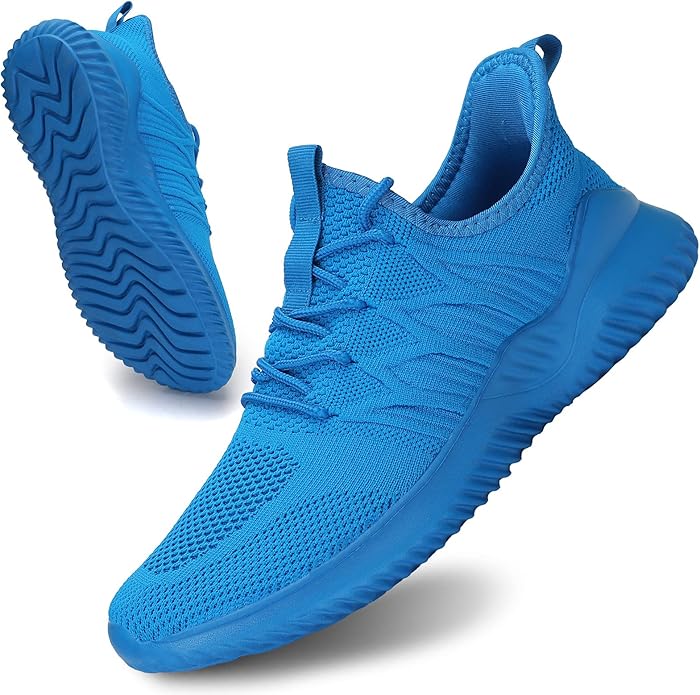
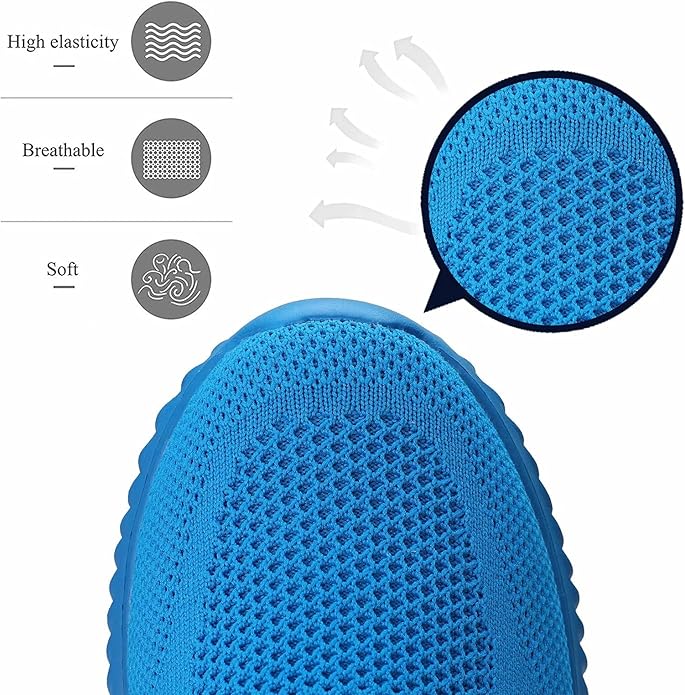
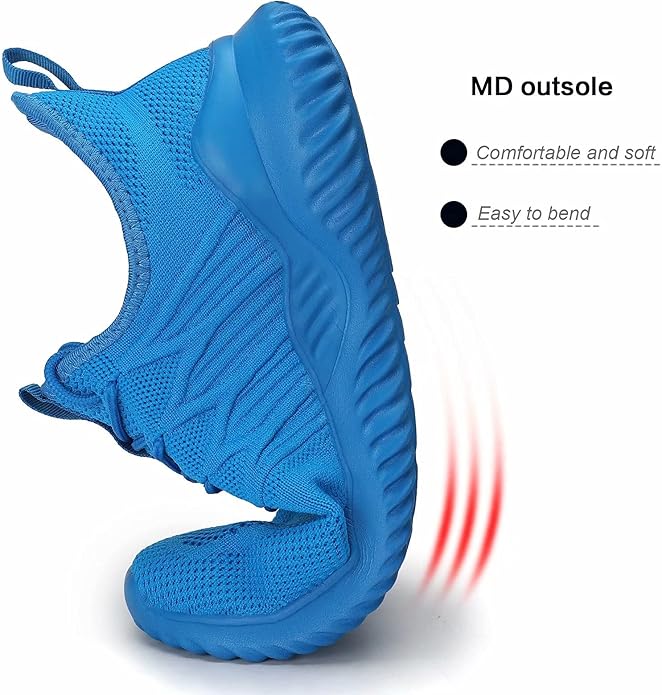
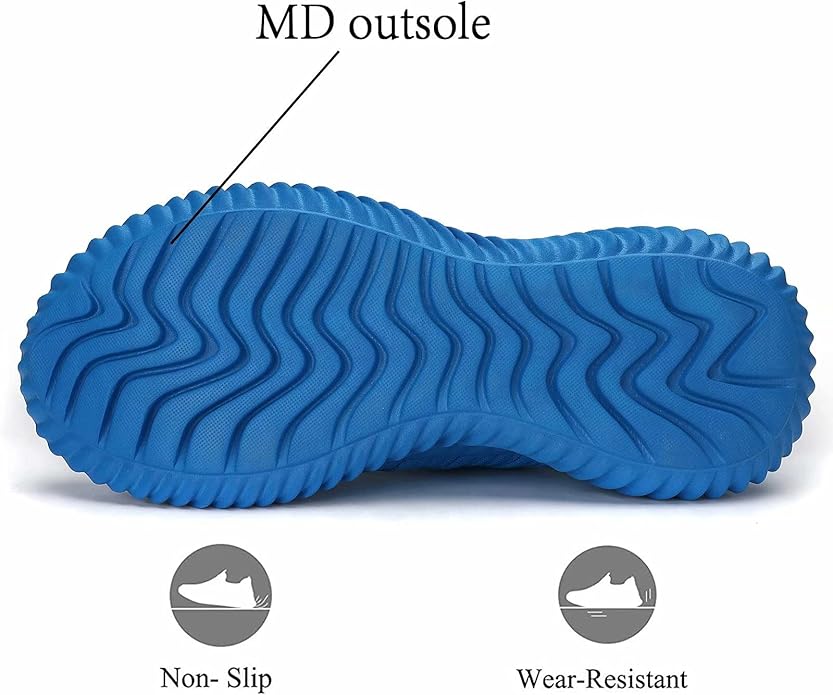
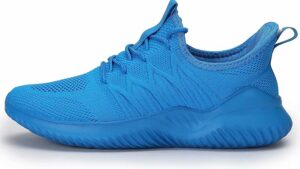
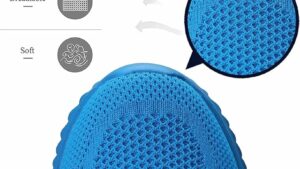
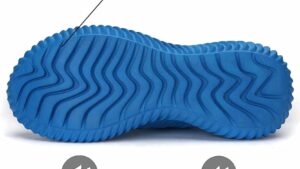
Let’s cut through the marketing speak and talk specs. The Socviis ships with a breathable mesh knit upper (the hollow forefoot design isn’t just cosmetic—it genuinely lets air through), an MD sole compound that Amazon officially describes as having “high elasticity and good softness,” and a Memory Foam insole that supposedly molds to your foot shape. The outsole uses what they call “ultra light natural rubber material” for traction and wear resistance.
Price-wise, I snagged mine during a sale for right around $30, though I’ve seen them listed anywhere from $40-60 depending on color and timing. For context, I’m 185 pounds, walk 3-5 miles most days on concrete and mall floors, and occasionally hit the gym for basic treadmill sessions and light weights. That’s the baseline for everything that follows.
Out of the Box: First Impressions That Stuck
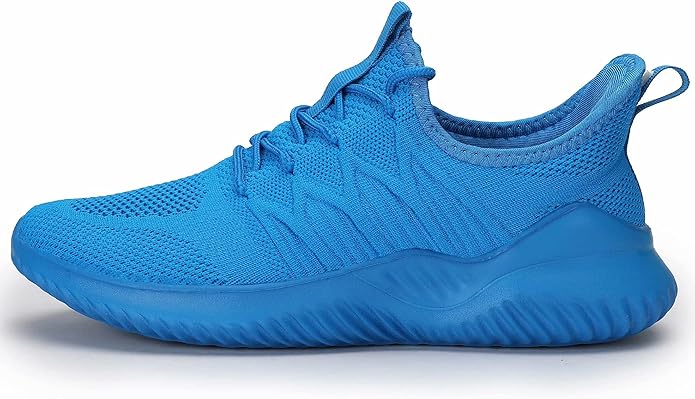
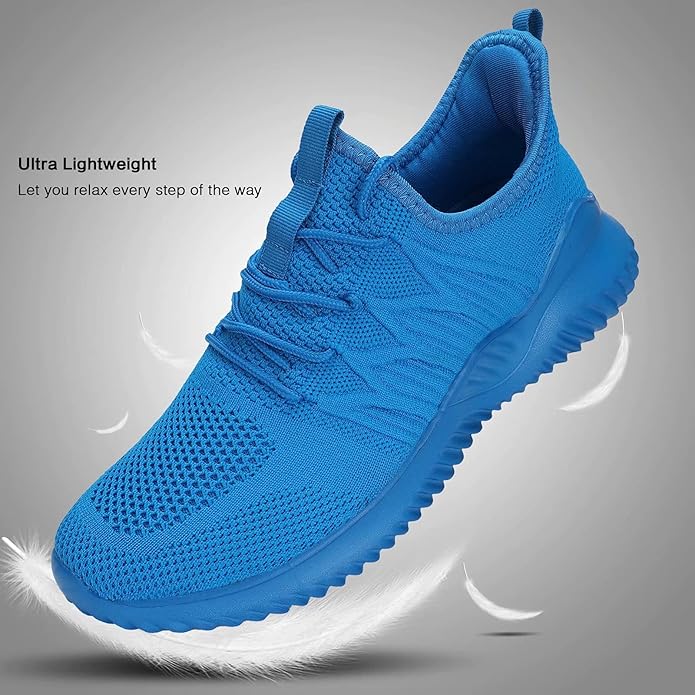
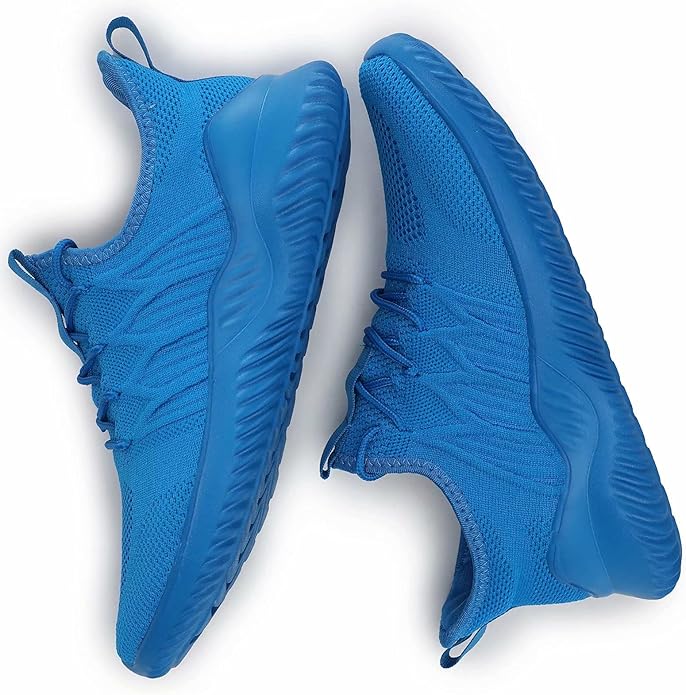
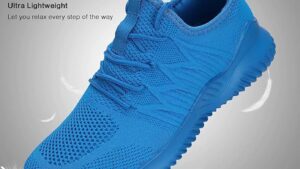
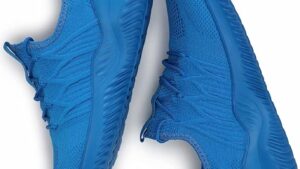
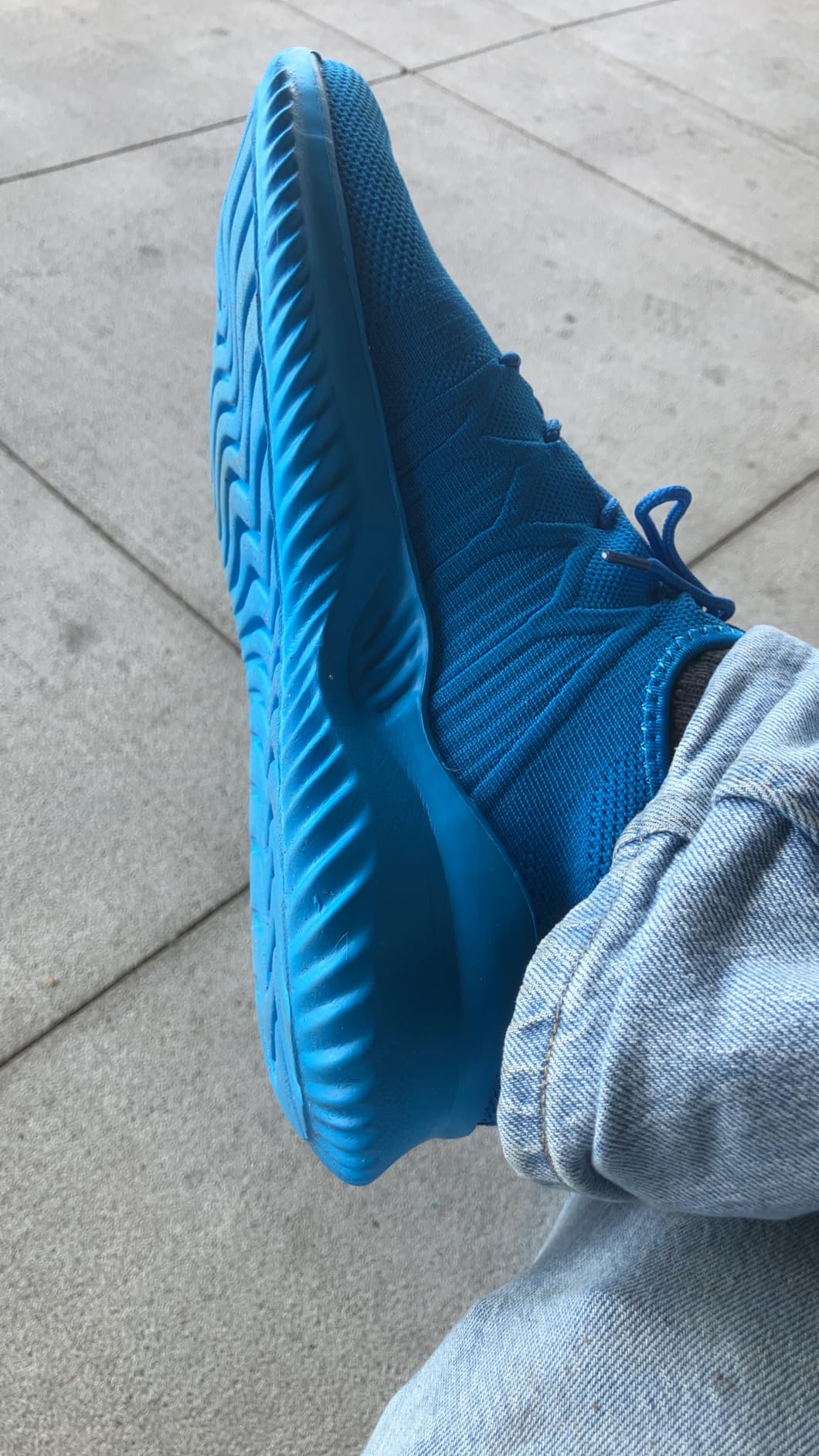
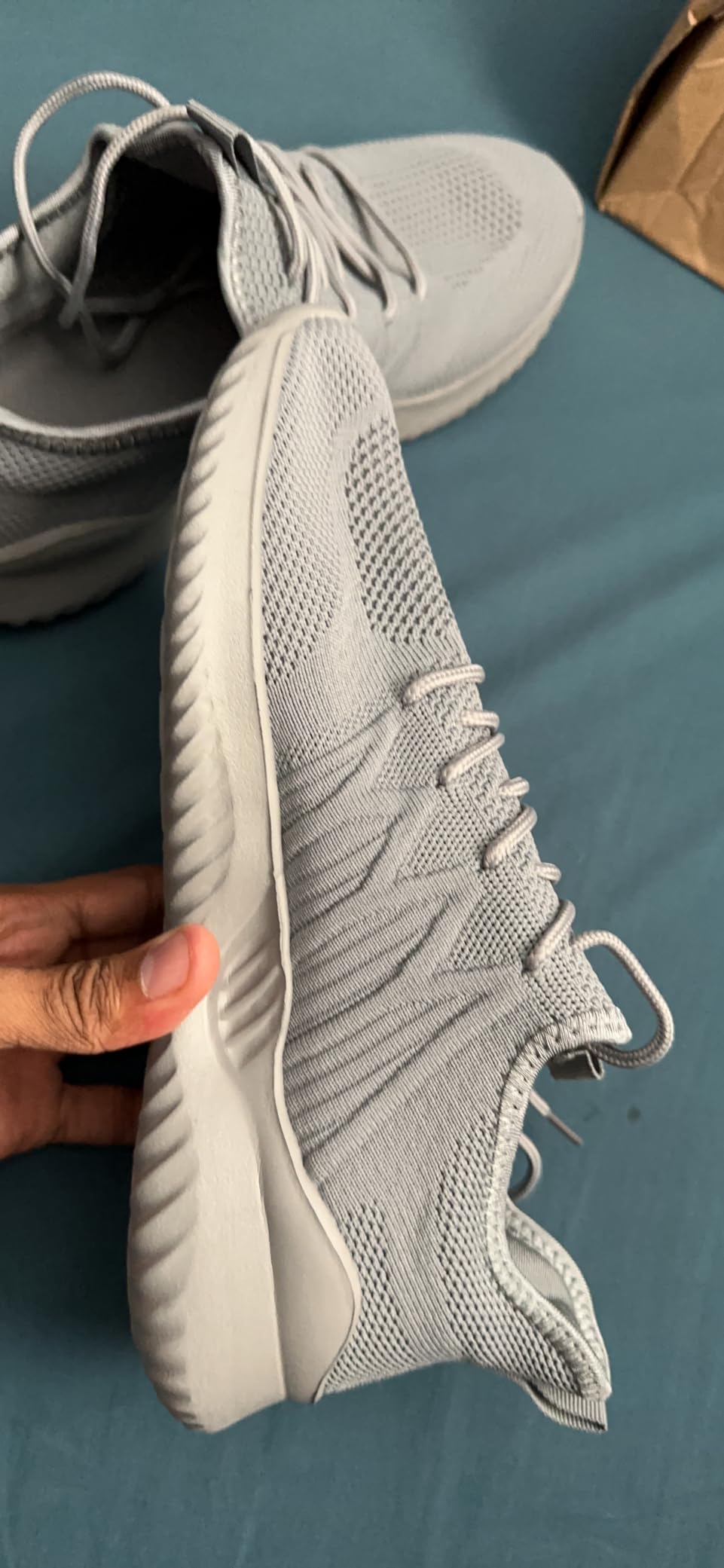
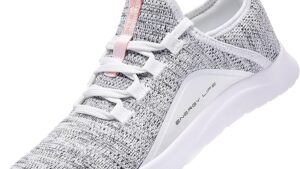
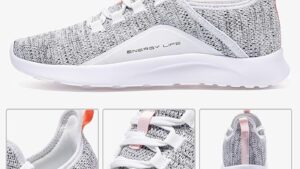
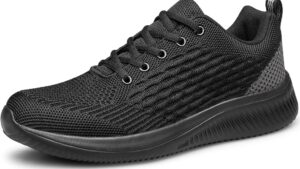
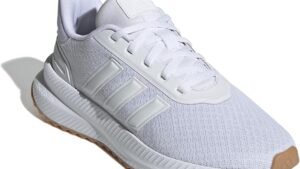
Opening the package, what hits you first is how incredibly light these feel in hand. I’m talking almost unsettling—like holding a pair of athletic socks that someone glued soles onto. The mesh upper is soft and pliable, with a surprisingly premium texture for something in this price bracket. There’s absolutely zero branding anywhere on the shoe, which gives them a sleek, understated look that honestly works better than some logo-plastered alternatives I’ve tested.
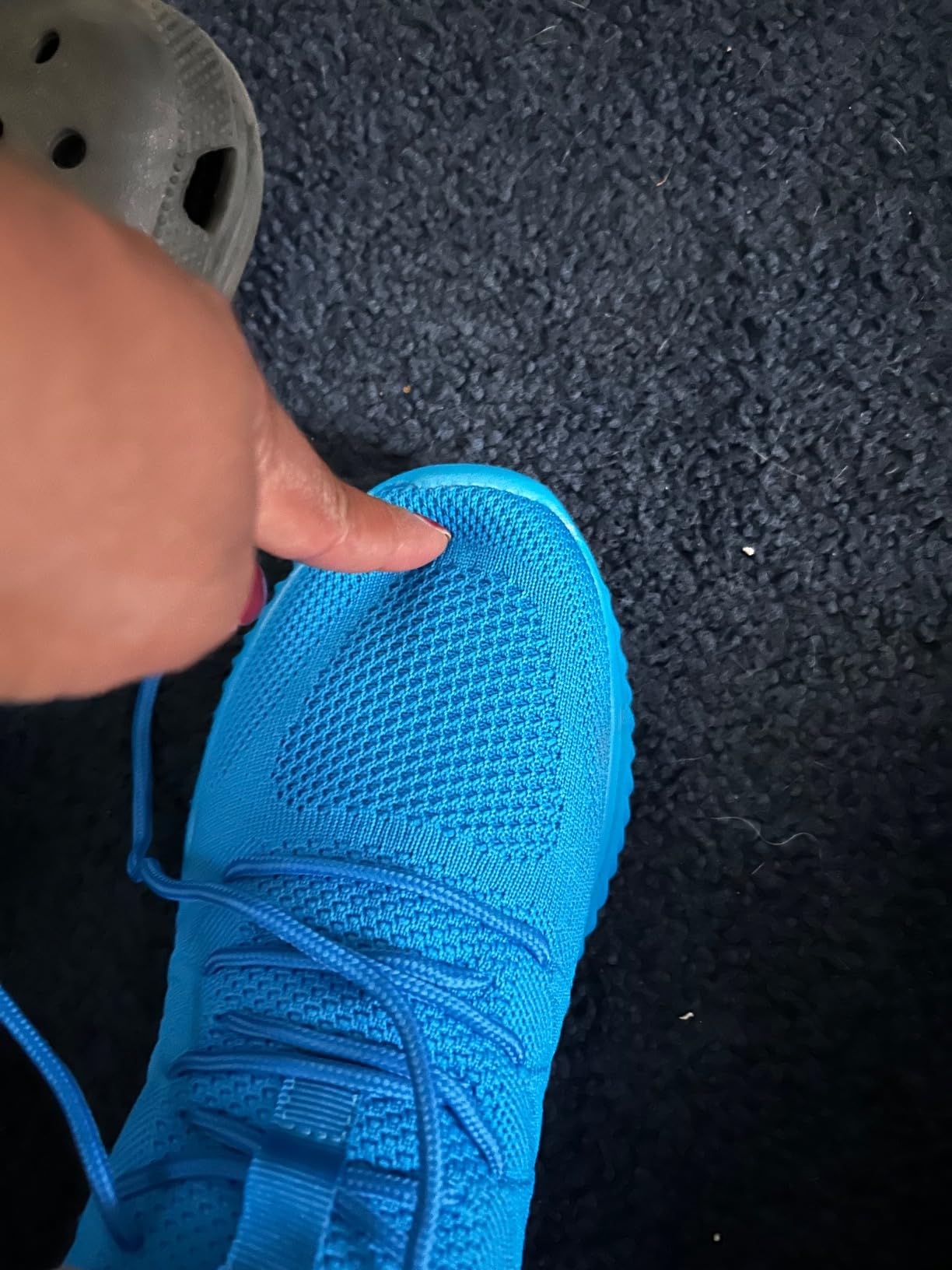
The construction appears clean through initial inspection. Seamless mesh knit wraps the foot without obvious pressure points, and the stitching looked solid under close examination (spoiler: it held up through six weeks without separation). What you don’t get is reinforcement overlays or rugged build elements—this is minimalist by design, which carries trade-offs we’ll hit shortly.
That “Slip-On” Reality Check
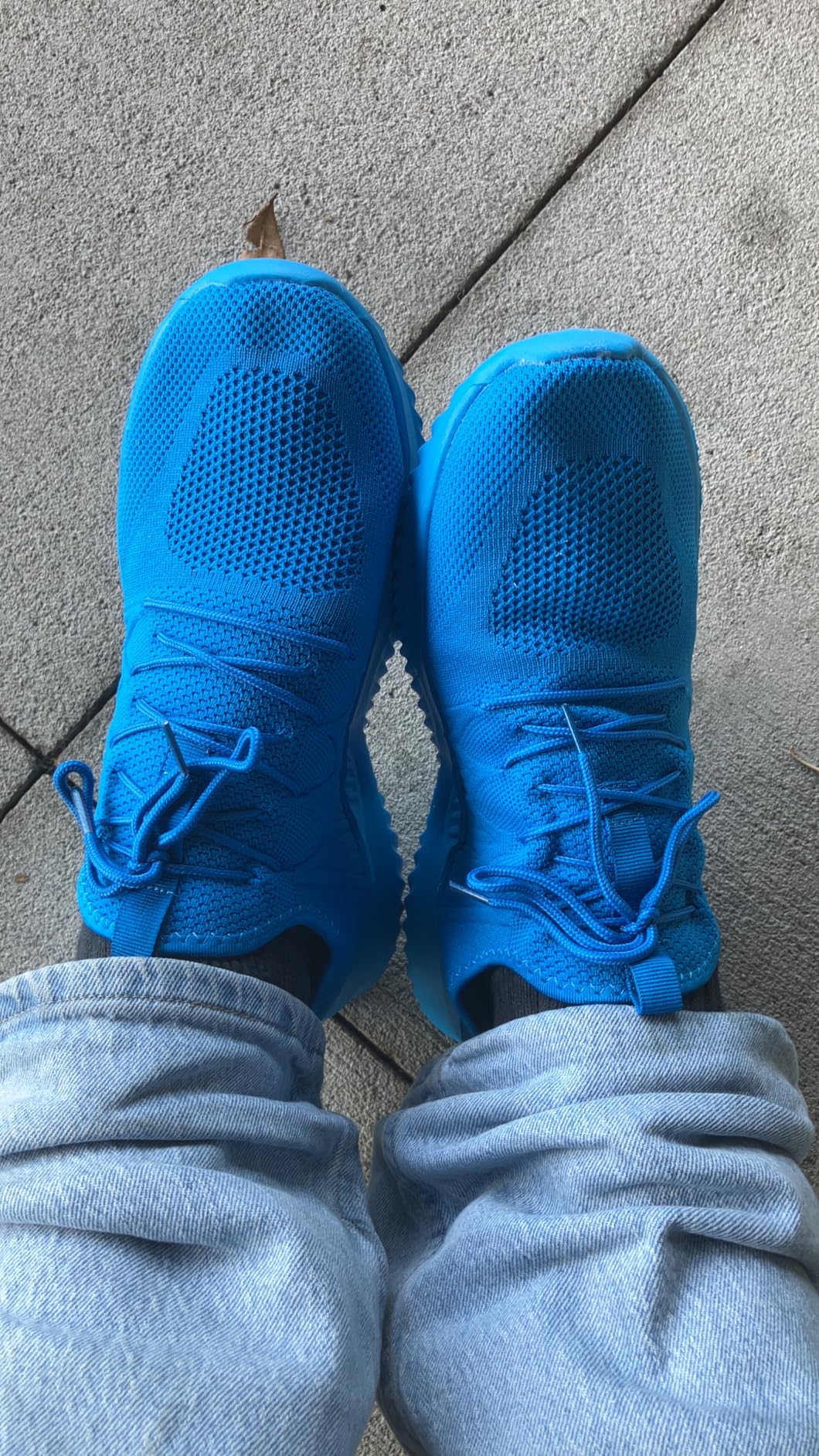
Here’s where we need to pump the brakes on marketing claims. The product name says “Slip On,” Amazon’s listing emphasizes the “pull-on design,” and the whole presentation implies loafer-style convenience. Reality? Not quite.
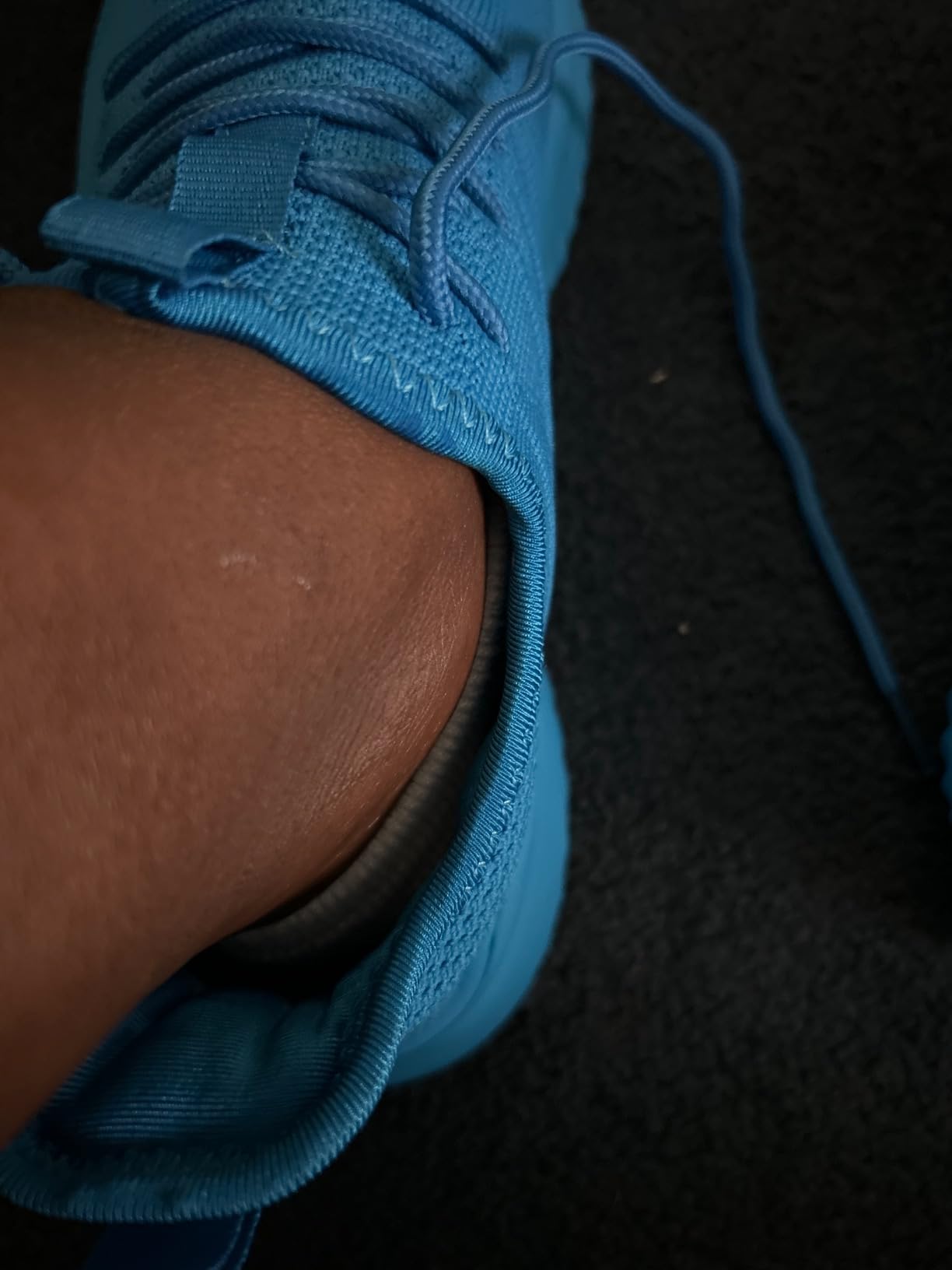
The heel counter is soft and collapsible, which sounds convenient until you actually try sliding your foot in. Most of the time, you’ll need your finger to guide your heel past that counter—it’s not difficult or time-consuming, but it’s also not the frictionless slip-on experience you’d get from a genuine slip-on design. Think of them as “easy-on” rather than true slip-ons, and you’ll set appropriate expectations.
Once they’re on, though? Secure and stable. The soft heel counter doesn’t translate to heel slippage during wear—a pleasant surprise that held true through extended testing.
MD Sole Flexibility: The Comfort Centerpiece
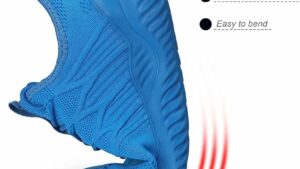
Amazon’s spec sheet promises MD sole compound with “high elasticity and good softness,” and this is one claim they absolutely nailed. You can literally bend the entire shoe in half with minimal effort—I’m talking fold it like a taco, which sounds gimmicky until you realize what that flexibility means for walking feel.
On concrete and smooth indoor surfaces, the MD sole delivers a genuinely natural stride. Your foot rolls through heel-to-toe transition without fighting against a stiff platform, and that softness translates to immediate comfort that needs zero break-in period. Straight out of the box, these felt wearable for extended sessions.
The Comfort Ceiling Discovery
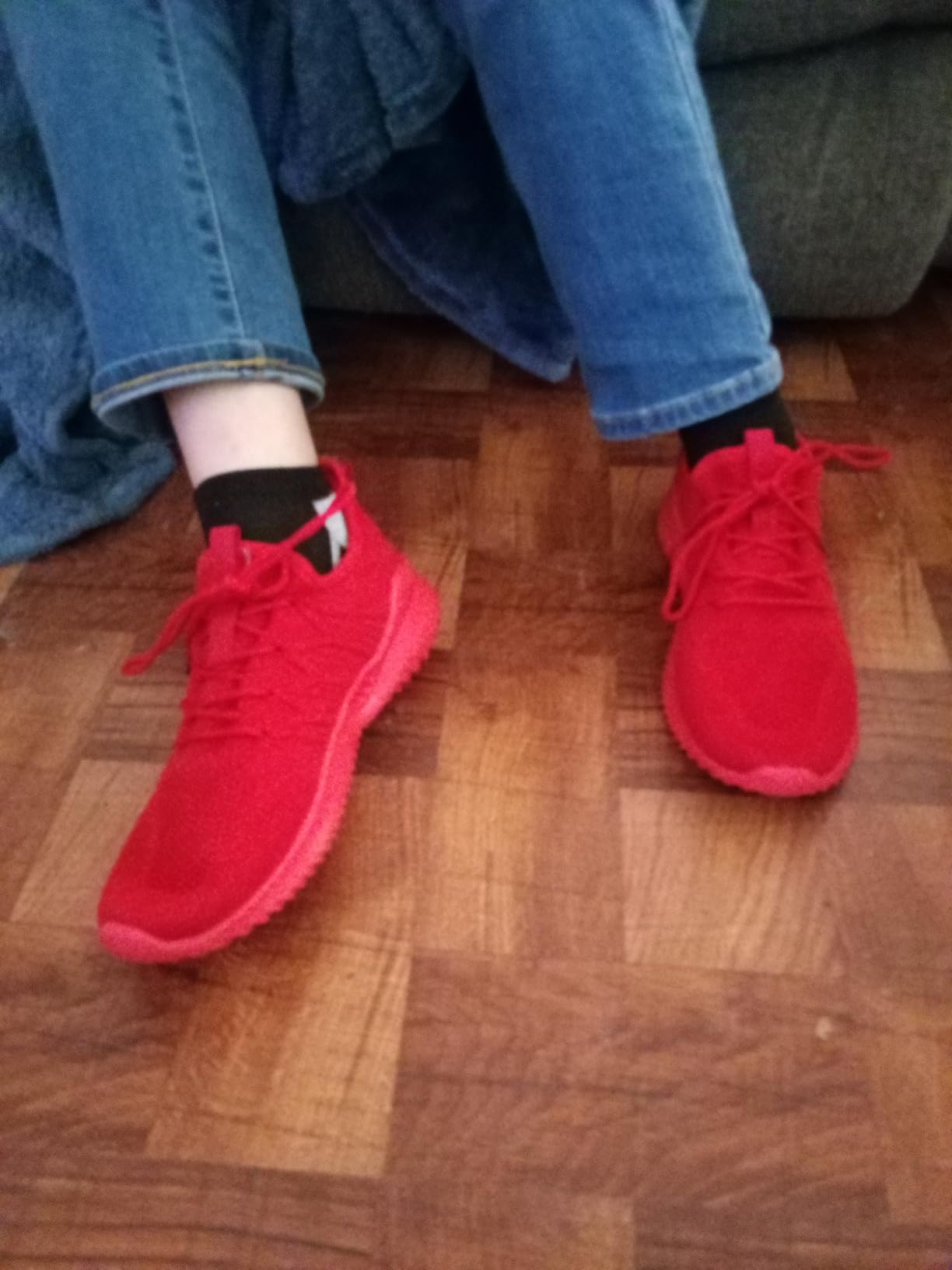
Through the first two weeks, I wore these for everything from grocery runs to 4-6 hour continuous sessions hitting errands around town. At 185 pounds, I never hit discomfort during those timeframes—the cushioning held up, my arches stayed supported enough, and the breathability kept my feet from turning into sweat factories even during humid summer afternoons.
But here’s what the “all-day comfort” marketing doesn’t mention: there’s a ceiling. Around the 6-hour mark of continuous wear, I started noticing arch fatigue creeping in. Nothing painful, just that awareness that the cushioning wasn’t quite keeping up anymore. Hour seven and beyond? Time to swap shoes.
For split-schedule days where you’re wearing them for a couple hours, off for a bit, then back on? Fine. But if you’re looking for true 10-12 hour standing shifts or marathon walking days, these aren’t built for that endurance test. That MD sole softness that feels great initially doesn’t have the structural support needed for extended continuous use.
Real-World Performance Across Three Use Cases
Marketing loves to claim versatility, so I tested these across the spectrum of activities their name and description implied they’d handle.
Daily Walking: Where These Actually Excel
This is the sweet spot, comprising about 90% of my actual use over six weeks. For casual walking on smooth surfaces—sidewalks, mall floors, grocery store aisles—the Socviis performed exactly as hoped. That soft MD sole cushions each step without feeling mushy or unstable, the lightweight construction genuinely reduced fatigue compared to heavier budget options I’ve rotated through, and the flexible design adapted well to minor surface irregularities.
During humid August afternoons in Texas, the breathability claim held up. The mesh knit upper allowed genuine airflow rather than just trapping heat like some synthetic materials disguised as “breathable.” My feet stayed noticeably drier than in other budget mesh shoes I’ve tested.
For this specific use case—casual daily walking on smooth surfaces—I’d rate these an honest 8.5 out of 10. They deliver exactly what budget-conscious walkers need without pretending to be something they’re not.
Light Gym Work: Adequate With Clear Limits
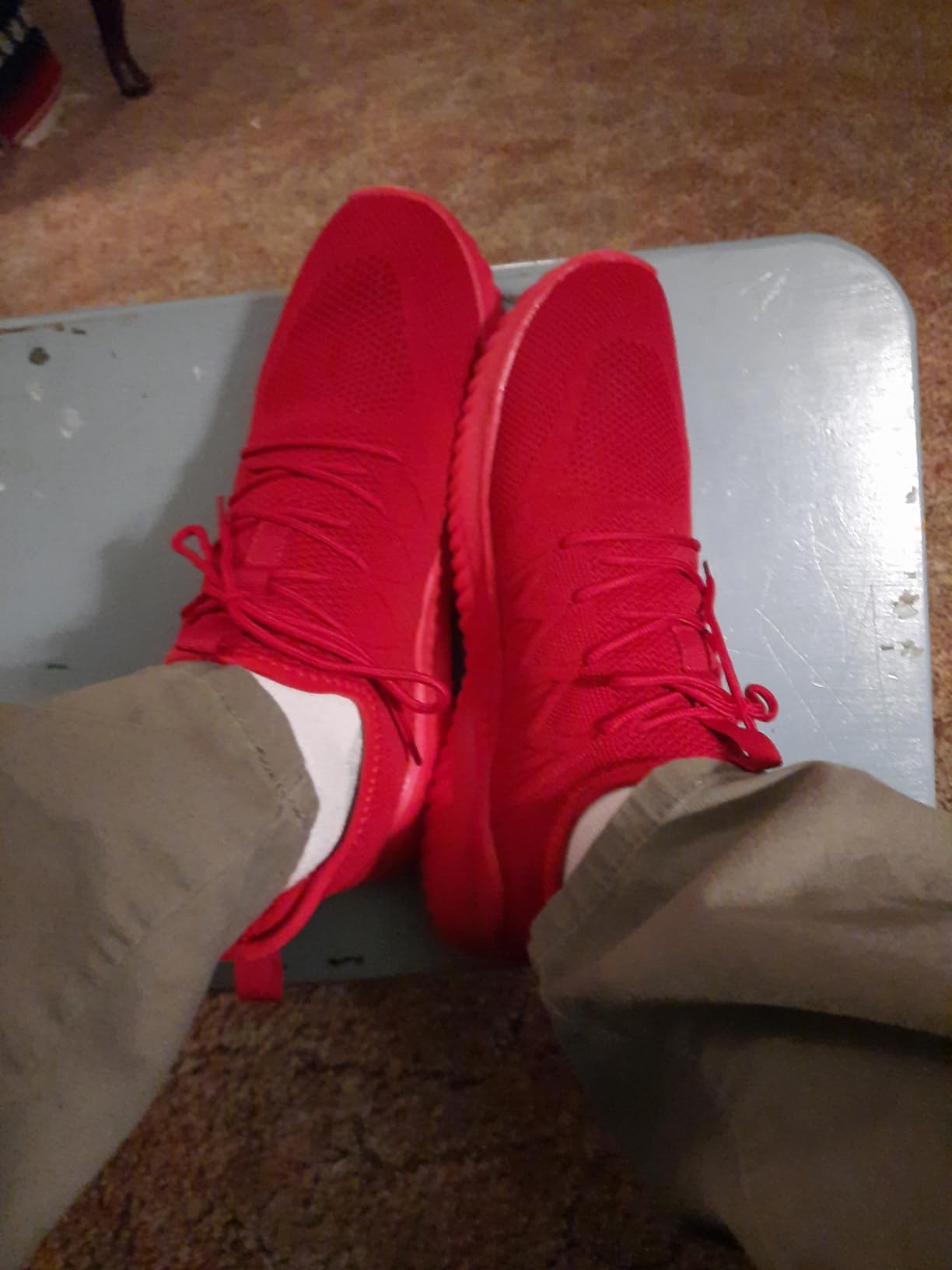
About 8% of my testing involved gym sessions—treadmill walking, some light jogging, and basic dumbbell work. The sole provided enough grip on gym floors to handle stationary exercises without slipping, and the breathability helped during moderate activity.
However, the limitations showed up quickly. Any exercise requiring lateral movement revealed the lack of sidewall support—these aren’t designed for cutting, pivoting, or anything involving quick direction changes. Squats with even moderate weight felt unstable because that soft MD sole compresses too much under load.
For basic treadmill walking and straightforward lifting? Fine. For anything remotely resembling intense training or dynamic movements? Look elsewhere. Gym rating: 6 out of 10, and that’s being generous.
Running Reality Check: Marketing vs. Physics
Despite “Running Shoes” appearing right in the product name, let me save you some potential joint pain: these are not running shoes.
I tested them across a few 2-mile runs on smooth pavement to see if the marketing held any water. Within the first quarter-mile, it became clear that the MD sole—while comfortable for walking—lacks the structure needed for repeated impact protection. Each footstrike compressed that soft sole too much, offering minimal energy return and leaving my knees noticeably more aware of the pounding than they’d be in actual running shoes.
There’s no discernible heel-to-toe drop specification (Amazon doesn’t list it, and I’d estimate somewhere around 4-6mm at most), and the overall stack height feels minimal. These aren’t designed to absorb the repetitive impact of running, and trying to use them for that purpose would be asking for problems down the line.
Running verdict: 4 out of 10, and that’s only because they didn’t cause immediate injury. Don’t expect performance from a lifestyle sneaker wearing an athletic label. If you need actual running shoes, invest in purpose-built footwear from brands with proper cushioning systems.
Build Quality & Durability Observations
The mesh upper is thin—there’s no getting around that reality. It breathes beautifully because there’s minimal material between your foot and the outside air, but that same lightweight construction means limited ruggedness. Through six weeks of regular use, I noticed some early signs worth documenting.
By week four, the high-flex areas (where your toes bend during push-off and around the heel collar) showed the first stress marks—not holes or tears, but that slightly stretched appearance mesh develops when it’s working hard. The upper-to-sole junction remained intact without separation, which was encouraging.
The MD sole itself started showing micro-compression under my forefoot, visible if you look closely but not affecting comfort yet. The outsole’s natural rubber picked up some surface scuffing but hasn’t worn through anywhere.
Lifespan Projections & Cost Math
Based on the wear patterns emerging through six weeks at my usage intensity (185 lbs, 3-5 miles daily on mostly smooth surfaces), here’s what I’m projecting:
Casual users (1-2 times weekly): 8-12 months before the mesh starts giving out or the sole compression becomes noticeable. At $30, that works out to roughly $3-4 per month.
Regular users (3-5 times weekly): 4-6 months realistic lifespan before you’ll want fresh cushioning. That’s $5-7.50 per month.
Daily drivers (6-7 days weekly): 2-3 months maximum. The materials simply aren’t engineered for that kind of constant stress. Monthly cost jumps to $10-15.
For context, a $60 pair of New Balance 574s might last 12 months of regular use—that’s $5 per month. So the Socviis only makes financial sense if you’re a casual user or you’re willing to embrace the rotation strategy (buying 2-3 pairs instead of one premium shoe).
These are fair-weather shoes designed for immediate comfort at accessible pricing, not investment pieces built for years of service. Set your expectations accordingly, and the value proposition holds up.
What Works Really Well
After six weeks and 60+ miles, here’s what genuinely impressed me:
The immediate comfort requires zero break-in period. Straight out of the box, these felt wearable for extended sessions—no hotspots, no stiff materials needing to soften, no adjustment period. For anyone who’s endured the first week of breaking in stiffer shoes, this is legitimately refreshing.
Breathability delivers on the mesh promises. Even during humid summer conditions, the airflow through that knit upper kept my feet noticeably cooler and drier than sealed synthetic alternatives.
The lightweight construction genuinely reduces fatigue. After 4-5 hours of errands, the difference between wearing these versus heavier budget options becomes noticeable in how my legs feel.
Clean minimalist styling works across casual contexts. No branding means they pair well with different outfits without screaming “athletic shoes”—useful versatility for a budget option.
Multiple colorways expand wardrobe flexibility without expanding your budget—if you’re the type who matches shoes to outfits, spending $30-40 per color becomes more palatable than $100+ alternatives.
That MD sole flexibility creates a natural walking feel that more rigid budget shoes can’t match at this price point.
The Honest Limitations
Now for what doesn’t work so well:
Durability ceiling is real and predictable. That soft sole trades longevity for comfort—you’ll get 3-6 months depending on use intensity, and that’s a hard reality of the materials involved.
The slip-on claim overpromises. If you’re expecting genuine slip-on convenience like you’d get from purpose-built slip-on designs, you’ll be disappointed by that collapsible heel counter requiring finger assistance.
Athletic performance falls short of the “Running Shoes” name. They’re lifestyle sneakers with athletic styling, not performance footwear—the sooner you accept that positioning, the happier you’ll be.
That thin sole offers minimal protection from sharp objects underfoot. Step on a pebble, and you’ll feel it more than you would in shoes with thicker outsoles.
Zero weather resistance means the mesh upper absorbs water readily. Light rain? You’re getting wet feet. These are strictly warm-weather, dry-condition shoes.
The decorative laces provide no functional adjustment—they’re sewn into the upper purely for aesthetics. If you need to customize fit or tighten during wear, you’re out of luck.
Comfort ceiling at 6 hours means these aren’t suitable for long shifts, marathon walking days, or anyone whose job requires 10-12 hours on their feet continuously.
Who Should Actually Buy These
Perfect For:
Casual daily wear enthusiasts who prioritize immediate comfort over long-term durability and accept 3-6 month replacement cycles
Budget-conscious buyers seeking quality at accessible price points who understand the value-versus-longevity trade-off
People who walk extensively on smooth surfaces—sidewalks, mall floors, indoor environments where that soft sole shines
Those wanting multiple color options without draining their wallet; rotating 2-3 pairs at $30-40 each beats one $120 shoe
Light gym users focused on treadmill walking and basic weight training without dynamic movements
Anyone seeking house-shoe comfort in a stylish package that’s acceptable for running errands
NOT Ideal For:
Serious runners or athletes who need actual performance footwear with proper impact protection and energy return
People needing 1+ year durability or viewing shoes as investment pieces rather than consumable rotation items
Users requiring weather resistance—these are fair-weather only, with mesh that soaks through in minutes
Those with foot conditions needing structured arch support or stability features beyond basic cushioning
People working demanding physical environments where 10-12 hour shifts require serious durability and all-day support
Very wide feet—while the mesh stretches somewhat, there’s no wide-width variant, and the standard fit runs true to medium sizing
Anyone expecting true slip-on convenience without finger assistance at the heel
Market Context & Alternatives
At $30-40, the Socviis occupies a specific budget segment. Understanding where they fit helps set realistic expectations versus alternatives.
For serious running: Don’t compromise here. Invest $60-100 in purpose-built running shoes from Nike, Adidas, or ASICS with proper heel-to-toe drop, responsive cushioning systems, and lateral support engineered for repetitive impact. Your joints will thank you.
For better durability: Adidas Cloudfoam Pure or similar options in the $50-80 range typically deliver 12-18 month lifespans with better material construction, though you sacrifice that immediate ultra-soft feel.
For true slip-on convenience: Look at brands like Hey Dudes or Sanuks with structured heel counters designed for genuine frictionless entry. You’ll pay more ($50-70), but if that convenience matters, it’s worth the premium.
When Socviis wins: If you want pure casual wear comfort at the absolute lowest price point, accept shorter lifespan gracefully, and value having multiple colorway options for rotation, these deliver exactly that proposition without apology.
Final Verdict: The Honest 7.3/10
After six weeks putting these through realistic paces—60+ miles across concrete sidewalks, mall floors, light gym sessions, and even that ill-advised running attempt—I’m landing at a solid 7.3 out of 10 overall. Here’s how that breaks down:
| Category | Score | Notes |
|---|---|---|
| Comfort | 8.5/10 | Exceptional for 4-6 hour sessions, genuine no-break-in ease |
| Breathability | 9.0/10 | Outstanding mesh airflow, stays cool in summer humidity |
| Style/Appearance | 7.5/10 | Clean minimalist design, versatile across casual contexts |
| Value for Money | 8.5/10 | Excellent comfort at $30-40 if you accept the lifespan |
| Durability | 5.5/10 | Limited 3-6 month ceiling, typical for budget materials |
| Athletic Performance | 4.0/10 | Adequate for walking, fails for running/dynamic training |
| Fit/Sizing | 8.0/10 | True to size for most, mesh stretches for accommodation |
The Bottom Line
These aren’t trying to compete with premium athletic shoes, and when you evaluate them against other $30-40 options rather than $100+ alternatives, they perform admirably. The key is understanding what you’re actually buying: lifestyle sneakers with athletic styling, not performance running shoes.
At 185 pounds walking 3-5 miles daily on mostly smooth surfaces, I got exactly what I needed—immediate comfort without break-in hassle, genuine breathability through summer conditions, and lightweight construction that reduced fatigue. The trade-off is accepting that 4-6 month replacement cycle rather than expecting 1+ year longevity.
If you need comfortable daily walkers and don’t mind replacing them every few months, these deliver solid value. Just don’t expect marathon running performance from a casual comfort shoe, and you’ll be satisfied with what $30-40 actually buys.
Common Questions Answered
Do these actually run true to size?
Based on my testing and scanning through hundreds of Amazon reviews, they run true to size for most standard-width feet. The mesh upper has some stretch accommodation, so there’s flexibility for minor variations. If you have narrow feet, you might consider sizing down half a size since the standard width leans slightly toward medium-wide. Very wide feet may find them snug even with the mesh stretch—there’s no dedicated wide-width variant available.
Are they genuinely slip-on shoes?
Not in the traditional loafer sense. While they feature a soft collapsible heel counter and decorative laces (which don’t provide functional adjustment), you’ll typically need your finger to guide your heel in during entry. It’s not difficult or time-consuming, but it’s also not the frictionless slip-on convenience some buyers might expect from the marketing. Think “easy-on” rather than true slip-on.
Can you actually run in these despite the name?
Short answer: not recommended for serious running. I tested them across a few 2-mile runs, and the MD sole—while comfortable for walking—lacks the structure needed for repetitive impact protection. Each footstrike compresses that soft sole too much, offering minimal energy return and leaving more stress on your joints than proper running shoes would. For short casual jogs on smooth surfaces, they won’t cause immediate injury, but for anything resembling regular running or training, invest in purpose-built footwear.
How long do they typically last with regular use?
Depends heavily on your usage intensity. At my 185 pounds walking 3-5 miles daily, I’m projecting 4-6 months before the mesh shows significant stress or the sole compression becomes noticeable. Casual users (1-2 times weekly) might stretch that to 8-12 months. Daily drivers wearing them 6-7 days weekly should expect 2-3 months maximum. The soft MD sole that creates immediate comfort doesn’t hold up for extended periods—it’s a fundamental trade-off of the design.
What about waterproofing or weather resistance?
Zero weather resistance. The mesh upper is designed specifically for breathability, which means it absorbs water readily. Light rain will soak through in minutes, and the thin materials offer minimal insulation for cold conditions. These are strictly warm-weather, dry-condition shoes. If you need weather resistance, look at options with treated materials or waterproof membranes.
Is there a break-in period?
None. One of the genuine advantages here is that they feel comfortable straight out of the box. The soft MD sole, flexible mesh upper, and Memory Foam insole combine to create immediate wearability without the typical break-in period stiffer shoes require. That’s legitimately refreshing if you’ve ever endured the first week of adjusting to new footwear.
How’s the arch support?
Mild at best. The Memory Foam insole provides some contouring, but there’s no structured arch support system. For people with neutral arches doing casual walking, it’s adequate. Those with high arches, flat feet, or conditions requiring serious support should plan on aftermarket insoles or look at shoes with built-in stability features. The soft MD sole also means less structural support overall compared to firmer platforms.
Should you buy multiple pairs for rotation?
Depends on your strategy. Given the 3-6 month typical lifespan and the $30-40 price point, buying 2-3 pairs in different colors could make sense if you value variety and accept the replacement cycle. At $90-120 total for three pairs that collectively last 12-18 months (rotating them extends individual lifespan), you’re in the same ballpark as one premium shoe—but with more color options and immediate comfort. Just understand you’re trading longevity for variety and soft-feel comfort.
Ready to test them yourself at minimal risk? At $30-40, they’re an affordable experiment in budget comfort—just set realistic expectations about lifespan and athletic performance, and you’ll likely be satisfied with what you get.


Reviews
There are no reviews yet.