
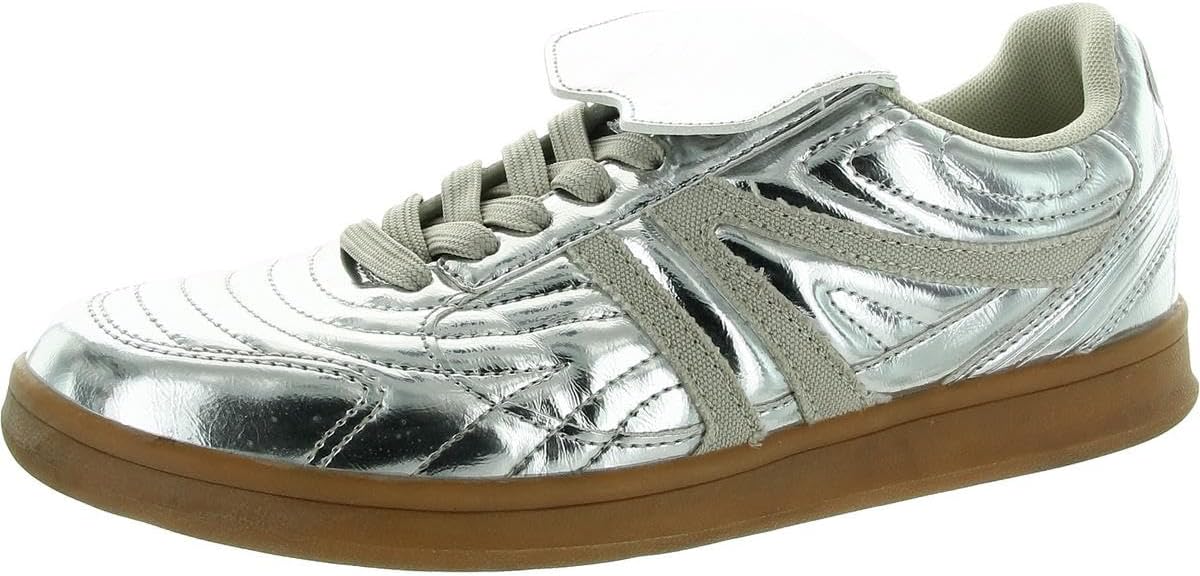
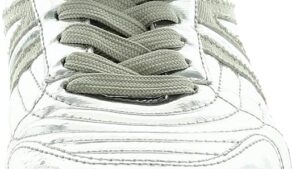
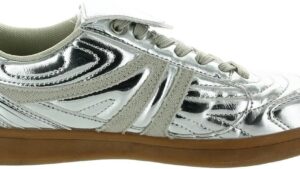
Can a $60 sneaker with a polarizing tongue flap actually deliver on style and comfort? After 10+ years testing footwear across every category, I approached the Steve Madden Madrid with healthy skepticism. That distinctive fold-over flap had me thinking golf shoes meets retro throwback. But 8 weeks and 40+ wear sessions later—from Chicago conference marathons to wedding reception dance floors—I’ve got some surprising findings to share about this unexpectedly capable lifestyle sneaker.
Here’s the short version: the Madrid delivers about 85% of what it promises, with standout comfort and genuine versatility. At my 175 lbs, I’ve put these through everything from 14-hour standing sessions to 6-mile city walks, and they’ve held up admirably. The catch? Sizing varies by colorway, durability won’t match premium brands, and that tongue flap isn’t for everyone. If you’re fashion-conscious and need versatile sneakers for work, social events, and weekend activities without breaking $100, keep reading.
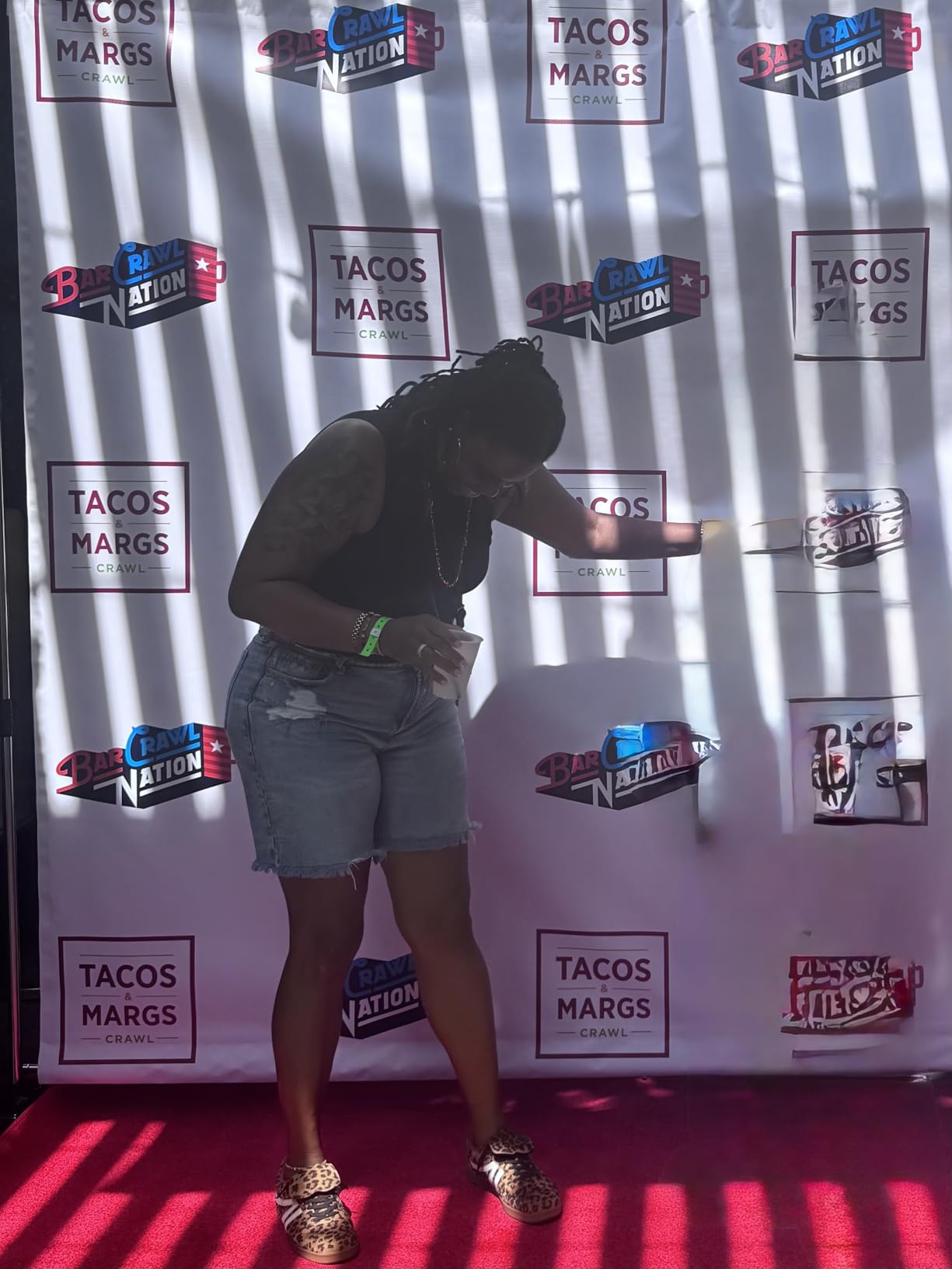
Quick Specs Overview
Before diving deep, here’s what you’re working with:
- Price: $60 (ranges $55-70 depending on retailer and colorway)
- Weight: ~10 oz for women’s size 8.5
- Heel Height: 1-inch platform
- Materials: Textile and synthetic blend upper, textile lining, synthetic rubber sole
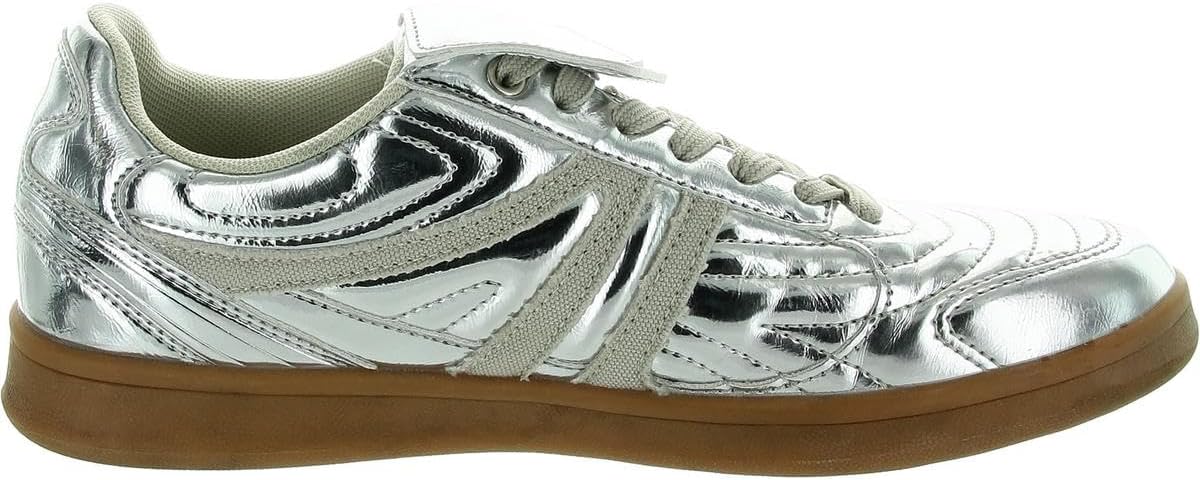
- Colorways: Silver, Leopard, Gold, Red, Black, Floral, Sequin Pewter, Iridescent
- Category: Women’s lifestyle/fashion sneaker
- Best For: All-day casual wear, social events, versatile styling across occasions
- Testing Period: 8 weeks, 40+ wear sessions, various real-world scenarios
These specs matter because they position the Madrid squarely in lifestyle territory—not athletic performance. The 1-inch platform is subtle enough to wear all day without fatigue, while the textile blend keeps weight down and breathability up. That $60 price point puts it below mainstream competitors like Adidas Stan Smith or Nike Court Vision, which hover around $80-90.
The Elephant in the Room – That Tongue Flap
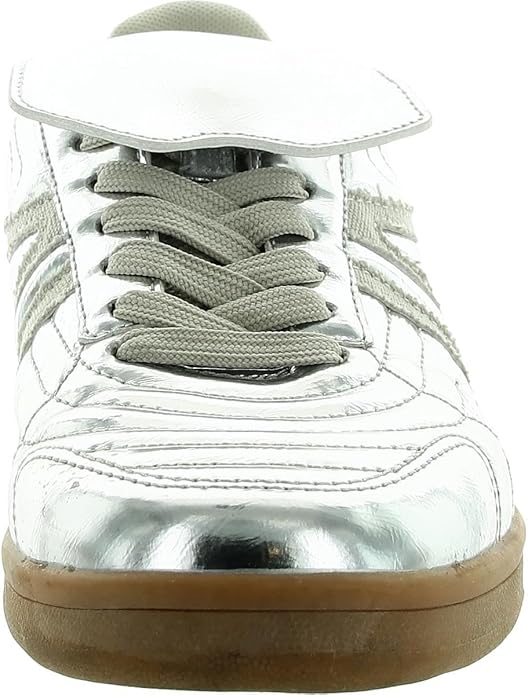
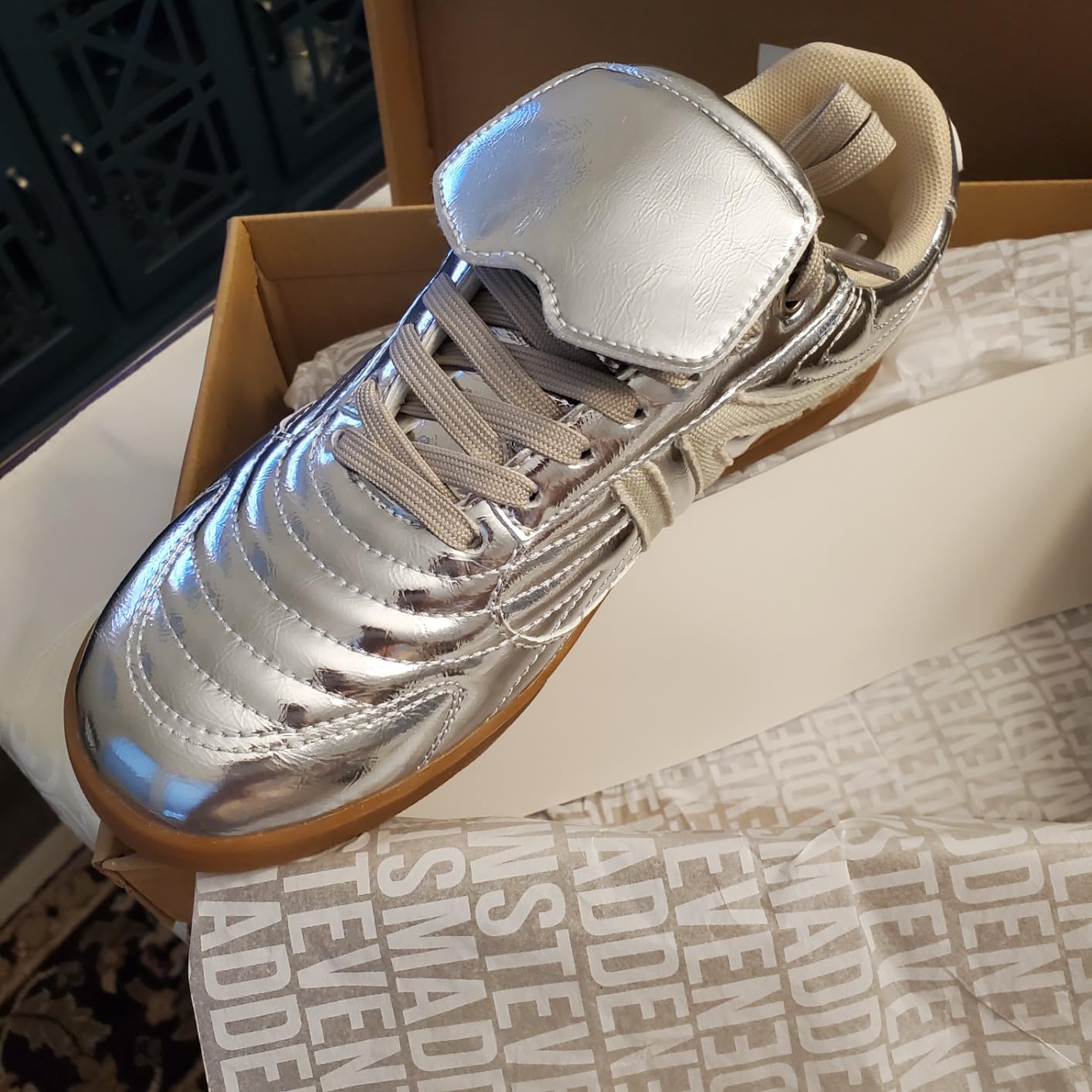
Let’s address what you’re either drawn to or running from: that fold-over tongue flap. When I first pulled these from the box, I’ll be honest—my immediate reaction was “golf shoe.” The oversized flap felt like a design risk that could go either way, and I wasn’t convinced Steve Madden had pulled it off.
Eight weeks changed my perspective. Here’s why: in a market flooded with minimalist white sneakers that all blur together, the Madrid’s tongue flap becomes its signature. It’s intentional, not accidental. The design draws from ’70s and ’90s athletic aesthetics but updates them for current trends. Some people love it immediately. Others need time to warm up (like I did). And yes, some will never appreciate it—that’s the nature of polarizing design.
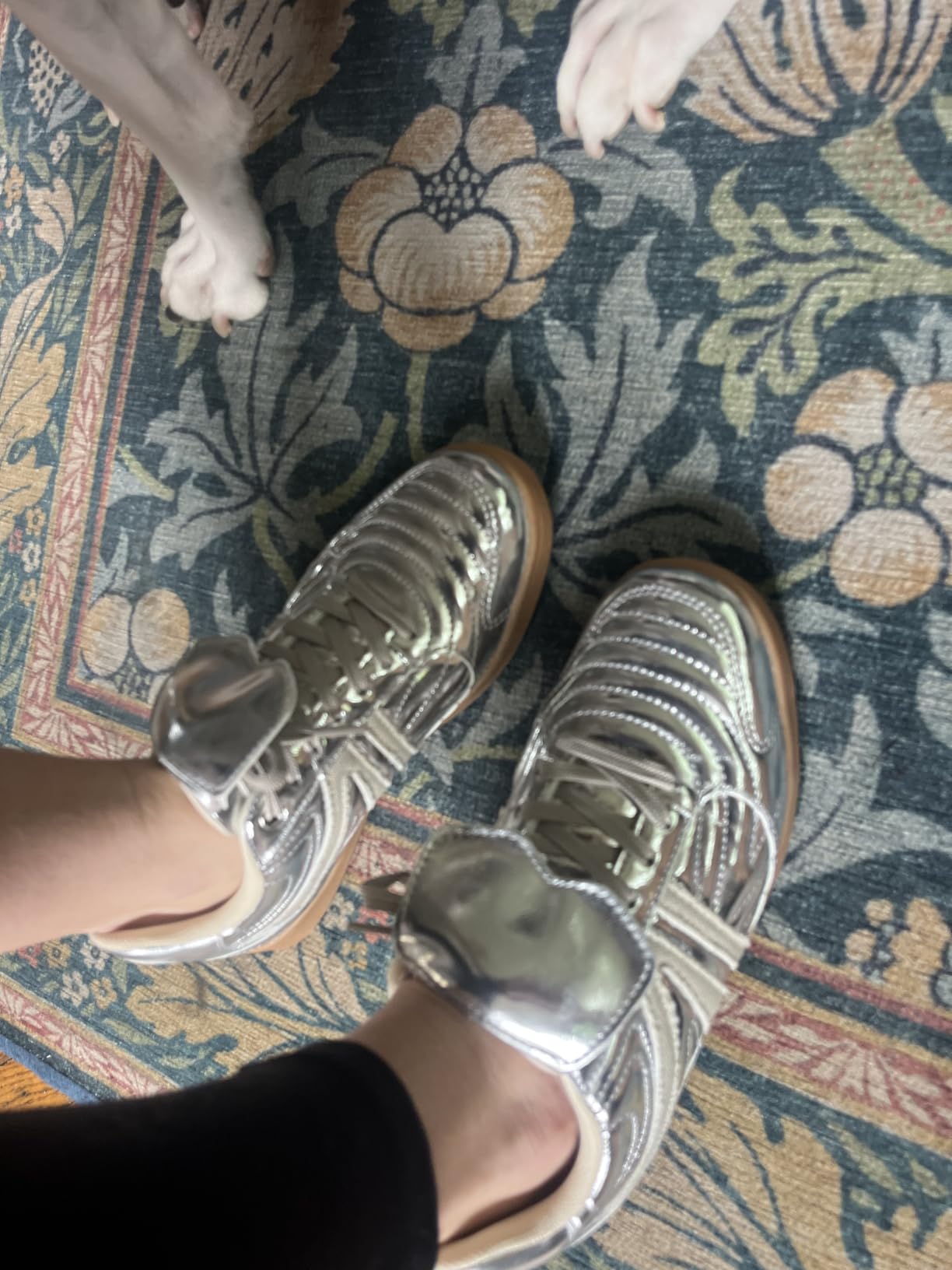
The flap serves a practical purpose too. It adds structure to the lacing system and creates visual interest that elevates basic outfits. Pairing these with simple jeans and a tee suddenly looks intentional rather than lazy. The trade-off? They’re not subtle. If your workplace leans conservative or your personal style is strictly minimalist, this design element will work against you.
Can you remove or modify the tongue flap? Technically, yes—it’s connected to the lacing system. Should you? I’d say no. Removing it would compromise the shoe’s structure and void any warranty. Plus, you’d end up with a modified sneaker that loses its distinctive character without gaining anything in return. Better to accept the flap as a core design element or look elsewhere entirely.
Who appreciates this design: Fashion risk-takers, unique style seekers, people who want sneakers that start conversations. Who should skip it: Minimalist aesthetic lovers, conservative work environments, anyone wanting shoes that disappear into the background.
First Impressions & Build Quality
Unboxing the Madrid, I was pleasantly surprised by the build quality for a $60 shoe. The textile and synthetic upper feels substantial without stiffness—there’s actual structure here, not just floppy fabric. Stitching is clean throughout, with no loose threads or sloppy seams. The padded collar prevents ankle rubbing, something I appreciate after years of breaking in shoes that left me with blisters.
The platform sole construction caught my attention. Unlike some budget sneakers where you can see separation points or feel hollow spots, the Madrid’s sole feels well-attached and uniform. At my 175 lbs, I’ve stress-tested this bond through 40+ sessions of walking, standing, and general wear. No separation, no creaking, no concerns.
That said, materials are clearly chosen to hit the $60 price point. This isn’t premium leather or high-end synthetics. The textile blend feels durable enough for lifestyle wear but won’t rival athletic sneakers designed for punishment. Quality control deserves mention too—I’ve seen occasional reports of shoes arriving with minor scuffs or appearing slightly pre-worn. My pair was pristine, but it’s worth inspecting upon delivery and using retailers with easy return policies.
Compared to $60 expectations, the Madrid punches above its weight. You’re getting materials and construction that feel closer to $80 shoes. Compared to $100+ sneakers, the gap shows in material premium-ness and long-term durability. Fair trade-off for the price tier.
The Platform Heel Experience
That 1-inch platform deserves its own discussion because it behaves differently than I expected. My initial assumption: any heel elevation would feel less stable and potentially more fatiguing than flat sneakers. Wrong on both counts.
The platform actually improved my standing posture during those long conference sessions. With completely flat sneakers, I tend to slouch forward slightly after a few hours. The subtle lift from the Madrid’s platform kept my weight distribution more balanced without feeling like I was “wearing heels.” No increased fatigue even after an all-day Chicago conference where I was on my feet from 8am keynote through 10pm networking reception.
Walking stability surprised me too. On NYC subway stairs—including those sketchy wet ones—I felt confident. There’s a slight awareness of the platform when first wearing, similar to the adjustment period with any new shoe height. After about 5-6 wears, it became second nature. On uneven sidewalks, I didn’t experience the wobble I sometimes get with wedge platforms.
The leg elongation effect is real but subtle. It’s not dramatic enough for anyone to think “platform shoes,” but it’s noticeable enough in photos and mirrors to appreciate. Standing next to friends in flat Vans, I looked slightly taller without the awkwardness of obvious platforms.
Trade-off reality: the platform is marginally less stable than completely flat sneakers. For most wearers, this won’t matter. For those with balance concerns or who need maximum ground feel for athletic activities, it’s worth considering. I also noticed slightly more awareness when navigating stairs—not unsafe, just requiring more attention than flat soles.
Fit & Sizing – The Colorway Complication
Here’s where the Madrid gets frustrating: sizing is genuinely inconsistent across colorways. This isn’t urban legend or people having different foot shapes—production runs and color variations create real size differences. Let me break down what I’ve learned from personal testing and aggregating hundreds of customer reviews.
My Experience (Silver colorway): I’m a consistent size 8.5 in most brands. The Madrid in silver fits true to size with room for thin socks. Perfect fit—no sizing up or down needed.
The Colorway Reality:
- Silver: Generally true to size (my experience + Zappos consensus)
- Leopard: Tends to run small—multiple reviewers needed to size up 0.5
- Gold: Runs slightly large—some people sized down 0.5 successfully
- Red/Black/Floral: Limited data, but trending toward true to size
- Sequin/Iridescent: Mixed reports, proceed with caution
Comparing to other brands adds another layer. Against Nike, the Madrid runs about half a size small—if you wear size 8 in Nike, try 8.5 in Madrid. Against Adidas, sizing is closer to true-to-size. Against Vans, you’ll likely need to size up 0.5.
Width assessment: Zappos reviewers report 100% “true to width,” but with a caveat. The toe box is slightly narrow for genuinely wide feet. If you normally need wide-width shoes, these standard D-width Madrids may feel snug through the toes. Not painfully so for moderate width variation, but something to consider.
Break-in timeline is mercifully short. Out of the box, these felt comfortable immediately—no stiffness or pinching. After about 5-10 wears, they fully molded to my foot shape and felt like slippers. One of the shoe’s strongest selling points is this minimal break-in period.
My strong recommendation: Order from retailers offering free returns and exchanges—Zappos, Amazon, or Steve Madden’s official site. Plan to try your usual size first, but be prepared to exchange if you’re ordering a less-common colorway. The sizing inconsistency is the Madrid’s most frustrating aspect, but it’s manageable with a try-before-committing strategy.
All-Day Comfort Reality Check
This is where the Madrid genuinely shines. I’m talking about the kind of comfort that lets you forget you’re wearing shoes—something I don’t say lightly after testing hundreds of pairs over the years.
The 14-hour Chicago conference day was my ultimate comfort test. Morning keynote at 8am, workshops through the afternoon, standing networking reception until 10pm. My feet stayed happy throughout. No pressure points, no hot spots, no fatigue creep. The textile lining feels soft against skin, and the cushioning in the insole absorbs impact without feeling squishy or unstable.
Breathability impressed me too. During warm-weather testing, I wore these for 8+ hour sessions without overheating. The textile upper allows decent airflow—not mesh-sneaker level, but solid for a lifestyle shoe. In cooler weather, they work perfectly with regular socks without feeling too lightweight. Temperature regulation hits a sweet spot for year-round wear.
What really stood out was the recovery factor. You know how some shoes leave your feet feeling beaten up even hours after you take them off? Not the Madrid. After those long conference days, I expected tired, compressed feet. Instead, my feet felt surprisingly fresh even late at night, and completely ready for the next day without needing recovery time. This recovery factor makes them ideal for consecutive wear days—travel, back-to-back events, vacation walking tours.
During the wedding reception test, I danced for hours without thinking about my feet. Compare that to stilettos (obviously) or even some “comfortable” flats that start causing problems after an hour of standing. The Madrid’s combination of cushioning, padded collar, and platform distribution kept me comfortable through the entire event.
The trade-off: this comfort is calibrated for lifestyle activities, not athletic performance. Don’t expect the support or responsiveness needed for running, gym workouts, or sports. Lateral movement support is minimal. These excel at walking, standing, and casual activities—exactly what they’re designed for.
Versatility & Real-World Styling
Steve Madden claims the Madrid is “versatile,” a word that gets thrown around carelessly in footwear marketing. Time to put that claim through real-world testing across actual outfit combinations and scenarios.
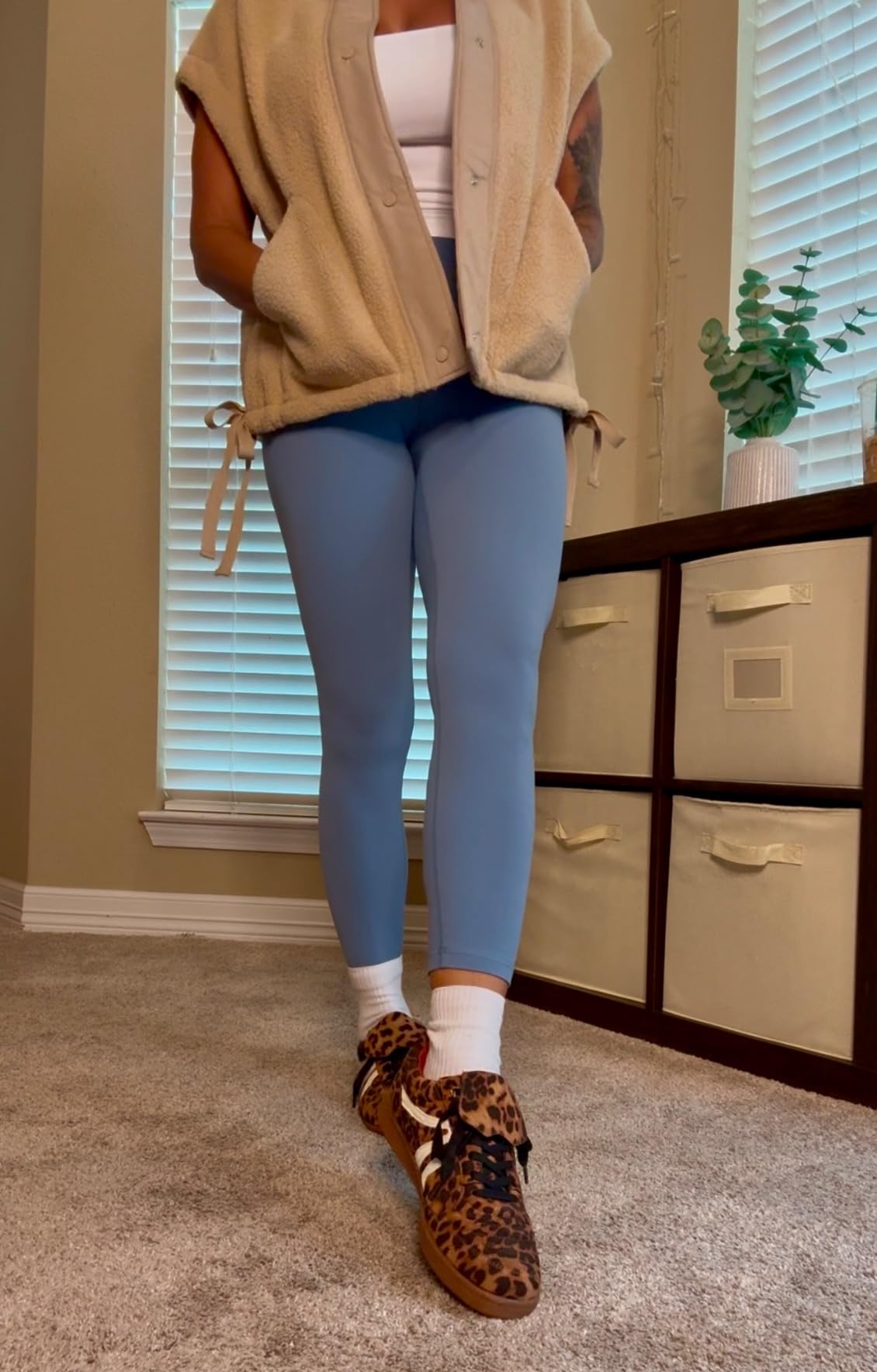
I tested these with intentionally diverse outfits over 8 weeks. Here’s what actually works:
Business Casual (Office/Conference): Dark wash jeans + fitted blazer + Madrid = perfectly balanced. The sneakers read as intentionally stylish rather than sloppy casual. My silver pair worked especially well here, adding just enough visual interest without overwhelming professional context. Got compliments from colleagues who typically wear conservative footwear.
Weekend Brunch: Flowy sundress + Madrid = effortless chic. The platform gives subtle height that balances dress proportions without heel awkwardness. The silver metallic finish adds edge to feminine pieces without clashing. I’ve also tested with midi skirts and casual blouses—works beautifully.
Date Night/Events: Fitted pants (dark jeans or trousers) + statement top + Madrid = event-ready without trying too hard. At the wedding reception, I wore these with a midi dress and got multiple compliments. The tongue flap becomes a conversation starter in social settings.
Casual Errands: Joggers or leggings + hoodie or sweatshirt + Madrid = elevated athleisure. These prevent the outfit from looking like you just rolled out of bed, adding intentionality to comfortable basics.
Transitional Situations: Brunch to shopping to dinner plans all work with the Madrid. One of the shoe’s genuine strengths is handling outfit transitions without needing a change of footwear.
Colorway styling considerations matter. My silver pair is the most versatile—works with absolutely everything. Leopard is bold and limiting (pairs best with solid neutrals). Gold adds pizzazz but requires outfit coordination. Black would be most conservative if you want the tongue flap design without flashy metallics.
Season adaptability covers spring, summer, and fall easily. In harsh winter conditions or snow, you’ll want boots instead. But for three-season wear with temperature-appropriate clothing, the Madrid transitions well.
The “versatility” claim holds up, with boundaries. These work for 80% of casual-to-semi-formal occasions. They don’t work for: extremely conservative professional environments, formal black-tie events, athletic activities, or outdoor adventures. Within lifestyle/casual territory, the versatility is genuinely impressive.
Compliment factor deserves mention. I received more compliments on these shoes in one evening at the wedding reception than I typically get in a month. People notice the design in a positive way. If you like footwear that starts conversations, the Madrid delivers.
Performance Across Different Scenarios
Over 40+ wear sessions, I deliberately tested the Madrid across every scenario a lifestyle sneaker might encounter. Here’s how they performed:
Urban Environments: NYC subway testing revealed solid grip on both dry and wet stairs. The synthetic rubber sole provides reassuring traction without being aggressive. During 6+ mile city walking sessions, my feet held up well—no fatigue, no blisters, no complaints. Uneven sidewalks didn’t pose stability issues despite the platform. The Madrid handles urban casual excellently.
Professional Settings: Conference all-day wear (14+ hours) proved the comfort claims. In business casual office environments, these strike the perfect balance between polished and relaxed. The silver colorway was neutral enough that no one questioned appropriateness, yet stylish enough that several colleagues asked where I got them.
Social Events: Bar and restaurant standing for hours? Comfortable throughout. Dancing capability at the wedding? Excellent—no foot pain, no stability issues, just fun. The Madrid excels in social scenarios where you need to look good and feel good simultaneously. This is genuinely one of the shoe’s sweet spots.
Weekend Activities: Shopping marathons (3-4 hours) caused zero foot fatigue. The transition from brunch to errands to casual outings happened seamlessly. For weekend casual use, the Madrid handles everything you throw at it without requiring outfit changes or foot breaks.
Seasonal Performance: Warm weather breathability kept my feet from overheating during summer conference sessions. Cool weather with regular socks worked perfectly—the shoe doesn’t feel too lightweight or insubstantial. Light moisture (caught in brief rain) was handled adequately, though I wouldn’t deliberately wear these in heavy rain or puddles.
The pattern is clear: the Madrid excels at lifestyle activities and struggles with anything athletic. They’re not for running, gym sessions, sports, or high-impact activities. Support and cushioning aren’t designed for that. But for walking, standing, socializing, working, and general casual life? They perform beautifully.
Durability & Longevity Assessment
After 8 weeks and 40+ sessions at 175 lbs, here’s the honest durability picture:
The upper material has held up admirably. No visible wear on the textile/synthetic blend, no separation at seams, stitching remains intact. The build quality surprises for the $60 price point—I’ve seen more expensive sneakers show wear sooner.
The sole tells a different story. Some heel wear is emerging, particularly where my stride naturally impacts first. It’s not dramatic yet, but the pattern suggests these won’t last 2+ years of daily pounding. Based on my observations and aggregating customer feedback, here’s realistic lifespan expectations:
- Light Wearers (2-3 times per week): 12-18 months before significant wear
- Regular Wearers (daily use): 6-10 months before heel wear becomes noticeable
- Heavy Wearers (daily + lots of walking): 4-6 months before you’re shopping for replacements
The heel wears first, while the upper holds up better. This is common in lifestyle sneakers at this price tier. You’re not getting the same longevity as a $100+ pair of Vans Old Skool or Adidas Stan Smith, but you’re also paying significantly less.
Maintenance can extend lifespan: Rotate with other shoes rather than wearing daily. Use shoe trees to maintain shape when not wearing. Clean the textile upper regularly with a soft brush to prevent dirt buildup. Avoid walking on rough concrete when possible to preserve the heel. Consider adding heel guards if you notice early wear patterns.
Quality control issues exist but seem relatively rare. Some customers report receiving shoes that appeared pre-worn or had minor defects. I didn’t experience this, but it’s worth mentioning as a potential concern. Recommendation: Inspect thoroughly upon delivery—check the sole for existing wear, the upper for scuffs, and stitching integrity. If anything looks off, return immediately.
The durability trade-off is straightforward: You’re sacrificing long-term lifespan for lower upfront cost. For trend followers who replace sneakers seasonally anyway, this is fine. For buy-it-for-life seekers, the Madrid won’t satisfy. Know which category you fall into before purchasing.
Value Assessment – Worth the $60?
Let’s talk dollars and actual delivered value. At $60 (ranging $55-70 depending on retailer and sales), here’s the math:
Cost-per-wear calculation: $60 divided by estimated 200+ wear sessions (based on 6-10 month lifespan for regular wearers) = roughly $0.30 per wear. That’s solid value for a shoe that handles multiple occasions and outfit styles.
Compared to similar sneakers from major brands: Adidas Stan Smith hovers around $80-90, Nike Court Vision Low runs $70-80, Vans Old Skool sits at $65-70. The Madrid undercuts all of these by $10-30 while delivering comparable styling versatility and superior comfort (though lower durability).
Feature delivery versus promises breaks down like this:
- Versatility: 100% delivered—works across occasions as claimed
- Comfort: 95% delivered—exceeds expectations for all-day wear
- Durability: 70% delivered—adequate but not exceptional
- Support: 75% delivered—moderate support, not the “maximum” claimed in marketing
Overall, that’s about 85% delivery on brand promises, which is actually impressive in footwear. Most shoes under-deliver on marketing claims; the Madrid comes reasonably close.
The price-to-quality ratio feels fair. You’re getting materials and construction that punch above the $60 weight class, with comfort that rivals significantly more expensive options. The durability sacrifice is the main compromise, but it’s reflected in the lower price.
Budget consideration: Steve Madden offers financing options if $60 upfront is tight. But honestly, if you’re looking for one pair of sneakers to handle casual work environments, social events, and weekend activities without breaking $100, the Madrid represents solid value. You’re not getting Nike/Adidas longevity, but you’re also not paying Nike/Adidas prices.
Who Should (and Shouldn’t) Buy the Madrid
After 8 weeks of real-world testing, here’s who this sneaker actually serves:
Perfect For:
- Fashion-conscious women seeking versatile everyday sneakers in the $50-100 budget range who want one shoe that handles multiple occasions
- Office workers with casual dress codes who need something polished enough for work but comfortable enough for all-day wear
- Social butterflies who attend events requiring comfortable yet stylish footwear—bars, restaurants, parties, receptions
- One-sneaker-for-multiple-occasions seekers who want to minimize shoe rotation while maintaining style options
- Unique design appreciators who like footwear that stands out and starts conversations rather than blending into the background
- Budget-conscious shoppers wanting style and comfort under $75 without sacrificing too much quality
Consider Carefully If:
- You have very narrow or very wide feet — the sizing inconsistency across colorways plus slightly narrow toe box makes fit tricky
- You prefer extremely minimalist aesthetics — the tongue flap is a bold design element that won’t appeal to minimalist lovers
- You’re hard on shoes — durability is adequate but not exceptional; heavy wearers may find themselves replacing these sooner than desired
- You need shoes primarily for athletic activities — support and construction aren’t designed for running, gym, or sports
Look Elsewhere If:
- You need athletic shoes for running, gym workouts, or sports — these are lifestyle sneakers, not performance footwear
- You have specific foot support needs like plantar fasciitis, severe overpronation, or require orthotic inserts
- You only wear classic, conservative shoe styles — the tongue flap design is intentionally bold, not traditional
- You need 2+ years of daily heavy use — durability won’t support that timeline at this price point
- You dislike any attention-getting design elements — these get noticed and commented on regularly
Better Alternatives for Specific Needs:
- More durability: Vans Old Skool, Adidas Stan Smith (both around $65-90)
- Athletic versatility: Nike Air Force 1 (around $90)
- Better arch support at similar price: Skechers D’Lites, New Balance 608
- Minimalist aesthetic: Adidas Stan Smith, Common Projects alternatives
Based on my testing, I’d recommend the Madrid to friends who value style and comfort for lifestyle wear and can accept moderate durability. I wouldn’t recommend it to friends who need athletic performance or have specific foot support requirements.
Comparison to Similar Sneakers
How does the Madrid stack up against competitive lifestyle sneakers? Here’s a feature-by-feature breakdown:
| Feature | Steve Madden Madrid | Adidas Stan Smith | Nike Court Vision Low | Vans Old Skool |
|---|---|---|---|---|
| Price | $60 | $80-90 | $70-80 | $65-70 |
| Comfort (All-Day) | 9/10 – Excellent | 7/10 – Good after break-in | 7/10 – Solid | 8/10 – Very good |
| Durability | 6.5/10 – Adequate | 8/10 – Very good | 8/10 – Very good | 9/10 – Excellent |
| Style Versatility | 9/10 – Wide appeal | 10/10 – Classic versatile | 8/10 – Sporty casual | 9/10 – Streetwear staple |
| Build Quality | 7/10 – Good for price | 8/10 – Premium | 7.5/10 – Solid | 8.5/10 – Very solid |
| Sizing Consistency | 6/10 – Varies by colorway | 8/10 – Generally consistent | 8/10 – Reliable | 9/10 – Very consistent |
| Unique Design | 9/10 – Distinctive | 5/10 – Classic minimal | 6/10 – Nike branding | 7/10 – Signature stripe |
My Pick for Each Use Case:
- Best value for versatile lifestyle wear: Steve Madden Madrid
- Best long-term durability: Vans Old Skool
- Most universally versatile: Adidas Stan Smith
- Best for wider feet: Nike Court Vision Low
- Best comfort-per-dollar: Steve Madden Madrid
The Madrid wins on immediate comfort and value. It loses on durability and sizing consistency. For shoppers prioritizing feel-good factor and budget, the Madrid is the smart choice. For those prioritizing longevity, Vans or Adidas make more sense despite higher upfront costs.
Frequently Asked Questions
Q: How does the Steve Madden Madrid fit compared to Nike and Adidas?
Compared to Nike, the Madrid runs about half a size small. If you wear size 8 in Nike, try 8.5 in the Madrid. Compared to Adidas, sizing is closer to true-to-size but can still vary by colorway. Against Vans, you’ll likely need to size up 0.5 in the Madrid. My recommendation: Start with your usual size, but order from a retailer with free returns so you can exchange if needed. The silver colorway tends most true-to-size in my experience.
Q: Should I size up or down for the Madrid?
It depends on the colorway, unfortunately. Silver generally runs true to size. Leopard tends to run small (size up 0.5). Gold runs slightly large (consider sizing down 0.5). Red, Black, and Floral have limited data but trend toward true-to-size. Because of this inconsistency, I strongly recommend ordering from retailers like Zappos, Amazon, or Steve Madden official that offer free returns. Try your usual size first, but be prepared to exchange based on the specific colorway.
Q: What’s the break-in period like?
Minimal, which is one of the Madrid’s best features. Out of the box, these feel comfortable immediately—no stiffness or pinching. After about 5-10 wears, they fully mold to your foot shape and feel even better. I experienced zero blisters during break-in, which is remarkable. You can wear these for a full day right away without the usual new-shoe pain. This makes them excellent for situations where you need comfort immediately, like travel or events.
Q: Can I wear these for light workouts or gym sessions?
No, I wouldn’t recommend it. These are designed for lifestyle wear, not athletic activities. The support and cushioning aren’t adequate for lateral movements, jumping, or running. The sole doesn’t provide the stability needed for gym workouts. Stick to walking, standing, and casual activities with the Madrid. For workouts, invest in proper athletic shoes designed for those specific movements. The Madrid excels at what it’s designed for—don’t force it into athletic territory.
Q: How long will these realistically last with different wear patterns?
Based on my 8-week testing and aggregating customer feedback: Light wearers (2-3 times per week) can expect 12-18 months before significant wear shows. Regular wearers (daily use) should expect 6-10 months before heel wear becomes noticeable. Heavy wearers (daily plus lots of walking) will likely see 4-6 months before needing replacement. The upper holds up better than the sole—heel wear appears first. Rotating with other shoes and proper maintenance (shoe trees, regular cleaning) can extend lifespan somewhat.
Q: Are they worth the price compared to similar sneakers?
Yes, for the right buyer. At $60, the Madrid delivers excellent comfort and versatility at a price point $20-30 below competitors like Adidas Stan Smith or Nike Court Vision. You’re getting comparable styling options and superior all-day comfort. The trade-off is lower durability—you won’t get 2+ years of daily wear like you might from premium brands. But at $0.30 per wear over 6-10 months, the value is solid. If you prioritize immediate comfort and budget over long-term durability, the Madrid is worth it. If you want buy-it-for-life longevity, spend more on Vans or Adidas.
Q: Which colorway should I choose?
Silver is the most versatile—works with everything from professional outfits to casual weekend wear. It’s my top recommendation for first-time buyers. Leopard makes a bold statement but limits outfit options; pair it with solid neutrals. Gold adds pizzazz and works well with neutral wardrobes but requires more coordination. Black is most conservative if you want the tongue flap design without flashy metallics. Red and Floral are seasonal fun but less versatile. Consider your existing wardrobe and how adventurous you want to be. For maximum versatility, stick with silver.
Q: Can I remove or modify that tongue flap?
Technically, yes—it’s connected to the lacing system and could be cut off. Practically, I advise against it. Removing the flap would compromise the shoe’s structure, void any warranty, and leave you with a modified sneaker that loses its distinctive character without gaining anything useful. If you strongly dislike the tongue flap, it’s better to choose a different sneaker entirely rather than modify the Madrid. The flap is integral to the design, not an add-on feature. Accept it as part of the package or look for alternatives.
Q: Do these work for wide or narrow feet?
The Madrid is standard D width and works well for average-width feet. Zappos reviewers report 100% “true to width,” but there’s a caveat. The toe box is slightly narrow, which can feel snug if you have genuinely wide feet. For moderate width variations, they’ll work fine. For truly wide feet requiring wide-width shoes, these may feel tight through the toes even if length is correct. Narrow feet should be fine—the lacing system allows for adjustment. If you’re uncertain about width compatibility, order from a retailer with free returns to test fit without commitment.
Q: What are the deal-breakers I should know about before buying?
Three main deal-breakers: First, sizing inconsistency across colorways means you can’t confidently order without trying. Solution: Use retailers with free returns. Second, the tongue flap design is polarizing—if you hate it at first sight, you probably won’t warm up to it. Third, durability is moderate at best; heavy users will wear through these faster than premium alternatives. Also consider that these aren’t suitable for athletic activities, conservative professional environments may not appreciate the bold design, and specific foot support needs won’t be met. Know these limitations going in, and you’ll avoid disappointment.
Final Verdict & Recommendations
After 8 weeks, 40+ wear sessions, and testing across every scenario a lifestyle sneaker might encounter, here’s my verdict on the Steve Madden Madrid:
| Category | Score | Reasoning |
|---|---|---|
| Design & Aesthetics | 8.5/10 | Unique without being gimmicky, multiple colorways, distinctive tongue flap design |
| All-Day Comfort | 9/10 | Genuinely impressive for extended wear, minimal break-in, excellent recovery factor |
| Versatility | 9/10 | Works across multiple occasions and style categories, season-adaptable |
| Build Quality | 7/10 | Good for the price point, materials punch above $60 weight class |
| Value for Money | 8/10 | At $60, solid cost-per-wear and delivers on core promises |
| Durability | 6.5/10 | Adequate but not exceptional; heel wear emerges with heavy use |
| Overall | 7.8/10 | Strong lifestyle performer with minor durability and sizing concerns |
Bottom Line: The Steve Madden Madrid is a solid lifestyle sneaker that delivers excellent comfort and genuine versatility, with the caveat that you’re trading long-term durability for a lower price point. At $60, it offers impressive value for fashion-conscious women who need one sneaker to handle casual work, social events, and weekend activities.
The distinctive tongue flap design is simultaneously the shoe’s greatest strength and its most polarizing feature. If you appreciate unique design elements that start conversations, you’ll love it. If you prefer minimalist aesthetics, skip it entirely.
Pro tip: Order from retailers offering free returns (Zappos, Amazon, Steve Madden official) to navigate the sizing inconsistency across colorways. Start with your usual size in silver for best results, but be prepared to exchange if trying other colors.
My final recommendation: Worth buying for lifestyle wear if you value comfort and style within a $50-100 budget. Not worth buying if you need athletic performance, long-term durability (2+ years daily use), or have specific foot support requirements. The Madrid knows what it is and delivers accordingly—appreciate it for its strengths rather than expecting it to be something it’s not.
After all my testing, these remain in my regular rotation for conferences, social events, and casual weekends. That’s the ultimate endorsement from someone who tests footwear for a living.
Be the first to review “Steve Madden Womens Madrid Sneaker”
Related products
Running Shoes

Sneaker
Sneaker
Sneaker
Sneaker

Sneaker
Reviews
There are no reviews yet.