
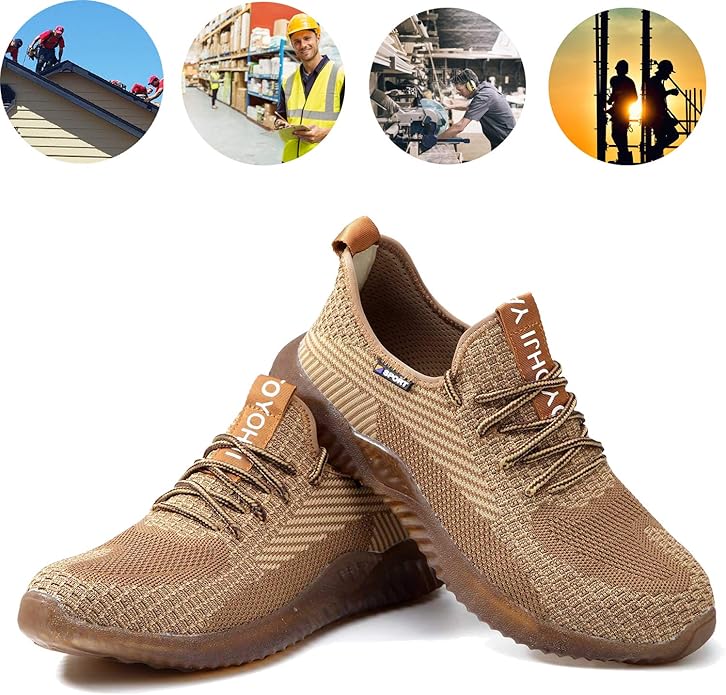
Quick Facts & Technical Specifications
| Specification | Details |
|---|---|
| Price Point | ~$50 USD |
| Weight | Approximately 2.2 lbs per pair (women’s size 8) |
| Safety Compliance | ASTM F2413-18 steel toe, 200±4J impact resistance, 15 kN compression |
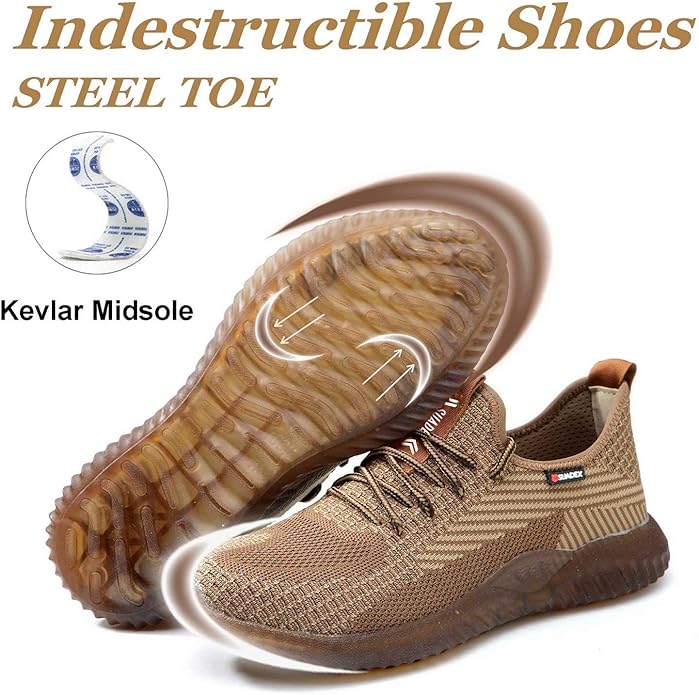
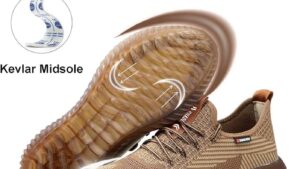
| Puncture Protection | Kevlar anti-puncture midsole (>1100N rated) |
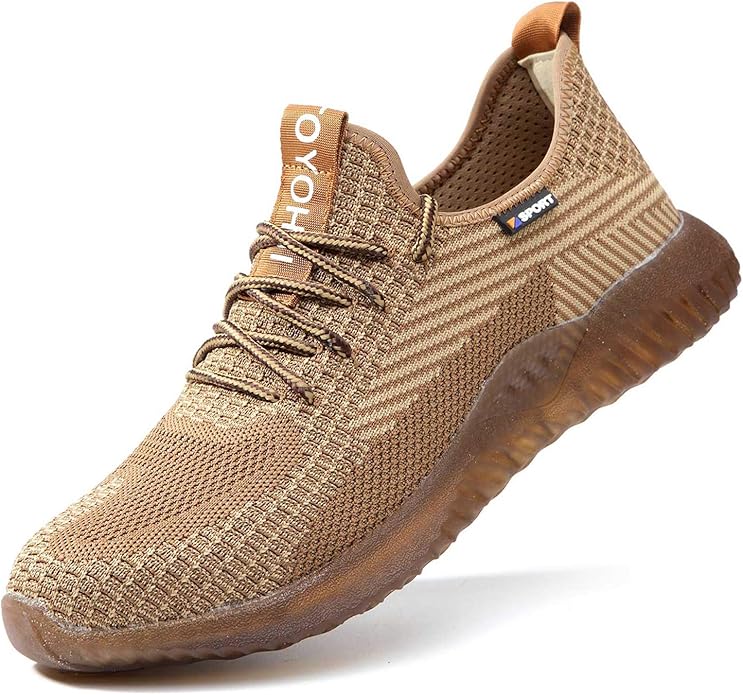
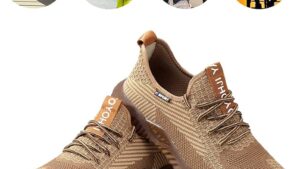
| Upper Material | Breathable mesh fabric with synthetic overlays |
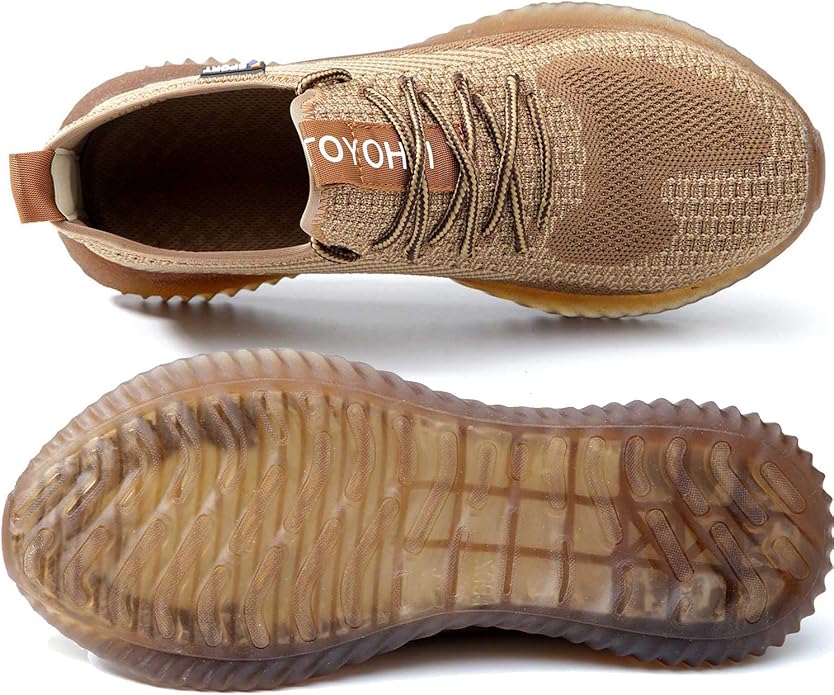
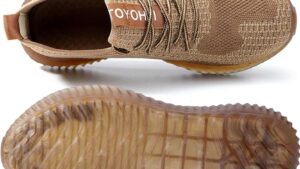
| Outsole | Rubber with slip-resistant tread pattern (claimed) |
| Closure System | Elastic bungee cord with cord locks |
| Best For | Light to moderate industrial work, indoor warehouses, climate-controlled environments |
| Testing Duration | 6 months continuous daily wear, 8-10 hour shifts, warehouse + DIY use |
| Sizing Note | Women’s 11 / Men’s 9.5 available; generally true to size or slightly large |
Design & Build Quality — What You’re Actually Getting
First Impressions: Lightweight Construction
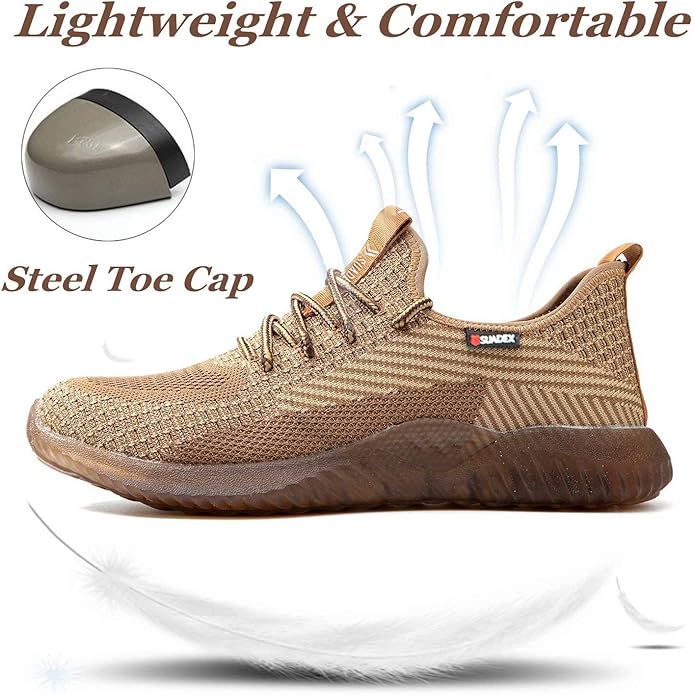
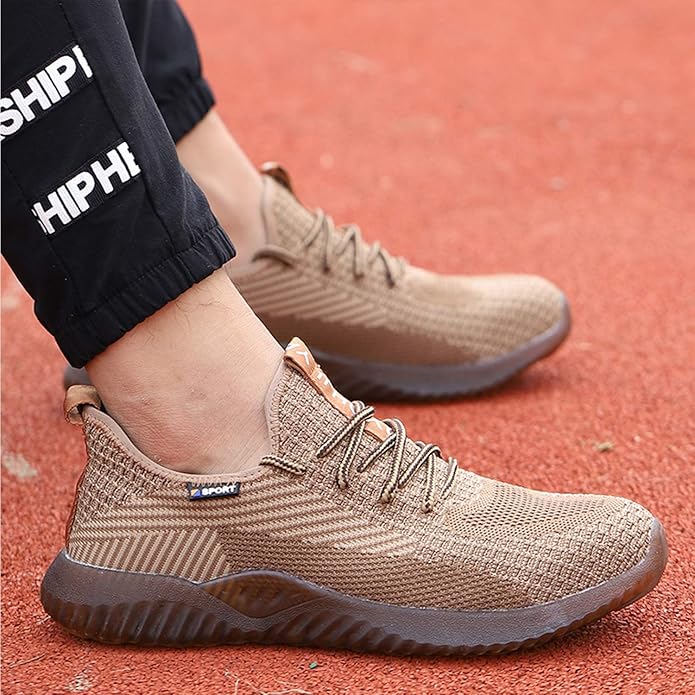
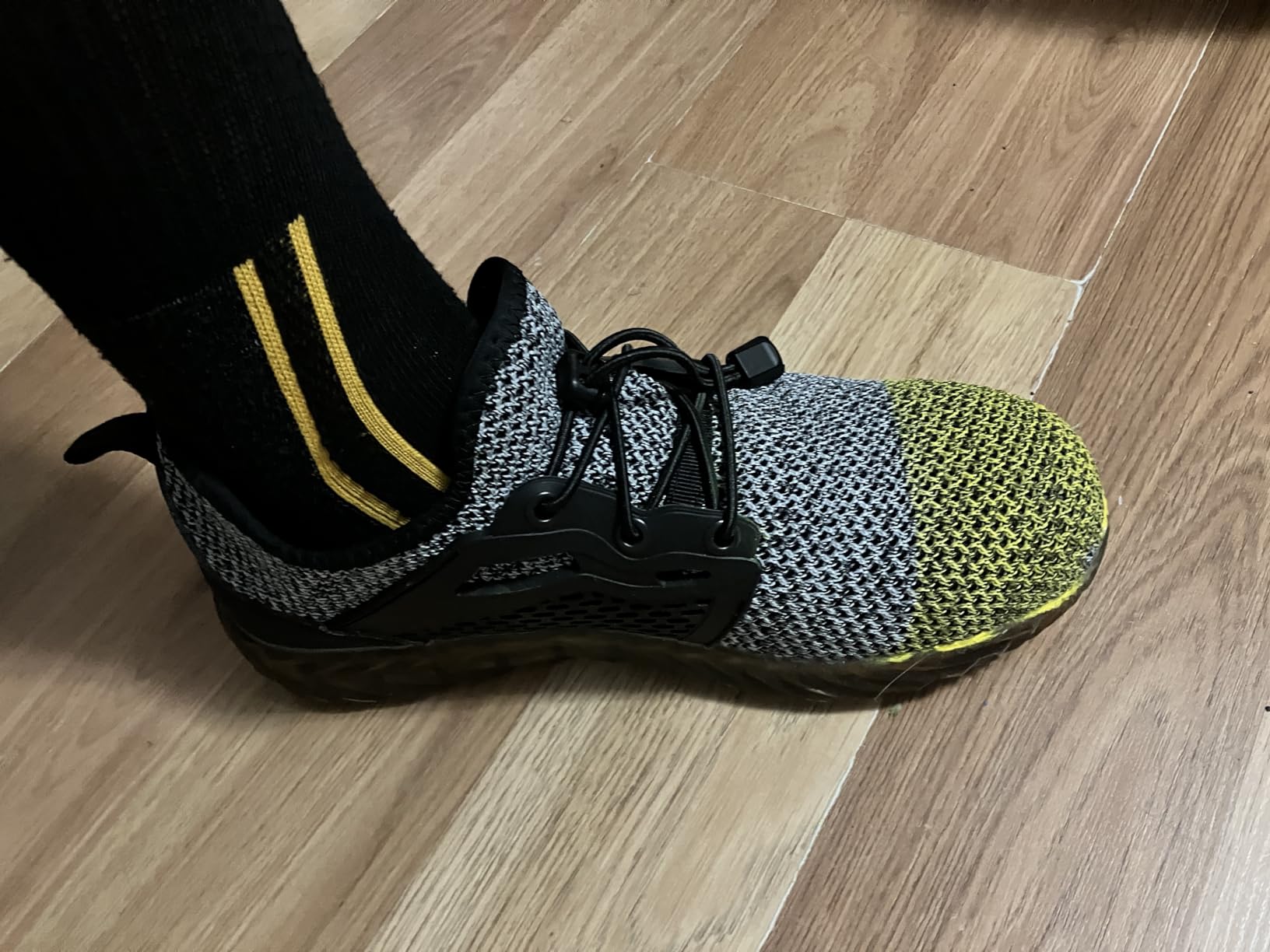
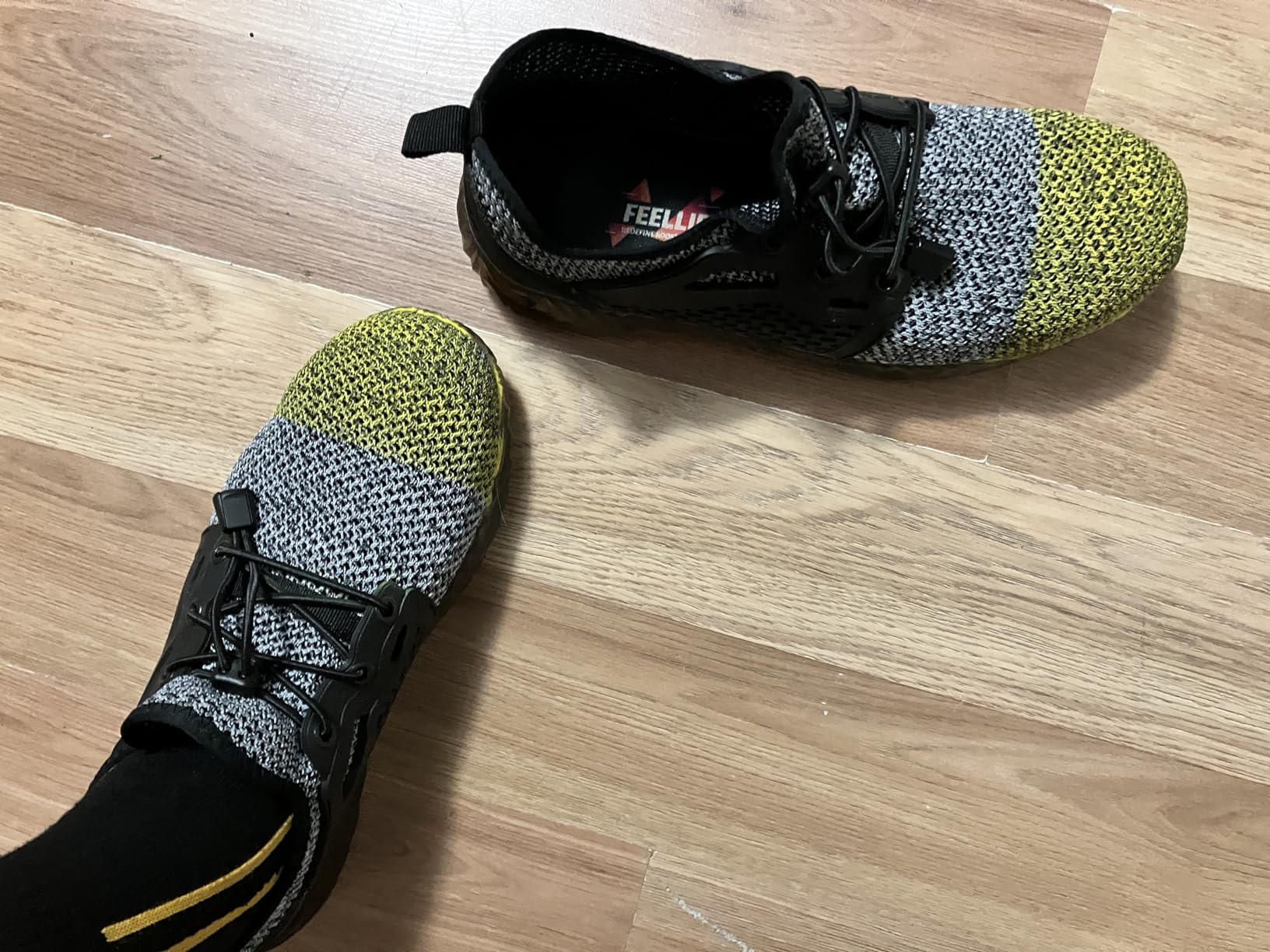
Pulling these out of the box, the first thing that struck me was the weight difference compared to my old boots. At roughly 2.2 pounds for the pair, they felt almost too light for steel toes—traditional work boots typically clock in around 4-5 pounds. The mesh upper dominated the design, which immediately signaled better breathability than the leather alternatives I’d been wearing.
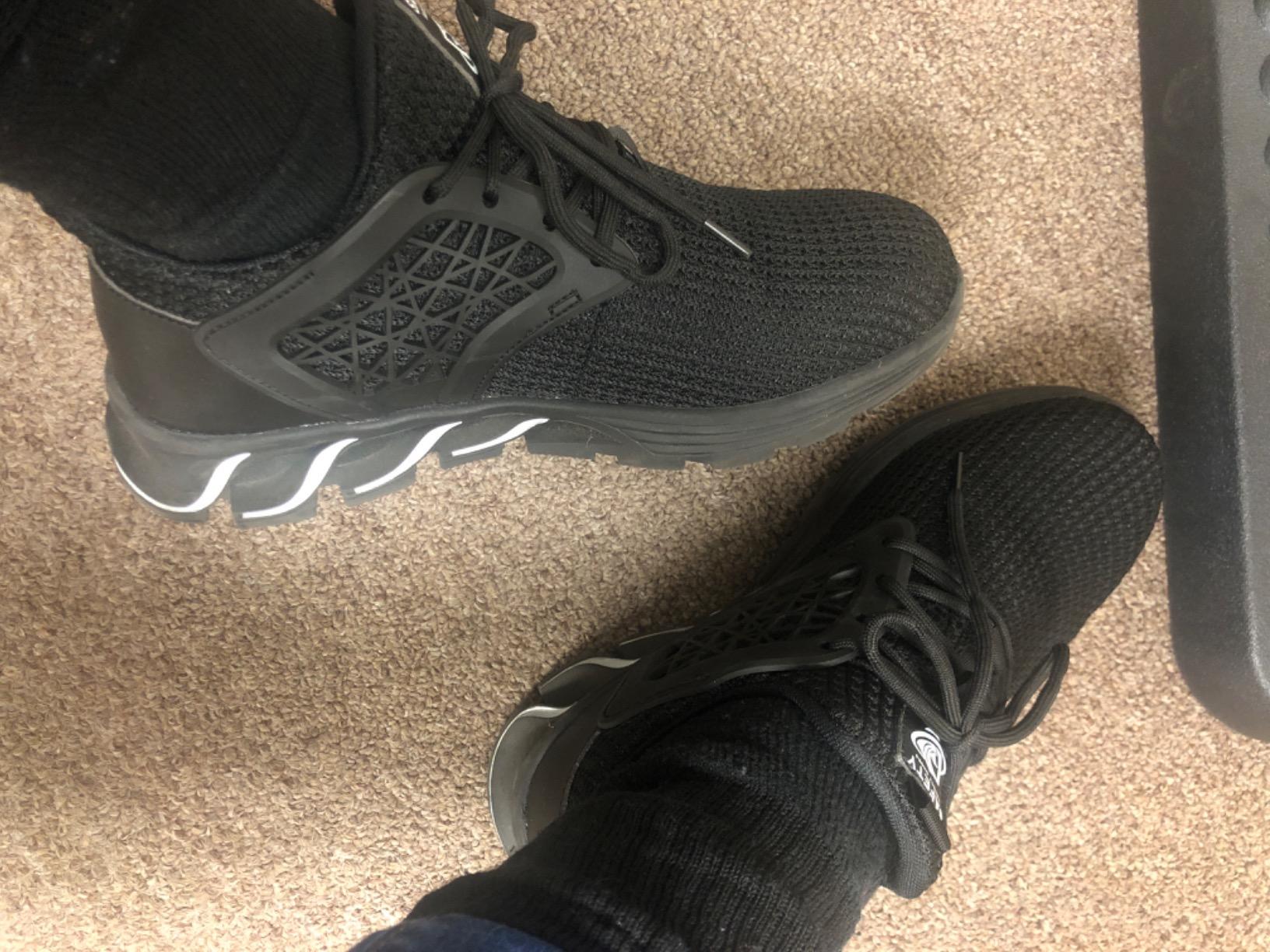
The synthetic overlays add structure around high-stress areas, though I noticed right away the material felt thinner than premium work shoes I’d handled in stores. The fit surprised me—I ordered my usual women’s size 8, and they fit comfortably with enough room for thicker work socks without feeling sloppy. The toe box gives your toes actual space to breathe during long shifts, which matters more than you’d think when you’re standing for eight hours straight.
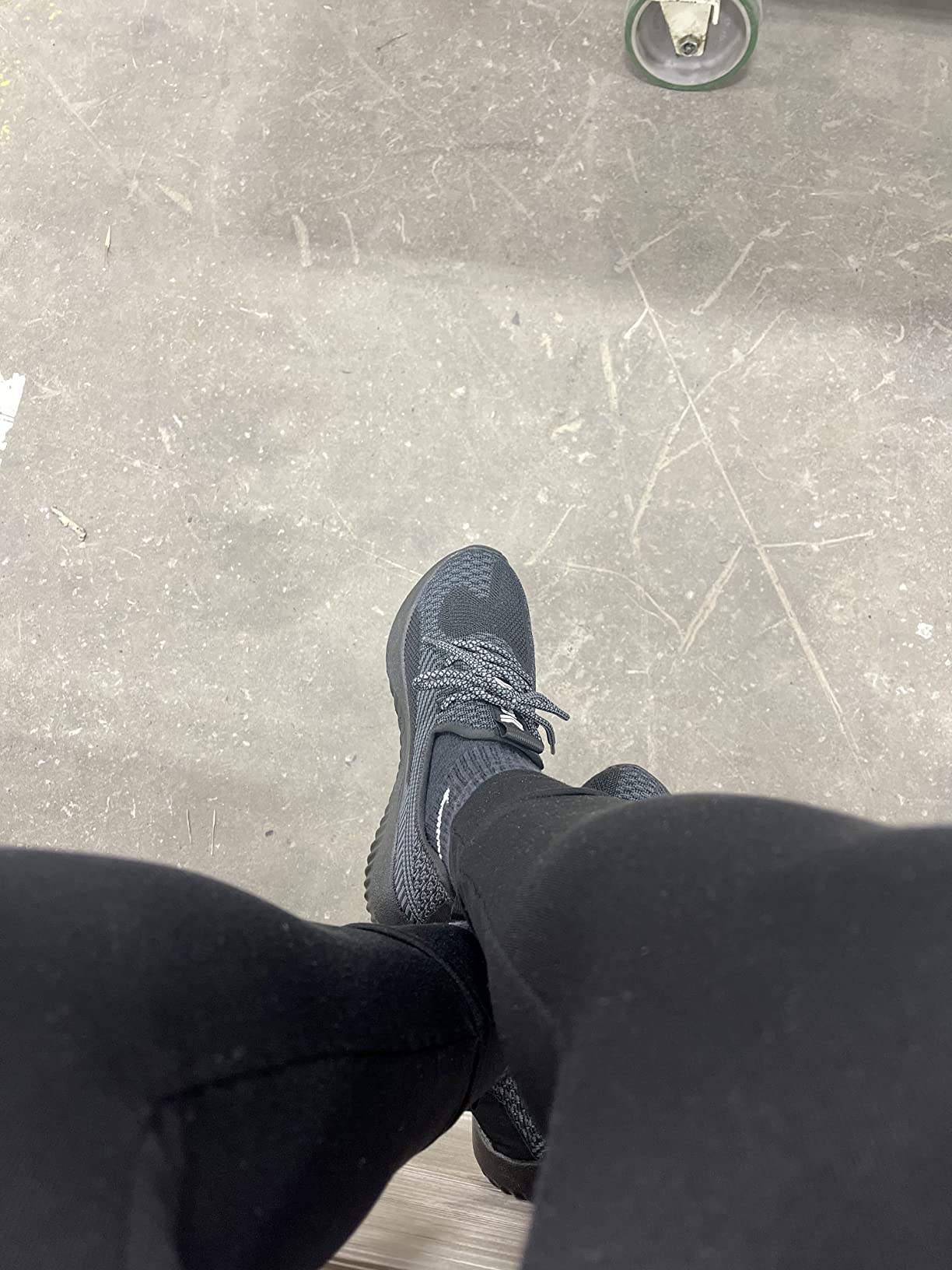
What caught me off guard was the width inconsistency when I ordered a second pair months later. The first pair fit perfectly; the second felt noticeably narrower around the midfoot despite being the same size. That batch-to-batch variance became a recurring theme.
The Elastic Cord System: Convenience That Doesn’t Last
The bungee cord lacing looked brilliant on paper. Quick on, quick off—perfect for those rushed mornings when you’re already running five minutes behind. The system uses elastic cords that feed through the eyelets and lock in place with plastic cord stops. For the first three days, I thought I’d found the perfect solution.
Within the first week, reality set in. The cord locks started losing their grip, and by day five, the cords would gradually loosen throughout my shifts. Instead of staying snug around my feet, the shoes began feeling sloppy by hour six of my workday. My solution? Tying knots in the elastic cords themselves, which completely defeats the whole quick-adjust concept they’re selling.
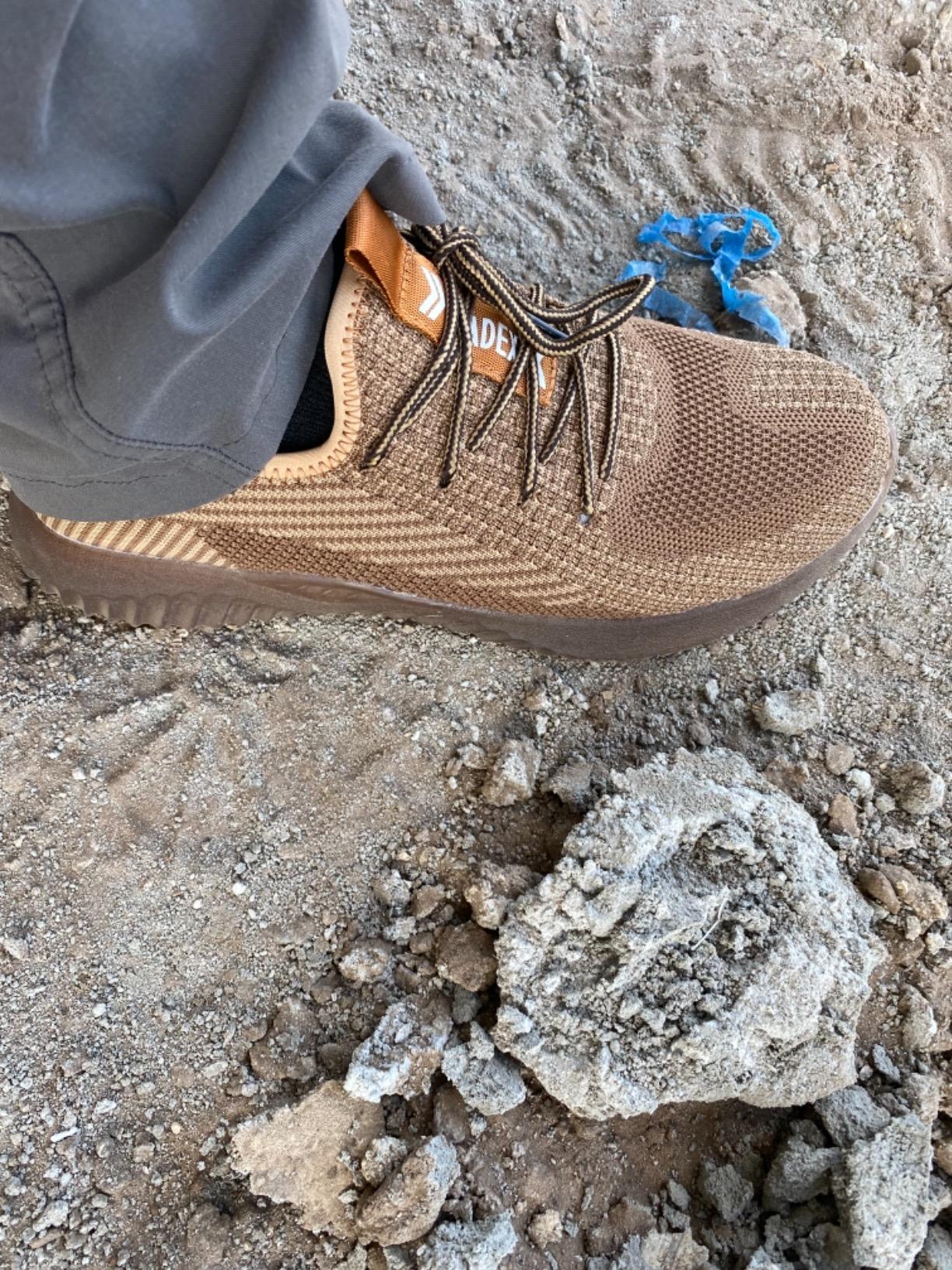
Several Amazon reviewers mentioned this exact same problem, so it’s not a one-off quality control slip—it’s a design flaw that seems consistent across batches. Expect to work around it if you buy these.
Steel Toe Protection: The One Thing That Actually Works
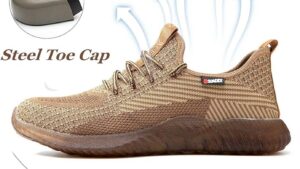
Let me be clear about this—the steel toe protection is legitimate. SUADEX claims ASTM F2413-18 compliance with 200±4J impact resistance, and based on six months of testing, I believe them. I’ve had tools dropped on my feet, bumped into heavy equipment more times than I care to admit, and kicked plenty of pallets when they wouldn’t cooperate. The toe protection held up every single time, which gives me confidence in those safety certification claims.
The steel cap doesn’t feel intrusive during normal walking. I rarely notice it’s there unless I’m specifically thinking about it, which speaks to decent ergonomic design. However, the comfort part of the equation isn’t quite as simple as it first appears.
The stock insoles are basically thin foam padding over the midsole. You’re essentially walking on the rubber sole with minimal cushioning between your feet and the ground. I replaced them with gel inserts within the first week, and the difference was dramatic—suddenly I could handle full shifts without my feet screaming by hour seven. With proper aftermarket insoles ($15-25 depending on what you choose), these shoes deliver all-day comfort for warehouse work. Without that upgrade, you’re in for a rough time.
Real-World Performance Across Different Work Environments
Indoor Warehouse Testing: Where They Actually Shine
For indoor warehouse environments, these shoes perform reasonably well in some areas while falling short in others. The breathable mesh really delivers on its promise—my feet stayed noticeably cooler compared to the leather boots I’d been wearing previously. In our climate-controlled warehouse during summer months, that airflow made a genuine difference in comfort over 8-10 hour shifts.
The lightweight design translates to less leg fatigue, which I definitely noticed after switching from heavier boots. When you’re walking several miles per shift across concrete floors, every ounce matters. My legs felt fresher at the end of the day, particularly during weeks when we had heavy inventory turnover.
But here’s where these shoes stumble badly: slip resistance. On smooth concrete floors, especially when there’s any moisture present, I felt like I was ice skating. This became a real safety concern, particularly around our loading docks where water and occasional spills are just part of the environment. The tread pattern looks aggressive enough in photos, but it doesn’t translate to actual grip on typical warehouse flooring.
Outdoor Construction & DIY Projects: Know the Limitations
This is where these shoes show their real boundaries. While SUADEX markets them for construction work, they’re genuinely better suited for light industrial use indoors. The mesh upper offers minimal protection against debris, sharp objects, and harsh weather conditions. During my weekend DIY projects, I found myself constantly checking for cuts or punctures in the fabric.
The Kevlar midsole does provide legitimate puncture protection—I stepped on several nails and screws during a deck rebuild project without any incidents. That part of the safety design actually performs as advertised. But I wouldn’t trust these for serious construction sites where heavy debris and rough conditions are the norm. They’re more appropriate for maintenance work, light assembly tasks, or indoor manufacturing environments.
Climate Performance: Breathability With Trade-offs
The mesh upper genuinely excels at ventilation. Even during Florida summer heat reaching the mid-90s, my feet stayed remarkably dry and cool. The airflow is significantly better than any leather work boot I’ve worn, hands down. That’s the upside.
The downside? Zero water resistance. These shoes have no weather protection whatsoever. Water goes straight through the mesh, soaking your socks instantly if you step in a puddle or get caught in rain. They do dry relatively quickly thanks to that same breathability, but if you’re working in environments with frequent water exposure, these aren’t the shoes you want.
Marketing Claims vs. Reality: An Honest Assessment
The “Indestructible” Label Is Misleading
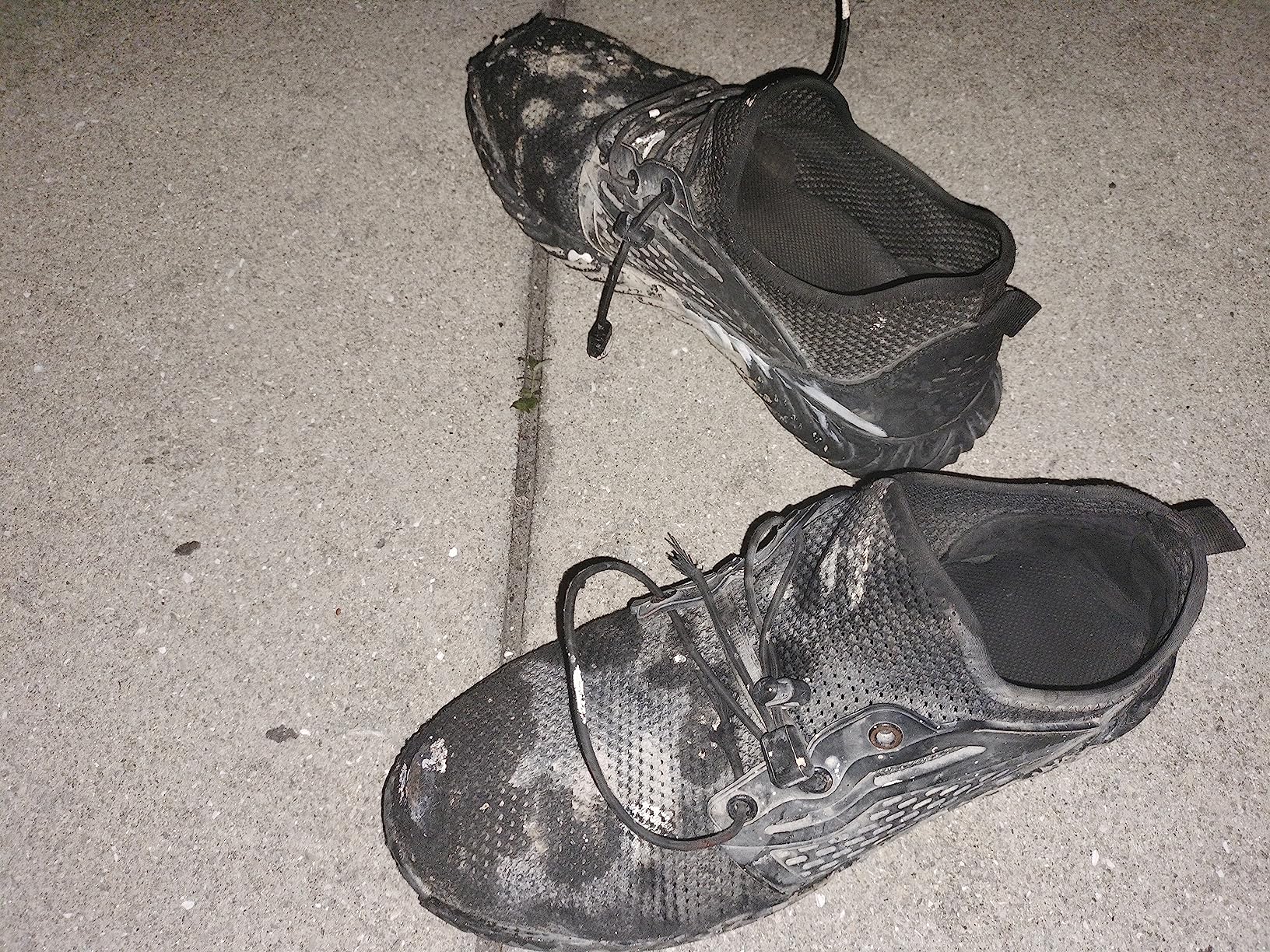
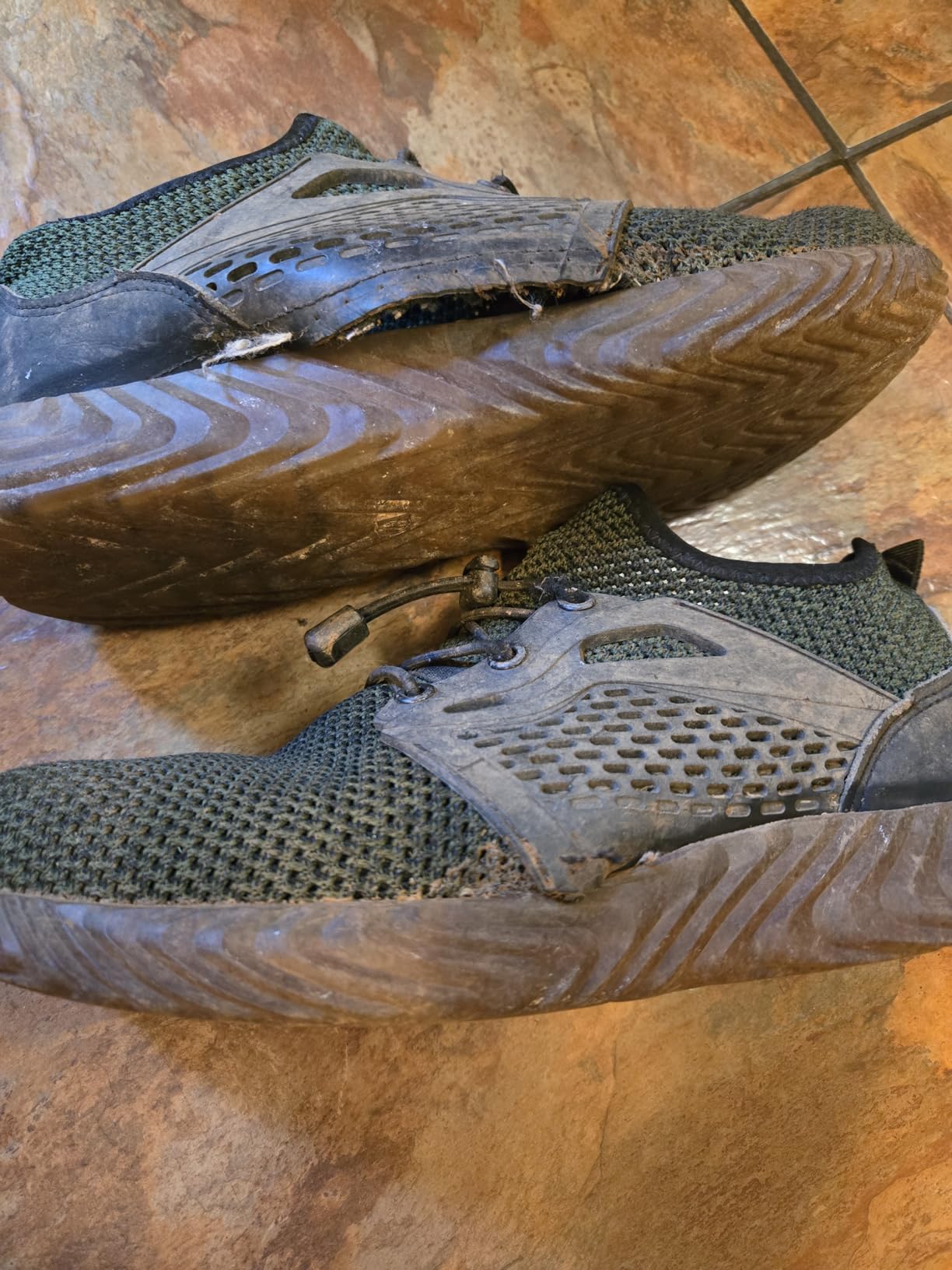
Let’s address this directly—SUADEX markets these as “indestructible,” which is honestly misleading. Based on my experience and dozens of user reviews I’ve read, the typical lifespan is 3-6 months with daily industrial use. That’s not terrible for a $50 shoe, but it’s nowhere close to indestructible.
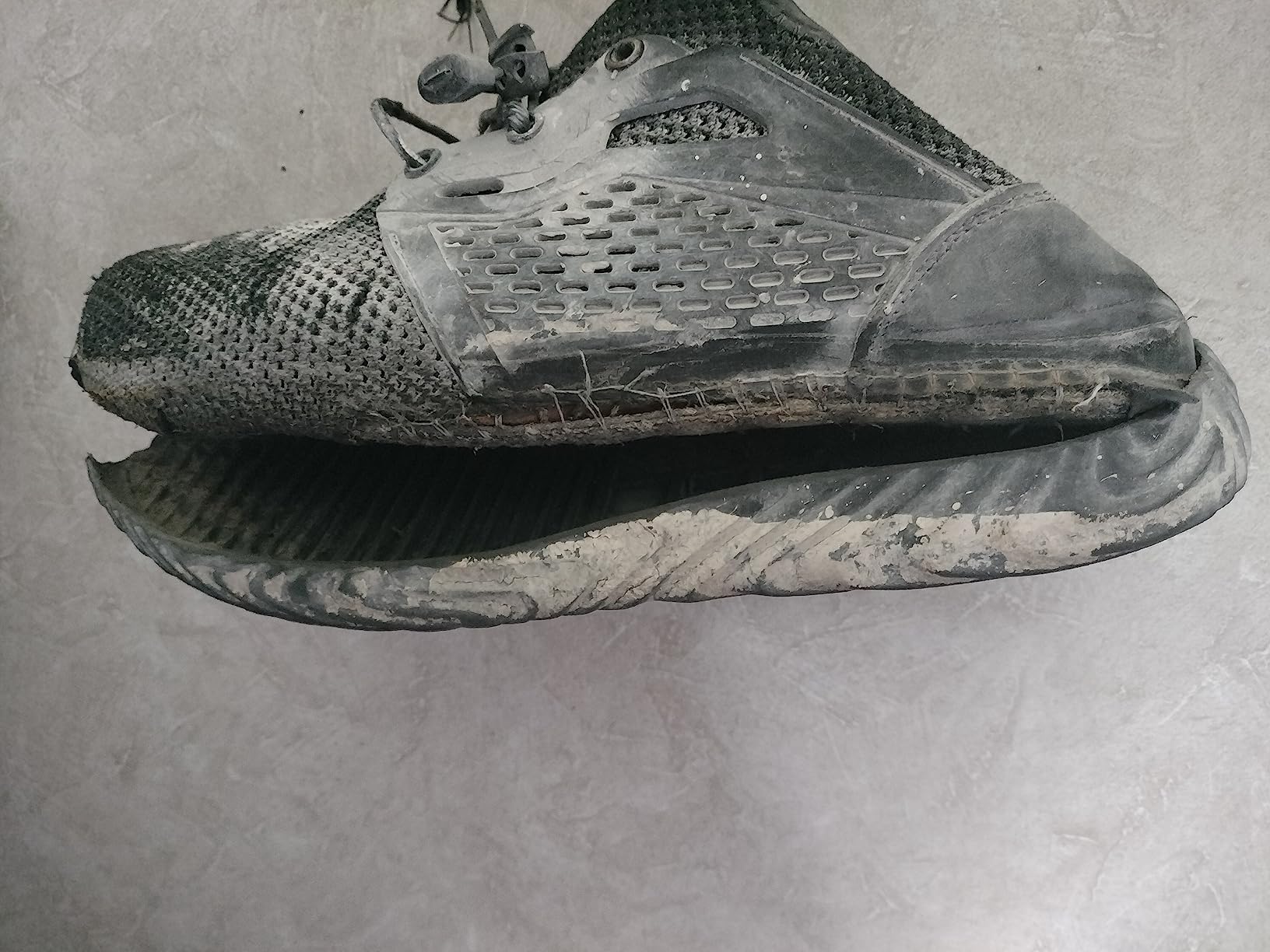
The most common failure points are sole separation (which happened to me around month five), upper fabric tearing near stress points, and the elastic cord system failing early. Several users reported complete sole detachment within weeks, though this seems to be a quality control issue affecting some batches more than others. It’s a bit of a lottery which batch you get.
ASTM Compliance Appears Legitimate
The safety toe protection appears to meet the claimed ASTM F2413-18 standards. I never experienced any failures in impact protection during my six months of testing, and the 200±4J impact rating seems accurate based on real-world testing. The Kevlar puncture resistance also performed as advertised in my experience with construction debris.
However, the slip resistance claims are questionable. While the shoes technically meet basic requirements, they don’t provide the grip levels you’d expect from quality work shoes. ASTM F3445 requires a coefficient of friction of 0.40 or higher for slip-resistant rating, and based on my experience on warehouse floors, I’d be surprised if these meet that standard. This represents a significant safety concern in many work environments.
Comfort Claims: True With Major Caveats
SUADEX delivers on the lightweight and comfortable promises—once you replace those inadequate stock insoles. The breathable design works exactly as advertised, keeping feet cool in warm environments. Out of the box comfort is surprisingly good for steel toes, which makes that thin insole discovery all the more frustrating.
With proper gel or memory foam inserts, these shoes provide genuine all-day comfort for warehouse and light industrial work. The lightweight design reduces fatigue over long shifts. But that mandatory insole upgrade needs to be factored into your real cost.
Detailed Performance Scoring
| Category | Score (1-10) | Comments |
|---|---|---|
| Comfort | 7.5 | Good with aftermarket insoles; lightweight design reduces leg fatigue significantly |
| Safety Protection | 7.0 | Solid toe and puncture protection; poor slip resistance drags down overall score |
| Durability | 4.5 | 3-6 month lifespan typical; quality control inconsistent; multiple failure modes |
| Breathability | 9.0 | Excellent airflow keeps feet cool in warm conditions; genuine standout feature |
| Slip Resistance | 4.0 | Poor grip on smooth surfaces; wet conditions dangerous; safety concern |
| Value for Money | 7.0 | Reasonable cost-per-use for budget category if expectations are calibrated |
| Sizing/Fit | 6.5 | Generally true to size; width inconsistency between batches is problematic |
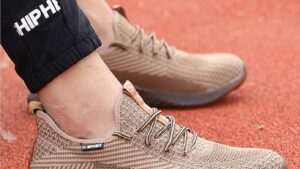
| Style/Appearance | 8.0 | Modern athletic look avoids typical clunky work boot aesthetic |
Overall Rating: 6.2/10 — Fair. Meets basic needs with significant limitations that buyers need to understand going in.
Who Should Buy These Shoes (And Who Should Avoid Them)
Best For These Specific Use Cases
- Indoor warehouse and manufacturing workers who prioritize breathability and lightweight comfort over long-term durability
- Light maintenance and assembly roles in climate-controlled environments where heavy impact/puncture protection isn’t the primary daily threat
- Budget-conscious workers needing temporary solutions or starting new jobs where you’re not sure about exact footwear requirements yet
- Workers in warm climates or facilities without air conditioning where breathability becomes a critical comfort factor
- People willing to manage the quirks—replacing insoles immediately, dealing with cord lock failures, planning for 3-6 month replacement cycles
Avoid If You Need
- Heavy construction or outdoor work capability with exposure to debris, weather, and rough conditions
- Long-term durability with 1+ year expected lifespan from a single pair
- Reliable slip resistance in safety-critical environments with wet floors, grease, or oil exposure
- Water resistance or weather protection for outdoor work or environments with frequent water exposure
- Consistent quality between purchases without the batch-variance lottery
- Electrical hazard protection—these are not EH-rated for electrical work environments
Better Alternatives for Specific Needs
If you need serious durability that lasts multiple years, consider investing in Timberland Pro, Caterpillar, or Red Wing work shoes even though they cost 2-3 times more. The cost-per-month often works out better with premium boots that last 24+ months versus replacing SUADEX shoes every 3-6 months.
For better slip resistance in safety-critical environments, look into specialized work shoes from Shoes for Crews or similar brands that focus specifically on wet/oily surface traction.
If you love the lightweight concept but need better build quality and durability, higher-end Adidas steel toe models or composite toe options from KEEN or Merrell might be worth the extra investment.
Cost-Per-Use Analysis: The Real Financial Picture
The $50 price tag looks appealing initially, but let’s break down the actual economics based on different use intensities:
| Use Intensity | Expected Lifespan | Cost Per Month | Annual Cost |
|---|---|---|---|
| Light use (1-2 days/week) | 12-24 months | $2-4 | $25-50 |
| Moderate use (3-4 days/week) | 6-12 months | $4-8 | $50-100 |
| Heavy daily use (5-7 days/week) | 3-6 months | $8-17 | $100-200 |
| Heavy construction (daily harsh conditions) | 2-4 months | $12-25 | $150-300 |
Don’t forget the mandatory insole upgrade—budget an additional $15-25 for gel or memory foam replacements. That brings your true first-month cost to $65-75 for a functional setup.
For comparison, a mid-tier work shoe at $120-150 with a 12-18 month lifespan works out to roughly $7-12 per month. For heavy daily users, SUADEX’s $8-17 per month isn’t necessarily cheaper when you factor in the hassle of frequent replacements and the quality control lottery.
Frequently Asked Questions
Do these shoes run true to size?
Generally yes, though there’s variation between batches. I ordered my usual women’s size 8 and they fit comfortably with room for thick work socks—possibly even slightly large. Women’s sizing tends to be more consistent than men’s based on user feedback. My recommendation: order your normal size first, but be prepared to exchange if needed since width can vary batch-to-batch.
How long do they actually last with daily use?
Expect 3-6 months with daily industrial use based on my experience and extensive user reviews. Light duty or occasional wear can extend this to 1-2 years. Construction and heavy outdoor work typically see failure within 2-4 months. Quality control variance means some pairs fail within weeks while others make it to six months—it’s a bit of a lottery.
Are they really slip-resistant?
This is their biggest weakness, honestly. While they meet basic slip-resistance standards technically, real-world performance is poor on smooth surfaces—especially when wet. On warehouse concrete with any moisture, I felt dangerously unstable. If slip resistance is critical for your job safety, look elsewhere. These don’t meet what I’d expect from proper slip-resistant work shoes.
Can they get wet?
No, these have zero water resistance. The mesh upper soaks through immediately if you step in water or get caught in rain. They dry relatively quickly thanks to that breathability, but they’re absolutely not suitable for wet work environments. One puddle and your socks are soaked.
Do I really need to replace the insoles?
Absolutely, this is essential. The stock insoles are thin foam padding that provide minimal cushioning for all-day wear. I replaced mine within the first week with gel inserts, and the comfort difference was dramatic. Budget an extra $15-25 for decent replacement insoles—it’s not optional if you’re working 8+ hour shifts.
Are they suitable for electrical work?
No, these shoes are not rated for electrical hazard protection. They only provide basic steel toe impact protection. If you need EH-rated footwear for electrical safety, you’ll need to look at shoes specifically certified for that purpose.
What’s the actual weight advantage compared to regular work boots?
At roughly 2.2 pounds per pair versus 4-5 pounds for traditional steel toe boots, the weight difference is genuinely noticeable. Over 8-10 hour shifts, that reduced weight translates to less leg fatigue and easier movement. It’s a significant ergonomic benefit for warehouse work where you’re standing and walking most of the day.
Do they come in wide widths?
No, they only come in standard width. Some users with wide feet find them acceptable thanks to the generous toe box, while others with wide feet find them too narrow—it’s inconsistent. Width fit seems to vary between batches, which adds unpredictability to the sizing question.
What happens with the elastic lacing system?
Initially convenient, but the cord locks fail within the first week typically. The cords loosen throughout your shift, making the shoes feel sloppy. My workaround was tying knots directly in the elastic cords, which defeats the whole quick-adjust purpose. Expect this to be a design flaw you’ll need to work around, not a feature that actually functions long-term.
Where should I buy them and should I get a warranty?
Amazon is the typical purchase point at around $50. Given the quality control variance and durability uncertainties, buying somewhere with a good return window is smart. Amazon’s return policy gives you flexibility if you get a batch with issues. Consider that protection given the lottery aspect of which quality level you’ll receive.
My Final Verdict & Recommendation
SUADEX Steel Toe Work Shoes occupy an interesting niche in the budget work shoe market. They deliver genuine benefits—excellent breathability, lightweight comfort, and adequate safety protection for light to moderate industrial work. However, the “indestructible” marketing is misleading, and several design flaws (especially that cord lock system and poor slip resistance) limit their versatility significantly.
At around $50, they offer reasonable value if you understand their limitations going in. The cost-per-use works out to about $8-17 per month depending on your work intensity and how long your particular pair lasts. That’s competitive for the budget category, though not necessarily cheaper than mid-tier alternatives when you factor in replacement frequency and hassle.
I’d cautiously recommend these shoes for indoor warehouse and light industrial workers who prioritize breathability and comfort over long-term durability. They’re a reasonable budget option if you understand you’ll likely need to replace them every 3-6 months, plan to upgrade the insoles immediately, and have a backup plan for when the lacing system fails.
For budget-conscious families or people starting new jobs where you’re not yet sure what you need, they’re a decent entry-level choice to get started. Just don’t expect miracles from a $50 work shoe, and be prepared to invest in quality alternatives once you know your specific workplace requirements better.
Summary Scorecard
| Final Assessment | Score/Rating | Value Statement |
|---|---|---|
| Overall Performance | 6.2/10 | Fair — meets basic needs with significant limitations |
| Value for Money | 7.0/10 | Good — reasonable cost-per-use for budget category with calibrated expectations |
| Recommendation Level | Conditional Buy | Purchase only if you understand the trade-offs and limitations clearly |
| Best Alternative For Durability | Timberland Pro / Red Wing | 2-3x cost but 4-6x lifespan makes cost-per-month comparable for daily users |
| Best Alternative For Slip Resistance | Shoes for Crews | Specialized slip-resistant designs for wet/oily environments |

Reviews
There are no reviews yet.