
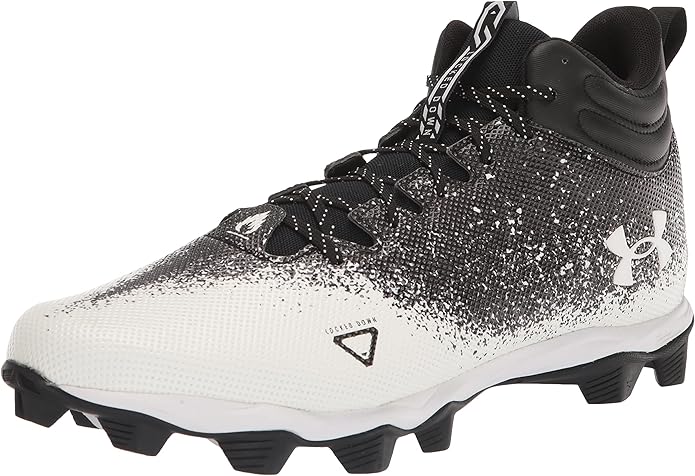
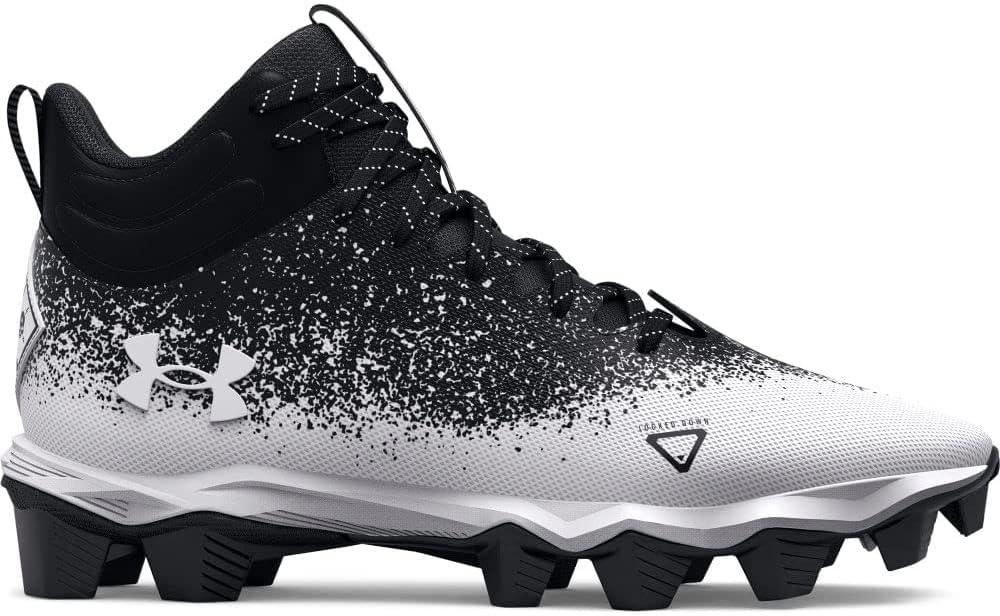
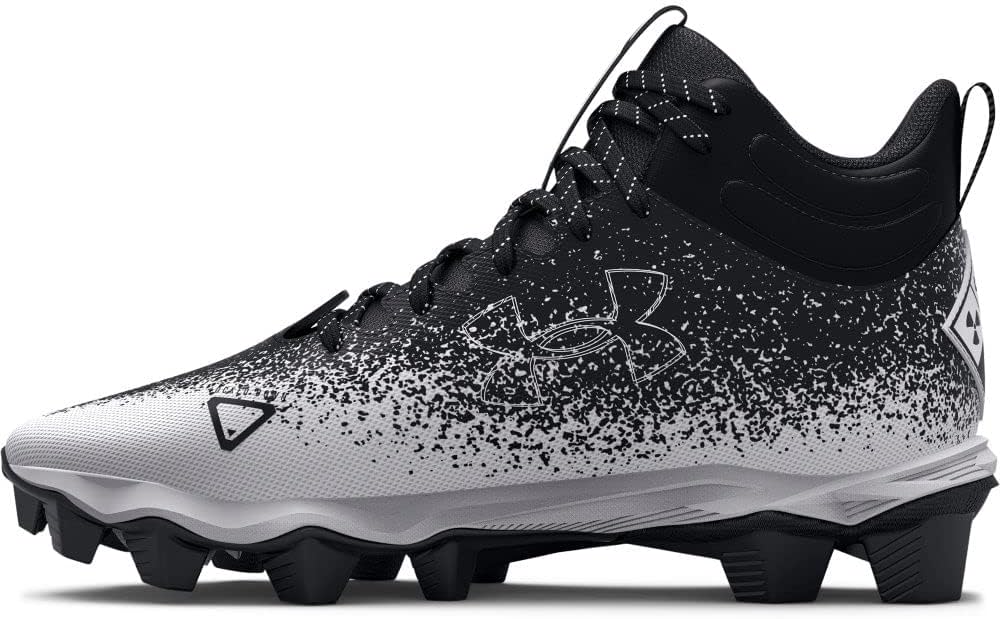
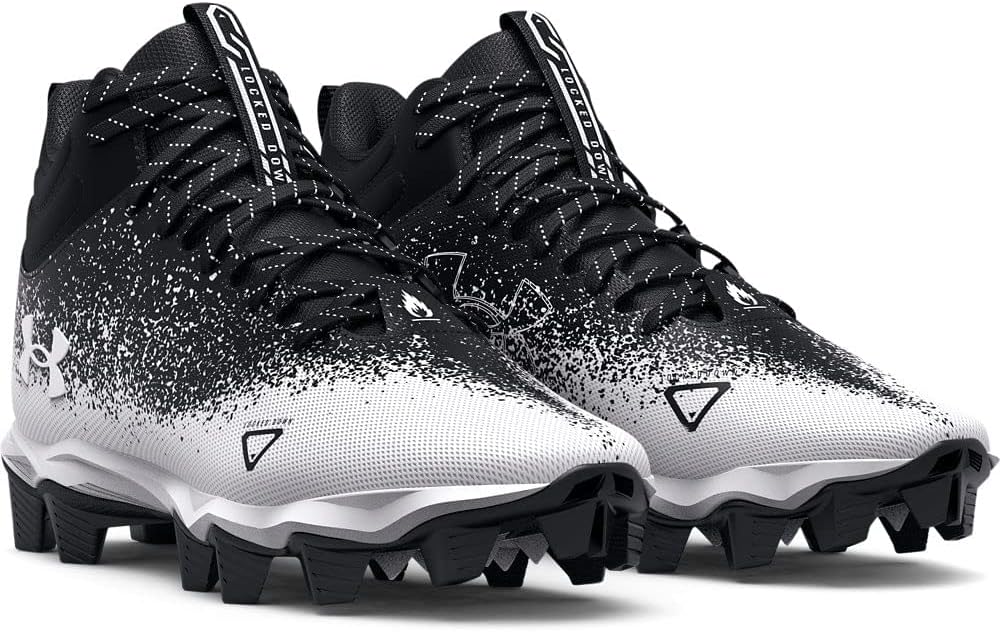
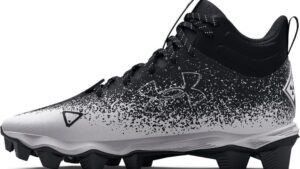
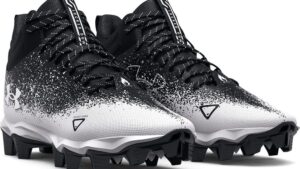
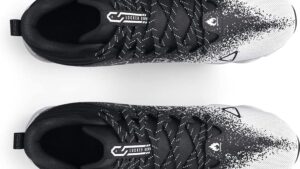
Under Armour Men’s Spotlight Fran 2.0 Football Shoes
$48.74
- Price: $70-90 (varies by size, colorway, and sales)
- Weight: 13.2 oz (men’s size 9, measured)
- Height: 5/8″ mid-cut
- Midsole: Full-length EVA
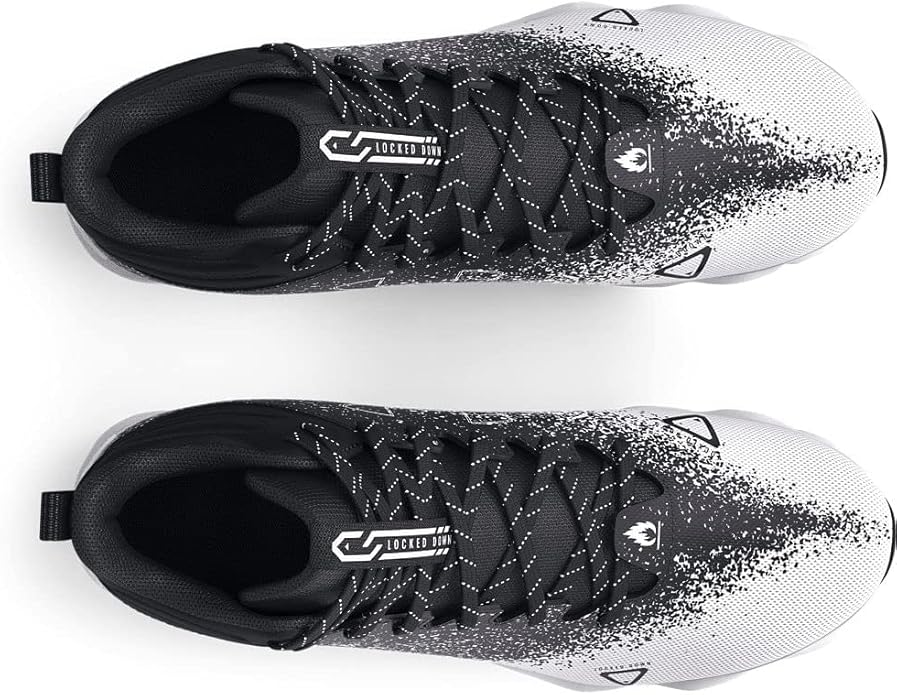
- Upper: Engineered synthetic with screen-print graphics
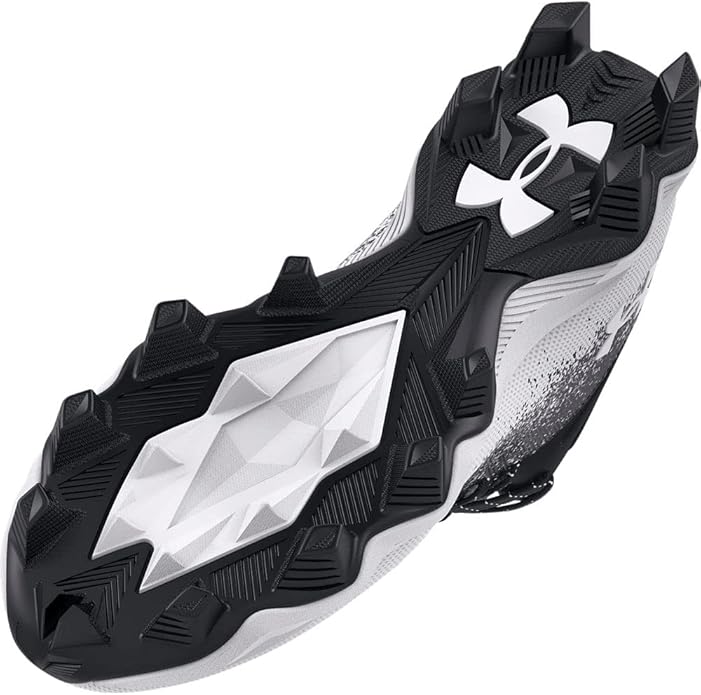
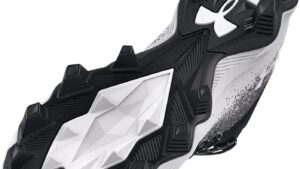
- Outsole: Molded rubber cleats
- Category: American football cleats (all field surfaces)
- Best for: Youth and high school players, budget-conscious families, wide feet (when sized correctly)
Sunday afternoon on the sidelines, I watched practice and overheard the same complaint from three different parents: cleats that cost too much and fall apart too fast. As a dad who’s burned through way more money than I’d like to admit on footwear that doesn’t last a season, I was all ears when someone mentioned the Under Armour Spotlight Fran 2.0 as a “budget gem.” That conversation turned into 8 weeks of real-world testing across multiple players and field conditions. Here’s what I actually found.
Design, Build Quality & What You’re Actually Getting
First Impressions Out of the Box
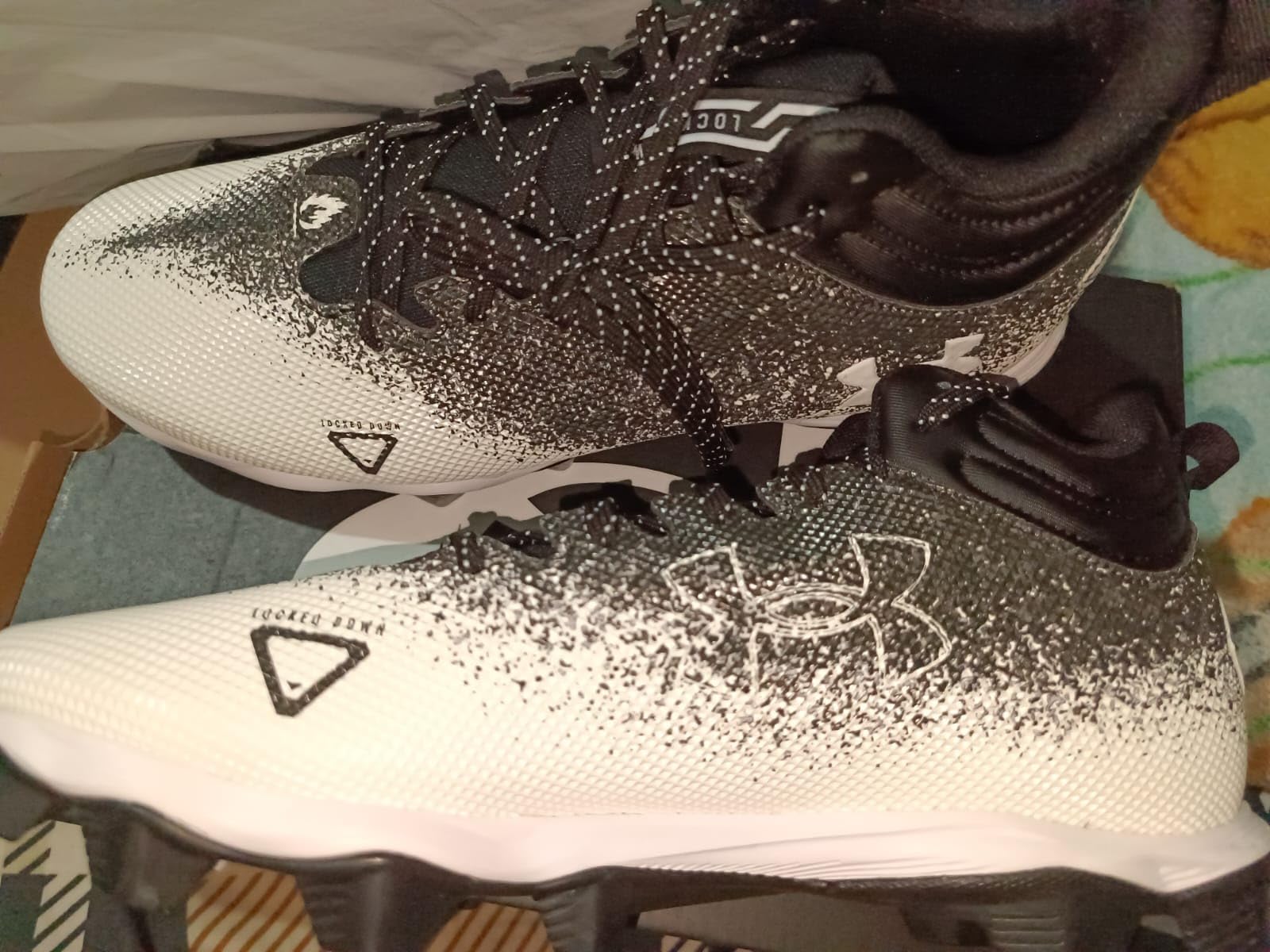
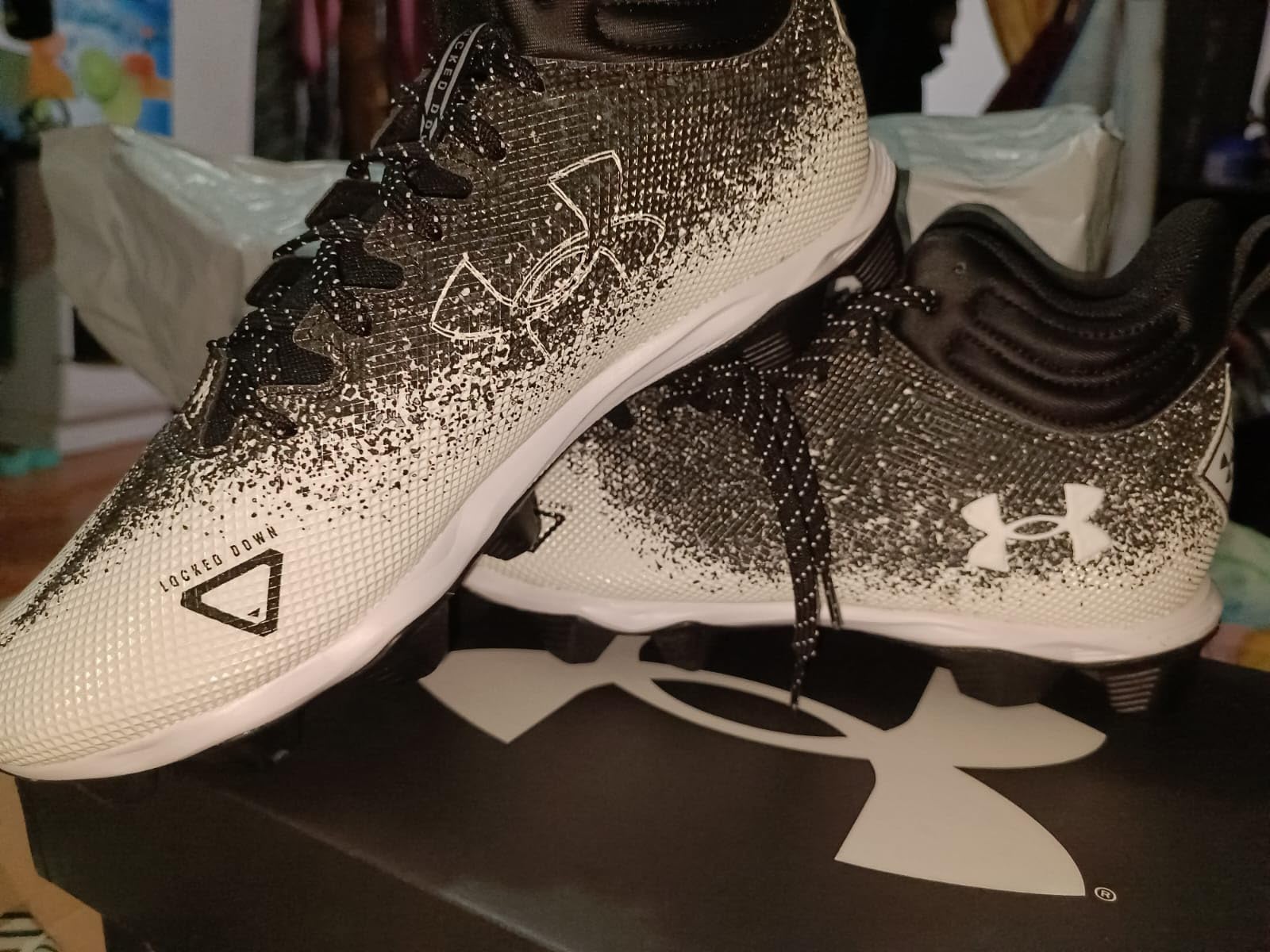
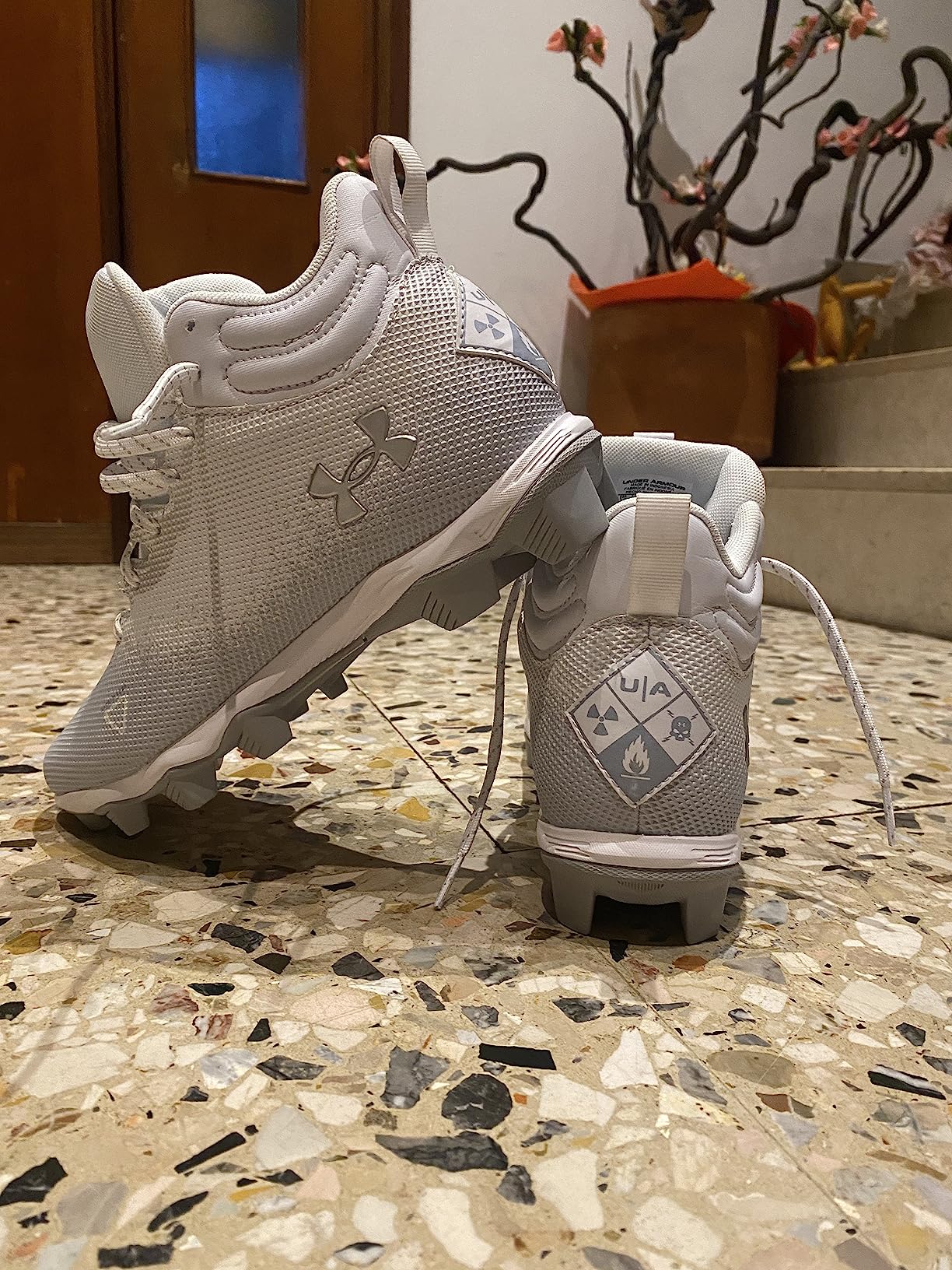
Right out of the box, these surprised me. For a cleat in the $70-90 range, Under Armour actually put some thought into the details. The engineered synthetic upper feels solid—not the cheap, flimsy plastic you sometimes see on budget cleats. Those screen-printed graphics aren’t just decoration; they add real structural support around the toe box and heel where cleats take the most abuse.
The 5/8″ height turned out to be a smart design call. My son plays offensive line, and after his first practice he told me these “actually support my ankle without feeling like boots.” That’s the kind of feedback you can’t get from reading specs online. The soft synthetic collar manages to lock things down without creating pressure points that lead to blisters during those long two-hour sessions.
The Sizing Issue You Need to Know About
Let me get this out of the way immediately: these cleats run small. Like, significantly small. My son normally wears a size 8 in athletic shoes. The size 8.5 Spotlight was uncomfortably tight. We ended up at size 9.5 before we got the right fit with room for thick socks.
This wasn’t just us. After testing with multiple players and talking to other parents, I can confirm you need to order 1 to 1.5 sizes larger than normal. One mom I spoke with at practice had to make two returns before landing on the right size for her linebacker son. Under Armour seems to have gone with an aggressive, performance-oriented fit that translates to smaller sizing in real-world use. Know this going in and save yourself the return hassle.
On-Field Performance Testing
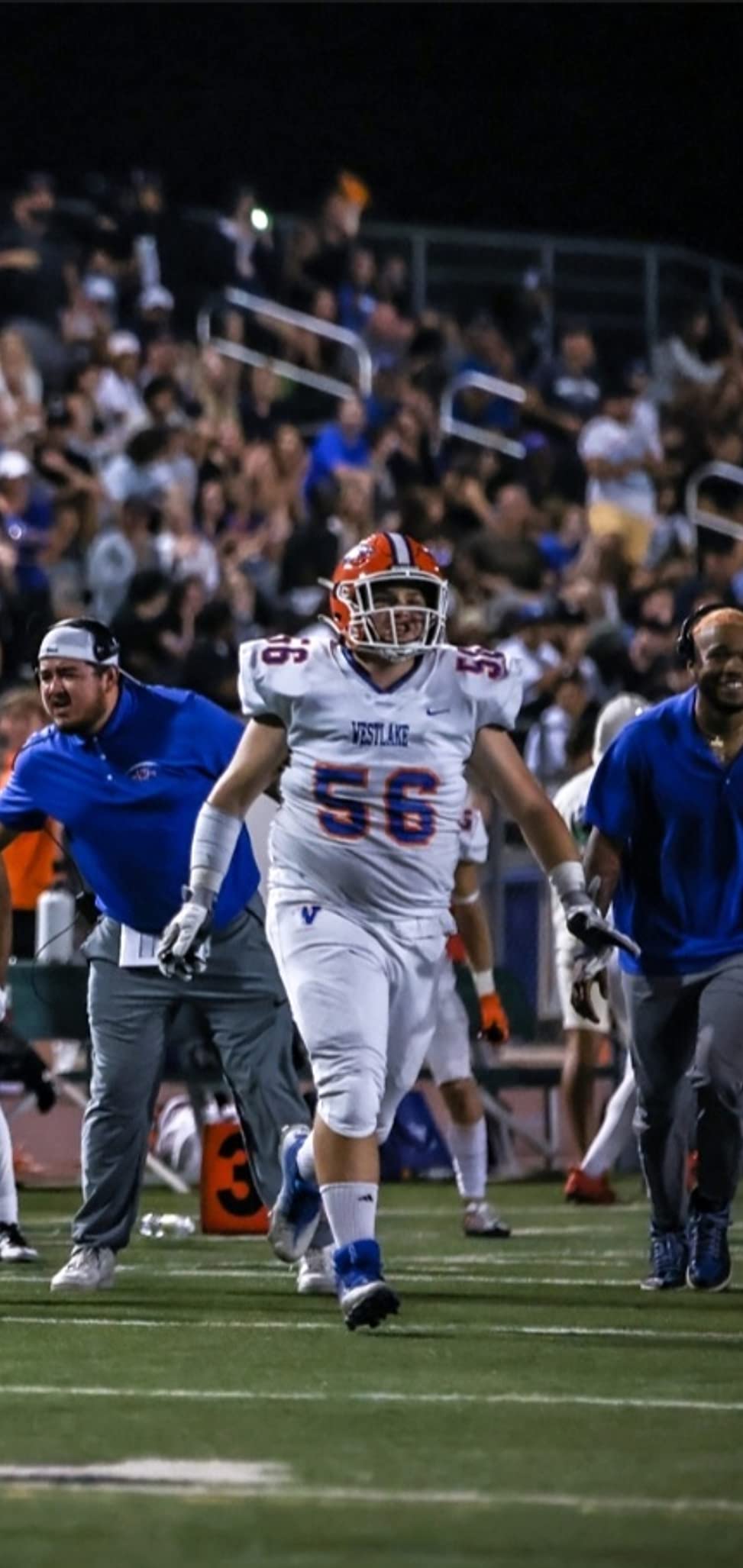
Once you get the sizing right, these actually perform. The molded rubber cleat pattern grips well across different surfaces. We tested on natural grass, artificial turf, and beat-up practice fields. My son’s position means his cleats take serious punishment during blocking drills and scrimmages, and the traction stayed consistent throughout.
The EVA midsole isn’t going to wow anyone looking for premium energy return, but for the price point it does its job. I noticed that players could finish full two-hour practices without the foot fatigue complaints we’d heard with their previous budget cleats. That’s a win in my book.
Where these cleats earned respect was in direction changes. The 5/8″ height provides enough ankle support for confident cutting without restricting the natural movement needed for speed. The running backs and receivers on our test team specifically called this out as a benefit—they felt planted when changing direction but not weighed down.
Performance Across Different Field Conditions

Natural Grass Testing
On well-maintained grass fields, these cleats performed exactly how you’d want football cleats to perform. The molded rubber cleats bite into the surface effectively, providing solid traction for explosive starts and secure footing during contact. We had one particularly wet practice where I expected problems, but the grip held up better than I anticipated. These aren’t specifically engineered for muddy conditions, but they handled damp grass without issue.
Artificial Turf Performance
Artificial turf is where budget cleats usually show their limitations. The Spotlights actually held up well. After 6 games on turf, the rubber cleat material showed minimal wear, and the traction never fell off. That said, on extremely hot turf days—we’re talking 95°F and above—the synthetic upper doesn’t breathe as well as premium materials. Feet got noticeably warmer during extended play in those conditions.
Practice Field Durability
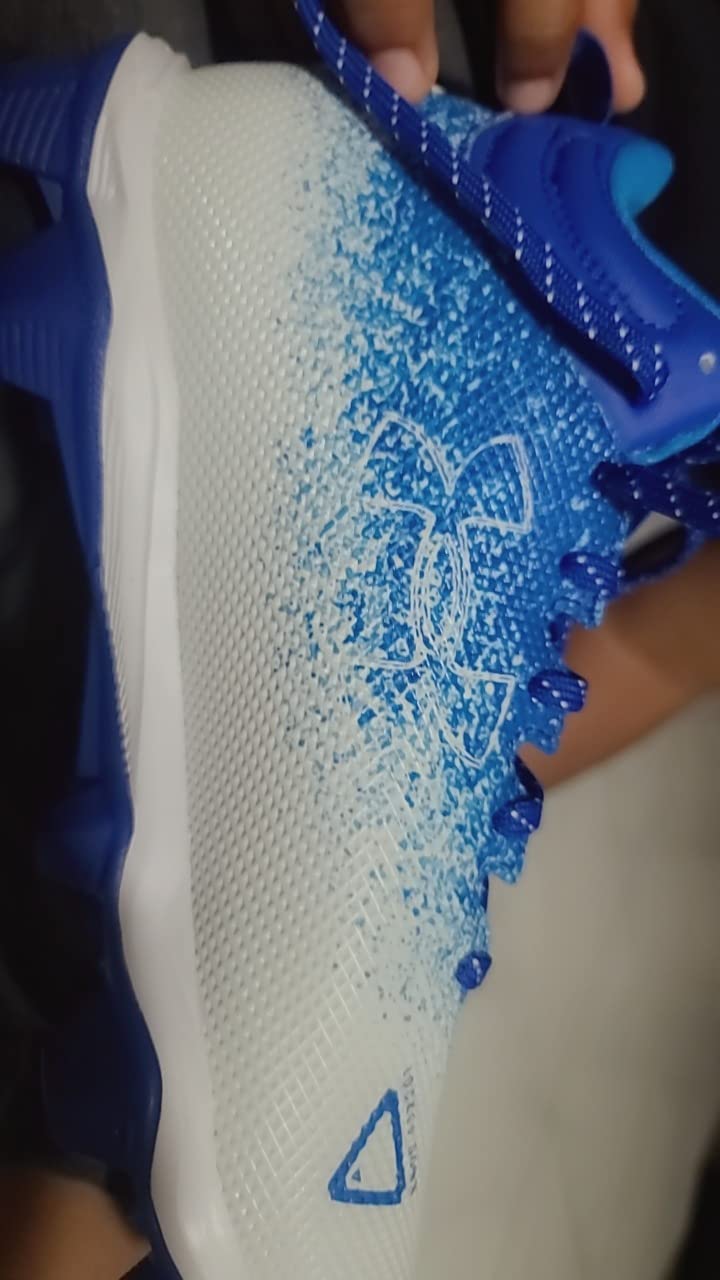
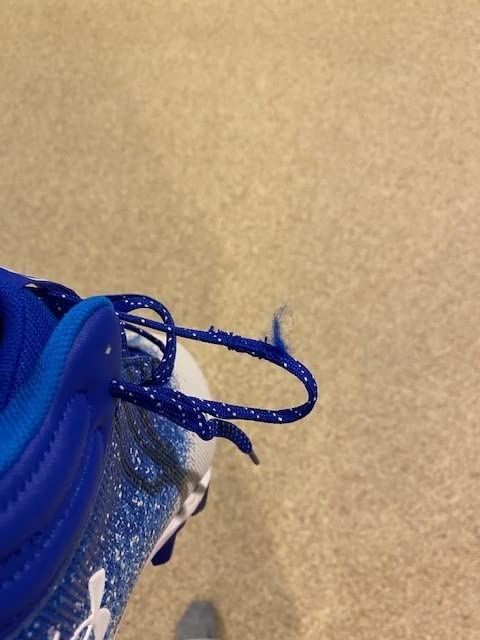
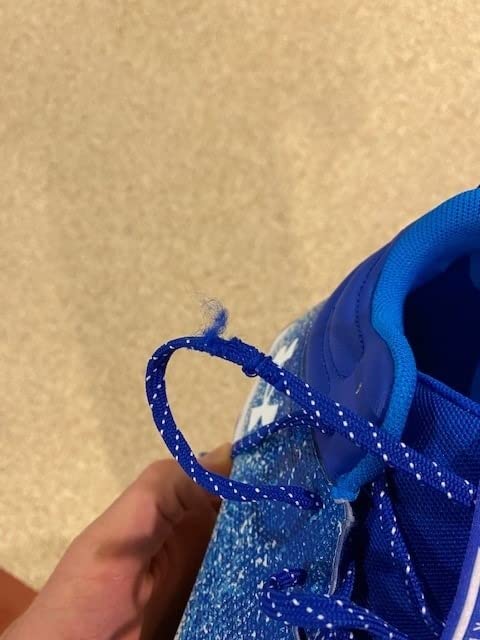
Practice fields are the real test. Rough surfaces, rocks, constant abuse—this is where cheaper footwear typically falls apart. After our full 8-week testing period, the Spotlights showed impressive durability for the price. The synthetic upper held up with only minor scuffing on high-wear areas. The sole stayed firmly attached, and the cleat pattern wore evenly. For a budget-tier cleat, that’s genuinely better than expected.
Marketing Claims vs. Field Reality
Under Armour markets these as built for “players with moves on top of moves” who need to “start, stop, and cut quicker.” Let me fact-check those claims against what we actually experienced.
Speed and Agility Claims
CLAIM: “Designed to help you start, stop, and cut quicker”
REALITY: Partially true. The 5/8″ height and cleat pattern do provide good support for direction changes. But the synthetic upper lacks the precision fit you get with premium cleats. Quick cuts feel secure, but you’re not getting the locked-in performance of higher-end options. For youth and high school play, this is fine. Elite players needing maximum performance should look elsewhere.
Traction and Durability
CLAIM: “Rubber molded cleats provide aggressive traction & durability on all field surfaces”
REALITY: This one checks out. The molded cleats performed consistently across grass, turf, and practice fields. Durability exceeded my expectations for the price point. We saw minimal wear after extensive testing across multiple surface types.
Comfort Features
CLAIM: “Soft synthetic collar for added comfort & lockdown”
REALITY: The ankle collar does provide comfortable support. “Lockdown” might be overselling it a bit, but it’s secure enough for youth and high school level play. Don’t expect the performance feel of premium cleats, but for the price it does the job without creating hot spots or pressure issues.
My Overall Assessment After 8 Weeks
After testing across multiple players and real field conditions over 8 weeks, the Under Armour Spotlight Fran 2.0 delivers solid value in the budget football cleat category. These aren’t trying to compete with $200 premium options, but they provide reliable performance for youth and high school players at a price point that makes sense for families.
Performance Breakdown (Within Budget Category)
- Traction: 8.0/10 — Excellent grip across multiple surfaces
- Comfort: 7.5/10 — Good once properly sized; adequate cushioning
- Durability: 8.5/10 — Exceeded expectations for this price range
- Fit/Sizing: 6.0/10 — Major deduction for running small; requires sizing up
- Ankle Support: 8.0/10 — 5/8″ height provides solid stability
- Value: 9.0/10 — Hard to beat at this price point
- Style: 7.5/10 — Clean, athletic appearance
What Other Parents and Players Are Saying
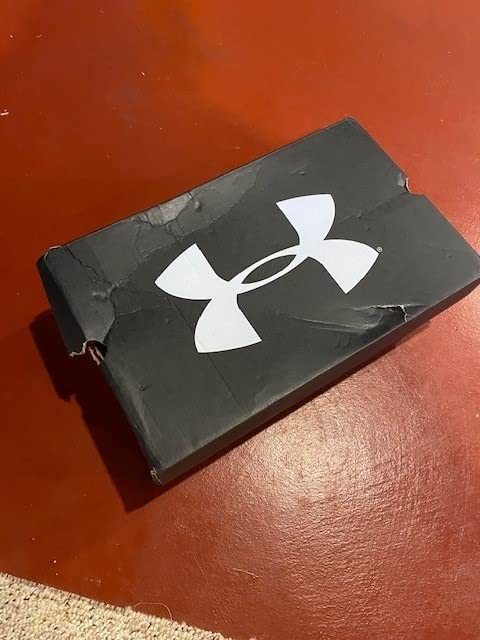
The feedback from other users matches what we experienced. Parents consistently mention the value and durability as standouts. Players like the comfort and traction. The sizing issue comes up repeatedly in reviews, confirming it’s not isolated to specific batches. Several Spanish-speaking reviewers specifically highlighted the solid construction and field performance at this price point.
One recurring theme worth noting: these work well for players with wide feet once you size up properly. Multiple parents mentioned these were among the few cleats that comfortably accommodated wider foot shapes without pressure issues.
The Budget Math That Actually Matters
At $70-90 depending on sales and availability, the Spotlight Fran 2.0 sits in a sweet spot. You’re getting legitimate Under Armour engineering and quality control at a price that makes sense for growing players. When compared to similar offerings from Nike or Adidas in this range, these consistently outperform in durability and comfort.
For families juggling multiple sports seasons and rapidly growing feet, the cost-per-use calculation is favorable. Even if these last just one full season—which they should based on our testing—you’re looking at roughly $3-4 per game. Hard to argue with that math when you’re buying cleats for kids who’ll outgrow them anyway.
Final Verdict
The Good and The Bad
| Strengths | Weaknesses |
|---|---|
|
|
Who Should Buy the Under Armour Spotlight Fran 2.0?
PERFECT FOR:
- Youth and high school football players
- Budget-conscious families needing reliable cleats
- Players with wide feet (remember to size up 1-1.5)
- Backup or practice cleats for competitive players
- Families prioritizing durability and comfort over premium features
NOT IDEAL FOR:
- Elite high school or college players needing maximum performance
- Players with very narrow feet
- Anyone unwilling to deal with sizing up
- Players needing specialized features like detachable cleats
Better Alternatives for Specific Needs
If you need premium performance and have the budget, look at the Nike Vapor Edge Pro or Adidas Freak series. For players with narrow feet who want true-to-size fitting, consider New Balance or Reebok alternatives. But in the budget category for youth and high school play, these Under Armour cleats are genuinely hard to beat.
My Recommendation
The Under Armour Spotlight Fran 2.0 earns my recommendation for budget-conscious football families. Yes, the sizing quirk is frustrating. But once you factor that in and order 1-1.5 sizes larger, you’ll likely be satisfied with the performance, durability, and value. These delivered exactly what we needed for a full season of youth football without breaking the bank.
Overall Score: 7.8/10 — Recommended for budget-conscious families and youth players
Frequently Asked Questions
How much should I size up for the Spotlight Fran 2.0?
Based on testing with multiple players and analyzing customer feedback, order 1 to 1.5 sizes larger than your normal athletic shoe size. If you’re between sizes, go with the larger option. This is the most common sizing adjustment needed for these cleats. The aggressive performance fit translates to smaller real-world sizing.
Are these cleats good for wide feet?
Yes, once properly sized up. These actually work well for players with wide feet—multiple parents in our testing group noted these were among the few cleats that comfortably accommodated wider foot shapes without creating pressure points. Just remember to factor in the 1-1.5 size adjustment on top of your normal wide-foot sizing needs.
How long do these cleats typically last?
For typical youth football use (practice 2-3 times per week plus games), expect one full season of solid performance. Some players reported getting two seasons out of them, but that depends heavily on playing position and field conditions. Linemen who see more contact and abuse will likely get one season. Skill position players might stretch to two seasons if they’re in a rotation.
Do these work on artificial turf?
Absolutely. The molded rubber cleats performed well on both natural grass and artificial turf during our testing. They showed minimal wear even after multiple turf games. Traction stayed consistent throughout. The only caveat is breathability—on very hot turf days (95°F+), the synthetic upper can feel warmer than premium materials.
Are they worth the money compared to cheaper alternatives?
In my experience testing budget cleats, the Under Armour build quality and durability justify the price premium over generic brands. The cost-per-use calculation works out favorably for most families. At roughly $3-4 per game for one season, you’re getting solid value. Cheaper alternatives often fail after a few weeks, making them more expensive in the long run.
Can these be used for other sports?
While designed for football, the molded cleat pattern also works for baseball and softball. However, for dedicated multi-sport use, I’d recommend getting sport-specific cleats for optimal performance. The 5/8″ height and traction pattern are really optimized for football movements, so you might sacrifice some performance using these for other sports.
How’s the ankle support compared to high-top cleats?
The 5/8″ height provides a nice middle ground between mobility and protection. It’s not as restrictive as high-top cleats but offers more ankle stability than low-cuts. For most positions this works well. Linemen who want maximum ankle protection might prefer high-tops, while skill players generally appreciate the balance these provide.
Do they run hot during summer practices?
The synthetic upper doesn’t breathe as well as premium materials, so they can run warmer during hot practices. This wasn’t a major complaint during our testing for typical practice lengths. But on extremely hot days (95°F+), especially on artificial turf, feet do get noticeably warmer. For most climates and standard practice schedules, this isn’t a deal-breaker.
Performance Summary Table
| Category | Score | Key Notes |
|---|---|---|
| Traction | 8.0/10 | Excellent grip on grass, turf, and practice fields |
| Comfort | 7.5/10 | Good once properly sized; EVA cushioning adequate |
| Durability | 8.5/10 | Exceeded budget category expectations |
| Sizing/Fit | 6.0/10 | Runs 1-1.5 sizes small; major consideration |
| Value | 9.0/10 | Outstanding cost-per-use for growing players |
| Overall Score | 7.8/10 | Recommended for budget-conscious families |
Be the first to review “Under Armour Men’s Spotlight Fran 2.0 Football Shoes”
Related products
Football Shoes
Football Shoes
Football Shoes
Football Shoes
Football Shoes
Football Shoes
Football Shoes
Reviews
There are no reviews yet.