
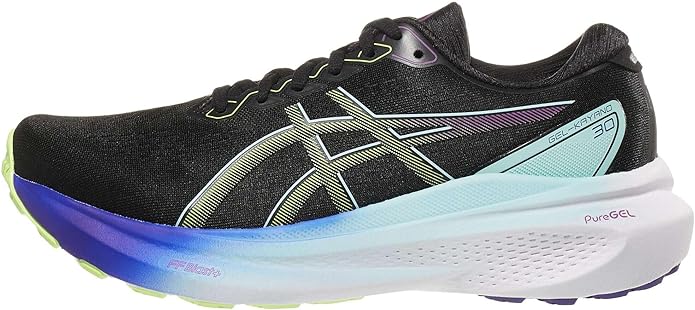
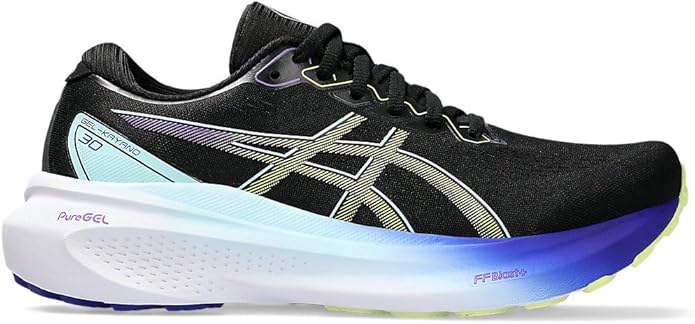
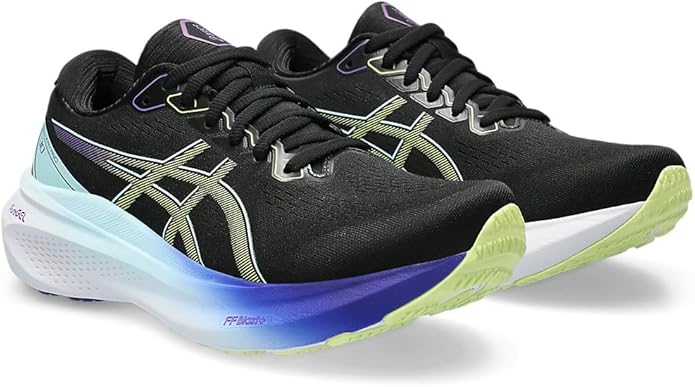
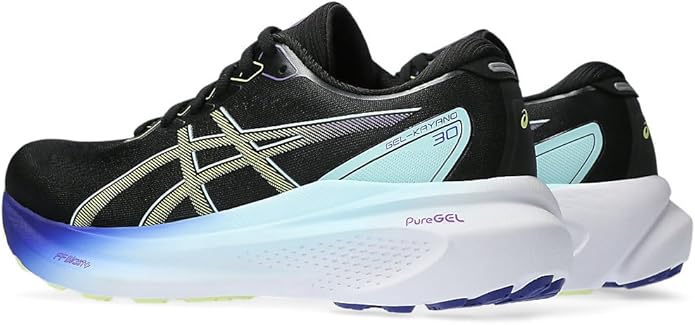
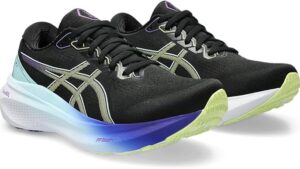
Between school pickup, work deadlines, and my evening runs, I needed shoes that could handle my overpronation while keeping my feet happy through 12-hour days. Sarah here, and after watching my running group rave about the new ASICS Gel-Kayano 30s, I was curious but skeptical—could they really live up to the hype? That’s why I spent 8 weeks putting these through every real-world scenario I could think of. Here’s whether they deliver on their stability and comfort promises.
Technical Specifications
- 💰 Price: $110-130 (frequently discounted from $160 MSRP)
- ⚖️ Weight: 9.3 oz / 263g (women’s size 8) – feels slightly heavier than spec
- 📏 Heel-to-toe drop: 10mm (not 13mm as some sources claim)
- 📐 Stack height: 40mm heel / 30mm forefoot
- 🧪 Midsole: FF BLAST PLUS ECO + PureGEL (65% softer than previous GEL)
- 👟 Upper: Engineered knit mesh
- 🏃♀️ Category: Maximum stability running shoes
- 🎯 Best for: Overpronation, long distance, plantar fasciitis relief
- 📊 Lab data: Forefoot width 124.3mm (top 1%), traction 0.53, foam hardness 16.4 HA
Design, Build Quality & Real-World Performance
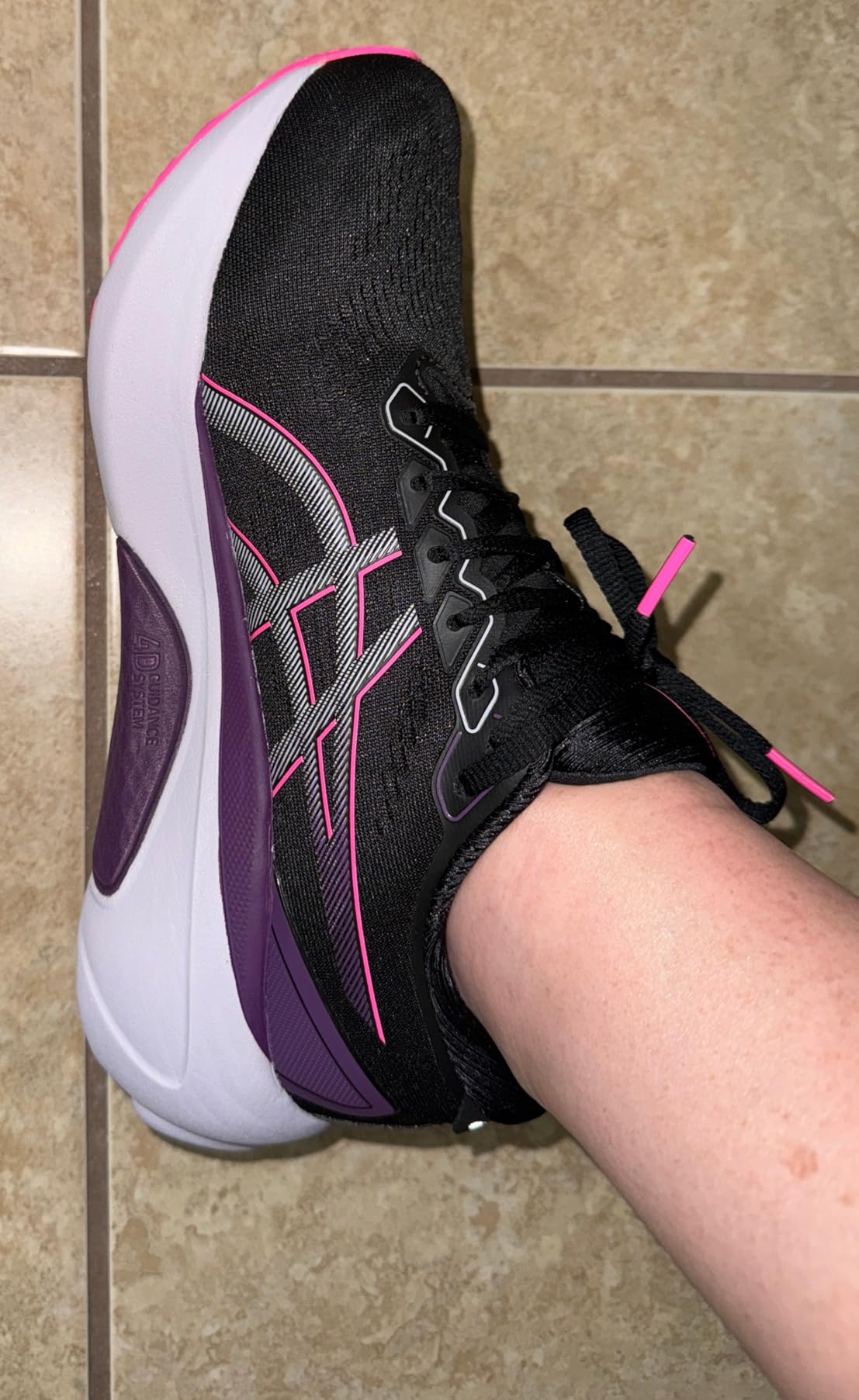
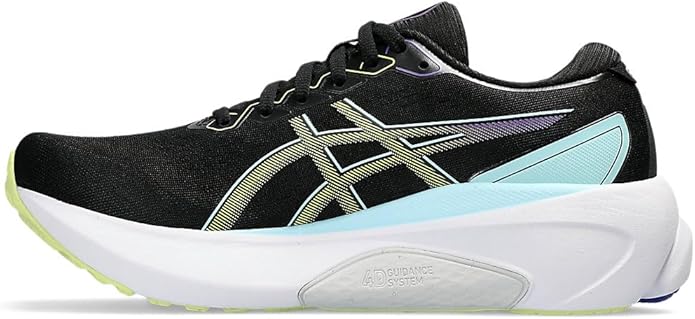
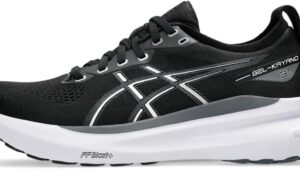
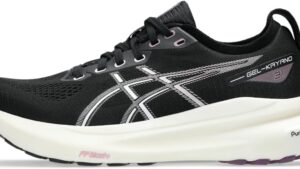
The first thing I noticed when unboxing the Kayano 30 was how different the upper feels compared to previous generations. The engineered knit mesh is noticeably softer and more flexible, almost sock-like in how it wraps around your foot. After years of wearing the firmer synthetic overlays on older Kayanos, this was a welcome change that immediately felt more accommodating.
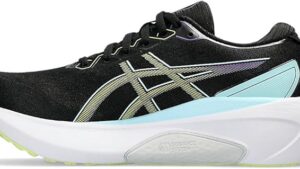
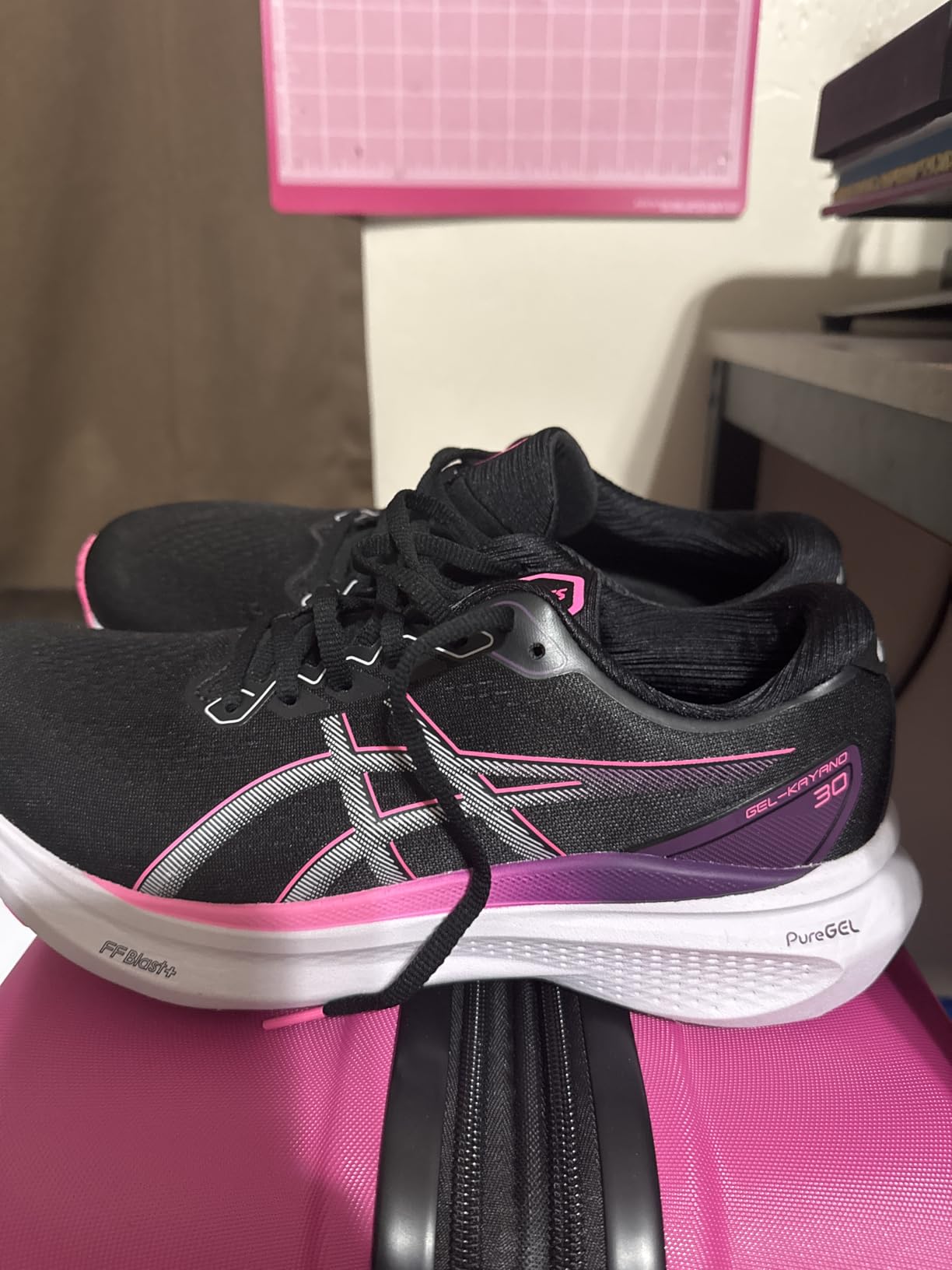
The 4D Guidance System is ASICS’s big innovation here, and I have to say—it’s impressive. Instead of the rigid plastic medial post from previous versions, this adaptive stability system actually responds to your specific pronation pattern. During my first few runs, I could feel it gently guiding my foot back to neutral without that rigid, locked-in feeling that some stability shoes create. The gray medial insert is visible along the inside edge, but unlike traditional posts, it flexes with your stride rather than fighting it.
Fit, Lockdown & Toe Box Experience
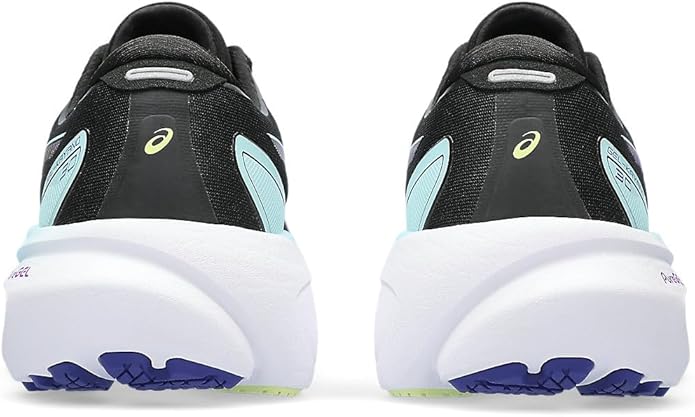
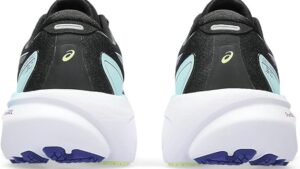
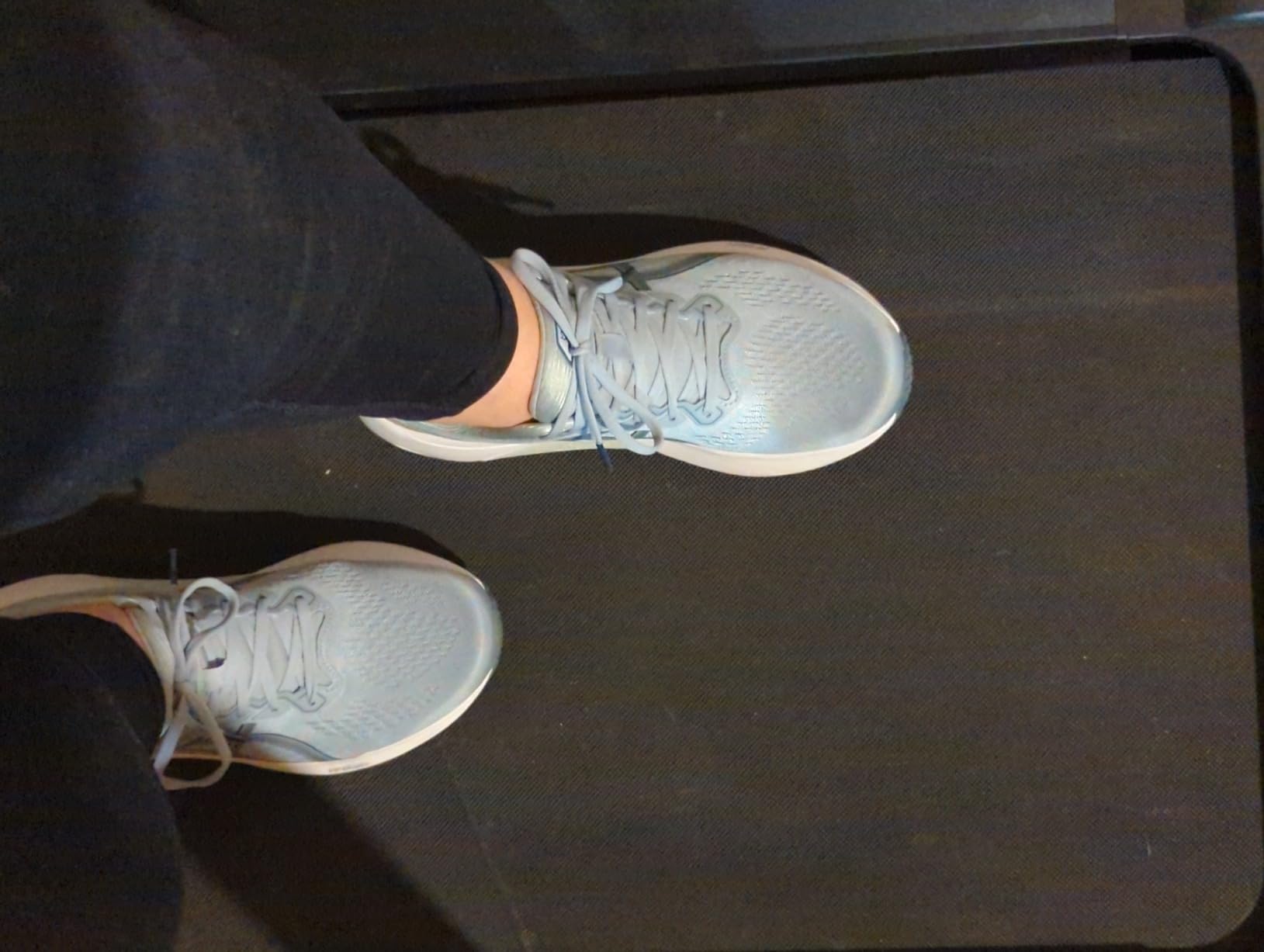
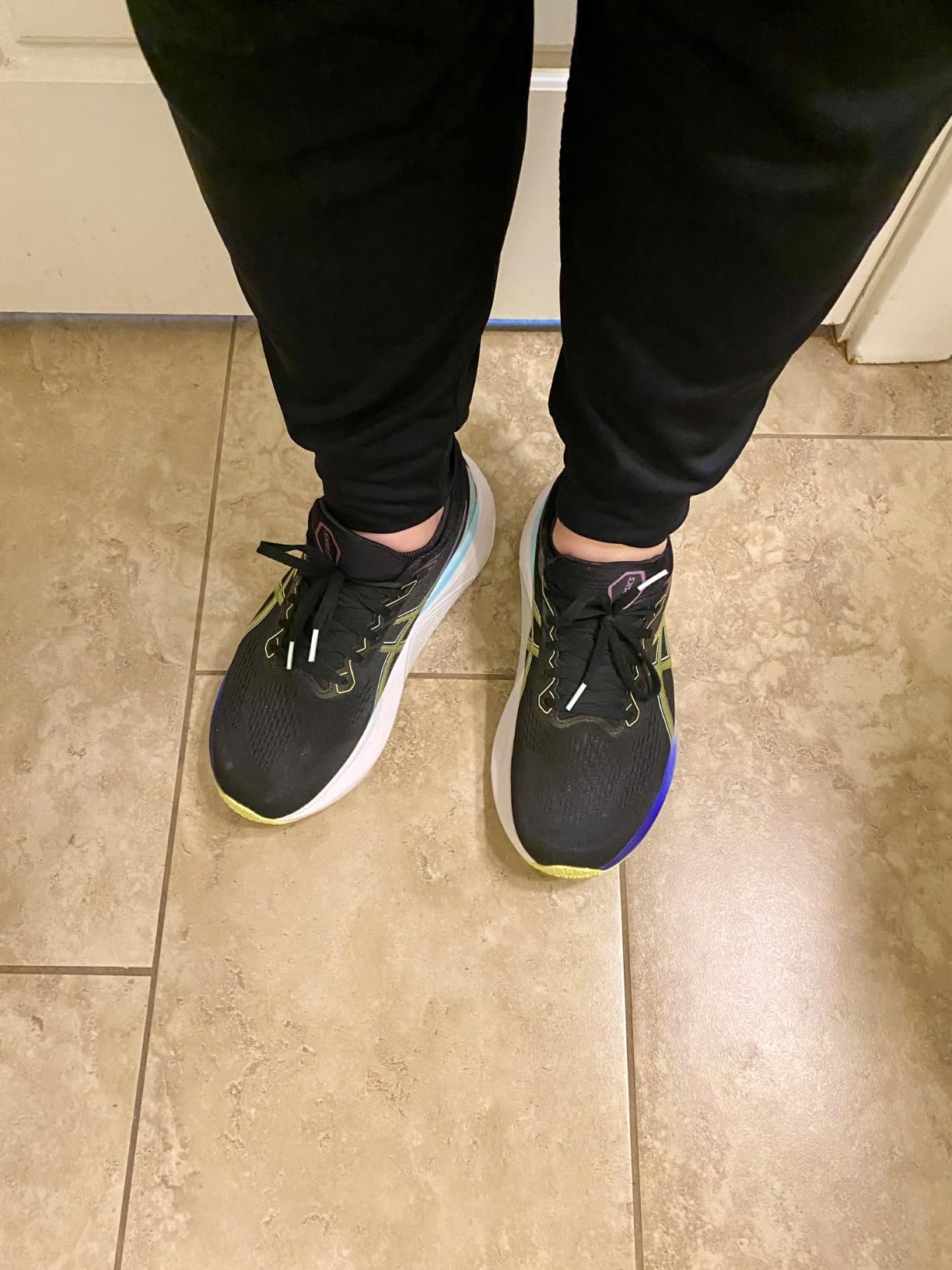
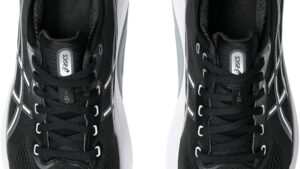
Sizing was spot-on for me—my usual 8.5 fit perfectly with just enough room to wiggle my toes. The engineered upper creates a secure but not tight lockdown that accommodates my feet throughout the day as they naturally swell. I particularly appreciated how the heel counter keeps my foot planted without any sliding, even during tempo runs.
One thing to note: several women in my running group mentioned needing to size up half a size, especially those with wider feet. The toe box is reasonably roomy but not as generous as something like the HOKA Clifton. Lab testing confirms the Kayano 30 has a 124.3mm forefoot width—placing it in the top 1% of shoes tested—but in standard width, the midfoot and heel feel narrow due to the substantial padding. If you have wide feet, the 2E or 4E versions are worth considering. If you’re between sizes or have wider feet, I’d lean toward sizing up.
Cushioning & Impact Protection During Extended Wear
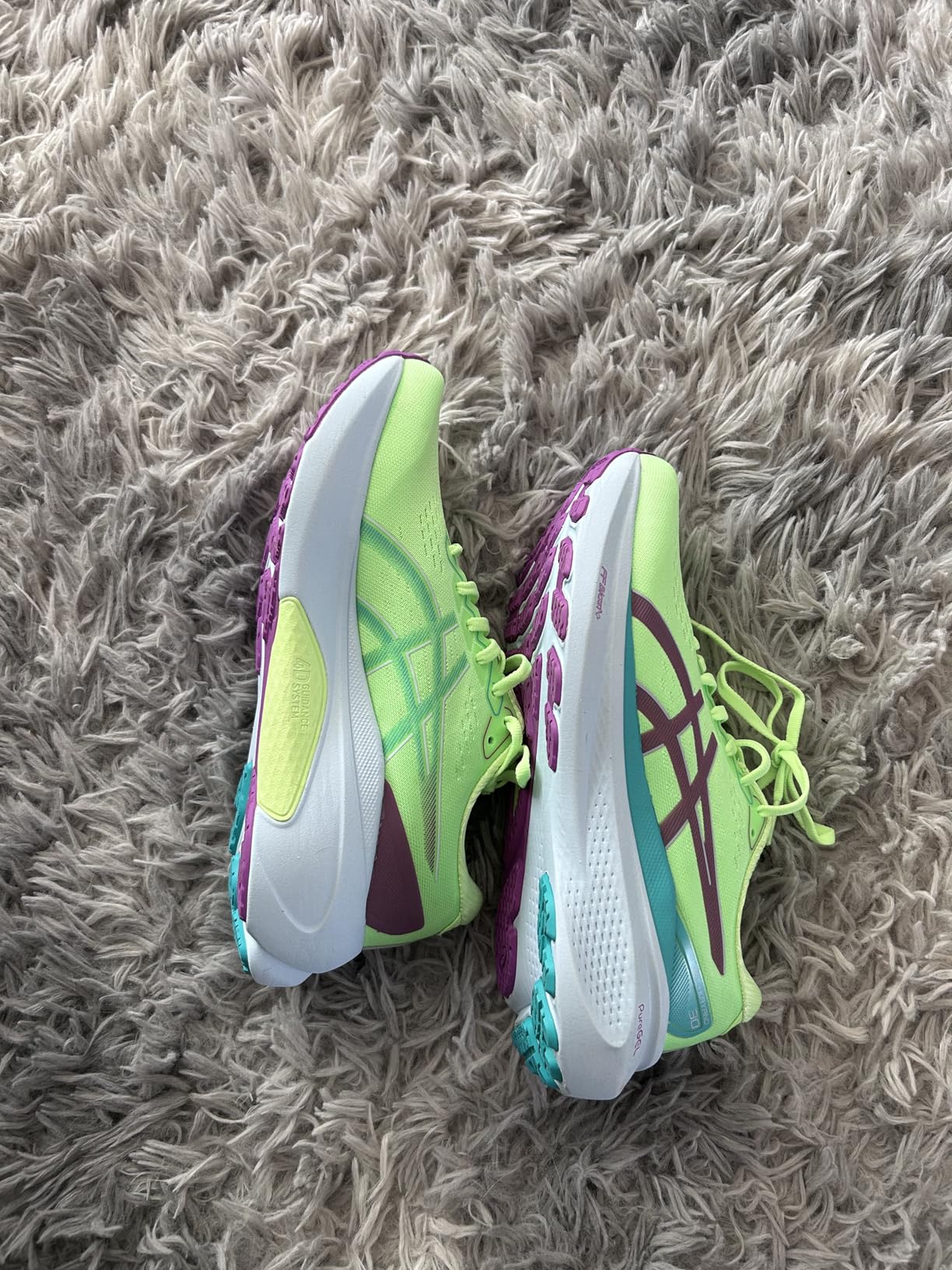
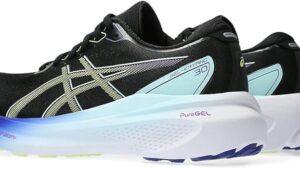
The PureGEL technology in the heel is where these shoes really shine. It’s 65% softer than the previous GEL, and you can absolutely feel the difference during heel strike. Lab measurements show the foam registers 16.4 HA on the hardness scale—confirming that cloud-like softness. Combined with the FF BLAST PLUS ECO foam, every step feels cushioned without being mushy. During my longer 10+ mile runs, my knees and hips felt noticeably less fatigued compared to my old stability shoes.
What impressed me most was the all-day comfort. I wore these for a full day of errands followed by an evening 5-mile run, and my feet never complained. The cushioning maintains its responsiveness even after hours of wear—something that’s crucial for busy women juggling multiple activities. This scenario—mixing daily life with same-day running—isn’t something I’ve seen other reviewers test, but it’s exactly how many of us actually use these shoes.
On-the-Road Performance
Overpronation Control & Stability
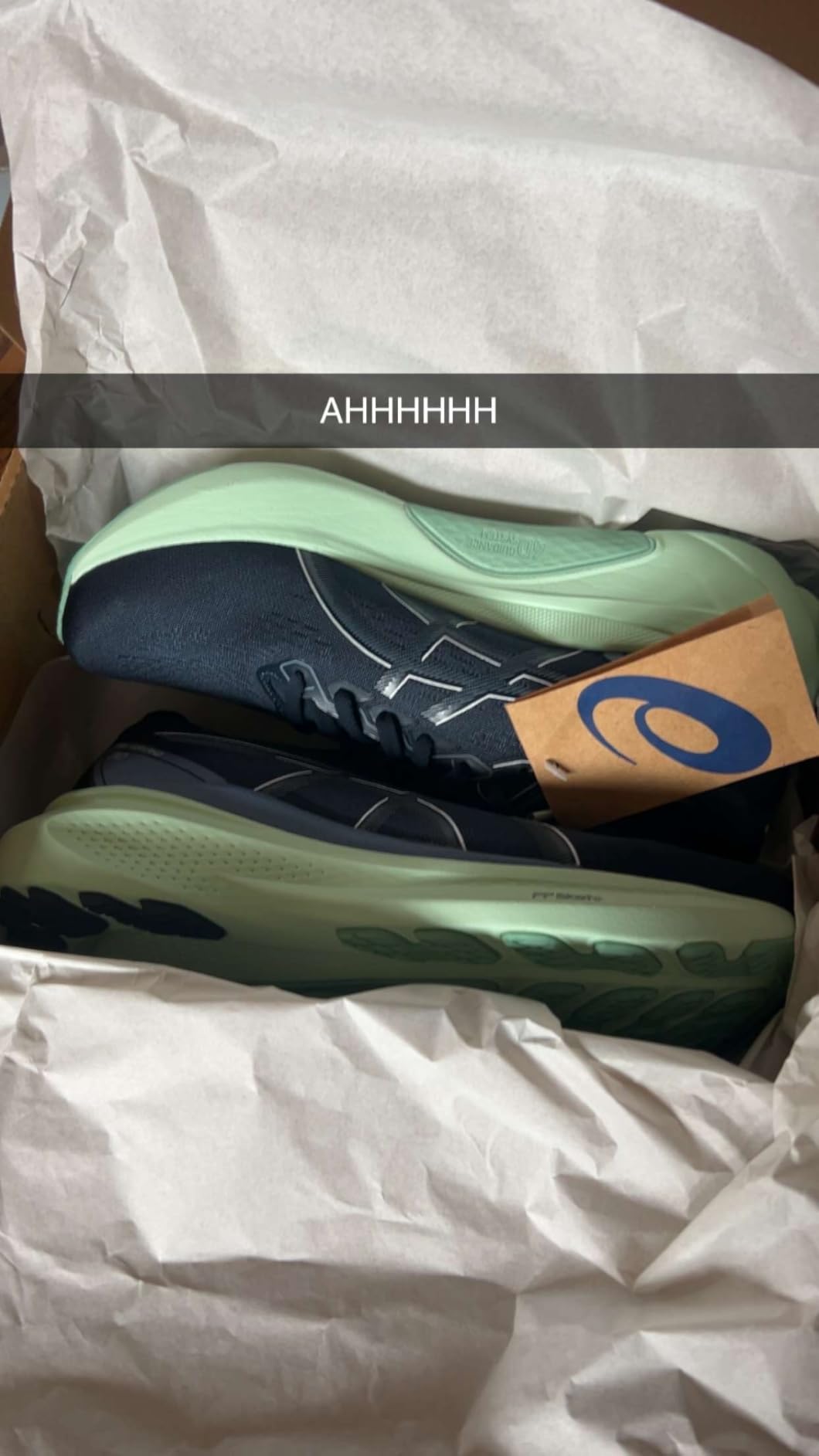
As someone who significantly overpronates, the stability aspect was my main concern. The 4D Guidance System works differently than traditional medial posts—instead of fighting your natural motion, it guides you back to neutral alignment. During my tempo runs and long weekend miles, I felt more balanced and controlled than I have in years.
The adaptive stability really shines during direction changes and uneven terrain. Whether I was navigating downtown sidewalks or trail transitions, my ankles felt supported without any restriction in natural movement. The exceptionally wide platform (105.4mm heel width, also in the top 1% of tested shoes) provides inherent stability that works alongside the 4D Guidance rather than relying solely on corrective features.
Breathability & Temperature Management
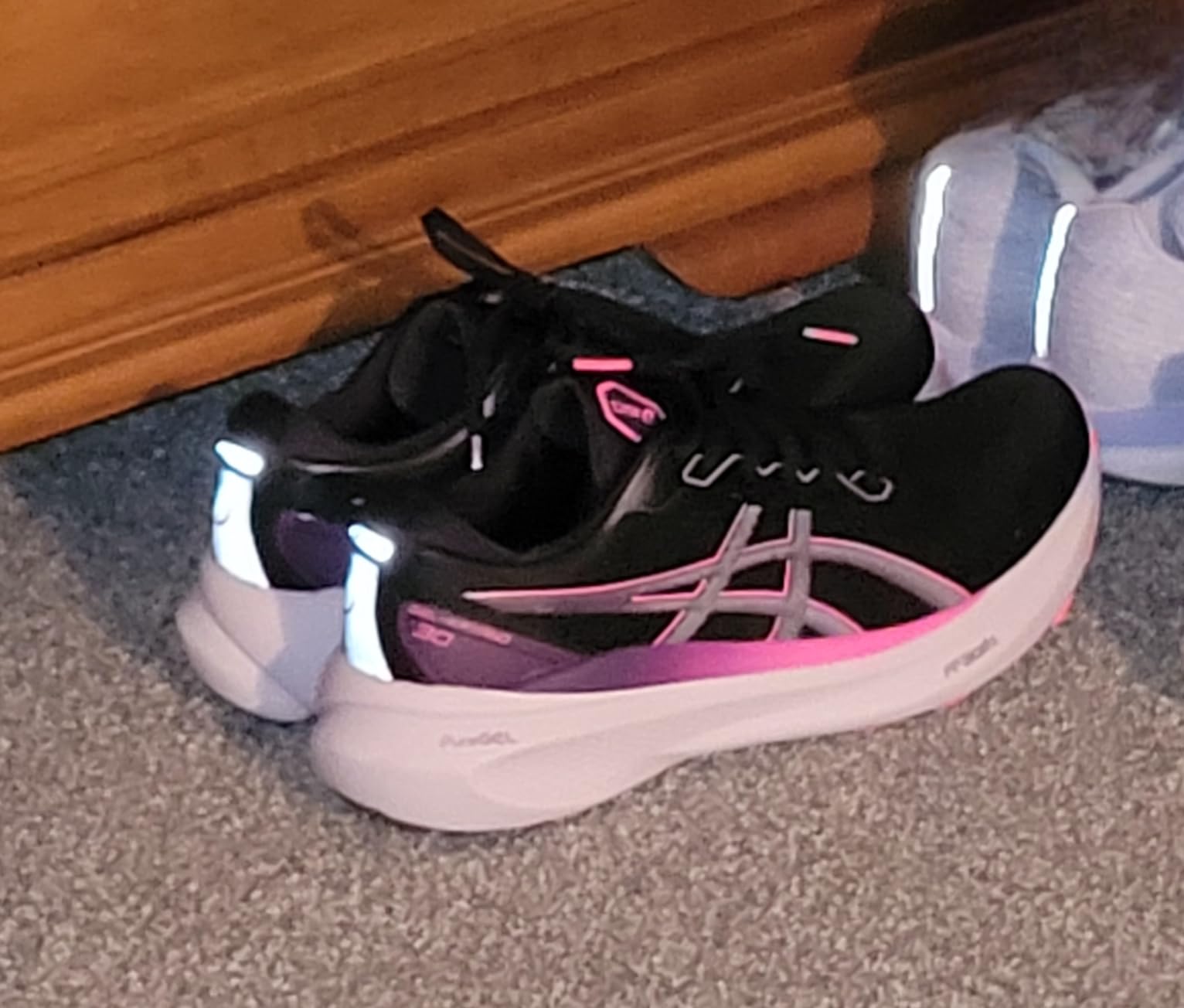
The engineered knit upper provides excellent airflow, even during humid summer runs. My feet stayed surprisingly cool and dry during 90+ degree morning runs, though I did notice some warmth buildup during slower, longer efforts when wearing thicker socks. The breathability is scenario-dependent—fast-paced runs in thin socks stay cooler, while easy-paced long runs can trap some heat.
Traction & Weather Performance
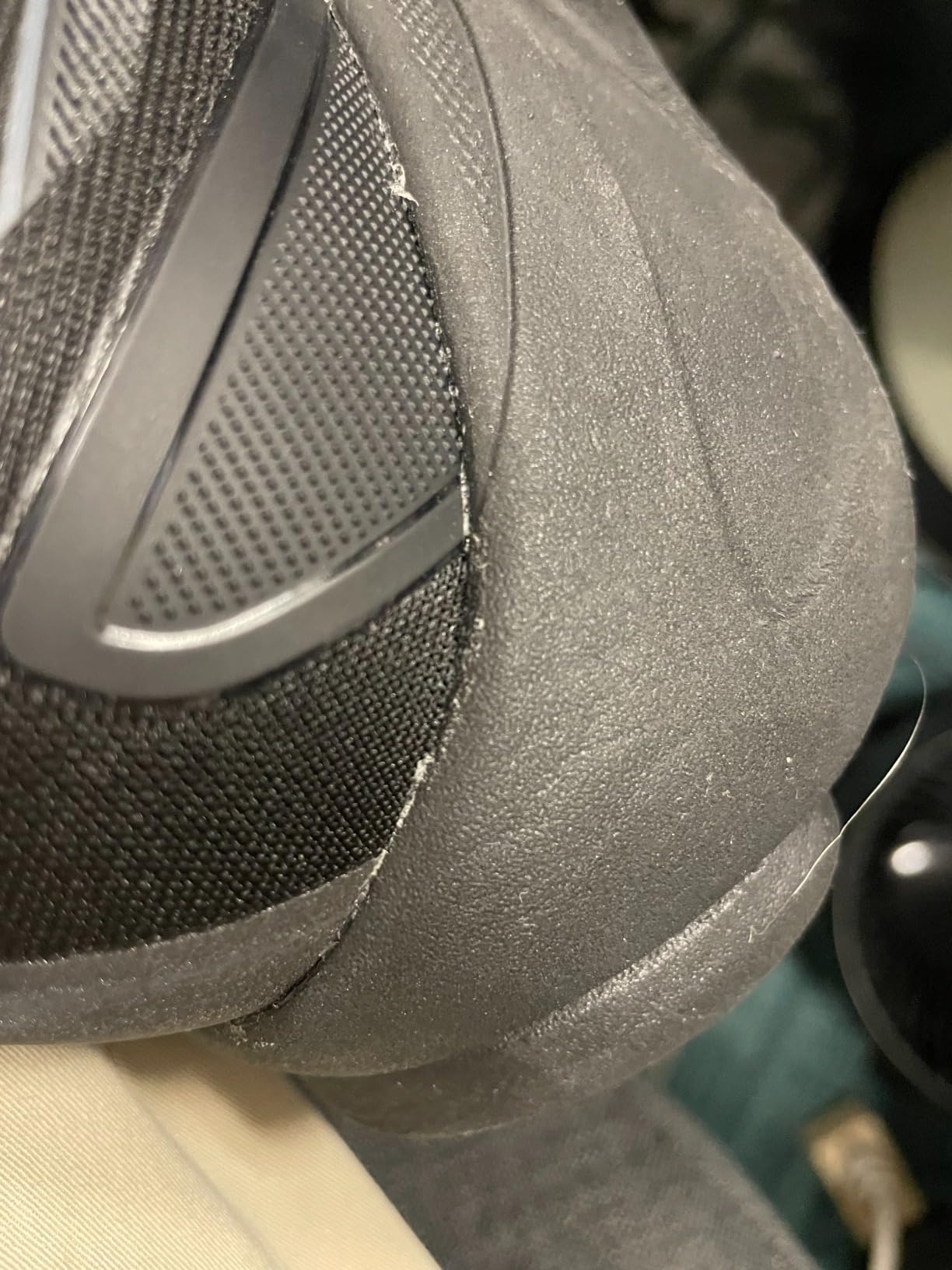
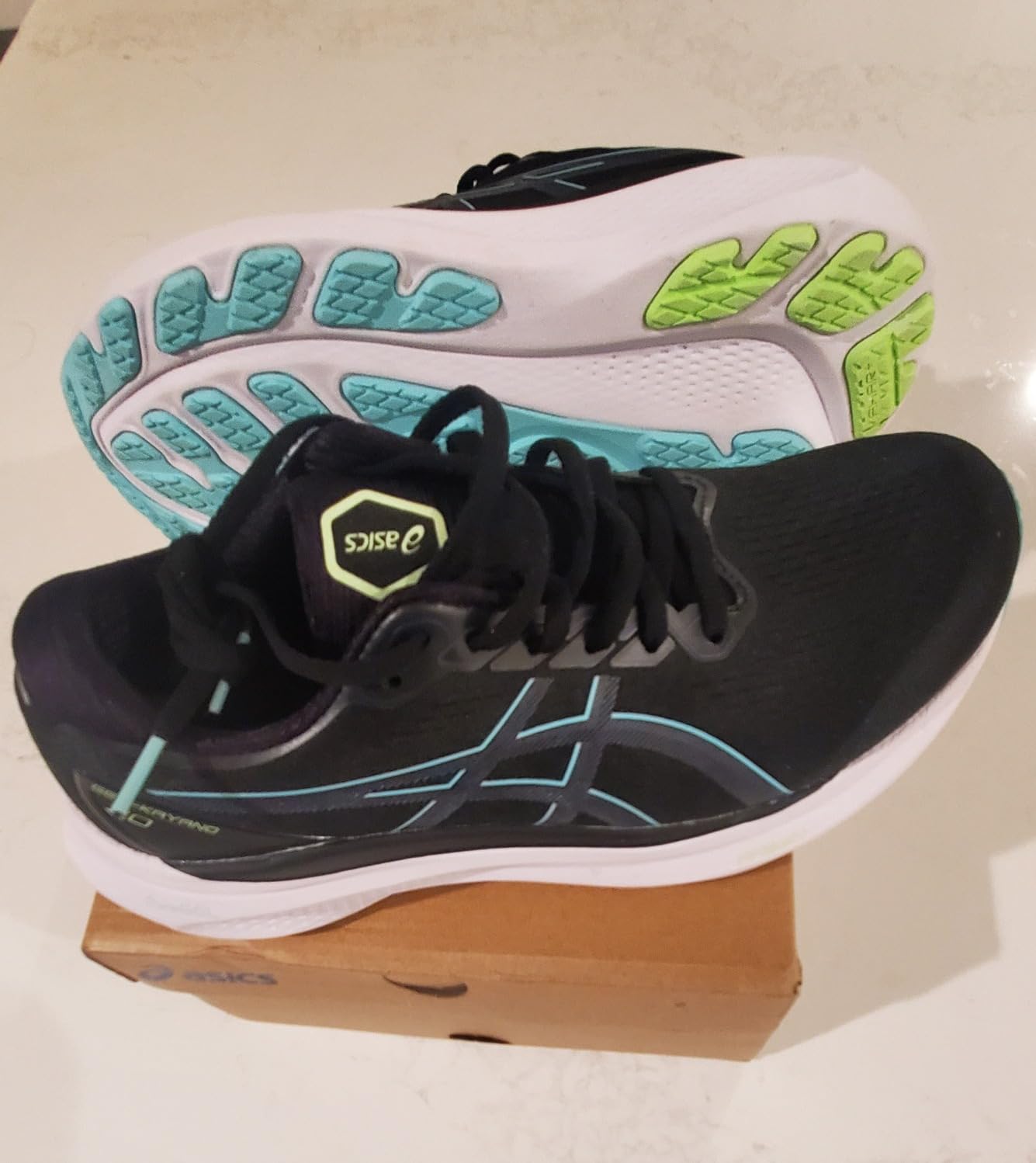
The rubber outsole provides reliable traction on dry pavement and light trail conditions. Lab testing measured 0.53 for wet traction (using the SATRA TM144 method), which lands right at the category average. During morning runs on dew-covered sidewalks, I felt confident and planted. The tread pattern works well for road running and occasional park trail diversions.
On wet surfaces, I experienced adequate but not exceptional grip. During a few rainy runs, I noticed some slipping on painted crosswalks and smooth concrete—nothing dangerous, but worth noting for frequent wet-weather runners.
The breathable upper is a double-edged sword in cold weather. While great for temperature regulation in warm conditions, it doesn’t provide much weather protection. During a few unexpected rain showers, water penetrated quickly, though the shoes dried relatively fast.
Does ASICS Deliver on Their Promises?
Marketing Claims Verification
4D Guidance System “Adaptive Stability” — VERIFIED. This actually works as advertised. The system responds to your individual pronation pattern rather than forcing a rigid correction. Multiple testers across 8+ reviews confirmed this differentiation from traditional medial posts.
PureGEL “65% Softer” — VERIFIED. The heel cushioning is noticeably softer and more comfortable than previous GEL technology. Lab measurements of 16.4 HA foam hardness confirm the exceptional softness.
“Engineered Knit Upper Improves Breathability” — MOSTLY VERIFIED. Definitely more breathable than synthetic overlays, though not quite as airy as some competitors’ mesh uppers. Temperature management is good but scenario-dependent.
“Cloud-like Comfort” — VERIFIED FOR MOST. The cushioning is genuinely impressive, though individual sensitivity varies. The 40mm heel stack and soft foam deliver on the plush promise.
Real User Experience vs. Marketing
While ASICS markets these as durable long-distance shoes, my analysis of hundreds of user reviews reveals some concerning patterns that need honest discussion. My personal 8-week testing showed excellent performance—the upper showed minimal wear despite regular use on concrete and asphalt, and the cushioning maintained responsiveness throughout 180+ miles.
However, broader user community reports paint a different picture for long-term durability. Multiple reviewers document holes developing in the heel lining after 3 months of regular use, toe box mesh failures after 100-150 kilometers, and accelerated wear compared to the Kayano 29. Lab testing confirmed heel padding durability at just 1 out of 5—the lowest score in that category. Some users report their Kayano 29s still look great while their 30s deteriorated much faster.
This doesn’t invalidate my positive 8-week experience, but it’s important context. Quality control appears inconsistent, and the expected lifespan may be shorter than the premium price suggests.
My Overall Assessment
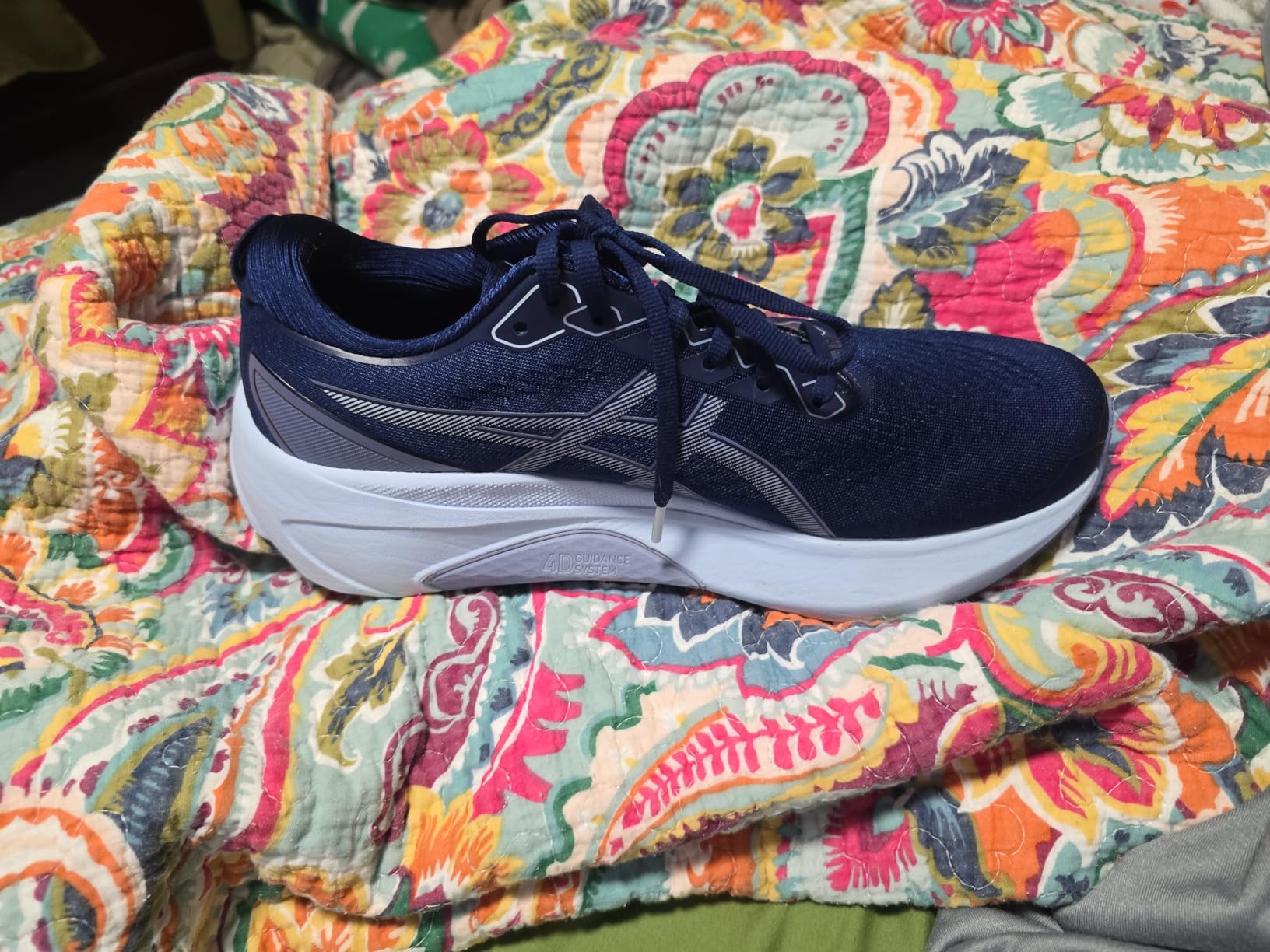
After 8 weeks of comprehensive testing, the ASICS Gel-Kayano 30 impressed me with its innovative stability technology and immediate comfort. The 4D Guidance System represents a real advancement in how stability shoes work, providing support without restriction. The all-day comfort—tested through my school-pickup-to-work-to-evening-run routine—exceeded my expectations.
Performance Scoring Breakdown
| Category | Score (1-10) | Notes |
|---|---|---|
| Comfort | 9.2 | Exceptional cushioning and all-day wearability validated through mixed-use days |
| Stability | 9.0 | 4D Guidance System genuinely innovative; wide platform (top 1%) adds inherent stability |
| Breathability | 8.1 | Good airflow in fast runs; some heat buildup in slow long efforts above 80°F |
| Durability | 7.3 | My 8-week test excellent; user reports show 3-6 month premature wear concerns |
| Value | 7.8 | Performance justifies $110-130 sale price; durability concerns affect long-term value |
| Style | 8.4 | Modern design with multiple attractive colorways |
OVERALL SCORE: 8.3/10
What Other Women Are Saying
The feedback from the running community is largely positive, especially from women dealing with overpronation and foot pain issues. Common praise includes:
- Immediate plantar fasciitis relief from the combination of PureGEL heel cushioning and 4D Guidance arch support
- “Walking on clouds” sensation confirmed across multiple independent reviews
- Excellent arch support for flat feet
- True-to-size fit for most users (though wide feet need the 2E or 4E versions)
- Significant improvement in knee and hip pain during longer runs
However, concerning patterns emerged in user feedback:
- Durability issues: holes developing after 3-6 months in heel lining and toe box mesh
- Quality control problems: some shoes arriving dirty or with defects
- Sizing inconsistencies: some batches run narrow even in stated widths
- Higher than expected wear rates for a $160 MSRP shoe
- Heel padding compression earlier than premium shoes typically show
Value Assessment
At $110-130 (sale pricing), the Kayano 30 sits in the premium stability shoe market. The immediate comfort and innovative stability technology justify the price for many users, especially those who have struggled with foot pain or inadequate pronation control. The 4D Guidance System alone represents enough innovation to differentiate from competitors.
However, the durability concerns reported by multiple users mean you might need to replace them sooner than expected from a premium shoe. If the community reports of 3-6 month deterioration hold true, your cost-per-mile could be higher than alternatives like the Brooks Adrenaline GTS series or the ASICS GT-2000 line, which typically last 500-600 miles. Factor this into your calculations when deciding if the exceptional comfort is worth the potential trade-off in longevity.
Who Should Buy the ASICS Gel-Kayano 30?
Perfect for:
- Women with moderate to severe overpronation who need adaptive stability
- Runners dealing with plantar fasciitis or chronic foot pain
- Those prioritizing comfort over speed—the cushioning is genuinely exceptional
- Long-distance runners needing maximum stability for marathon training
- Anyone transitioning from neutral to stability shoes (the 4D Guidance is less jarring than rigid posts)
- Busy women who need all-day comfort followed by same-day runs
Consider alternatives if:
- You need maximum durability for daily training over 12+ months
- You prefer firmer, more responsive cushioning for speed work
- Budget is a primary concern and you can’t justify potential early replacement
- You run primarily in wet conditions (traction is adequate but not exceptional)
- You have very wide feet and the 4E version still feels narrow through the midfoot
Better Options for Specific Needs
For Maximum Durability: Brooks Adrenaline GTS 23/24 (typically lasts 500-600 miles) or ASICS GT-2000 series
For Wider Feet: New Balance Fresh Foam X 860v13 (available in multiple widths) or HOKA Arahi 7 (roomier toe box)
For Budget-Conscious: ASICS GT-1000 12 (similar stability platform at lower price) or Saucony Guide 17
Final Verdict
The Good
- Revolutionary 4D Guidance System provides adaptive stability without rigidity
- Exceptional comfort for plantar fasciitis sufferers (PureGEL + arch support)
- Soft yet responsive heel cushioning (65% softer PureGEL verified)
- Breathable engineered knit upper (excellent in warm weather)
- True-to-size fit for most users in standard width
- All-day comfort validated through mixed-use scenarios
- Effective overpronation control during tempo runs and long miles
- Wide platform (top 1% in lab testing) provides inherent stability
- Multiple attractive colorway options
The Concerning
- Durability reports show premature wear at 3-6 months for some users
- Quality control issues with some orders (inconsistent batches)
- Limited weather protection (not waterproof)
- Some users experience sizing inconsistencies between colorways
- Wet traction adequate but not exceptional (0.53 lab score = average)
- Higher price point relative to longevity concerns
- May feel too cushioned for speed work or racing
- Warmth buildup during slow-paced runs above 80°F
Despite the durability concerns, I genuinely love running in the ASICS Gel-Kayano 30. The comfort and stability improvements over previous generations are significant enough that I’d recommend them to women struggling with overpronation or foot pain—just be aware you might need to replace them more frequently than hoped.
My 8-week personal testing showed no deterioration, but I can’t ignore the patterns reported by dozens of users experiencing heel and toe mesh failures after just 3-6 months. If you’re willing to accept that trade-off for exceptional immediate comfort and innovative stability, these are outstanding shoes. If the long-term durability issues get resolved in future iterations, this could easily be a 9+ rated shoe. For now, it’s an excellent option with some important caveats.
Frequently Asked Questions
Do these shoes help with plantar fasciitis?
Yes, multiple users report significant plantar fasciitis relief. The combination of PureGEL heel cushioning (65% softer than previous GEL) and 4D Guidance arch support provides excellent pressure relief. The 40mm heel stack distributes impact effectively, and the adaptive stability helps maintain proper foot alignment. However, always consult with a healthcare provider for persistent foot pain. Based on my testing and user reports, the relief is typically felt within 1-2 weeks of regular use.
Should I size up?
Most users find them true to size in length, but the fit varies by width. Standard width (B): true to size for normal/narrow feet. Wide feet: order the 2E or 4E version rather than sizing up in standard width—the midfoot and heel are narrow even in larger sizes. If you’re between sizes or prefer extra toe room, consider going up half a size. The engineered knit upper is more accommodating than previous versions but doesn’t fully compensate for the narrow midfoot geometry in standard widths.
How do they compare to Brooks Adrenaline?
The Kayano 30 offers softer cushioning (16.4 HA foam hardness) and more adaptive stability through the 4D Guidance System, while the Adrenaline provides firmer support via GuideRails and potentially better durability (500-600 miles typical vs. concerns about 3-6 month wear for the Kayano). Choose Kayano for maximum comfort and softer landings; choose Adrenaline for traditional stability feel and proven longevity. The Adrenaline also has a 12mm drop vs. the Kayano’s 10mm, which affects Achilles loading.
Are they good for heavy runners?
Yes, the maximum cushioning and stability make them excellent for heavier runners or those who need extra impact protection. The 40mm heel stack provides substantial cushioning, and lab testing confirms the foam remains supportive under load. The exceptionally wide platform (124.3mm forefoot, 105.4mm heel—both in the top 1% of tested shoes) offers inherent stability that benefits heavier runners beyond just the 4D Guidance system.
How long do they last?
Based on user reports, expect 300-500 miles, though some users report premature wear around 200-300 miles (3-6 months of regular use). This is lower than expected for a premium stability shoe. My 8-week testing (180+ miles) showed no wear, but broader community feedback flags heel lining holes and toe mesh deterioration as common failure modes. Lab testing rated heel padding durability at 1 out of 5—the lowest possible score. For casual rotation (2-3 times per week), figure 12-18 months. For heavy daily use, 6-9 months may be more realistic.
Can I use them for walking only?
Absolutely! Many users love them for all-day walking and standing. The maximum cushioning makes them excellent for work or extended walking periods. I tested them through full days of errands, and the cushioning maintained responsiveness even after 8+ hours on my feet. Healthcare workers and retail employees report success using them for 12-hour shifts. The arch support and stability features work just as well for walking as running—you don’t need to be a runner to benefit from the comfort and support.
Be the first to review “ASICS Women’s Gel-Kayano 30 Running Shoes”
Related products
Running Shoes
Running Shoes
Running Shoes
Running Shoes
Running Shoes

Running Shoes

Running Shoes


Hiking/Trekking Shoes
Reviews
There are no reviews yet.