
My previous pair was fine — until game fifteen, when I planted hard on a defensive rotation and felt my heel slide a half-inch I shouldn’t have. That’s the kind of thing that sticks with you. I started researching replacements and kept landing on the Air Jordan Air Ship, a shoe that predates the Jordan 1 and keeps showing up in conversations about affordable, dependable on-court footwear. Mike here — I put 8 weeks, 24 basketball sessions, and 40+ hours of court time into this review across three different gym surfaces. Here’s what I found.
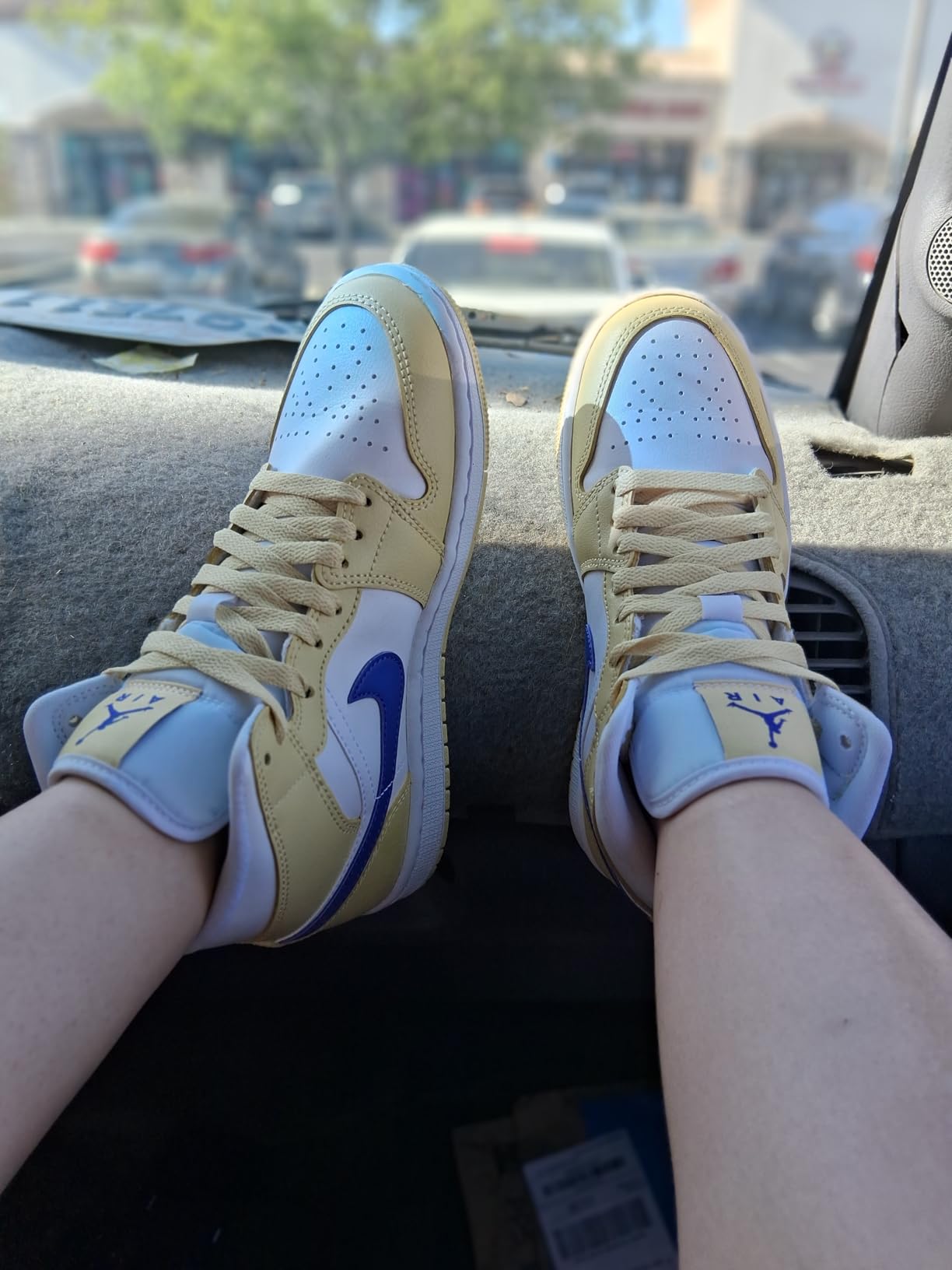
Technical Specifications
- 💰 Price: $139–$189 (check latest price on Nike.com)
- ⚖️ Weight: 15.2 oz (men’s size 9)
- 🧪 Midsole: Phylon foam with full-length encapsulated Air-Sole unit
- 👟 Upper: Synthetic leather with mesh ventilation panels
- 🏀 Category: Basketball performance shoes
- 🎯 Best for: Indoor court basketball, casual lifestyle wear
- ⏱️ Testing period: 8 weeks, 24 basketball sessions, 40+ hours court time
- 🔥 Key feature: Pre-Jordan 1 heritage design with classic Air-Sole cushioning
The Jordan 1’s Predecessor: Why the Air Ship Still Matters
Most people know the Air Jordan 1. Fewer know what came before it. The Air Jordan Air Ship is the basketball shoe Michael Jordan wore during his 1984–85 rookie season, before Nike and Jordan Brand developed the silhouette that would become the most recognizable sneaker in history. Bruce Kilgore — who also designed the Nike Air Force 1 — drew the Air Ship with a focus on on-court function: ankle support, impact protection, and stability for a player who was going to be moving hard every night.
That origin story matters when you’re evaluating this shoe, because you’re not buying cutting-edge technology. You’re buying a design that was refined for actual basketball performance in 1984, reissued with modern materials, and priced at a premium for its heritage. Whether that tradeoff makes sense depends entirely on what you need from your footwear.
For players who want a reliable indoor court shoe with authentic Jordan lineage — and who don’t need the latest foam or carbon fiber plates — the Air Ship makes a coherent case for itself. For players who want maximum responsiveness or competing in leagues where every performance advantage counts, there are better-equipped options on the market.
Technical Specifications and First Impressions
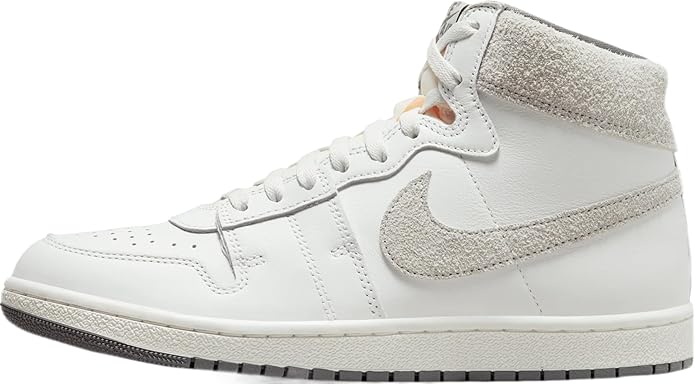
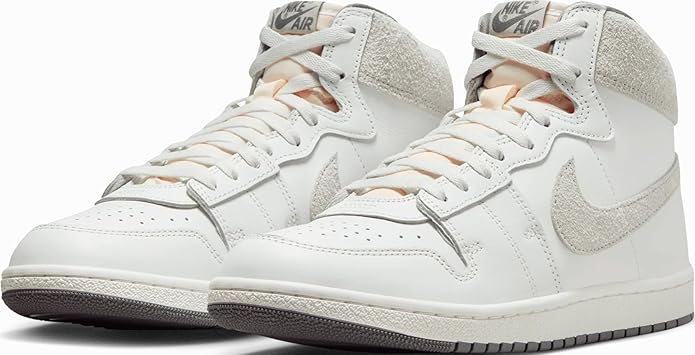
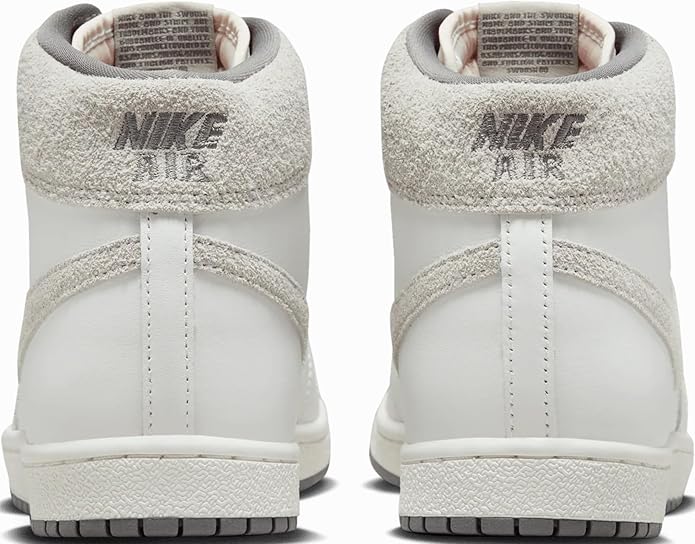
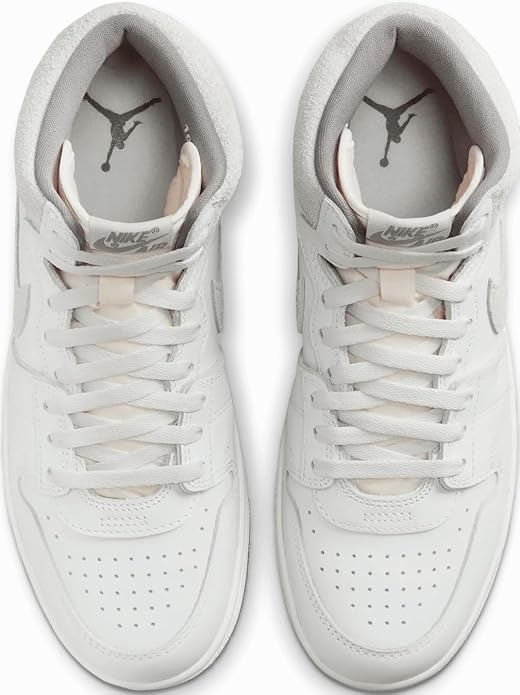
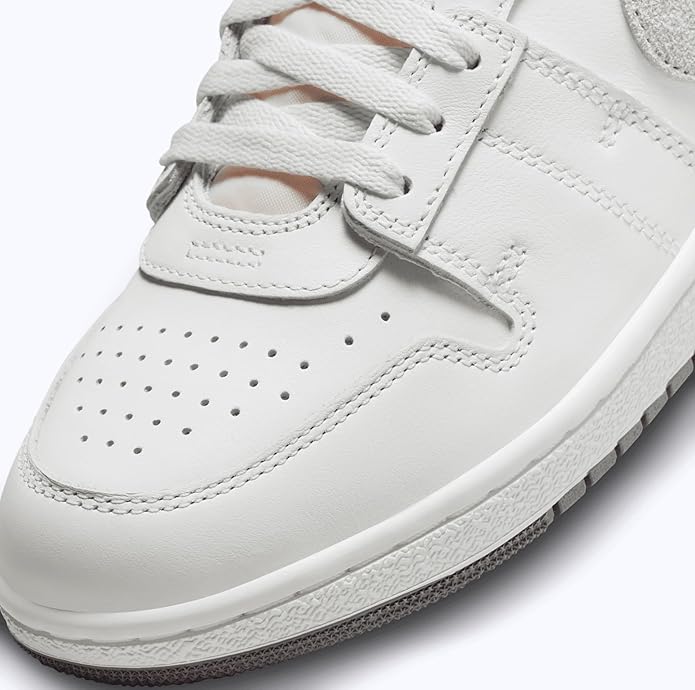
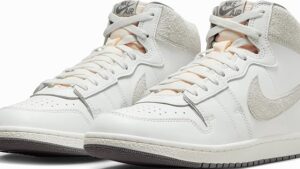
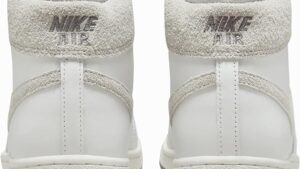
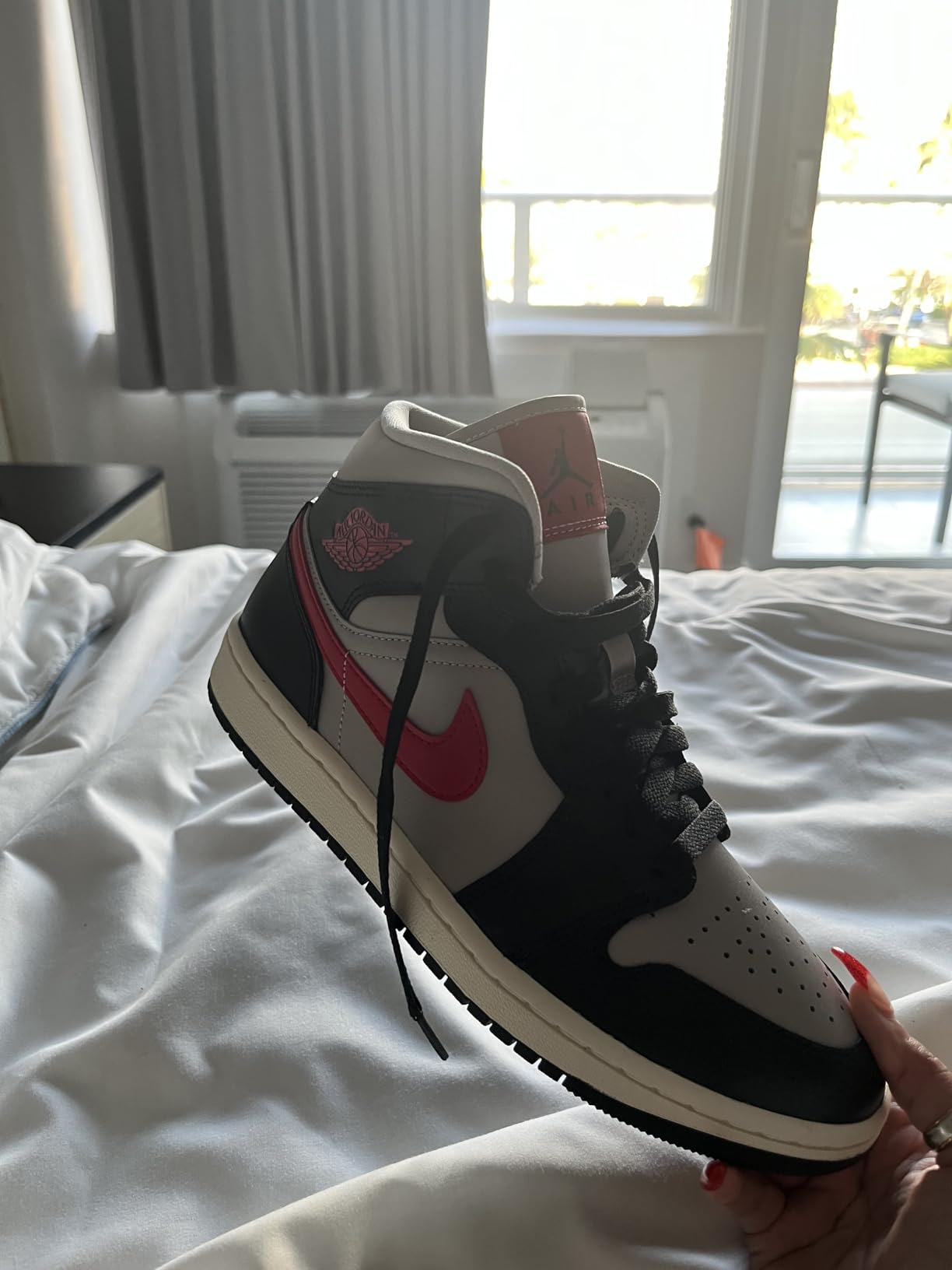
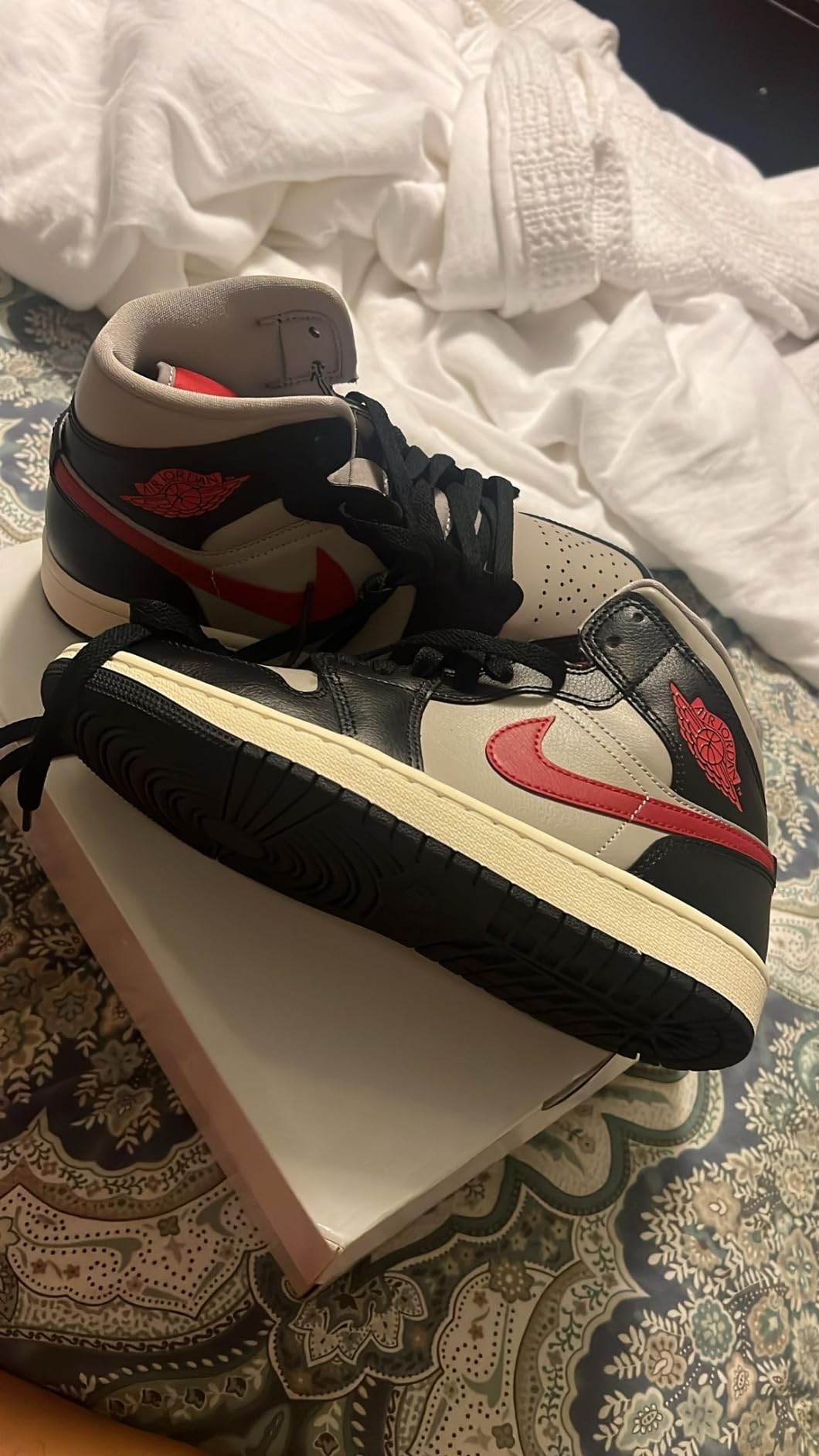
The Summit White/Gunsmoke colorway I tested is understated in the best way — a clean base with just enough contrast to avoid looking washed out. Straight out of the box, the synthetic leather upper feels more substantial than you’d expect at this price tier. It’s not floppy or hollow, which are the two failure modes you usually encounter with budget synthetic leather. The mesh panels along the lateral sides are visible and functional, though not as generous as the full-mesh constructions you’ll find on modern basketball shoes.
Weight comes in at 15.2 oz for a men’s size 9. That’s on the heavier side by current standards — most modern performance basketball shoes in this price range run 12–14 oz. During the first few sessions, I was aware of the weight underfoot in a way I’m not with lighter footwear. By the third or fourth game, it had faded into background awareness.
The mid-top collar height strikes the right balance between ankle coverage and mobility. Too high and you lose quick first-step freedom; too low and you’re exposed during lateral direction changes. The Air Ship hits a practical middle ground that works for recreational play without feeling restrictive during open-court runs.
Fit and Sizing — What to Expect Before You Lace Up
I wear a 10.5 in Nike running shoes, and I ordered a 10.5 here without hesitation — it fit correctly from day one. The consensus across multiple reviews and community feedback aligns: the Air Ship runs true to size. Unlike some basketball models with unusual size curves, there’s no reason to deviate from your standard Nike size unless you fall into a specific scenario.
That scenario is wide feet. The toe box runs slightly narrow through the forefoot — not restrictively so for standard-width feet, but enough that wide-footed players will notice compression by the end of longer sessions. If you know your feet push toward the edges of your current shoes, order a half size up and account for a slightly roomier fit overall.
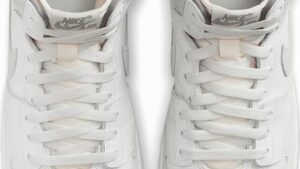
Break-in time is short. Synthetic leather softens faster than traditional leather, and by my third session, the upper had conformed to my foot’s shape and the lacing system had found its natural tension. The independent lockdown wings through the midfoot create a secure feel without over-tightening — you won’t find yourself constantly re-lacing mid-game the way you sometimes do with traditional tongue designs.
One note on ankle support: the collar fits snugly out of the box, which might feel slightly restrictive for the first few sessions. This eases as the collar breaks in. Players accustomed to lower-cut basketball shoes may find the mid-top height feels deliberate at first. Players coming from high-top basketball footwear will find it comfortable immediately.
Sizing Guidance Summary
- Standard/narrow feet: Order your true size
- Wide feet: Consider a half size up
- Between sizes: Size up if you’re at a half-size
- Break-in: 2–3 sessions for optimal comfort
Cushioning and Impact Protection — Living with the Air-Sole
The Phylon midsole combined with the full-length encapsulated Air-Sole unit delivers what Nike promises: consistent impact protection from heel strike to forefoot push-off. At 185 lbs, I put real load on cushioning during drives to the basket and jump stops — this combination handled it without bottoming out or creating a dead, flat sensation.
What it doesn’t offer is energy return. The Air-Sole unit absorbs impact effectively, but it doesn’t spring back the way modern Zoom Air or React foam does. Your push-off energy dissipates into the midsole rather than bouncing back into your stride. For explosive guards who generate a lot of force off the ground, this matters. For recreational players primarily concerned with joint protection during long sessions, it’s a reasonable trade.
The heel crash pad earned its name during play. Awkward landings — the kind where you come down slightly off-balance — were absorbed without that jarring feedback you get from thinner midsoles. After 8 weeks and 24 games including some three-hour sessions, my knees and ankles showed no unusual fatigue. That kind of cumulative protection record matters more than any single performance metric.
How the cushioning ages across the test period is worth noting: by game 24, the midsole felt slightly more compressed than it did at game 1, but not dramatically so. The Air-Sole unit maintained its character — no dead spots, no asymmetrical compression. For recreational players playing two to three times per week, the cushioning should remain functional for the 6–12-month lifespan I project for this shoe.
On-Court Performance — Traction, Stability, and Three Gyms
Traction Across Three Court Surfaces
Testing across three different surfaces was intentional — any shoe can look good on a freshly swept rec center hardwood. The Air Ship held up on all three.
Community center court (pristine hardwood): The hybrid traction pattern gripped immediately with no adjustment period. Baseline drives, defensive slides, jump stops — the rubber bit into the floor on every movement.
Workplace gym (slightly dusty auxiliary court): This is where cheaper rubber compounds fail you, clogging with debris and losing grip mid-game. A quick sole wipe on my shorts before stepping onto the dirty court, and the Air Ship held its grip reliably for the full session. The rubber compound doesn’t retain dust the way some softer compounds do.
Rec center standard floor (sealed concrete finish): Similar grip quality to the community center. No surprises, no slipping.
Lateral Stability and Defensive Performance
The lateral outrigger is the structural feature that matters most for basketball-specific movement. During one session, I guarded a quick point guard through roughly 30 minutes of consecutive defensive possessions — constant lateral shuffles, closeout sprints, and direction reversals. The outrigger prevented any ankle roll incidents. My foot stayed planted through every cut because the midsole flare provides a wider base at the outside heel, resisting inward collapse.
The injected shank through the midfoot adds stiffness to the transition zone between heel and forefoot. During quick pivots — catching a ball in the post and turning to face the basket — the midfoot flexes in a controlled way rather than collapsing. Players accustomed to very flexible lightweight trainers will notice this structure immediately. Players coming from other mid-to-high-top basketball shoes will feel at home.
One caveat worth emphasizing: this shoe is designed for indoor courts. The rubber outsole will wear significantly faster on concrete or asphalt. If your primary court is an outdoor hardtop, consider a shoe with an XDR-grade or higher-abrasion rubber compound. The Air Ship’s outsole isn’t built for that surface.
Breathability and Heat Management
This is the category where the Air Ship’s design age shows most clearly, and it’s worth being direct about what to expect.
In climate-controlled gyms, breathability is adequate for any session length. The mesh panels do move air, and the synthetic leather panels don’t trap heat aggressively when the ambient temperature stays reasonable. I played through three-hour sessions in air-conditioned facilities without foot temperature becoming a factor.
In un-air-conditioned gyms during summer, the picture changes. Around the 45-minute mark during a August session in a gym without climate control, I noticed distinct warmth building inside the shoe. By the 75-minute point, it was actively distracting. This isn’t a failure — it’s a design characteristic of synthetic leather construction that predates engineered knit uppers. Modern basketball shoes using perforated mesh or knit constructions would perform better in that environment.
The practical implication: if your primary gym is climate-controlled, breathability won’t be an issue. If you play outdoors in warm weather, in poorly ventilated facilities, or in summer league environments without reliable HVAC, plan for ventilation limitations after 45–60 minutes.
Players who run hot or play long sessions in warm gyms should factor this into their decision. The breathability isn’t bad for 1980s-era synthetic construction — it’s just honest that the design has limits modern uppers have moved past.
Build Quality and Durability Over 8 Weeks
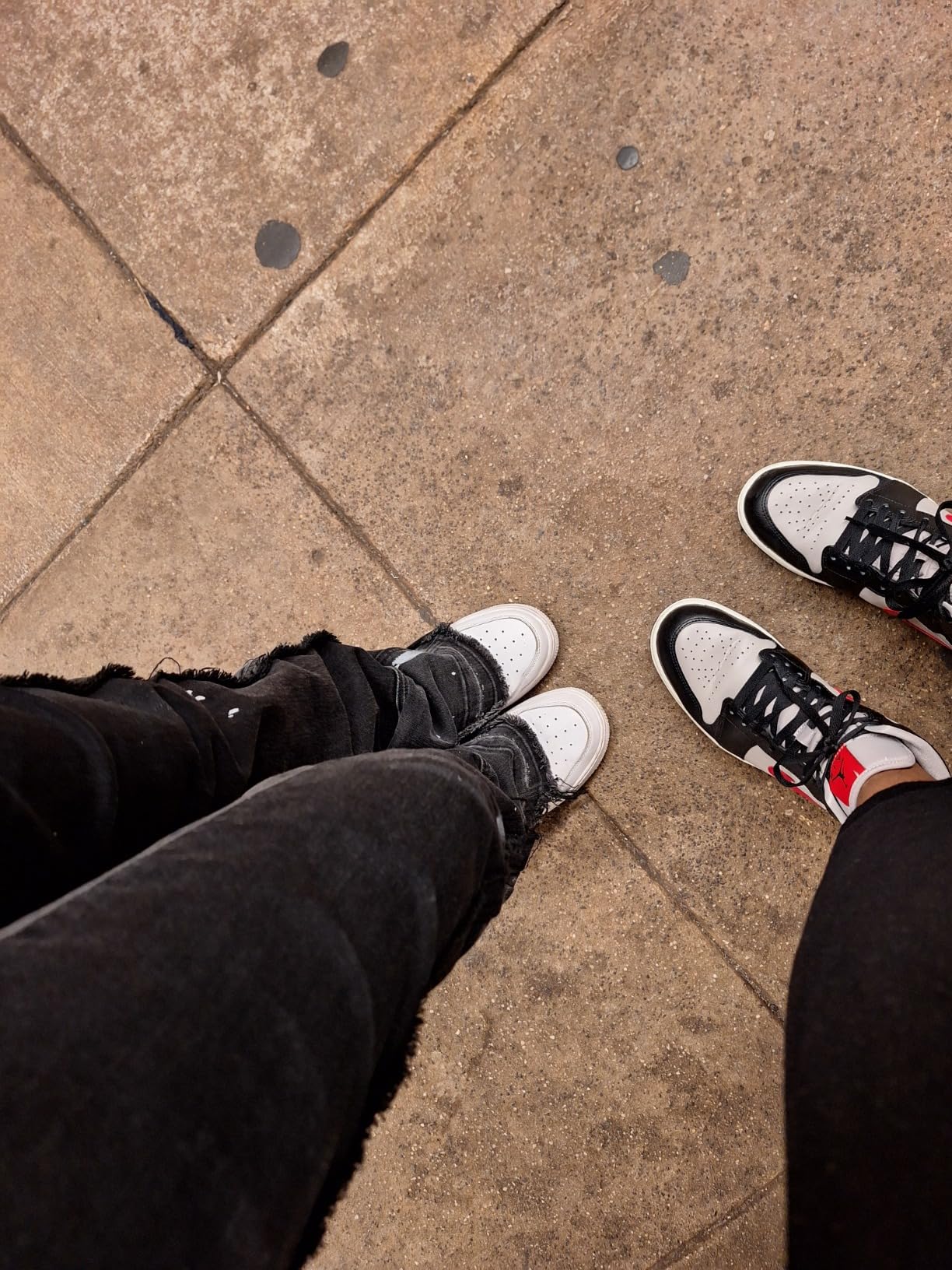
At the 8-week mark with 40+ hours of court time, the Air Ship shows impressive structural integrity:
**Outsole:** Minimal wear. The solid rubber shows slight surface abrasion at high-load contact zones — toe-off area and lateral heel — but no grooves have been worn down. The traction pattern retains its original depth.
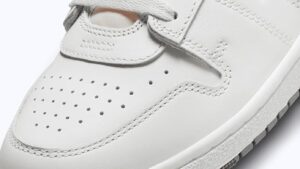
**Upper:** The synthetic leather has developed natural flex creasing at the toe box, which is expected and not structurally compromising. Stitching at stress points — the eyelet rows and the toe cap — shows no fraying. The mesh panels have maintained their structure with no tears or pulls despite repeated aggressive lateral movement.
**Sole-to-upper bond:** No separation visible at any point along the perimeter at 8 weeks.
**Sole-to-upper adhesion at the toe cap:** This is the area I watched most carefully, as it’s a common failure point for basketball shoes in this price range. No separation observed.
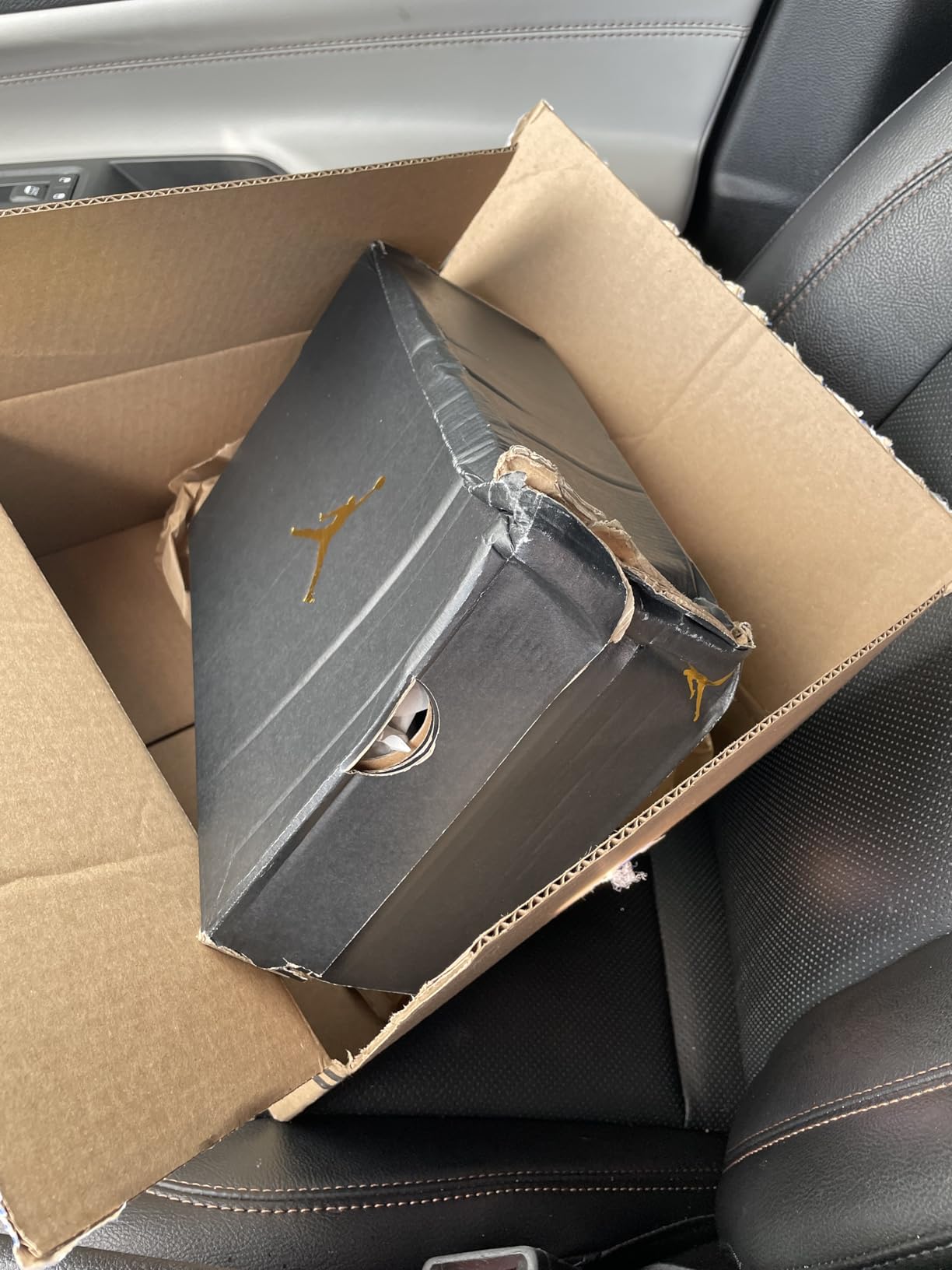
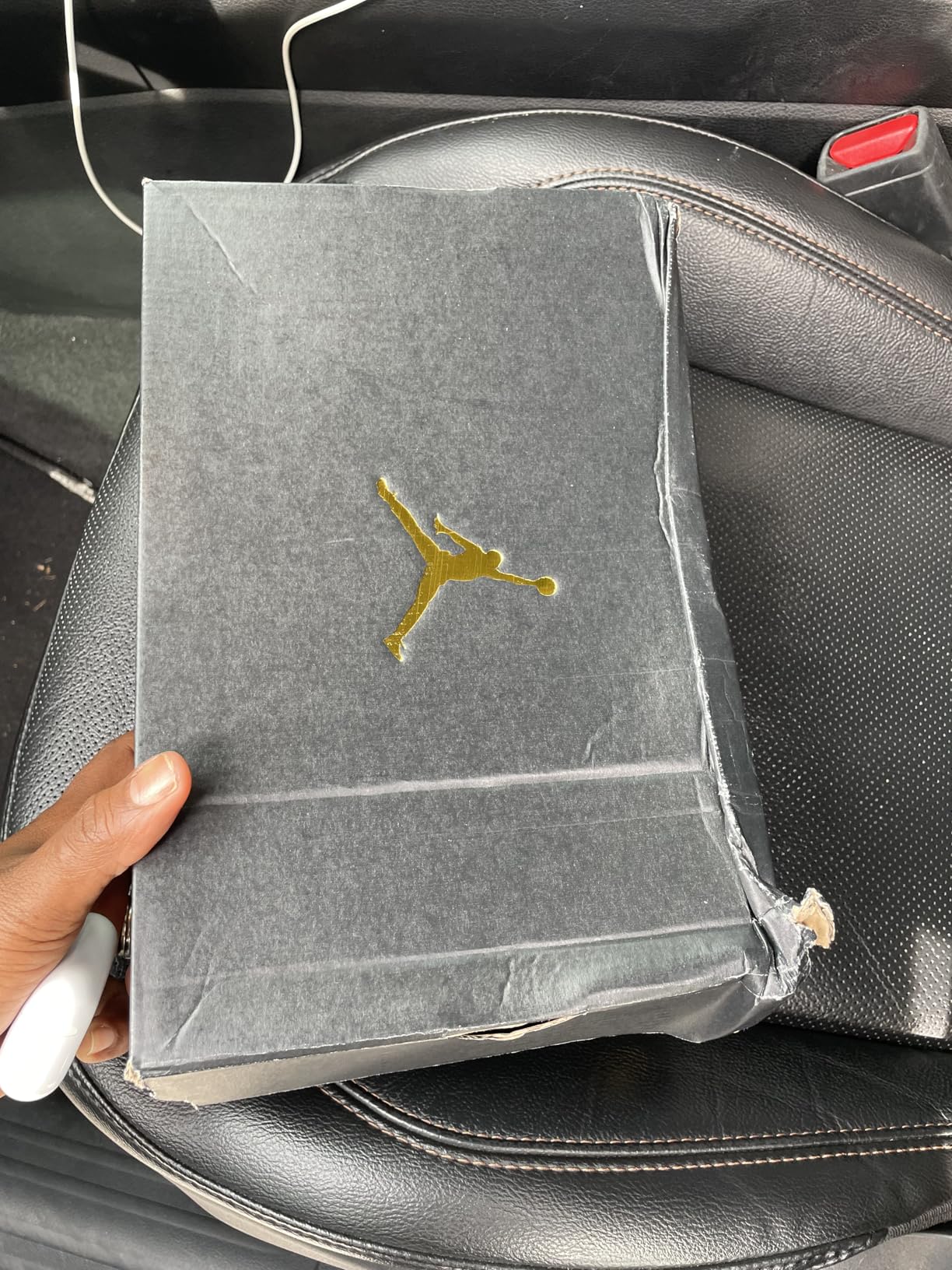
The QC caveat worth mentioning: community feedback across multiple sources notes some pairs arriving with minor cosmetic defects — slight colorway inconsistencies, thread irregularities — and packaging damage. These issues don’t affect performance and appear to be batch-dependent rather than systemic, but they exist at a frequency you shouldn’t ignore when paying $139–189. Inspect your pair on arrival.
Expected Lifespan by Usage Intensity
- Recreational (2–3x/week, 1–2 hours per session): 6–12 months
- Intensive (4–5x/week, longer sessions): 3–6 months
- Casual/occasional use: 12–18 months
Key Strengths
- Reliable traction on indoor courts across three surfaces
- True-to-size fit with short break-in period
- Lateral outrigger provides excellent defensive stability
- Solid impact protection for recreational play intensity
- Authentic Jordan heritage in the design — the real pre-AJ1 story
- Durable construction showing minimal wear at 40+ hours
Areas for Improvement
- Breathability limited in hot, un-AC environments after 45 minutes
- Phylon + Air-Sole cushioning doesn’t match modern Zoom Air or React responsiveness
- 15.2 oz weight is noticeable vs. lighter modern basketball shoes
- Narrow toe box excludes wide-footed players
- Some QC inconsistencies and packaging damage reported across batches
- Premium pricing for technology that predates modern foam compounds
Does Nike Deliver on Its Promises?
Nike markets the Air Ship with a handful of specific claims. Here’s how each held up over 8 weeks:
“The Jordan 1 Before the Jordan 1” — This is historically accurate. The Air Ship is the shoe Michael Jordan wore during his 1984–85 NBA rookie season. The Jordan 1 debuted later. If you’re buying for heritage reasons, this claim is legitimate.
“Great performance fit and breathability” — Half true. The fit earns its praise: TTS sizing, secure lockdown, good ankle coverage. The breathability claim is where “great” ages poorly. Adequate for climate-controlled indoor play — not great by 2025 standards. Modern engineered knit uppers from competing brands at similar price points breathe more freely.
“Full-length encapsulated Air-Sole unit” — Confirmed. The cushioning is present and consistent across the entire footbed. You feel it from heel to forefoot, not just in the heel pocket. Nike delivers what the label describes.
“Hybrid traction pattern” — Confirmed. The grip held across all three court surfaces I tested, including the dusty auxiliary gym that exposes lesser rubber compounds.
The honest takeaway: Nike’s performance claims are mostly accurate but measured by the standards of the shoe’s original era. The Air Ship does what it says. What it can’t claim is that its technology competes with shoes designed 40 years later.
Heritage and Off-Court Appeal
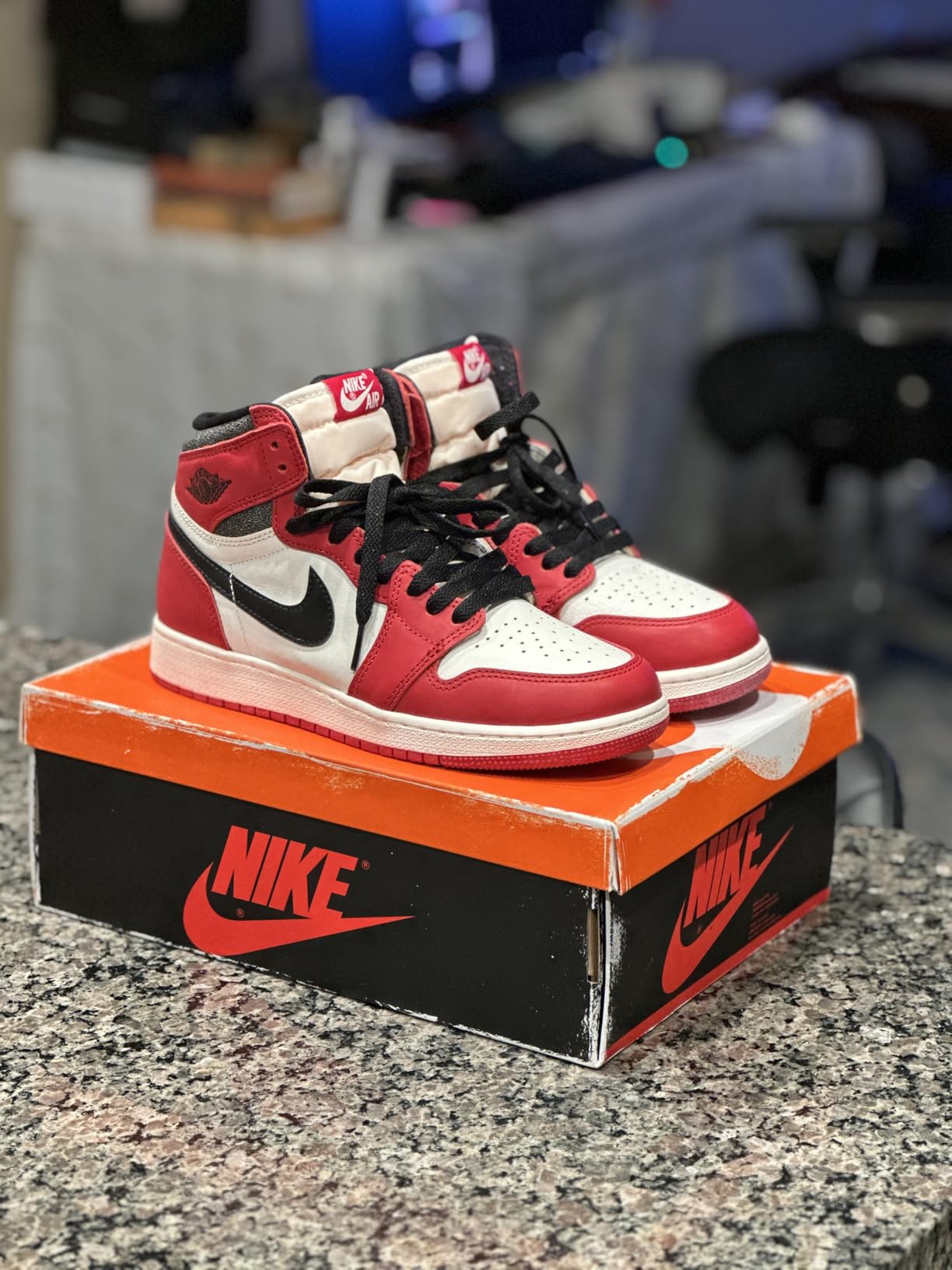
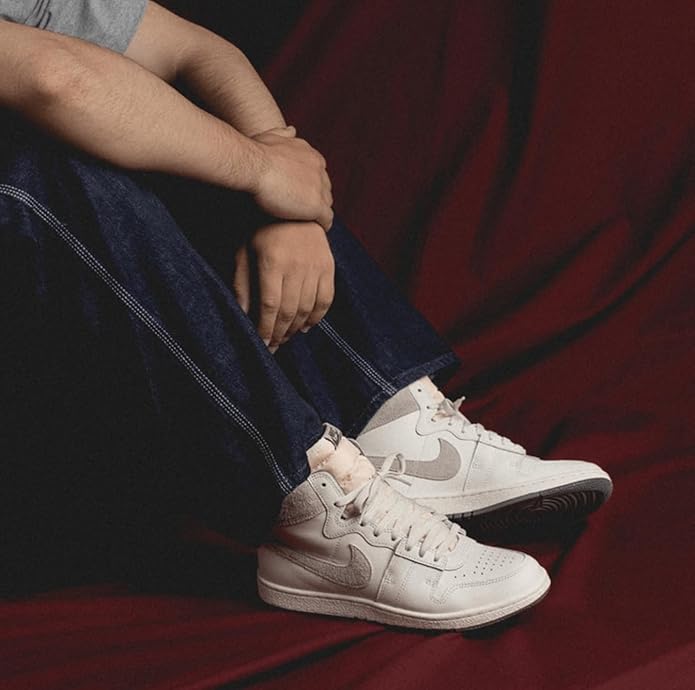
The Summit White/Gunsmoke colorway’s design simplicity is a genuine asset for off-court wear. Where many modern sneaker designs lean into aggressive geometry or color blocking, the Air Ship’s clean lines and restrained palette translate naturally to casual contexts — jeans, shorts, or warm-up gear.
The retro appeal here is different from standard retro sneaker releases. Most retro designs are lifestyle shoes adapted from an athletic silhouette. The Air Ship is the inverse: a performance-first basketball shoe with authentic athletic origin that happens to carry tremendous cultural weight. Players who appreciate that distinction find the Air Ship more satisfying than shoes with no connection to actual sport history.
Sneaker community reception has been consistently positive on the heritage angle. This is a shoe that draws compliments from people who know their Jordan history — and raises curious questions from people who don’t. Both outcomes are enjoyable.
The style score of 9.0 reflects a design that works across contexts without trying too hard. It’s not trendy, which is exactly what gives it longevity.
Performance Scores and Value Assessment
| Performance Category | Score (1–10) | Notes |
|---|---|---|
| Comfort | 7.5 | Solid cushioning and secure fit; breathability reduces the ceiling in hot gyms |
| Traction | 8.5 | Reliable grip on three indoor court surfaces; quick wipe recovery on dusty floors |
| Support | 8.0 | Lateral outrigger + injected shank deliver genuine ankle and midfoot stability |
| Durability | 8.5 | Minimal wear after 40+ hours; structure and sole-bond holding well at 8 weeks |
| Style | 9.0 | Timeless retro design works on and off the court without visual effort |
| Value | 7.0 | Quality construction justifies some premium; older tech limits value against modern options at same price |
| Overall Performance | 8.05 | Dependable recreational basketball shoe with authentic Jordan heritage |
Value Tier Analysis
At $139–189, the Air Ship competes in a crowded middle tier of basketball shoes. Against budget options in the $60–90 range, the Air Ship wins on construction quality, stability technology, and brand heritage. Against modern performance basketball shoes at the same price — including options using Zoom Air, React foam, or carbon fiber structures — the Air Ship’s older technology is a real gap.
Cost-per-month math for context: at $159 and a 10-month recreational lifespan, that’s roughly $16/month. Reasonable for a shoe this well-constructed.
The value proposition is strongest when you need both on-court reliability and off-court versatility. If you’re buying strictly for performance, you can get more advanced cushioning at this price. If heritage matters alongside performance, the math tilts in the Air Ship’s favor.
Who Should Buy the Air Ship — and Who Shouldn’t
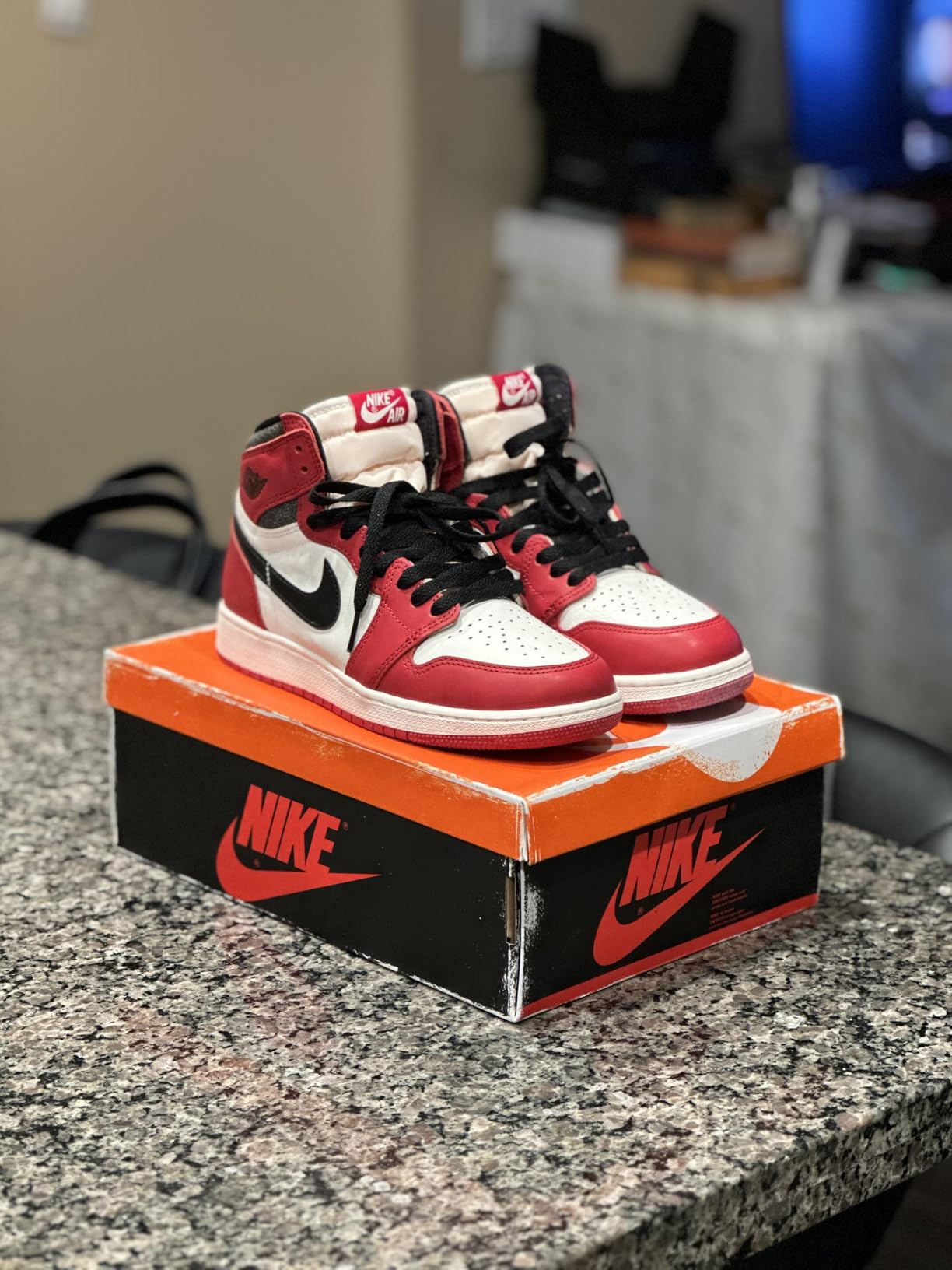
The Air Ship makes sense for:
- Recreational basketball players (pickup games 2–3x/week, casual leagues)
- Jordan heritage enthusiasts who want the real pre-AJ1 origin story on their feet
- Players who want one shoe that works on the court and everywhere else
- Standard or narrow foot profiles — the TTS fit is reliable and comfortable
- Players prioritizing ankle support and lateral stability over maximum responsiveness
Look elsewhere if:
- You play competitive basketball where cushioning responsiveness affects your game
- Your primary gym environment is hot and poorly ventilated
- You have wide feet — the narrow toe box won’t work long-term
- You play primarily outdoors — the outsole wasn’t designed for that surface
- Maximum energy return technology is a priority
Better Options for Specific Needs
More breathability: The Nike LeBron Witness 7 uses a more modern mesh construction that manages heat significantly better.
Budget performance: The AND1 Pulse 3.0 offers solid court performance at a lower price point for players who don’t need the Jordan heritage premium.
Classic retro alternative: The Reebok Royal BB4500 Hi2 is another high-top retro basketball option with different heritage and a similar price tier.
Indoor court alternative: The Python Deluxe Indoor Court is purpose-built for hardwood if you’re purely chasing indoor performance without the retro premium.
Modern Nike basketball: The Nike Air Flight Mid occupies a similar retro-performance space with a different silhouette and construction approach worth comparing.
Final Verdict
The Nike Men’s Basketball Air Jordan Air Ship earns its 8.05/10 from a combination of reliable on-court performance, authentic Jordan heritage, and structural quality that holds up over an 8-week test. What keeps it from scoring higher is the breathability ceiling in warm environments, the dated cushioning technology relative to the price, and the narrow toe box that excludes a real segment of potential buyers.
For recreational players who want dependable indoor performance wrapped in a silhouette that connects to the actual beginning of the Jordan legacy — not a retro remix, but the original shoe Michael Jordan wore before the Jordan 1 existed — this delivers on every relevant dimension.
Just be honest with yourself about your environment and foot shape before committing.
Frequently Asked Questions
Do the Air Jordan Air Ship shoes run true to size?
Yes. The consensus across testing and community feedback is consistent: order your standard Nike size. The only exception is wide feet, where the narrower toe box may cause discomfort — in that case, a half-size up provides more room.
Are these shoes good for outdoor basketball?
They’re designed primarily for indoor hardwood courts. The rubber outsole will function outdoors, but expect significantly faster wear on concrete or asphalt. If outdoor courts are your primary surface, a shoe with a more durable outsole compound will give you better longevity.
How does the Air Ship compare to the original Air Jordan 1?
The Air Ship predates the Jordan 1 — it’s the shoe MJ wore during his 1984–85 rookie season before the Jordan 1 launched. The Air Ship focuses more on basketball function; the Air Jordan 1 has evolved primarily into a lifestyle shoe. Different purposes, different design priorities, same designer heritage (Bruce Kilgore was involved with both).
Is the Air cushioning actually noticeable?
Yes. The full-length Air-Sole unit delivers consistent cushioning across the entire footbed. You feel it most clearly during landing from jumps and at heel strike. It’s not as bouncy or energy-returning as modern Zoom Air — it absorbs rather than returns — but the protection is genuine and consistent.
What’s the break-in period?
Short. Synthetic leather softens faster than traditional leather. By sessions 2–3, the upper conforms to foot shape and the lacing tension finds its natural point. No significant discomfort during the break-in window compared to traditional leather basketball shoes.
How long will they last for regular recreational play?
For players going 2–3 times per week, expect 6–12 months of solid performance before the cushioning compression and outsole wear become noticeable. Intensive players (4–5x/week) should plan for 3–6 months. Occasional players who rotate between multiple pairs can reasonably expect 12–18 months.
Is there anything to know about insole compatibility?
The stock insole is functional but replaceable. Players with specific arch support needs can swap in aftermarket orthotic insoles — the insole pulls out cleanly and standard replacement dimensions fit correctly.
What colorways are available, and does fit vary between them?
Multiple colorways exist across the Air Ship lineup, including various heritage and anniversary editions. Fit should remain consistent across colorways since they share the same last. Size recommendations don’t change by colorway.
How does the Air Ship compare to the Air Force 1 for sizing?
Both were designed by Bruce Kilgore and share some construction DNA, but they’re different lasts. The Air Force 1 tends to run slightly larger through the toe box. If you size down half a size in AF1s, stay with true-to-size in the Air Ship.
Is this shoe worth buying if I’m not a Jordan collector?
Yes, if indoor performance is your priority. The heritage story is a bonus, not a requirement. On its merits as a basketball shoe — traction, support, impact protection, TTS fit — the Air Ship performs reliably for recreational play regardless of whether you follow the Jordan lineage. The Under Armour Lockdown 7 is a comparable non-heritage option worth evaluating if the Jordan story doesn’t factor into your decision.
Review Scoring Summary
| Category | Score | Weight | Weighted Score |
|---|---|---|---|
| Basketball Performance | 8.0 | 25% | 2.0 |
| Comfort & Fit | 7.5 | 20% | 1.5 |
| Durability | 8.5 | 20% | 1.7 |
| Style & Aesthetics | 9.0 | 15% | 1.35 |
| Value for Money | 7.0 | 10% | 0.7 |
| Build Quality | 8.0 | 10% | 0.8 |
| OVERALL SCORE | 8.05 | 100% | 8.05/10 |
Be the first to review “Nike Men’s Air Jordan 1 Mid Basketball Shoes”
Related products
Basketball Shoes
Basketball Shoes
Basketball Shoes
Basketball Shoes
Basketball Shoes
Basketball Shoes
Basketball Shoes
Basketball Shoes
Reviews
There are no reviews yet.