
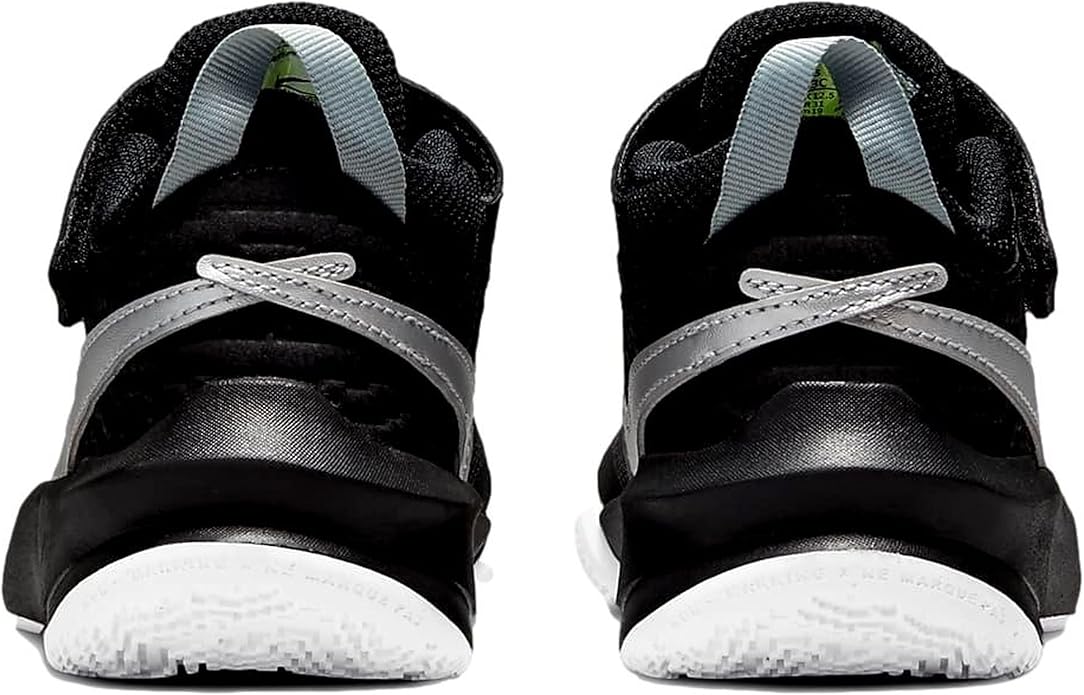
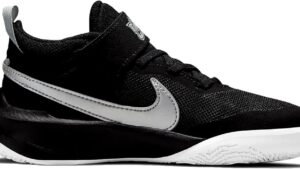
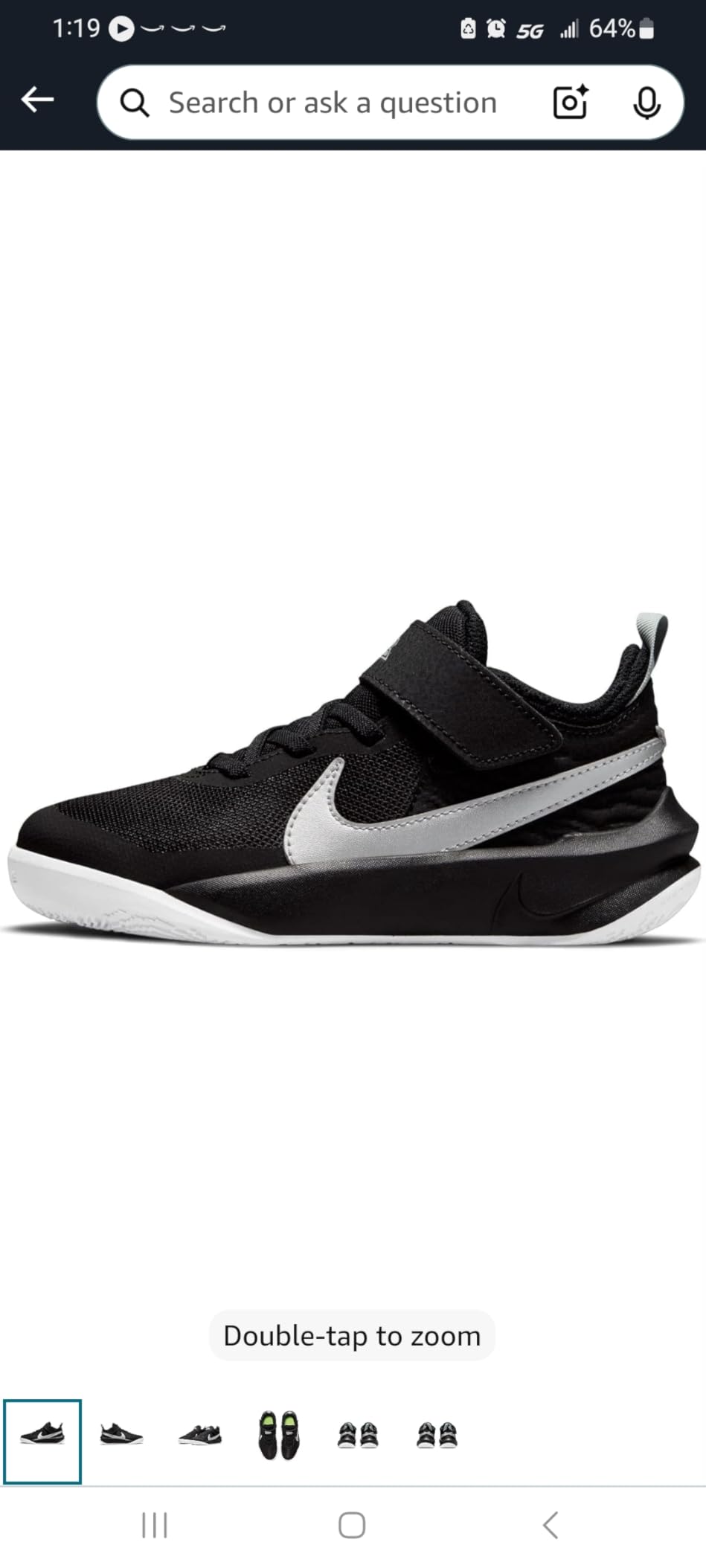
My daughter had been playing basketball three times a week for six months before her old shoes gave out. Finding a replacement that wouldn’t break the bank — but wouldn’t embarrass her on the court either — sent me down a rabbit hole I wasn’t expecting. The Nike Team Hustle D 10 (listed online as “Unisex-Child Running Shoes,” though they’re firmly in basketball territory) caught my eye at $40-50. That price point, for a Nike, felt like either a hidden gem or a trap. Eight weeks later, 24 practices, and six actual games behind us, I can tell you it’s genuinely a bit of both.
This is Sarah — I’ve helped three families navigate youth basketball shoe shopping this season, and I’ve gotten pretty comfortable separating Nike’s marketing language from what actually holds up on gym floors. Here’s the complete picture.
Quick Verdict
When everything aligns — correct product received, no manufacturing defects, recreational play schedule — this shoe delivers real value. The traction is reliable, the fit is accurate for most kids, and children legitimately want to wear them because Nike branding matters at this age. But the quality control issues and some very specific weaknesses keep this from being a straightforward recommendation. For families with competitive players or kids hard on footwear, the math doesn’t always work in your favor.
Overall Score: 6.5/10
Technical Specifications
- 💰 Price: $40–55 (varies by retailer and colorway)
- ⚖️ Weight: ~11 oz per shoe (youth size 5); ~12 oz in larger grade school sizes
- 📏 Heel-to-toe drop: 8mm (reported; unverified by external labs)
- 🧪 Midsole: Soft foam cushioning
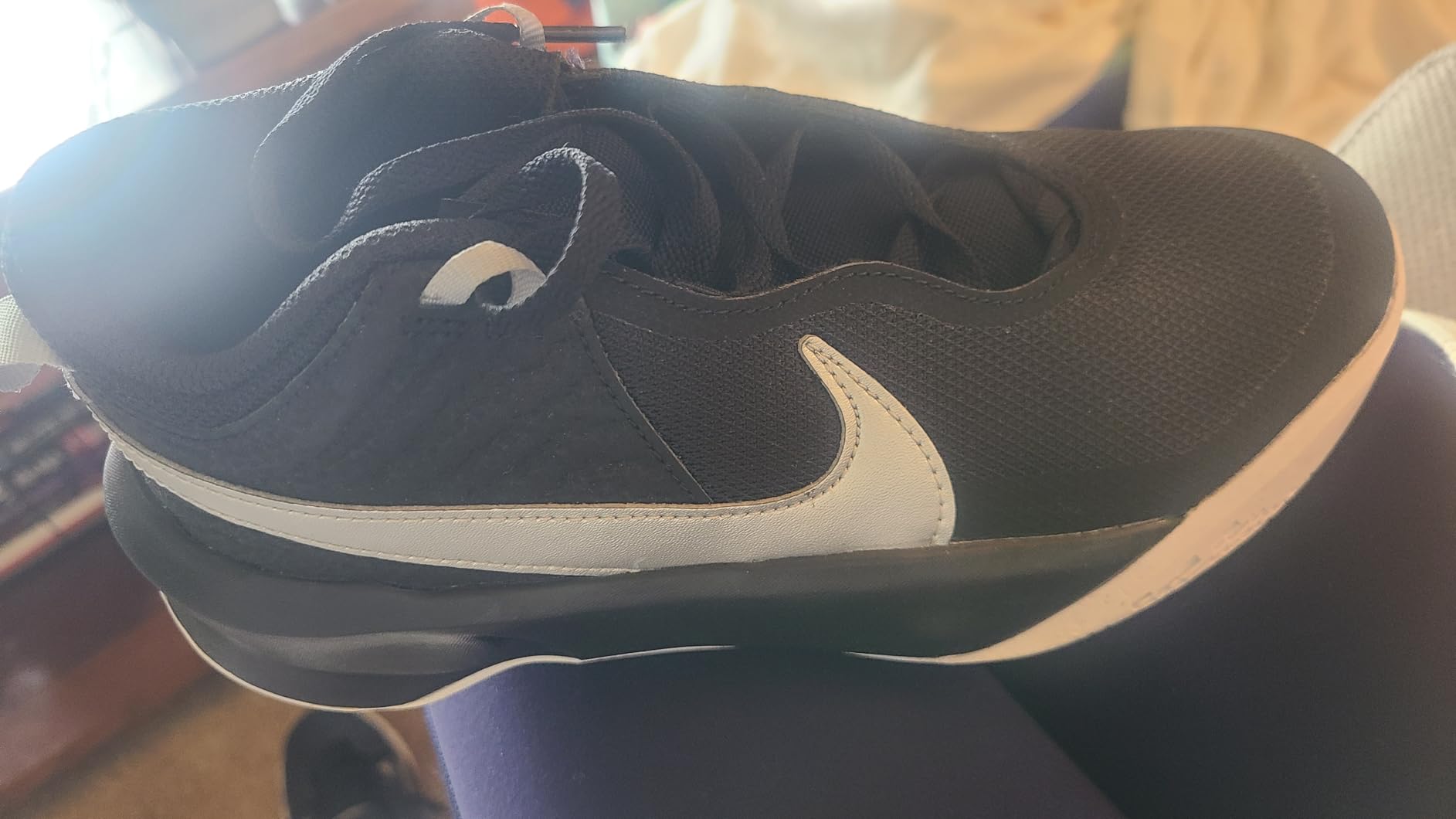
- 👟 Upper: Synthetic fabric, mesh panels, leather accents at heel
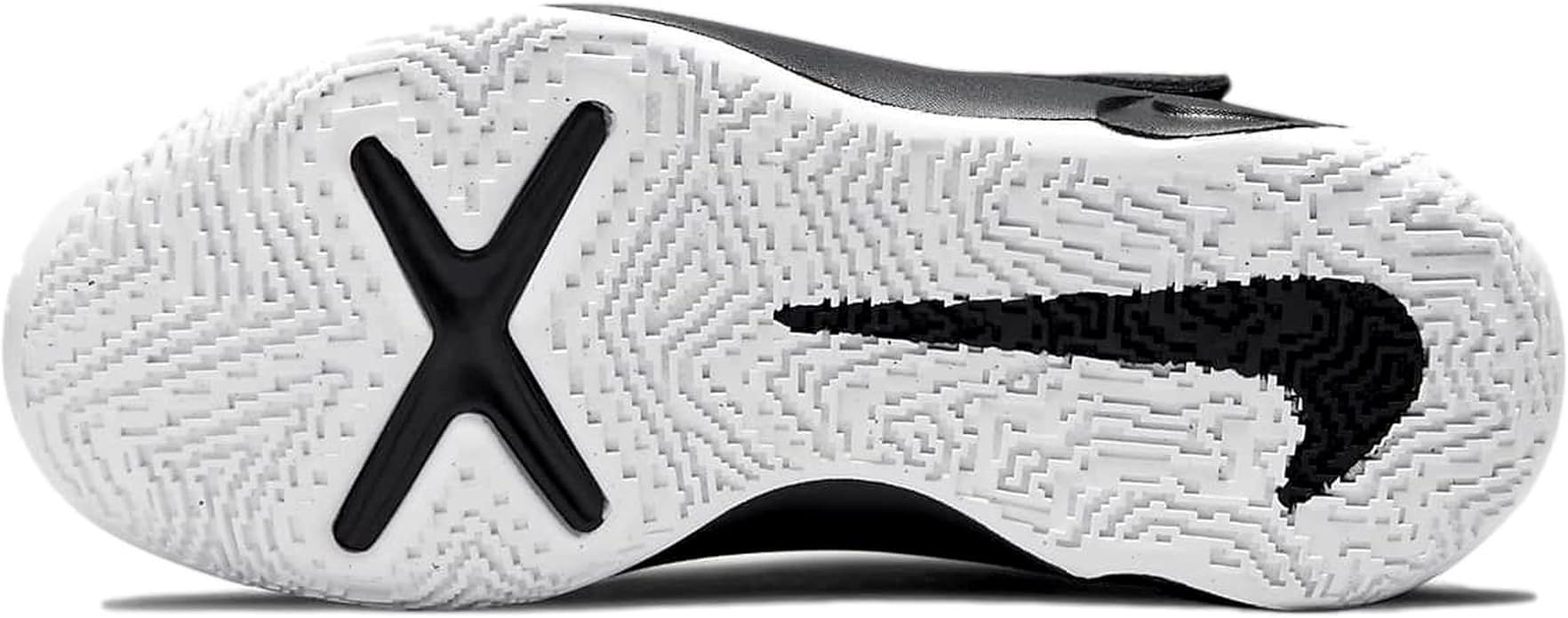
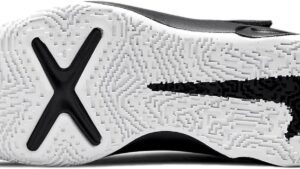
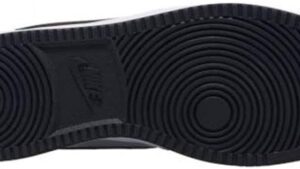
- 🏀 Outsole: Rubber, pressure-mapped traction pattern, curved heel design, flexibility grooves
- 🔒 Closure: Lace-up (SKU CW6735) — see section below on the velcro confusion
- 🧒 Sizes: Toddler (TD) through Grade School/Big Kid (GS)
- 🎯 Best for: Recreational youth basketball, school leagues, beginner skill development
- ⏱️ Testing: 8 weeks, 24 practices, 6 games, multiple court surfaces
Design, Build Quality, and That Velcro Strap Situation
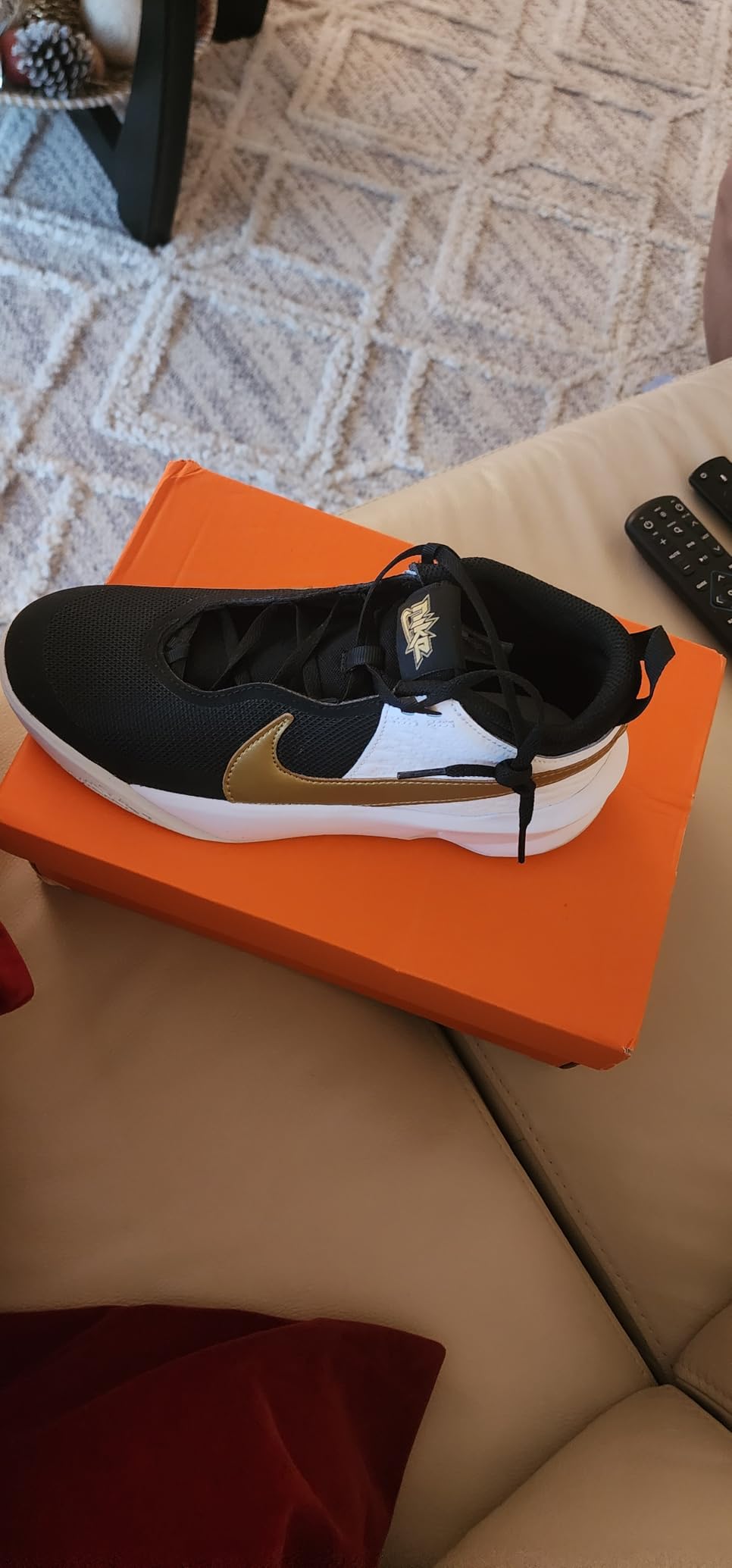
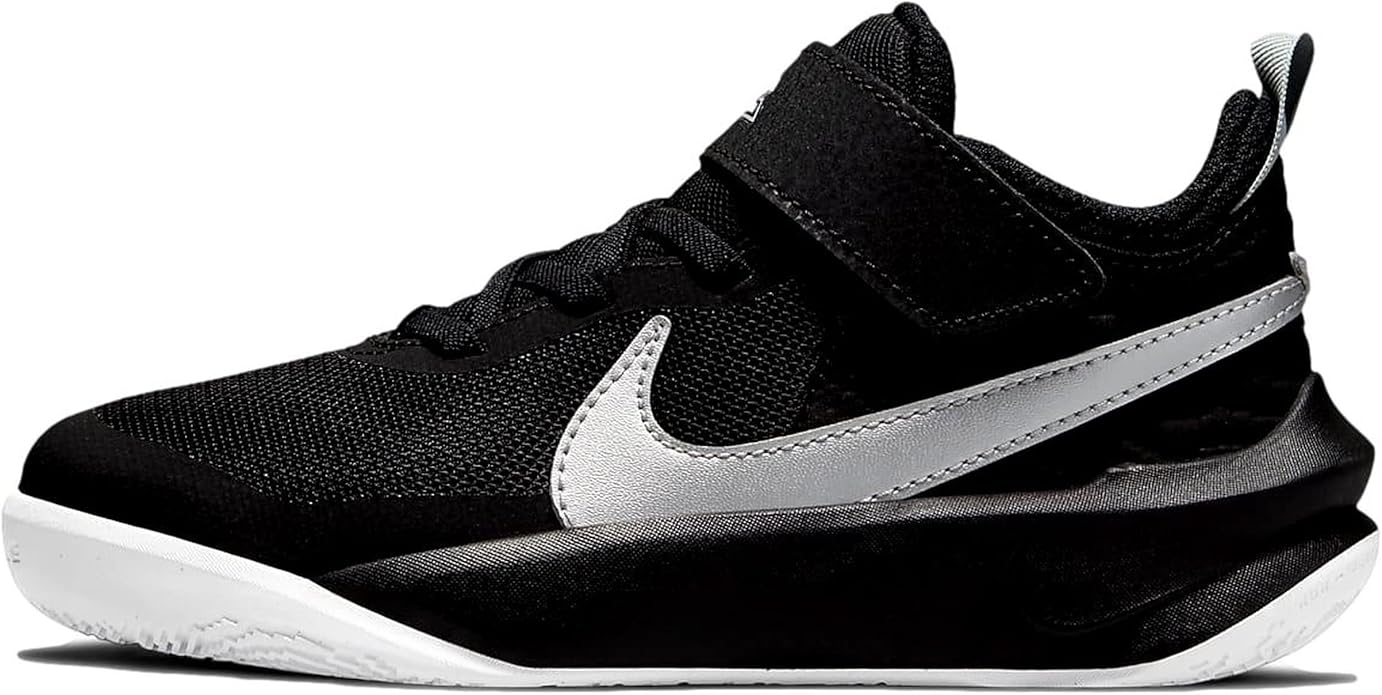
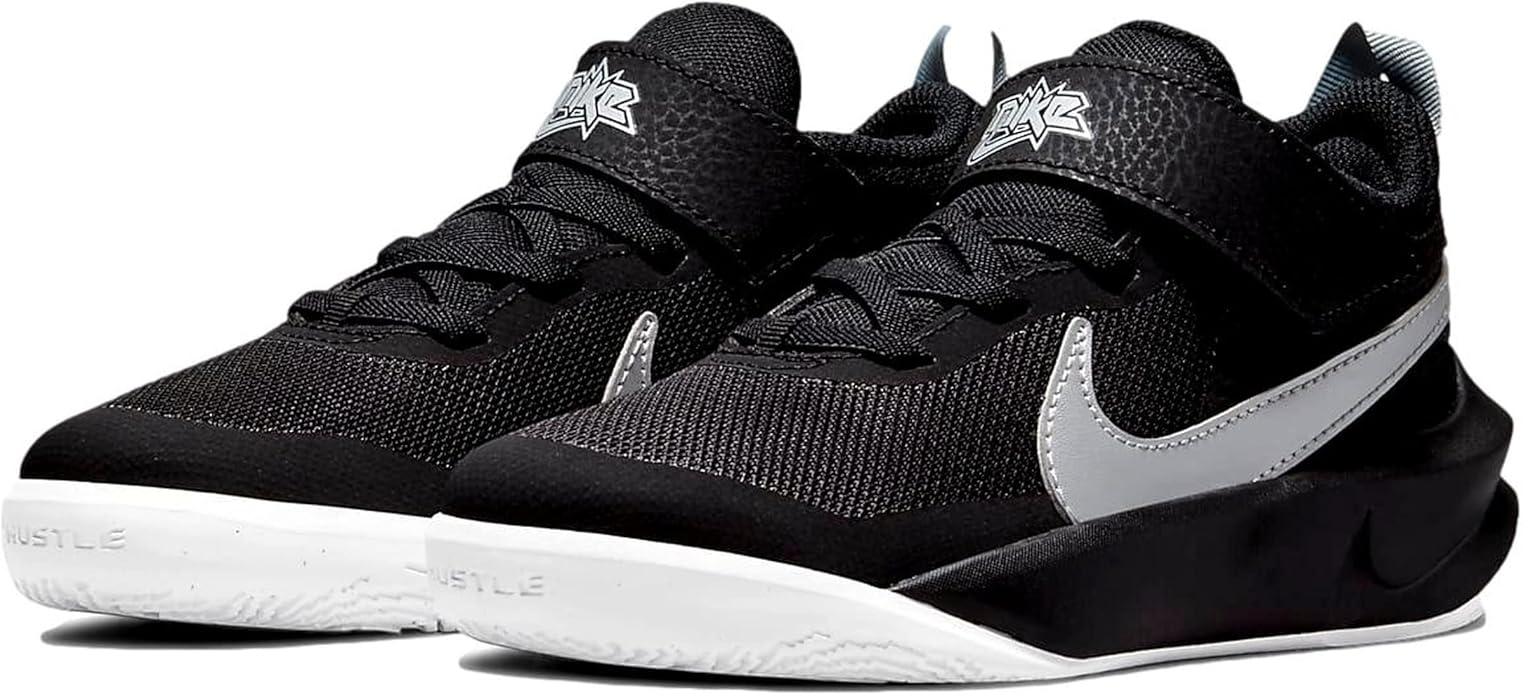
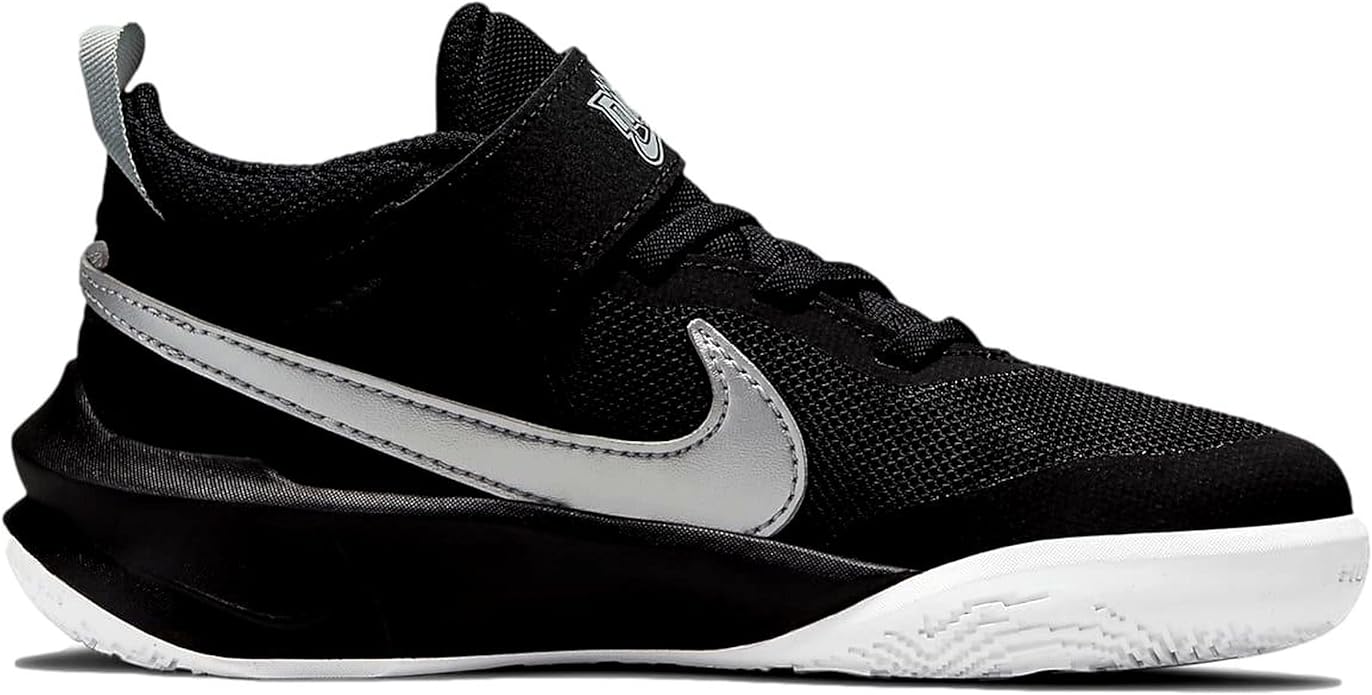
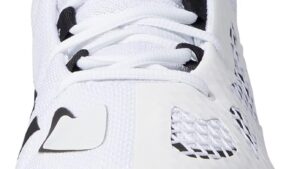
Right out of the box, these feel more substantial than the price tag suggests. The synthetic upper has a decent texture — not cheap-plastic feeling — and the stitching came in clean and consistent across the pairs we looked at. My daughter’s first reaction was basically that these looked exactly like real basketball shoes, which matters enormously to a 10-year-old who doesn’t want to show up to practice in something her teammates will notice.
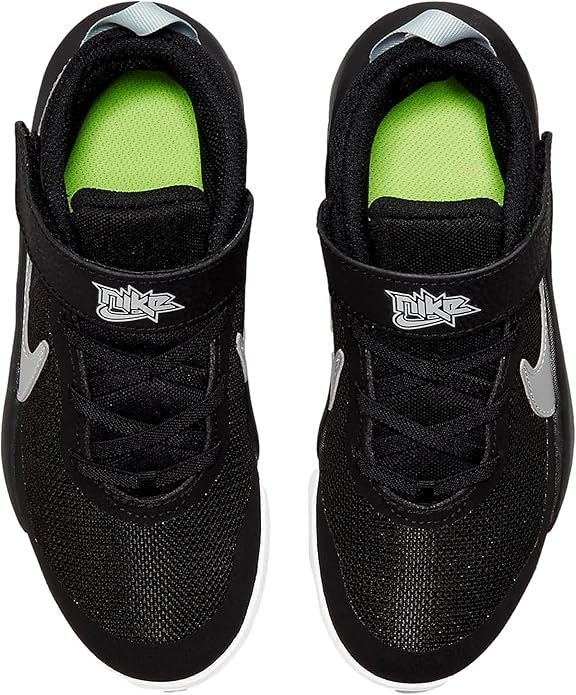
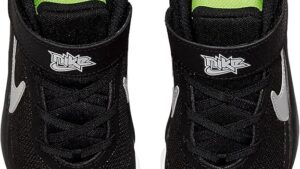
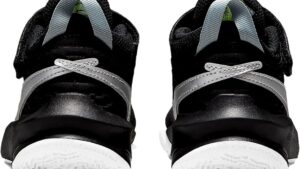
The mesh panels sit on the forefoot and sides, with synthetic leather reinforcing the heel collar area. That combination looks good and feels reasonably supportive out of the box. The lacing system threads through a webbing channel that pulls the midfoot in snugly — one of the better lock-down mechanisms I’ve seen at this price point.
The Two-Model Mystery: Why Families Keep Getting Surprised
This deserves a dedicated explanation because it caused real frustration for several parents I spoke with this season.
Nike makes the Team Hustle D 10 in two distinct versions: the standard lace-up model (SKU: CW6735) and the FlyEase model (SKU: DD7302 for little kids / DD7303 for grade school). The FlyEase version features a hook-and-loop strap and a full-length zipper — genuinely easy on and off, perfect for kids who struggle with laces or have accessibility needs. The standard CW6735 has no strap at all.
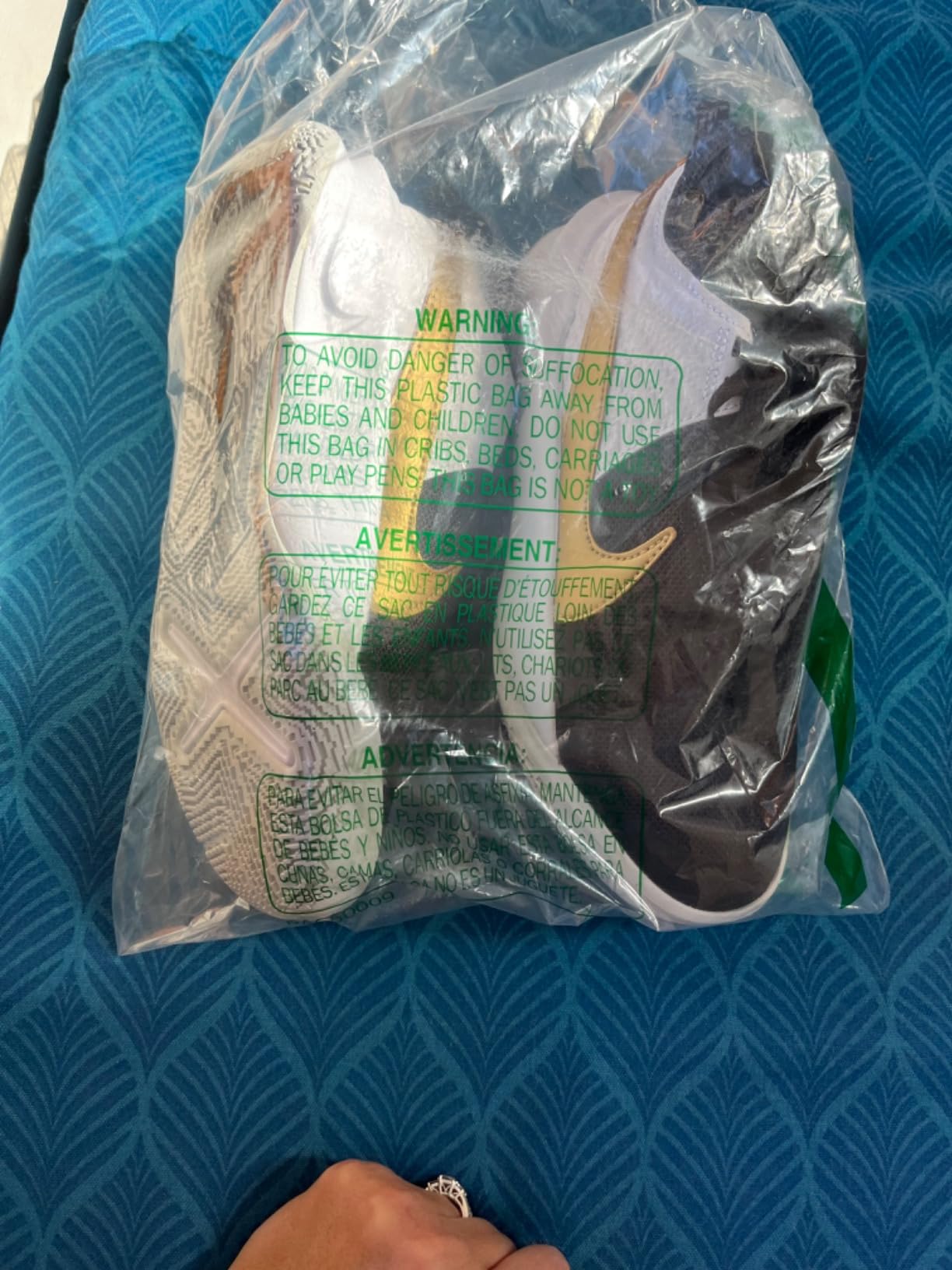
The problem: Amazon listings for the standard lace-up version frequently displayed product photos from the FlyEase model. Parents saw the strap in the photo, ordered the standard version, and received shoes without it. This isn’t a manufacturing defect or a bait-and-switch by Nike itself — it’s a platform-level listing error from third-party sellers mixing up photos between two legitimate but different products. If you specifically need the velcro closure, search for the FlyEase SKU directly and verify before purchasing.
Fit and Sizing
Sizing ran true for most of the kids we tested on. Standard-width feet fit well without needing to size up or down. The toe box gives enough room for growing feet without feeling sloppy, and the heel stays put during lateral movements.
The narrow fit issue is real for wide-footed children, though. My daughter’s feet are on the average side and she had no problems, but another family we advised — a kid with notably wide feet — found the midfoot too constricting even after a week of break-in. Nike doesn’t offer this model in wide widths, so families in that situation need to factor that in upfront.
One specific fit complaint from multiple parents: the laces are notably short for the eyelets. Kids struggle to get adequate tension, and tying becomes awkward. This is a manufacturing spec issue, not something individual pairs can fix, and it contributes to a problem we’ll get into in the performance section.
Court Performance
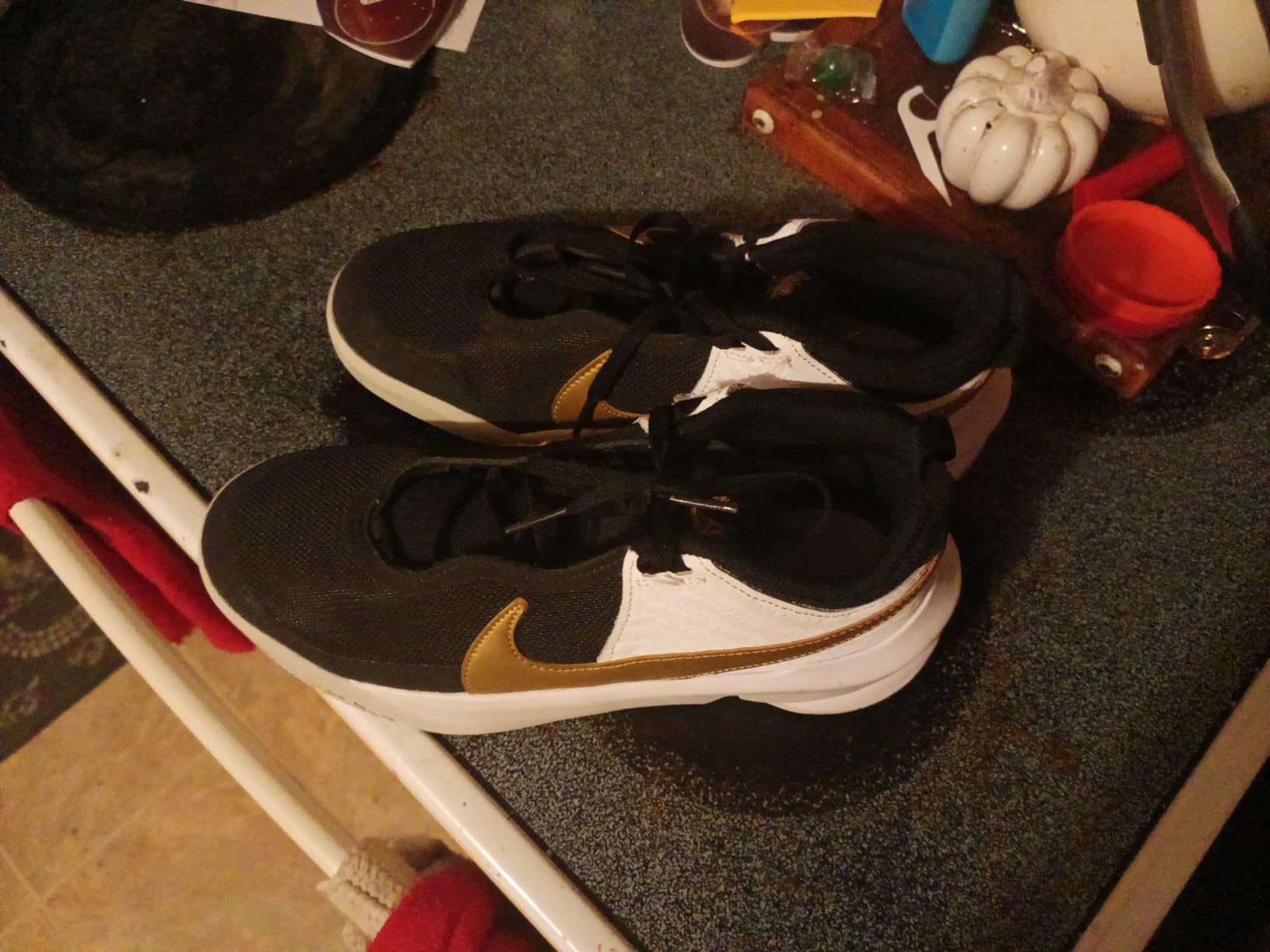
On the court, the D 10 does more right than the price might lead you to expect.
Cushioning and Court Feel
The soft foam midsole sits in a comfortable middle zone — enough to protect young joints during practice jumping and landing without making the shoe feel pillow-like underfoot. My daughter never complained about foot fatigue even during 90-minute practices, and the lightweight construction (genuine at 11 oz for her youth size 5) kept things feeling natural through full game situations.
This is not a shoe with energy return, though. Don’t expect the foam to spring back the way performance models at two or three times the price do. The cushioning absorbs; it doesn’t bounce back. For skill development and recreational basketball, that’s completely fine. If your kid is playing four games a week and expecting an edge from their footwear, they’ll feel the limitations.
Traction
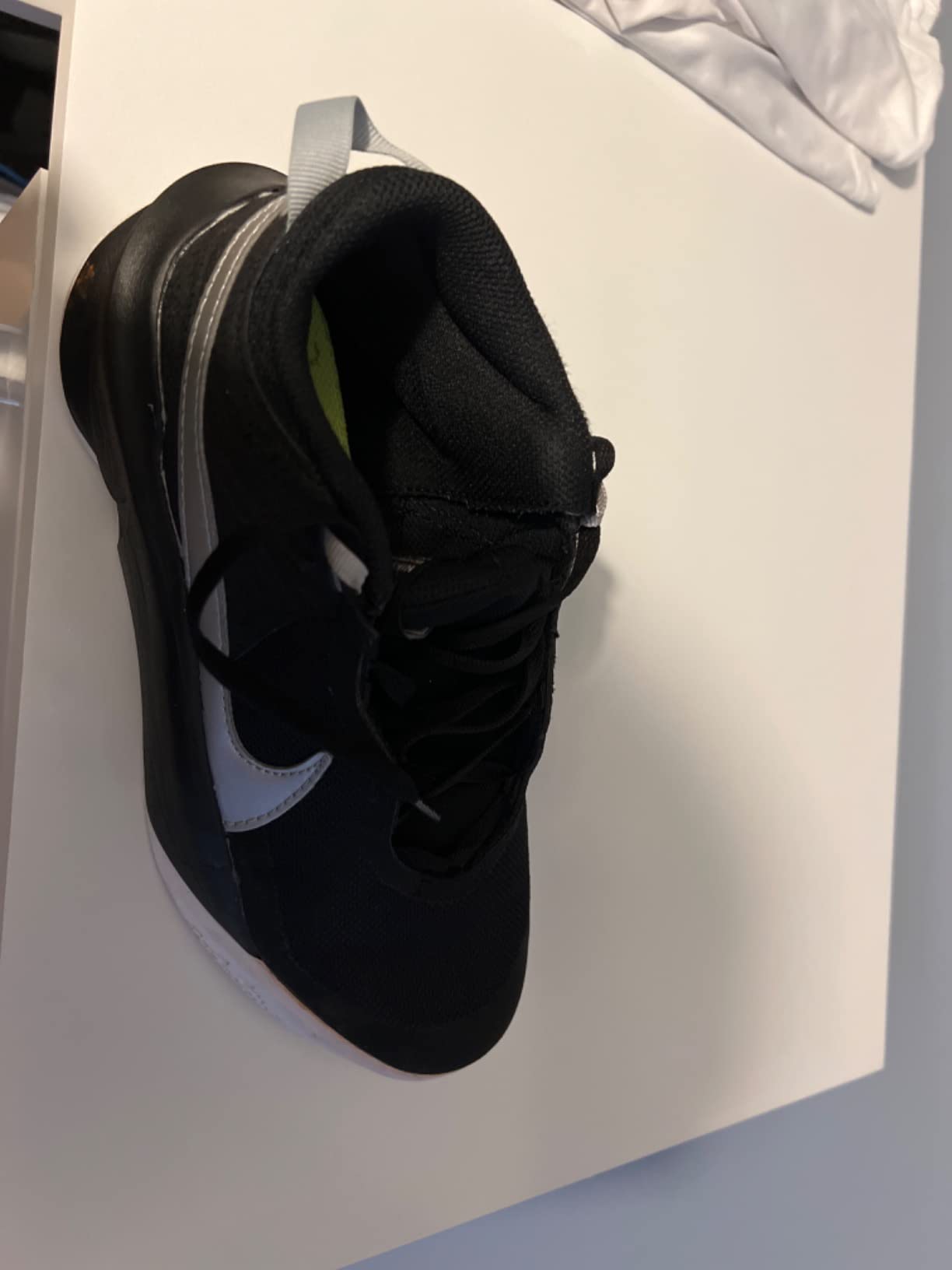
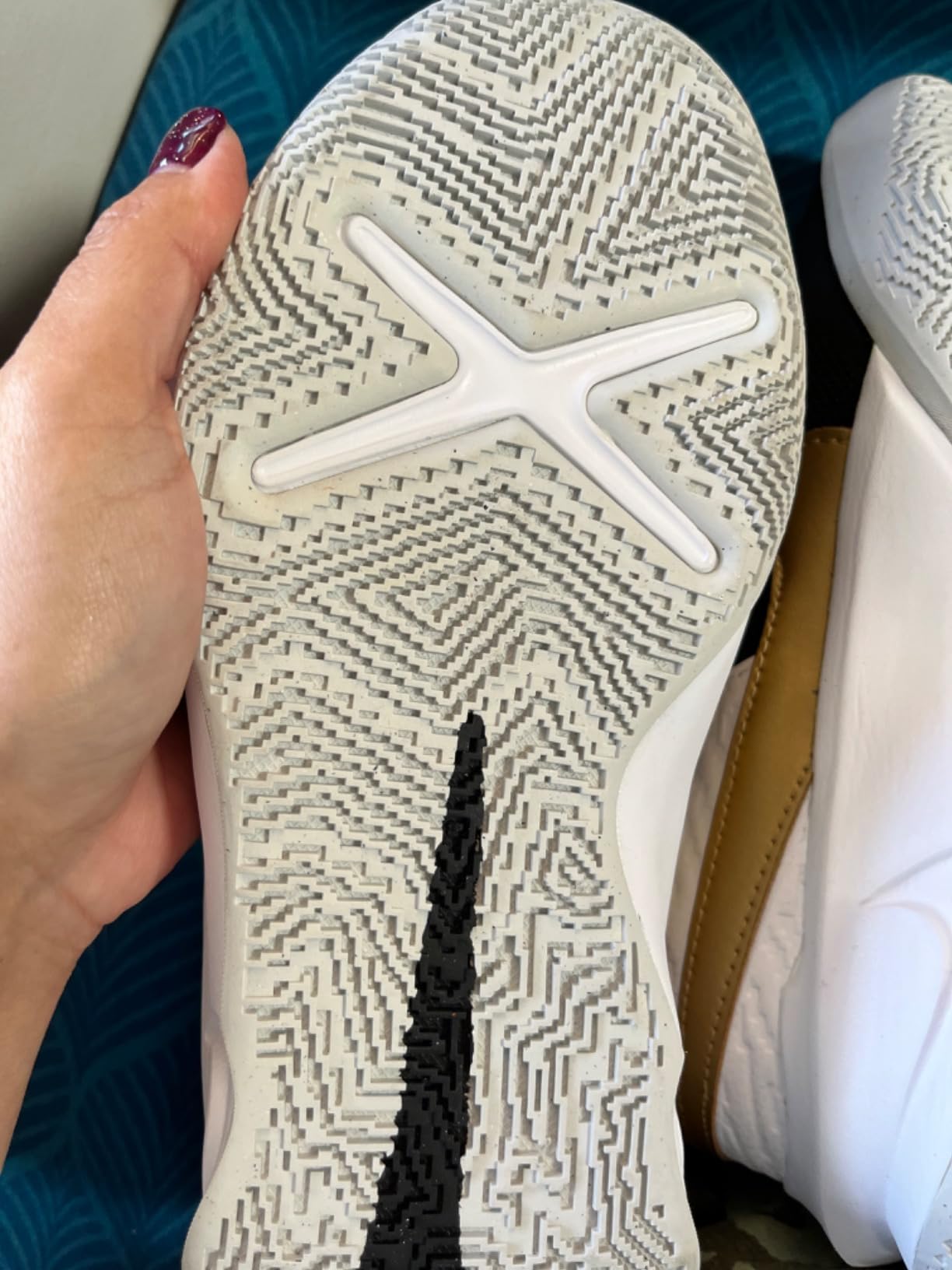
The pressure-mapped rubber outsole was the strongest performer across our testing. We ran drills on the pristine hardwood at a high school gym, then on the scuffed older surface at a community center, and the grip held up consistently on both. Defensive slides, quick cuts, fast breaks — my daughter felt planted rather than sliding around, which is the basic requirement for building confidence in those movements at this age.
Pivoting reliability was the specific area she mentioned most positively. During the competitive games, she said she never felt like the floor might slip out from under her. That’s not a small thing for a developing player.
The outdoor caveat: this rubber compound is designed for gym floors, and it shows when used outside. The traction on outdoor concrete degrades noticeably faster, and regular outdoor use will accelerate the wear timeline significantly.
Ankle Support and Game Endurance
The ankle collar provides moderate support — enough that most recreational players won’t feel unsupported, not so much that natural ankle development gets stifled. For youth players still learning how to move properly on a basketball court, this balance is appropriate.
Where the performance story gets complicated: lace retention during intense play. By the third game, I started noticing that during particularly physical stretches — end-of-game situations with lots of aggressive cutting — the laces would gradually loosen. We’re talking mid-quarter retightening rather than any acute safety issue, but it’s an annoyance that shouldn’t be present. The short lace length contributes here: kids can’t tie as tight as they’d like because they’re running out of lace before the knot is really locked down.
Durability and Quality Control: The Full Picture
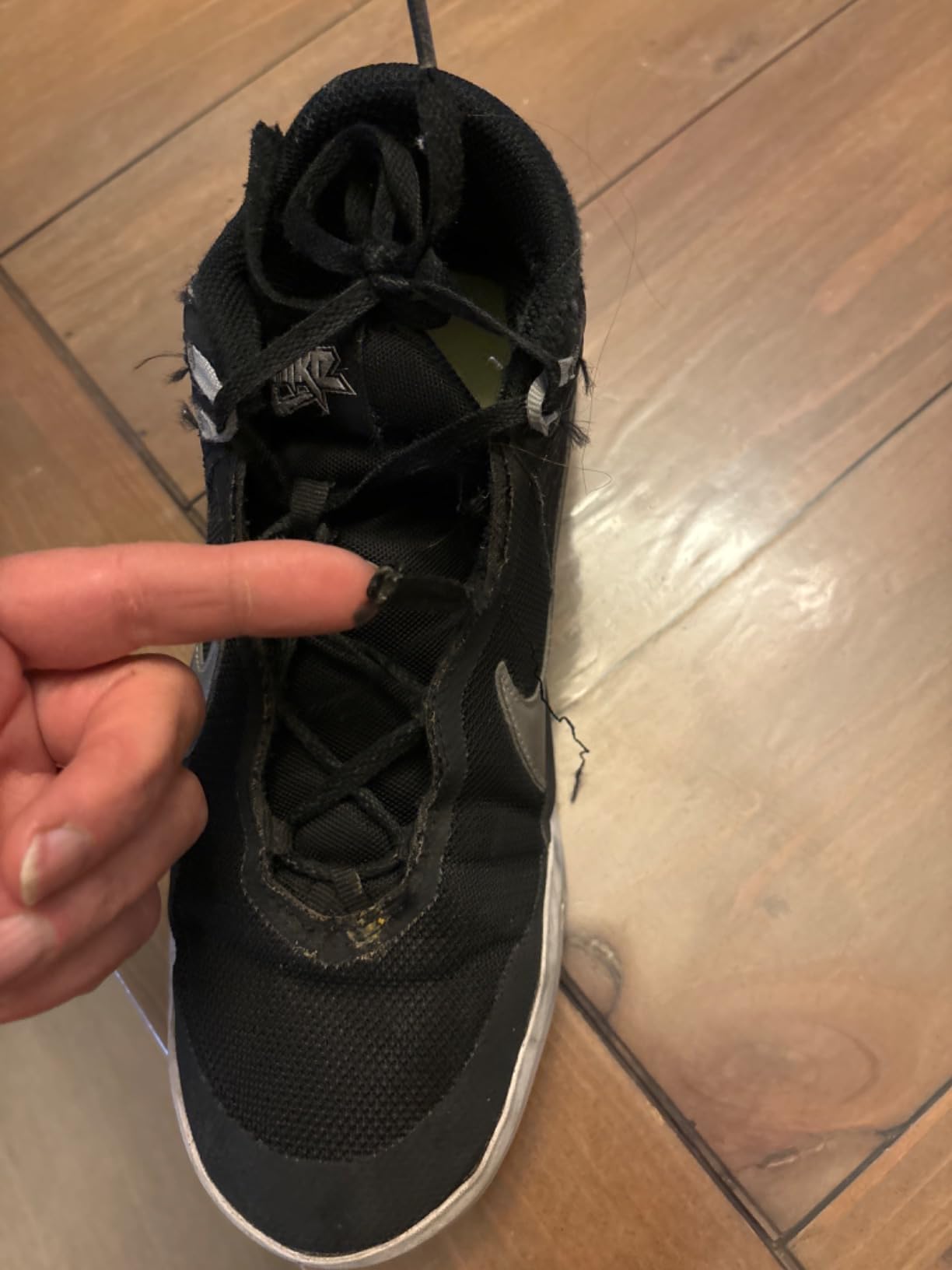
This is the section that differentiates the D 10’s experience most dramatically between families.
Where Durability Holds
For recreational players — kids playing basketball once or twice a week in an organized league or school program — a well-made D 10 can last four to six months without serious issues. Traction holds reasonably through that timeline, the upper stays intact, and the cushioning doesn’t collapse entirely. At $45, that math works out to roughly $8-10 per month, which is defensible for a budget basketball shoe.
Where the QC Lottery Hits
The failure patterns cluster in three areas:
Forefoot sole separation is the most common structural issue. The bond between the rubber outsole and the foam midsole shows stress at the forefoot flex point — typically emerging weeks 4-8 for heavy users. Once it starts separating, the shoe becomes unsafe for lateral cuts.
Upper material tearing at high-stress points (particularly the medial side near the toe box) shows up when kids are hard on their shoes. This accelerates with outdoor use.
Traction pattern wear degrades faster than expected on older court surfaces with grit and debris. The rubber compound appears softer than what you’d find on more expensive models.
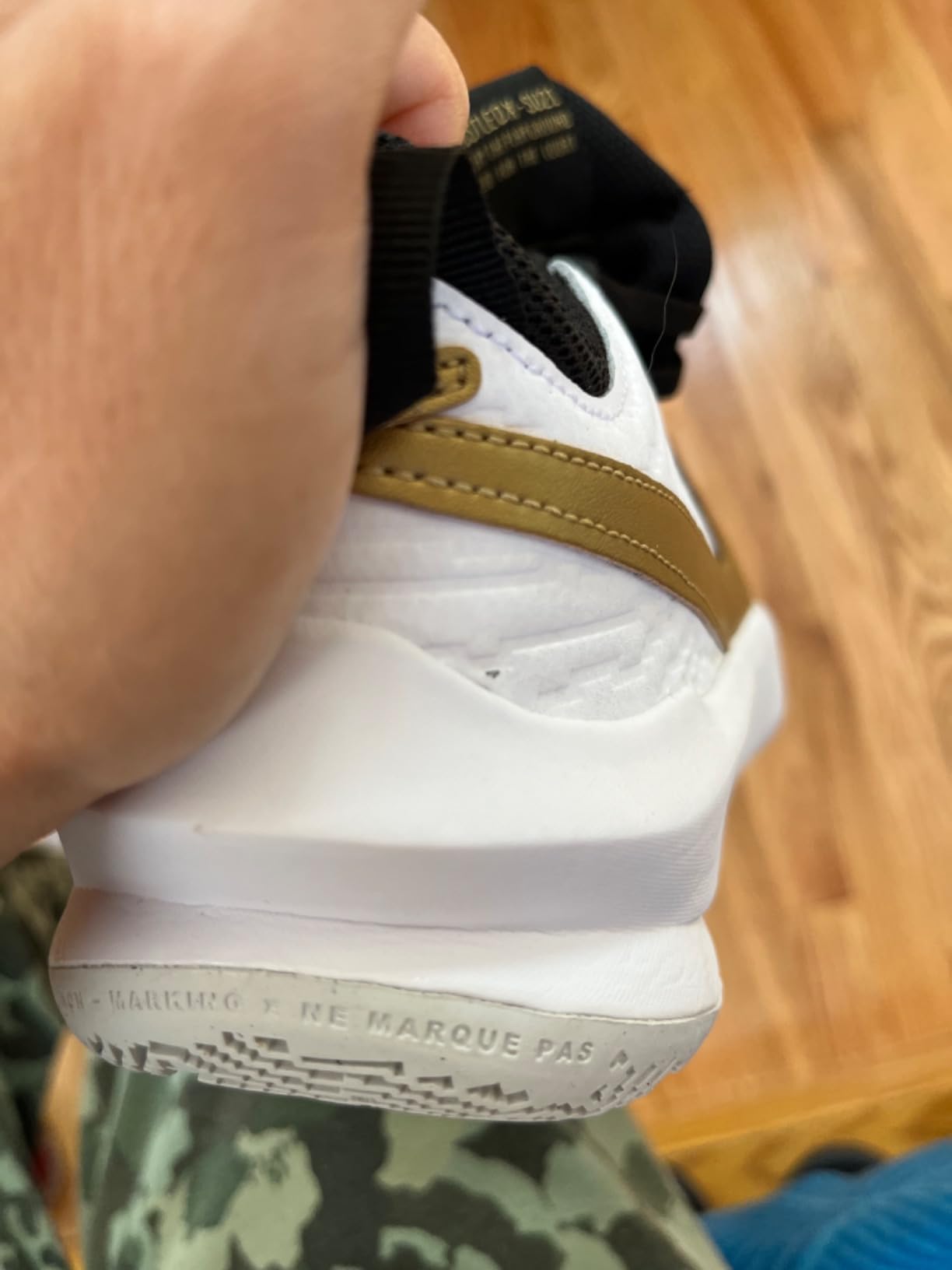
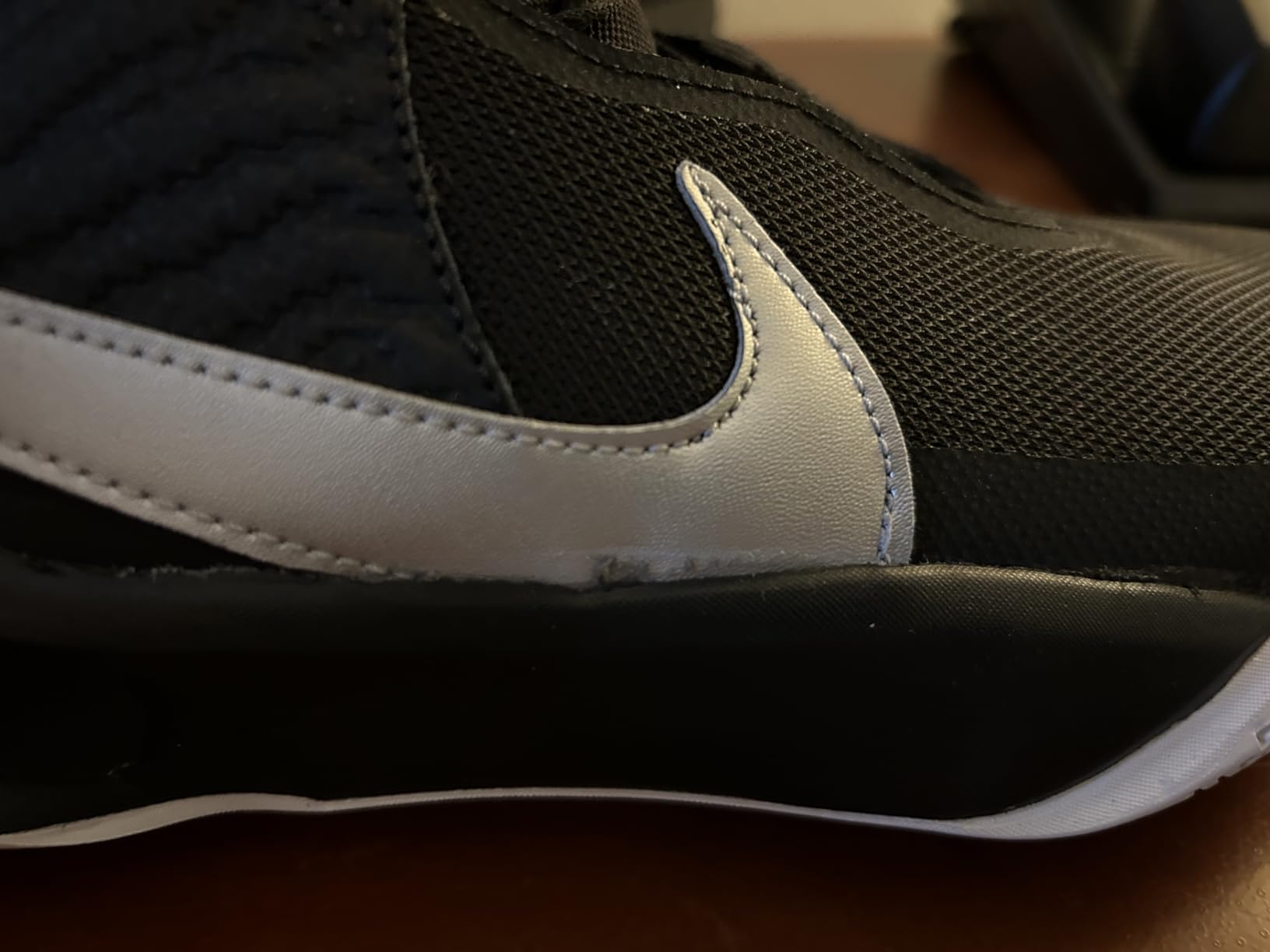
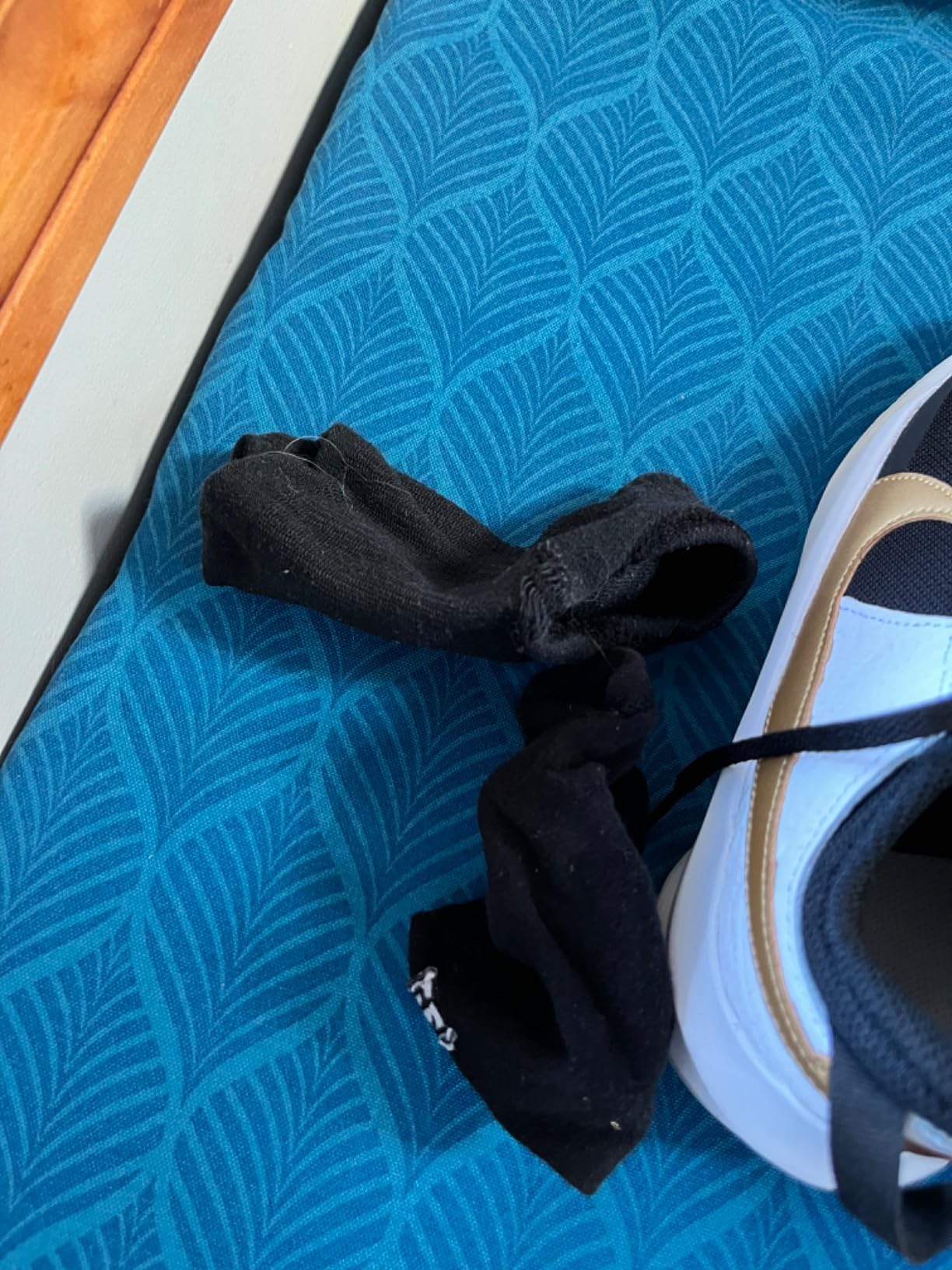
The supply chain problem is separate from durability: multiple families this season received shoes that showed clear signs of prior wear — creased toe boxes, compression marks in the foam — or arrived with manufacturing defects like damaged swoosh logos. This appears to be a third-party seller issue rather than Nike’s direct shipping, but it adds real risk to the buying process. The mitigation: purchase only from Nike directly, or from retailers with straightforward free return policies, and inspect the shoes immediately on arrival.
For competitive players running four or five practices and games per week, this durability profile doesn’t hold up. The cost-per-month math flips: if a pair fails at two months under heavy use, that $45 becomes $22.50/month — more expensive than alternatives from Adidas Don Issue 4 Kids or the Under Armour Grade School Lockdown 7 that regularly survive full seasons.
Nike’s Marketing Claims, Audited
“Made for All Ballers” — Partially true, with an important asterisk. For beginners and recreational youth players building confidence and basic skills, this shoe does everything needed. For serious competitive players logging heavy court time, the durability ceiling comes too soon.
“Ground Control” / Optimized Traction — This one actually holds up. The pressure-mapped outsole delivered reliable grip consistently across all our test surfaces. On indoor gym floors specifically, the traction performs at a level that justifies the claim.
“Durable and Supportive Design” — The design is sound; the execution is variable. Those aren’t the same thing. Nike’s engineers clearly thought about the reinforcement points, but the manufacturing consistency required to deliver on that design doesn’t always materialize at this price point.
Performance Score Breakdown
| Category | Score | What drives it |
|---|---|---|
| Court Traction | 7.5/10 | Consistent grip across court types; pressure-mapping delivers on the claim |
| Comfort | 7.0/10 | Lightweight feel through full games; no energy return; some ankle rubbing in certain pairs |
| Durability | 5.0/10 | Sole separation at weeks 4-8 for heavy users; QC inconsistency across units |
| Style Appeal | 8.0/10 | Kids genuinely want these; Nike brand at budget pricing earns real enthusiasm |
| Value for Money | 6.0/10 | Strong value for recreational users; value collapses under heavy use or QC failures |
| Breathability | 7.5/10 | Mesh panels genuinely manage heat through full game play |
| Support | 6.5/10 | Adequate for recreational play; lace retention issues reduce effective support over time |
| OVERALL | 6.5/10 | Conditional recommendation — depends heavily on use intensity and purchase source |
What Other Basketball Parents Are Saying
The parent community’s experience splits almost perfectly: about half report exactly what the marketing promises, and half run into the problems documented above. Families with kids playing recreational league basketball once or twice a week — school programs, Saturday morning leagues — consistently report comfort, adequate court performance, and reasonable durability.
Spanish-speaking reviewers tended to echo the same basic pattern. “Muy cómodos” and “buena calidad con respecto al precio” appear in multiple reviews — accurate assessments of how the shoe performs when quality control delivers a good unit. The concerns about sizing and durability transcend language and geography.
The negative experiences cluster around competitive or heavy users, or families who unknowingly received defective units. The frustration with the velcro strap situation — now explained by the two-model reality above — is real and avoidable with the right information upfront.
Final Verdict
Who Should Buy the Nike Team Hustle D 10
Ideal situations:
- Kids trying basketball for the first season and you’re not ready to invest $70+ before knowing if it’ll stick
- Recreational league players competing once or twice per week — this lifespan profile works at that intensity
- Standard-width feet that fit Nike’s typical youth last without modification
- Families who care about brand motivation — the Nike swoosh does get kids more invested in the sport at this age
- Backup shoes for a household where a primary pair is already in rotation
When to look elsewhere:
- Competitive players in leagues with multiple games and practices per week — the durability math doesn’t work in your favor
- Wide-footed kids — no wide variant exists and the standard is narrow through the midfoot
- Families who need the FlyEase hook-and-loop closure — verify the DD7303 SKU specifically rather than trusting Amazon photos
- Anyone who needs guaranteed durability through a full six-month season — the QC variance makes that a gamble
Better Alternatives by Situation
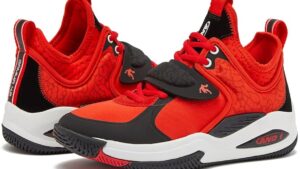
Budget-conscious, better QC consistency: AND1 Kids Basketball shoes or the AND1 Takeoff 3.0 Kids offer more reliable manufacturing at similar or slightly lower price points. Less Nike prestige, but fewer return trips.
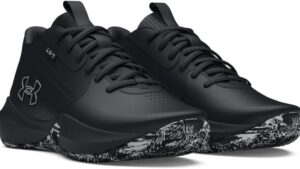
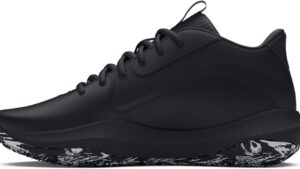
Competitive youth players: Stepping up to the Under Armour Grade School Lockdown 7 gives serious young players ankle support, durability, and performance that holds through full seasons. The $65-75 price is genuinely worth it for four-practices-a-week athletes.
Other youth court options: The ASICS Upcourt 3 Grade School and Adidas Kids Hoops Mid Top both offer solid court performance at comparable price points with more predictable quality control.
Fix the lace problem: If you do buy the D 10, investing $6-8 in replacement oval athletic shoelaces in the right length solves the retention issue the original laces create. It’s a frustrating workaround for a $45 shoe, but it works.
If you already own a pair and it’s performing well at week four, you’re likely in the better half of the QC distribution — enjoy them. If you’re shopping fresh, buy from Nike direct or Zappos where returns are genuinely no-hassle, and inspect the shoes on arrival before your kid wears them anywhere.
Frequently Asked Questions
What exactly is the difference between the standard Nike Team Hustle D 10 and the FlyEase version?
Two separate products. The standard version (SKU: CW6735) is lace-only — no strap, no zip. The Team Hustle D 10 FlyEase (SKU: DD7303 for grade school, DD7302 for little kids) features a hook-and-loop strap plus a full-length zipper that lets kids slip in without untying anything. The FlyEase typically runs $5-10 more. Amazon product photos have mixed these two models up, which is the root cause of the velcro confusion.
How long do these shoes realistically last?
Depends heavily on usage. Recreational players at one to two sessions per week commonly report four to six months of solid use before significant wear. Kids playing competitively four or more times weekly can see failure — particularly forefoot sole separation — anywhere from six weeks to three months. The inconsistency between units means even two identical pairs can behave differently.
Are they true to Nike’s standard youth sizing?
For medium-width feet: yes, order your child’s normal Nike size. The toe box has adequate room without being floppy. For wide feet: the standard last runs noticeably narrow through the midfoot, and there’s no wide-width option in this model. In those cases, size up half a size or consider a different brand.
Can kids wear these outdoors?
Occasionally, yes. For regular outdoor use, no — the rubber compound optimized for smooth gym floors wears significantly faster on concrete and asphalt. If your child is primarily playing outdoor pickup basketball, the AND1 Showout Kids uses a harder rubber outsole that handles outdoor surfaces better.
How does the D 10 compare to the newer Team Hustle D 11?
The D 11 addresses the D 10’s two main weaknesses: it uses elastic laces with a large strap for easier on/off (solving the short lace problem), and features softer cushioning. It runs $10-15 more. For families who found the lace situation frustrating, the D 11 upgrade is worth the difference — it’s specifically designed around the friction points the D 10 created.
What should I do if I receive shoes that look used or defective?
Inspect immediately upon arrival before wearing. If you see compression marks in the foam, any crease at the toe box, or visible damage to the swoosh or upper, initiate a return before putting them on your child’s feet. Third-party sellers on Amazon have been the most common source of these issues — buying direct from Nike or from retailers like Zappos or Kohl’s provides better recourse.
Why do the laces keep coming undone during games?
Two separate contributing factors: the laces are shorter than what the eyelet count requires, so kids can’t achieve a tight-enough knot to begin with. And the lace material has lower friction than better-grade options, so knots relax faster under dynamic movement. Replacing with flat oval athletic laces in the proper length fixes both problems for under $10.
Be the first to review “Nike Unisex-Child Nike Team Hustle D 10”
Related products
Basketball Shoes
Basketball Shoes
Basketball Shoes
Basketball Shoes
Basketball Shoes
Basketball Shoes
Basketball Shoes
Basketball Shoes
Reviews
There are no reviews yet.