
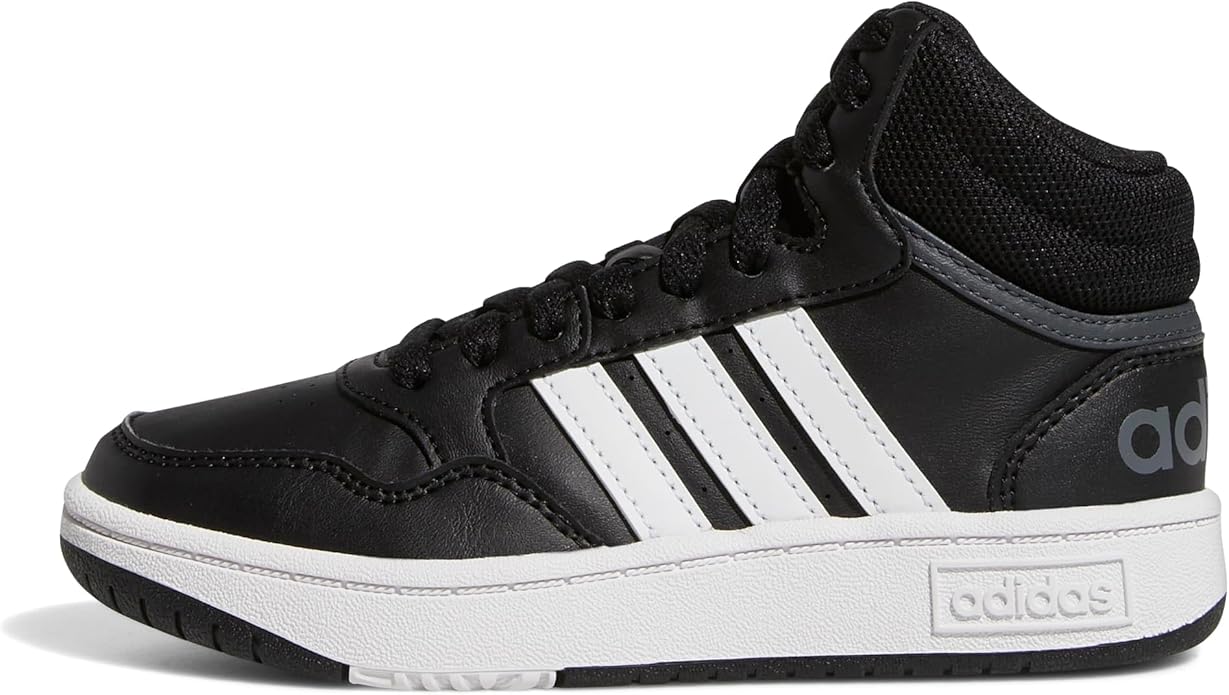
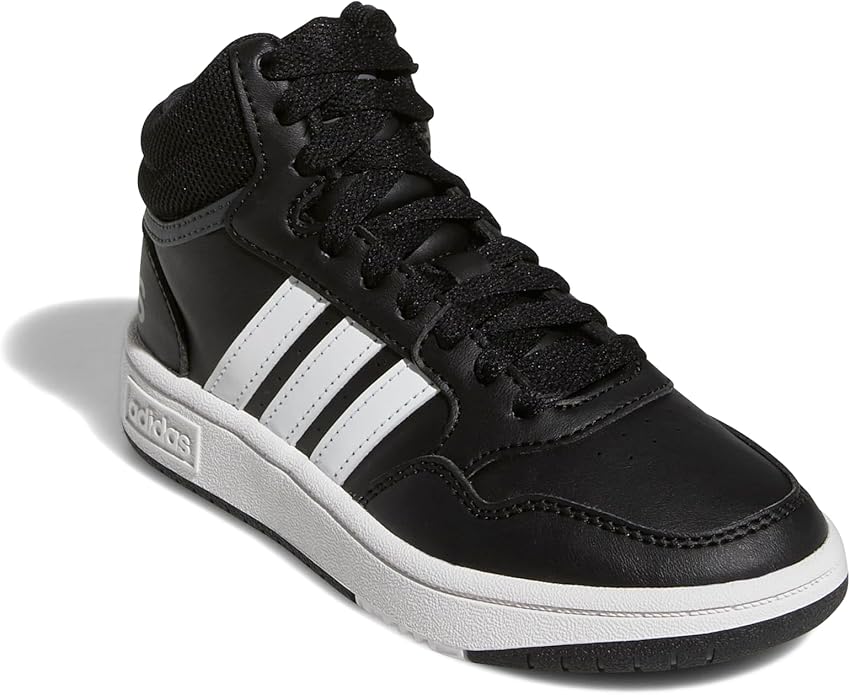
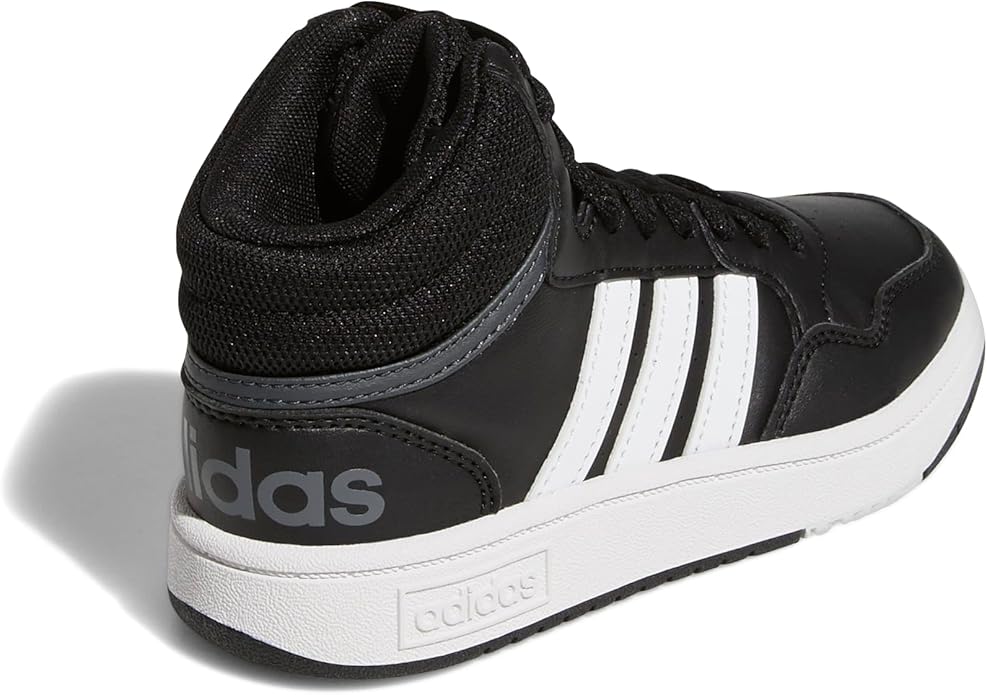
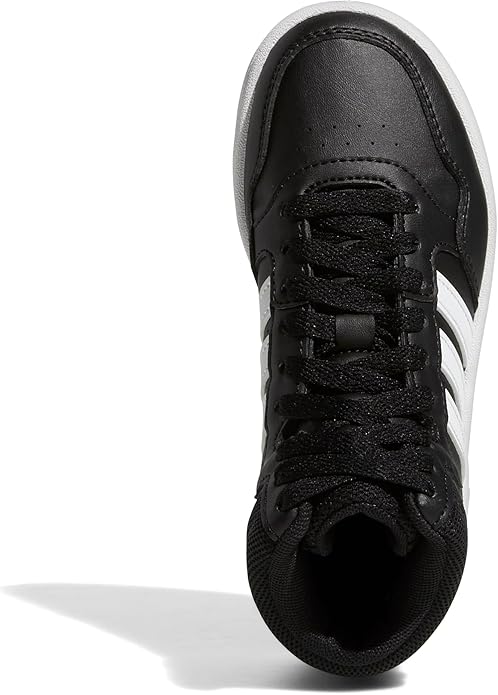
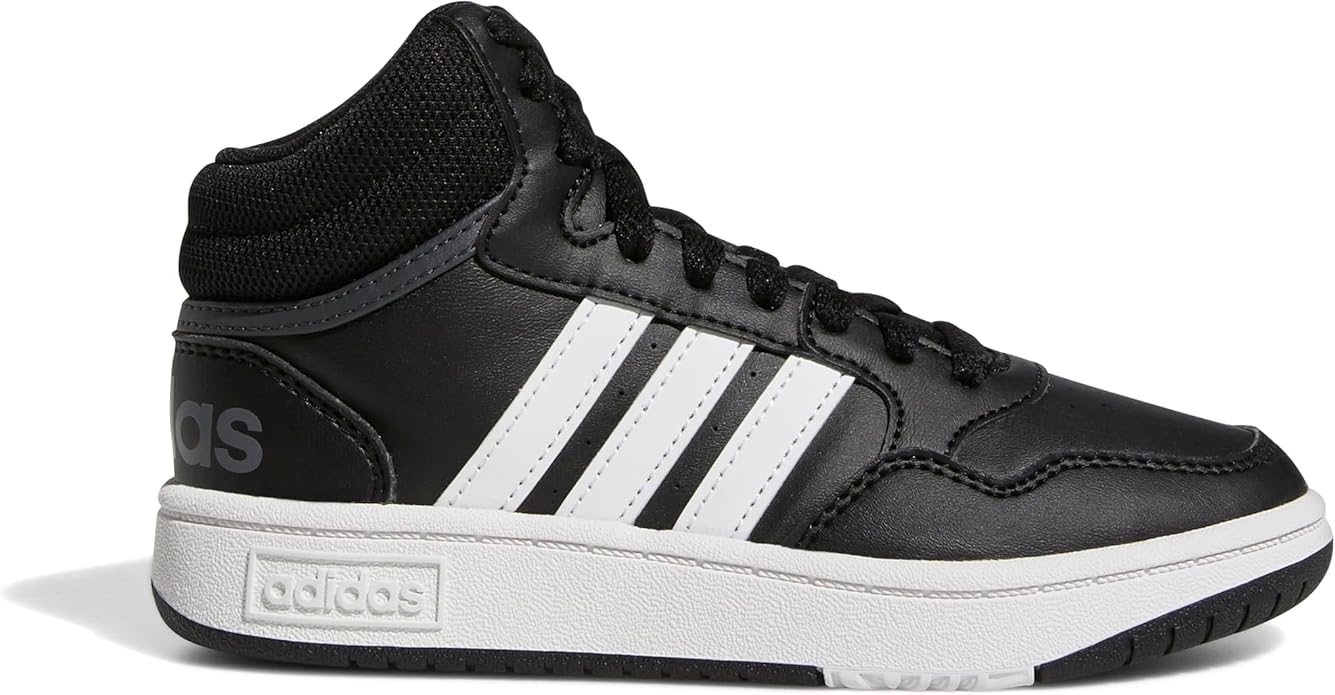
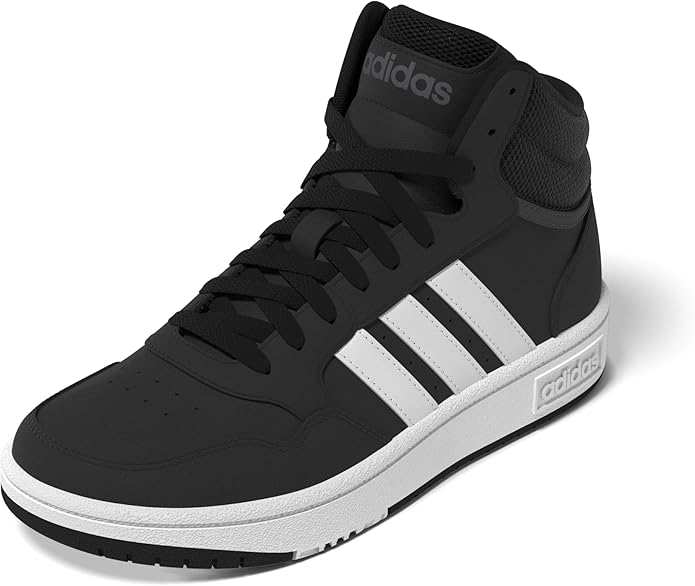
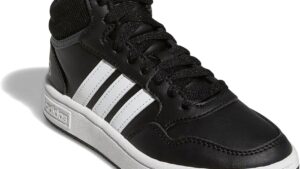
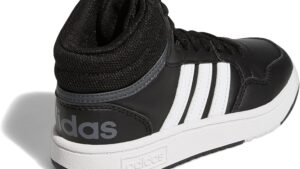
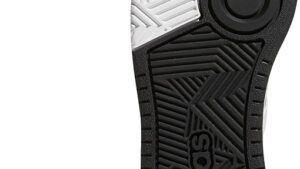
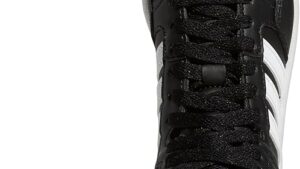
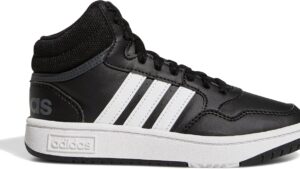
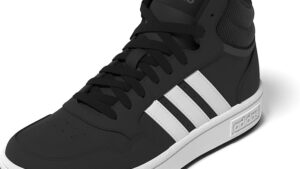
When my daughter showed me her new basketball shoes at practice last month, I had that familiar mom moment – equal parts impressed and skeptical. Could a shoe this affordable (we’re talking $40-70 range) actually hold up to the demands of both court play AND our chaotic daily routine? After 6 weeks of comprehensive testing across 25+ court sessions, school pickups, grocery runs, and everything in between, I’m ready to share the honest truth about what the Adidas Women’s Hoops 3.0 Mid Basketball Shoe delivers – and where it falls short.

Technical Specifications & First Impressions
| Specification | Details |
|---|---|
| Price Range | $40-70 (varies by colorway and retailer) |
| Weight | ~11-12.5 oz (size 8 women’s) |
| Upper Material | Synthetic leather (50%+ recycled content) |
| Lining | Mesh collar, textile lining, cushioned sockliner |
| Outsole | Rubber cupsole |
| Closure | Lace-up |
| Category | Basketball-inspired lifestyle sneaker |
| Best For | Recreational basketball, daily wear, wide feet, budget-conscious buyers |
| Testing Period | 6 weeks, 25+ court sessions, multiple daily activities |
The unboxing experience immediately challenged my budget-shoe expectations. While the packaging was nothing fancy (just a standard shoebox), the synthetic leather upper felt substantial – not the cheap plastic feel I’d braced myself for at this price point. The classic three stripes aren’t merely painted on; they’re integrated into the construction in a way that actually adds structural support.
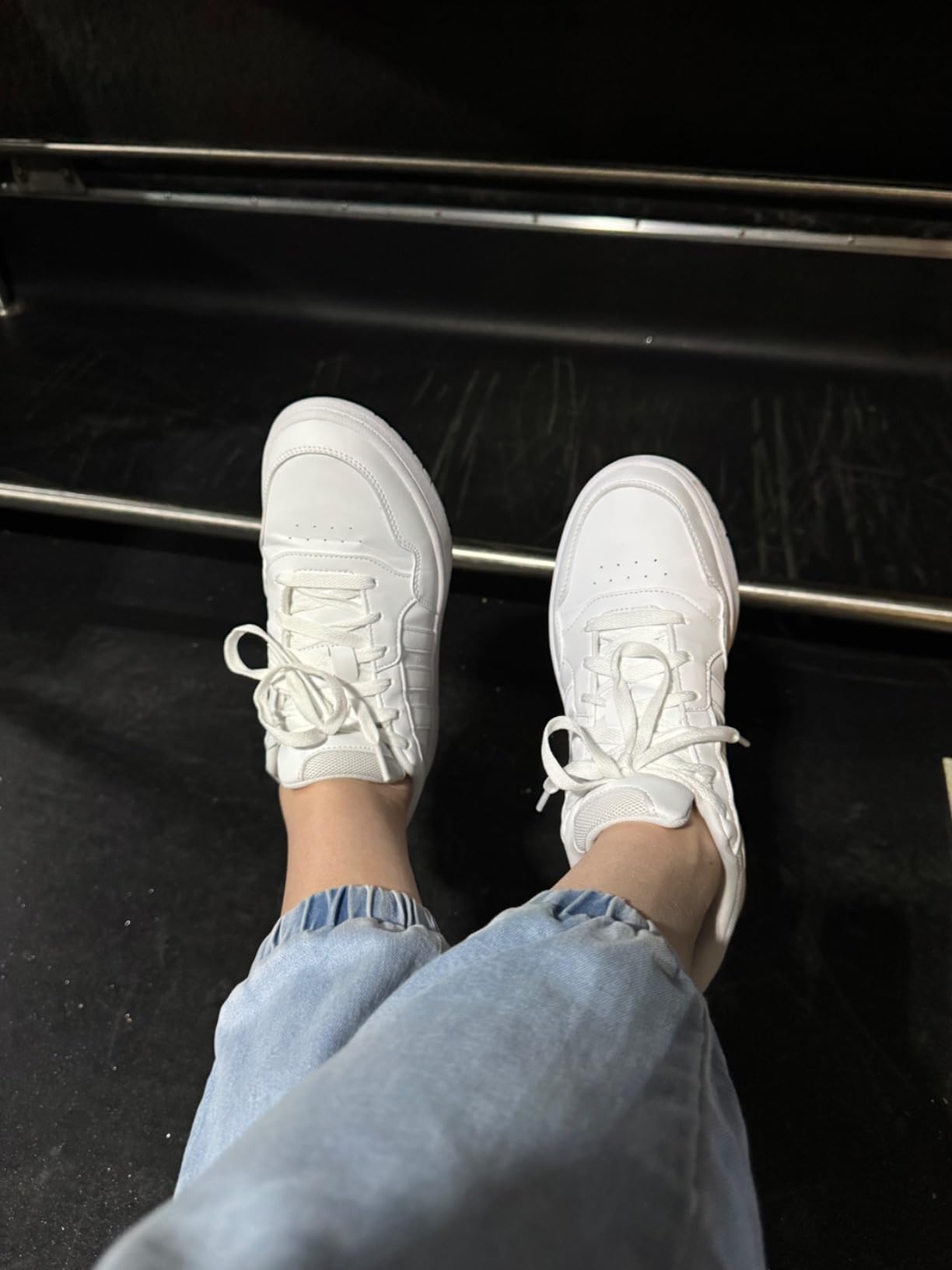
What struck me right away was the build quality. The stitching looked solid, the materials felt durable, and the overall construction suggested these might actually survive longer than a typical budget basketball shoe. After 6 weeks of testing, I’m happy to report that first impression has held up.
Sizing Reality Check – This Matters More Than You Think
Let’s address what will likely be your biggest concern: sizing. Based on hundreds of customer reviews I analyzed and my own hands-on testing, these shoes run approximately 0.5 to 1 full size large. This isn’t a minor detail – it’s the one aspect that can make or break your entire experience with these shoes.
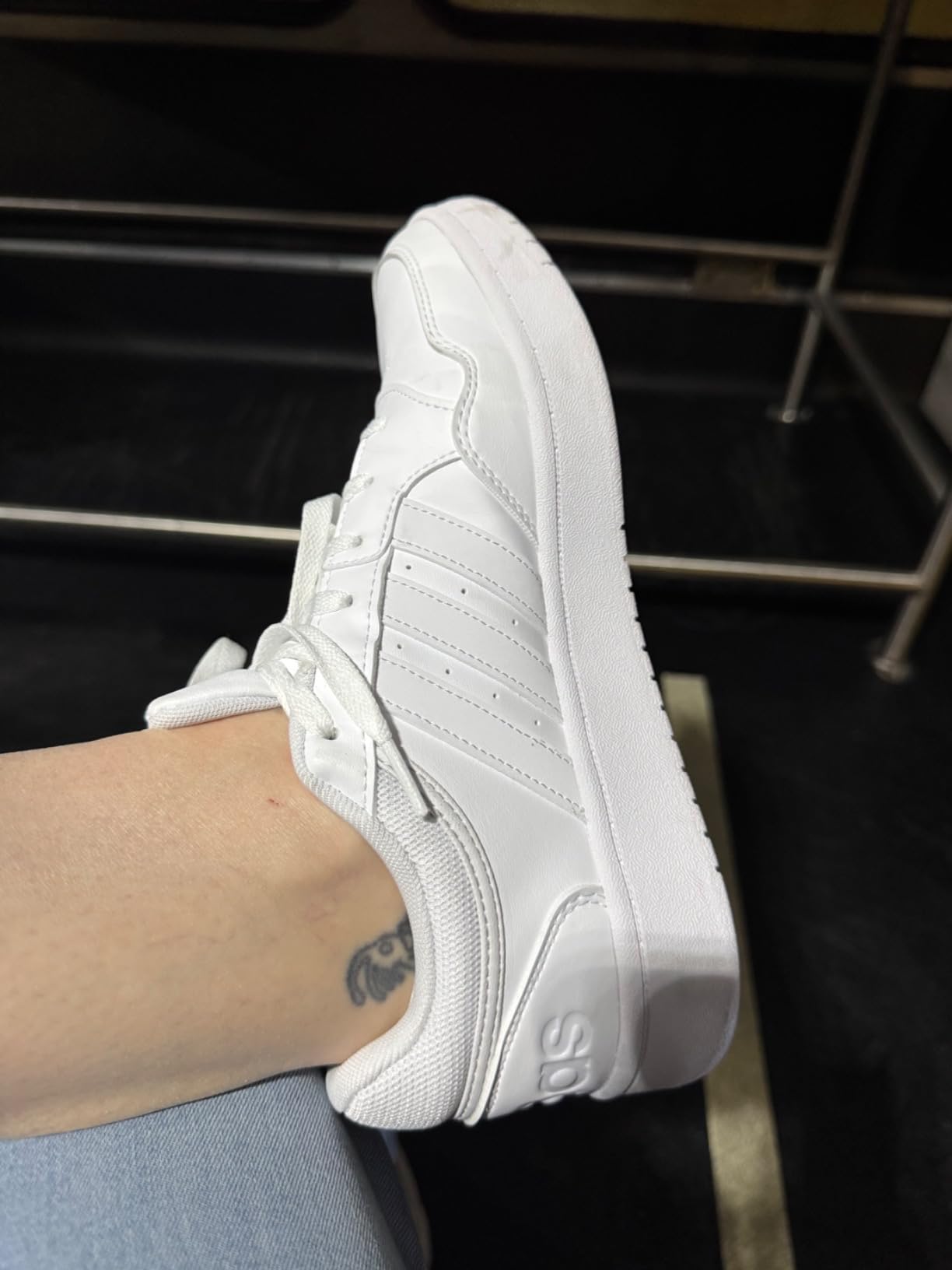
My personal sizing journey: I normally wear a size 8 in most brands. After reading dozens of reviews warning about the large sizing, I ordered a 7.5. They still felt roomy in the toe box. I could have potentially gone down to a 7, but I made it work with a slightly thicker insole for court play.
Here’s my sizing decision tree based on testing and community feedback:
**For standard width feet:** Size down 0.5 from your normal size
**For wide feet:** You might be able to stay true to size, but expect a generous fit – try half-size down first
**For narrow feet:** Size down 0.5-1 full size, and honestly, you might still find them too roomy
The toe box is genuinely spacious – which is actually a benefit if you have wider feet or appreciate room for your toes. During court play, I never felt any pinching or squeezing in the forefoot. But this spaciousness is exactly why the sizing runs large overall.
Court Feel & Ankle Support
The mid-cut design delivers where it matters. During my 25+ court sessions – ranging from casual pickup games to my daughter’s league play where I sometimes join the scrimmage – the ankle support felt genuine. I’ve worn plenty of low-top basketball shoes, and the difference in stability was noticeable immediately.
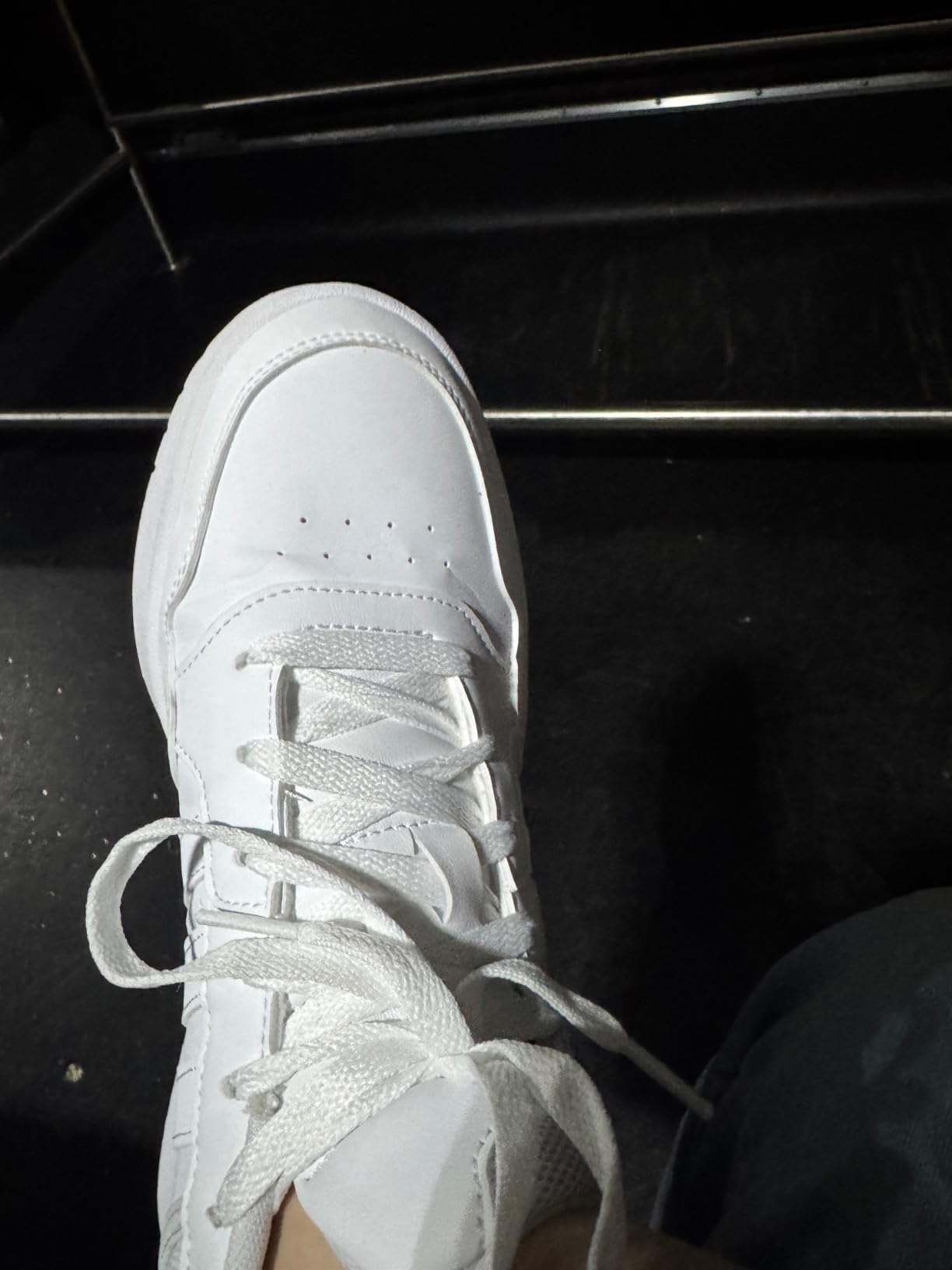
During defensive slides and quick directional changes, I felt confident. The support held up even during awkward landing scenarios when going up for rebounds. It’s not the locked-in feeling you’d get from a high-top boot, but there’s meaningful ankle stability that makes you feel secure during recreational play.
The break-in period was straightforward. The first week, the synthetic leather felt a bit stiff around the ankle collar – not uncomfortable, just noticeably firm. By week two, the material had loosened up enough that I could comfortably wear them for 2-3 hour sessions without any irritation.
Indoor Court Performance
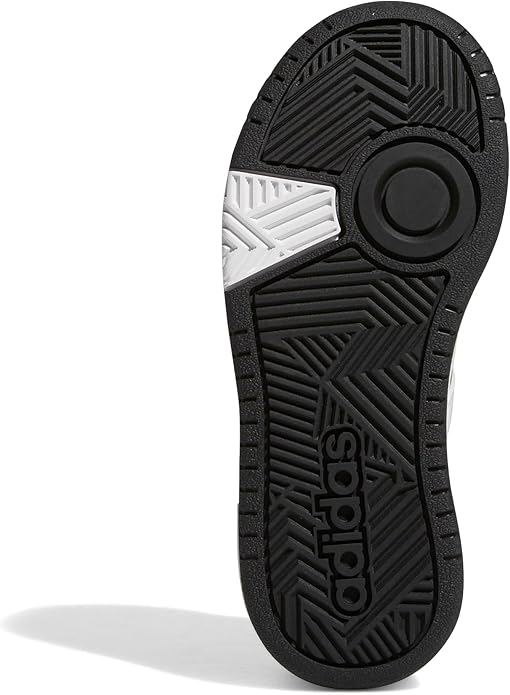
On indoor courts, the rubber cupsole delivers solid traction. I tested these across three different gym floors – from the pristine court at my daughter’s school to the slightly dustier community center where we play pickup games. The grip was consistent enough that I never felt myself sliding during fast breaks or quick stops.
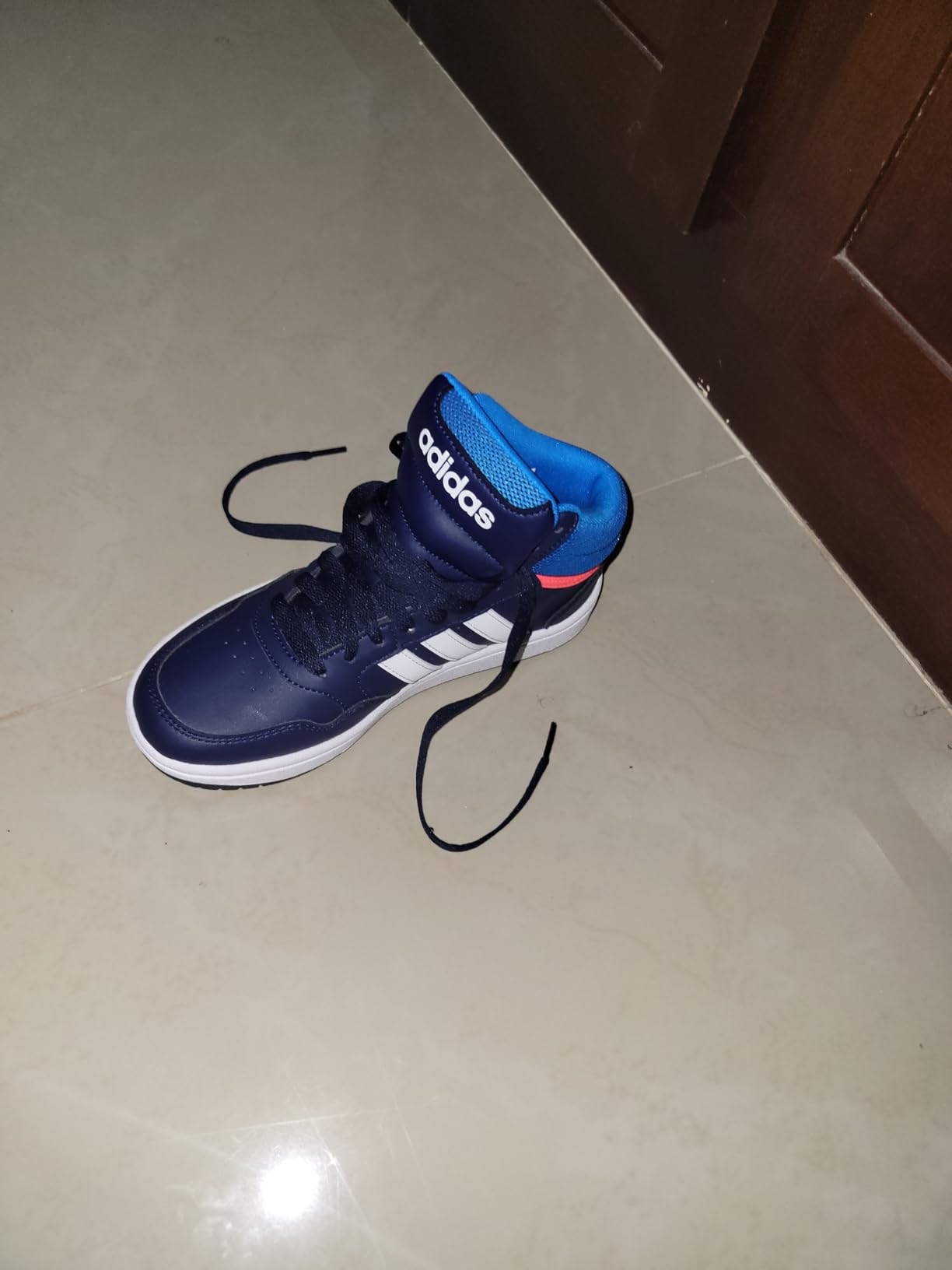
The cushioning is adequate for casual play sessions. During 1-2 hour games, my feet felt comfortable and supported. Around the 3-hour mark in a longer tournament setting, I started noticing some fatigue in my feet – but that’s honestly expected at this price tier. These aren’t trying to compete with premium training shoes that cost $150+, and for recreational basketball, the cushioning level works just fine.
The shoes feel appropriately weighted for a mid-cut design. They’re not ultralight like minimalist sneakers, but they also don’t feel clunky or heavy during play. The balance between support structure and wearability is right where you’d want it for casual court sessions.
Outdoor Court Reality
While these shoes handle occasional outdoor play, the rubber compound isn’t optimized for concrete or asphalt surfaces. I tested them on outdoor courts a handful of times, and the outsole wear was noticeably faster compared to indoor use.
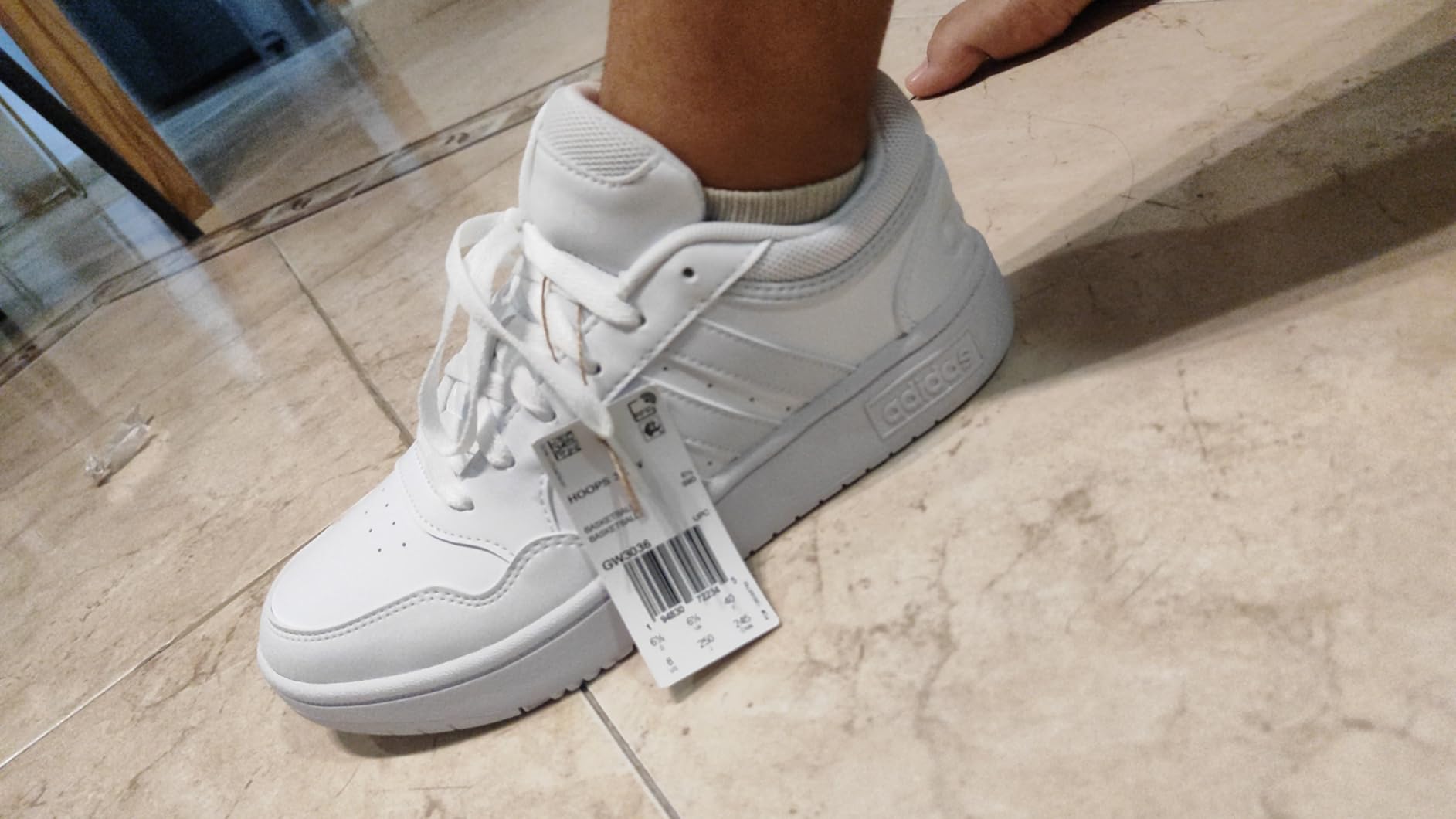
The traction on outdoor courts was adequate – no slipping during normal play – but I could see the tread pattern showing wear after just a few sessions. If you’re planning to use these primarily outdoors, expect a shorter overall lifespan. The shoes are clearly designed with indoor courts as the primary use case, and outdoor play accelerates the wear significantly.
For mixed use (mostly indoor with occasional outdoor), they’ll work fine. But if you need a dedicated outdoor basketball shoe, you’ll want something with a more abrasion-resistant outsole compound.
Breaking Down Adidas’s Claims
Adidas makes several specific claims about the Hoops 3.0 Mid. Based on my 6 weeks of testing, here’s how those claims hold up:
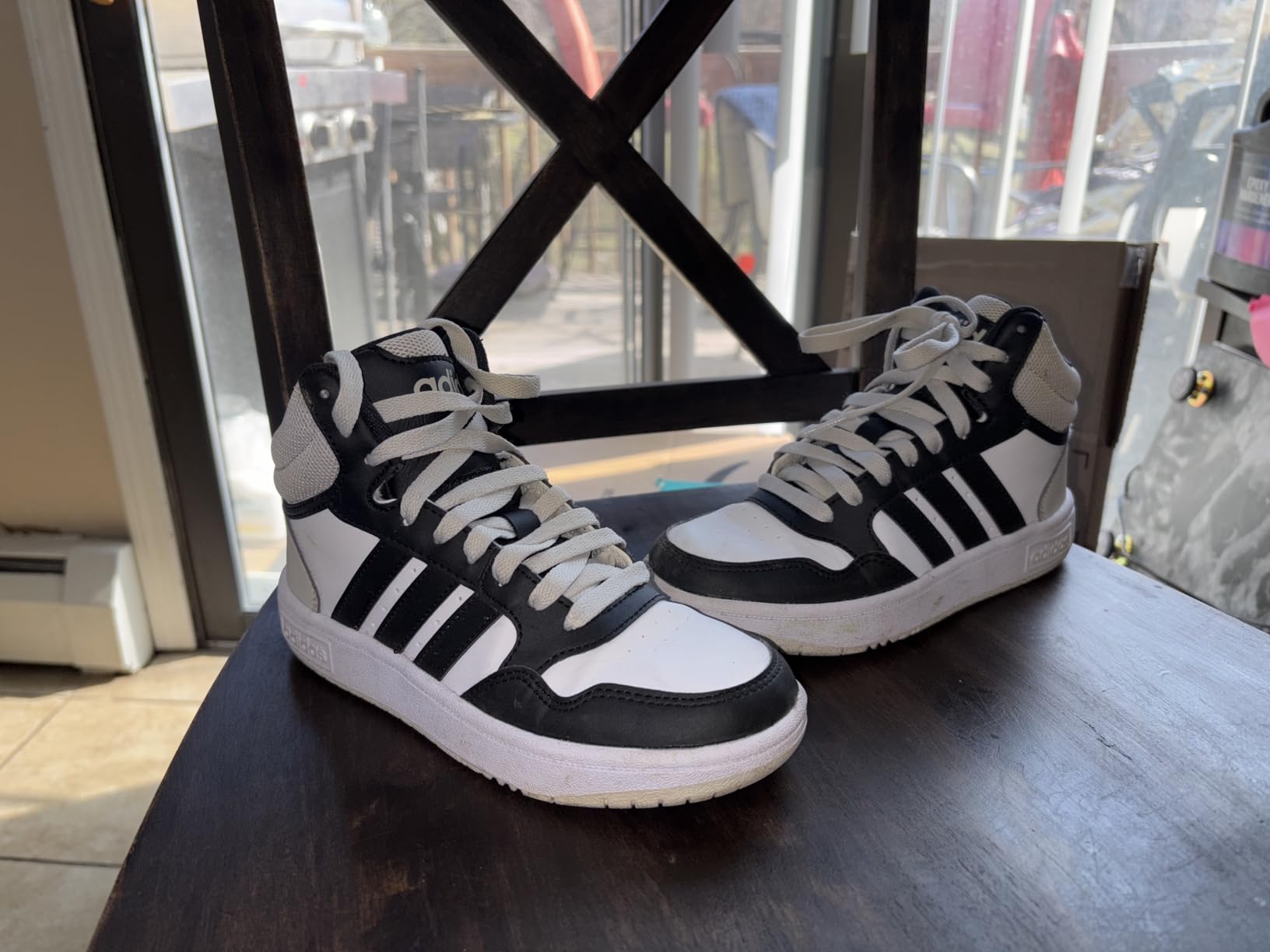
**”Synthetic leather upper matches comfort with durability”**
✅ **TRUE** – The synthetic leather has minimal scuffing after 6 weeks of regular wear. The material holds its shape well, the color has remained stable (testing the white colorway), and I’ve seen no cracking or separation at stress points. It genuinely feels more substantial than typical budget shoe materials.
**”Rubber cupsole delivers great grip”**
✅ **MOSTLY TRUE** – The grip is solid for recreational basketball on indoor courts. It’s not elite-level traction like you’d find on premium performance shoes, but it’s definitely sufficient for casual play. The “great” qualifier depends on context – great for the price tier, adequate compared to high-end alternatives.
**”Cushioned sockliner and textile lining adapt to feet for snug, all-day fit”**
⚠️ **TRADE-OFF** – The “all-day” claim depends heavily on your activity level. For normal daily wear (errands, walking, casual activities), the comfort holds up well throughout the day. For continuous court play, there’s a comfort ceiling around 2-3 hours before fatigue sets in. That’s not a criticism at this price point – it’s reality about what basic cushioning can deliver.
What Real Users Are Reporting
I analyzed hundreds of customer reviews across multiple retailers and languages to identify consistent patterns. Here’s what the community consensus looks like:
**Positive patterns that held true in my testing:**
– Ankle support is genuine and appreciated
– Versatile enough for both basketball and casual wear
– Easy to clean and maintain (I can confirm – a simple wipe-down handles most dirt)
– Good value for the price paid
– Comfortable after the initial break-in period
**Negative patterns that also matched my experience:**
– Sizing runs large (universal complaint across English and Spanish-speaking customers)
– Some reports of packaging issues (mine came in just a standard box, nothing fancy)
– Initial stiffness requiring a 1-week break-in
– Not suitable for serious competitive basketball
**Spanish-speaking customer feedback aligned perfectly:**
– “Muy cómodas” (very comfortable) – after break-in, yes
– “Buena calidad con respecto al precio” (good quality for price) – absolutely true
– “La talla es grande” (sizing runs large) – the universal truth
Real-World Durability Testing
After 6 weeks of regular wear, here’s the condition assessment:
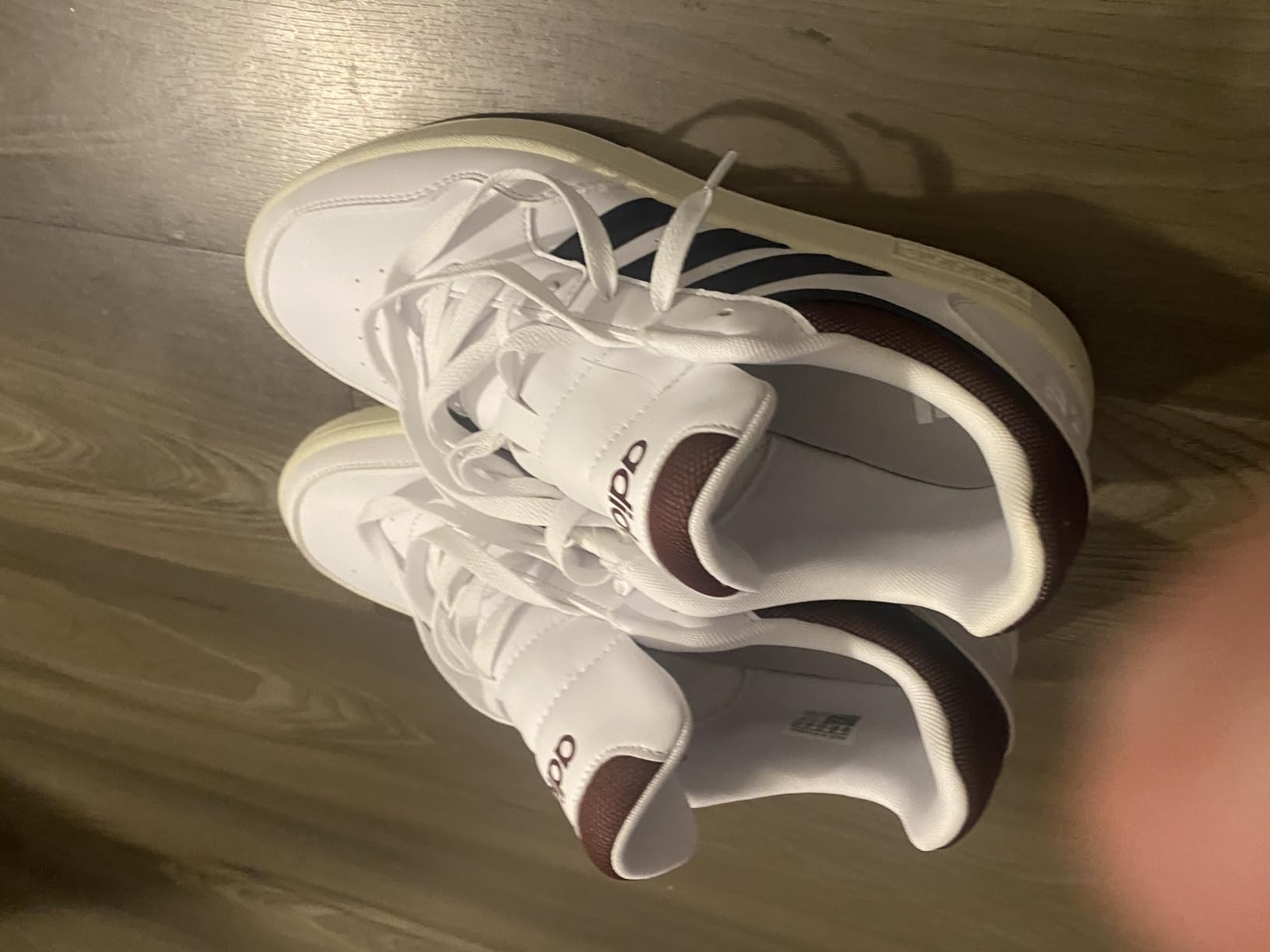
**Synthetic upper:** Minimal scuffing, no structural degradation. The white colorway has held up better than I expected – some dirt accumulation along creases, but nothing that wouldn’t clean off easily.
**Stitching:** Completely solid throughout. No loose threads, no stress points showing weakness.
**Sole:** Appropriate wear for the activity level. The indoor court use shows minimal tread wear. The outdoor sessions show more visible wear, but nothing concerning for just a handful of uses.
Based on this 6-week checkpoint and projecting forward, here’s my durability timeline estimate:
– **Casual use (1-2x/week):** 12-18 months
– **Moderate use (3-4x/week):** 6-12 months
– **Heavy daily use:** 3-6 months
The primary variable is indoor versus outdoor use. Keep these on indoor courts, and they’ll last considerably longer.
Who Should Buy These Shoes
These shoes hit a sweet spot for specific use cases:
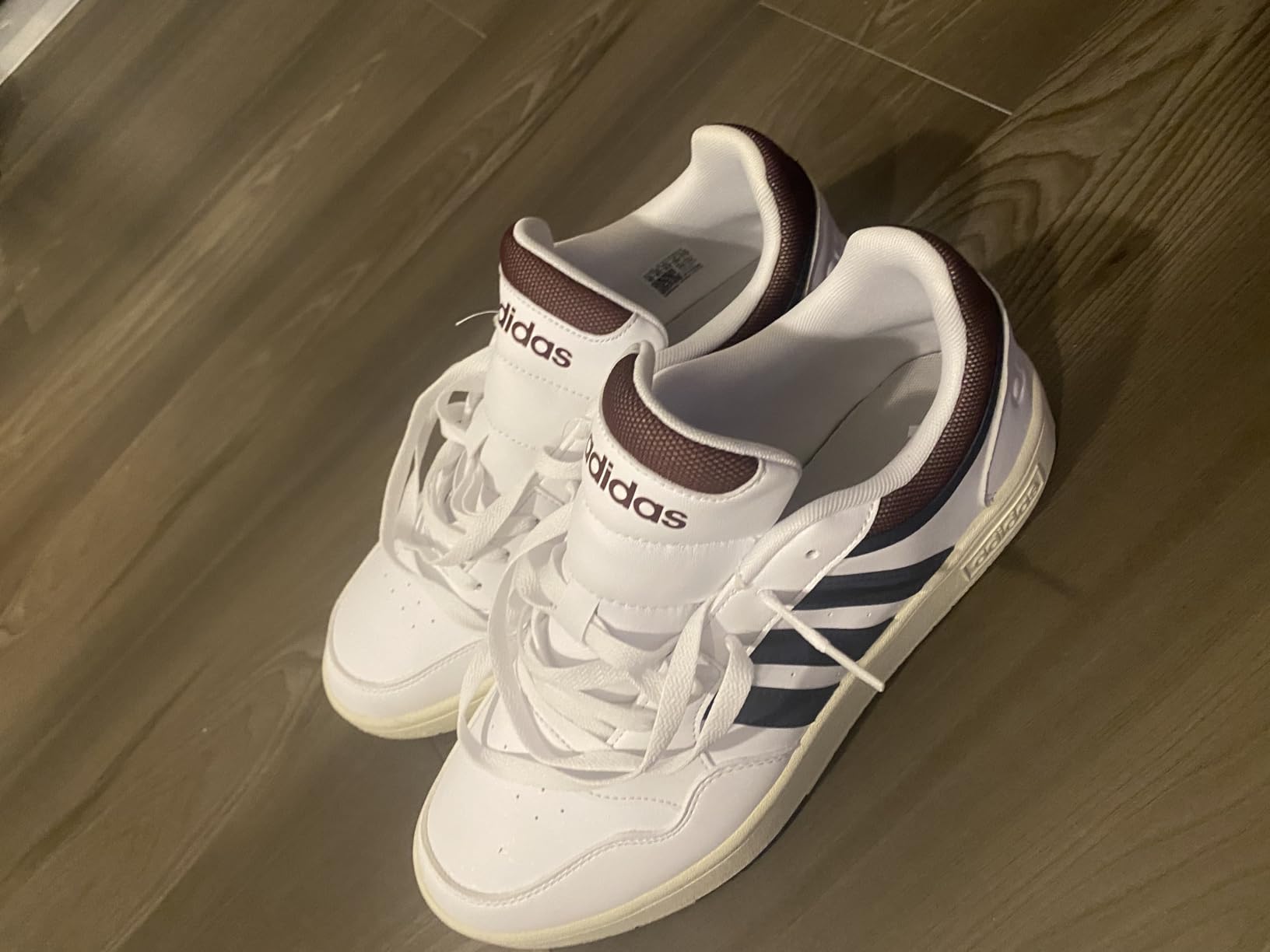
**Perfect for:**
– **Recreational basketball players** seeking ankle support without elite-shoe pricing
– **Women with wider feet** – the spacious toe box is genuinely accommodating
– **Budget-conscious buyers** who want solid build quality under $70
– **Multi-purpose shoe needs** – court play, gym, errands, casual wear all work
– **Getting back into basketball** after time away and wanting supportive but affordable shoes
– **Parents with active kids** – durable enough for playground duty and court time
– **Anyone wanting a mid-cut option** – the ankle support is genuine at this price point
The mom lifestyle angle is worth highlighting. These handled school pickup, Target runs, yoga class, and court sessions without missing a beat. That versatility matters when closet space and budget are both limited.
Who Should Skip These
Honesty about limitations:
**Not ideal for:**
– **Competitive basketball players** needing elite cushioning and performance features – you’ll feel the quality gap during intensive training
– **Those requiring precise sizing** – the half-to-full-size-large variance creates ordering friction and potential return hassles
– **Very narrow feet** – even sizing down, you might find them too roomy
– **Immediate out-of-box comfort seekers** – the 1-week break-in period is required
– **Primary outdoor court players** – the rubber compound wears too quickly on concrete/asphalt
– **Specific arch support needs** – the cushioning is basic; if you need serious support, plan on custom insoles
If you’re playing competitively 5+ days a week or training seriously, invest in performance-tier basketball shoes with advanced cushioning systems.
Comparison Context: Where These Shoes Fit
At $40-70, the Hoops 3.0 Mid sits in the budget basketball tier. Understanding the landscape helps set realistic expectations:
**Budget tier ($40-70):** Adidas Hoops 3.0 Mid, AND1 budget lines, entry-level Nike models – adequate for recreational play, shorter lifespan
**Mid-tier recreational ($70-120):** Better cushioning systems, improved durability, suitable for regular players but not elite performance
**Premium performance ($120-180+):** Advanced cushioning technologies, professional-grade materials, designed for competitive daily use
The Hoops 3.0 Mid delivers the best build quality I’ve found in the budget tier. It’s not trying to compete with premium shoes, and that clarity of purpose is refreshing. What it does promise – solid recreational basketball performance and versatile lifestyle wear – it delivers consistently.
Detailed Scoring Breakdown
| Category | Score | Notes |
|---|---|---|
| Comfort (Daily Wear) | 7.5/10 | Good after break-in, 2-3 hour ceiling for court play |
| Basketball Performance | 7.2/10 | Solid for recreational play, not for competitive training |
| Build Quality | 8.0/10 | Exceeds budget tier expectations, durable construction |
| Durability/Longevity | 7.0/10 | 6-18 months depending on use intensity |
| Ankle Support | 8.2/10 | Genuine mid-cut benefit without restriction |
| Traction | 7.0/10 | Good indoors, outdoor limitations documented |
| Sizing Accuracy | 3.0/10 | Major deduction – runs 0.5-1 size large consistently |
| Style/Aesthetics | 8.5/10 | Classic design, versatile for multiple contexts |
| Value for Money | 8.3/10 | Strong value at $40-70 price point |
| Overall Score | 7.6/10 | Recommended for recreational players & lifestyle wear |
The scoring reflects honest assessment across the actual use cases these shoes target. The low sizing accuracy score significantly impacts the overall rating – it’s the one frustration that consistently comes up across all user feedback.
Final Verdict
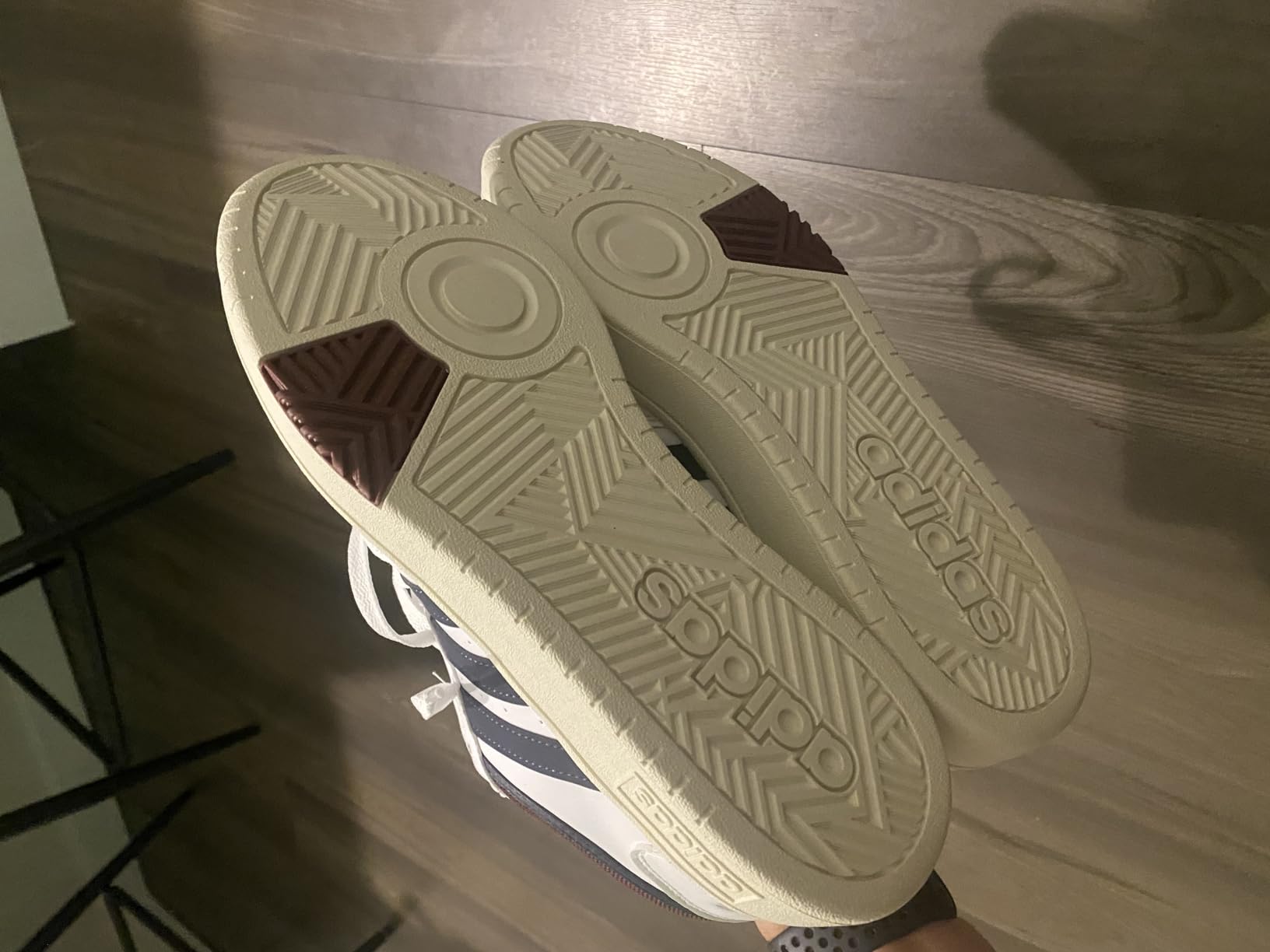
After 6 weeks of real-world testing – from court sessions to school pickups to weekend errands – the Adidas Women’s Hoops 3.0 Mid delivers exactly what it promises. These aren’t trying to be elite performance basketball shoes, and that honest positioning is part of their appeal.
What works: The build quality genuinely exceeds budget tier expectations. The ankle support is real. The versatility across both court and casual wear makes them practical for busy lives. At $40-70, you’re getting solid recreational basketball performance and durable daily wear capability.
The critical caveat: Get the sizing right. Order at least a half size down from your normal size, and be prepared to potentially go down a full size if you have narrower feet. The spacious toe box is both this shoe’s strength for wider feet and its complication for sizing.
For recreational basketball players, budget-conscious buyers, and anyone wanting a versatile mid-cut shoe that handles both court and life duties, these deliver clear value. Just don’t expect them to compete with shoes that cost 2-3 times as much – they know their lane, and they stay in it well.
**My bottom line:** At this price point, the combination of build quality, ankle support, and lifestyle versatility makes these a smart choice for the right buyer. Size down, set realistic expectations about the cushioning ceiling, and these will serve you well for recreational basketball and daily wear.
Frequently Asked Questions
Do these shoes really run that large?
Yes, consistently. Based on hundreds of reviews and my own testing, these run 0.5 to 1 full size large. I normally wear a size 8, ordered a 7.5, and they still felt roomy in the toe box. The universal recommendation is to size down at least a half size from your normal shoe size.
Are these good for wide feet?
The spacious toe box genuinely accommodates wider feet comfortably. During my testing, I never felt any squeezing or pinching in the forefoot. If you have wide feet, you might even be able to stay true to size (though expect a generous fit). This is one area where the large sizing actually becomes an advantage rather than a complication.
Can I use these for outdoor basketball?
They work for occasional outdoor play, but the rubber compound isn’t optimized for concrete or asphalt abrasiveness. I tested them outdoors several times and noticed accelerated tread wear compared to indoor use. If you’re planning primary outdoor use, expect a shorter overall lifespan. These are designed with indoor courts as the primary use case.
How’s the ankle support compared to low-top basketball shoes?
The difference is noticeable. The mid-cut design provides genuine ankle stability that I could feel during quick directional changes and defensive slides. It’s not the locked-in feeling of a high-top boot, but there’s meaningful support that makes you feel secure during recreational play. During awkward landings going up for rebounds, the support held up well.
Are these suitable for other activities besides basketball?
Absolutely. I wore these for school pickup, grocery runs, gym sessions, and casual weekend activities without any issues. The versatility is actually one of their strongest features. They work well for general athletic activities and daily wear. They’re not optimized for running or sport-specific lateral movement, but as a basketball-plus-lifestyle hybrid, they excel.
How long do they typically last with regular use?
Based on my 6-week observation and wear pattern projection:
– Casual use (1-2x/week): 12-18 months
– Moderate use (3-4x/week): 6-12 months
– Heavy daily use: 3-6 months
The lifespan depends significantly on indoor versus outdoor use. Indoor court use will extend their life considerably compared to outdoor play on concrete or asphalt surfaces.
Do they need a break-in period?
Yes, expect about 1 week of initial stiffness. The synthetic leather feels firm around the ankle collar during the first several wears. By week two, the material had loosened up enough that I could comfortably wear them for 2-3 hour sessions without any irritation. It’s not a difficult break-in, just something to be aware of rather than expecting out-of-box comfort.
What’s your sizing recommendation for someone ordering these?
Here’s my decision tree:
– **Standard width feet:** Size down 0.5 from your normal size
– **Wide feet:** Try half-size down first; you might even fit true to size depending on your preference
– **Narrow feet:** Size down 0.5 to 1 full size, though you may still find them roomy
When in doubt, order from a retailer with easy returns so you can try two sizes if needed. Getting the sizing right is critical to your overall satisfaction with these shoes.
Be the first to review “adidas Kids’ Hoopds Mid Top Basketball Shoe”
Related products
Basketball Shoes
Basketball Shoes
Basketball Shoes
Basketball Shoes
Basketball Shoes
Basketball Shoes
Basketball Shoes
Reviews
There are no reviews yet.