
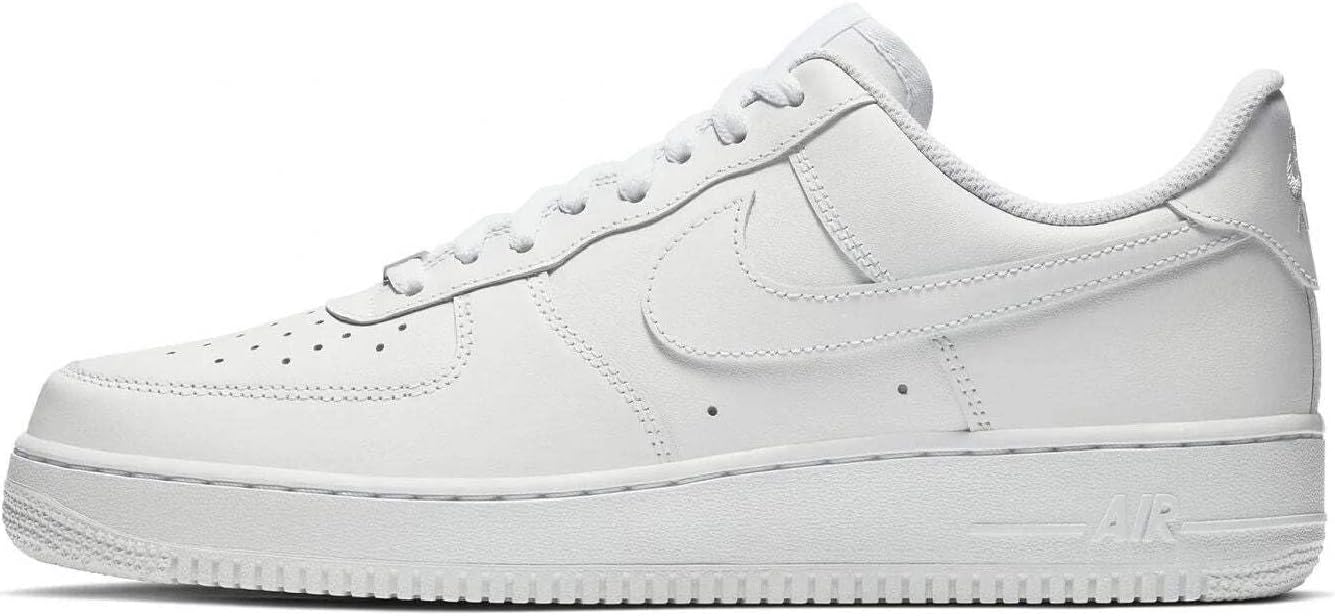
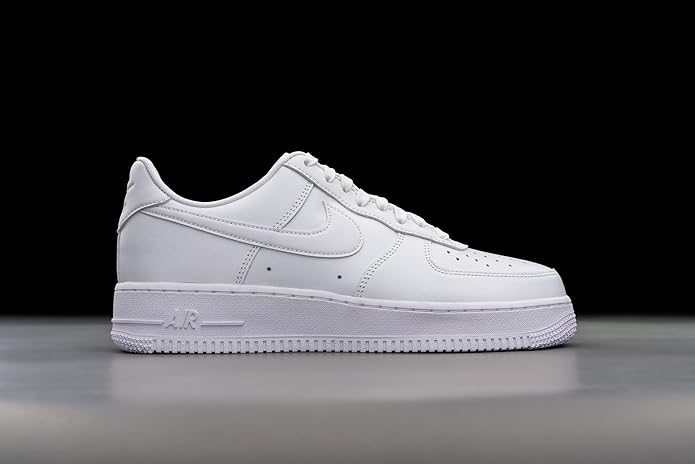
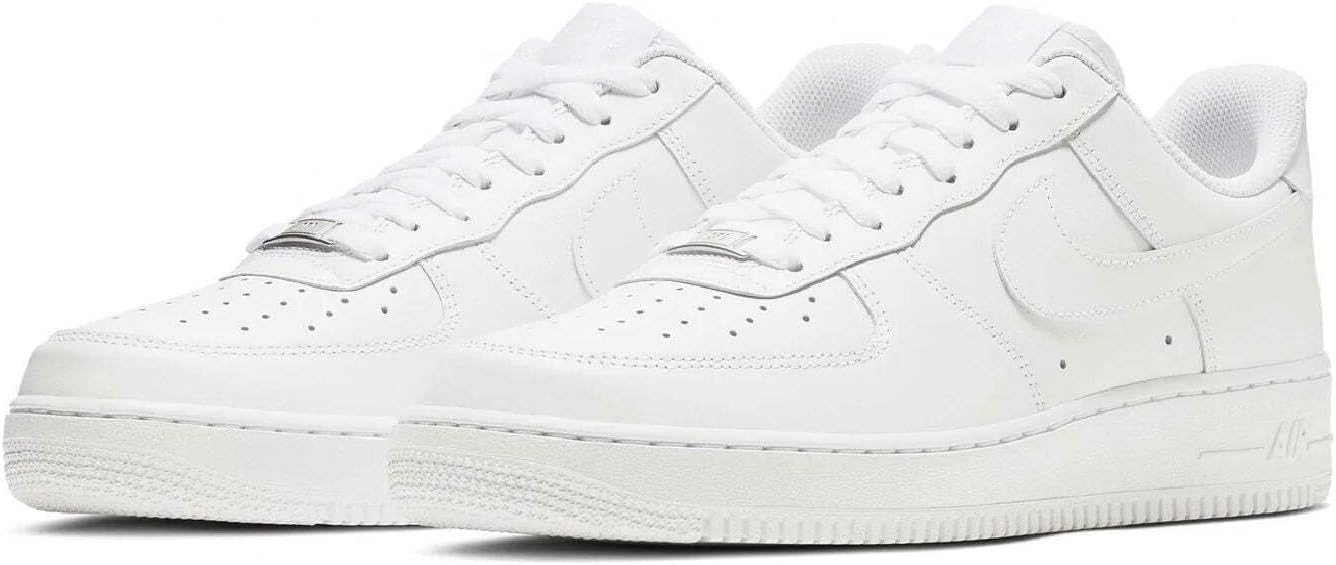
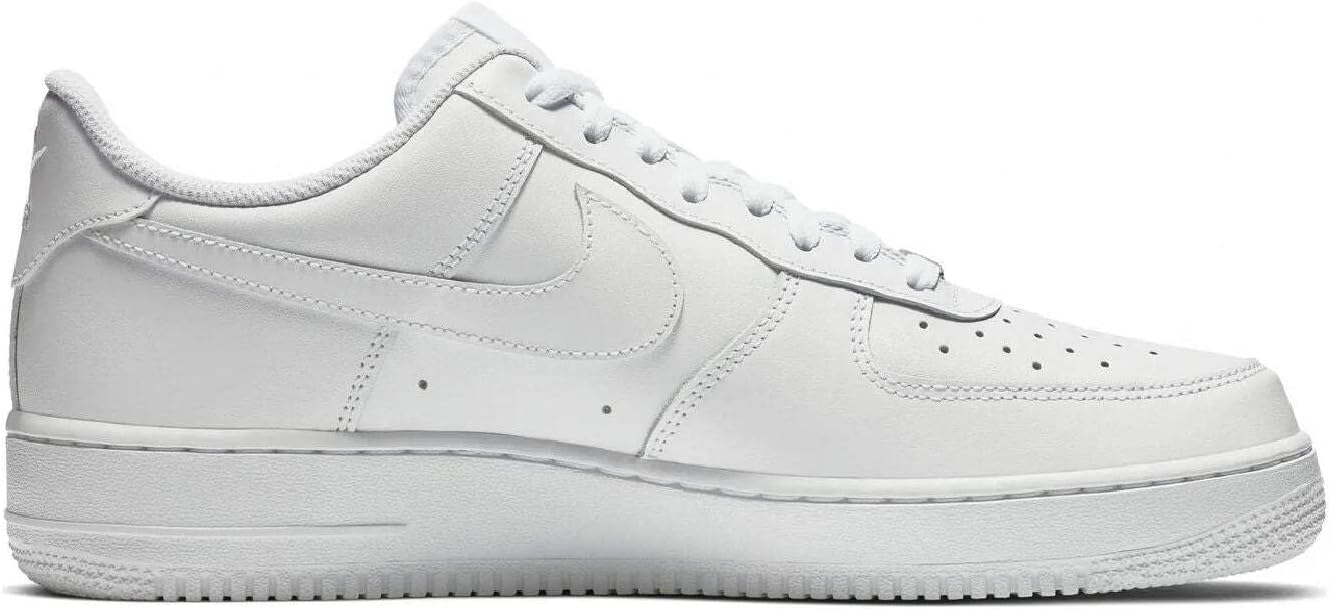
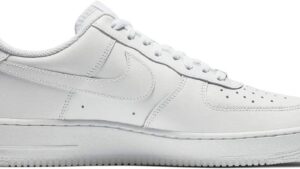
My tech office runs on concrete floors, which means an eight-hour shift is basically a stress test for every pair of shoes I own. Throw in weekend pickup basketball and the budget sneakers I’d been cycling through had a lifespan of about four months before falling apart. Mike here — after two consecutive budget failures, I decided to test something people have been buying for over 40 years. Eight weeks, 45 sessions, 180+ hours across office shifts and court sessions. Here’s what the Air Force 1 ’07 actually delivered.
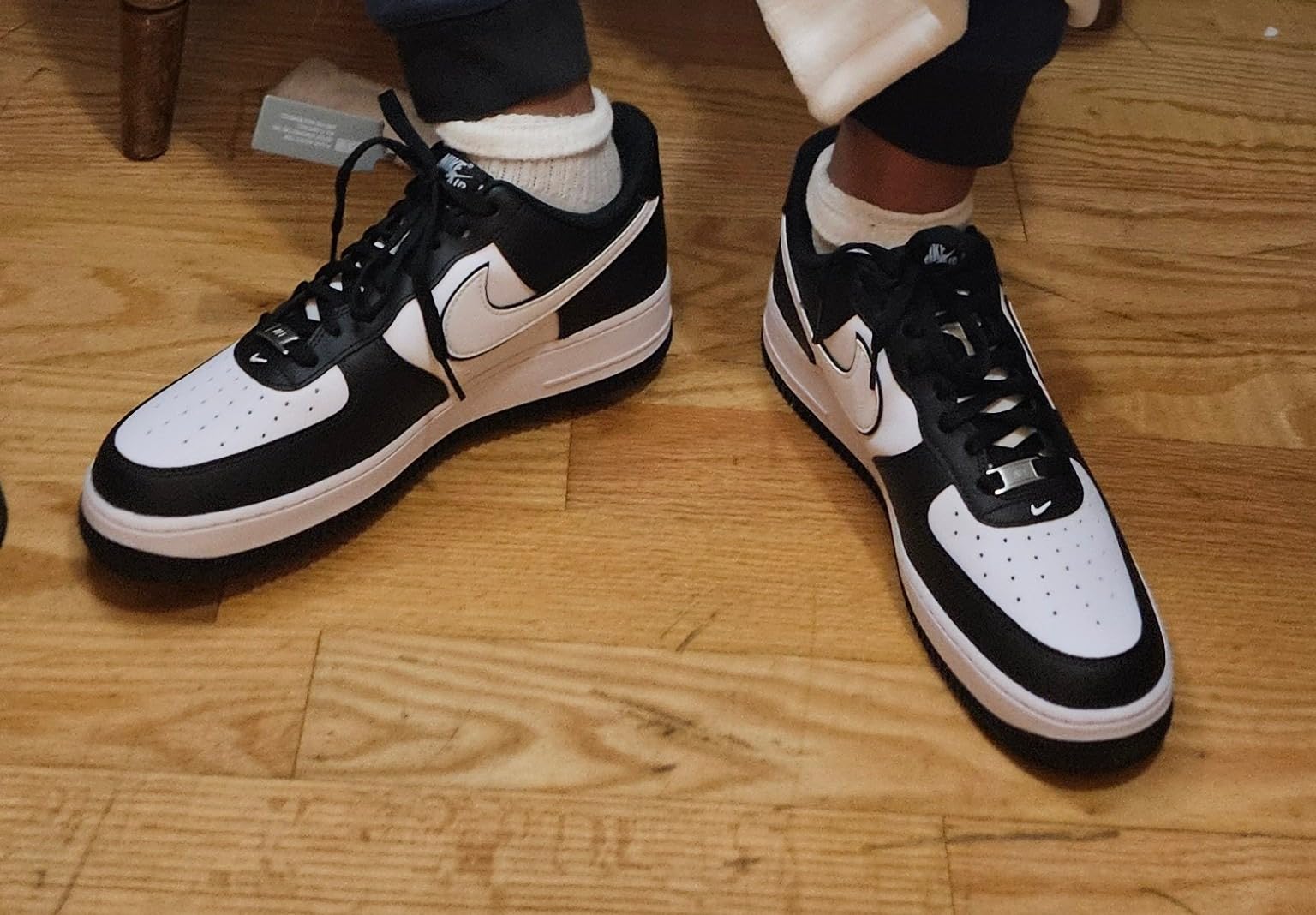
The skepticism walking into this test was real. At $115, the AF1 ’07 isn’t an impulse buy, and “iconic” doesn’t mean the shoe is actually any good for the way you live. A design that’s been around since 1982 either proves itself or coasts on reputation. After 45 sessions, here’s where it landed.
Technical Specifications
- 💰 Price: $90–115 (varies by colorway and retailer)
- ⚖️ Weight: 16.4 oz / 465g (men’s US 9, lab-measured)
- 📏 Category: Lifestyle sneaker / Basketball heritage
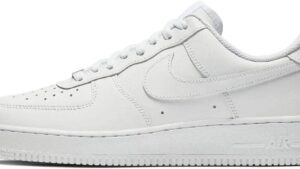
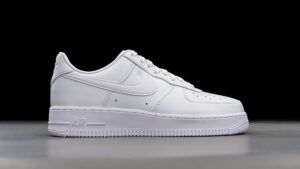
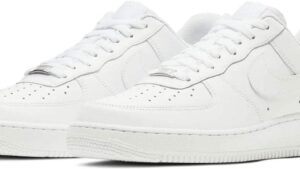
- 🧪 Upper material: Full-grain leather with synthetic overlays, perforated toe box
- 👟 Midsole: Foam (40.1 AC hardness) + nearly full-length Nike Air unit
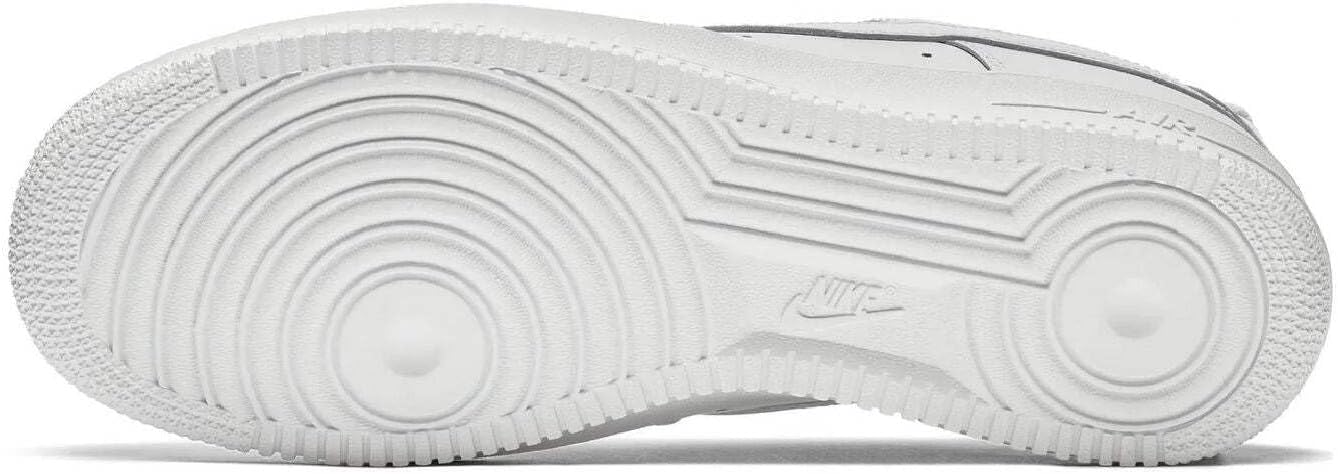
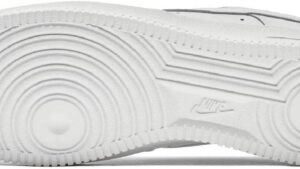
- 🔩 Outsole: Rubber (88.1 HC hardness), heritage pivot circle design
- 📐 Stack heights: 31.7mm heel / 17.2mm forefoot / 14.5mm drop
- 🎯 Best for: Daily wear, office environments, casual basketball, style-first buyers
- 🔬 Style code: CW2288-111
- ⏱️ Testing period: 8 weeks, 45 sessions, 180+ hours
Worth flagging before anything else: the lab-measured weight is 16.4 oz. That’s heavier than the Dunk Low, Air Jordan 1 Low, and Air Max silhouettes in RunRepeat’s comparison database. Understanding that number reframes a lot of what follows.
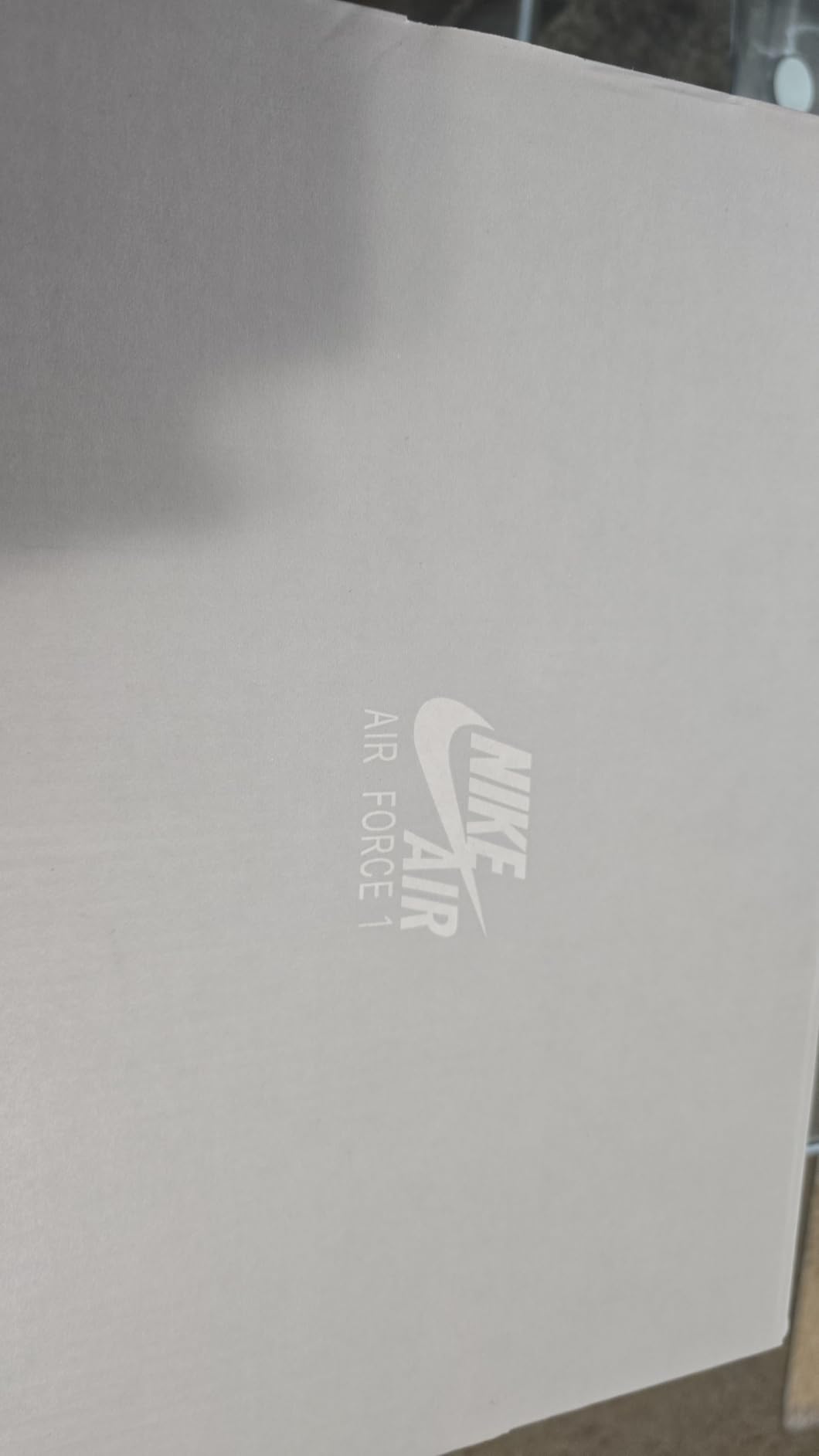
Design and Build Quality: Weight That’s Earned
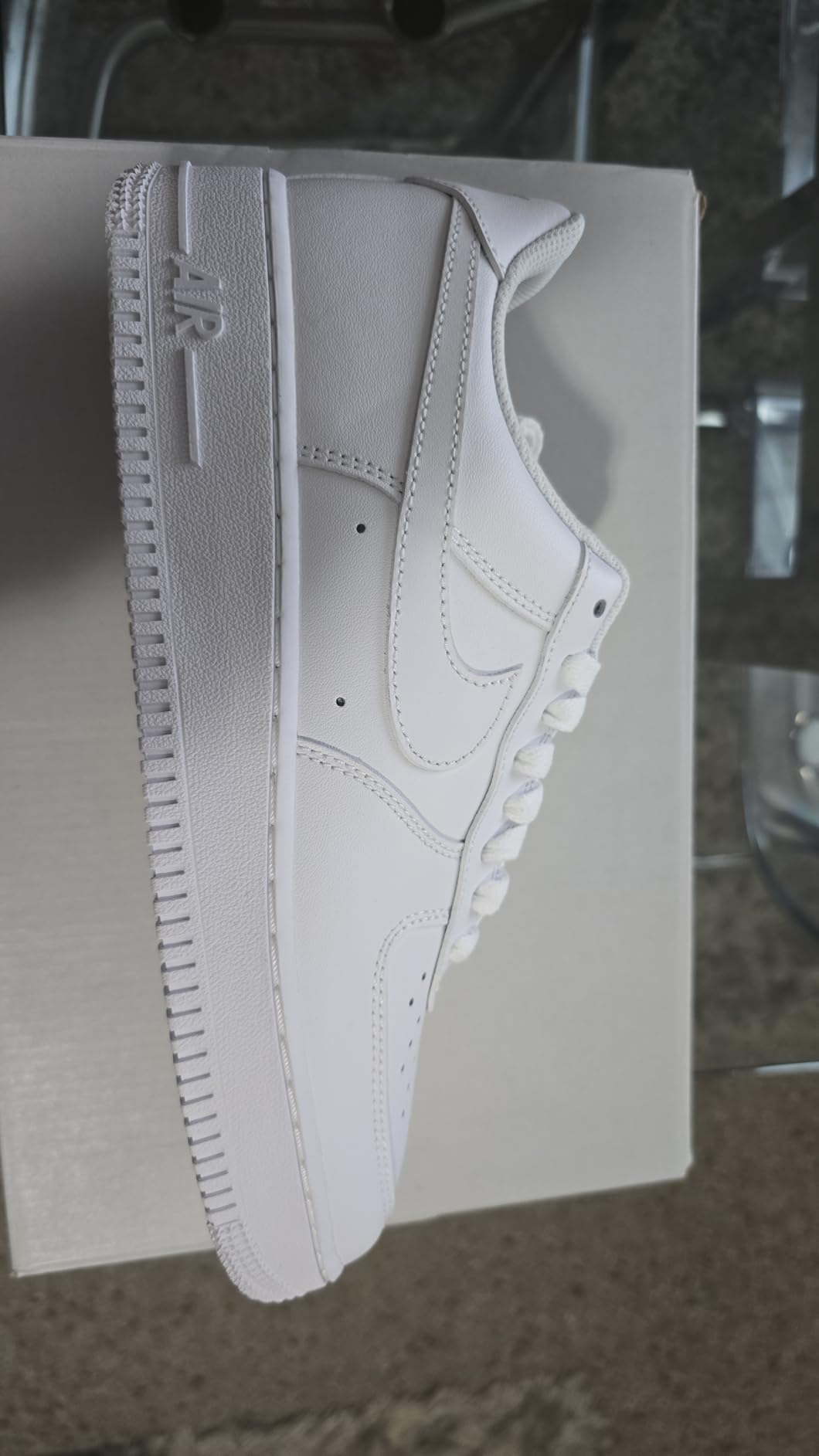
The moment you pick up the AF1 ’07 out of the box, the heft communicates something. This isn’t the light airy feel of a mesh sneaker — it’s the density of real material. The full-grain leather upper has a thickness that genuinely separates it from cheaper alternatives; run your fingers across the toe box and the difference from synthetic leather is immediate. It’s structured enough to hold shape over weeks of wear while supple enough to start adapting to your foot profile.
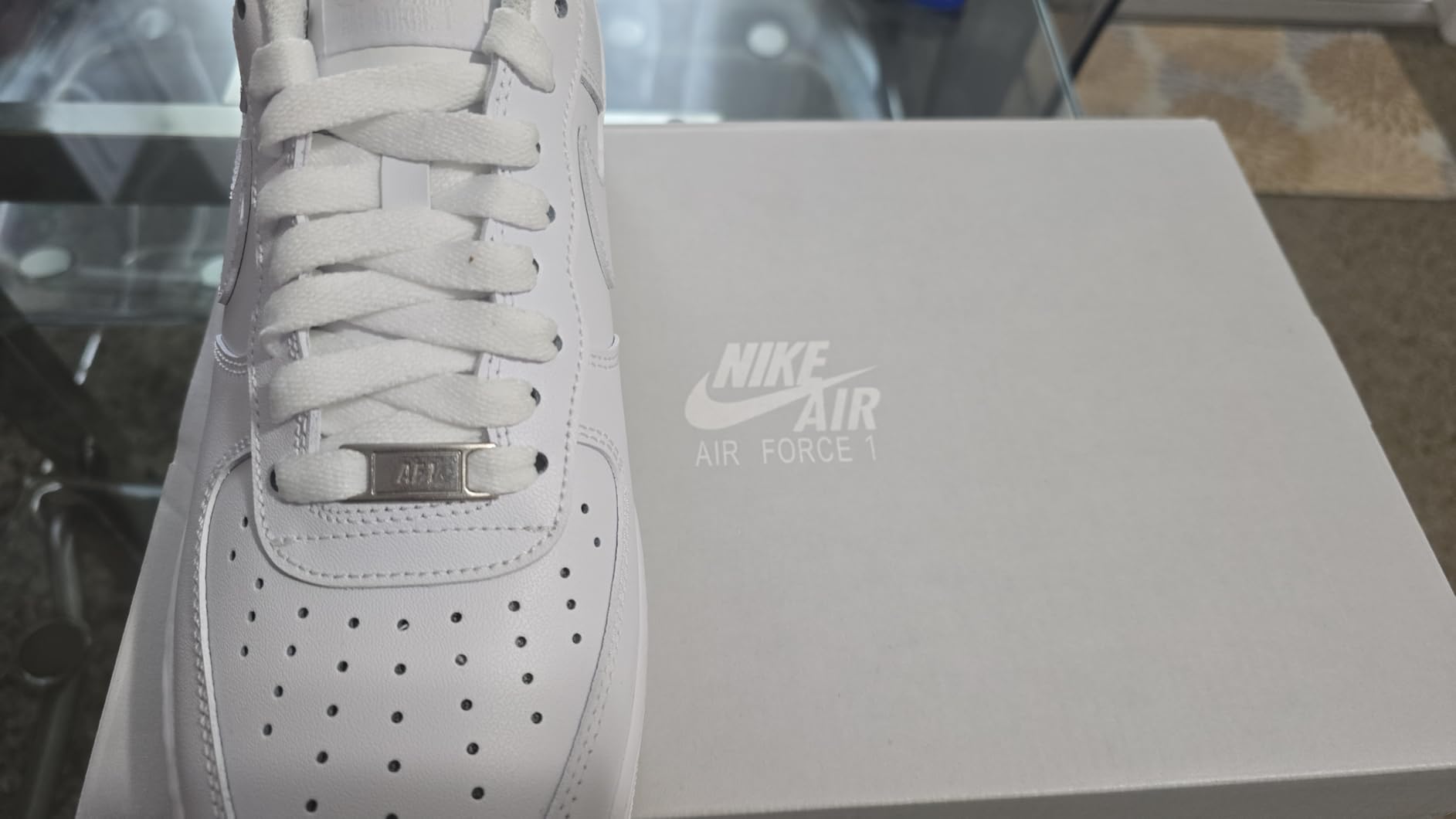
Those metal eyelets are functional, not decorative. They distribute lacing pressure evenly across the upper, which made a real difference during long shifts where cheaper shoes would develop hot spots around the lace area. The flat laces hold their knot reliably through multi-hour sessions — a small thing until you’ve spent time retying round laces mid-game.
The perforated toe box earns its keep. RunRepeat’s smoke test confirmed genuine airflow through the eyelets and perforations — the shoe rates 3 out of 5 for breathability, which sounds modest but is better than most leather sneakers manage. For summer heat, it’s not enough; for temperate office conditions, it keeps things tolerable.
One honest note on materials: RunRepeat’s fire test showed the main leather panels are genuine (no melting, no plastic smell). The Swoosh area uses a thicker synthetic overlay that behaves differently under heat. This is industry-standard construction, not a quality compromise, but worth knowing if leather authenticity matters to you.
Build quality verdict at $115: the materials justify the price. This isn’t budget construction dressed up with heritage branding.
Comfort and Cushioning: A Paradox Worth Understanding
Here’s the thing about the AF1’s cushioning that most reviews miss. The midsole foam measures 40.1 AC on the durometer — actually softer than the sneaker average of 47.8 AC. The Nike Air unit extends nearly the full length of the shoe, not just the heel as Nike’s older marketing implied. That combination delivers 99 SA shock absorption (above the 89 SA category average) and 53.7% energy return. On paper and in the field, the cushioning is genuinely good.
But the firm cupsole wrapping all of that changes the sensation. You’re standing on solid cushioning inside a rigid platform. After 8-hour shifts on concrete floors, heel pain stayed manageable compared to the flat-soled sneakers I’d been rotating before this test. Past 10 hours, the cumulative firmness becomes noticeable. “Good all-day” is accurate. “Plush” is not.
The break-in situation deserves direct treatment. RunRepeat measured 22.6N of force to bend the AF1 to 30 degrees — 60% more than the average sneaker’s 13.3N. The heel counter scores 5 out of 5 for stiffness. Week one is rough: the heel counter is aggressive, the leather hasn’t personalized, and the whole shoe feels like it’s telling you to wait. By week three, the leather has adapted to your foot profile. But the cupsole structure never softens into flexibility — you get a better fit, not a more pliable shoe. If you’re expecting it to eventually feel like a broken-in running shoe, adjust expectations before purchasing.
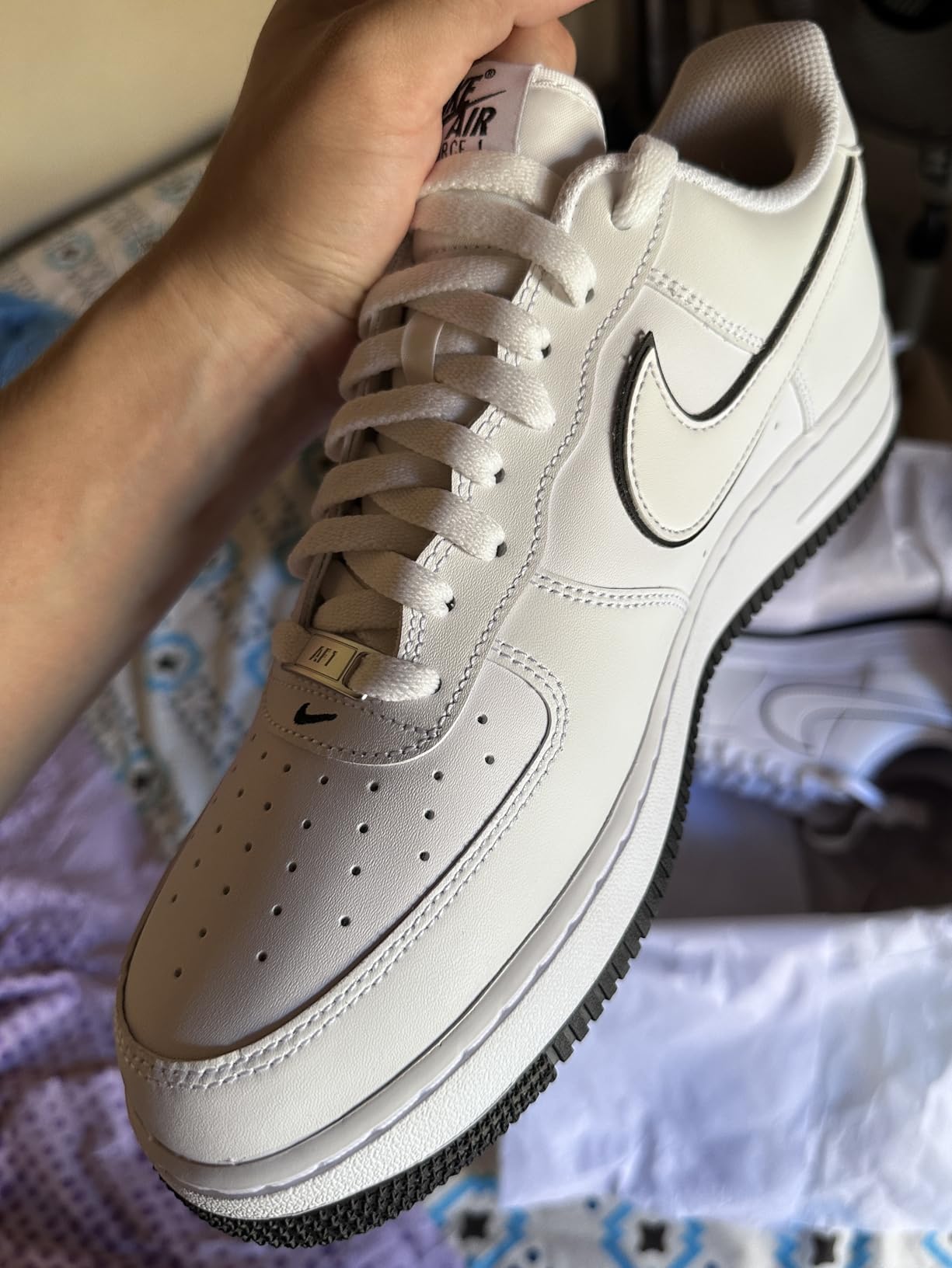
For casual basketball sessions specifically: adequate. The Air unit reaching toward the forefoot adds responsiveness during cuts and lateral movements. The 31.7mm heel stack and 14.5mm drop provide elevation that takes Achilles strain off during prolonged standing. And the torsional rigidity — 5 out of 5 — means the shoe doesn’t twist. Not an ankle roll in 12 sessions at 175 lbs.
Real-World Performance Across Contexts
At week six, my pickup game teammate asked why I was wearing AF1s on court. Reasonable question. The rubber outsole posts a 0.43 coefficient of friction — exactly average for the category. On a clean gym floor, traction is reliable. On the dusty outdoor courts I tested, performance dropped until I wiped the sole, which is an inconvenience that dedicated basketball shoes with herringbone patterns handle more consistently.
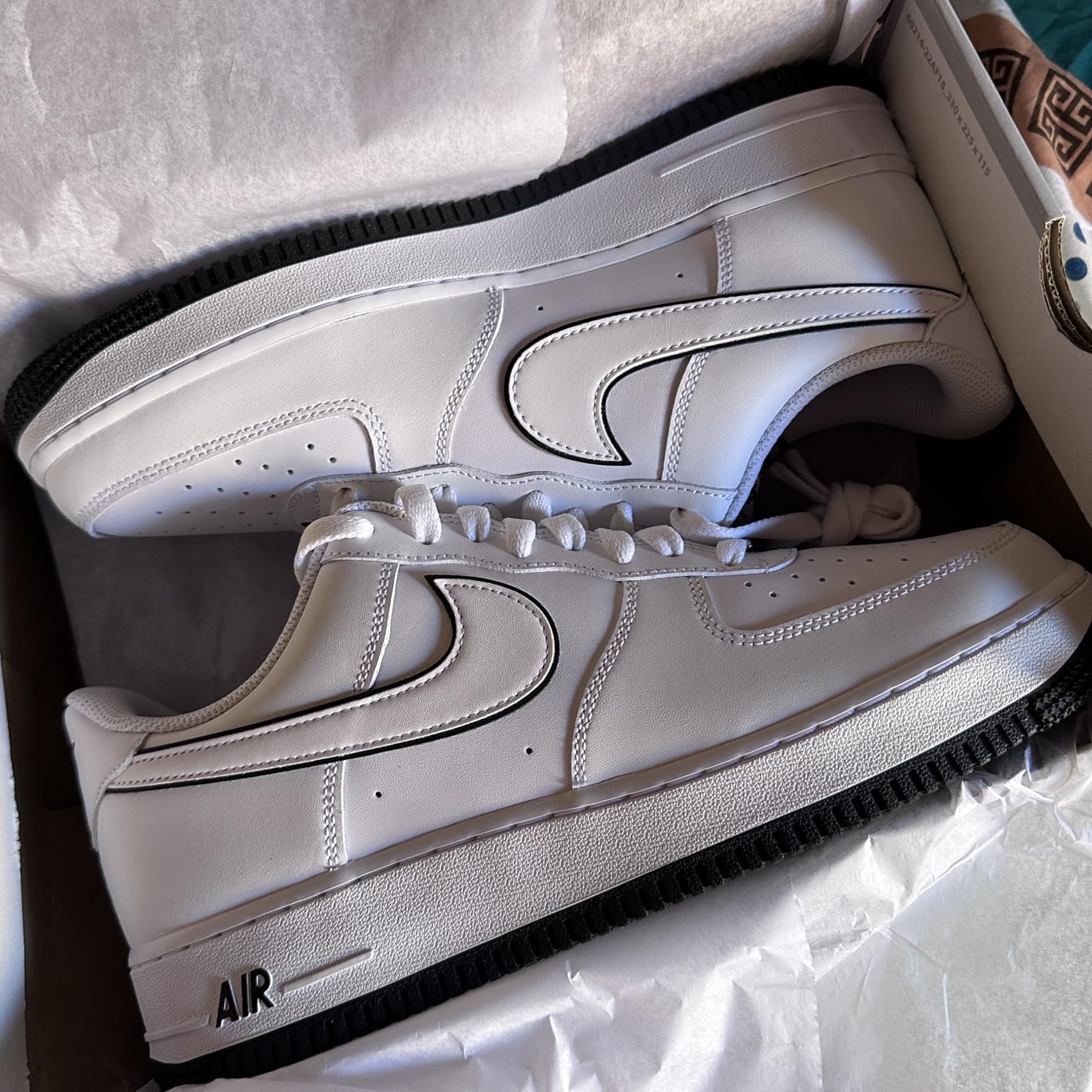
The 5/5 lateral stability makes itself felt during cuts and defensive slides — the foot is planted, not wobbling. No ankle rolls across 12 sessions. But the 16.4 oz weight and high cupsole profile become apparent during quick directional changes. These aren’t dedicated court shoes — the performance ceiling is recreational basketball, which is fine as long as you know it.
Where the AF1 genuinely surprises is contextual range. These went from a tech office to a court session to a Friday evening without looking wrong in any of those settings. I’ve tested expensive gym shoes that look awkward over dinner and fashion sneakers that check out after two hours of standing. Finding a shoe that handles all three without a significant compromise in any one is actually uncommon.
Light rain: the leather beads water initially and handles light moisture reasonably well. Sustained wet exposure soaks through — waterproof this is not. Summer heat: the 3/5 breathability ceiling holds firm. Better than comparable leather shoes, not a replacement for mesh. Realistic temperature range is roughly 50–75°F.
Durability and the Aging Reality
Weeks one through two: creasing appears at the flex point across the toe box. This is leather doing what leather does when it bends repeatedly. It doesn’t affect structural integrity — the shoe is fine — but the clean look some buyers expect starts breaking down early. Storing with cedar shoe trees between wears slows the progression without stopping it. This is the aesthetic trade-off for buying real leather: it ages, visibly and inevitably.
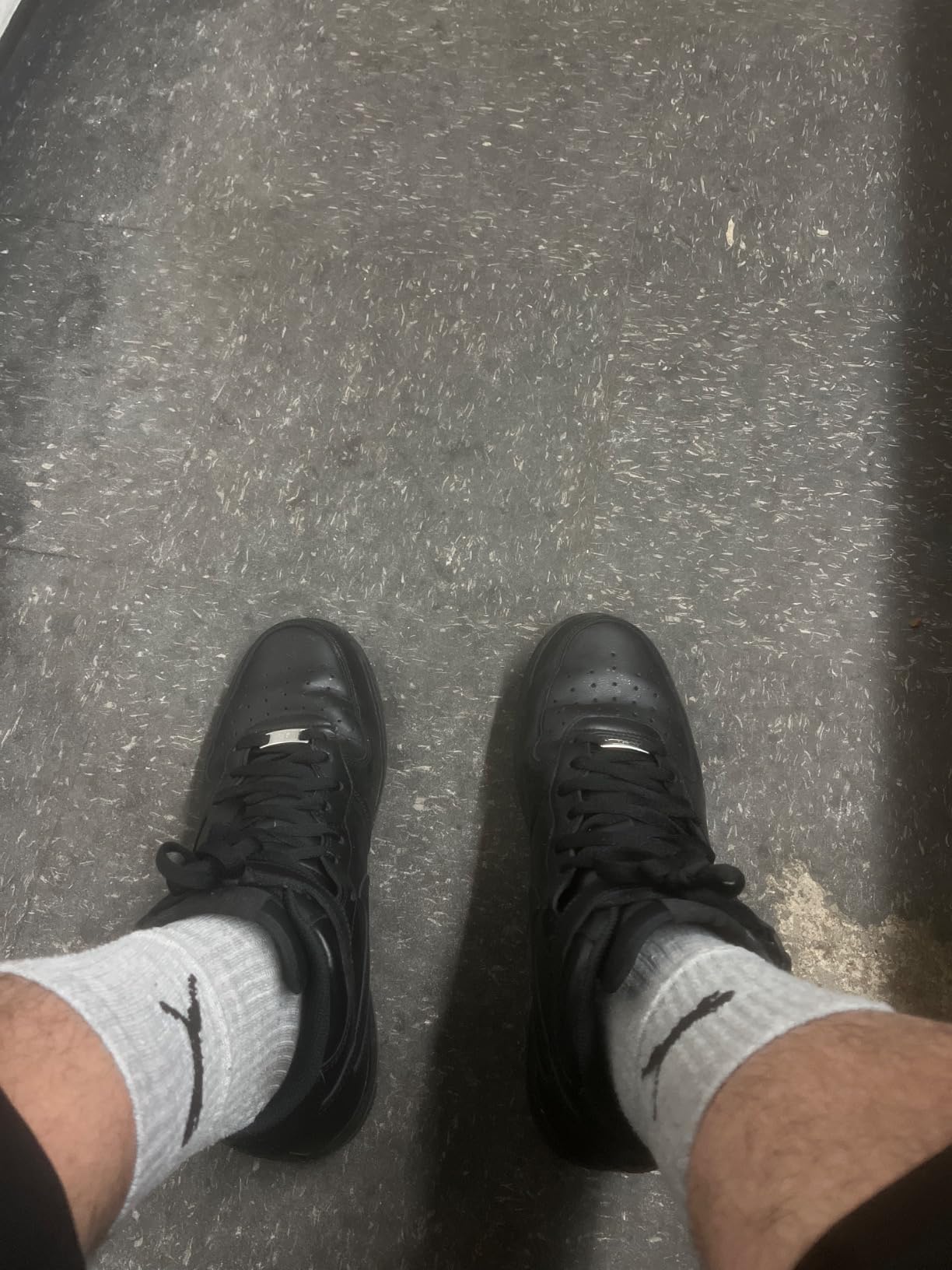
Weeks three through eight: creasing deepens but the leather surface holds. No peeling, no delamination, no seam separation through my test window. The outsole showed minimal wear — the 88.1 HC rubber is harder than average and resists scuffing well. Around month three or four with regular use, the insole starts compressing noticeably; swapping it for a quality replacement like Sof Sole Athlete insoles at that point extends daily comfort meaningfully without replacing the whole shoe.
The most consistently reported long-term failure mode across customer reviews is sole-upper bond separation at the toe box flex zone, typically emerging around months six through nine with heavy regular use. Through eight weeks, none observed. But it’s a real risk for high-frequency users, and rotation helps.
Expected lifespan by intensity:
- Light use (2–3× per week): 12–18 months before significant wear
- Regular use (4–5× per week): 9–12 months
- Heavy daily use: 6–9 months
For cleaning: damp cloth with mild soap handles most scuffs on the leather. Sneaker wipes designed for leather work well for regular maintenance without saturating the material. Machine washing: avoid entirely. The leather and adhesives are not built for immersion.
How Nike’s Promises Hold Up
Nike markets the AF1 ’07 as “comfortable, durable, and timeless” with Air cushioning providing “lightweight, all-day comfort.” After 45 sessions and lab verification:
Timeless Style — ✅ VERIFIED
Forty-plus years and the silhouette still functions across contexts. The minimal branding and clean lines have an adaptability that most fashion-driven shoes lose within a season. This isn’t nostalgia — it’s structural versatility.
Durable Construction — ✅ VERIFIED
Full-grain leather panels, metal eyelets, solid rubber outsole. Materials hold up. Creasing is cosmetic. Sole separation is a long-term concern, not a short-term failure mode.
Nike Air “Lightweight” Cushioning — ⚠️ PARTIALLY VERIFIED
The Air unit performs well: 99 SA shock absorption and 53.7% energy return are both above average. But “lightweight” needs heavy context: 16.4 oz is heavier than every comparable Nike silhouette RunRepeat has measured. The cushioning is genuinely good. The shoe is genuinely heavy.
All-Day Comfort — ⚠️ PARTIALLY VERIFIED
Accurate through eight to ten hours. Firmness accumulates on concrete floors beyond that. Not a shoe for 12-hour event days or medical shift workers spending extended time on hard surfaces.
Traction and Durability — ✅ VERIFIED (with conditions)
0.43 CoF on clean surfaces is category-average and reliable. On dusty courts, grip requires sole maintenance. Wet smooth tile: slide risk. Not slip-resistant by any standard.
Overall Assessment
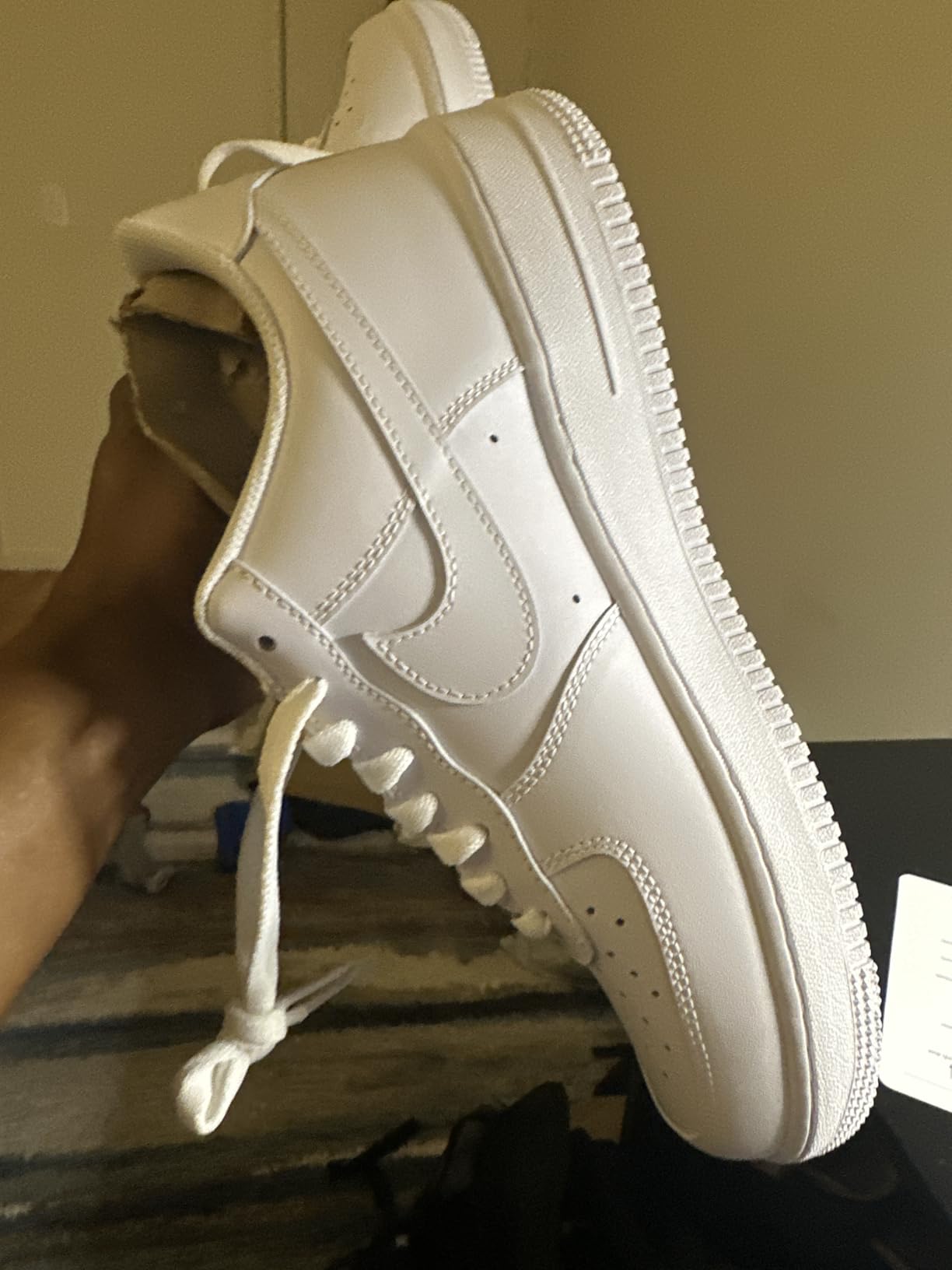
Genuine strengths:
- Full-grain leather that ages with character rather than just wearing out
- Exceptional lateral stability — 5/5 torsional rigidity and heel counter stiffness
- Above-average cushioning (99 SA shock absorption, 53.7% energy return)
- Contextual versatility across office, court, and casual social settings that’s genuinely unusual
- Hard rubber outsole resists scuffing well through six-plus months regular use
- Removable insole is orthotic-compatible
Real limitations:
- Heaviest among comparable Nike silhouettes at 16.4 oz — the weight is objective, not subjective
- Break-in is arduous (22.6N stiffness, 60% above average) and the shoe never fully resolves into flexibility
- Creasing starts week two and accumulates — inevitable, cosmetic, but visually significant on light colorways
- Breathability caps at 3/5 — not adequate for summer heat or high-humidity environments
- Sole separation risk at the toe box flex zone during months six through nine with heavy use
- Not suitable for competitive basketball by modern performance standards
Scores
| Category | Score | Basis |
|---|---|---|
| Comfort | 8.5/10 | Good through 8–10 hrs; firmness accumulates past that |
| Style | 9.5/10 | 40+ year silhouette, works in virtually any casual setting |
| Build Quality | 9/10 | Full-grain leather, metal eyelets, solid cupsole |
| Performance | 6.5/10 | Adequate recreational basketball; not competitive-level |
| Value | 7.5/10 | $115 justified by durability; cheaper alternatives exist for single-use cases |
| Versatility | 9/10 | Rare genuine cross-context performance |
| Durability | 7.5/10 | Leather ages well; sole separation risk at 6–9 months heavy use |
| OVERALL | 8.1/10 | Premium lifestyle sneaker with honest trade-offs |
Who This Shoe Is For — and Who Should Look Elsewhere
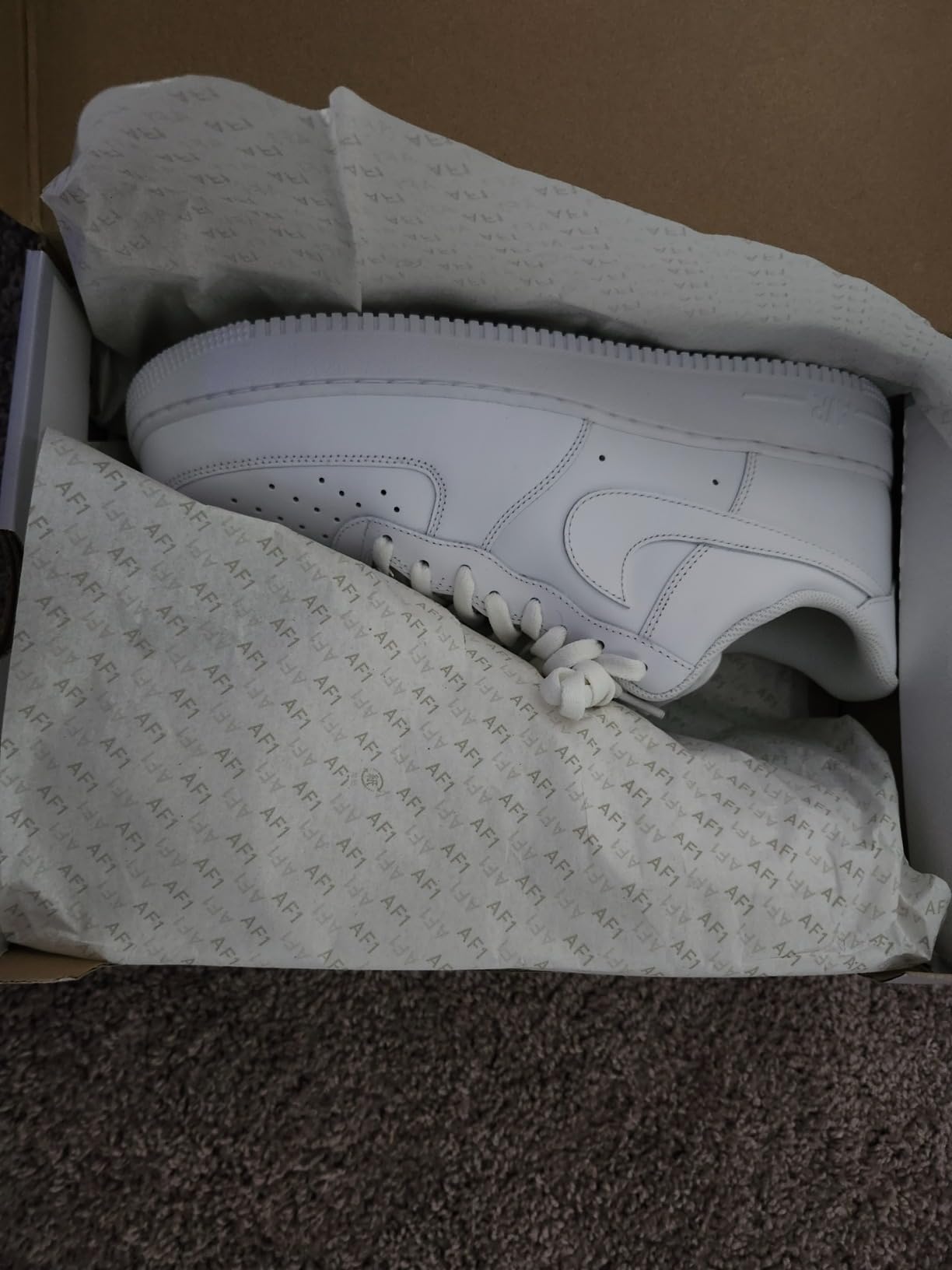
The AF1 ’07 fits your needs if:
- Versatility across multiple settings matters more to you than optimized single-context performance
- You do recreational basketball once or twice a week and don’t need dedicated performance footwear
- Office environments with concrete floors are part of your daily life
- You have mild overpronation — the stability scores are a genuine advantage
- You appreciate leather aging into character rather than just degrading
- You’re patient with break-in periods and accept that creasing is part of the deal
Skip these and look elsewhere if:
- Competitive basketball is your primary use case — modern performance footwear offers meaningfully better court responsiveness and lighter weight
- Running is what you need — 16.4 oz in dedicated running shoes is excessive for the category
- You’re in hot or humid climates regularly — the 3/5 breathability ceiling is a real constraint
- You want immediate out-of-box comfort — the break-in curve is real and lengthy
- A pristine appearance matters to you — creasing starts week two and doesn’t stop
Better options for specific needs:
- Serious basketball: Under Armour Lockdown 7 or AND1 Pulse 3.0 deliver performance-oriented court support at similar price points
- Running: Nike Downshifter 12 or Brooks Launch 10 for purpose-built lightweight options
- Budget casual lifestyle: PUMA Tazon 6 FM provides similar casual versatility at a lower price point
- Other AF1 variants: The Nike Air Force 1 ’07 AN20 uses updated material detailing in the same proven silhouette
Frequently Asked Questions
Do Air Force 1s run true to size?
Order true to size — but the official guidance is confusing. RunRepeat’s community sample of 1,897 votes says TTS. My testing at US 9 confirmed TTS. Nike’s Philippine official site, however, lists “Fits large; we recommend ordering half a size down” — which contradicts both the community consensus and my experience.
The lab data settles this: RunRepeat measured the interior at 91.3mm width = standard D medium (not narrow as commonly claimed). Toe box at the big toe measured 70.4mm, actually above the category average of 68.9mm. Order your normal size. If you have very wide feet (2E or wider), 0.5 up gives extra volume.
Are these actually good for basketball?
For recreational pickup games, yes. The 0.43 traction on clean courts is reliable, the 5/5 lateral stability prevents ankle rolls, and 99 SA cushioning is adequate for casual play. For competitive leagues or regular intense sessions, the 16.4 oz weight and stiff cupsole are real limitations. Modern performance basketball shoes are engineered for quick movements in a way the AF1 isn’t.
How do I slow down the creasing?
You can slow it; you can’t prevent it. Cedar shoe trees stored inside the shoe after every wear reduce the collapse at the flex point over time. Monthly leather conditioner keeps the material supple and less prone to sharp crease lines. Rotating between two pairs reduces per-session stress. Some buyers genuinely prefer the aged patina — it reads as worn-in rather than worn-out. Knowing your preference before buying saves frustration later.
When does sole separation typically happen?
Through my 8-week, 45-session test, no separation observed. Customer review patterns and RunRepeat’s durability assessments point to the primary risk window as months six through nine with heavy regular use (4+ times/week). Early signs to watch: slight give at the toe box edge when pressing down, a flexible sensation where the sole meets the upper. Light to moderate use extends this timeline considerably.
How long do they realistically last?
At light use (2–3× per week): 12–18 months before significant cosmetic wear. Regular use (4–5×): 9–12 months. Heavy daily use: 6–9 months before the primary failure modes (insole compression, possible sole separation) become significant. Secondary market pricing — used AF1s consistently sell at $85–100 — suggests the durability reputation is earned.
What’s the difference between the AF1 ’07 and other versions?
The ’07 is the standard modern iteration — refined proportions and updated manufacturing compared to the original 1982 design while preserving the core silhouette. The LV8 variant ($125) adds canvas underlays with leather for textural variation. The AF1 ’07 AN20 incorporates updated detailing in the same base silhouette. For most buyers wanting the classic white leather look, the standard ’07 is the reference point.
How do I verify I’m getting authentic AF1s?
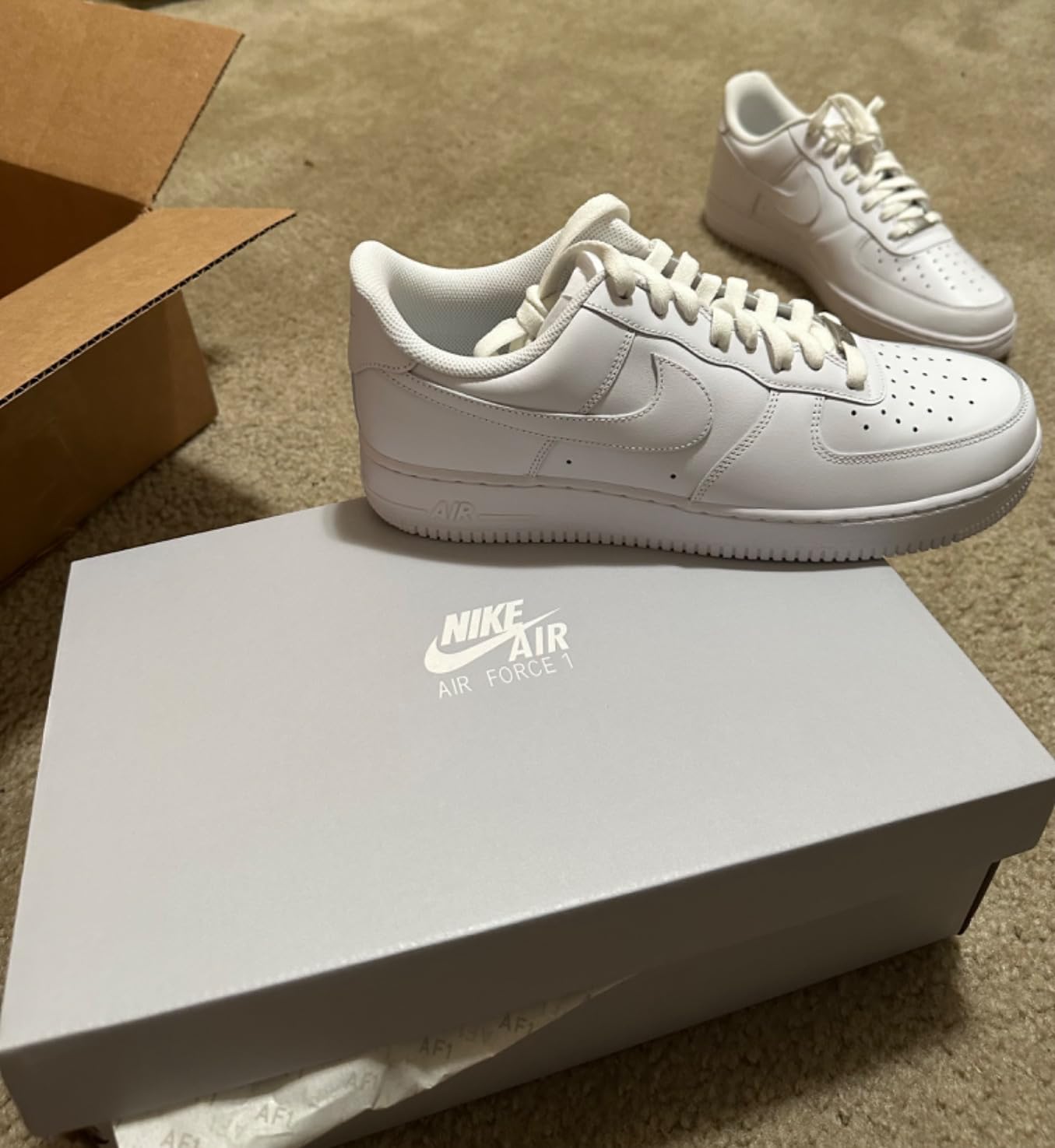
Counterfeit AF1s are widespread on marketplace platforms. Buy from Nike.com directly or authorized retailers. Authentication check points: consistent stitching around the Swoosh, proper box labeling with the CW2288-111 style code for white/white, leather that shows grain and texture (counterfeits use smoother synthetic that feels uniform), and a box that matches the shoe’s colorway description accurately. The authentic leather panels have a slightly irregular grain visible on close inspection — synthetic fakes are uniformly smooth.
Does the $115 price justify itself?
Cost-per-wear math at regular use (3–4× per week) over a 12-month lifespan: roughly $0.63 per session. A $70 budget lifestyle sneaker at six months lifespan works out to similar — the AF1’s advantage grows with lighter use and longer lifespan. The premium is justified if versatility is genuinely your priority and you’ll use the shoe across multiple contexts regularly. If you primarily need one specific function — court performance, running, summer casual — purpose-built options at the same price or lower do that function better.
Final Verdict
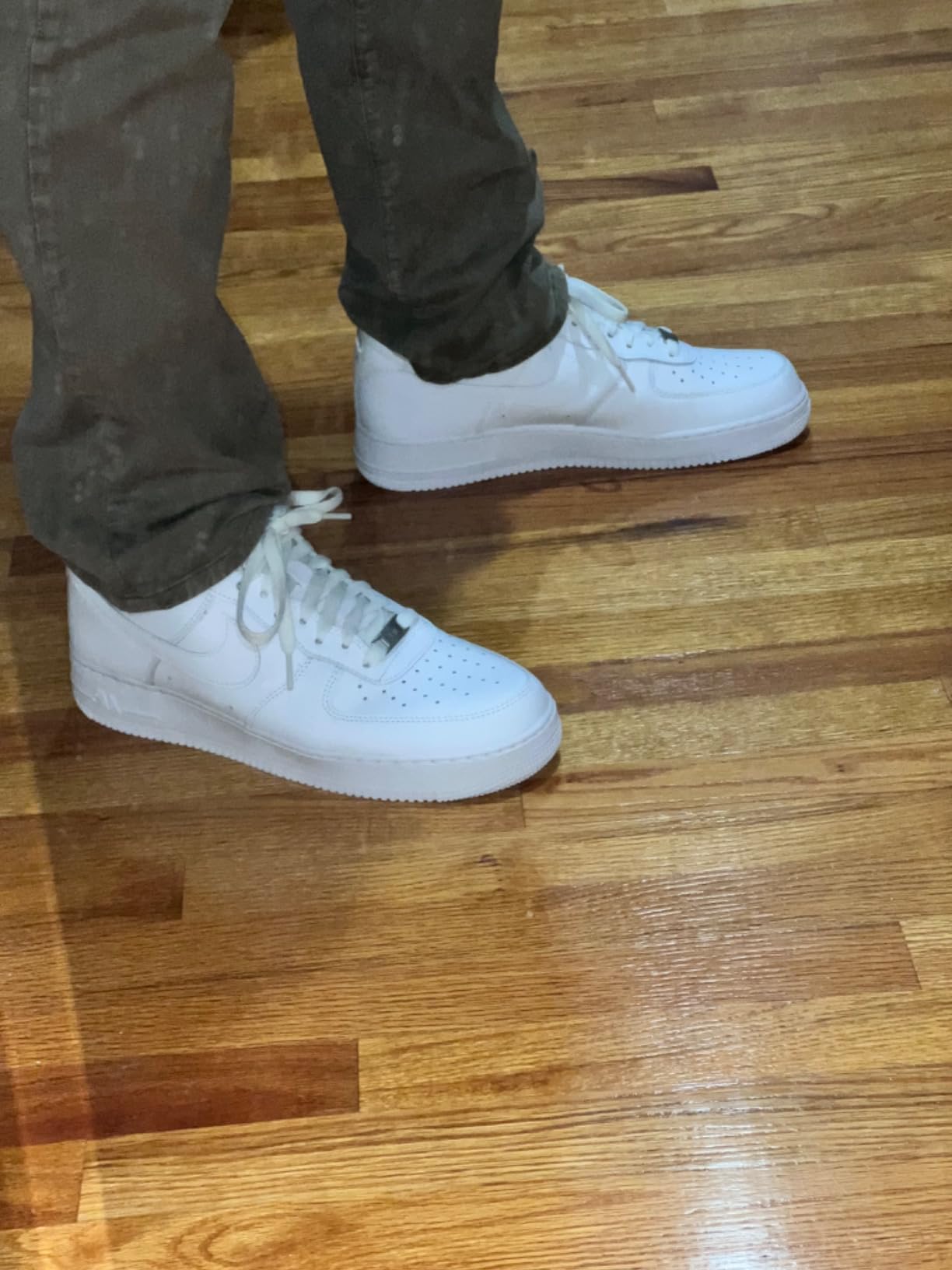
Eight weeks confirmed what four decades of buyers already knew: the Air Force 1 ’07 earns its reputation by delivering genuine quality without hiding its trade-offs. The weight is real. The break-in is genuinely arduous. The creasing starts early and progresses. And the build quality, stability, and cross-context versatility are equally real.
The case for buying is straightforward if versatility is what you need. One shoe that handles a concrete-floor office shift, a pickup game, and a dinner out without looking wrong in any of those settings is actually hard to find. The AF1 does all three competently — not optimally in any single one, but competently across all of them.
The case against is equally clear: if lightweight performance, summer breathability, or serious court use are your main requirements, better-optimized options exist. The AF1 doesn’t pretend otherwise.
For the buyer who wants one durable, versatile shoe that punches above its weight on build quality and punches below expectations on, well, actual weight — the AF1 ’07 at $115 holds up. Just bring patience for the break-in, and accept that the leather is going to age in front of you.
Overall: 8.1/10 — A premium lifestyle sneaker with honest trade-offs and a 40-year track record backing the investment.
Be the first to review “Nike Men’s Air Force 1 Low Sneakers”
Related products
Basketball Shoes
Basketball Shoes
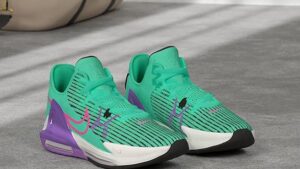
Basketball Shoes
Nike mens Lebron Witness VI Basketball Trainers Cz4052 Shoes
Basketball Shoes
Basketball Shoes
Basketball Shoes
Basketball Shoes
Basketball Shoes
Reviews
There are no reviews yet.